

Tech & Innovation
The biggest threat to African lions isn’t foreign hunters—it’s African peopleStill upset about Cecil the lion? Maybe you should just skip this story.
Updated July 21, 20223 min read
Still upset about Cecil the lion? Maybe you should just skip this story.
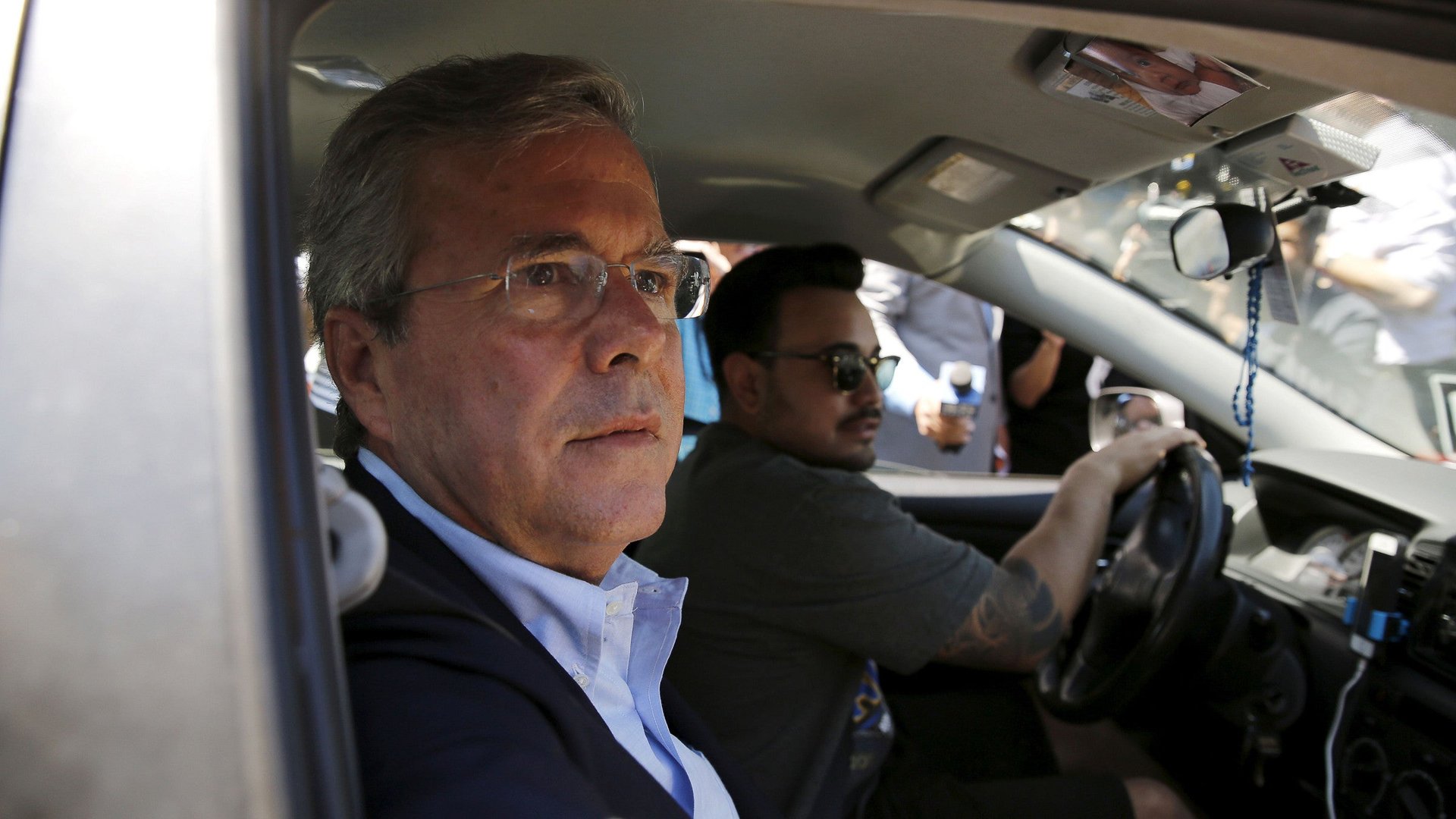
Uber’s regulatory challenges in cities the world over have involved battles over the company’s impact on street-hail cabs, its contribution to traffic congestion, and its treatment of drivers. But perhaps no issue is more potent than one that’s still on the docket in many jurisdictions: passenger safety.
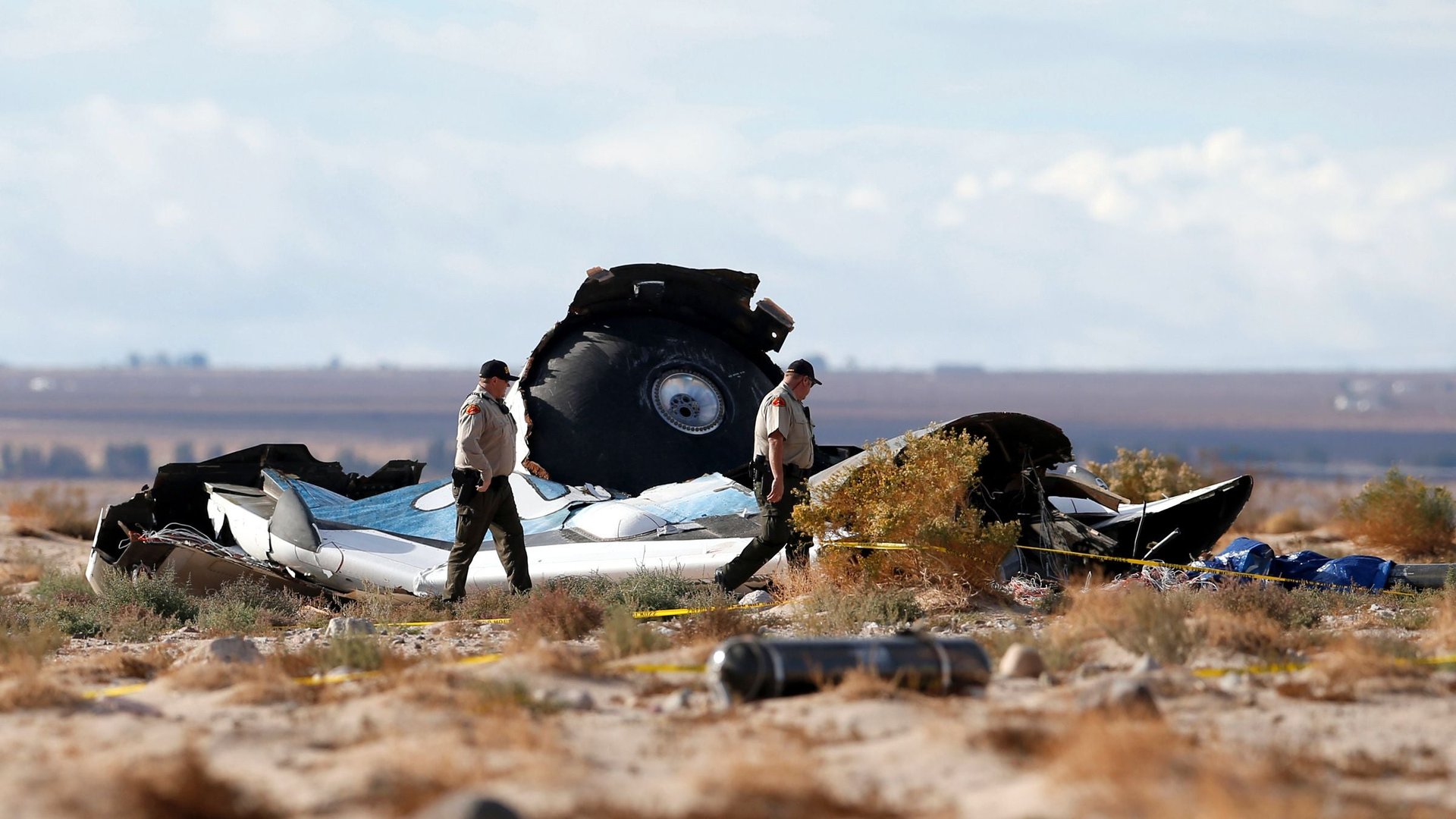
The brash promises of Richard Branson’s space tourism company Virgin Galactic met reality in the plain confines of a bureaucratic committee room in Washington DC.

I accidentally had a seat at the table when Gawker Media, the internet’s own left-wing tabloid, entered its latest phase of anguished growing-pains.
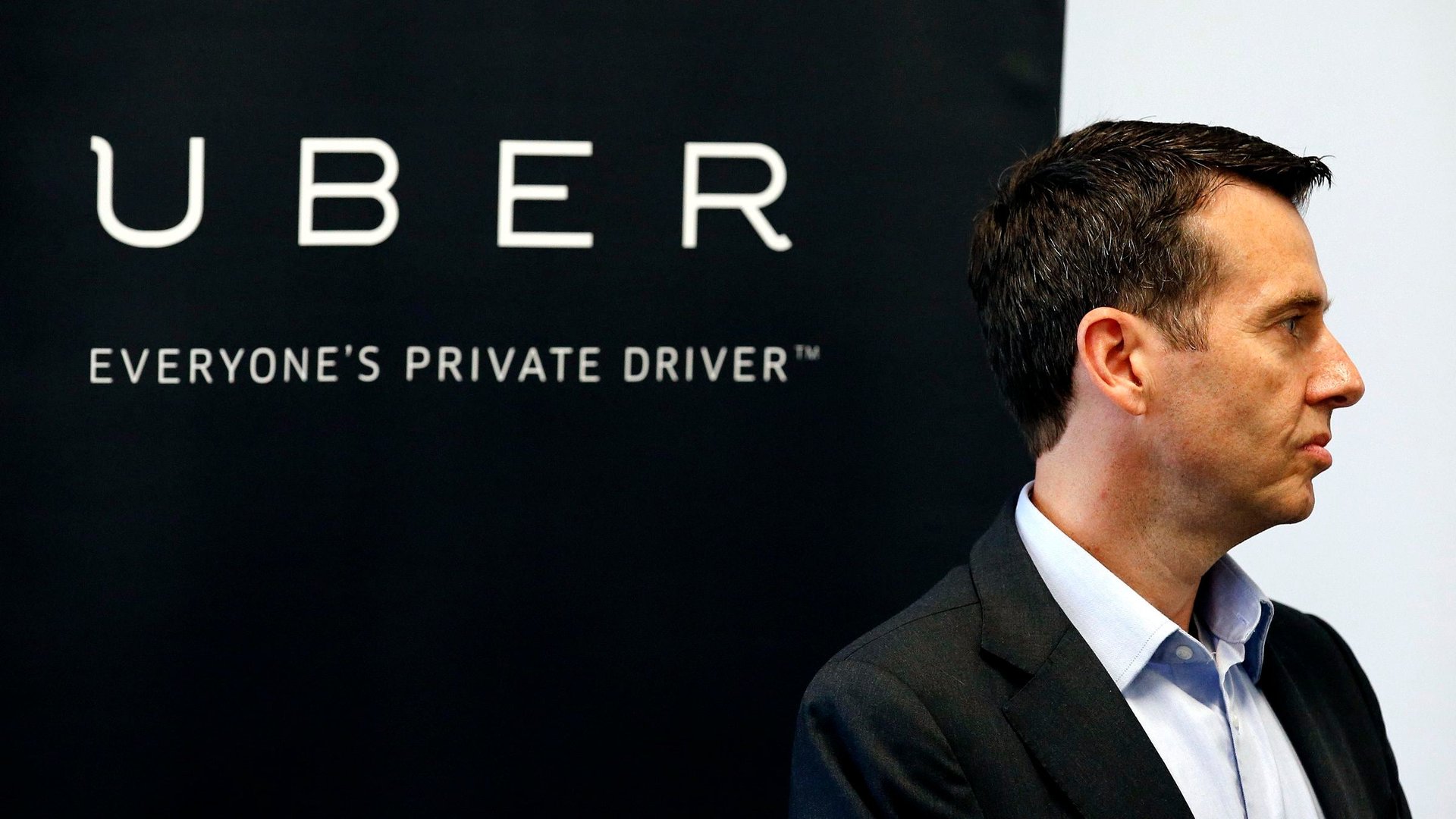
After Uber cowed New York City Mayor Bill de Blasio—at least for now—the methods it used to effect this political turnaround have come under scrutiny.
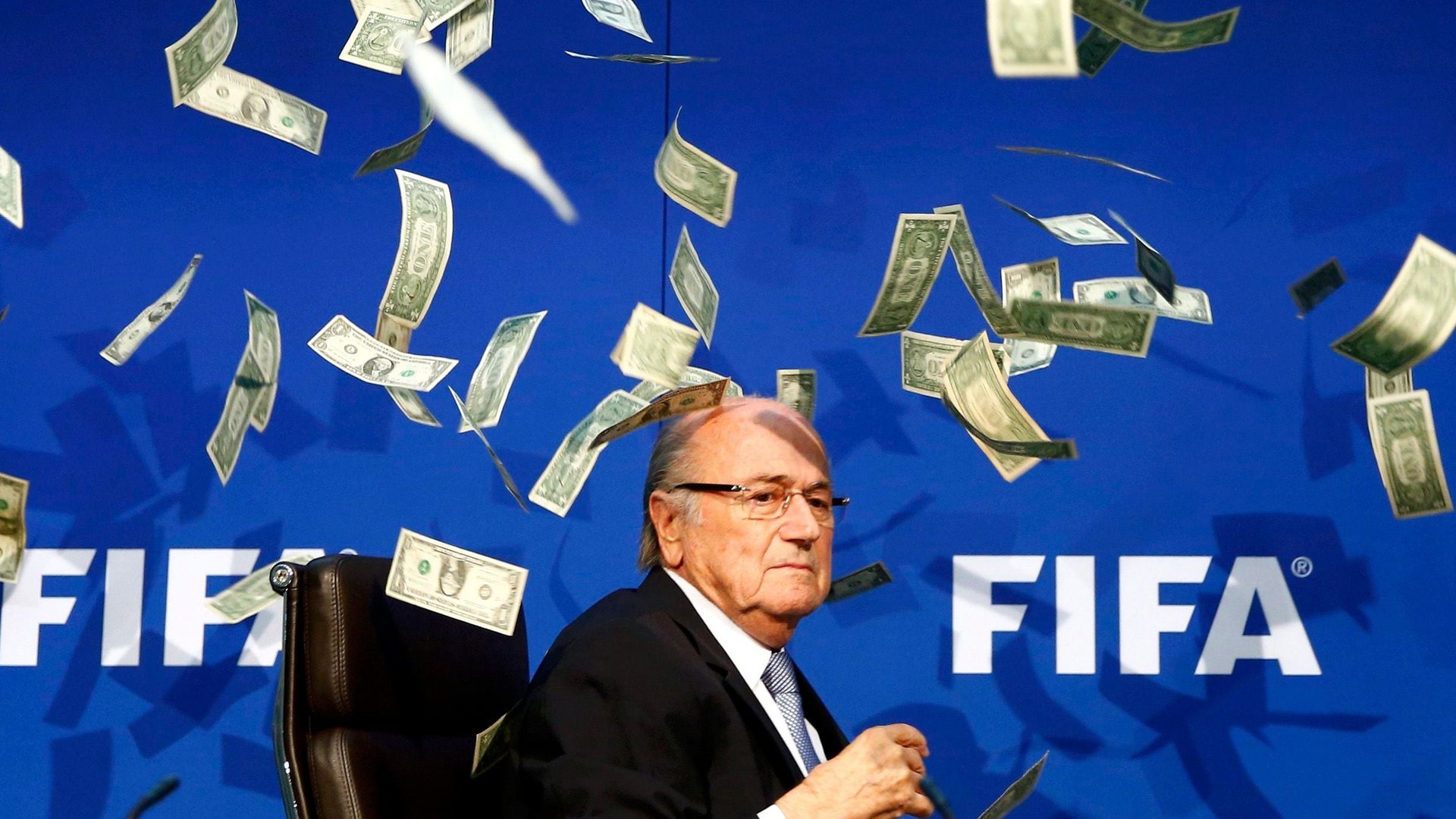
Two of the biggest World Cup sponsors are finally putting pressure on FIFA, the global soccer authority that runs the tournament, to reform its governance.
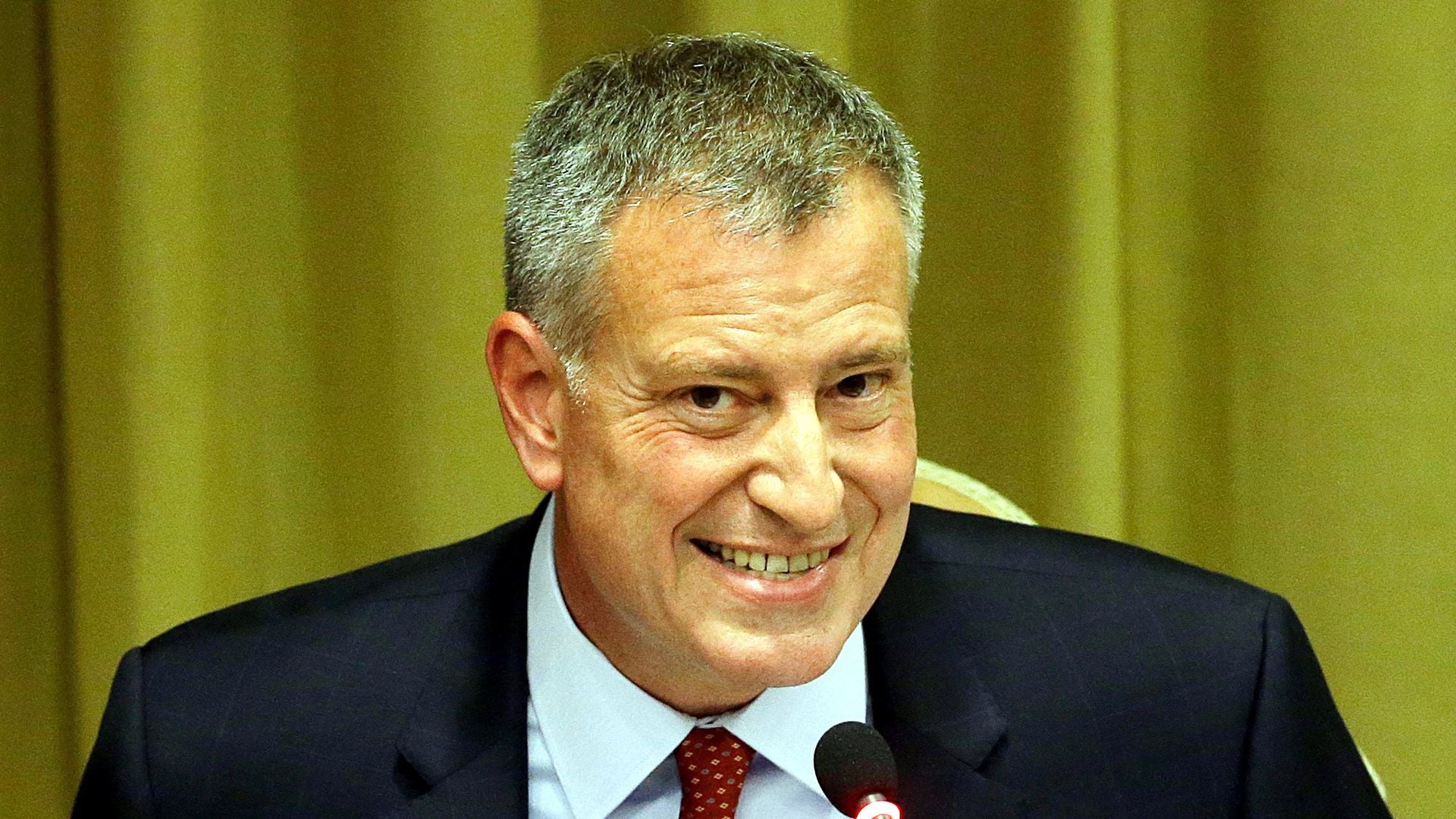
Bill De Blasio and Uber have struck a deal, with the New York City mayor backing down from threats to cap the company’s growth. But Uber’s victory in the largest city in the US may only be a temporary respite.
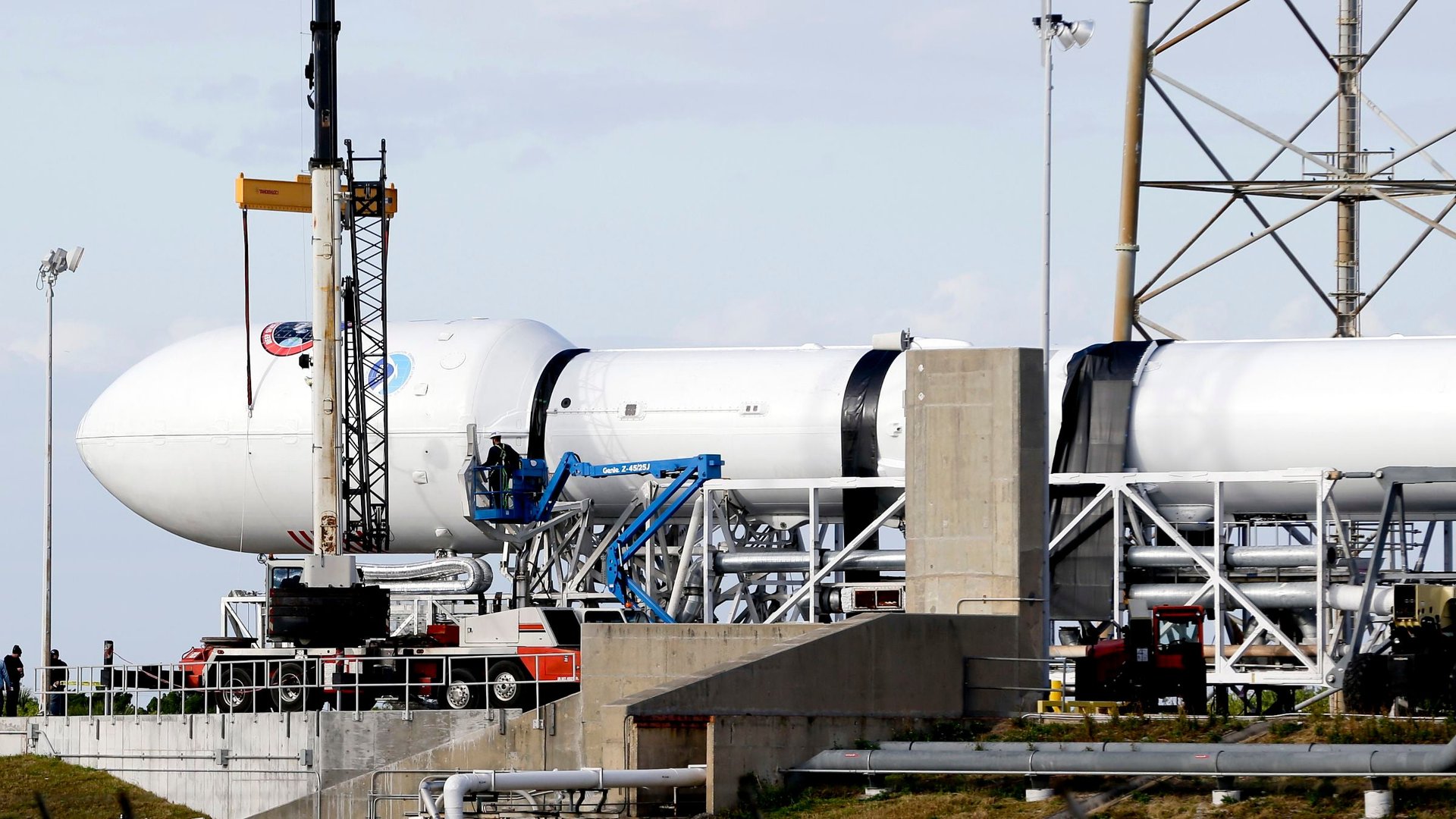
Intelsat has asked US telecom regulators to reveal confidential parts of SpaceX’s application to fly experimental internet satellites, citing fears of orbital gridlock.
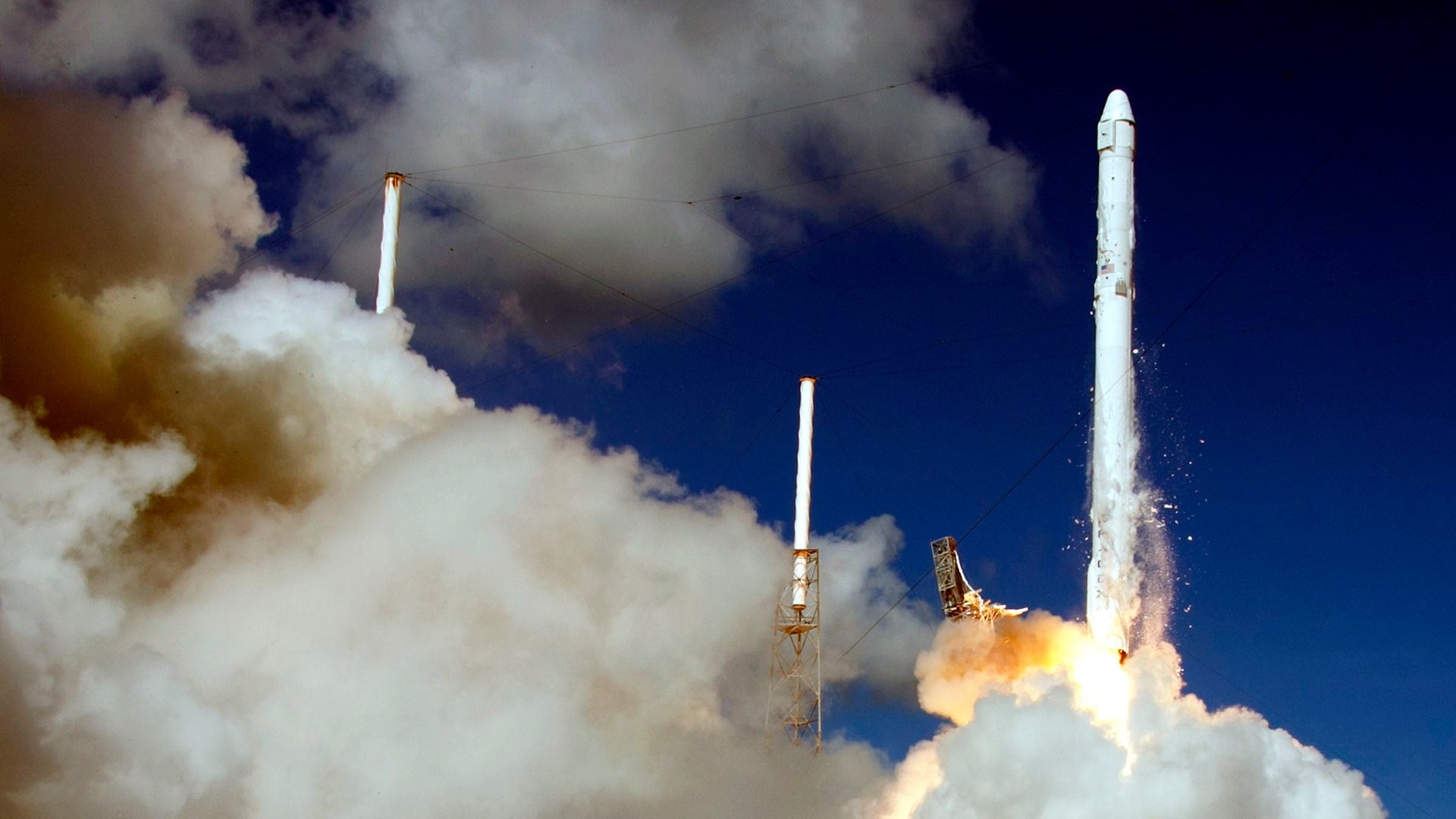
A steel strut holding a helium bottle inside a SpaceX Falcon 9 rocket snapped during flight, setting off a chain reaction that destroyed the rocket, the company’s CEO and chief rocket designer Elon Musk said.
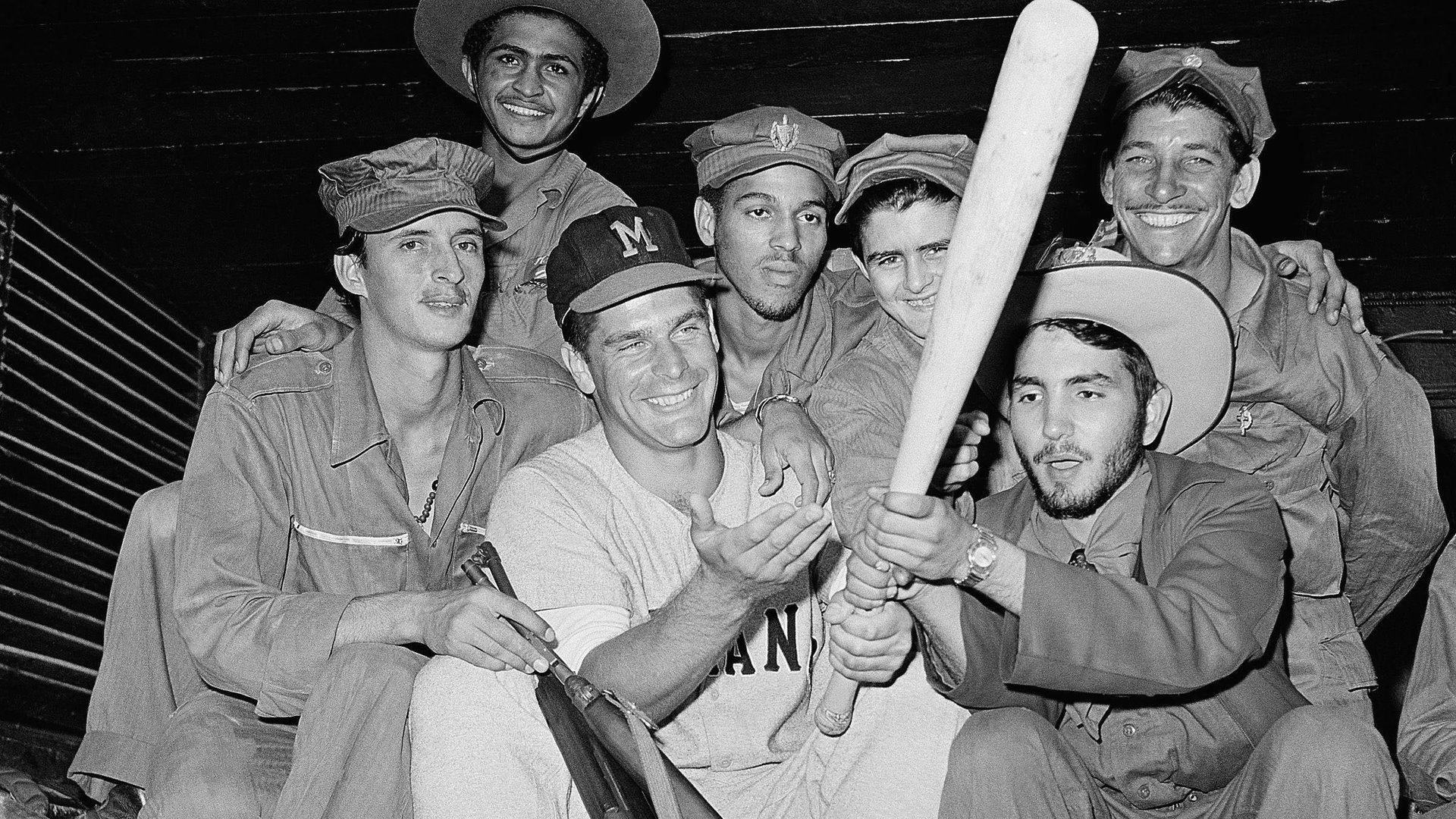
Today, the US and Cuban governments will re-open their embassies in each other’s countries, formally establishing diplomatic relations that have waned since the 1959 Cuban revolution and subsequent US embargo.

This is the last in a series of four dispatches this week on the US-Cuba opening.

New Yorkers using Uber today (July 16) found a new option among the car service’s offerings—named after New York’s mayor, Bill de Blasio:
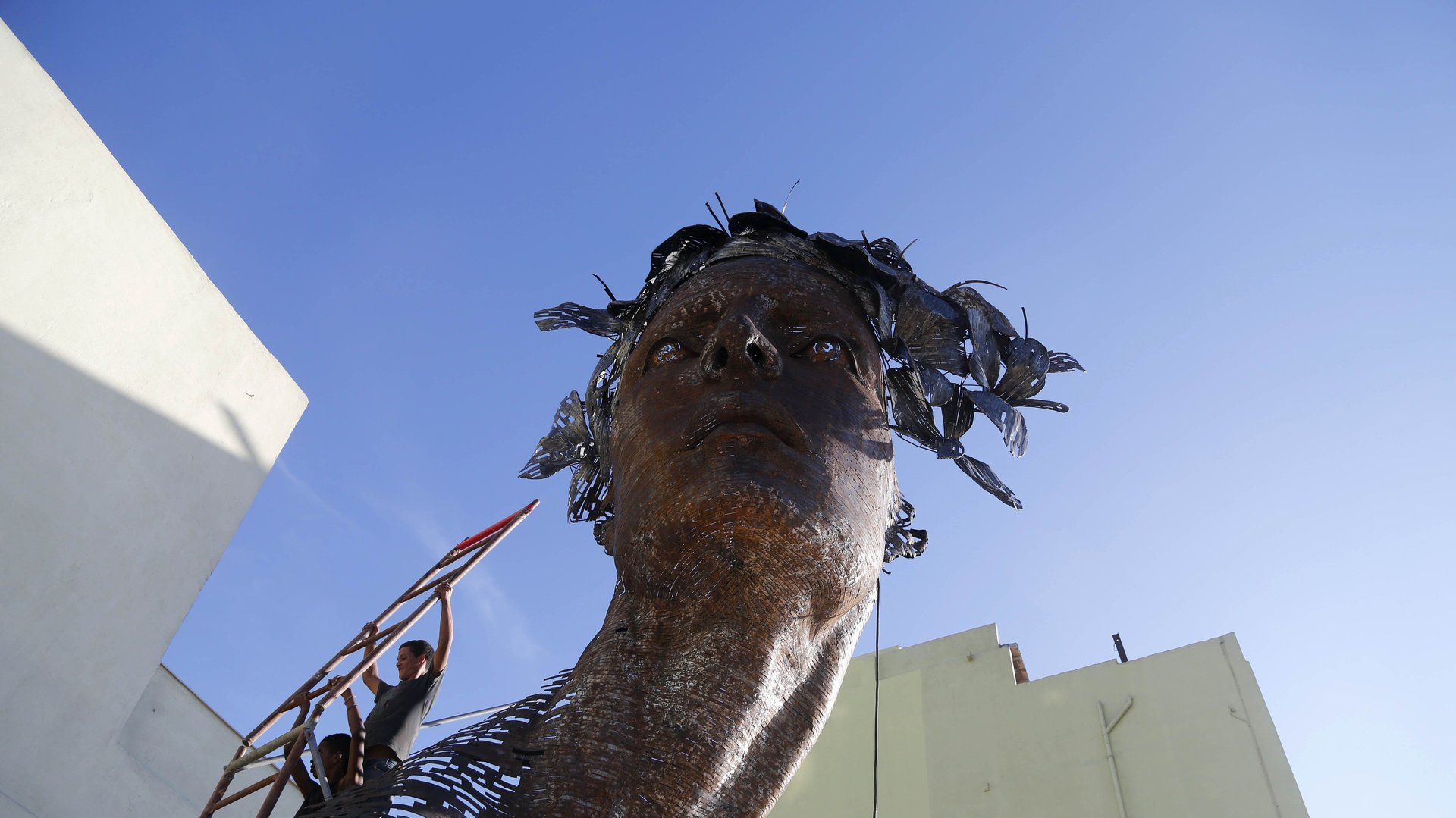
This is the third in a series of four dispatches this week on the US-Cuba opening.
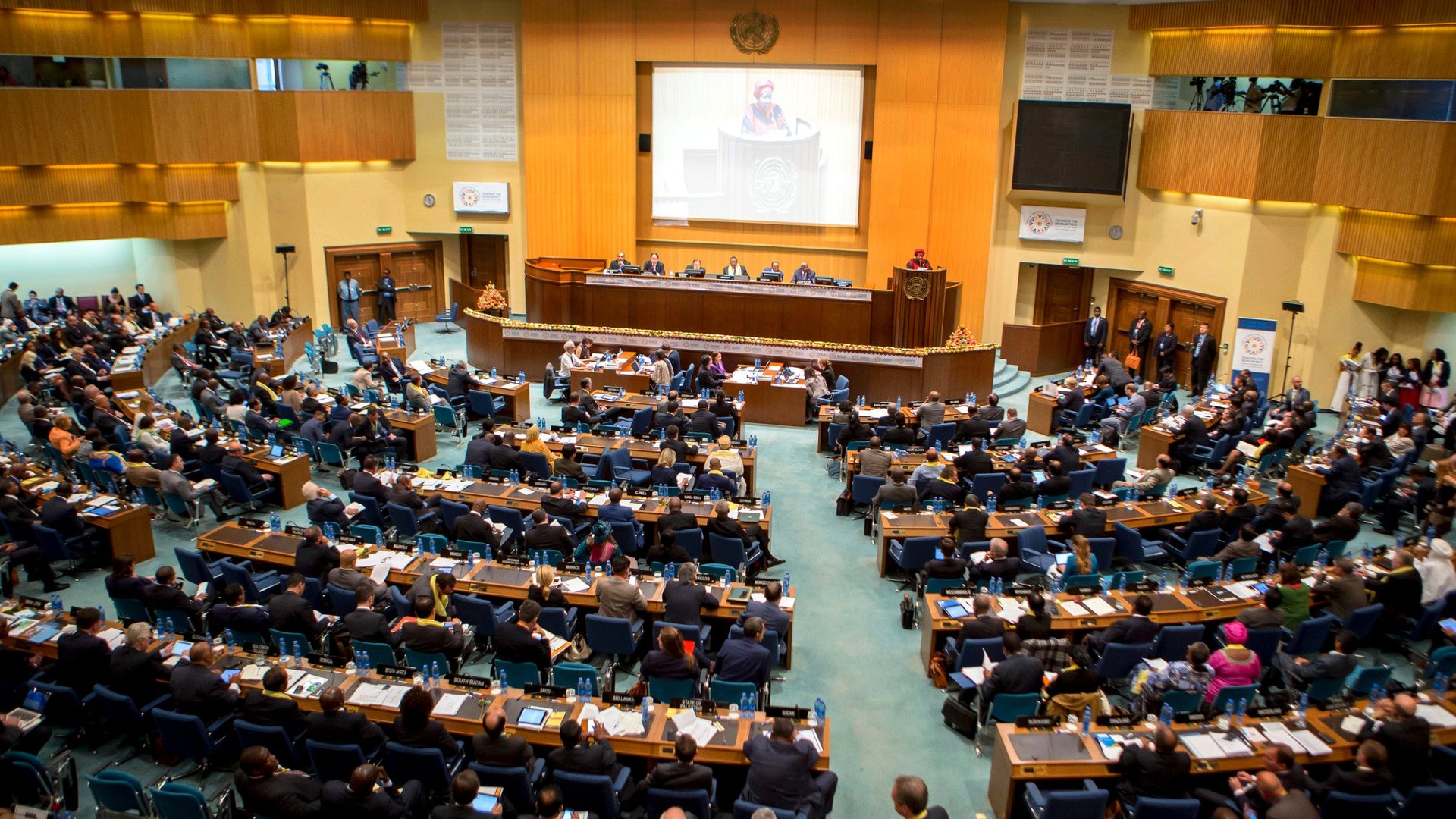
At a global summit that addressed how illicit financial flows interfere with reducing poverty, wealthy nations rejected a plan to expand the UN’s power to fight global tax evasion.
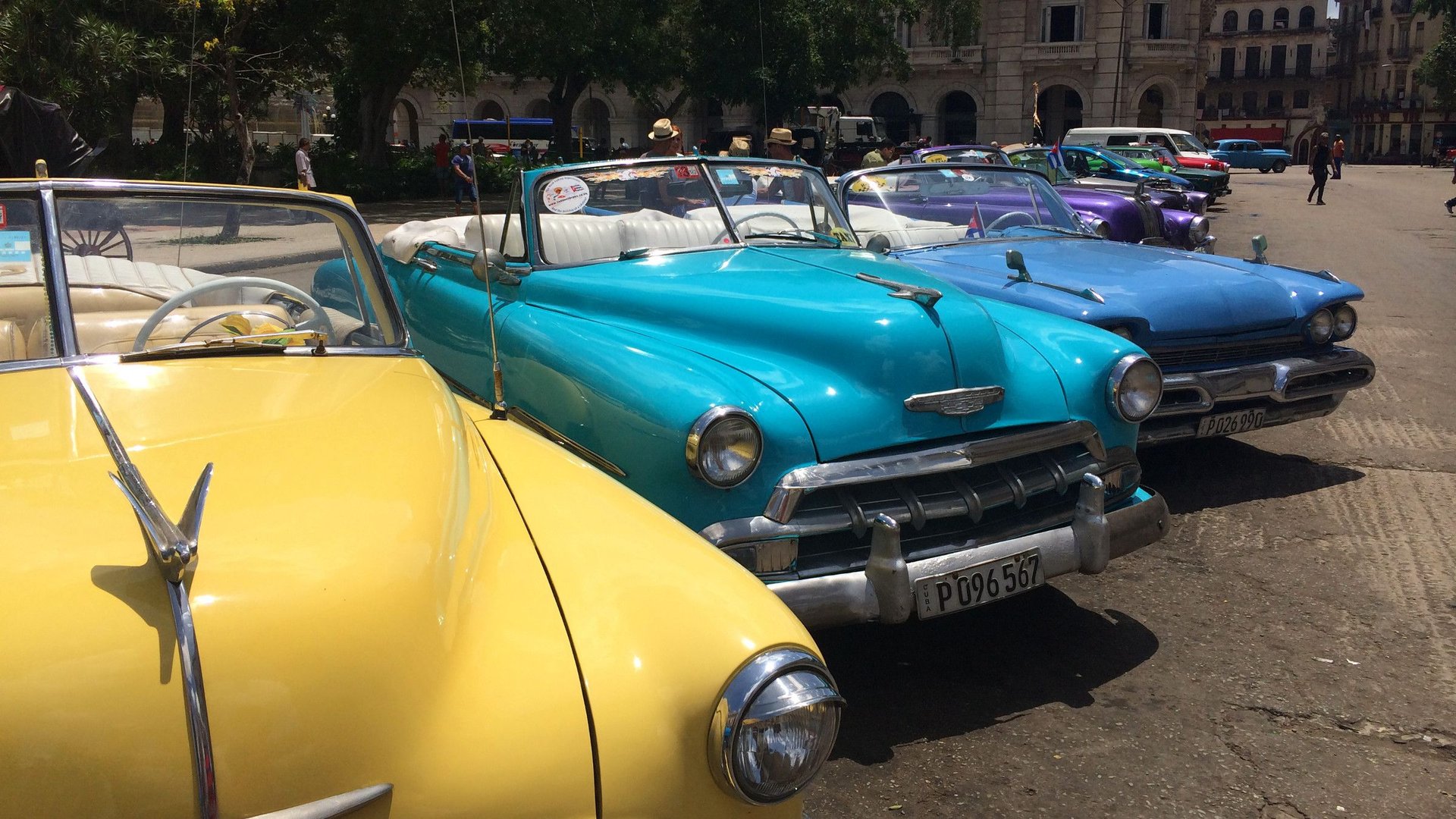
This is the second in a series of four dispatches this week on the US-Cuba opening. Read the first here.
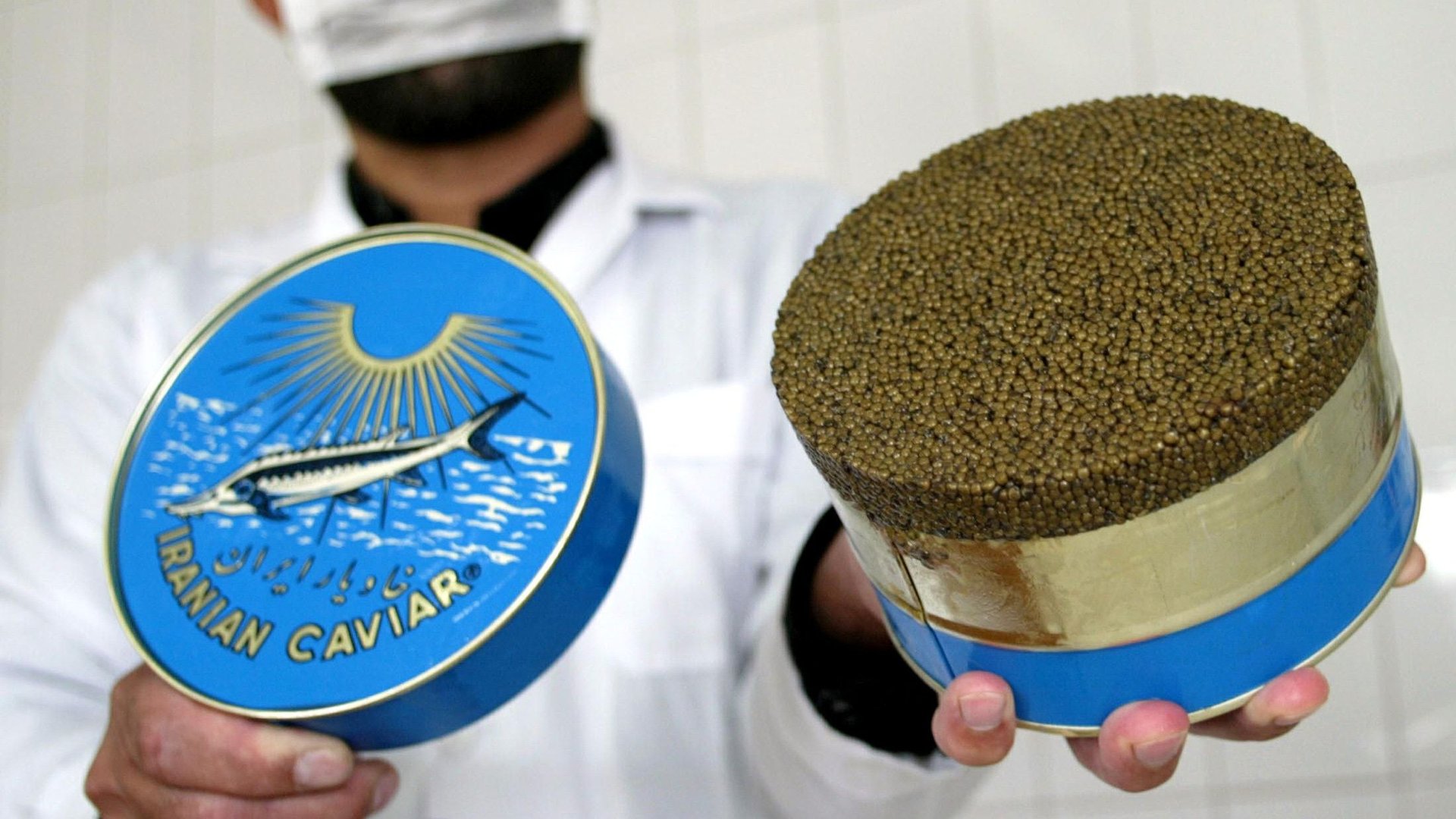
Now that the end of Iranian sanctions by the West are close at hand, the world is hungry for a piece of Iran. That goes for its oil sector, its military contracts, and also its caviar.

This is the first in a series of four dispatches this week on the US-Cuba opening. You’ll be able to read the others here.
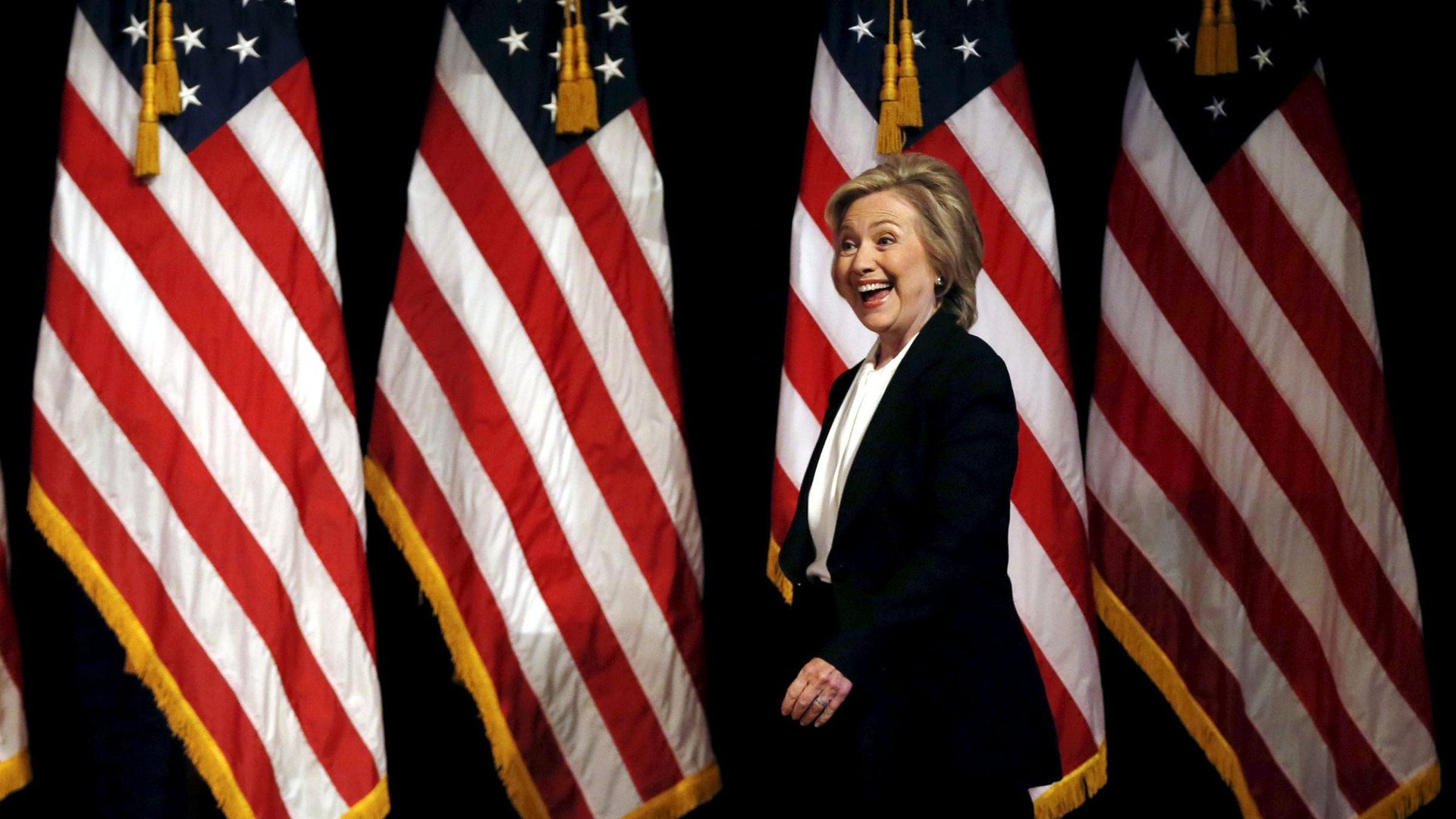
Hillary Clinton laid out her economic agenda as a battle to raise the incomes of average Americans, and didn’t hesitate to slam her Republican rivals for the US presidency—in some cases by name—over their ideas for jumpstarting the economy.
This post has been corrected.
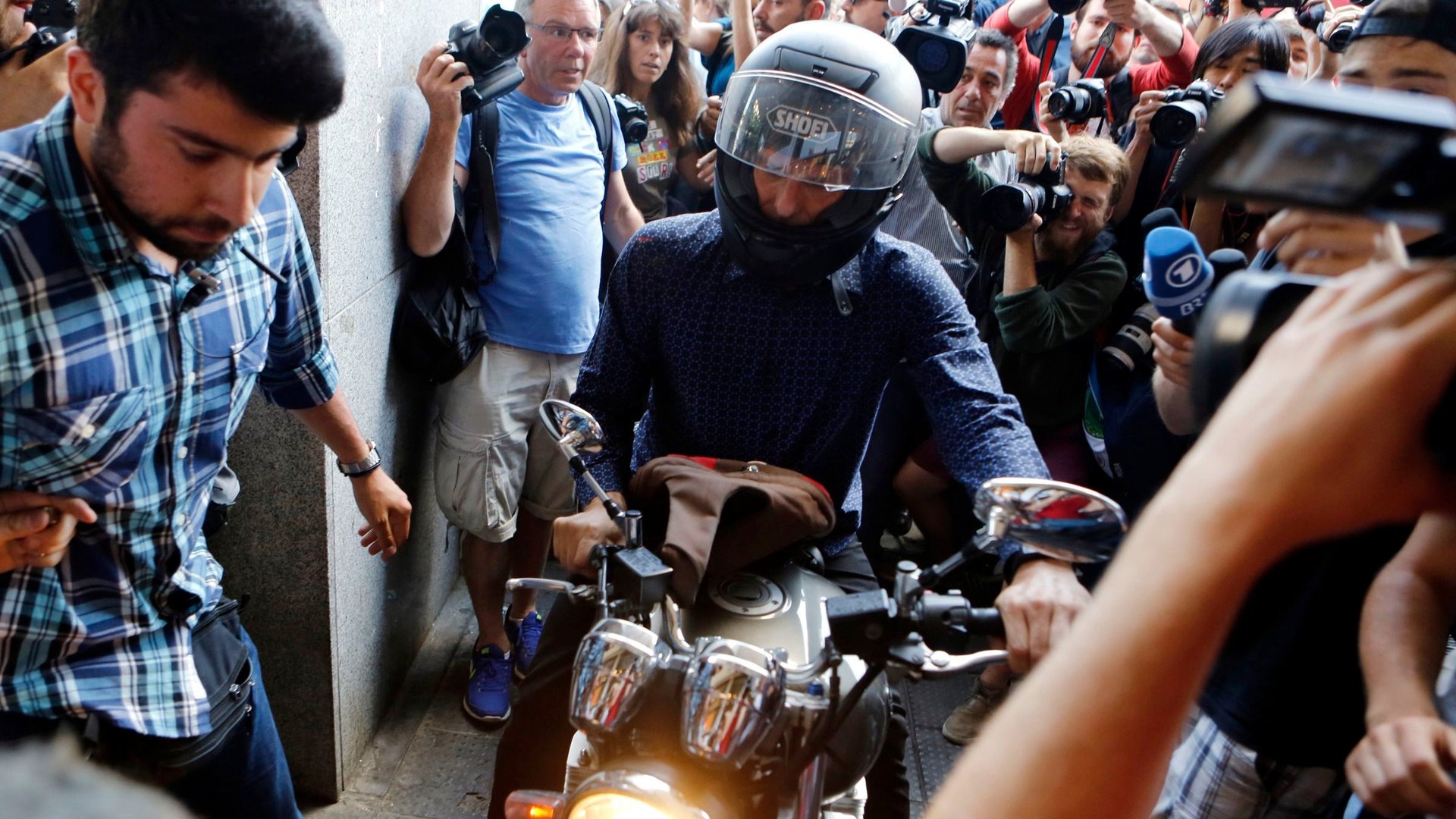
You don’t need a rogue finance minister to play the “bad cop” in bailout talks when 60% of your country’s population can do it for you.
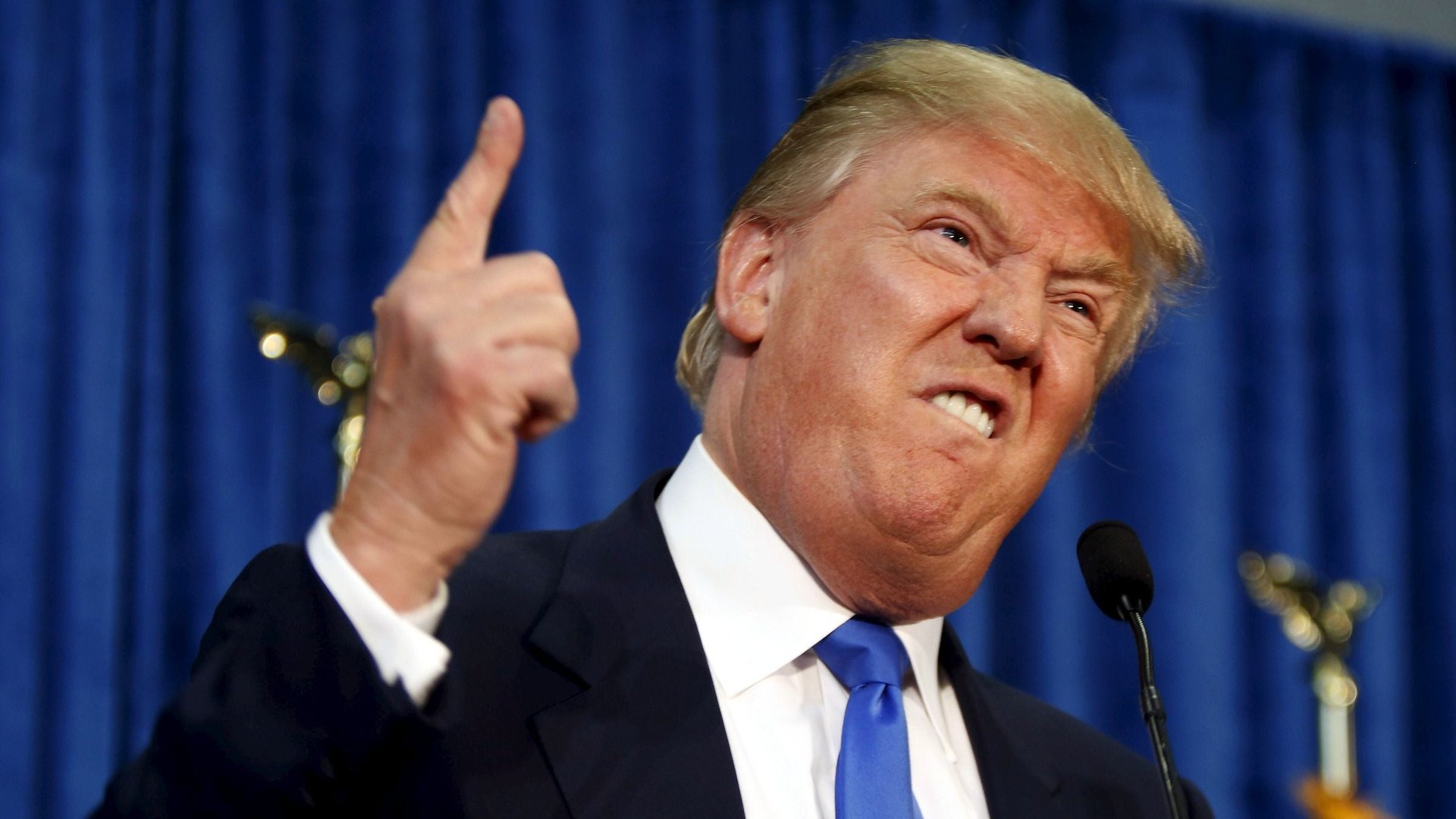
I didn’t want to write about Donald Trump’s biennial flirtation with politics because I didn’t think it would matter to anyone who doesn’t host a low-rated political news show.
The latest estimates are in, and yes, the rich are getting richer. But wait—it turns out 2014 is the first year since 2007 when the change in real income for most American families rose by something more than a fraction of a percentage point:
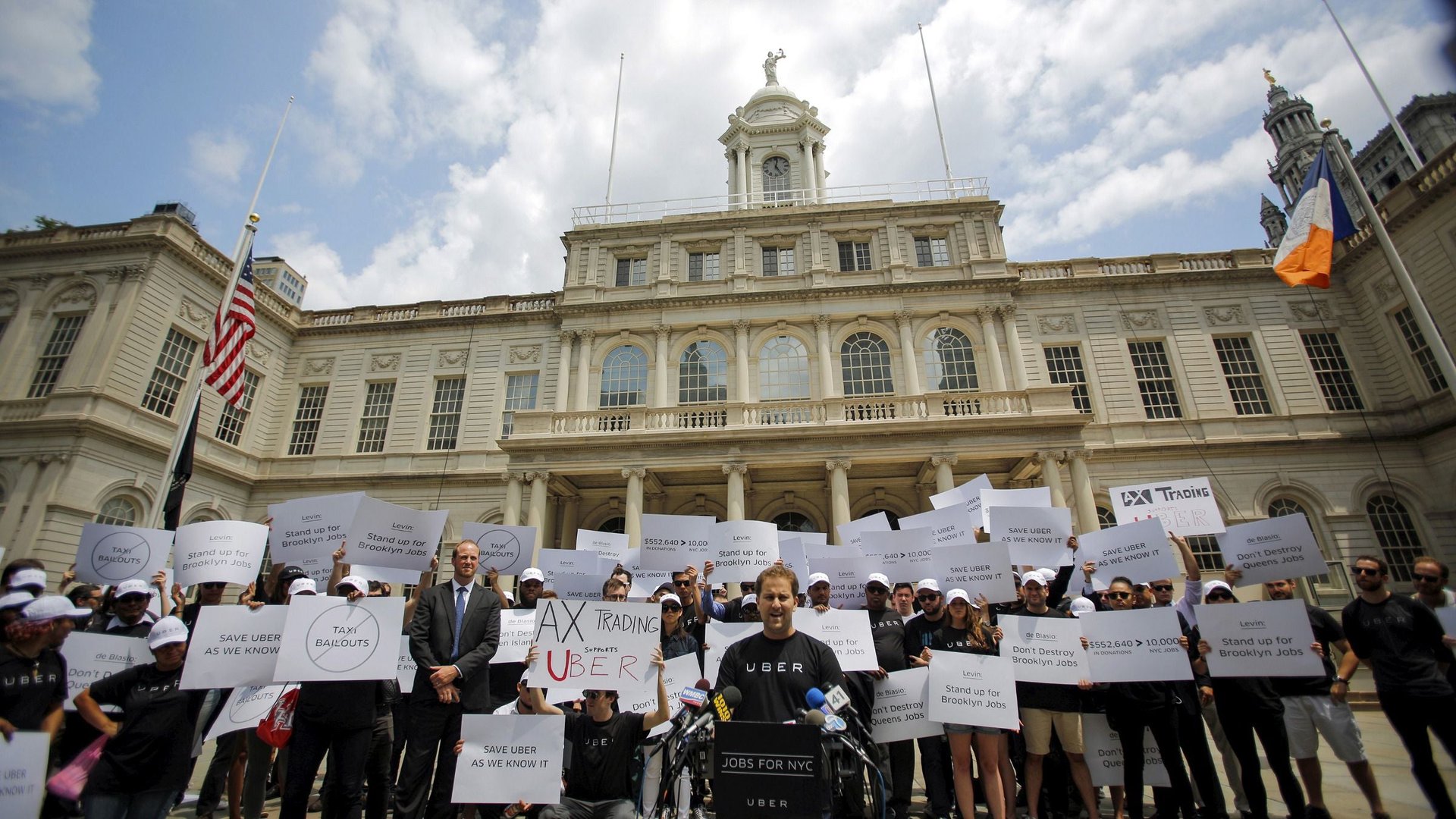
New York City is learning from New Jersey when it comes to traffic studies: They’re one way to play political hardball.
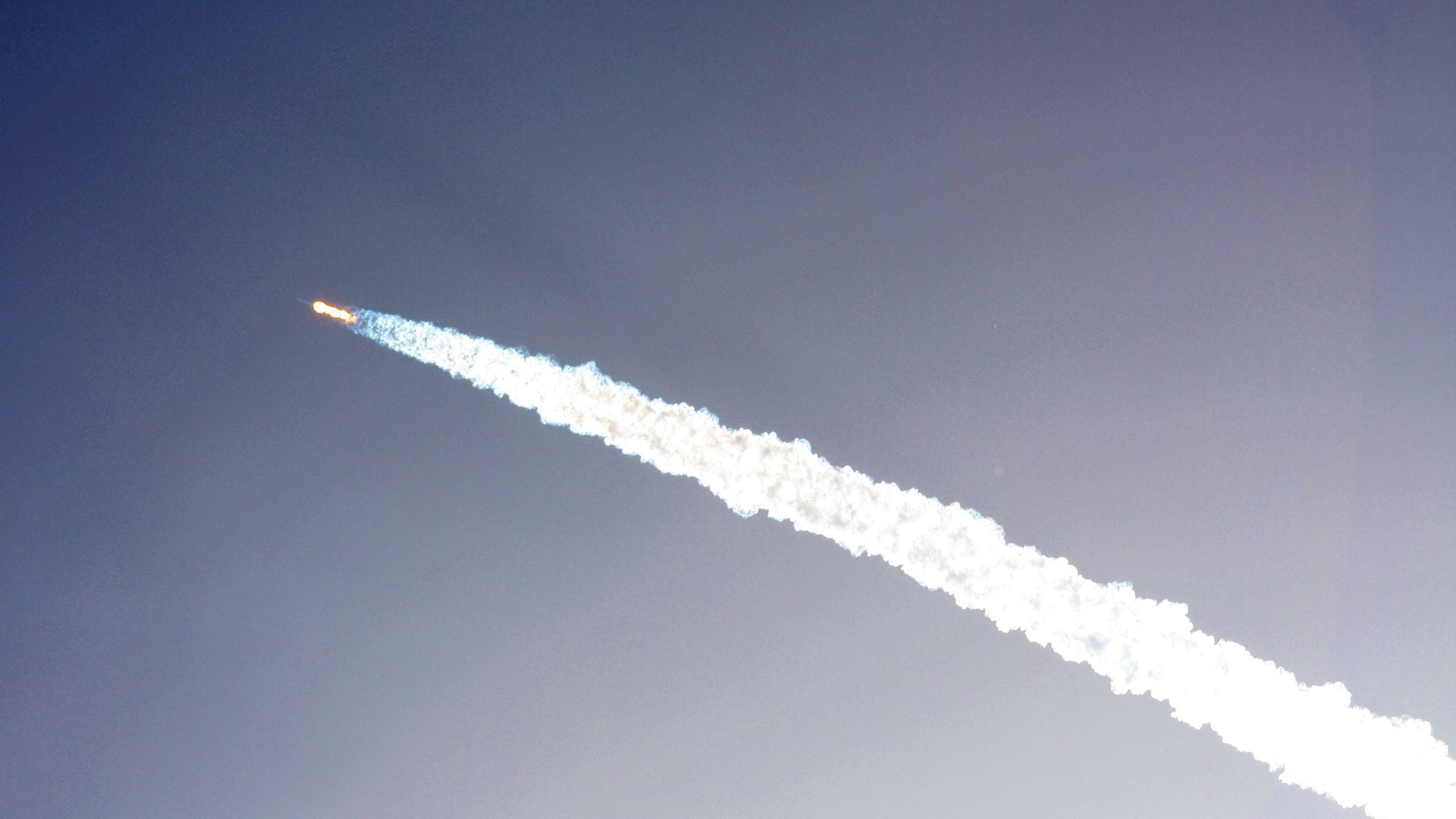
After a SpaceX Falcon 9 rocket came apart on a flight to re-supply the International Space Station, the company’s technical staff is scrambling to review 3,000 different telemetry feeds for information to explain what went wrong.