The US government today announced new sanctions against Russia after concluding it was still supporting militias fighting against Ukraine’s government with arms and personnel.

The US government today announced new sanctions against Russia after concluding it was still supporting militias fighting against Ukraine’s government with arms and personnel.

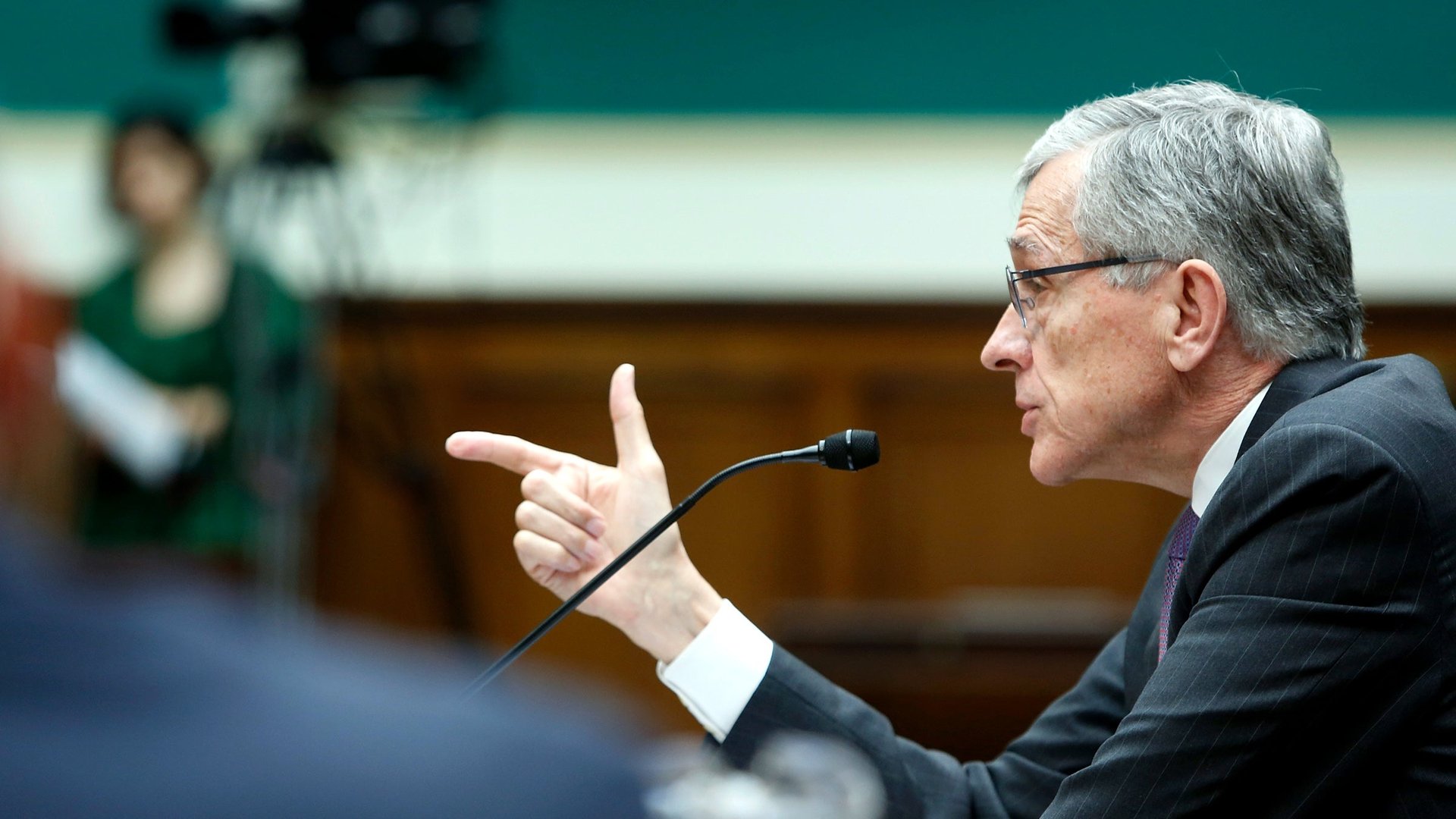
As his own website crashed under the weight of public comments on net neutrality, the top communications regulator in the US was hearing protests directly from tech companies in New York City.

Update, 7/15: It took four days, but the Air Force now agrees that SpaceX has completed the three flights needed to officially demonstrate it can compete for national security contracts; further technical reviews and audits will continue before full certification is granted.

Another day, another mega-merger designed to pull a pharmaceutical company out of reach of the US tax man.

When Chinese factories and American shippers are using the same tactics to abuse workers, the problem is bigger than either economy.

Apple won a legal victory yesterday when the European Court of Justice ruled it could trademark the layout of its stores, just as it has in the US.

The problem with Comcast-Time Warner Cable’s merger, in the eyes of its critics, is that a new cable colossus will hurt competition and mean higher prices or worse internet and television access for consumers.

US president Barack Obama has asked US lawmakers to allocate $3.7 billion to improve border security and address a humanitarian crisis that has spurred angry protests: the tens of thousands of child migrants that are being detained trying to cross into the United States from Mexico. But Obama’s plan, which would provide resources to house and process this surge of unaccompanied children more efficiently, would treat only the symptoms, not the disease.

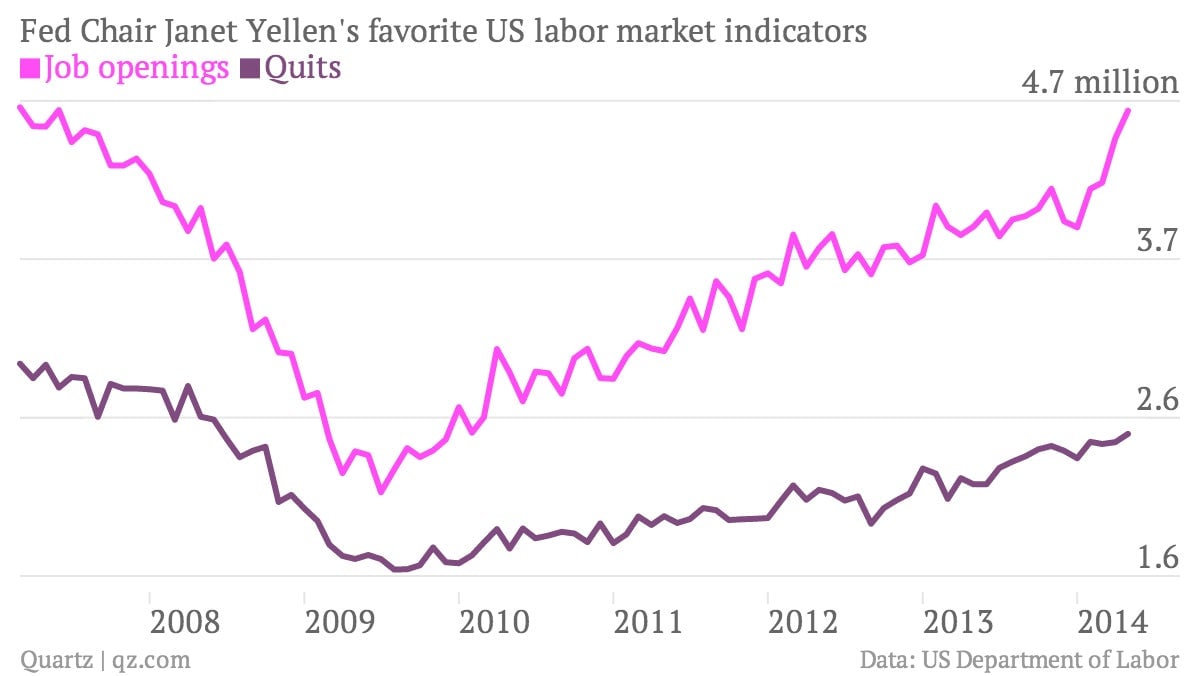
Today the US government released an important assessment of the labor market: The number of job openings compared with the number of people quitting their jobs. In a healthy economy, businesses are hiring more, giving workers enough confidence to leave their current jobs in search of a better opportunity. The opposite happens in a recession—as you can see in 2009 and 2010, when hiring plummeted and fewer people left their jobs.

More and more US banks are getting out of the money-transfer business, Dealbook notes (paywall). A series of money-laundering scandals, punished by eye-popping fines, has made them cautious: Bank of America, HSBC, Citigroup and JP Morgan have pulled out altogether, while BBVA is reportedly looking to sell off a business unit that handles wire transfers in Latin America. And the fear is that rules intended to stop terrorists and drug traffickers are disproportionately hurting the families—and home countries—of migrants in the US who send money back home.

In New York City, Uber is cutting its low-end prices to offer a car service that’s cheaper than a taxi cab—for a limited time only. It has done the same in other markets, notably San Francisco, but this venture-capital-fueled price war on the car-hailing app’s competitors may ultimately pit the company against the drivers who use its platform.

The first thing you notice on a visit to the Port of Los Angeles is the cranes towering along the water, poised over the massive ships beneath them. The second is that there are no people, at least none visible: Sometimes you catch sight of a silhouette in a crane’s control room or a truck cab, but the work that goes on is largely far above human scale.

This piece has been updated.

This map has been floating around Twitter recently, but it’s been on the internet for months at least. Now that the Islamic State in Iraq and the Levant (ISIL)—or as it now prefers to call itself, just the Islamic State—has had military success in Iraq, the graphic has become a viral sensation and a media touchstone, because, according to ABC News, it is ”a map showing their plans for the next five years.”

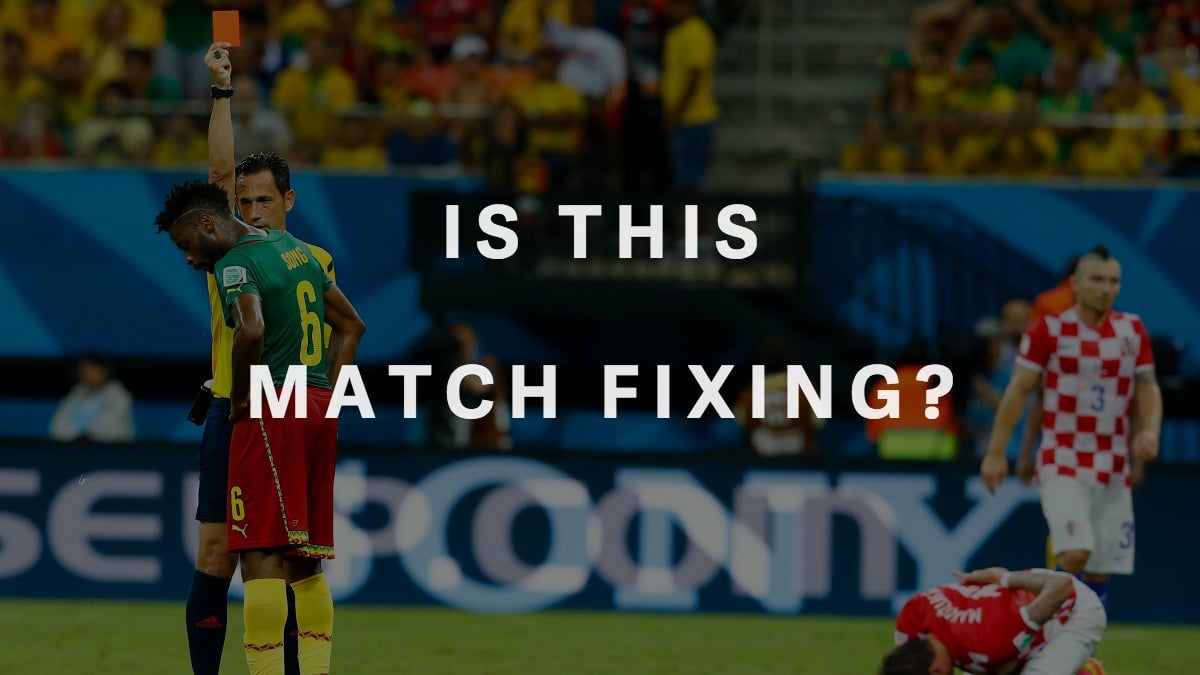
Cameroon’s national soccer federation has announced it will investigate whether its team threw a match to Croatia in the World Cup after a notorious match fixer predicted the score (4-0) and that a player would get sent off with a red card.

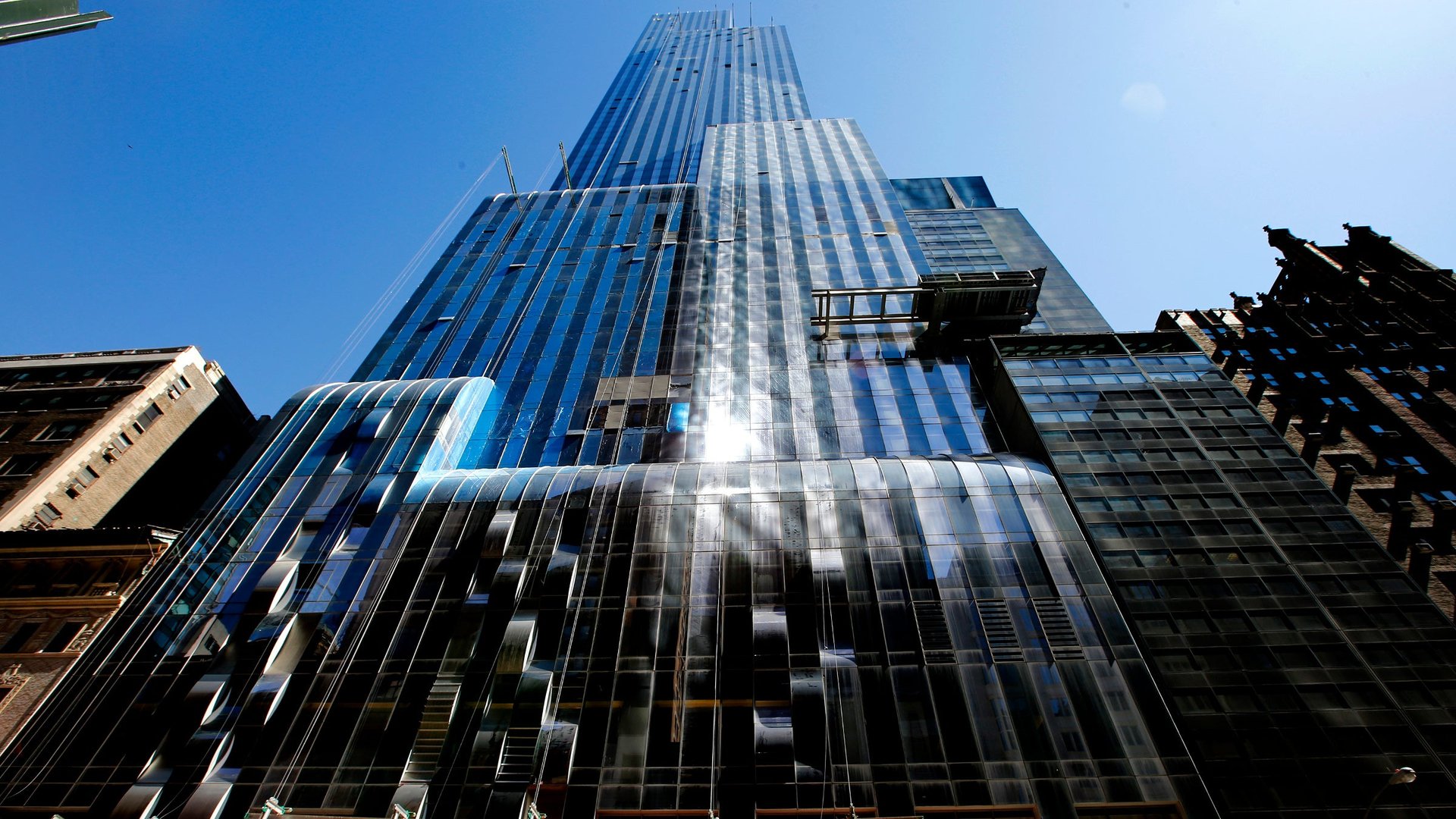
With millions to stash and stability on their minds, the world’s wealthy have been flocking to New York City to buy up luxury apartments—but not, necessarily, to live in them. Apartments in some of New York’s toniest precincts are vacant at least ten months out of the year.

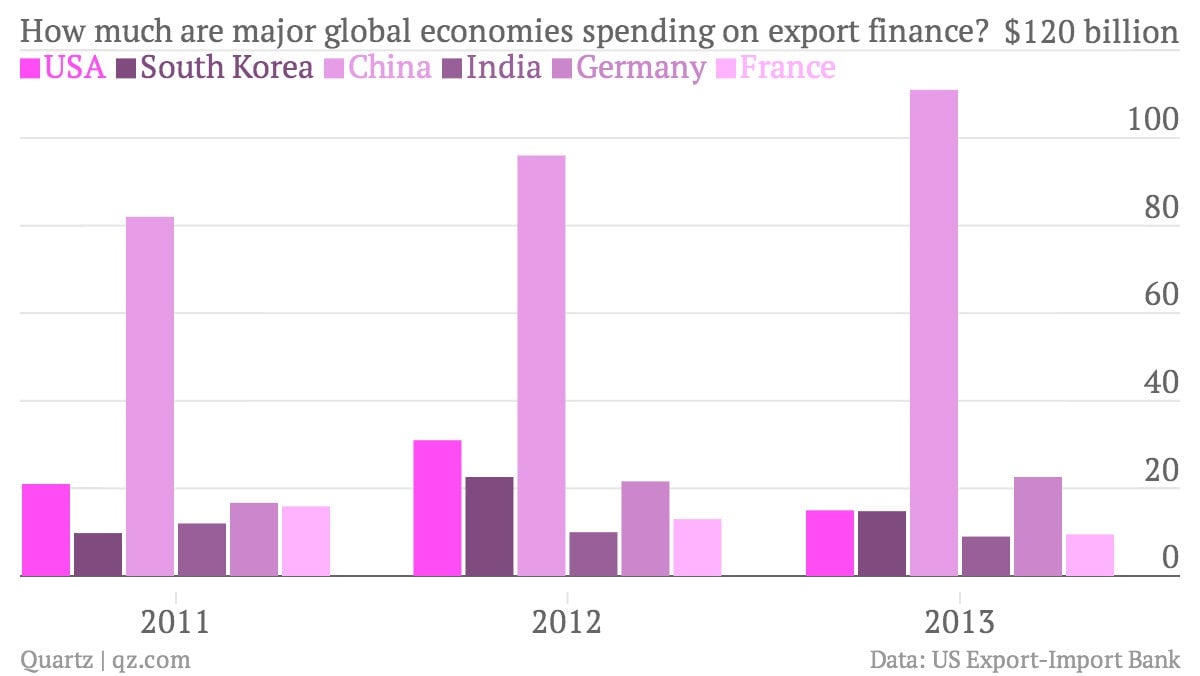
If you said China, you’ve been paying attention.

The US is issuing ultimatums and threatening to jack up sanctions on Russia, but it appears the limited restrictions deployed so far aren’t always stopping Russians they’re aimed at from doing business in the US.

There’s more to the net neutrality debate than Netflix’s troublesome torrent of streaming video.

If you get arrested in the United States, police officers can search you without waiting to ask a judge. Until today, that search might also include your mobile phone—an object that potentially contains everything from your e-mails to financial records to GPS coordinates of your travels. Indeed, it can hold or access more information about your life than you could possibly carry physically or even keep in a house.

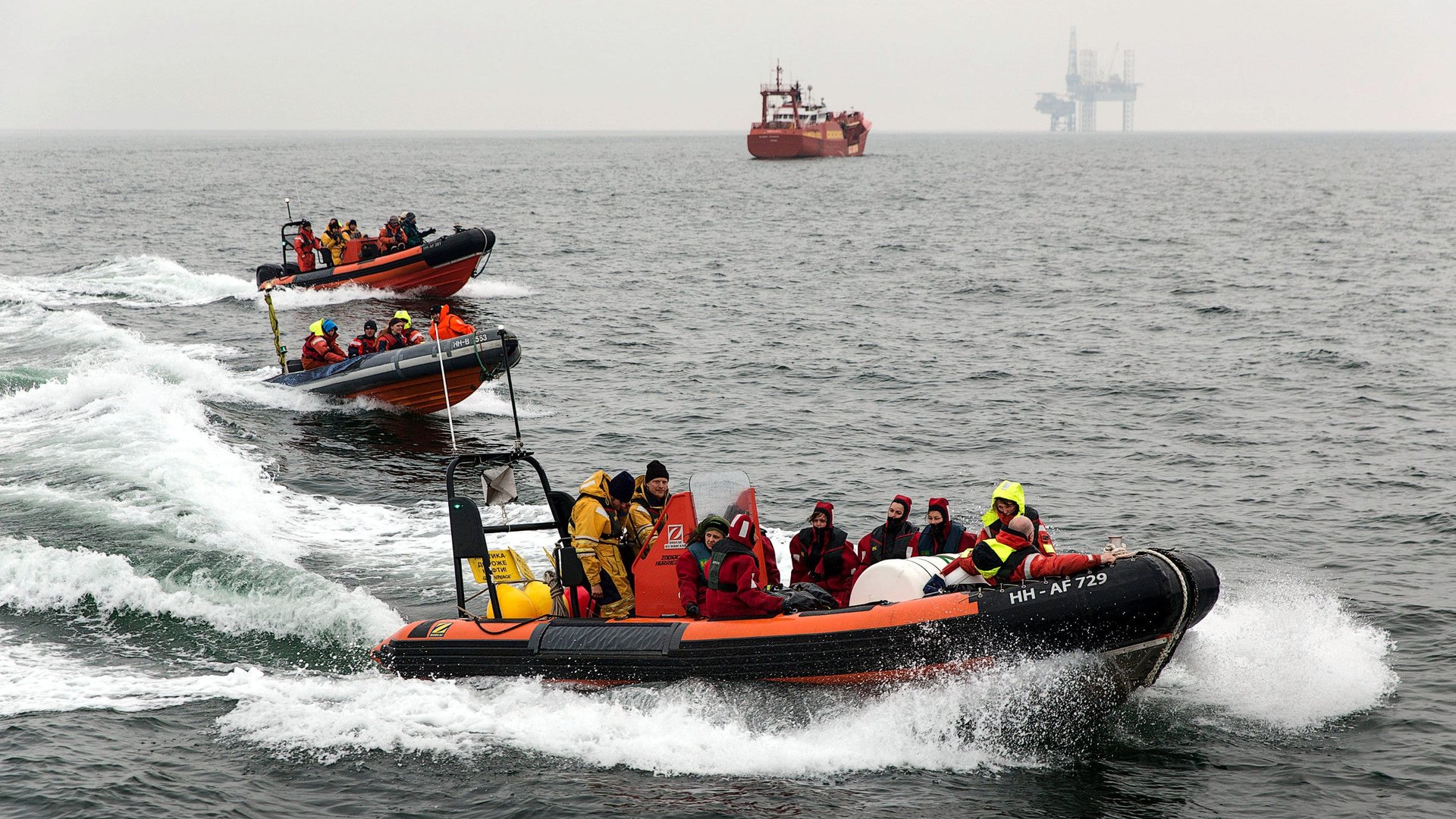
The latest organization with a rogue trader problem is Greenpeace, and that tells us a lot about the challenges of being a global organization.

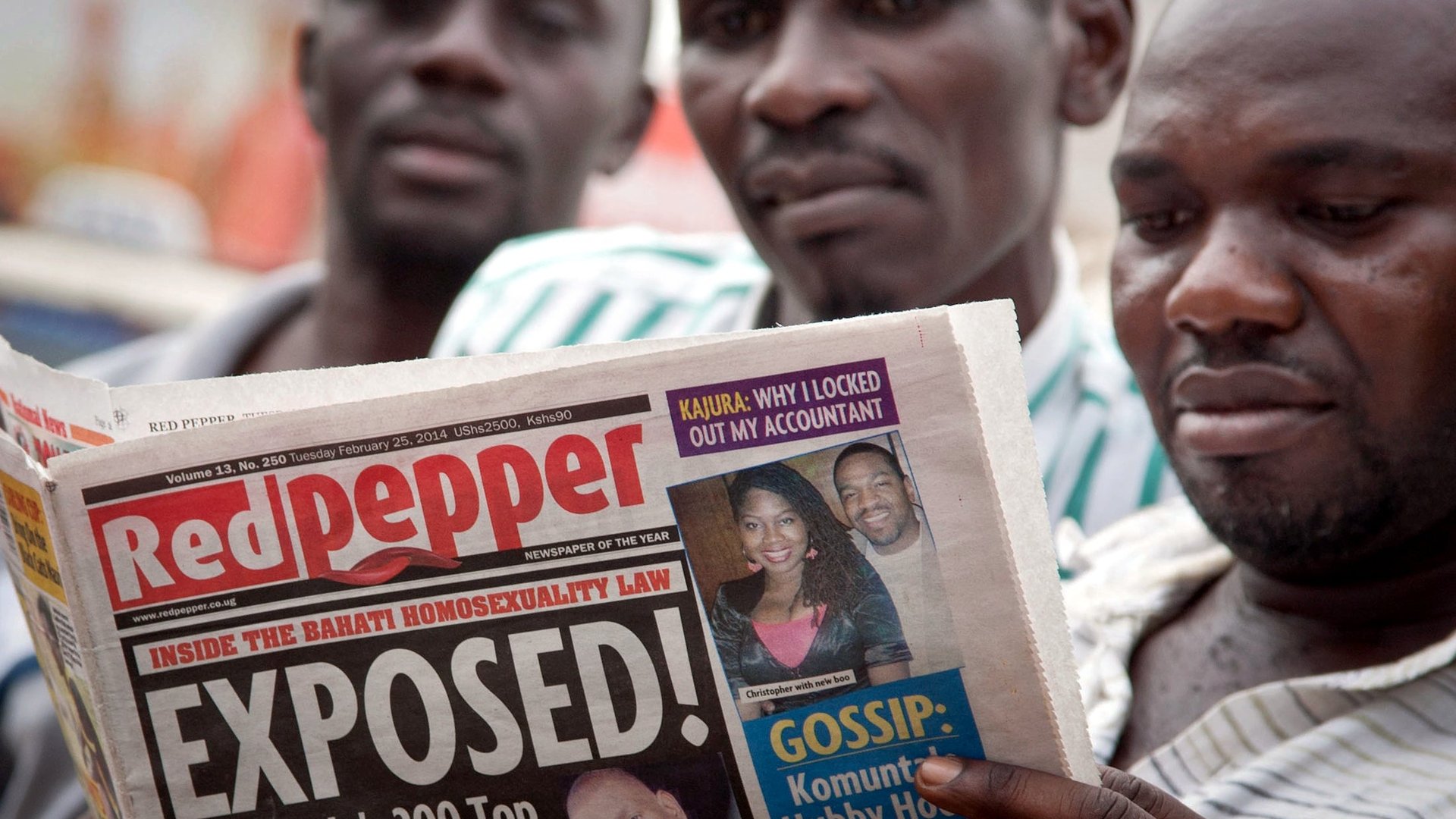
Since passing laws mandating the life in prison for “homosexual acts” in February, Uganda has seen its currency weaken considerably, with US dollars now costing nearly 6% more since the day the law was signed. (In the same period, the euro has weakened against the dollar by less than 1%.)

Though it don’t say it in so many words, the US telecom regulator confirmed some of Netflix’s complaints about the big internet service providers.

The US Supreme Court just issued a rare unanimous ruling that will make it harder for technology companies to patent ideas and processes—and harder for patent trolls to force companies to choose between paying up for violating broad patents or facing time-consuming, expensive litigation.