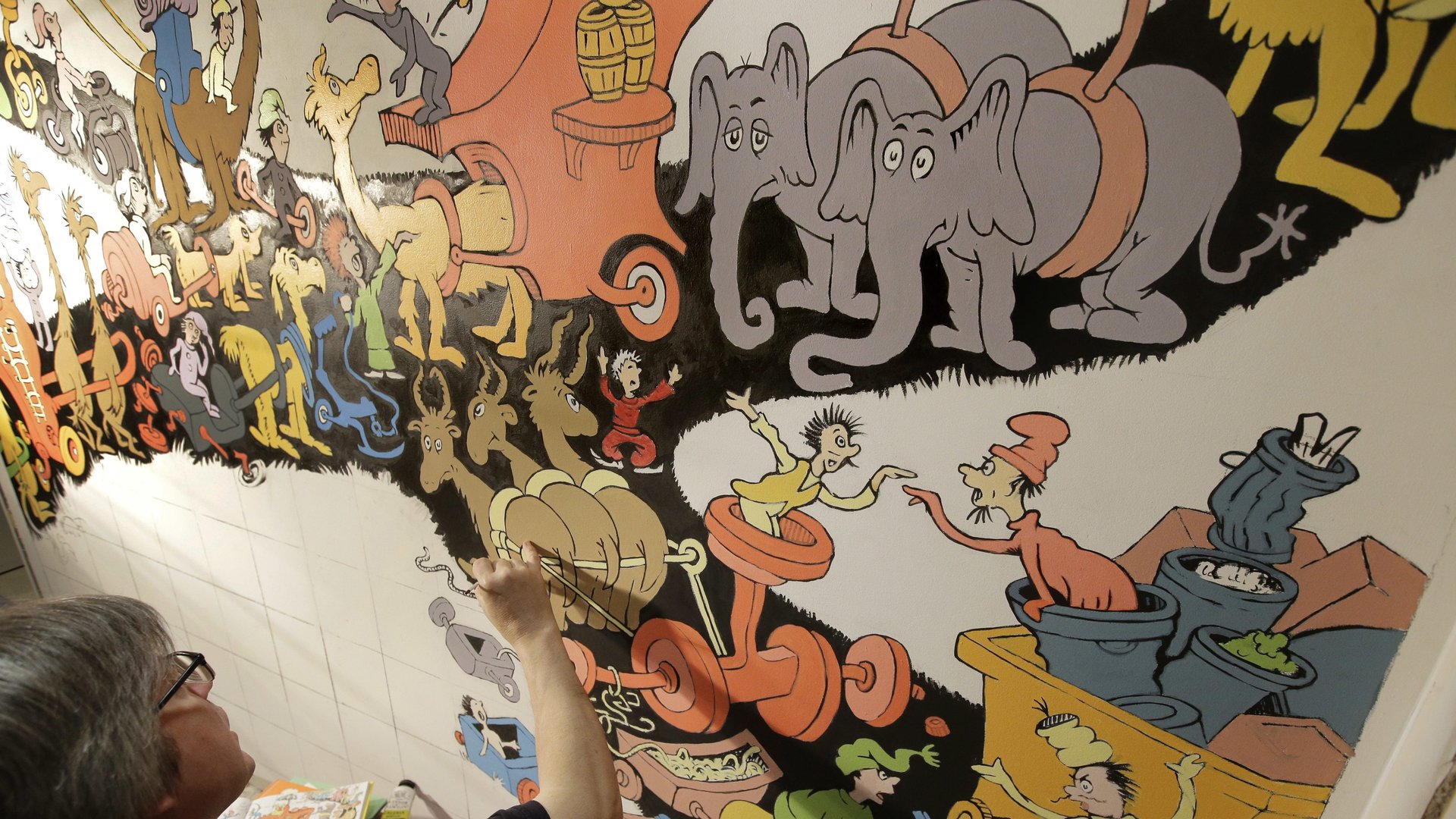
Parents and educators at an elementary school in Cambridge, Massachusetts are split over a divisive issue: Should kids be learning how to hop on pop?

Parents and educators at an elementary school in Cambridge, Massachusetts are split over a divisive issue: Should kids be learning how to hop on pop?

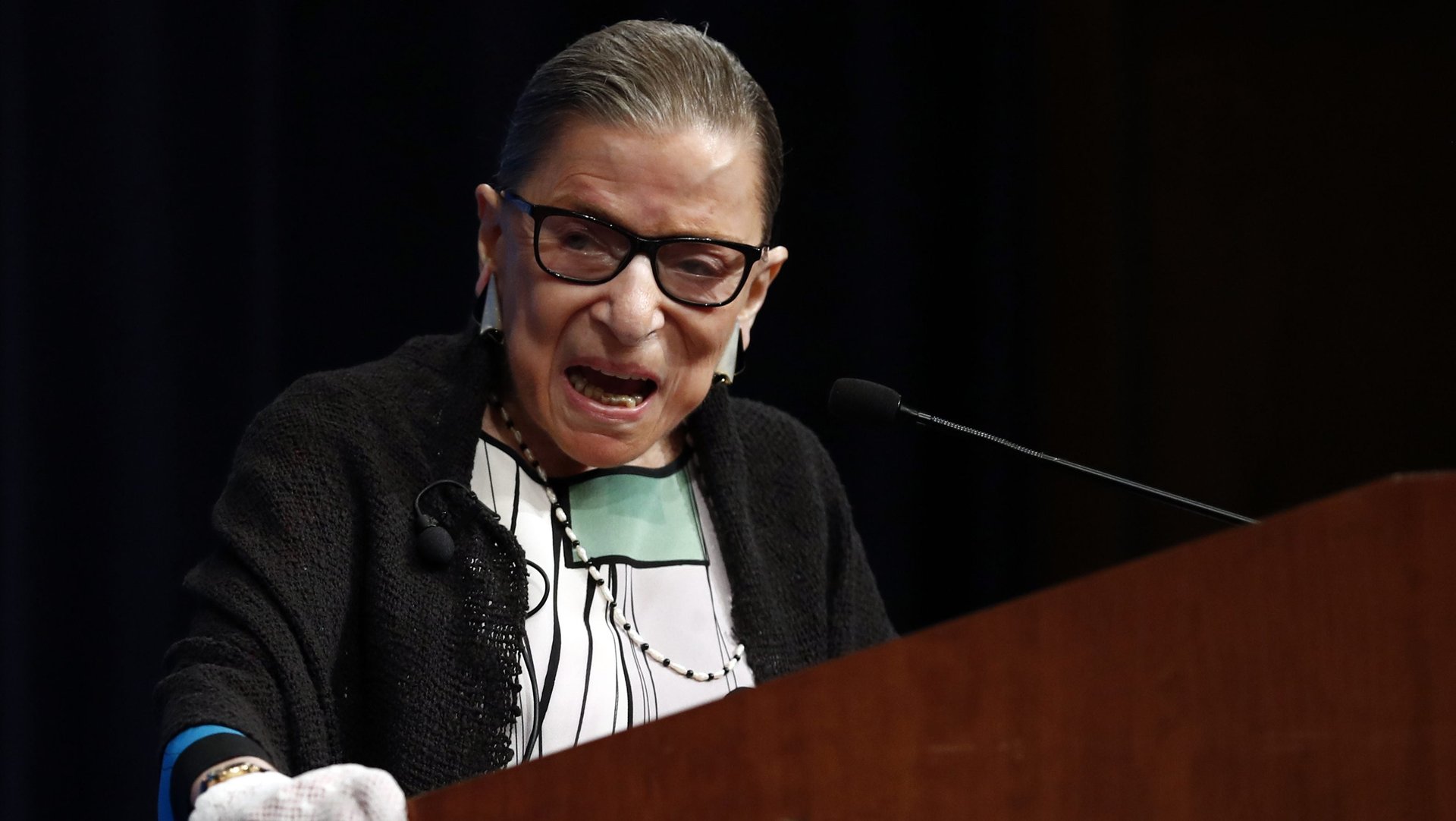
Last night (Sept. 26), the towering American news anchor Charlie Rose sat folded into an armchair across from US Supreme Court justice Ruth Bader Ginsburg. More than once the interviewer threw out questions rapid-fire, and was met with measured silence from his tiny interlocutor.

Amazon Studios has announced that it will produce a show based on Marlon James’ acclaimed epic novel about Kingston, A Brief History of Seven Killings.

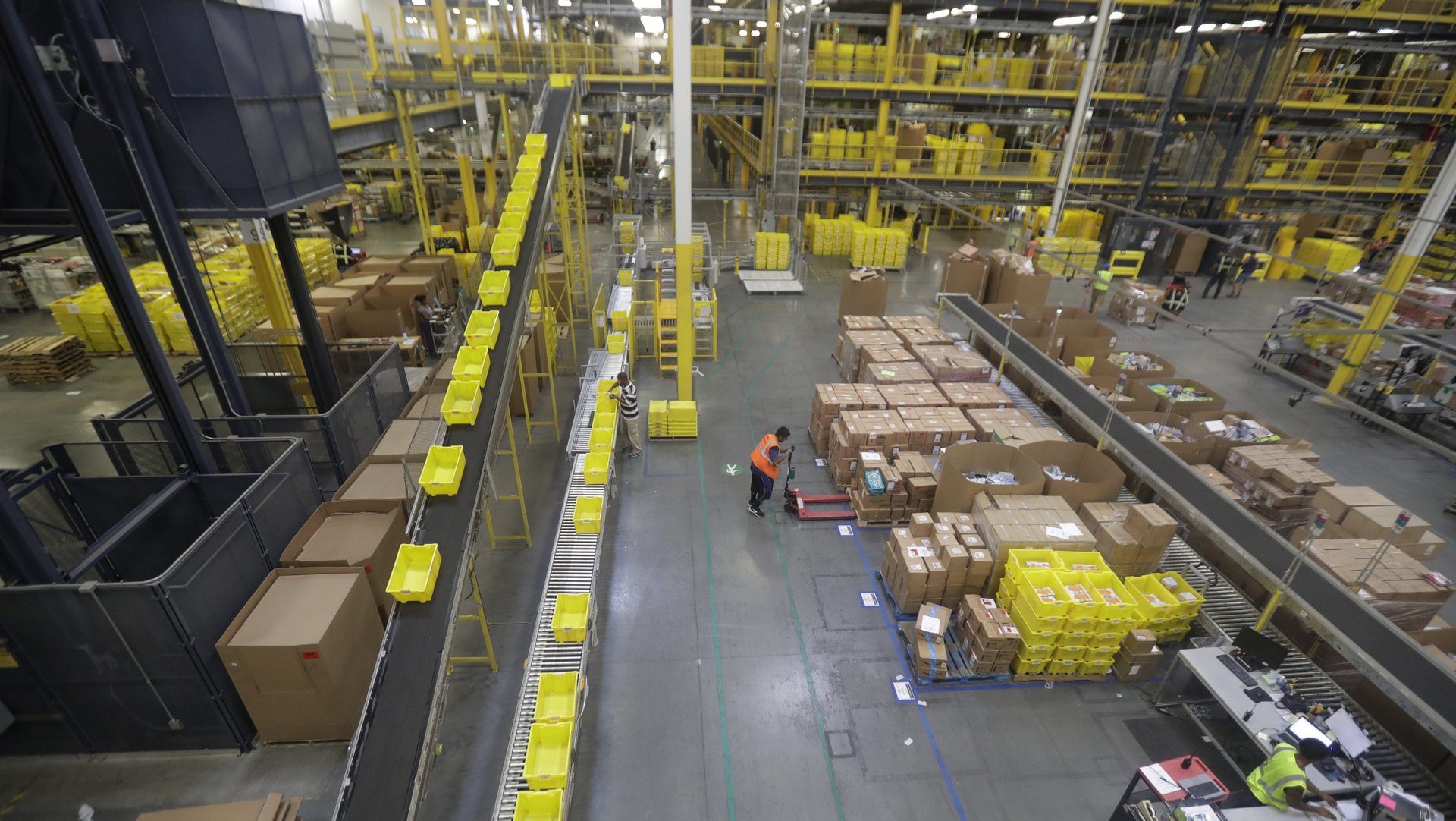
Bestseller status, five stars, a large number of reviews—there’s a whole host of ways to figure out if a book on Amazon is good or popular, but they’re all at risk of fraud.

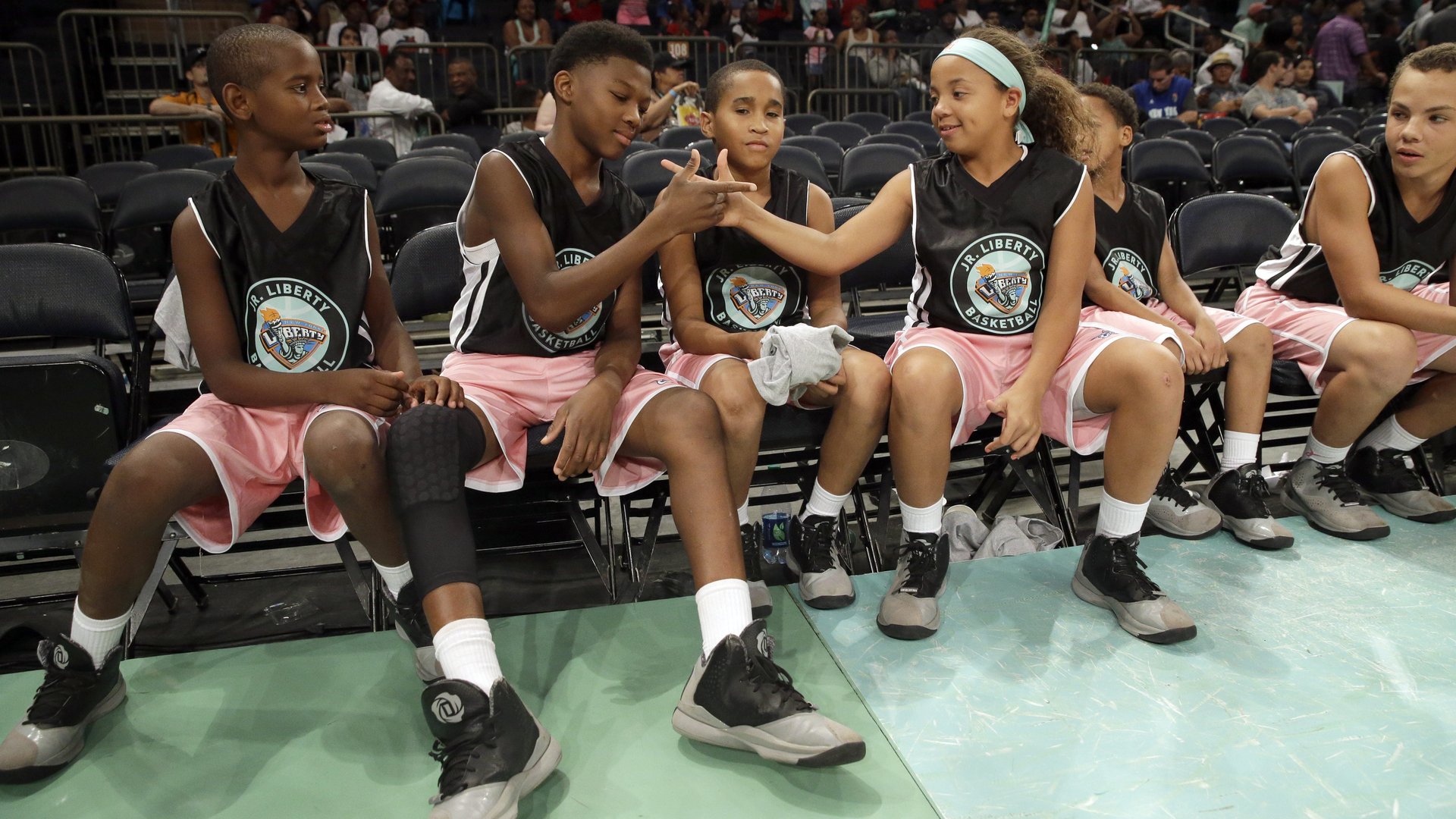
A “girl” in the strictest sense is a young female person. But “girly” or “girlish” or “like a girl” stereotypically suggest pink, curlicues, high-pitched, fruity, not athletic, not serious—in opposition to stereotypes of masculinity as mature, tough, rough, boyish, high in alcohol content. (Since the 1990s, in a backlash to the word’s connotation of weakness, people have also tried to redefine “girl,” with “girl power,” marketing campaigns, and chatty t-shirts.)

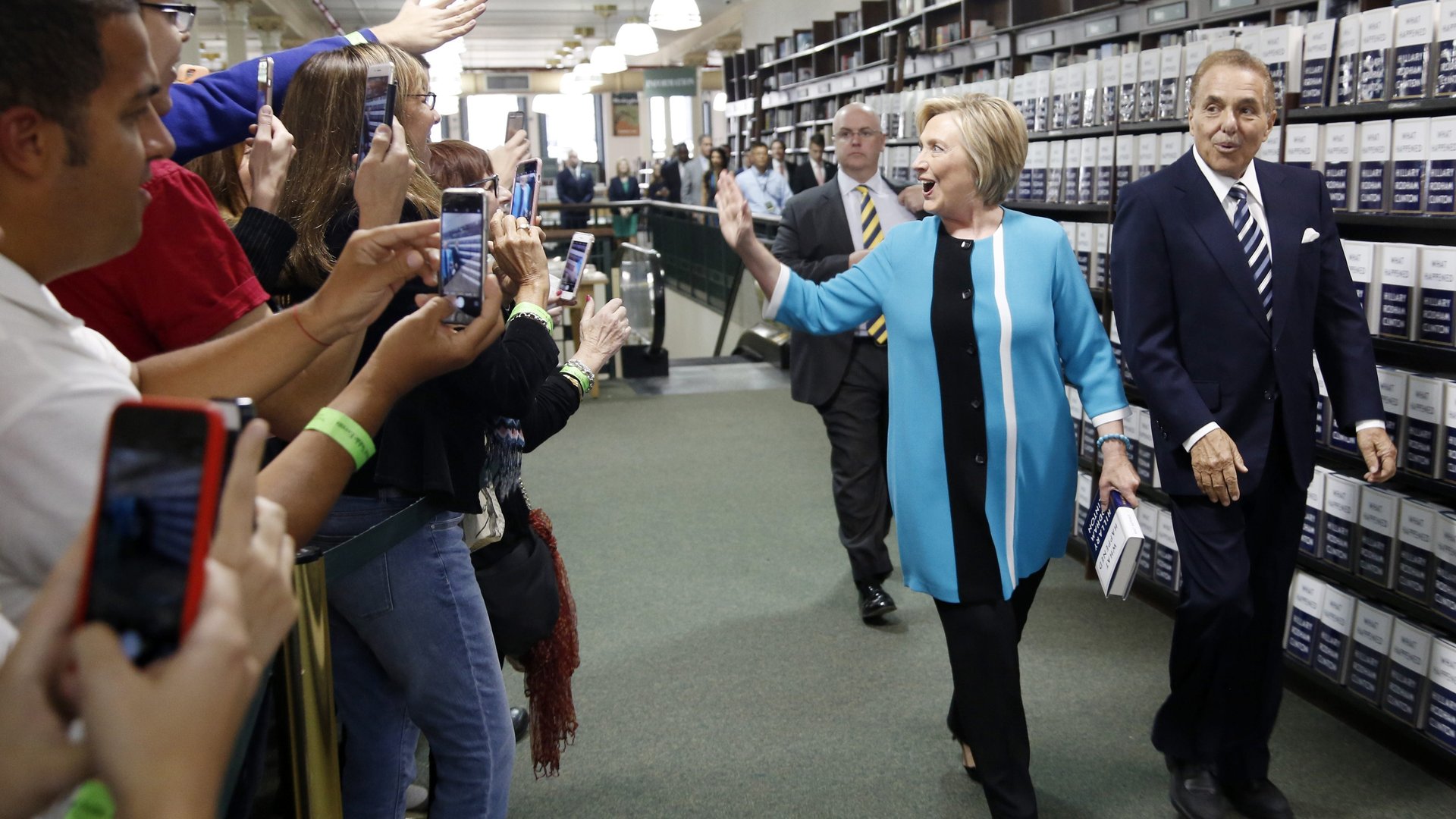
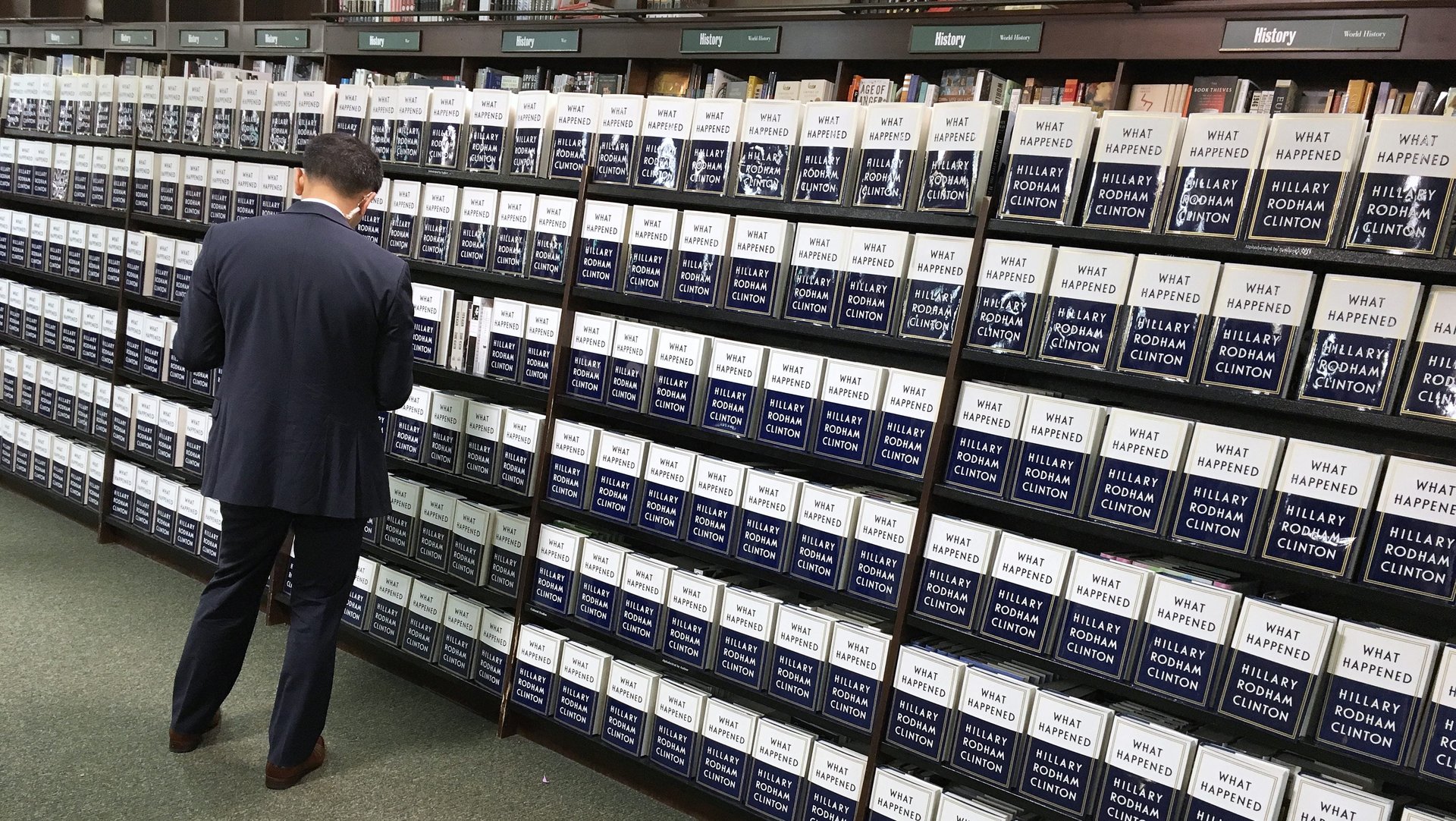
Hillary Clinton’s new book, What Happened, is a 450-page naughty-or-nice list.

During the 2016 US presidential election, Donald Trump galvanized a small but powerfully vicious fan base in his campaign against Hillary Clinton. Ten months after Clinton was defeated, things are getting nasty again.

Last November, throngs of people gathered outside New York City’s Jacob Javits Center in hopes of seeing the first American woman president. Ten months later, they’re still waiting.

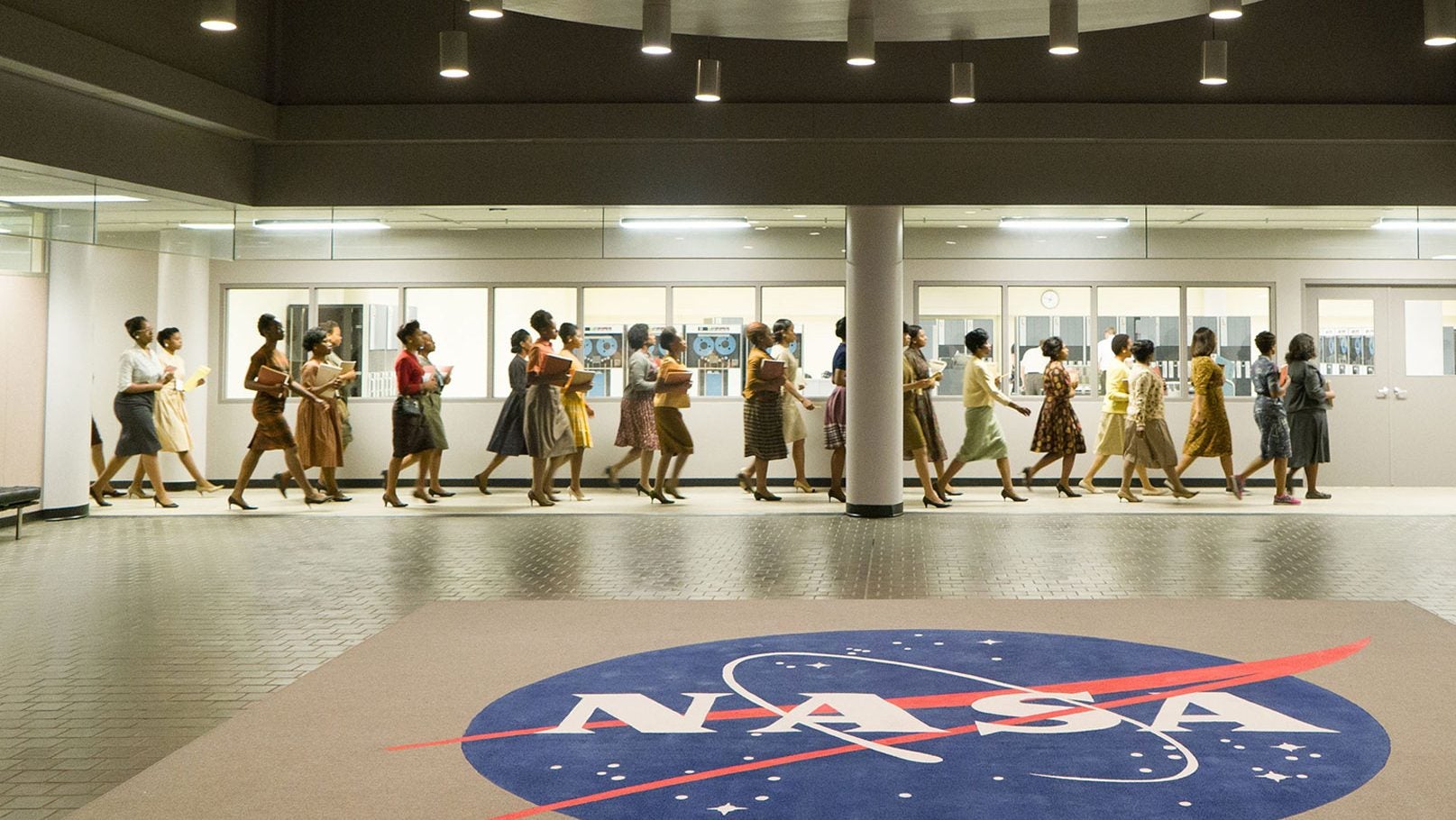
Last year’s most popular hidden heroes are getting a new look.

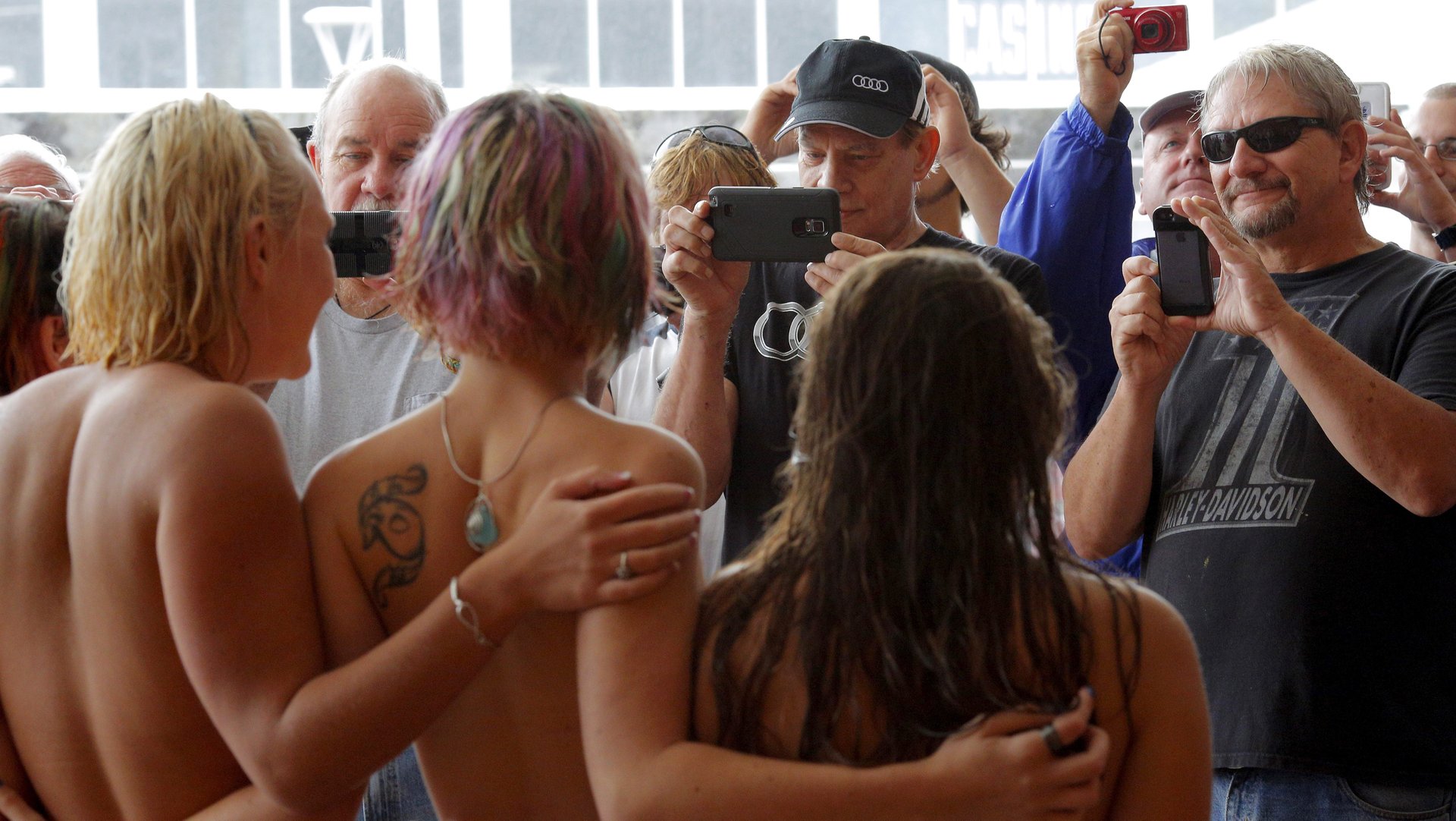
A British publisher of children’s books has some soul searching to do, as it attempts to figure how to explain to boys: What, exactly, are breasts for?

A Hollywood movie about subprime mortgages? No sweat. A Hollywood movie with an Asian-American lead? No way.

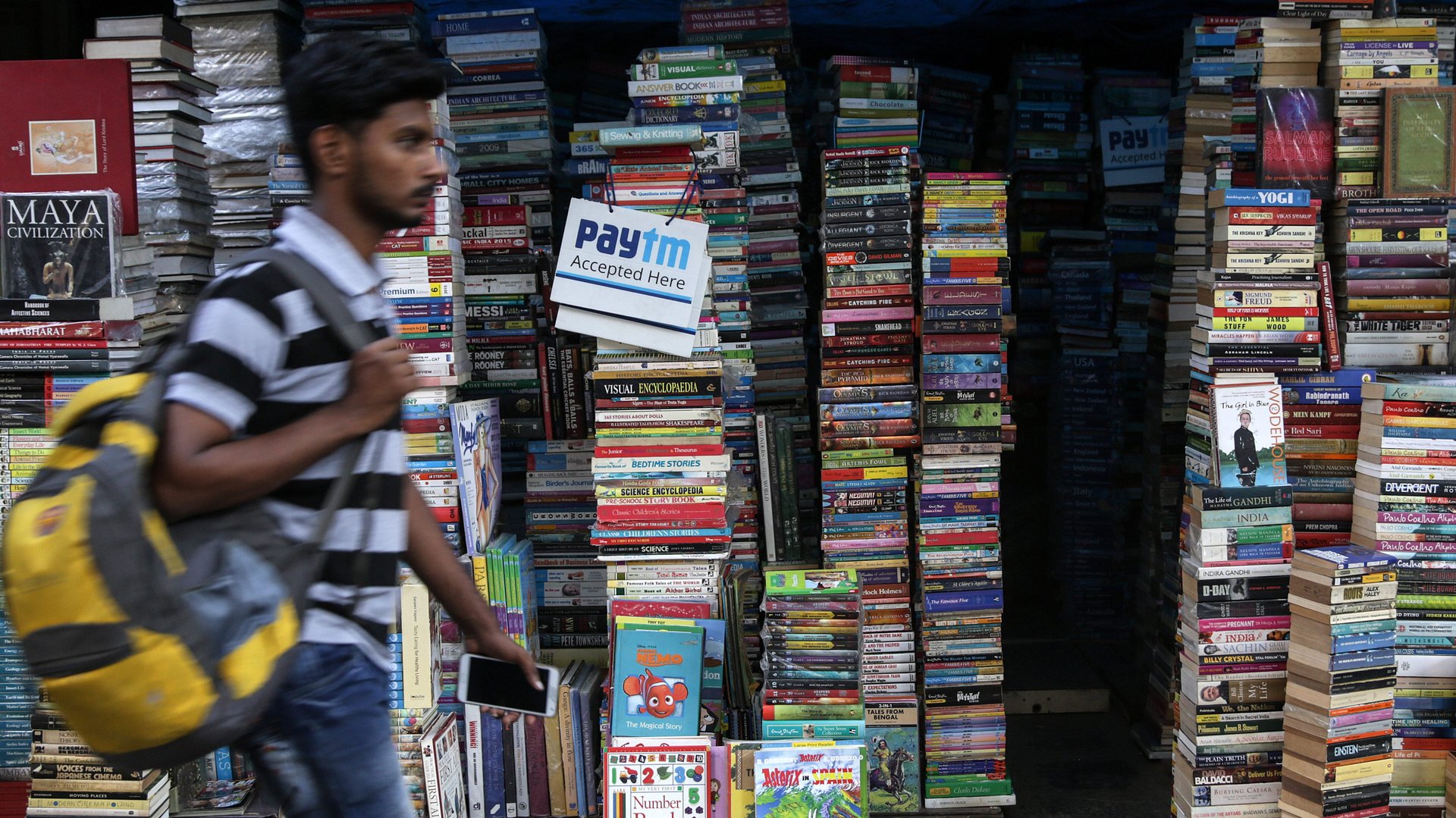
Add up all the textbooks and calculators that students need to buy and September can be rough for American parents and their children. While schools require purchases of the latest textbook editions each year, parents can acquire some books that never go out of date—and cost nearly nothing.

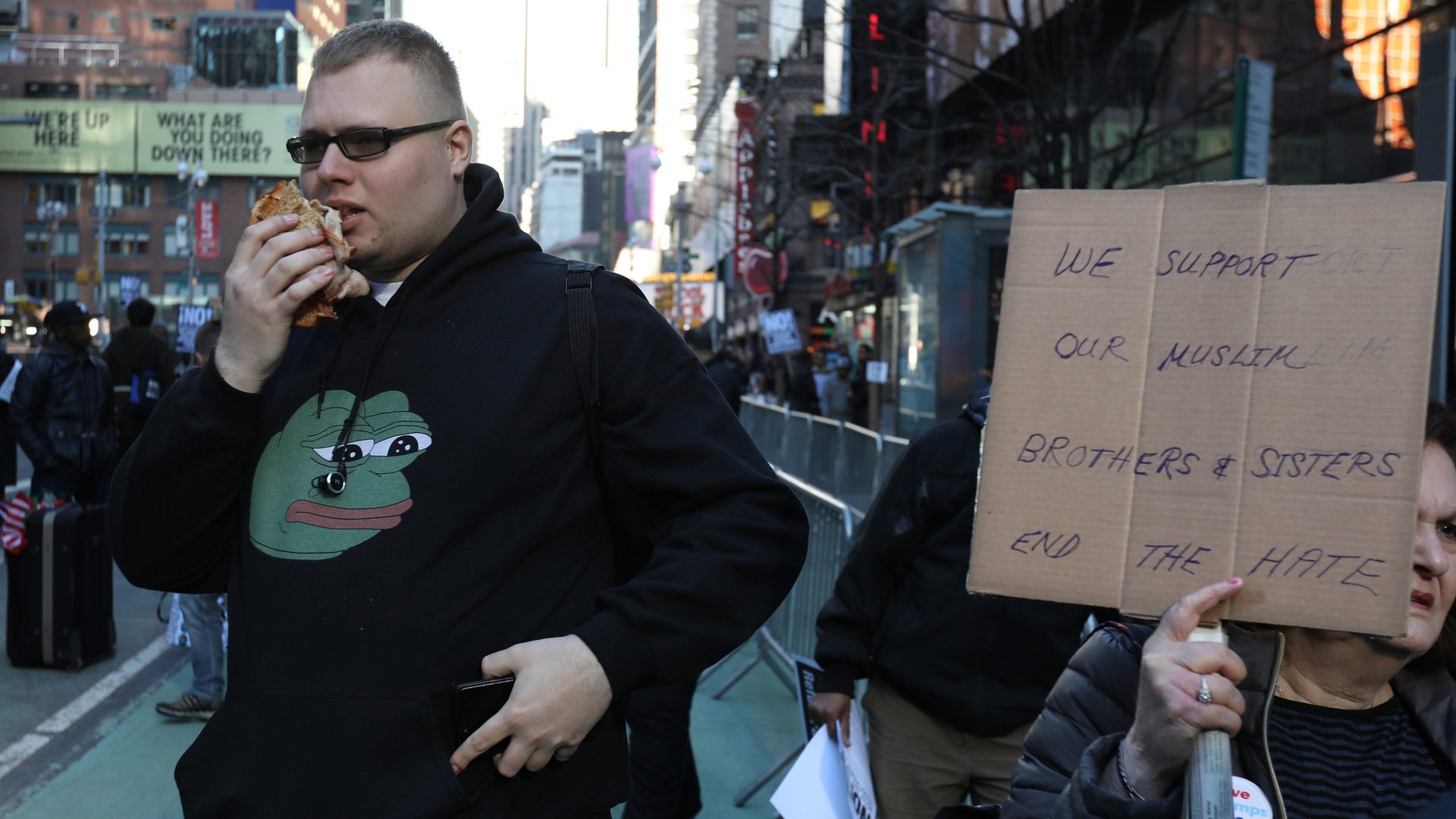
There are no innocent frogs.

It’s been an awkward few days for America’s most powerful books ranking. On Aug. 24, the New York Times issued a rare correction to one of its bestseller lists, after a strange and still unexplained series of events that fall somewhere between scam and gaffe.

US president Donald Trump has popularized the phrase “fake news.” But not too long ago these words in combination would have meant little to everyday English speakers.

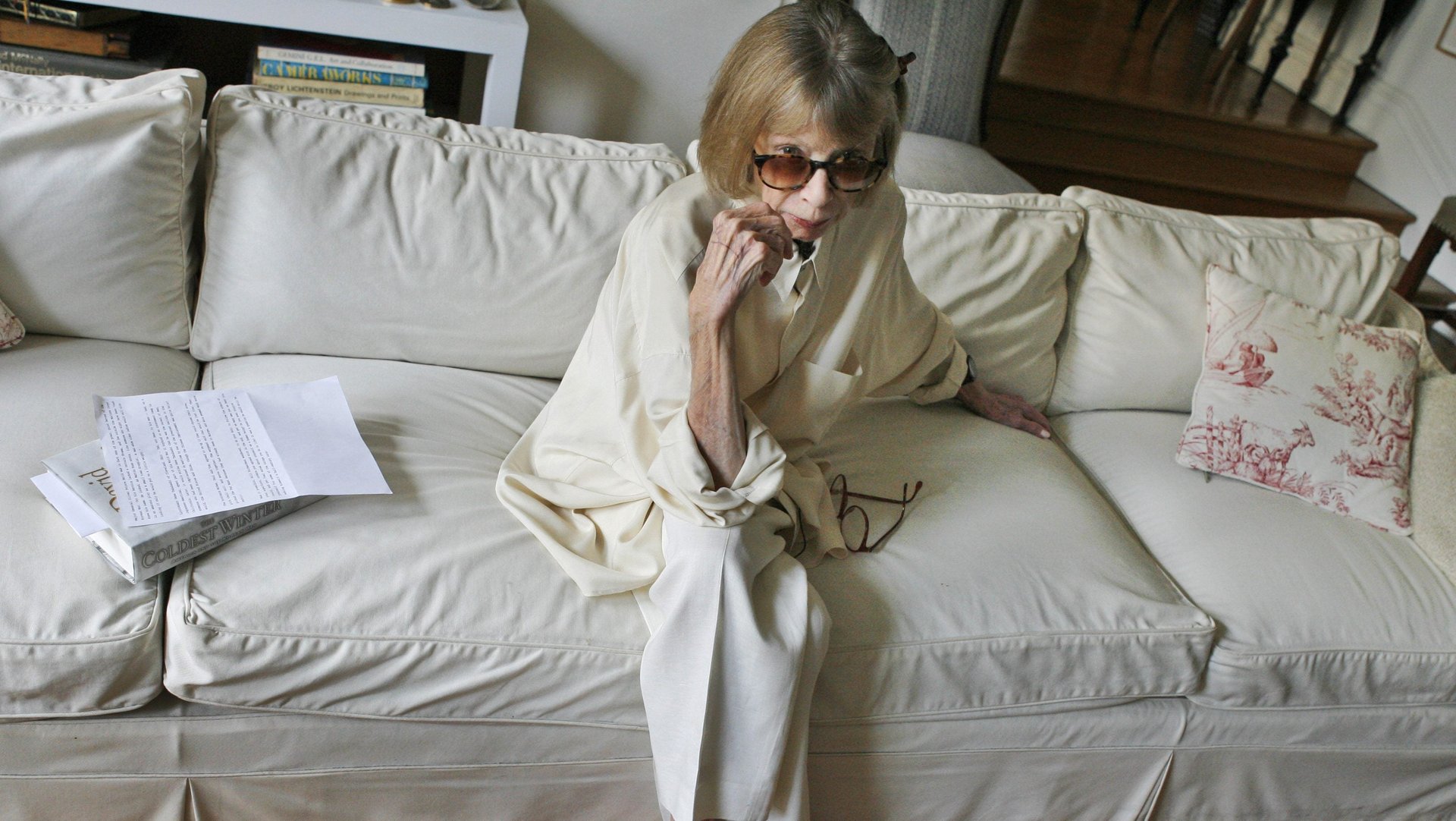
American literary icon Joan Didion is coming to cord cutters.

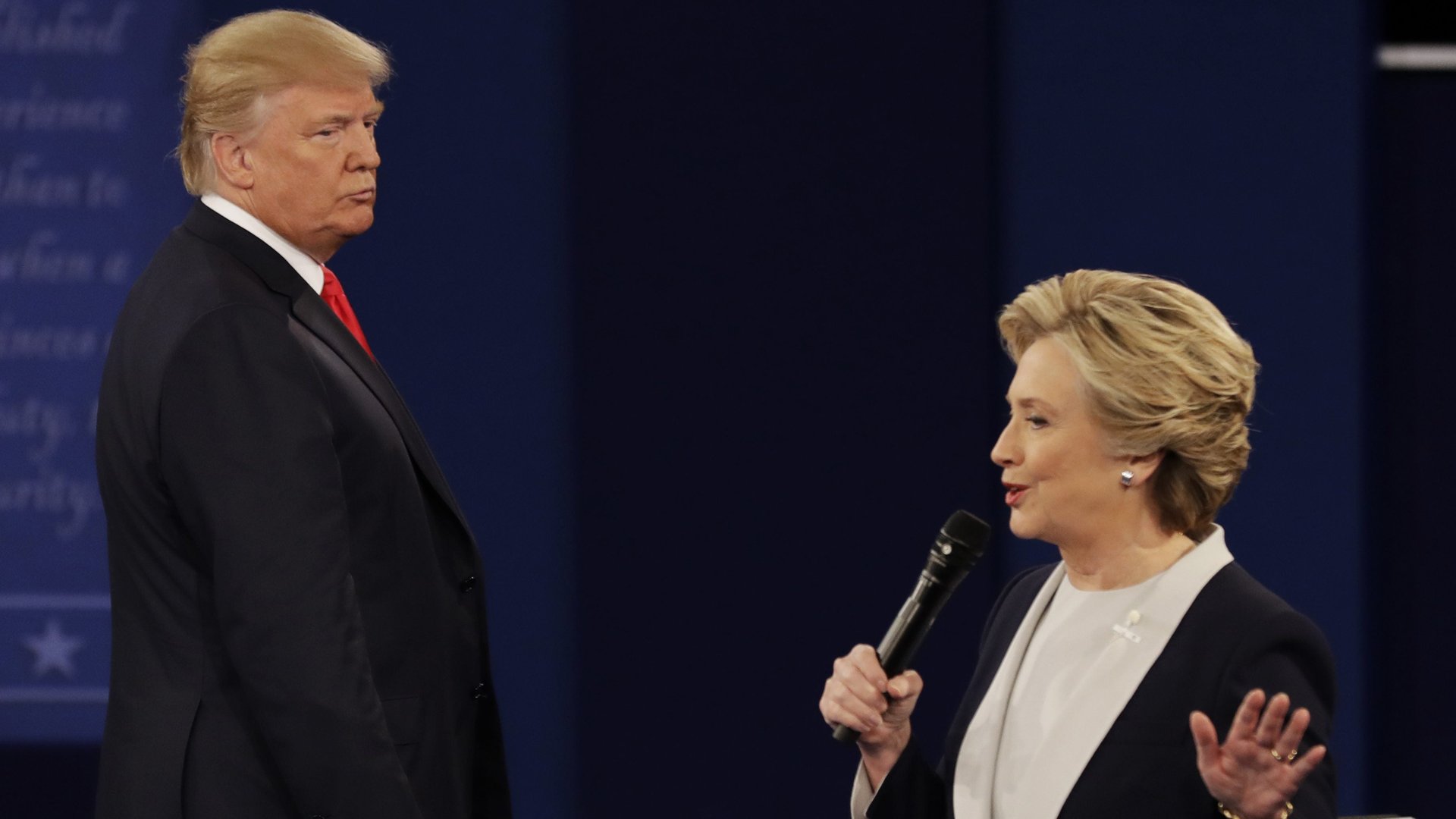
A man who’s bragged about assaulting women lumbers menacingly close on live national television. You’re trying explain something to the audience. What was the question again?

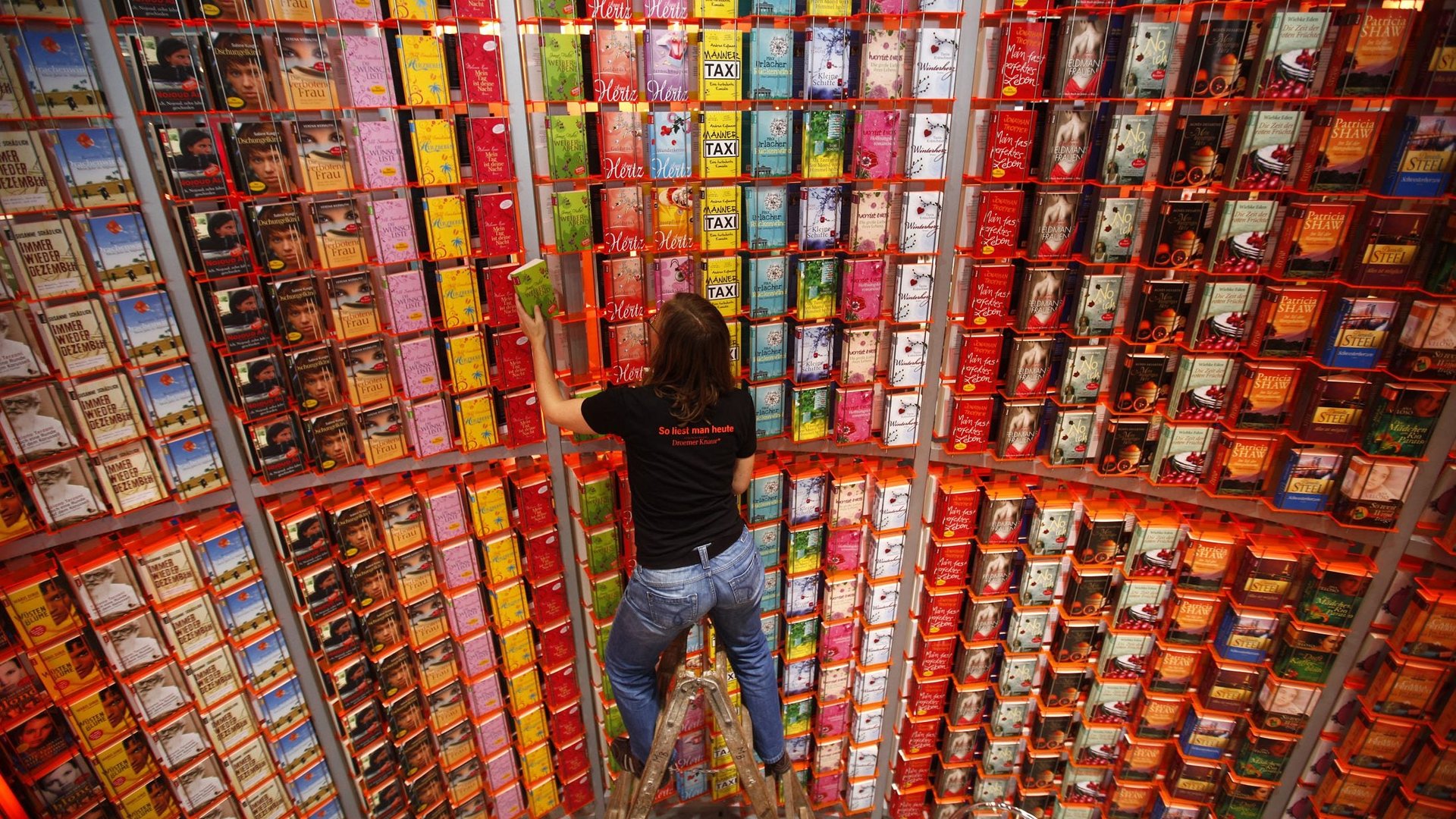
Two years ago the world’s publishers collectively put out over 1.6 million books. About half of them came from just two countries.

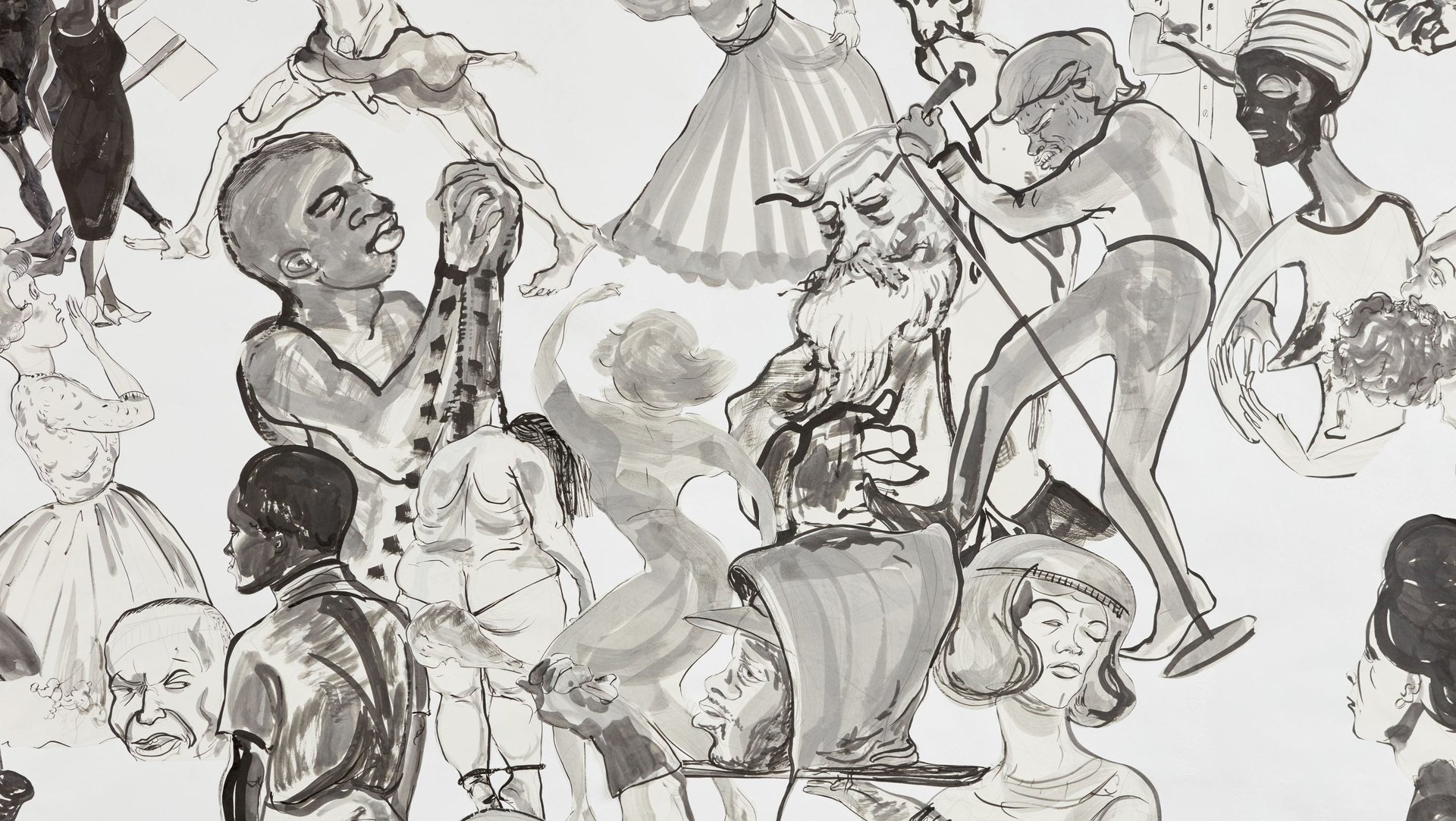
Kara Walker would probably hate this article about her cultural value and intellectual merit, to hear her tell it.

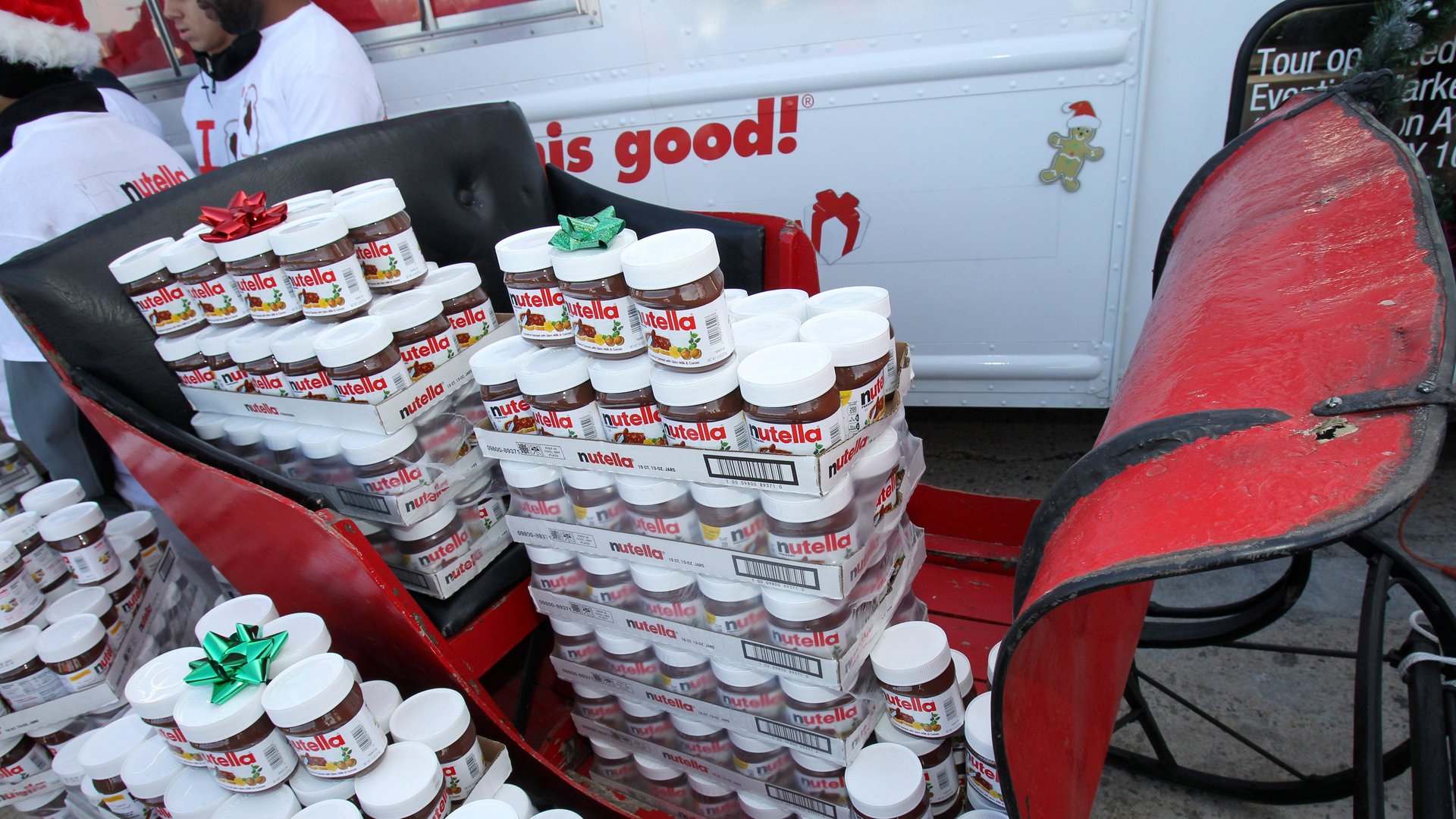
Precious cargo has gone missing from Neustadt, Germany. Whoever finds it is in for a sugar high.

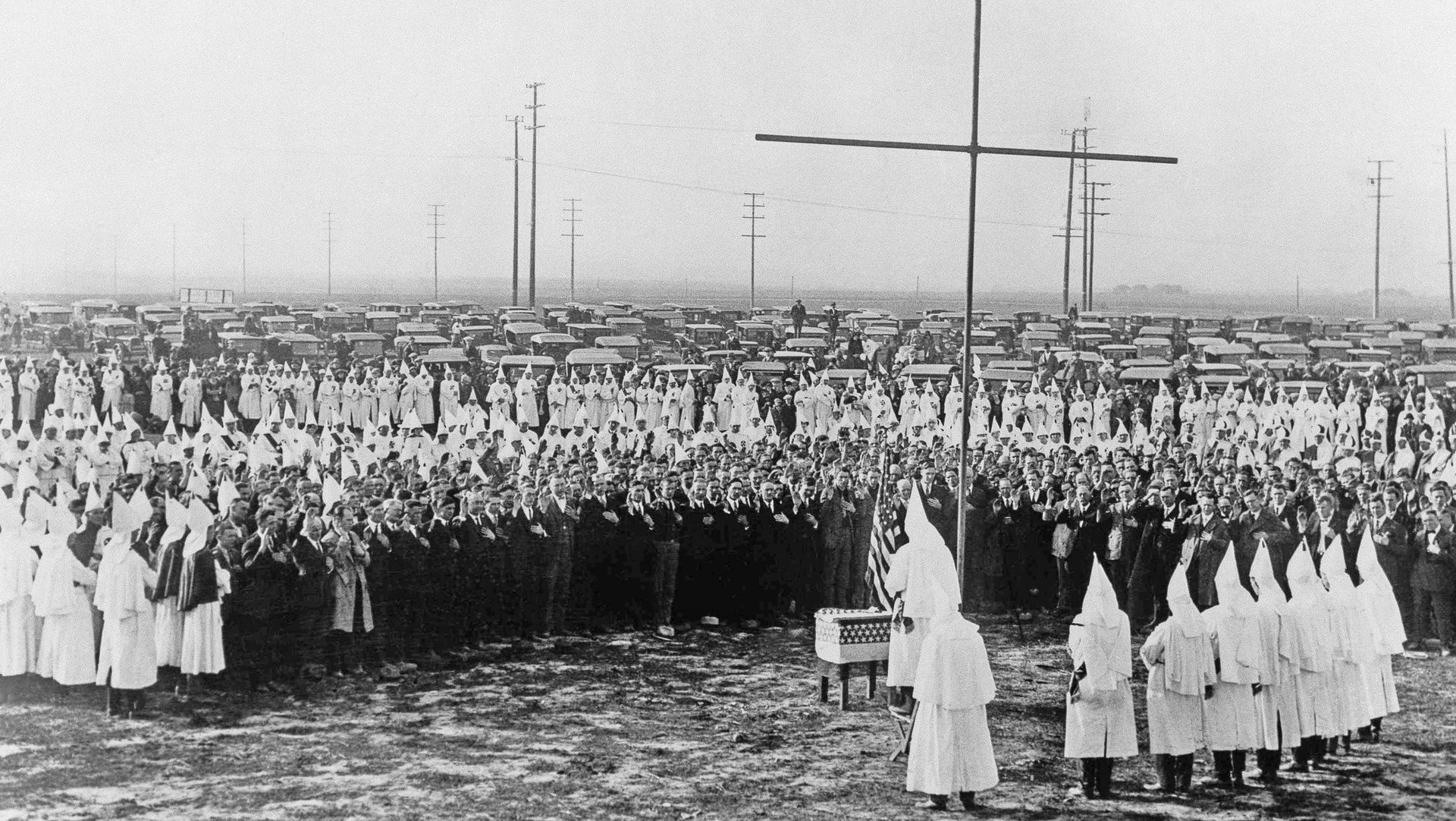
A cultural battle over what history is worth honoring is brewing in the United States. In the last two years, people have fought for and against the removal of Confederate flags and statues in southern states. Last weekend American white nationalists seeking to keep a 1924 Confederate statue erect in Charlottesville, Virginia clashed with counter-protestors, killing one woman.

After troubling violence around a white nationalist rally in Charlottesville, Virginia this weekend, photos of protestors wielding torches and making the Nazi salute quickly spread online. Reddit users shared a picture of a shirt reportedly worn in Charlottesville that quoted Hitler, and bystanders’ videos of a car attack on pedestrians were embedded by news organizations. But our ability to share such terrifying imagery creates a paradox: Sharing photos spreads awareness and helps defend against a social danger, and simultaneously also gives racist groups free publicity, fueling the fire.

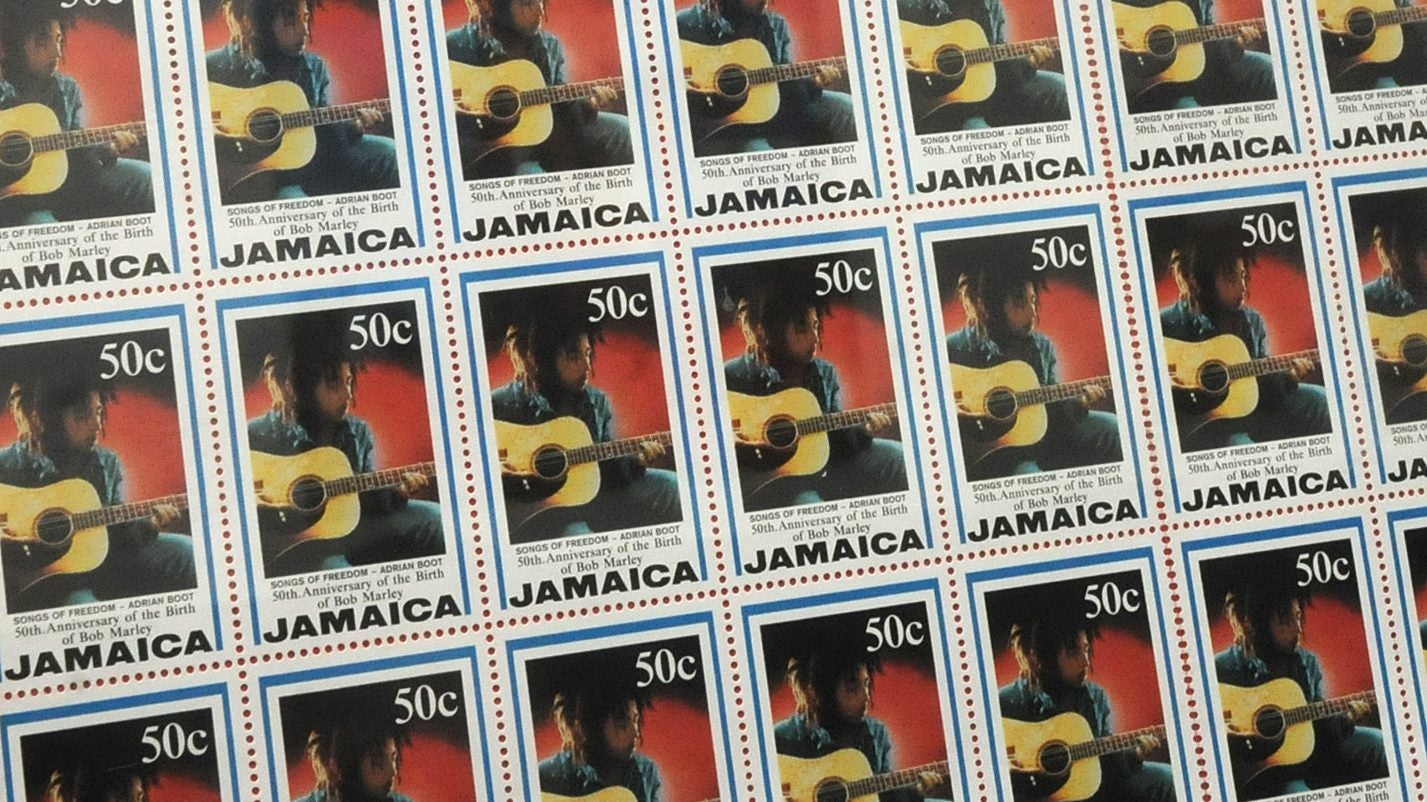
The 1950s gave Americans “oral sex” and “hidden agenda”; in the 1960s they got “dirty laundry” and “ego trip.”

In the United States, self-promotion is a bipartisan issue.