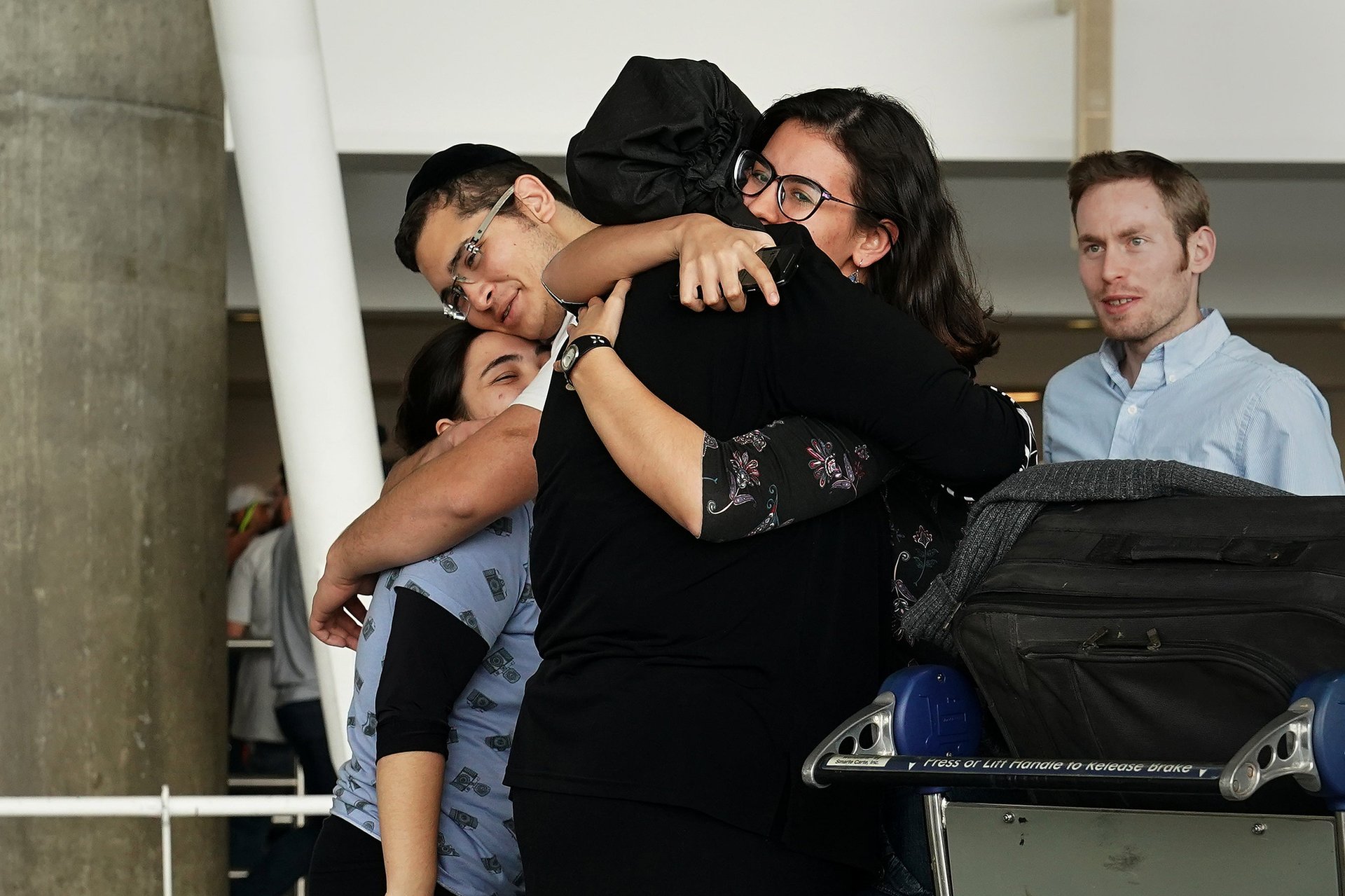
Remember back in the summer when we were discussing what constituted “family” in the confusing times after president Donald Trump’s second travel ban?

Remember back in the summer when we were discussing what constituted “family” in the confusing times after president Donald Trump’s second travel ban?

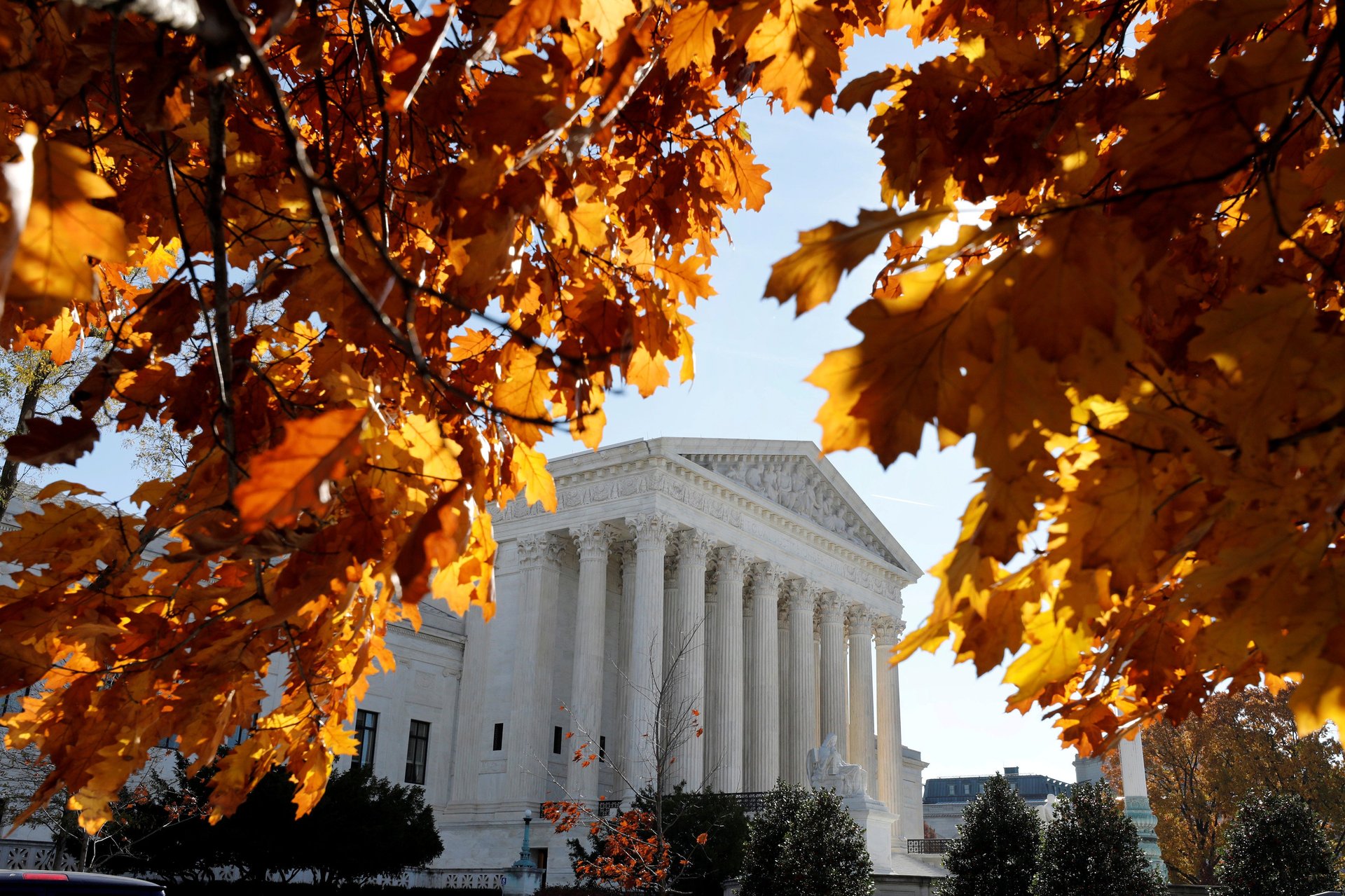
The US Supreme Court lifted stays on the latest version of president Trump’s ban, which restricts the entry of travelers from eight countries, six of them majority-Muslim nations.

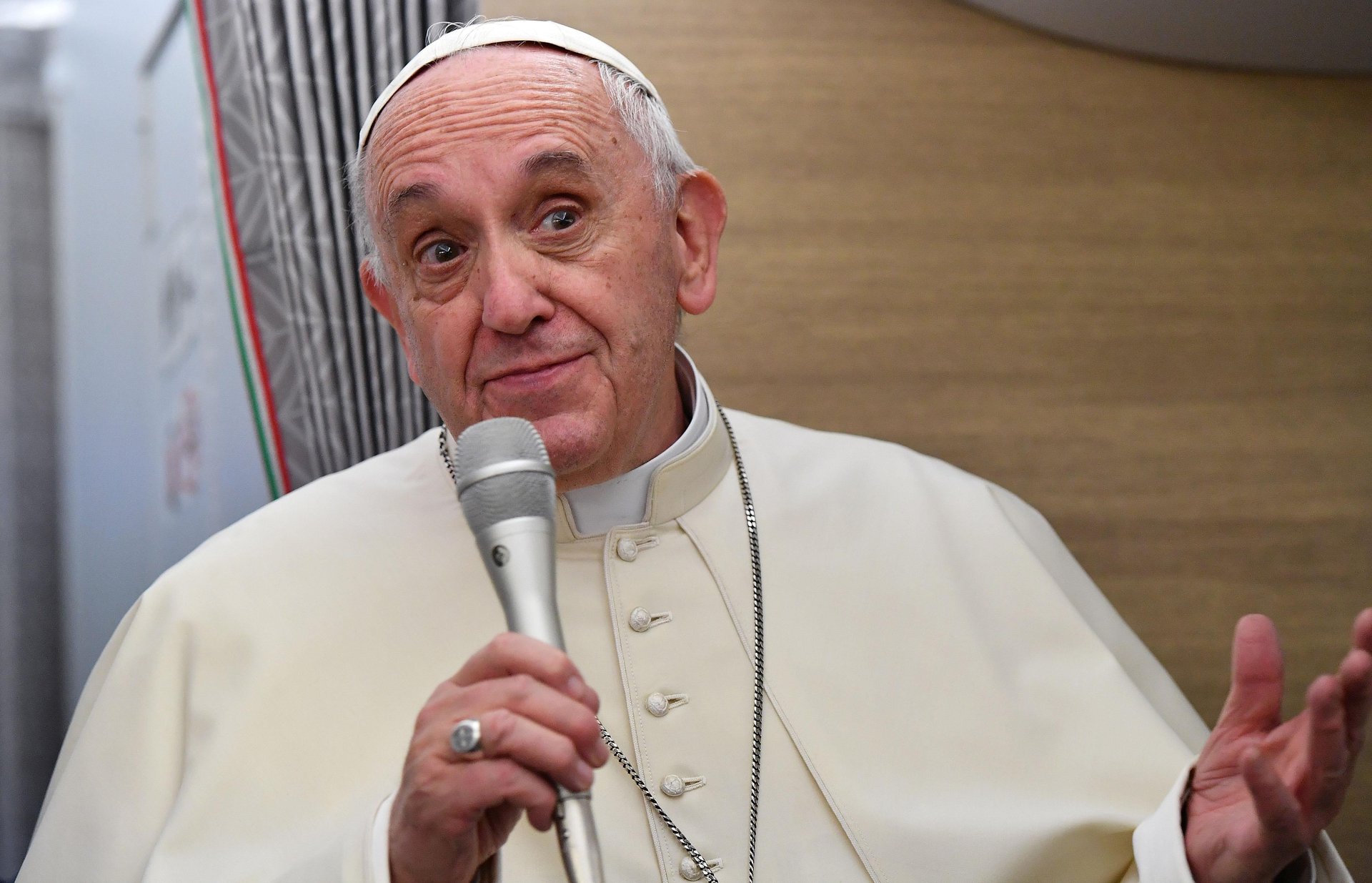
With Pope Francis in Myanmar on the first papal trip ever to the country, there has been furious speculation over whether or not he will say the R-word: Rohingya.

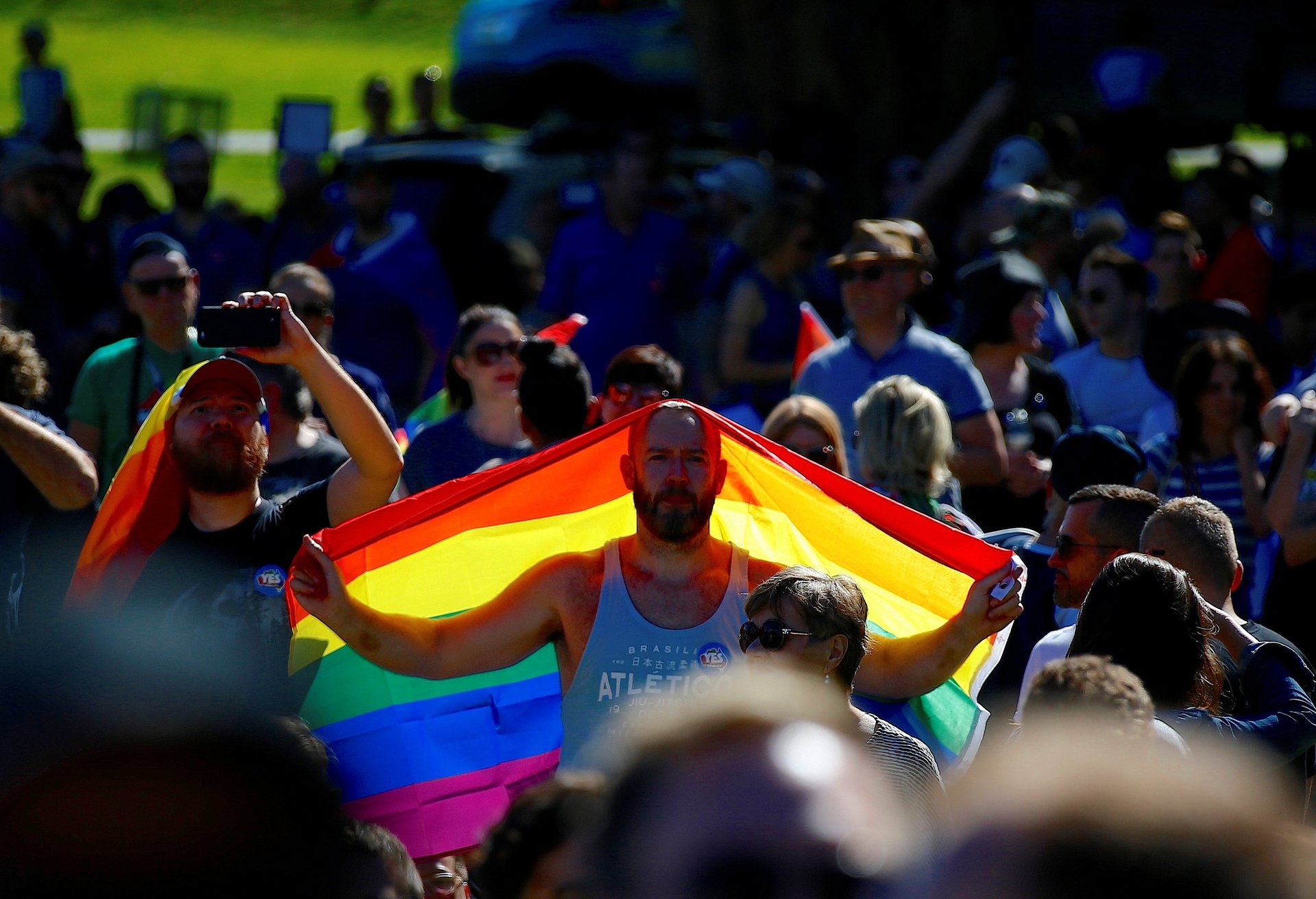
More than 60% of Australians said they were in favor of same-sex marriage in a national postal survey that saw very strong participation. After the results were announced today (Nov. 15), Australian lawmakers pledged to make same-sex marriage a legal reality in the country before the end of the year.

This is a developing story.

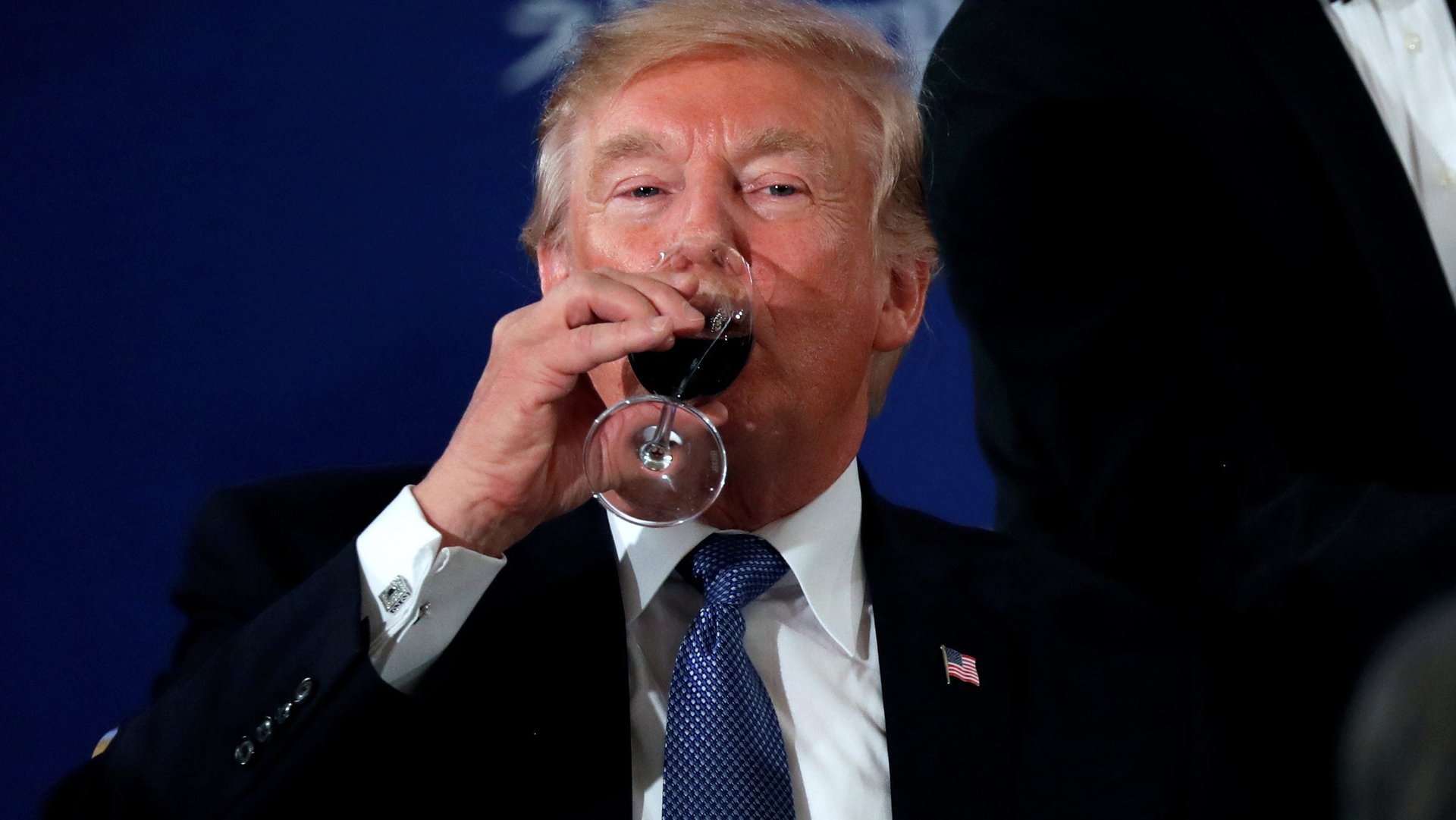
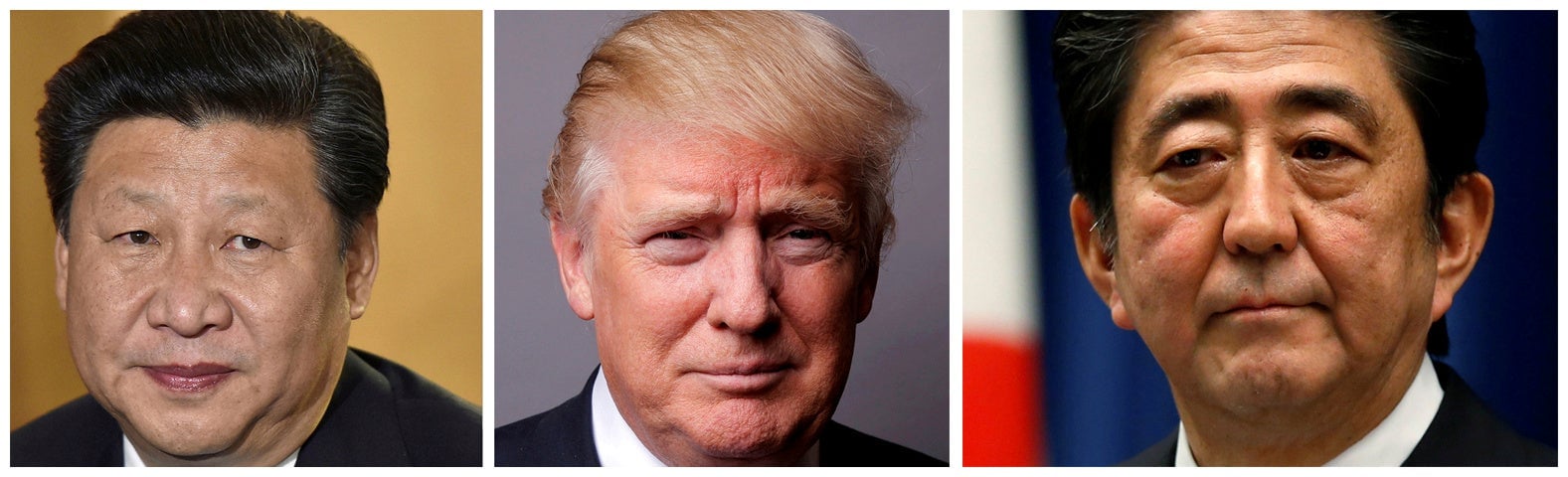
US president Donald Trump is now nearing the end of his lengthy Asia tour. After visiting Japan, South Korea, and China in rapid succession, on Friday and Saturday (Nov. 10, 11) he was in Vietnam, where he attended the Asia-Pacific Economic Cooperation summit (APEC), a state banquet, and bilateral meetings. On Sunday, he heads for the Philippines, the last destination on the tour. While Asia’s known for its remarkable cuisine, Trump has sampled little of it, often sticking to much more familiar foods. Here’s a wrap of what he’s been eating so far:

US president Donald Trump tried today (Nov. 8) to land at the Demilitarized Zone (DMZ) between South Korea and North Korea, but turned back because of heavy fog, according to a pool report on this leg of his lengthy Asia tour.

In the massive national conversation about sex crimes that has ensued as a result of the remarkable investigative reporting on Harvey Weinstein’s decades of misconduct, one question recurs: Why do women so often keep silent about having been the target of a sexual offense?

Update: Trump announced to reporters on Friday (Nov. 3) that he will be attending the East Asia Summit, after coming under criticism for skipping it. The trip will be extended from 12 days to 13 to accommodate the Summit, which Politico called “a symbolic move aimed at building good will in the region.”

Singapore’s Land Transport Authority (LTA) announced yesterday (Oct. 23) that it’s setting the new growth target for cars and motorcycles at 0%, replacing the present rate of 0.25%. The new target will come into effect from February next year.

When JiaJia, a Chinese-built robot, did a short Q&A with an AI expert earlier this, year most tech journalists focused on the delay in her responses and her less-than-brilliant answers. Many in China were struck by something quite different: her white embroidered robes and elaborate hairstyle: “Beautiful!” was a common comment.

In a flurry of statements on Saturday (Oct. 21), North Korea said it had written to the head of the United Nations Security Council, renewing its appeal for the US and South Korea to back off their joint military drills.

Machines judged a beauty contest last year and the winners, chosen from photographs women had submitted, were overwhelmingly white. Meanwhile, a Microsoft chatbot went from wide-eyed naïf to misogynist Nazi sympathizer after just a day among trolls on Twitter.

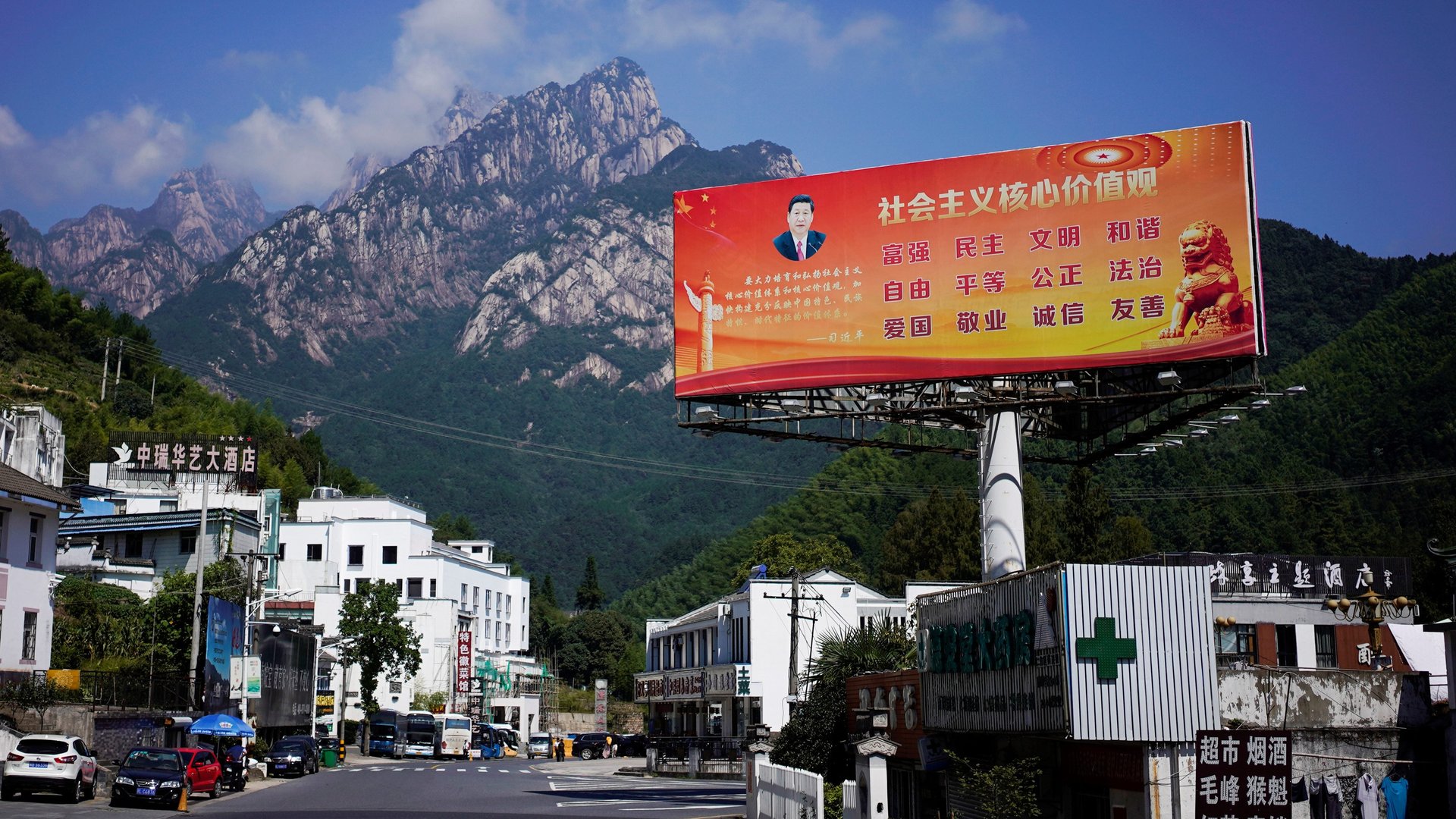
In 2012, in a key party leadership speech, China vowed to work with international society to “actively respond” to climate change. Five years on, president Xi Jinping just told China that it is in the “driving seat” when it comes to preserving the planet for future generations.

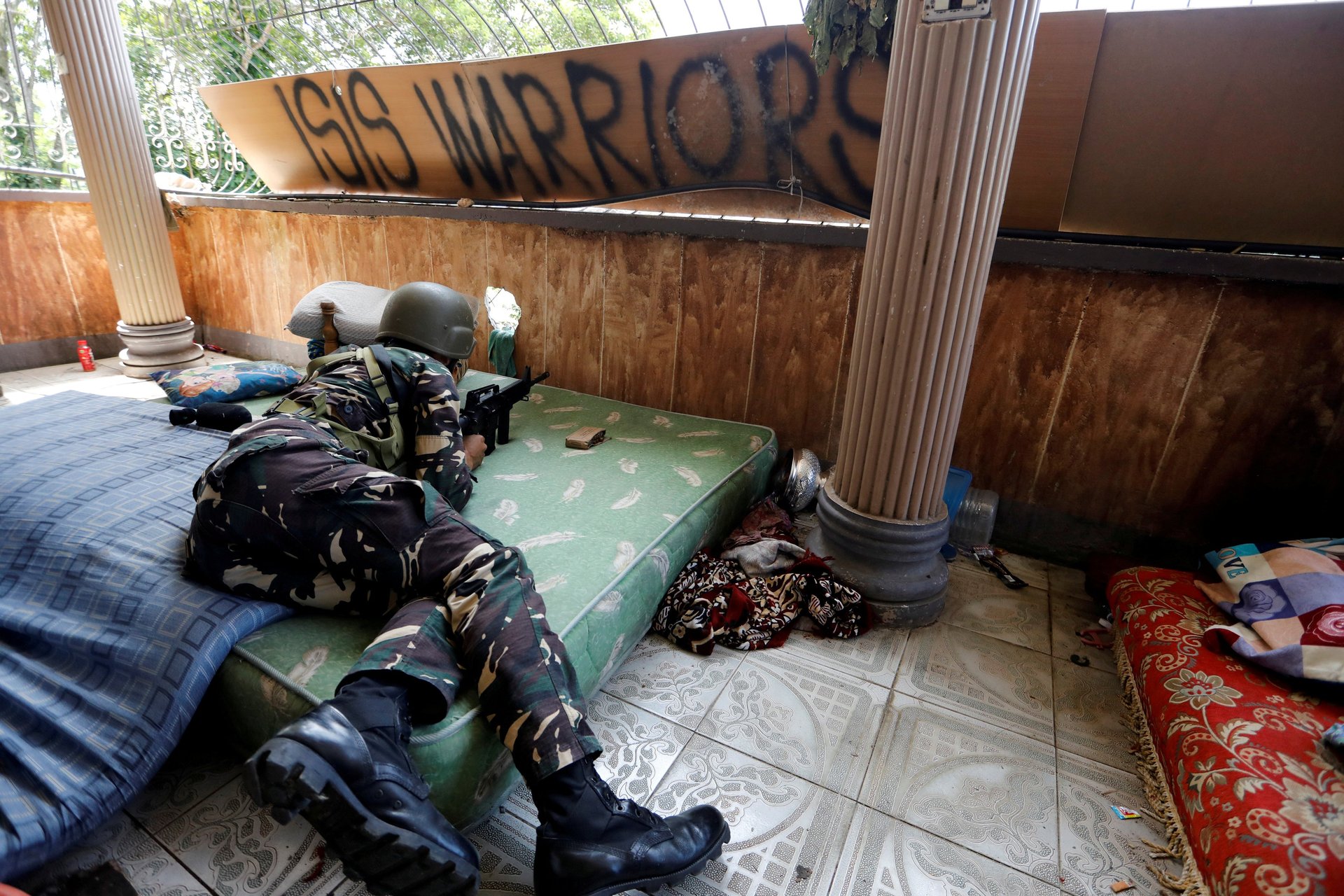
After months of fighting in the southern parts of the Philippines, where a conflict with separatist Islamic insurgents deepened earlier this year, Philippine defense secretary Delfin Lorenzana and other officials said Monday (Oct. 16) that government forces had killed two key ISIL-linked militants: Isnilon Hapilon and Omar Maute.

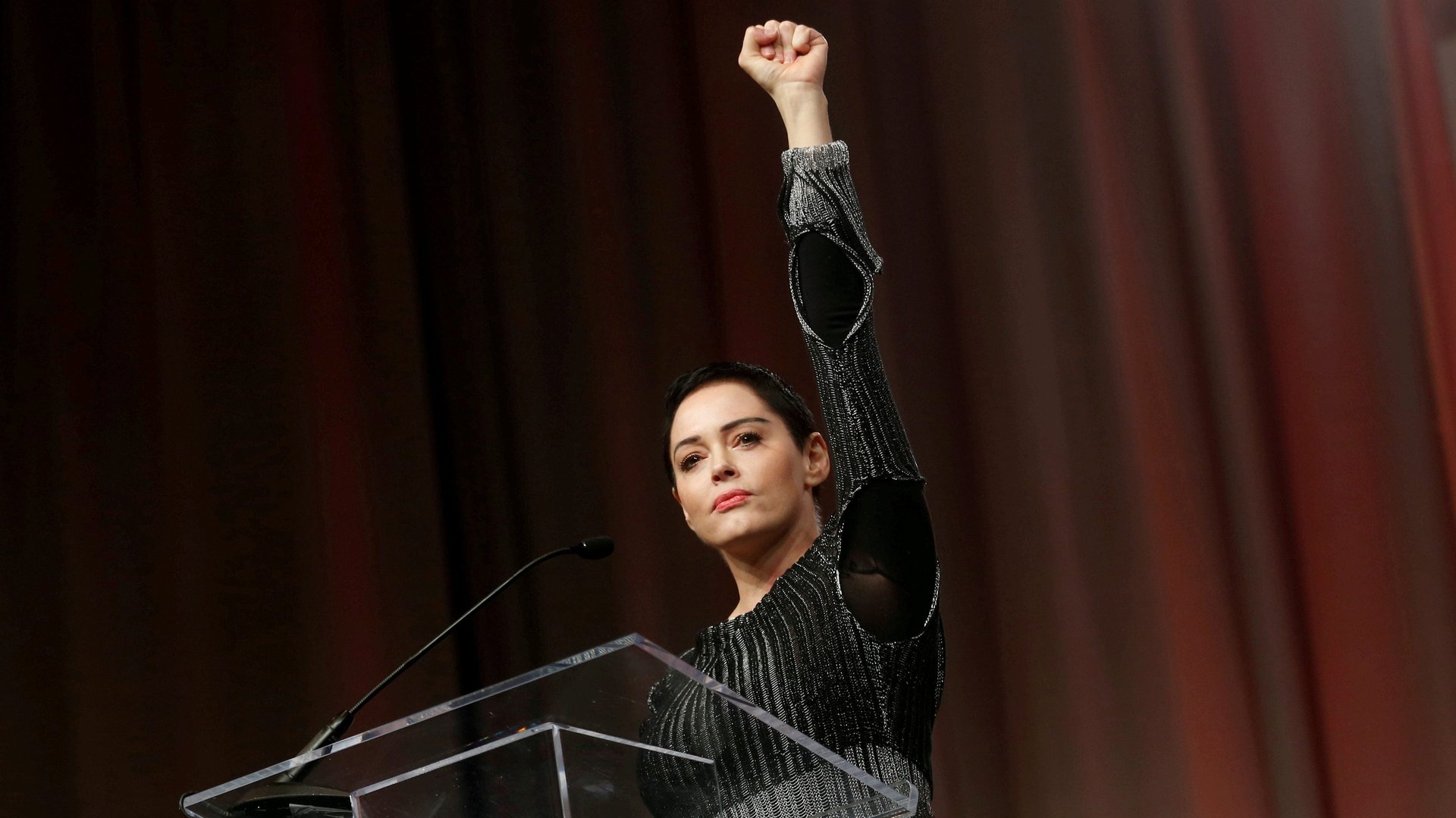
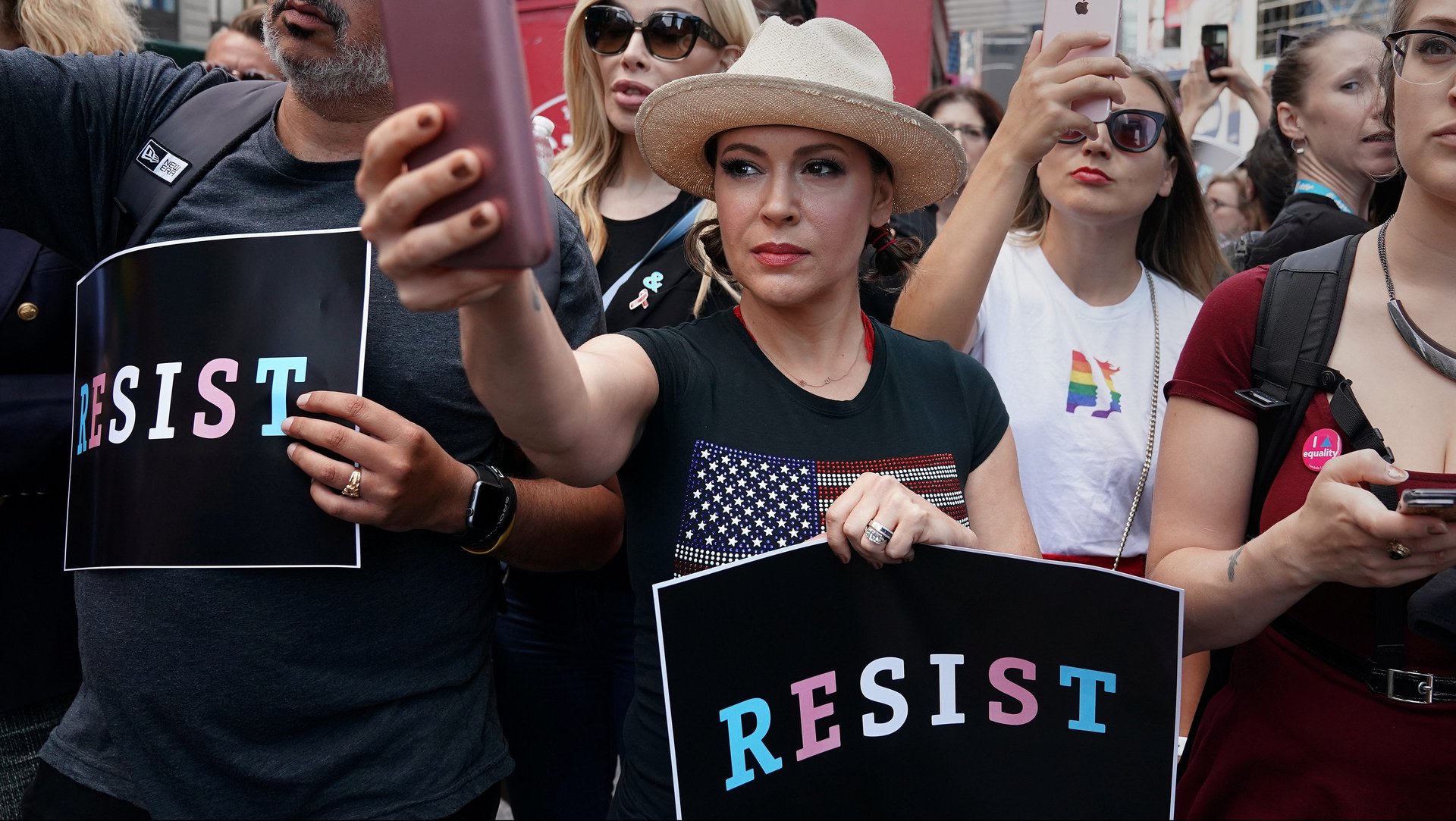
In tweets tagged #MeToo on Twitter, or in Facebook status updates with the two words, women are sharing their experiences showing just how everyday sexual harassment and assault are. They have written of being groped or leered at by classmates their age when their bodies started to change, and of having been told to laugh them off. They’ve described being with male coworkers as they rated women on whether they’d sleep with them or not. They’ve described harassment or assault at white-collar jobs, factories, and in the military. And some have described the lasting trauma of childhood abuse or rape. A friend of mine wrote about an attempted assault by a former partner.

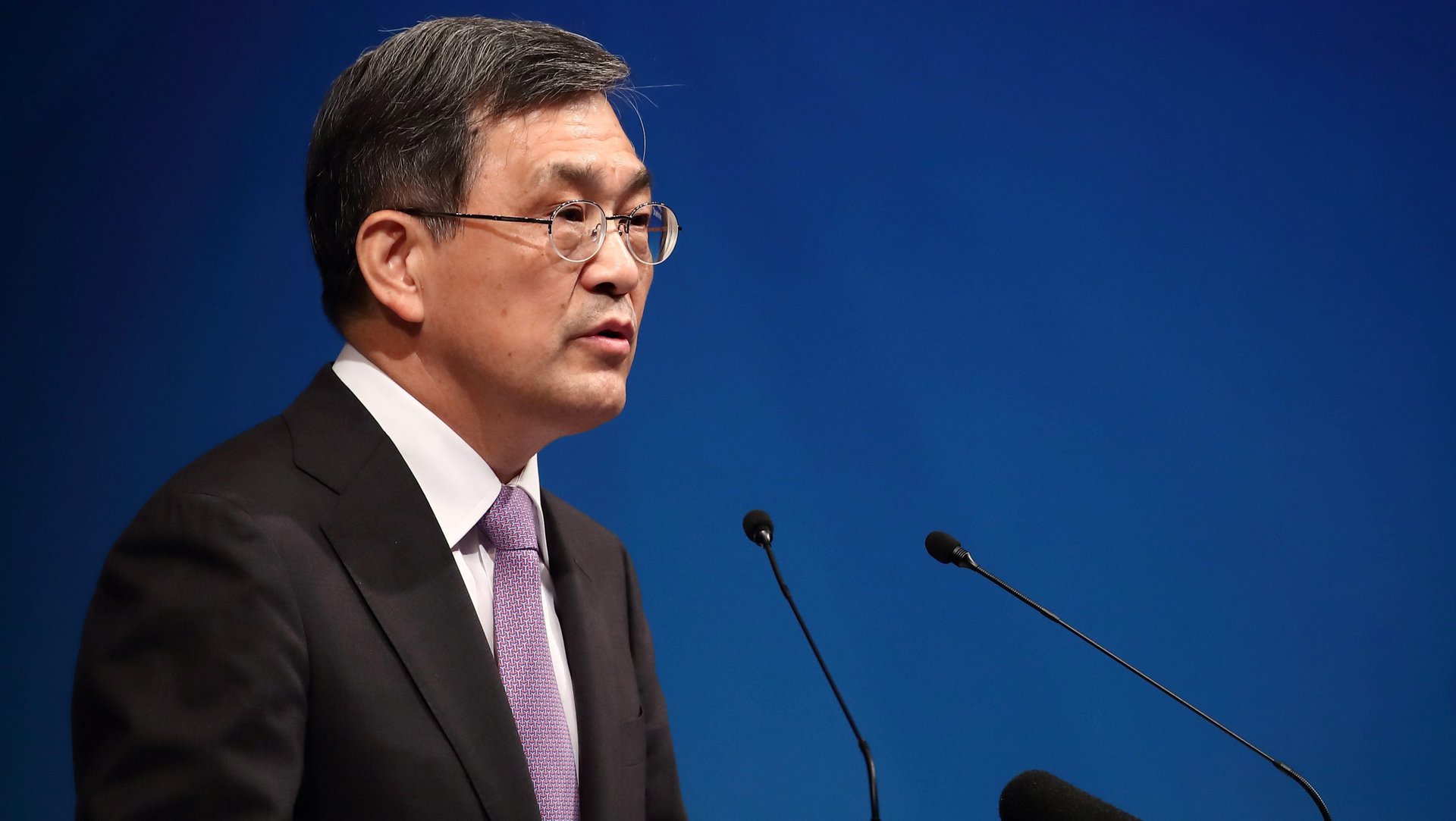
Since the Samsung group’s de facto heir was sentenced to five years in prison for bribery and embezzlement in August, Kwon Oh-hyun, CEO of Samsung Electronics, (shown above) has been the public face of the group’s crown jewel. Turns out, not for much longer.

You can now purchase citizenship of the country with the world’s 34th most powerful passport with bitcoin.

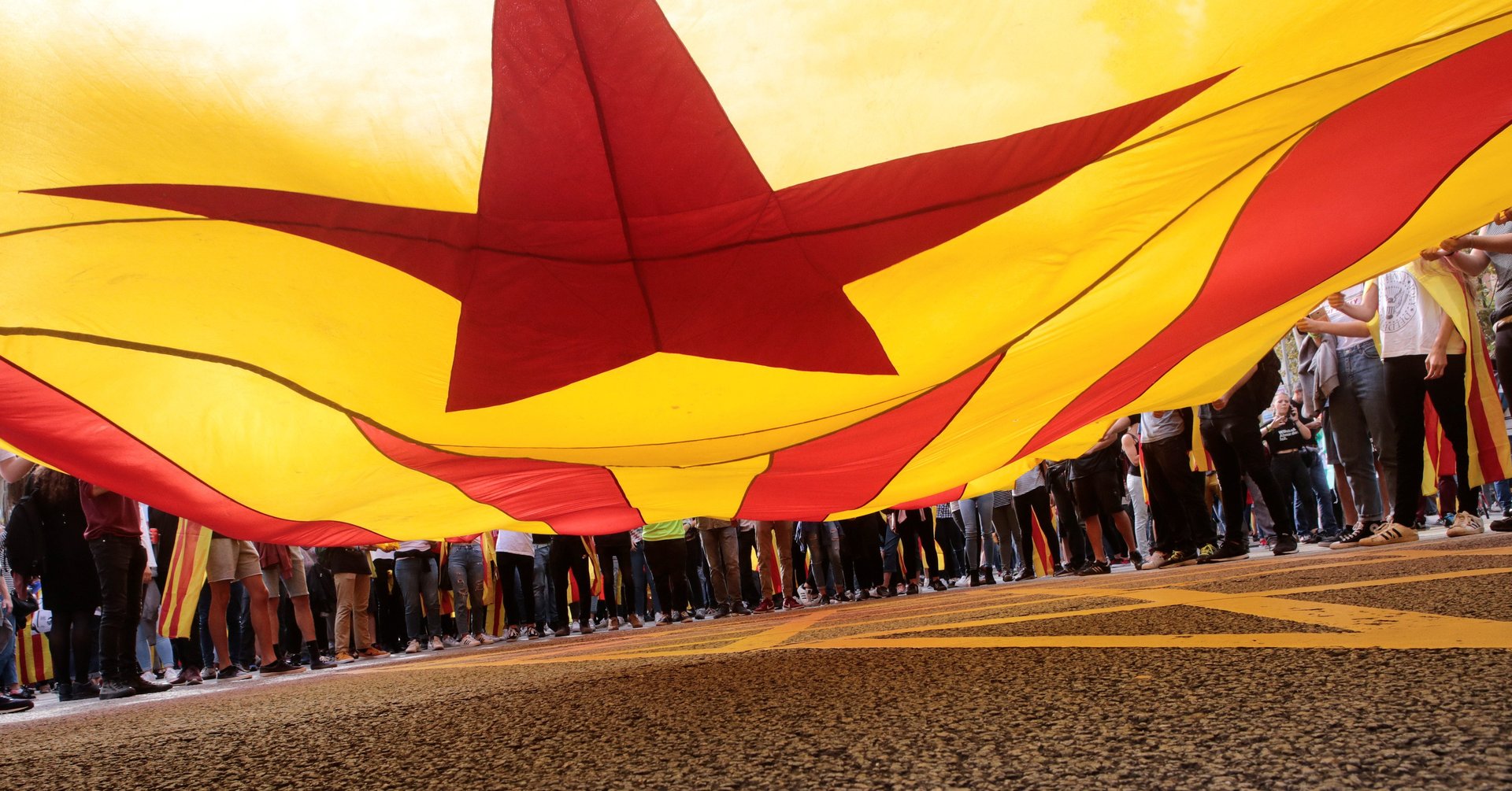
Spain and its wealthy northern region of Catalonia have been witness to some remarkable scenes in recent weeks after Catalan leaders decided to hold a referendum on independence Oct. 1.

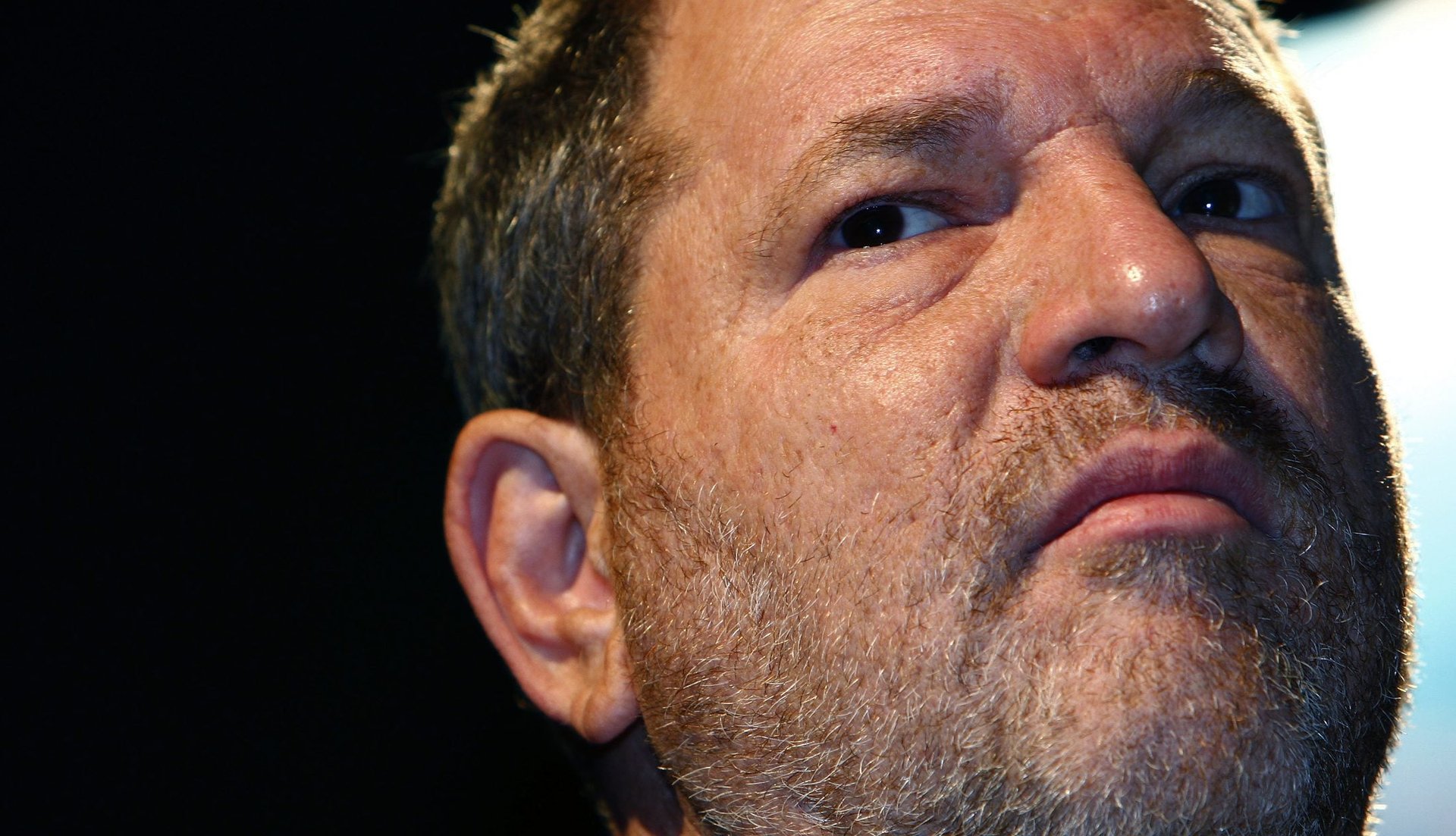
Add another name to the list of powerful men in media and entertainment—Bill Cosby, the late Roger Ailes, Bill O’Reilly—who now have decades of (alleged) bad behavior suddenly catching up with them.

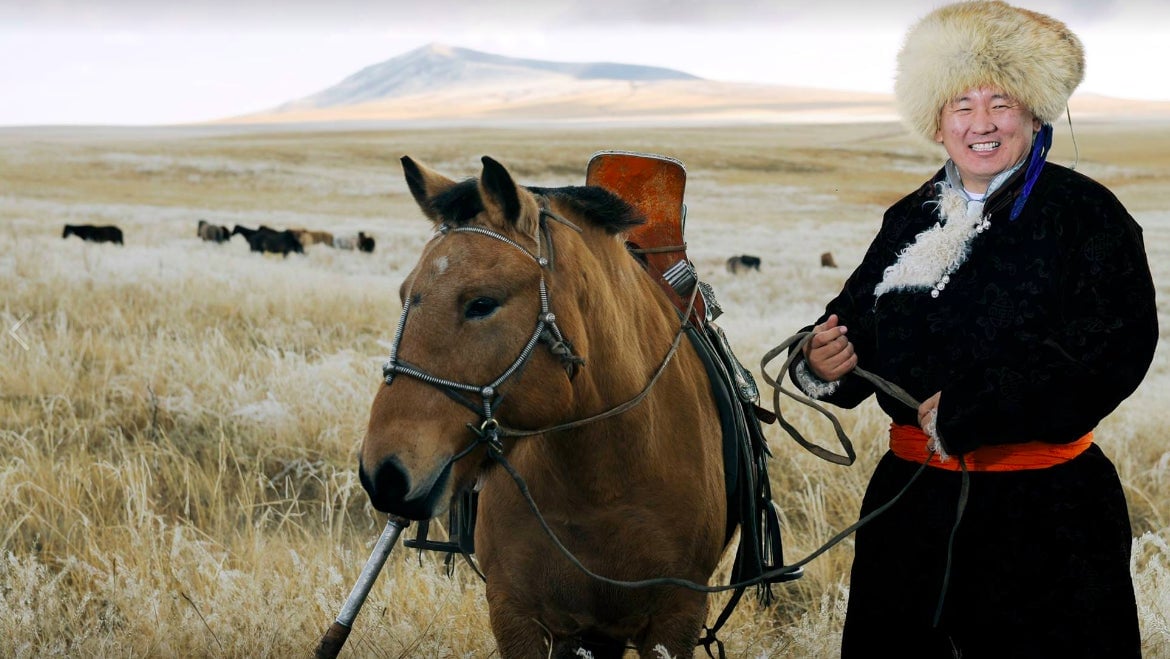
His Facebook page shows him holding the reins of a horse against the rugged landscape of a Mongolian steppe. In 2012, he brawled with a fellow lawmaker, earning him the nickname “Fist.” He has a series of photos of himself in poses struck by Vladimir Putin. He’s the president of a local chapter of a Harley-Davidson fan club. Meet Ukhnaa Khurelsukh, shown above, Mongolia’s new prime minister.

As eye-witness survivors shared their accounts after the horrific mass shooting at a Las Vegas concert that left 59 dead and more than 500 injured, one thing quickly became clear: As in other recent tragedies and natural disasters, ordinary people at the scene had to quickly put aside their shock and grief to help those most badly injured as they waited for professional help.

Today, over 125 years ago, US president Chester A. Arthur called a major global conference to discuss the little matter of time. The US had just ironed out the differences in its railway times—until 1883, American railways had to adhere to dozens of times calculated locally, with some cities just a few minutes apart—and now it wanted to see the same kind of standardization globally.

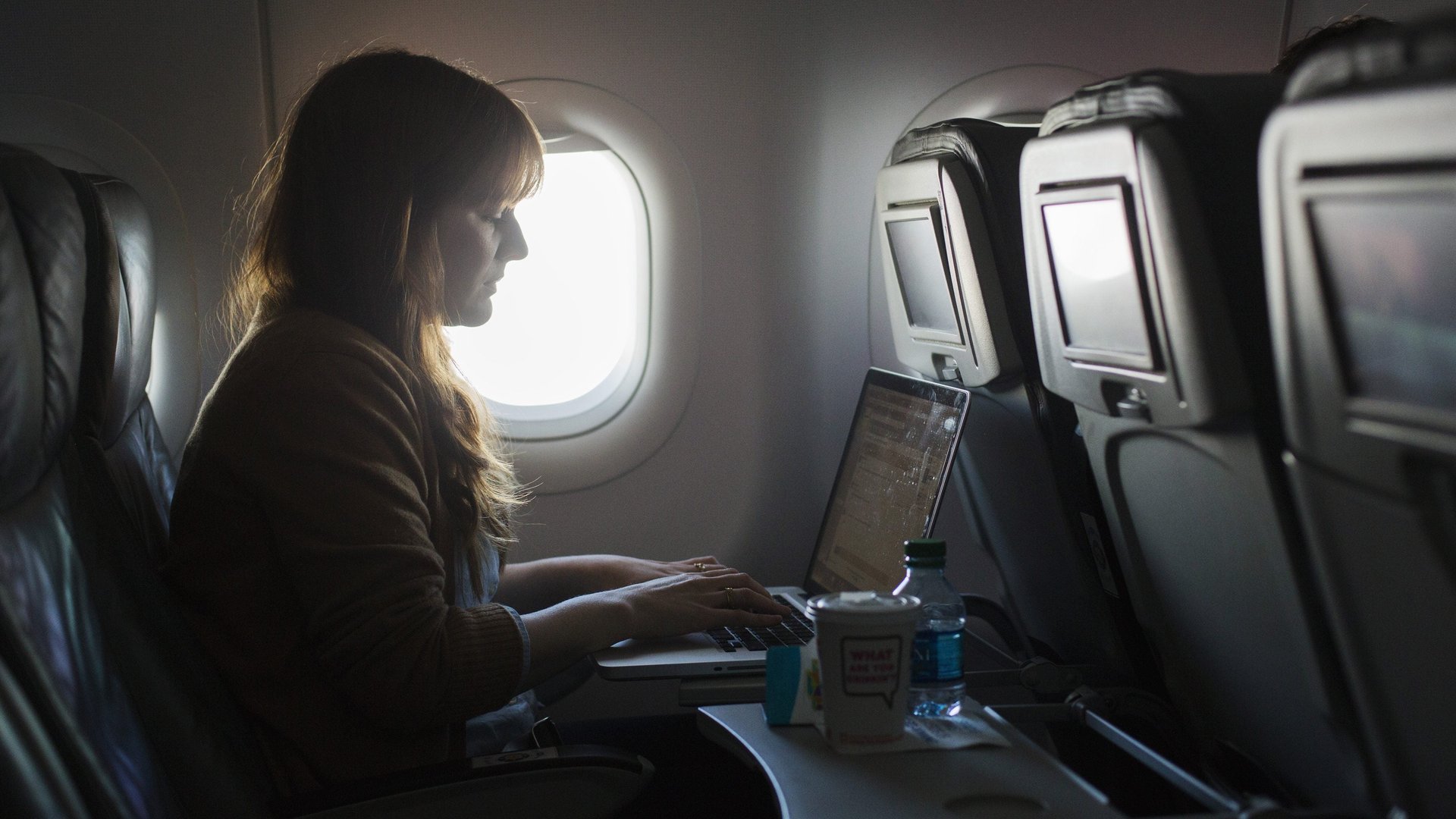
Flights, with their stagnant air, cramped seats, turbulence, annoying seat partners and crying children, may not seem like havens of deep productivity—and yet for many people they are.