
Lifestyle
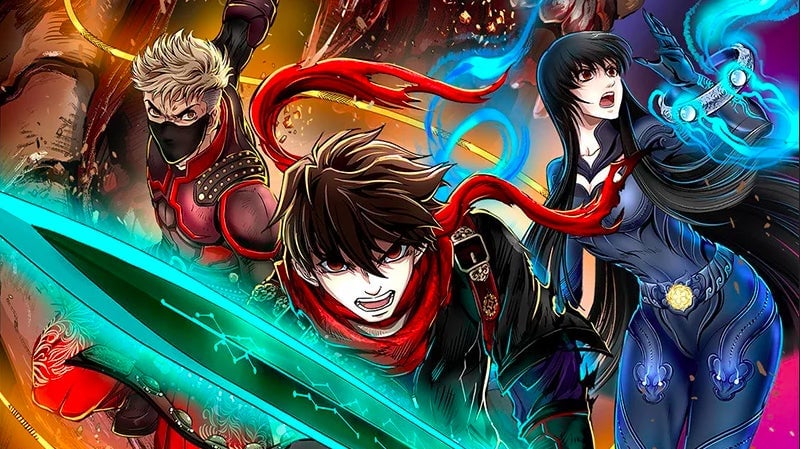
Marvel’s first Chinese superheroes are coming—and here are their superpowersMarvel is introducing the first batch of Chinese superheroes to its massive universe of more than 7,000 characters.
Updated July 20, 20223 min read
Marvel is introducing the first batch of Chinese superheroes to its massive universe of more than 7,000 characters.
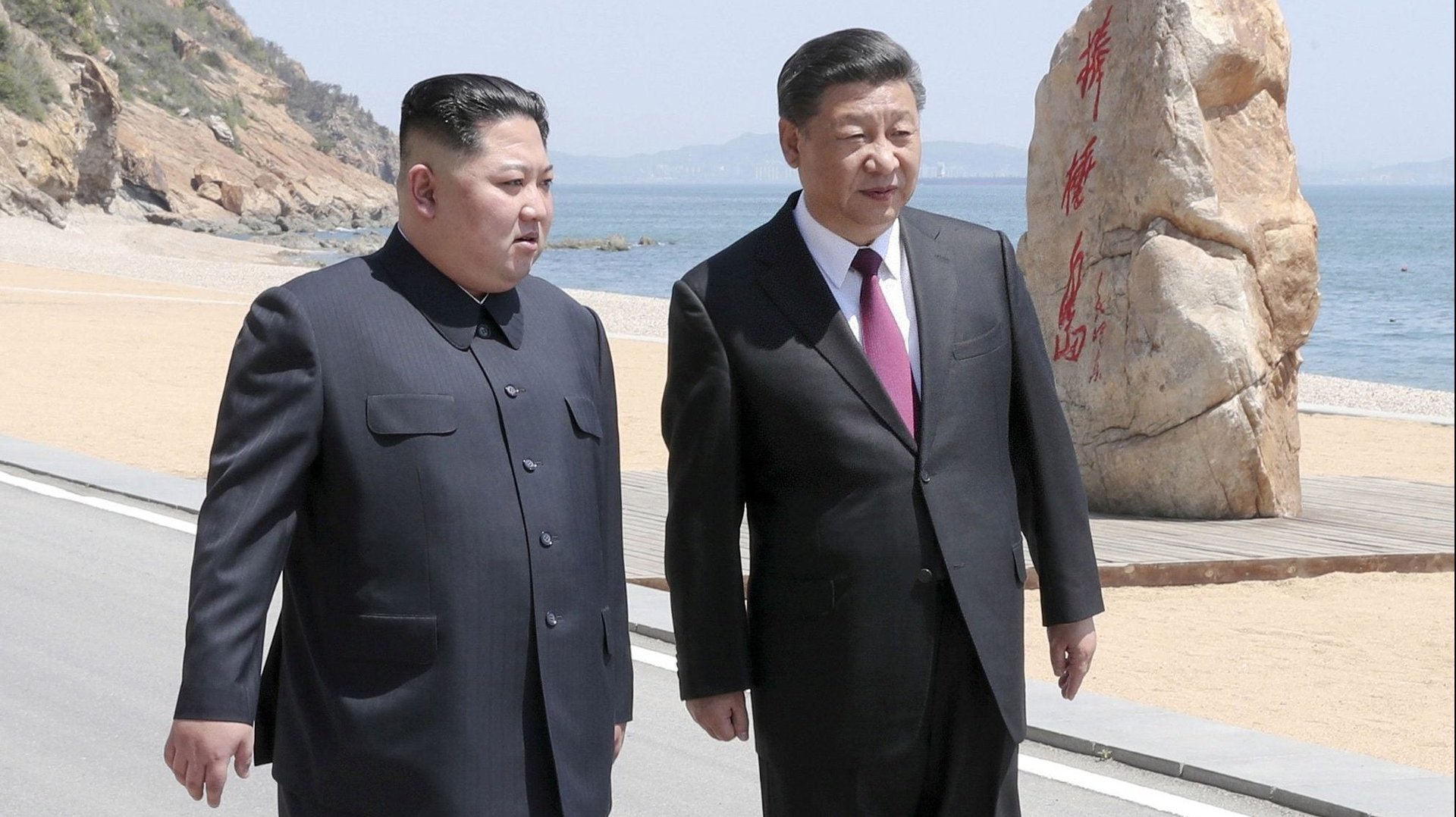
North Korea’s leader Kim Jong-un made a second secret trip to China in less than two months to meet his counterpart Xi Jinping. It’s the latest sign that the one-time frayed relationship of the two communist allies is warming dramatically, amid a diplomatic flurry over the North’s nuclear program.
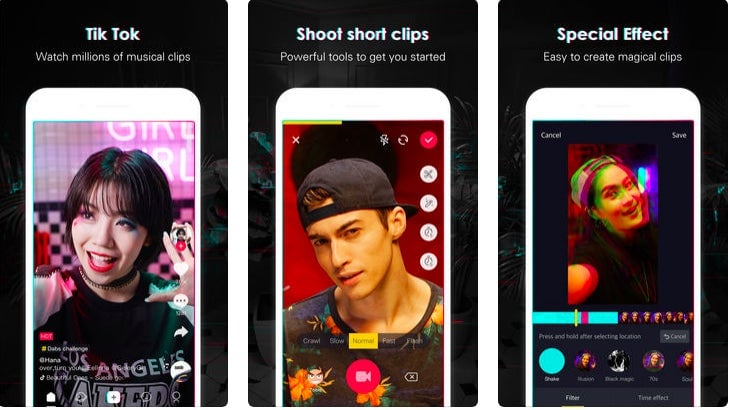
The app dominating iPhone downloads this year isn’t the one many would’ve expected.
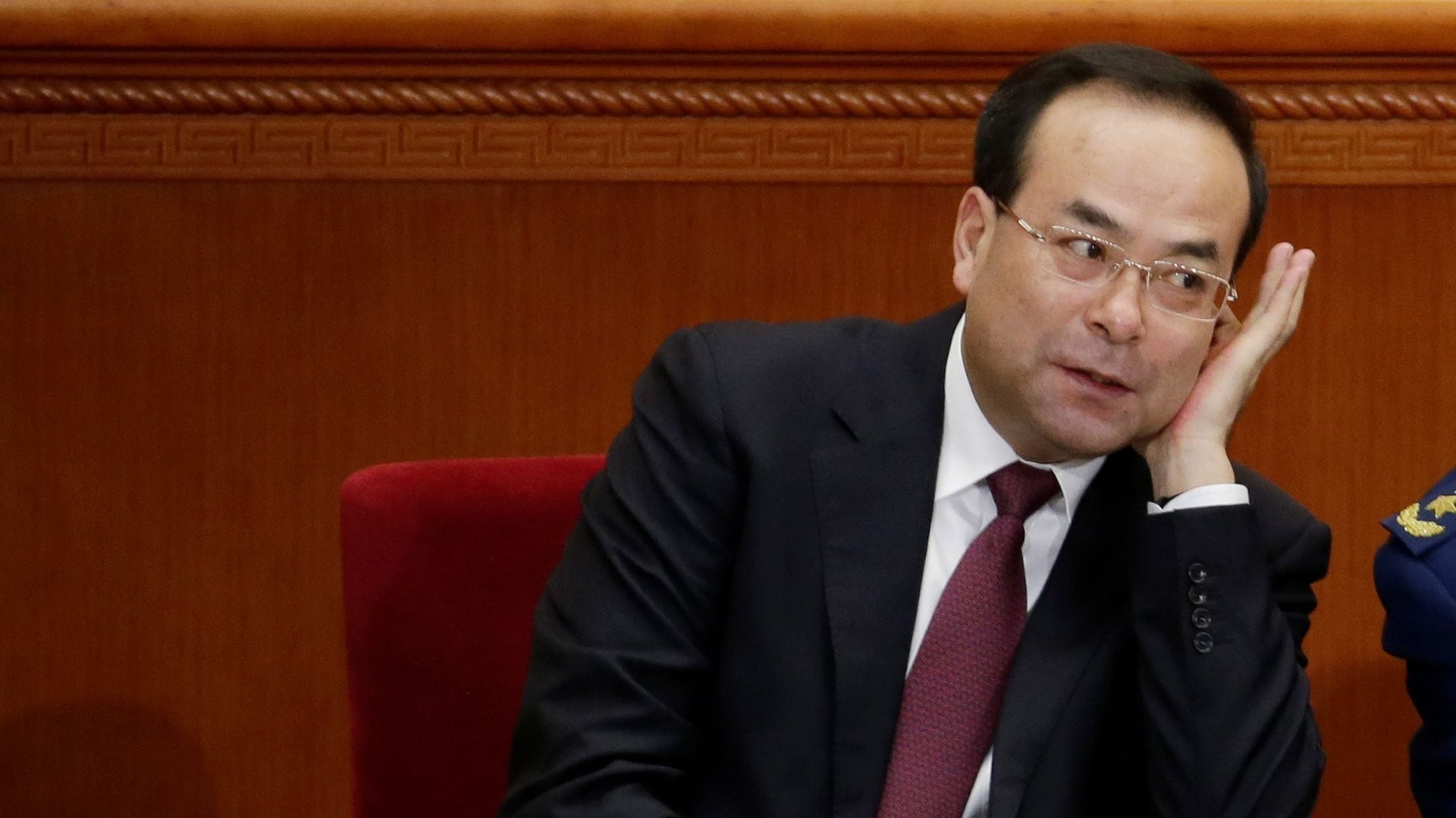
One of China’s most high-profile politicians, Sun Zhengcai, once seen as a likely candidate to be China’s next leader, was sentenced to life in prison for taking nearly $27 million in bribes.
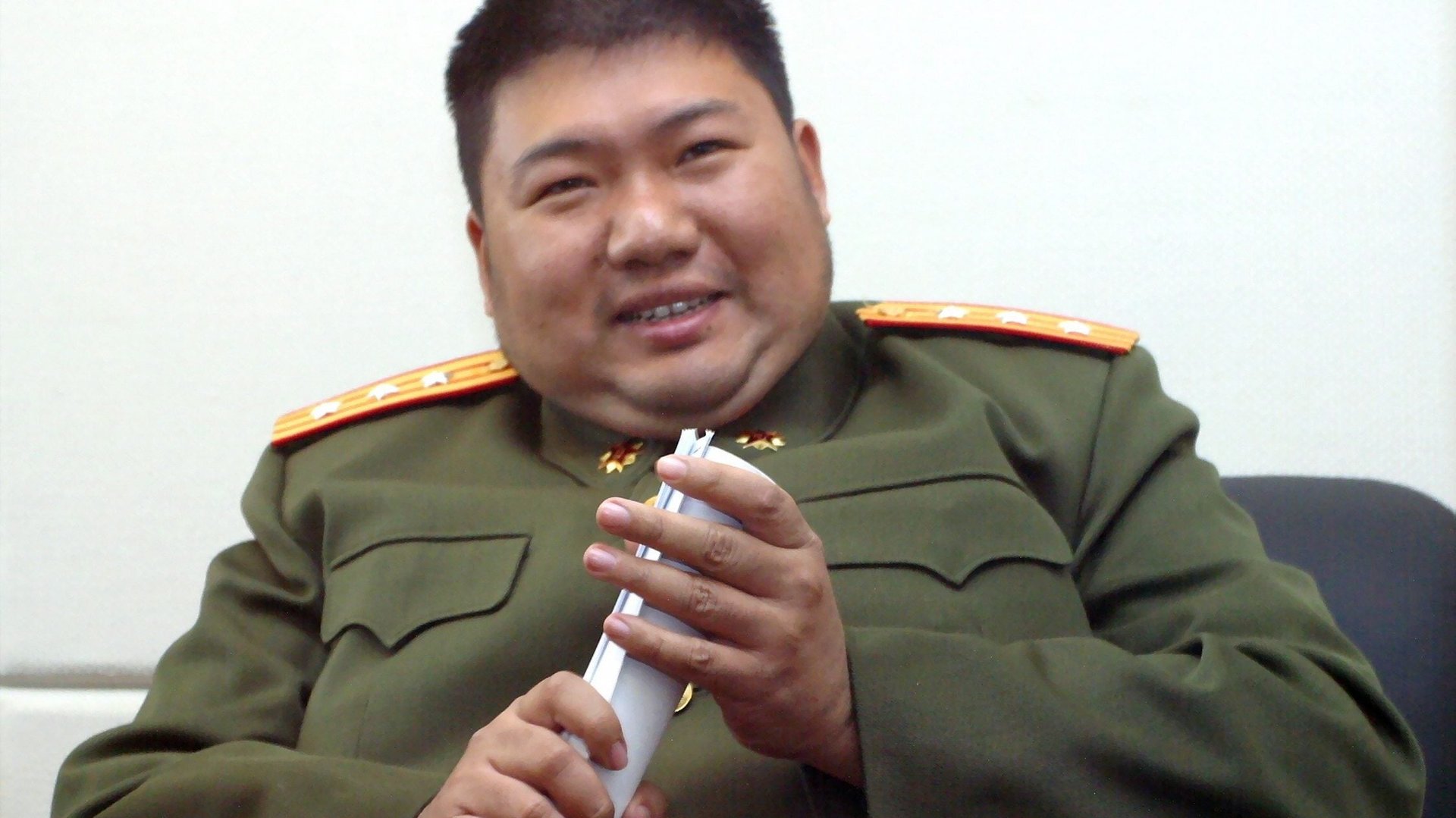
In late April, it was rumored that the grandson of Mao Zedong, China’s founding father, was among the 32 Chinese tourists killed in a bus crash in North Korea. More dramatically, it was said that the tour group was on its way to the grave of Mao’s eldest son, who was killed by a US bombing during the Korean War.
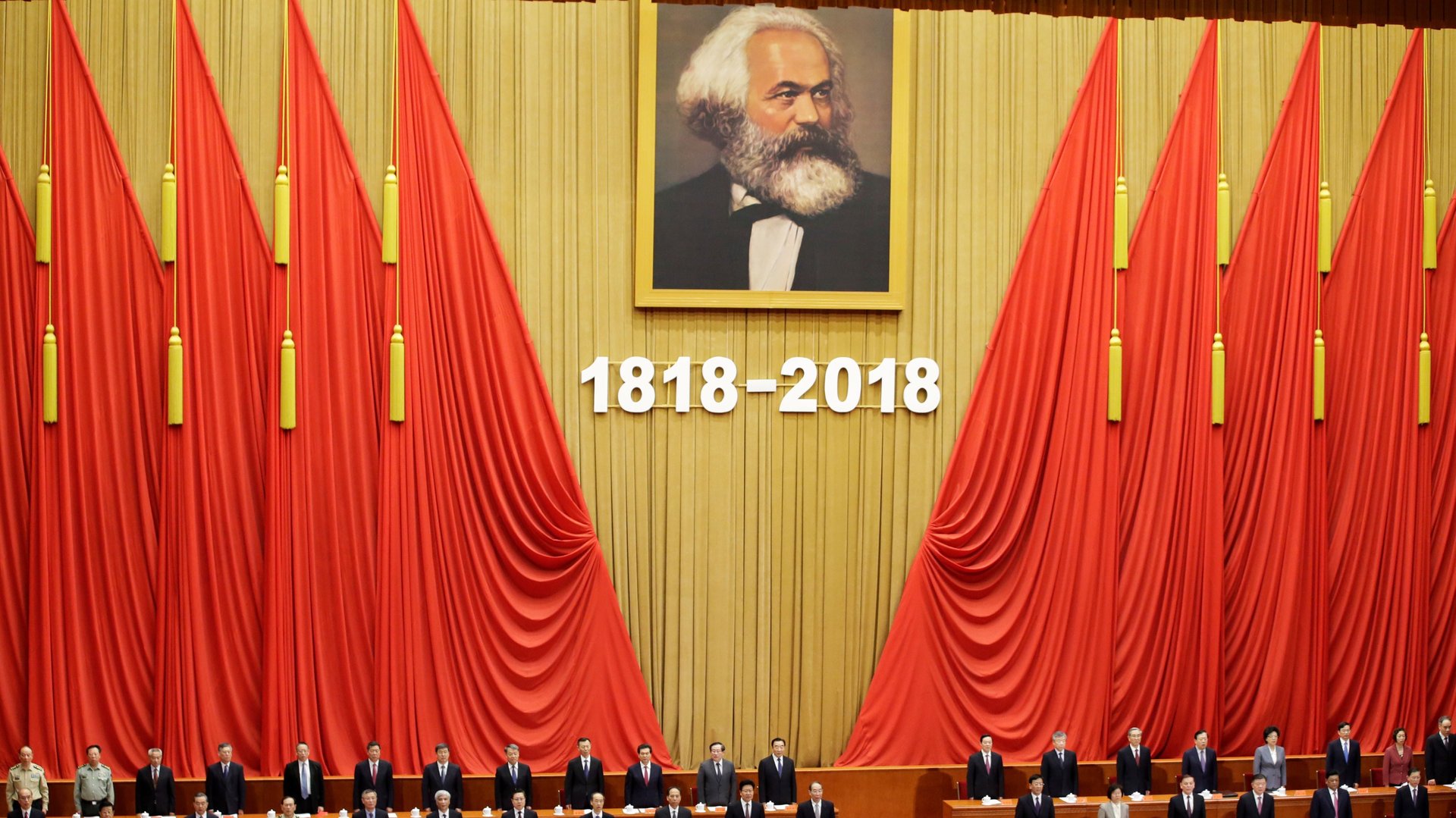
What if Karl Marx lived long enough to see that one of his biggest fans in the world turned out to be the autocratic leader of a capitalist country where inequality and corruption prevail?
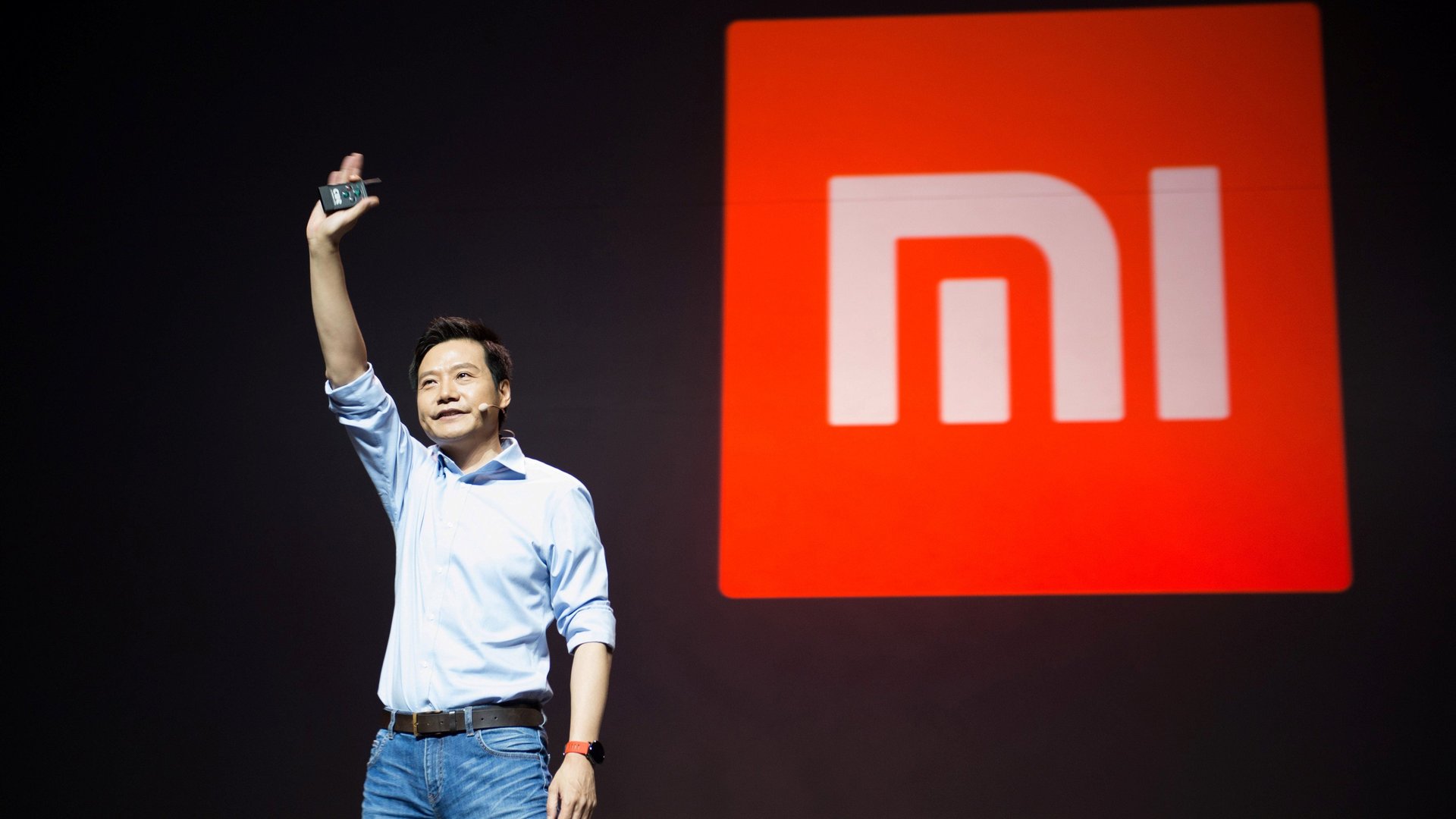
In August 2011, Xiaomi founder Lei Jun walked onto a stage wearing a black T-shirt and blue jeans. The 41-year-old serial entrepreneur was about to unveil his young smartphone brand’s first product, the Mi-1, featuring one of the world’s fastest chips and billed as an equal to the iPhone 4.
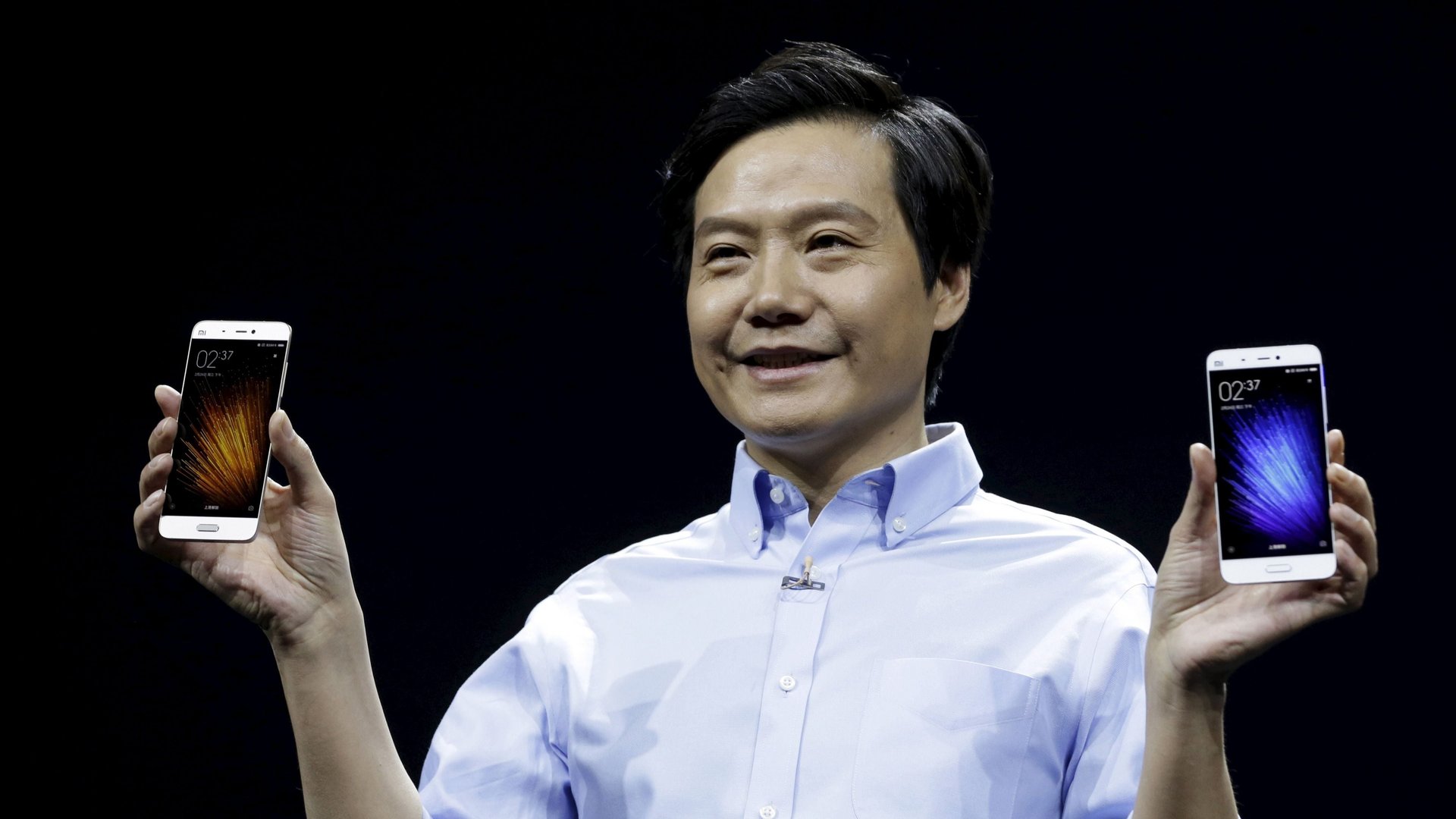
Chinese tech giant Xiaomi, the world’s fourth-largest smartphone maker, filed today (May 3) to go public in Hong Kong in what is expected to be the world’s biggest initial public offering since Alibaba’s $25 billion market debut in 2014.
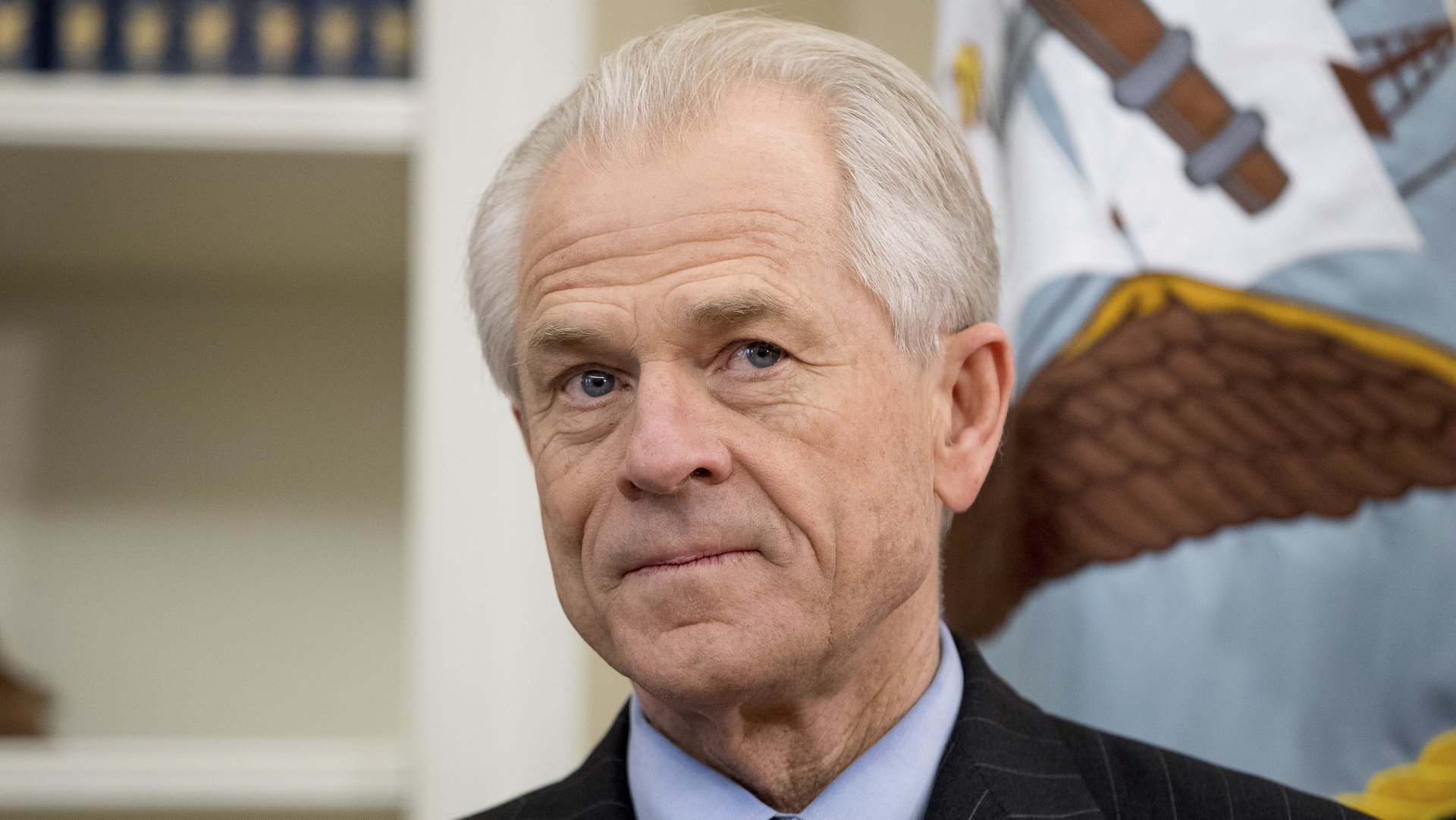
Donald Trump is sending a high-level US delegation to China tomorrow (May 3) in the hope of de-escalating trade tensions between the world’s two largest economies. According to the White House, the group includes treasury secretary Steven Mnuchin, economic adviser Larry Kudlow, trade representative Robert Lighthizer, and trade policy adviser Peter Navarro—a name that quickly raised eyebrows among veteran China watchers.
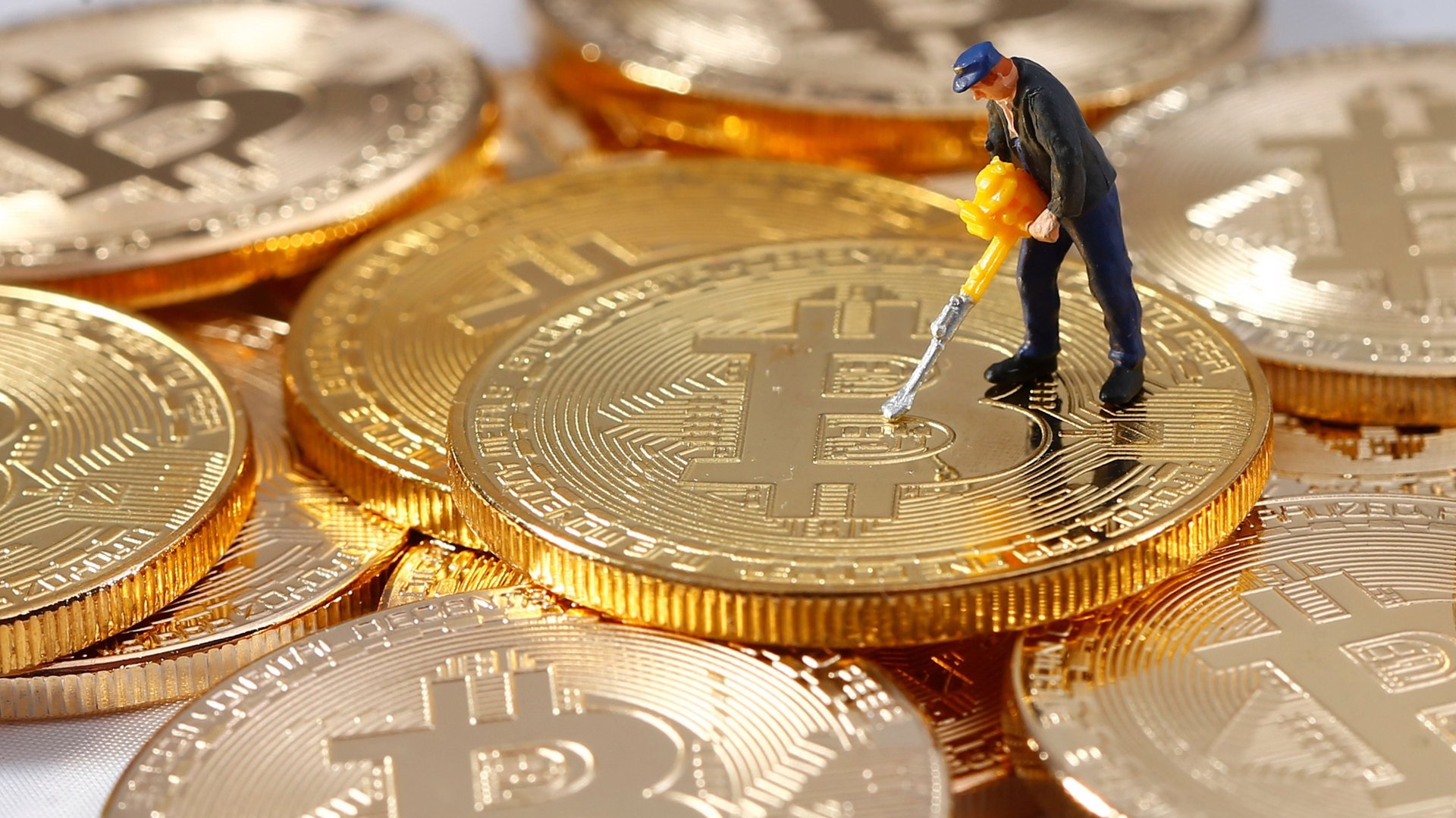
If you suddenly found yourself in a chat group where Chinese investors buy and sell cryptocurrencies, chances are high that you’d get frustrated quickly, even if you can read the language.
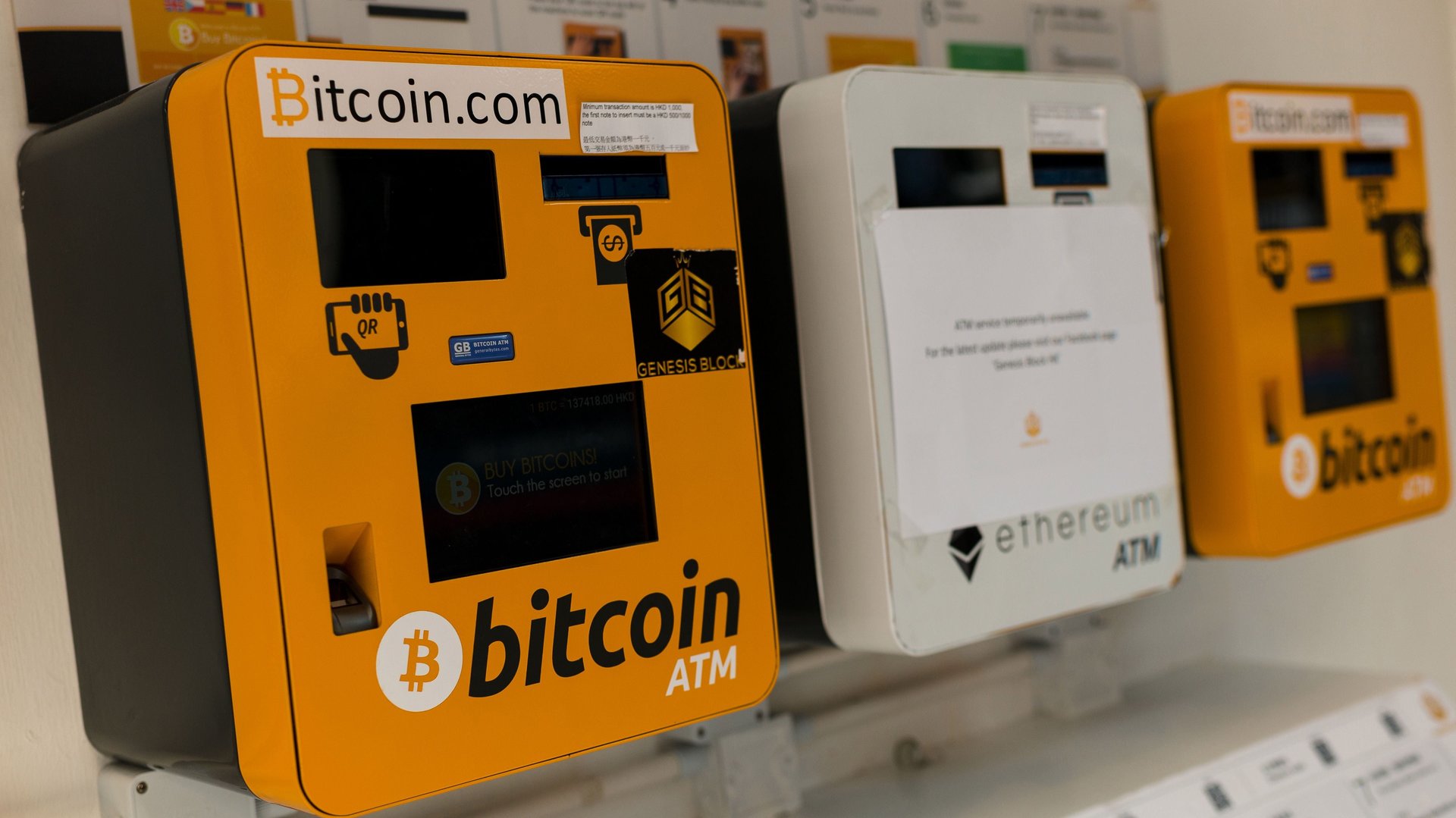
Four years ago, China got its first bitcoin ATM at a time when the yuan dominated global bitcoin trades. Now, the physical machine is out of operation, after crypto trading has been shut down in China.
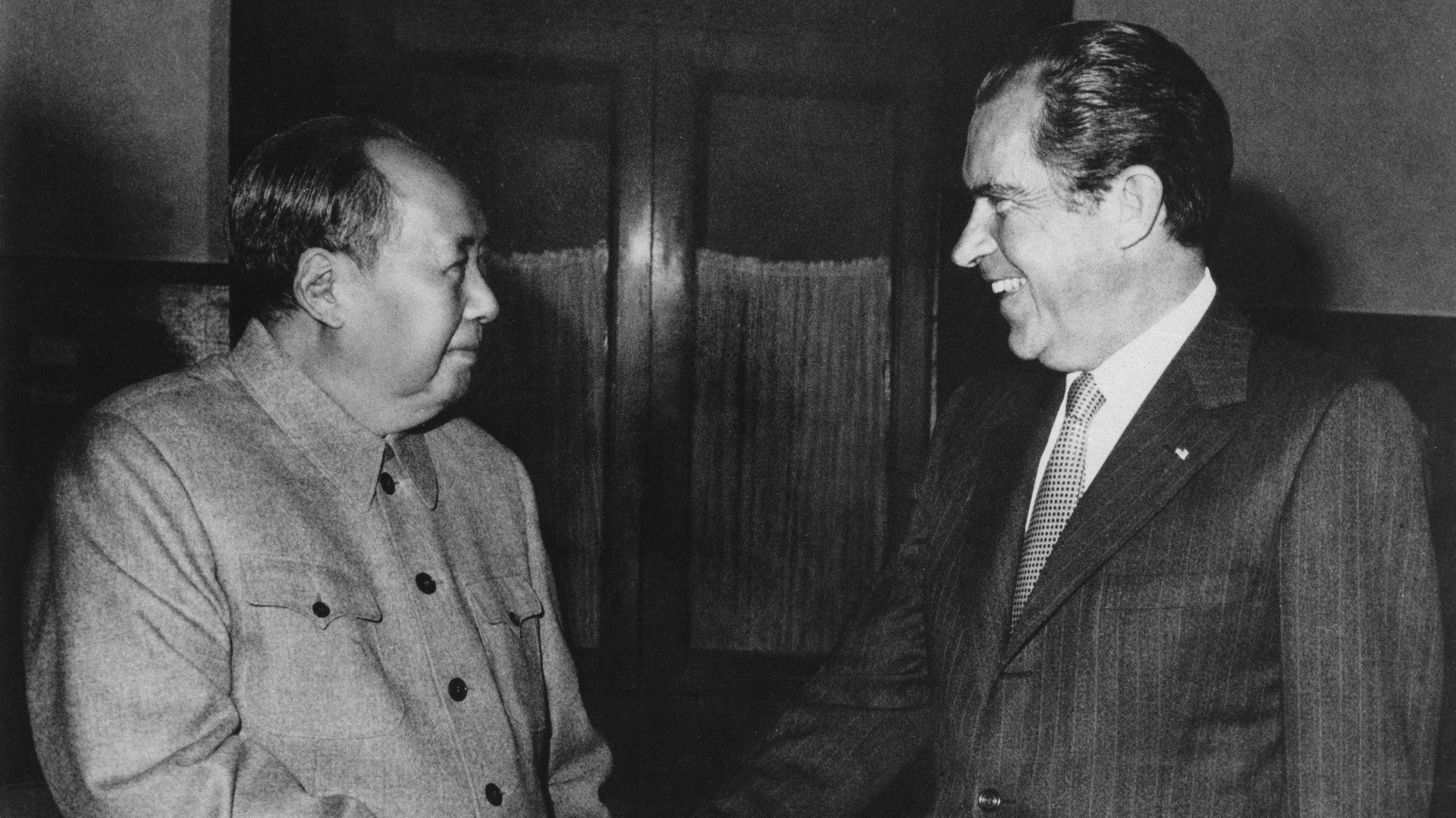
For the first time, a sitting US president has agreed to meet with the autocratic leader of a longtime communist adversary that owns nuclear technology.
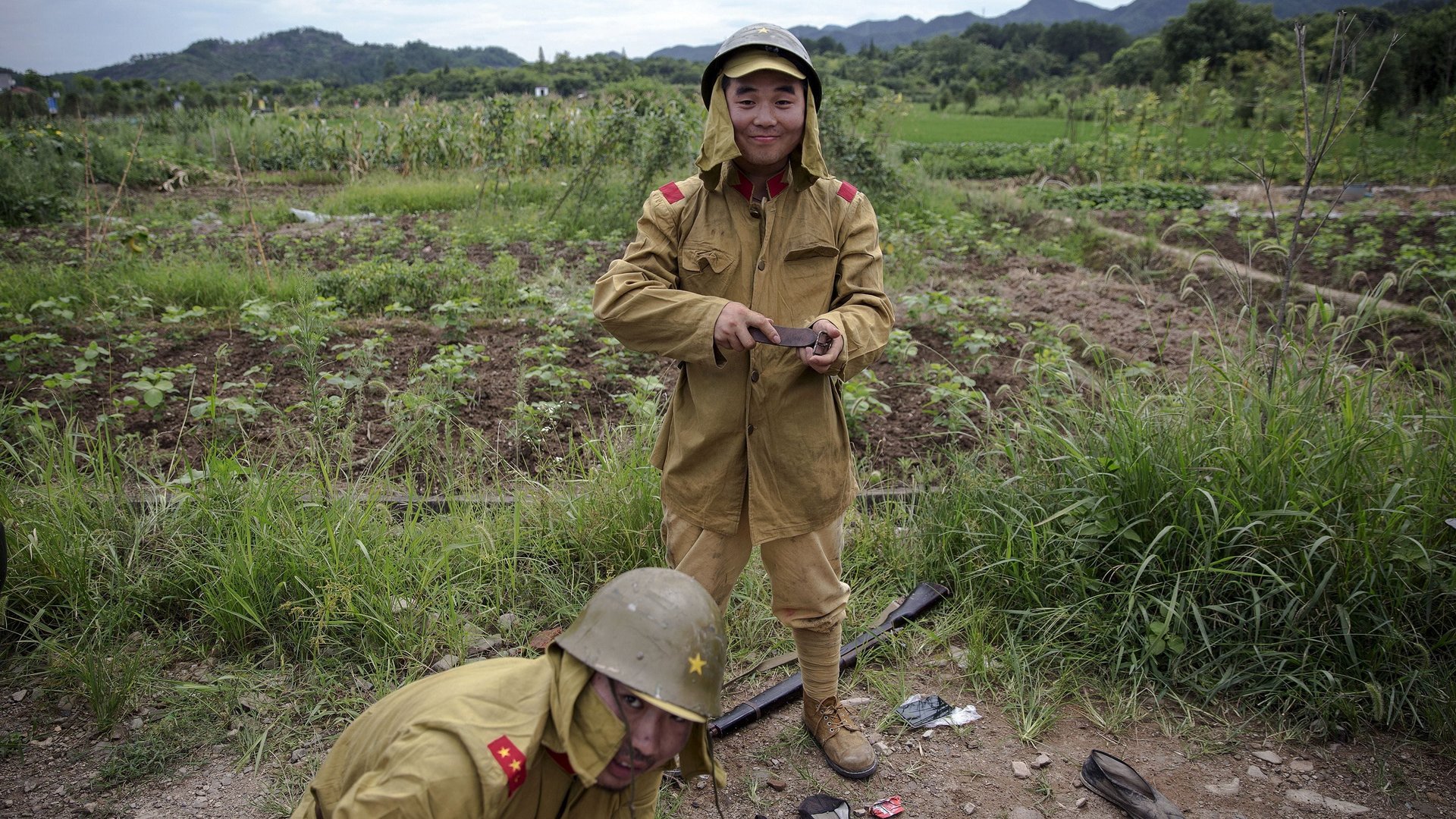
China is considering punishing those who dress up as Japanese soldiers through a new law that aims to protect those who have sacrificed their lives for the country or the Communist Party.

For the first time, Pokémon fans and crypto enthusiasts will overlap—at least in China.
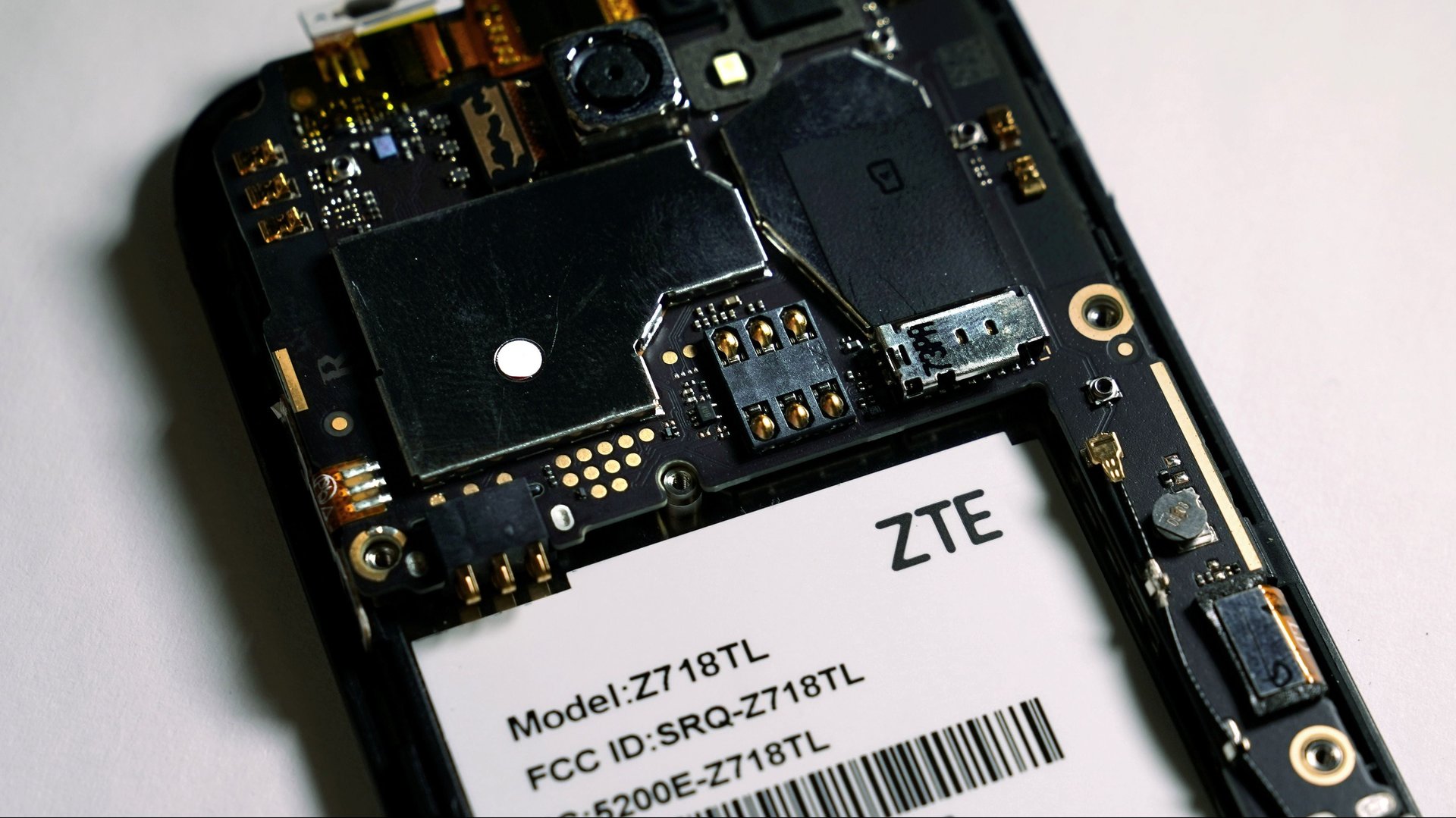
As Donald Trump’s trade war with China spread into the tech sector last week, China’s government and state-run media have come out strongly in support of the Chinese tech giants who’ve faced the first volley. An internal government report, however, suggests it’s not entirely sympathetic to the new woes of its telecom giant ZTE.
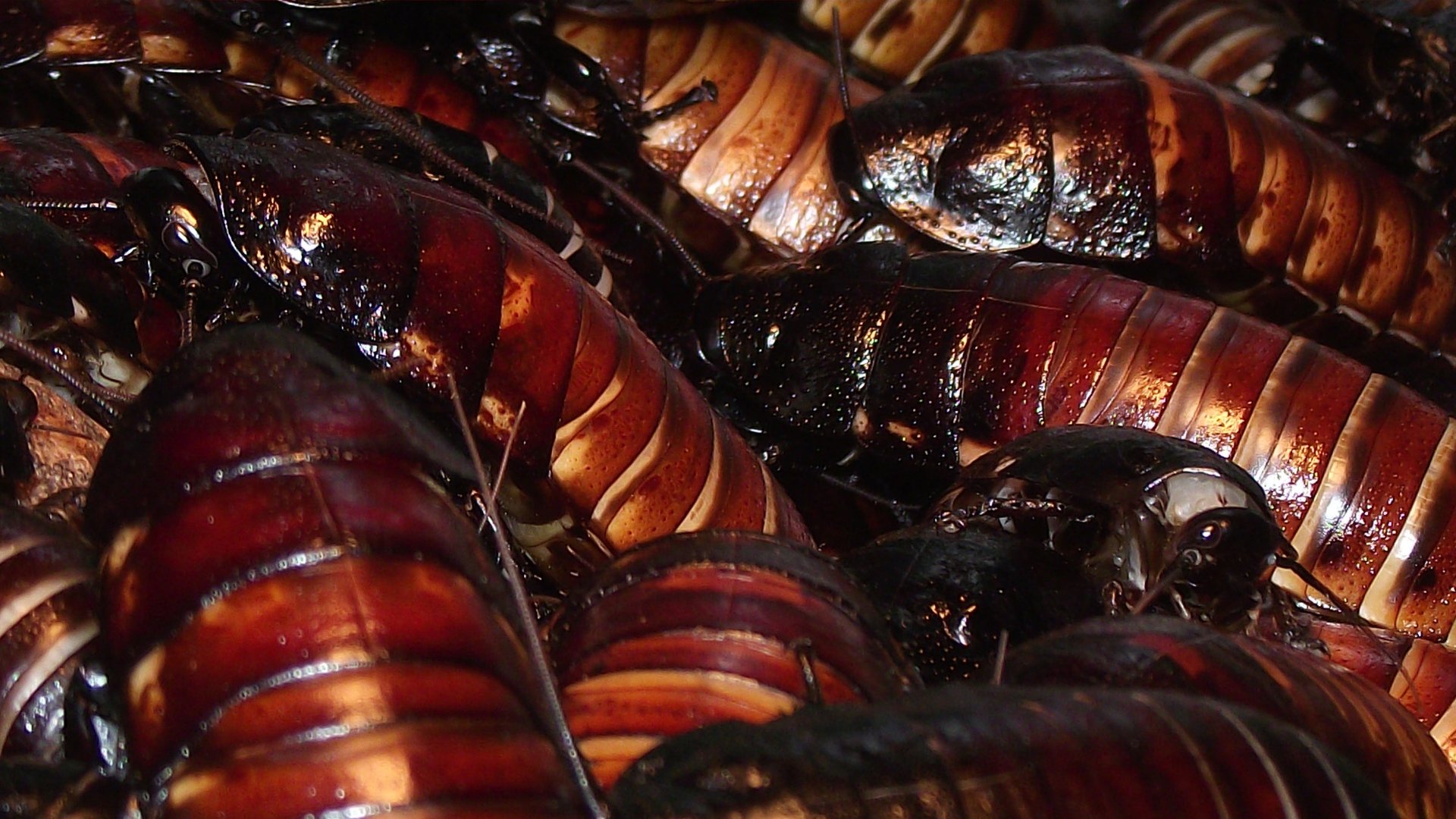
To most people, cockroaches are disgusting pests. To some, the insects are delicious fried snacks. To a few people, they are medicine.
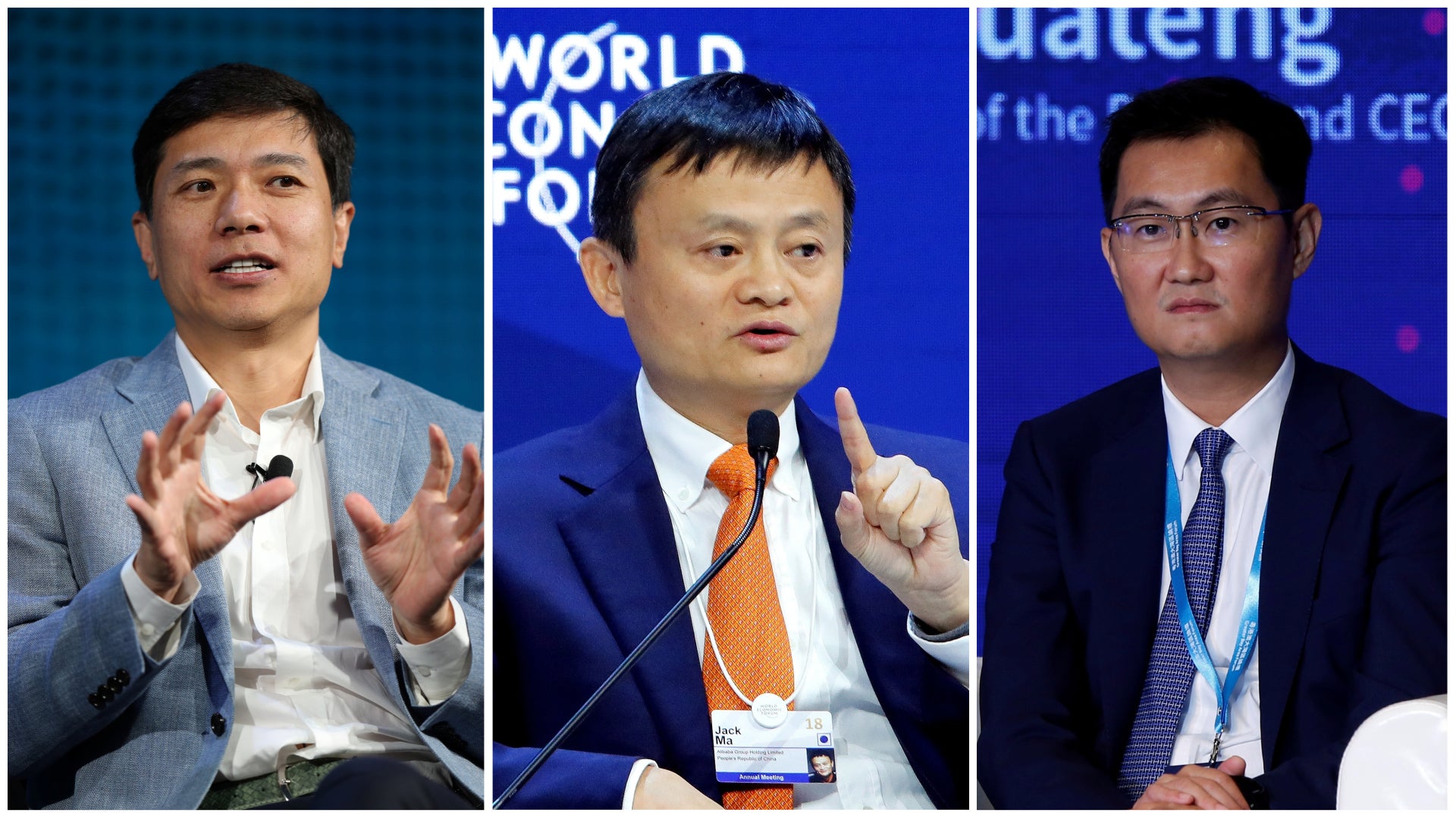
China’s big three internet giants, Baidu, Tencent, and Alibaba, are battling for supremacy in almost every front of the country’s tech space. It’s no wonder that the trio, together known as the BAT, have all begun placing bets on blockchain—while making sure to steer clear of ventures that could fall afoul for the country’s cryptocurrency trading crackdown.
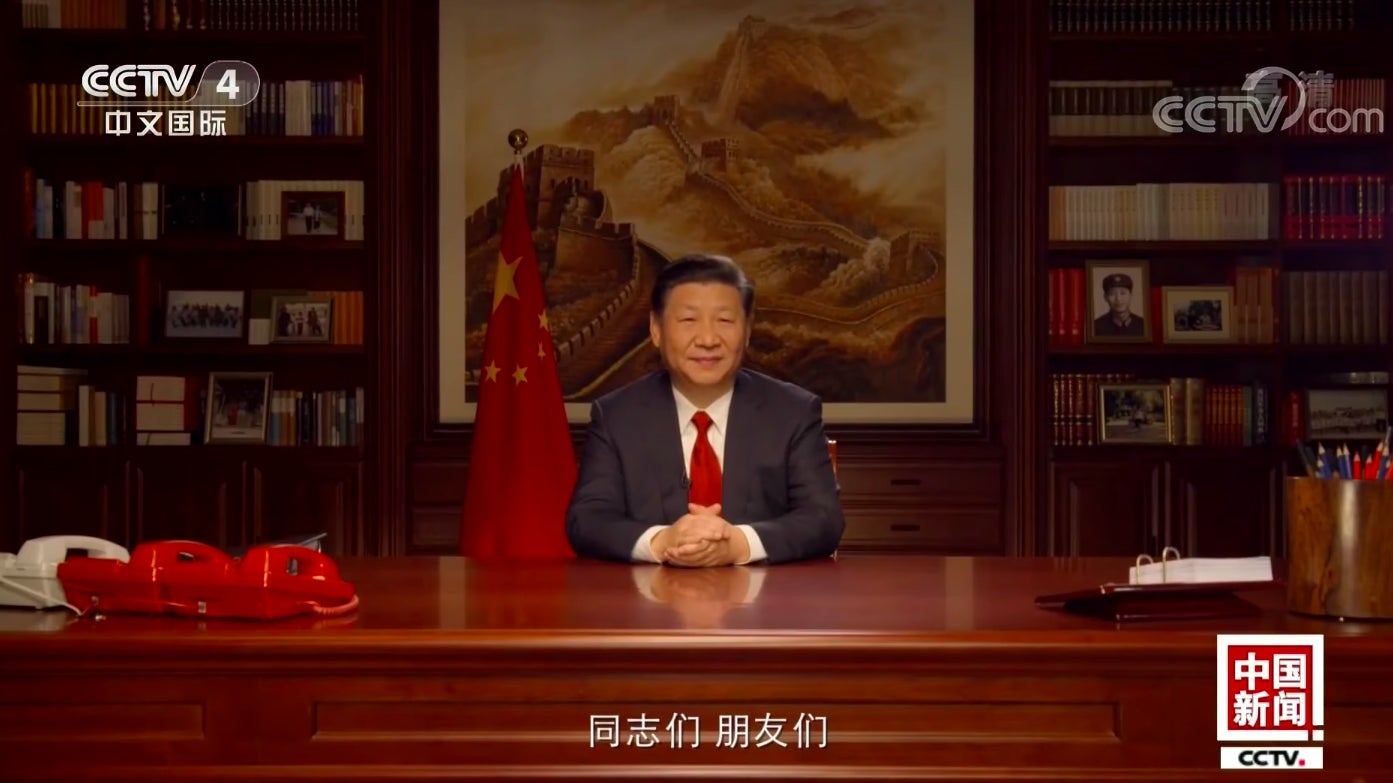
Xi Jinping’s bookshelf includes not only classics on communism but also works on artificial intelligence, as TV viewers spotted during his new year’s speech this year. One of the books that helps the Chinese president understand AI is The Master Algorithm, a 2015 bestseller by Pedro Domingos.
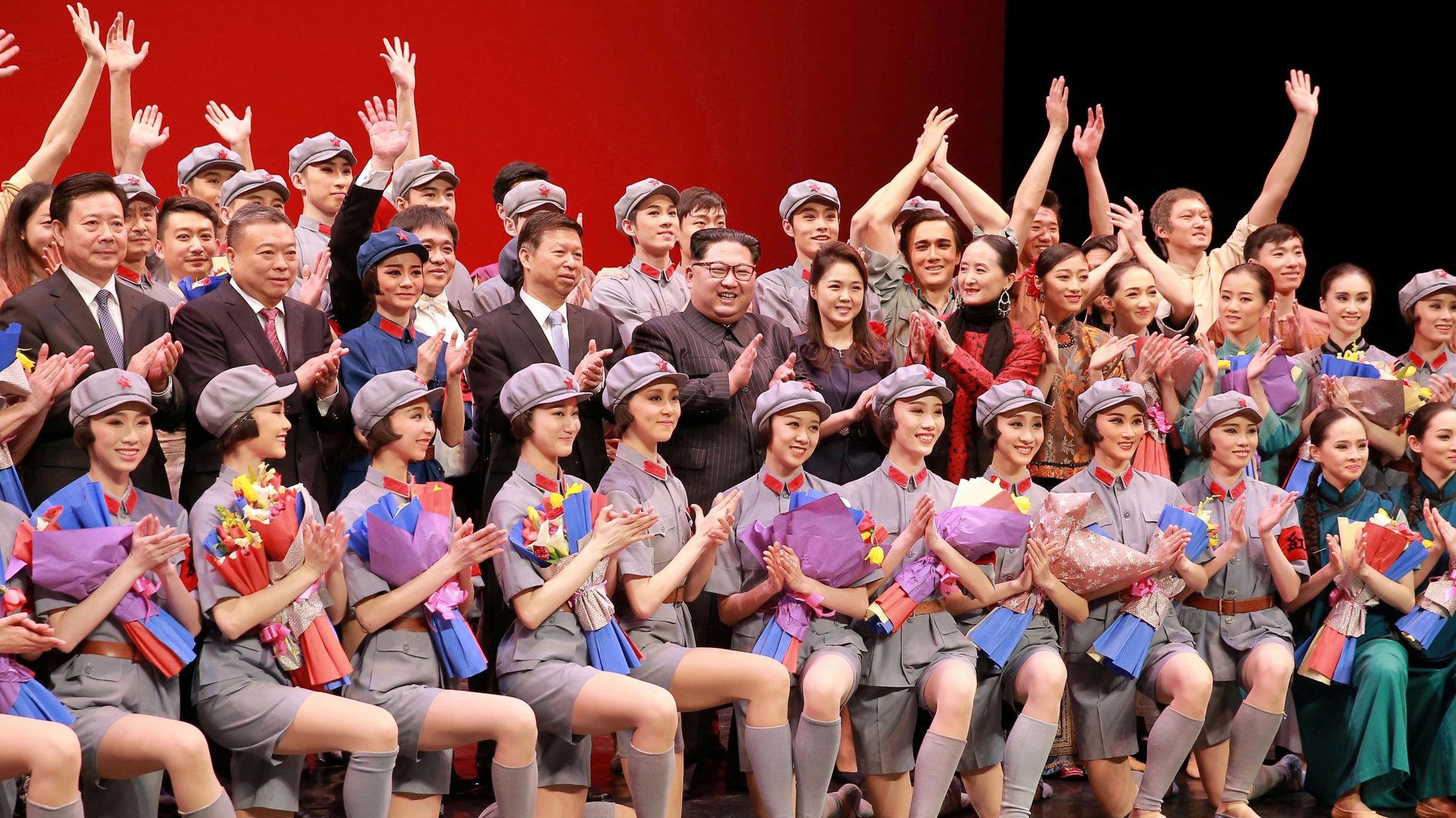
North Korean leader Kim Jong-un welcomed a senior envoy from Beijing in Pyongyang over the weekend, in the latest sign of the warming relationship between the two Communist allies after Kim’s secret trip to Beijing last month—his first foreign visit since taking power in 2011.

In the escalating trade war between China and the US, Beijing is taking aim at American farmers, a key support group for Donald Trump.

The Chinese government is notorious for doctoring its official statistics, from using messed-up methodology, to not reporting some key metrics, to out-and-out fabrication. Last year, the governor of one of China’s rust-belt regions admitted for the first time that the province had inflated GDP figures for years. “Officials produce the numbers, and the numbers produce officials,” he said at the time, referring to the idea that massaging data can help one get ahead in Chinese officialdom.

China’s answer to Twitter, Sina Weibo, today (April 16) withdrew its short-lived ban on homosexual content, after people came out as gay to protest the ban.
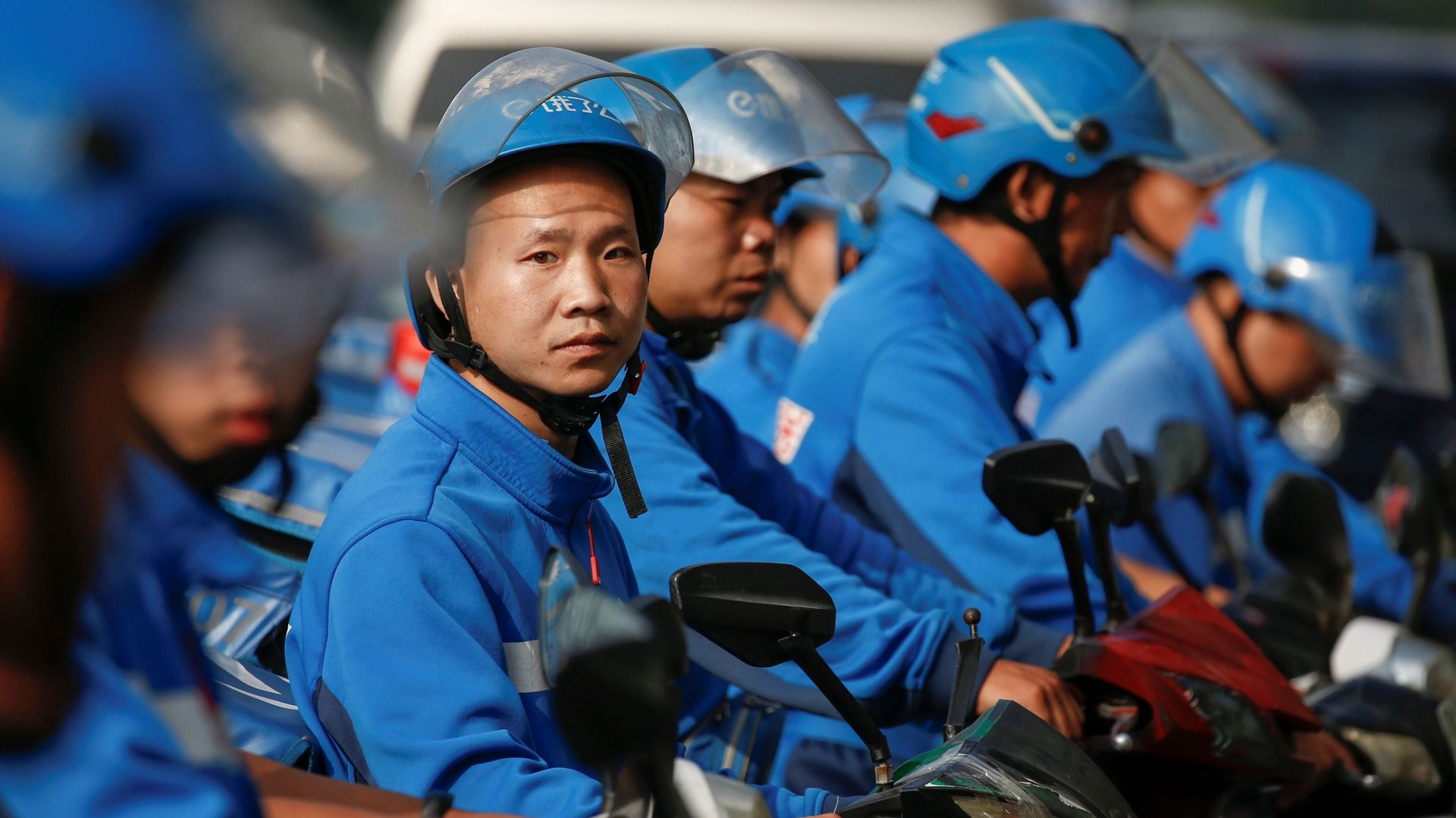
China’s tech companies are known to offer especially generous subsidies to take over niche markets. The upshot for users is that, from time to time, they can enjoy nearly free services. Such was the case with ride-hailing before Uber stopped competing against local rival Didi and became a stakeholder instead.

In January 2016, Swedish human rights worker Peter Dahlin, who disappeared on his way to an airport in Beijing, reappeared on China’s state broadcaster over two weeks later, and confessed to “endangering state security” by supporting the work of local activists. Even more shockingly, the then 35-year-old apologized for “hurting the feelings of the Chinese people,” a line straight out of the Chinese Communist Party’s playbook.