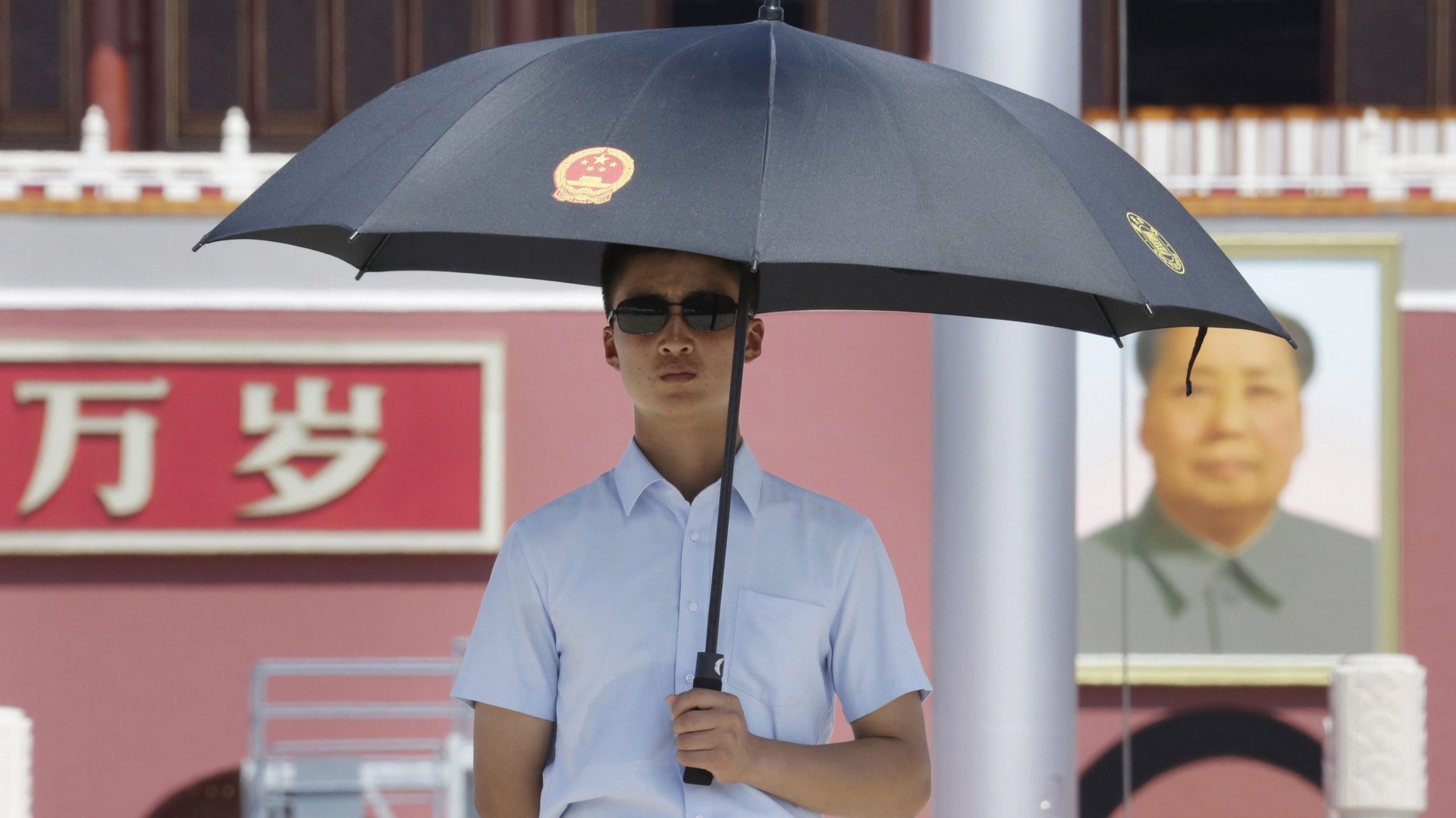
On China’s tightly controlled internet, politics has long been a no-go area, with censors watching for even the slightest criticism of the ruling elite.

On China’s tightly controlled internet, politics has long been a no-go area, with censors watching for even the slightest criticism of the ruling elite.

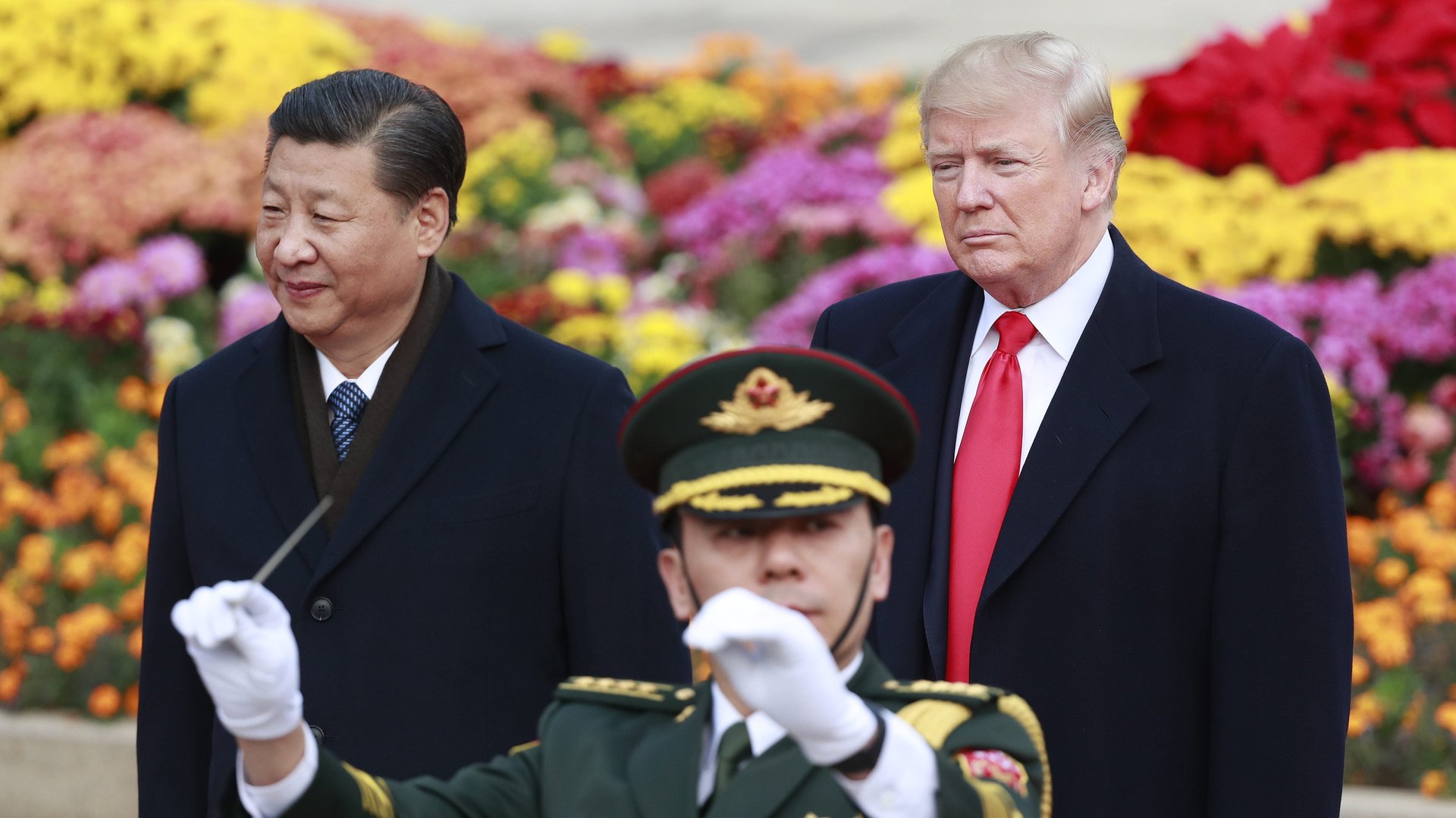
Escalating a war of words between the US and China over trade, Donald Trump took to Twitter yesterday (April 9) to lash out at Chinese tariffs on American cars, calling the 25% duty “stupid.”

As the trade war between the US and China escalates, Donald Trump expressed rare optimism in a tweet yesterday (April 8), which said that China will take down its trade barriers and that the two sides would reach a deal on intellectual property.

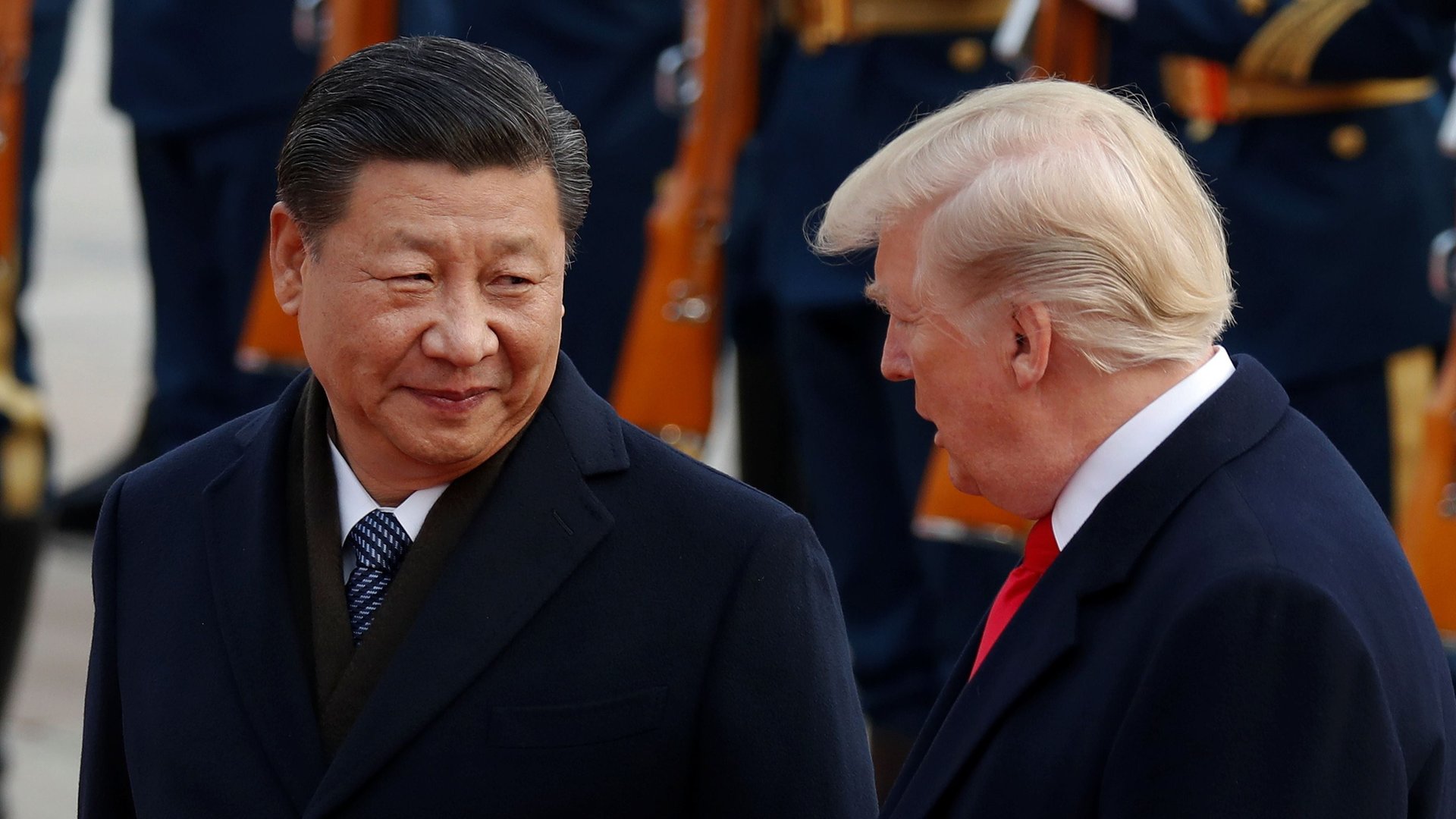
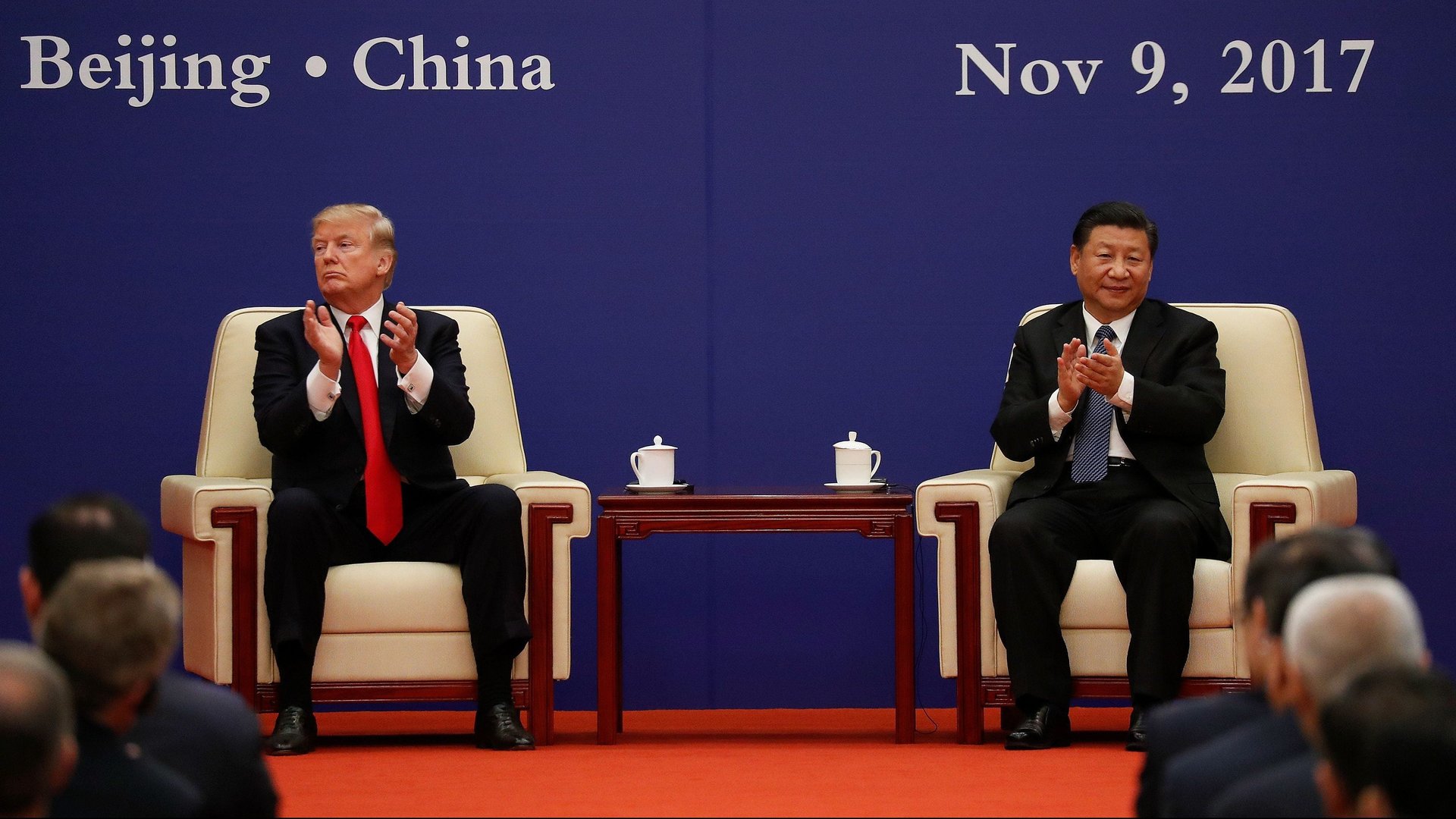
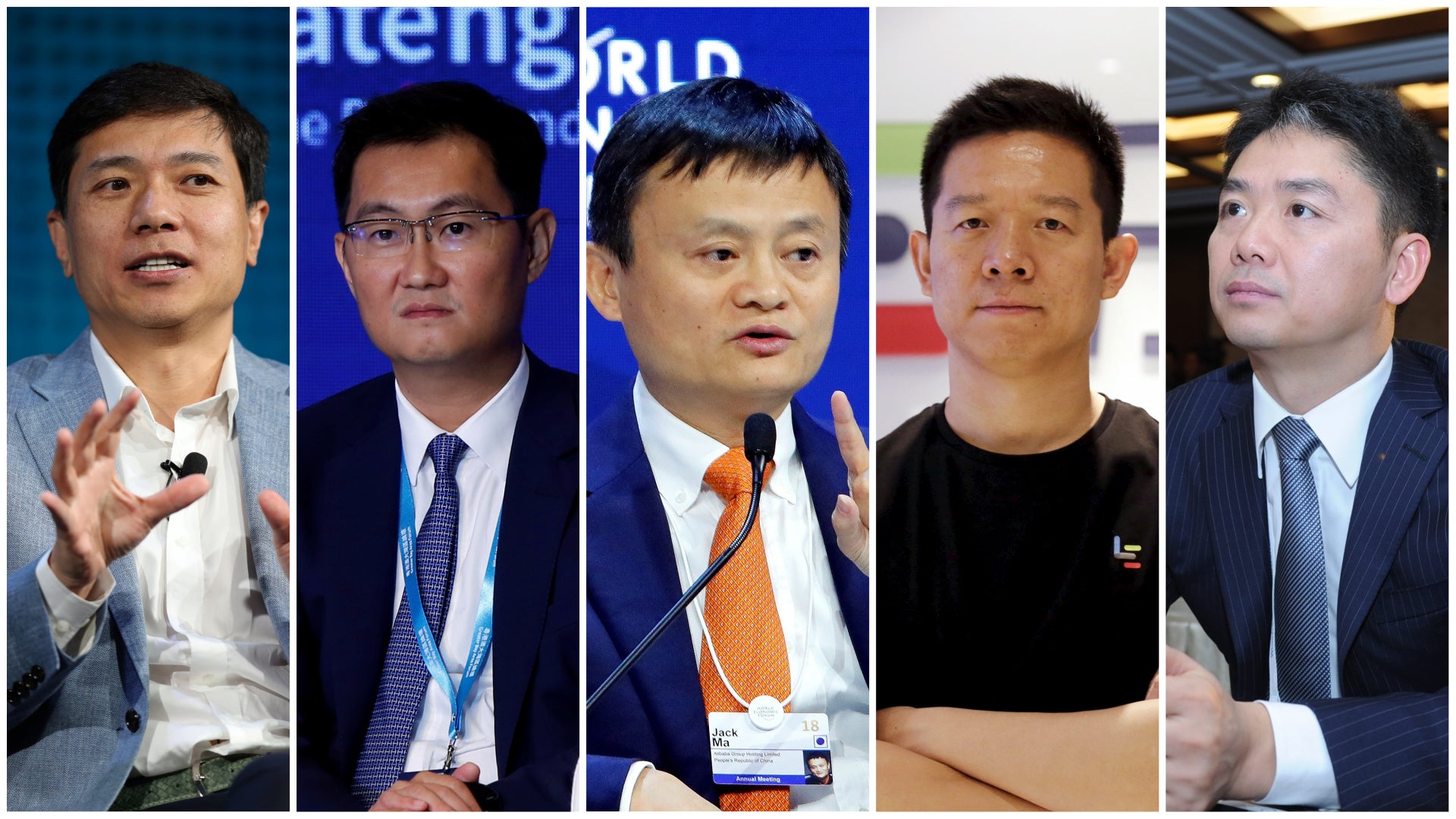
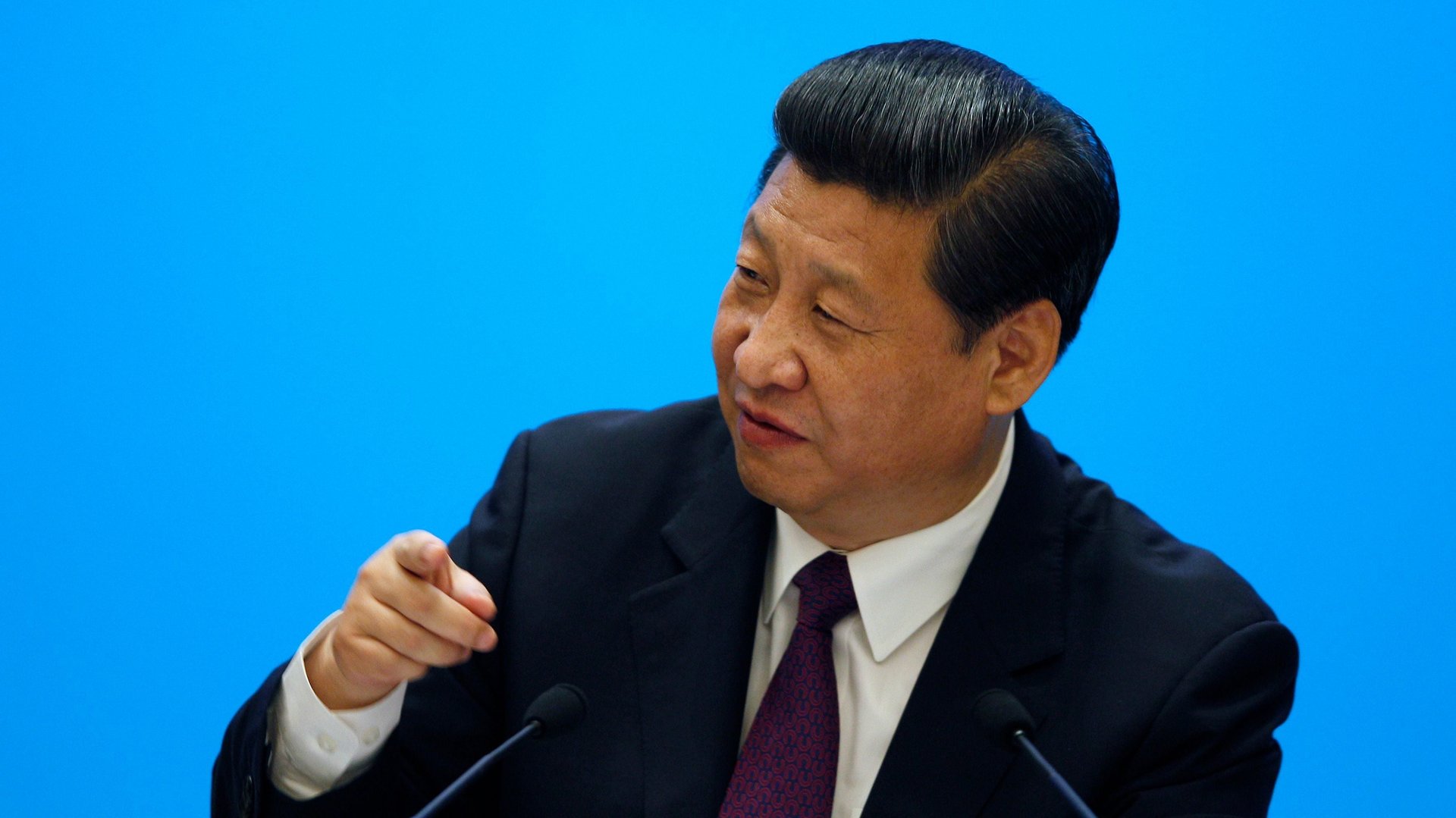
Making fun of the president or any Communist Party official on China’s tightly controlled internet might be near impossible. Tech execs, however, don’t get a pass.

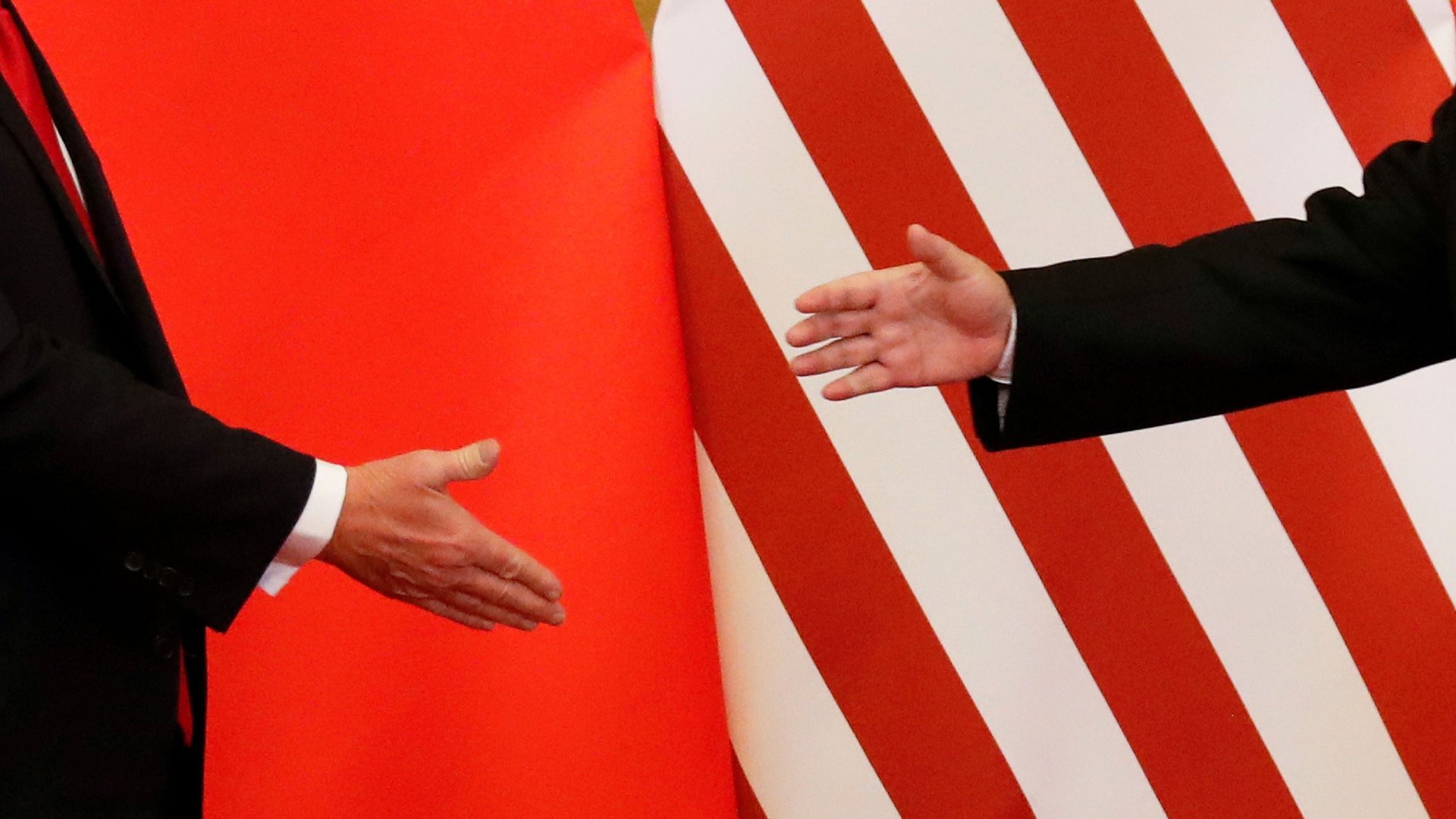
In the trade war between the US and China, the ball is once again in Beijing’s court.

On April 8, business leaders and government officials from around the world will head to the scenic island of Hainan in southern China for the four-day Boao Forum. Known as Asia’s Davos, the gathering has been convening annually in the town it is named after since 2002, and this year attendees will explore the theme “An Open and Innovative Asia for a World of Greater Prosperity.”

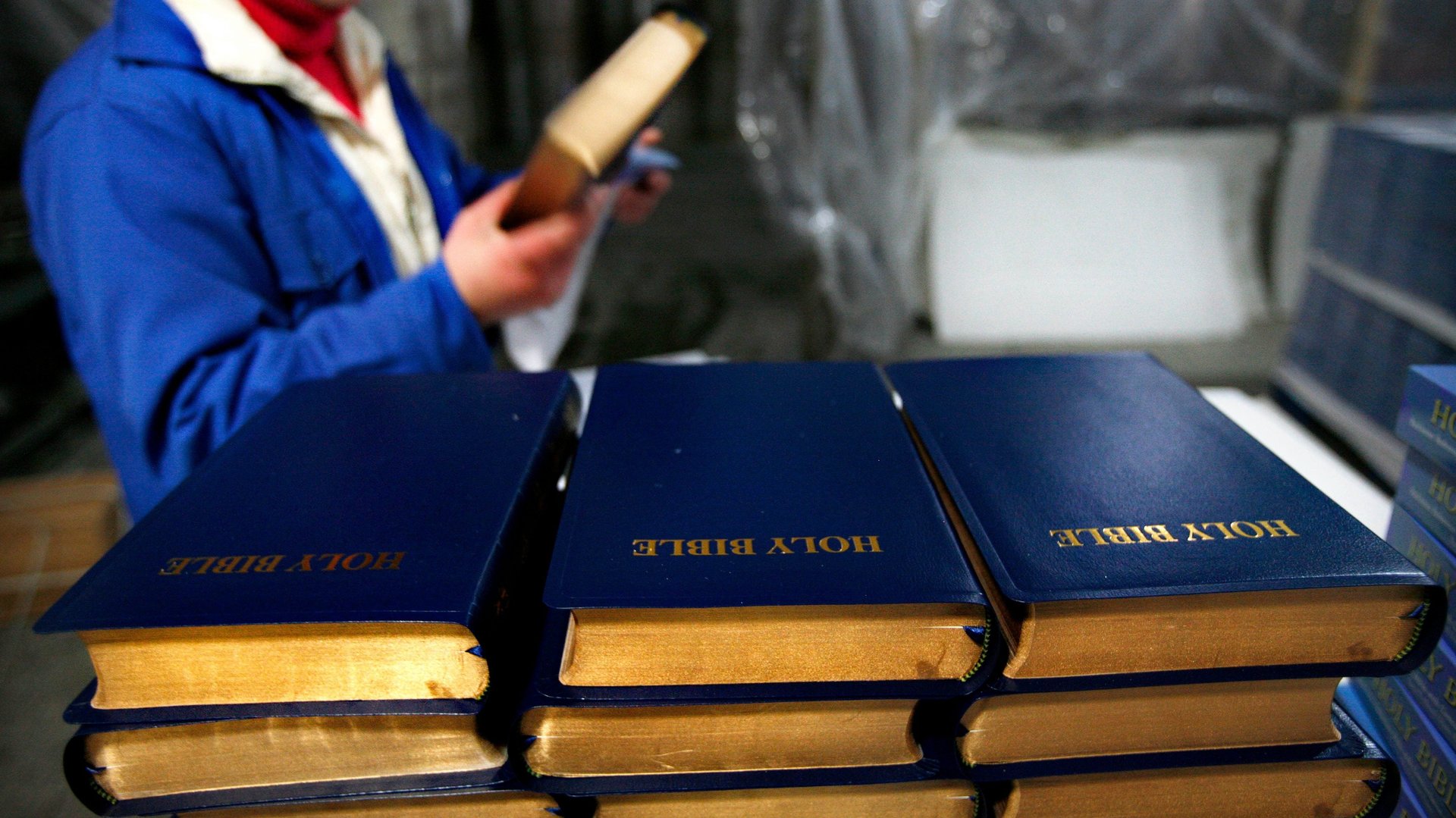
Just as China pledged to uphold religious freedom, China’s 70 million Christians are finding it harder to get a copy of the Holy Bible.

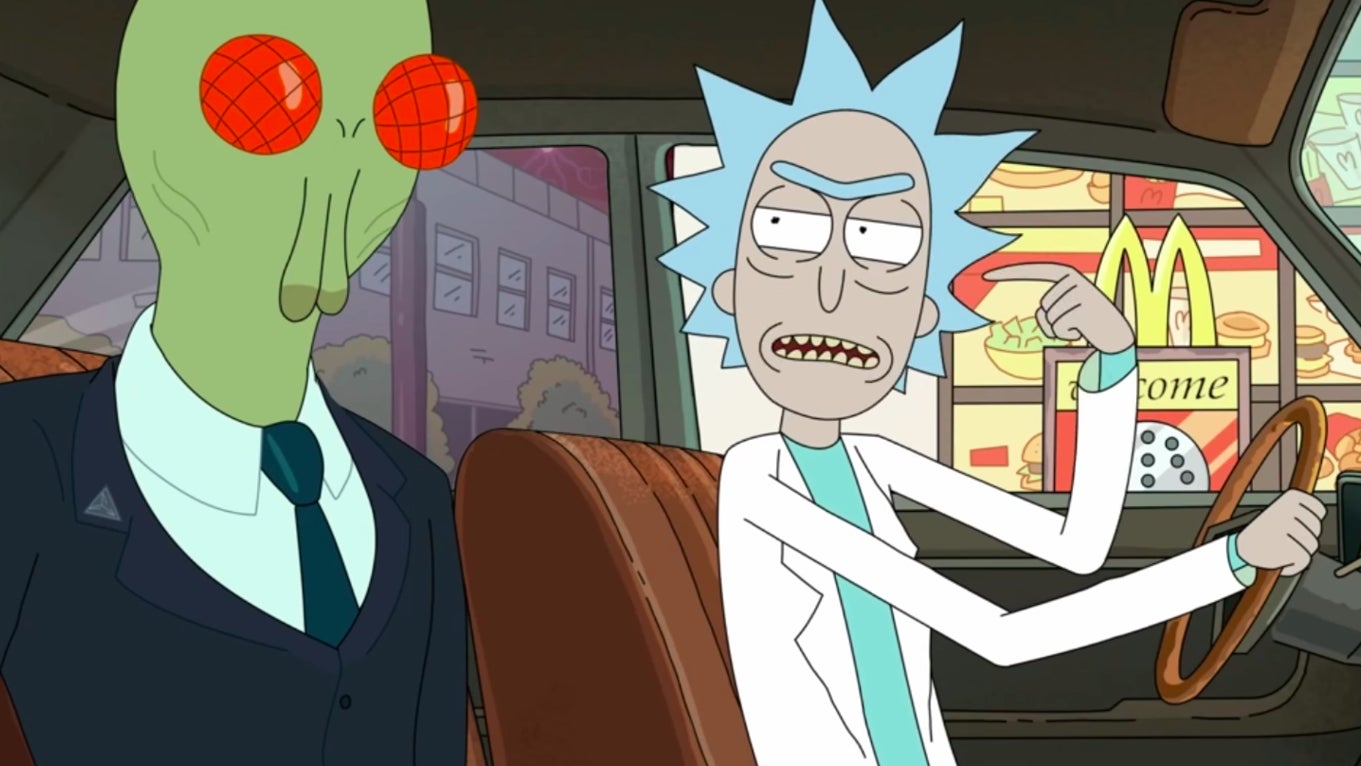
After bringing back its beloved Szechuan sauce in the US, McDonald’s finally released the product in its first overseas market—China. The first batch of reviews are in, and the condiment seems to have failed to live up to Chinese people’s expectations.

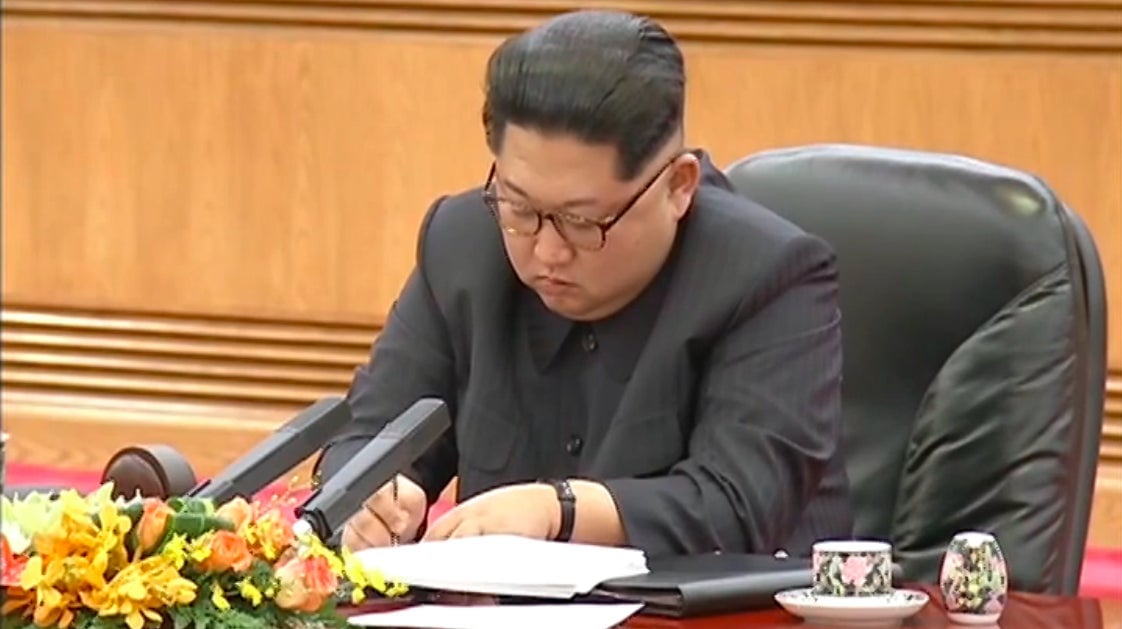
Whenever he speaks, North Korean leader Kim Jong-un can always expect his people to respond by clapping vigorously, sometimes with tears in their eyes. So it’s a bit hard to imagine that even he has to listen and take notes from another person.

The village of Guiyu in China’s southern Guangdong province is known as the world’s e-waste capital. Thousands of locals have for over a decade been making a living by extracting precious metals like gold and silver from old computers, cell phones, and batteries shipped from across the globe. There, the air is toxic, the water is black, and the children have lead poisoning.

It has begun.

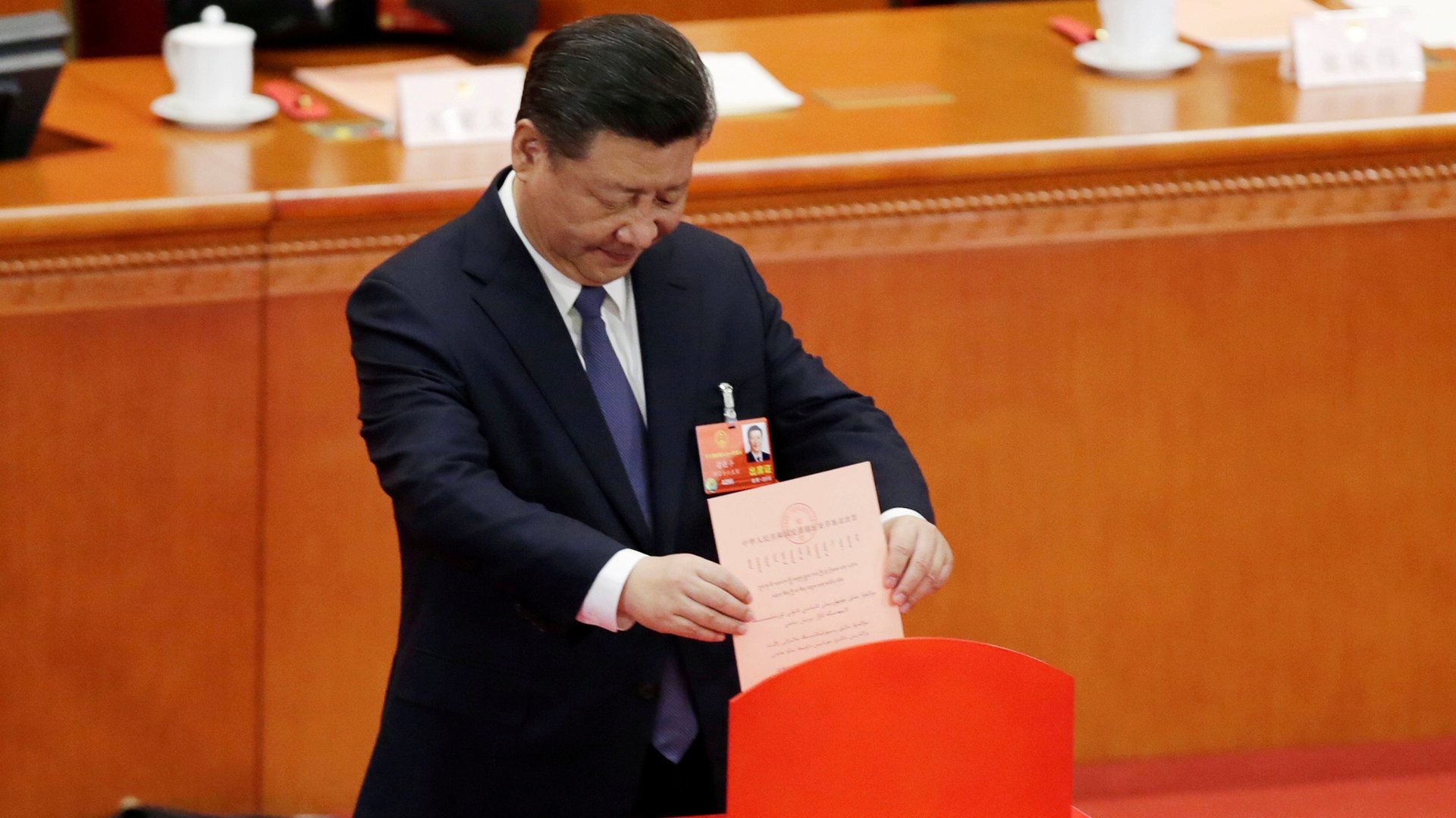
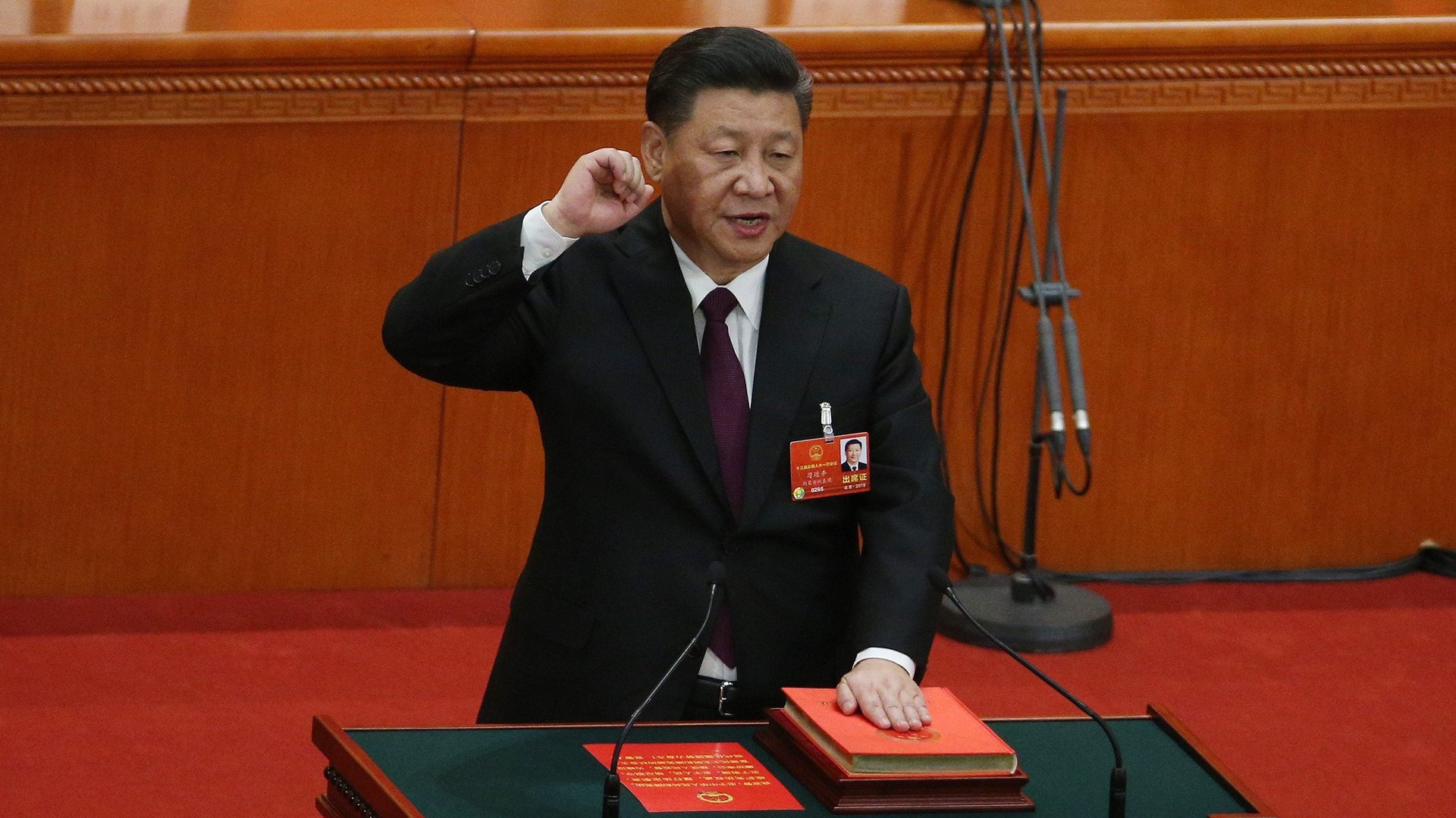
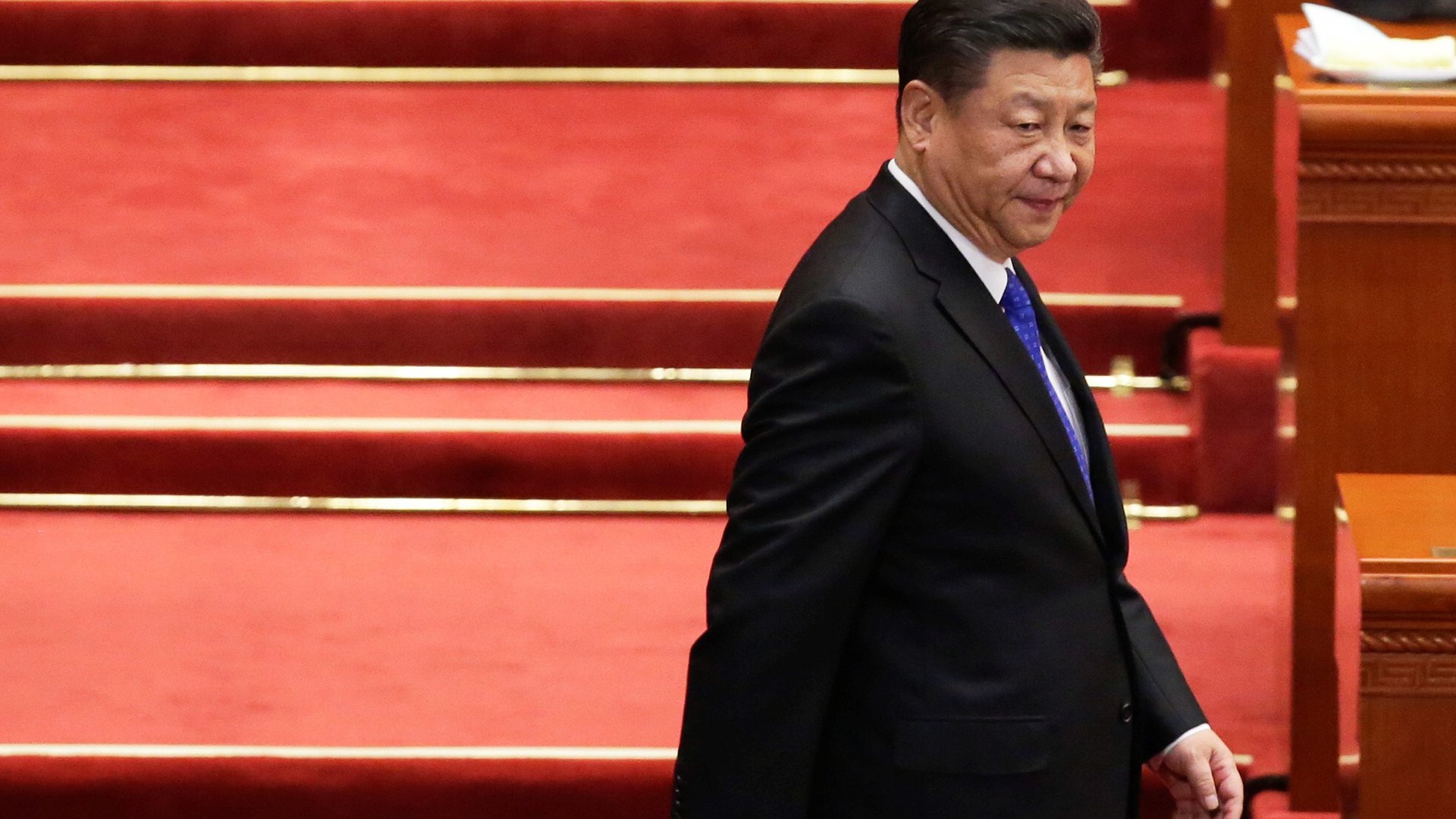
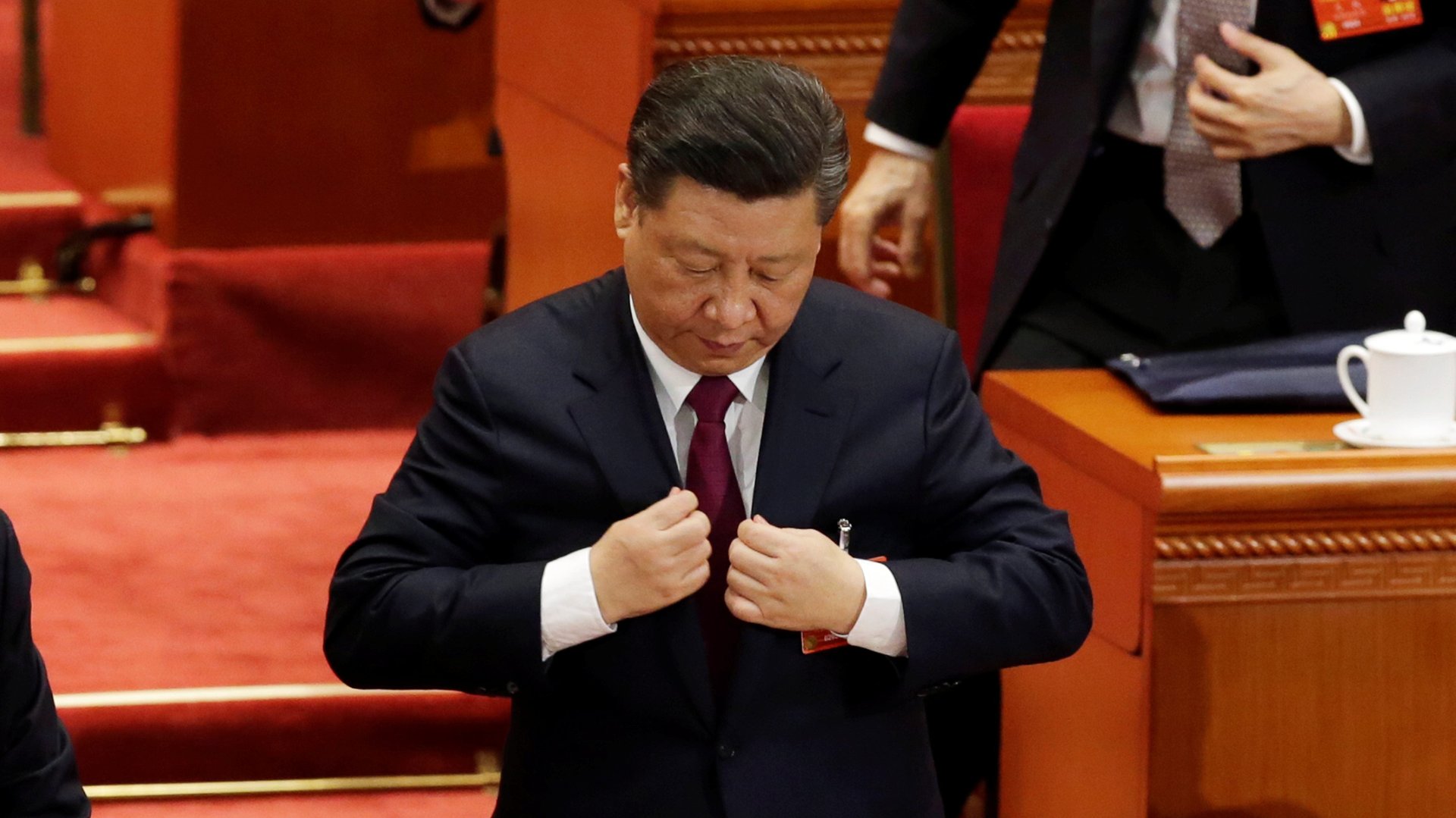
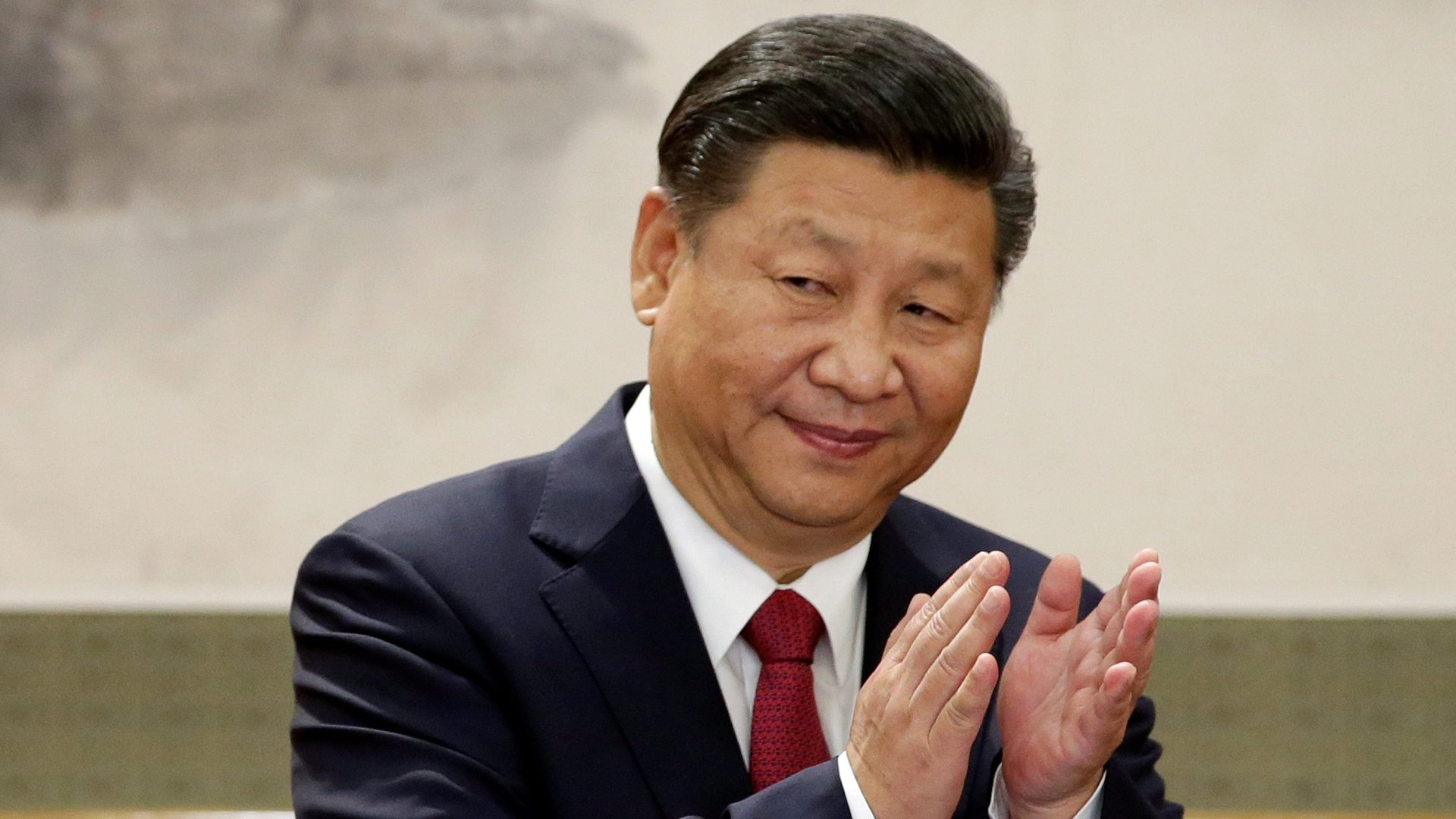
Over the past weekend, Xi Jinping was re-elected as China’s president with zero objections from nearly 3,000 lawmakers. While it’s no surprise that the country’s legislature is largely for rubber-stamping, no president has received a unanimous vote of approval for his appointment in at least 25 years, as Bloomberg notes.

China’s rubber-stamp legislature just endorsed a slew of top government appointments before the conclusion of its annual gathering in Beijing. On Saturday (March 17), Xi Jinping was re-elected as president with zero objections from 2,970 lawmakers.

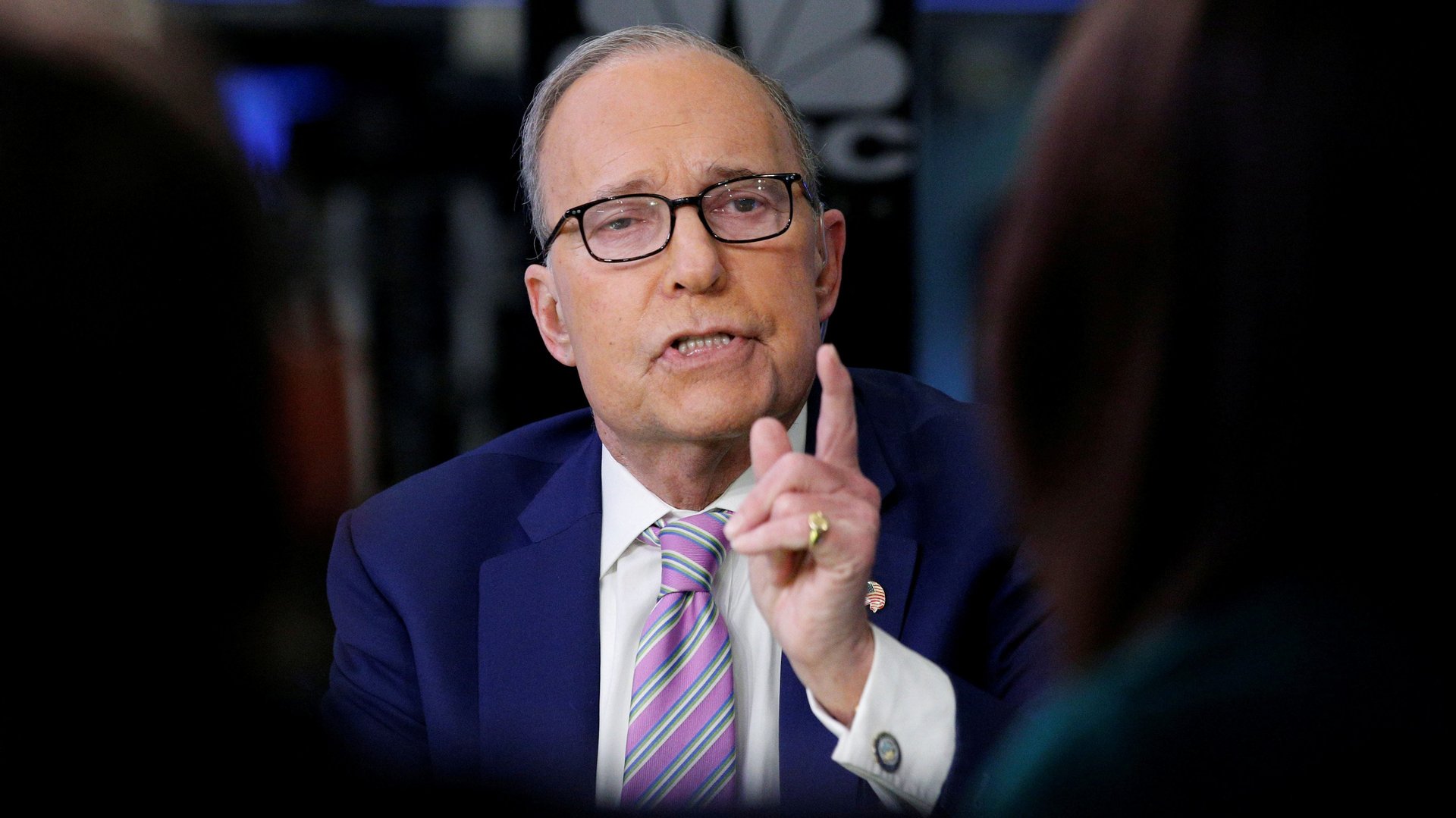
Donald Trump and his new economic adviser are already disagreeing over how to get tough on China.

What games do women play?

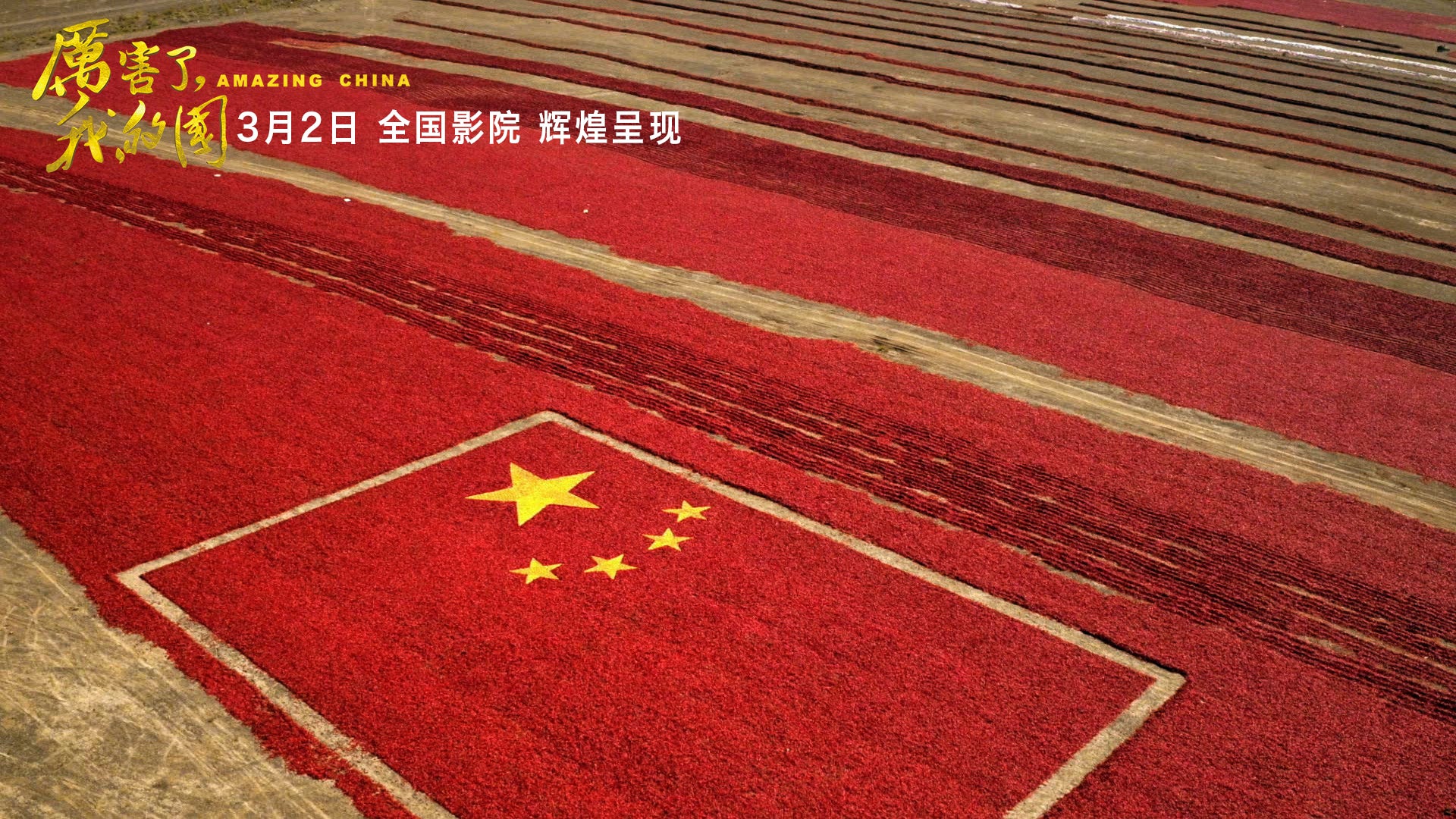
A propaganda film about Xi Jinping’s push to make China great again has become the highest-earning documentary ever shown in the country.

The near-unanimous approval of a constitutional amendment to abolish term limits for president Xi Jinping, and a journalist rolling her eyeballs over an obsequious question, are the two most memorable incidents that happened at this year’s Two Sessions meetings, China’s biggest annual political gathering.

Chinese president Xi Jinping has repeatedly told the world that China is ready to lead on issues like free trade and climate change. Now, he’s ready to extend his leadership to political parties everywhere.

China’s Communist Party has proposed removing the 10-year presidential term limit from the country’s constitution, potentially paving the way for Chinese leader Xi Jinping to stay in power for life. This week, the party provided the first official justification for the move: It’s just what the Chinese people want.

Chinese officials are notorious for their jargon-riddled and painfully long speeches. On Monday (March 5) premier Li Keqiang kicked off the annual gathering of China’s top legislative body, the National People’s Congress (NPC), with his government policy report. It took him nearly two hours to read through the 36-page document that lays out a bunch of important economic and budget targets for this year. (Here’s the full text in Chinese.)

Chinese president Xi Jinping has amassed so much power that he’s been called the “chairman of everything.” Now China appears set to make a move that would allow Xi, already the most authoritarian Chinese leader in generations, to stay in power perhaps for life.

China’s ruling Communist Party on Sunday (Feb. 25) proposed to abolish a constitutional limit on presidential terms, paving the way for president Xi Jinping to stay in power beyond his due retirement in 2022—and perhaps for life. While the move has been heavily criticized, it’s also been a boon for Chinese speculators.

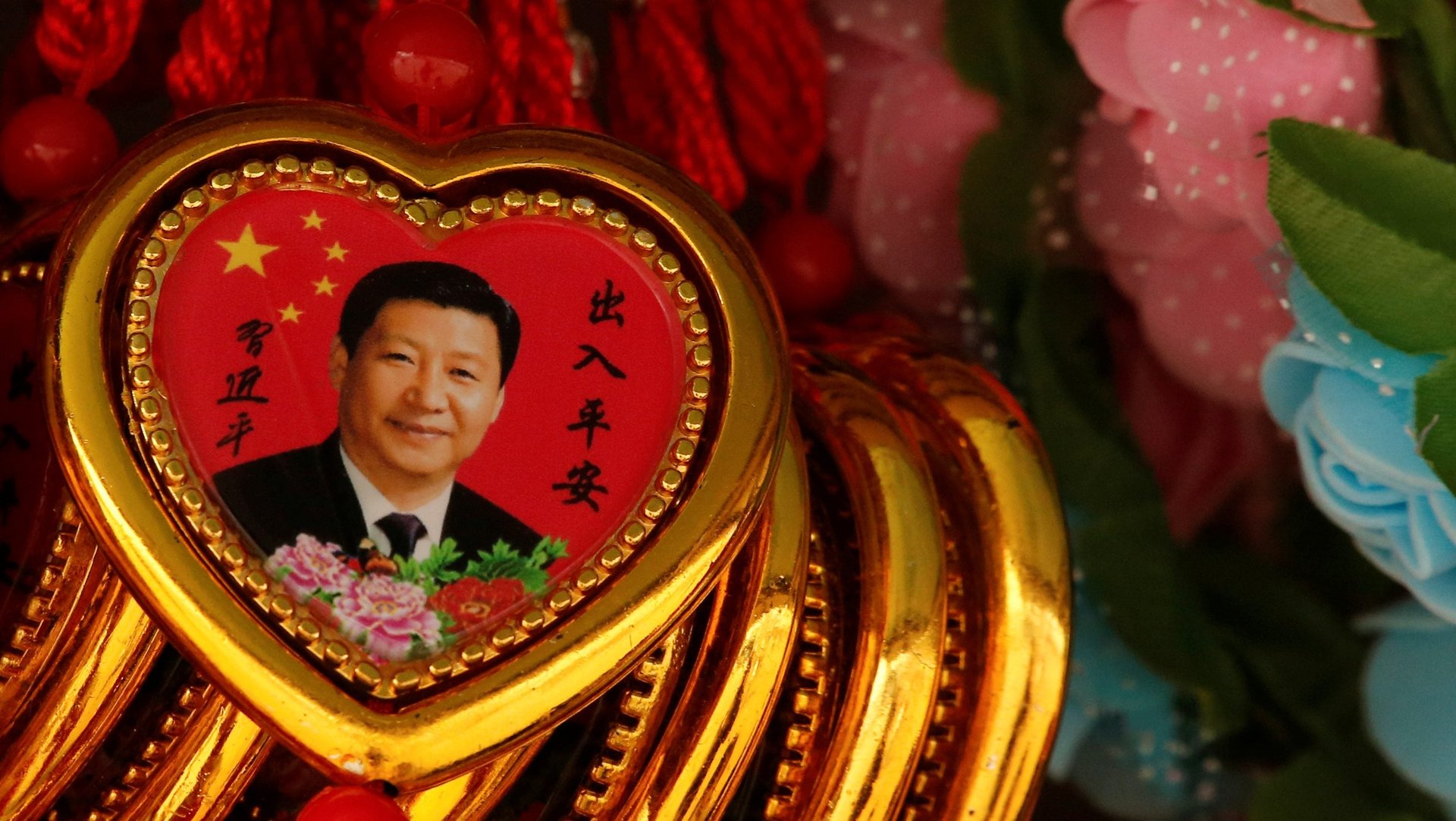
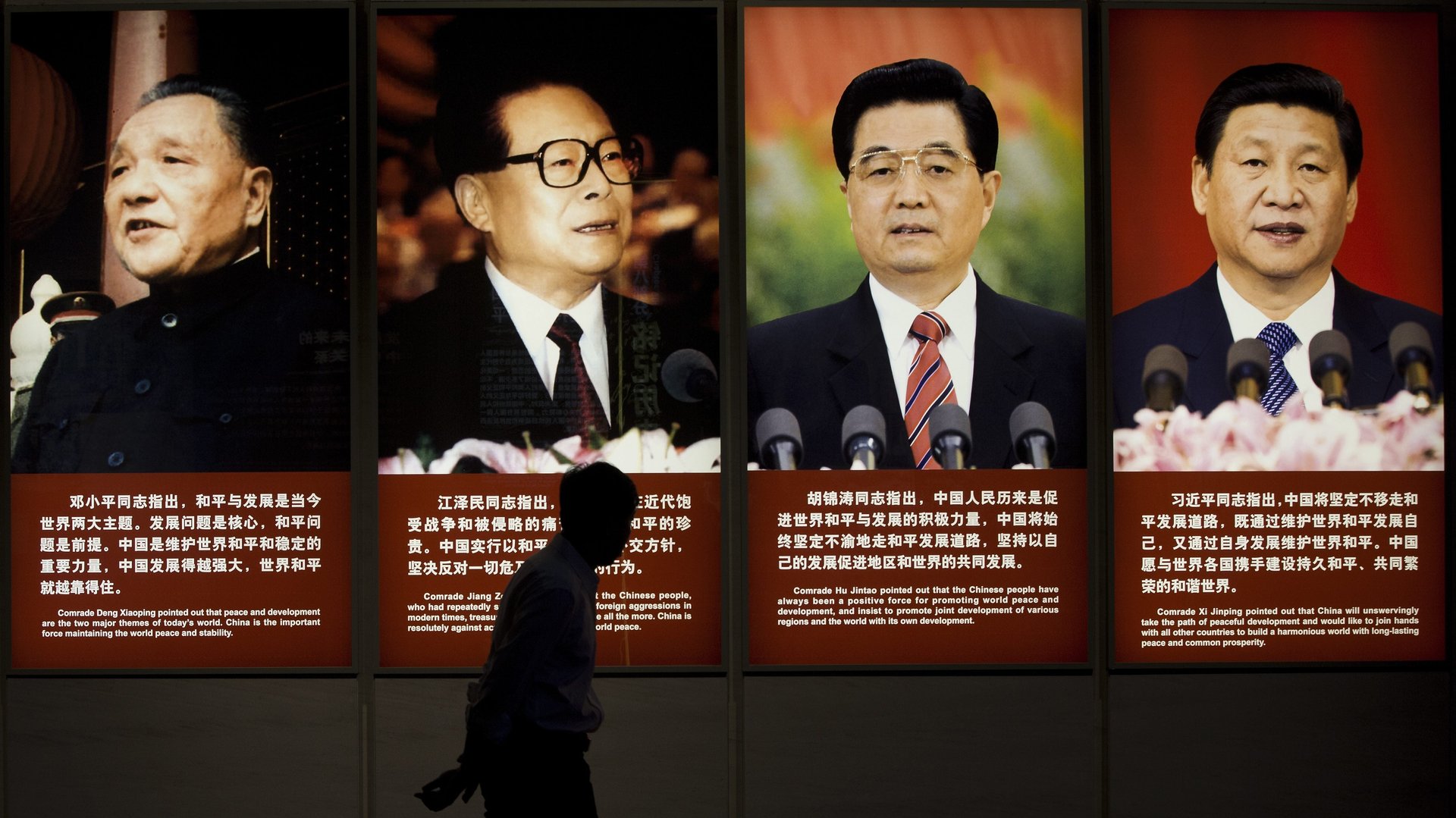
There have been two transformational leaders in China since Mao Zedong ruled the country with an iron fist. One was Deng Xiaoping, the paramount leader in the 1980s who lifted China out of backwardness with economic reforms, highlighted by his motto “Hide your strength, bide your time.” The other is China’s current leader, Xi Jinping, the strongman who has declared a “new era” that sees China as a top global power as it builds infrastructure and military bases across the world.

While snow is an indispensable element for the Winter Olympics, not every host city has the luck to stage mountain events at slopes perfectly covered by the natural white stuff.