A common complaint among prospective TV binge-watchers is that many of the best shows—The Sopranos, LOST, The Wire, Breaking Bad—seemingly went on forever, and thus require both a long time commitment and a deep, risky emotional investment.

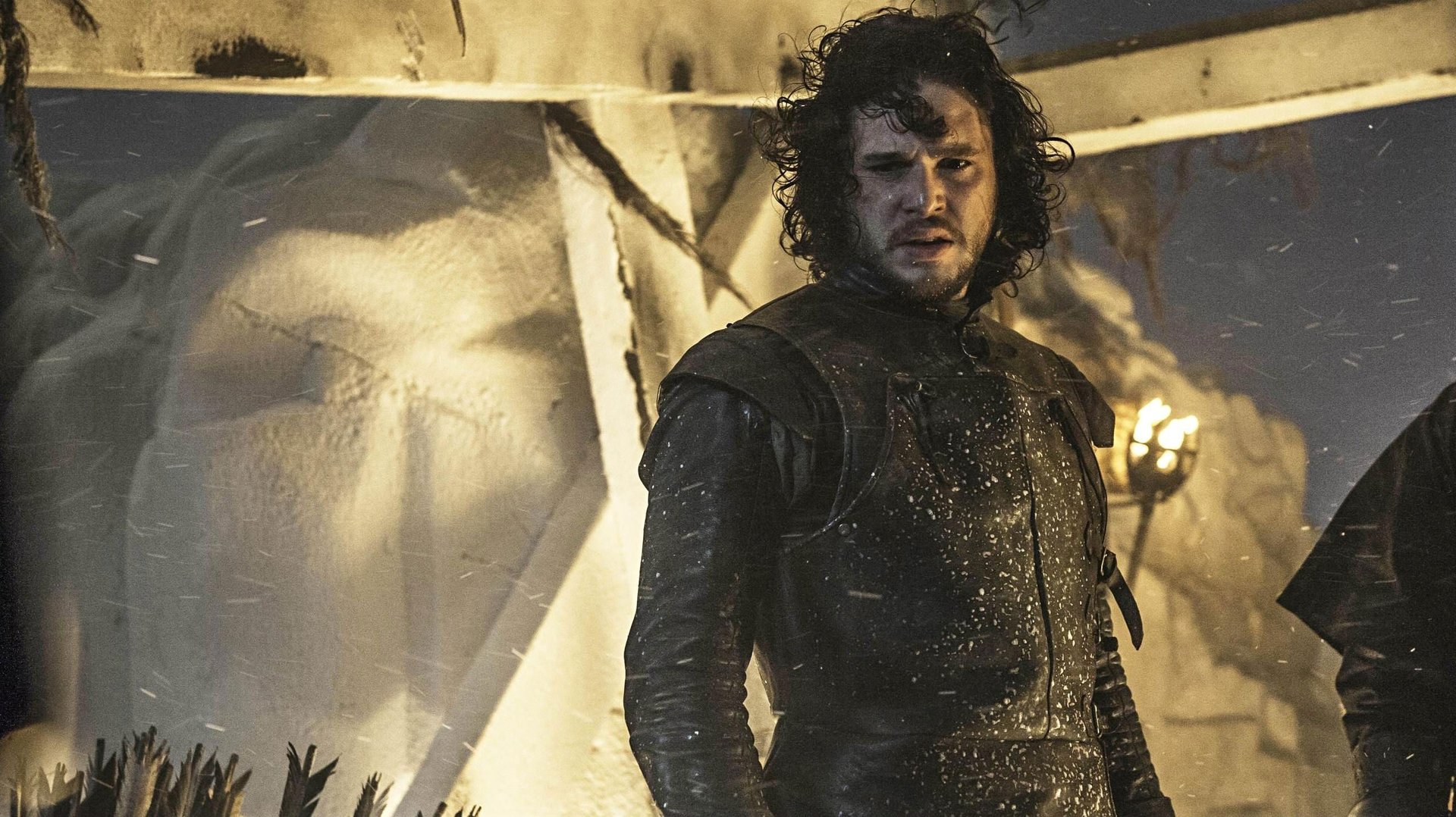
A common complaint among prospective TV binge-watchers is that many of the best shows—The Sopranos, LOST, The Wire, Breaking Bad—seemingly went on forever, and thus require both a long time commitment and a deep, risky emotional investment.

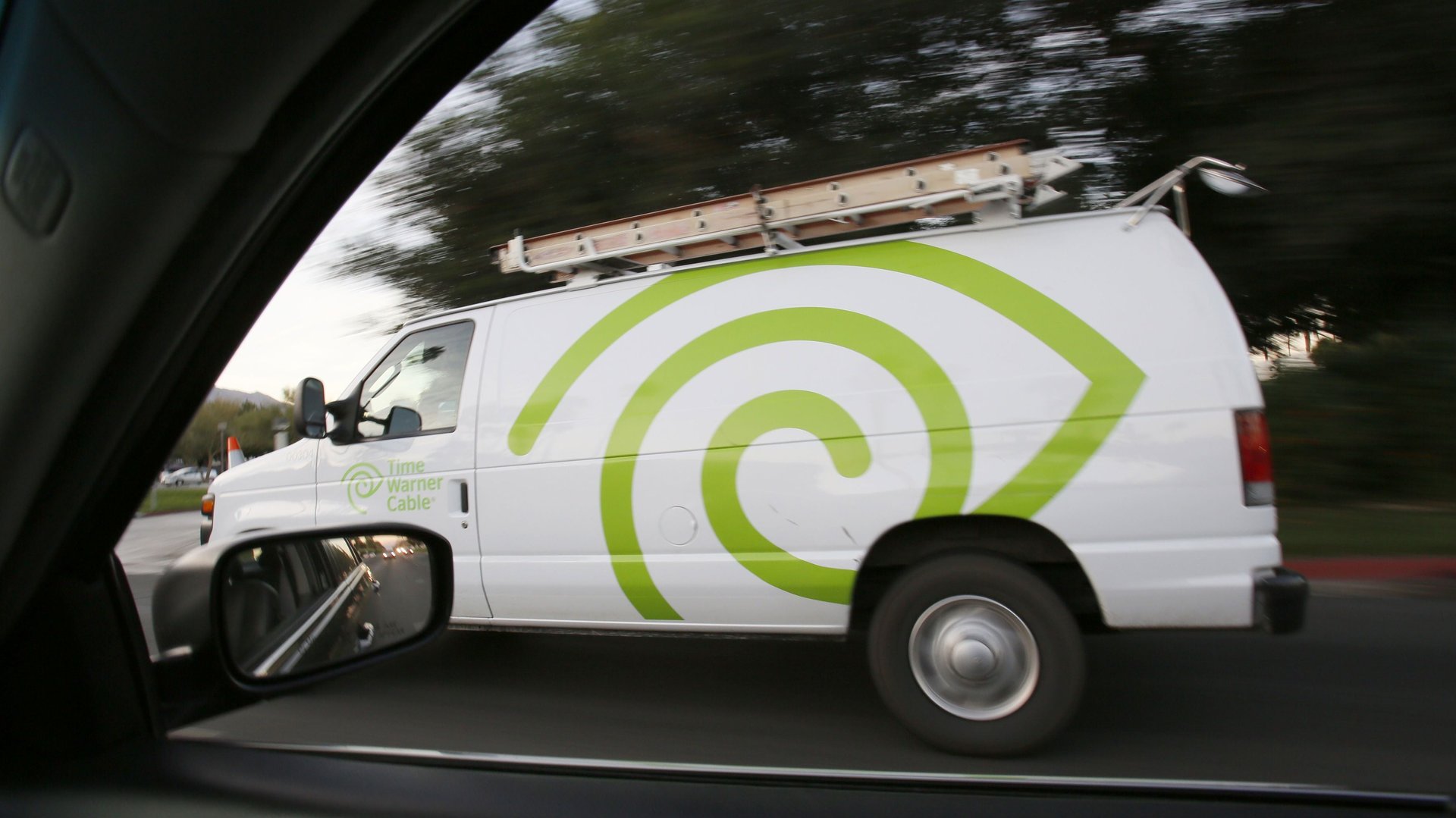
Someone claiming to be a Time Warner Cable technician is spilling secrets on Reddit.

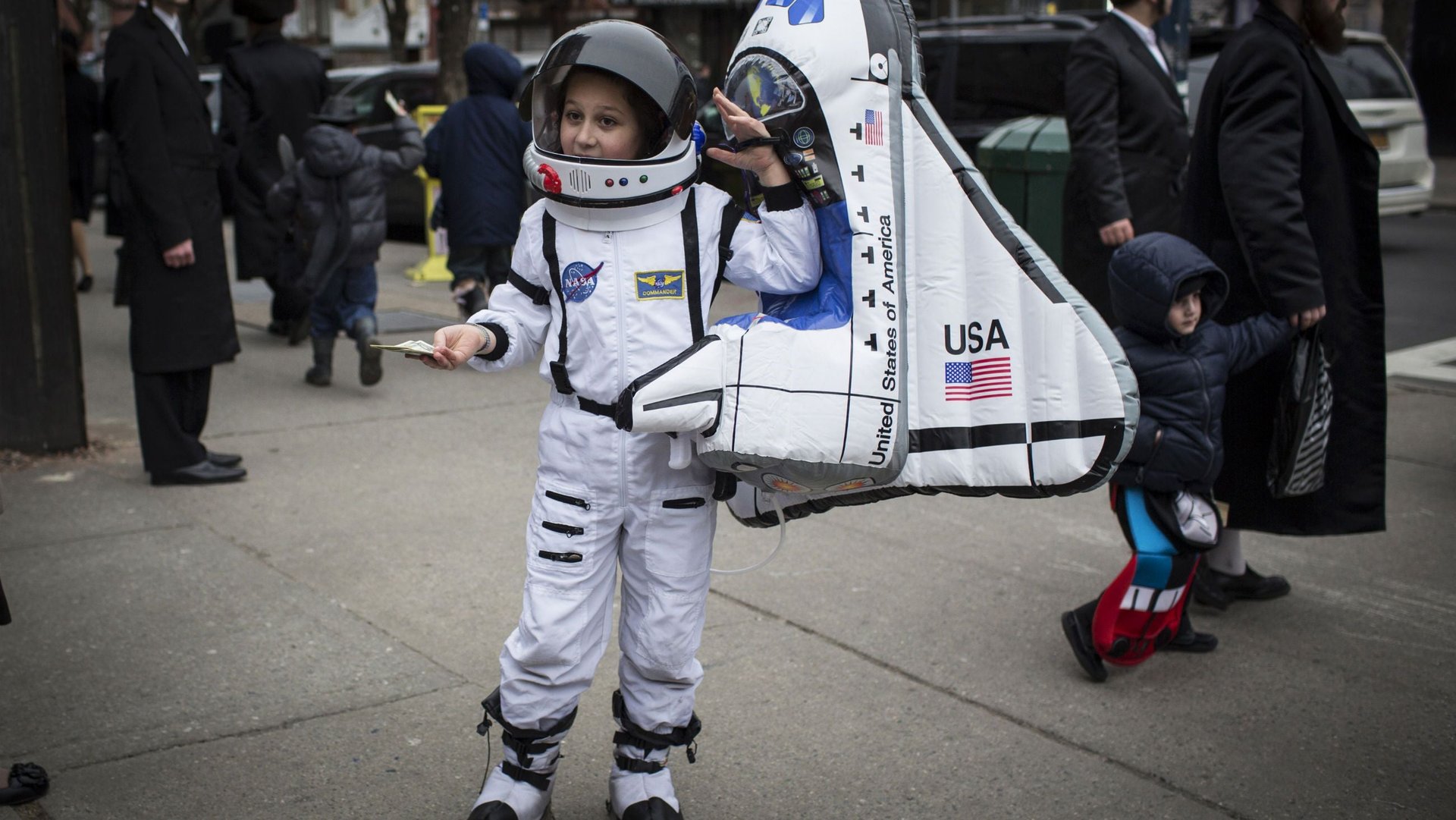
New research from the University of Washington has confirmed what we’ve long suspected: toddlers are mini-geniuses.

The ways in which we interact online with our favorite shows is very different on Facebook, Twitter, and Reddit—and that’s underscored by just how divergent the most popular shows on each platform are. The following charts say just as much about each social media platform as they do about the TV shows themselves.

To celebrate the 66th Primetime Emmy Awards this evening, Google published a quick guide to some filming locations for this year’s best drama nominees. Among the highlights: Real-life Downton Abbey Highclere Castle and Twisters Burgers and Burritos, which stands in for the notorious chicken chain Los Pollos Hermanos on Breaking Bad.

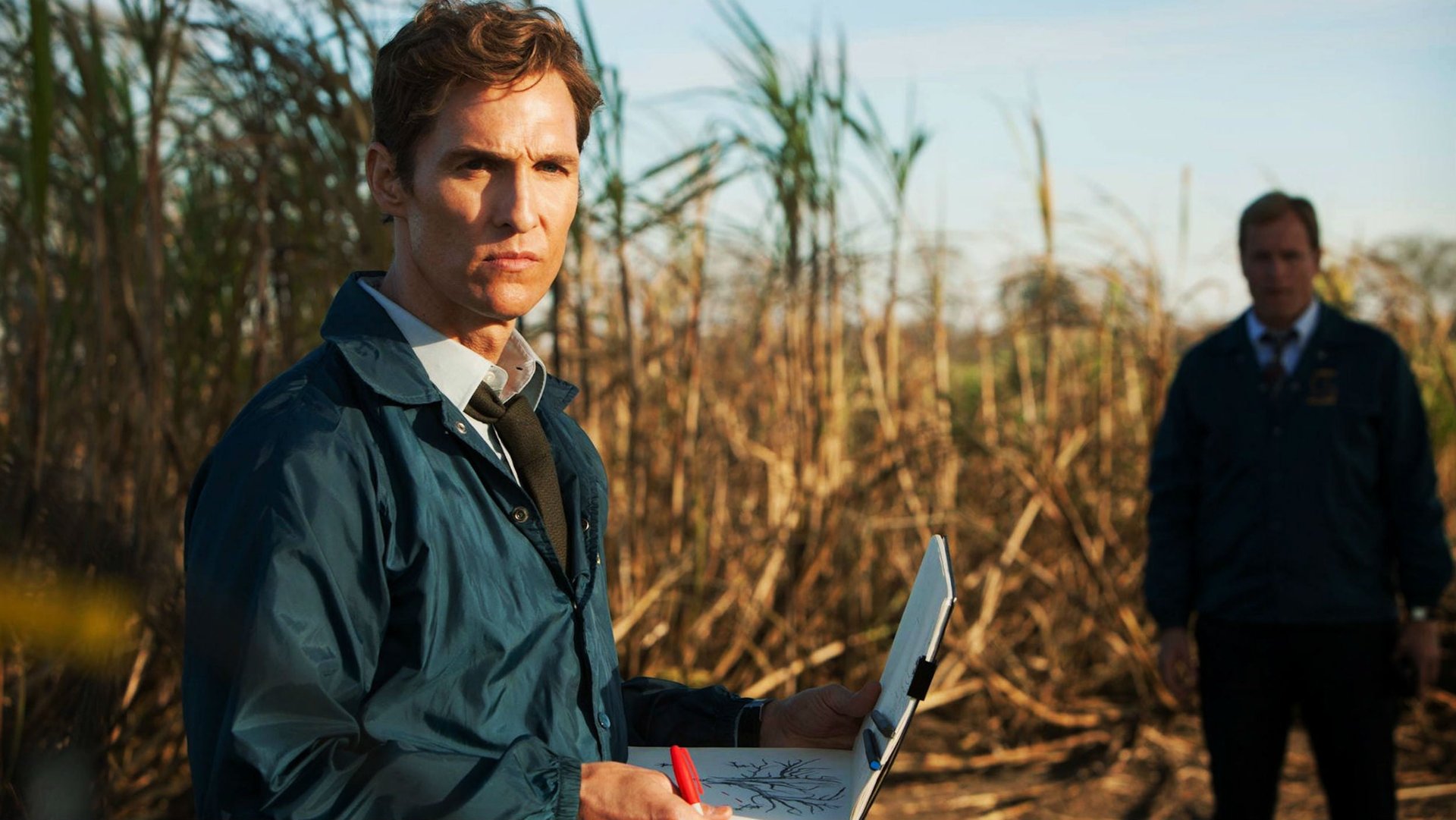
The prevailing sentiment is that TV is a writer’s medium, and film is a director’s medium. And indeed, from The Sopranos to The Wire to Breaking Bad to True Detective, the last decade or two of television has been inundated with excellent writing. But that doesn’t mean TV can’t be a director’s medium, too—many “golden age” shows have also had fantastic directing. In fact, many respected movie directors are taking notice and flocking to the small screen.

Hey dads, put down that briefcase and pick up a Swiffer—that is, if you want your daughter to be an auto mechanic or a police officer. Researchers at the University of British Columbia have concluded that daughters whose fathers contribute to household chores are more likely to pursue careers that are not perceived as stereotypically feminine.

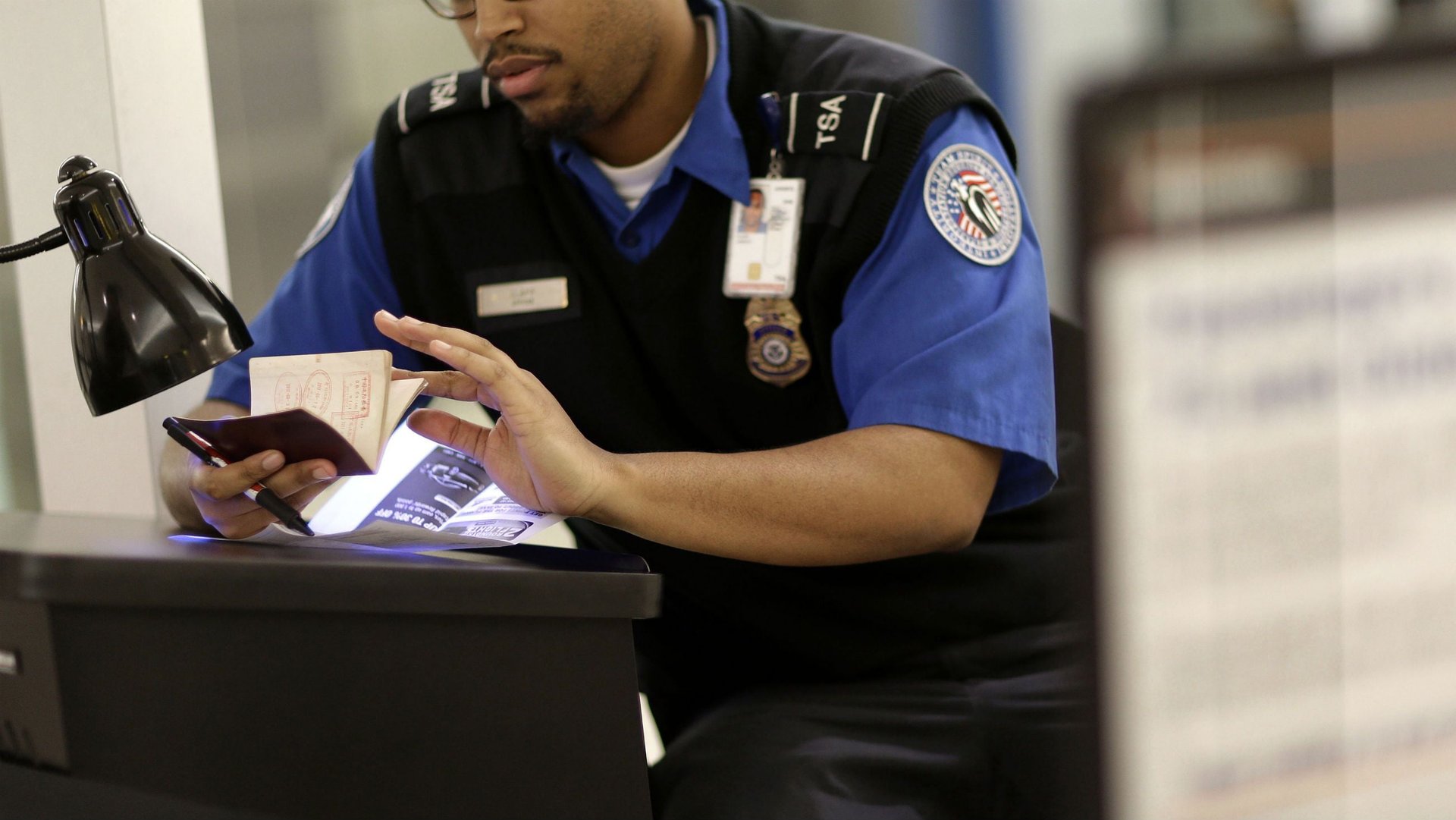
Something to ponder the next time someone asks for your photo ID: that immigration officer at the airport—or the security guard at an office building, or the barman serving you drinks—is likely no better at matching your face to the picture on the ID than you are, a new study from the University of New South Wales has found.

The ALS Ice Bucket Challenge seems tailor-made for the era of social media. As of yesterday, more than 28 million people had either posted, commented on, or “liked” a challenge on Facebook. The phenomenon also has gotten rapid circulation on YouTube: According to analytics startup Tubular Labs, the Ice Bucket Challenge has been viewed 43.5 million times across 24,357 different videos. And it’s showing no signs of slowing down.

Now we know what’s happening in our brains when we correctly pull a door that we once (embarrassingly) pushed.

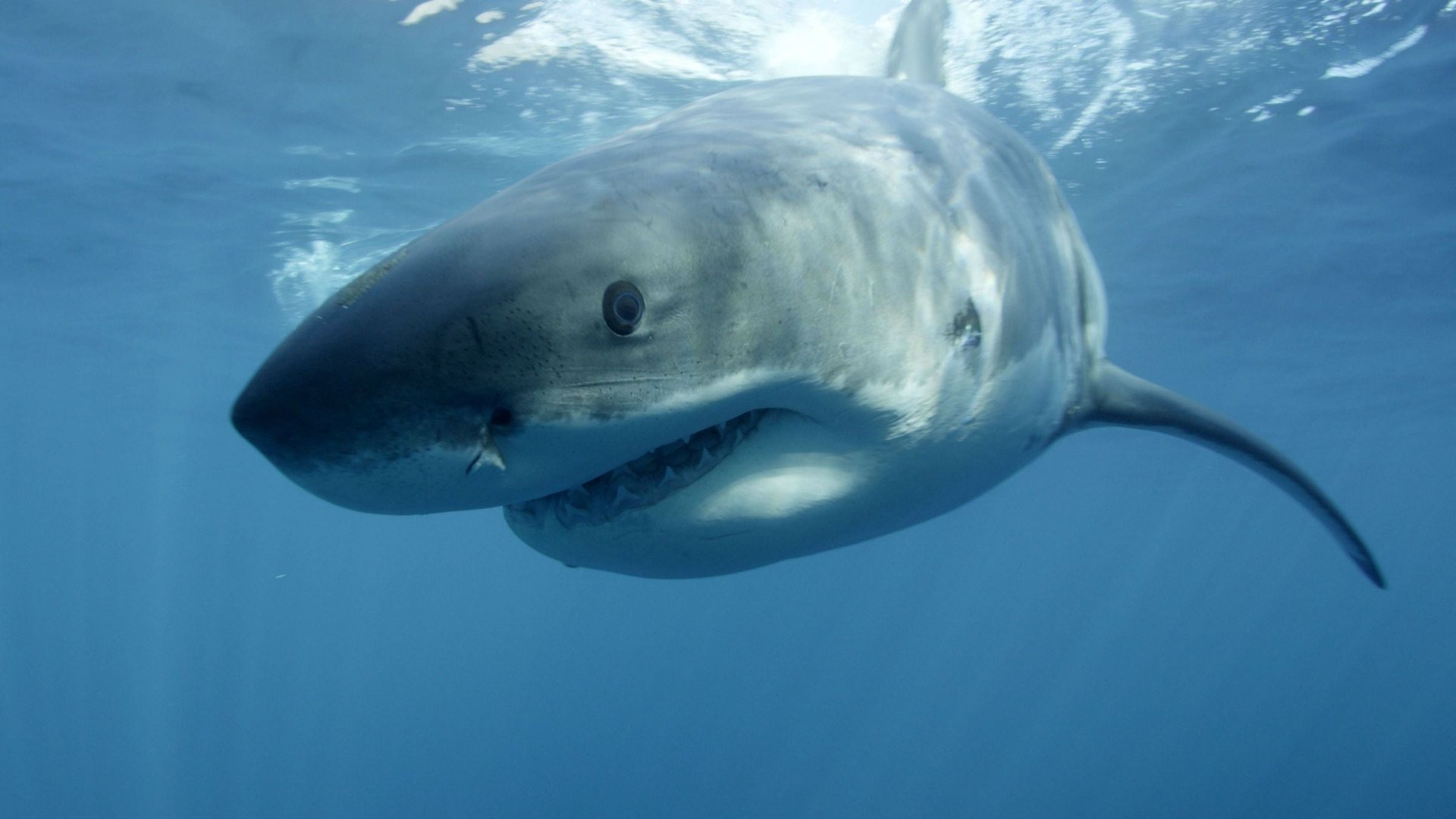
Forget the recent barrage of scientists saying that Shark Week programs are misleading, even deceitful. Shark Week isn’t really about sharks—it’s about ratings. And it’s more evidence that the Discovery Channel, also home to Amish Mafia, among other programs of questionable authenticity, has not been interested in broadcasting scientific fact for quite some time.

On Wednesday, two reporters covering the protests surrounding the fatal police shooting of the unarmed black teenager Michael Brown in Ferguson, Missouri, were arrested—in a McDonald’s. Why were they there? One of the reporters, The Washington Post’s Wesley Lowery, says not for a Big Mac:

“Skinemax” was struggling. In 2010, subscriber numbers at the US cable channel Cinemax, which earned that derisive nickname with its reputation for late-night soft-core pornography, were flat and starting to trend downward. The channel’s action movies and porn were still performing pretty well, but the brand was in dire need of reinvigoration.

Like other terrorist organizations, Al-Shabaab does not appreciate the unifying powers of sport. The militant jihadist group banned soccer while occupying Mogadishu, where it spent years fighting government forces. Shortly after its expulsion from the city in the summer of 2011, Gool FM was spawned—giving Somalia its first and only sports radio station.

Time Warner is finally admitting that Netflix is a competitor to HBO. And now, it might create a Netflix of its own.

If you desperately need Wi-Fi while you’re out and about, head to the nearest McDonald’s. The world’s largest fast food chain also boasts some of the fastest Wi-Fi speeds among public networks in the US.

The numbers: A day after 21st Century Fox withdrew its bid to buy it, Time Warner posted $6.8 billion in revenue, up 3% from last year—that is, if you take out the revenue made from its recently spun-off publishing company Time Inc. Profits increased 17% to $1.6 billion, and earnings per share rose 29% to $0.98.

Western movies and TV shows tend to shy away from tackling the unremitting, violent struggle between Israelis and Palestinians. The decades-old conflict can sometimes feel inaccessible to Western audiences who are accustomed to more peaceful, simpler relations. It’s also a difficult subject to cram into a neatly-packaged narrative. The conflict offers no closure, no happy ending, no ending at all.

Once again, HBO is offering clues that it’s inching closer to embracing an internet-only service. The king of premium cable plans to sell standalone, online-only packages in countries like Japan and Turkey.

The numbers: Like nearly every other cable company, Time Warner Cable is losing TV customers—but this quarter a little more slowly. It lost 152,000 video customers, its smallest second-quarter loss since 2011, when it lost 130,000. It added 67,000 broadband internet customers, its most in a Q2 since 2010 (but a lot less than the 269,000 it gained last quarter.) Revenue was up 3.2% from a year ago, earnings per share rose 11.8%, and the average monthly revenue per user—essentially, its customers’ average monthly cable bill—rose 1.7%.

Jack Shephard’s words at the end of season three of LOST (warning: spoilers) were not just ominous in the show’s context—they were also strangely prescient of Hawaii’s film and television industry. More and more movies and TV shows are going back to the state to film among its incredible beaches, mountains, and jungles. And these productions are huge job creators.

Media companies like Netflix have been forced to choose between competing for quality content and developing cutting-edge technology. In the case of Netflix, it chose not to create its own video streaming device and instead focused on original content; Microsoft could succeed in the battle for your living room by doing just the opposite.

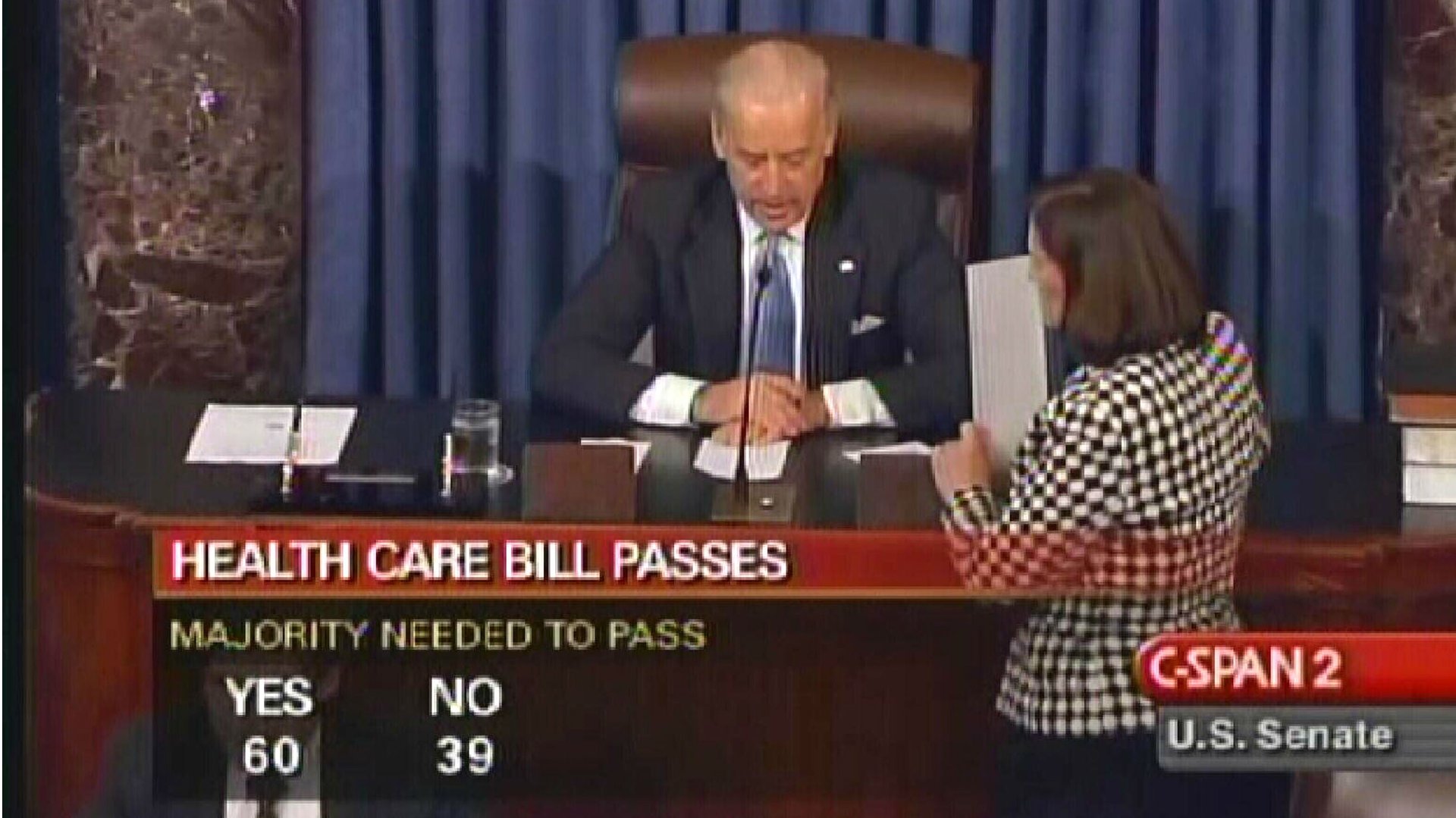
C-SPAN, the staple of American government and public affairs programming, will soon require a pay television subscription to watch its flagship channels on the internet.

The global ruler in premium pay-TV will soon offer its services in the US without requiring a traditional cable TV package. HBO is set to expand its $49-per-month internet bundle—available now as a trial through Comcast—and offer it through other cable and broadband providers, Bloomberg reports. The package will include cable TV and online access to HBO, as well as a limited basic cable channel lineup.