

Tech & Innovation
On eclipse day 2017, a text-message chat between the sun and the moonSun [8:32 AM]Hey. i’m the sun. Just enjoying my “fixed” location in space
Updated July 20, 20228 min read
Sun [8:32 AM]Hey. i’m the sun. Just enjoying my “fixed” location in space
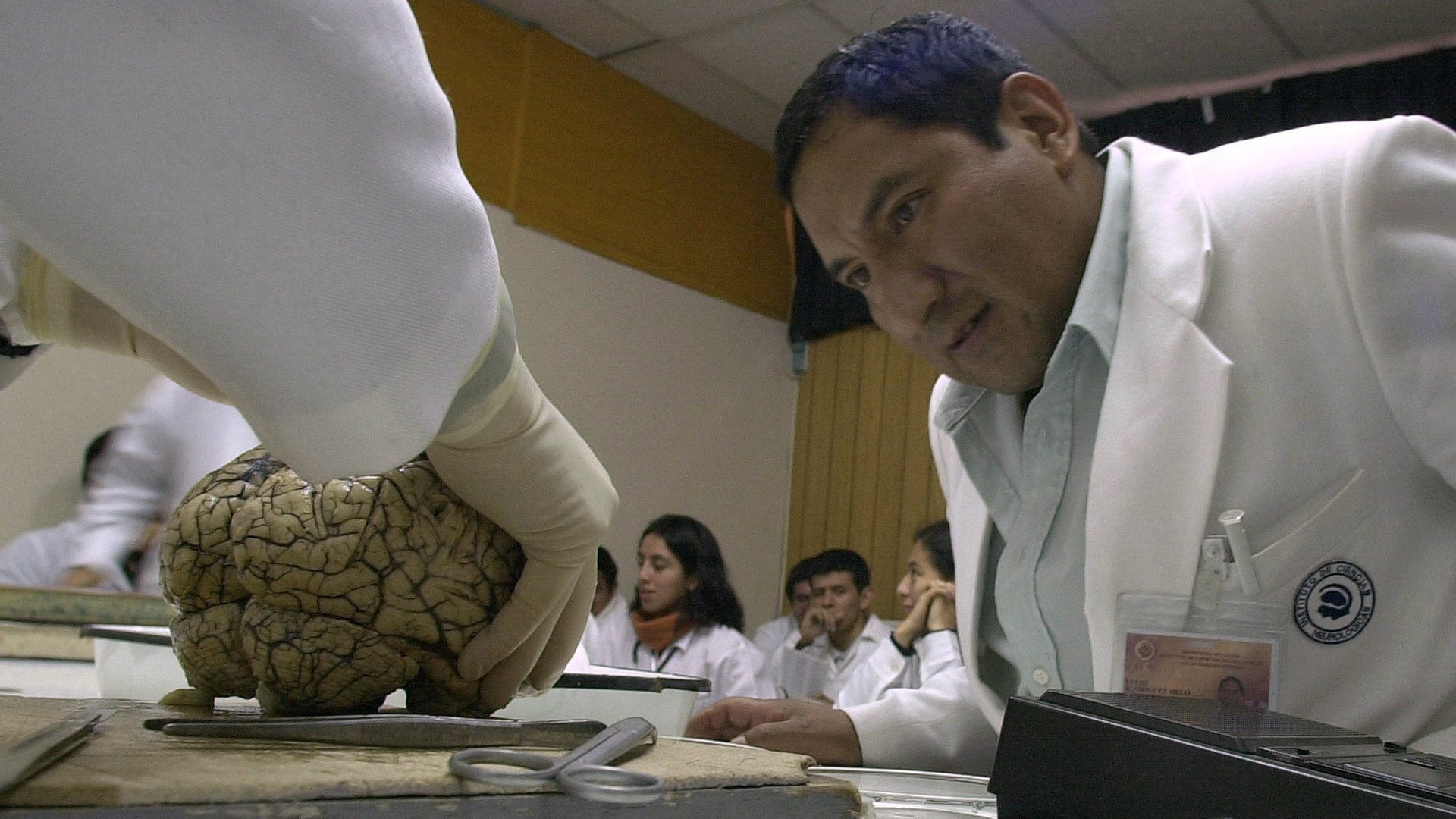
When making decisions about education, management, or other policies, it’s wise to draw on facts about how the human brain works. And chances are that many of the things you think you know about neuroscience aren’t facts at all, just “neuromyths”: widely held, stubbornly persistent misconceptions.

New parents stumbling through the groggy chaos of life with a newborn can get desperate for information that makes sense of the seemingly unpredictable days. When does she tend to nap? What time are his feeds?

As he did after the birth of his first child in 2015, Facebook CEO Mark Zuckerberg is taking two months’ paternity leave from the company when his second daughter arrives. This time, Zuckerberg will break up the leave, spending one month at home with his children and wife Priscilla Chan right after the baby’s birth and taking the rest of the leave in December.

Earlier this month, Quartz was the first to report that the HBO series “Game of Thrones” was using Ikea rugs as costumes for the Night’s Watch, soldiers tasked with defending the show’s fictional kingdoms from zombie armies and other threats.
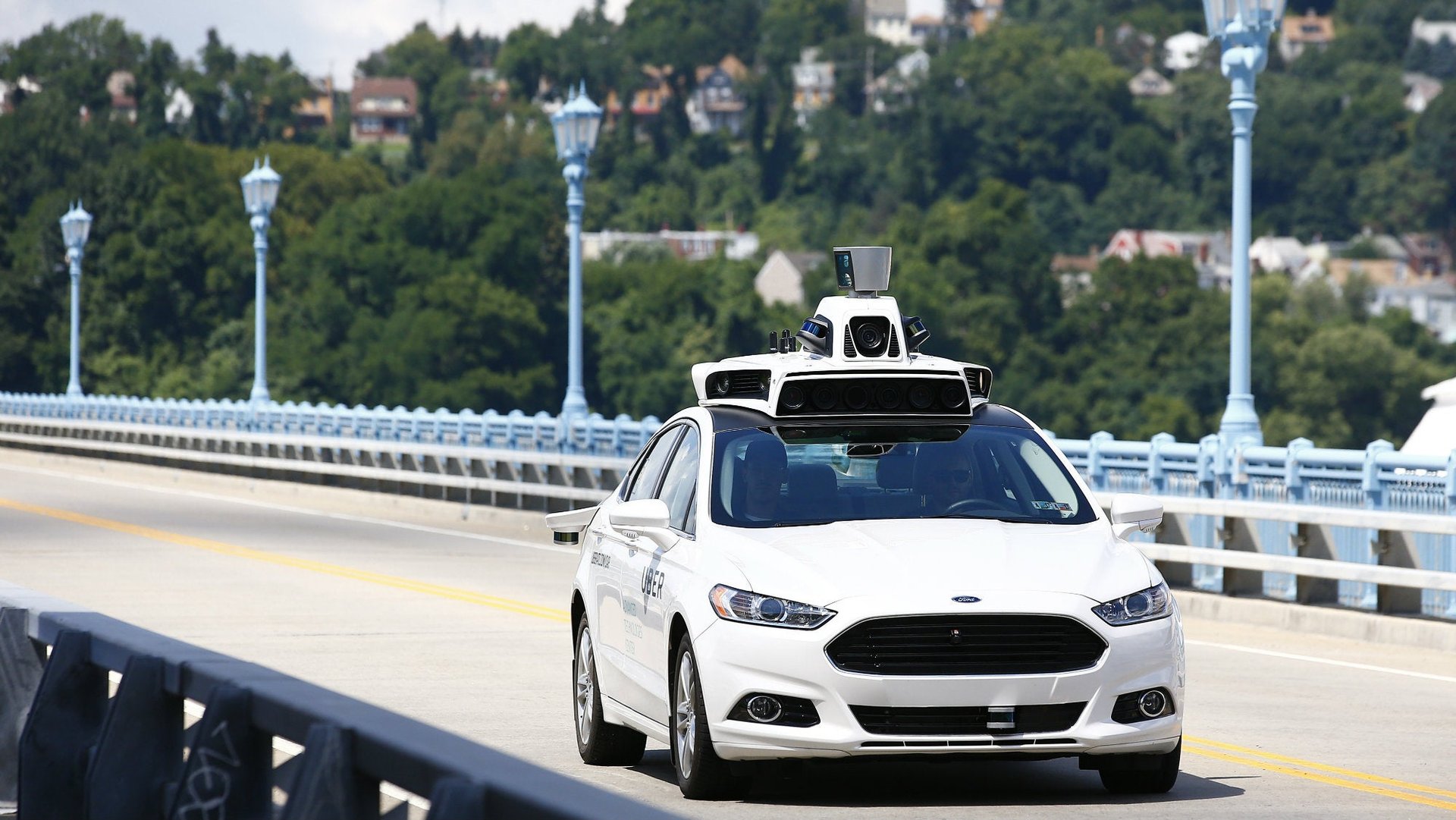
Self-driving cars are already being tested on the roads in the US, and by some estimates could be widely available in as soon as five years. The closer that reality gets, the more people seem spooked by the idea of machines taking the wheel.

Countless books, news articles, consultancies, and workshops are founded on the premise that millennials are intrinsically different humans from all who came before them, and that entirely new strategies must be crafted to manage their unprecedented levels of entitlement and laziness.
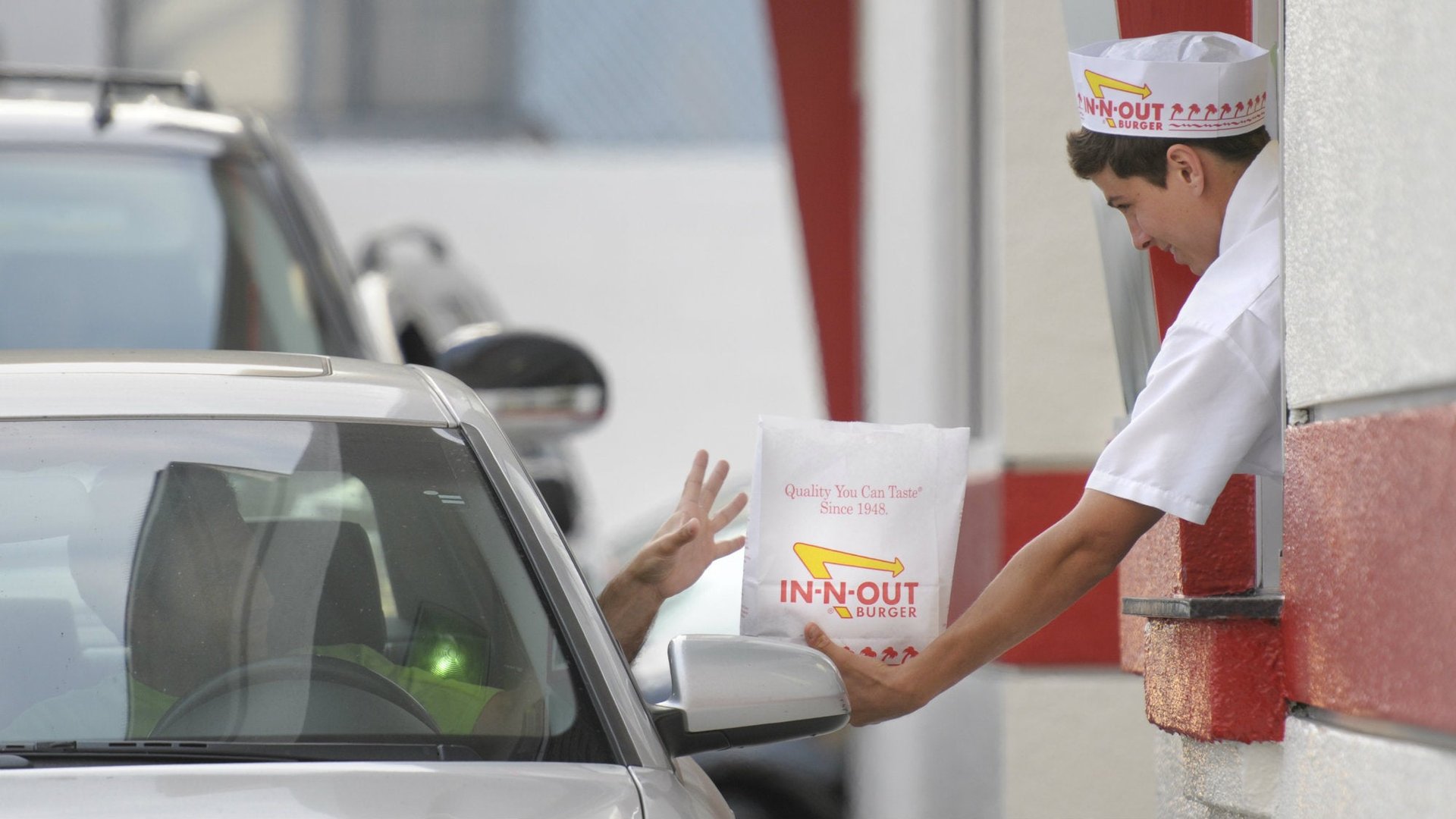
Chef David Chang’s restaurants are pilgrimage sites for foodies from Sydney to New York. But the founder of the Momofuku restaurant group recently disclosed that he gets inspiration on kitchen management from a US fast-food chain where a double cheeseburger, fries, and a drink together cost less than a small plate of pea shoots at Chang’s Momofuku Noodle Bar in New York.
Rousseau Kazi became a product manager at Facebook in 2011 at the age of 19, while still an undergraduate at the University of California-Berkeley. He recently left Facebook to work on a new, unannounced project, and reflected on his career on the podcast “Modest Conversations” with Sam Lessin, an entrepreneur who is also a former product manager at Facebook.
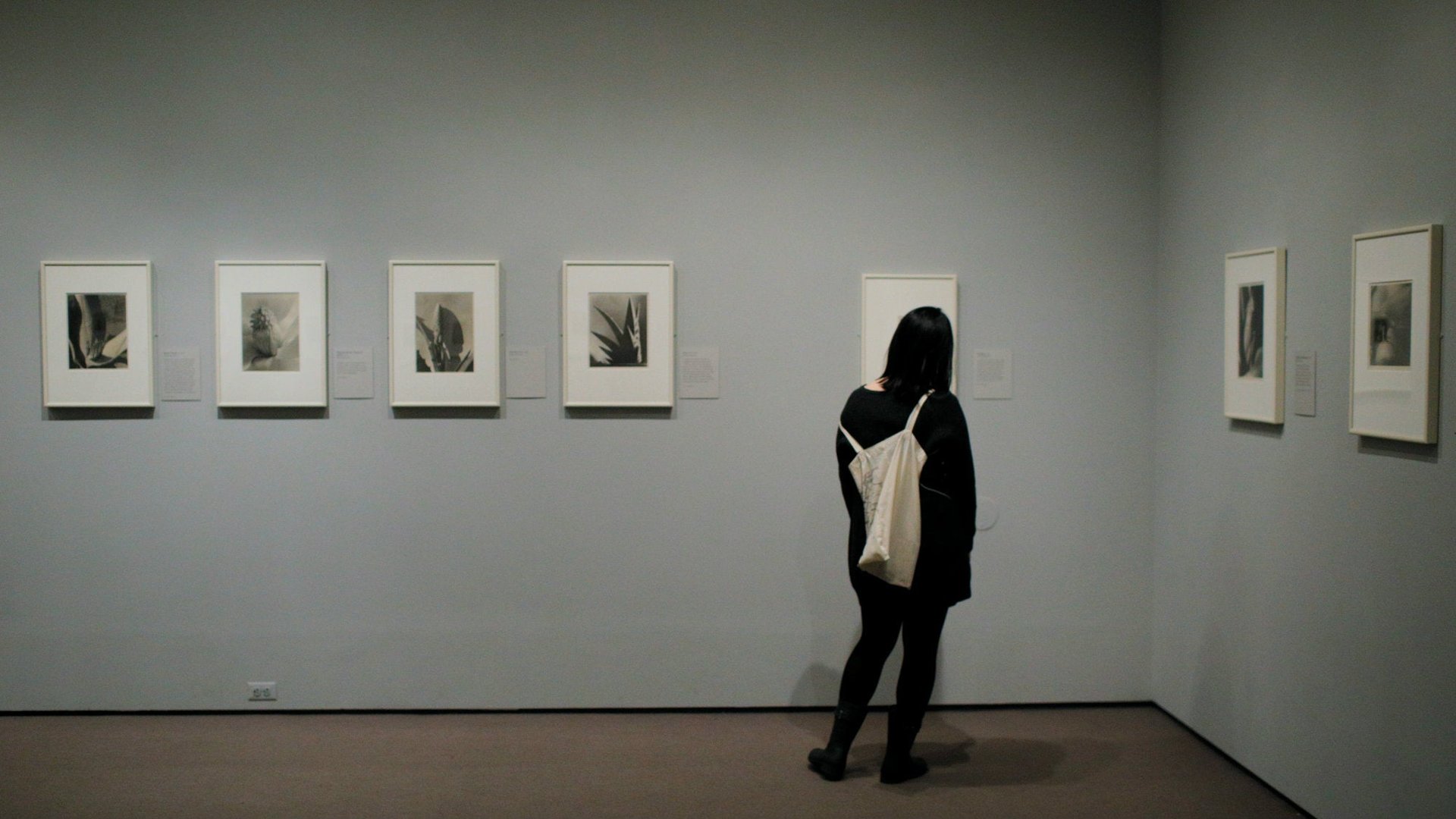
Our social media posts say more about us than we realize, including when we need help. In a paper published today (Aug. 8) in the journal EPJ Data Science, a pair of researchers found that an algorithm flagging a few key signs in people’s Instagram posts may be able to diagnose depression more effectively than doctors.

HBO’s Game of Thrones is one of the most expensive television shows in history, with the budget for recent seasons reportedly more than $10 million per episode. On costumes alone, there’s a team of 80 to 100 people who labor to get every patch of embroidery and scuffed knight’s jacket just right.

Of all Monday morning Game of Thrones recaps, one of the most delightfully esoteric can be found on the Instagram and Tumblr accounts of the Getty museum in Los Angeles.

To better understand the relationship between a Mediterranean diet and cardiovascular health, a team of Italian scientists recently turned to the data in the Moli-Sani cohort study, a longitudinal study of the cardiovascular health of thousands of people in southern Italy.

I went on vacation last month. In the final 15 minutes before leaving my desk for a week, I set out-of-office messages on Slack and Gmail, made an Evernote to-do list for my first day back, and closed my laptop, confident I’d return rested, organized, and ready to jump back into work.

In 1992, the New York Times published an editorial (paywall) on the importance of promoting breastfeeding in the developing world. A reader—and health care worker—responded by writing in a letter to the paper voicing a then-common argument in support of breastfeeding.

In 1971, one year after the US Environmental Protection Agency was established, Dr. Theodor Seuss Geisel (nom de plume Dr. Seuss) published The Lorax, about a curmudgeonly creature who speaks for the trees. The book ends with a dire warning: Unconstrained business will eventually make our environment unlivable, unless we become better stewards of the planet.

If a spotted hyena in southern Kenya does anything—eats, mates, poops, dies—and a researcher from Michigan State University professor Kay Holekamp’s lab is around to see it, the detail goes into their field notes. The field notes eventually get entered in a database encompassing two decades of the hyenas’ observable universe. The database remembers things that probably long ago passed from the hyenas’ consciousness: what they ate, where they went, who they interacted with. The result is a catalog of hyena life nearly as exhaustive as those humans build for themselves on social media.
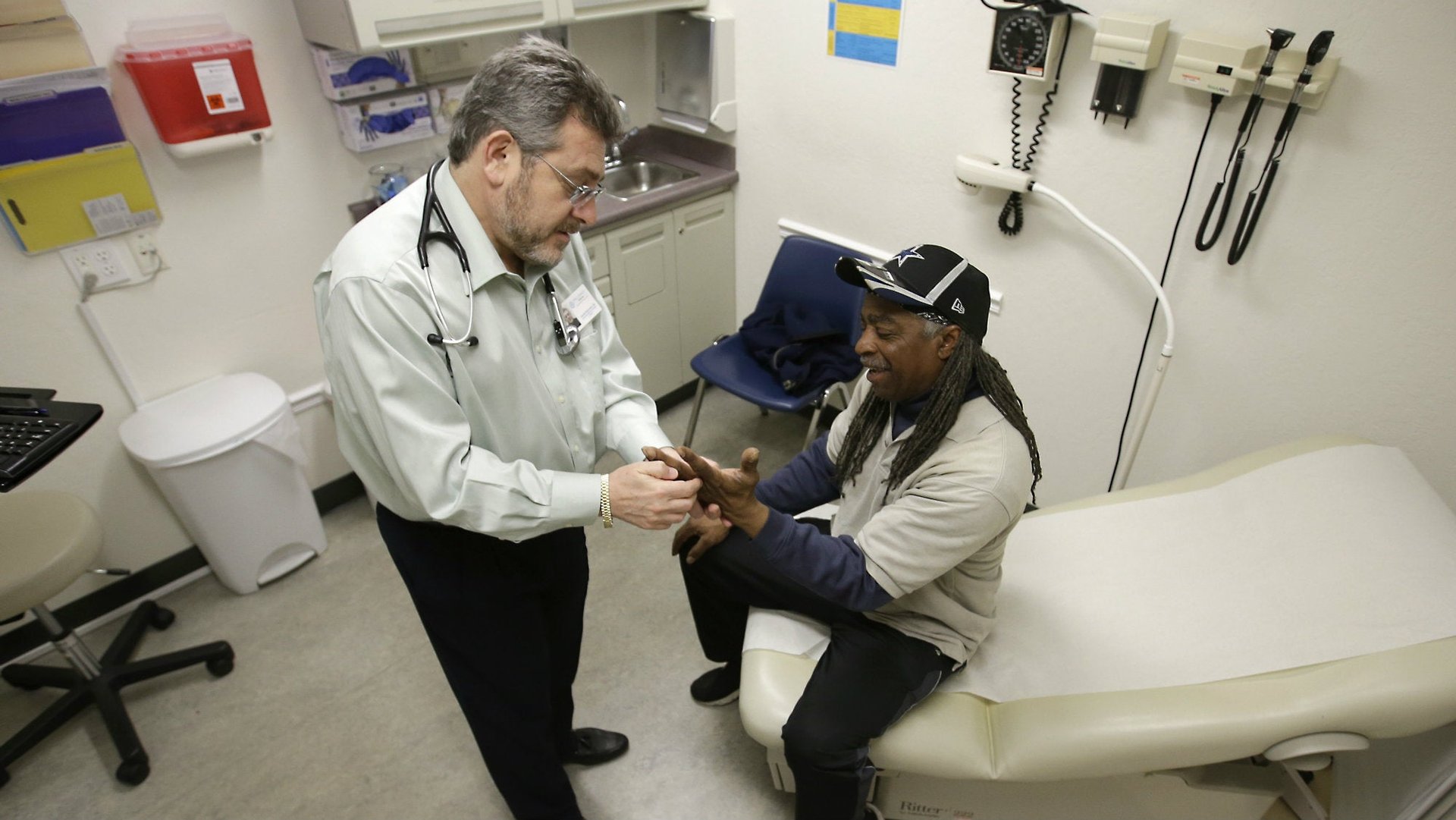
When sick people seek medical care, there’s an expectation that doctors will do everything they can to manage the problem. But more care—more tests, more procedures, more aggressive treatments—is not always better. Overprescription of antibiotics for relatively minor, common ailments leads to drug-resistant bugs and unnecessary expense. Patients with serious conditions like cancer often don’t live longer or enjoy a better quality of life when given aggressive treatments compared to those on more conservative care plans.
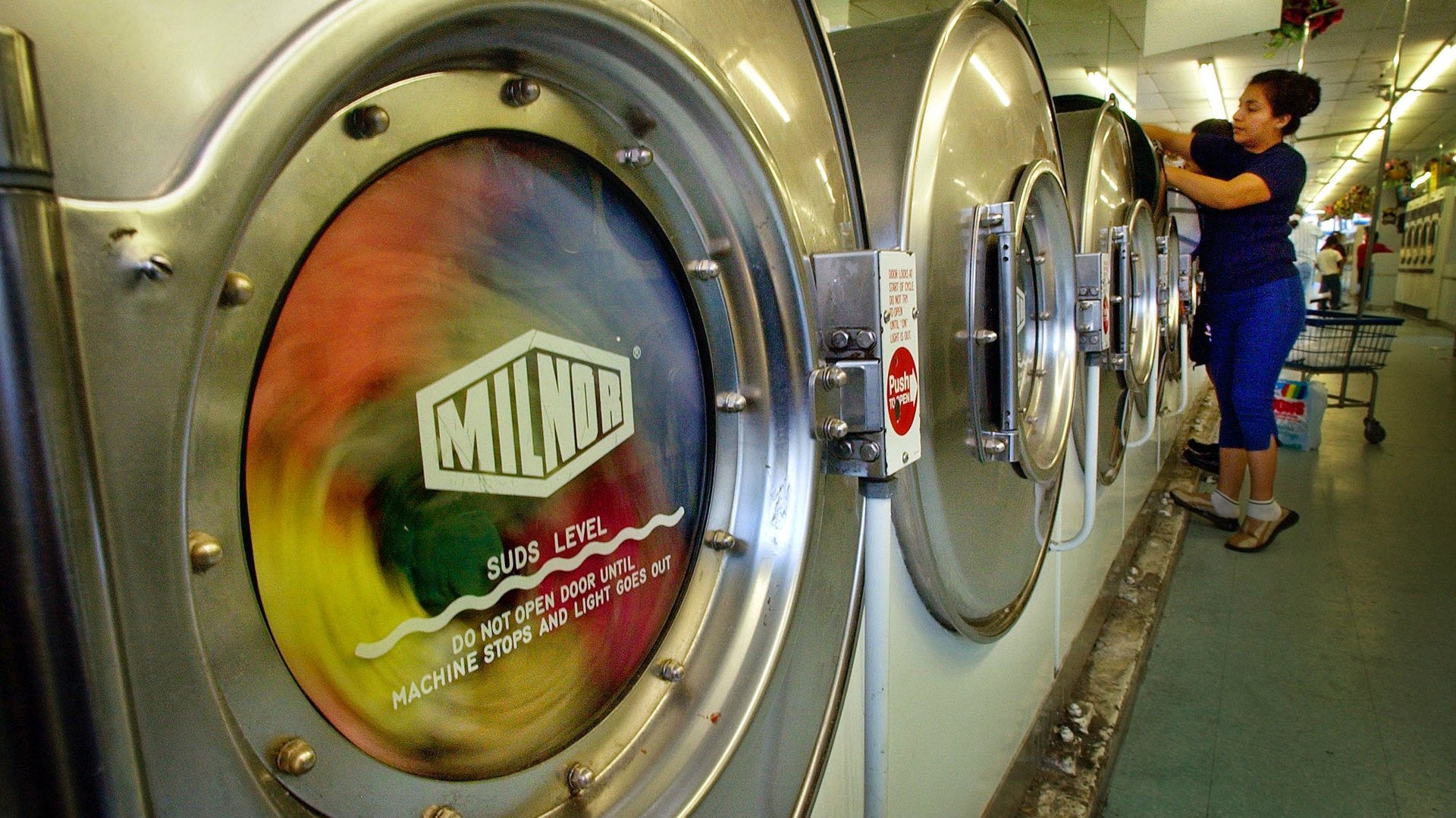
Recently, my family and I moved back to the US after nearly five years in London. I liked living in the UK very much. I received life-saving medical care from the National Health Service and was preparing to send my young child to the very good local public schools. I was happy in London, except when I did my laundry, when I would, for an angry moment, will the entire bloody island to sink into the sea.

An important pitch to a client, potential business partner, or other outside party can prompt fits of late-night preparation and rehearsals. Internal meetings rarely get the same treatment. After all, you know these people and you’re all on the same team. How much prep work does the discussion really need?

“Showrooming,” the practice of book shoppers browsing brick-and-mortar stores for volumes they intend to buy on Amazon, is understandably loathed by independent bookstores. One consultant compared it to theft. An employee at a Brooklyn-based store called it “evil.”
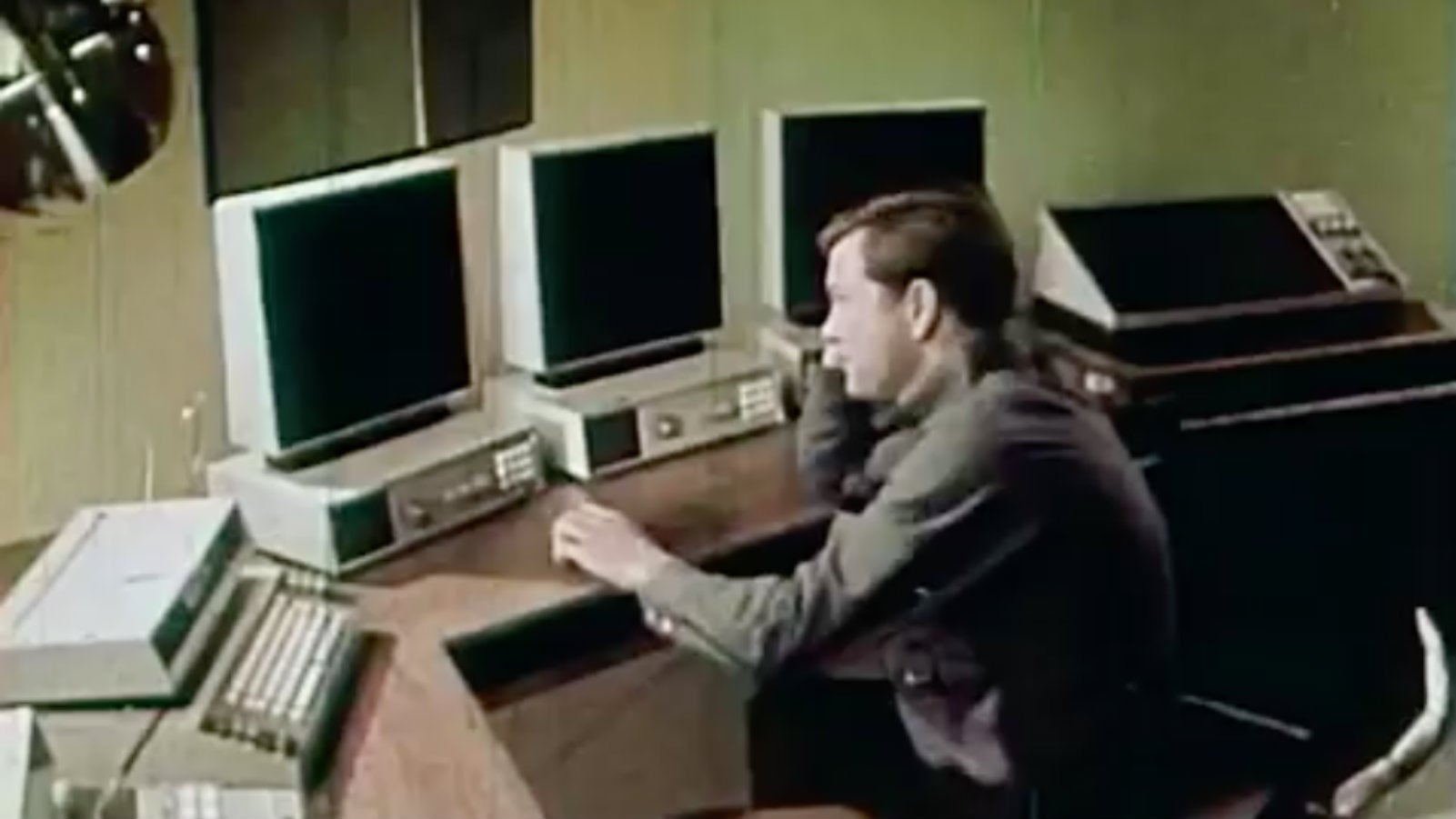
The future we’re promised in movies is often more exciting than the one that actually arrives. Back to the Future II said we’d have flying cars by now, and we don’t. It’s a full 16 years after 2001: A Space Odyssey was supposed to take place, and still no computer is sentient enough to murder us.

Would you know an angry monkey if you saw one? A friendly monkey? A monkey very seriously considering whether it’s necessary to bite the human staring at its face?

How often have you thought longingly of a favorite leisure activity—a run on a favorite path, the delicious novel sitting by your bed, a day trip to the beach—then firmly pushed it out of your mind and returned to the task at hand? The more practiced you are at delaying gratification, the more times you’ve probably put work before play, reasoning that you’ll enjoy the activity more if the work is done.