
Tech & Innovation
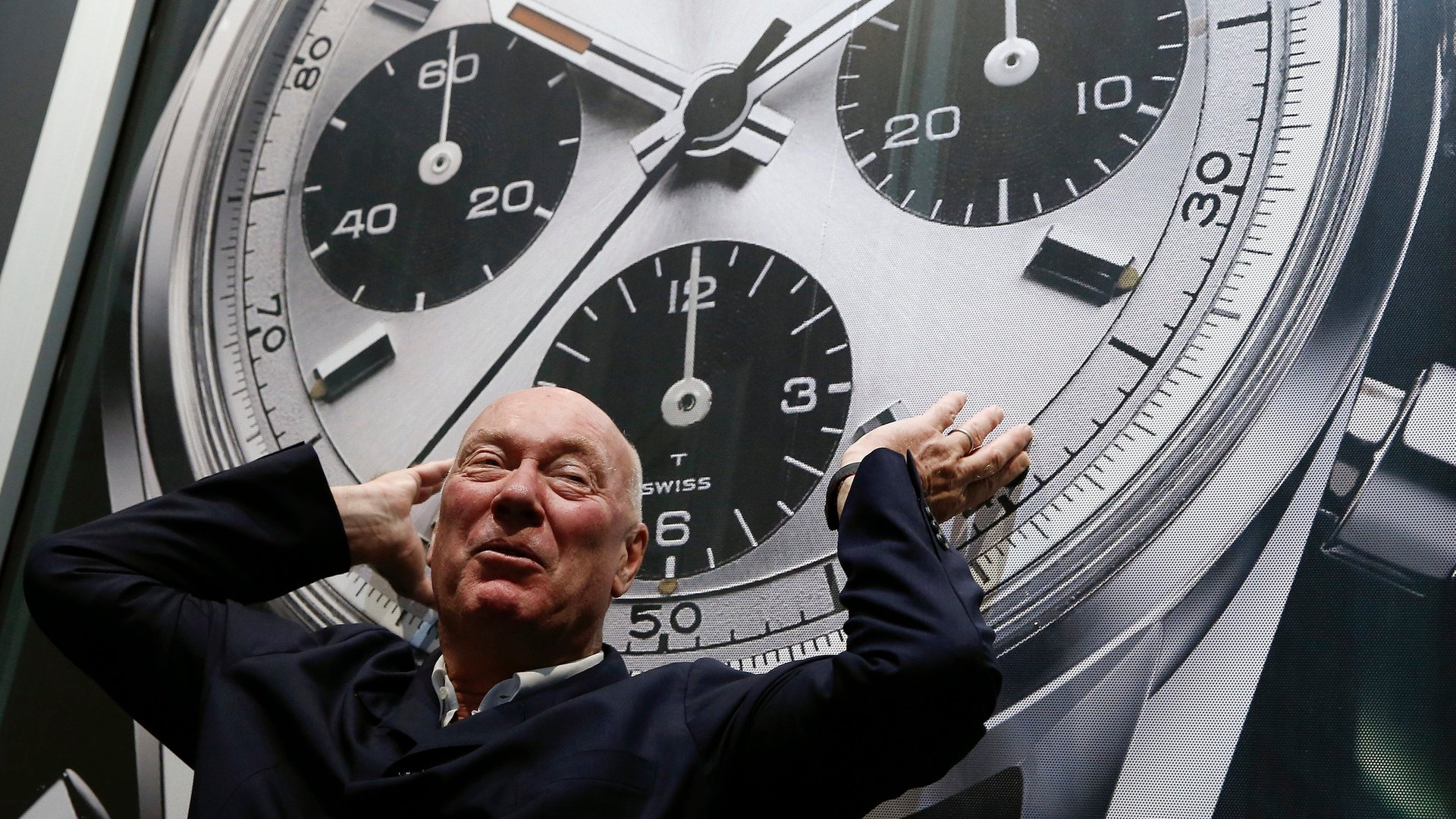
Why Swiss smartwatches have no chance against the Apple WatchThe watch industry first giggled at the Apple Watch. Now, it is racing to catch up.
Updated July 21, 20223 min read
The watch industry first giggled at the Apple Watch. Now, it is racing to catch up.
Intel just lowered its first-quarter revenue projection by almost $1 billion.
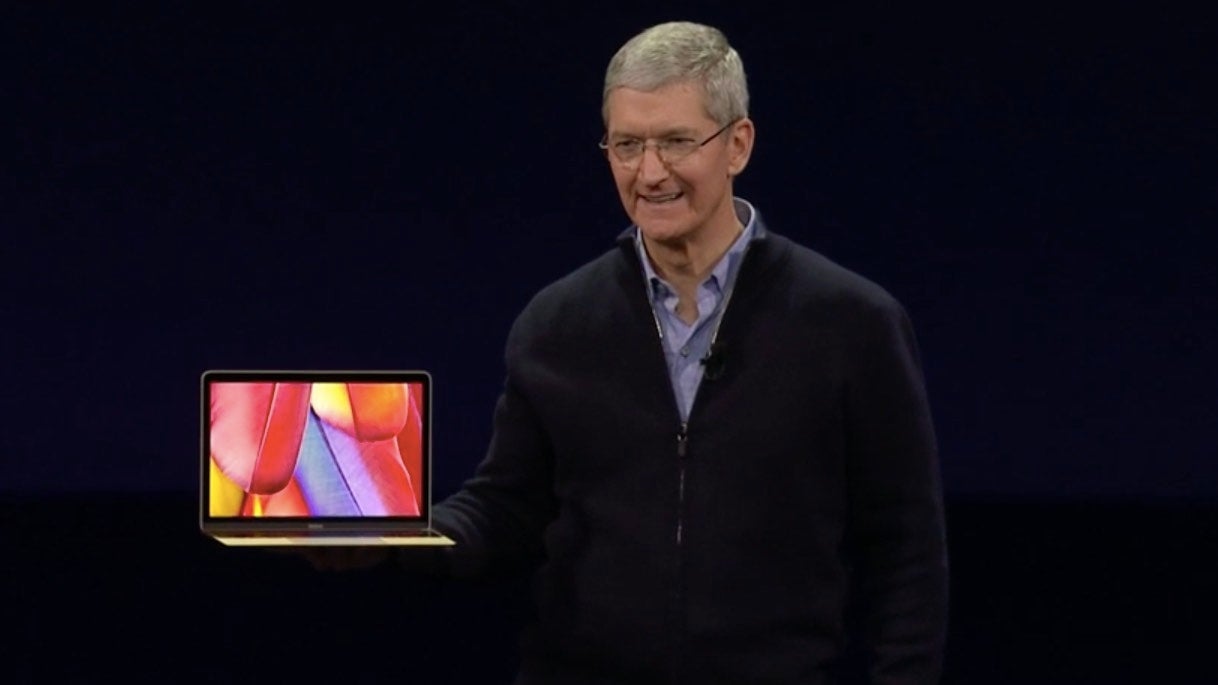
Apple just redesigned its MacBook laptop for the first time in years. While taking the name “MacBook,” this is really the successor to the MacBook Air, which Apple last redesigned in 2010—the same year the first iPad debuted. (Apple is keeping the 11- and 13-inch MacBook Air as lower-priced options.)
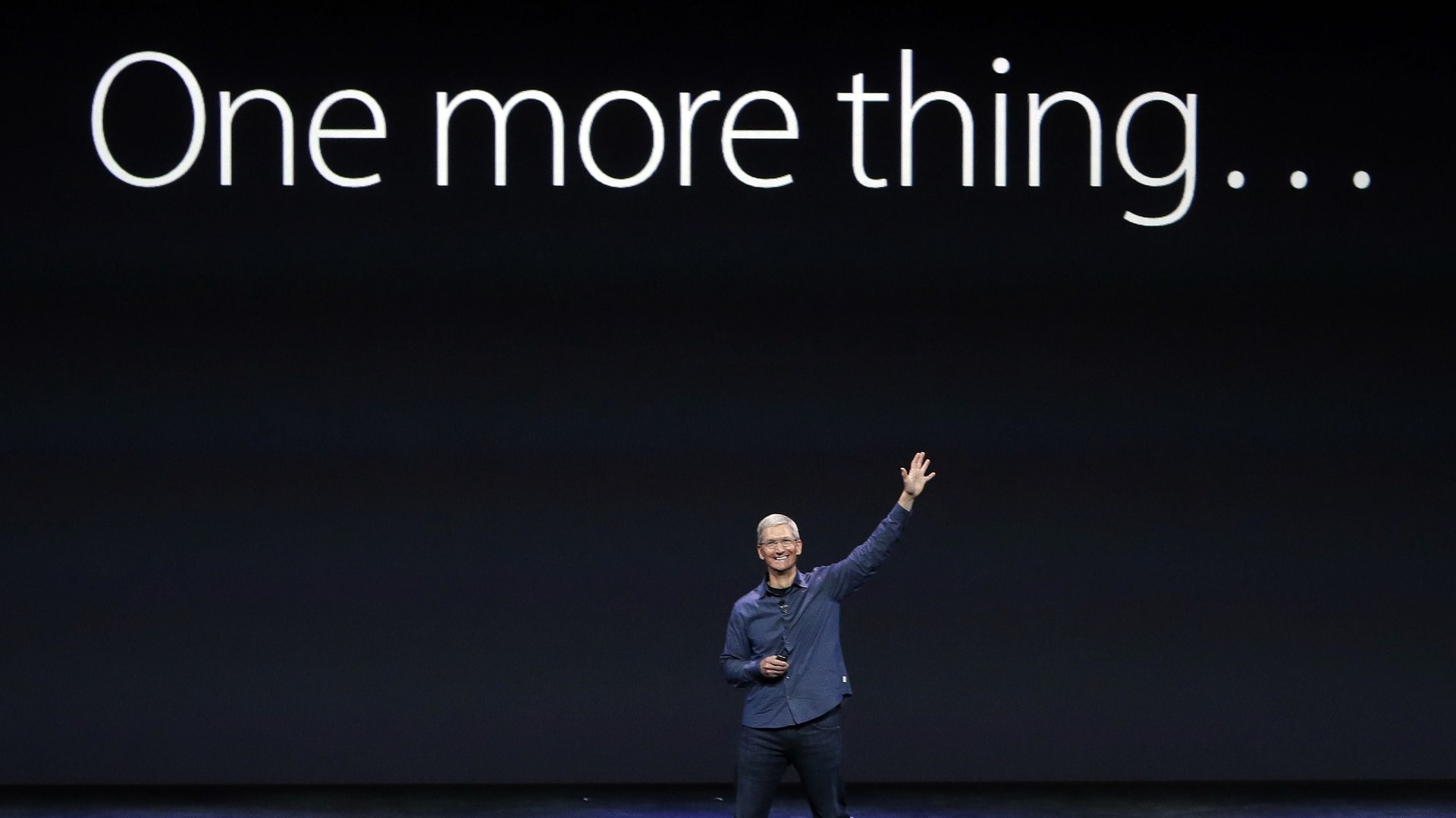
Apple will likely reveal new details about the Apple Watch—and potentially a new MacBook Air—today at an event in California. Here’s how to tune in:
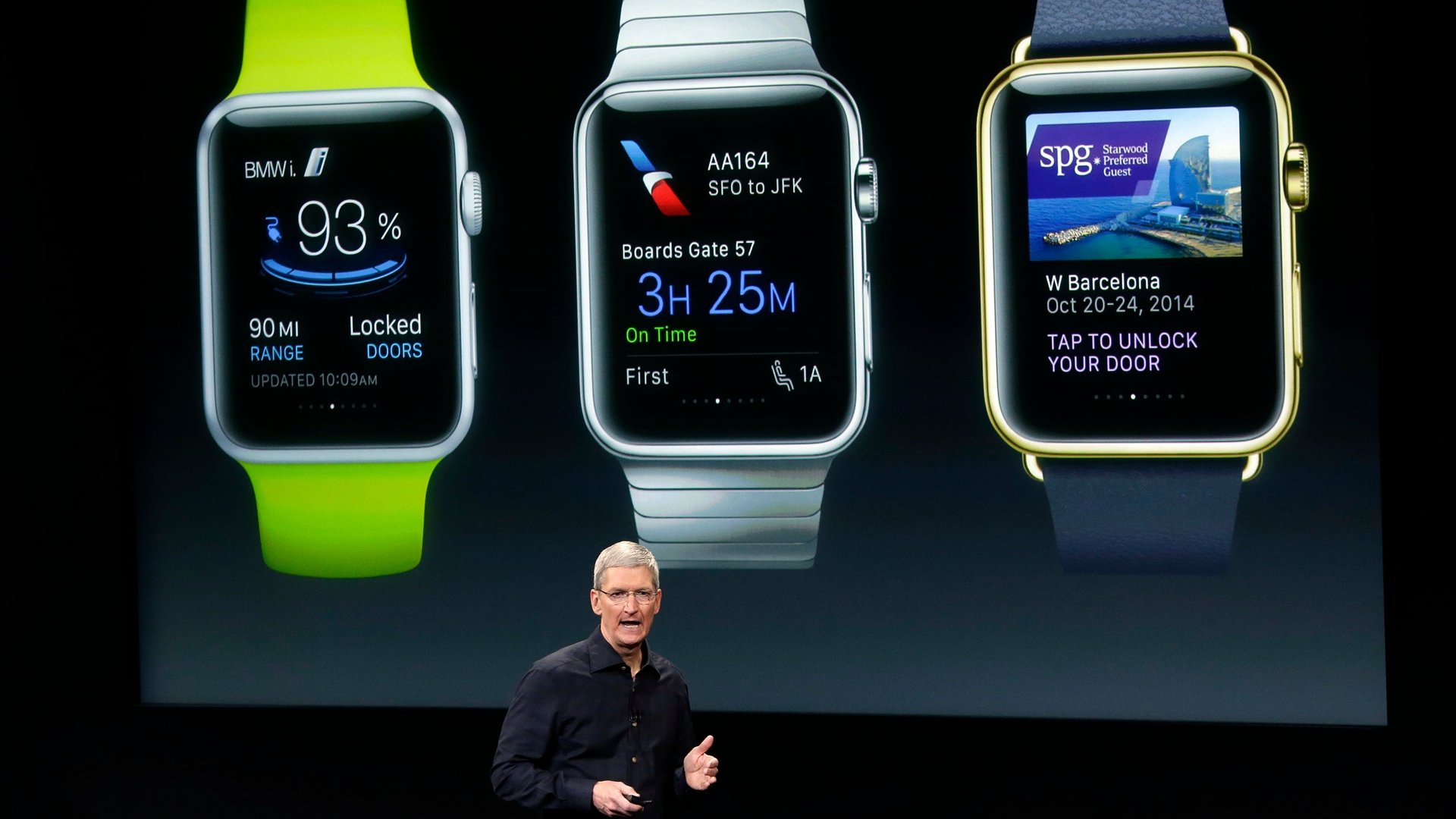
Update: Quartz is covering today’s Apple event live now.
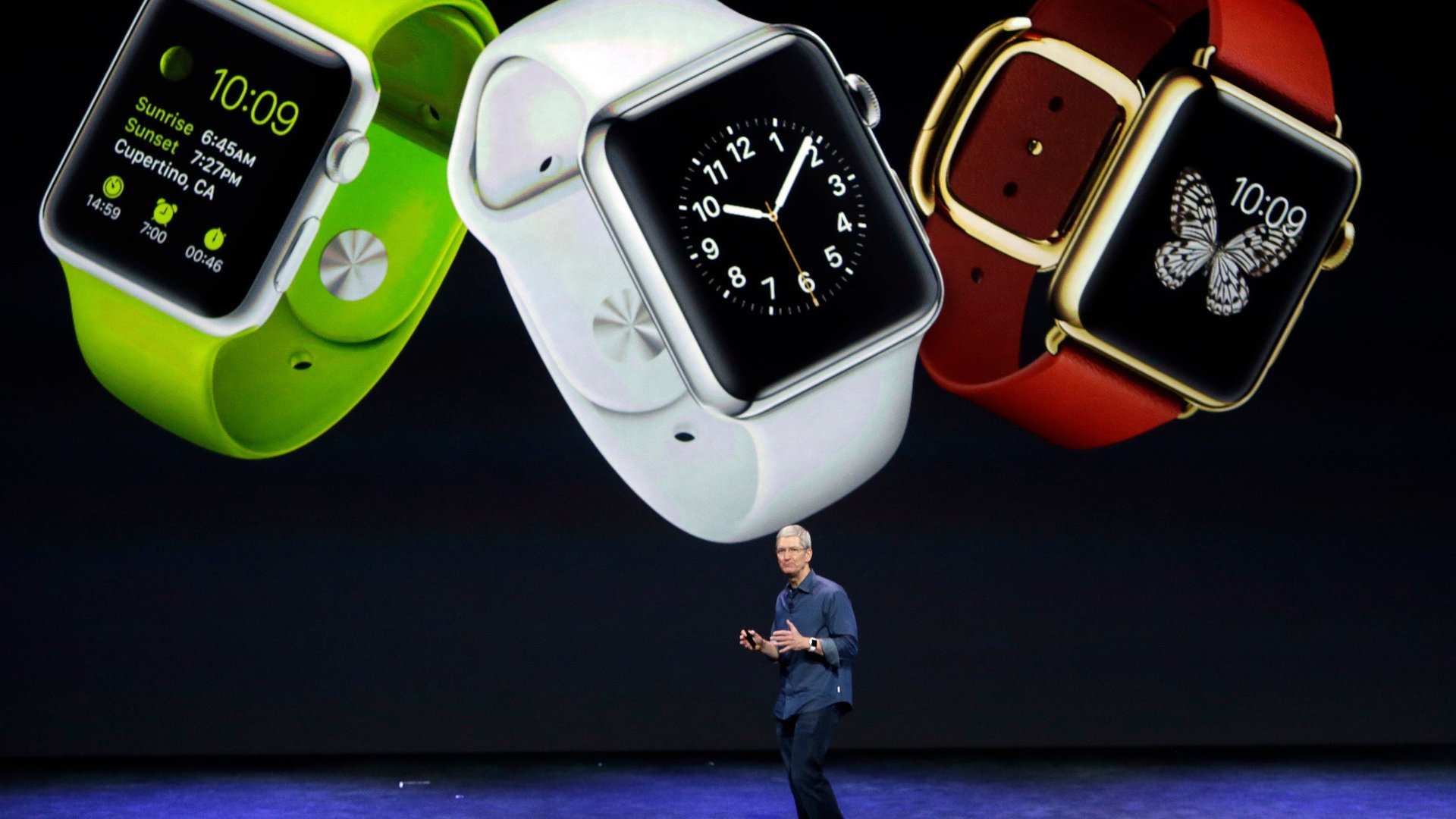
As Apple prepares the Apple Watch for its April launch, it’s worth considering how big of a deal this is for the company, and how different this is from some of its previous launches. The watch market is unfamiliar to Apple; smartwatches themselves are relatively new and their popularity is unproven. But Apple has overcome similar burdens before.
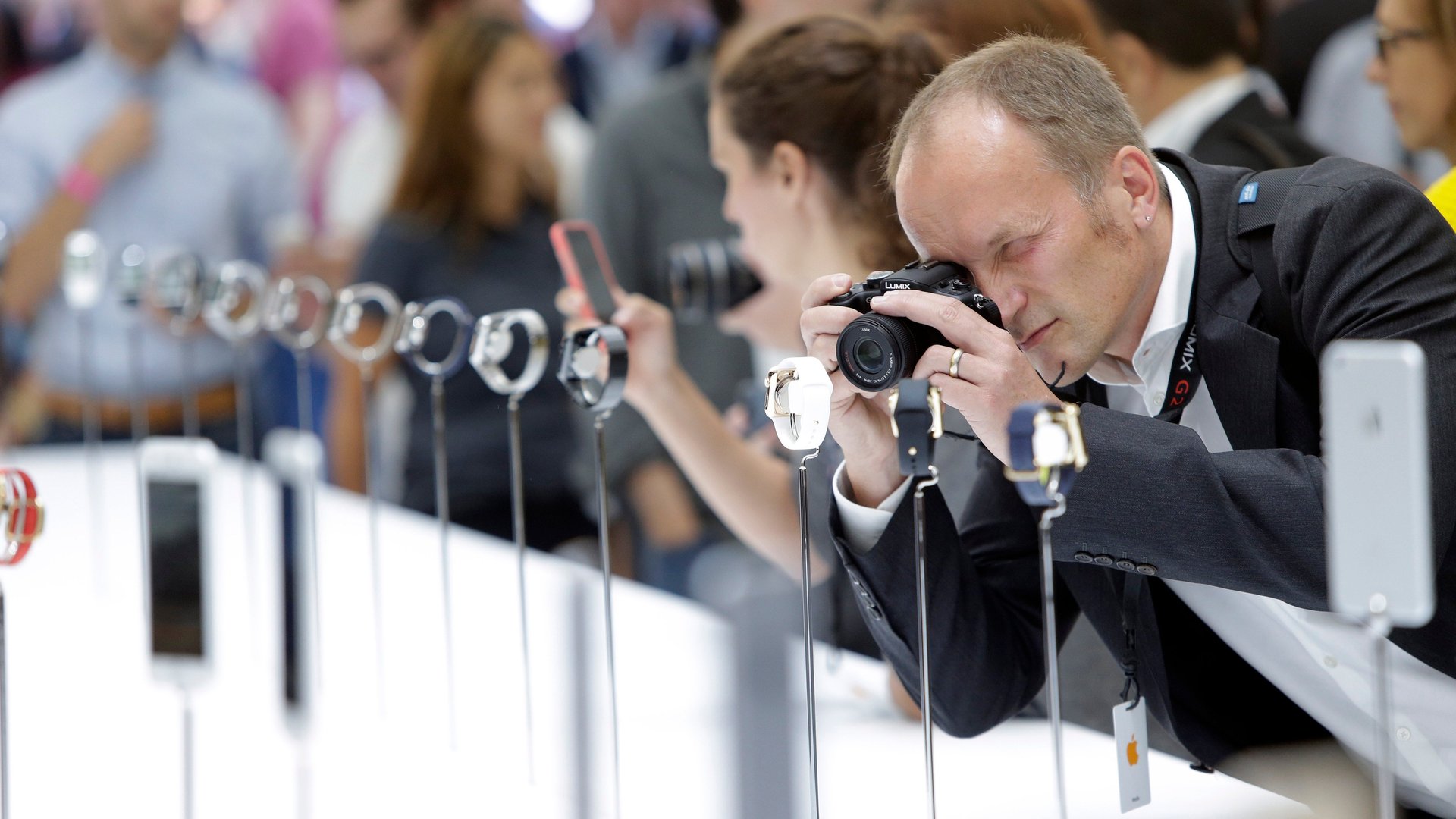
Apple will reveal more details about the forthcoming Apple Watch at a media event on March 9. The company has incrementally released Apple Watch information since first unveiling it last September. But there are still many unanswered questions ahead of the device’s April launch. Here are some we’re thinking about.

As the Apple Watch launch approaches, one of the most interesting incumbents to keep an eye on is Swatch, the mid-price, design-driven Swiss watchmaker. Swatch has promised at least one smartwatch of its own. In the meantime, it has unveiled this chunky new fitness-oriented device, the Swatch Touch Zero One.
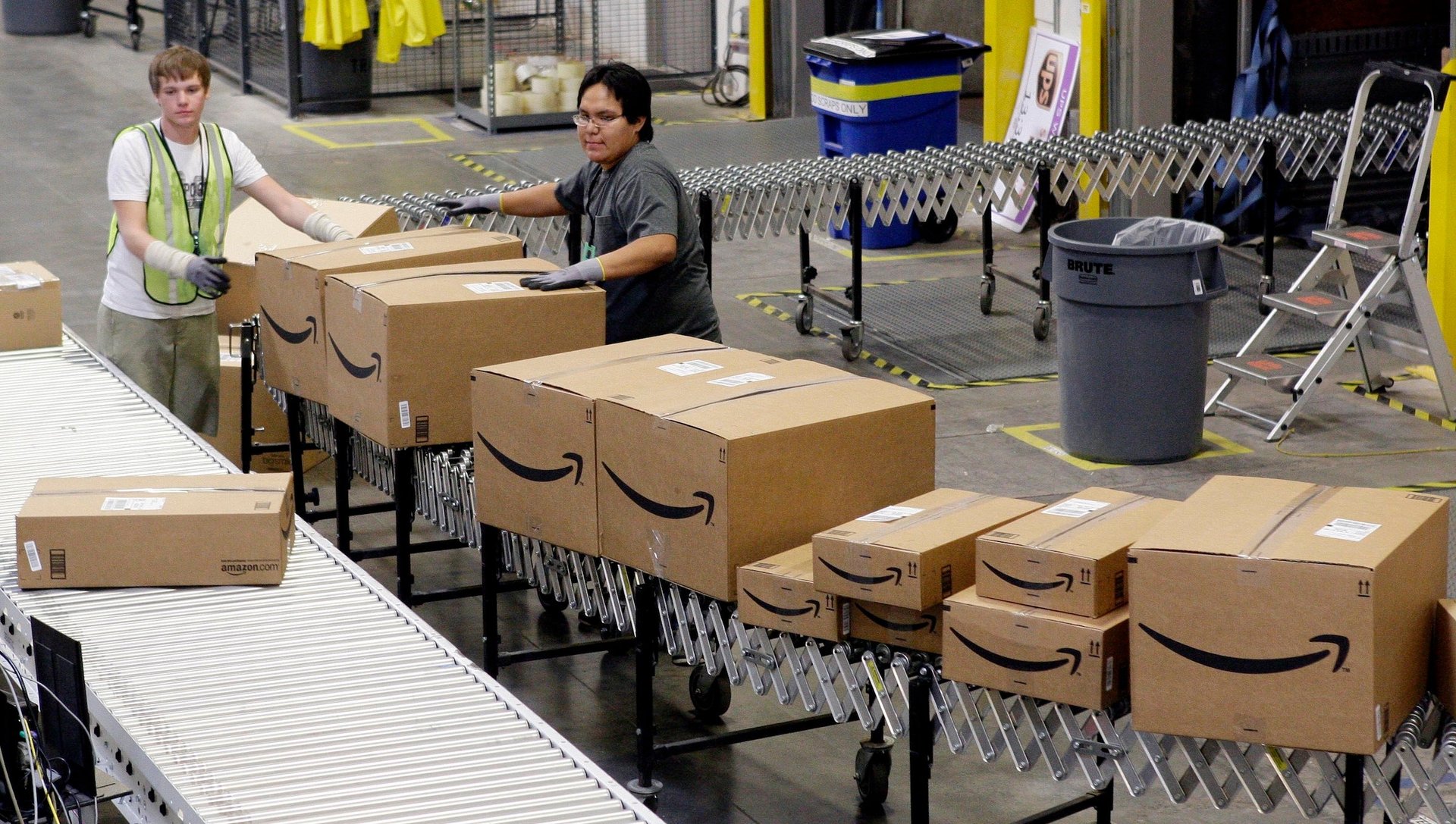
One of Amazon’s most valuable assets is Prime, a $99 annual subscription service that includes express shipping and digital media streaming. Amazon, a notoriously opaque company, doesn’t disclose how many Prime subscribers it has. (“Tens of millions” worldwide, it said last month, referring to its 2013 base.) But here are a few estimates, courtesy Ben Schachter, an analyst at Macquarie Securities.

The New Yorker’s excellent, 17,000-word profile of Apple design chief, Jonathan Ive, does not mention the company’s supposed car project. (Apple, reported the Wall Street Journal (paywall) last week, has “several hundred employees working secretly toward creating an Apple-branded electric vehicle” that “resembles a minivan.”)
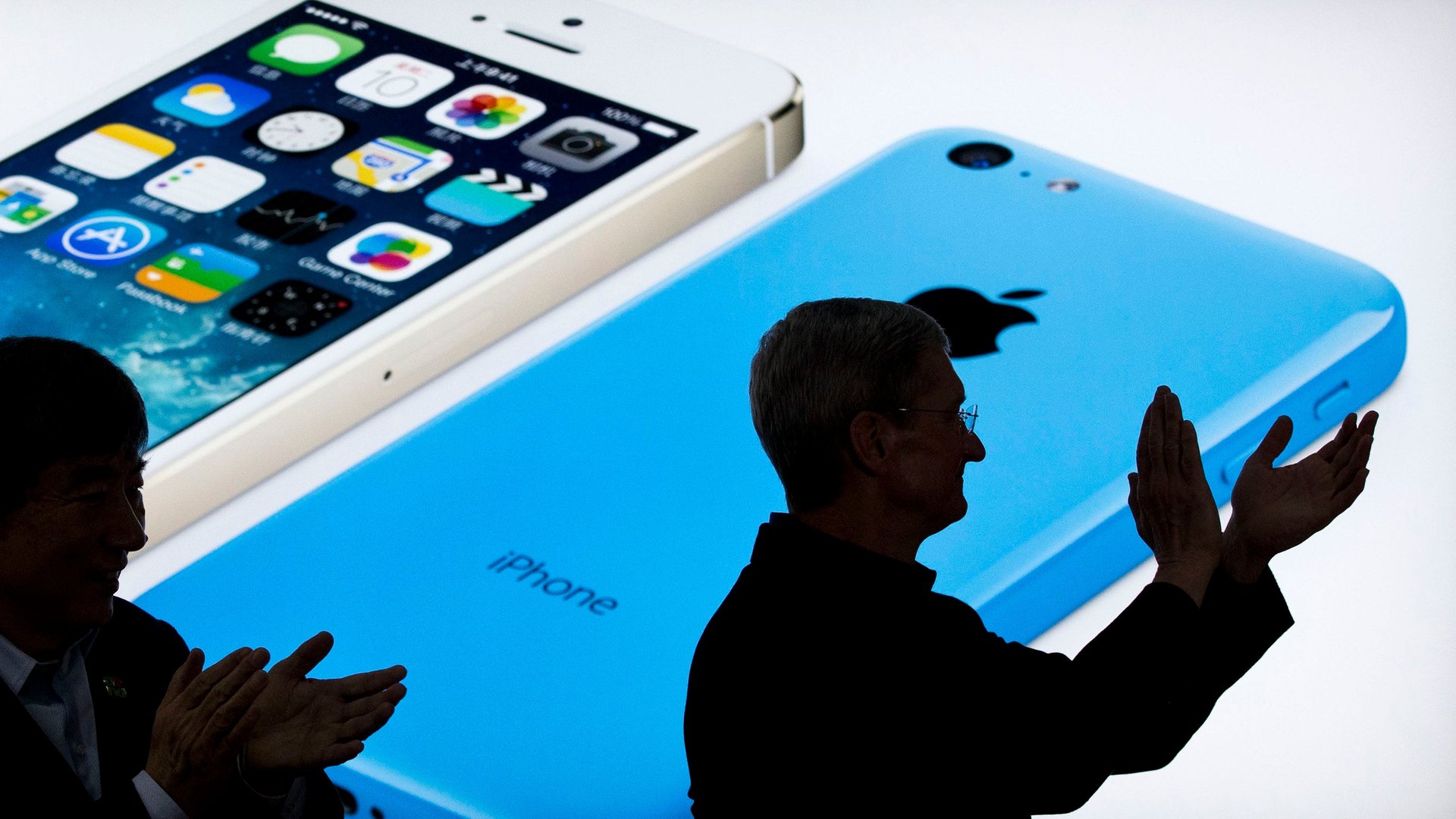
The largest US wireless companies, including AT&T, Verizon Wireless, Sprint, and T-Mobile, are now “honoring a voluntary code of conduct that, among other things, lets you get your phone unlocked without a big fight,” Jon Fingas reports for Engadget. This development, which has been a long time coming, is always met with enthusiasm: This Reddit post has more than 1,000 upvotes.

While AOL is still trying to build a future around its internet media business, the company has done an excellent job managing and maintaining its legacy cash cow: the original subscription dialup internet access business, which still provides the majority of the company’s income.

Give Snapchat credit for knowing its medium. Its new original video series, “Literally Can’t Even”—part of a new video and content effort called Discover—feels at home on an iPhone in a way few others do.
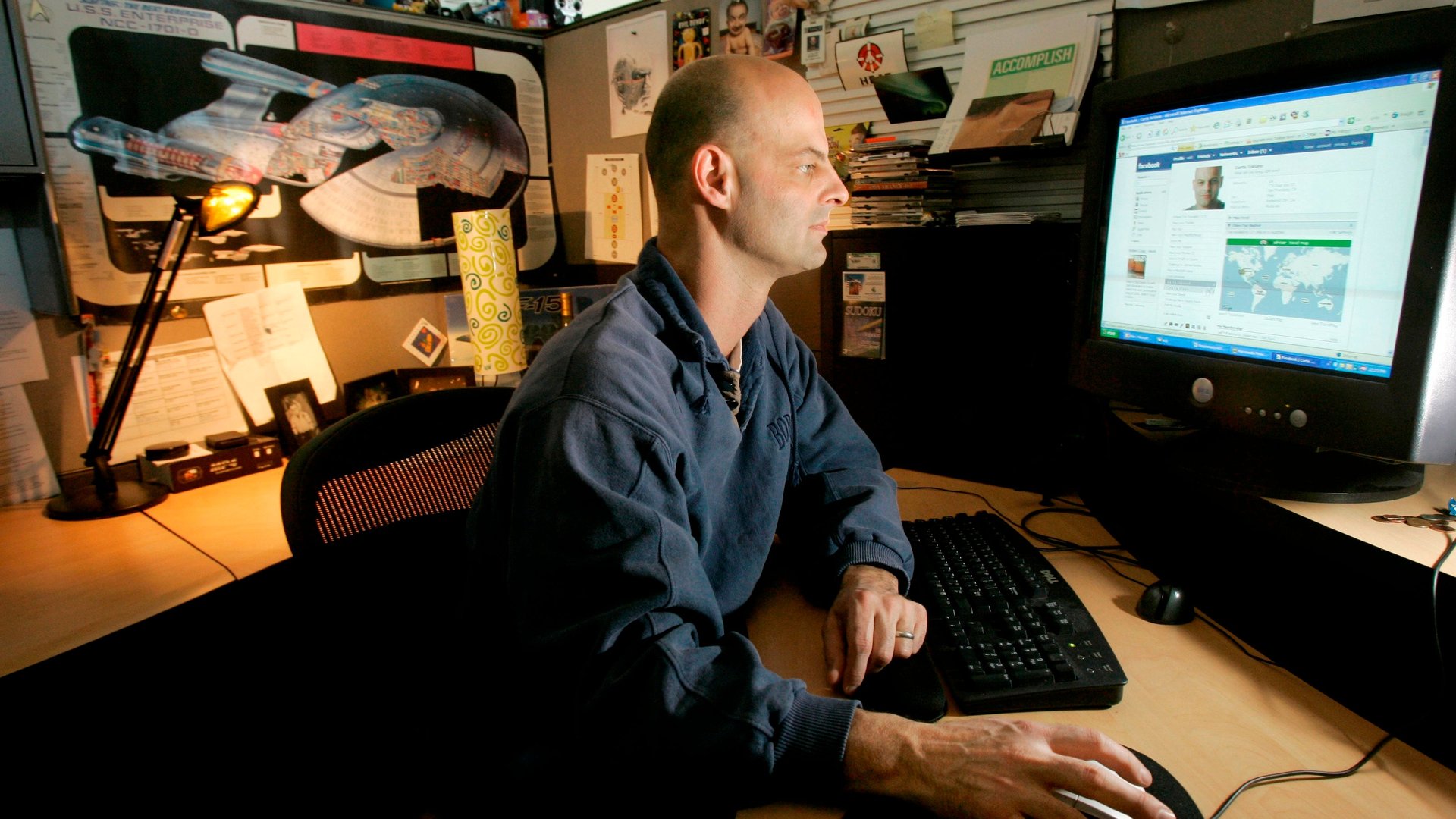
Facebook is testing a new product for the workplace, Facebook at Work—basically a second Facebook that you can only use with coworkers. It’s designed for communicating and collaborating on work projects, and nothing bleeds over to your personal Facebook account.
The numbers: Twitter reported 288 million monthly active users in the fourth quarter, up 20% year-over-year but below Wall Street’s expectations. Revenue nearly doubled to $479 million, which was far ahead of the analyst estimates. Shares initially fell in after-hours trading but are now up 11%.
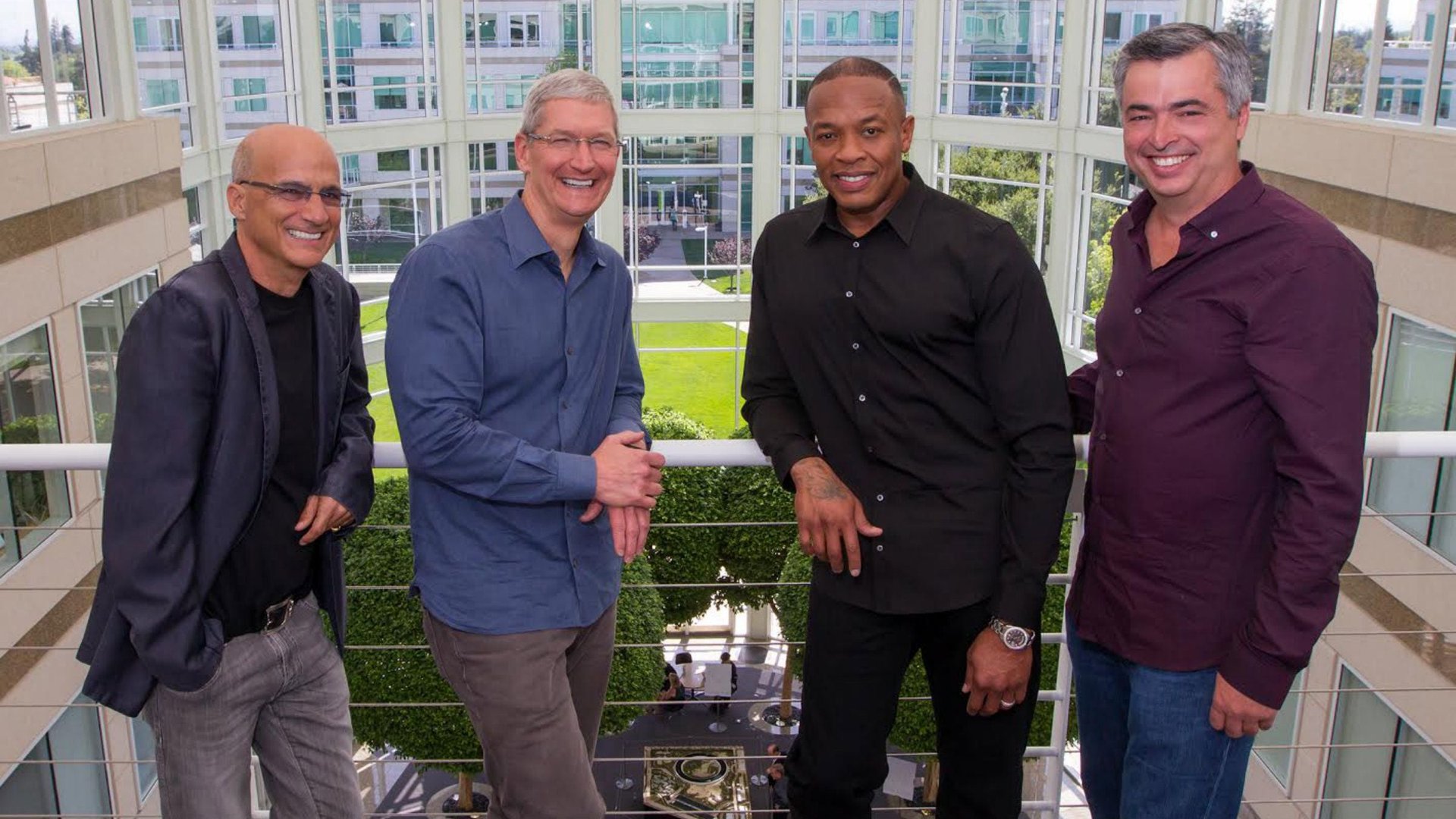
Apple has seen its digital music sales fall as free or cheap streaming competition grows, ranging from YouTube—which is testing a new streaming service—to Spotify, which now has more than 60 million active users and 15 million premium subscribers.
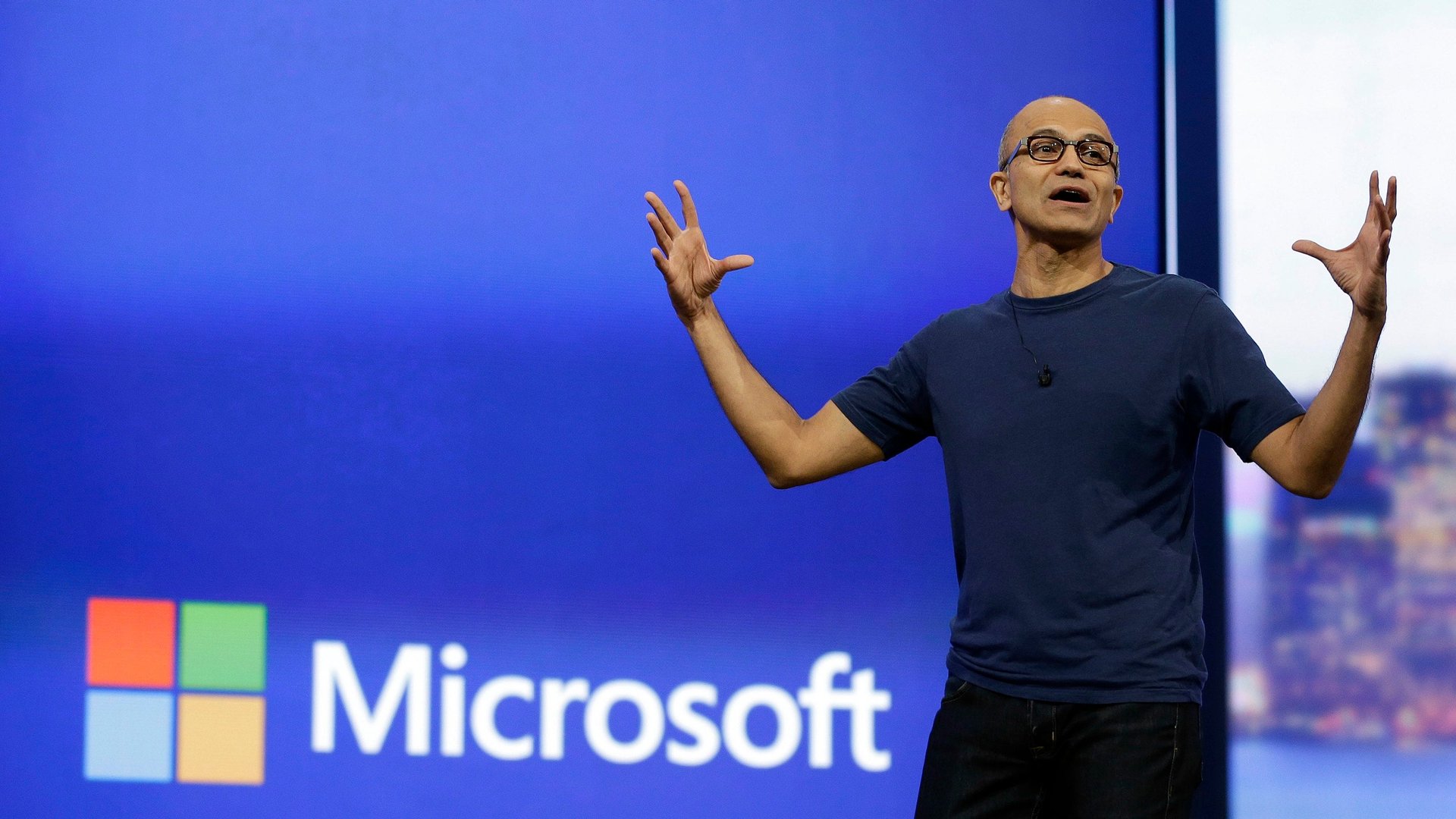
As Microsoft works on revamping its underperforming Windows Phone platform, part of its strategy is to make more apps for Google’s Android and Apple’s iOS, which together power 96% of the smartphones sold last year. “We’re going to be everywhere,” a Microsoft exec told me last year.

Apple’s sapphire plant project in Arizona didn’t work out, so Apple is investing another $2 billion to convert the facility into a massive data center, the Wall Street Journal’s Daisuke Wakabayashi reports (paywall):
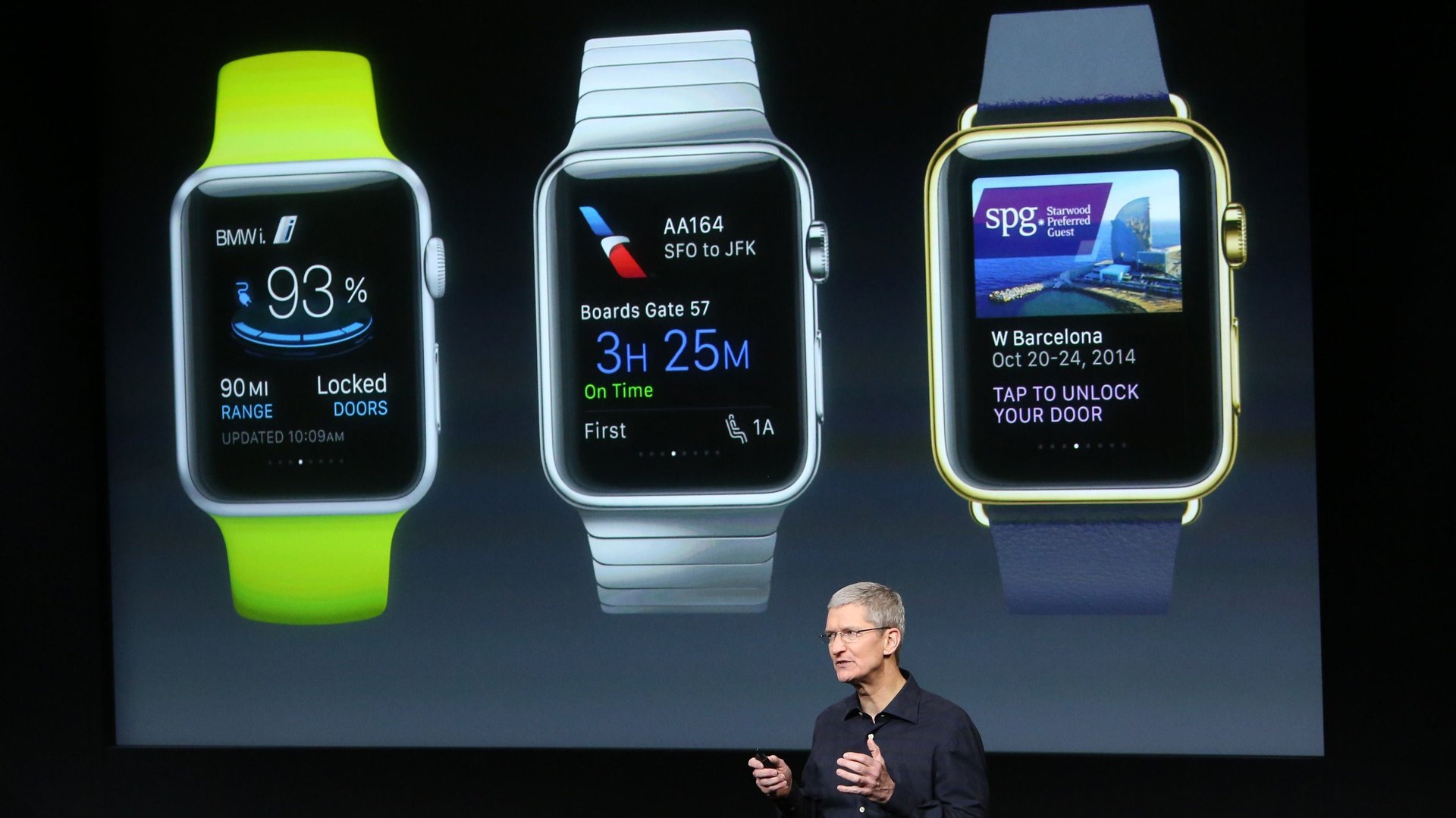
Many of tech’s largest firms reported fourth-quarter earnings this week, including Apple, Microsoft, Google, Amazon, Yahoo, and Facebook. For the most part, results were as expected—nothing exceptionally high or embarrassingly low. That is, except Apple, which beat analysts’ sales estimates by a wide margin, thanks to one product alone: the new iPhone.
Google’s fourth-quarter sales and earnings report yesterday fell short of expectations, and shares initially dipped in after-hours trading. Given the pessimism around Google’s long-term search advertising prospects, a “miss” certainly wasn’t what anyone wanted.
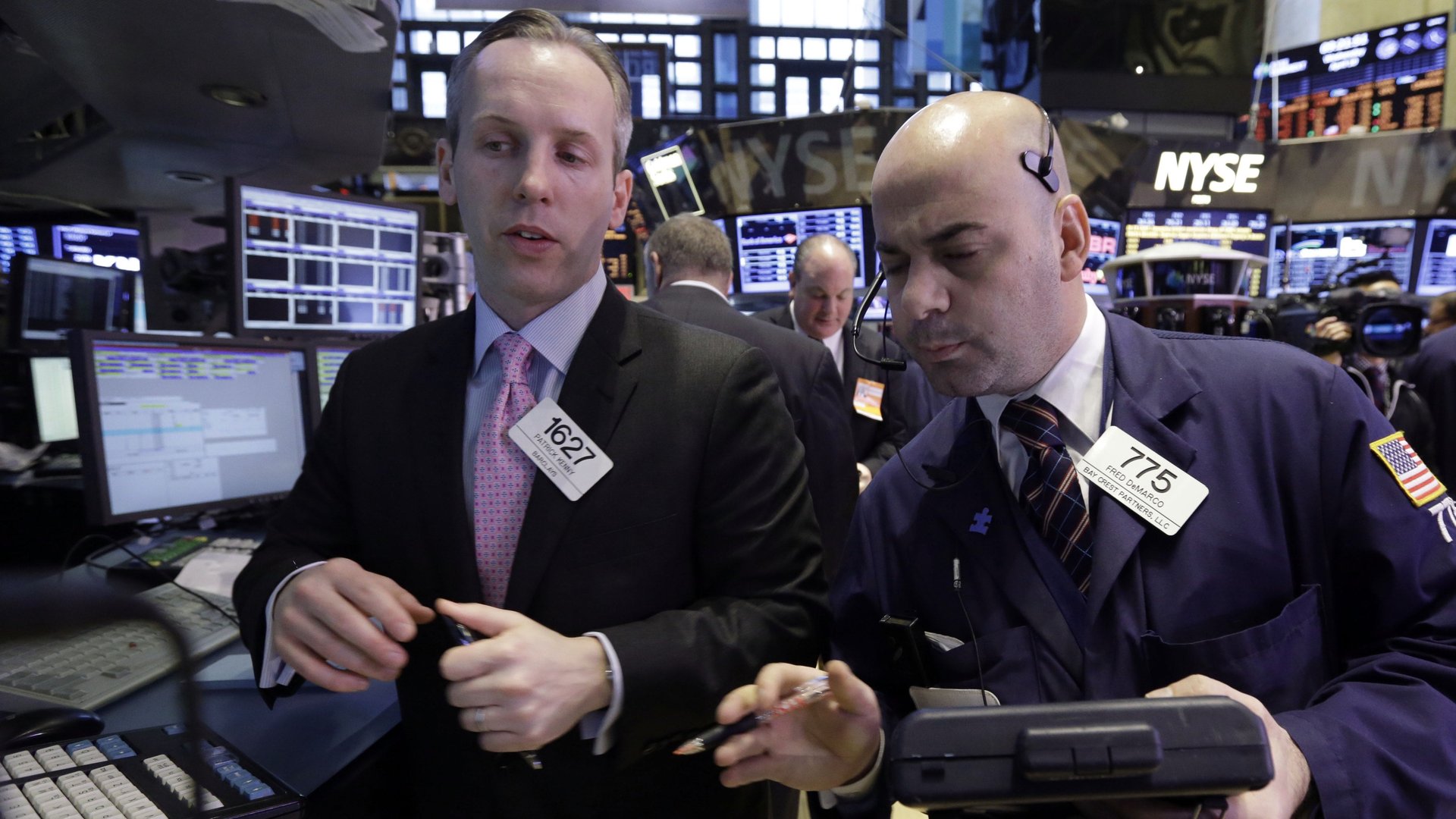
The numbers: Google reported fourth-quarter revenue of $18.1 billion. That’s 15% growth over last year and below analysts’ expectations. (Google cited “strong currency headwinds.”) Non-GAAP earnings per share reached $6.88, also below expectations. Shares initially fell in after-hours trading, but then climbed about 2% as executives calmed everyone down on the earnings call.
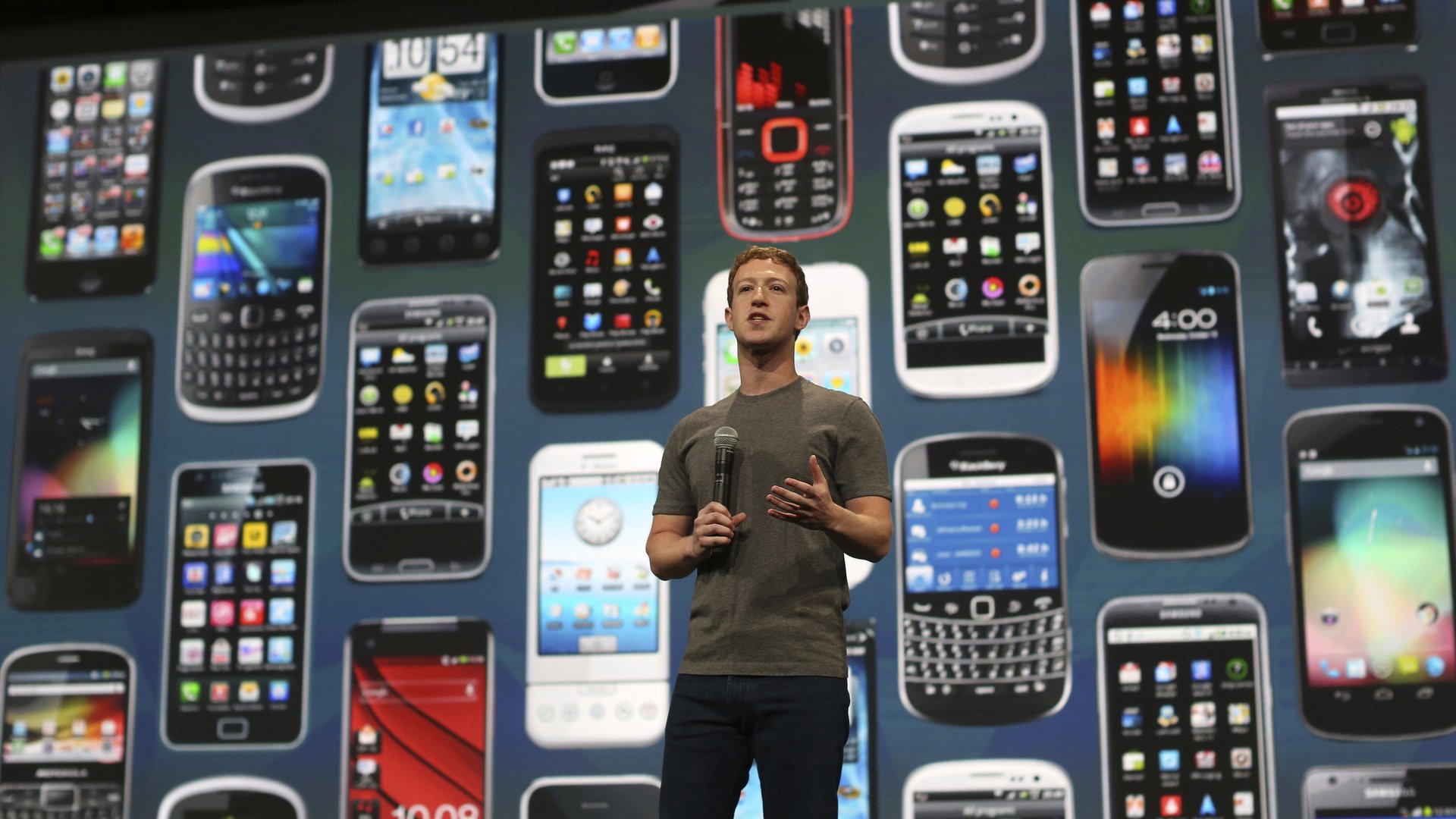
The real story at Facebook over the past several years is one of execution. Many online companies knew that mobile was the future, but few have transitioned as impressively as Facebook, both in product and business:
Facebook brought in record revenue last year: $12.5 billion, up 58% from 2013. With almost 1.4 billion users at the end of the year, the average Facebook user generated almost $10 in revenue in 2014.
Facebook reported its fourth-quarter financial results this afternoon.