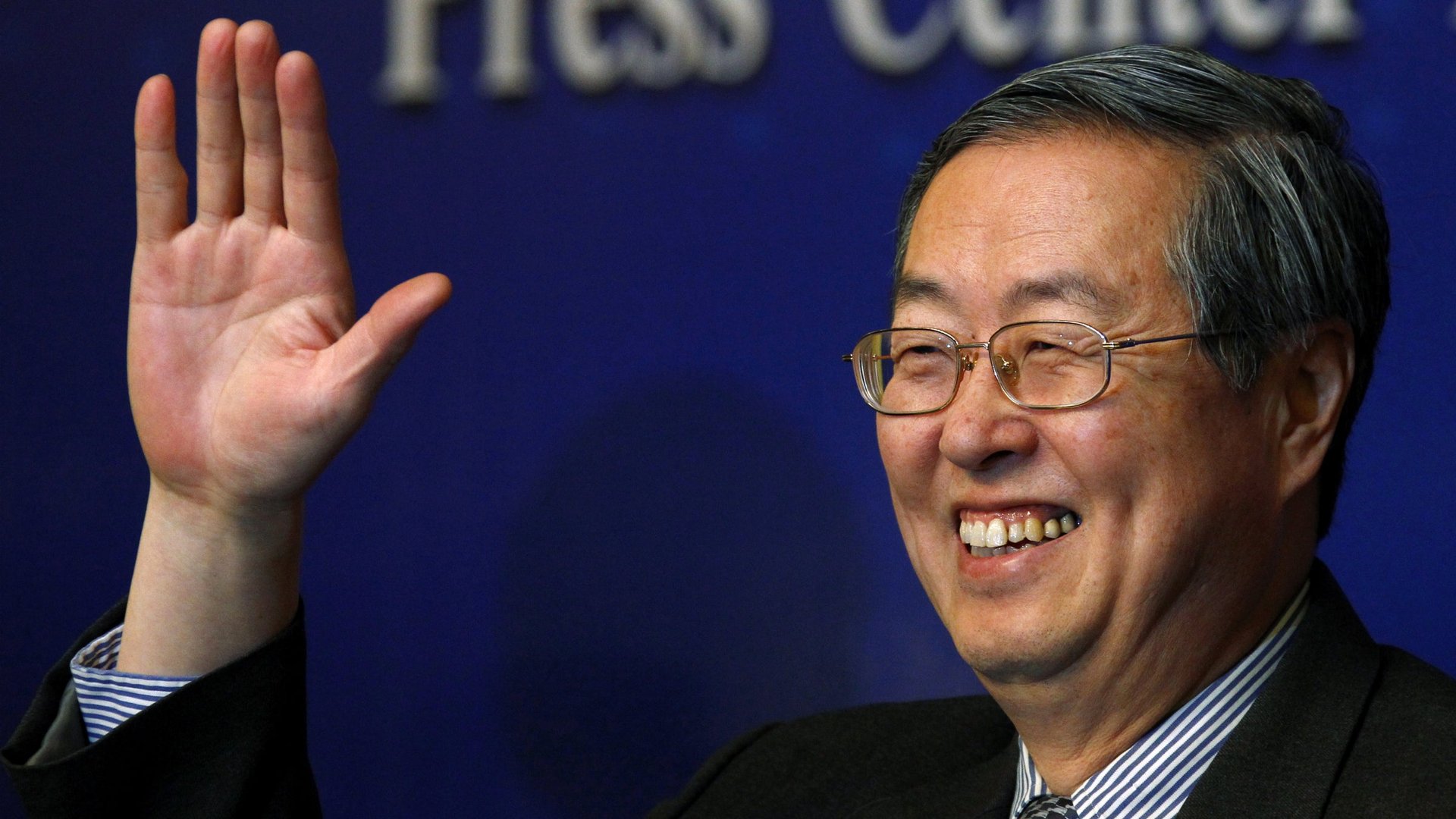
China’s central bank now has $3.66 trillion in foreign-exchange reserves. That’s more than the combined reserves of the four runners-up: Japan, the euro zone, Saudi Arabia and Switzerland.

China’s central bank now has $3.66 trillion in foreign-exchange reserves. That’s more than the combined reserves of the four runners-up: Japan, the euro zone, Saudi Arabia and Switzerland.

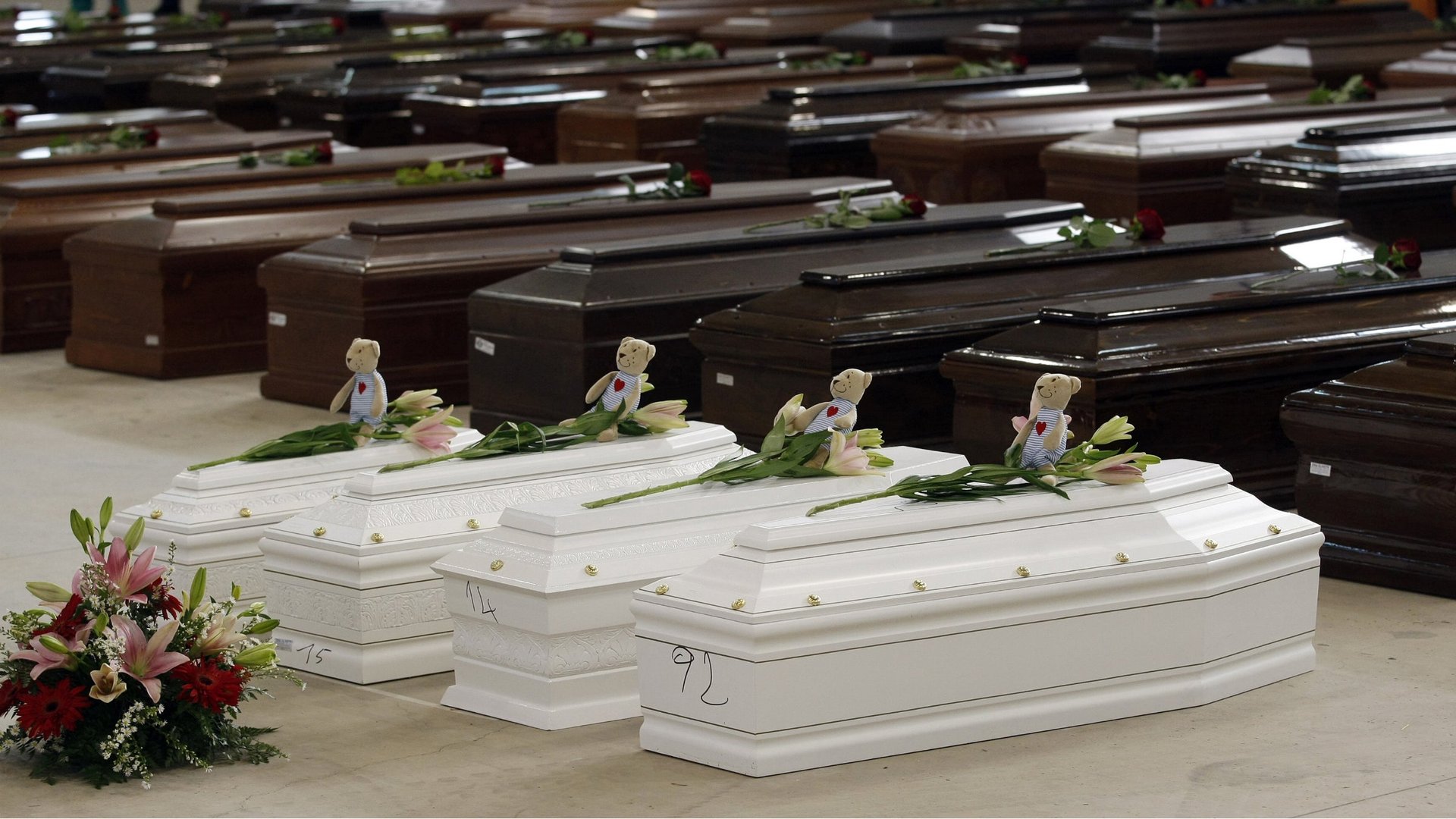
Earlier this month, Italy granted citizenship to 143 foreigners. It won’t be much use to them, though: The new posthumous Italians all died on Oct. 4, when the boat carrying them from North Africa to Lampedusa, an Italian island, caught fire and sank. Some others survived, but as Pablo Ordaz writes in El País (Spanish), their welcome was somewhat colder. Authorities are charging the 114 survivors with illegal immigration, which could incur a fine of up to €5,000 and a forced return to their home country.

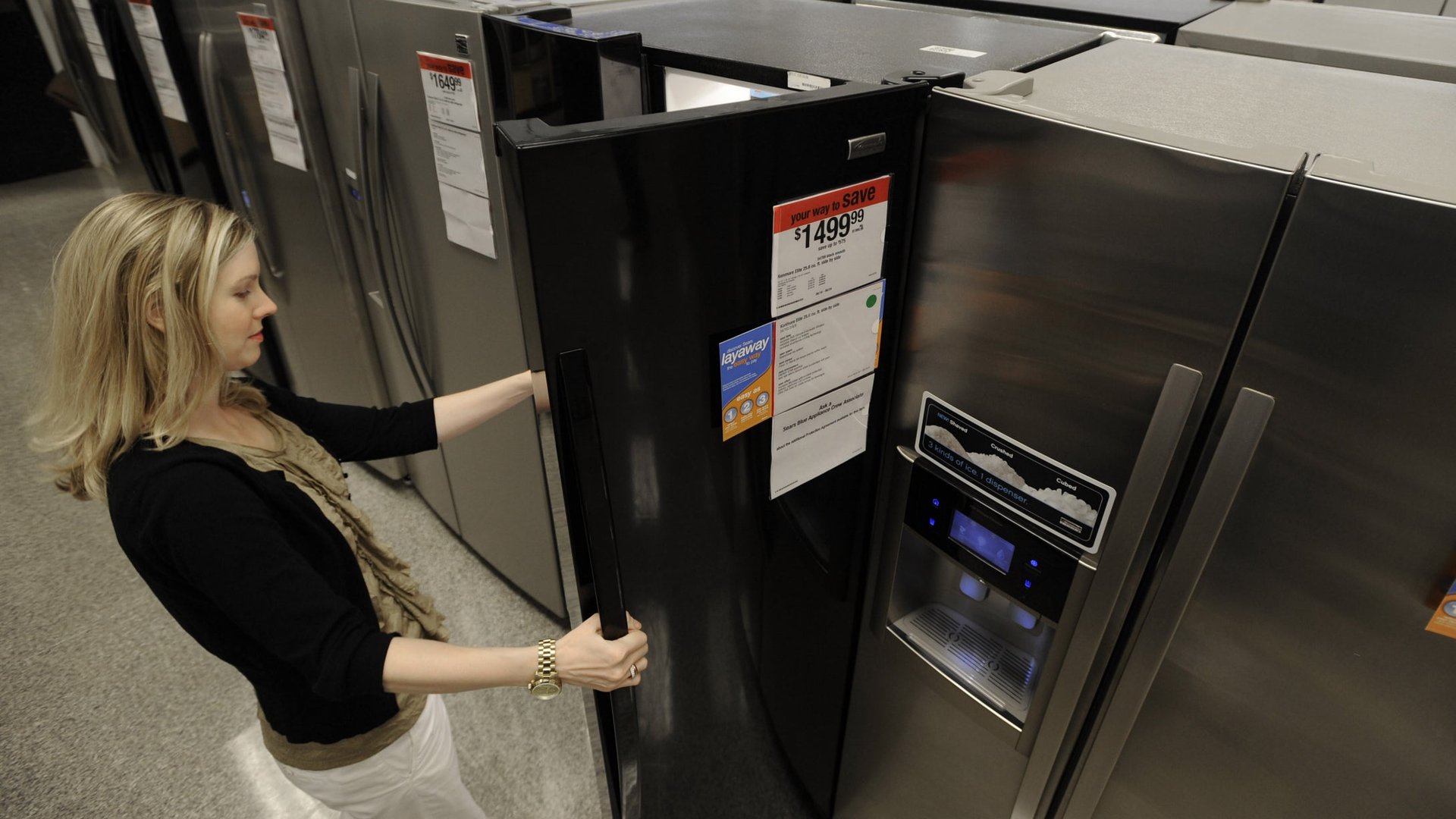
Say “Fukushima,” and most people probably don’t think “refrigerators.” Thanks to the 2011 disaster in Japan’s Fukushima province, things like “radiation” or “nuclear leak” are more likely to spring to mind.

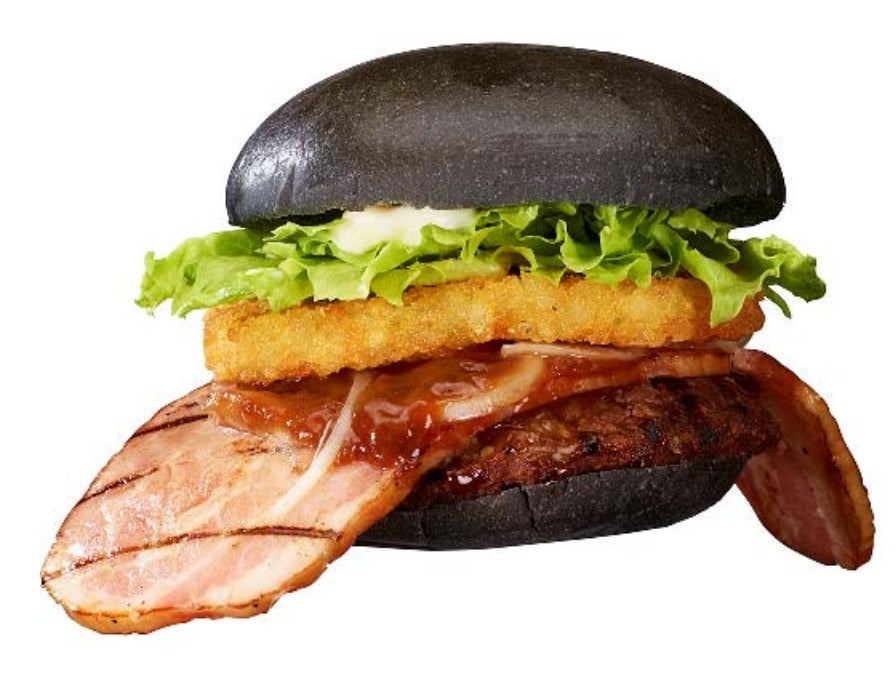
The global success of McDonald’s shows that, like politics, fast food is local. Though that often involves little more than slapping a “Mc” on the local favorite—e.g. McSpicy Paneer in India, McMollete in Mexico, Le Croque McDo in France—that seemingly foolproof formula helped it keep growing through the global downturn (pdf, p.11).

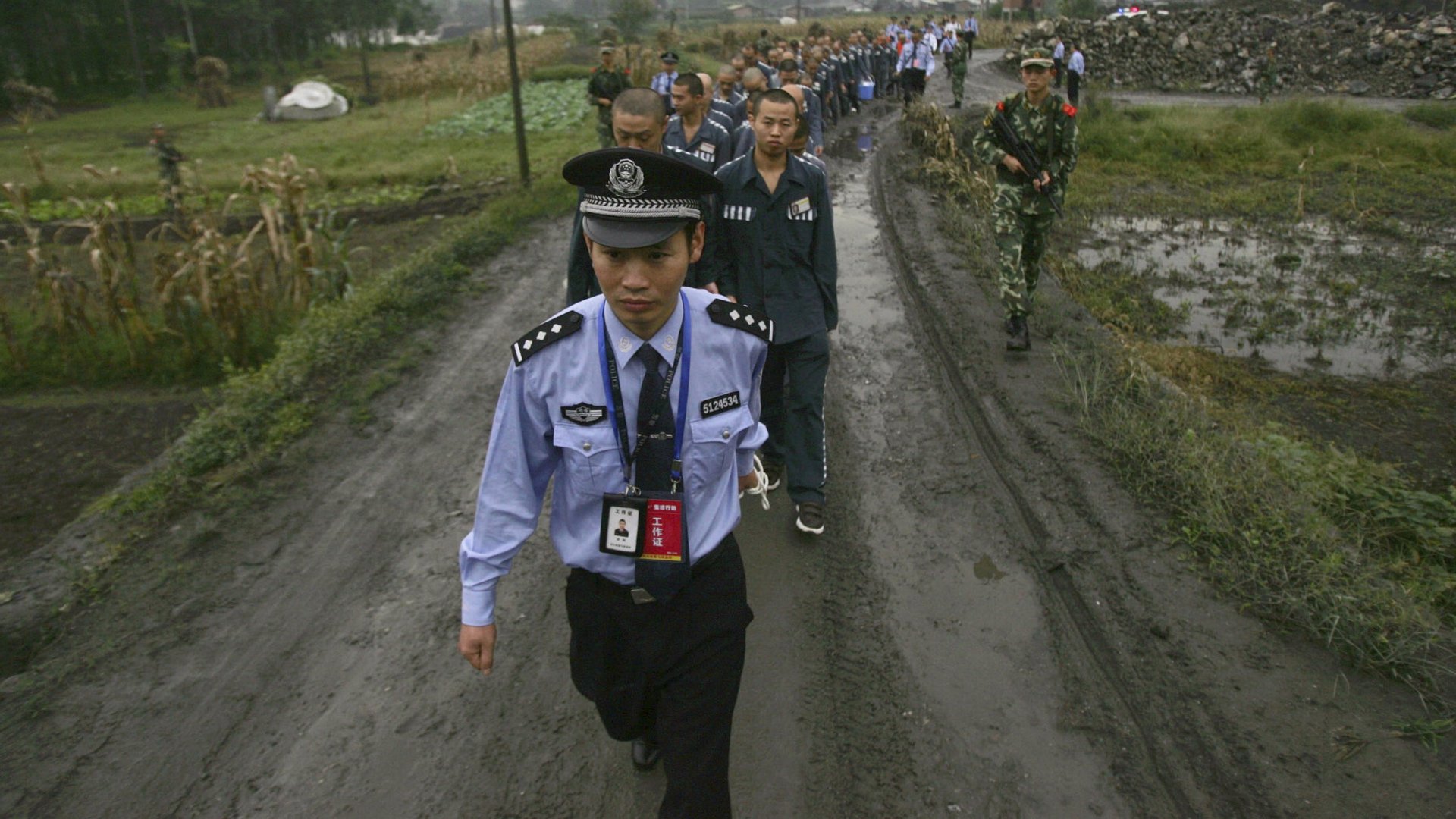
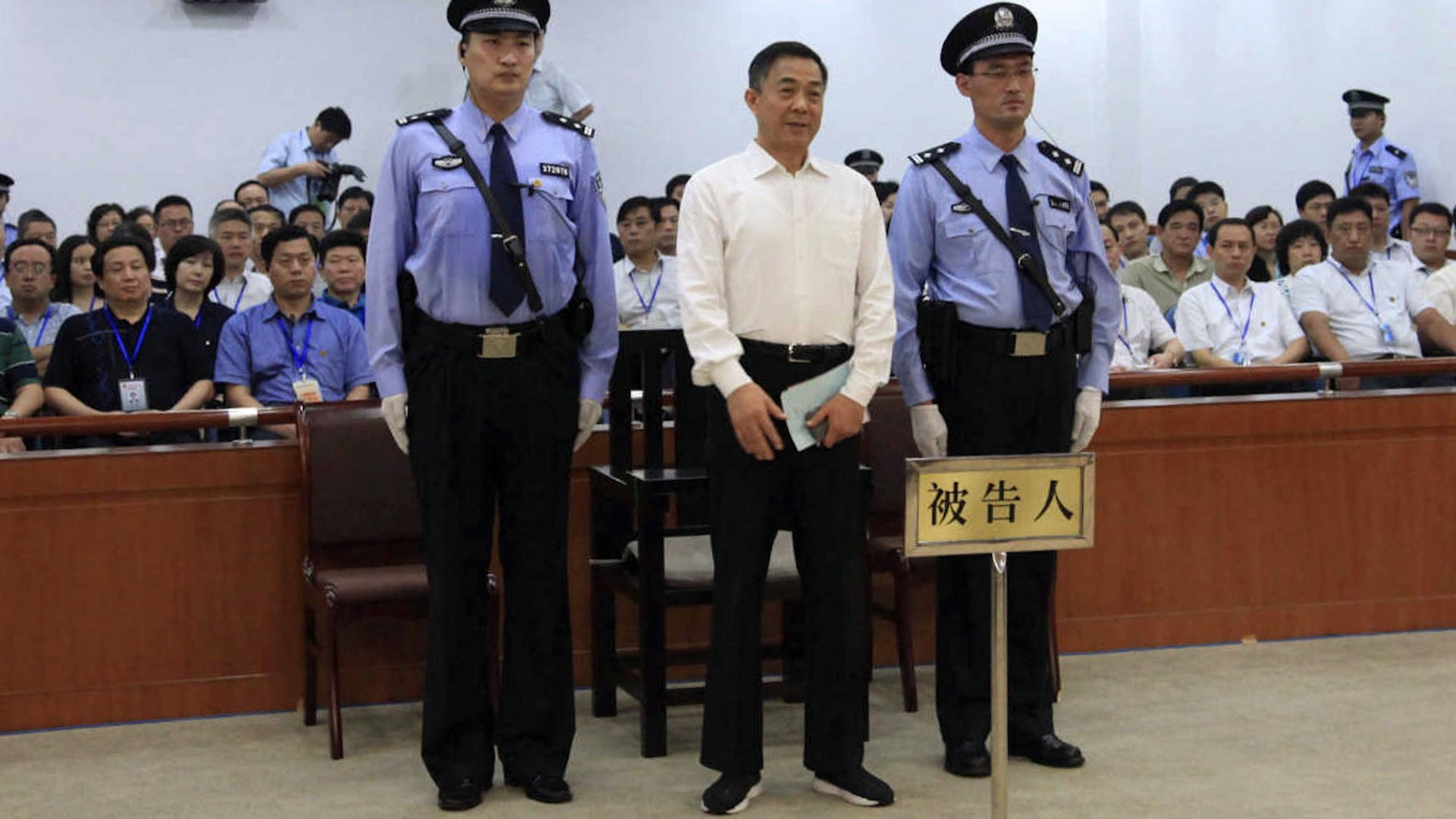
Any day now, a court in Luoyang, a city in the heart of Chinese mining country, will decide whether to imprison Kun Huang, a Canadian national who analyzed stocks for EOS Holdings, a Vancouver hedge fund. Huang was arrested in Beijing on December 2011, months after the fund published a report based on some of his research that alleged lower-than-reported silver content in ore from a mine run by Silvercorp, a Canada-based miner operating in Henan.

In October 2012, the New York Times ran an exposé of the $2.7 billion in wealth amassed by the family of Wen Jiabao, then premier, during his 10-year tenure. It published the Chinese translation on its new Chinese-language site, cn.nytimes.com, which it had launched only in June of that year. The Communist Party was not amused. Today both the English and Chinese-languages sites of the Times remain blocked in China. Meanwhile, FTChinese.com clocked up its 2-millionth registered user this summer, and the Wall Street Journal’s Chinese site appears to be developing its platform as well.

Some time before November, when the major annual Communist Party meeting is convened, the Chinese central government will announce the amount of debt taken on by local governments. No one knows what that amount will be, but preliminary findings were ugly. Standard Chartered now estimates that it will total around 24.4 trillion yuan ($3.95 trillion), reports FT Alphaville (registration required). It isn’t the size of the debt that’s worrying so much as the proportion of it that local governments can’t pay—particularly given that more than half is owed to publicly-listed commercial banks, according to Ting Lu of BofA/Merrill Lynch.

As plum real estate in China grows scarce and prices soar, it isn’t just luxury condo buyers who are paying out the nose to secure a plot of soil.

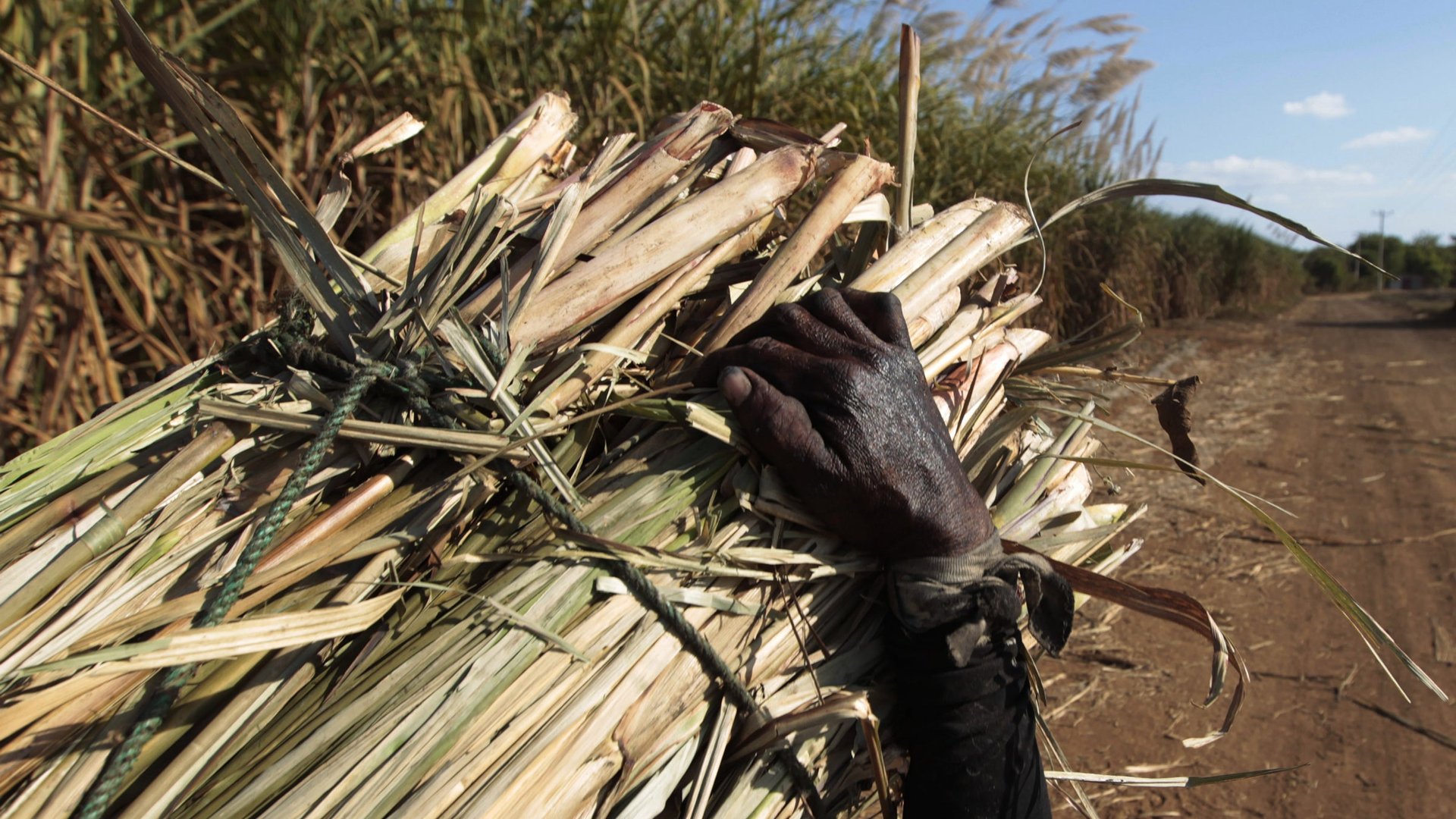
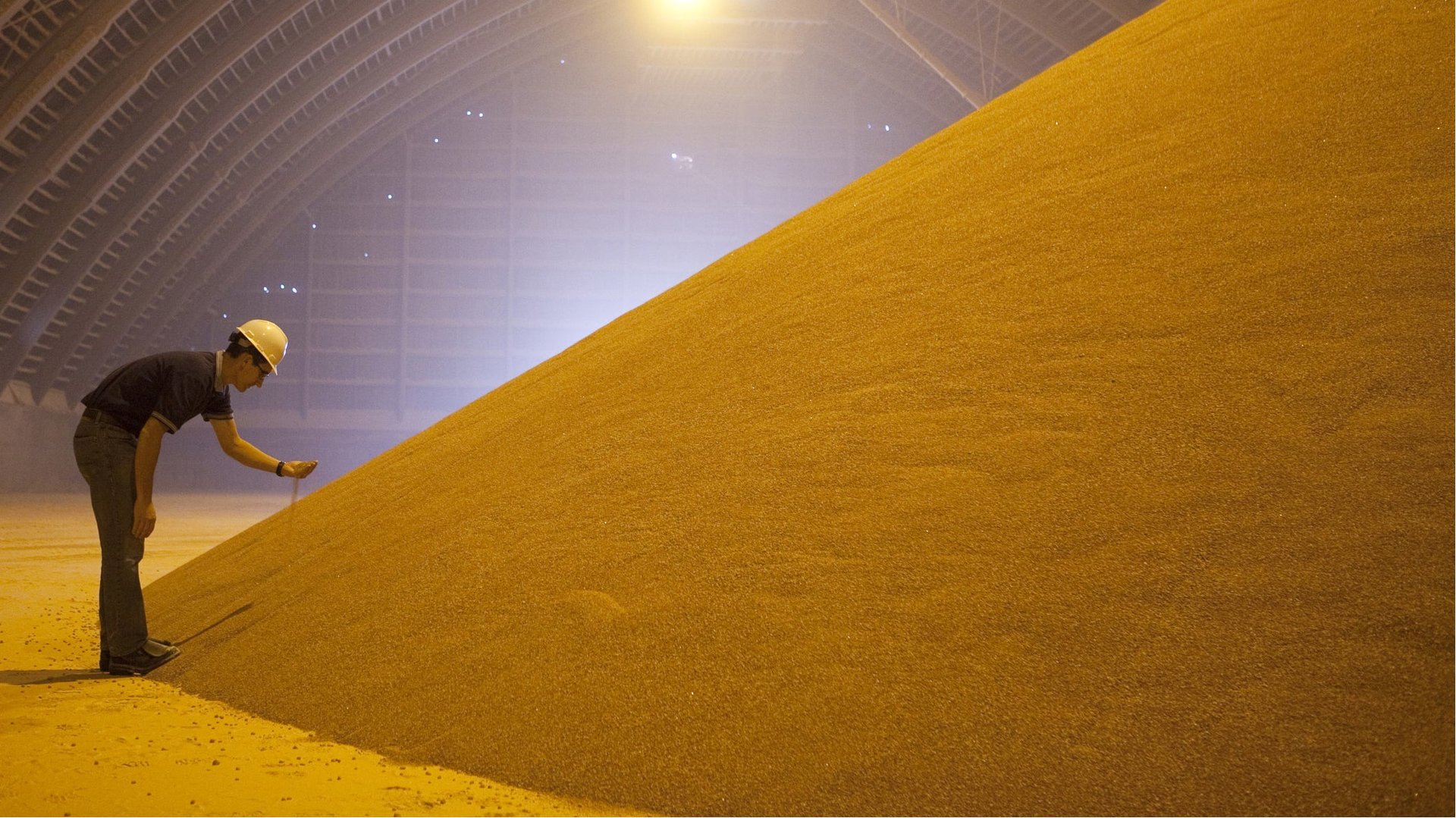
By 2020, the world will consume 25% more sugar than it does now. Where will it come from? At the moment, the biggest exporters of sugar are Brazil, Thailand, Australia and Guatemala. But that’s changing. Sugar cane uses more land than almost any other major agricultural commodity, which is fueling demand for more land. Of the 31 million hectares—about the size of Italy—currently used to produce sugar, around 15% (pdf, p.4) involves land purchased in 100 major deals inked since 2000, says Oxfam, a non-governmental organization. Often, these land sales are to foreign investors:

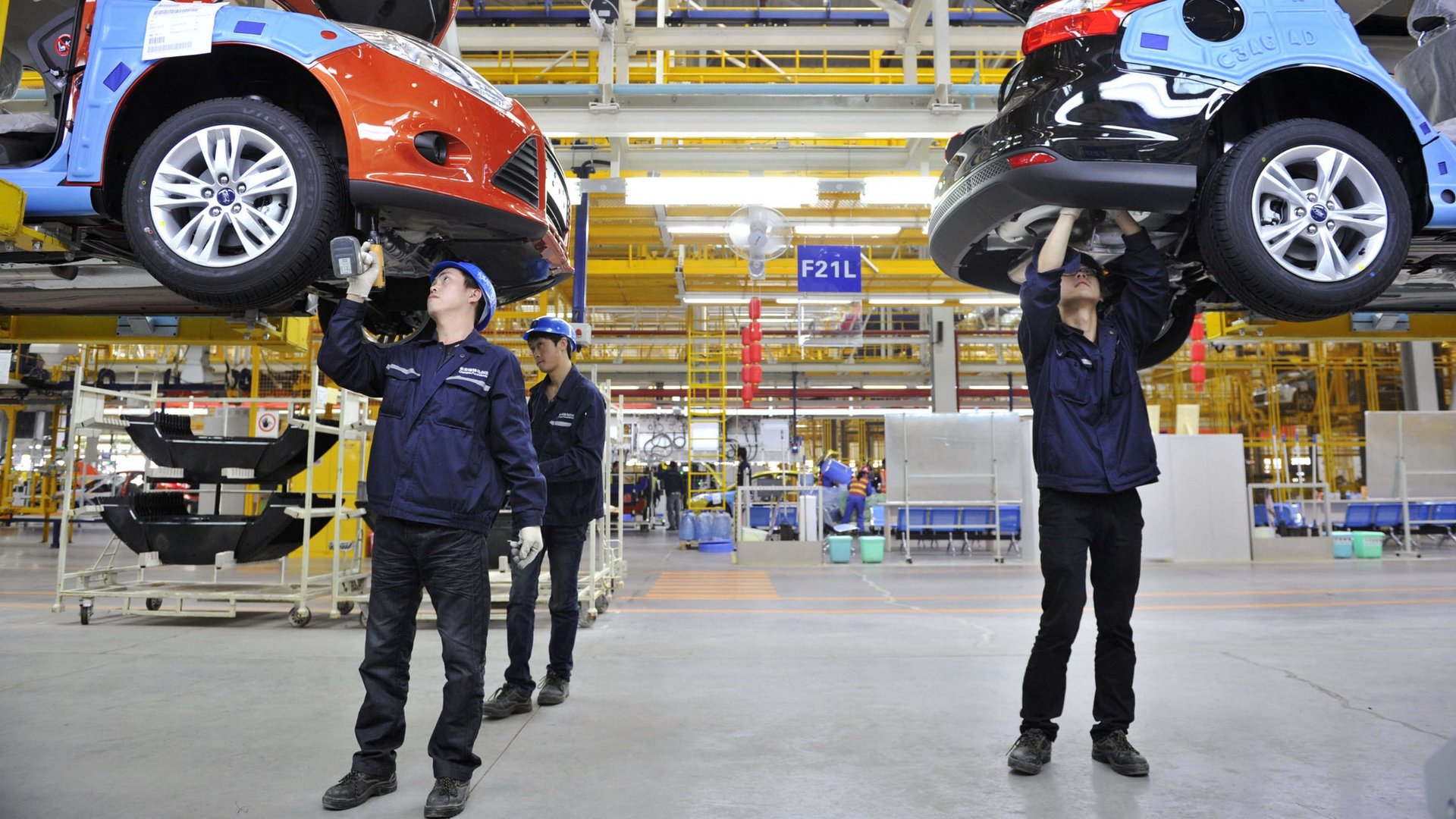
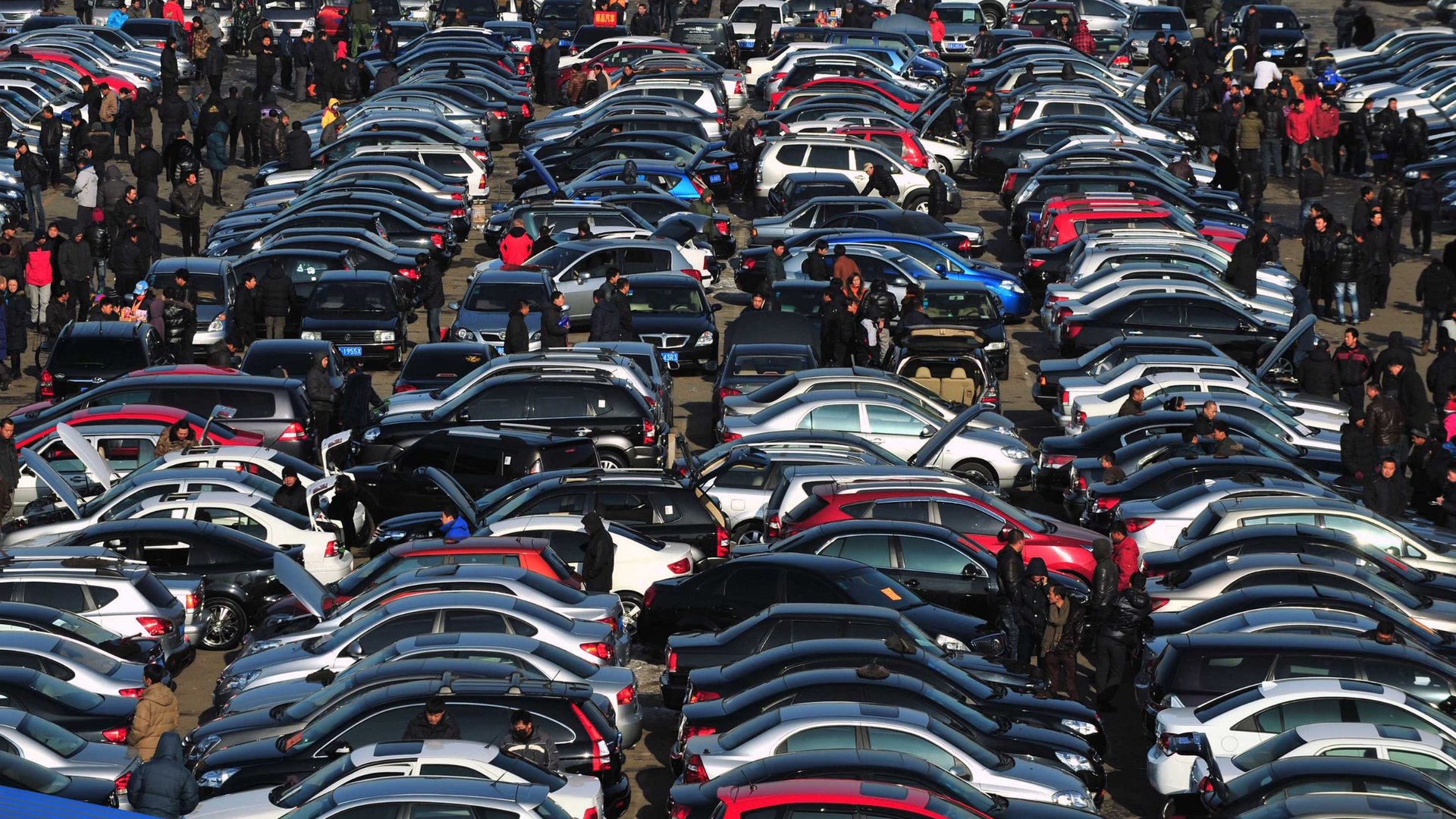
In the scramble for share in the world’s largest auto market, Ford has long been the straggler. Launching its first joint venture only in 2003, the company trailed Volkswagen’s entry into China by nearly two decades, and General Motors by six years (pdf).

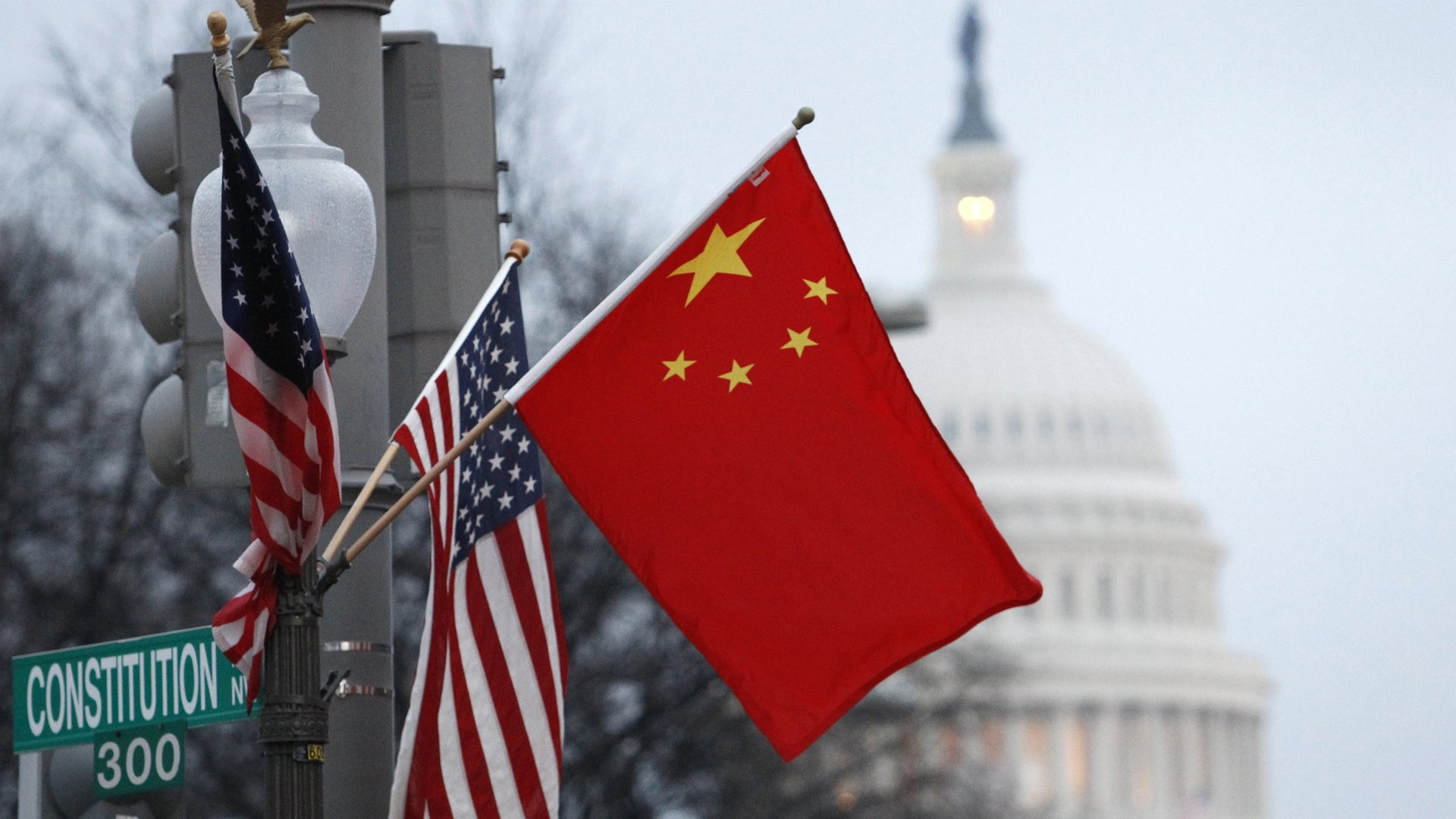
The Washington game of chicken on the US borrowing limit is starting to make China, the US’s biggest creditor, a little nervous. Zhu Guangyao, vice finance minister, today exhorted the US to “to ensure safety of Chinese investments” (link in Chinese), saying that the Chinese government “hopes the United States fully understands the lessons of history.” An Oct. 2 editorial in Communist Party mouthpiece Xinhua scolded that the US “has engaged in irresponsible spending for years.”

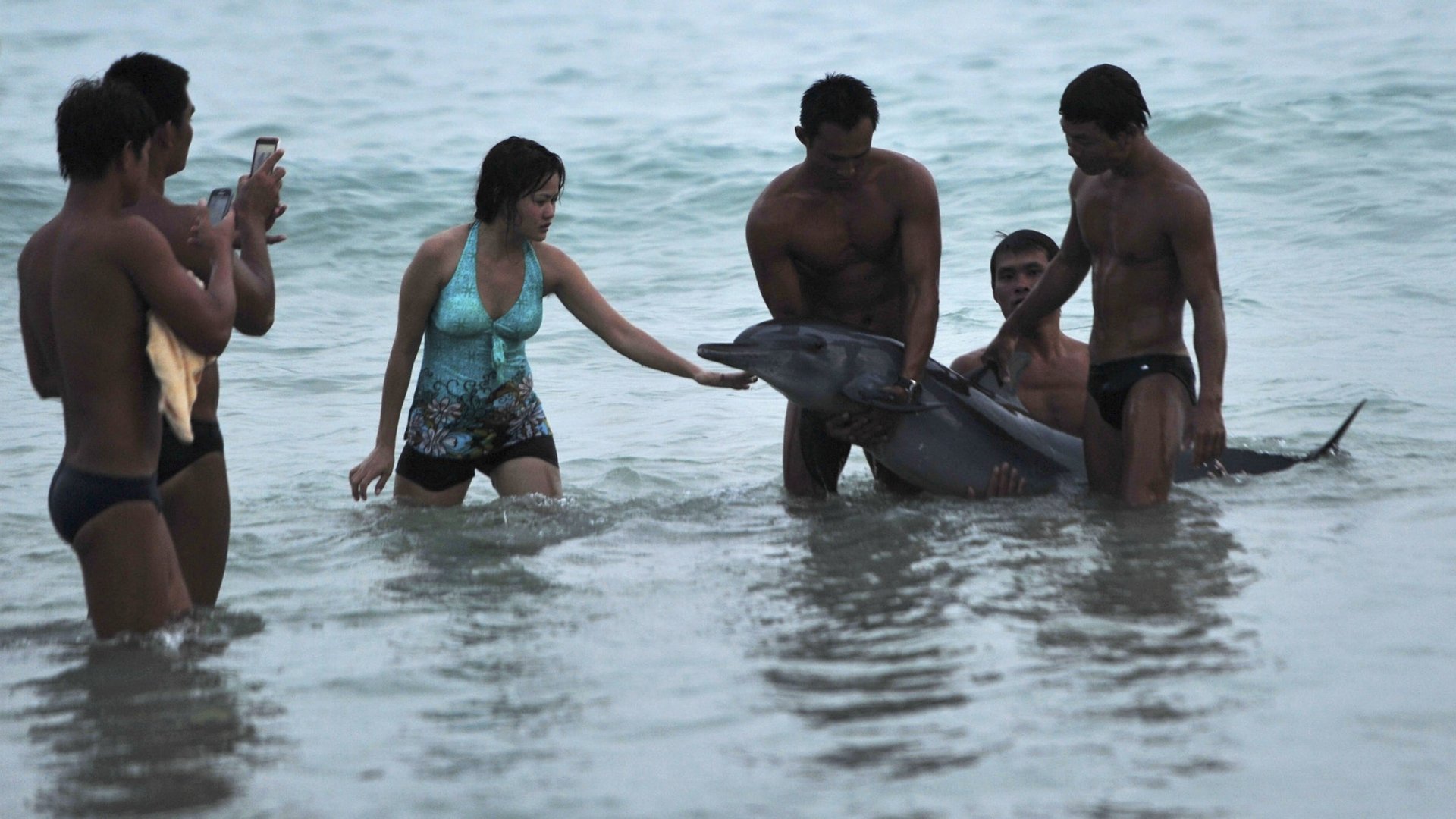
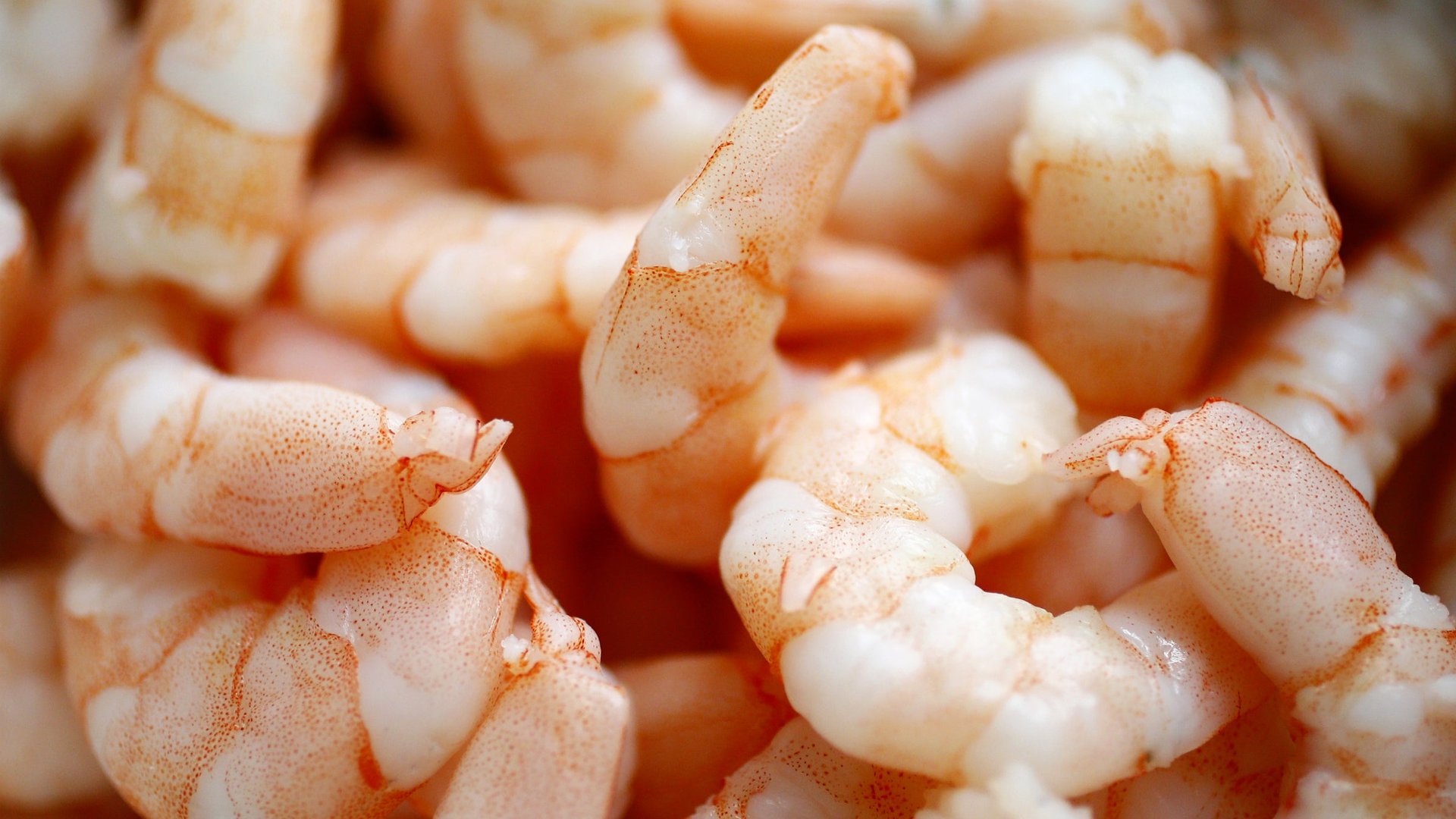
Chinese tourists may have finally claimed the title of the planet’s most boorish tourists. And they seem to be trying their hardest to earn it. The list of grievances against Chinese travelers is long, but recent lowlights include throwing candy at North Koreans, carving up a 3,500-year-old Egyptian relief, eating endangered sea creatures and making off with airline cutlery.

Correction (updated October 9): This article overstated the effect of the US government shutdown on inspections of imported food. Steven Immergut, an FDA spokesman, said the agency is continuing to review all food imports, but there “may be delays” in physical examinations due to the shutdown.

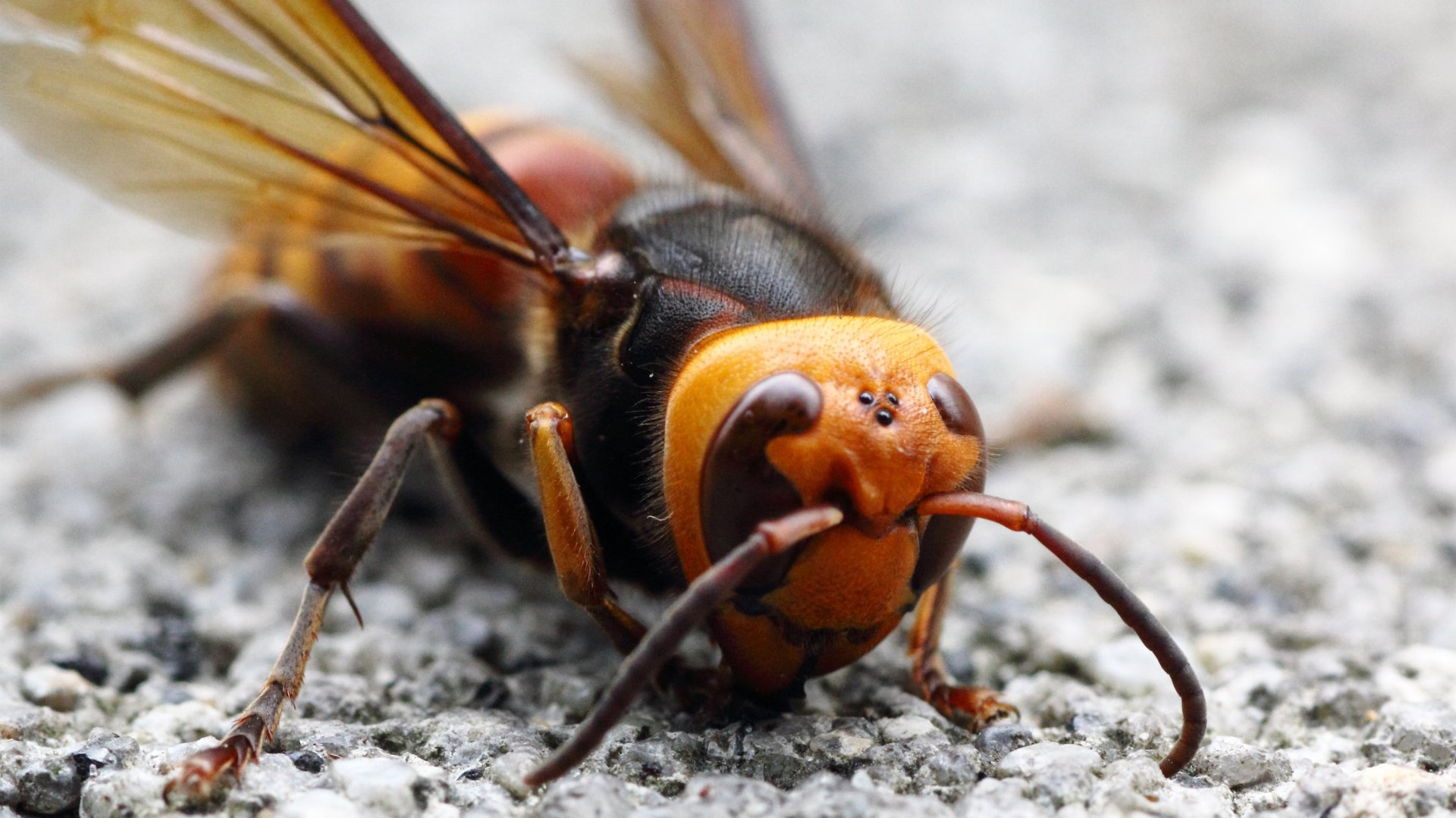
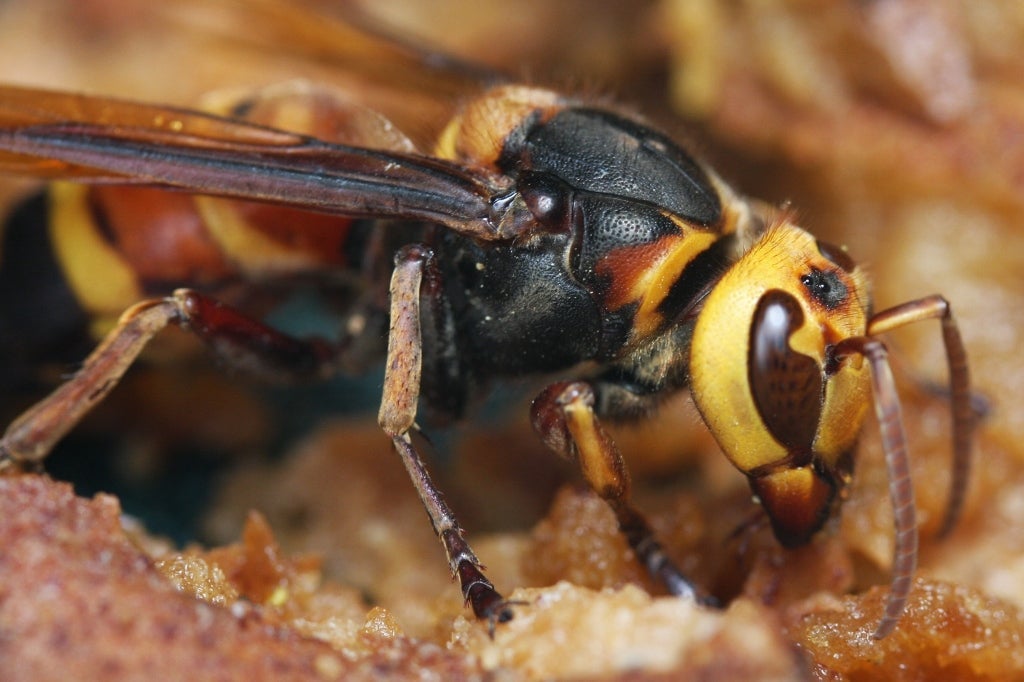
Things have only gotten worse in China’s heartland, as giant killer hornets continue their swarm of terror. China’s top health authority announced today that hornet stings have killed 42 people in Shaanxi province; another 1,640 have been injured.

The US government shutdown has claimed some more casualties. President Barack Obama’s visits to Malaysia and the Philippines next week will be called off because the logistics staff who precede the massive presidential entourage aren’t in place. Secretary of State John Kerry will go instead.

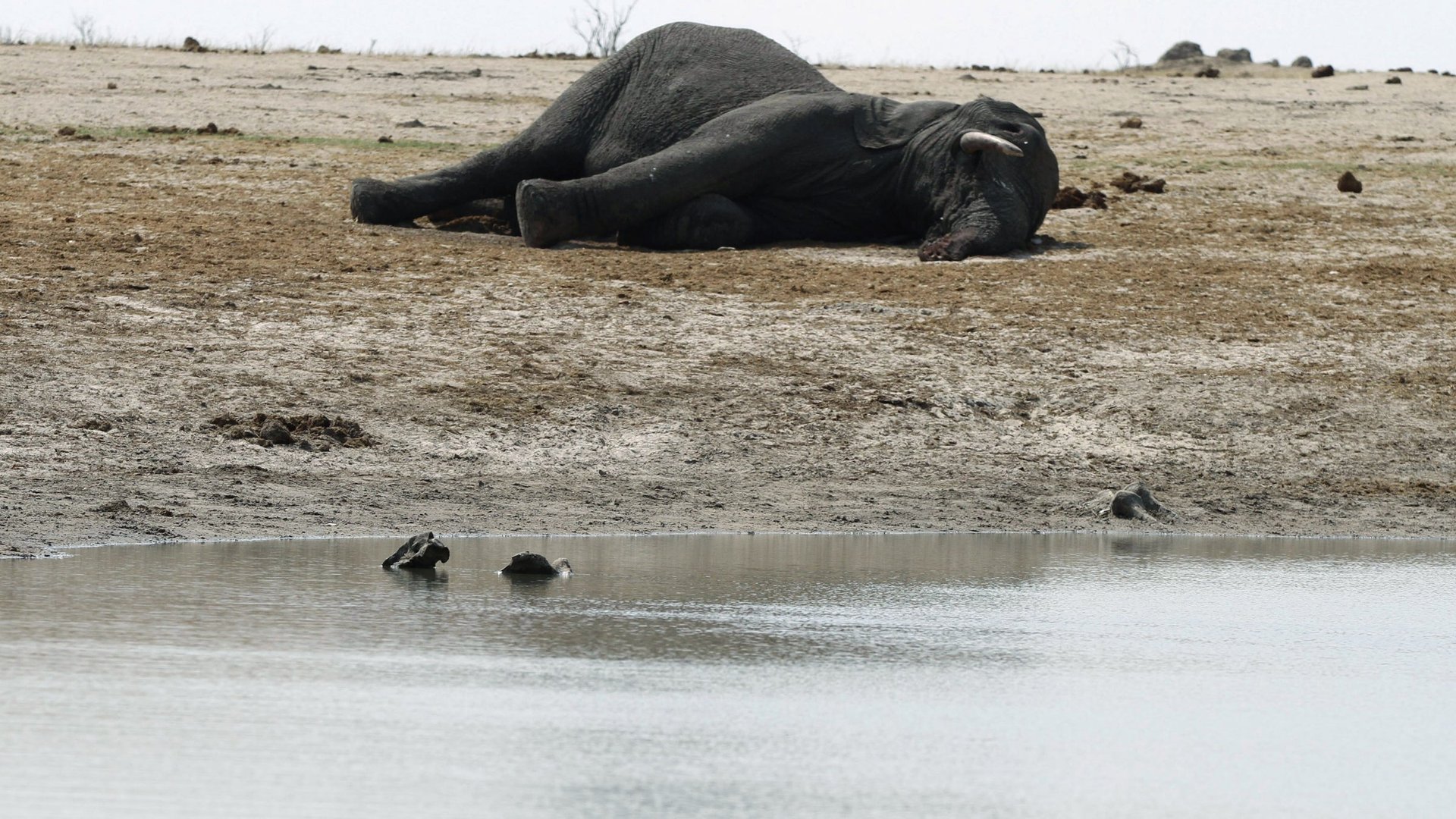
China’s demand for luxury knickknacks lies beneath some spectacular carnage of late. As we highlighted in August, the illegal ivory trade funds al-Shabaab, the terrorist group behind the Westgate Mall massacre in Kenya late last month. Al-Shabaab finances as much as 40% of its operations this way.

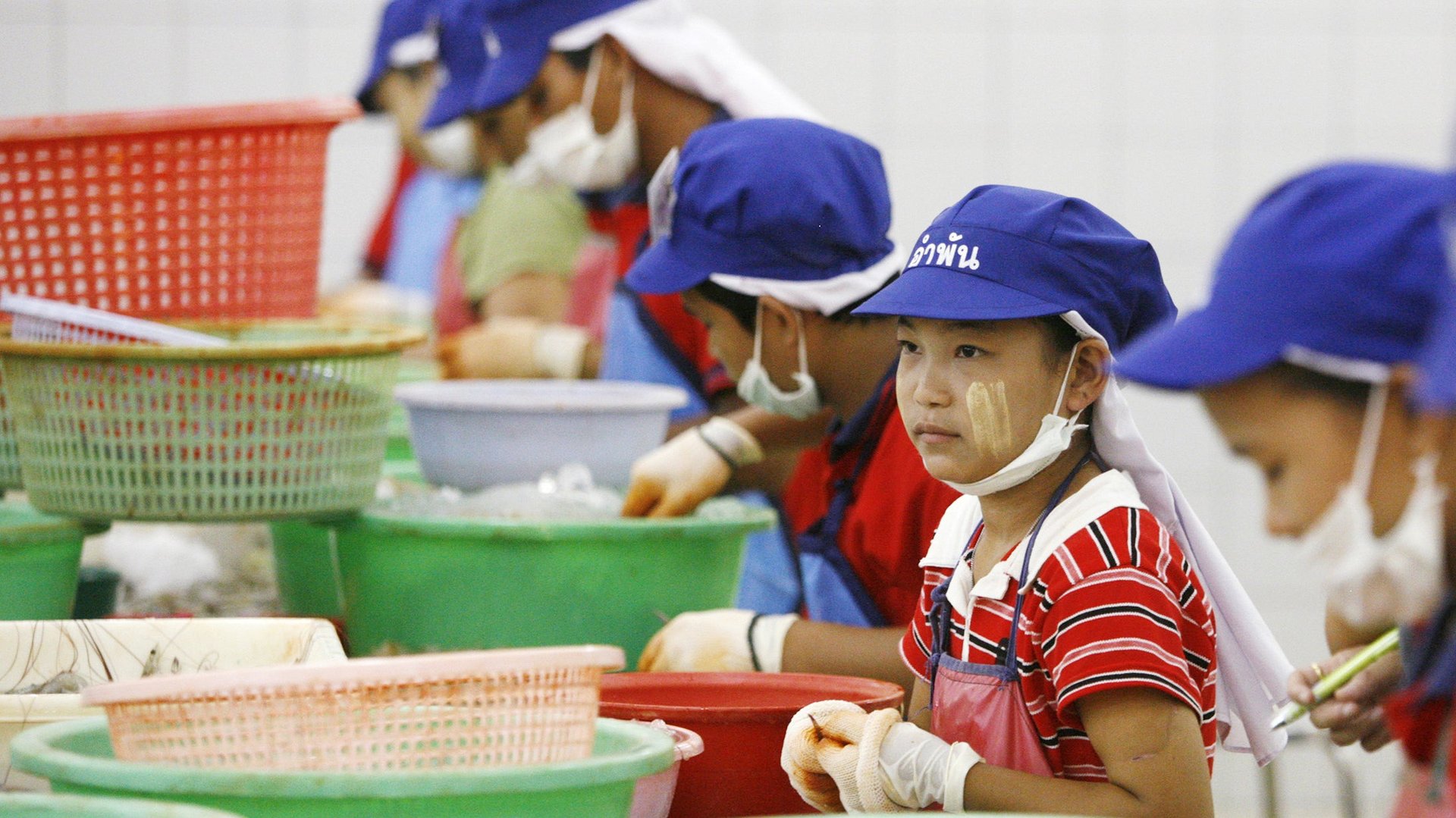
In some ways, Thailand is a fairytale of economic development. Thanks in large part to exports, its GDP per capita is now eight times what it was in 1980. Its people live 15 years longer than they did in 1970. They’re now better educated, so they are doing more high-value jobs. It’s also an exemplar of family planning; 80% of the reproducing population uses birth control, compared with just 15% in 1970.

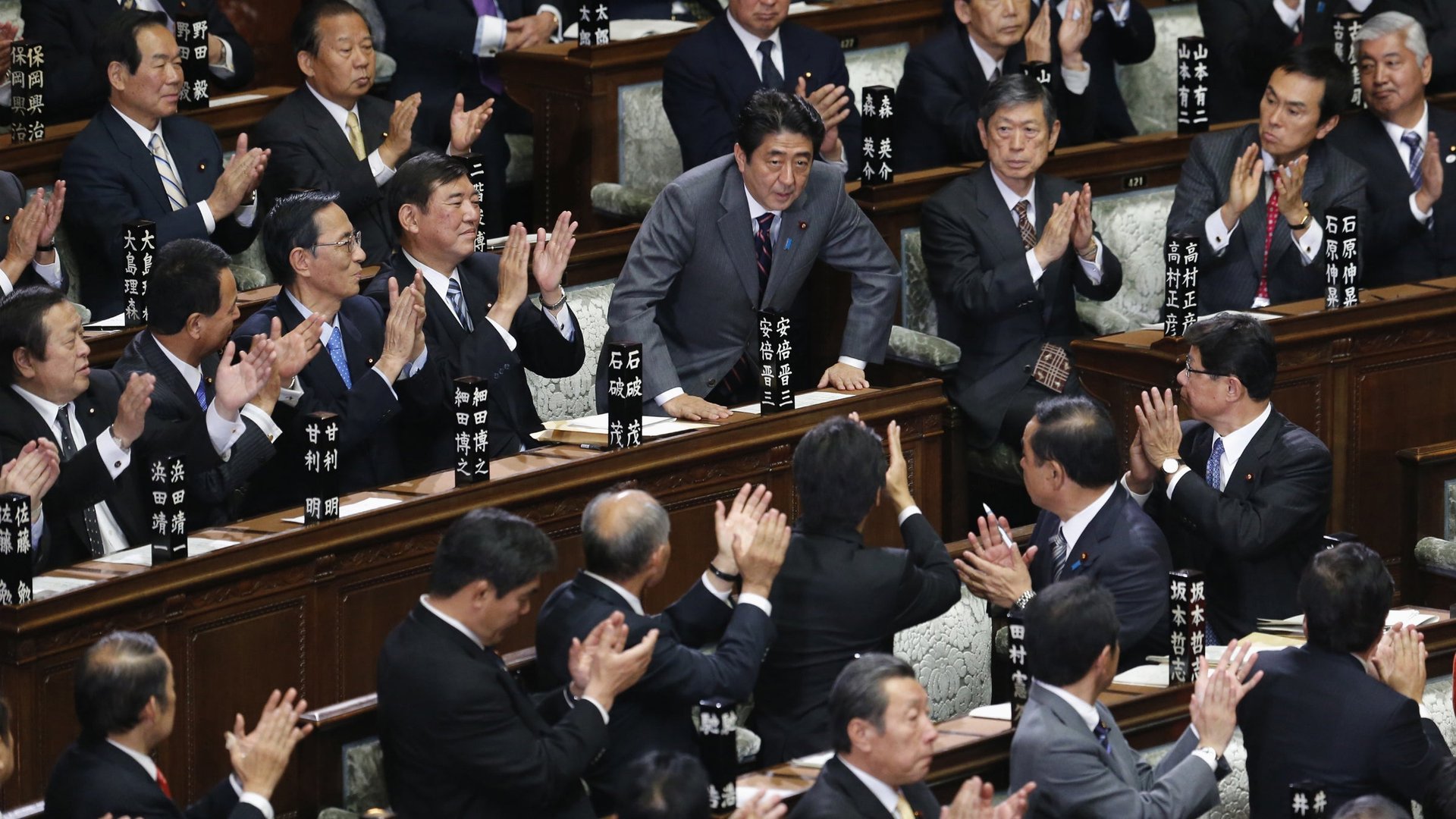
If you thought the US’s fiscal cliff—that combination of rising taxes and slashed fiscal spending that scared investors and shook the economy in December 2012—was bad, have a gander at what Japan’s prime minister, Shinzo Abe, faces. He entered the job with a mandate to grow the economy and escape deflation. But before Abe took over, the government passed a tax hike on consumption to show that the Japanese government is serious about shrinking its ¥1 quadrillion ($10.3 trillion) in public debt.

Private equity giant Kohlberg Kravis Roberts is on a roll in China. Last week, it bet $140 million on China’s booming dairy consumption. Today, it bought a 10% stake in Qingdao Haier, the listed arm of China’s biggest maker of home appliances, for an estimated $556 million.

A plague of hornets, each the size of a human thumb, have descended on Shaanxi province this summer—at least 28 have been stung to death (link in Chinese), while another 419 have been injured, according to a local news report from China Radio Network (CRN), via the New York Times’ Chris Buckley. The death toll from hornet attacks in Ankang city is more than twice the annual average between 2002 and 2005, say the Ankang police, as the Guardian reports. A local doctor said hospitalizations due to hornet attacks have risen steadily over the years (link in Chinese).

What do basketball star Kobe Bryant of the Los Angeles Lakers and disgraced Chinese politician Bo Xilai have in common? They’re both the face of Nike in China.

China has many economic problems, but perhaps its biggest is that its consumers don’t consume. In fact, China’s consumption as a proportion of its total economic output is one of the lowest in the world—around 36% of GDP, compared with around a 60% global average (for example, South Korea’s is 50% and the US’s is around 70%).

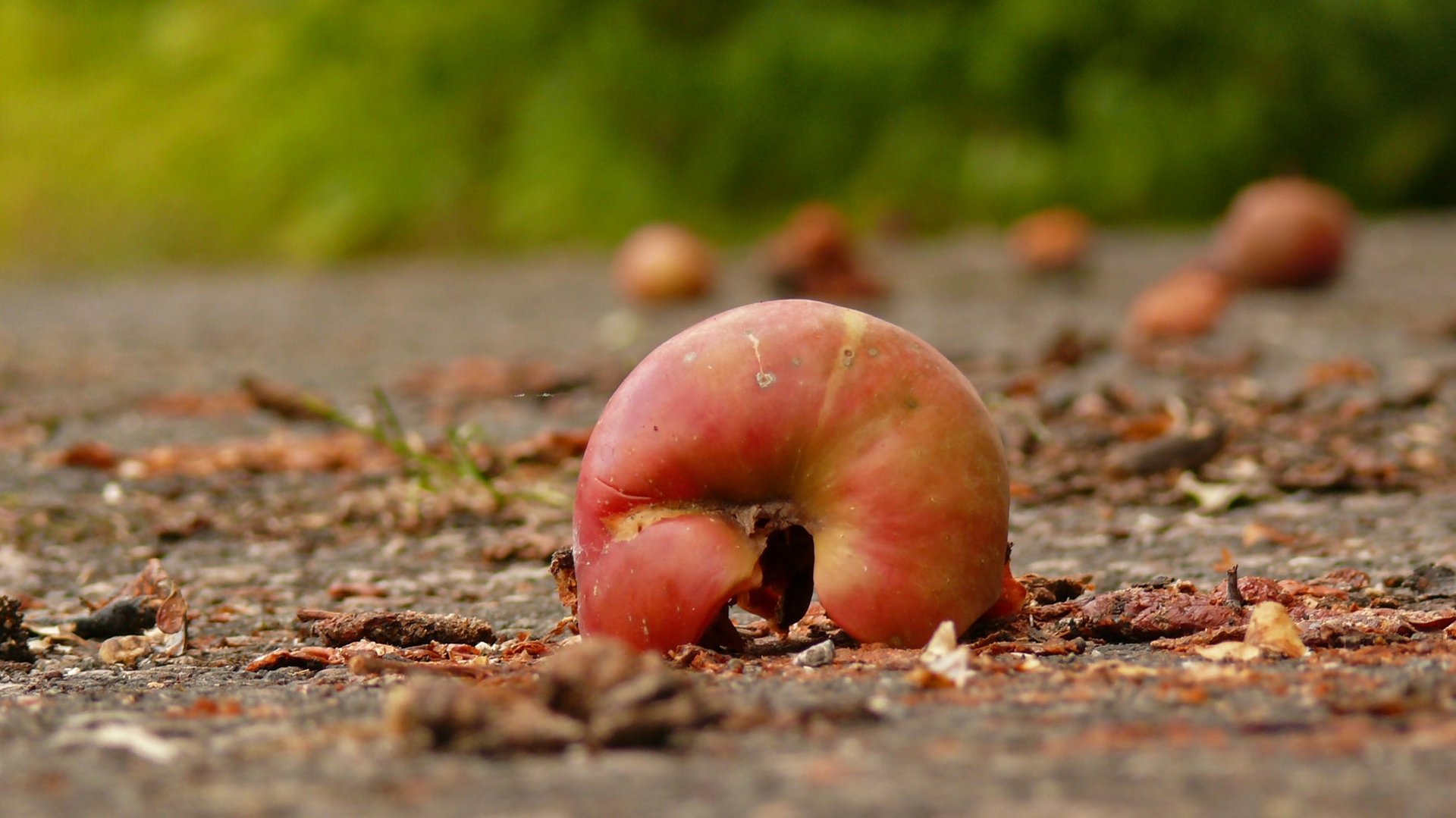
Drinking and eating in China is a dangerous business—one that it occasionally exports. The government is now probing three leading Chinese fruit juice processors for buying rotten fruit on the cheap and mixing it in with ripe fruit, though there’s apparently no evidence so far that they have.

When Uralkali, the largest producer of the fertilizer known as “potash,” pulled out of one of the world’s most powerful cartels in July, some likened the fallout to what would happen to oil prices if Saudi Arabia ditched OPEC. And, sure enough, the move caused both Uralkali’s share prices and the potash market to crash. Anticipating that the cartels would lose pricing power, potash investors stopped buying, which led to plummeting prices.