
Business News
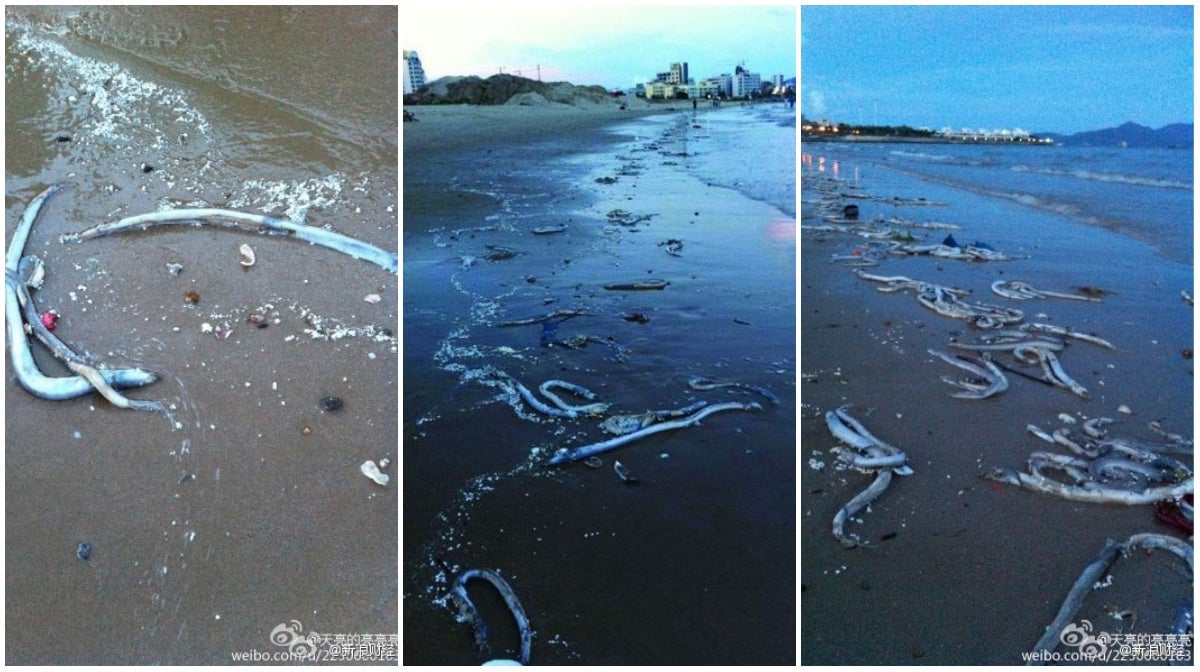
What killed the tens of thousands of dead eels washing up on Guangdong beaches?It’s already been a big year for mass animal death in China. So far we’ve had pigs, fish, ducks and swans.
Updated July 21, 20223 min read
It’s already been a big year for mass animal death in China. So far we’ve had pigs, fish, ducks and swans.
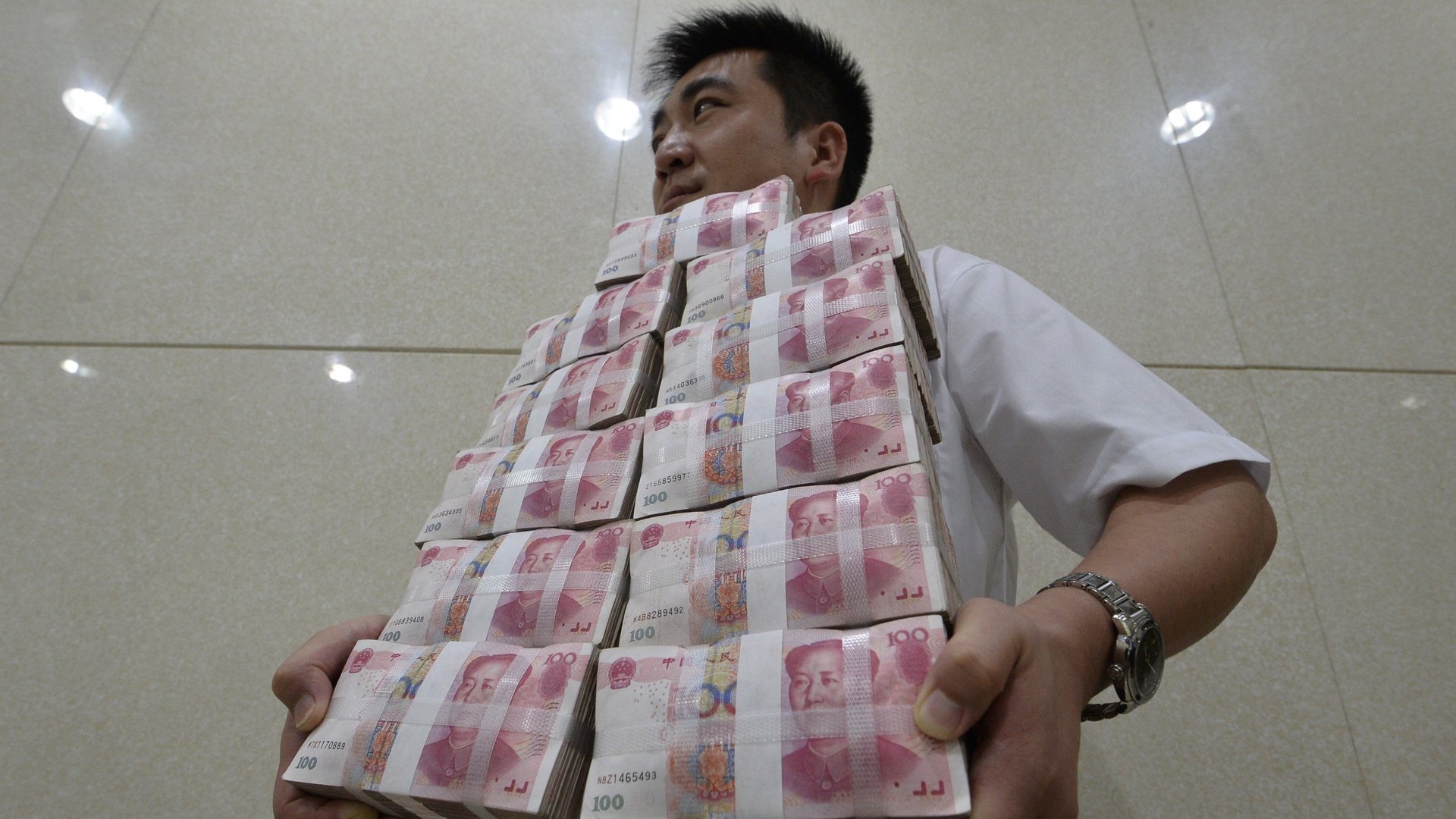
China’s Q2 GDP growth came in at 7.5%—which is lousy for China, but really impressive in the context of other countries. But just who is benefiting from China’s outsize GDP growth? Not foreign investors, apparently.

Samsung and Hyundai aren’t South Korea’s only globally renown brands. Across Asia and in developing countries, one of its most recognizable exports is K-pop, the South Korean equivalent of Top 40 music in the US. Known for its stylish ensemble acts, the K-pop industry is a big contributor to the country’s growth; it brought in $3.4 billion in 2011, $180 million of which came from exports. The industry needs those exports to continue growing, given South Korea’s stagnating youth population.
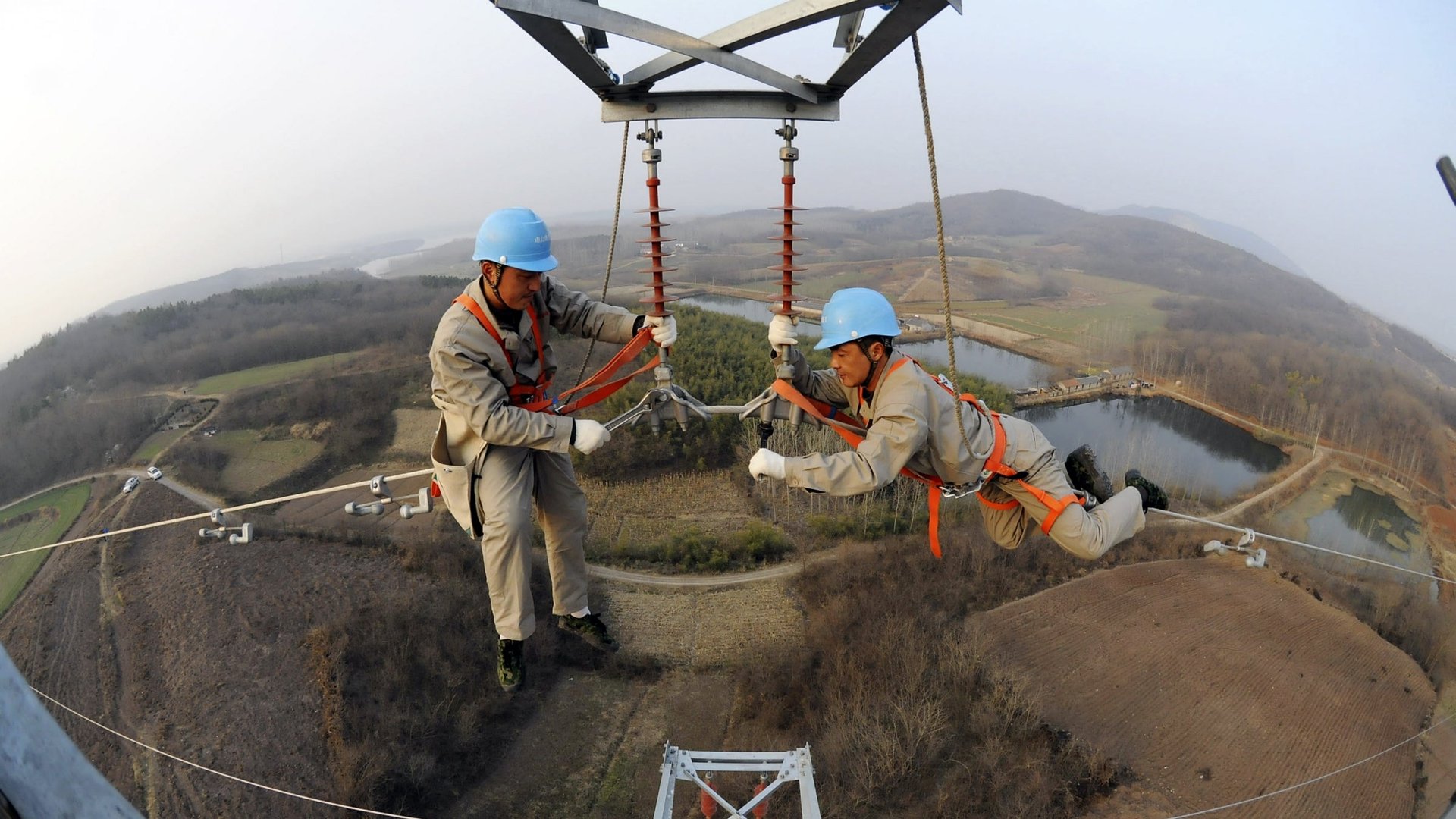
China gross domestic product grew 7.5% in the second quarter—a more-than-healthy rate for most countries but one that qualifies as a struggle for the policymakers in Beijing, as they attempt to reform the world’s second-largest economy with a minimum of short-term pain.
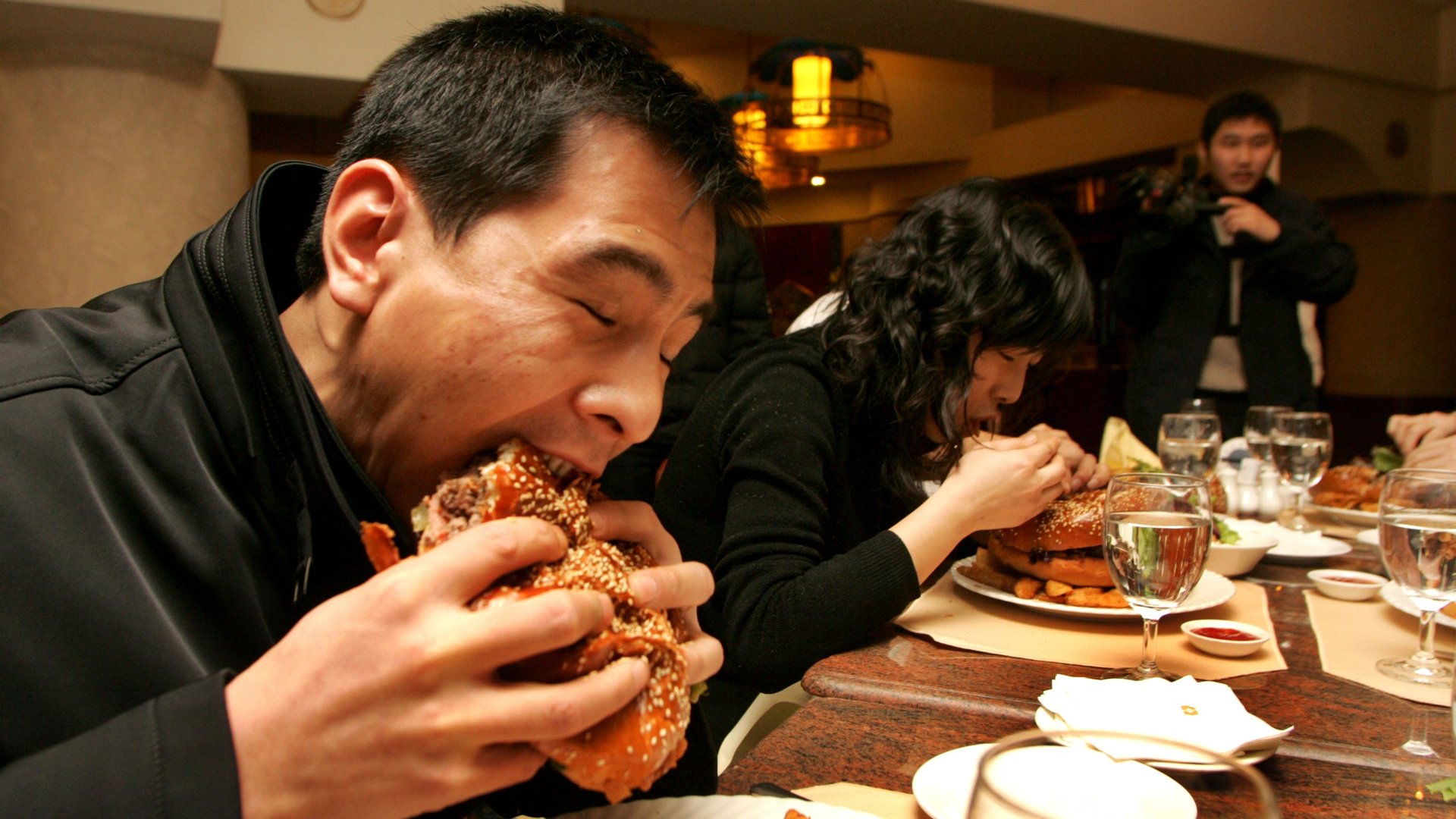
Pork is typically what’s for dinner in China. The country consumes 54 million tons each year and has scrambled for more pork producing capacity, which explains Chinese meat producer Shuanghui’s recent bid for Smithfield. And yet, it’s the price of beef, not pork, that’s skyrocketing.
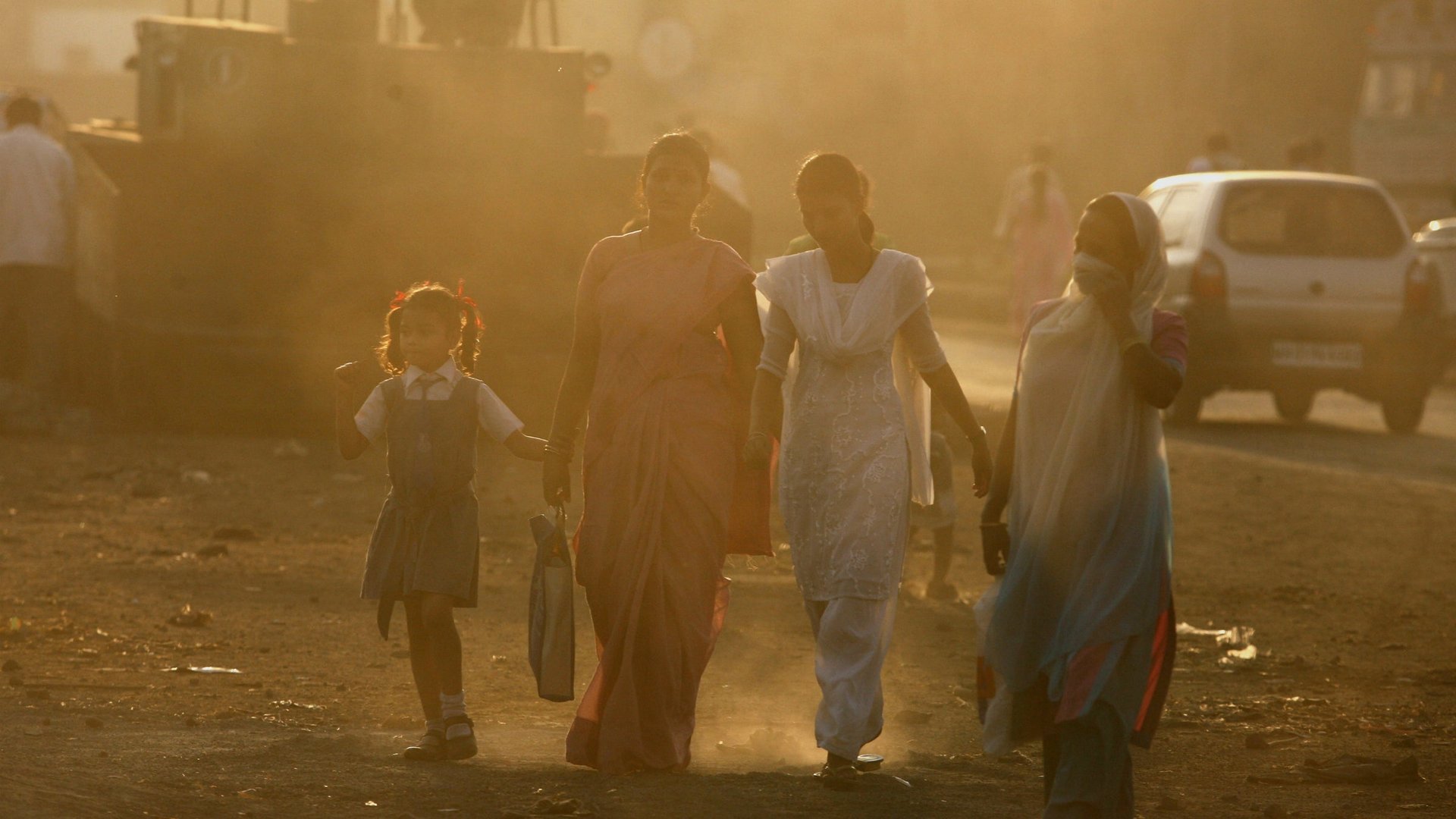
No one looks up at the smog-enshrouded skies of Beijing or New Delhi and thinks they’re healthy. But until recently, quantifying the impact of air pollution on human health has been, well, hazy. As a result, governments have been lax on the pollution spewed by cars, factories and power plants.
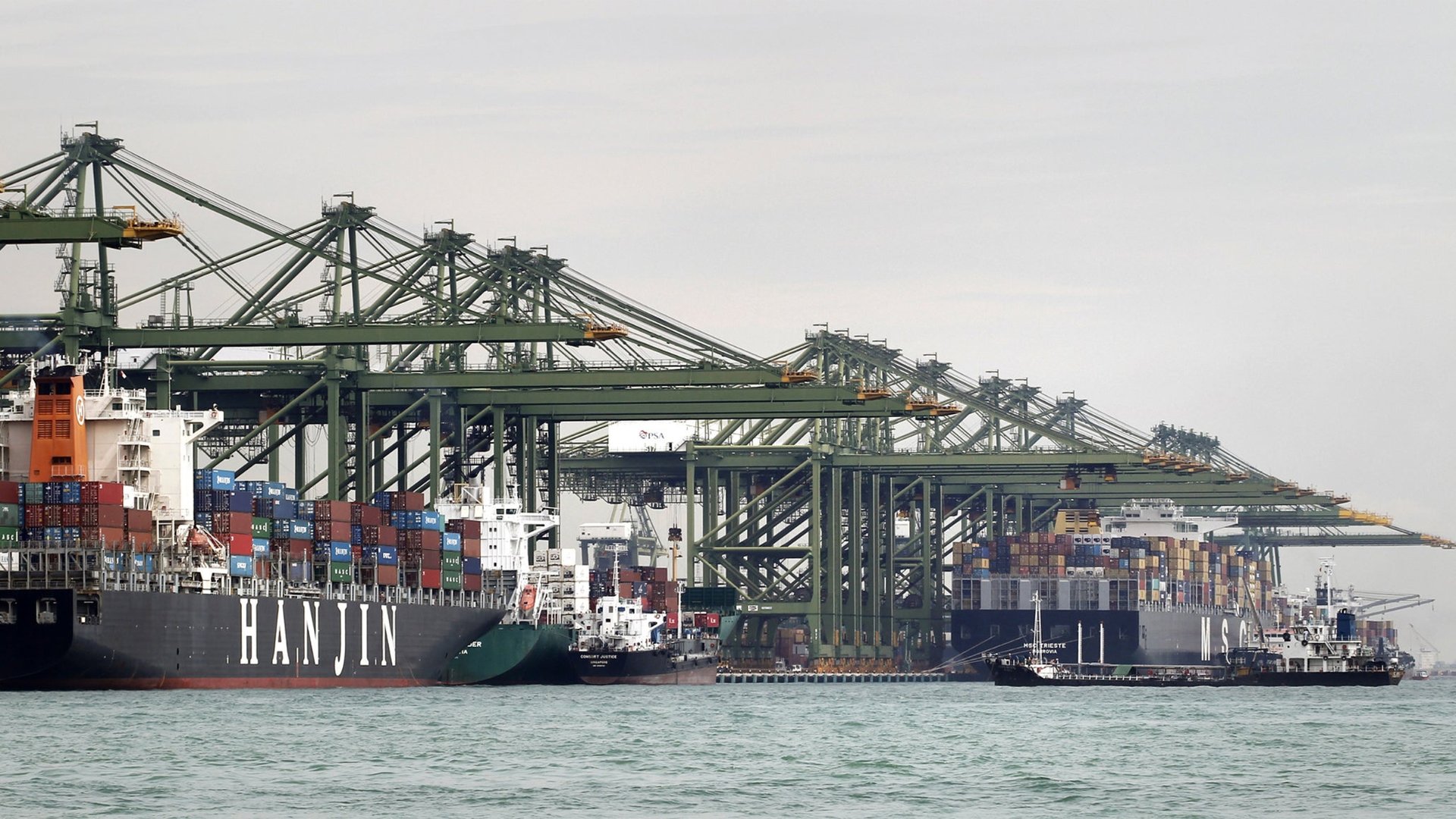
Singapore’s Q2 GDP was up 3.7% (pdf) compared with Q2 2012, based on advanced estimates from Singapore’s Ministry of Trade and Industry. That’s the biggest increase since 2011. The GDP grew an annualized 15.2% compared with the first quarter, after seasonal adjustments, far exceeding expectations, reports Reuters.
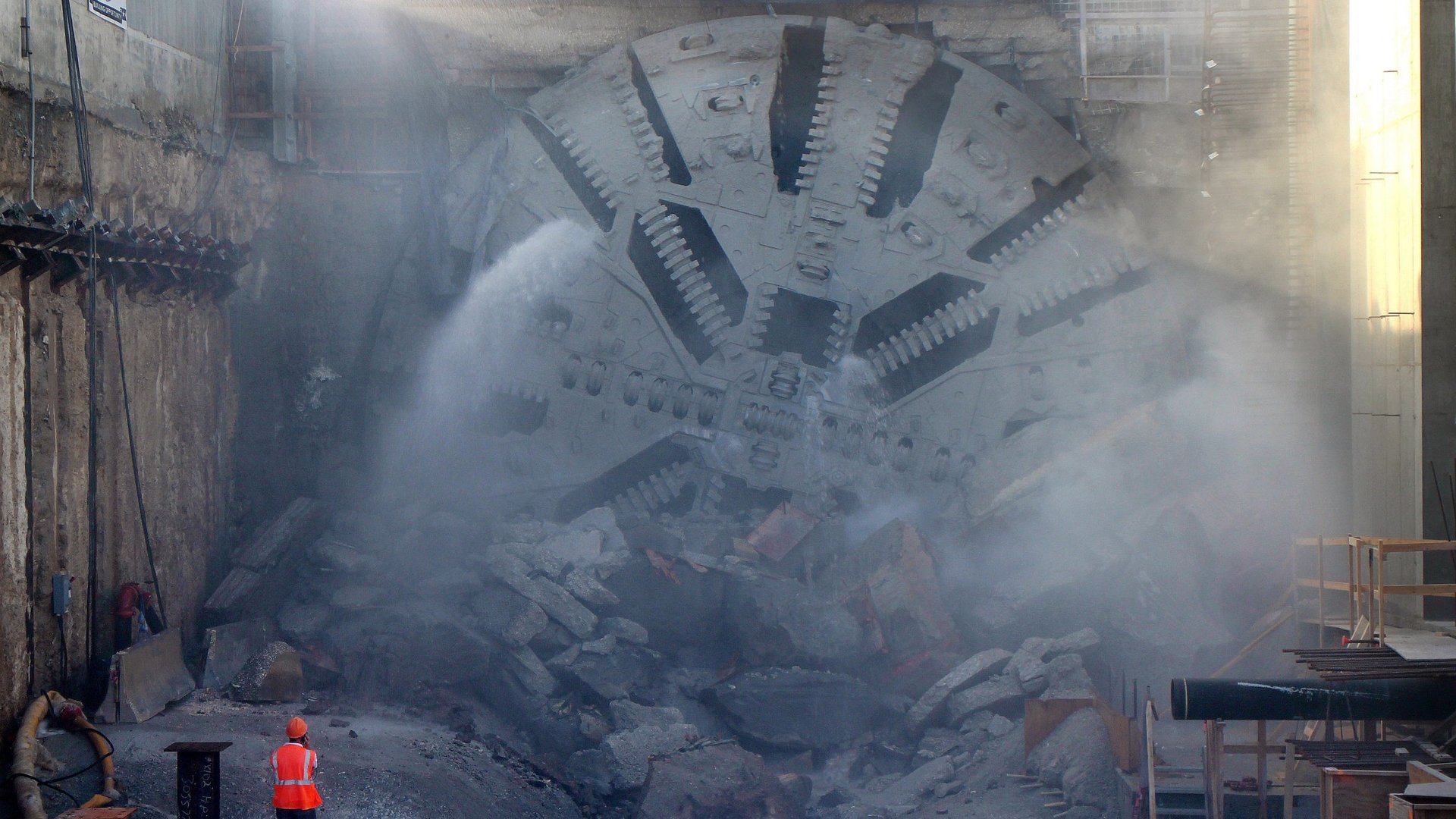
Deep beneath the Bohai Sea, Chinese engineers may soon begin boring the longest submarine tunnel on the planet. At an estimated 76 miles (123km) long, it would surpass the combined length of world’s two longest underwater tunnels—Japan’s Seikan Tunnel and the Channel Tunnel between the UK and France. To connect the bustling northern ports of Dalian and Yantai, the engineers will have to tunnel through two fault zones that have caused a slew of deadly earthquakes in the last century. And the project will cost a whopping $42.4 billion (paywall), nearly three times as expensive as Boston’s Big Dig.
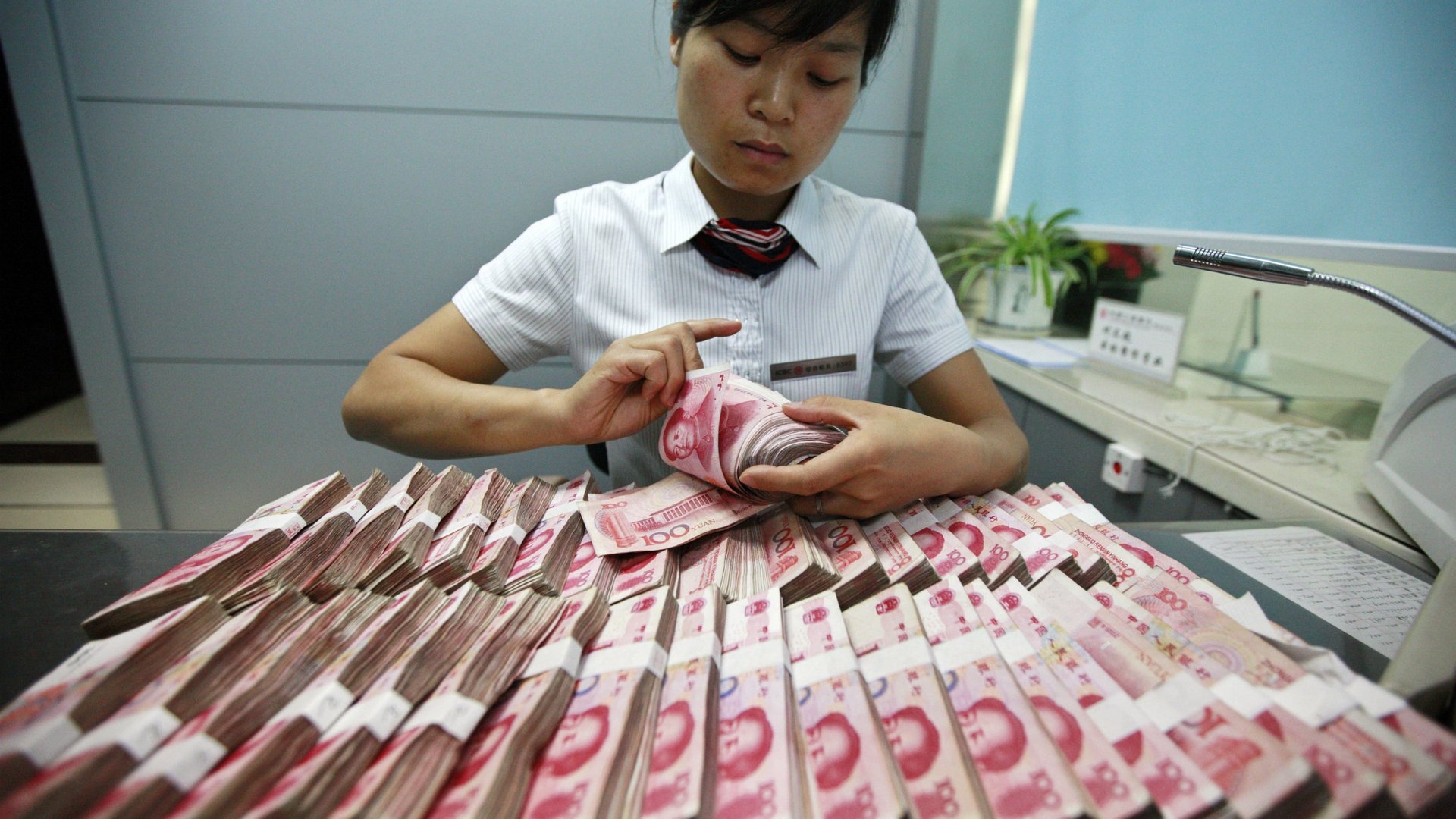
Evidence that China’s economy is drowning in debt continues to mount, amid a rapid slowing economy and a crackdown on fake trade invoicing. That led to June’s violent jumps in interbank interest rates and premier Li Keqiang’s vow to end China’s credit binge. But as of now, the binge goes on.
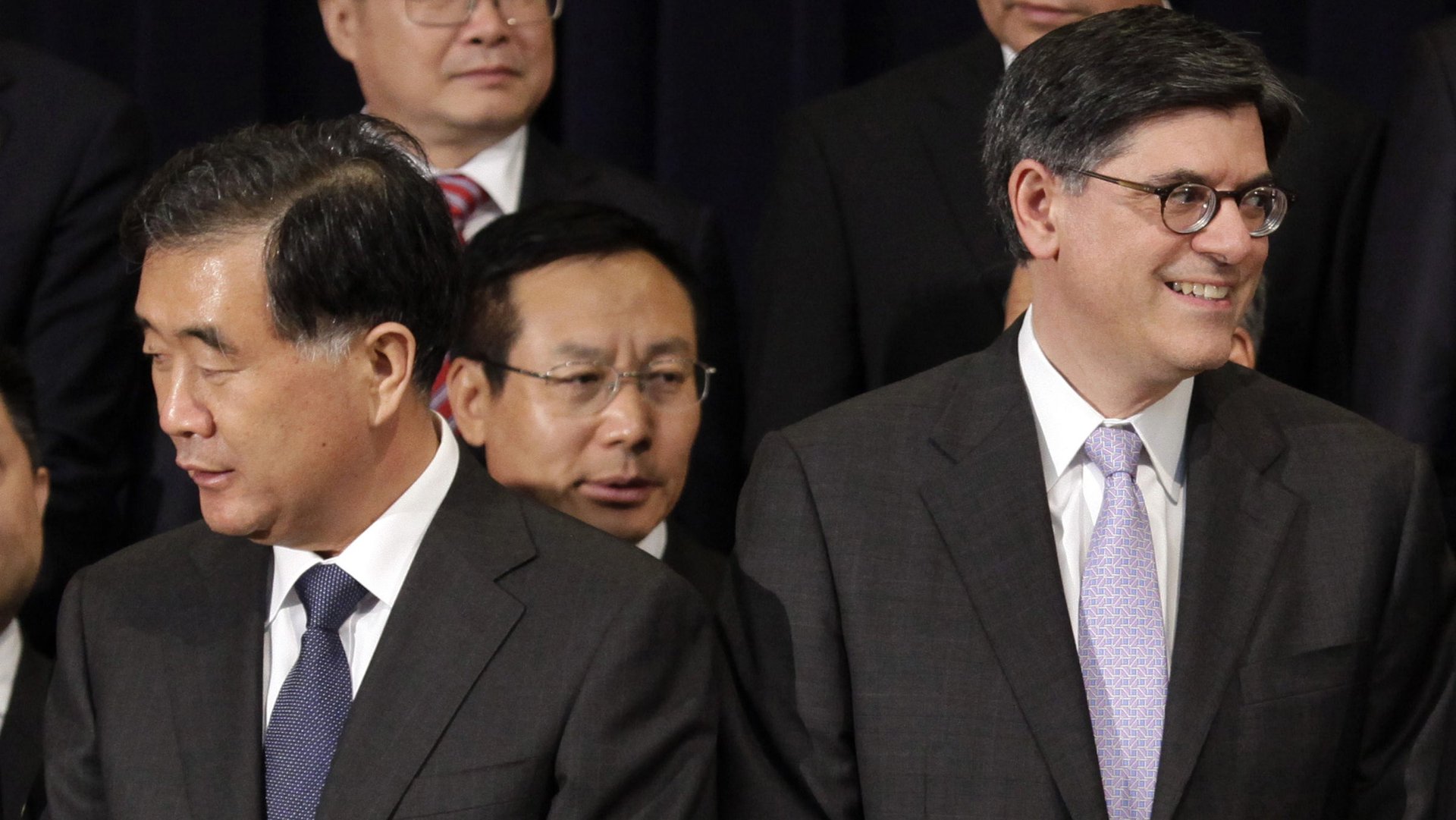
Five years ago, the US and China set up the Strategic and Economic Dialogue, the two-day meeting during which top leaders mull the issues of the day. The SED created unprecedented familiarity between former treasury secretary Timothy Geithner and his Chinese counterparts, most notably the then diplomatic corps favorite Wang Qishan.
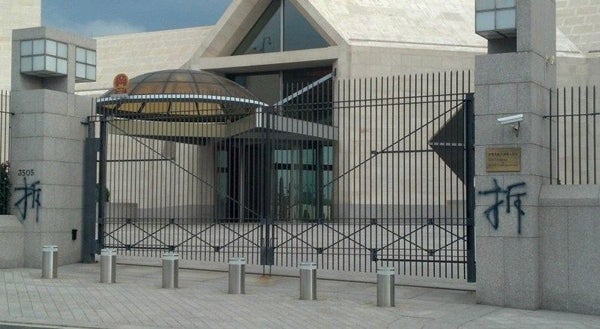
Around the mid-2000s in China, it was impossible to walk the streets of major cities without encountering a 拆 sprayed at every turn. Pronounced “chai,” the word means “to demolish,” and the authorities used it to mark buildings that would soon be razed. More often than not, the structures in question weren’t dilapidated or dangerous—they just happened to be on a plot that local governments could sell to real estate developers for a tidy sum. That made the character a symbol of forced evictions and government bullying moreover.
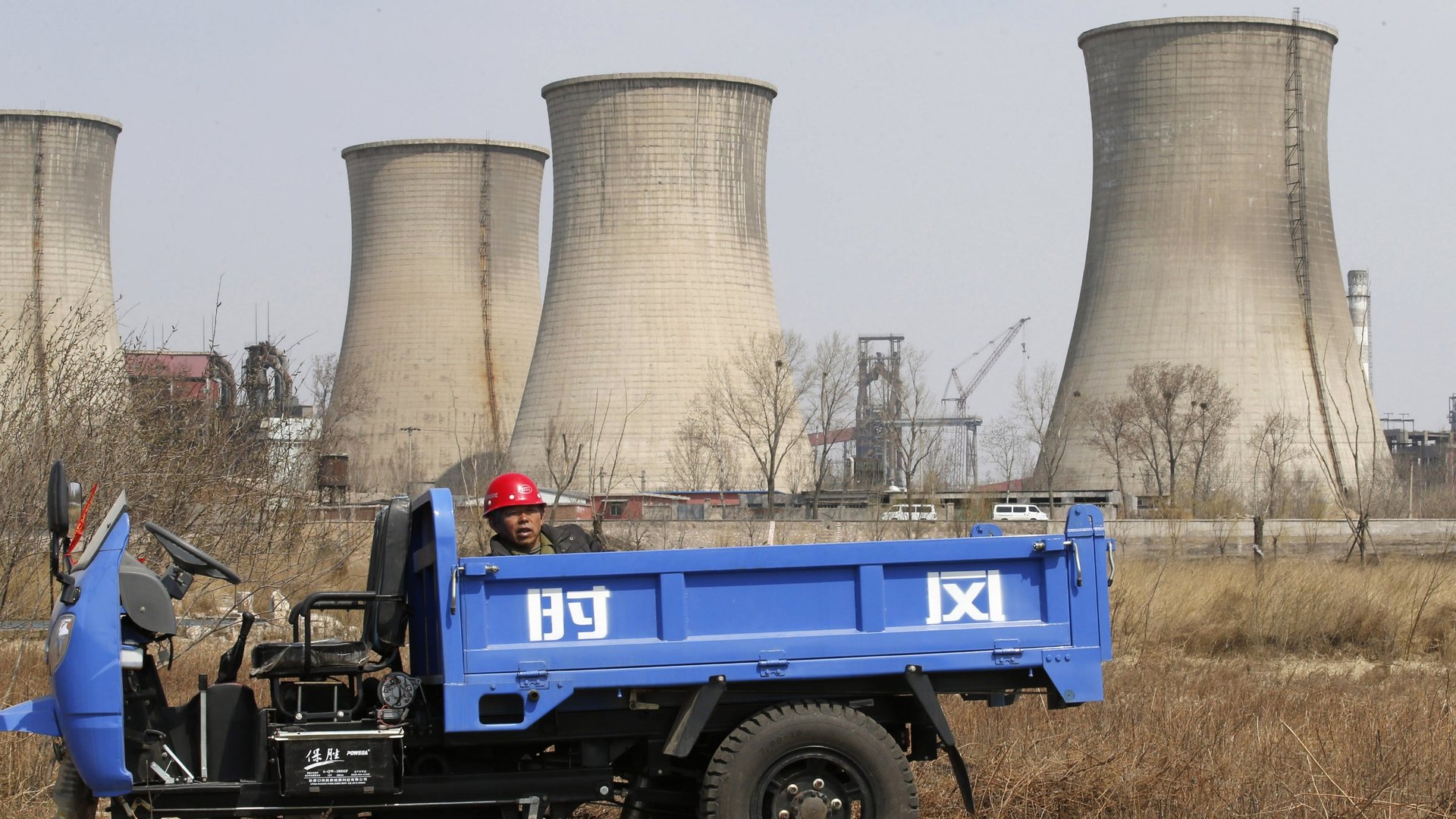
Chinese president Xi Jinping recently said that the government would stop tying promotions of local government officials to GDP performance alone. This is important because local leaders under pressure to produce high economic output are much more prone to spending wastefully and in ways that harm the environment.

This post has been corrected.
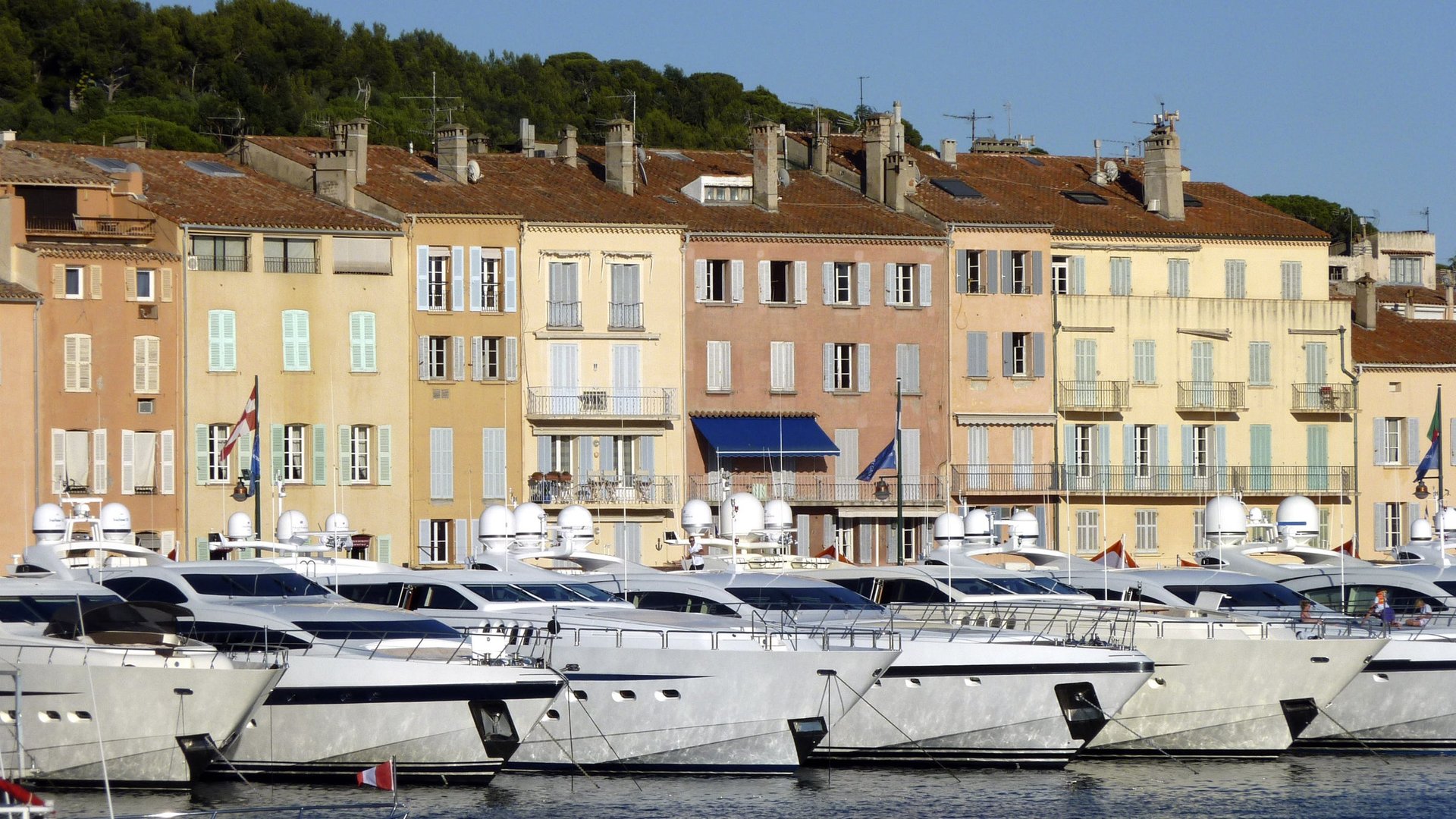
A tree has to be pretty tough to weather torrential monsoons of Southeast Asia’s dense forests. And teak trees happen to be the toughest—so tough, in fact, that they’ve long been coveted by makers of luxury boats (the Titanic’s decks were teak) and of upscale outdoor furniture. It’s scarce though. Natural teak forests grow only in four countries on the planet (pdf)—Myanmar, India, Laos and Thailand.
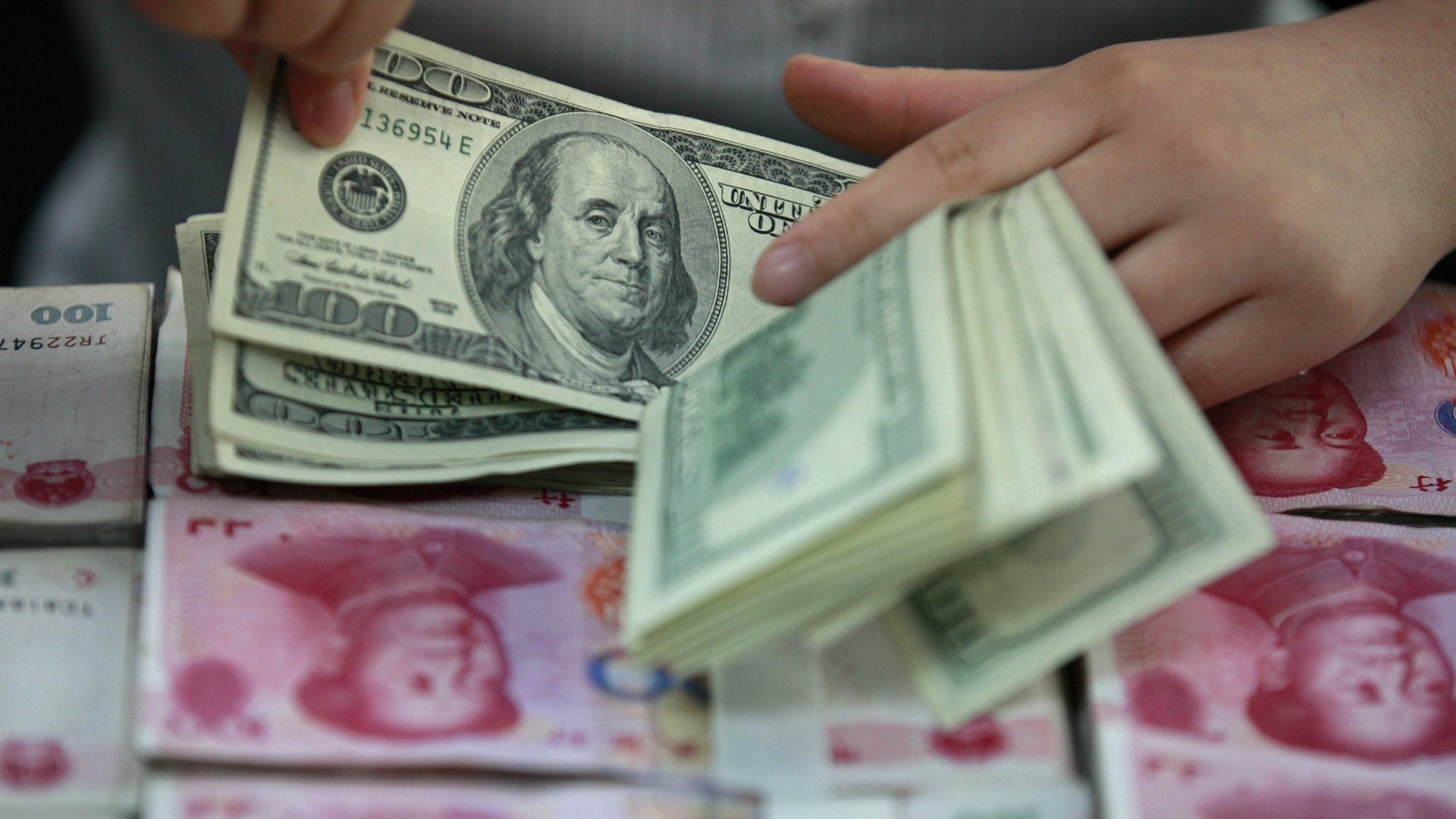
China is slowing down—that much is clear. (Especially after this morning’s dismal trade report.)
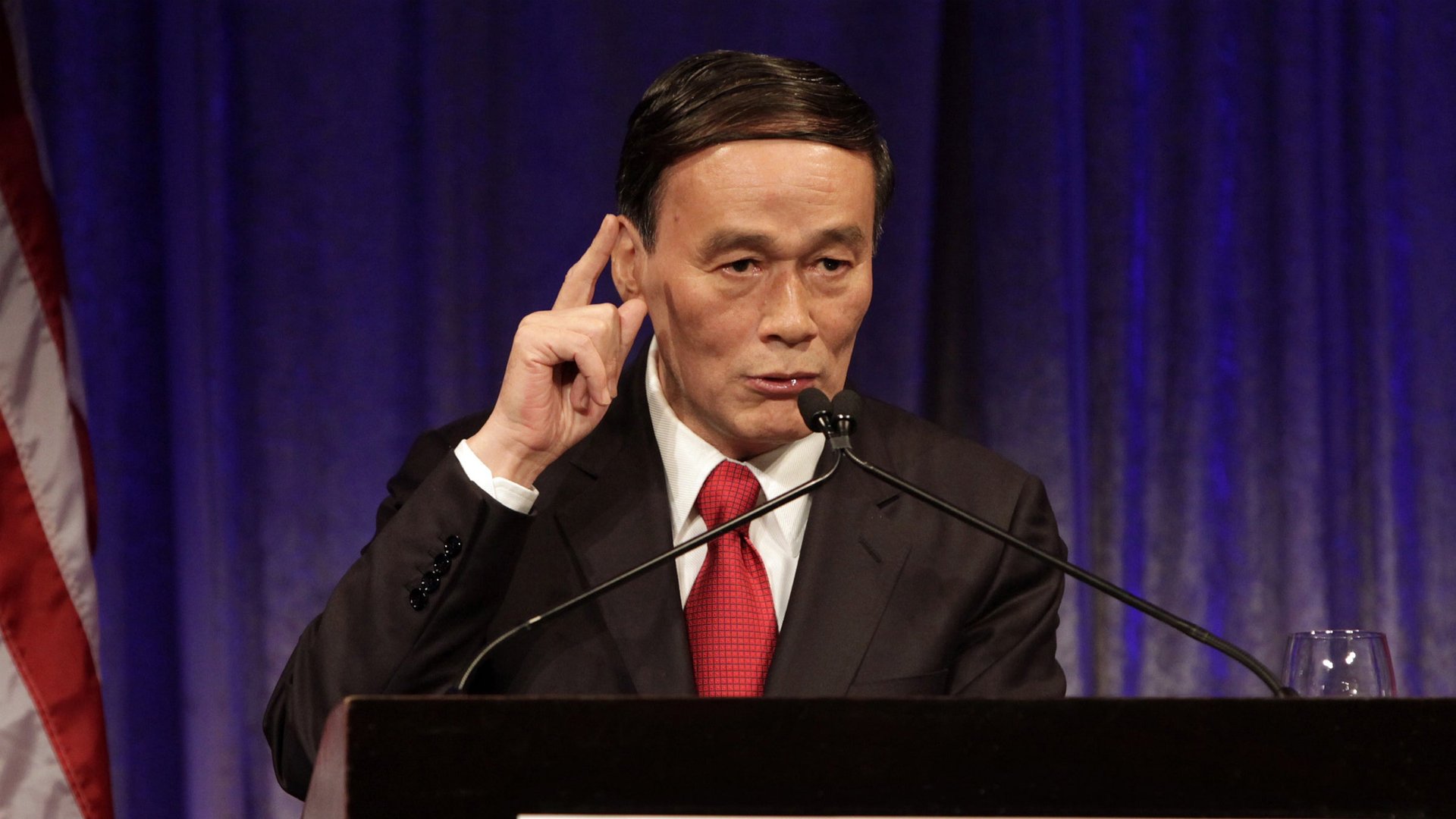
When China’s new administration, led by president Xi Jinping and premier Li Keqiang, took office in March, it put cracking down on corruption front and center on its policy agenda. The crackdown, kicked off last year, has been so sweeping that sales of Chinese liquor and Swiss watches, popular items used to ply corrupt Chinese officials, have dropped dramatically.
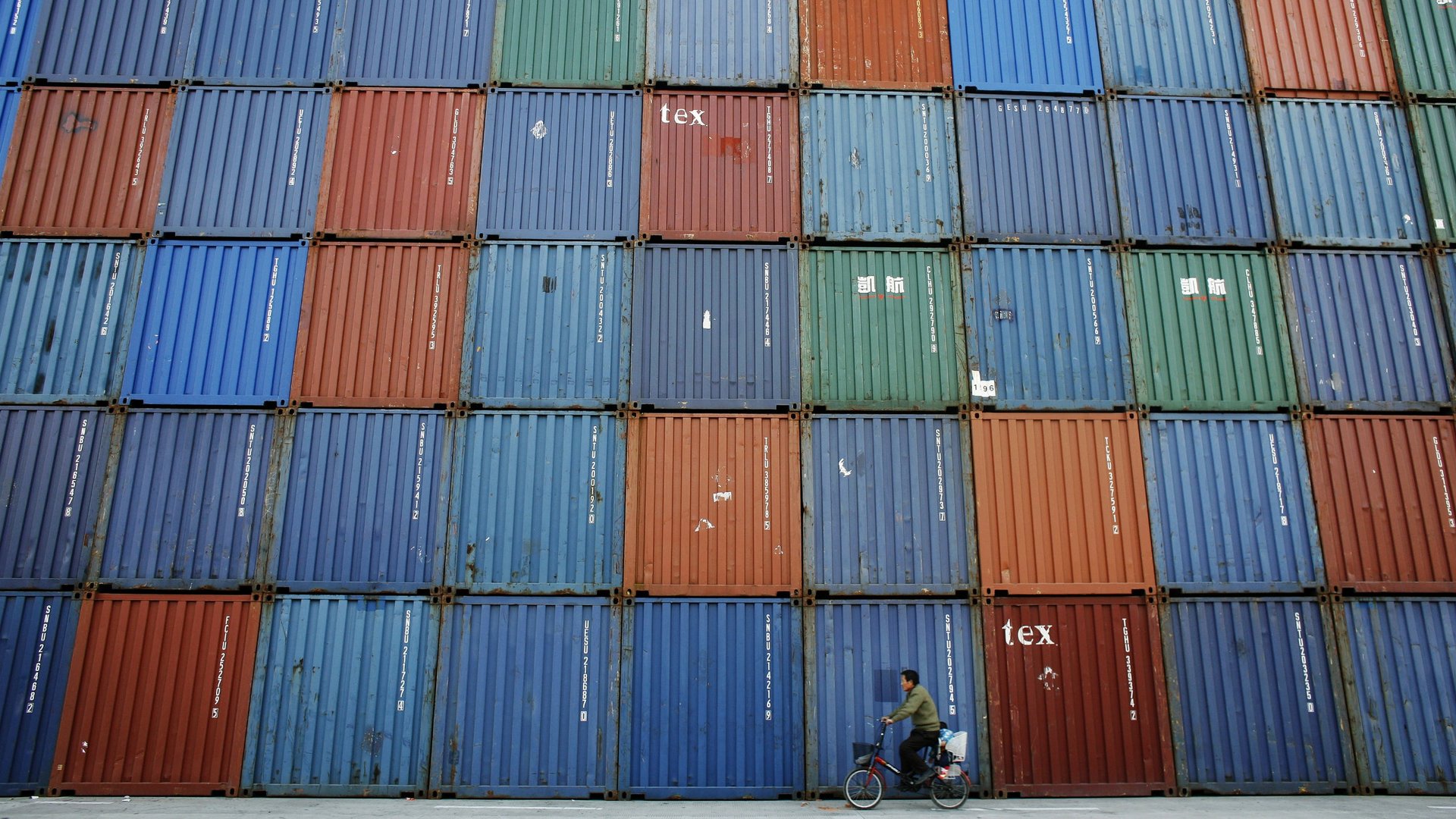
The world is anxiously waiting for China’s Q2 GDP, which it announces July 15. That’s why export data that China’s customs authority just released are particularly important. Because net exports have become an increasingly heavy drag on China’s GDP growth, June’s data offer a preview of what to expect next week.
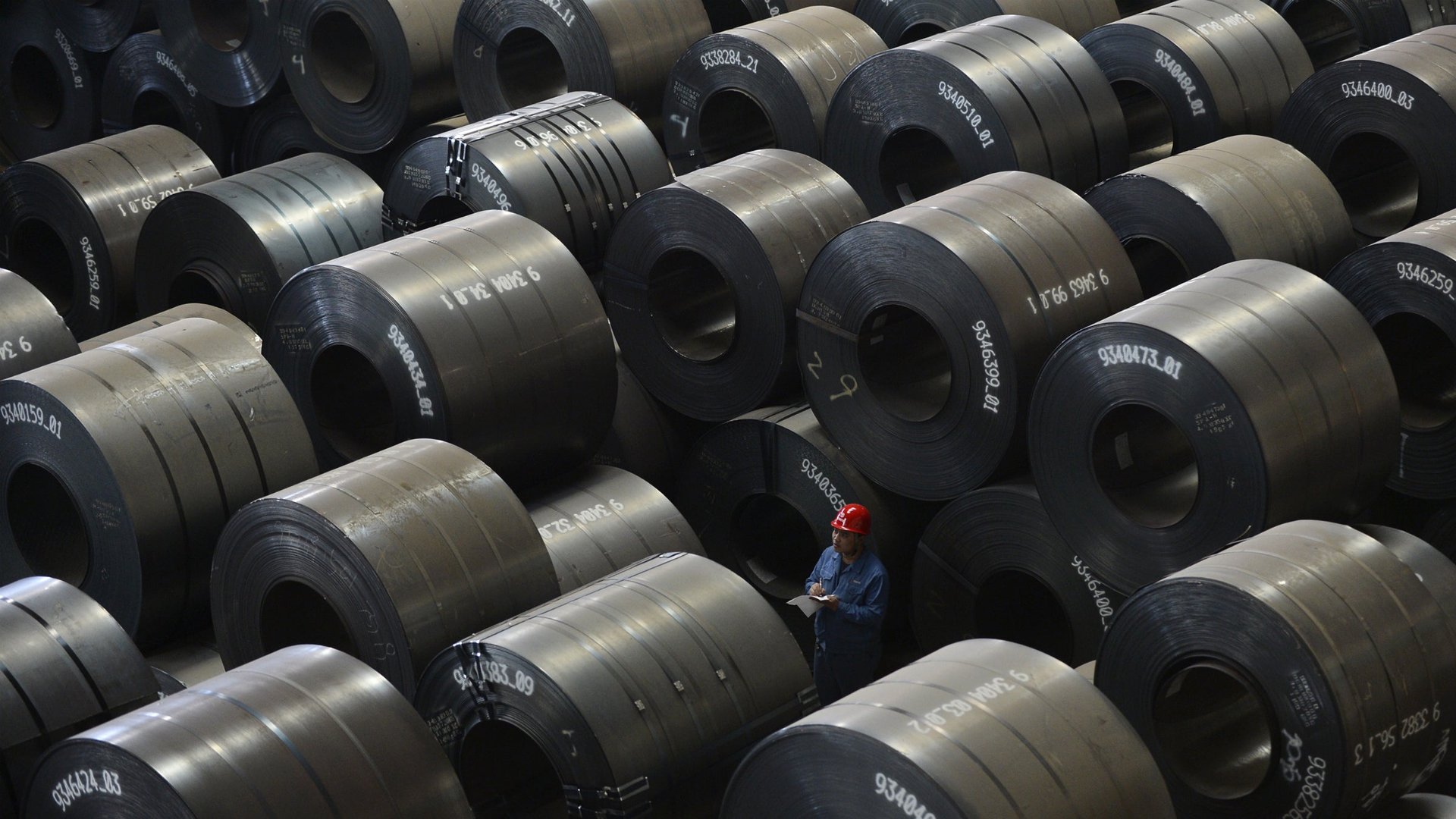
Chinese demand is slowly collapsing, as June’s produce price index (PPI) showed today. PPI slipped another 2.7% in June, compared with the same month last year. That was the 16th consecutive month of falling producer prices. Here’s a look at how that’s been going:
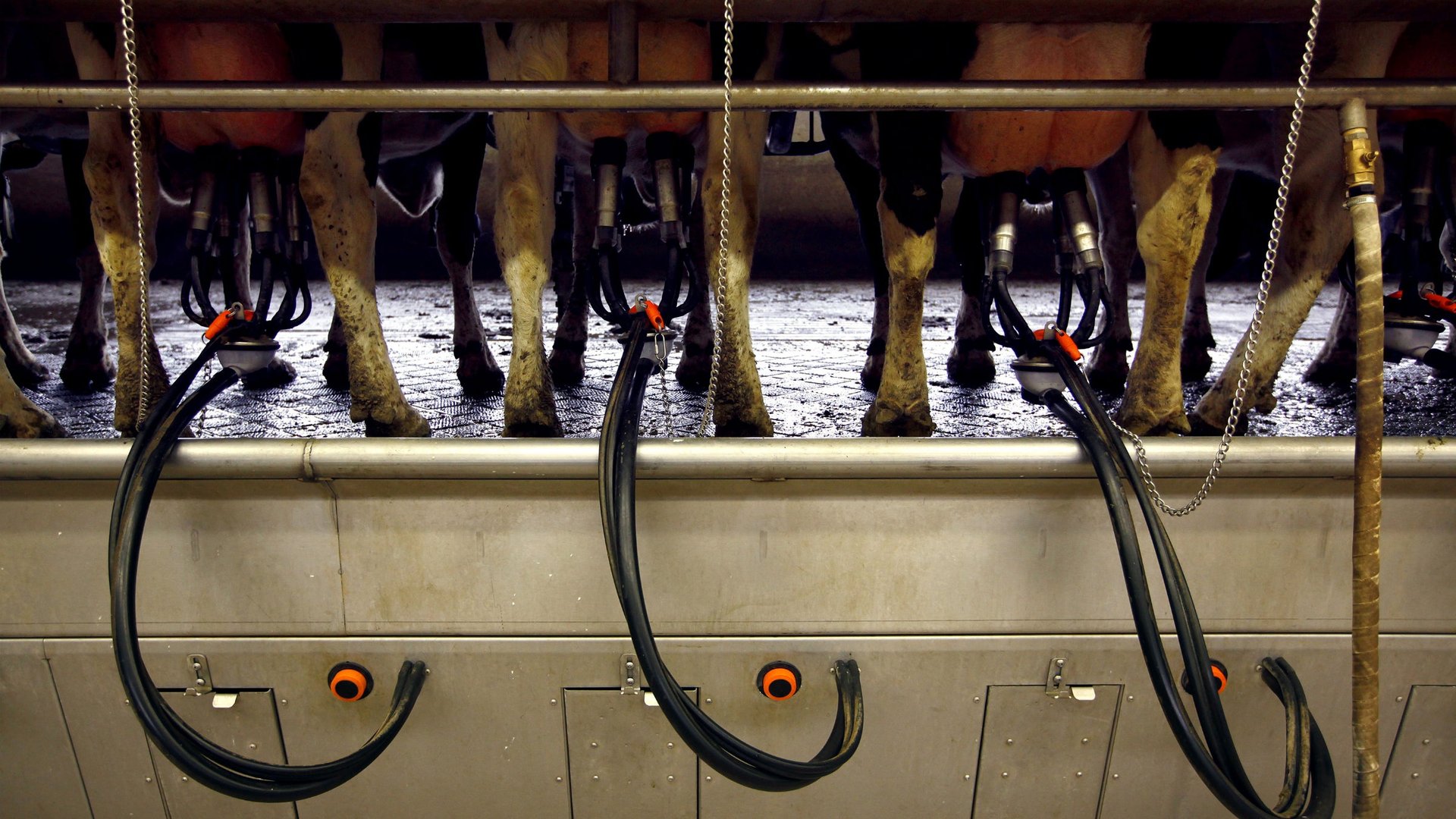
A week after the Chinese government launched a probe into price-fixing for baby formula, Switzerland’s Nestlé, the Netherlands’ FrieslandCampina and France’s Danone have already bent to pressure (paywall) to lower their prices, as has a leading local manufacturer that wasn’t even named in the original probe. Other foreign companies under investigation—US companies Abbott and Mead Johnson—will probably follow suit. That could hurt some of them considerably. Mead Johnson, for instance, earns 30% of its revenue from China, according to FactSet, though not all of that is from baby formula.
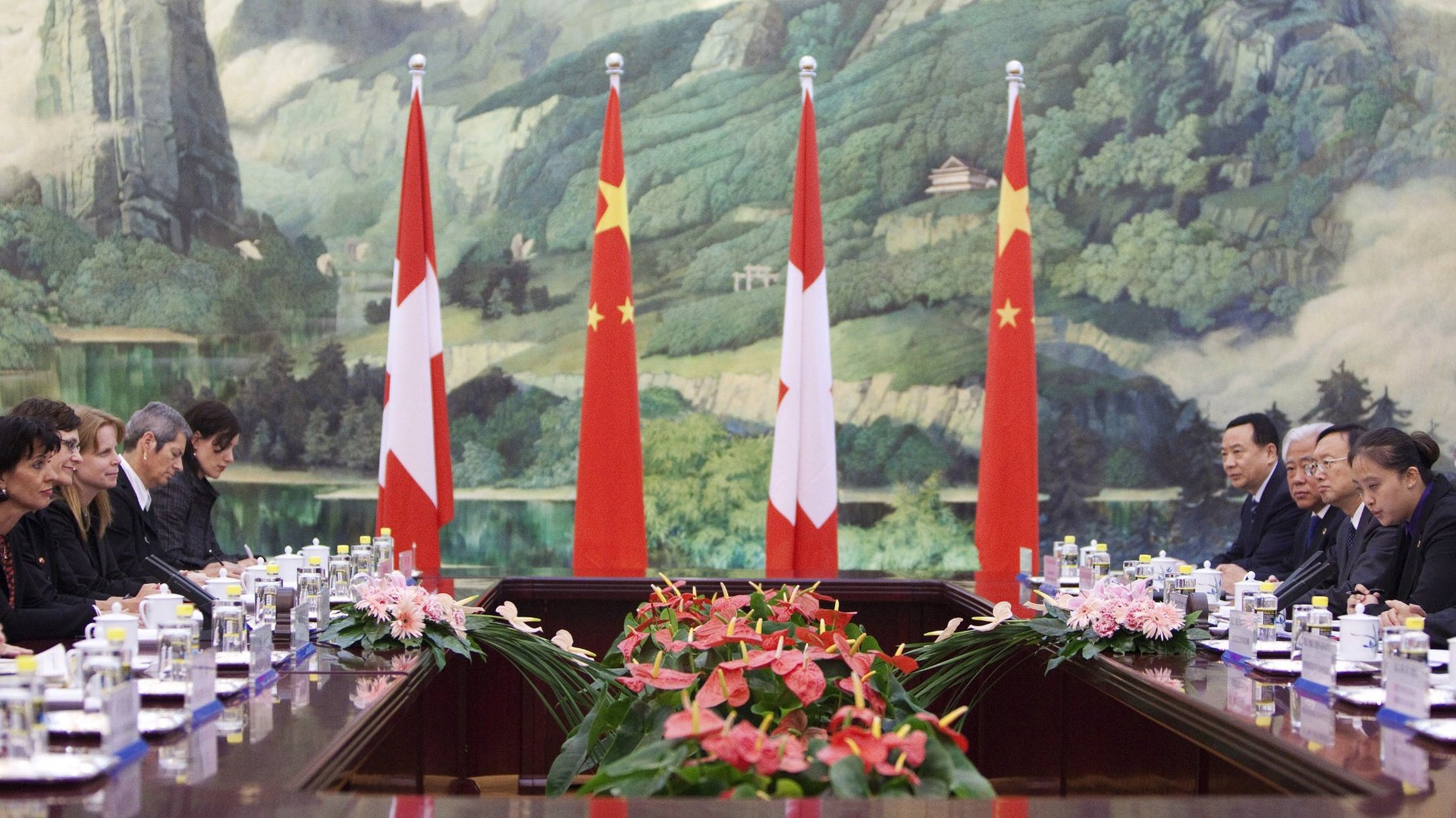
Swiss businesses are the new—and surprising—target of Chinese government scrutiny. Whether it’s a concerted effort or not, the timing is odd given that China and Switzerland are about to formalize a celebrated free-trade agreement. The alpine nation’s third-biggest export market behind the EU and the United States, China imported $8.6 billion in Swiss goods in 2012. Here are some of the Swiss companies in Chinese authorities’ crosshairs.
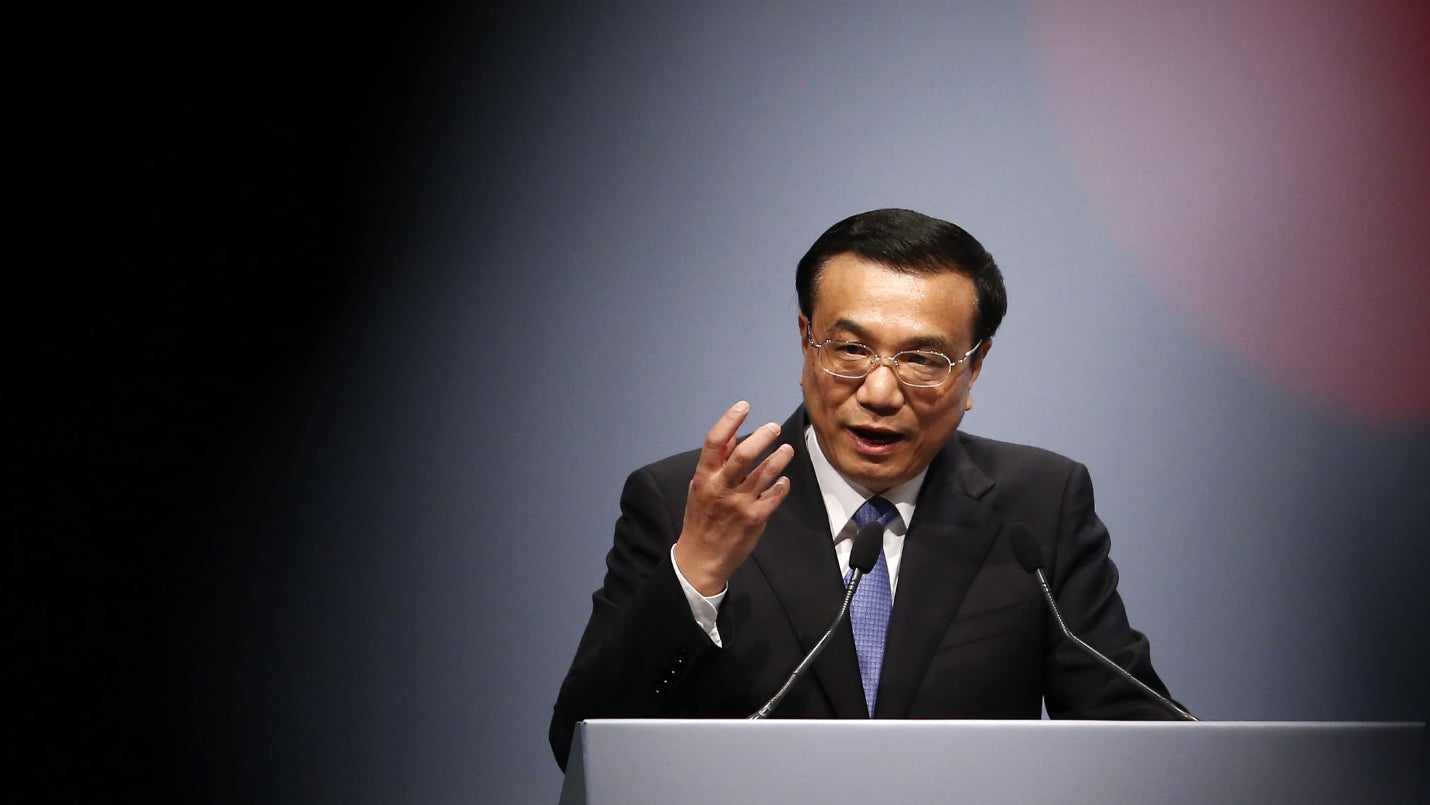
Move over Shinzo Abe. There’s a new eponynomics craze in town: Likonomics. This is not the economics of Facebook “likes”; it’s what Barclays Capital has christened the policies of China’s premier, Li Keqiang. (We think it really should be Liconomics or maybe LiKenomics, but it’s probably not worth quibbling about.)
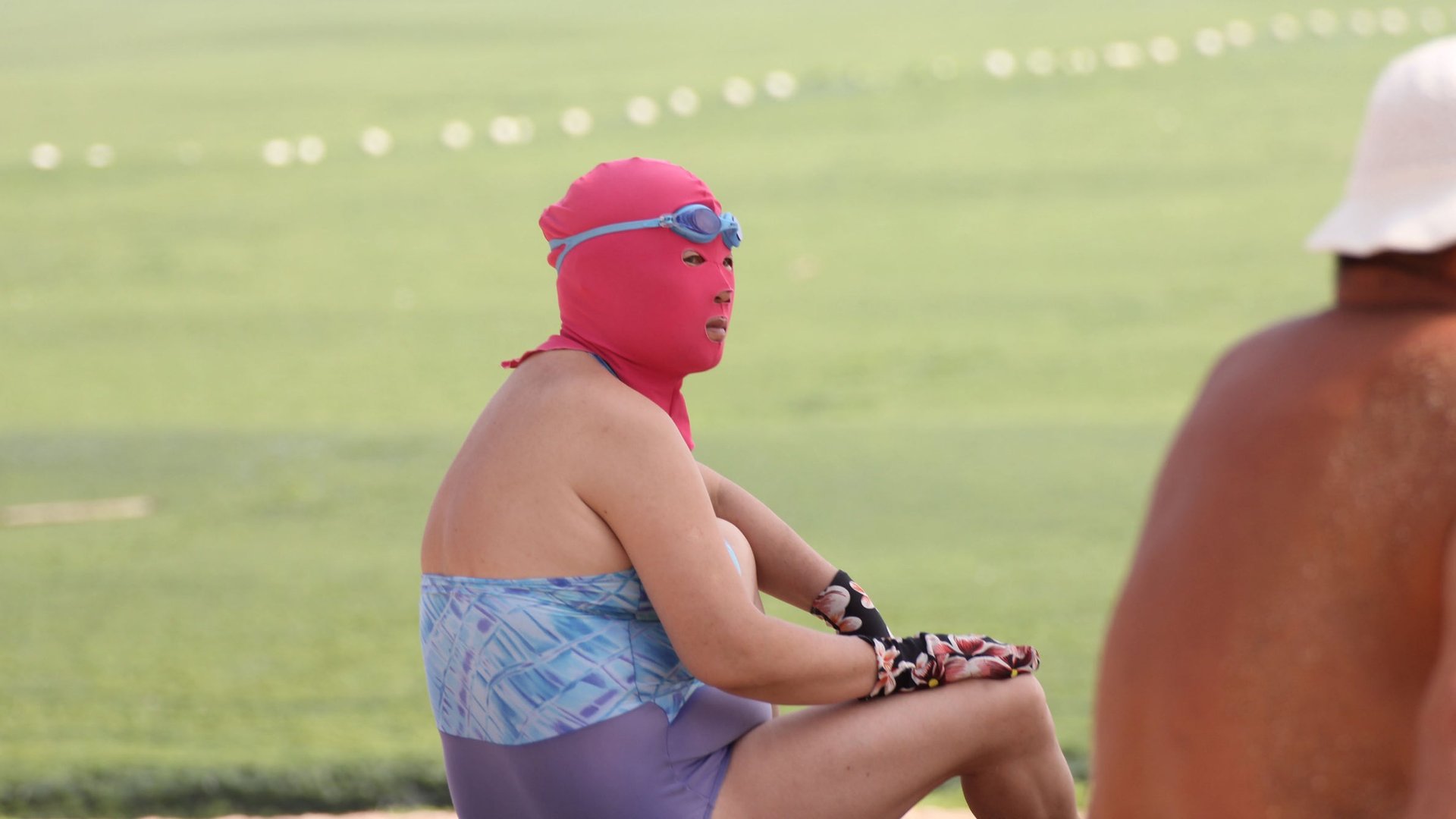
It’s beach season in Qingdao again. And that means the return of the most menacing sun-protection gear on the planet: the “bandit mask.” These masks are something of a local tradition among middle-aged and elderly women aiming to avoid suntans. (In China dark skin implies laboring, while fair skin indicates a life of indoor leisure.) Masks typically go for around $3, though many enterprising “aunties,” as older women in China are known, make their own.
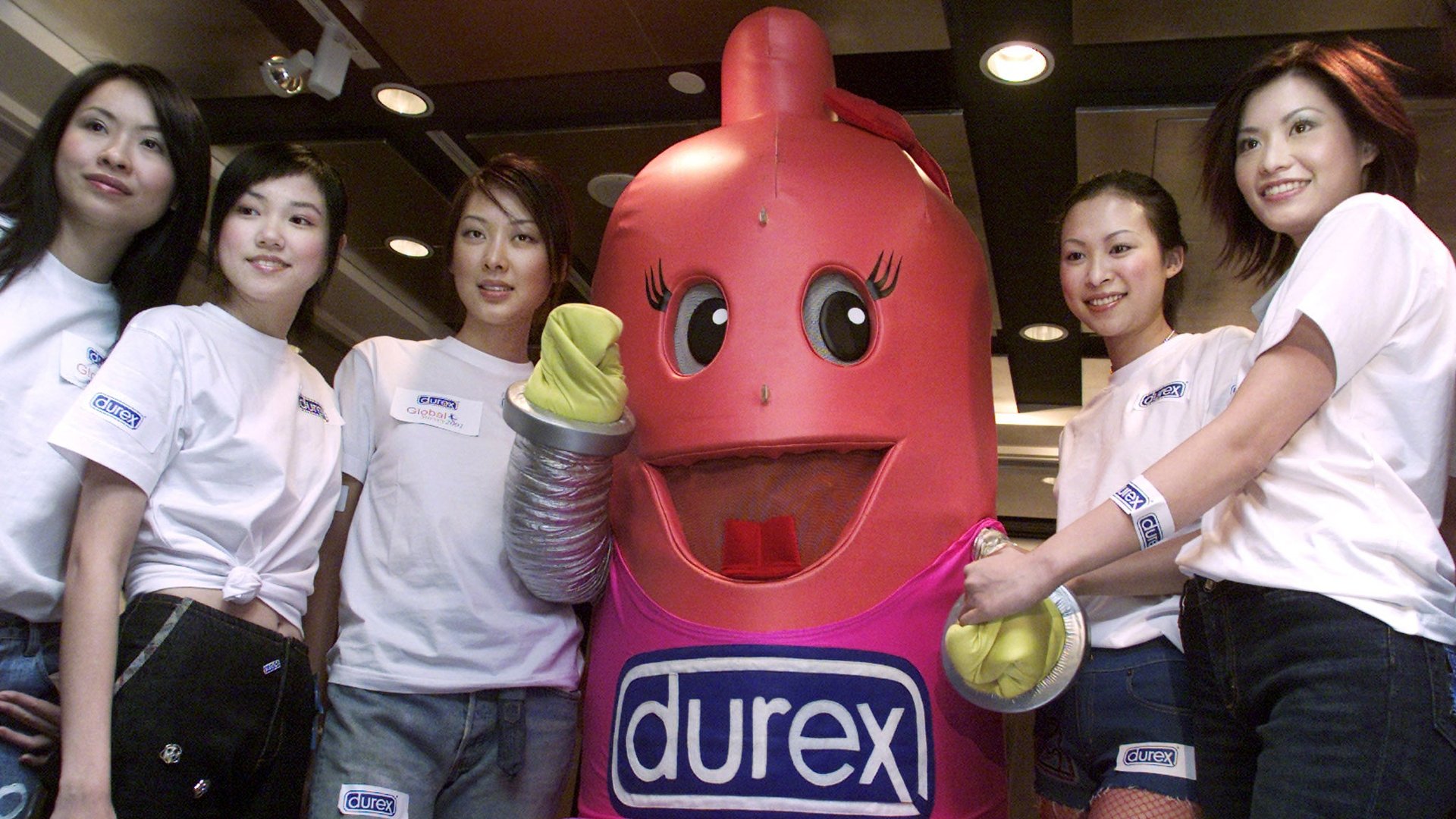
China is the fourth largest condom maker in the world, and yet its people don’t tend to use condoms—at least not until recently.
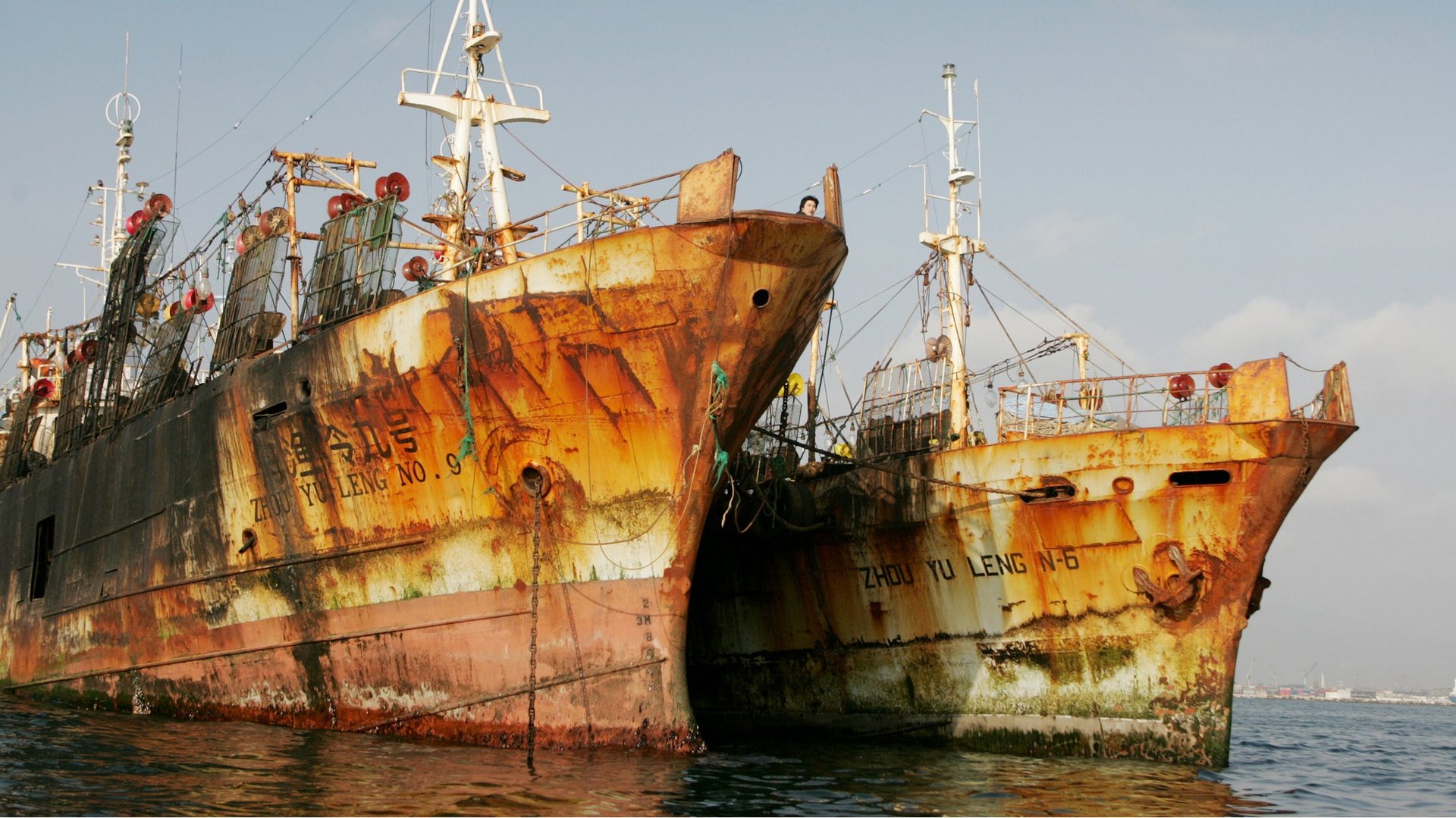
The world’s illegal fishermen never had it so good.