After firing up his first Weibo post (link in Chinese) last Friday, China’s General Luo Yuan is discovering the unsettling chaos of free expression—particularly that found online.

After firing up his first Weibo post (link in Chinese) last Friday, China’s General Luo Yuan is discovering the unsettling chaos of free expression—particularly that found online.

Are Chinese women getting a raw deal these days? Here’s some evidence of “yes.”

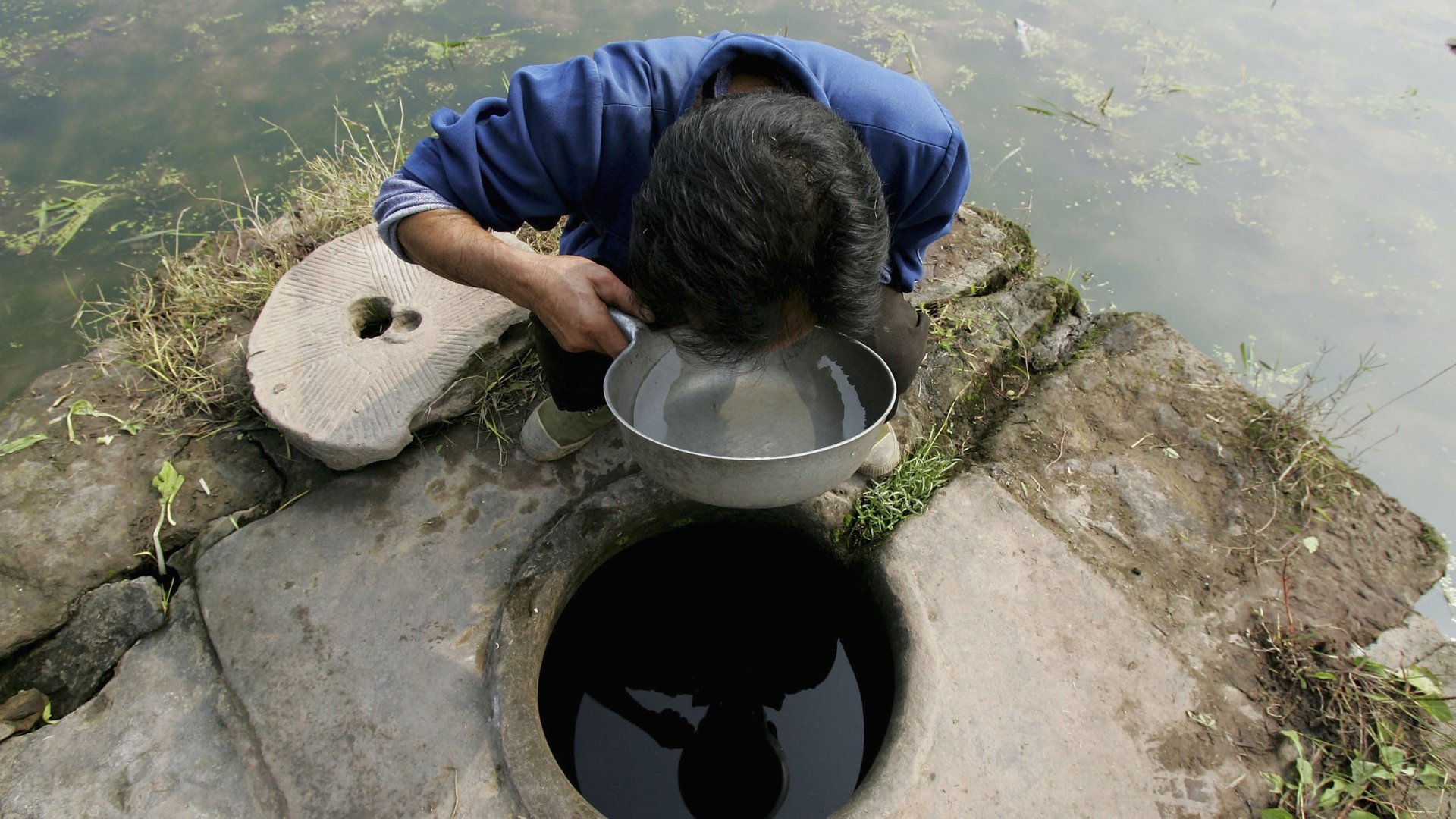
China’s “growth at all costs” approach to development has meant industries can spew waste pretty much wherever they want. Drinking water sources? Sure. Farmland? Fine. That approach has poisoned entire towns, sending cancer rates soaring.

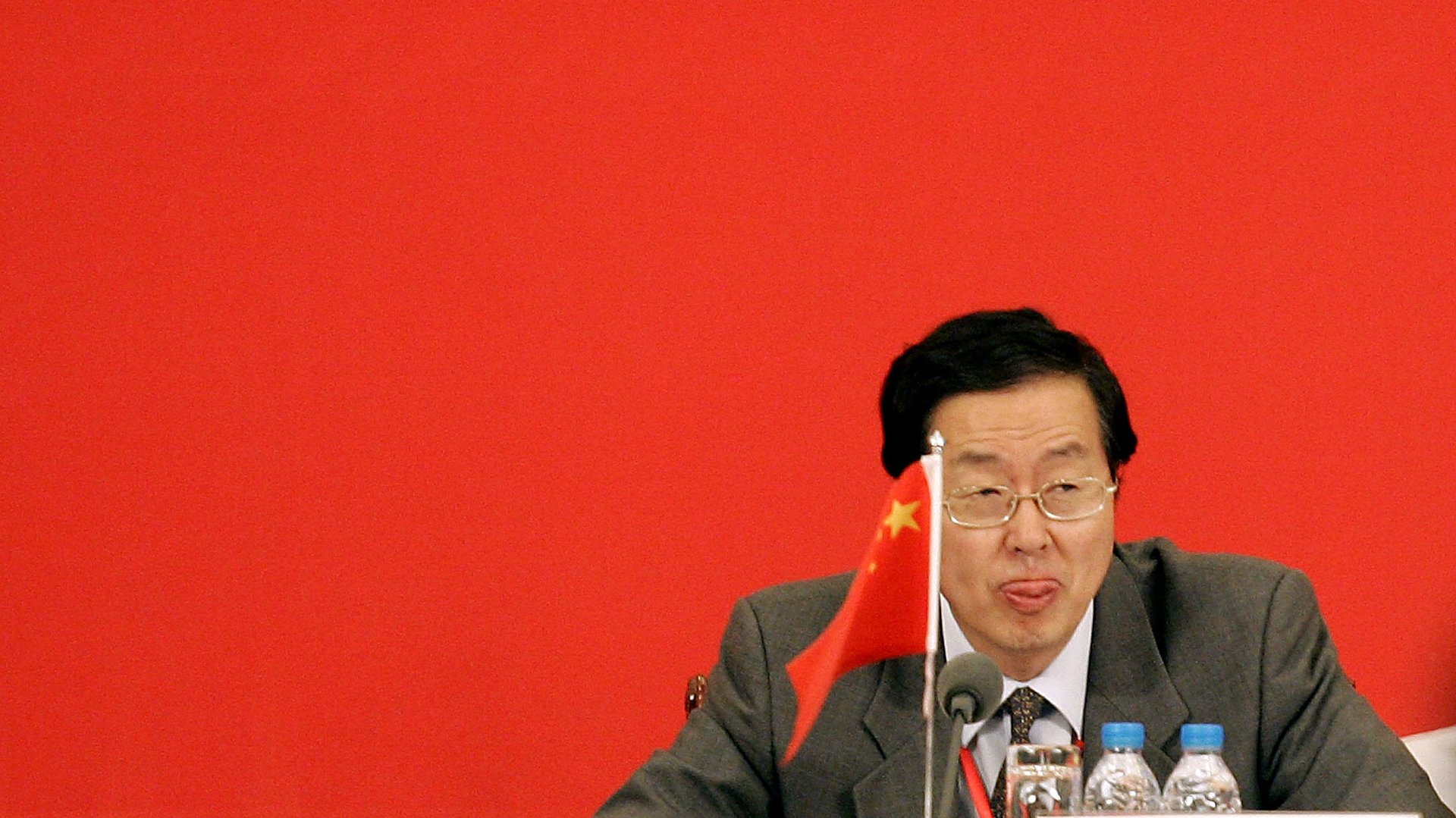
So Zhou Xiaochuan, who was supposed to retire soon as head of the People’s Bank of China (PBoC), the central bank, is staying put—or so government sources say. (We find out for real likely before the 18th National People’s Congress convenes on March 5.) Here’s what you need to know:

Is Walmart the big blue canary in the US’s economic mineshaft? The case has been made that it is, with even the Federal Reserve using its performance to divine labor and consumption trends.

Bulgaria’s prime minister, Boiko Borisov, stepped down unexpectedly today after several days of protests over electricity prices, corruption and austerity.

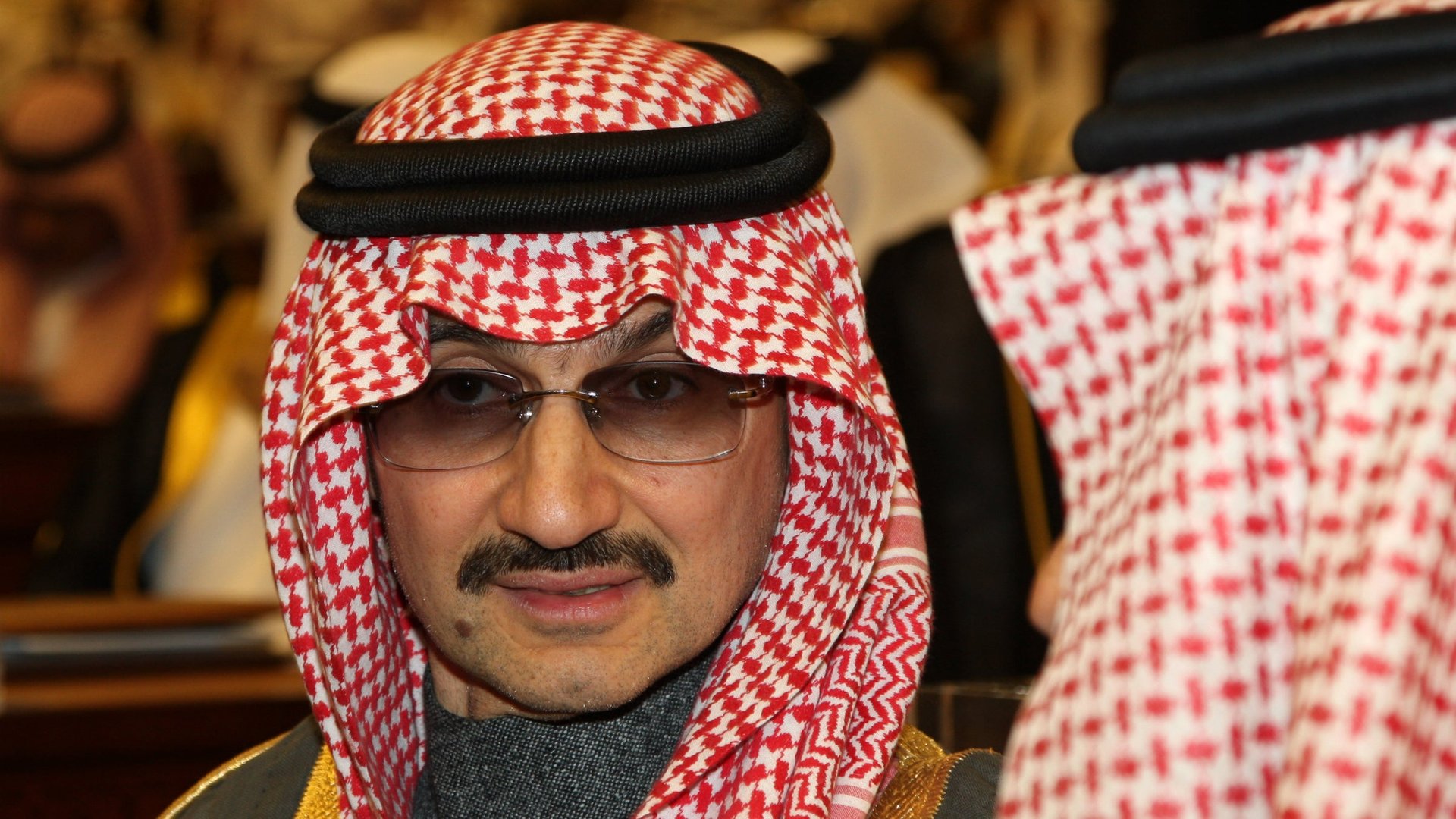
China’s 360buy is on a fundraising tear. The company, which is one of China’s leading online business-to-consumer retailers, just closed a $700-million round of equity financing that included investment from Saudi billionaire Prince Alwaleed bin Talal. (You may recognize Prince Alwaleed from his investment in Twitter, News Corporation, and various other tech and media companies and hotel chains.) Just last November, 360buy raised around $400 million. And nearly two years ago it drummed up a whopping $1.5 billion. Its investor roster is similarly impressive: it includes the Ontario Teachers Pension Plan, the Tiger Fund, Sequoia Capital, Wal-Mart and Russia’s Digital Sky Technologies.

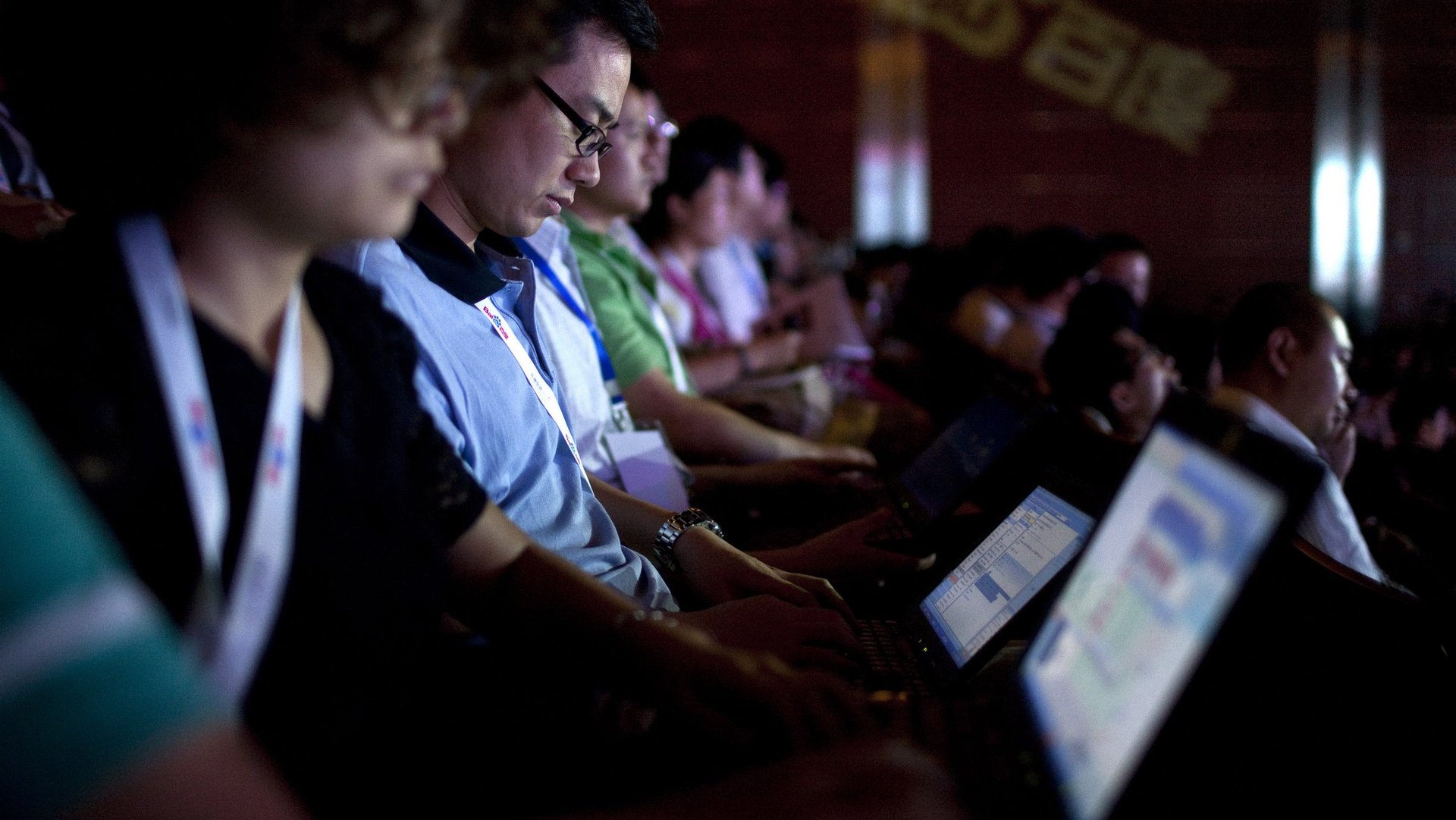
As its censorship prowess has shown, the Chinese government is great at removing things from the Internet. What it’s not so great at, though, is creating things. Things that its people might plausibly want. Things that other businesses would eventually want to spend money on.

Swiss pharmaceutical company Novartis was to pay its outgoing chairman $78 million for a six-year consulting and non-compete agreement. No longer! Now both the company and chairman Daniel Vasella have changed their minds.

In a sign that China’s home loan market is heating up once again, municipal government regulators in three of China’s richest provinces are tightening credit availability, reports the Financial Times (paywall).

We’ve discussed India’s and Russia’s gold mania. Now it’s China’s turn. Today (Feb. 18), trading volumes for the Shanghai Gold Exchange (SGE) benchmark cash contract hit an all-time high. Not that that’s exactly surprising—as global gold prices slid 3.4% on the global spot market last week, Chinese traders were blissfully sipping rice wine in their hometowns while on Lunar New Year holiday. They returned today to a buying opportunity.

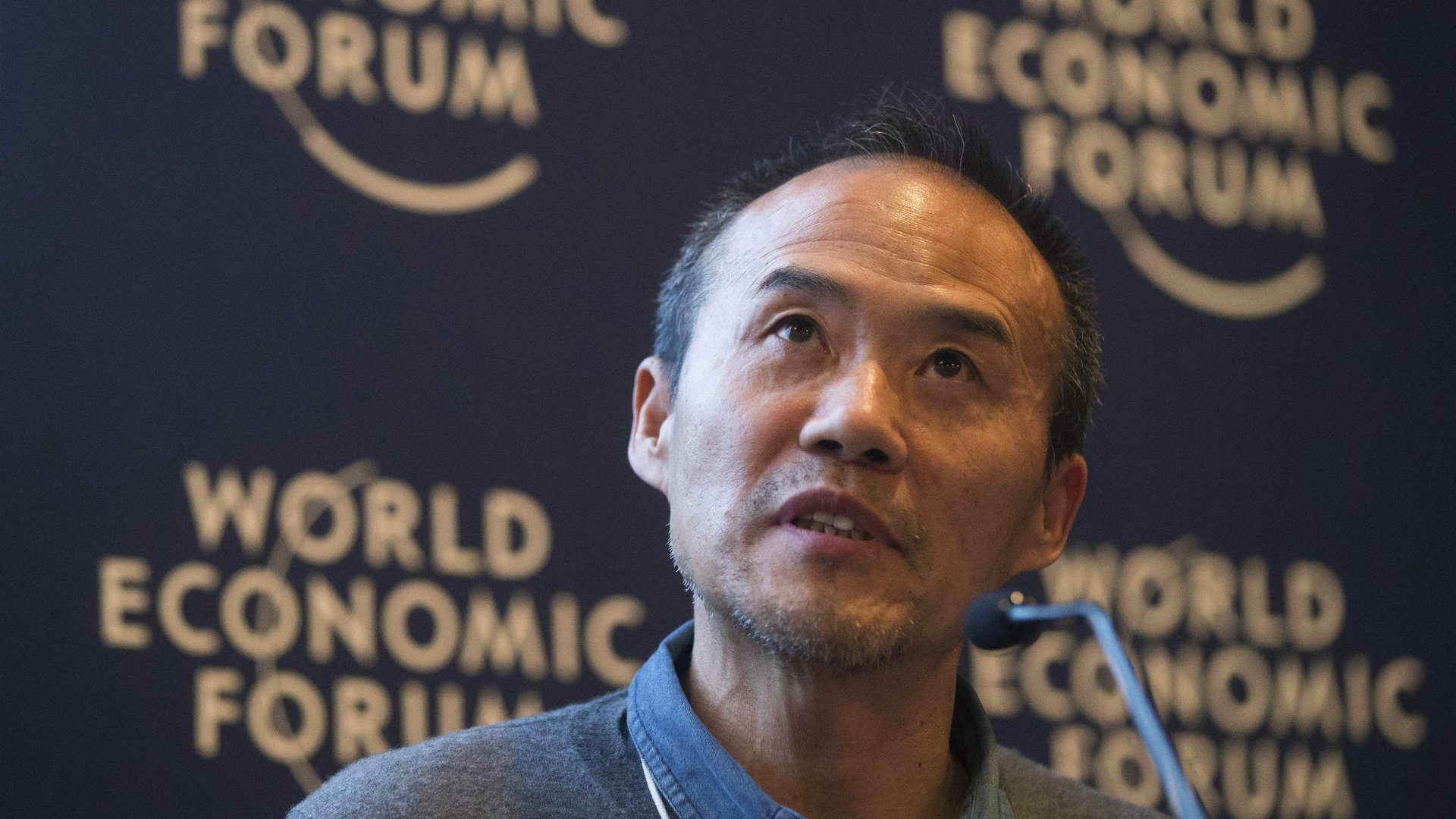
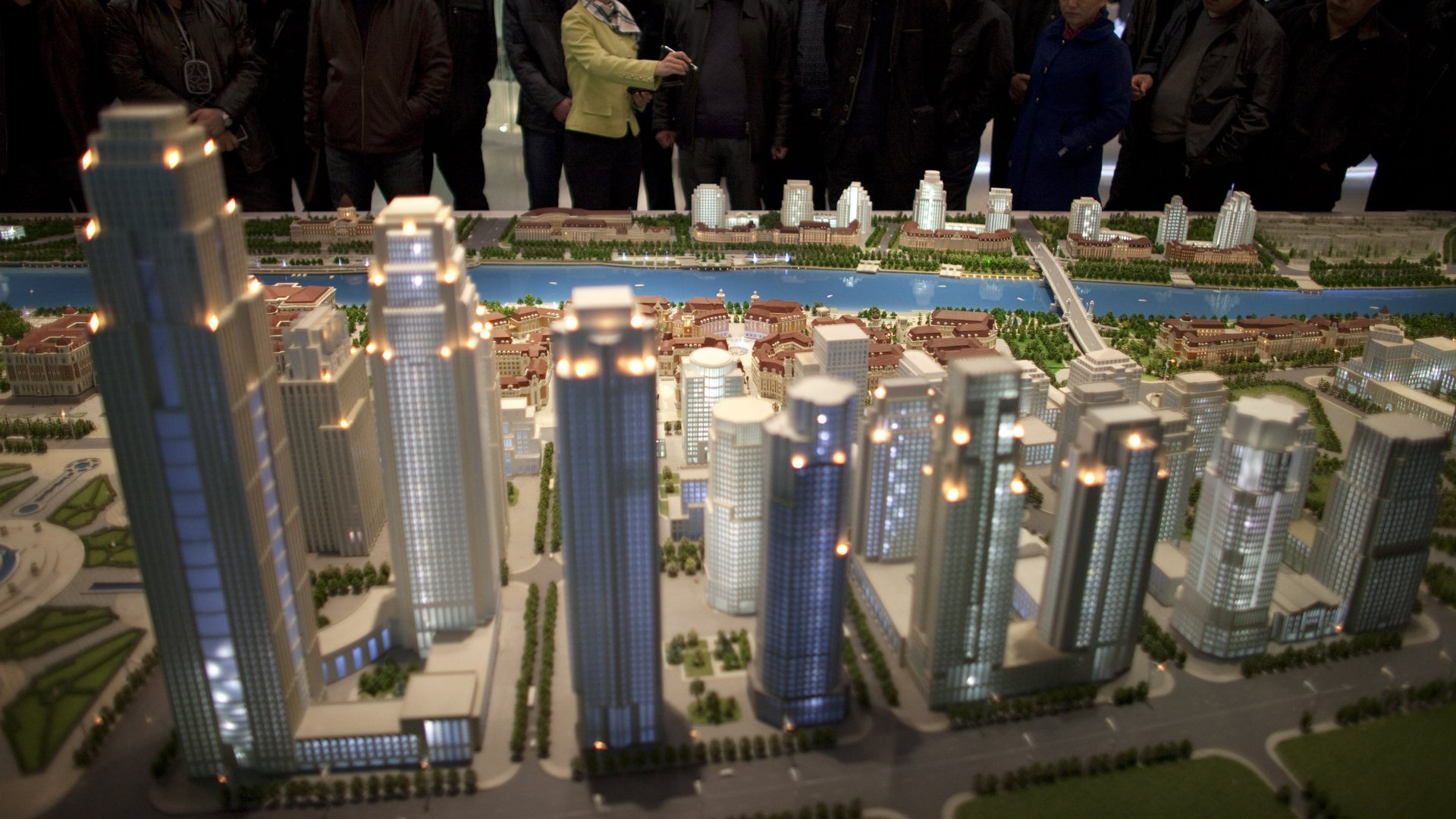
The biggest residential property developer in China is making its first investment in the US. China Vanke will take a 70% stake in a San Francisco residential developments launched by Tishman Speyer, the US’s biggest commercial property developer, which will keep the remaining 30%. As the Financial Times points out, the deal size wasn’t publicized, but it was small enough that Vanke announced it on its chairman’s microblog (paywall), and not in securities filings.

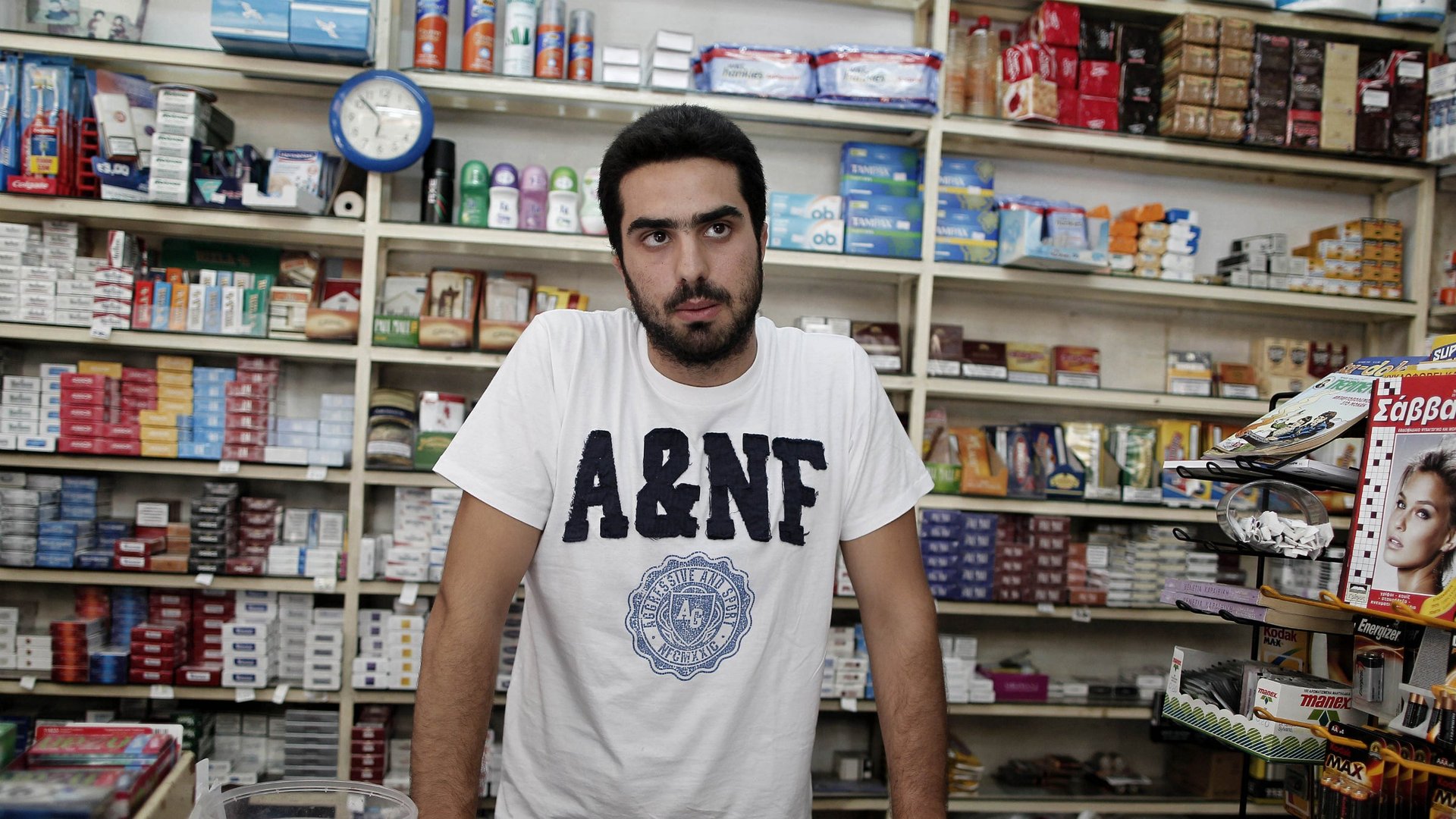
Greece’s consumer prices are the same as they were a year ago, figures last Friday (Feb. 15) showed. Inflation in Greece hasn’t been this low since 1996. Here’s how that compares to the euro area:

China’s on another resources binge. Fresh off the success of Cnooc’s acquisition of Canada’s Nexen, Citic Resources and its parent, Citic Group, are taking a 13% stake in Australia’s Alumina for $468 million. This is the latest in China’s overseas acquisition spree. In 2012, Chinese companies announced just more than $60 billion in mining and energy purchases, if you include the Nexen acqusition, reports Bloomberg.

For the romantically inclined, Valentine’s Day always brings with it some degree of pressure—not least for online daters trying to separate the wheat from the cyber-chaff. Here are some potentially useful data points for those strategizing Internet-assisted romances today:

Because of Europe—where sales fell 18%—Renault’s profits dropped 15%. However, a bigger-than-expected uptick in operational cash flow drove the French carmaker’s shares higher today, up 5.5%.

Azerbaijan is planning to take some of its $34 billion in state oil wealth on a trip Down Under, where it will shop for real estate (paywall), as the sovereign wealth fund told the Wall Street Journal.

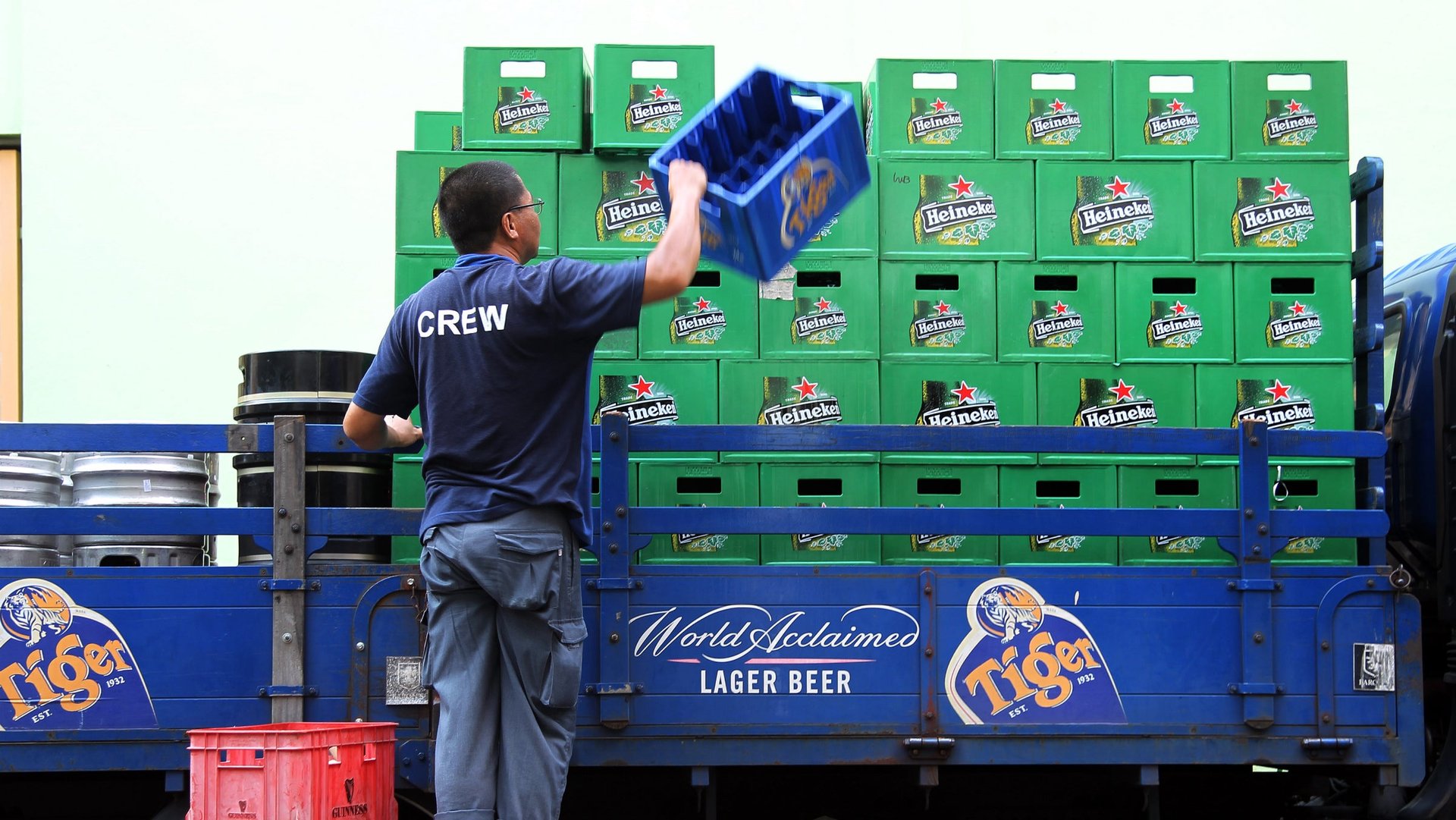
Emerging markets kept Heineken afloat last year, as Europe cut back on consumption. The beer company saw revenue up 7.4% to €18.4 billion ($25 billion) in 2012, beating analyst estimates.

As the global recession doused export demand in the end of 2008, China turned to bank loan-fueled investment to bolster its growth. That’s been particularly true for local governments. Under pressure to deliver high economic performance, but unable to issue their own bonds, local governments have sought financing—typically for infrastructure and real estate development—by hook and, increasingly, by crook. As the central government has tightened credit, though, local government financing platforms (LGFPs) have taken to issuing corporate debt instruments called ”enterprise bonds” to keep themselves flush.

As the media warns of a “currency war” that’s brewing, the finance ministers of the Group of Seven (known as the “G-7”) economies took to the ramparts today and vowed not to use fiscal and monetary policies to devalue currencies.

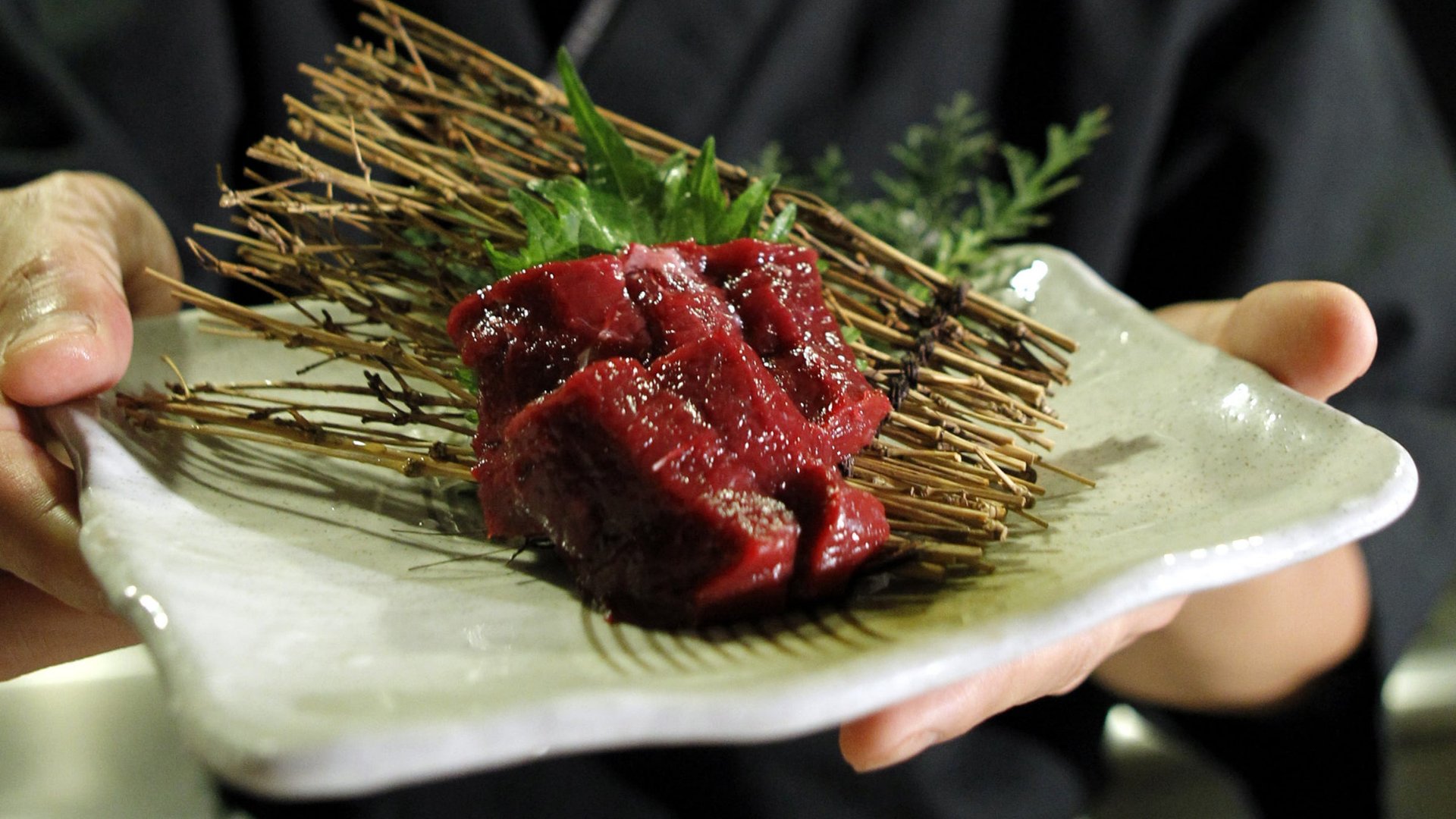
Japan is one of the only countries in the world allowed by international regulation to hunt whales for meat—known euphemistically as “by-product“—under the guise of scientific research. However, in the last few years, the Japanese whaling monopoly has been hobbled by an unexpected threat: Iceland.

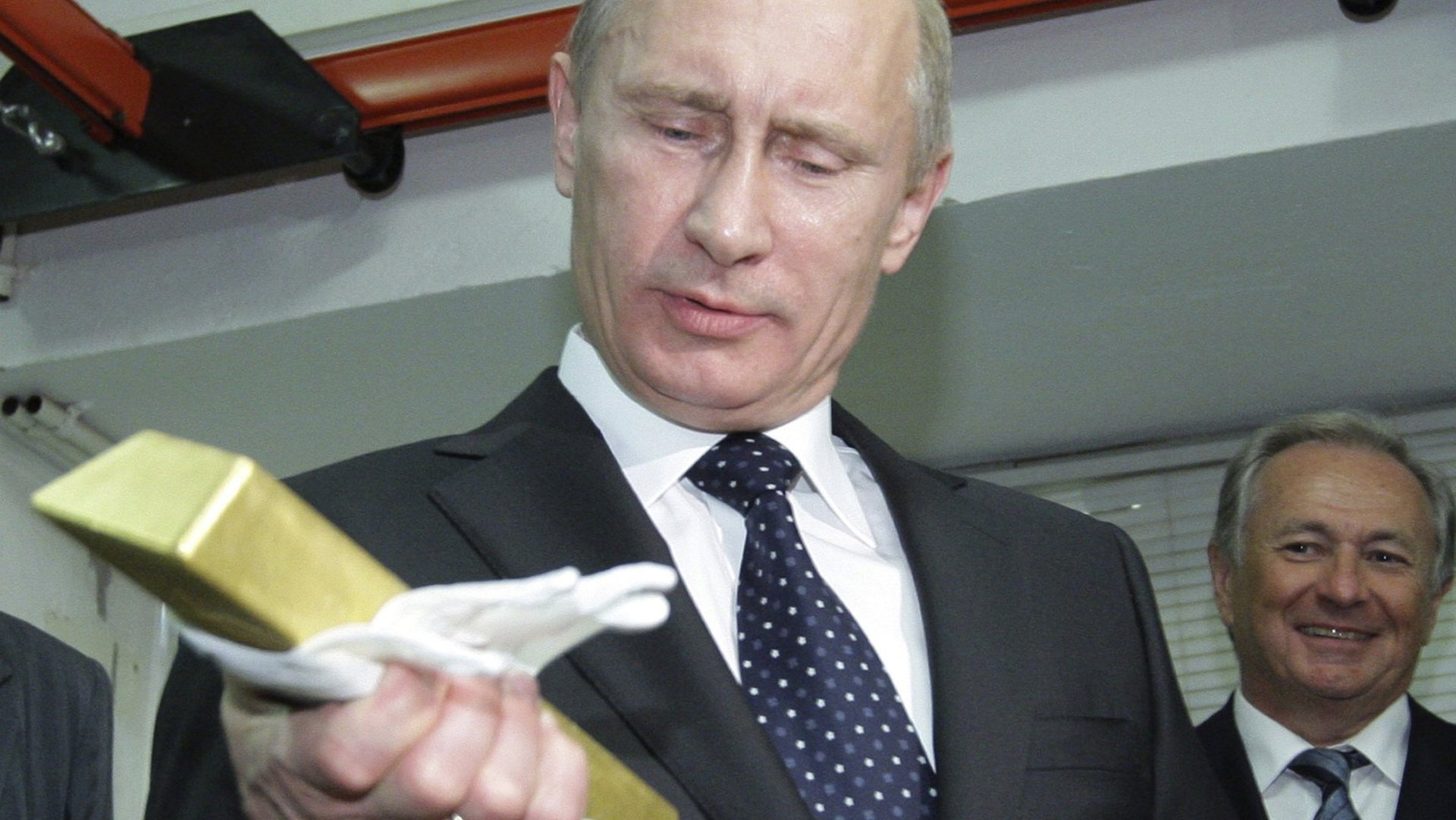
Russian President Vladimir Putin has been loading up on gold. As Bloomberg reports, the Russian central bank has amassed 570 metric tons of it in the last 10 years, making it the biggest global gold buyer.

This item has been corrected.

This item has been corrected.