

Tech & Innovation
Why you probably won’t understand the web of the futureThis item has been corrected.
Updated July 21, 20225 min read
This item has been corrected.

At the beginning of last year, barely 318,000 of Britain’s 83 million mobile phone subscribers used a 4G LTE network, the fastest that exists today for mobile broadband internet. By the start of this year, that number had grown to over 6 million. Unfortunately, as more people come onto the new network, the average speed they’re receiving has declined—mostly due to congestion.

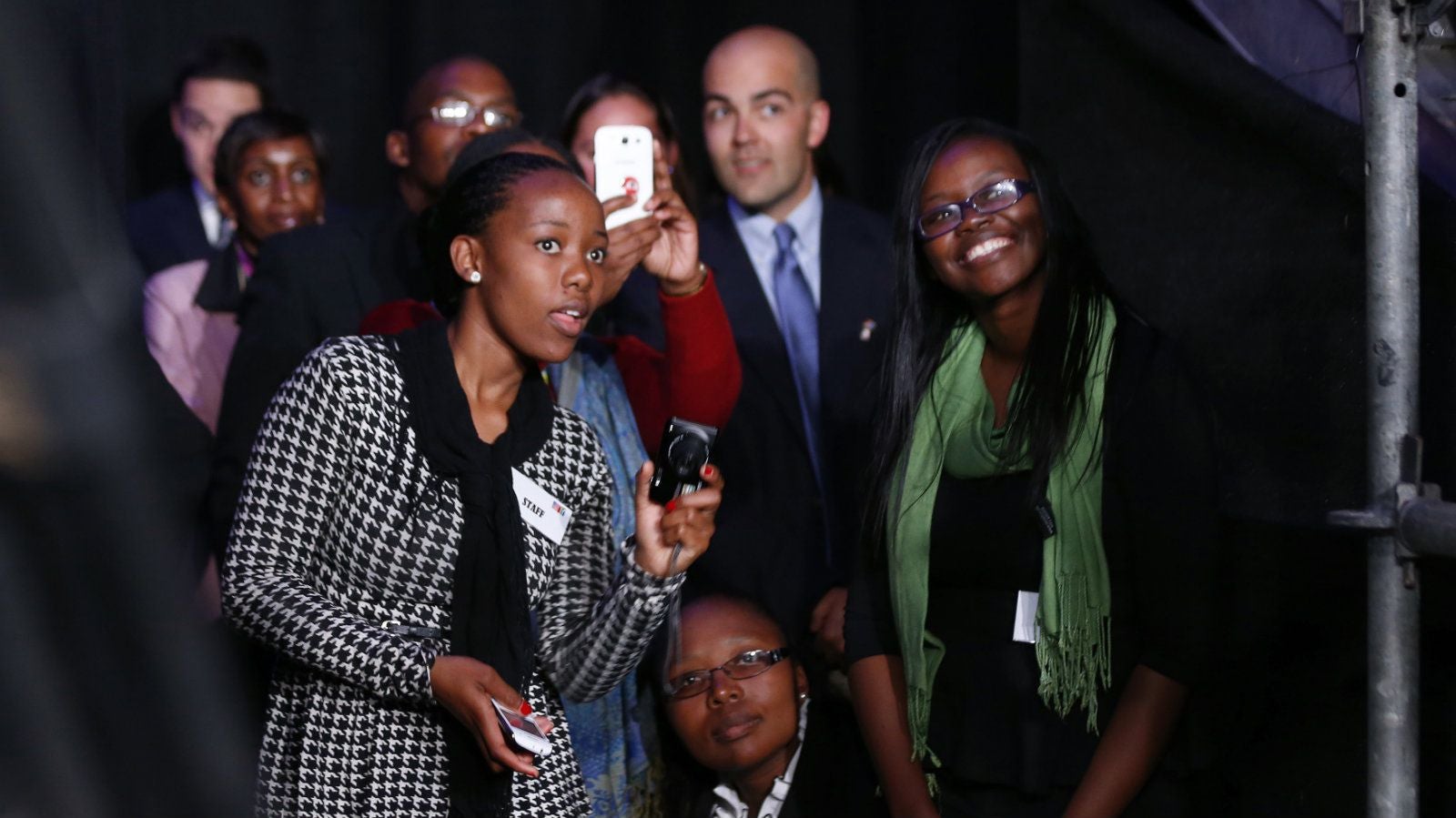
Western CEOs do all sorts of things to appear friendly and local when they travel to the developing world. Virgin’s Richard Branson once showed up in India wearing a turban and playing a dhol while sitting atop a creaking Mumbai taxi. Facebook’s Mark Zuckerberg impressed Beijing by speaking Chinese. Jeff Bezos rode up in a brightly painted Indian lorry, inexplicably wearing formal wedding attire (photo above).

Not many people have heard of Gigya. Yet millions of people unwittingly use it every day. That’s why it just raised another $35 million, a nice boost to the $70 million it has already raised.
Morgan Stanley has a fascinating deep dive this week into the world of online advertising. Analysts at the bank looked at Facebook, Google, and Twitter to get a sense of how online advertising, and by extension the business model of the web, is developing in the forthcoming years.
South Africa got its first mobile phone connections in 1994, with services from Vodacom and MTN. The price war started even before services went live, with both providers cutting their rates just before launch to 1 rand ($0.27 then, $0.09 today) per minute at peak times and half that during off-peak hours. Each also charged roughly 125 rand (before tax) as a monthly subscription fee.
Bluetooth beacons. Wi-Fi. The NFC technology used in contactless payments. Video cameras. Heat sensors. Facial-detection cameras. Eye-trackers.

On Christmas Eve in 1968, the astronauts of Apollo 8 saw a sight hitherto unseen by human eyes: The earth rising over the horizon of the moon. The photo that lunar module pilot William Anders took that day became one of the defining images of the 20th century, and forever changed the way humans saw their own planet.

Many in the tech world have predicted that this will not be the year of wearable technology, but the year the hype dies down. In the summer, Gartner, a research firm, published an updated version of its “hype cycle” chart, placing wearables at the precipice of the “trough of disillusionment,” supporting that theory.
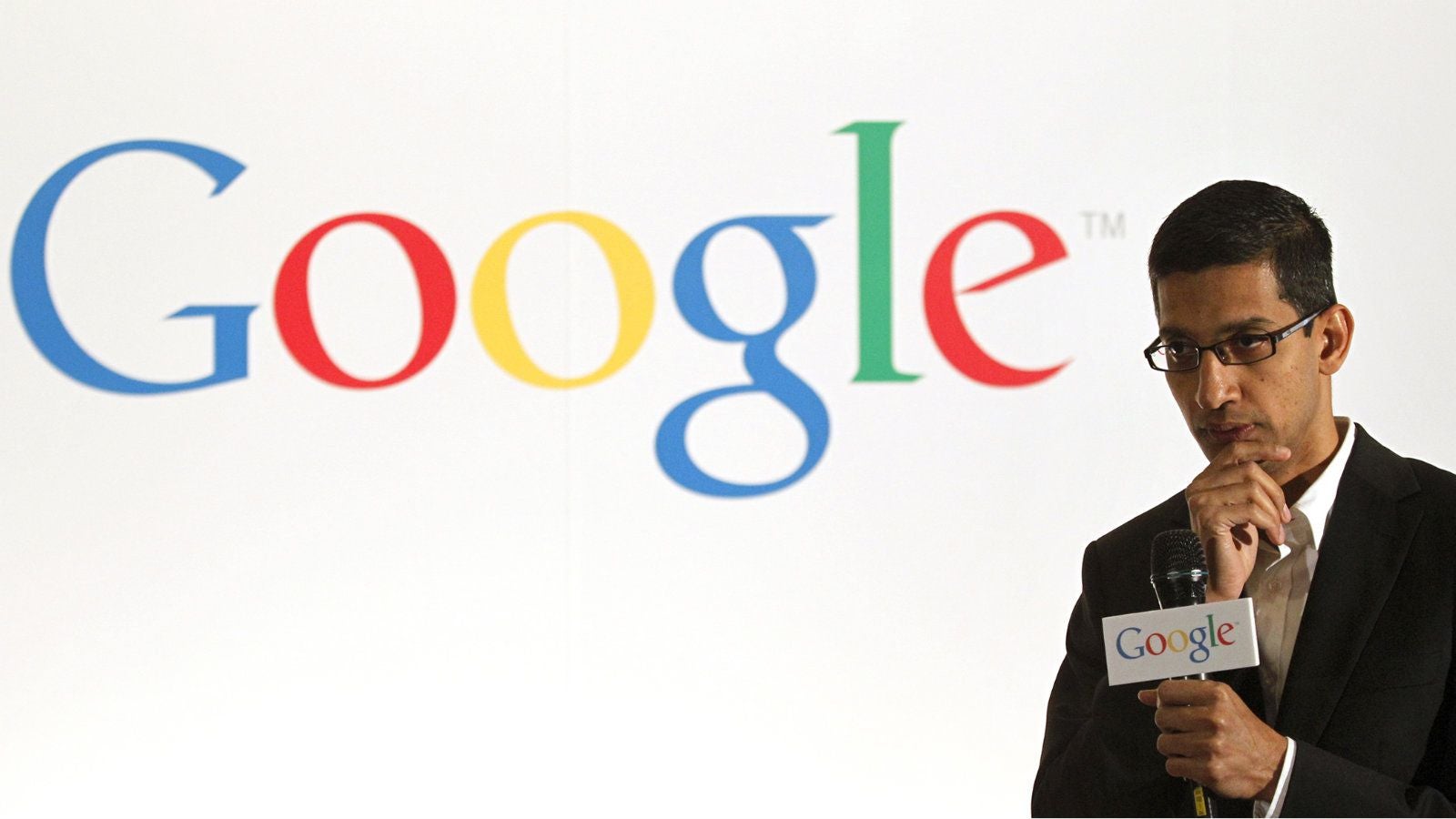
Google is stumbling. Earlier this month the company disappointed shareholders with underwhelming quarterly results. The amount of money it makes each time somebody clicks on an ad has steadily fallen for the past three years.
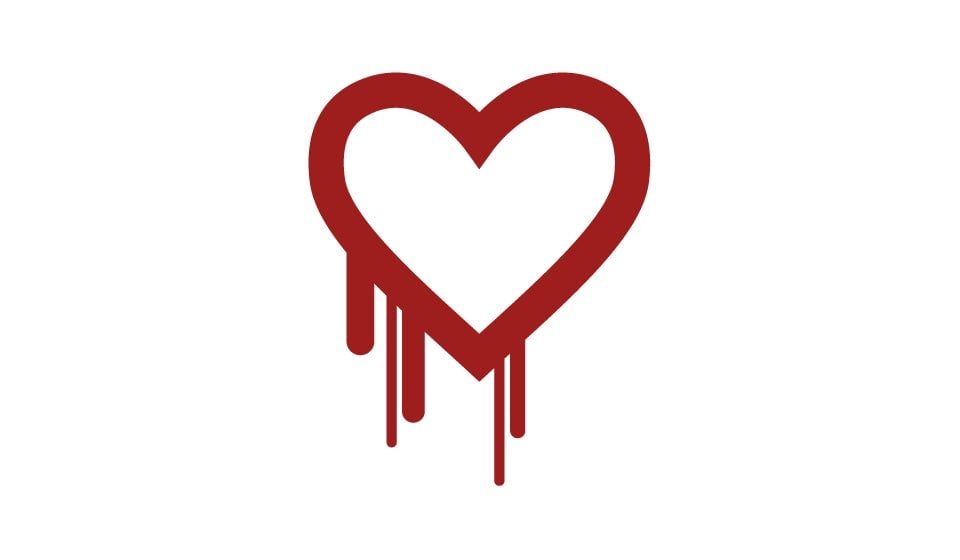
Six months ago, when the Heartbleed bug threatened your bank account, your passwords, and your online life, people suddenly cared about OpenSSL, the open source version of crucial security standards that keep safe huge swathes of the internet. They wanted to know what it all meant and who was responsible for keeping them safe. (As it happens, the people most closely involved were two middle-aged guys called Steve.)

Google has been trying to reinvent email for years. Five years ago, Google launched Wave, which at the time spurred breathless articles about redefining email. A year in, Wave was shut down.
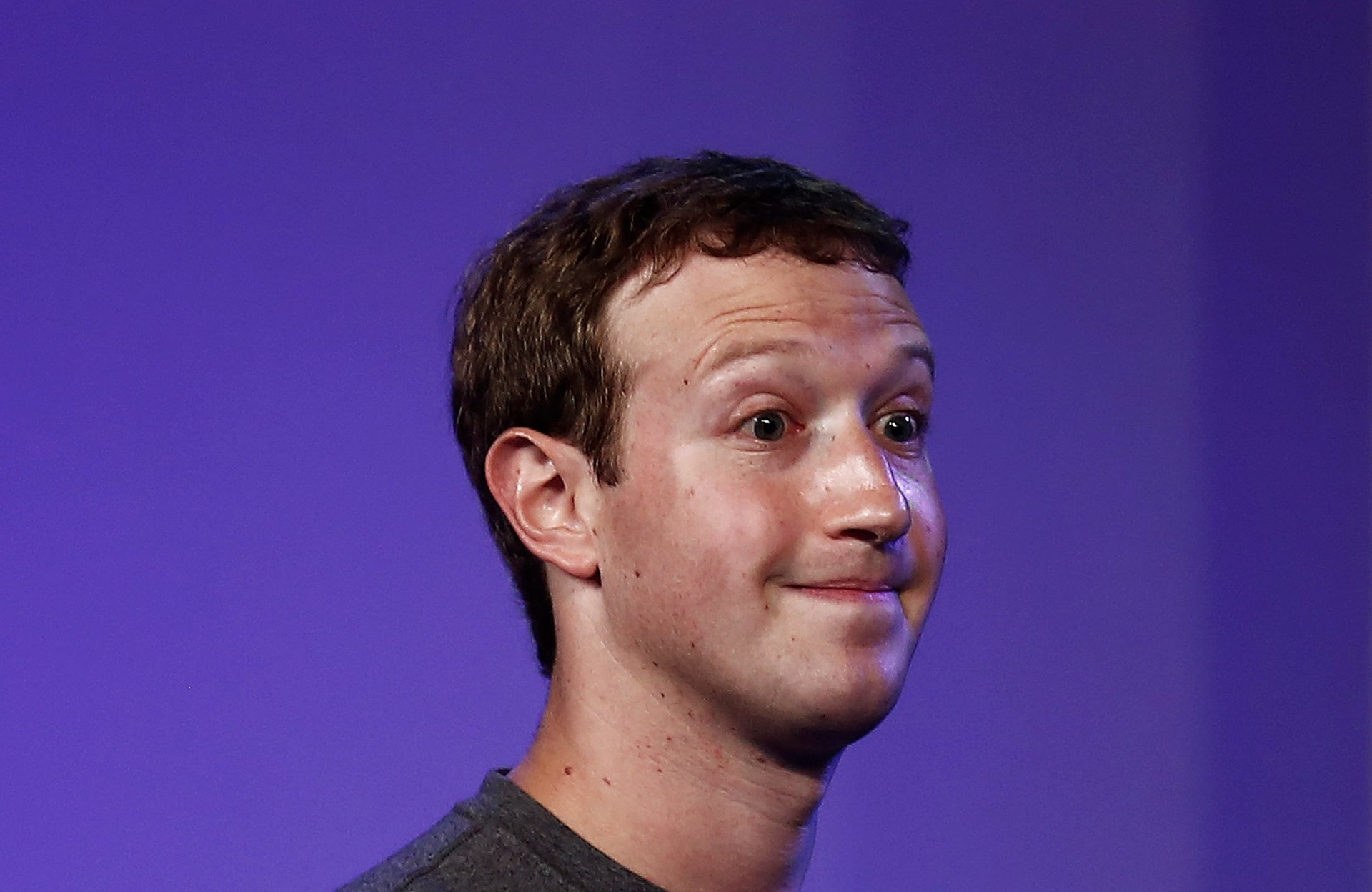
Facebook’s corporation tax in the United Kingdom for 2013 came to a grand total of £3,169 ($4,005). The company also received £185,196 in credits from previous years, leaving it with a credit balance of £182,027, according to documents filed with Companies House on Tuesday, Oct. 21.
London’s technology startup scene has been a magnet for venture capital this year, attracting more than $1 billion through September—10 times more than in all of 2010. And its pull is getting stronger, judging not just by the available cash but by the widening range of sources eager to supply it.
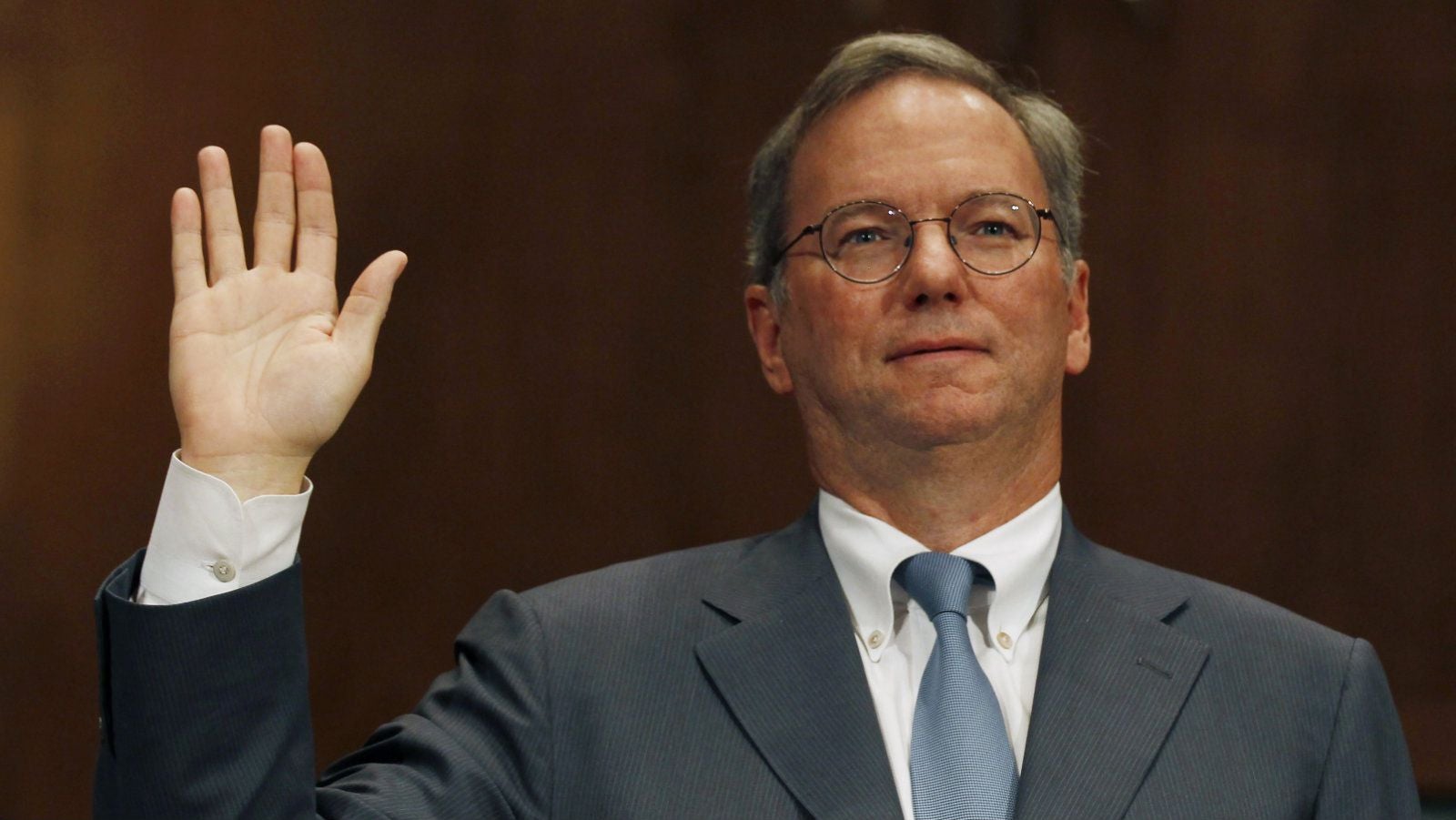
“The famous Google mantra of ‘Don’t be evil’ is not entirely what it seems.” Those words come not from a detractor of the company but from Eric Schmidt, its executive chairman, and Jonathan Rosenberg, an advisor to Larry Page, in their new book, How Google Works.

Early last year, fewer than 3 million people had signed up to use BlaBlaCar, a ride-sharing service from France. By September this year, the number was more than triple that, having just passed 10 million. A fifth of those use it every month. “I think we can build a 100 million or 200 million strong community in the next three years at the pace we’re growing,” says Nicolas Brusson, a co-founder of the start-up.
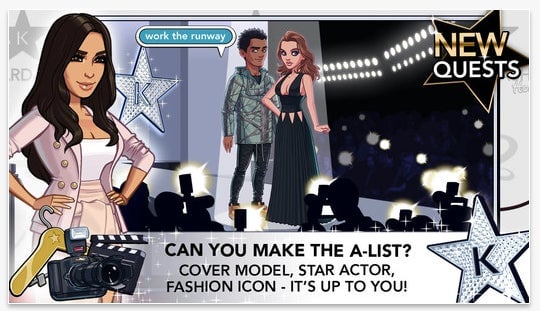
One of the most popular games on both iPhone and Android phones right now is a Kim Kardashian simulator. It’s called Kim Kardashian: Hollywood. The objective is to work your way up the rungs of fame until you’ve made it to the top.
After a breathless first half of the year for acquisitions, the technology-media-telecommunications (TMT) sector is finally taking a rest. There were 579 deals in the third quarter, 100 fewer than the previous three months, and about par with the same time last year, according to Mergermarket, a research group.

The first rule of gambling is this: The house always wins. Professional gamblers know this. Amateurs know this. Even Danny Ocean knows this.
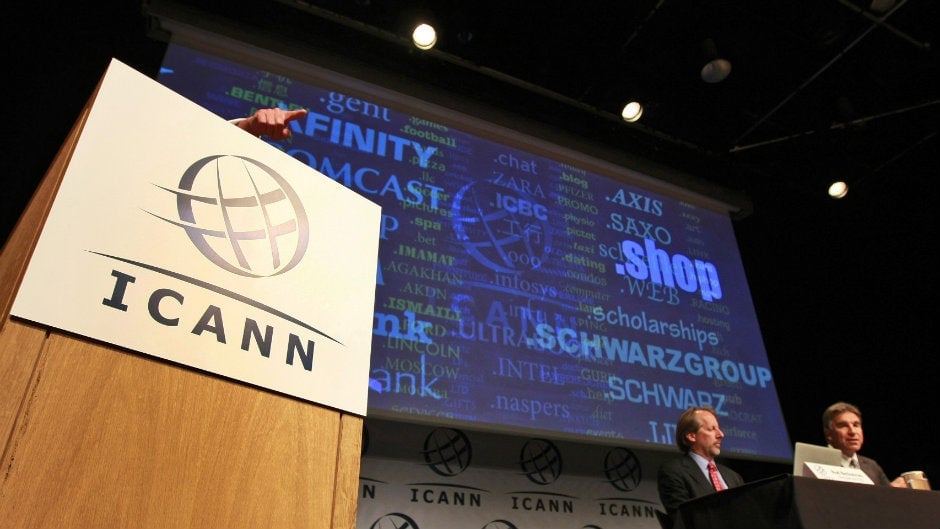
This weekend, some 3,000 people from across the world arrived in Los Angeles for the 51st meeting of the Internet Corporation for Assigned Names and Numbers (ICANN), a nongovernmental organization that runs the web’s naming system. There is no fixed agenda; ICANN members, which include big web companies, governments, international organizations, and domain name registries and registrars, set their own topics of discussion.

Google has finally released some numbers that provide a glimpse, if no real insight, into how it is processing right to be forgotten (RBTF) requests. This stems from a recent judgment from the European Court of Justice that allows Europeans to ask search engines to stop linking to content that can be shown to be irrelevant, outdated, or inadequate.
Online advertising—the business that powers much of the internet—has a fundamental problem. And Facebook thinks it has a solution.
Internet users have by now come to accept the common transaction of trading personal data for free services, and companies around the world are trying to figure out how to price the data they extract.

The precise location of the boundary between art and science has been in dispute for as long as there have been arts and sciences. With the rise of computer science as a mainstream vocation, the debate has taken on new life. In 2003, Paul Graham, a prominent Silicon Valley investor, argued that “of all the different types of people I’ve known, hackers and painters are among the most alike.” Earlier this year Vikram Chandra, a novelist and sometime programmer, investigated the issue at length in his book Geek Sublime, concluding that coding is not, in fact, akin to poetry.