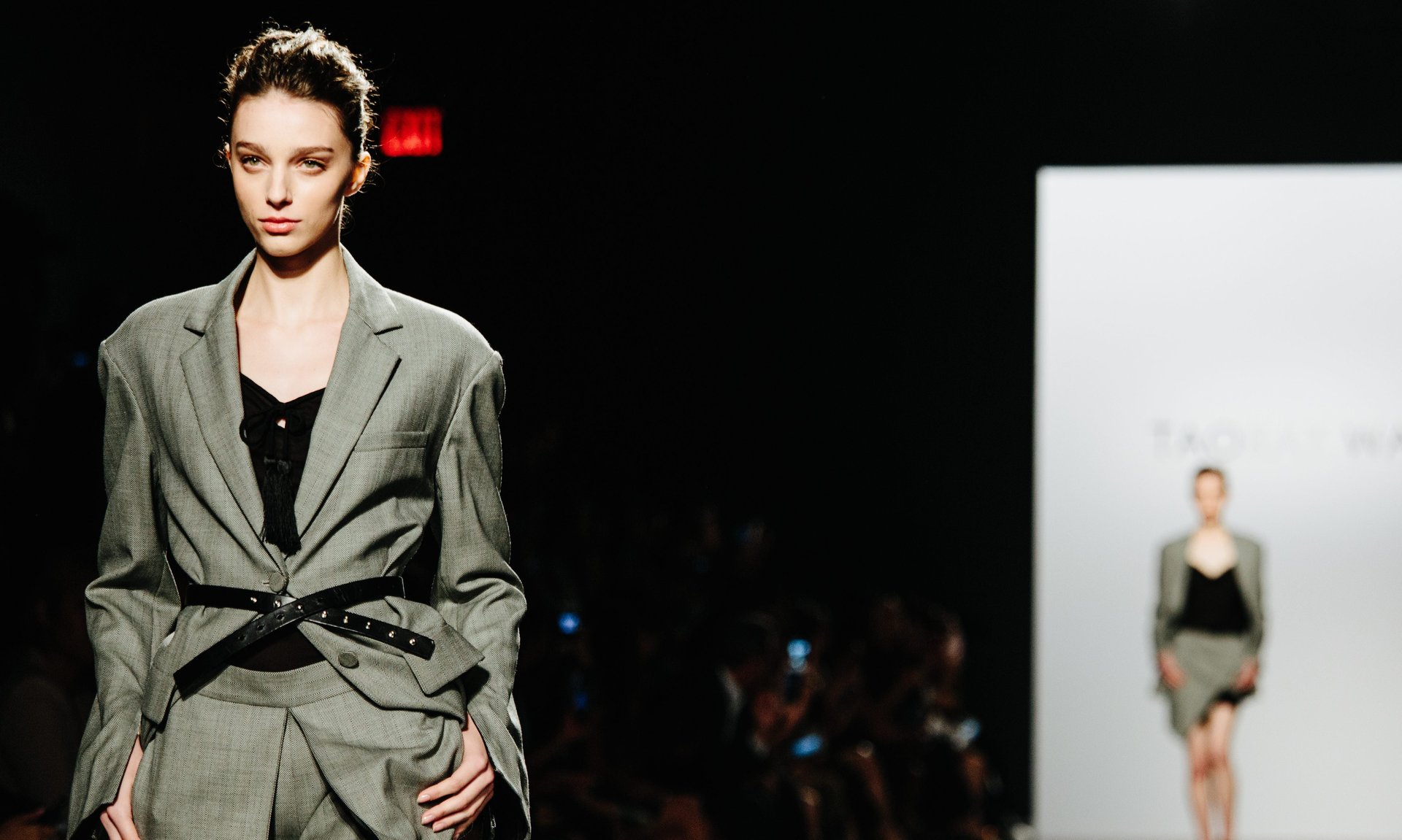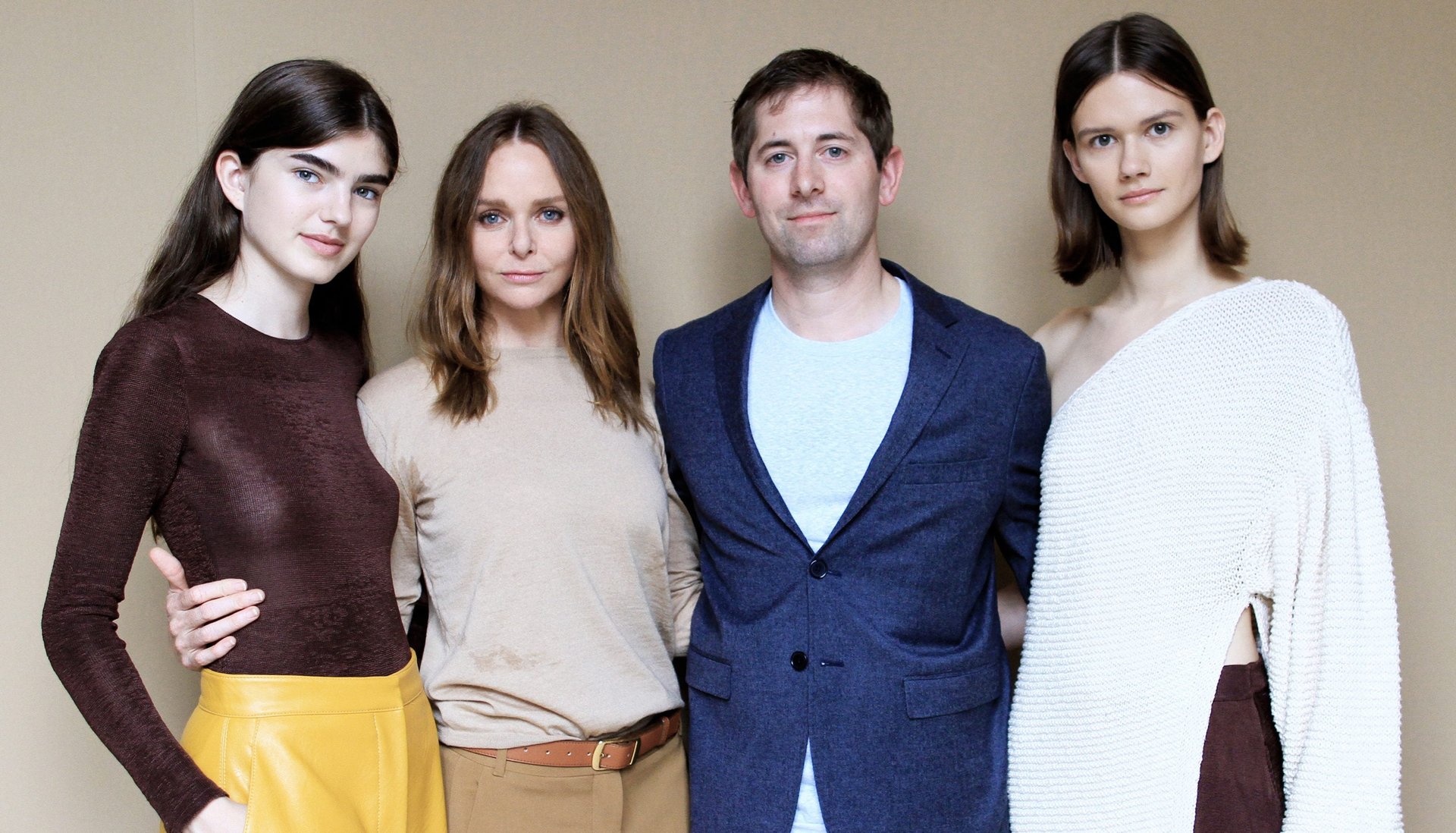
The most groundbreaking clothes at Stella McCartney’s recent Paris Fashion Week show weren’t on the runway. They were only shown backstage.

The most groundbreaking clothes at Stella McCartney’s recent Paris Fashion Week show weren’t on the runway. They were only shown backstage.

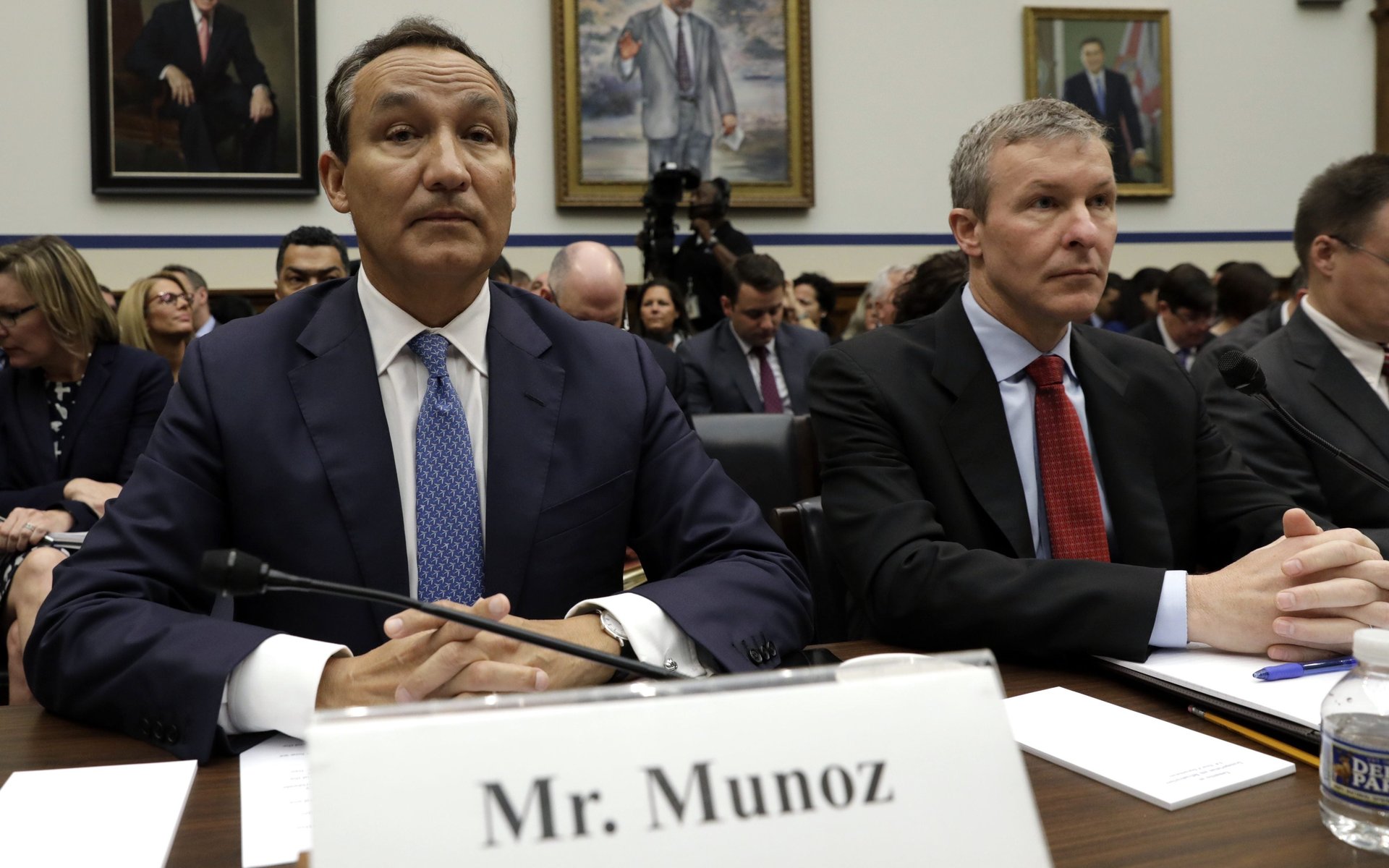
United Airlines is a giant company. It earns billions every year, operates more than 4,500 flights every day, and shuttled upwards of 143 million people through the air in 2016.

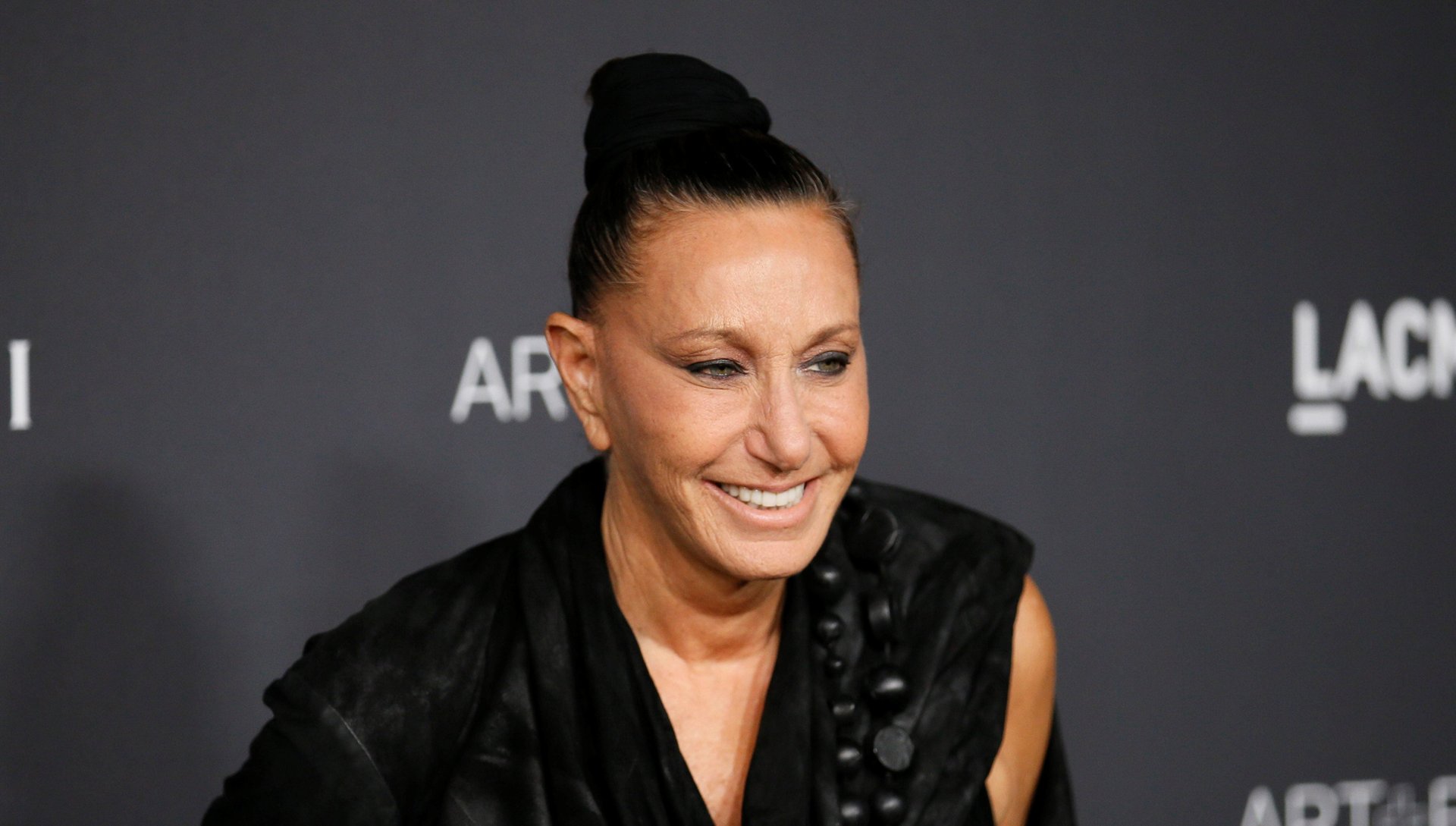
Was she asking for it? The question is a prime example of victim-blaming when harassment happens, as if the person being harassed could be somehow responsible for another adult’s behavior. Yet that’s the exact question that celebrated fashion designer Donna Karan posed Oct. 8 when asked to comment on sexual harassment and assault allegations against Hollywood producer Harvey Weinstein.

In the 35 years since the original Blade Runner movie came out, fashion designers have looked to its unusual mashup of retro and futurism as a regular source of inspiration. What it got right was the way it took familiar references—1940s Hollywood glamour, early 1980s punk, film noir tropes—and threw them in a dystopian blender. Each character’s wardrobe signaled a type you understood, dislocated just enough to make it something strange and new.

From the moment the first trailer for Blade Runner 2049 appeared, style-conscious guys have been transfixed by the hefty shearling coat that Ryan Gosling wears in the movie.

Runners in London are different than runners in New York City.

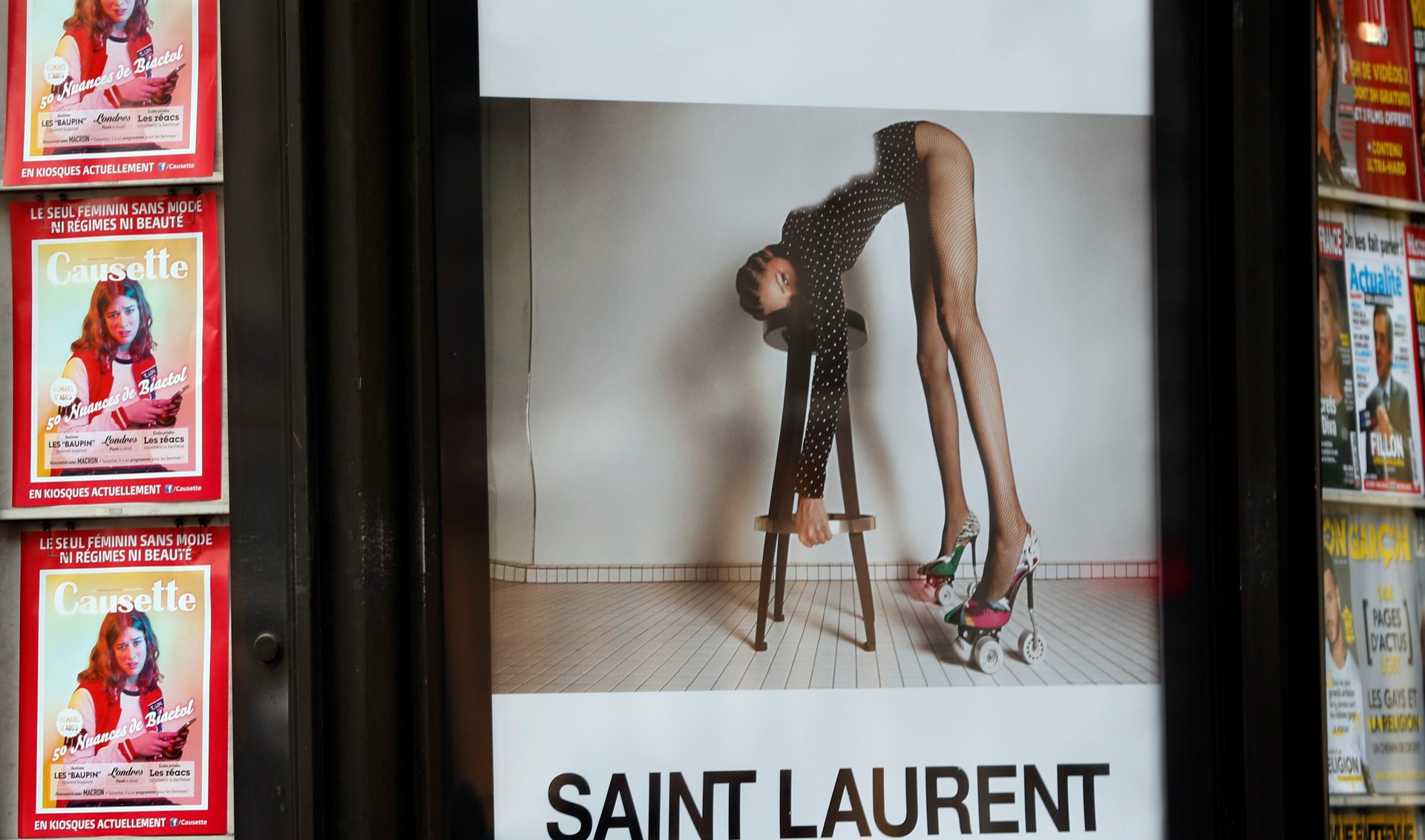
As of Oct. 1, ads in France showing a model whose body has been edited to look thinner will have to bear a disclaimer—photographie retouchée—alerting all who come across it that the image has been retouched.

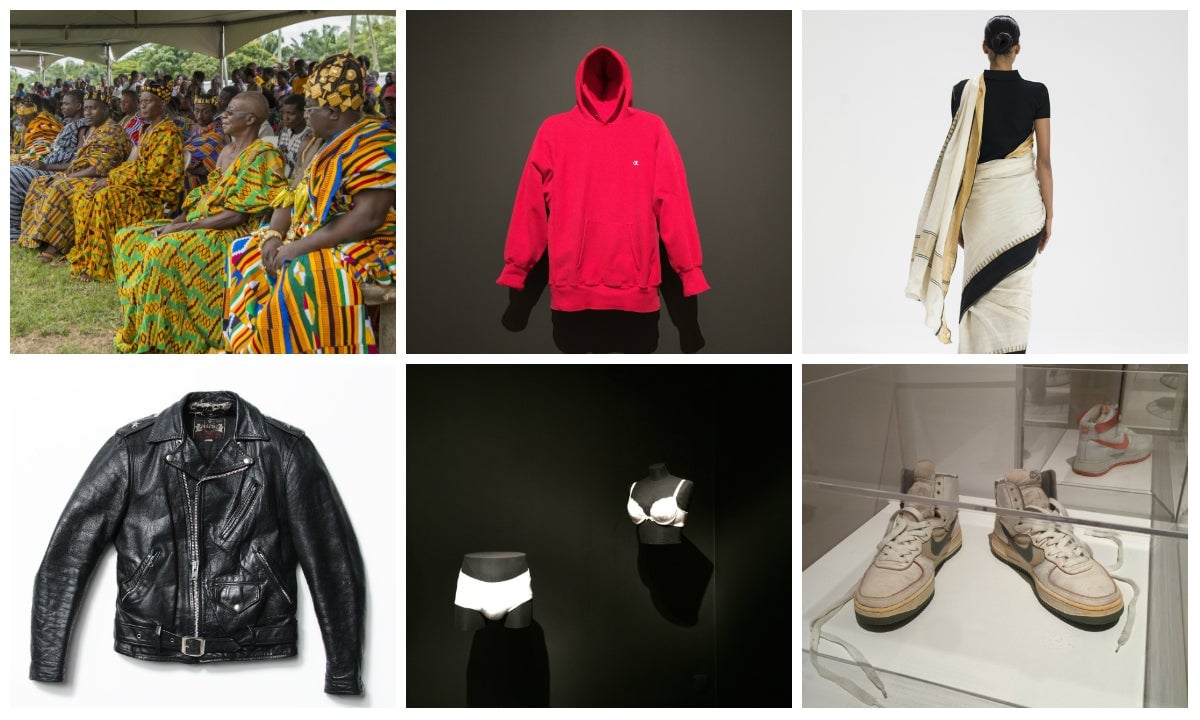
What do a Chanel dress, a Wonderbra, and Nike Air Force 1s have in common?

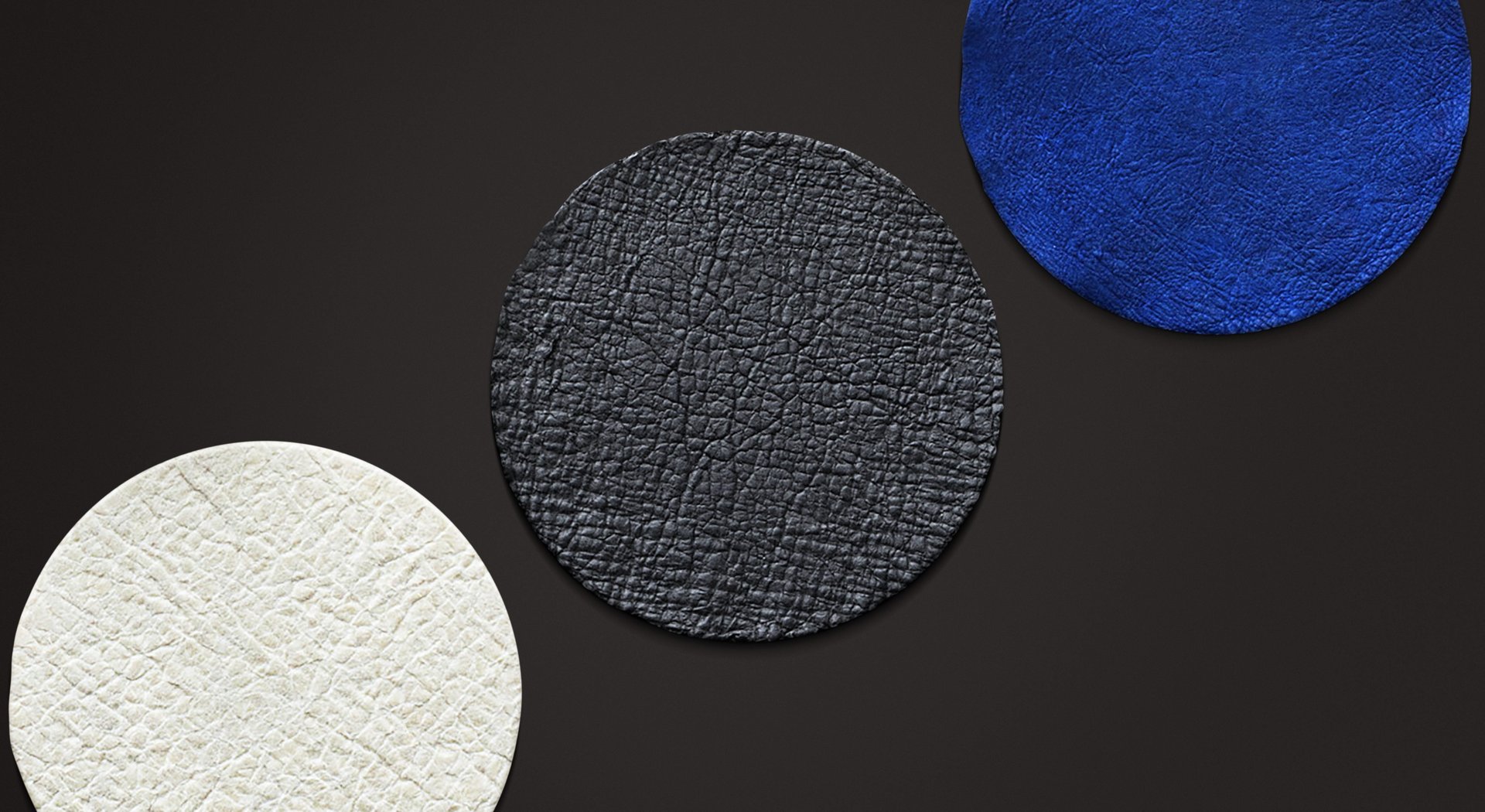
Modern Meadow’s leather doesn’t grow on a cow.

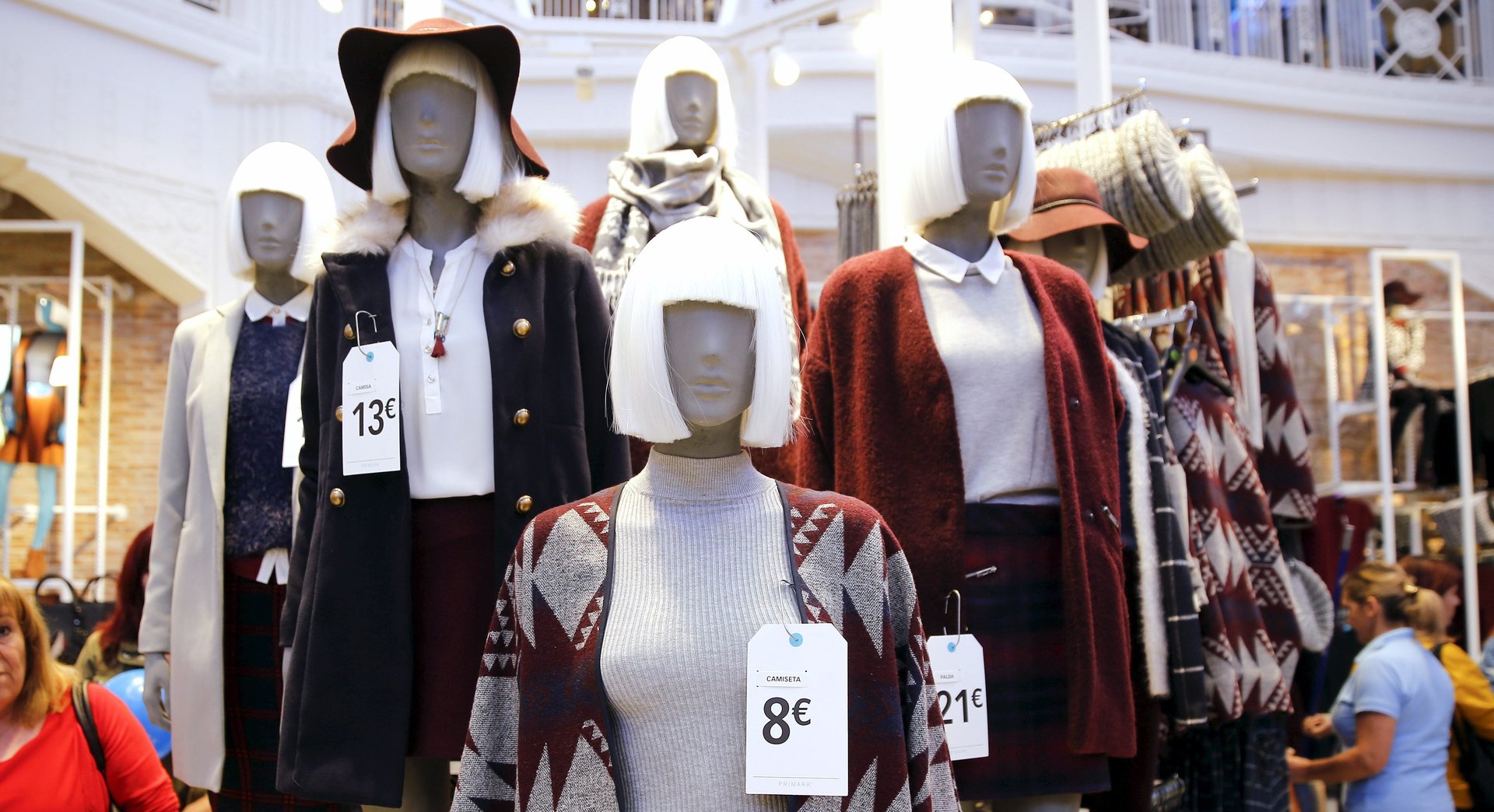
Swedish clothing retailer H&M has dense clusters of stores in cities all over Western Europe, the US, and parts of Asia. If you walked into one of them over the last three months, there’s a good chance you saw racks of clothes on sale. The reason, as H&M acknowledged in its latest earnings report (pdf), is that it overestimated how much shopping people would do in those brick-and-mortar locations.

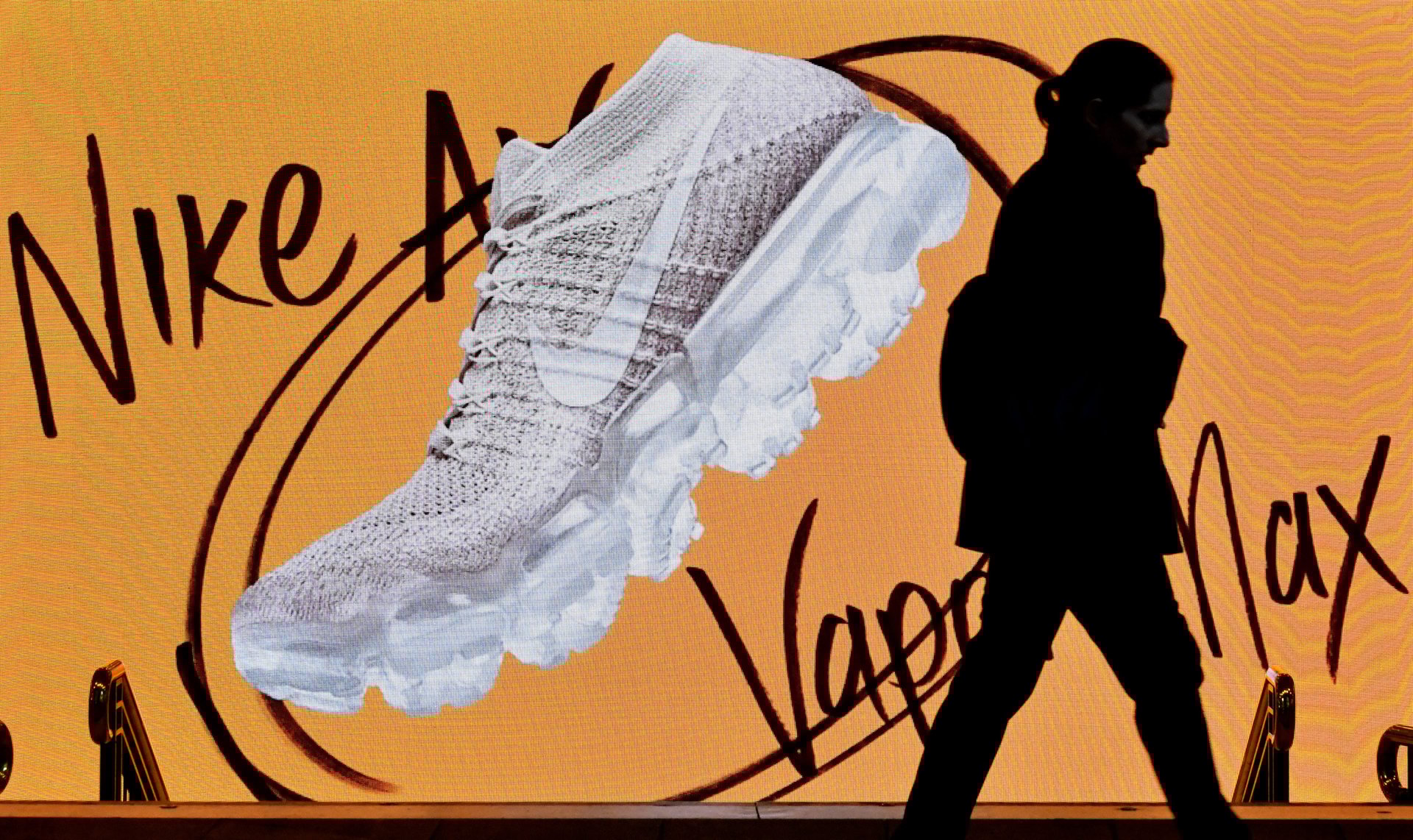
The chart below is not what you want to see if you’re Nike.

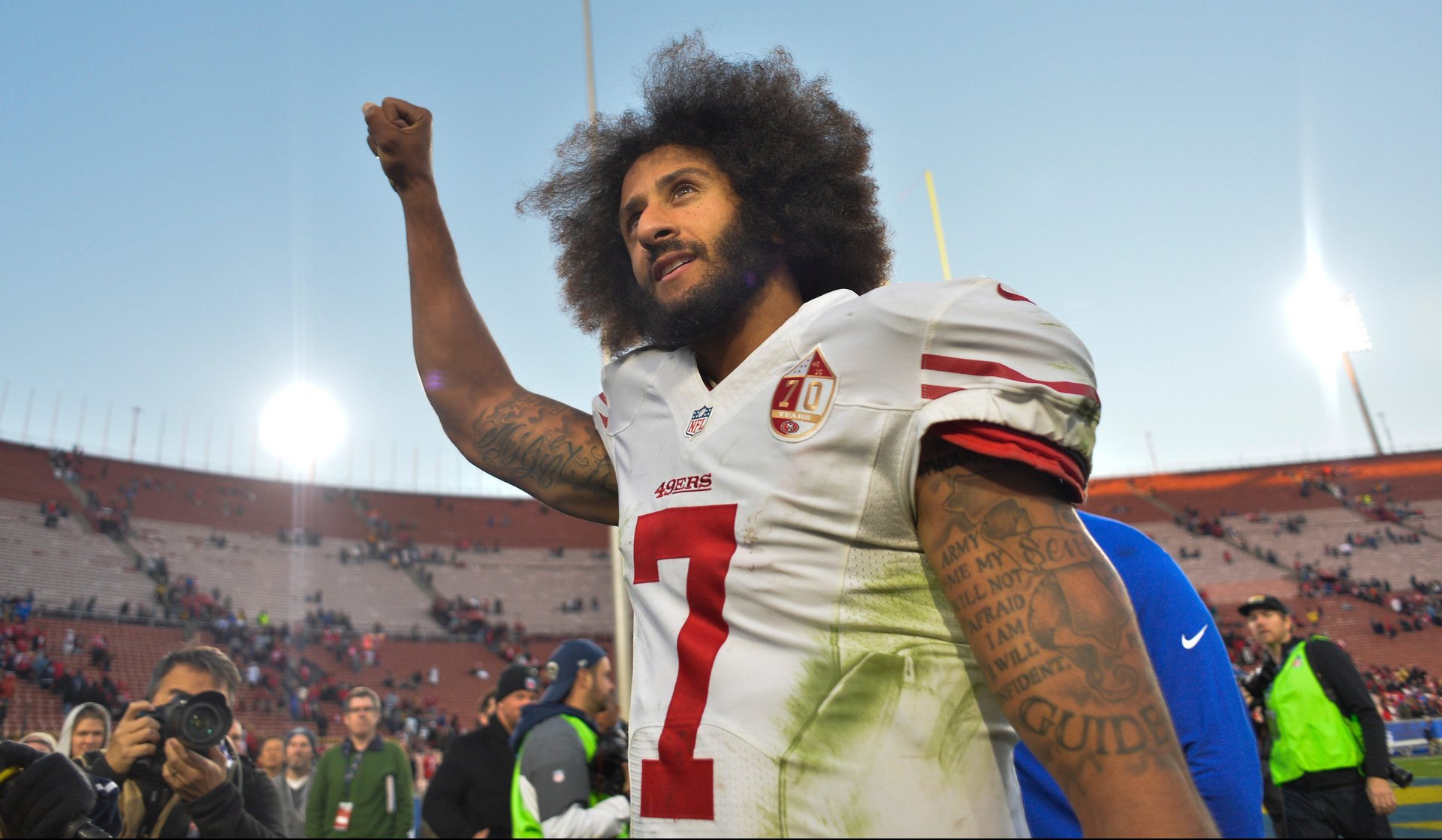
At New York’s renowned Museum of Modern Art, in the same building where tourists line up to view masterpieces such as Van Gogh’s The Starry Night and Picasso’s Les Damoiselles d’Avignon, the jersey of football player Colin Kaepernick is on display.

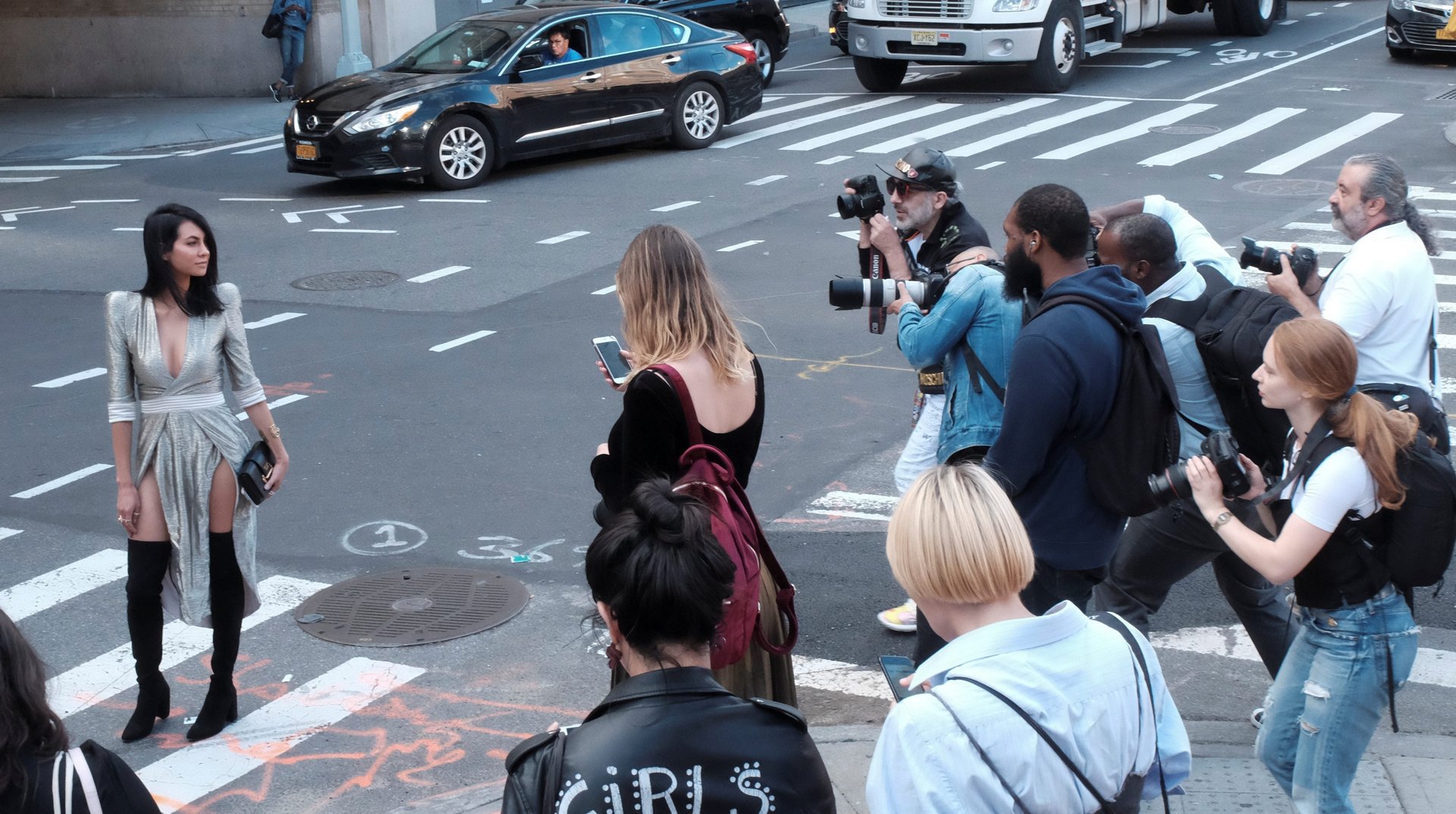
A battle is brewing between street-style photographers and the well-dressed influencers they often photograph. It hinges on who is making more money off their deeply intertwined relationship, and who is really using whom.

Something wicked this way comes. And probably something a bit sexy, too. Oh, and giraffes.

Clothes are cheaper and more disposable to shoppers than ever, and the environment is suffering for it. Between 2000 and 2014, global clothing production doubled, according to McKinsey, while the average amount consumers spent per item, and how long they kept it, both declined. Producing this much clothing uses up huge amounts of natural resources and pumps toxic chemicals into the soil and rivers. The clothes themselves, increasingly made of polyester, are putting dangerous amounts of microfibers in the oceans, and too often wind up in landfills after little wear.

Adidas has officially passed Nike’s Jordan brand to become the number two shoe in the country, according to the research firm NPD Group, which just released numbers through August on US sport footwear.

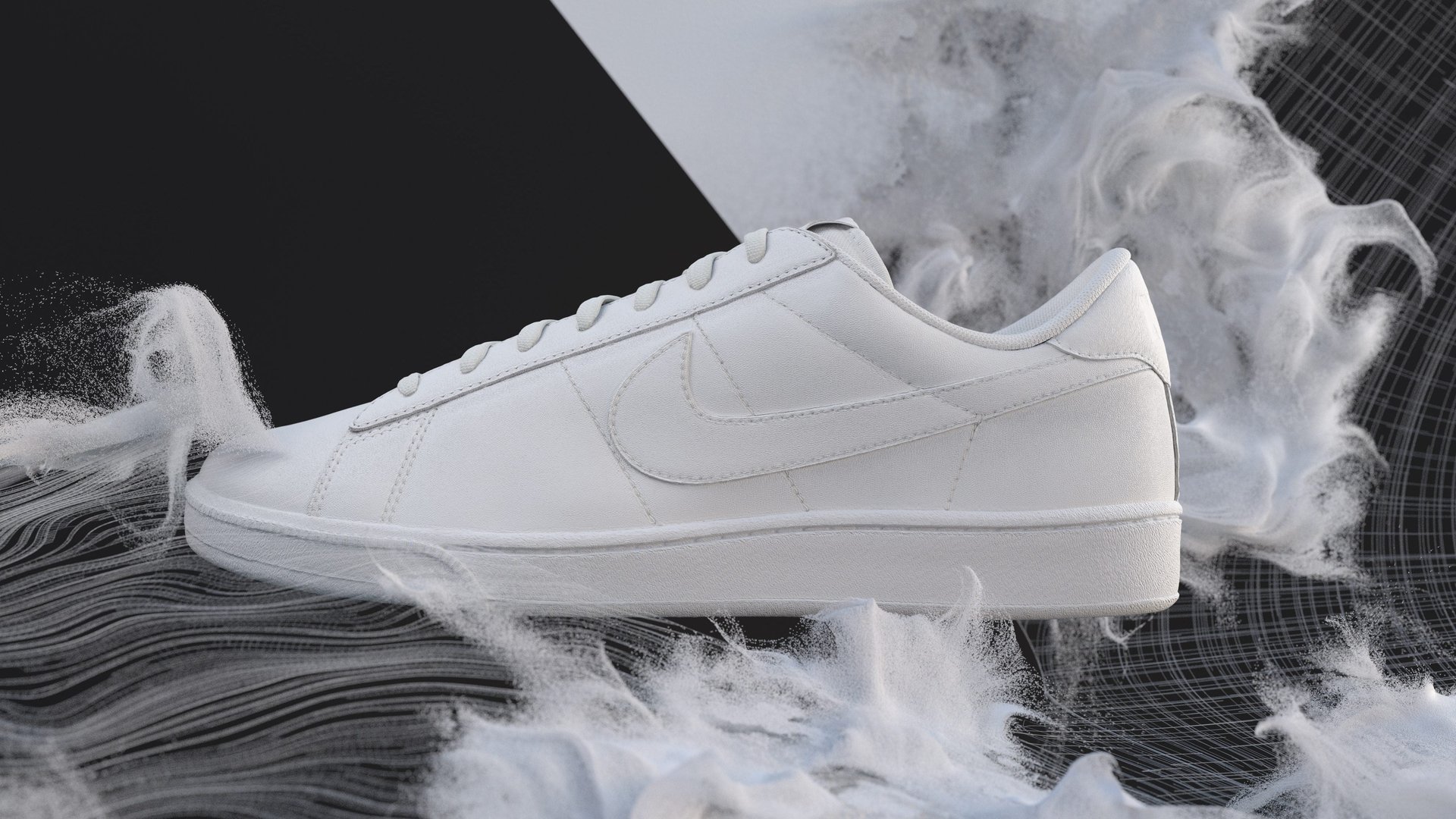
Manufacturing leather goods produces a startling amount of waste. That’s because leather doesn’t come in a neat, uniform roll. It’s an animal hide, and comes in irregular shapes, sometimes with imperfections. Manufacturers use as much as possible when selecting the pieces to turn into shoes, bags, and other products, but much of it ends up as small bits of scrap. Normally, those scraps become landfill, but Nike has developed an innovative way to make use of them.

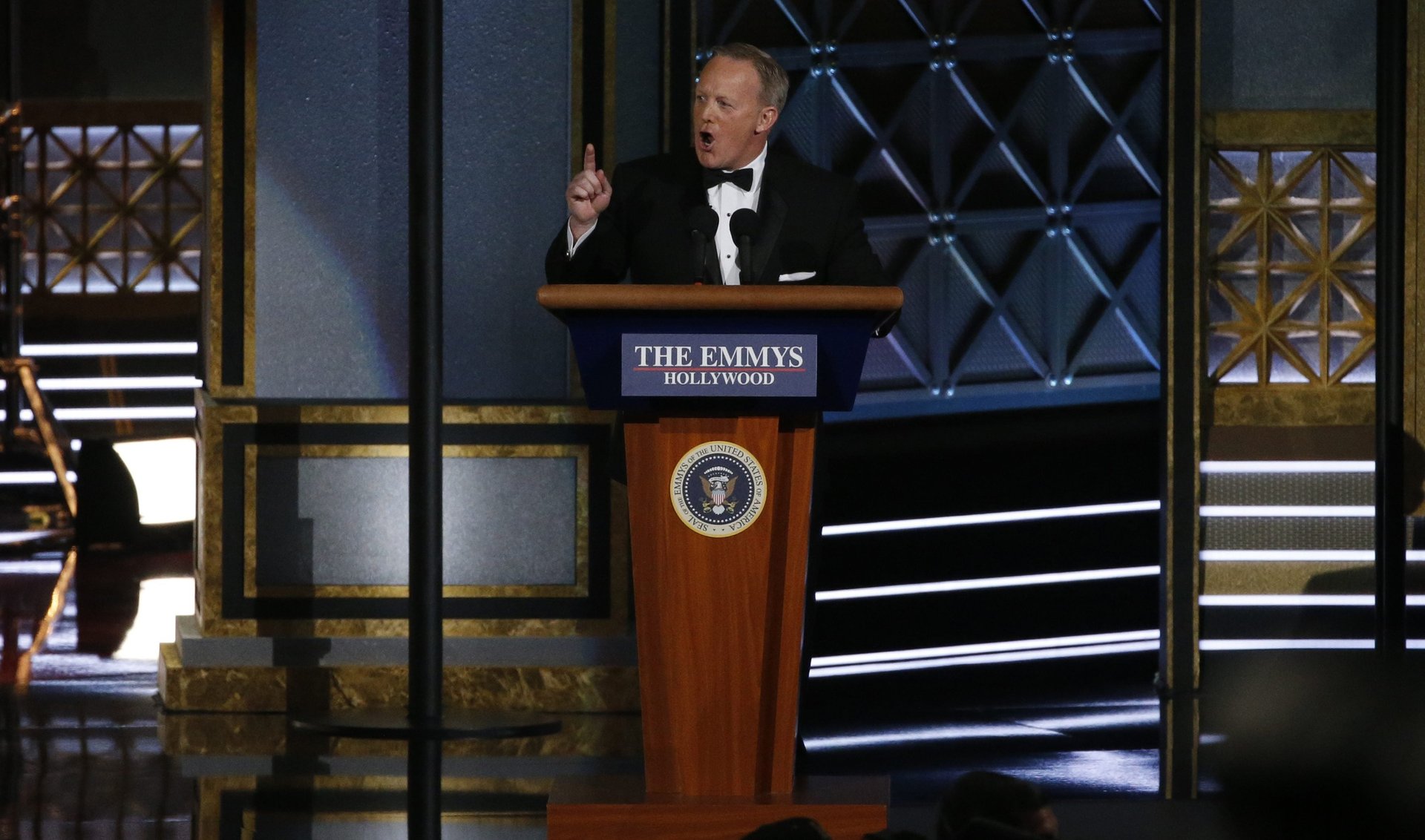
Not everyone appreciated the surprise appearance of Sean Spicer at the Emmy awards tonight (Sep. 17).

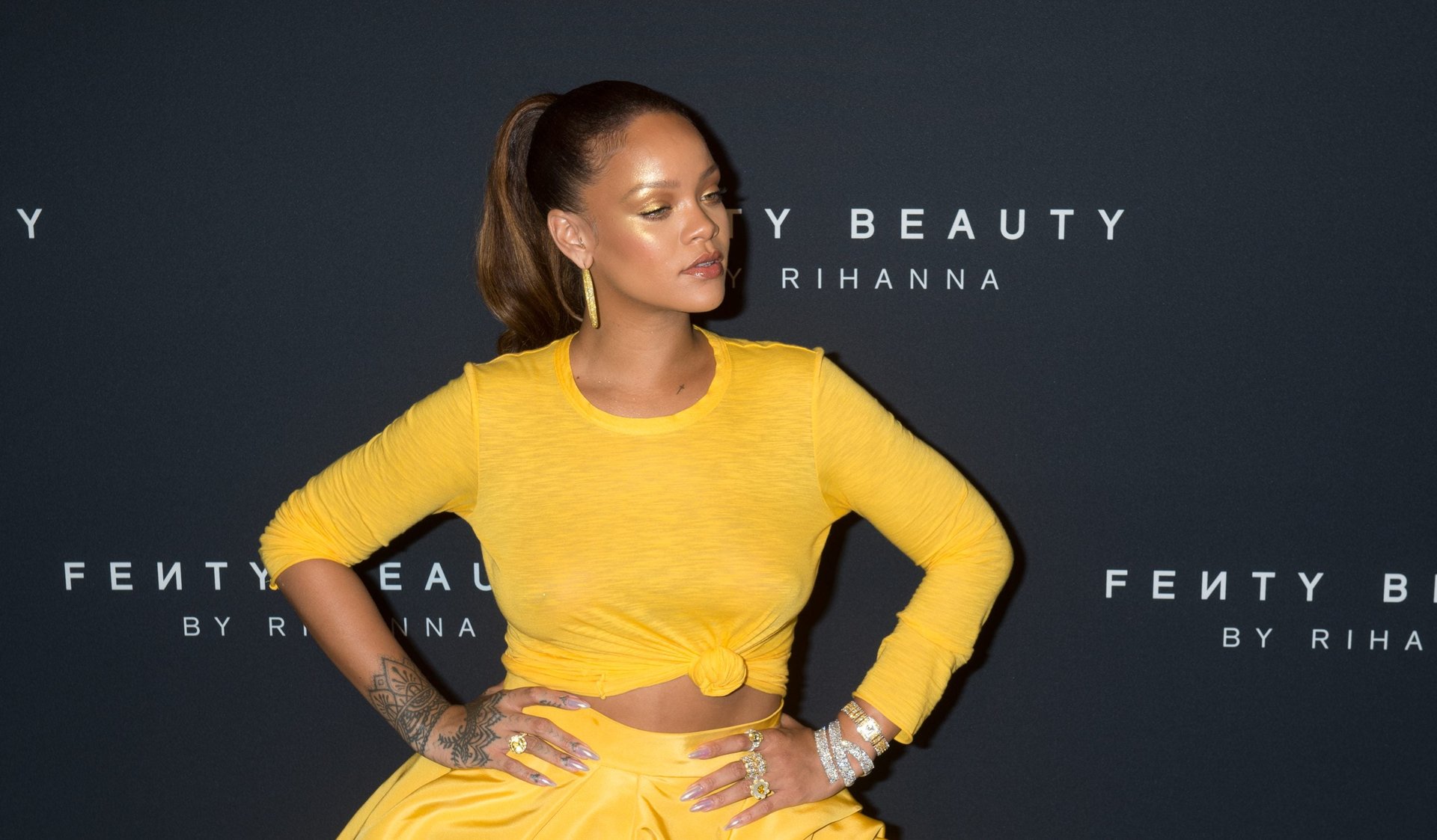
White skin has been treated as the standard for so long in the US and Europe that only recently have the big makeup labels seriously begun developing products specifically for black and brown women.

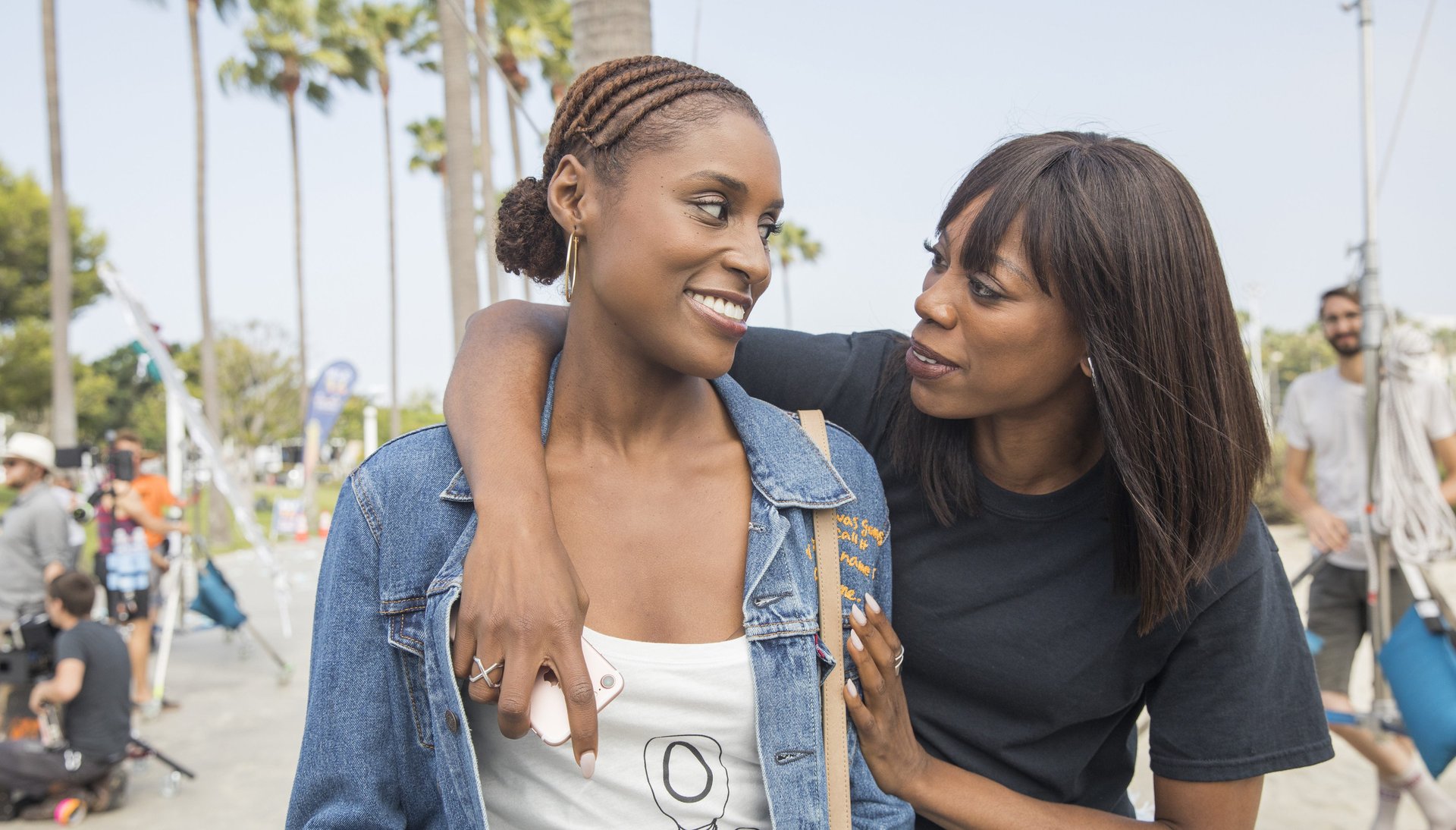
When this year’s Emmy nominations went public in July, and Issa Rae’s HBO comedy Insecure wasn’t on the list, critics and fans of the show’s acclaimed first season saw it as a major snub.

New York Fashion Week and China are cozying up to each other, thanks to a new partnership between NYFW: The Shows, which is the part of NYFW managed by entertainment giant IMG, and China’s largest e-commerce company, Alibaba. The deal will introduce New York labels to a giant new Chinese audience, while also increasing the already-strong presence of Chinese talent at the internationally watched New York shows.

Nordstrom’s stock slid downhill yesterday (Sep. 11) after the upscale department store chain announced a new retail concept that left investors scratching their heads. Called Nordstrom Local, it’s a clothing store that doesn’t stock clothes.

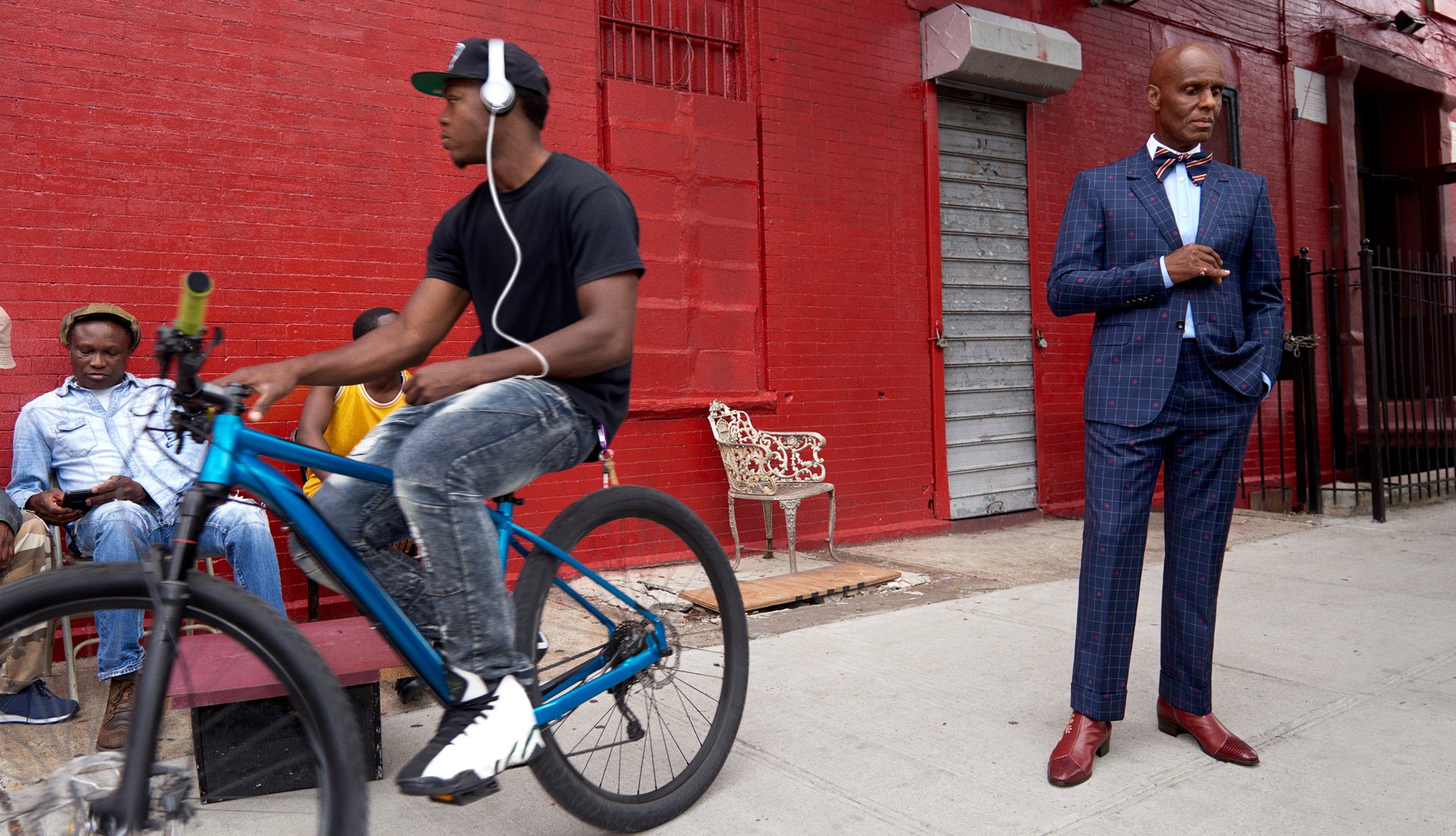
Dapper Dan’s Boutique, which opened on 125th Street in Harlem, New York, in 1982, built its reputation by doing with fashion what hip-hop was doing with music at the time. Its founder, Daniel Day, started cutting and splicing logo-splattered luxury goods from labels such as Gucci and Louis Vuitton, the way rappers from the era sampled from others’ songs, to create fresh, inventive new styles.

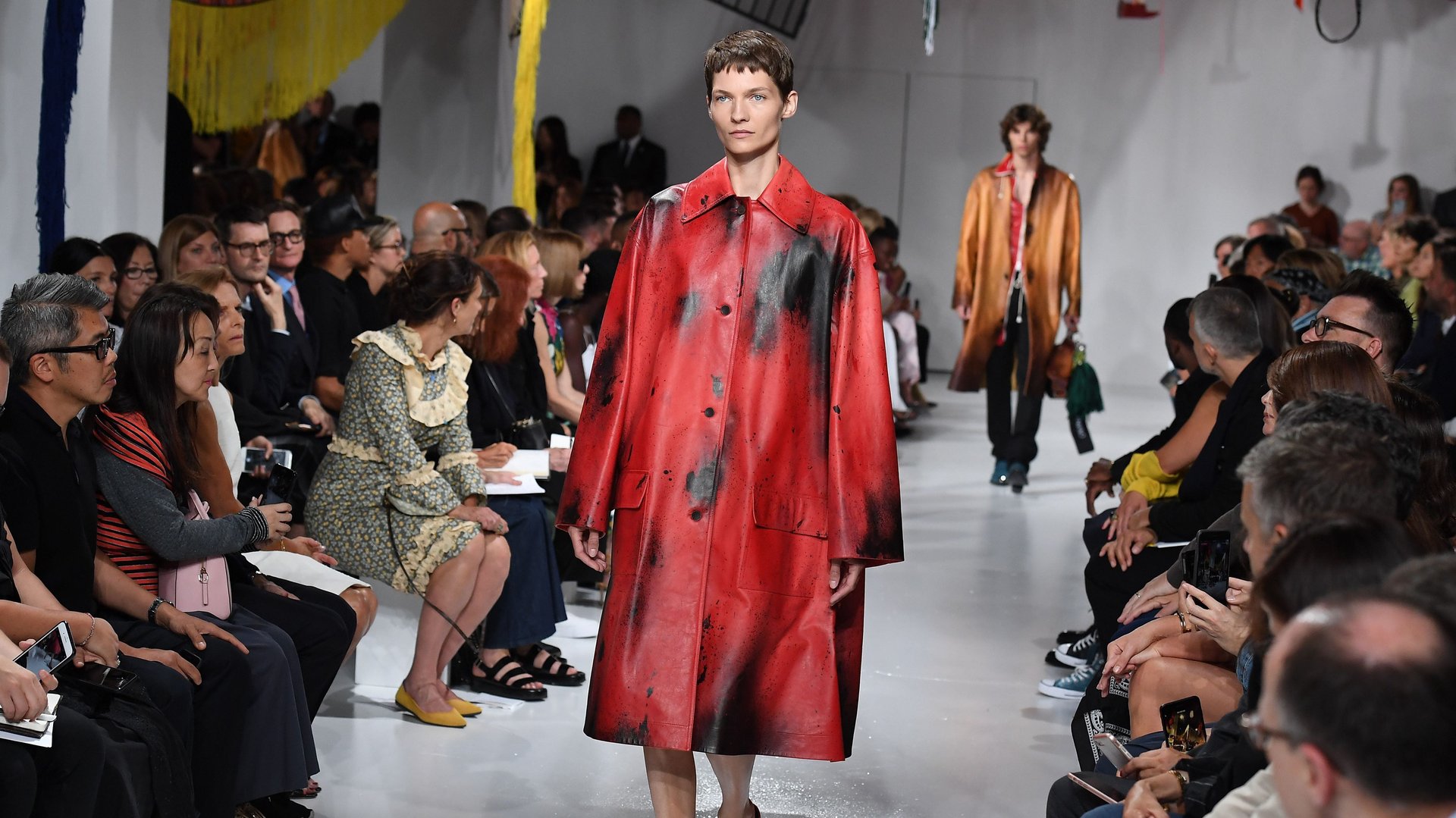
“American horror, American dreams,” is how Raf Simons, the recently installed artistic director of Calvin Klein, summarized his second collection for the American label to Vogue.