
Tech & Innovation
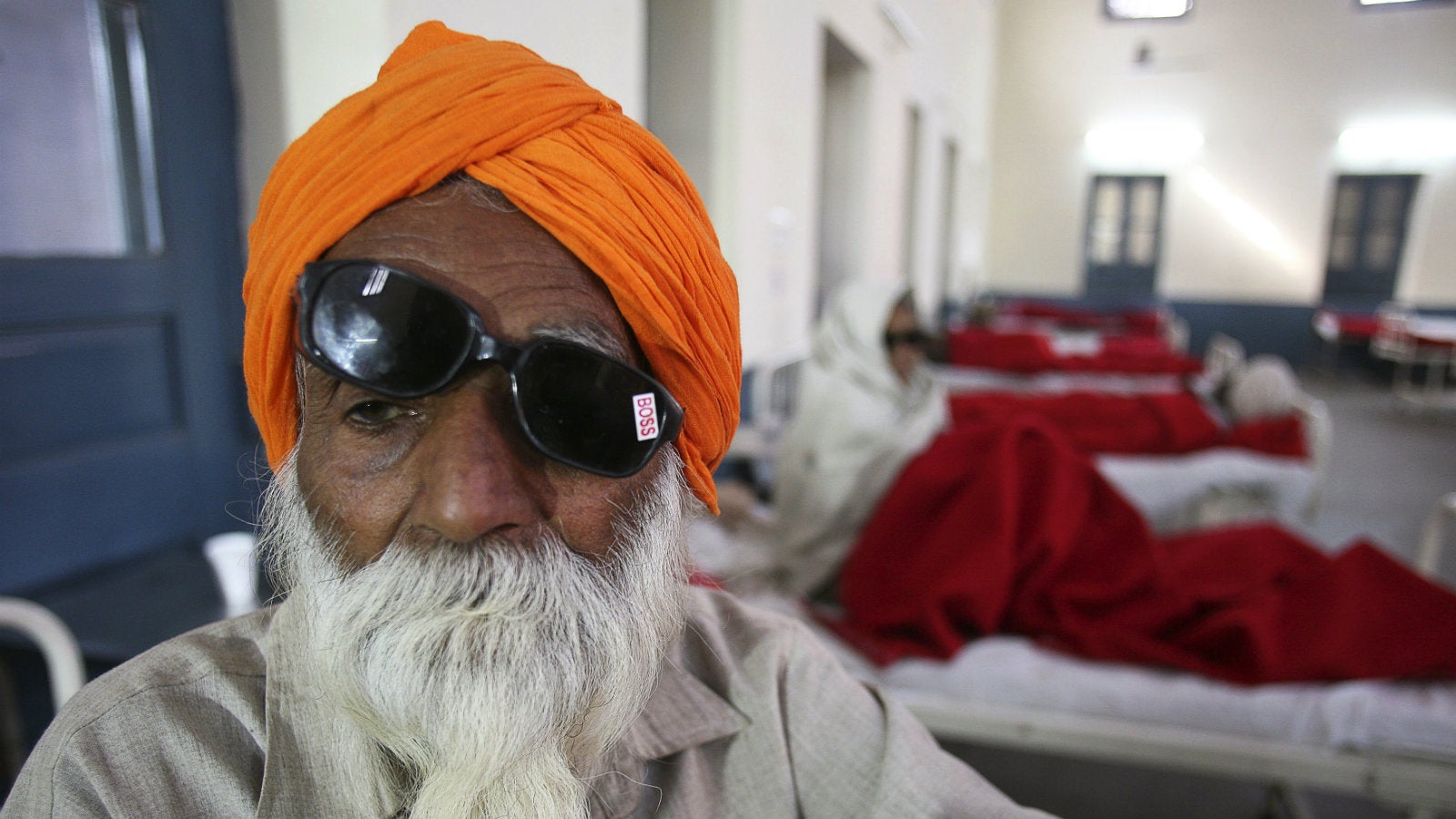
With an assembly line approach, an Indian hospital chain performs 250,000 eye surgeries a yearFor decades, millions of Indians have suffered blindness that could have been avoided.
Updated July 20, 20224 min read
For decades, millions of Indians have suffered blindness that could have been avoided.
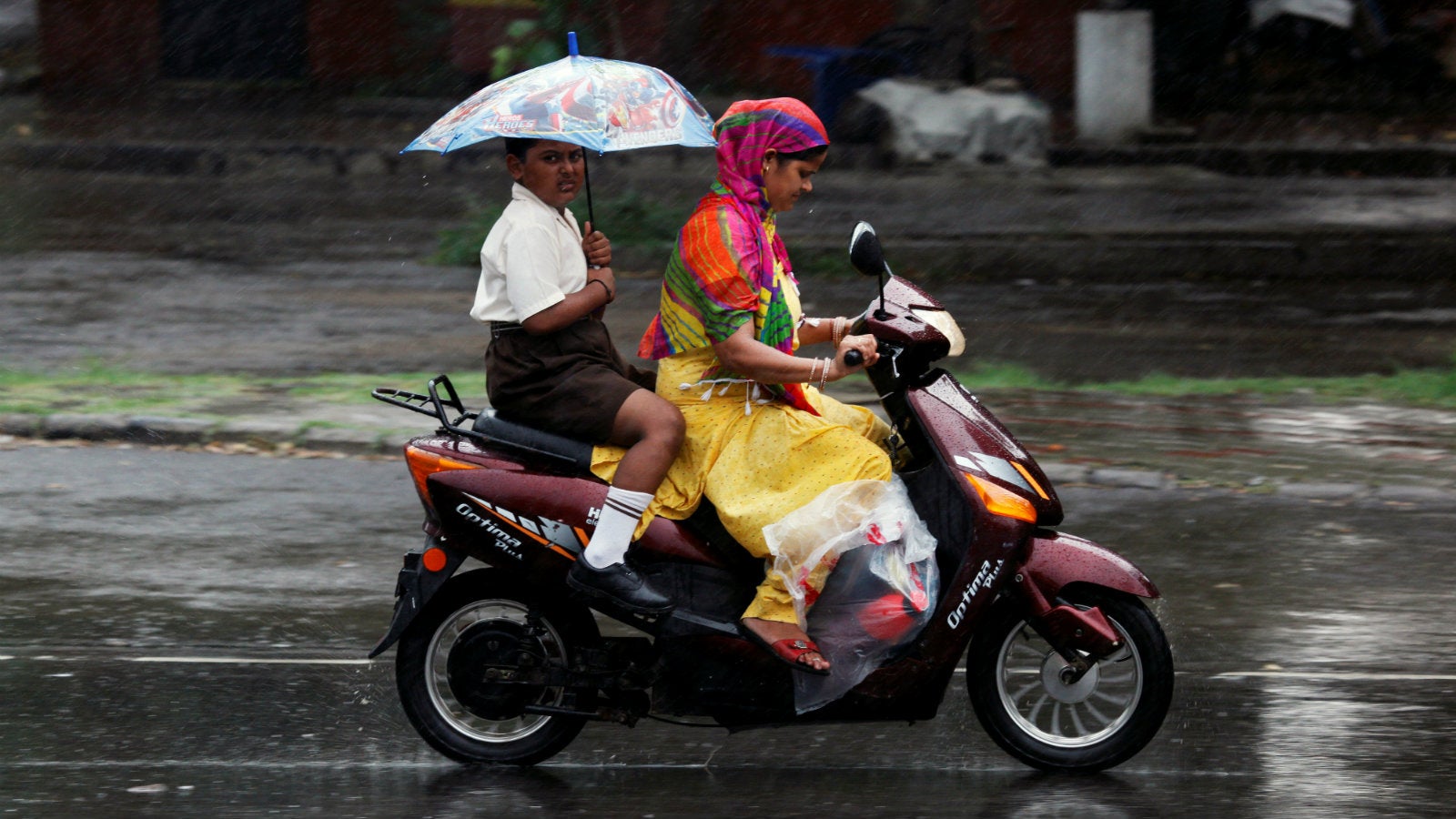
There is something about Indian two-wheeler riders and their helmets.

You only have to look at the Wikipedia page of the early 20th century Indian painter Amrita Sher-Gil to know that she’s a household name: It’s detailed, well-sourced, and full of pictures of her works, some of which have been sold for millions of dollars.
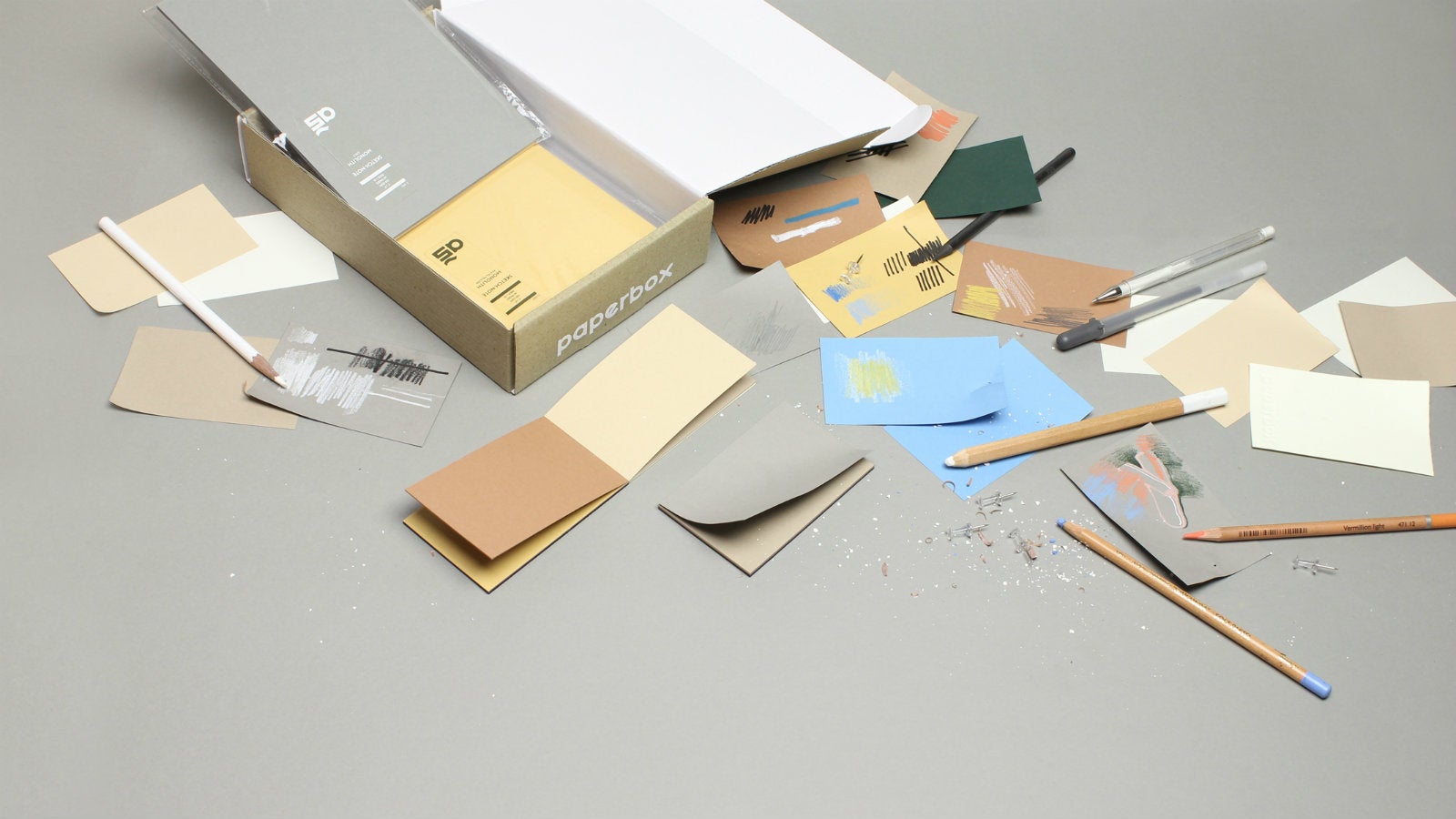
A number of Asian countries are well known for their obsession with stationery, but India, for the most part, has not been one of them.
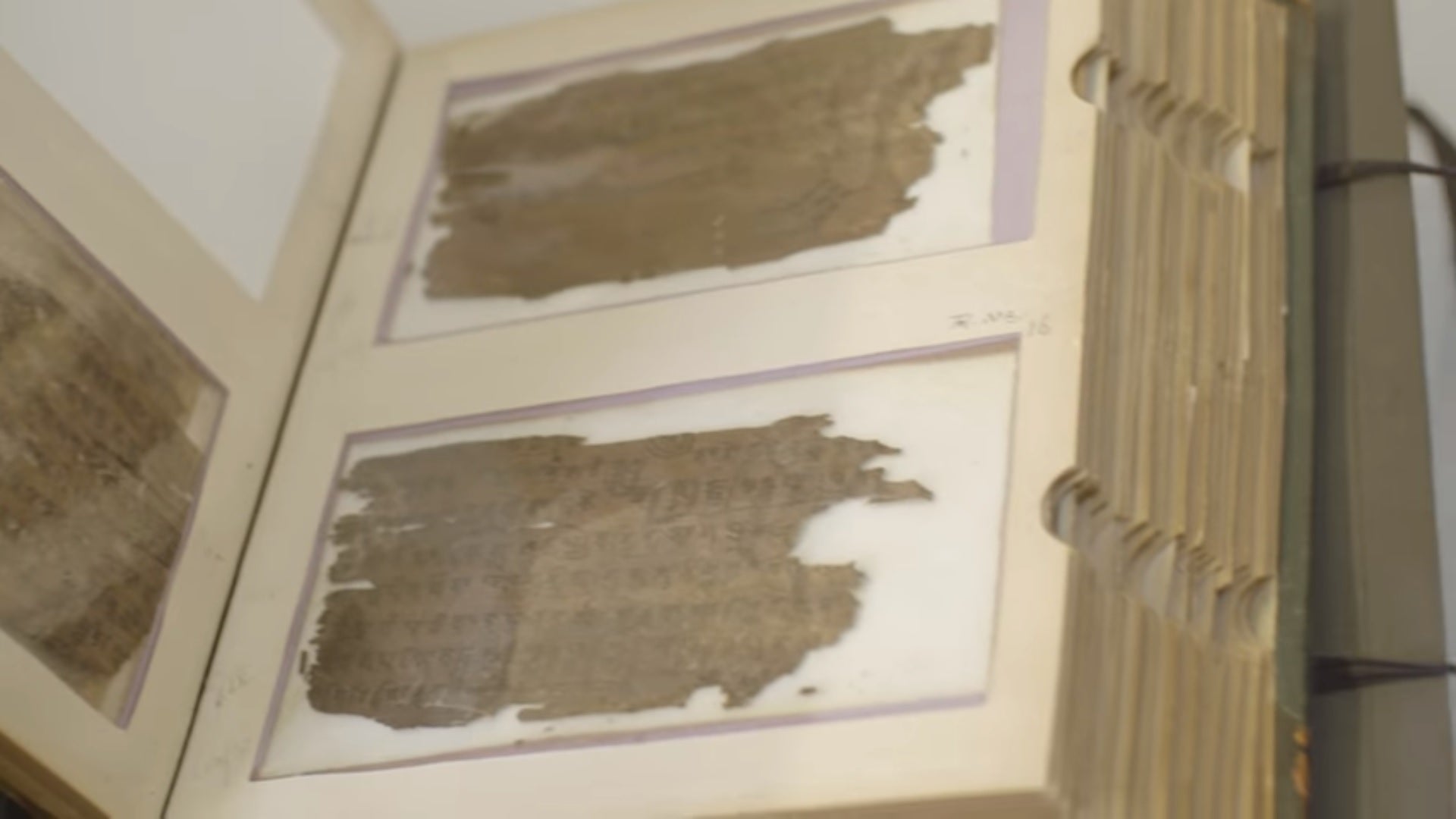
An ancient Indian mathematical text has been found to be the oldest recorded origin of zero, proving that the number is centuries older than it was previously thought to be.
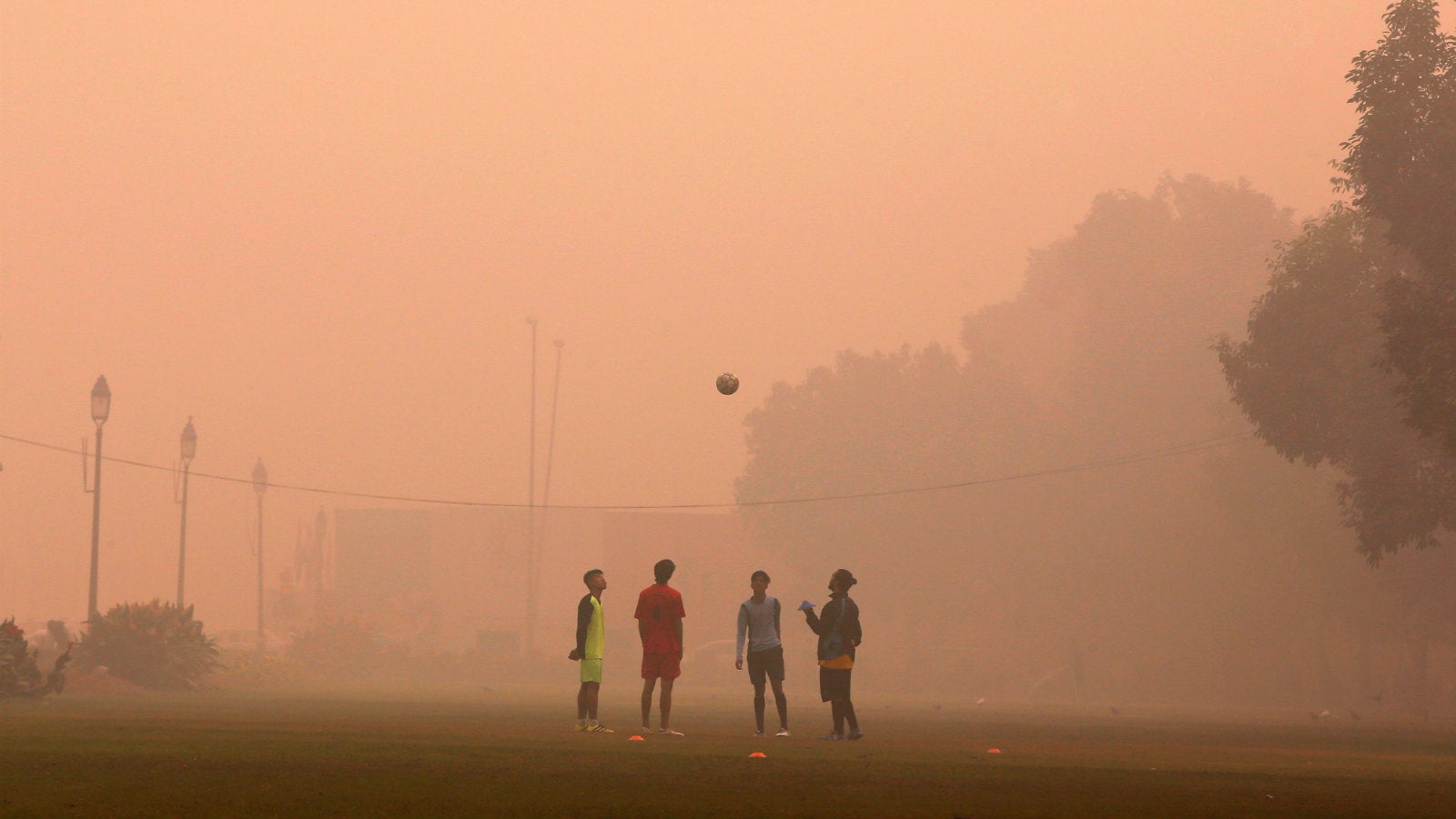
There’s a tendency in India to only worry about pollution when the smog gets so thick you can’t see through it. But lifelong exposure to high levels of particulate matter is slowly killing us—even when the pollution is invisible to the naked eye— and a new online tool reveals exactly how many years of our lives we stand to lose.
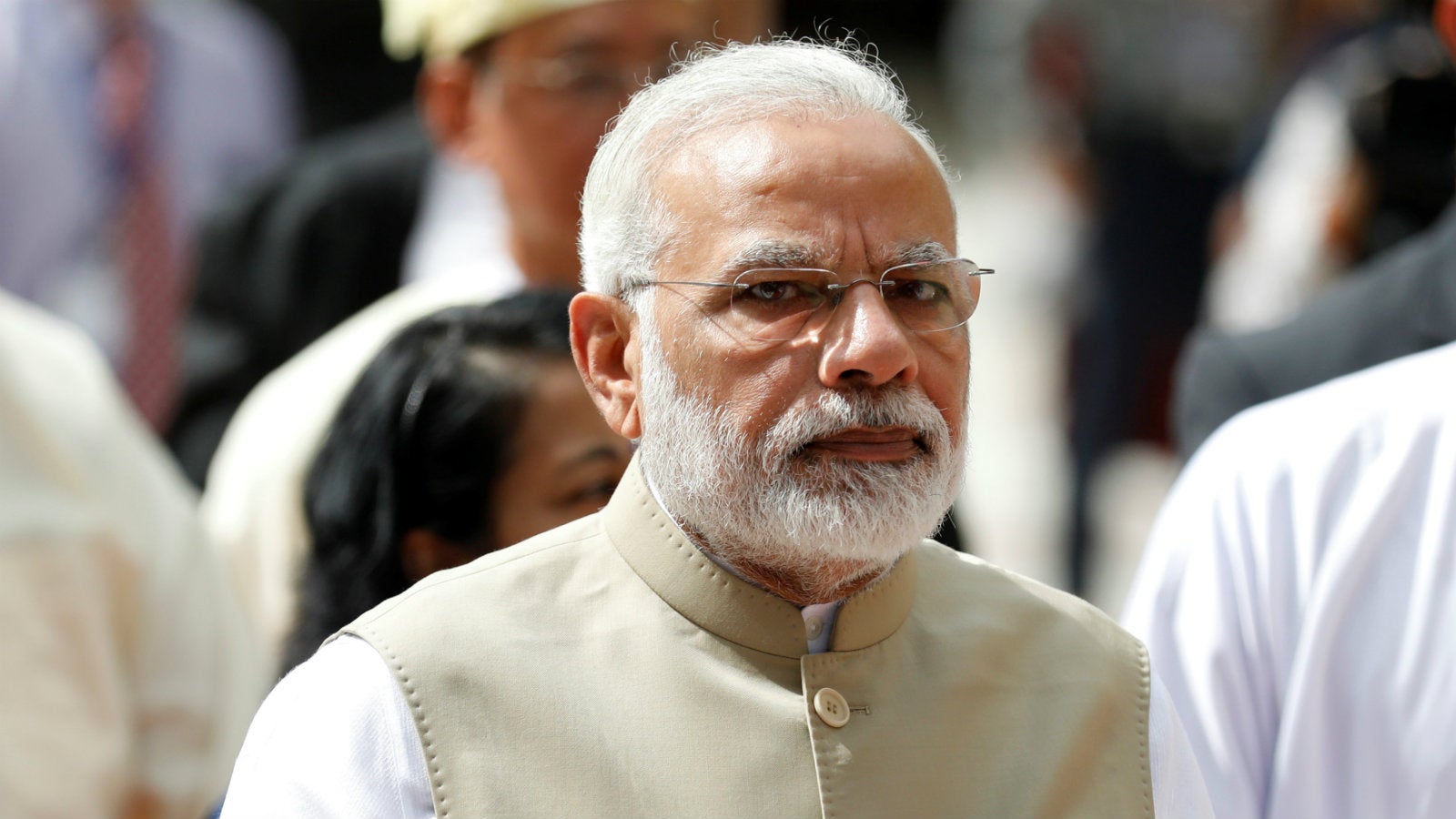
Angry Indians are blocking Narendra Modi on Twitter, where he is one of the world’s most popular leaders with nearly 34 million followers.
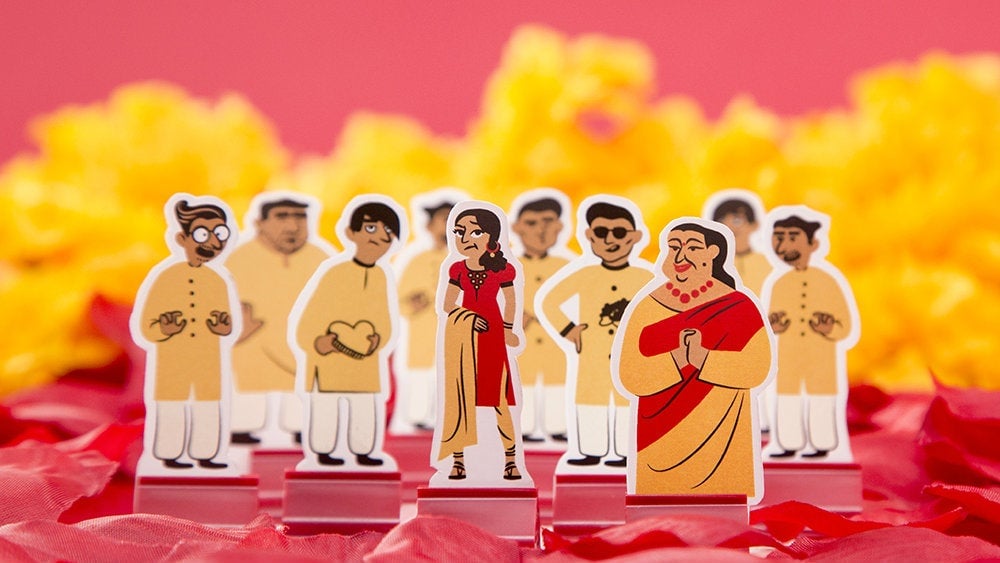
Arranged marriage looms large over most south Asian women in their 20s. The dreaded question—”When are you getting married?”—is frequently thrown at them by the time they are 24, or even earlier, by random aunts, uncles, grandparents, and family friends. Sometimes it could even be from a recent acquaintance.

For around 30 years, Gurugram-based Energo India has helped build power plants across the country. But in 2016, prompted by the promoters’ interest in the arts, the industrial group added an unlikely new division to its business: a production house dedicated to the performing arts.
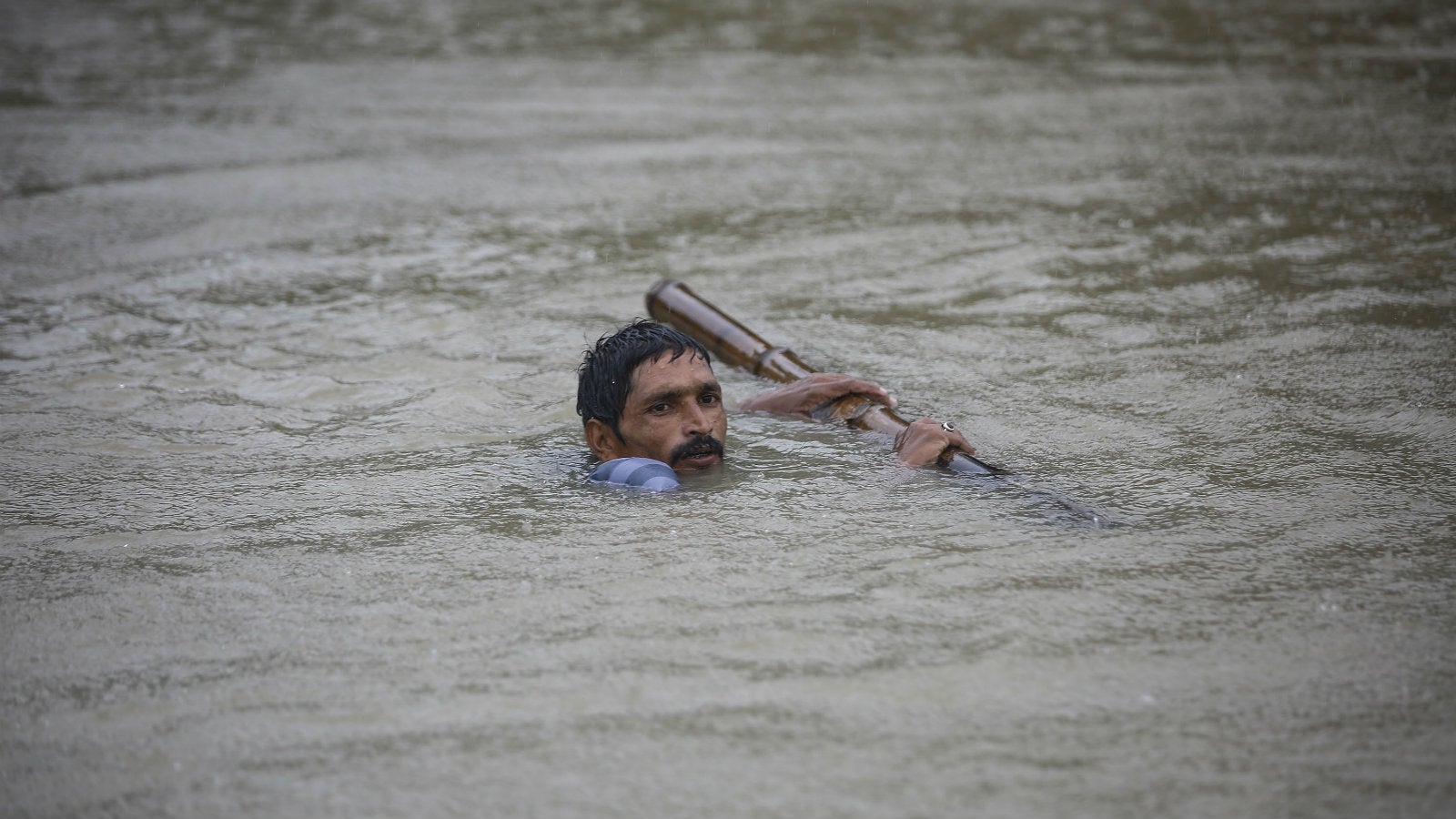
A similar disaster is unfolding in south Asia as floodwaters continue to rise in parts of Texas and Louisiana in the aftermath of Hurricane Harvey.
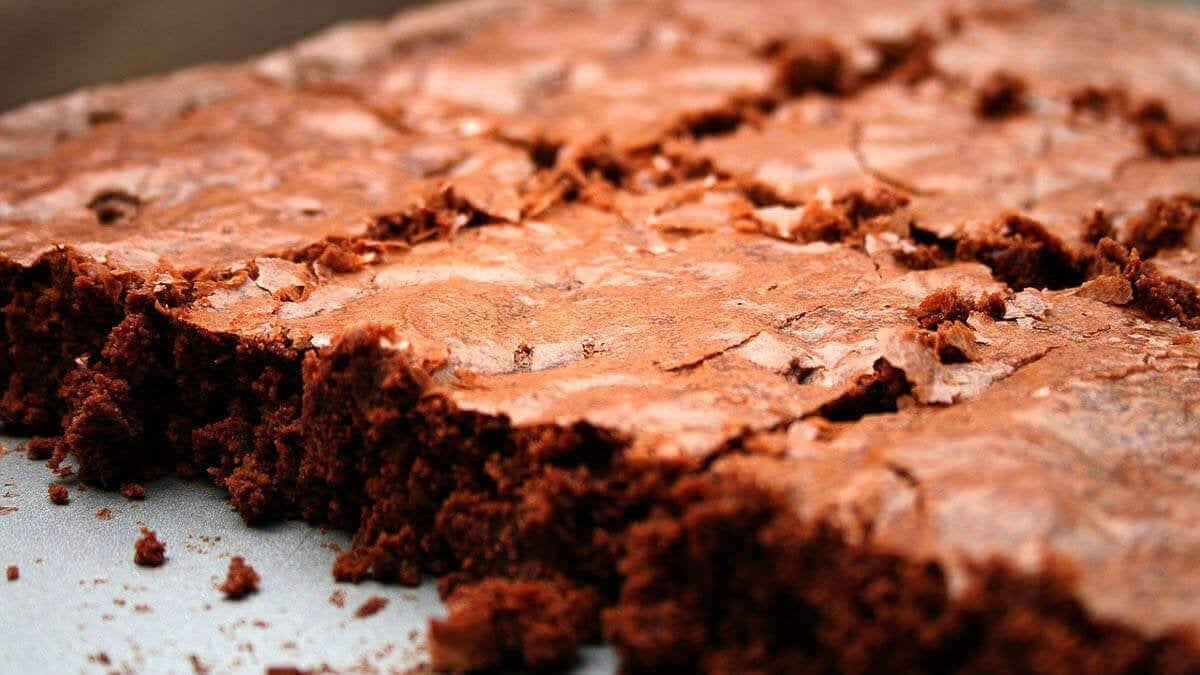
For a number of sweet-toothed Indians (myself included), no trip to Mumbai is complete without a brownie from Theobroma.
Even as gyms and fitness centres proliferate across urban India, hardly any have figured out how to get users to show up after their first few sessions.

In 2010, two years after its launch in India, the magazine GQ decided to make a list of the 50 best-dressed men in the country.
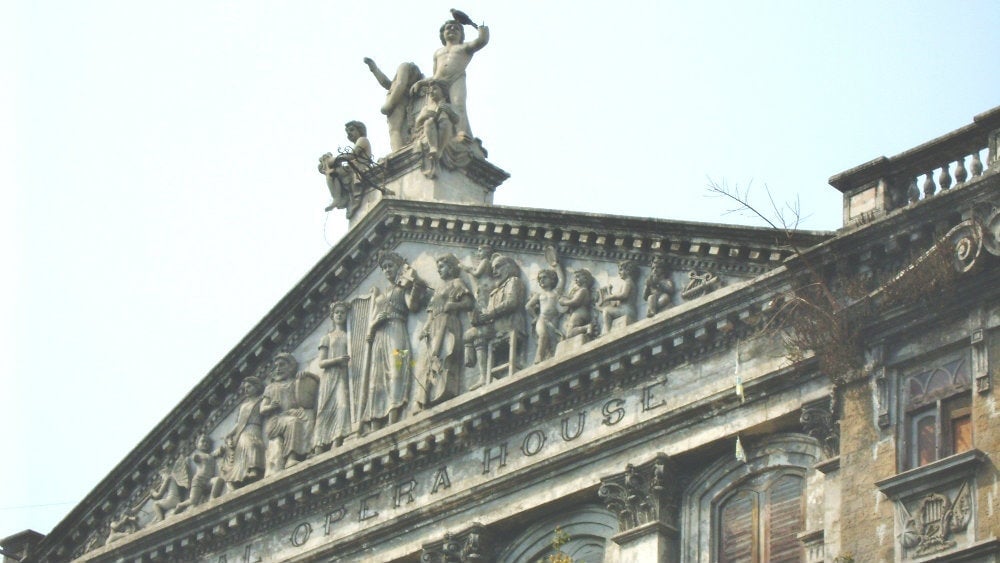
Until last month, Mumbai’s Royal Opera House, the only surviving opera house in the country, hadn’t seen a performance in eight decades.
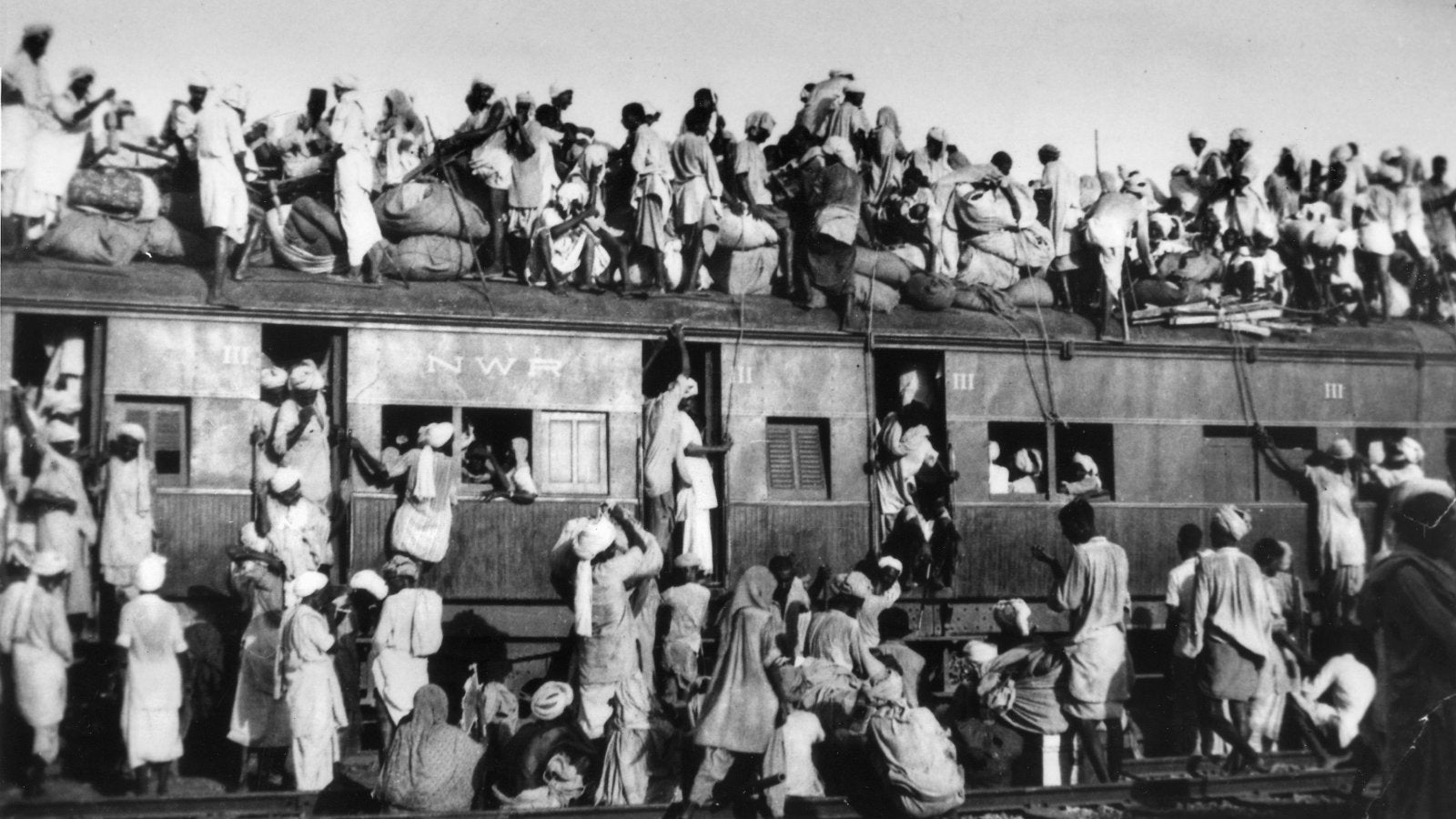
In 1947, the Partition of India and Pakistan sparked a harrowing refugee crisis and one of the largest migrations in human history (paywall). But while the memories of the bloodbath that followed continue to shape politics and policy on both sides of the border, it has taken nearly 70 years for new generations of Indians to be able to access the stories of those dark days.
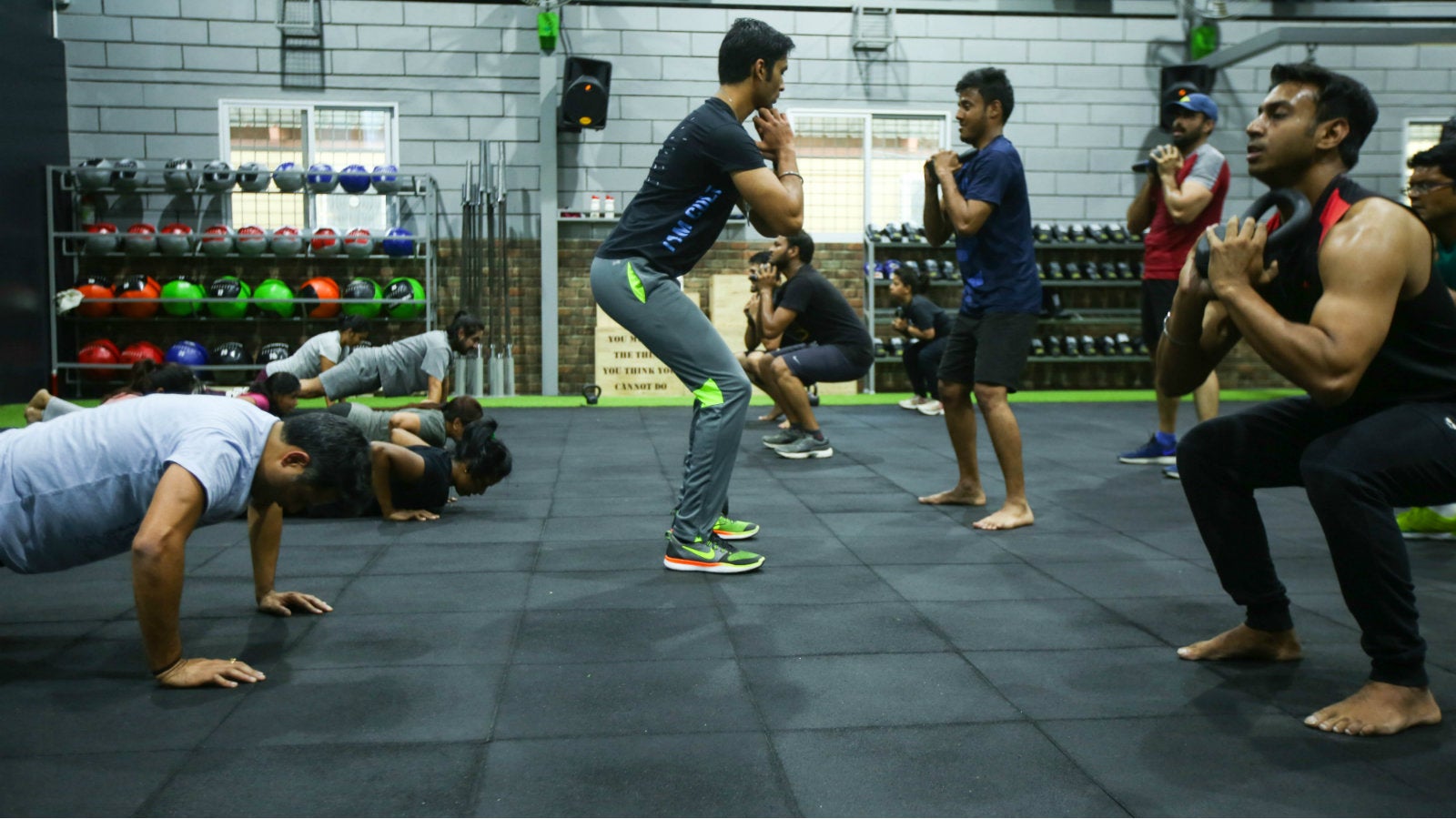
Trying, and failing, to stick to a gym routine is a punchline that hits close to home in India.
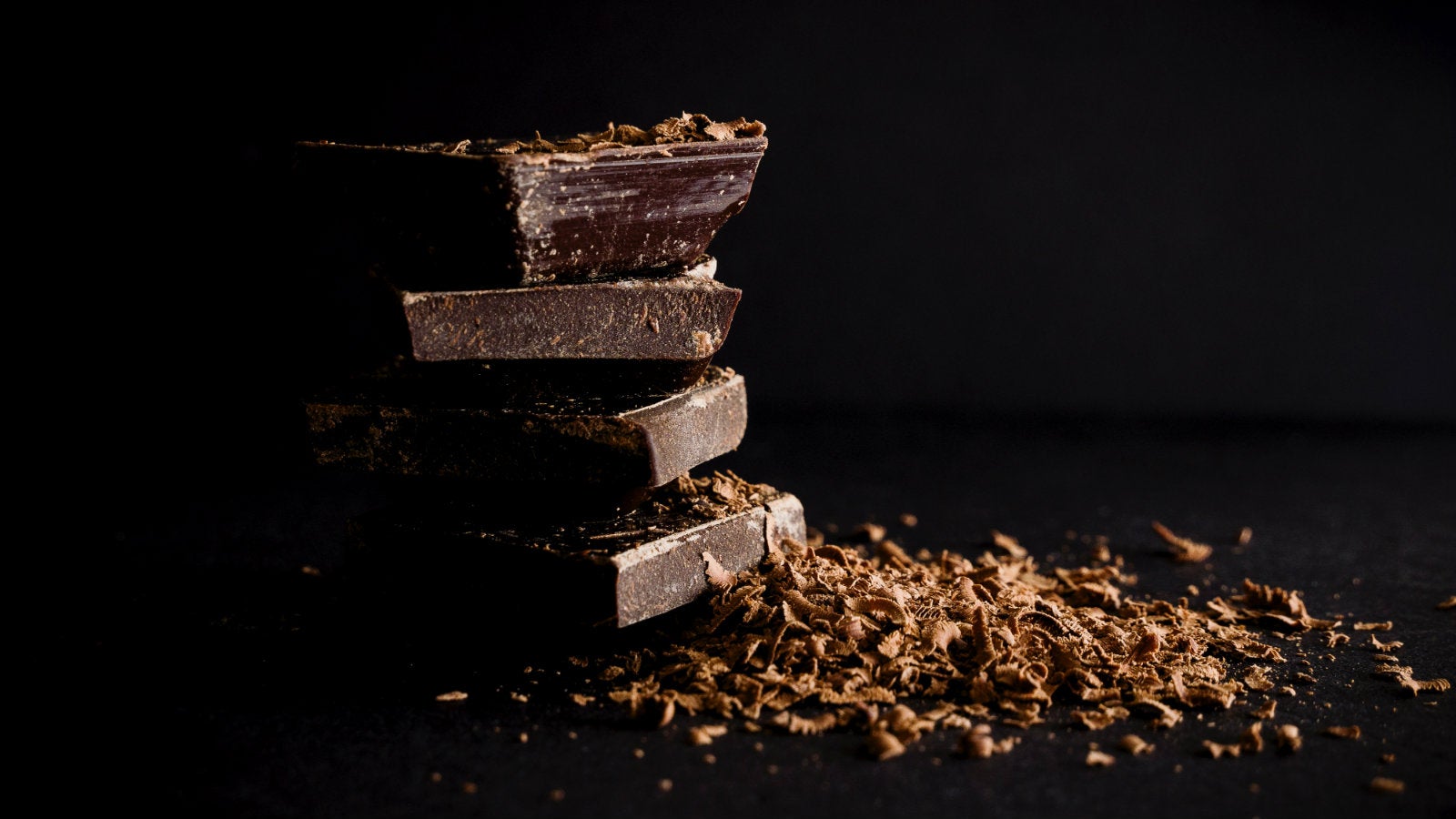
As Indian consumers become more experimental in their tastes, a fledgling artisanal chocolate movement is blossoming across the country.
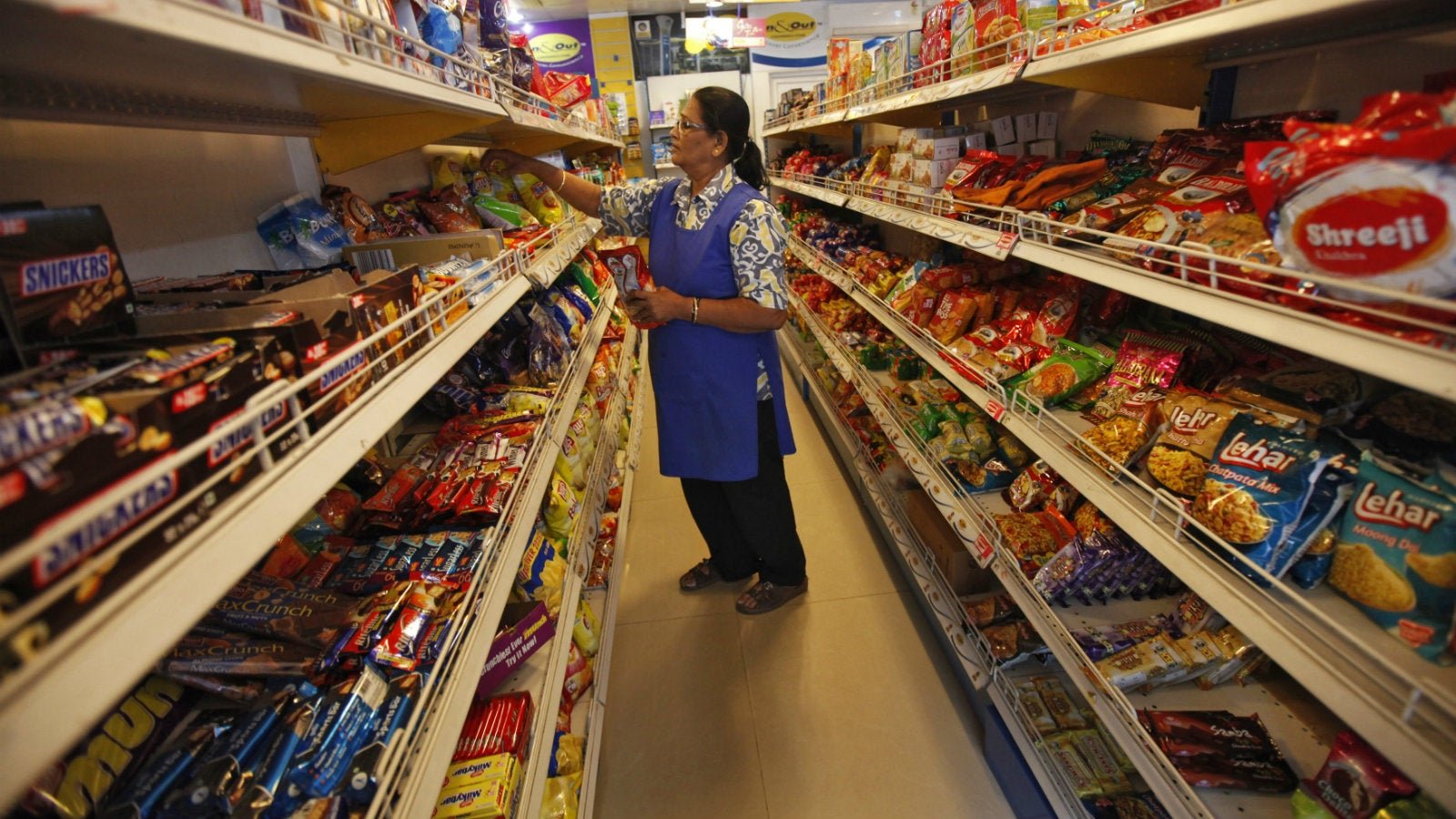
In the midst of the food-safety controversy over Nestle’s Maggi noodles in 2015, one Bharatiya Janata Party (BJP) lawmaker in the city of Indore in Madhya Pradesh came out all guns blazing against what she labelled “lazy” new-generation Indian mothers. These mothers, Usha Thakur claimed, were responsible for the nationwide popularity of the instant noodle brand, as unlike earlier generations, they didn’t feed their kids homecooked food.
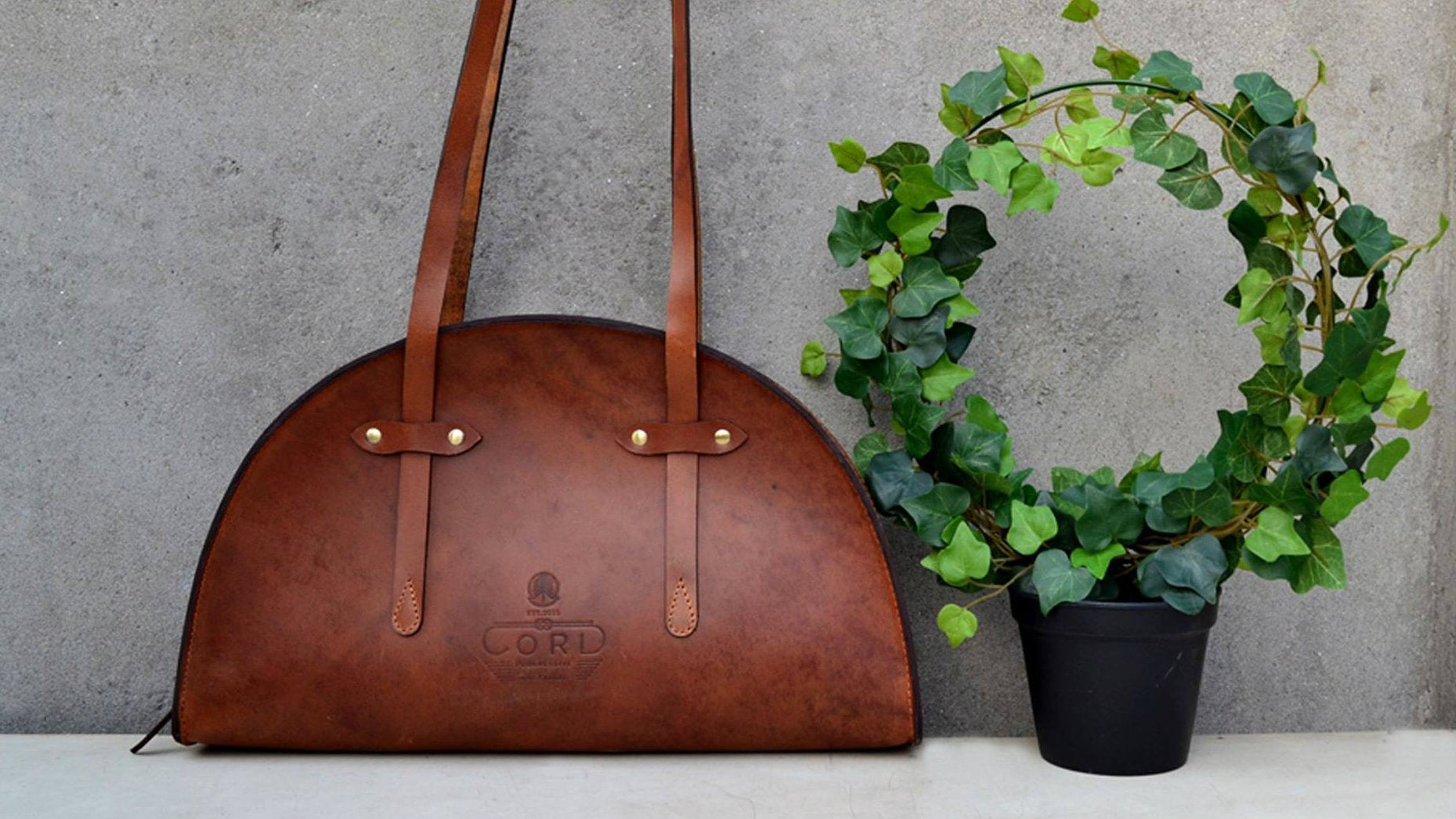
Fashion and accessories brands from around the world are waking up to the spending power of the aspirational Indian consumer.
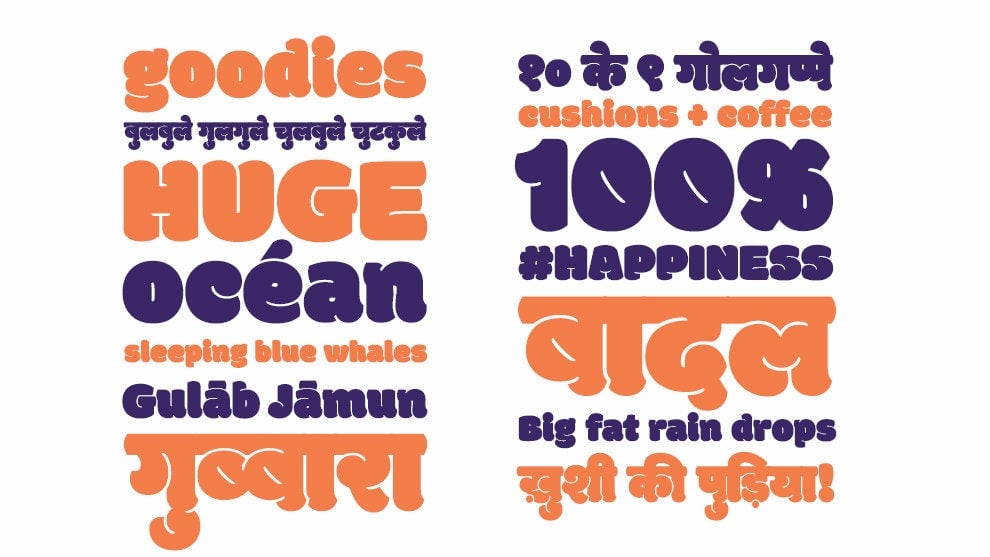
Typography matters, and not just for design nerds.
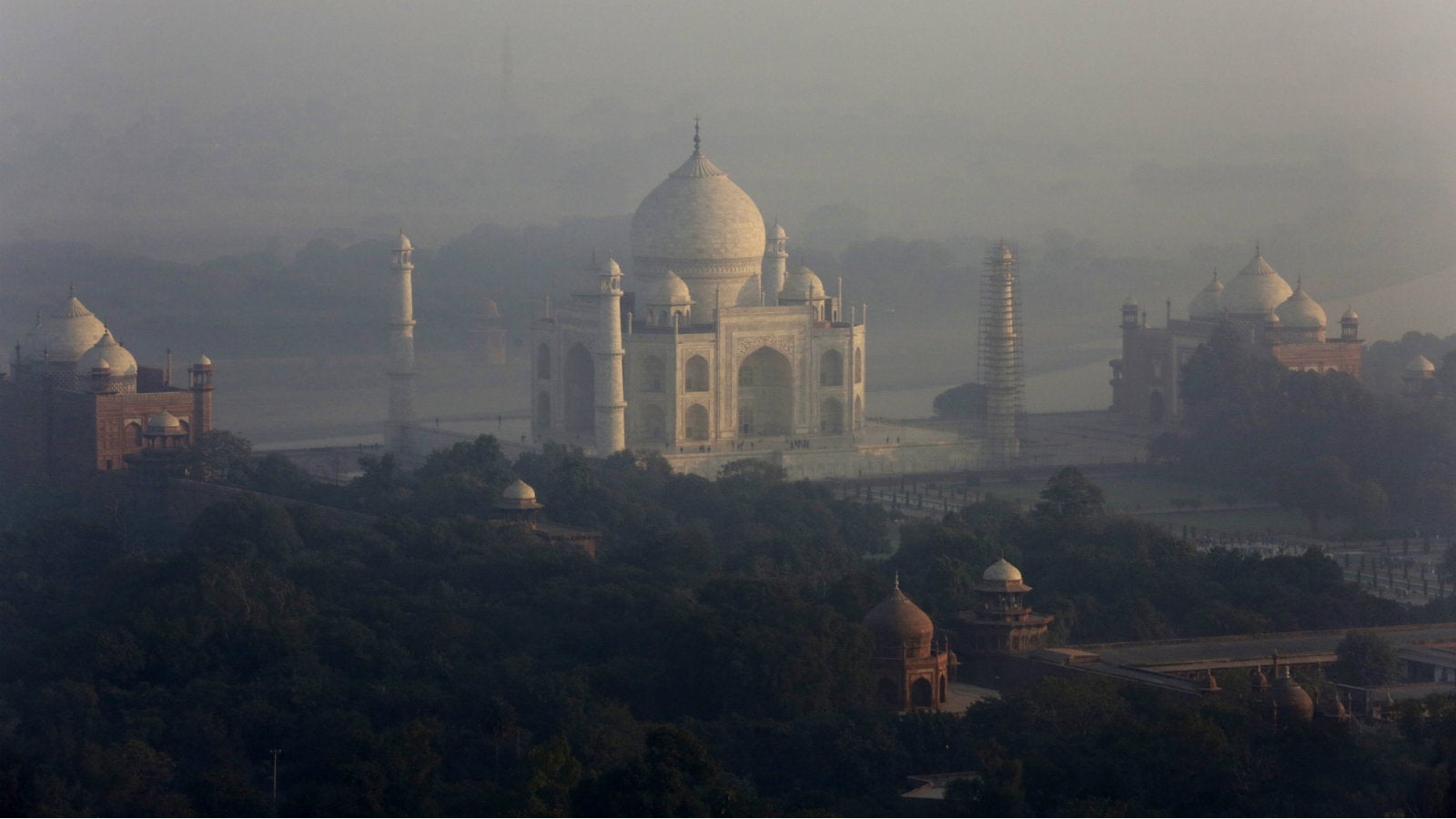
The recently-elected government of the northern Indian state of Uttar Pradesh (UP) has made its intentions clear: Conserving India’s most iconic monument, the Taj Mahal, is not a priority.
It’s getting harder and harder to believe that Air India was once a pioneer of good service in the sky.
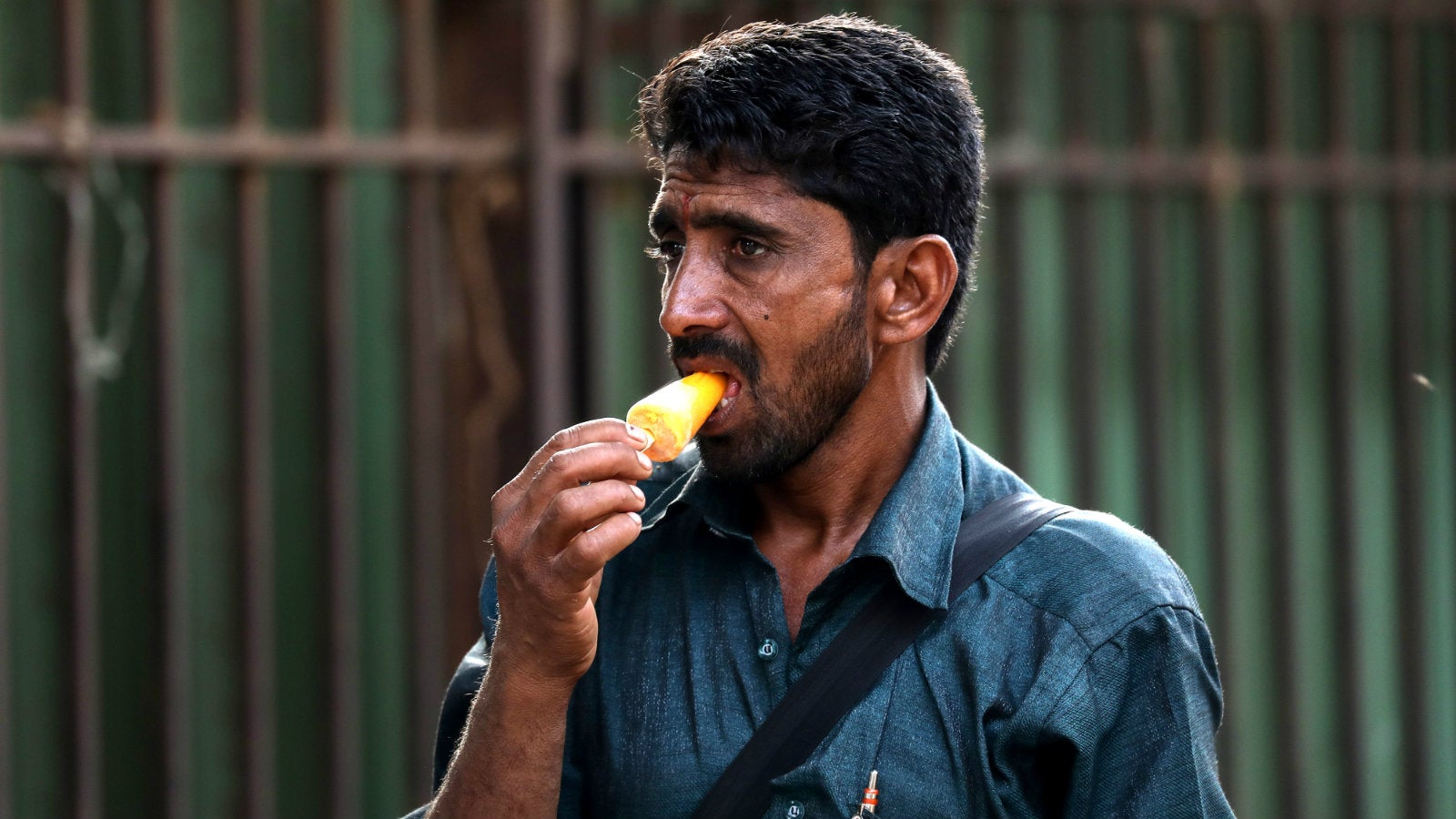
India’s love for ice cream has come a long way from the days when a scoop was the best that guests could expect at wedding ceremonies.
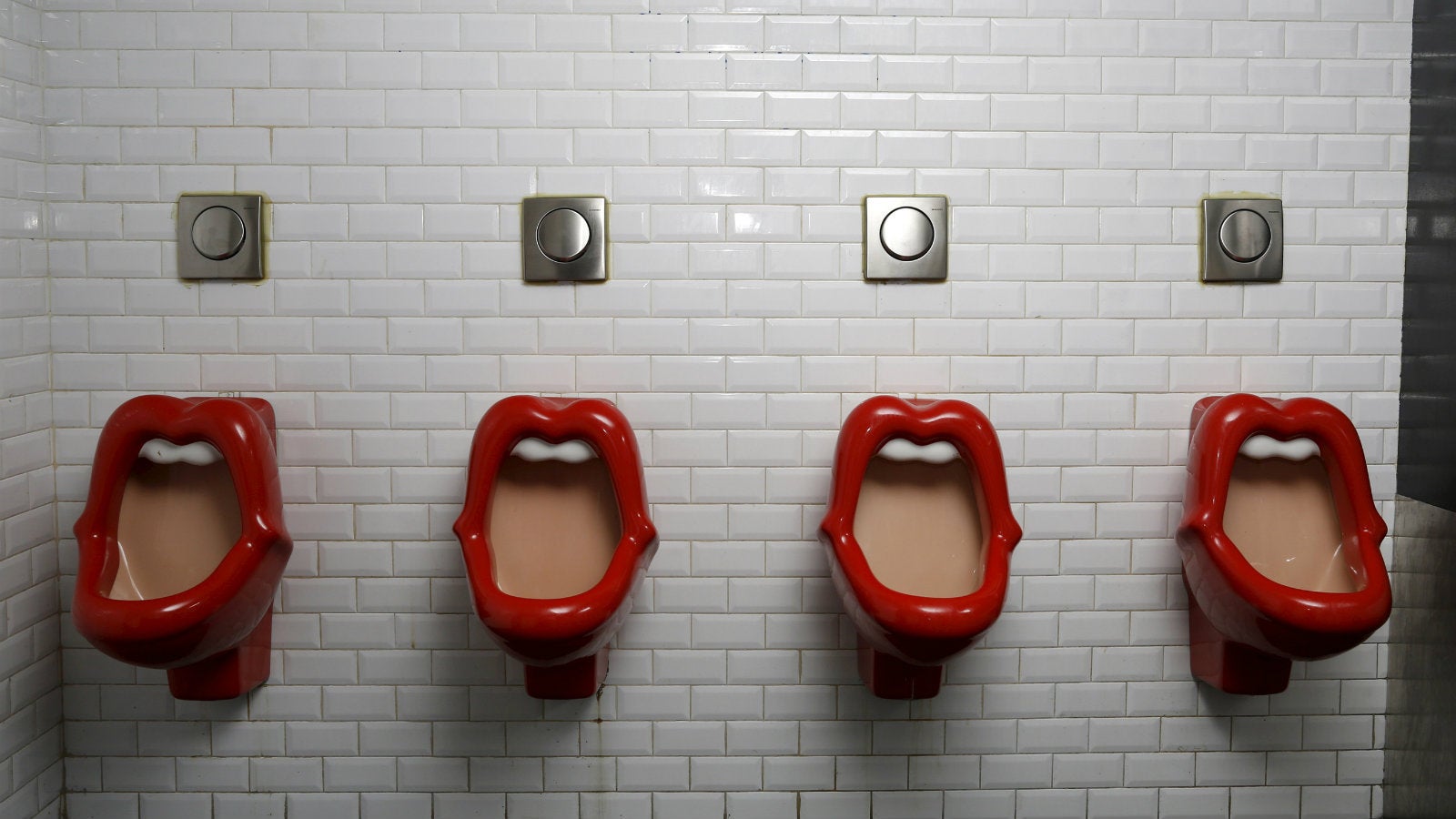
For most Indians, visiting a public toilet is a nightmare.