

Tech & Innovation
The US is the only country that can save soccerAmericans just don’t really care that much. And the world should thank them for it.
Updated July 20, 20222 min read
Americans just don’t really care that much. And the world should thank them for it.
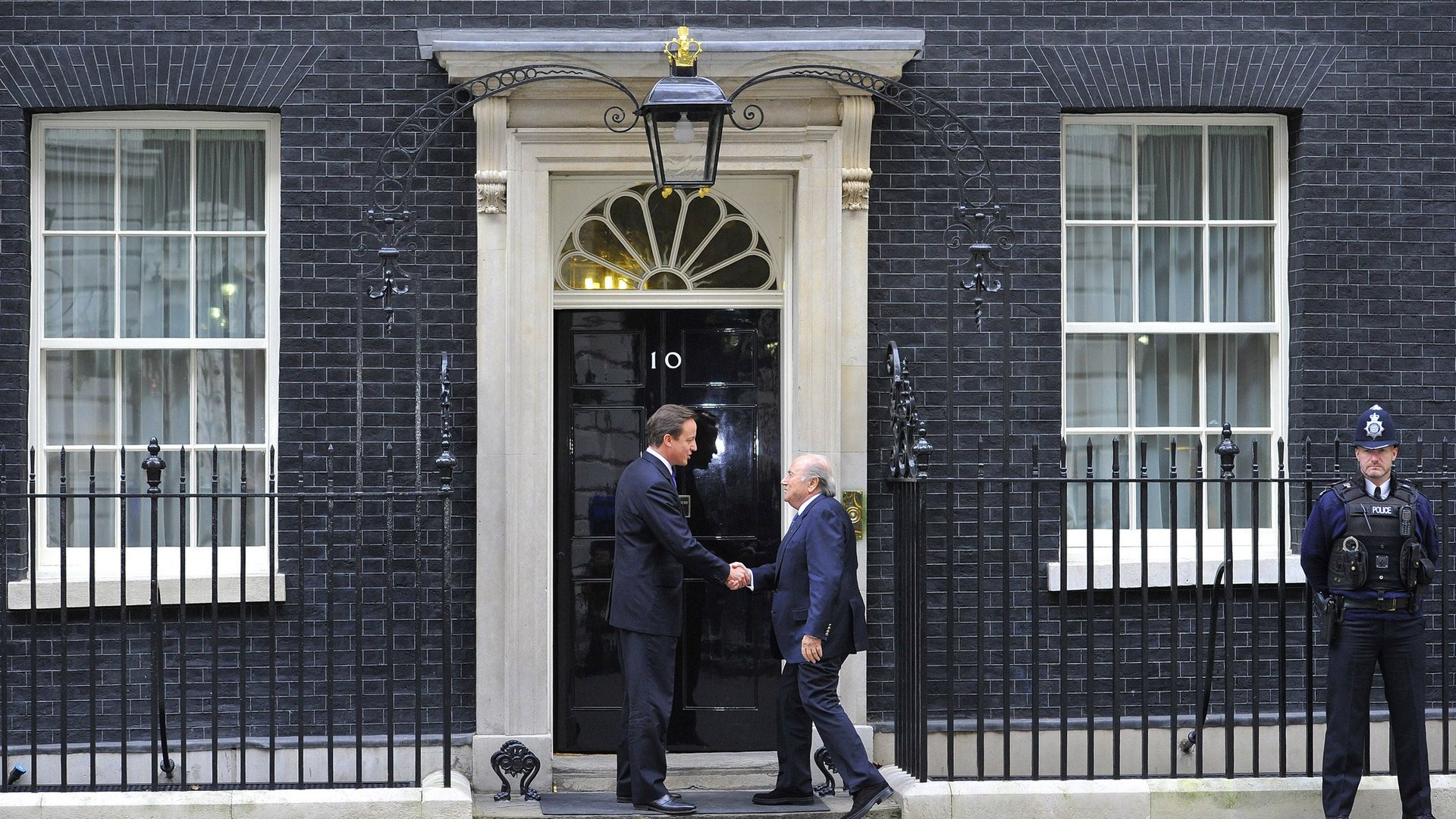
Several top officials from FIFA, the global governing body of the sport of soccer, were sensationally arrested overnight in Zurich, Switzerland. They are being extradited to the US to face charges of corruption.

Identity thieves pilfered tax records filed by some 100,000 households and tried to steal as many as 100,000 more, according to a statement from the US Internal Revenue Service, the national tax collecting agency. The IRS says:

We’re in a bear market for American misery.

The tech-fueled economic strength of the San Francisco area shows little sign of relenting.

A rough gauge of housing costs known as owners equivalent rent, or OER, was up 2.8% in April, compared to April 2014. That’s the fastest year-over-year change since late 2007.
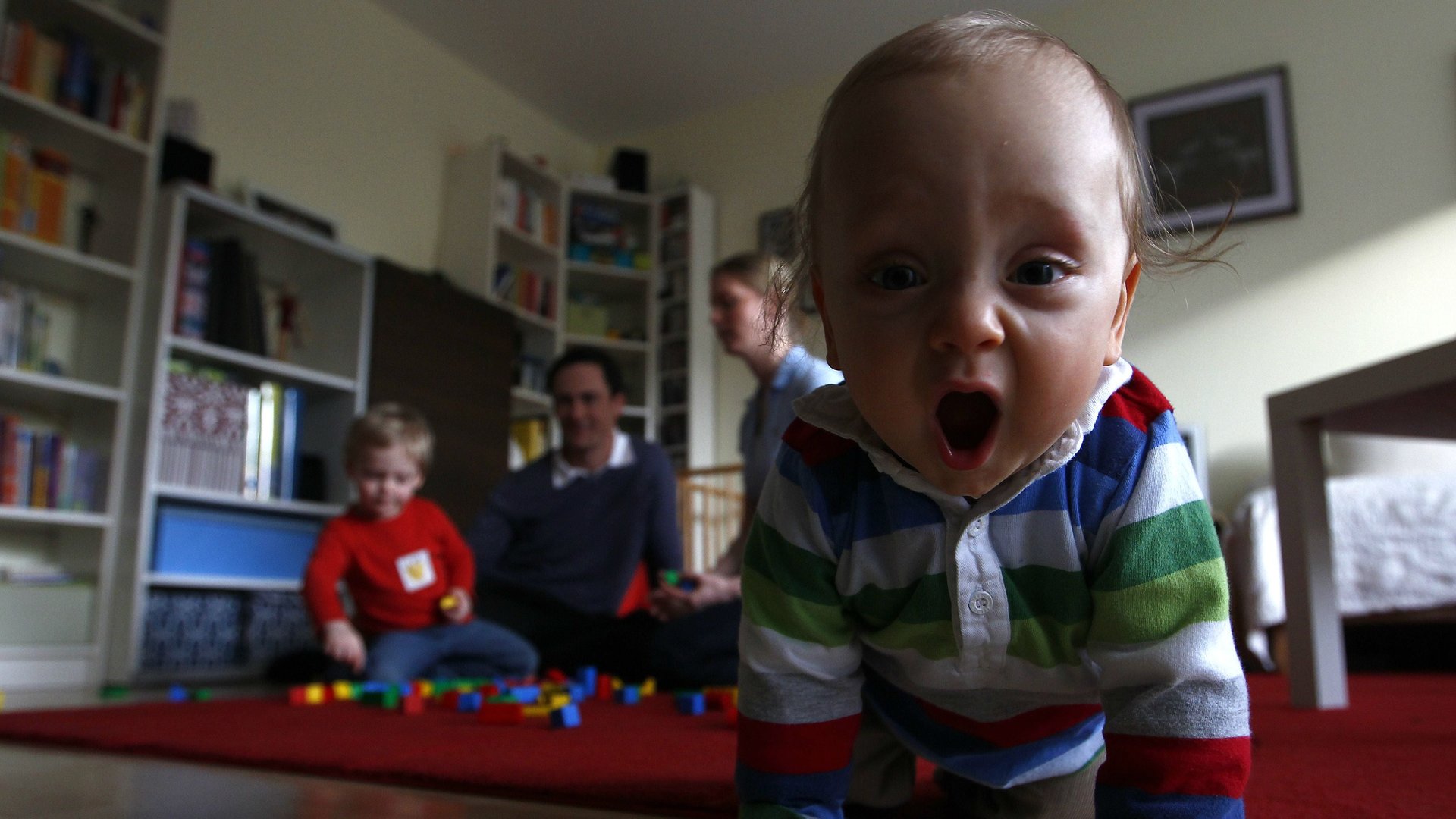
Unlike the Anglophone world, Germans don’t tend to be house-crazy. In fact, among big, rich countries, Germany has some of the lowest homeownership rates going. (If you’re interested, here’s why.)

If you’re looking for US growth, look to the Lone Star state.
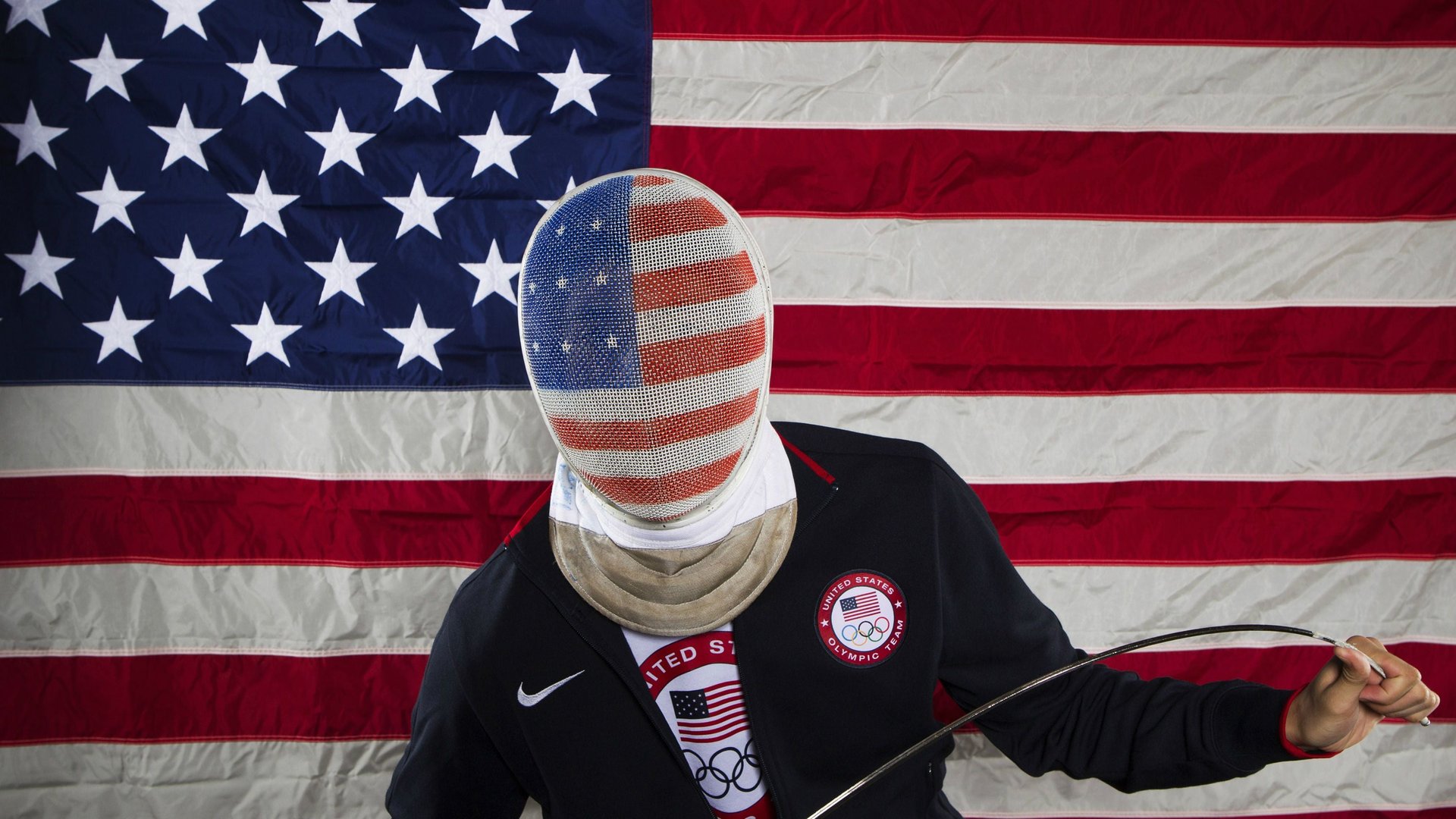
Let’s be clear, the US economy suffered a catastrophic recession after the financial crisis. It hurt a lot of people. Many still haven’t recovered. And many won’t. Ever.

By some measures, Brazil’s state oil behemoth Petrobras is the world’s most-indebted company.

China’s economy is grinding gears, leaving observers unsure of where the growth of the ascendant Asian colossus will come from over the next few years.
The sharp drop in gas prices over the last year has put extra cash in the pockets of American consumers.


The Federal Reserve’s efforts to lower long-term interest rates have left it with a monstrous balance sheet.

It’s difficult to overstate how serious Russia’s alcohol problem is.

The American legal scholar Cass Sunstein has become one of the most influential non-economists toiling in the world of economics. Over the course of his career, his interests arced from constitutional law to a pioneering synthesis of behavioral economics and public policy developed in concert with the economist Richard Thaler. Originally called “libertarian paternalism,” the Sunstein-Thaler approach stresses the fact human choices can’t help but be influenced by the way those choices are framed.

It’s time for what’s arguably the world’s premier economic update: the US jobs and employment report. Economists, policy makers, pundits—and those simple seeking a new gig or a raise—will be watching the April update for signs that the US has shrugged off an ugly first quarter. We’ll scour the data for the most insightful trends and blast out charts that tell the tale early and often.

It might not be Whole Paycheck much longer.
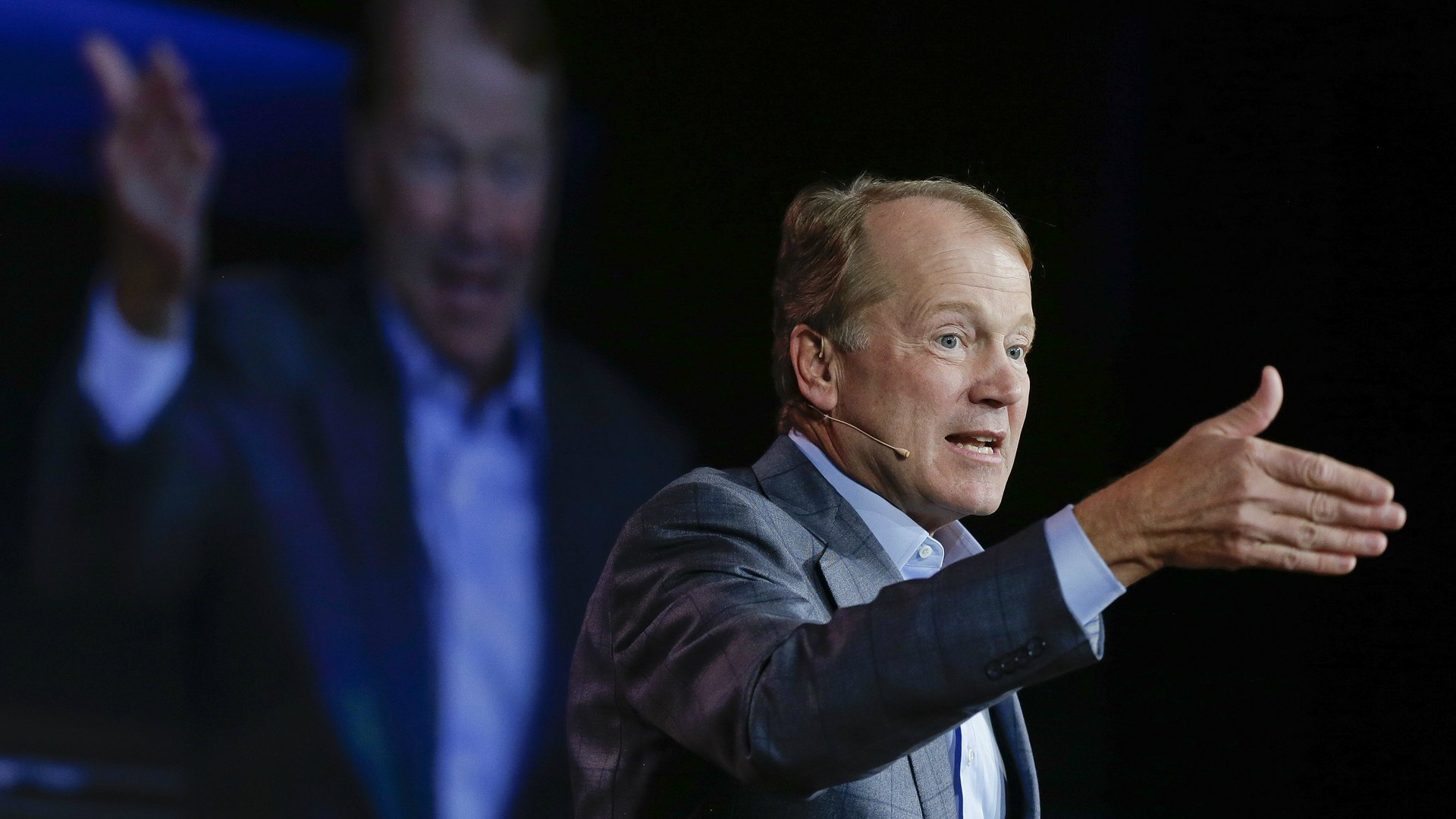
After 20 years at the helm of networking giant Cisco Systems, John Chambers announced plans to step down today. He will be succeeded by Chuck Robbins (paywall), Cisco’s senior vice president of worldwide operations as of July 26.

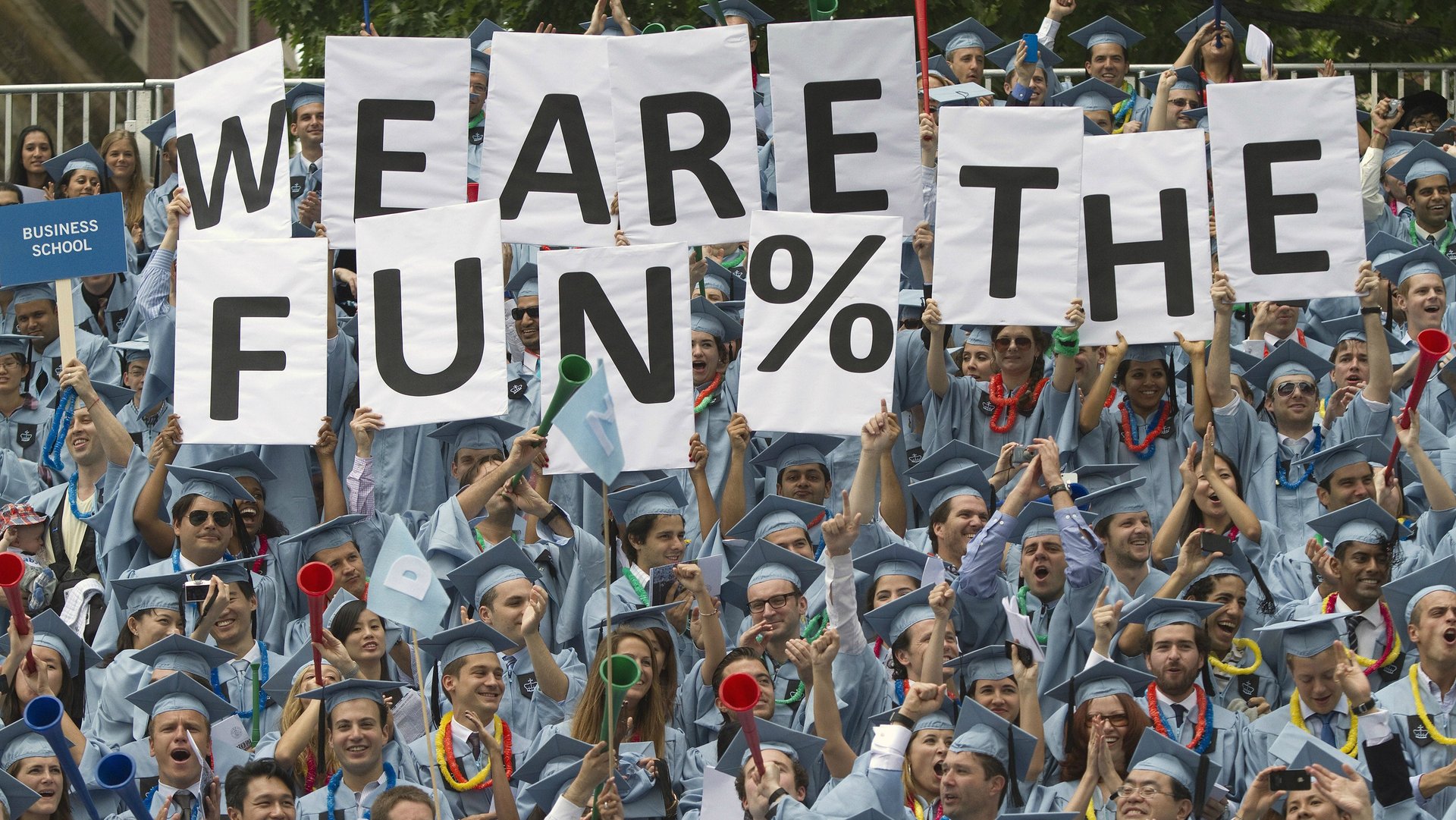
This might be the best economic news Americans have had in a good long while.
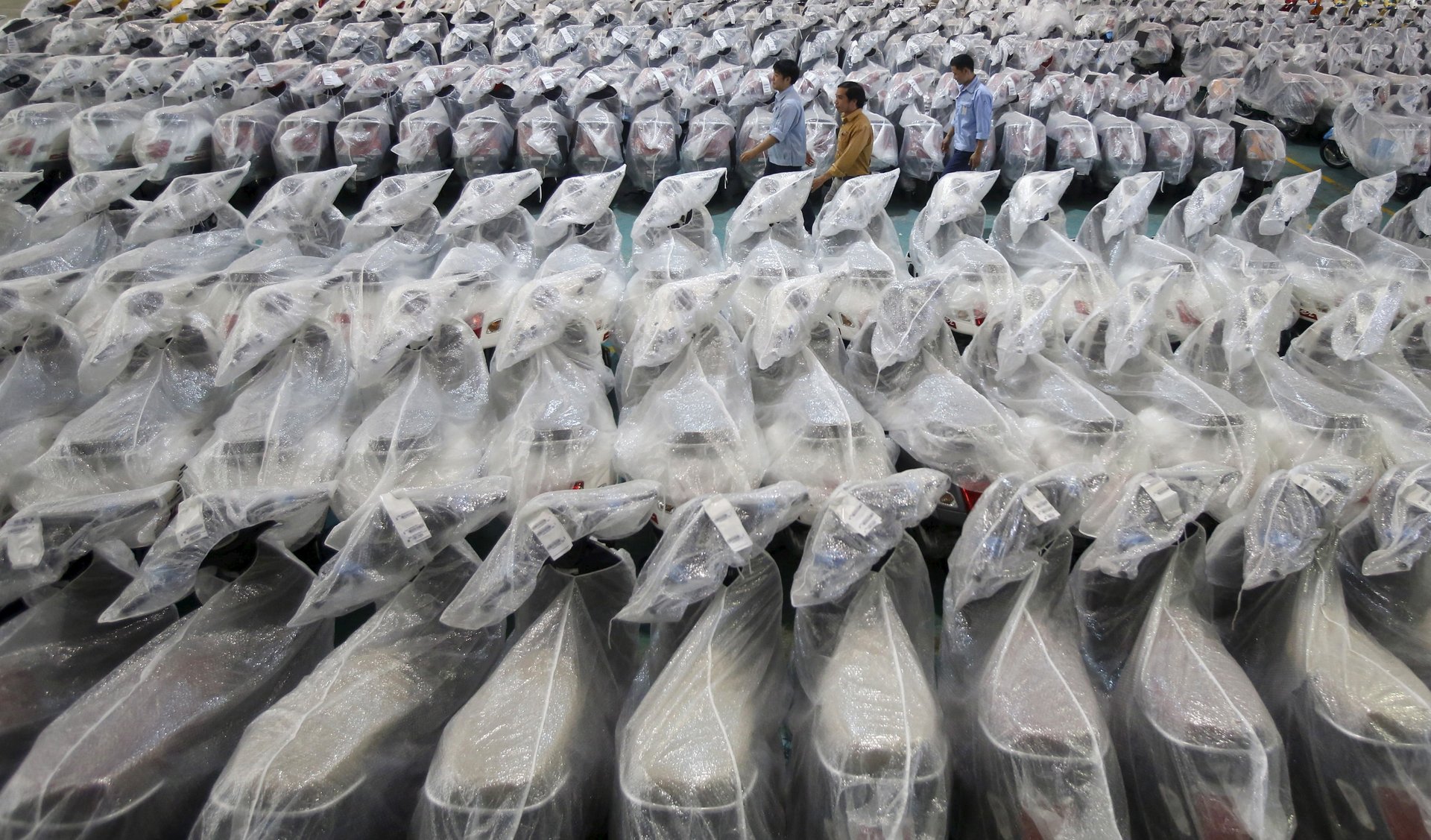
It’s been 40 years since the harrowing rooftop helicopter evacuations of Saigon, then the capital of South Vietnam, which marked the end of America’s military involvement in a conflict that left roughly 58,000 Americans dead, sharply divided the country, and damaged America’s self-confidence until the 1990s.

Seriously.

A good man, it seems, is often hard to find.