
Money & Markets
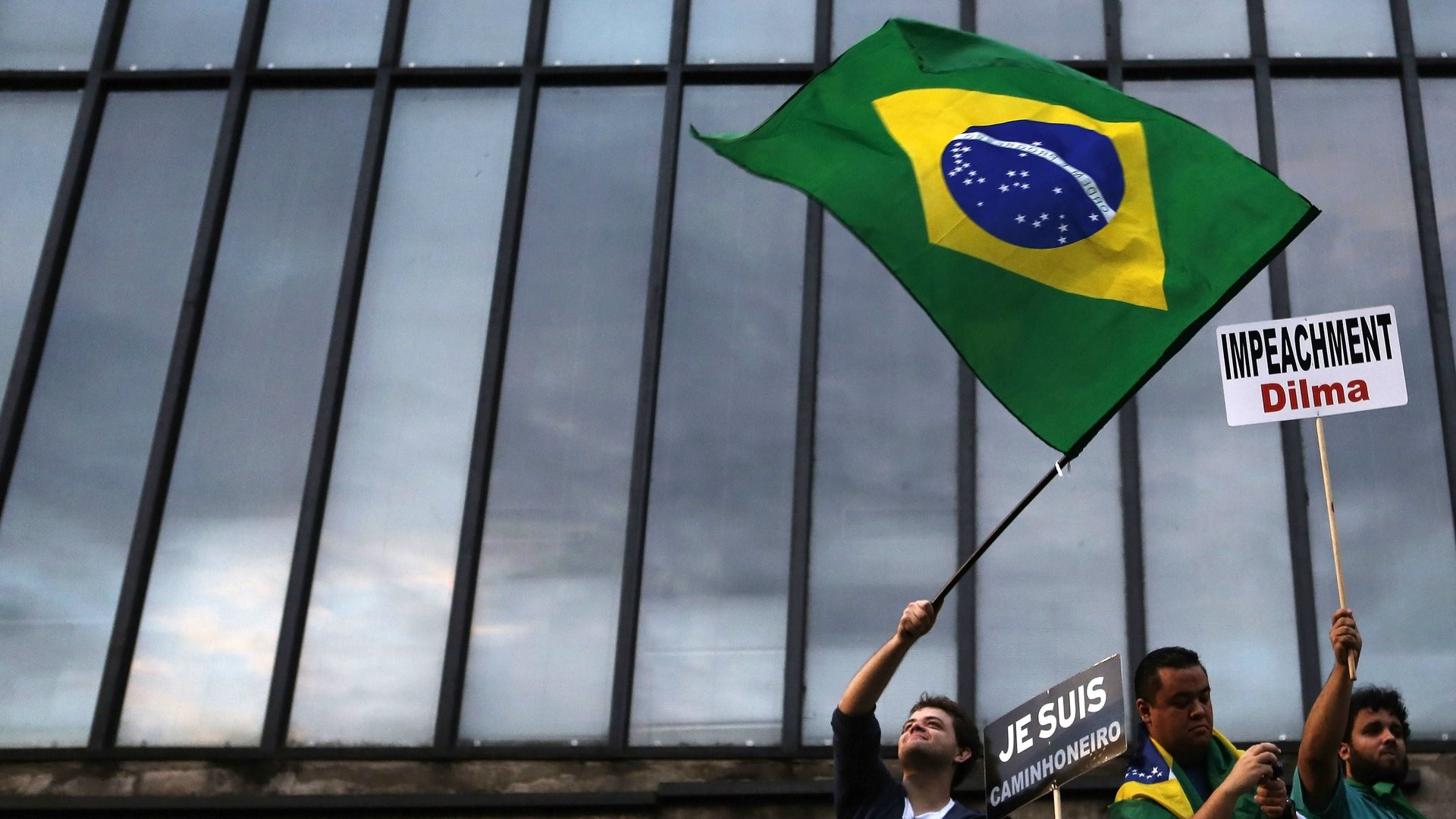
Brazil’s leaders should be nostalgic about the US “currency war”Remember when Brazil complained about currency wars?
Updated July 21, 20221 min read
Remember when Brazil complained about currency wars?

Of the two Antipodean nations co-hosting cricket’s World Cup, there’s no contesting which has the better economy.
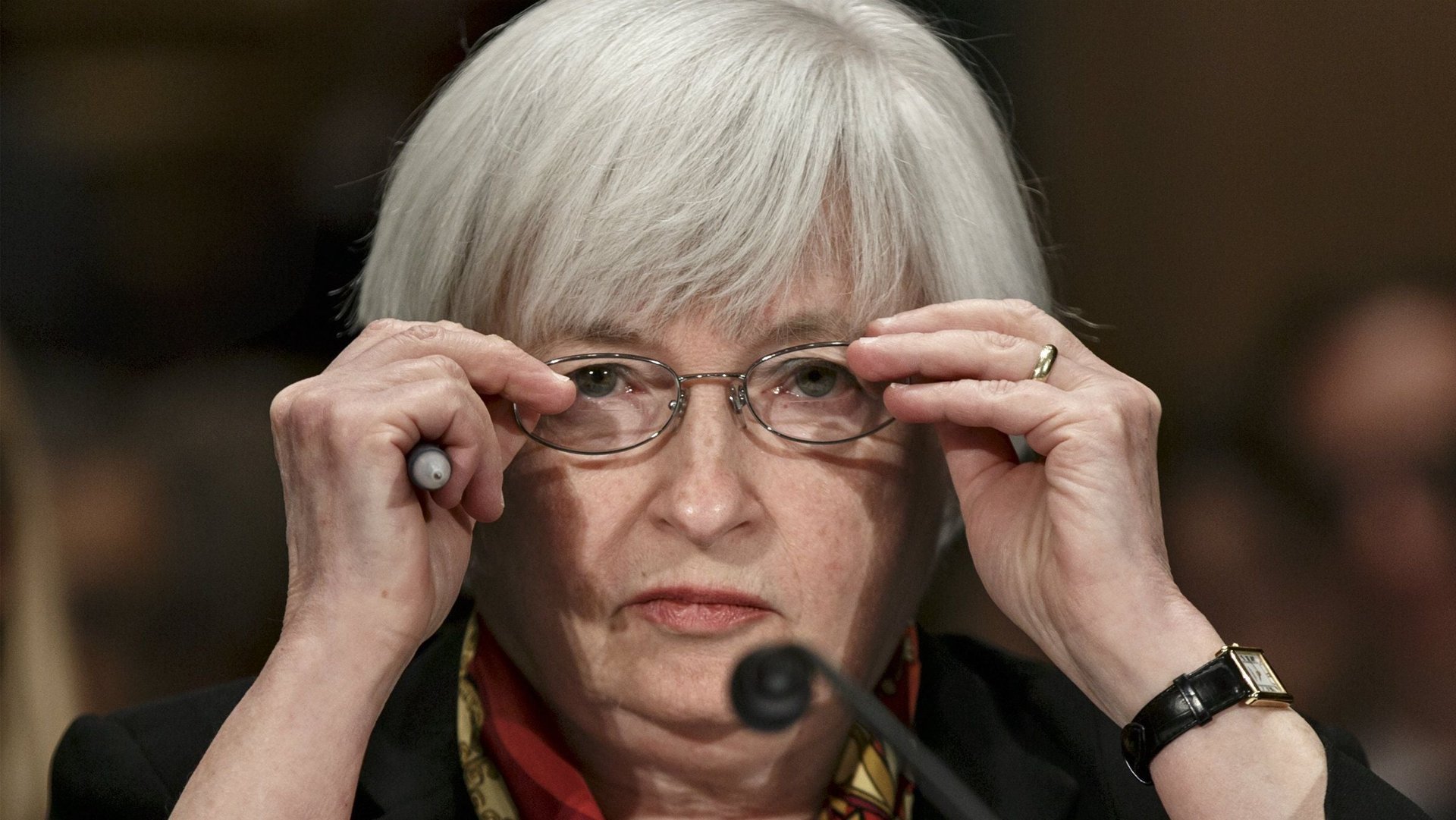
The Federal Reserve doesn’t really talk about the US dollar, as dollar policy is the well-defended remit of the US Treasury Department.
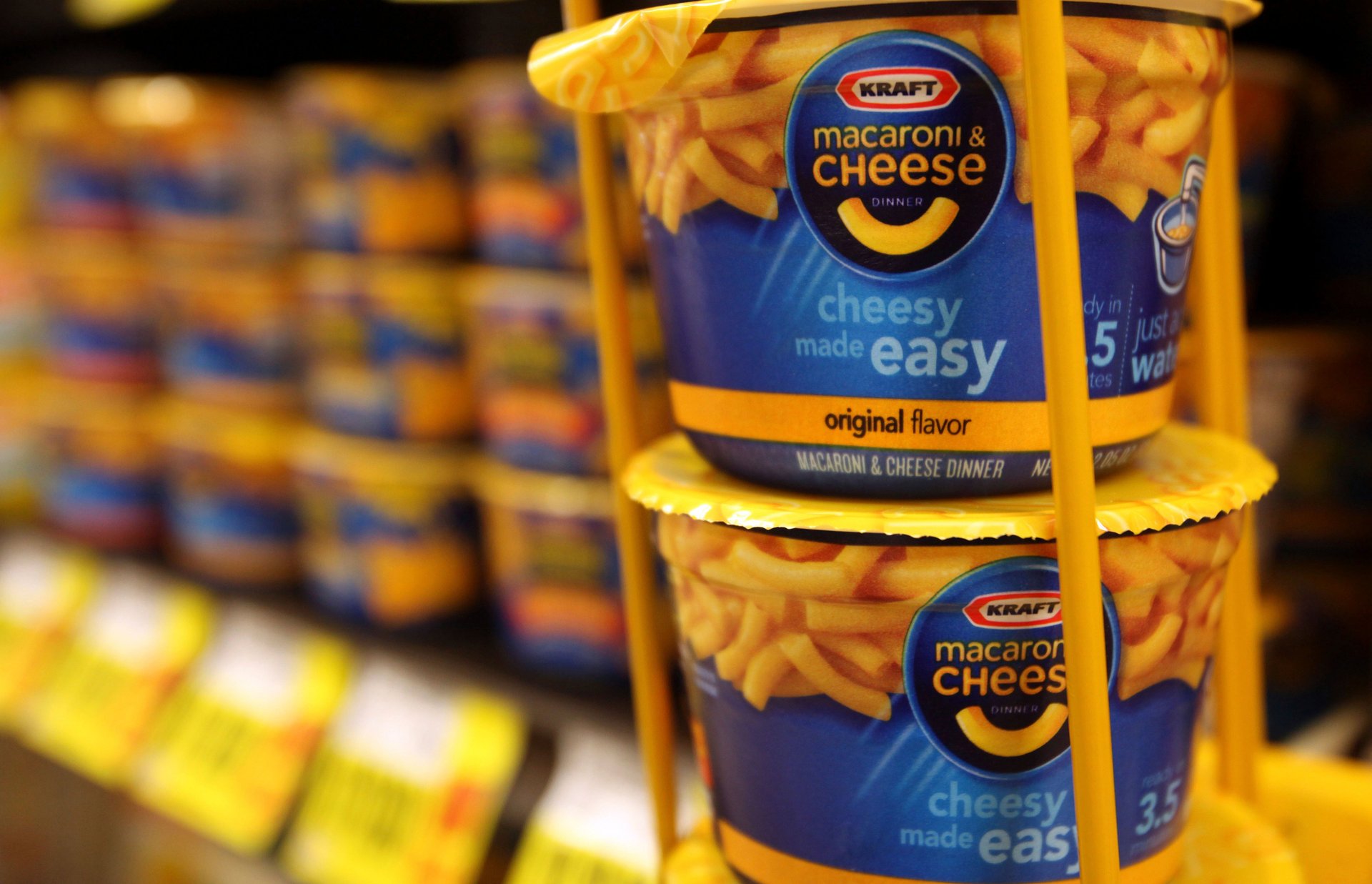
US food giant Kraft has recalled some 6.5 million boxes of its macaroni-and-cheese product, saying it was aware of eight incidents in which people had found small pieces of metal in the popular, yellow, gooey pasta kits. The boxes in question were sold in the US, including Puerto Rico, and in some areas of the Caribbean and South America, the Associated Press reports. Here’s what the company said today in its official statement on the mishap:

American companies have a very good problem. They’ve got nowhere to put all their money.

It was cold in February. It was really, really cold.
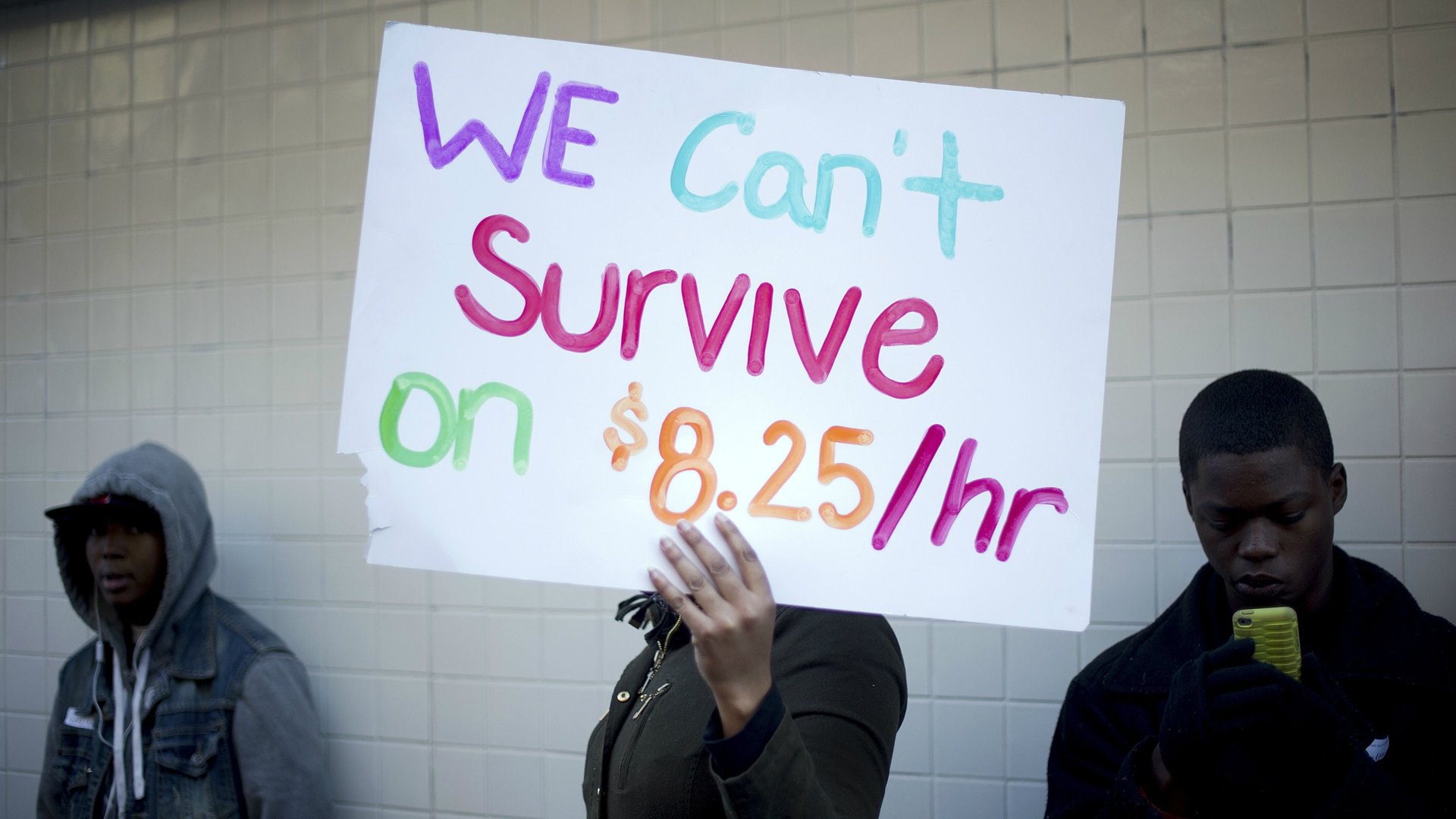
Faced with a stubborn refusal of wages to rise even as economies recover, some of the most powerful policy-makers in the developed world are now pushing companies to put more money in people’s paychecks. And they’re willing to risk offending the conventional economic wisdom to do it.
American household wealth soared to new heights in the fourth quarter of 2014, driven by a recovering stock market and healthier home prices. The net worth of the household sector rose to $82.91 trillion during the quarter. Up 1.8% from the prior quarter, and 5.1% from the prior year, it’s also 22% higher than the pre-crisis peak reached in the second quarter of 2007, according to data from the Federal Reserve.

US retail sales fell again in February, as an onslaught of awful weather hammered the Northeast. They were down 0.6% month-on-month. (Analysts had been expecting a slight increase.)

The Chinese producer price index isn’t exactly the top of mind for most people keeping an eye on the global economy. But right now it should be.

In recent years, the leadership at General Motors has made much hay about its commitment to maintaining a “fortress balance sheet.“ (Essentially, that’s the finance-geek way of saying the company will be very cautious and sock away cash for one of the rainy days that regularly beset the highly cyclical auto business.)

If you’re looking for someone to blame for daylight saving time, allow us to suggest the Germans.
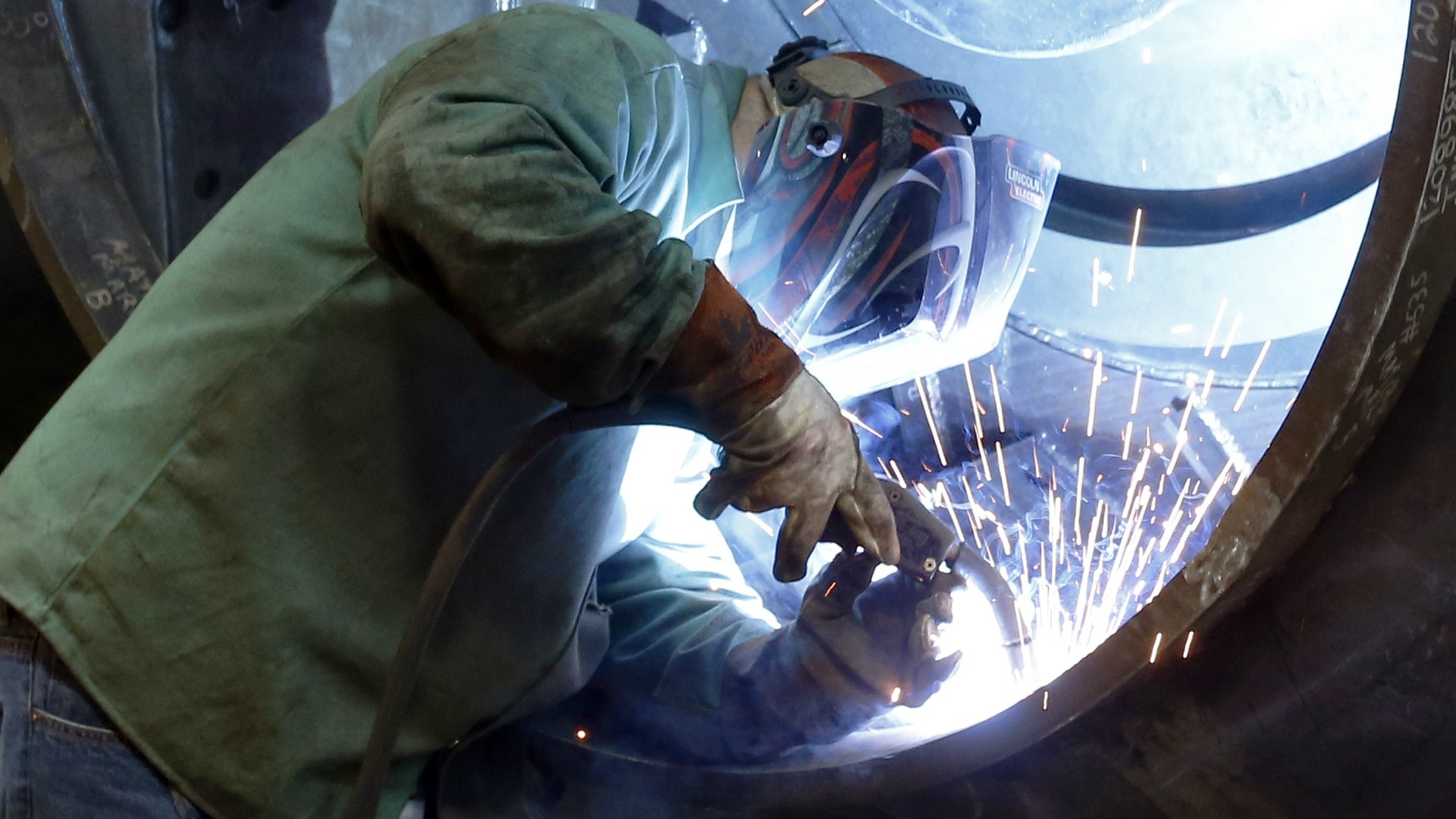
It’s that time of the month again, when all economically focused eyes turn to the US jobs report.
The cost of healthcare is rising at the slowest rate since President John F. Kennedy was in office.

Everyone’s favorite twee online crafts marketplace has filed to go public, with Etsy looking to raise some $300 million by selling shares in the public markets, according to Bloomberg. Investors who opt to fork over cash for Etsy stock will receive shares in the Brooklyn-based company. In its filing Etsy touted its 54 million members, 1.4 million active sellers and 19.8 million active buyers. It did not, however, tout its profits. And that’s good, because it doesn’t have any.
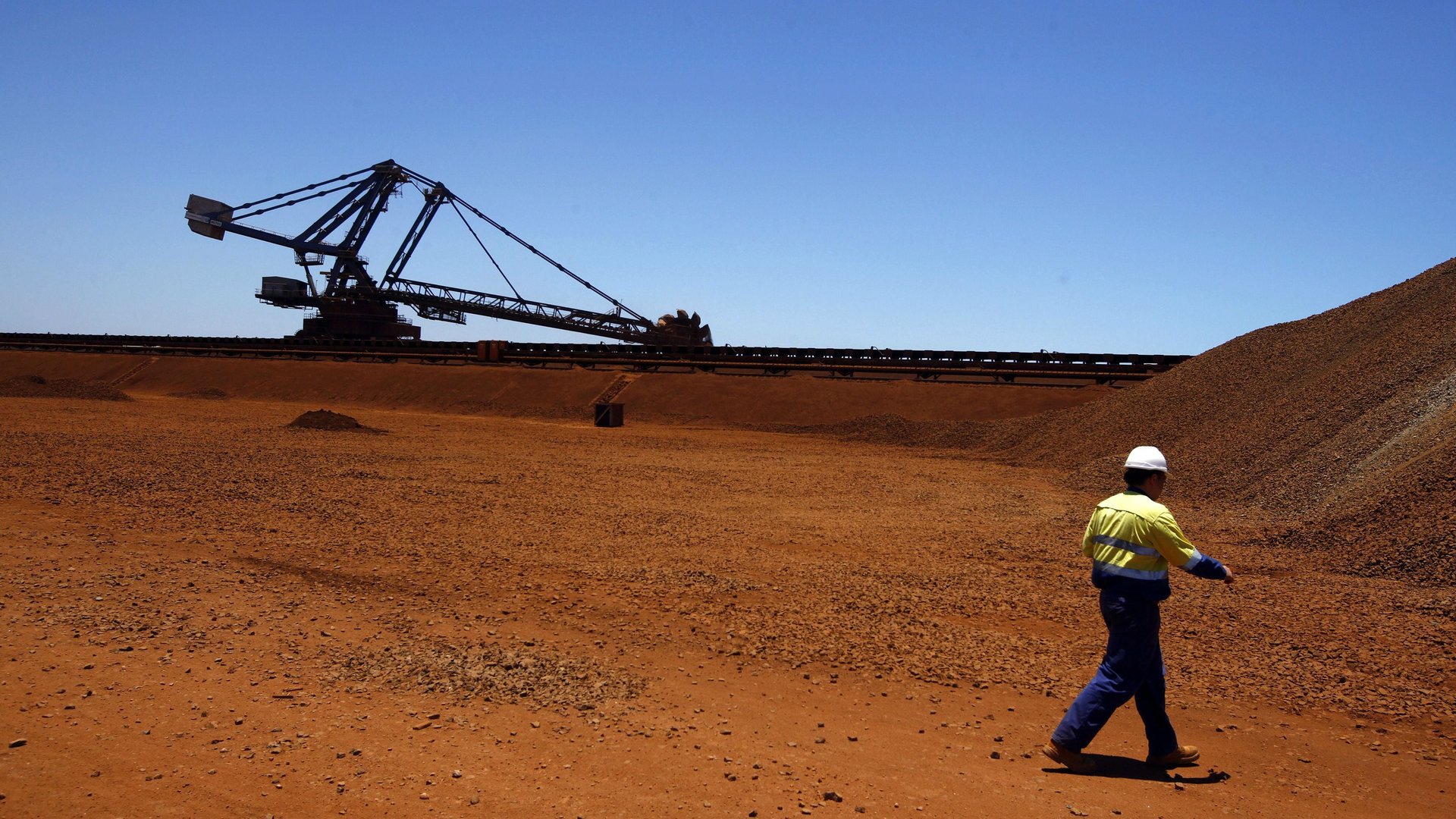
Australia’s business model of digging up stuff and selling it to China is in need of some tweaks, amid a growth slowdown in the People’s Republic. Fourth quarter GDP was up a slightly better-than-expected 2.5%, compared to the fourth quarter of 2013.

One of the key policy prescriptions to come out of the French economist Thomas Piketty’s influential 2014 study of inequality, Capital in the Twenty-First Century, was the call for a global wealth tax. Piketty argues that such a tax, while perhaps unworkable, would counteract tendencies toward inequality, and provide additional transparency and data on wealth distribution.

Germany’s parsimonious consumers are on a shopping spree the likes of which has not been seen in decades.

And we’re back.

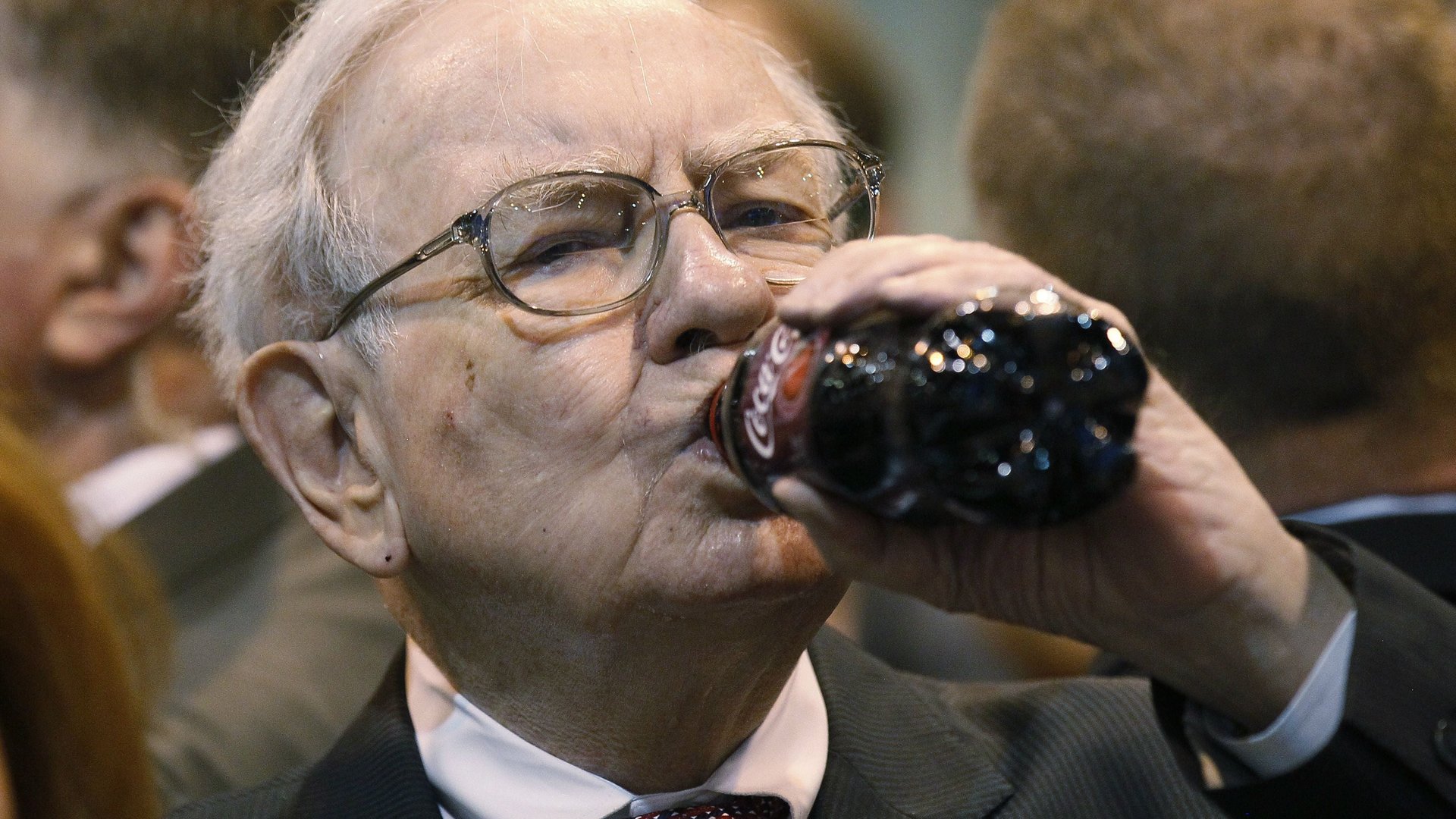
The pursuit of value has been the abiding obsession of Warren Buffett in the 50 years since he took over Berkshire Hathaway and, in fact, far before then.

Leonard Nimoy’s passing at the age of 83 is prompting a flood of reminiscences about the actor, artist, and poet best known for his portrayal of the half-human/half-Vulcan Spock on the television series and movies Star Trek.
The US economy grew slower than first thought in the fourth quarter.

The modern German economy has literally never looked better. Unemployment has held steady at 6.5% for three consecutive months, and that’s the lowest rate on record.

For years, malcontents have been squawking that the Federal Reserve’s policy of creating fresh money and using it to buy bonds—quantitative easing—would set off a dangerous inflationary spiral. They couldn’t have been more wrong. In fact, as measured by the headline US consumer price index, prices have now fallen by 0.1% over the last 12 months. (That’s the first time that’s happened since the US clawed out of the Great Recession.)