

Money & Markets
Communist Vietnam just adores global capitalism—and it’s easy to see whyGlobal capitalism isn’t always easy to love. But Vietnam is still in the free-market honeymoon phase.
Updated July 21, 20221 min read
Global capitalism isn’t always easy to love. But Vietnam is still in the free-market honeymoon phase.

Economists have long theorized about why people save. The most-famous theory, the so-called “life-cycle” theory of savings put forward by Nobel Prize-winning economist Franco Modigliani in the 1950s, said—to put it crudely—that people save when they’re young to finance their lives when they’re old. It sounded reasonable. And it was hugely influential for decades.
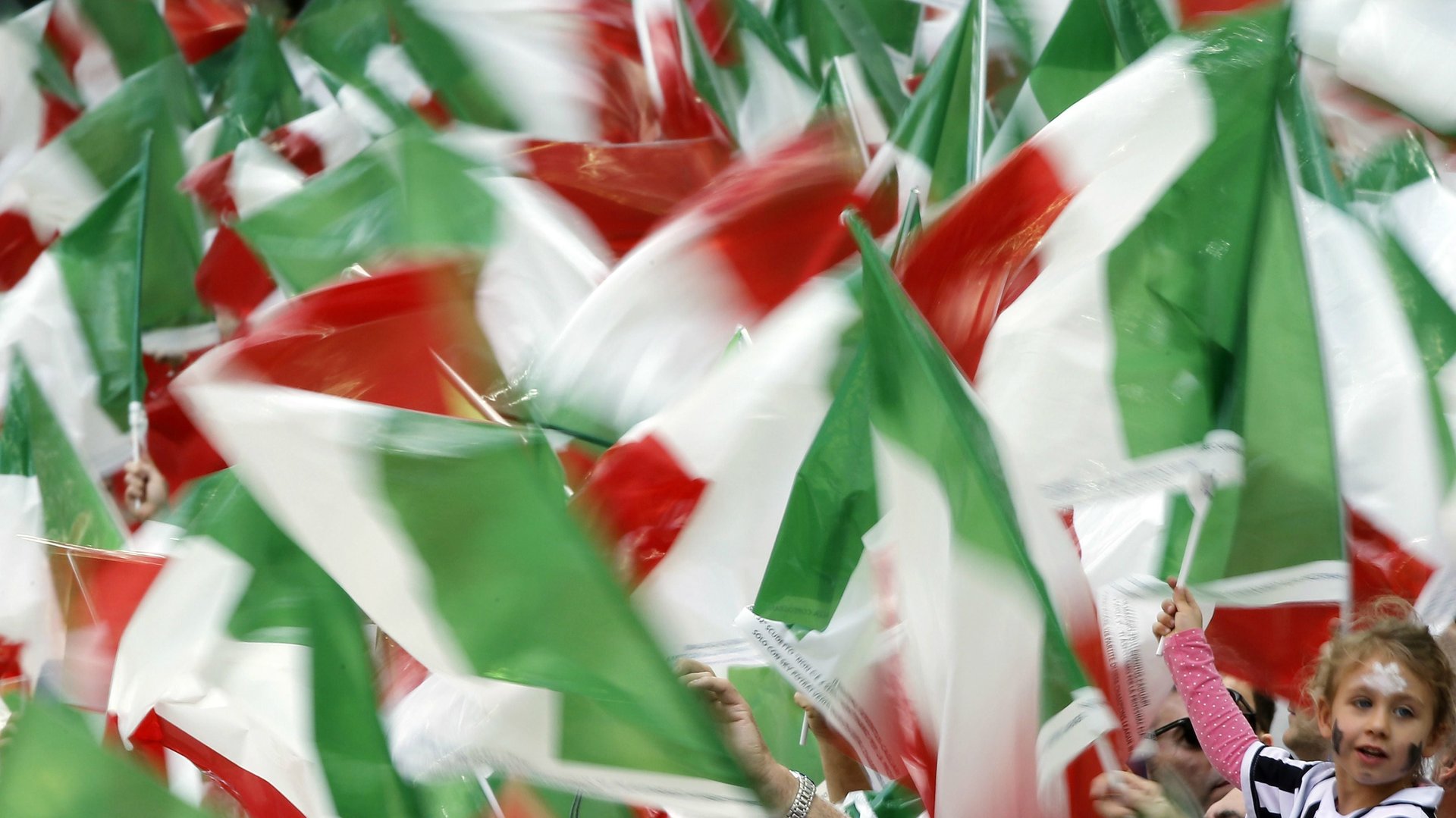
Italian stocks ran ahead of much of the pack this week, weathering volatility related to the ongoing wrangling between Greece and its creditors. (The parties managed to agree to a four-month extension of financing for Greece late Friday.)

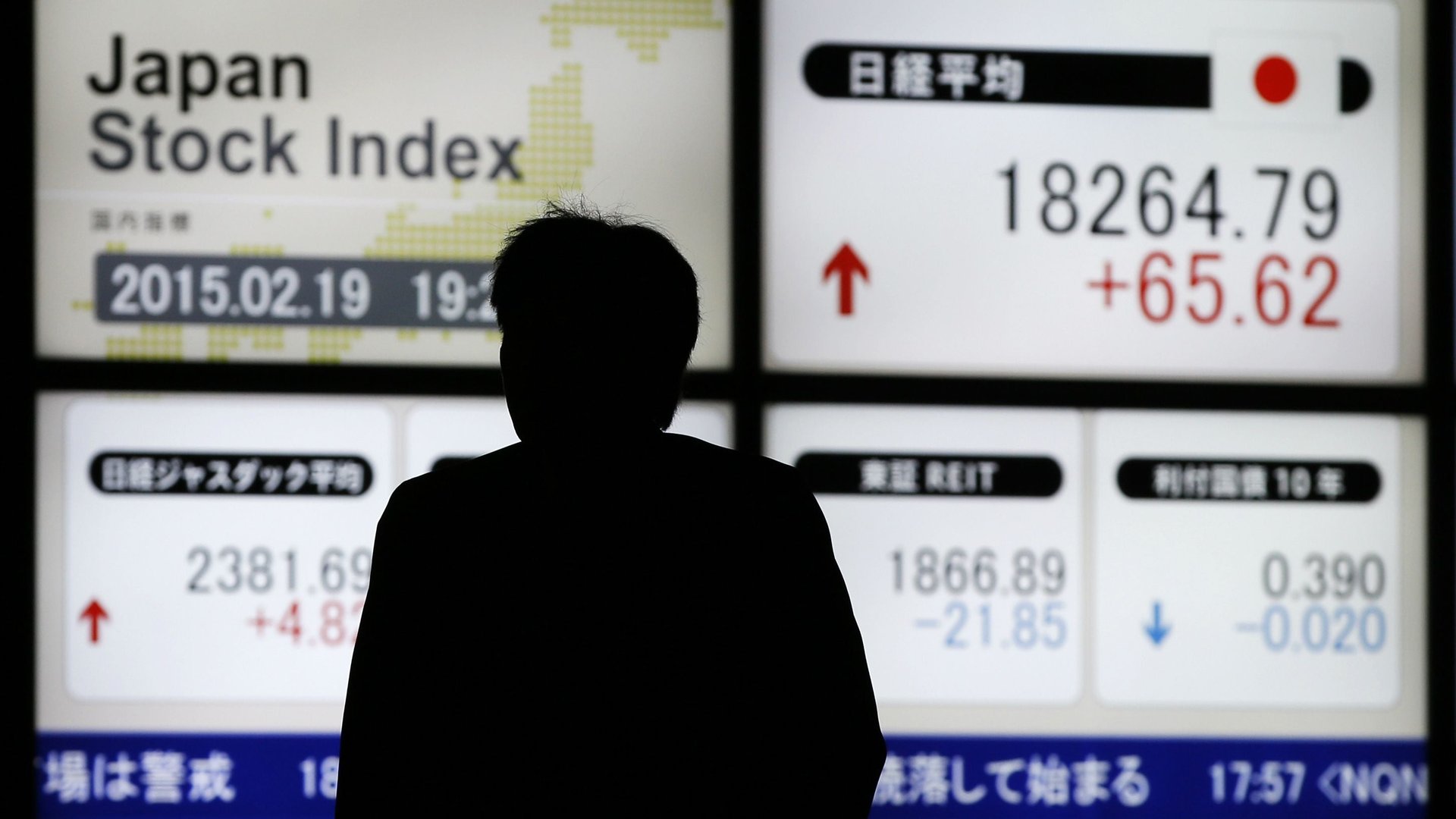
Growth is picking up in Japan. No, really.

Apple’s market value keeps roaring higher following a truly historic fourth quarter earnings report. And while, in nominal terms, it is by far the most valuable publicly listed company in history, that’s not the case if you account for inflation.

Sweden’s Riksbank joined the central banking bizarro world today, pushing its key benchmark interest rate into negative territory. In other words, instead of paying interest to institutions that park money with it, Sweden’s central bank—like the national banks of Switzerland and Denmark and the European Central Bank—is now charging a small fee to safeguard the cash.
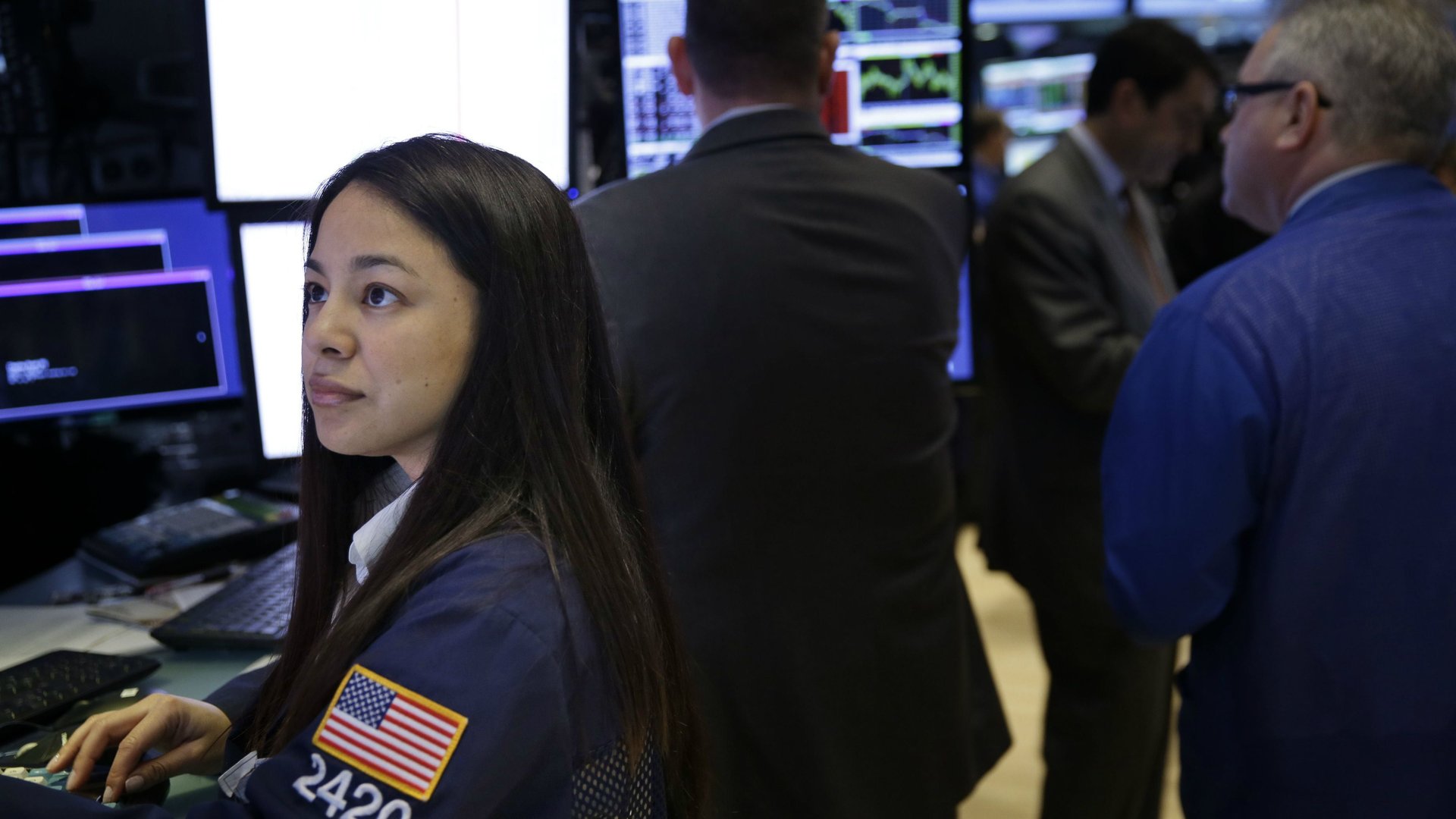
It’s a well-established fact that pretty much everything on earth would run better if women were in charge. That dictum would seem to extend to the financial markets.
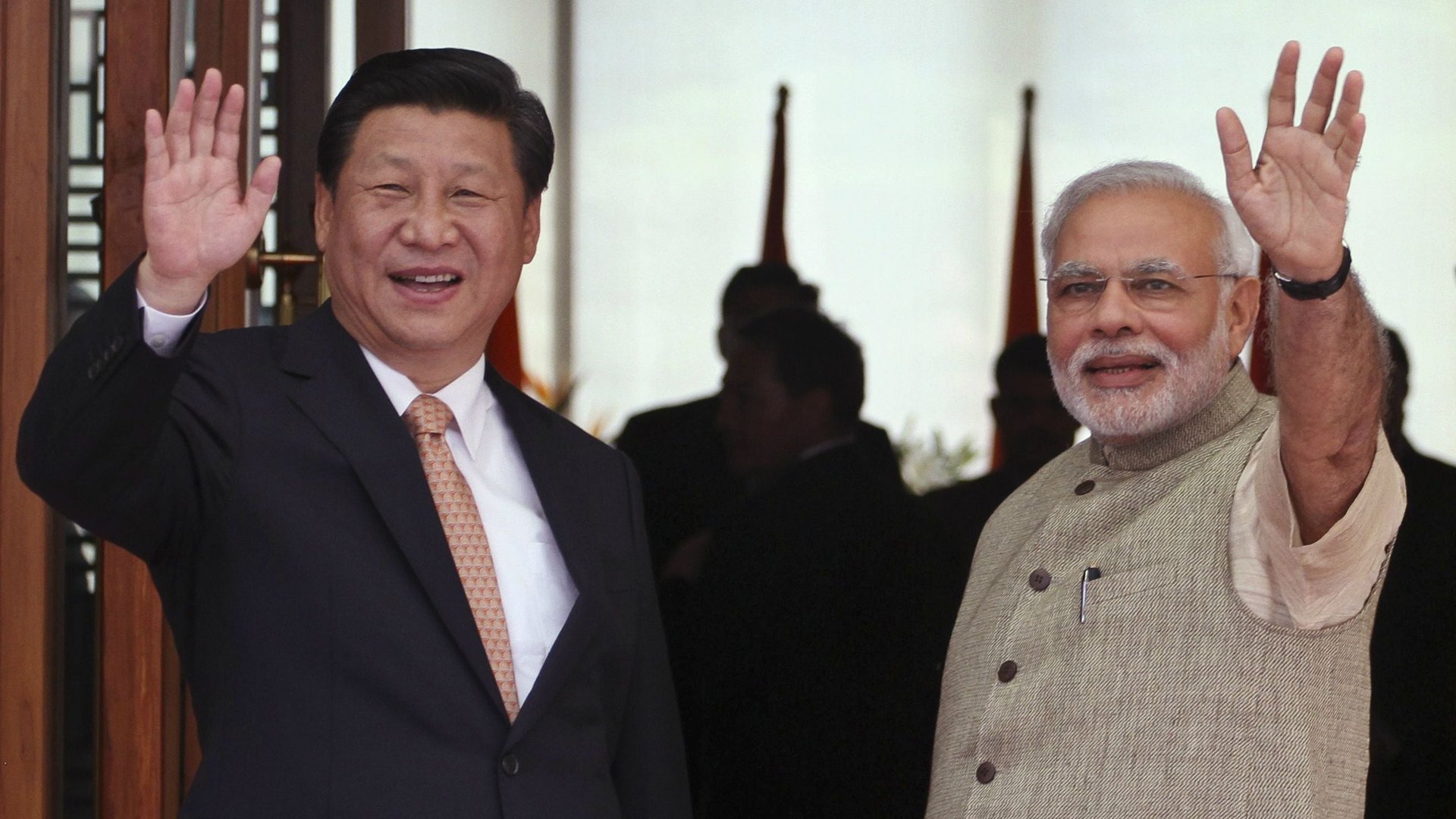
News that India’s GDP growth rate may be on track to overtake China’s has prompted a fair number of subcontinental victory laps. Color us skeptical. India’s supercharged growth rate is the product of a fairly radical overhaul of the country’s GDP statistics. Also, most international comparisons are done on a purchasing power parity basis, which attempts to take into account the relative prices of different products and services in different countries. The comparison that puts India growth rates above those of China doesn’t.

In the US, the strike is pretty much extinct.

It’s never been done before. Apple’s share climbed 1.9% to close at $122.02, making it the first company to finish a day of trading at a market valuation of more than $700 billion. (Technically it was higher than $710 billion.)

It’s quite a good time to get a good deal on hotel rooms in New York City. Why? Bad weather, more rooms, the weak euro and Airbnb, according to a recent research note by Credit Suisse hotel industry analysts.
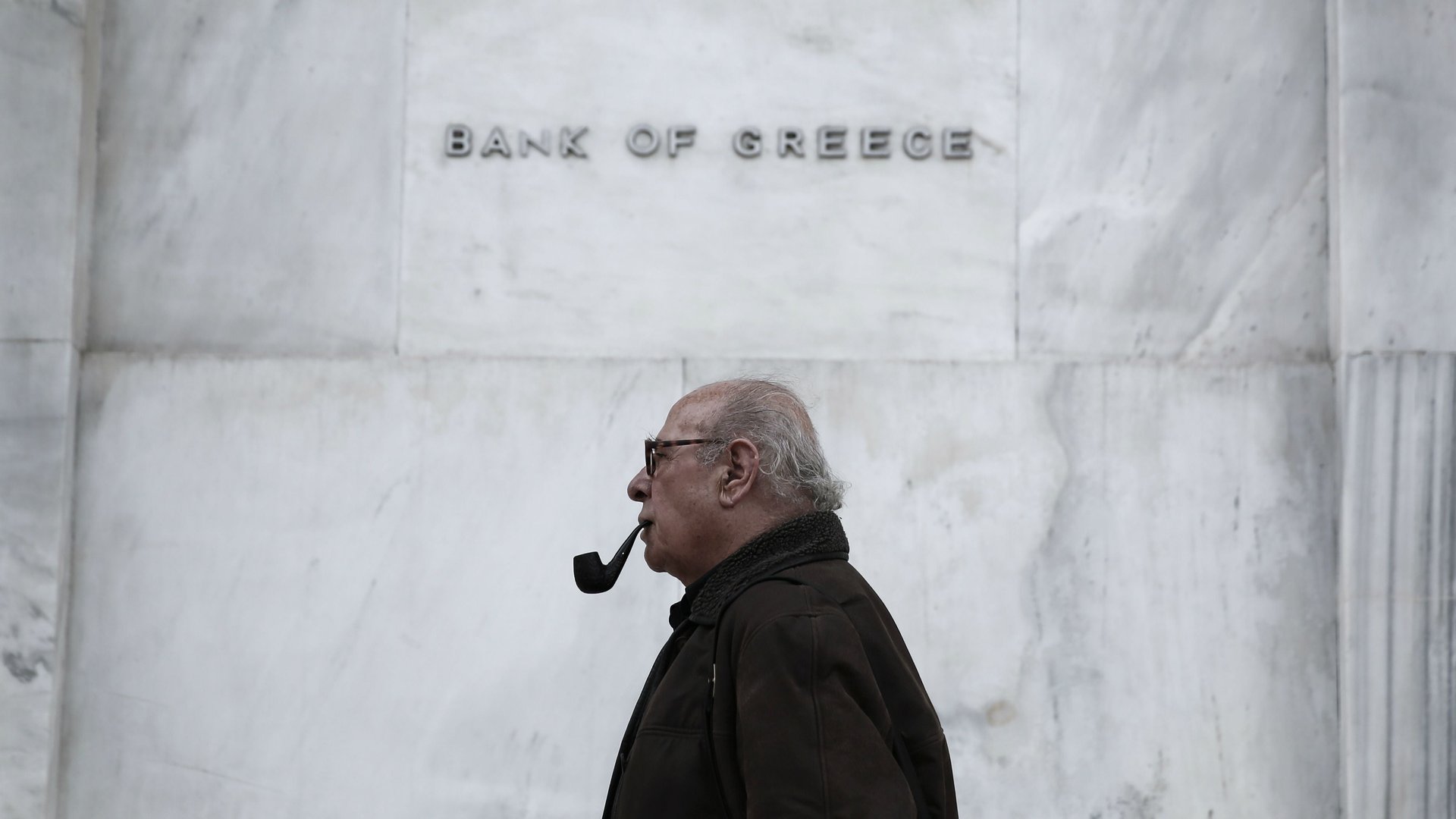
Since the European debt crisis first flared in 2010, Greece has been held out as an example of the worst kind of profligate borrower. And it’s true Greece has a bad fiscal record. Government spending was large and inefficient, tax collections nearly nonexistent. Perhaps worst of all, government statisticians cooked the books to cover it up.

It’s jobs Friday, arguably the world’s most important monthly economic update. (It is, after all, the premier report on the health of the world’s largest national economy.)

When will the indignities cease?
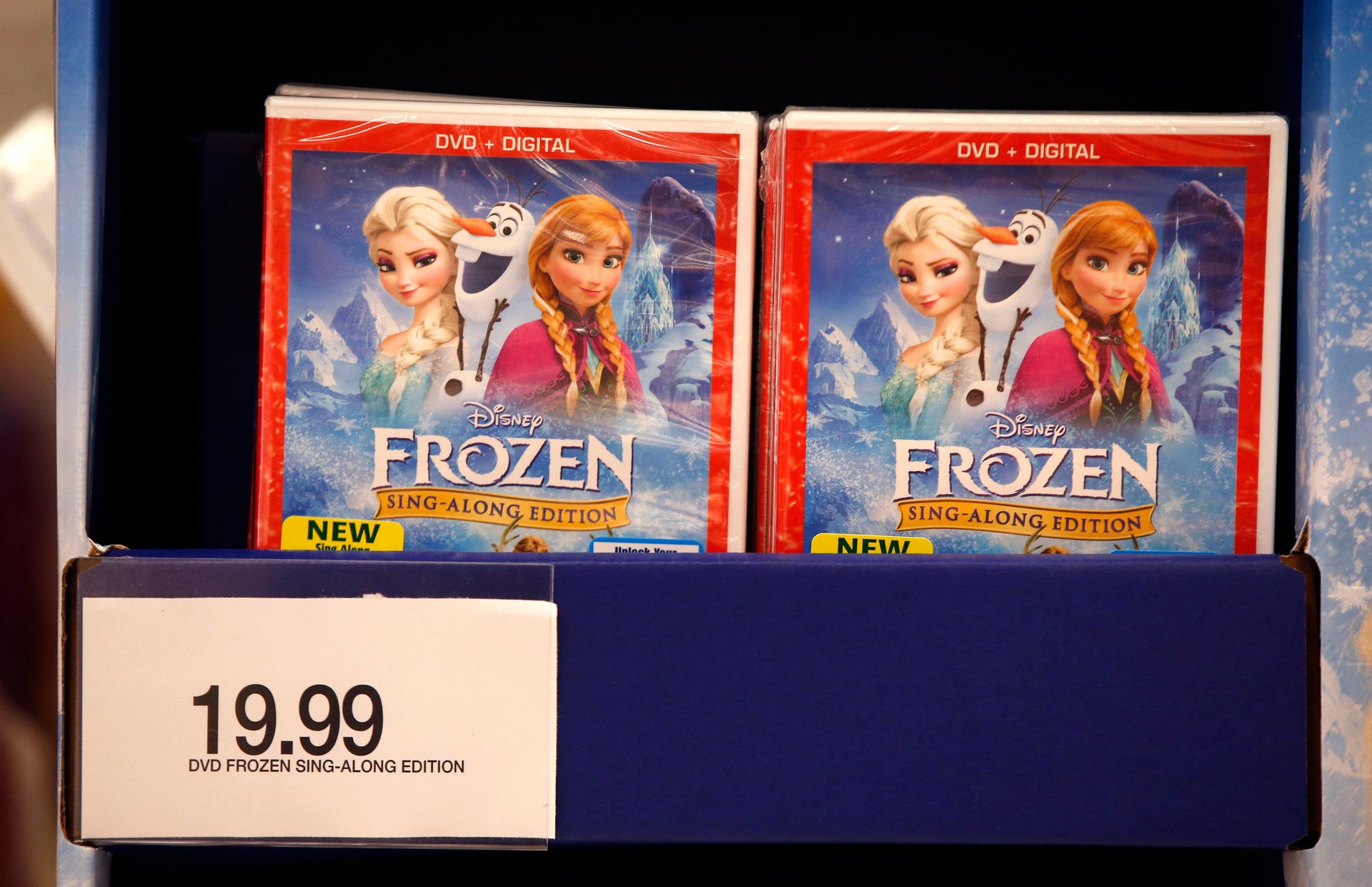
As parents of 4-year-old girls (and boys) around the world know, Frozen has staying power.
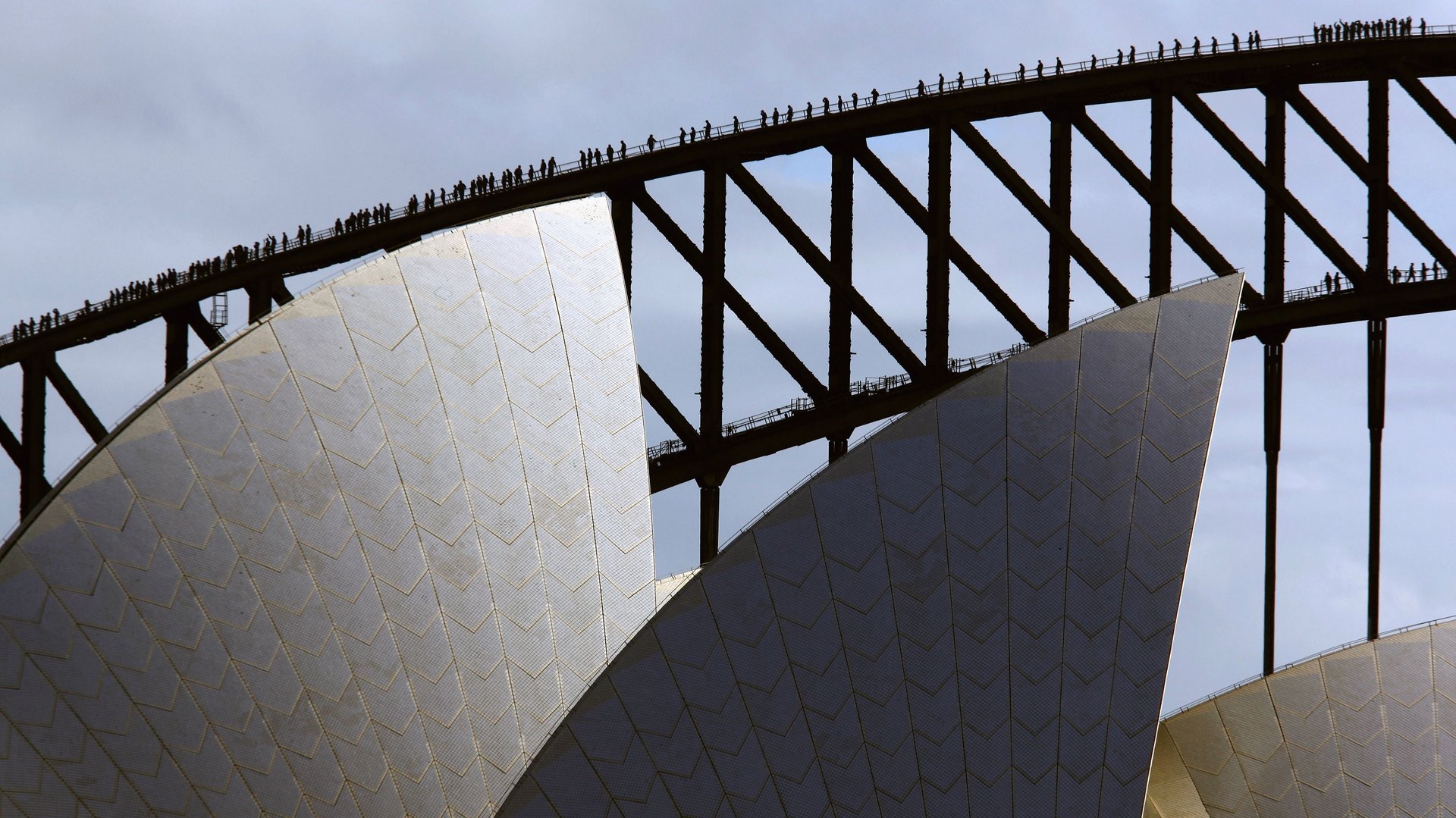
If you’re scanning the world for potential housing bubbles, look down under.
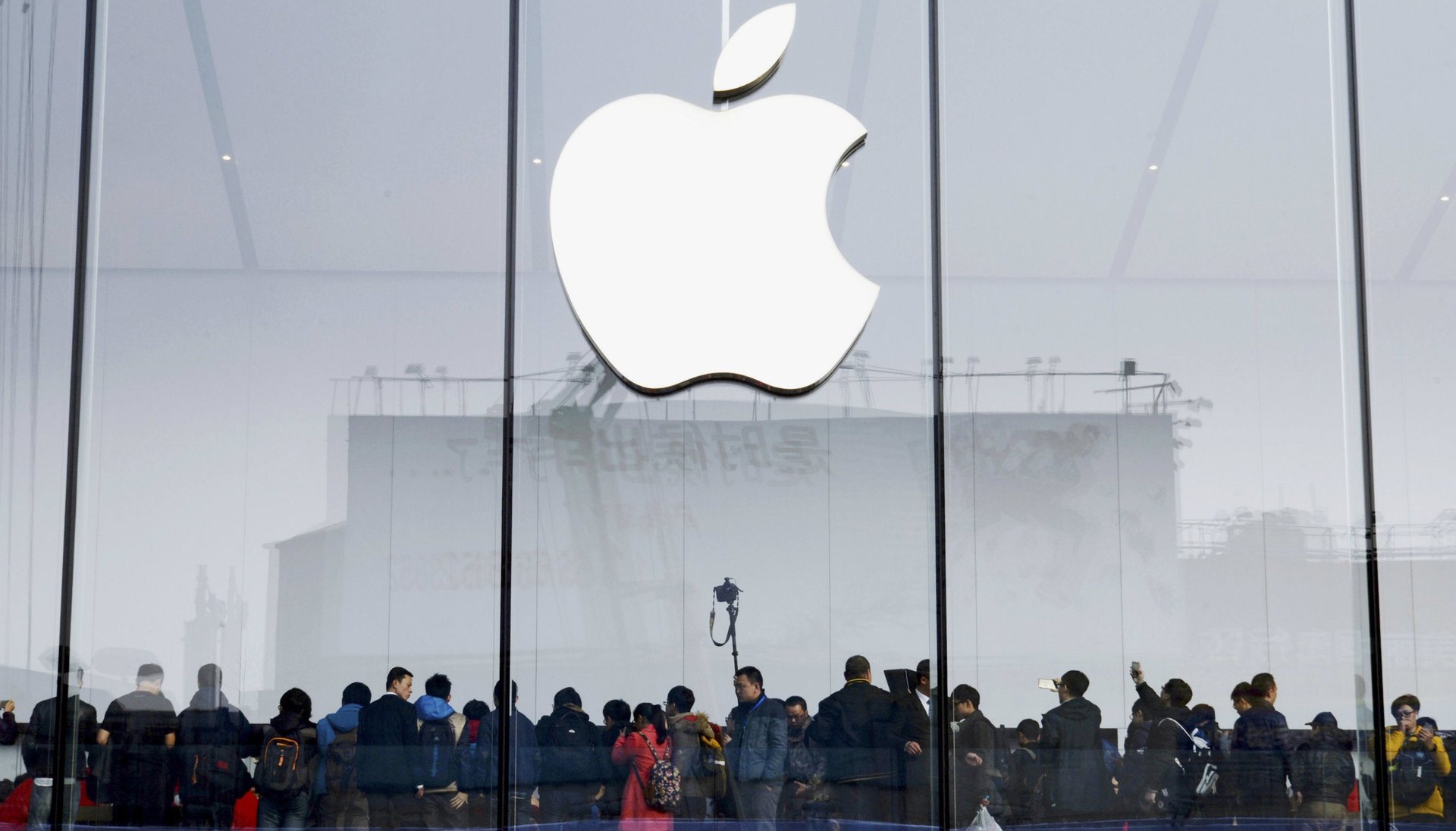
Apple shares are touching new highs today, with the stock hitting $120 in intraday trading.

The US economy expanded by 2.4% in 2014, as growth in the fourth quarter came in somewhat below analyst expectations.
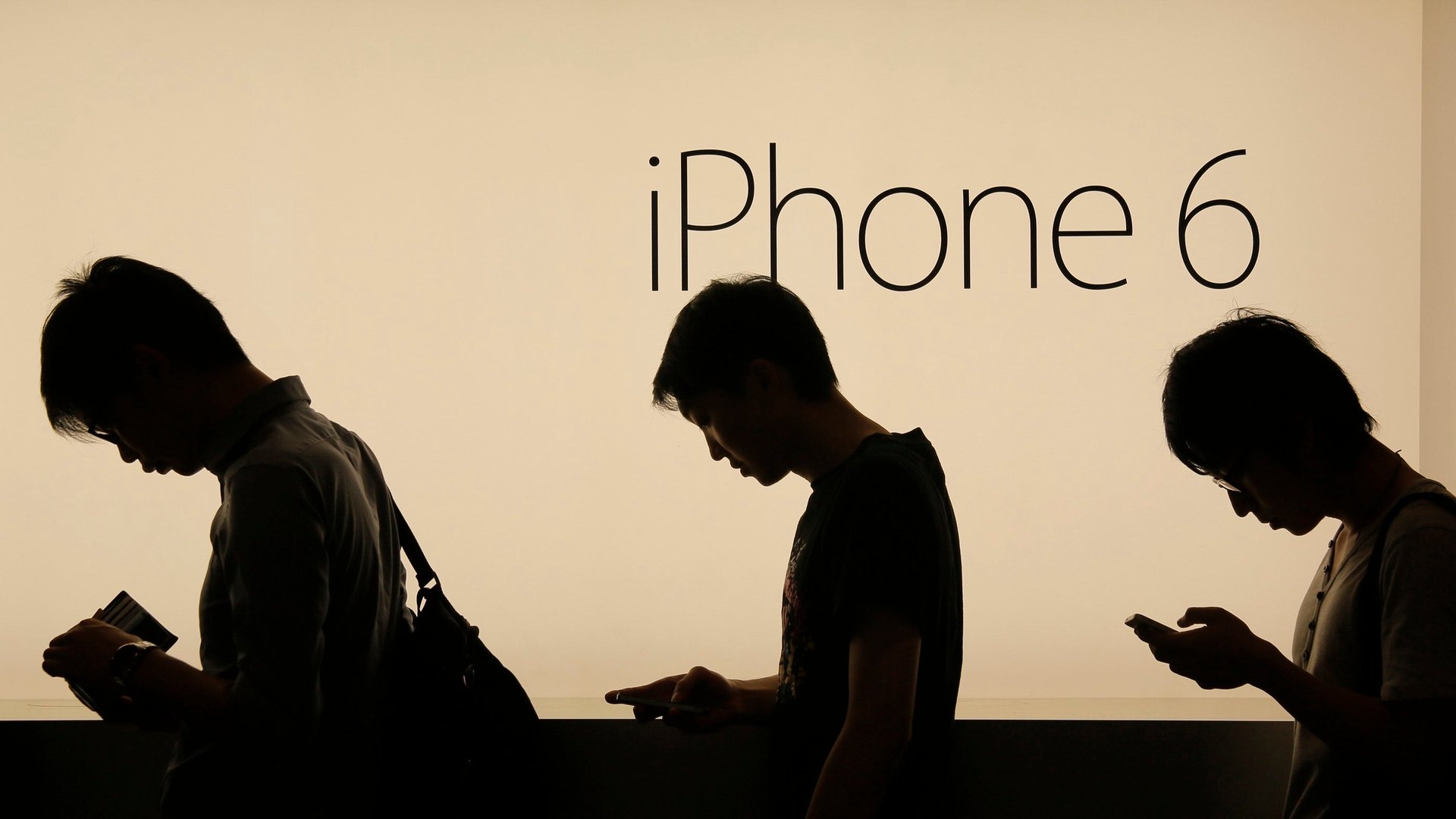
Apple’s titanic earnings report yesterday is driving its shares sharply higher today, padding the Cupertino, Calif. behemoth’s lead as the world’s largest company by market capitalization.
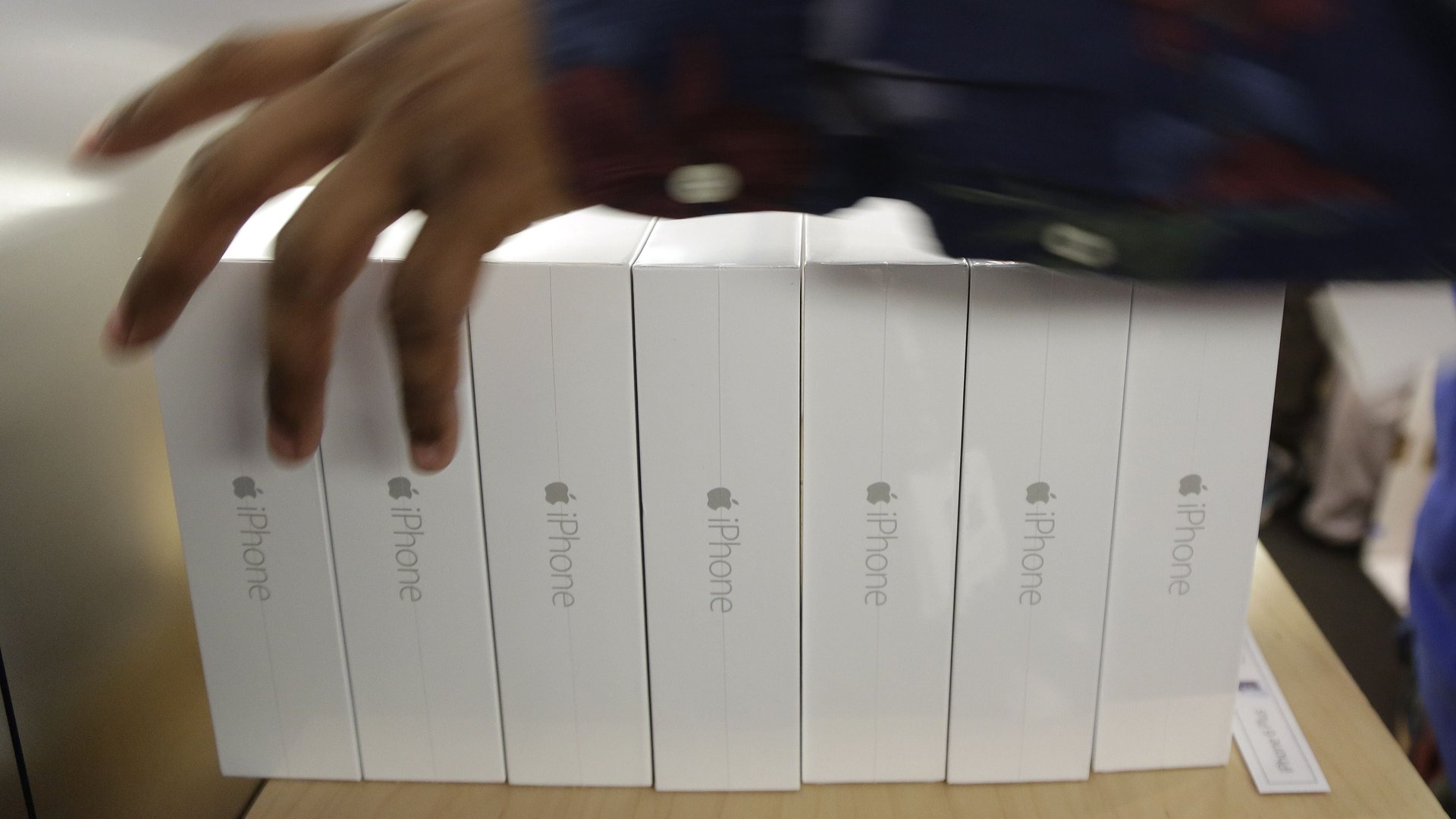
Apple’s fourth-quarter results were truly astounding. Profit jumped 38% to a record $18 billion. But for my money, Apple’s revenue numbers were the most impressive result. The company boosted sales 30% to $74.6 billion.
In a 1953 Senate committee hearing, the Eisenhower administration’s defense secretary nominee, Charles Erwin Wilson, was asked about his role as General Motors’ president. Could he bring himself to make a decision for his country that ran counter to the interests of GM?

New York is banning travel by “non-essential” vehicles starting at 11pm as an enormous snowstorm approaches. And the city’s mayor would like to make it clear that food delivery bicycles are not essential vehicles.
It melts your heart when puppies do it.