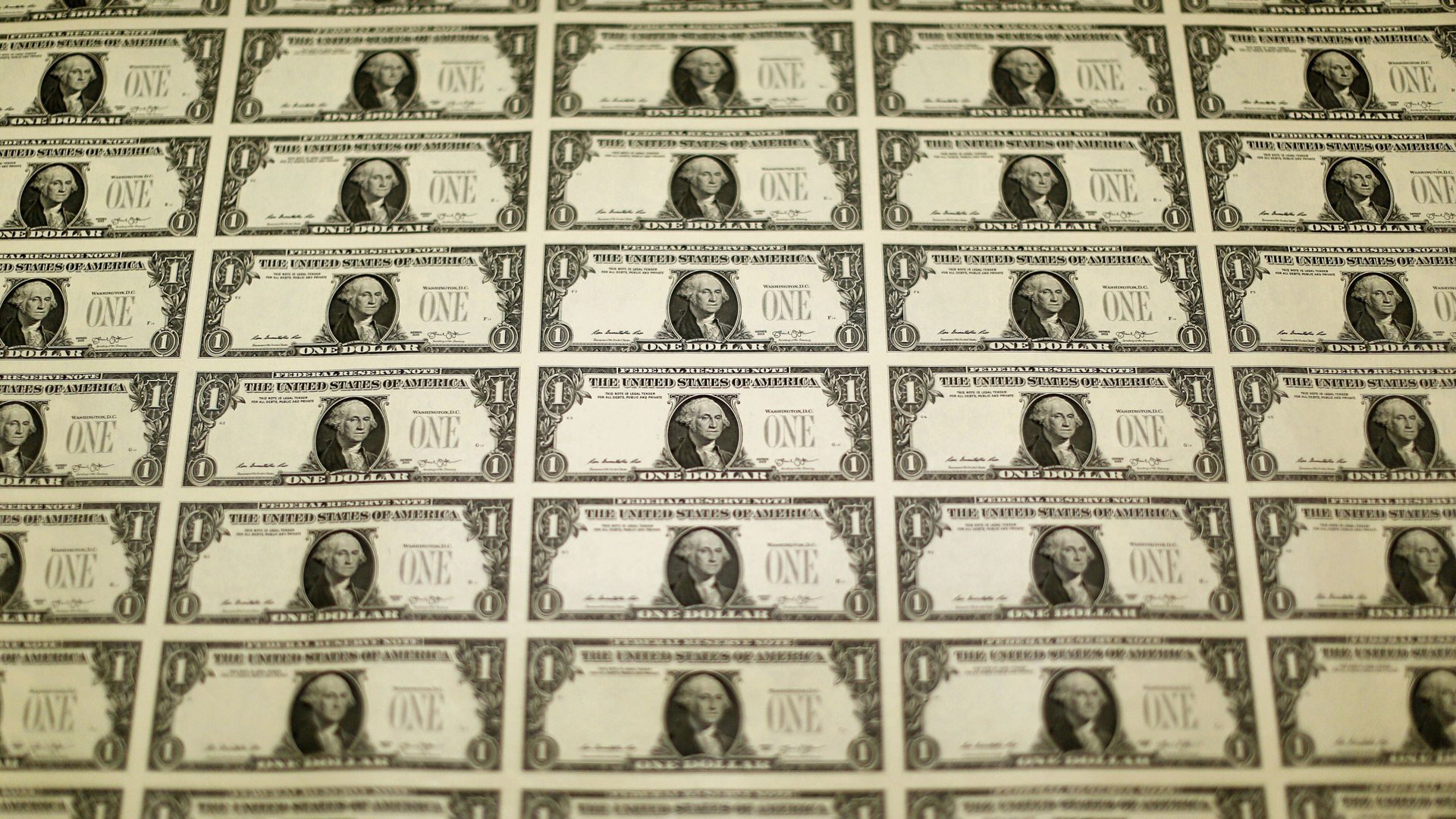
It finally happened. This morning the European Central Bank actually pulled the trigger, launching an unfettered quantitative easing program, essentially creating new money and using it to buy government bonds. Here’s what you need to know.

It finally happened. This morning the European Central Bank actually pulled the trigger, launching an unfettered quantitative easing program, essentially creating new money and using it to buy government bonds. Here’s what you need to know.

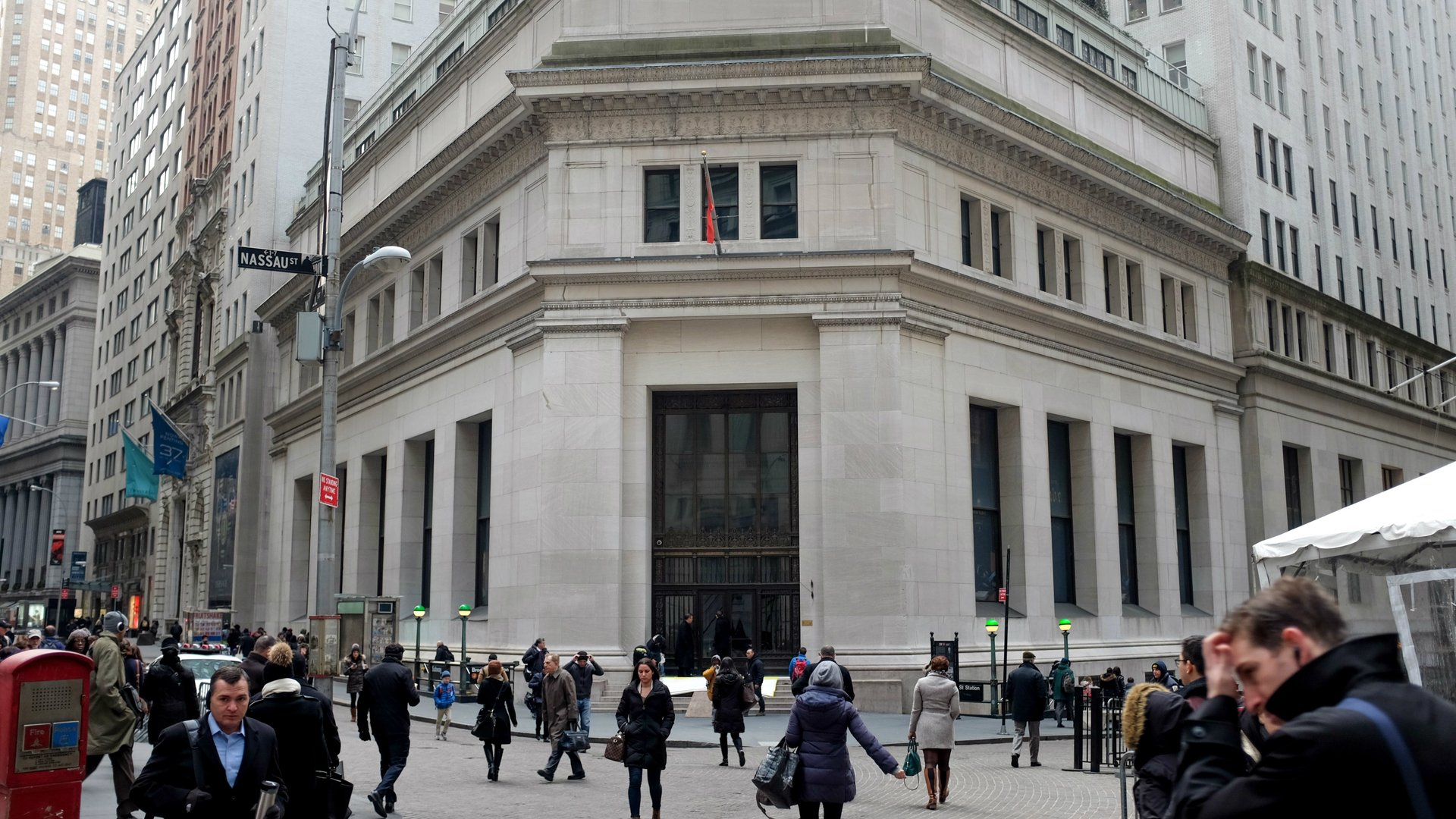
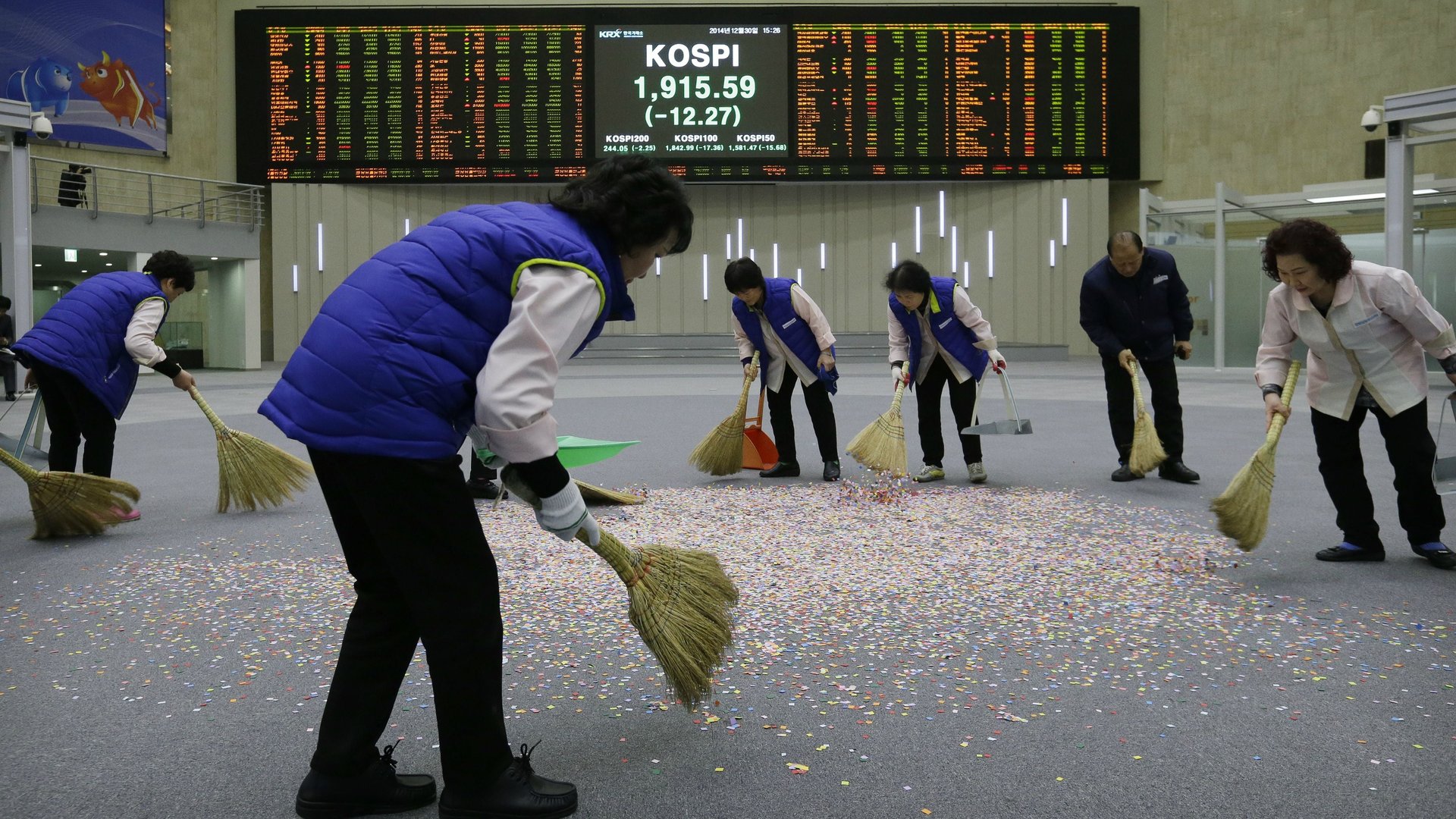
First off, no, we’re not talking about the New York Stock Exchange.

Besides wages, one of the few missing ingredients in the US economic recovery has been housing. But things there are starting to change.

See on Storify

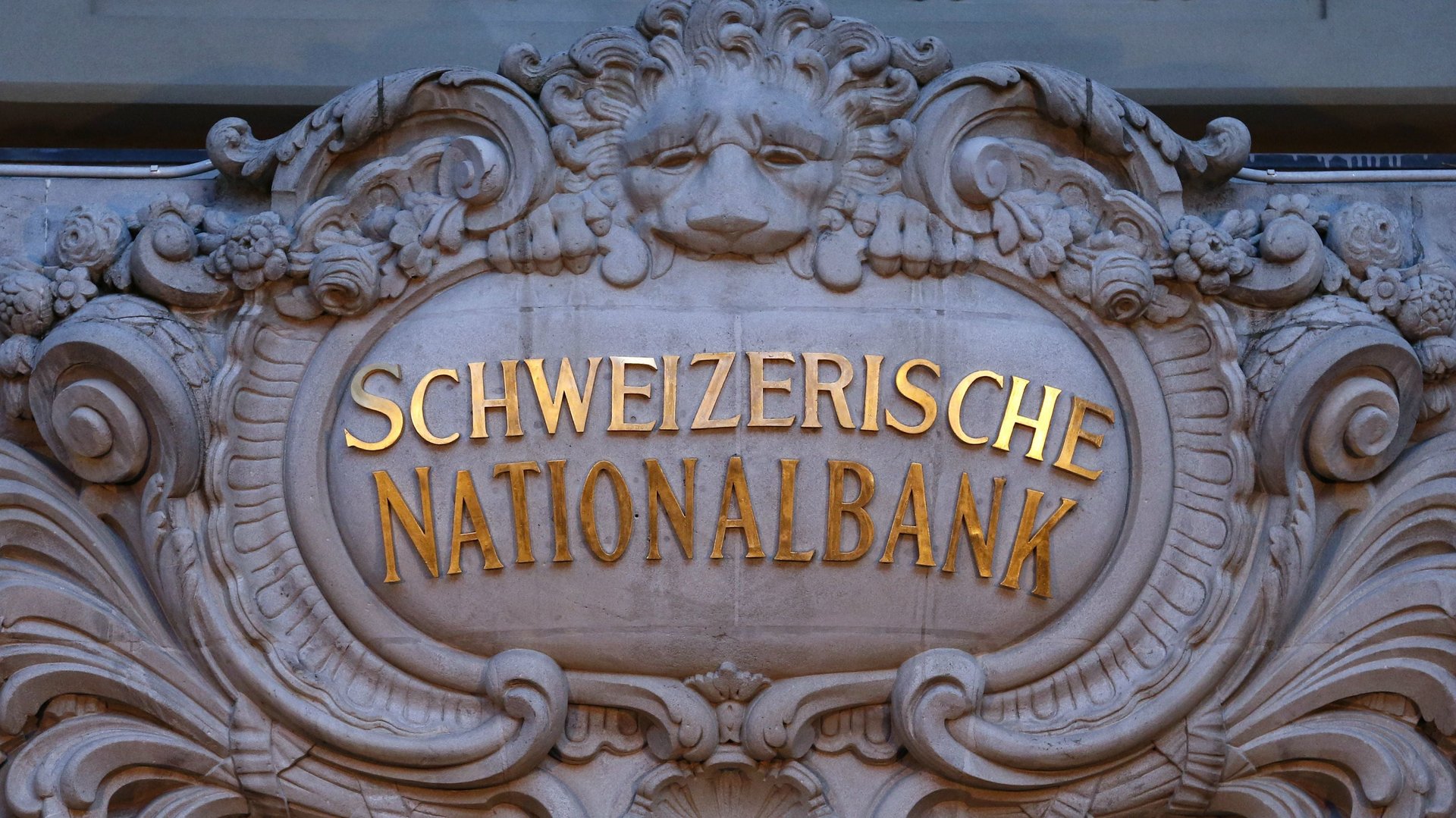
Amid the euro zone debt crisis, demand for the franc surged, pushing its value up sharply.

Like bond markets, politics has a well-defined credit cycle.

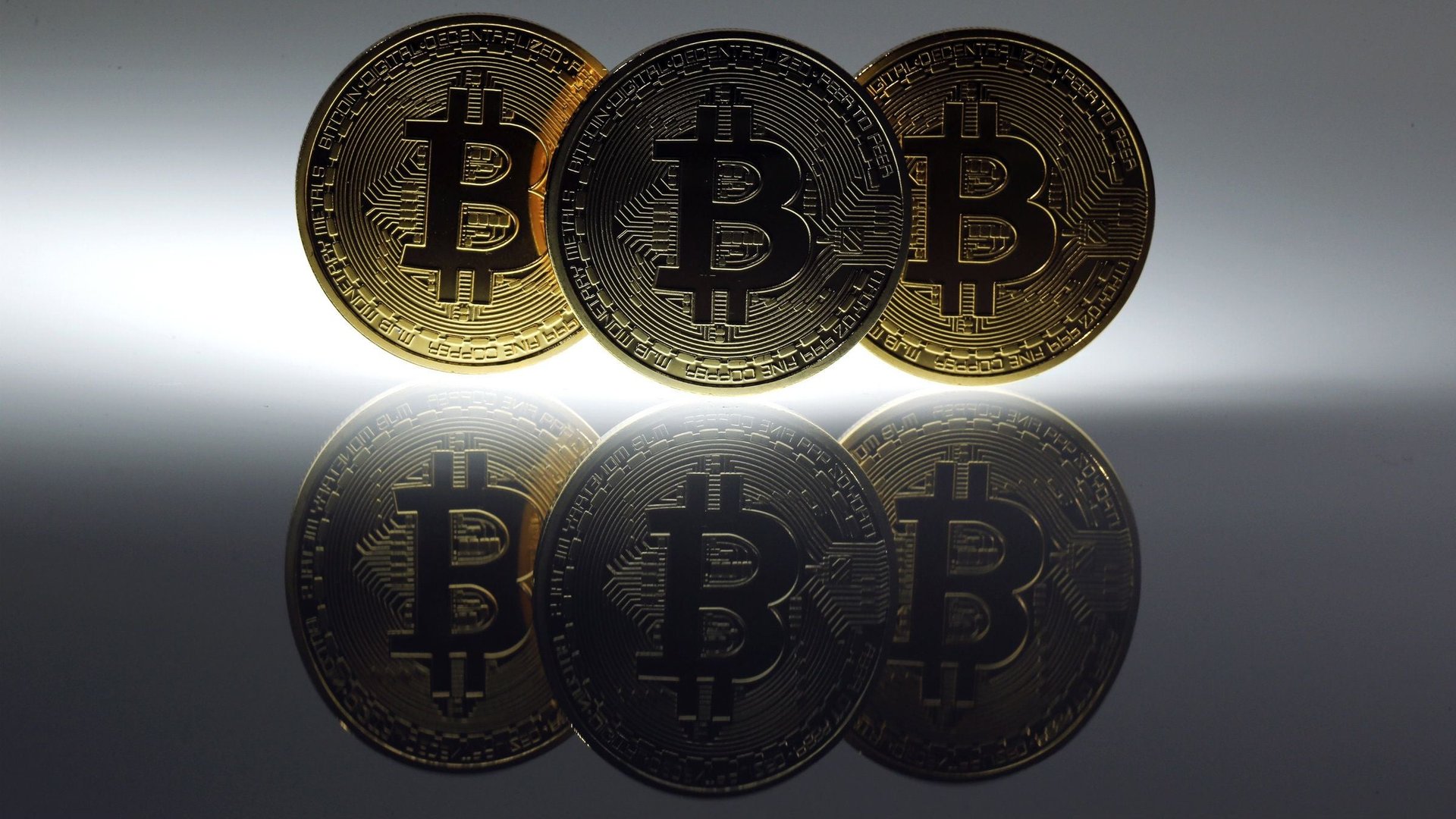
The seemingly endless collapse of the world’s pre-eminent cryptocurrency continues, as bitcoin punched through $200 today.

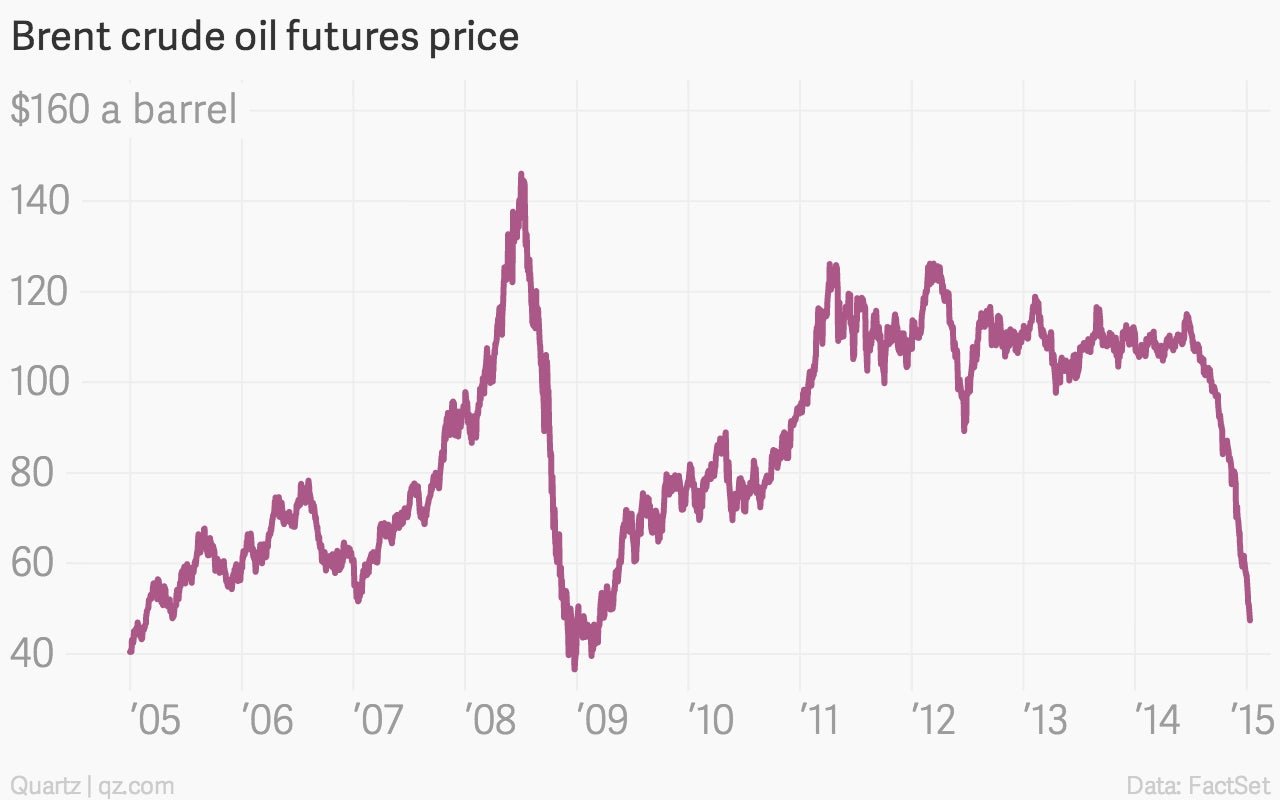
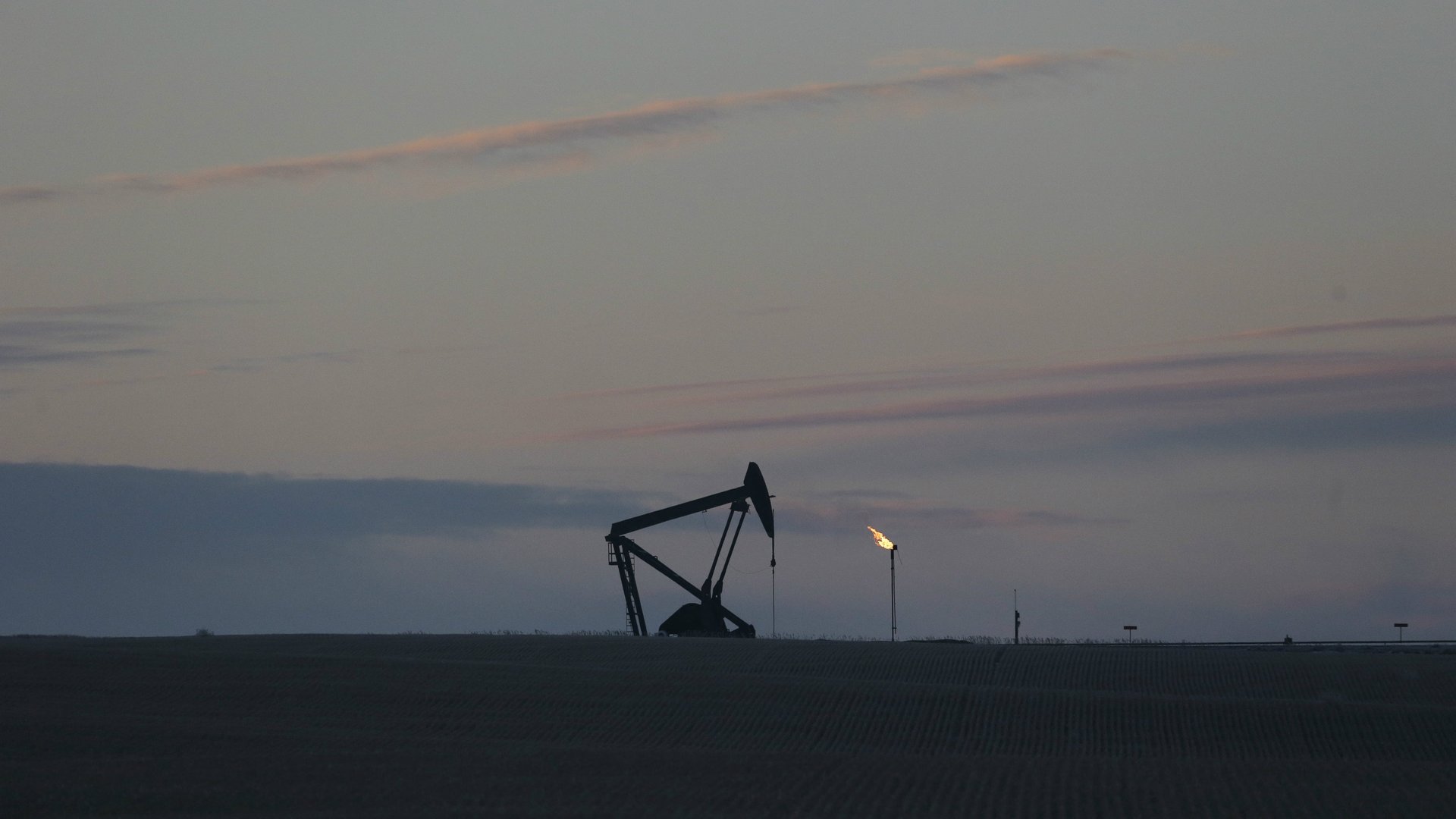
Crude oil prices closed below $50 a barrel for the first time since April 2009, as the global selloff showed few signs of abating. Oil prices have tumbled roughly 60% since June, amid a boom in US production and a slowdown in energy hungry emerging market economies such as China. Today’s tumble was exacerbated by high-profile forecasts for further price declines from Goldman Sachs and Société Générale.

The long-awaited public offering is happening.

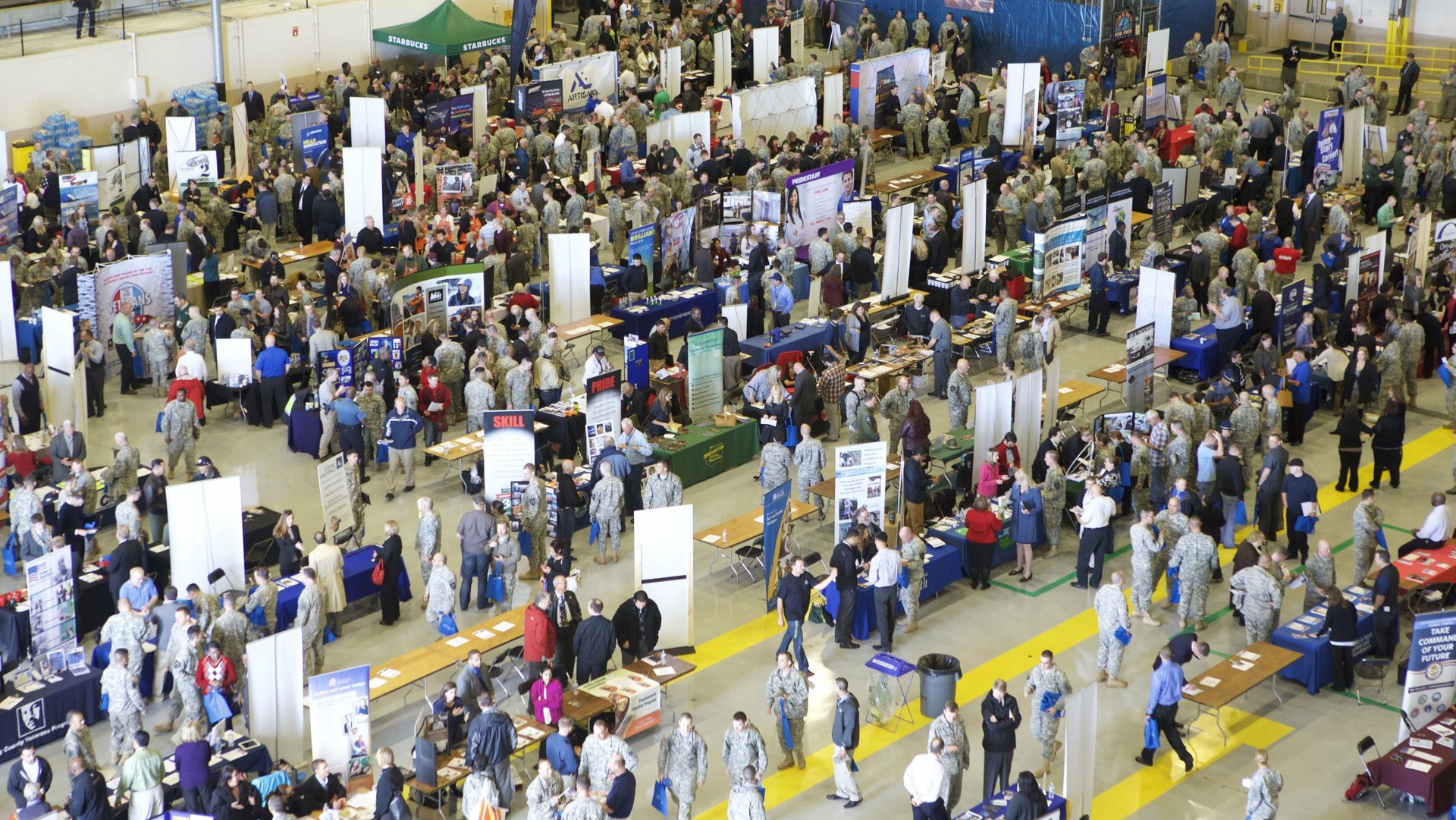
The US economy created 252,000 new jobs in December, slightly higher than expected. Unemployment fell to 5.6%.

Here’s a bit of context on how radically the US energy picture has shifted over the last year.

Just because something has surged in price, doesn’t mean it was necessarily a good investment.

France is home to the Louvre. But if you’re looking for the art that’s closer to capturing the true spirit of the nation, you might be better off buying the latest edition of Charlie Hebdo, the French weekly whose Paris offices were attacked by terrorists Wednesday, leaving 12 dead.

Lowflation.

In its recent, year-end spectacular, the Economist argued that the ghost of the late 1990s is hovering ominously over the global economy.

The market move most people noticed last year was the the collapse in crude oil prices, which tumbled more than 40%.

Something rather remarkable is about to happen tonight. Across the US, millions of Americans will go from watching a rib-crunching NFL playoff matchup to a highly mannered, early 20th-century soap opera following the fortunes of a fictitious family of English aristocrats and the gaggle of servants tethered to it.

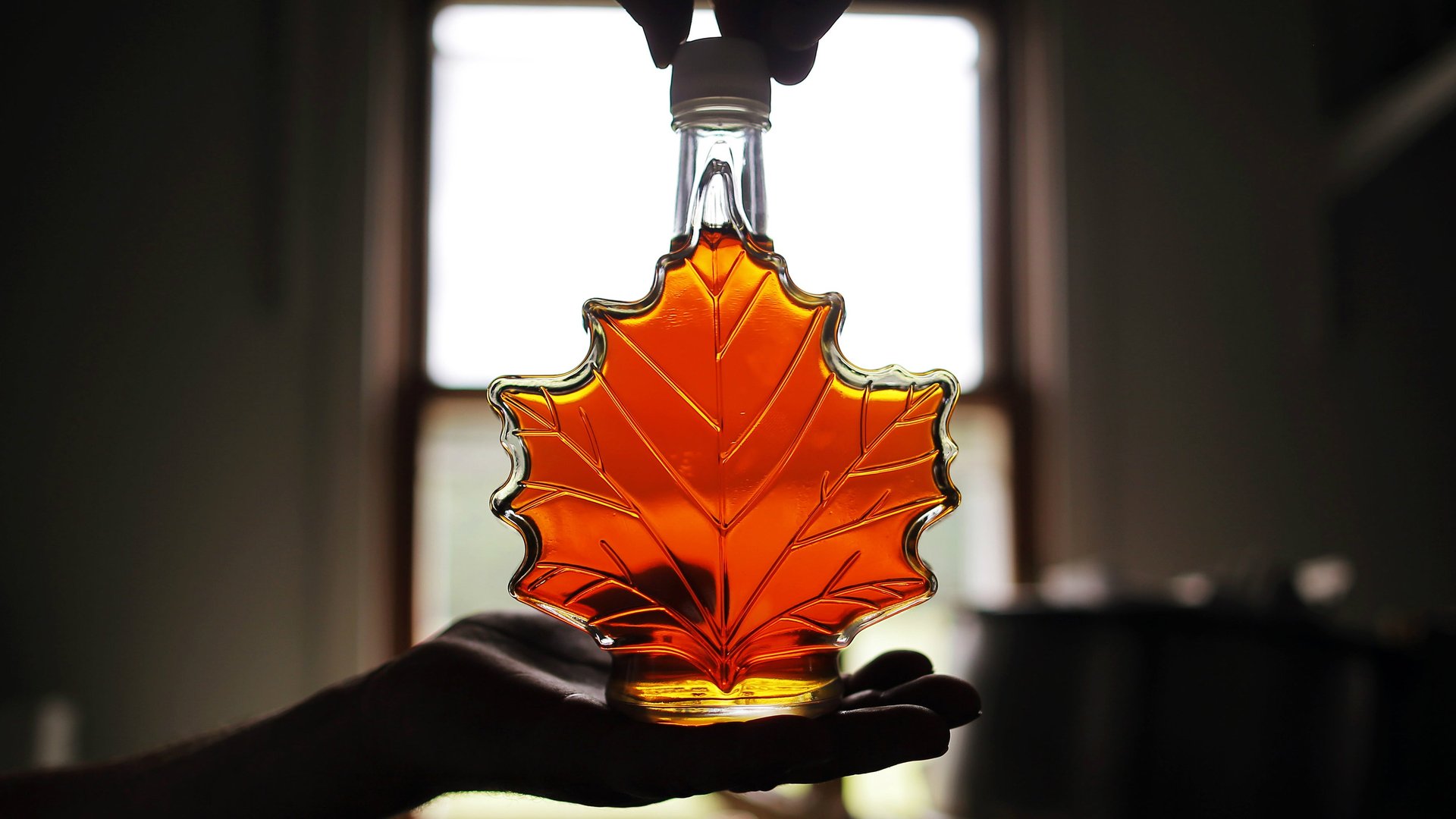
As far as oddball strategic reserves go, Canada’s Global Strategic Maple Syrup Reserve is a perennial favorite. (America’s National Helium Reserve and China’s strategic pork hoard are usually up there, too.)

In the age-old contest between stocks and bonds, stocks triumphed once again in 2014—at least in the US.

It’s true. Bitcoin has received an even worse battering than the threadbare Russian ruble this year. (As of today, anyway. It also was the year’s worst investment as of earlier this week—though the ruble briefly wore the crown in the interim. We’ll keep tracking this race to the bitter end.)

It has to sting.

We’ve been bemoaning the state of American wages for a while now. (See here and here, for instance.)

It’s likely only a matter of time.

As a famous Russian once asked, what is to be done?