

Money & Markets
Here it is: The Quartz Chart of the Year™The time has come.
Updated July 21, 20223 min read
The time has come.
There was plenty of ugliness to be found in the markets this year. Ukranian and Venezuelan sovereign debt. High-yield, energy-related corporate bonds. Argentine pesos. Russian rubles. Greek stocks.

Given where the US economy has been over the past decade—and the state of the global economy still—it’s pretty amazing how well the world’s largest economy is performing right now. What’s more, all indicators suggest that the momentum has a ways to run yet. Here’s some of the most robust readings on the US economy.

The Daleks are here—and they’re raising venture capital.
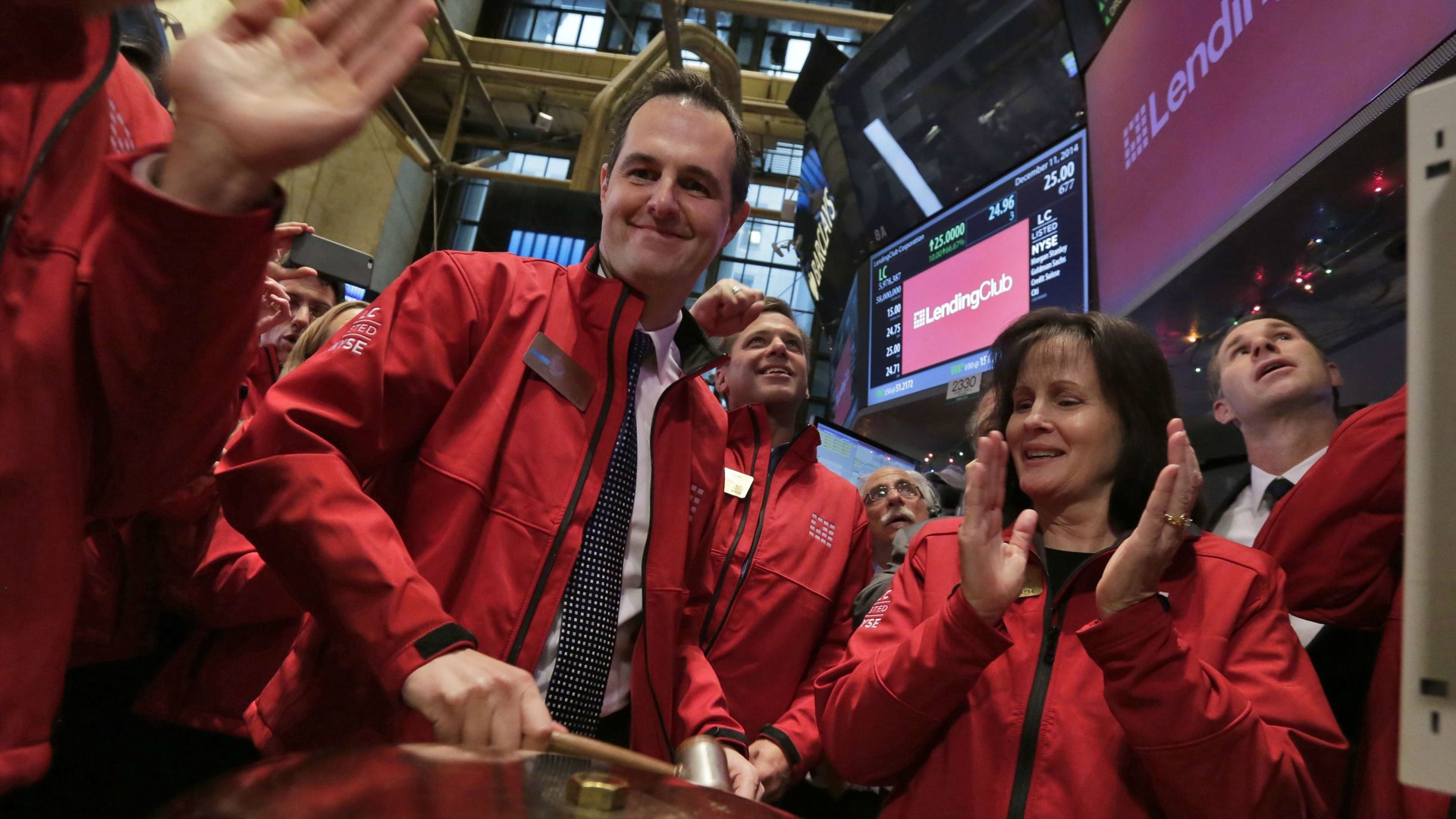
You might not remember the originate-to-distribute model, but there’s a good chance you remember its effect on the economy.
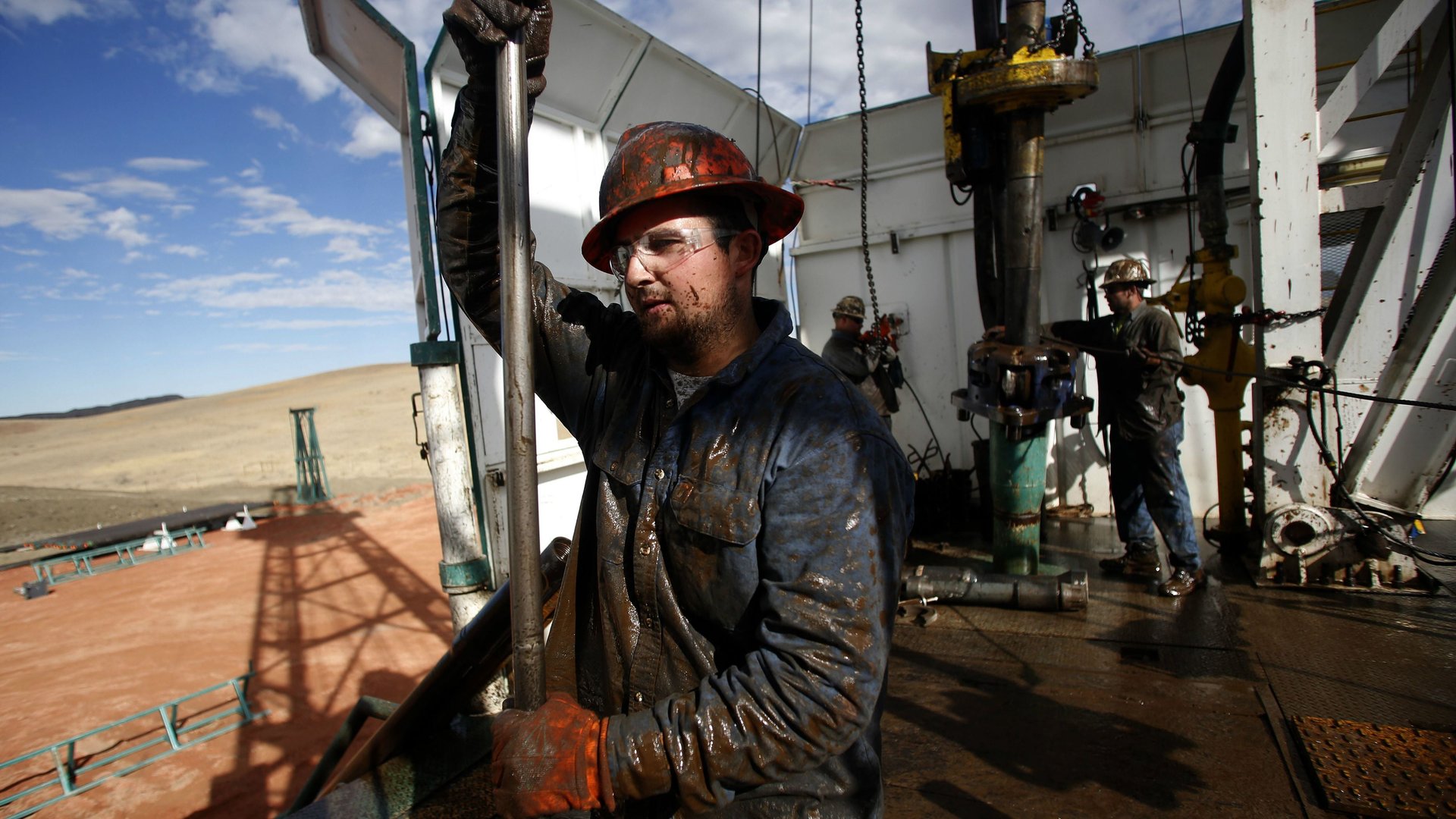
In recent years, America’s oil and gas sector has flared brightly against an otherwise gloomy economic backdrop.
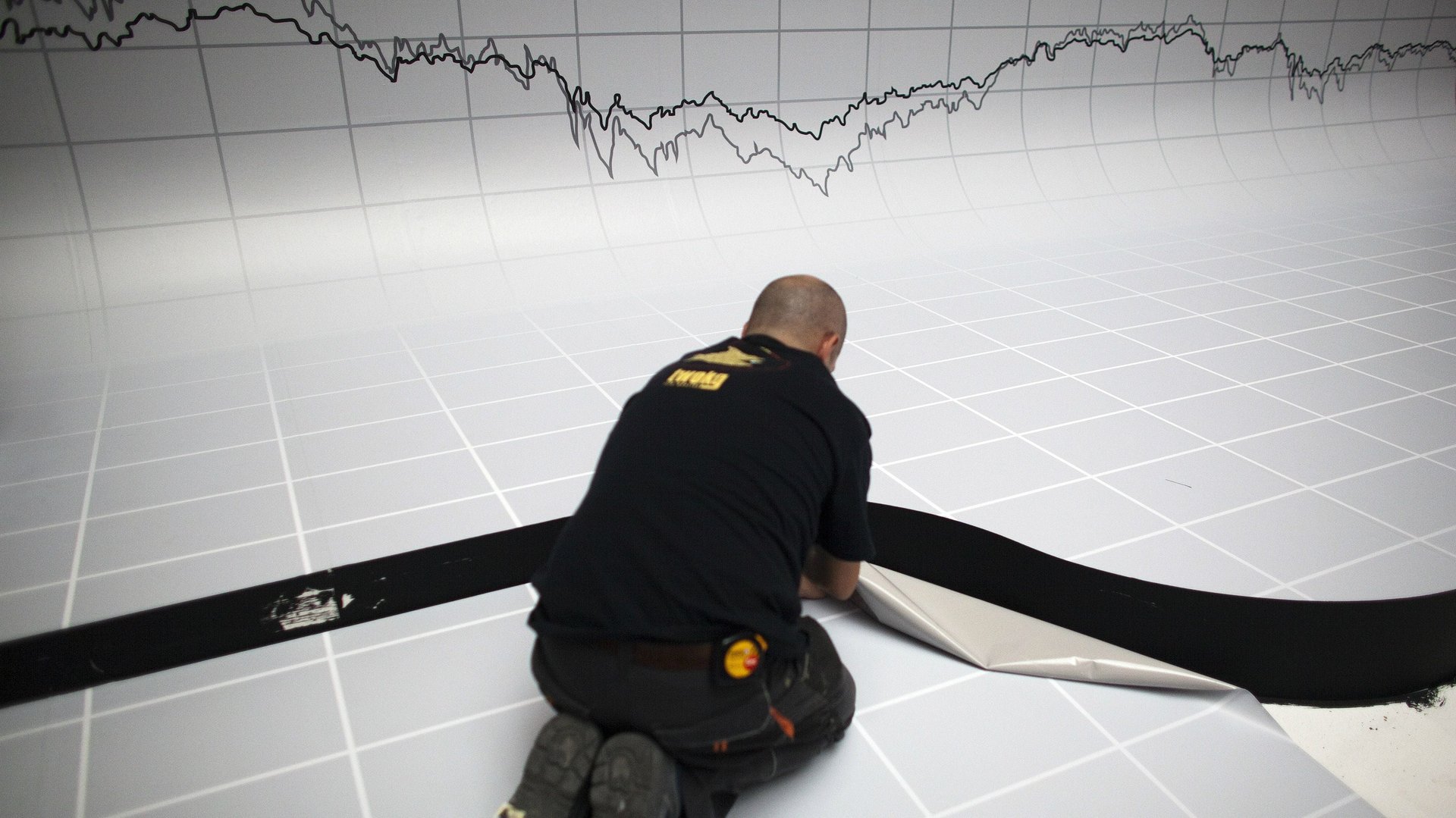
The chart-making community is a-flutter.

Shouldn’t we all be terrified?

The US economy added 321,000 jobs in November, blowing out expectations. The unemployment rate remained at 5.8%. We live-charted the report below.
One of the world’s largest startups just got larger.
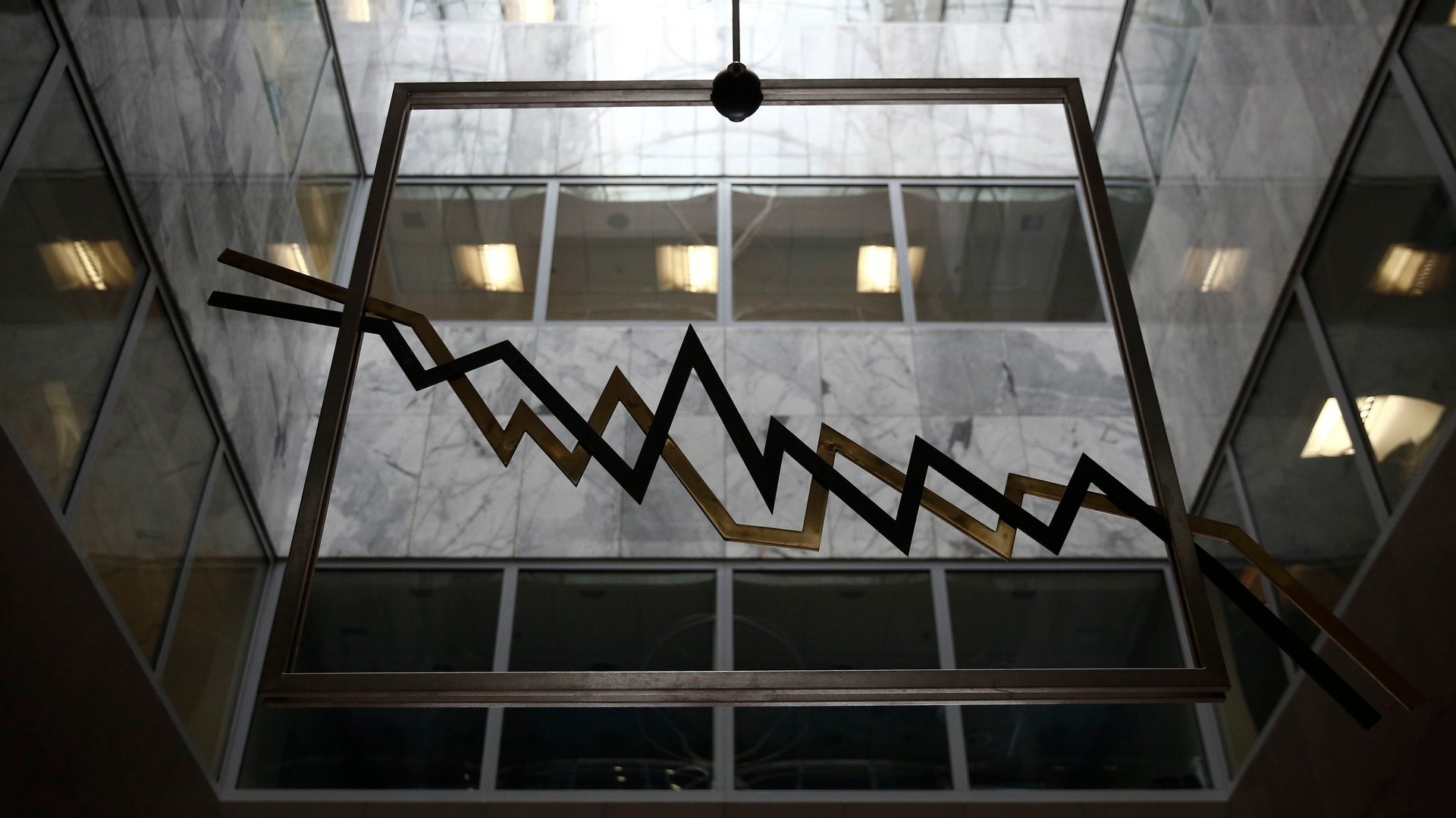
The excitement is palpable.
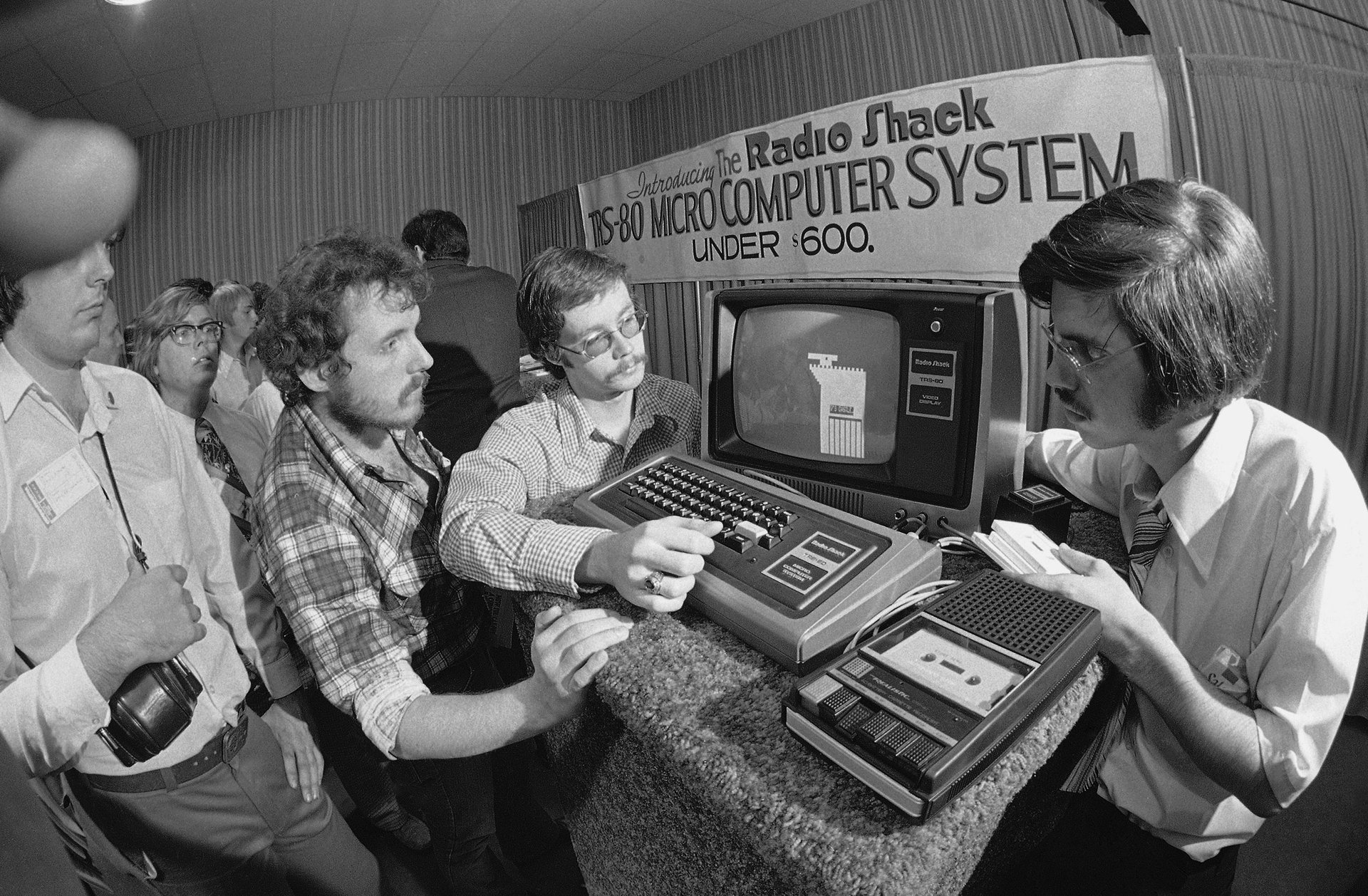
RadioShack’s pulse is growing very feeble.

Since its birth, the US has always defined itself as a egalitarian meritocracy, fundamentally distinct from the class-ridden societies of Europe.
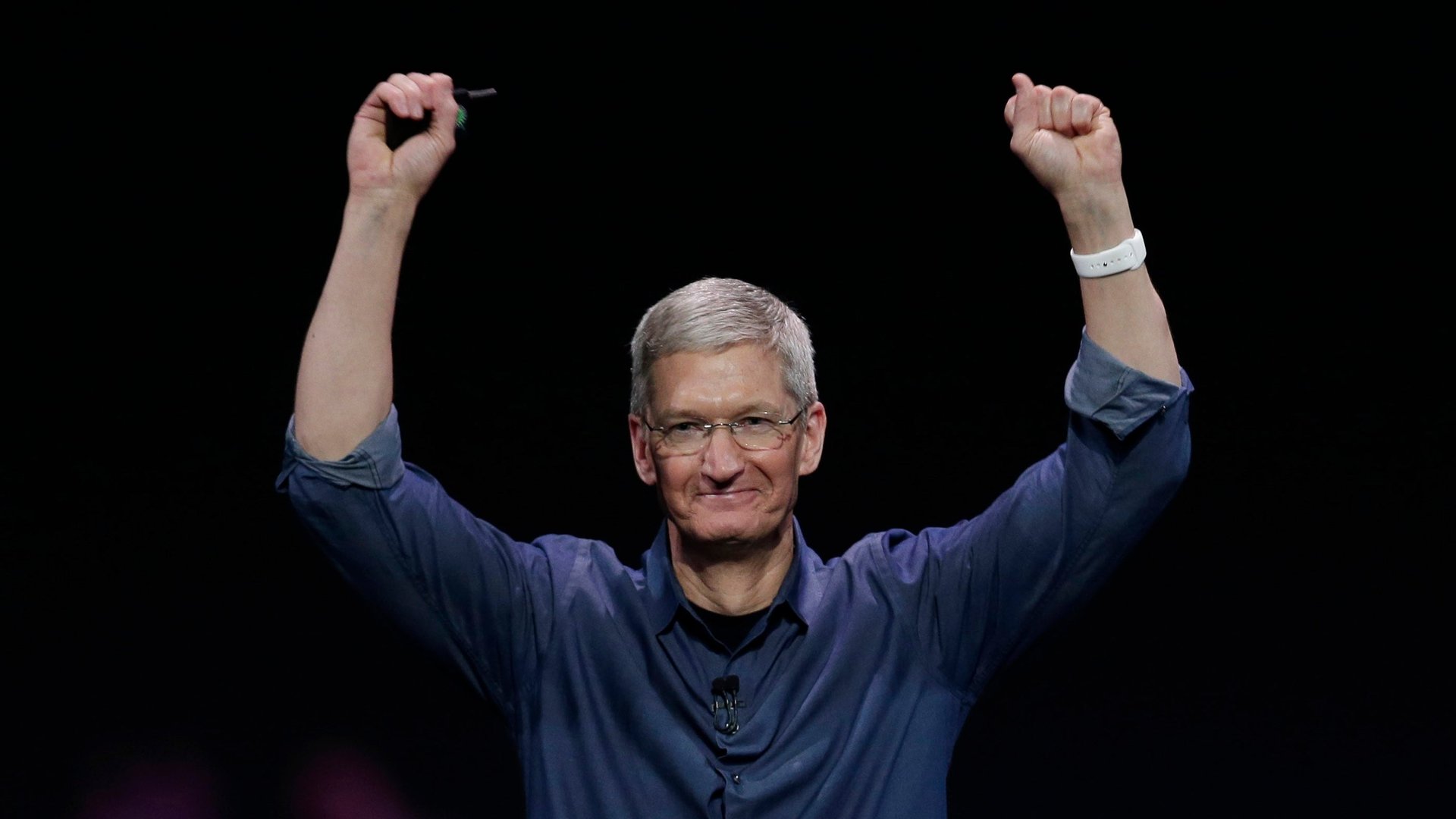
It’s true.
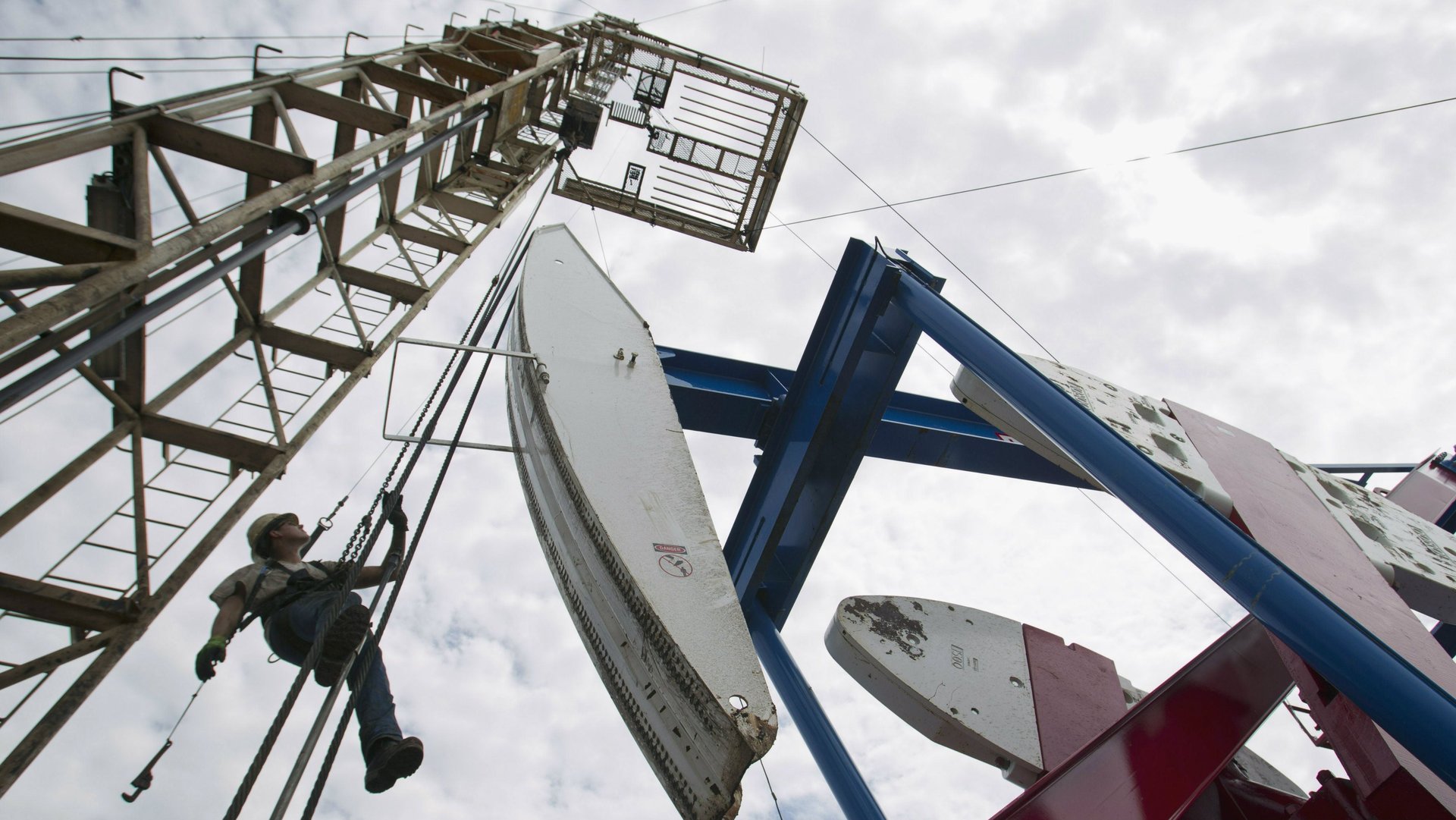
Led by Saudi Arabia, OPEC has launched a price war on US shale oil, and some alarmed analysts say the fallout could create a crisis in the US banking and junk bond markets.

Apple is the largest company the world has ever seen. The shares are up 45% so far in 2014, far outpacing the S&P 500’s 12% run. And Apple’s shares have driven the company’s market valuation up to nosebleed levels of more that $682 billion. The second and third largest companies in the world, Microsoft and Exxon Mobil, aren’t even close.
We’ll be honest, the US consumer price index isn’t our favorite economic report. While there’s almost always a little bit of inflation, prices have been incredibly stable in the aftermath of the global recession that followed the global financial crisis. So the CPI usually meanders up a basis point or two, but not much is happening. It was the same old story in October, when the CPI rose 1.7% from the same month a year ago.
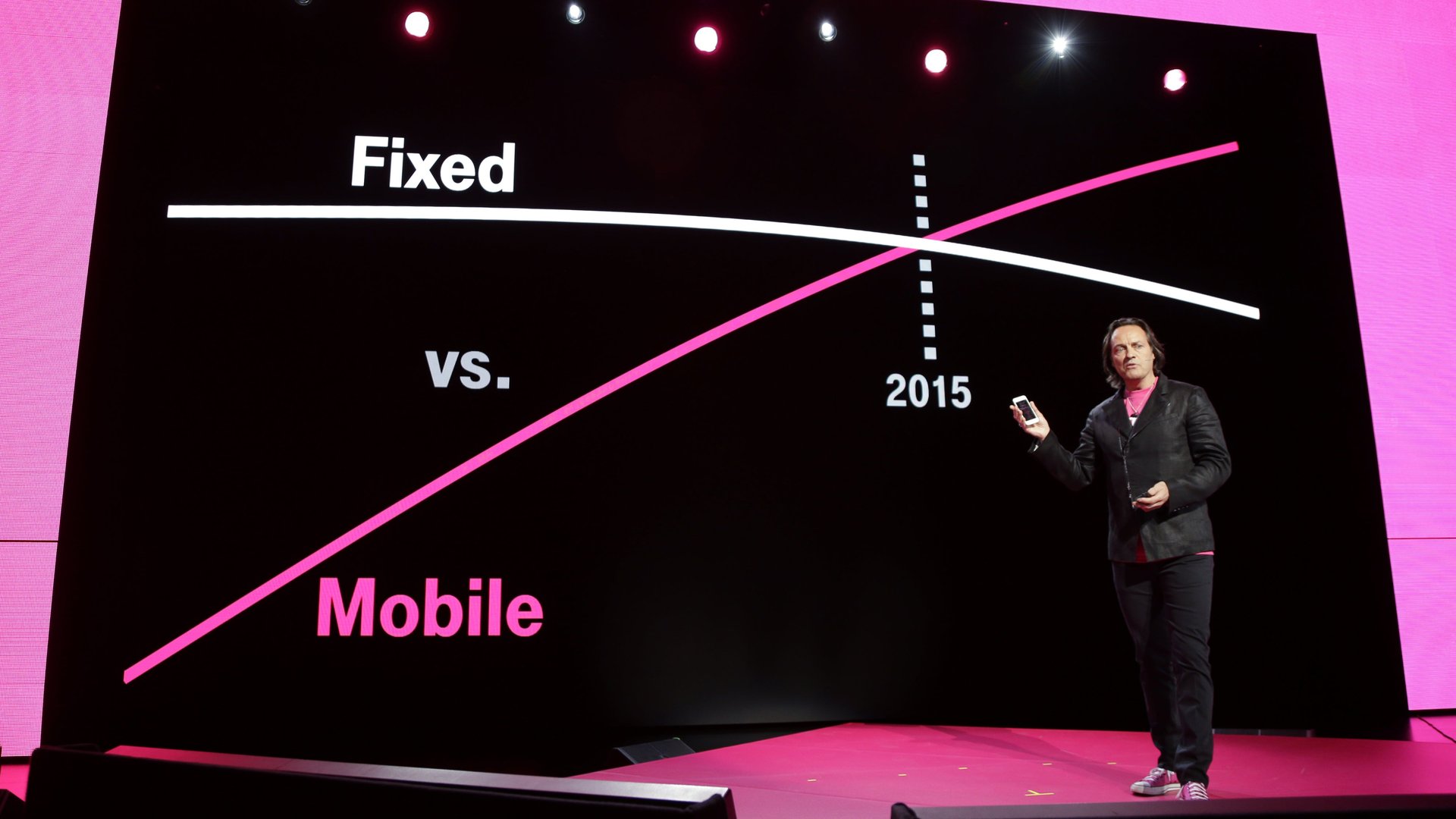
At Quartz, we—and our readers—love charts.
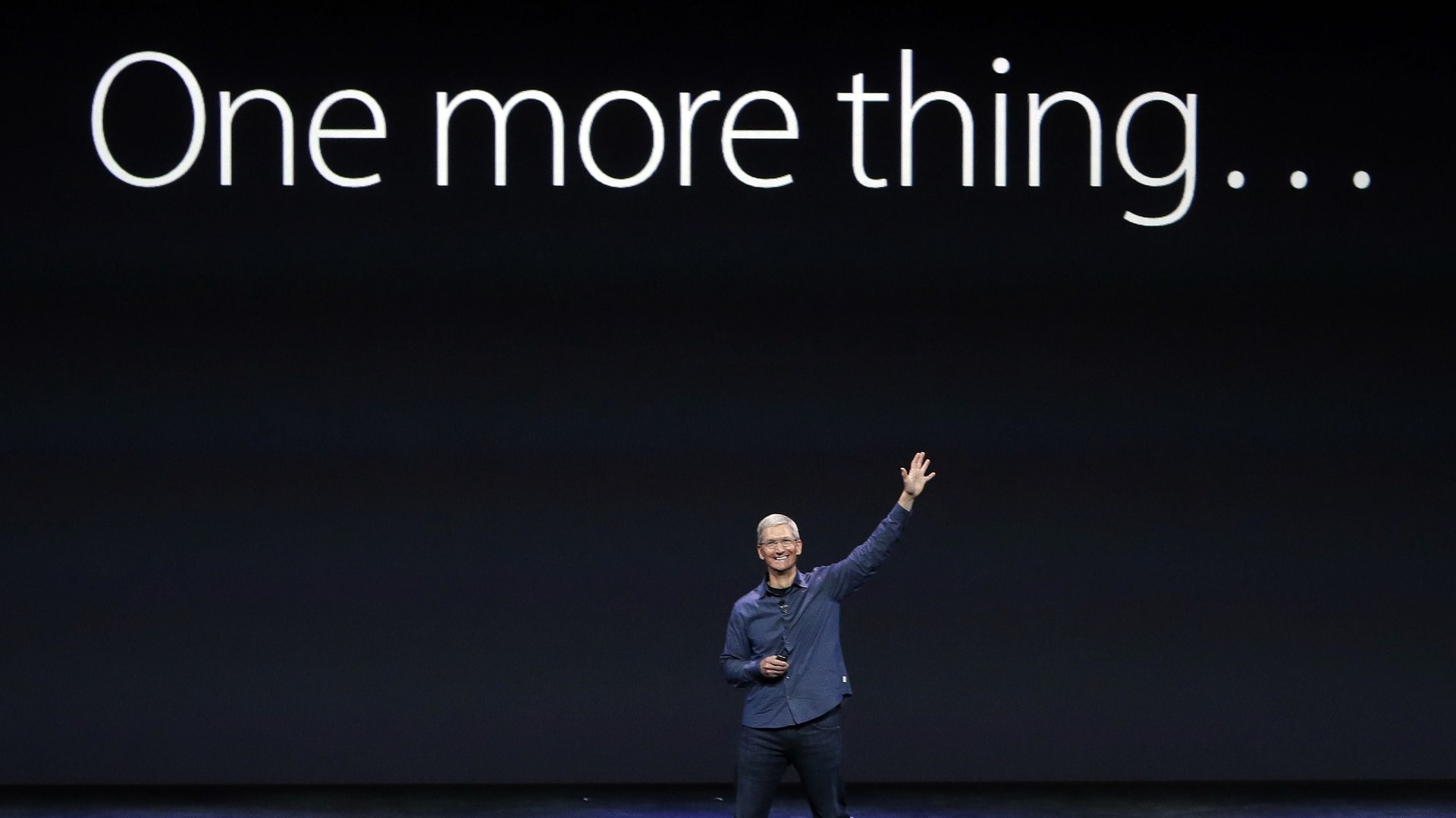
From one perspective, Apple’s valuation seems downright absurd. It’s fluttering above $670 billion today.
With the heady perfume of big data permeating much of the intellectual atmosphere, the field of economics is increasingly tilting toward empirical efforts, according to a recent paper published by Stanford economics professors Liran Einav and Jonathan Levin in the journal Science. That means in order to move up the career ladder, economists are becoming more reliant on digging up novel data sets to work with.

The propaganda war from ISIL, the Sunni jihadist group controlling swaths of northern Iraq and Syria, took a somewhat expected turn last week. The black-clad fighters best known for their months-long jag of mass killings and filmed beheadings suddenly wanted to talk about monetary policy.

The US Navy now has a ship in the Persian gulf armed with a “laser gun.” That’s how the US Chief of Naval Operations described it, in passing, to a Congressional hearing back in March.
When Tim Cook took control of Apple, he seemed to have a clear mission: manage the company’s difficult transformationfrom a high-growth stock market story to a more staid, but still incredibly profitable, dividend-paying blue-chip. But no one saw this year coming. Apple shares have surged more than 40% so far this year, creating more than $160 billion in market value for shareholders. (By way of comparison, that’s roughly the market valuation of the company once regarded as its greatest rival: IBM.)

We told you it was about to happen.