
Money & Markets
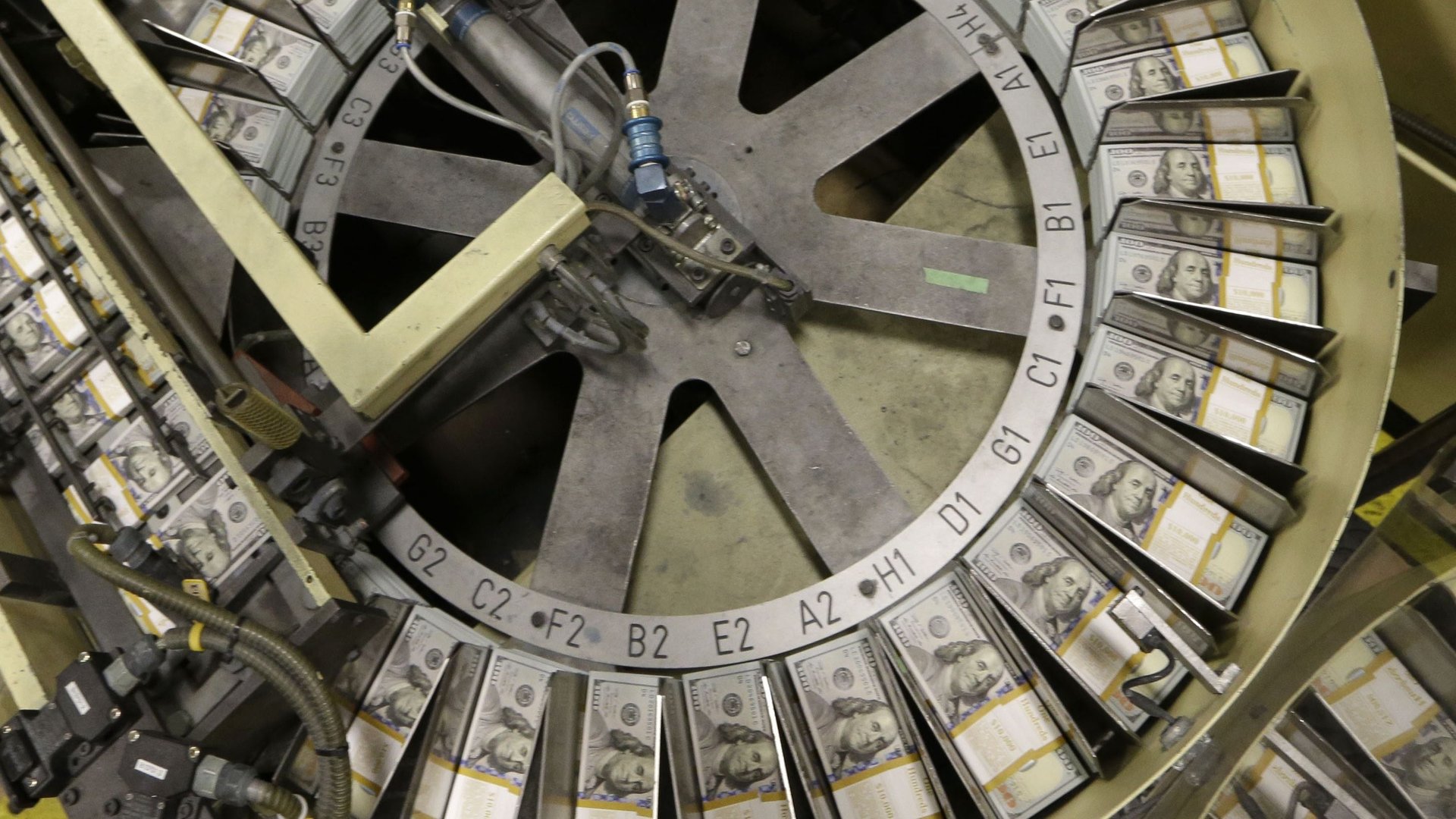
Why the US has the most powerful currency on the planetIt must be wonderful to be so desirable at age 100.
Updated July 20, 20227 min read
It must be wonderful to be so desirable at age 100.
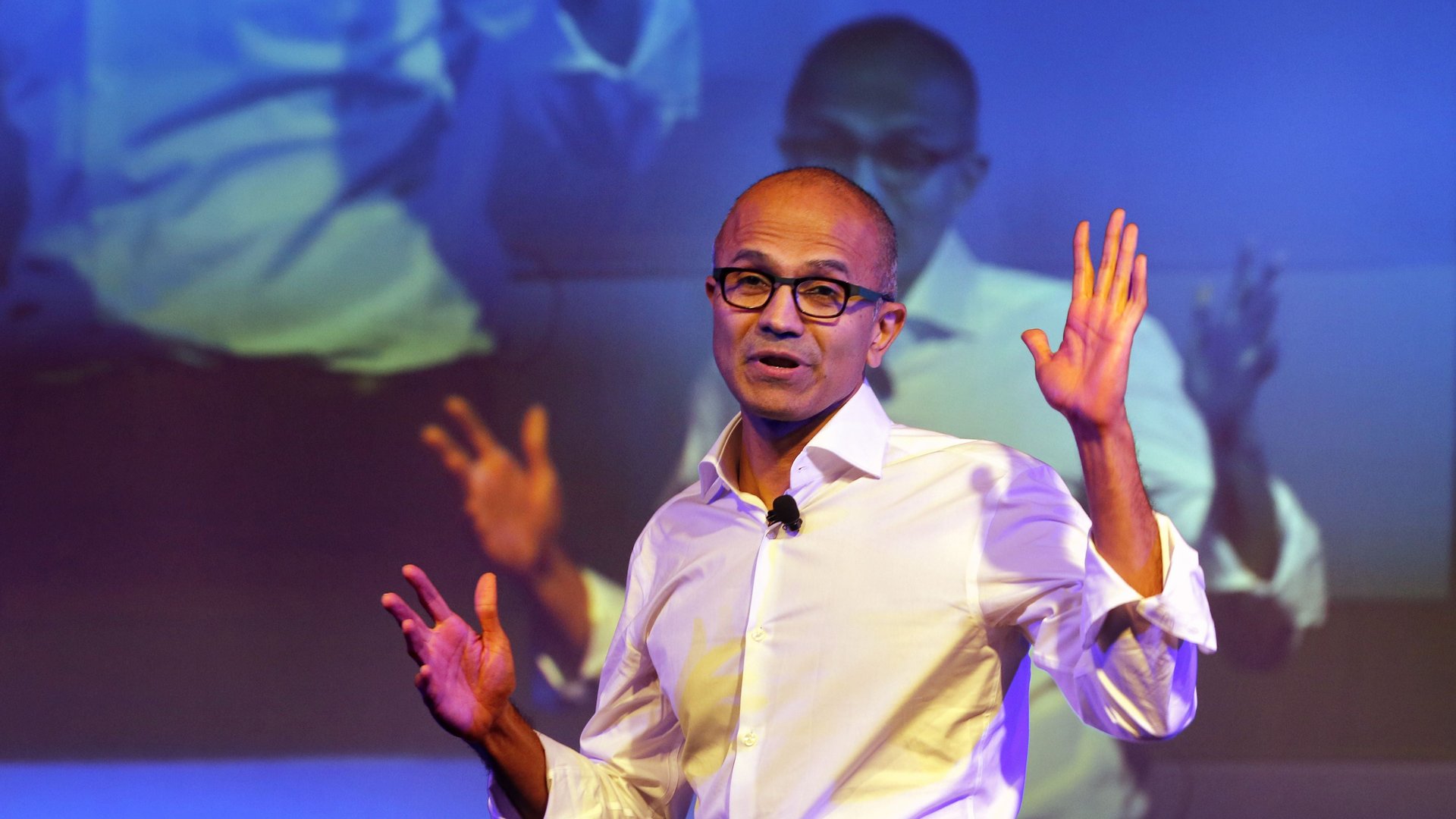
The recent share-price surge set off by the departure of former Microsoft CEO Steve Ballmer generated loads of value for Microsoft shareholders. In fact, since the end of 2012, Microsoft’s market capitalization has risen by nearly $181 billion. The company recently climbed above $400 billion in market capitalization, putting it within striking distance of Exxon Mobil, which has been weighed down by the decline in global oil prices.

“You only find out who is swimming naked when the tide goes out,” Warren Buffett once quipped in one of his folksy shareholder letters.
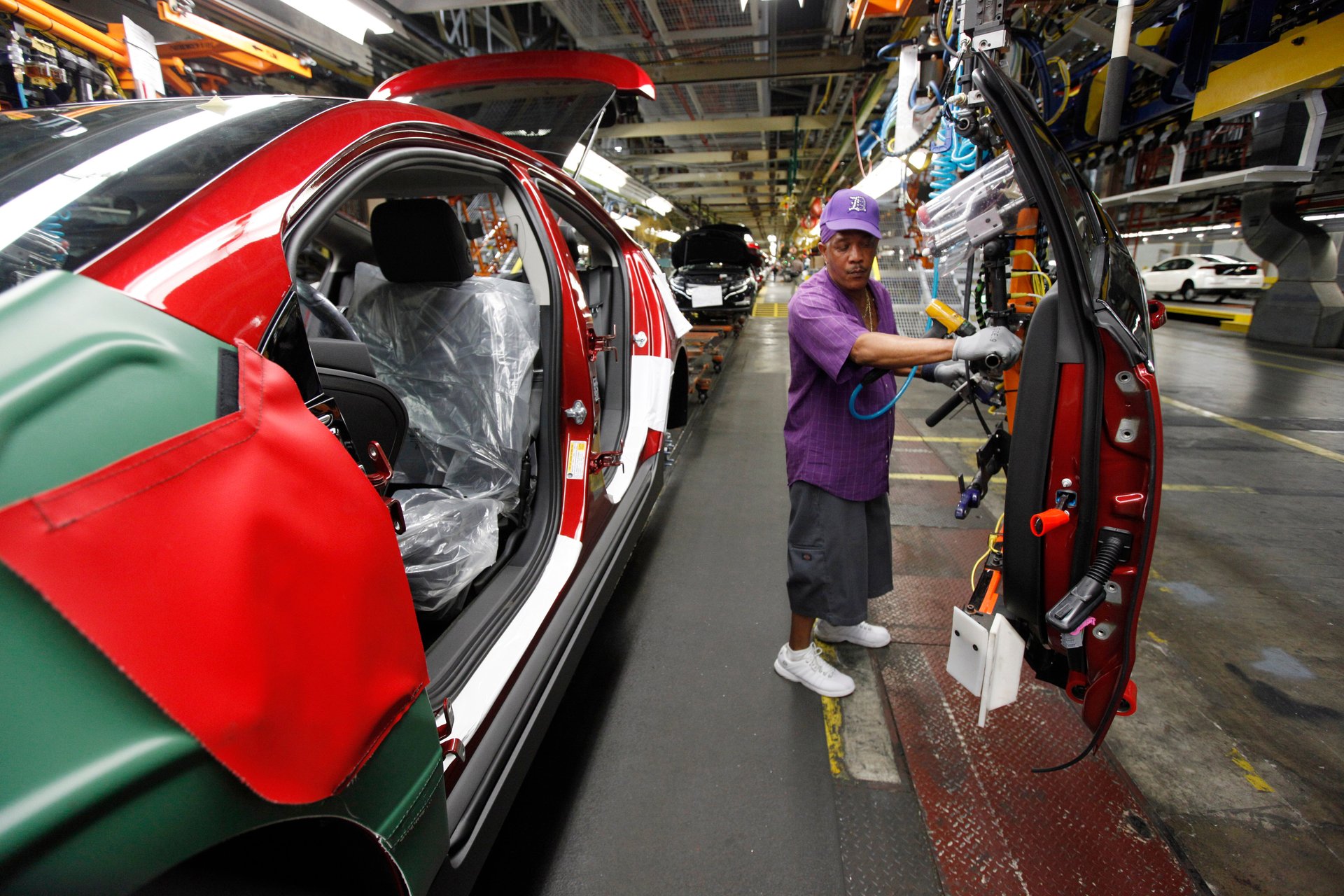
The US employment added 214,000 jobs in October, falling short of expectations. The unemployment rate ticked down to 5.8%, though. Stick around for all of our charts and analysis, updating here live.
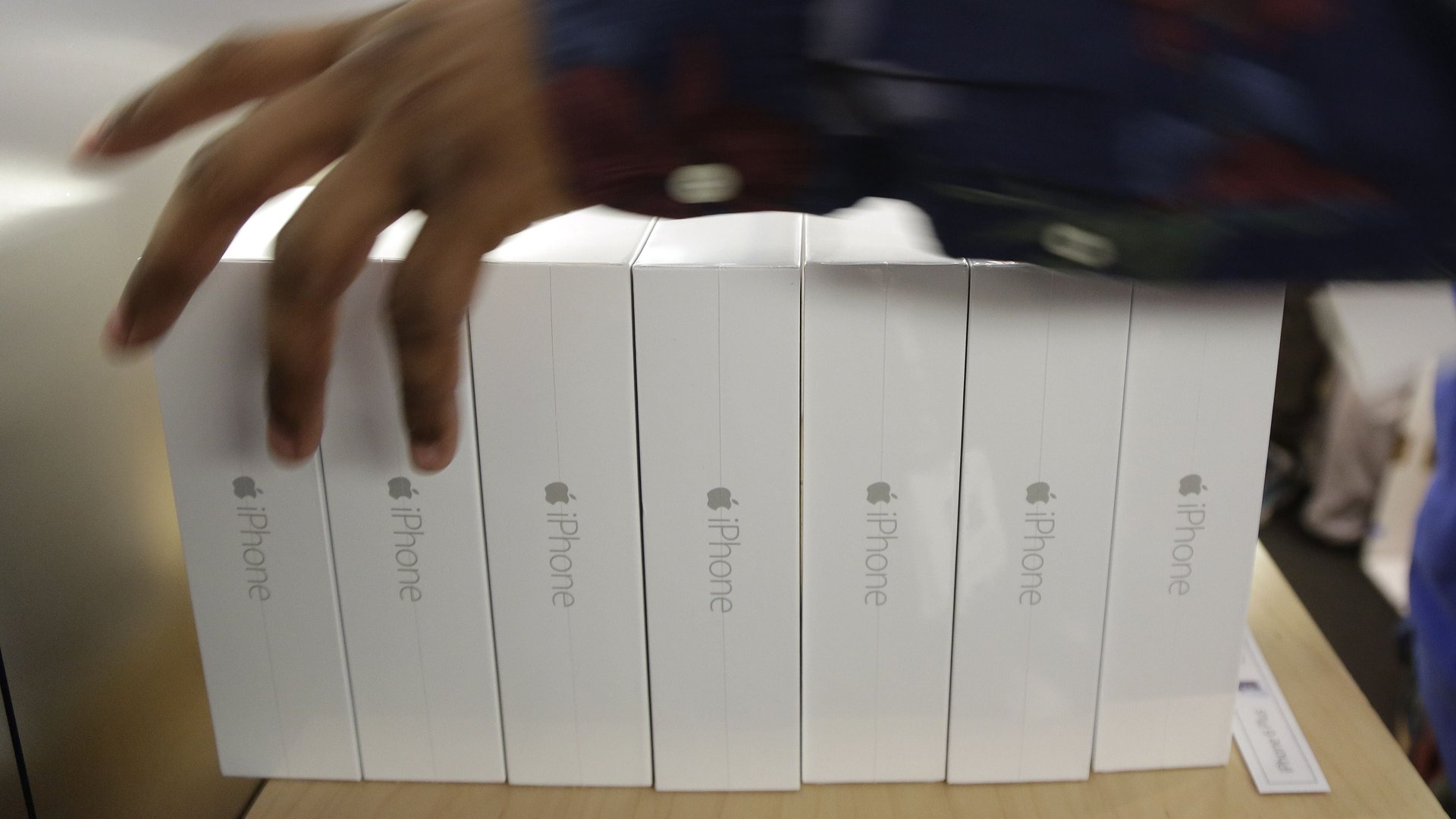
As you have probably heard, back in September Apple launched the newest versions of its iPhone, the iPhone 6 and 6 Plus. People seem to like them. From a business perspective, the launch went incredibly well.

The British pound hasn’t been linked to gold since 1931. The US snipped the cord in 1971. But the Swiss only fully severed ties to gold in 1999, when voters approved a revamped constitution.
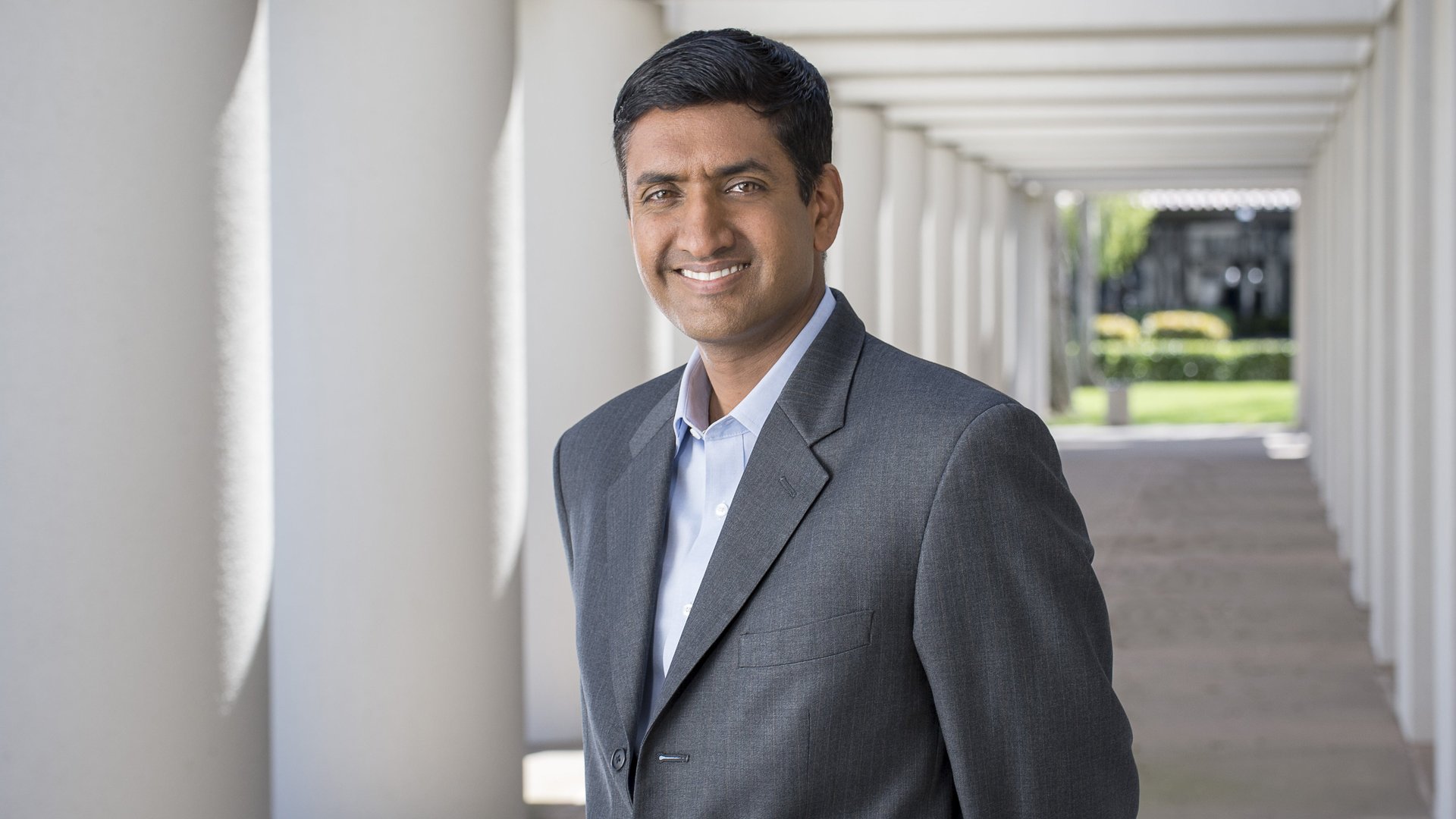
By most accounts it’s going to be a rough day for America’s Democratic party candidates in today’s midterm elections. But in the race for California’s 17th district—in the heart of Silicon Valley—a Democrat is sure to win.
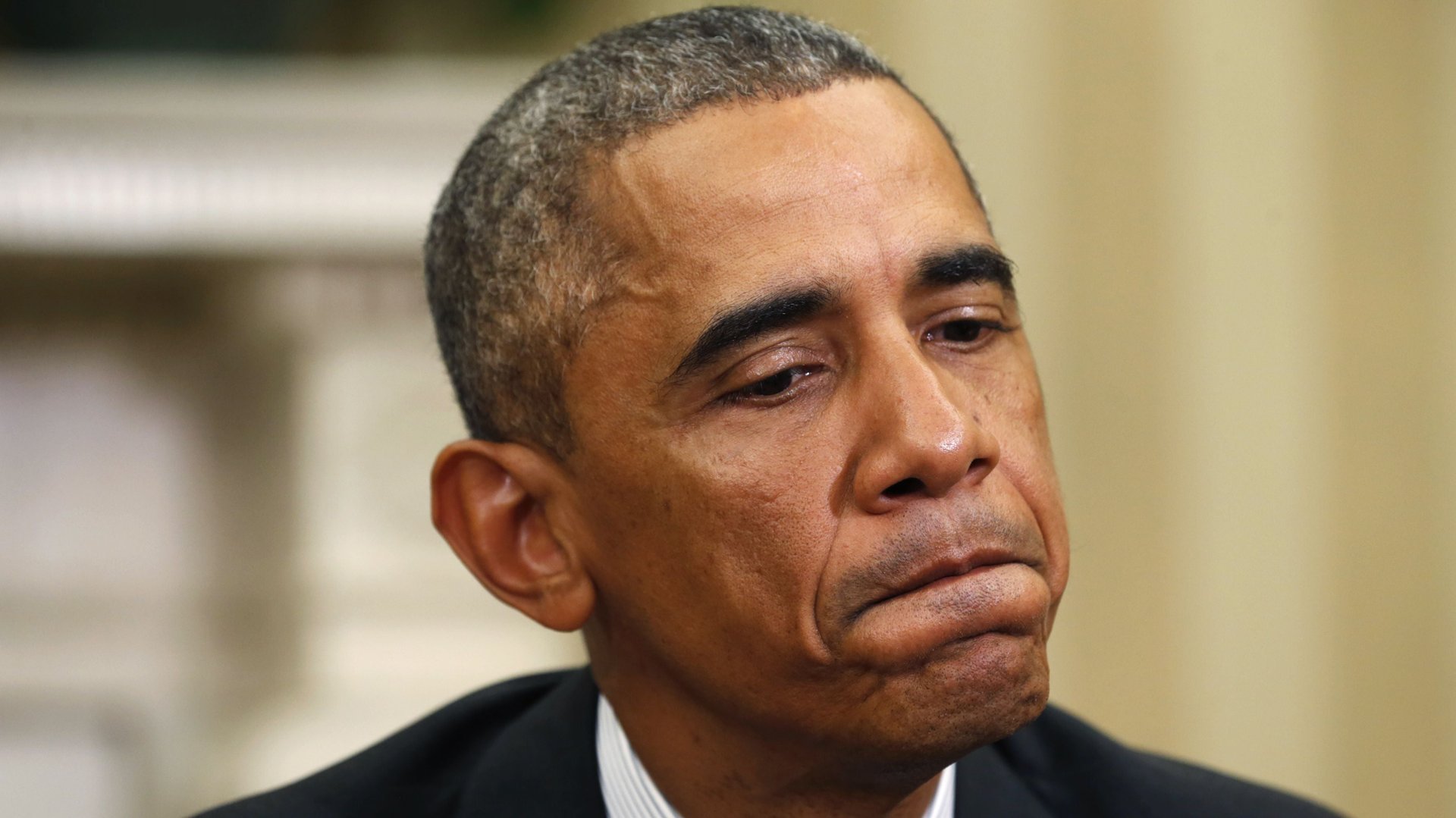
Let’s talk about labor-force participation.

And down the stretch they come!

It’s alive.
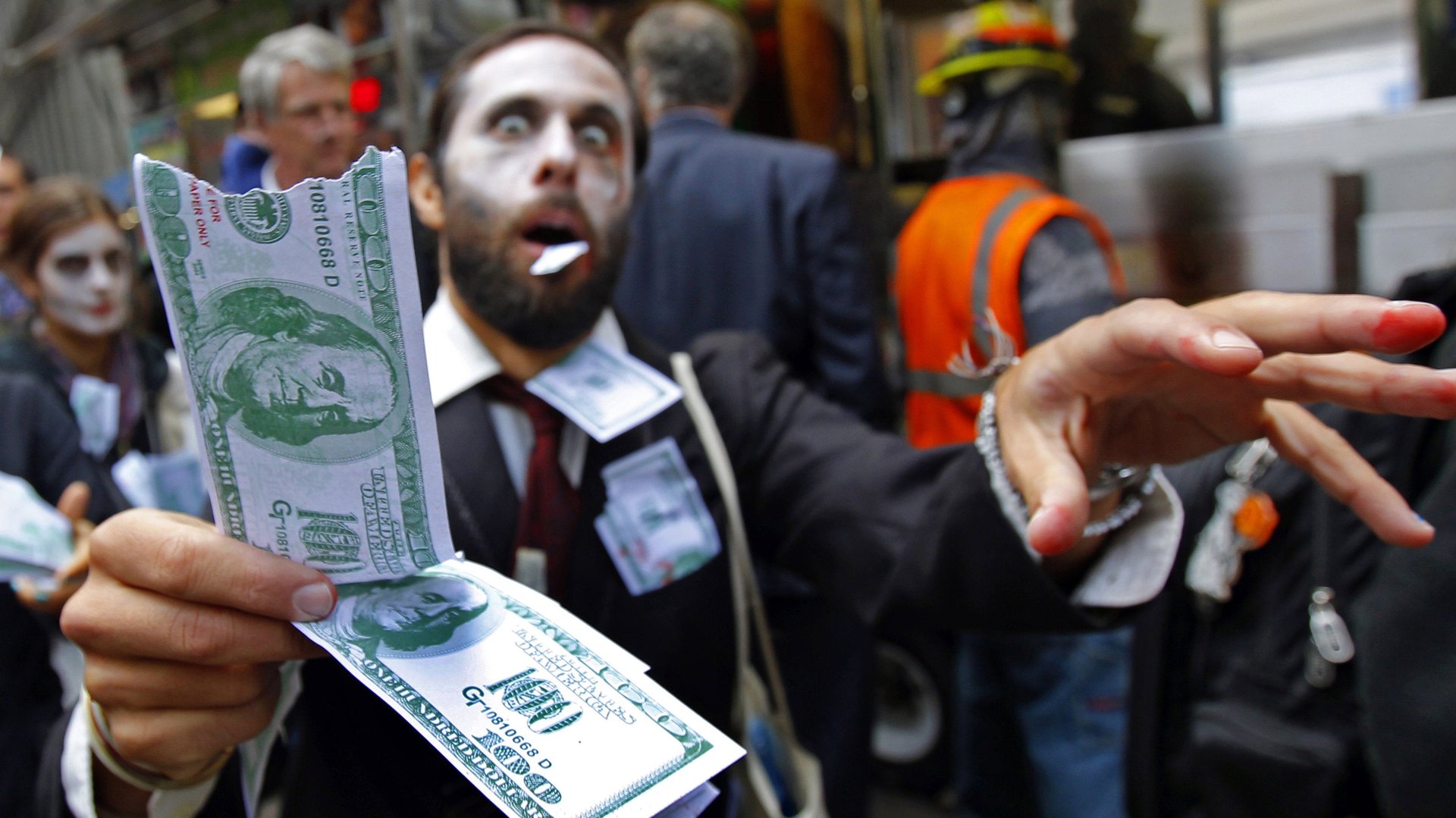
Ghosts, zombies, witches… and unemployment rates. If you want a real scare this Halloween, check out these charts hand-picked by Quartz’s writers and editors that show the most ghastly trends in the global economy.
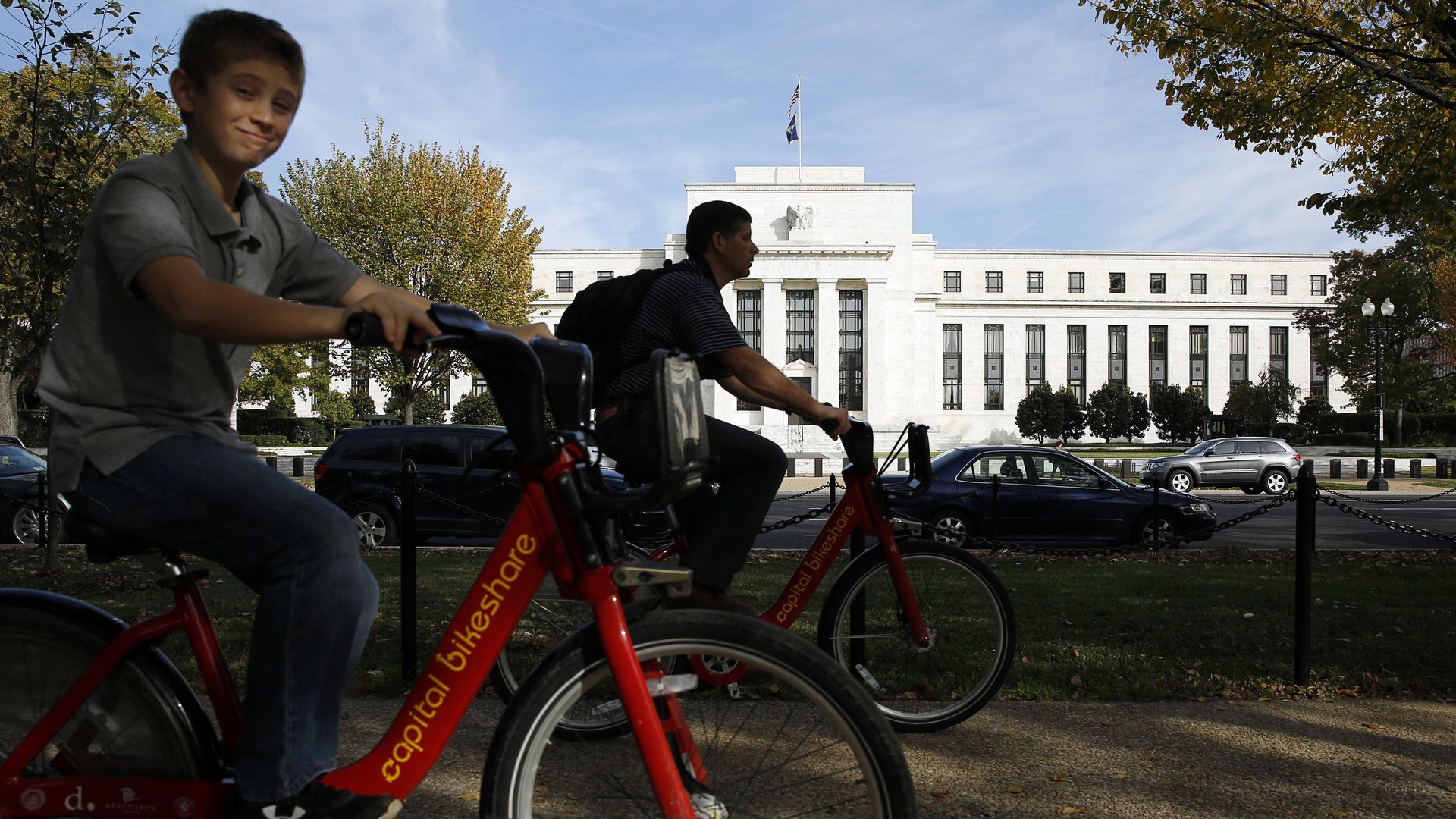
The Fed actually did it.
Facebook seems to be signaling that it’s ready for a spending binge. And investors don’t like the sound of it.
US consumer confidence hit a new post-crisis high in October, according the Conference Board.

The currency is collapsing. Inflation is running rampant. Basic items such as milk, cooking oil and toilet paper are in such short supply that people have turned to rationing.

How would you rank the world’s best space-technology universities? You could do worse than looking at the scientific papers produced on satellite technology. The wealthy-nation think tank known as the OECD did just that in a recent paper on the economic implications of space exploration.
It seems pretty clear.

We have to say it. The US economy is really roaring forward at the moment. All the data tells the same story.
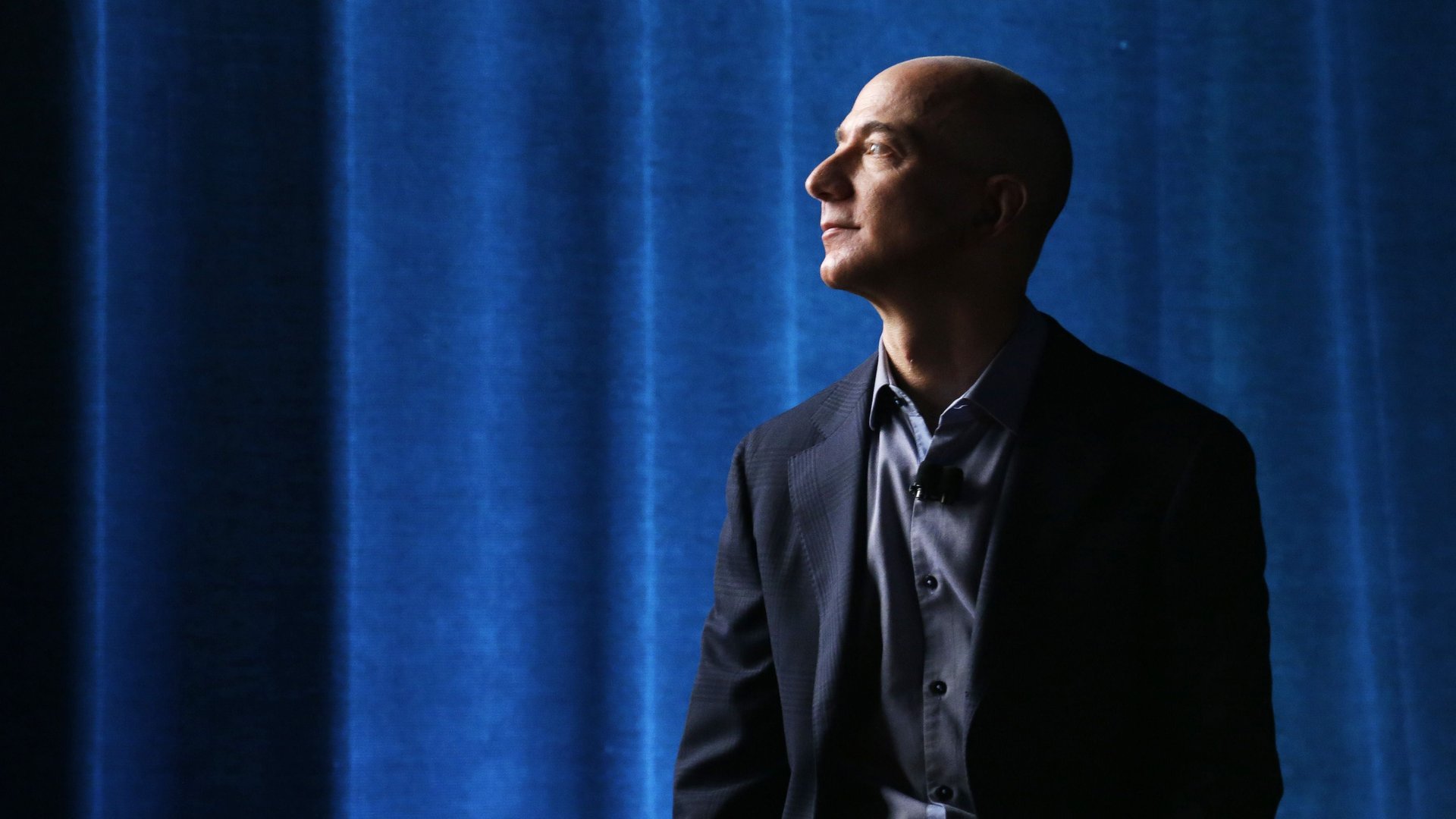
The Harvard Business Review just bestowed the title of best-performing CEO in the world on Amazon.com CEO Jeff Bezos, who last year tied with late Steve Jobs for the honor.
It’s a major changing of the technology guard for corporate America.
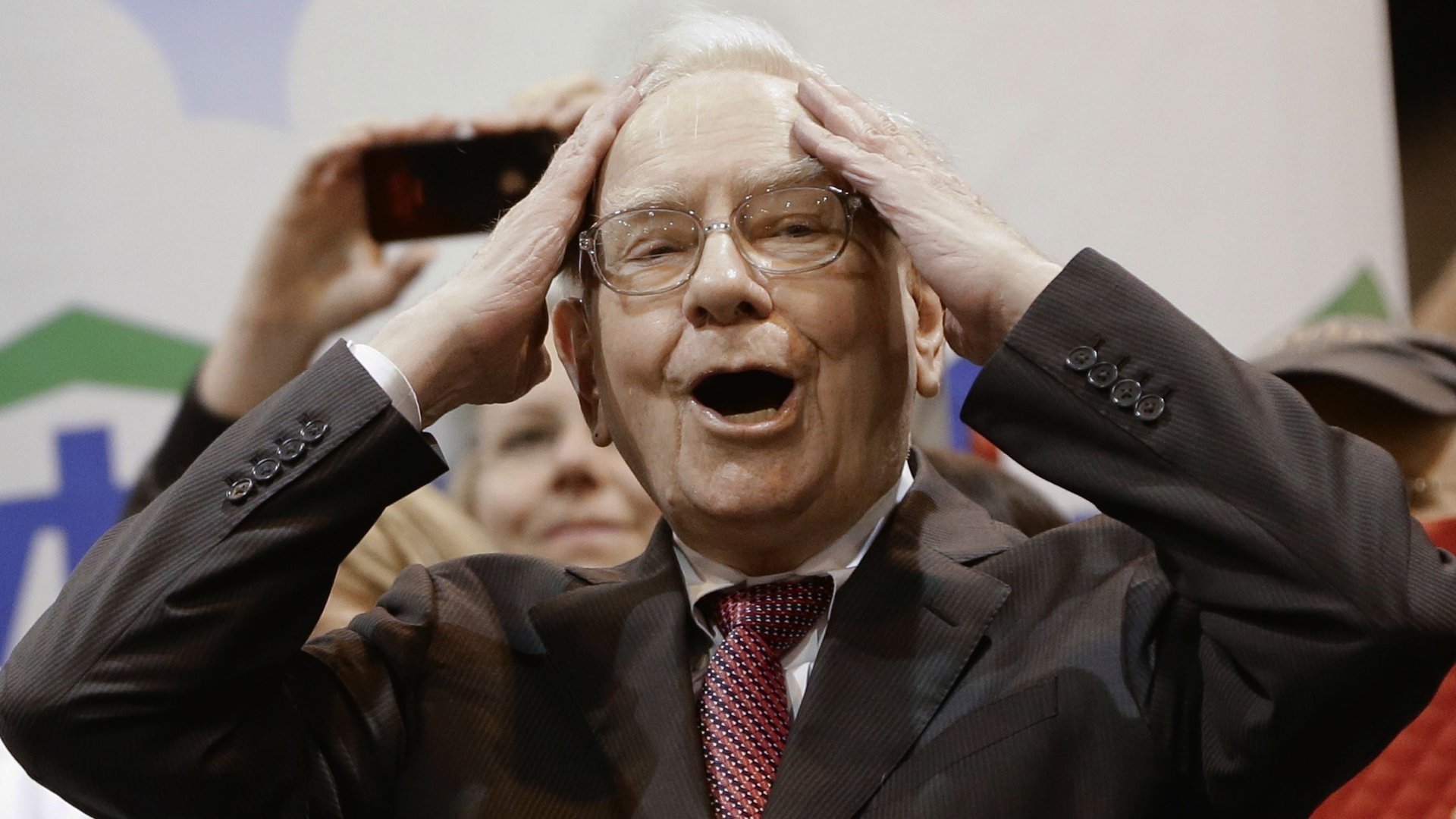
Warren Buffett is so closely identified with both the financial and philosophical design of Berkshire Hathaway, the conglomerate he has painstakingly constructed since the 1960s, that some wonder whether anyone else could actually run it when the 84-year-old Buffett is no longer in charge.

Financial markets snapped back and forth today. (Stocks, bonds, commodities, currencies all got pretty lively.) But how much new information did the kerfuffle provide to investors about the prospects for prices, profits, and economic growth? Incredibly little, actually.
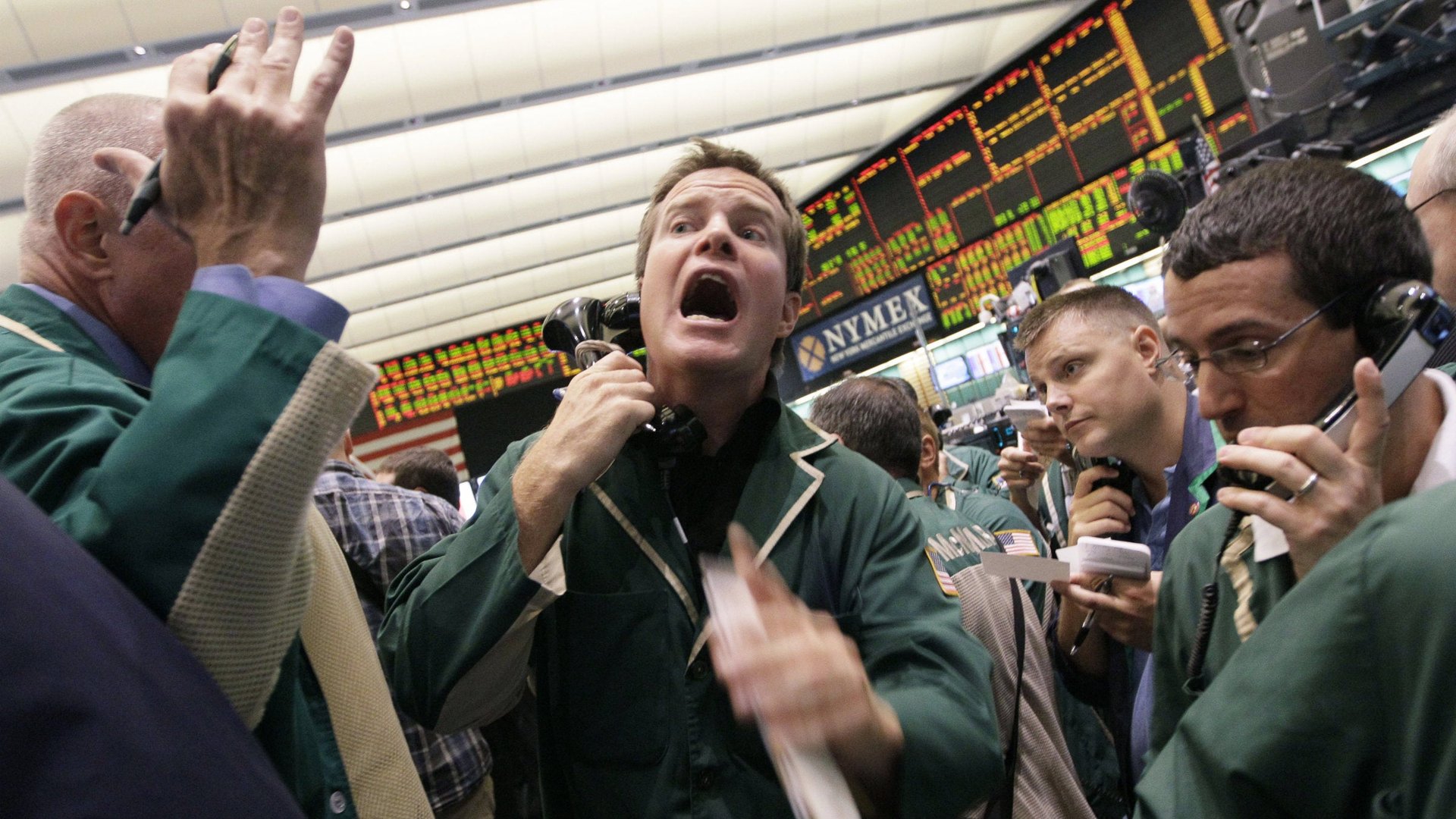
There’s really no other way to say it.

It’s tough to get a clear sense of how the Russian economy is faring in the face of Western sanctions. Unemployment remains at a record low. But economic output seems to be quickly losing steam. And in an ironic turn of events, the sanctions aimed at some of the economic elites surrounding Putin are taking their toll on some of Russia’s poorest residents: migrant workers.