

Money & Markets
The most important charts to see before the huge July jobs reportIt’s looking like July will be another big month for US job creation.
Updated July 21, 20222 min read
It’s looking like July will be another big month for US job creation.
The short version: It was good.

Any given day in the global bond market can be fairly snooze-worthy. Bond yields tick up by a few basis points, and down by a few basis points. Ho-hum. That’s the case today in the market for German government bonds (known as bunds). Yields on the 10-year bund declined by about four basis points, or 0.04 percentage points, to 1.12%. In other words, low.
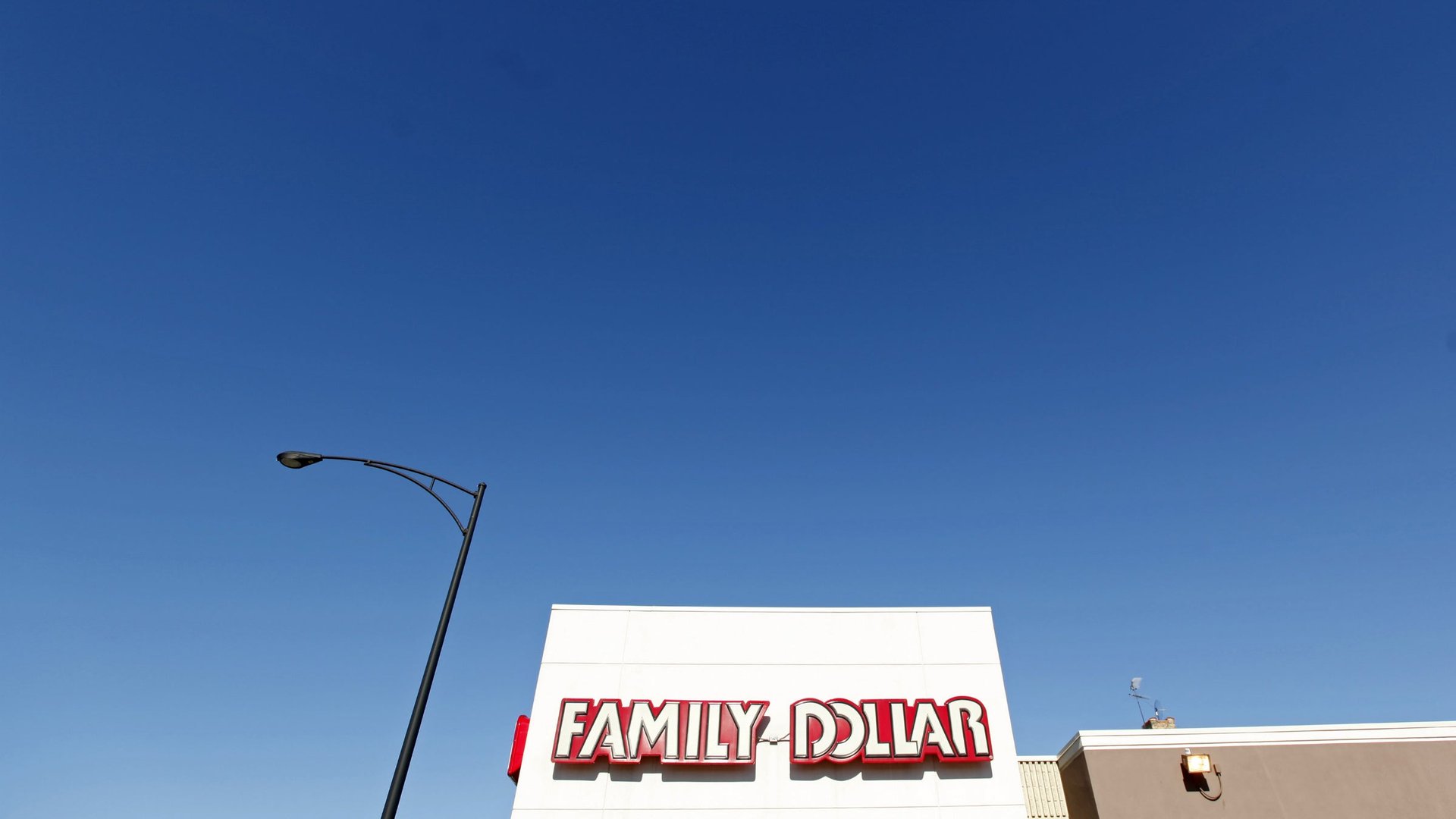
The French economist Thomas Piketty could not have dreamed up a better illustration of the problematic and growing income inequality in the US than the Family Dollar-Dollar Tree combination.

The online education revolution won’t disrupt Harvard Yard any time soon.
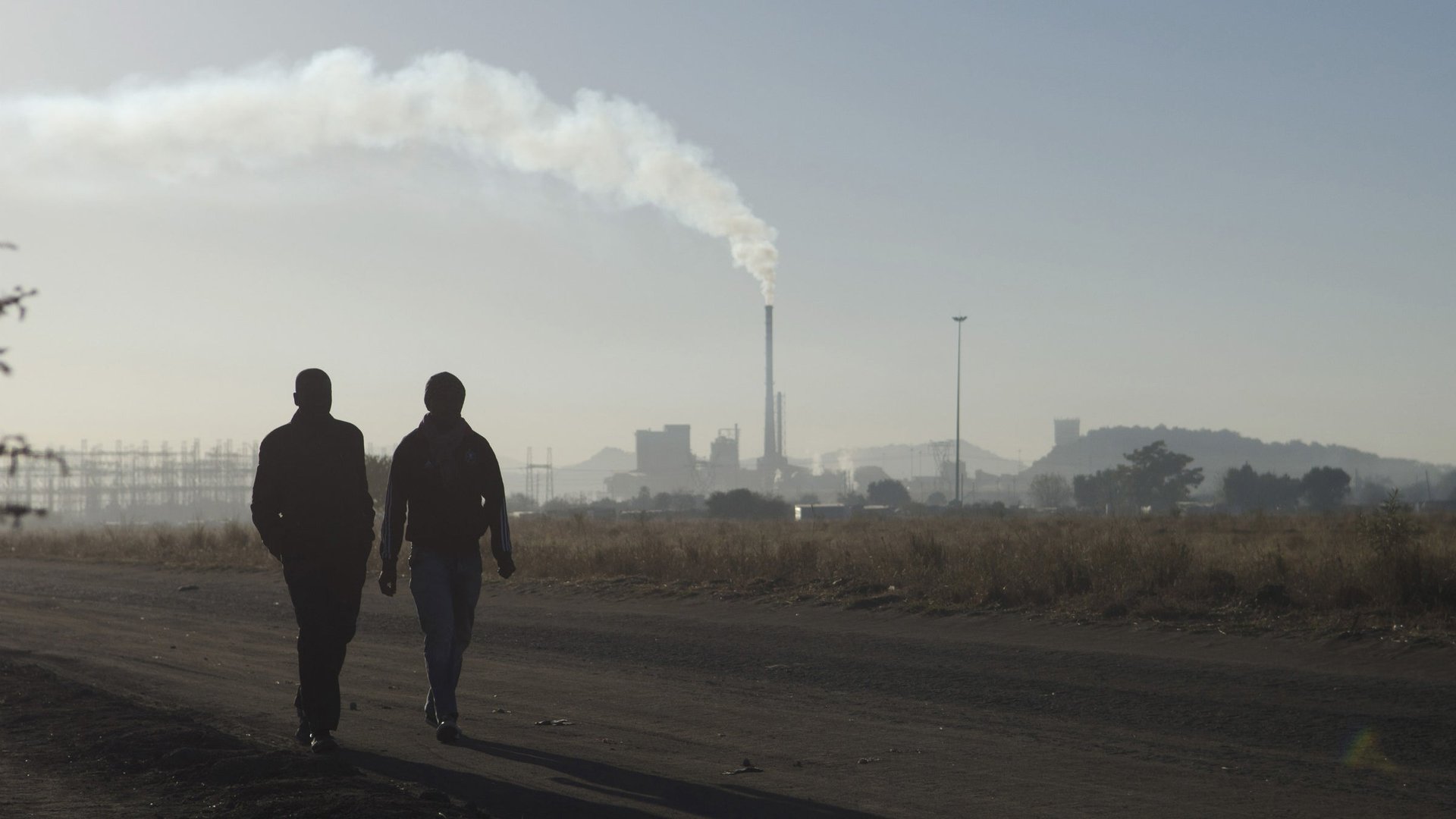
Prices for rhodium, the precious metal used in the catalytic converters that curb harmful automotive emissions, are on a run. Bloomberg reports that they’re at their highest in 16 months and are poised for their best monthly gain since 2009.
The makeup of market gains this week suggests investors think China might make a more meaningful contribution to global growth over the coming months. Key equity gauges—both on the mainland and Hong Kong—had some of their best weekly gains in months. The Shanghai Composite was up 3.3%, as was the Hang Seng in Hong Kong. The Hang Seng’s China Enterprises index of mainland companies surged 5.3%.
Next stop, IBM.

It might not be popular. But it’s working.
It’s time somebody said it. More than a half decade after the official end of the Great Recession, the US economy is the best we’ve seen in years. Allow us to offer you a chart-based, whirlwind tour.

Federal Reserve researchers argue that the central bank has been right not to give up on the ranks of America’s long-term unemployed.
Over the last 12 month shares of Facebook have soared nearly 170%, making the social media behemoth the top-performing stock in the benchmark Standard & Poor’s 500 index. (Coming in second was Micron Technology, which notched a more-than-respectable 141% gain over the last year.)

In an effort to boost productivity during the summer months, the city of Seoul is encouraging government workers (paywall) to take a siesta of up to an hour. This might be a good model for the country, which appears to be the most sleep-deprived of the world’s developed economies.
The numbers are in, and June was another giant month for the US economy. Some 288,000 jobs were created, and the unemployment rate declined to 6.1%. And yet, Americans, by-and-large, are still incredibly cranky about the state of the US economy. Some of this may bejust proxy political grousing, with conservatives loathe to say anything is improving on the watch of the center-left president Barack Obama. (Republicans are far more gloomy about the economy than Democrats.)
The jobs numbers are in. And they’re good.
We’ll give you the bottom line on the top line: All signs suggest the US job-creation machine was humming in June.
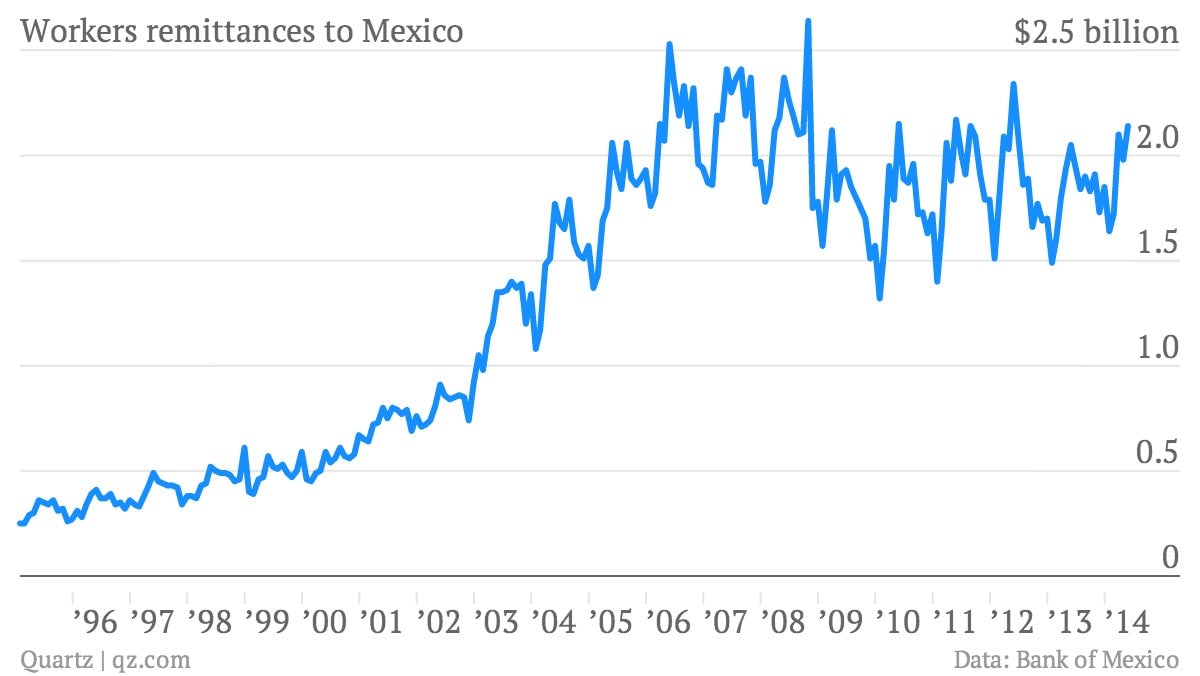
Economic charts don’t usually tug on the heartstrings. But every once in a while, one comes along that reminds you that these meandering squiggles aren’t just abstractions. They’re a way of keeping track of human behavior. (After all, that’s what an economy is, millions of people making decisions to save or spend, buy or sell, work or retire.)

The first half of the year is pretty much over and one thing is clear: Coffee is king.
There are plenty of reasons to be skeptical of initial economic data about healthcare amid the roll-out of the Affordable Care Act, popularly known as Obamacare. (For instance, yesterday’s awful revision to US GDP was largely due to US government estimates of healthcare consumption being way off the mark. Economists expected a big increase under the roll-out of Obamacare, once the law took effect in January. But actually spending declined slightly.)
So, it turns out the US economy’s first-quarter weakness was much worse than first thought.
Today’s piece by David Leonhardt in the New York Times’ Upshot pulls apart the recent framing of the student-debt disaster story that dominates the national narrative on college borrowing costs. We agree. (Well, I guess, just me.) In fact, I wrote a similar story back in the spring, saying that the US student debt story isn’t as scary as everybody thinks.
The US economy has been expanding since June 2009. But as recently as March, some survey data showed that 57% of Americans still thought the economy was in recession. That’s understandable: The generalized collapse of the US job market during the Great Recession inflicted serious pain that many still haven’t recovered from.