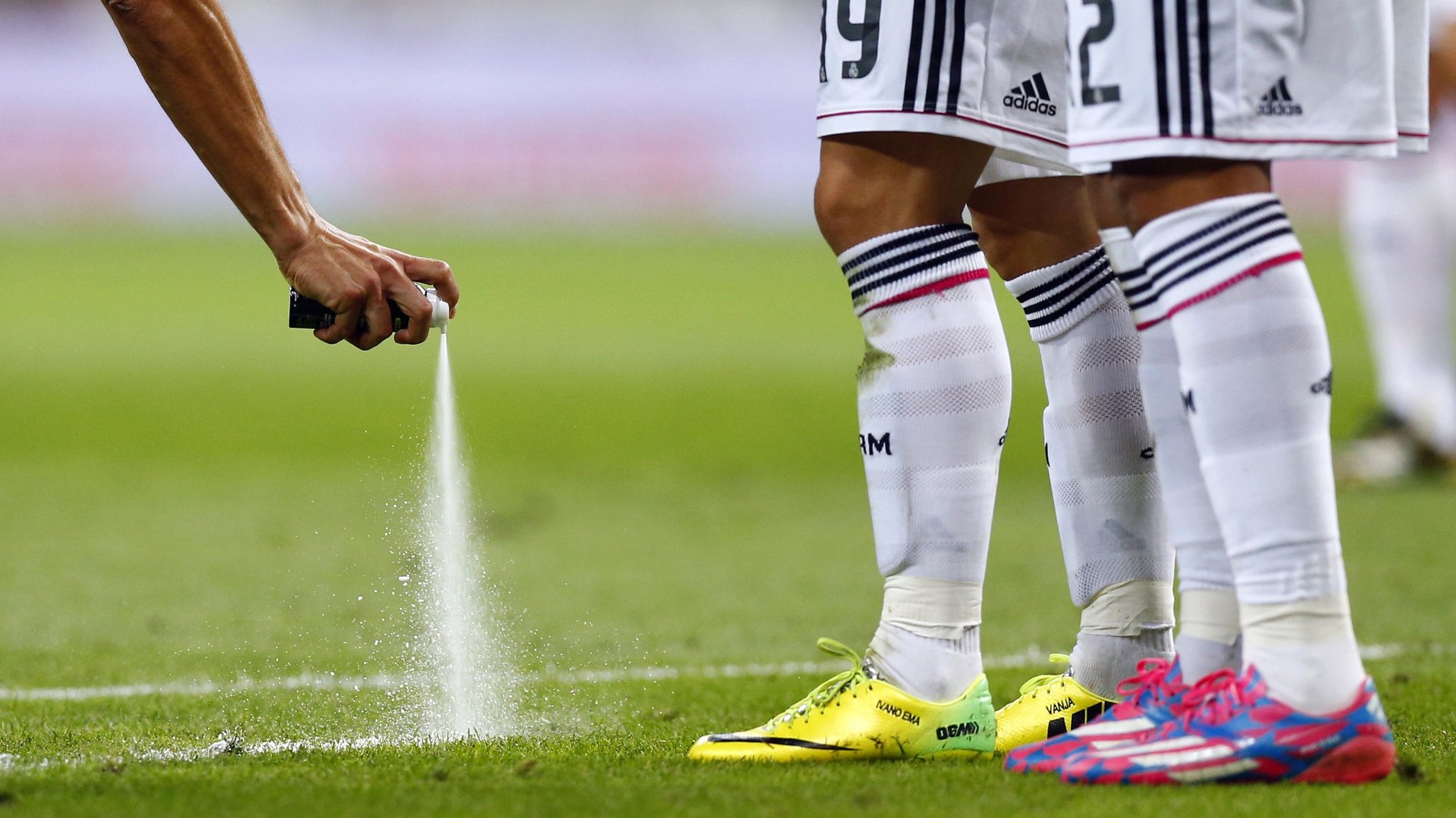
This year’s World Cup made breakout stars of Tim Howard’s grit and Neymar’s hair. It also introduced international audiences to 915 Fairplay spray, a shaving-cream-like foam ostentatiously used by referees to mark free-kick lines.

This year’s World Cup made breakout stars of Tim Howard’s grit and Neymar’s hair. It also introduced international audiences to 915 Fairplay spray, a shaving-cream-like foam ostentatiously used by referees to mark free-kick lines.

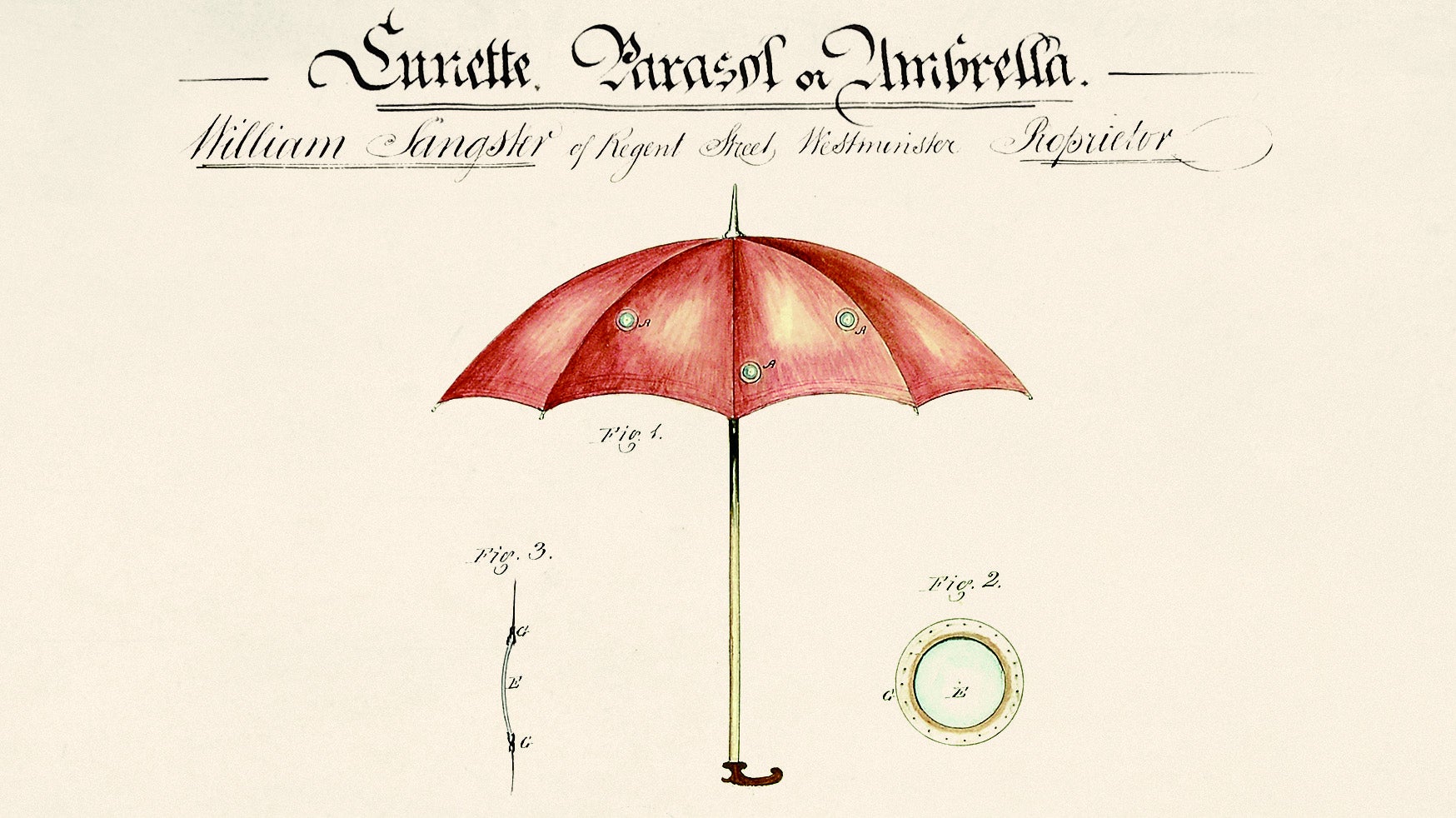
A new book, Inventions That Didn’t Change the World, published next month by Thames & Hudson, looks at the forgotten side of the Victorian age of invention—not the steam engine or the lightbulb but the Improved Sausage Machine, the Epanalepsian Advertizing Vehicle, and the Moustache Protector.

Pass through the heavily guarded gates of Ma’ale Adumim, a Jewish settlement of 40,000 that sits four miles east of Jerusalem, and the Judaean Desert melts away into a haze of bougainvilleas, lush lawns, and artificial ponds. In the heart of the occupied West Bank, it’s an island of American-style suburbia.

This post has been updated.

The jury is still out on the Apple Watch, but one small design element may offer a peek into Cupertino’s broader user-interface strategy: the custom typeface.

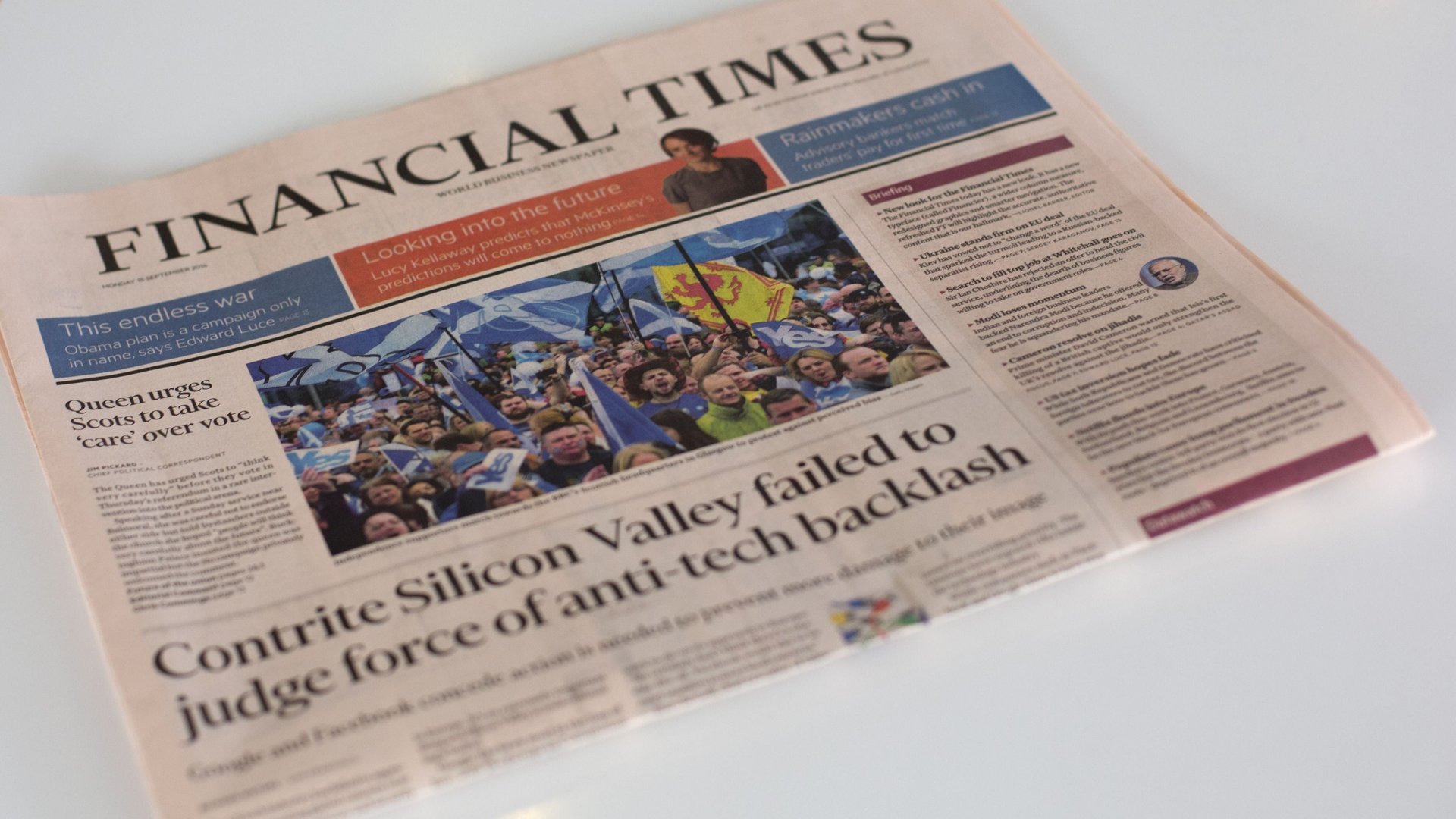
Today, Financial Times readers woke to the newspaper’s first redesign in seven years. It’s a much less cluttered layout: The columns are wider, the stories have more breathing room, and the text is set in a new custom typeface meant to evoke the paper’s British heritage; appropriately, it’s called Financier. The salmon hue is untouched.

When the Berlin Wall fell 25 years ago this November, the Soviet-backed regime that had ruled East Germany as a police state for 40 years quickly dissolved. What they left behind was an architecture of surveillance and control—office buildings and jails that were unremarkable from the outside, their interiors hidden from public view, except for the unlucky people dragged in for interrogations, confinement, or worse.

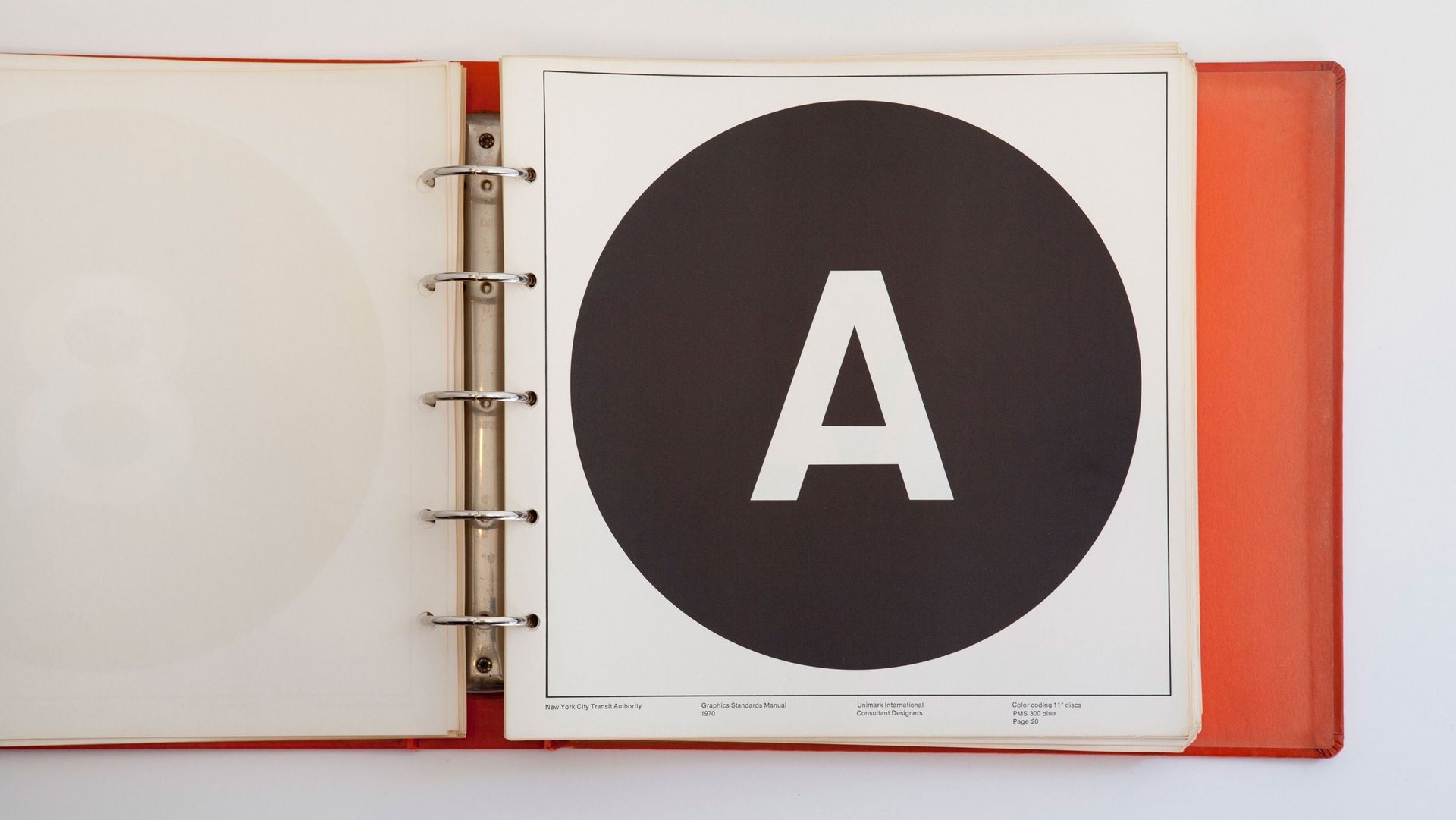
The New York City subway of the mid-1960s was a chaotic mix of signage. With no overarching system to order them, decades of ill-matching signs fought for riders’ attention inside trains and subway stations, making for visual clutter and difficult navigation.

Over the past seven years, the Dutch artist Florentijn Hofman has alternately delighted tourists and frustrated critics with his kitschy, colossal hippos, pigs, and most famously, rubber ducks that ply the world’s ports, drawing massive crowds.

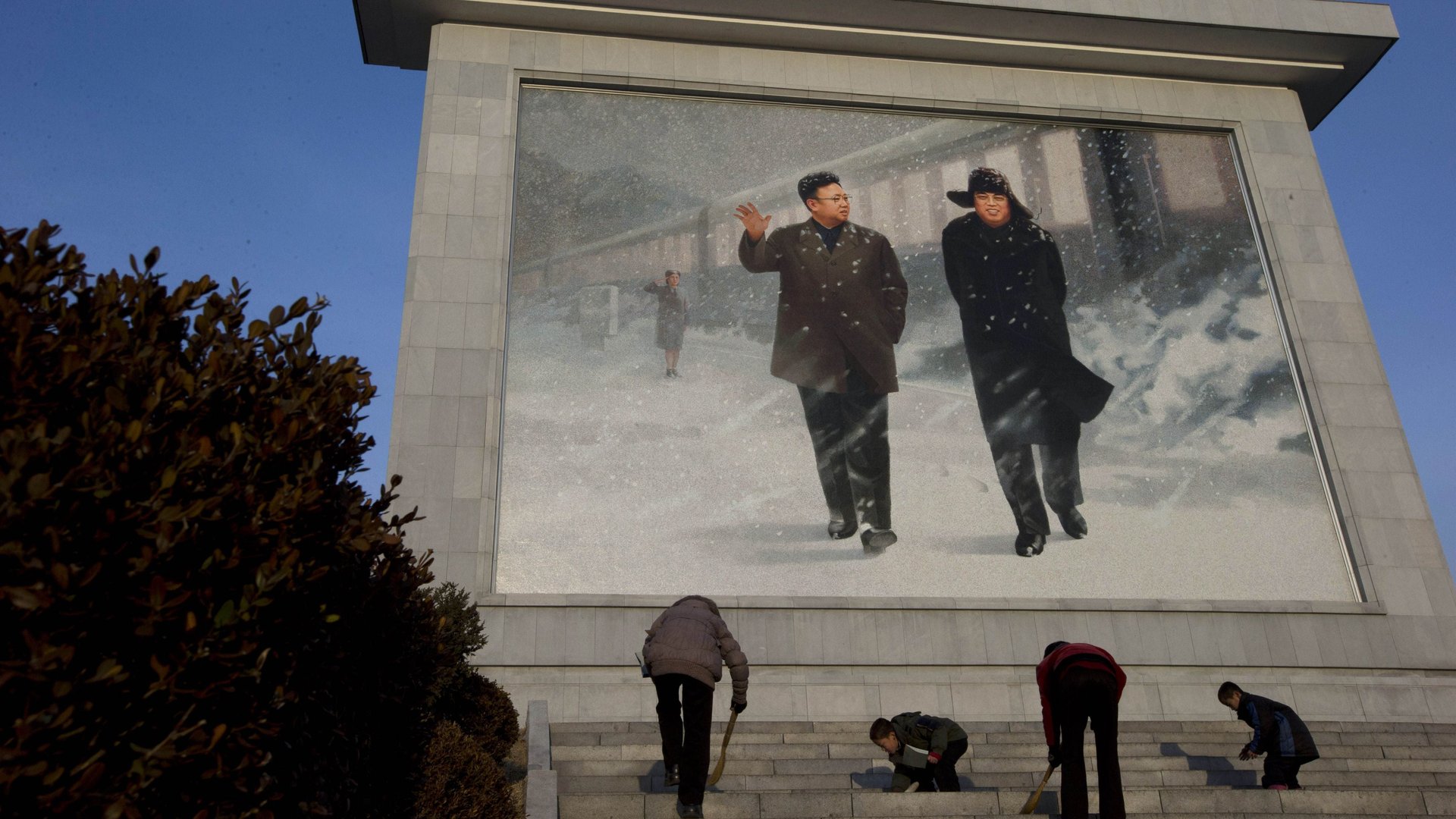
In early July, two Norwegian artists traveled to Pyongyang on an unusual mission: to lay the groundwork for an international art academy in the world’s most secretive, repressive country. And they apparently won the support of the North Korean government for their idea, according to a report in the Art Newspaper.

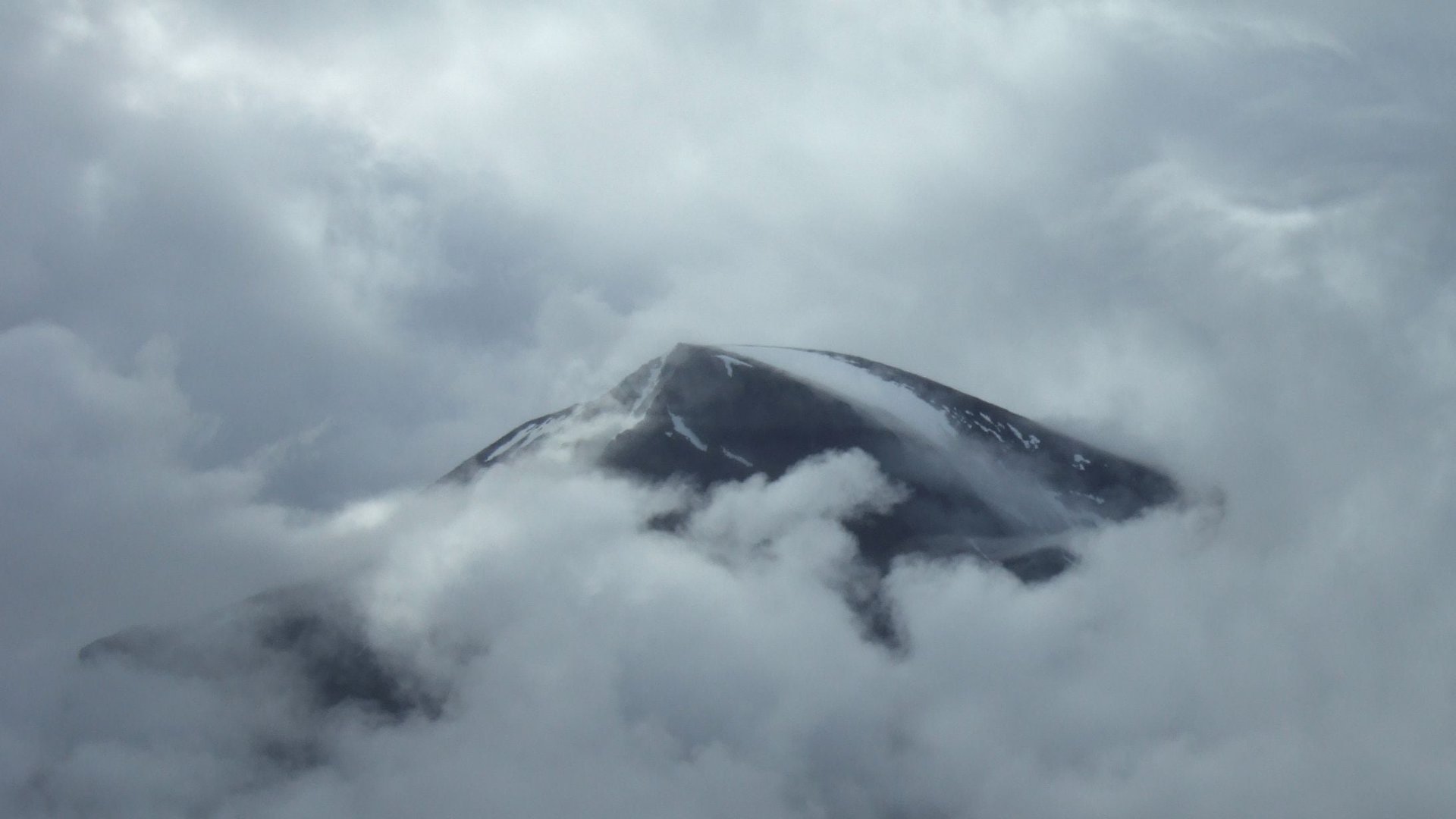
The snow-capped southern peak of Lapland’s Kebnekaise, in the Scandinavian Mountains, reaches 2,097.5 meters (6,881.6 feet) above sea level, making it the highest point in Sweden. But not for long.

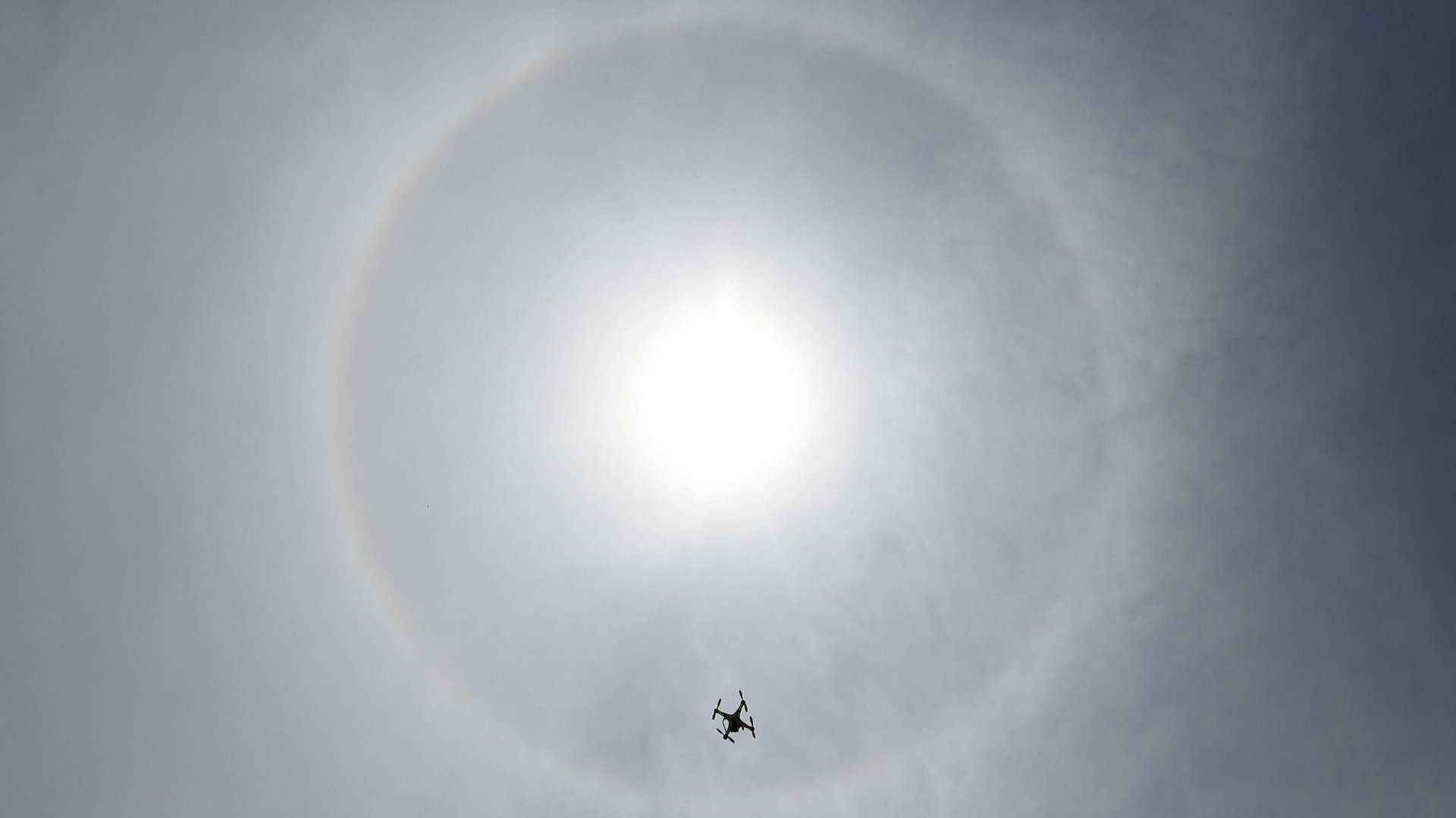
Imagine that there’s a powerful, invisible force hovering above you in the sky. It sees everything, controls everything—you can keep no secrets from it. If it wanted to, it could kill you instantly.

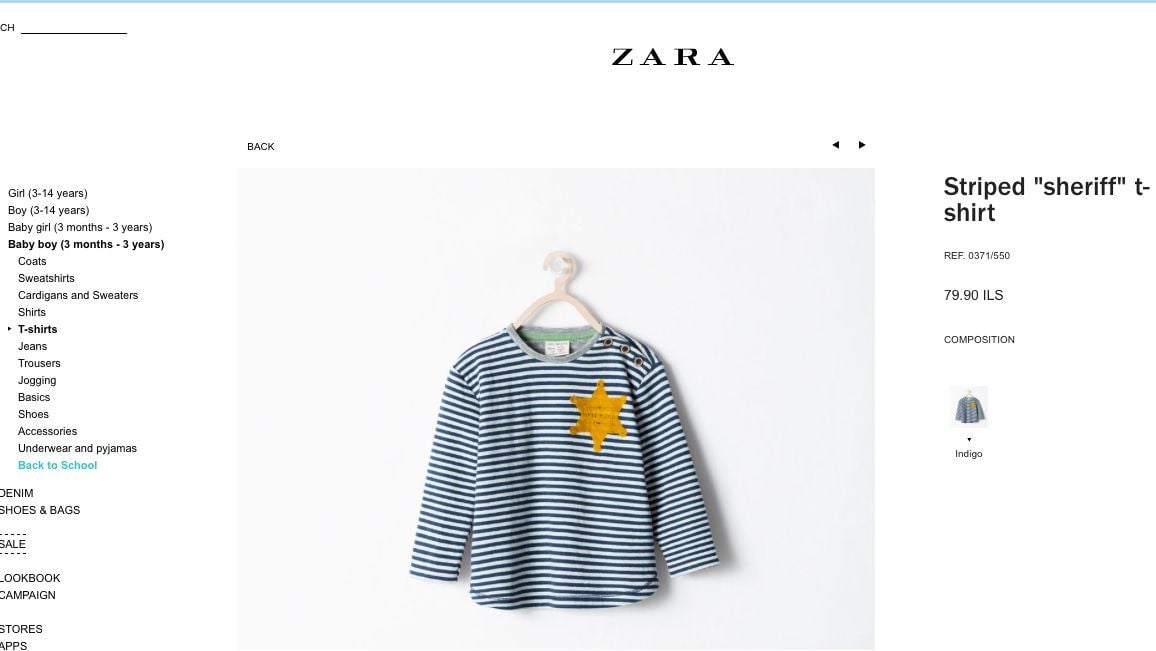
The Spanish clothing giant Zara has been selling a kids’ T-shirt with blue-and-white stripes and a prominent yellow star—which, the Israeli/Palestinian blog +972 pointed out today, closely resembles a concentration-camp uniform.

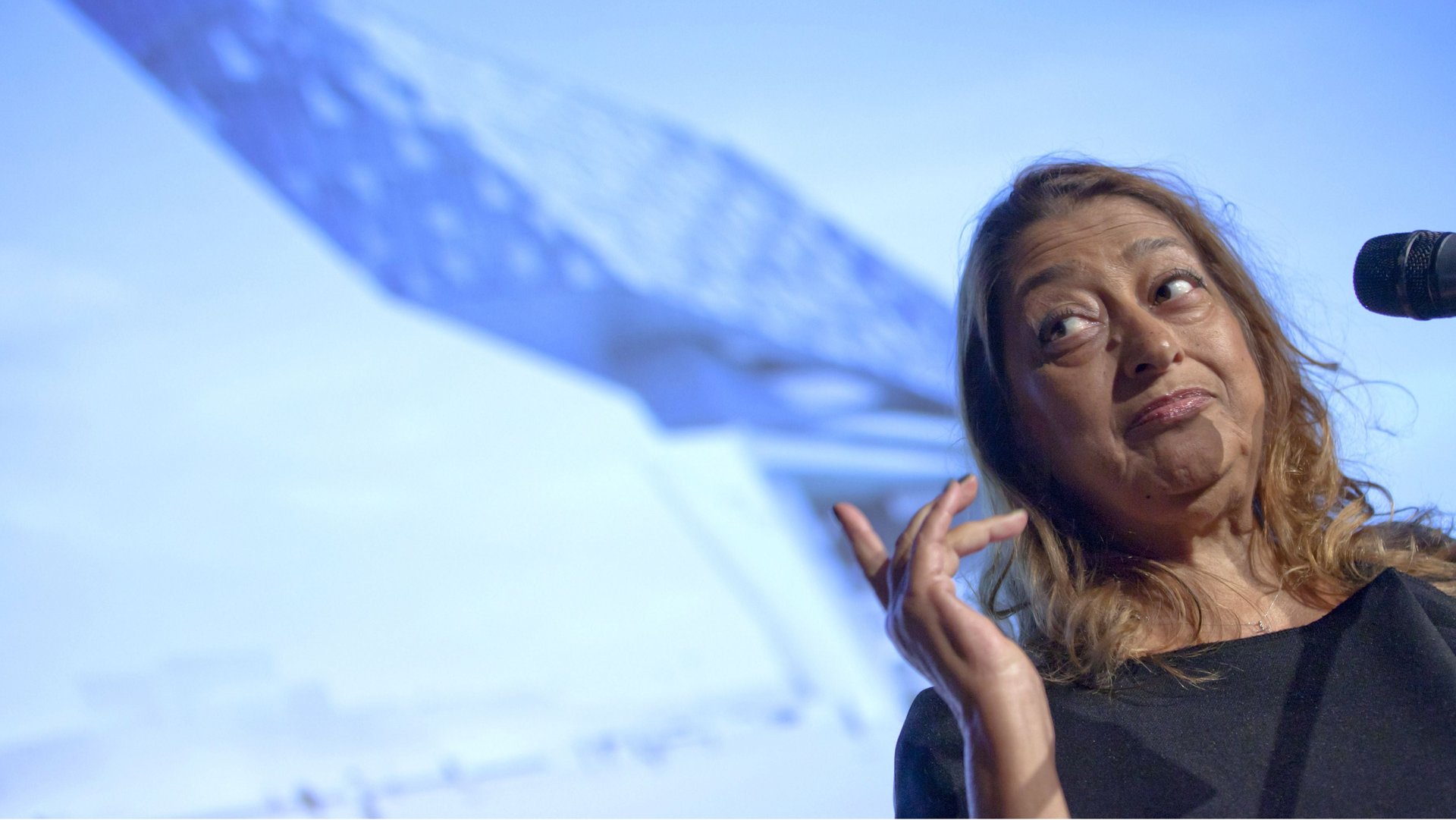
Zaha Hadid is no stranger to bad press. The Pritzker Prize-winning architect has been criticized for taking money from authoritarian patrons, for working in places where hundreds of migrant construction workers have died, and for designing buildings that look ridiculous. Her usual response has been a defiant shrug.

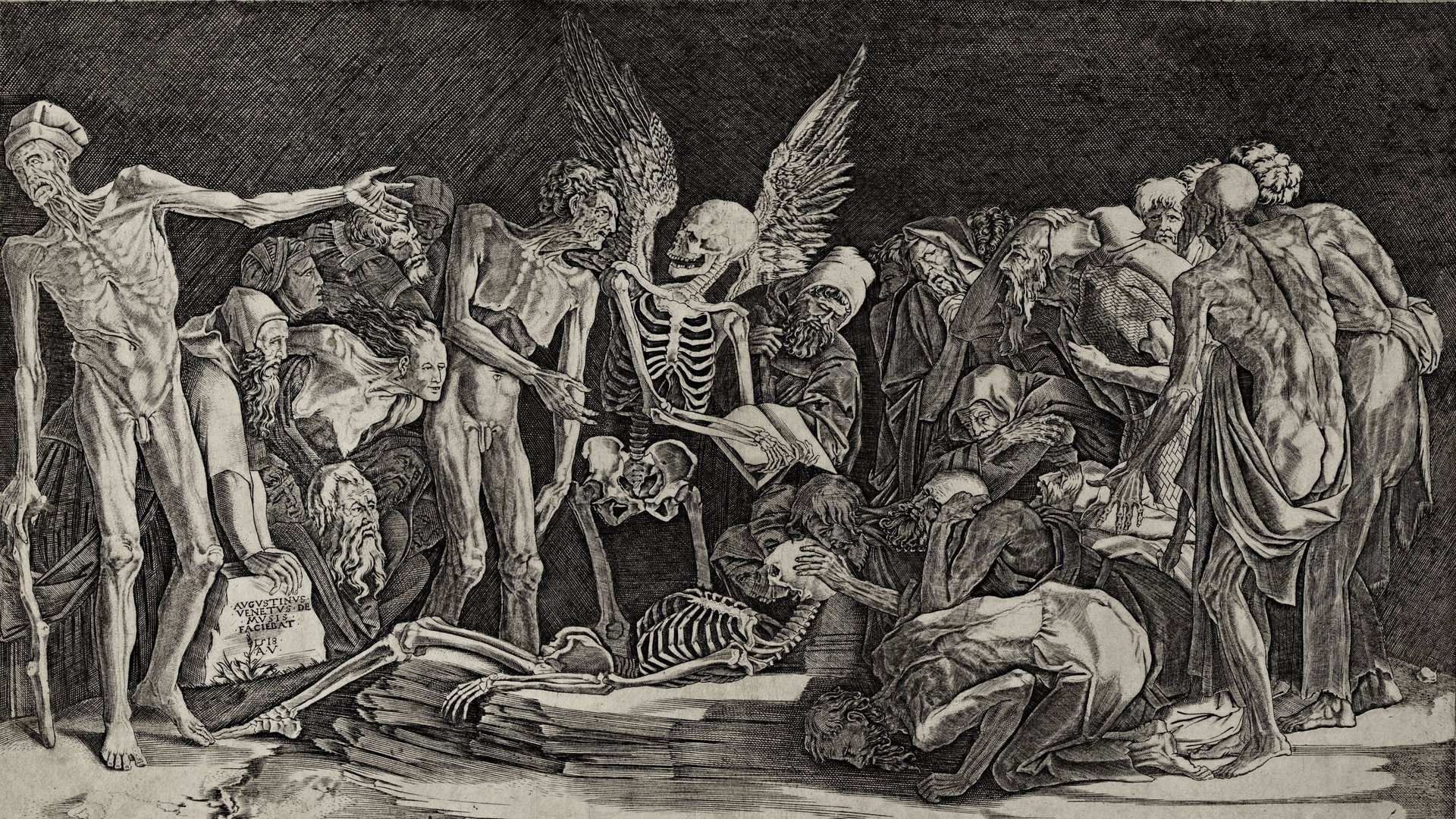
Poor devil: He used to terrify people. Now he’s reduced to hawking razor blades and ham.

The Graduate was right. In the almost half century since Benjamin Braddock was counseled that plastics were the future, the world’s consumption of plastic—in bottles, bags, packaging, pipes, computer parts, and countless other applications—has skyrocketed. Around 300 million tons (270 million tonnes) of plastic are produced worldwide (paywall) every year. The US Environmental Protection Agency estimated that in 2012 alone, 32 million tons of plastic entered the US municipal solid waste stream, making up almost 13% of the total. Plastics usually are manufactured from petrochemicals like oil, and they leach dangerous substances as they break down in landfills or the ocean.

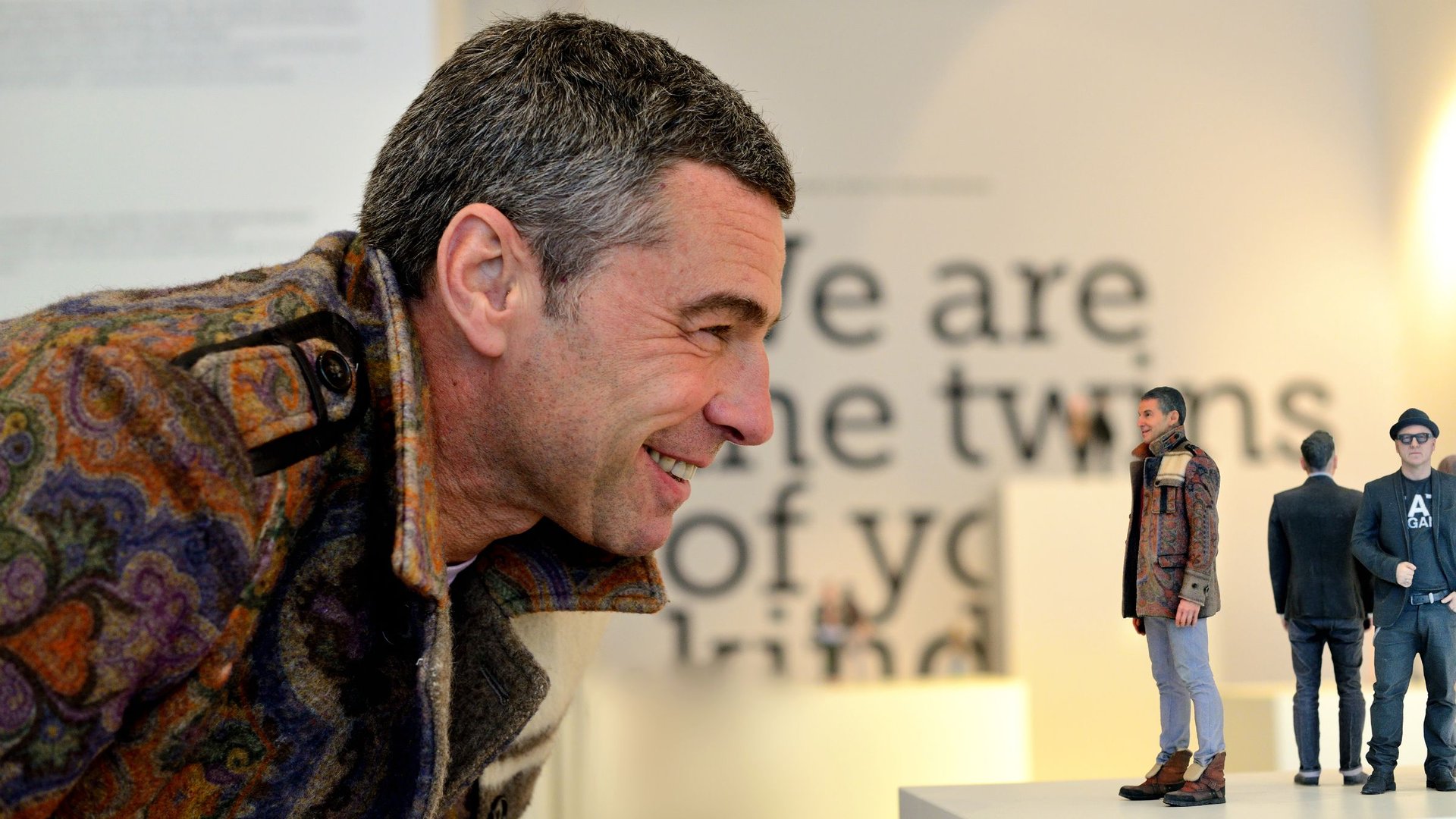
A little over a year ago, a German company called Twinkind opened its doors with a novel proposition: For $300 it would 3D-print you a full-color, lifelike replica of yourself. The detail the figurines could capture was uncanny—the bristles of a moustache, the wisps of thread on a faded pair of jeans. The company is part of a wave of 3D-printed-portrait businesses opening around the world, some roving and some, like Twinkind and London’s My3Dtwin, based in storefronts, but all trying to capture the public’s growing interest in a hugely hyped emerging technology.

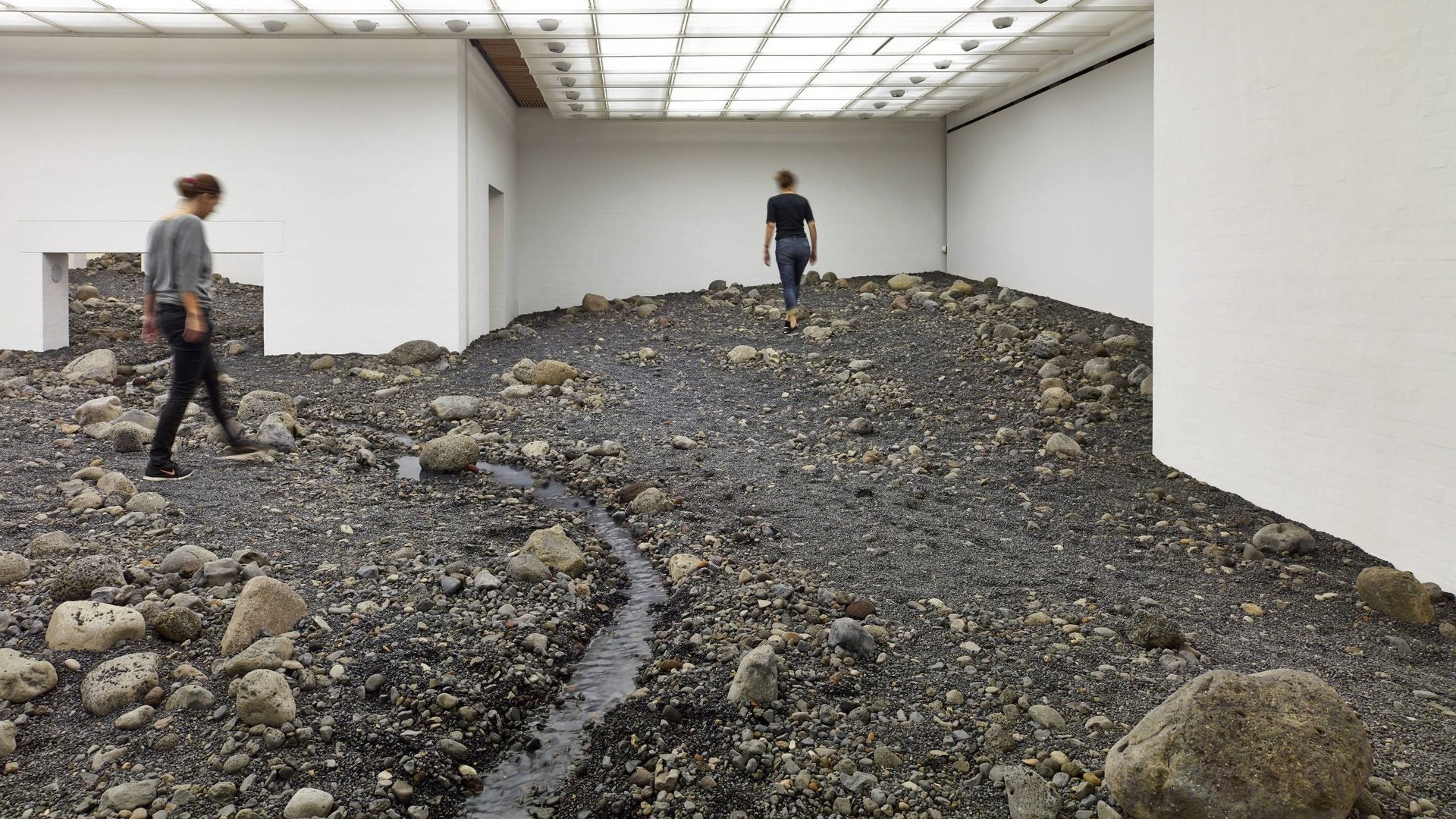
Olafur Eliasson has a penchant for putting things where they don’t belong. In a 2008 solo show at New York’s Museum of Modern Art, the Danish-Icelandic artist brought his native Scandinavian atmosphere and terrain inside, turning galleries into what felt like limitless spaces of light. The same year, he installed four waterfalls in New York’s East River. In 2012, he hung a mock sun from the ceiling of the Tate Modern in London.

When he’s hanging off the side of a helicopter that’s hovering 300 feet above a beach, Antoine Rose doesn’t always fully see what he’s shooting. Sometimes the Belgian-born photographer notices only later that the beach was a nude beach, for instance. But patterns emerge from his photos, offering totally unexpected views of familiar scenes.

Food trucks aren’t a new phenomenon in the US—they were popularized in the suburbs after World War II, and in their earliest incarnations, they even predated the invention of the automobile. But the gourmet variety now plying $15 lobster rolls and artisanal slushies to urban foodies only arrived around six years ago, fueled in part by Twitter, which alerts customers to their whereabouts.

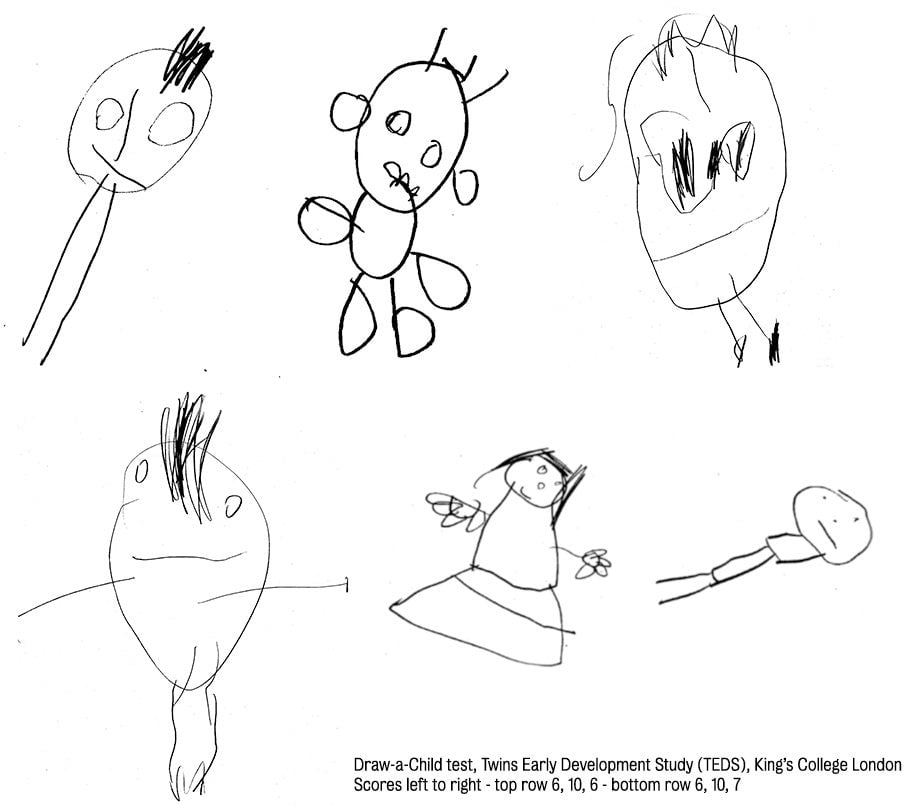
Now there’s one more reason to save your child’s first sketches. Researchers at King’s College London have found that a 4-year-old’s ability to produce an accurate drawing of a person predicts the child’s intelligence at age 14.

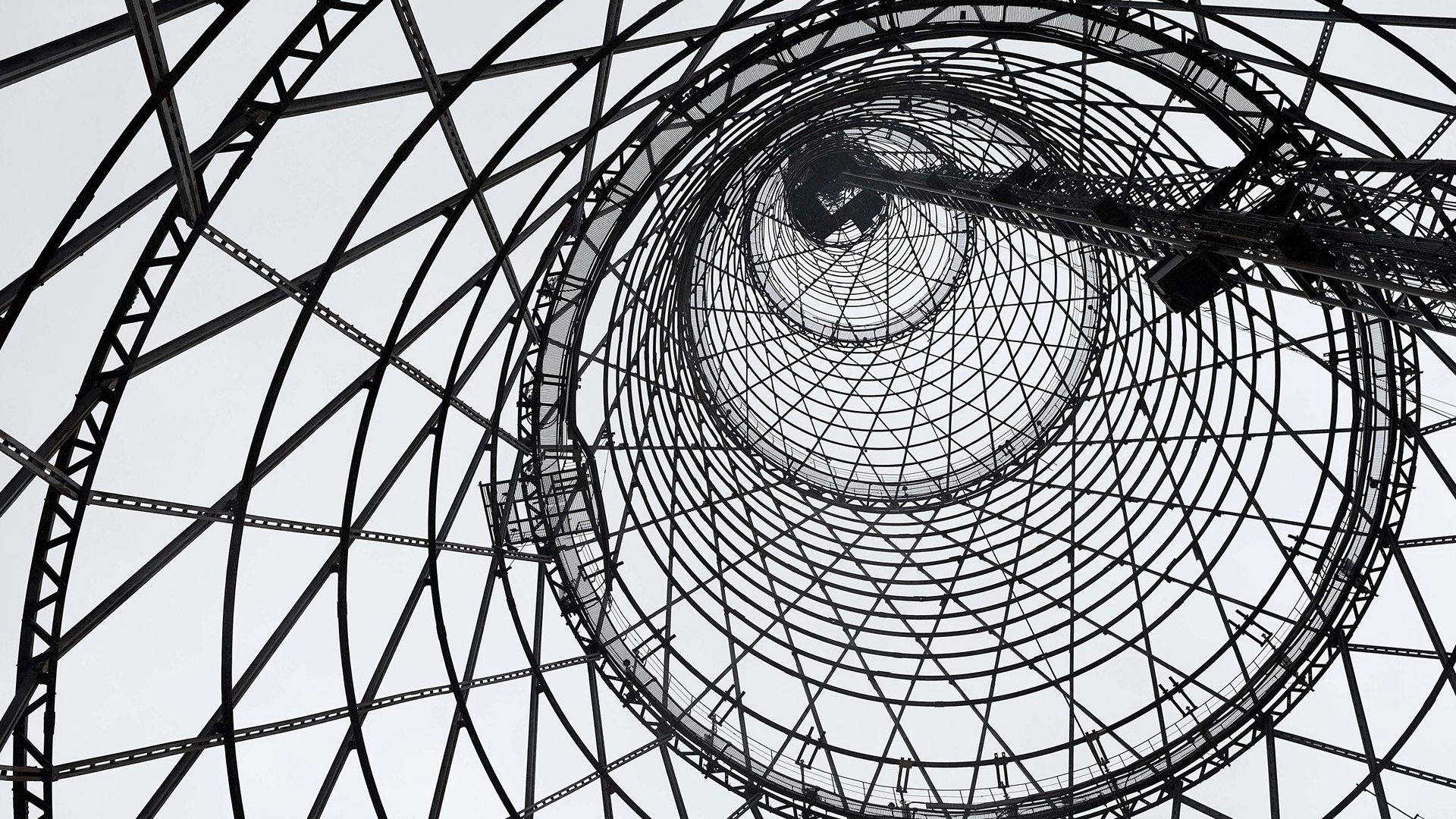
A retro-futuristic 92-year-old Soviet landmark known as Moscow’s Eiffel Tower has been saved from demolition, following a years-long preservation battle that attracted worldwide attention. Russia’s state broadcasting committee said��this spring that the Shukhov Tower, which is badly in need of repairs, would be dismantled and relocated (paywall). But late last week, the city council changed its mind and announced that it would be restored instead.

Four years ago, emoji were mostly confined to Japanese cell phones. Today, they’re on practically every electronic device you can buy. But even though emoji are almost completely textless, their translation to other cultures hasn’t been perfect.

The recent deaths of Michael Brown and Eric Garner at the hands of policemen have spurred calls to curb police violence in America. But a critical element to understanding the problem is missing: data. There’s no comprehensive database of law-enforcement misconduct, and without reliable statistics, it’s more difficult to identify abusive police departments and hold them accountable.