

Business News
Even Lending Club won’t lend to pot businessesLending Club has been getting into small business loans in a big way, but the newly-minted public company says it won’t just lend to any company.
Updated July 21, 20222 min read
Lending Club has been getting into small business loans in a big way, but the newly-minted public company says it won’t just lend to any company.
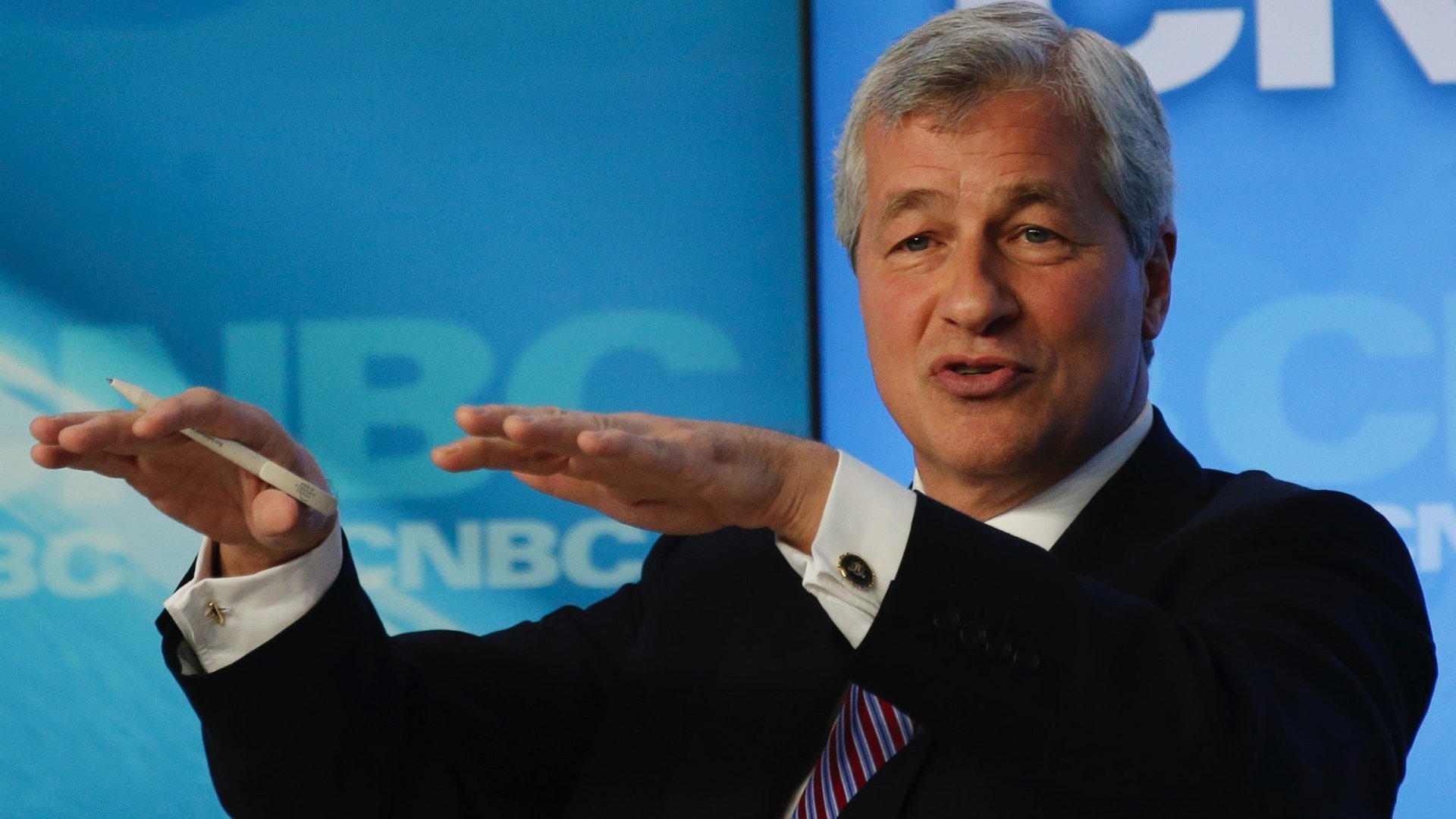
America’s largest banks will report first-quarter results this week ,and things are starting to look good again: JP Morgan Chase, Citigroup, Wells Fargo, Goldman Sachs, Bank of America, and Morgan Stanley all passed the Federal Reserve stress tests, and were able to boost the amount of cash they can return to their shareholders. The billions of dollars they are collectively spending on compliance and legal costs are expected to start declining—or at least leveling off —and analysts are forecasting signs of a trading recovery.
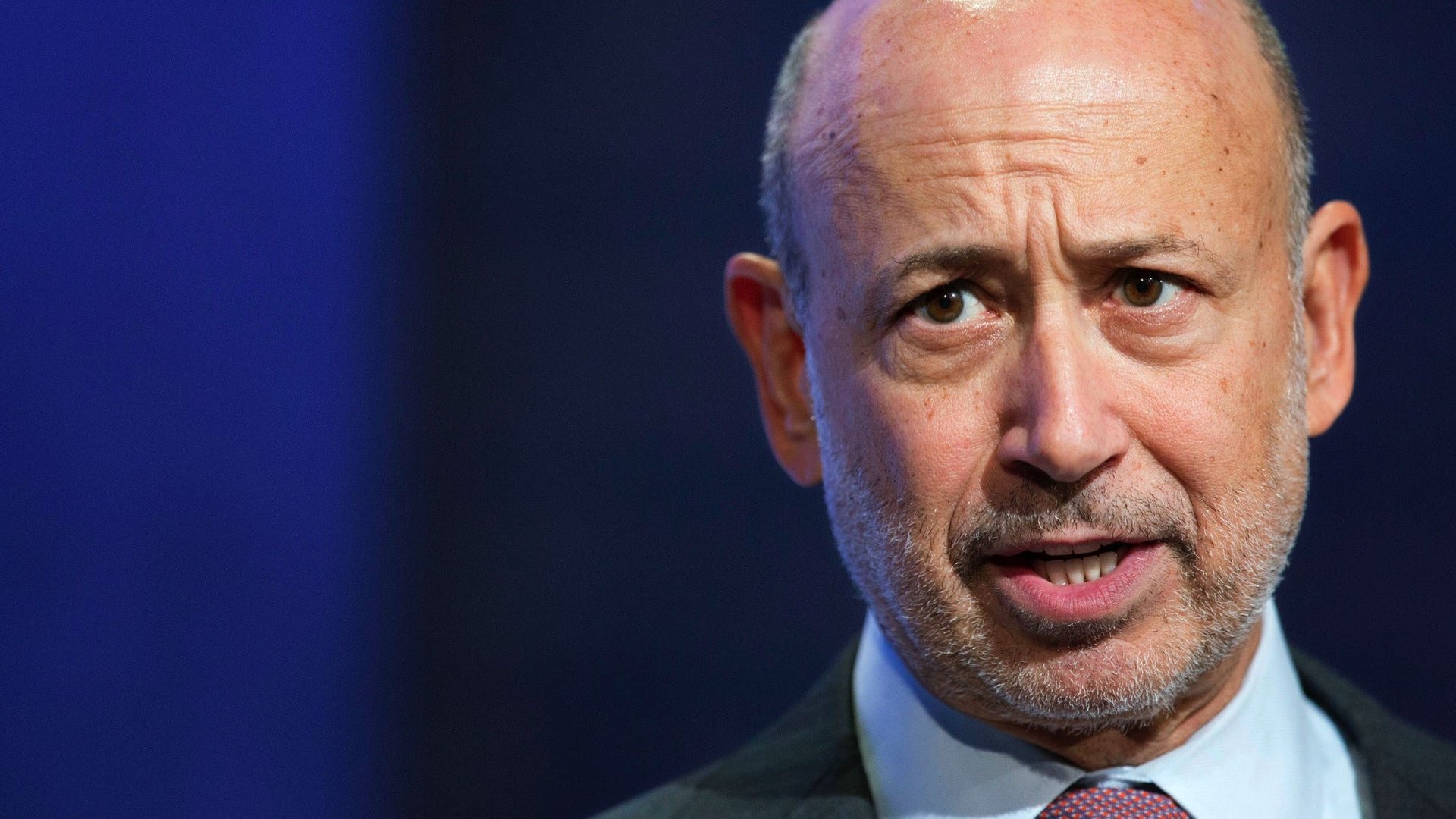
Goldman Sachs just released its annual letter to shareholders, in which it bragged about receiving 270,000 job applications last year for 8,300 positions, translating into a 3% acceptance rate.

Right now, it looks like AIG will have to get a property owner’s permission to fly a drone over a private home or business.
Prosper Marketplace, America’s second-biggest peer-to-peer lending company after LendingClub, just received an influx of cash that values the rapidly-growing business at $1.9 billion.
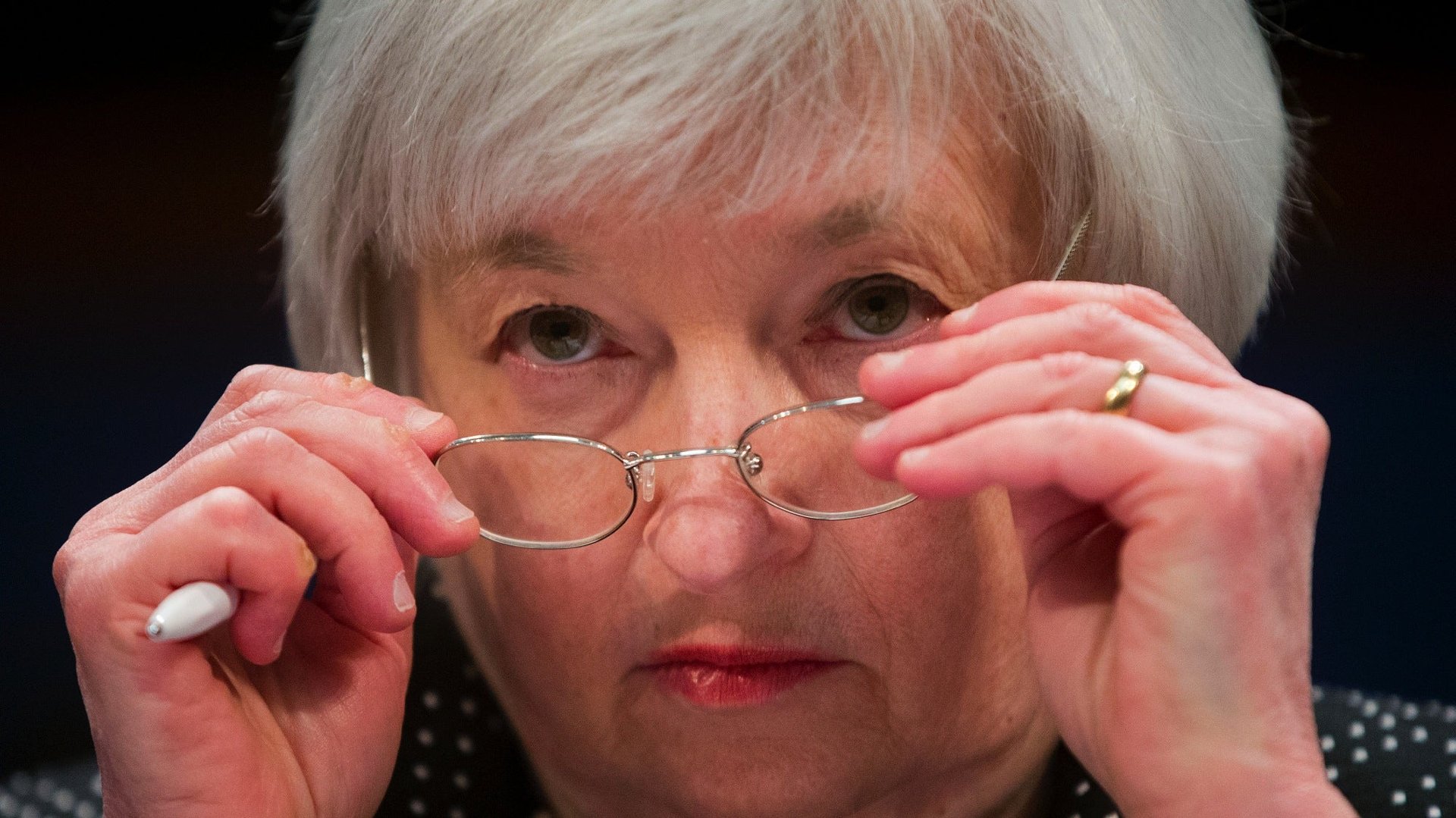
A weaker-than-expected US jobs report has stirred concerns about whether the Federal Reserve will stay on its intended path to raise interest rates. If rate hikes are pushed out past September, when many Fed watchers expect interest rates to begin rising, Goldman Sachs says the effect could put a serious damper on profits at American banks.

The number of venture-capital backed deals is certainly slowing down, but that’s just compared with last year’s irrational exuberance. Historical averages suggest the pace remains relatively brisk.
It’s hard to overplay the cultural influence of Walmart, the ubiquitous global retail giant that also happens to be America’s largest private sector employer.
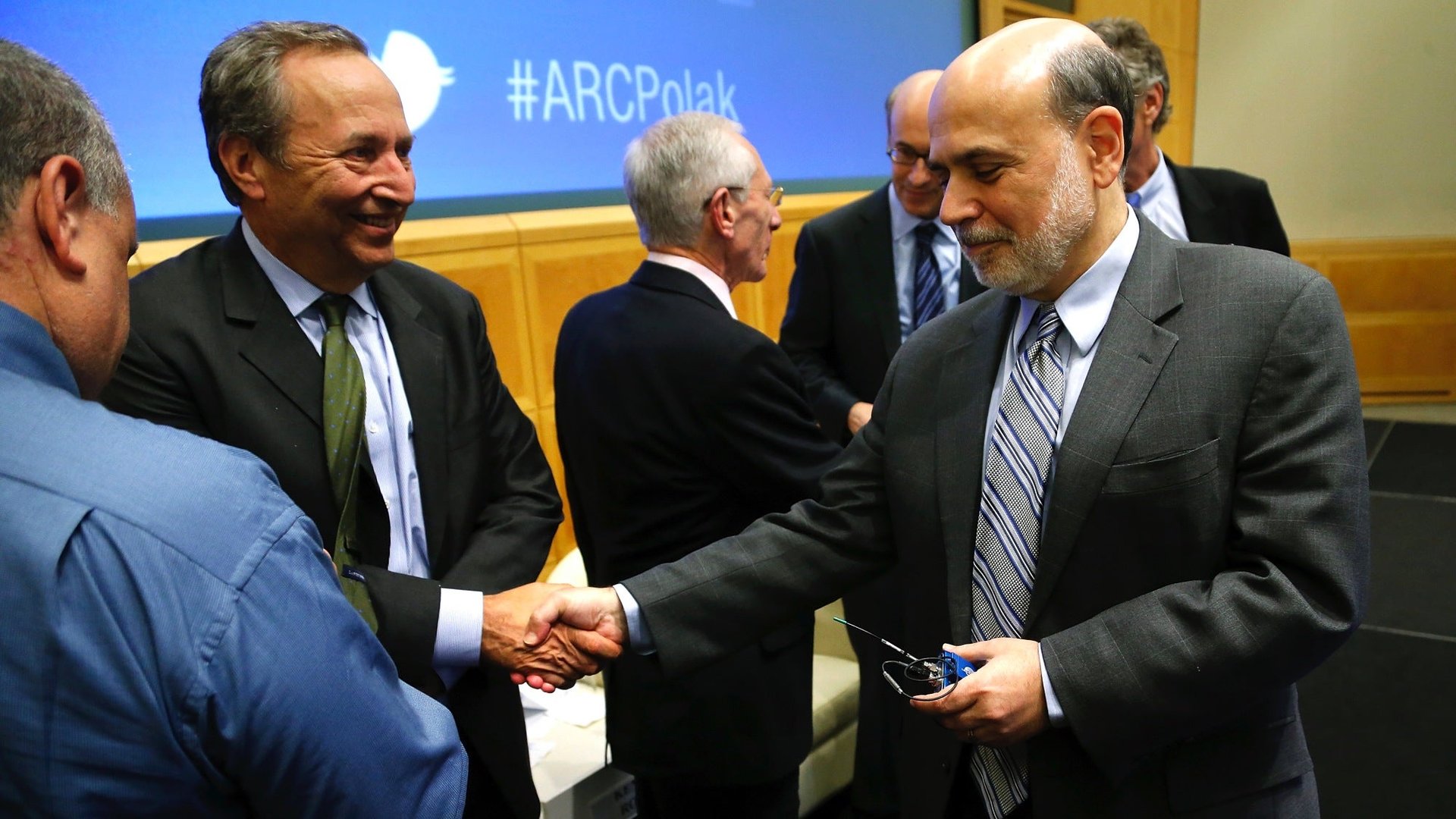
Ben Bernanke is now a blogger, which means the former US Federal Reserve chairman will have to deal with other bloggers.
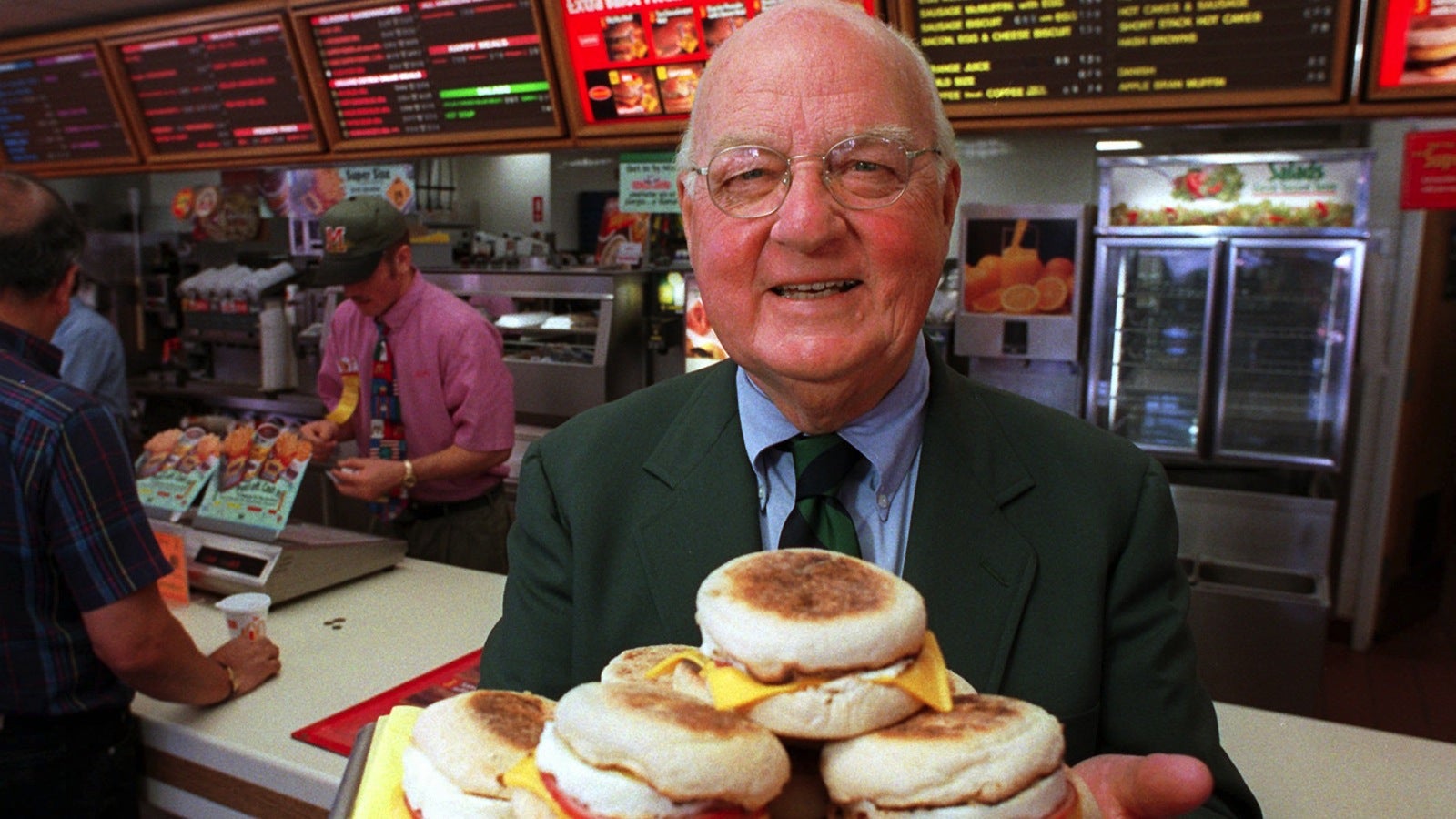
McDonald’s is planning to test all-day breakfast at some locations in California starting in April, keeping the McGriddles and hash browns coming all day instead of cutting off breakfast orders at 10:30 am.
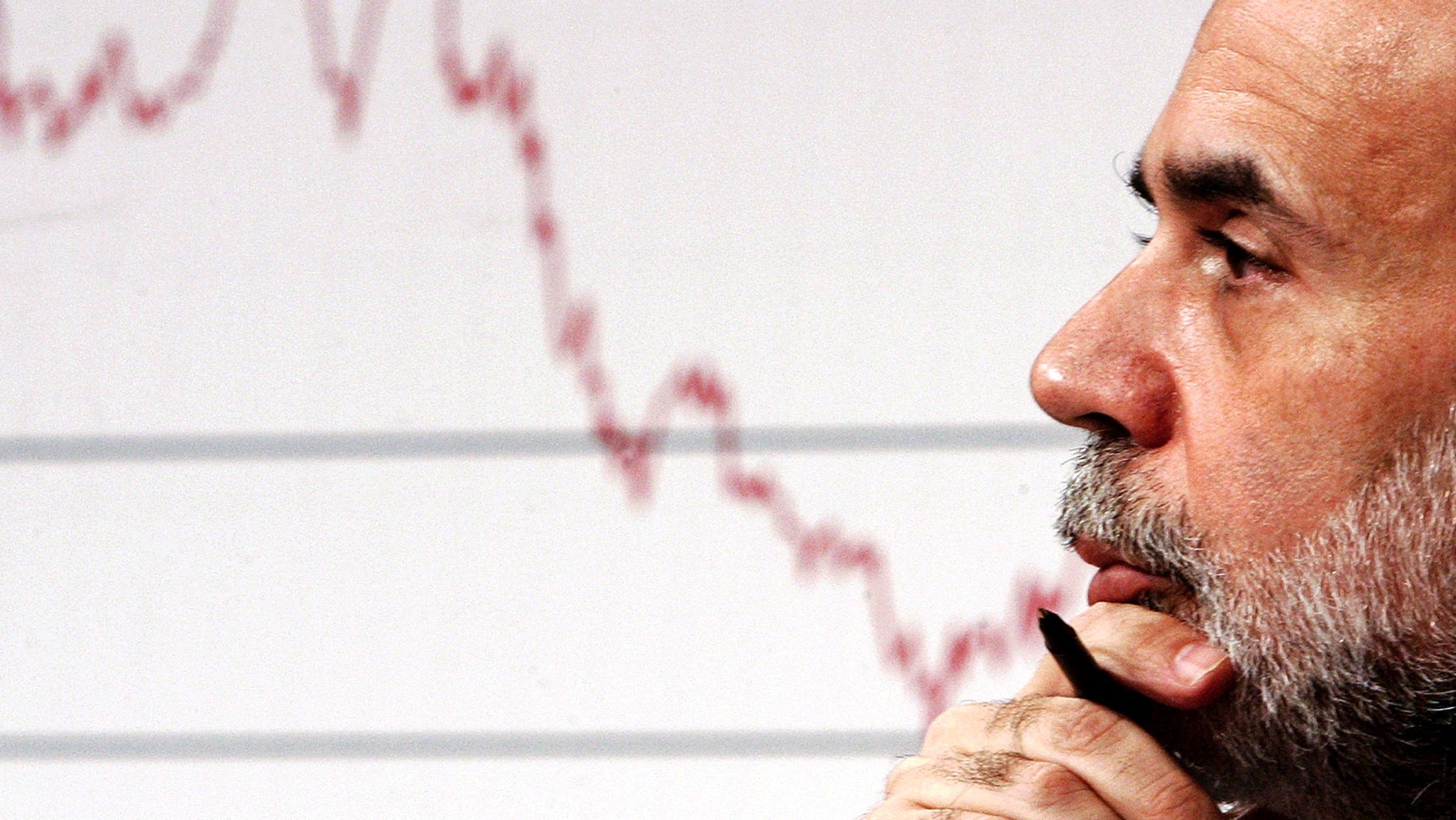
Washington policy types usually just write books to defend their legacies. Former Federal Reserve chairman Ben Bernanke is instead taking to the blogosphere.
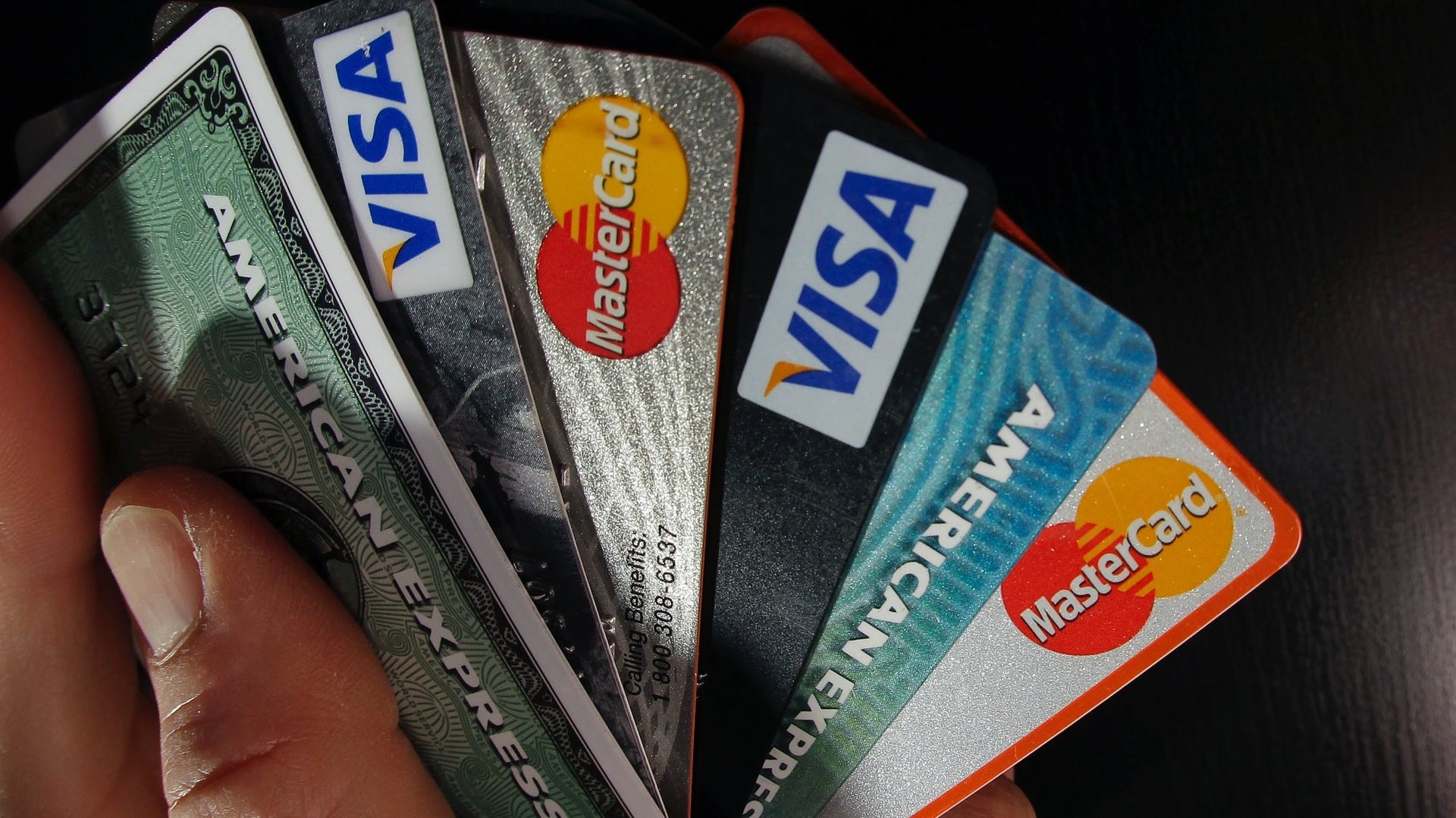
Seven years after the global financial crisis prompted people to pay down their debt, Americans say that banks are starting to make it easier to run up their credit cards again. Meanwhile, getting a mortgage is becoming an even more uphill battle.
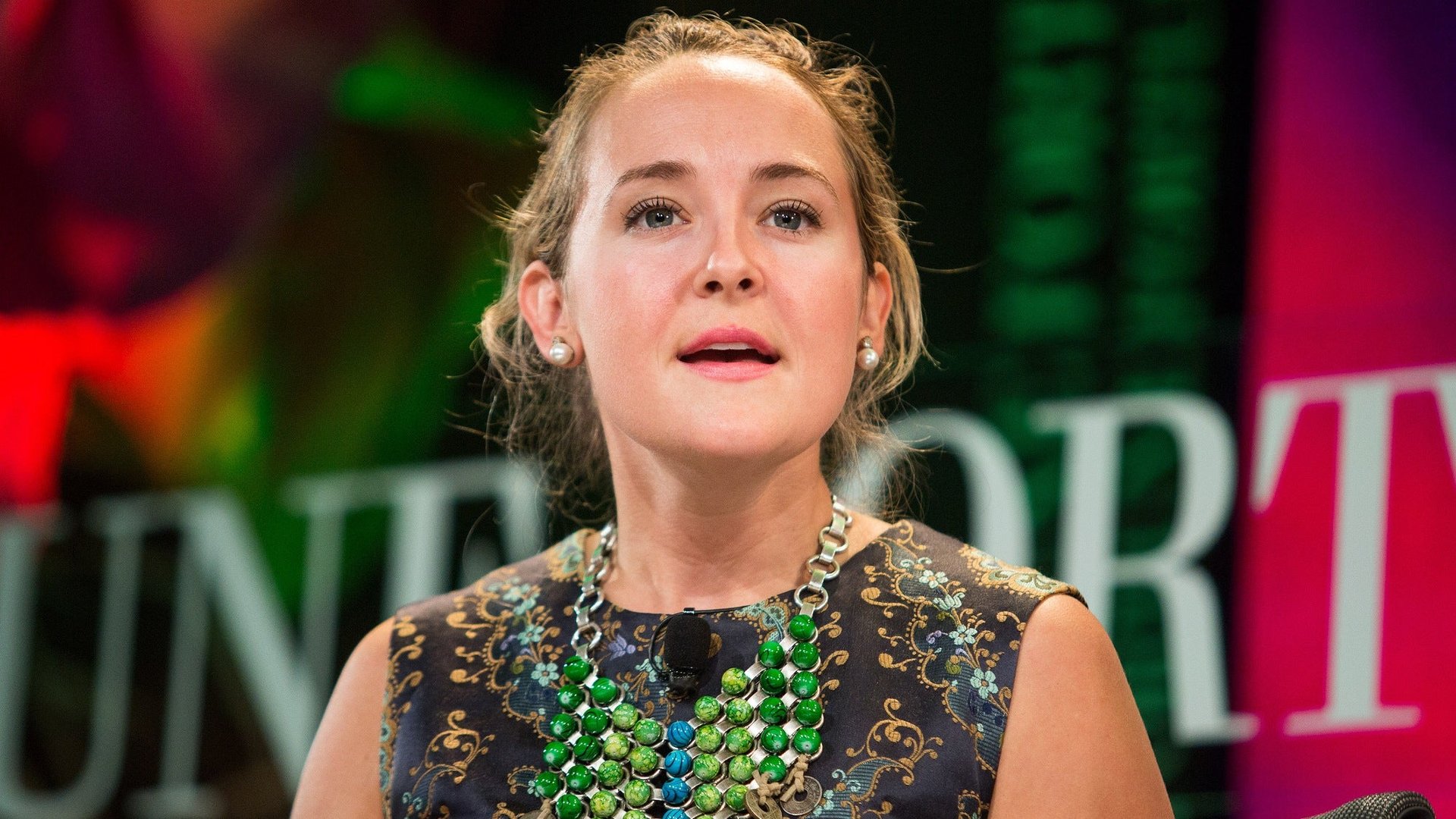
Alexa von Tobel, who dropped out of Harvard Business School six years ago to launch an online financial planning startup LearnVest, just sold it to Northwestern Mutual for a reported $250 million.
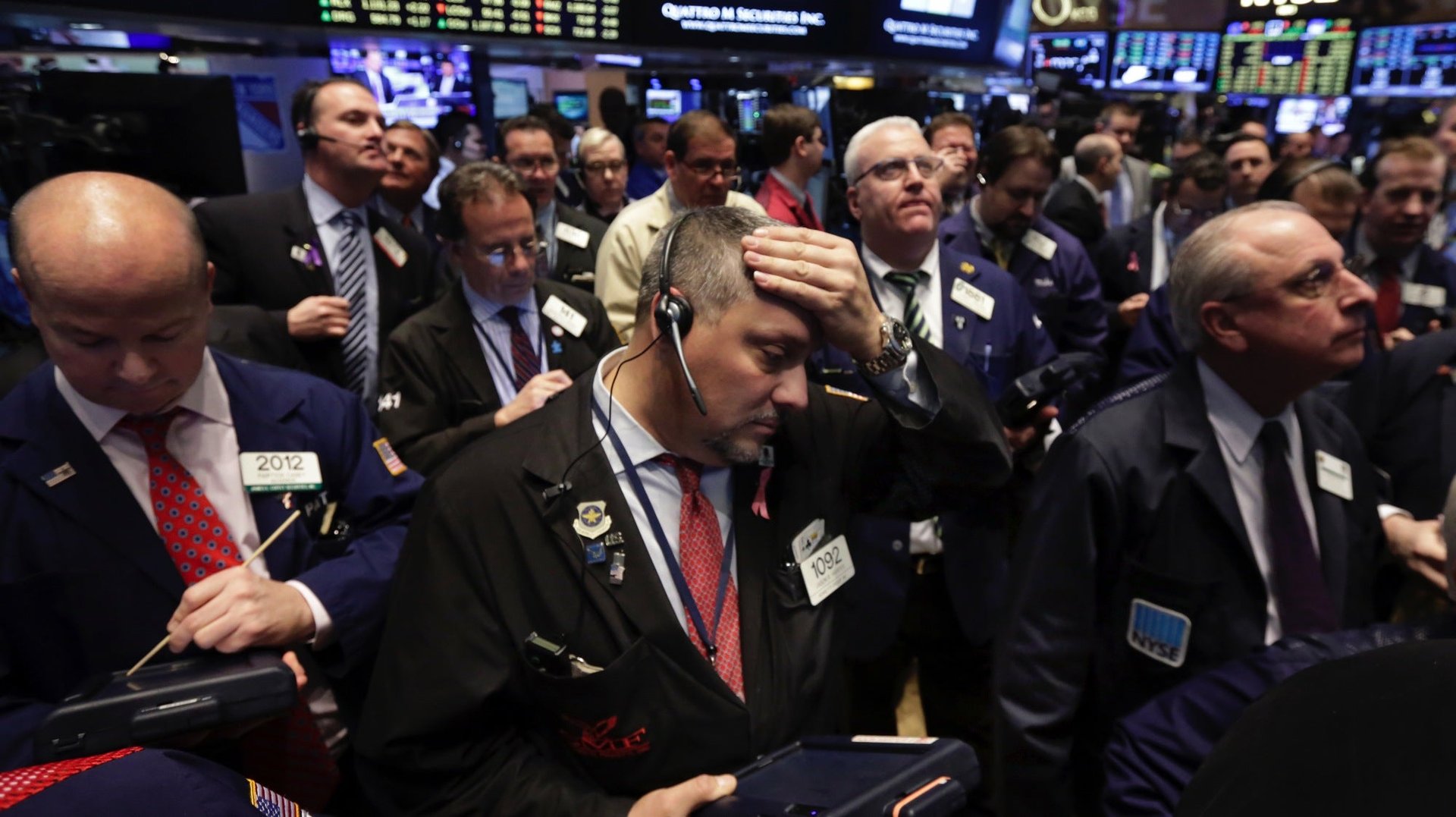
High-speed frequency traders, which use computer algorithms to trade stocks milliseconds faster than competitors with little human intervention, are about to come under much more scrutiny, if the US Securities and Exchange Commission gets its way.
Morgan Stanley’s chief financial officer Ruth Porat is heading to Google.
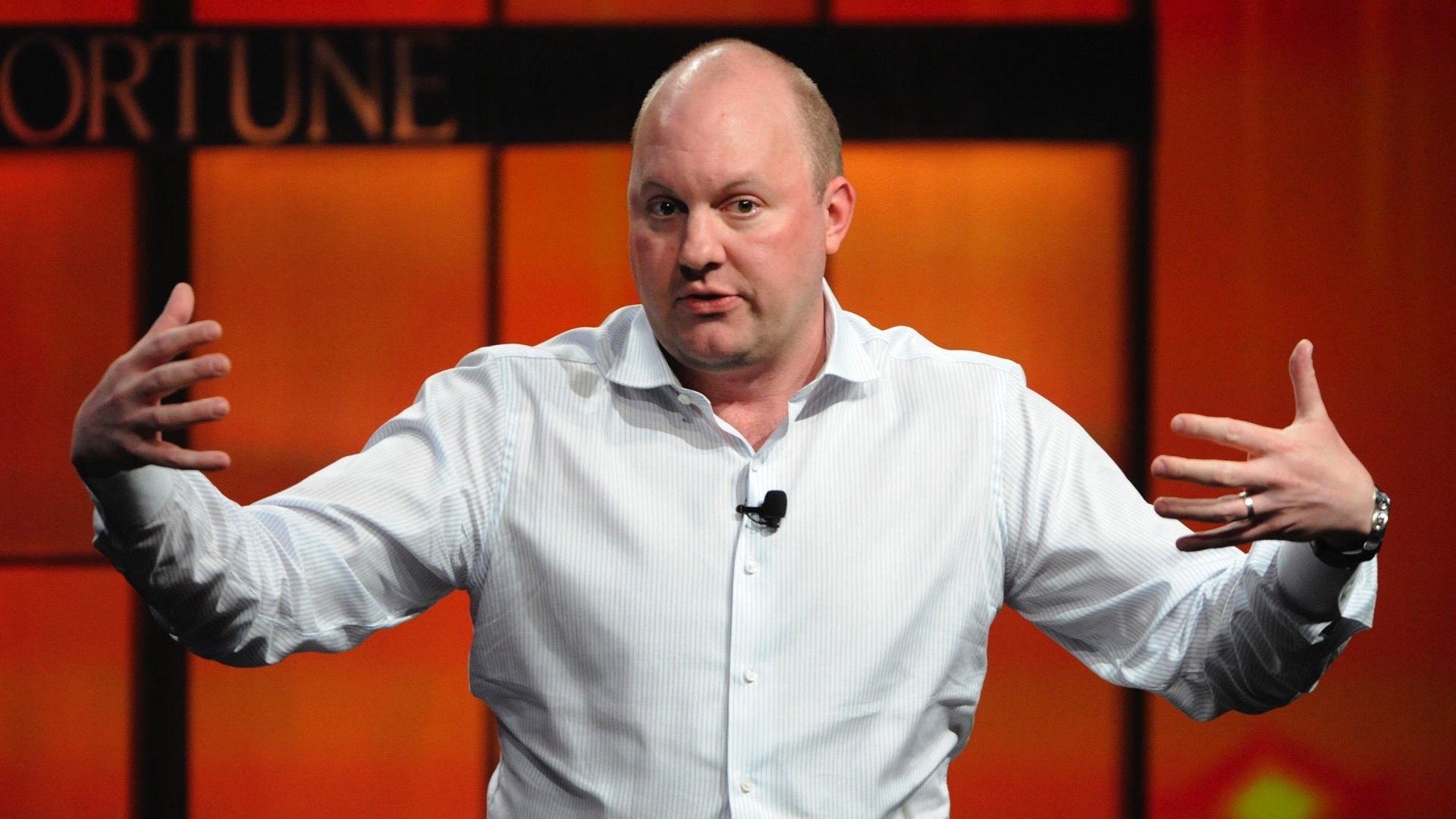
The cliquish, insular world of Wall Street is converging with the even more clubby enclave of Silicon Valley venture capitalists.

So this is awkward. Peer-to-peer lending websites are having trouble finding people who want to borrow money.

AUSTIN, Texas—The story of the alleged Silk Road mastermind Ross Ulbricht, who was found guilty by a US district court in New York last month of running the black market bazaar for illicit goods, is not over yet.
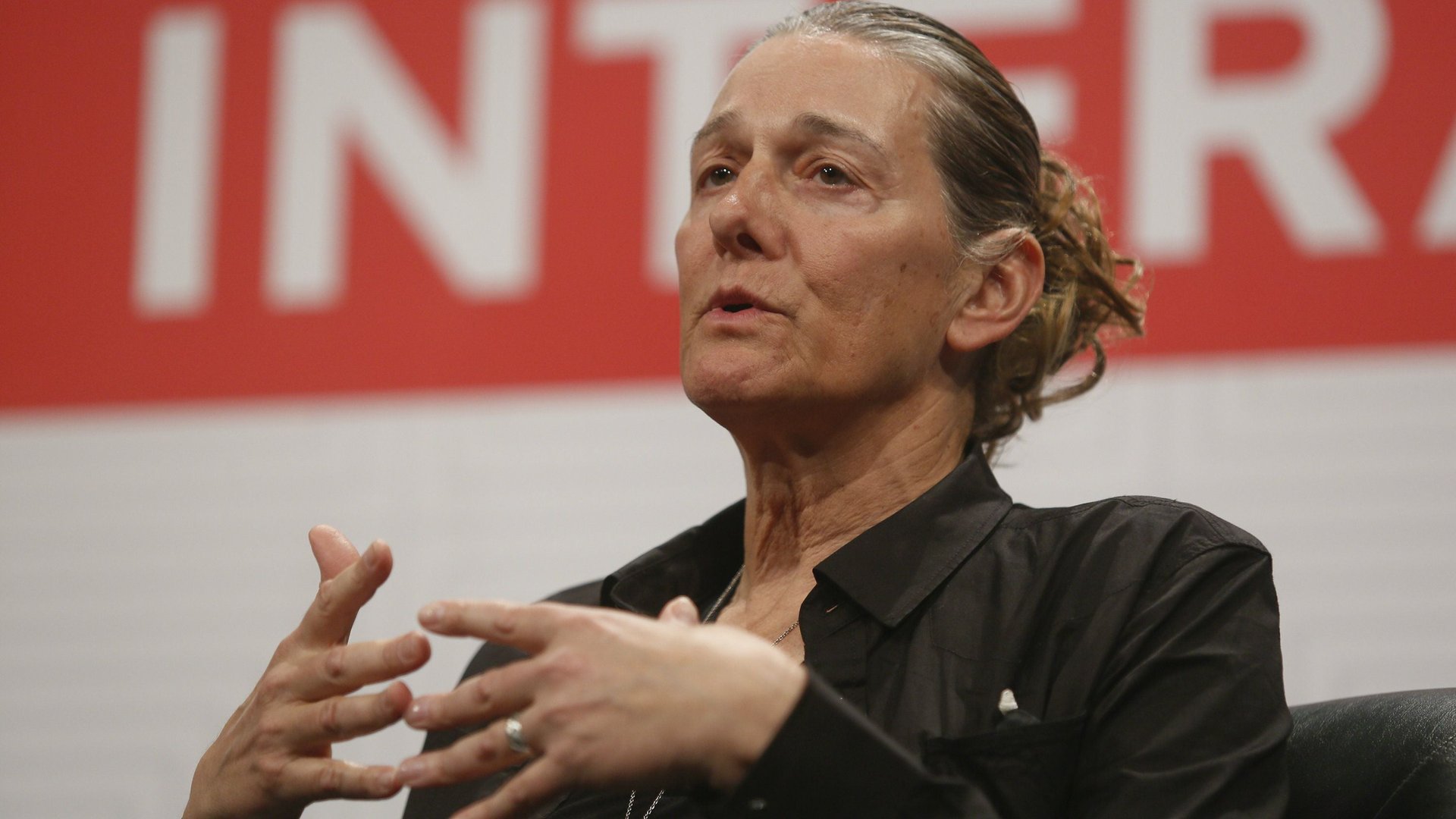
AUSTIN, Texas—Martine Rothblatt talks about outlandish feats that sound like science fiction—including an explanation of how she used artificial intelligence to simulate the human brain and create a copy of her wife—in the same way most executives discuss quarterly business forecasts.

The US Federal Reserve has issued its yearly report card on the strength of the financial system and for the most part, the news is good.
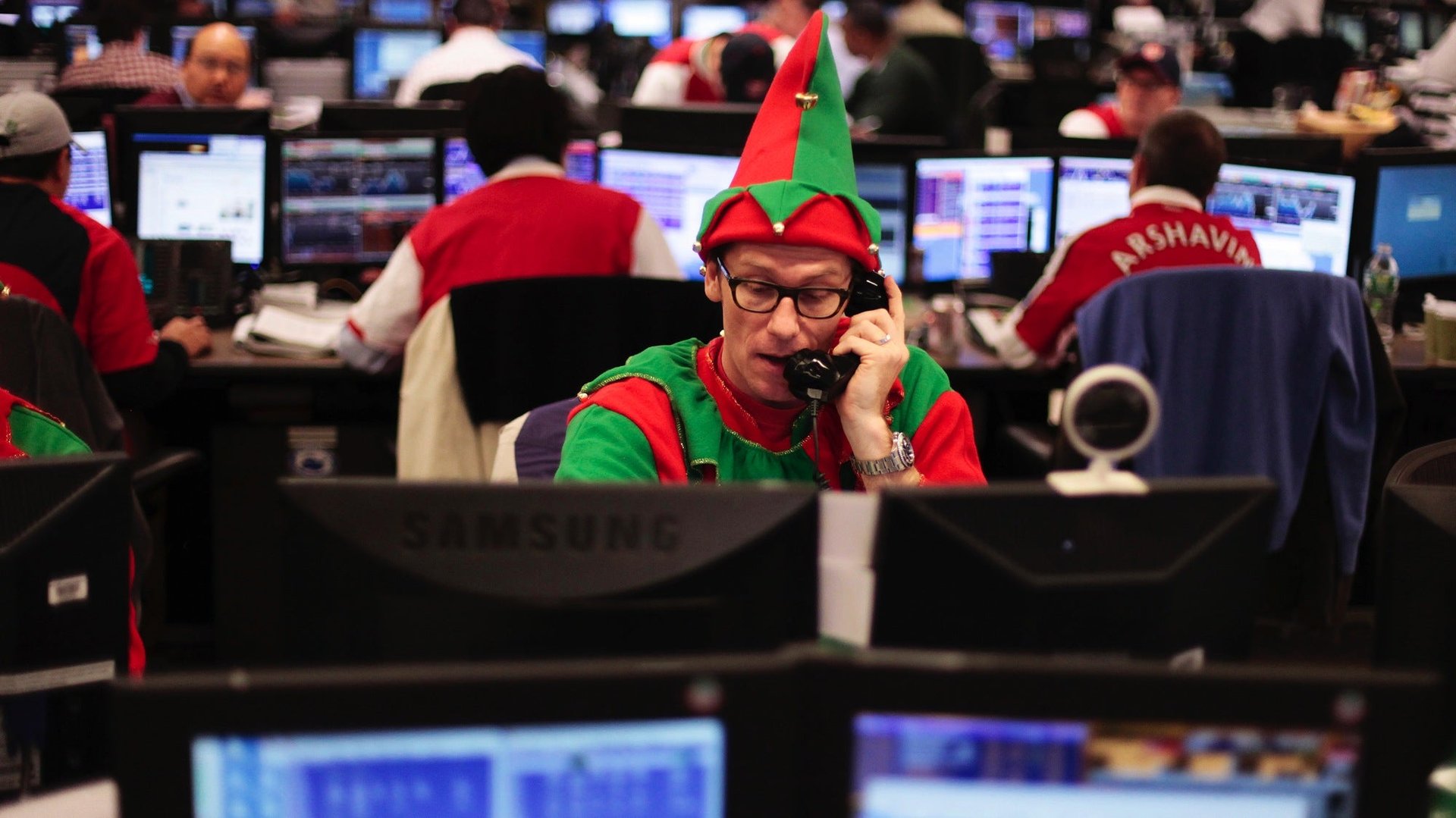
Wall Street bonuses are back—even if profits aren’t.

In a report out today from Goldman Sachs about the future of money, the bank points out that 80% of bitcoin volume is now exchanged into and out of Chinese yuan. The second-highest trading currency is the US dollar, followed by smaller denominations in yen and euros.
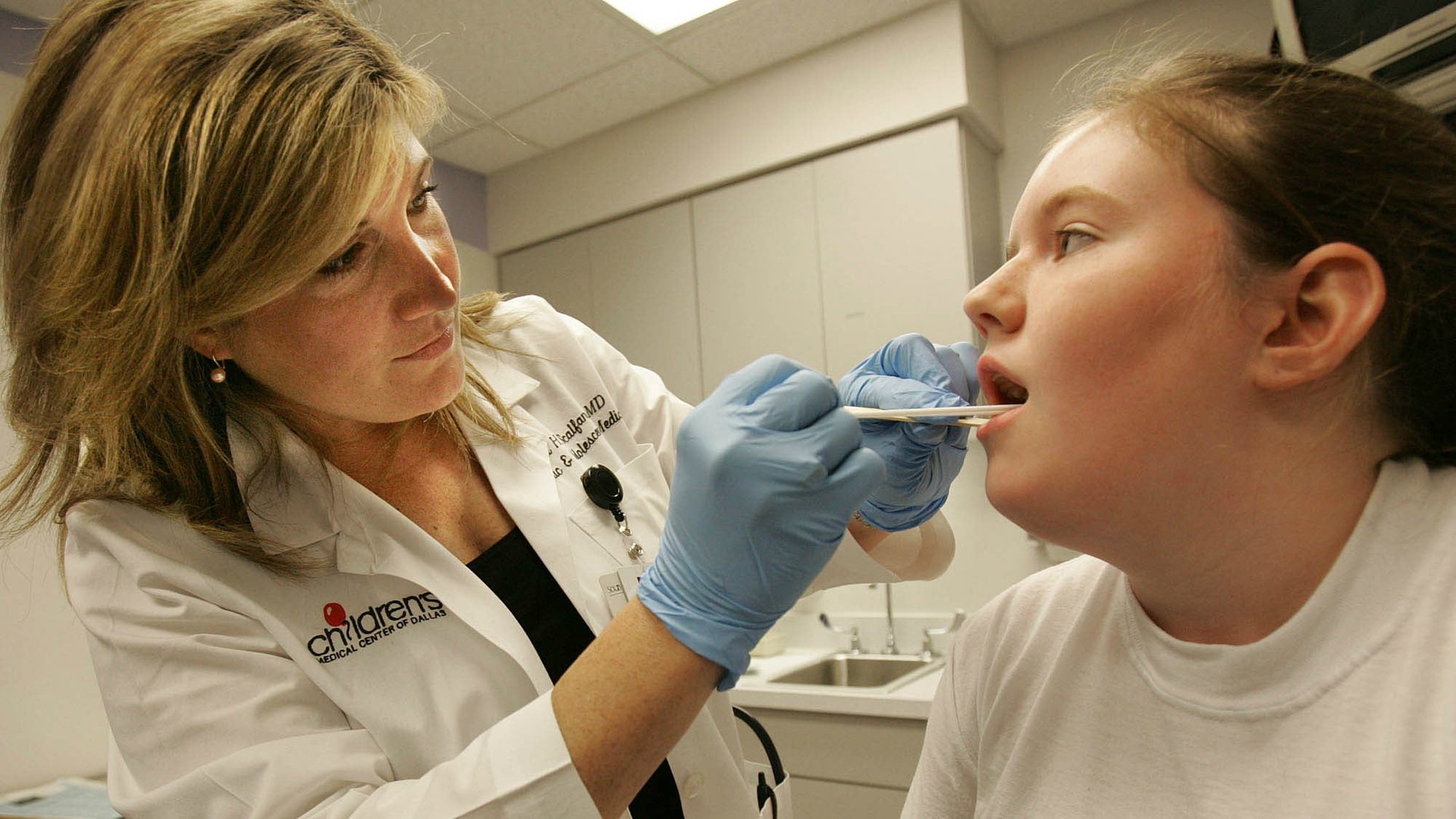
The US Federal Reserve issued its latest round of results measuring the strength of the country’s largest banks and it looks pretty good: All 31 institutions the Fed tested passed this go-around, meaning after running through a host of Armageddon-like scenarios, the Fed determined the banks would have enough of a capital cushion to stay afloat.

Etsy, the online crafts marketplace that just filed for an IPO, is allowing customers and other fans of its artisanal goods to buy shares in its multimillion-dollar public offering at the same price and time as Wall Street investors.