In China, air conditioning used to be rare. But there are now more air conditioners in China than there are in any other country in the world, and sales continue to skyrocket, according to a report by the International Energy Agency.

In China, air conditioning used to be rare. But there are now more air conditioners in China than there are in any other country in the world, and sales continue to skyrocket, according to a report by the International Energy Agency.

In Saudi Arabia, the weather is always warm. That means the air conditioner is always on.

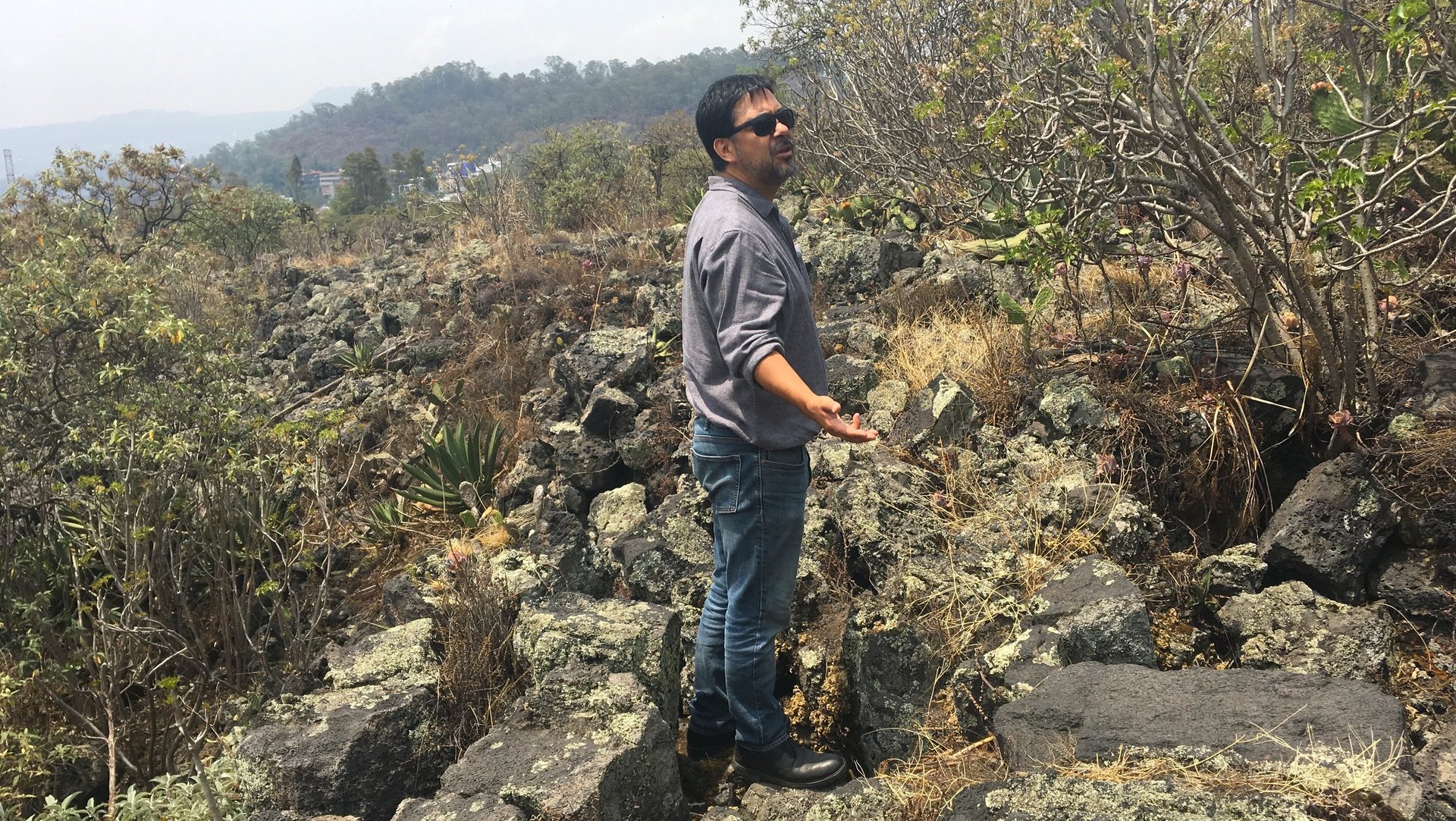
Pedro Camarena was standing inside a hole in the ground big enough to bury his full-size pickup truck. It was a late April afternoon in the middle of Mexico City, and the metropolis was on the cusp of its rainy season. In a few weeks, the past eight bone-dry months—so parched that unaccustomed visitors often get nosebleeds—would give way to four months of deluge.

Right now, we are on track to be living in a world that is, on average, 3.2°C warmer than pre-industrial levels by 2100. That would lead to widespread devastation for human civilization, brought about in the form of things like drought, floods, extreme storms, and sea-level rise.

By now you’ve probably heard about the audio version of the Great Dress Debacle that’s turning citizens of the internet against each other in a battle of perception. If you haven’t, here’s the tl;dr: There’s an audio clip of a male computer-generated voice saying a word. To some people, the word sounds like “yanny.” To others, it sounds like “laurel.”

If you aren’t a neuroscientist or medical student, you may have never heard of Santiago Ramón y Cajal. But if you are, then you know the man is a superstar. Cajal, who lived from 1852 to 1934, holds much the same position in his field as, say, Darwin does in his. The Spanish neuroanatomist was the first to discover that separate cells called neurons communicate through empty spaces called synapses, which dramatically changed our understanding of the brain.

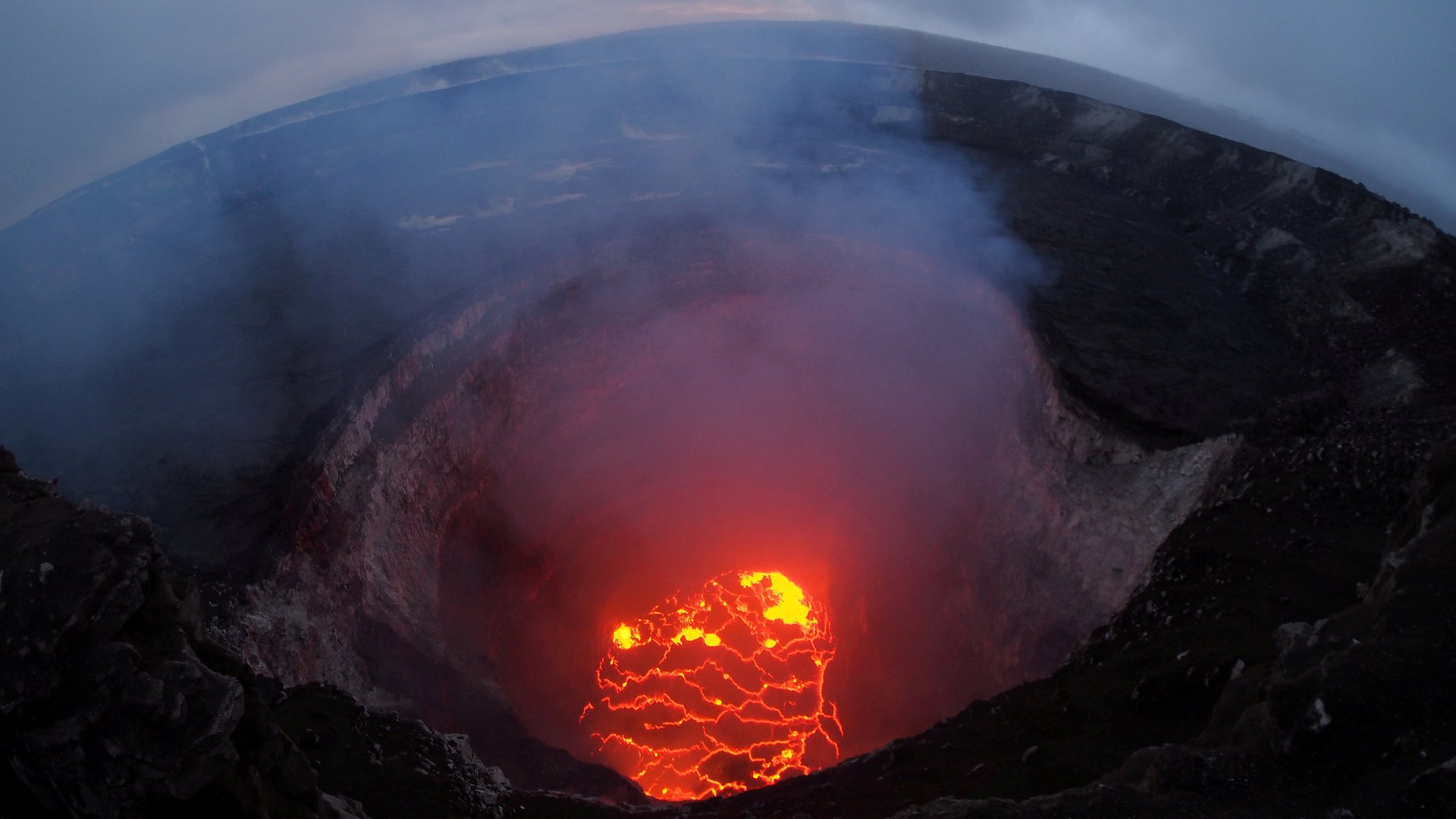
The Kilauea volcano is wreaking havoc on Hawaii’s Big Island—so far, 12 fissures have opened over the last two weeks, and magma has devoured 35 homes and other structures in the area. But that magma also poses a secondary threat. Magma contains lots of sulfur dioxide (SO2), a colorless, foul-smelling toxic gas also produced by power plants, shipping vessels, and anything else with a combustion engine.

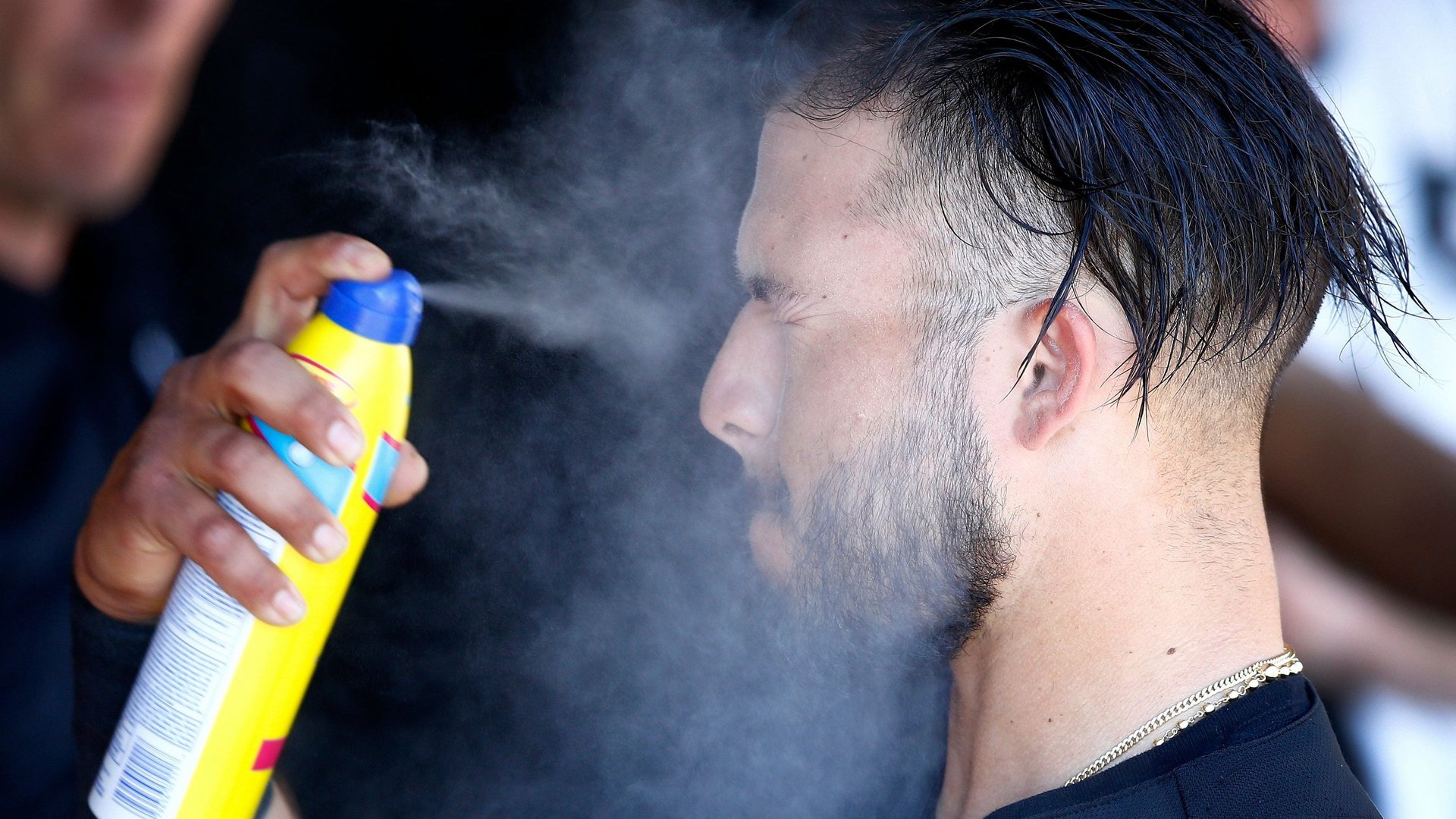
Oxybenzone is the main active ingredient in most sunscreens. But the same mechanism that makes it filter out ultraviolet light and prevent sunburns in humans makes it lethal to baby coral. Basically, the sunscreen ingredient is shoving coral reefs off the ledge on which they’re already teetering.

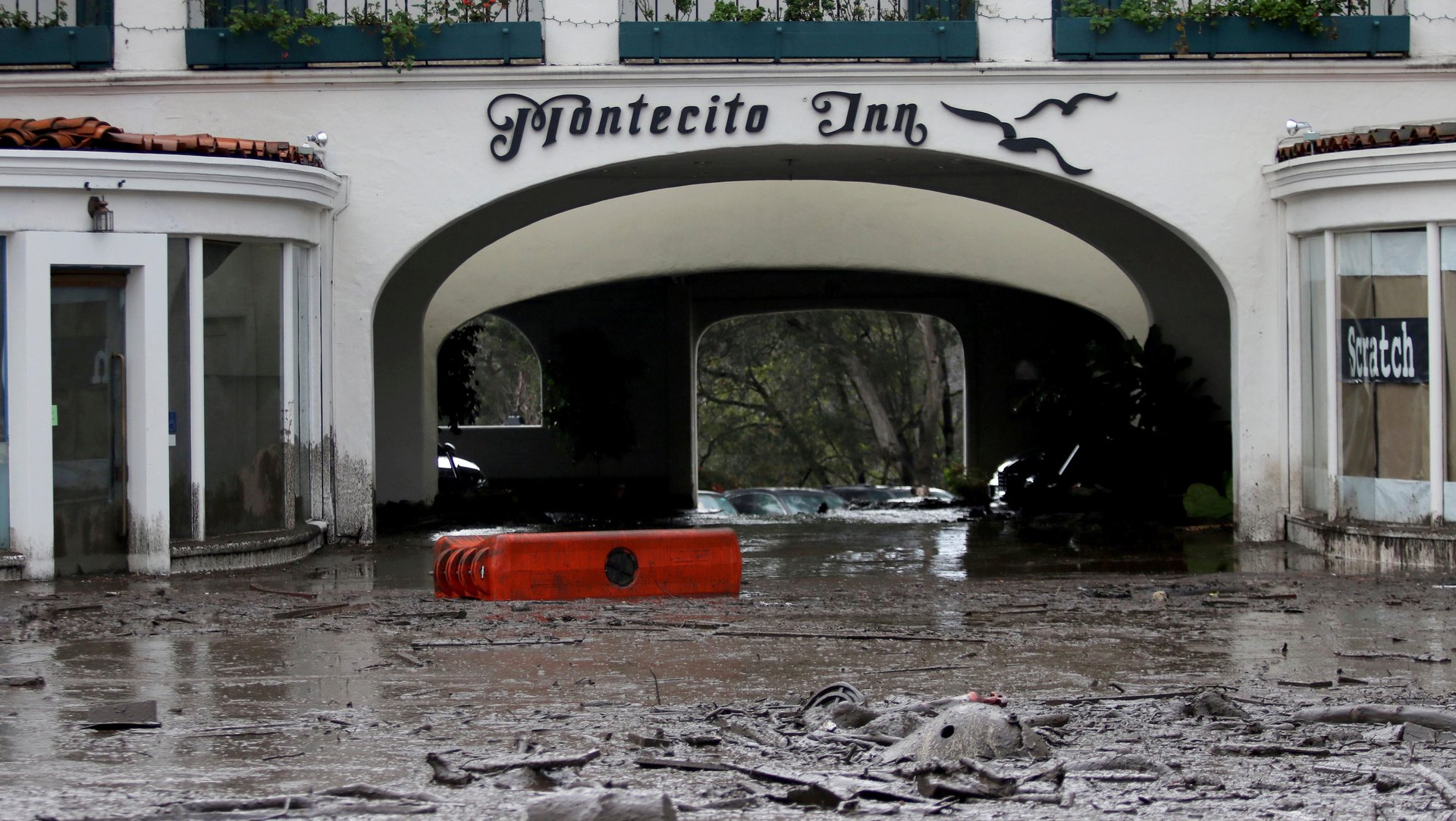
Climate change can be simplified, in many cases, as putting rain in all the wrong places.

Hello. It’s the weekend. Maybe you should go outside? Here’s why.

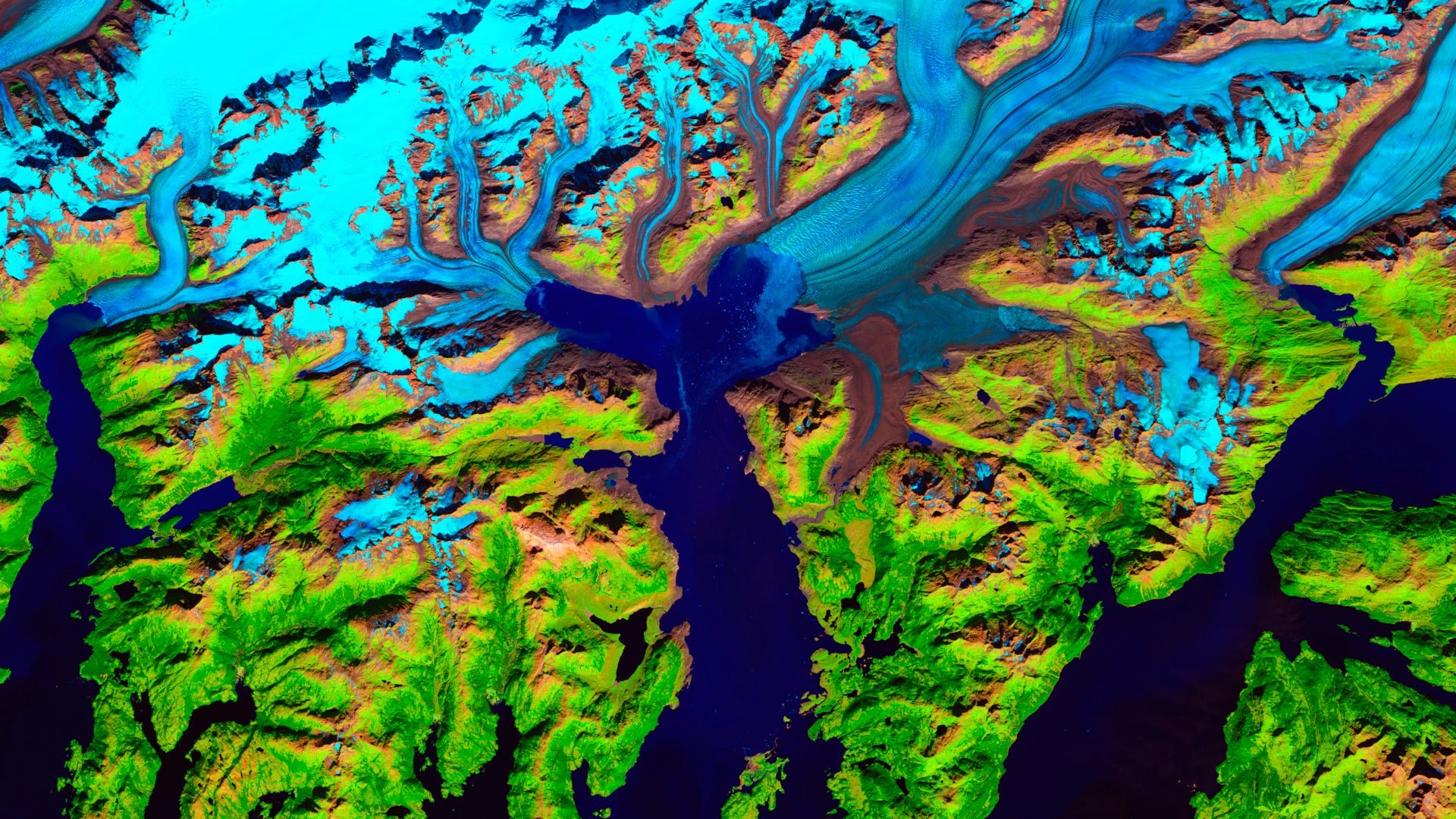
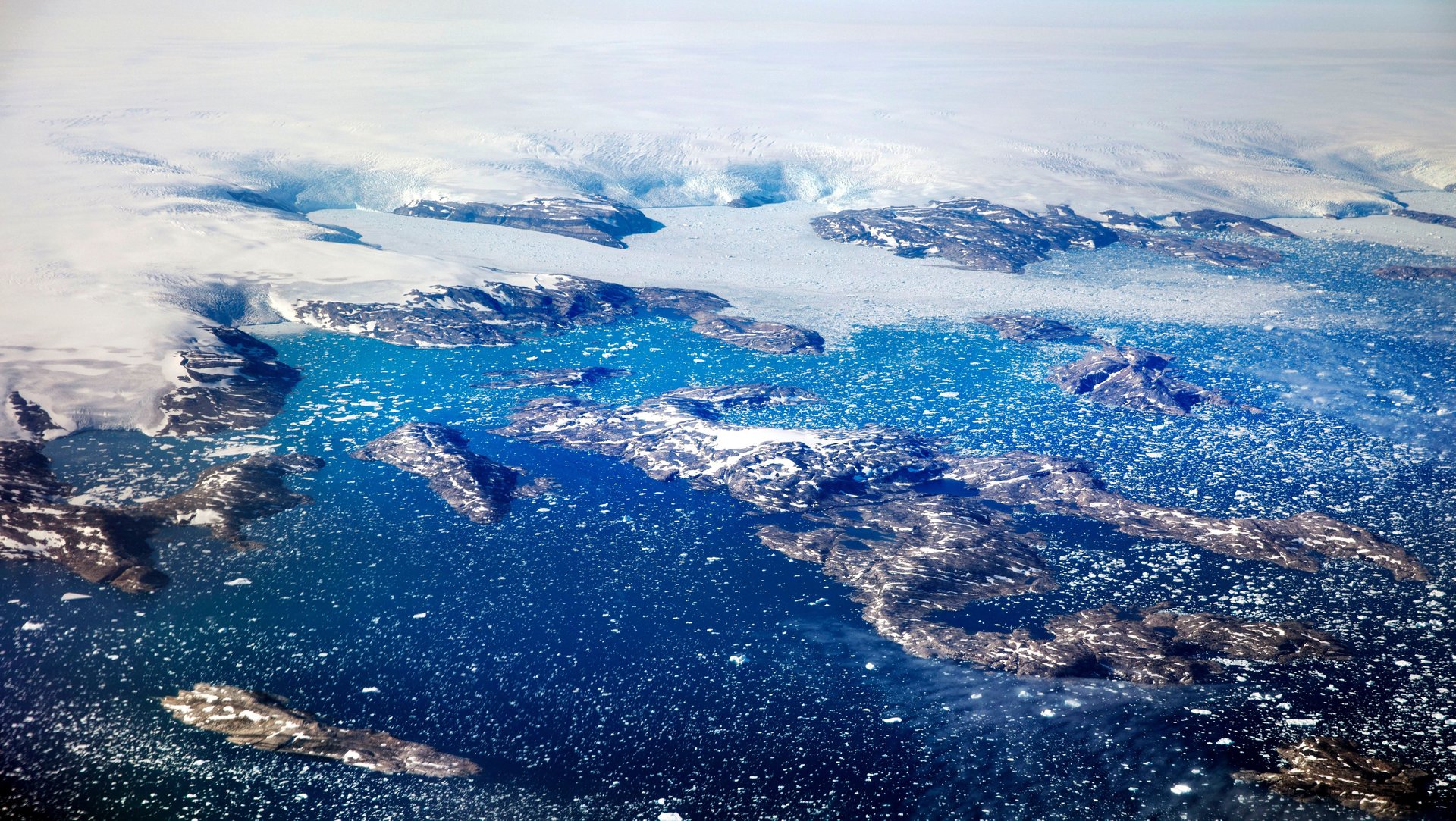
There’s a foreboding climate-change lesson nestled in the Chugach Mountains of southeastern Alaska. Or rather, the lesson is in the 12-plus miles of bare sea and land where a glacier once stood.

At this point, the least amount of global warming the world can hope for is probably 2°C (3.6°F). Scientists have described anything less as unlikely.

Last year, while surveying a cliff for plants in a Pennsylvania state park, a botanist at Bucknell University took a photo with his phone and tweeted it. In plain English, it said: “Bumblebee on American alumroot, Shikellamy Bluffs, PA. #the study of seasonal natural phenomena #pollinators #flowers.”

The vast majority—roughly 90%—of all internationally traded goods get to where they’re going by sea. The ships that transport these goods are a massive source of greenhouse gases, in part because they use “bunker fuel,” the dregs of the fossil-fuel refining process. It’s extremely cheap, one reason you can get international goods all over the planet. But it’s also one the world’s dirtiest diesel fuels, with a much higher carbon content than, say, the diesel fuel used in cars.

For humans, climate change is currently most felt in the warming air temperature over land. The global average temperature has risen by nearly 1°C (about 1.7°F) since preindustrial times, and that’s contributing to phenomena like worsening droughts, desertification, and changing seasons, to name a few.

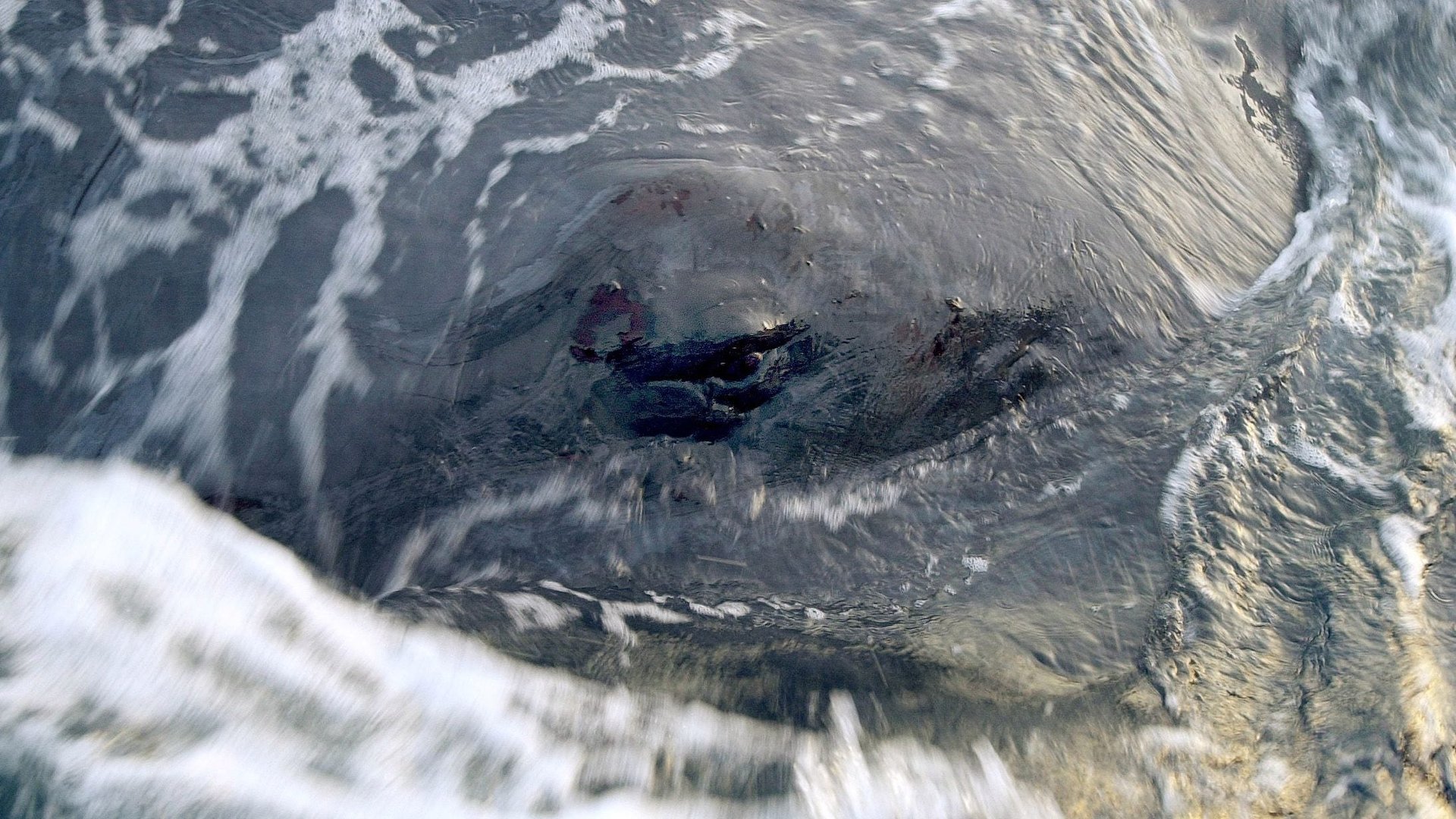
Scientists wanted to know why a young male sperm whale washed up dead on a beach in southeastern Spain in February, so they performed a whale autopsy. When they cut open the cetacean’s stomach, they found 64 pounds (29 kg) of waste, most of it plastic.

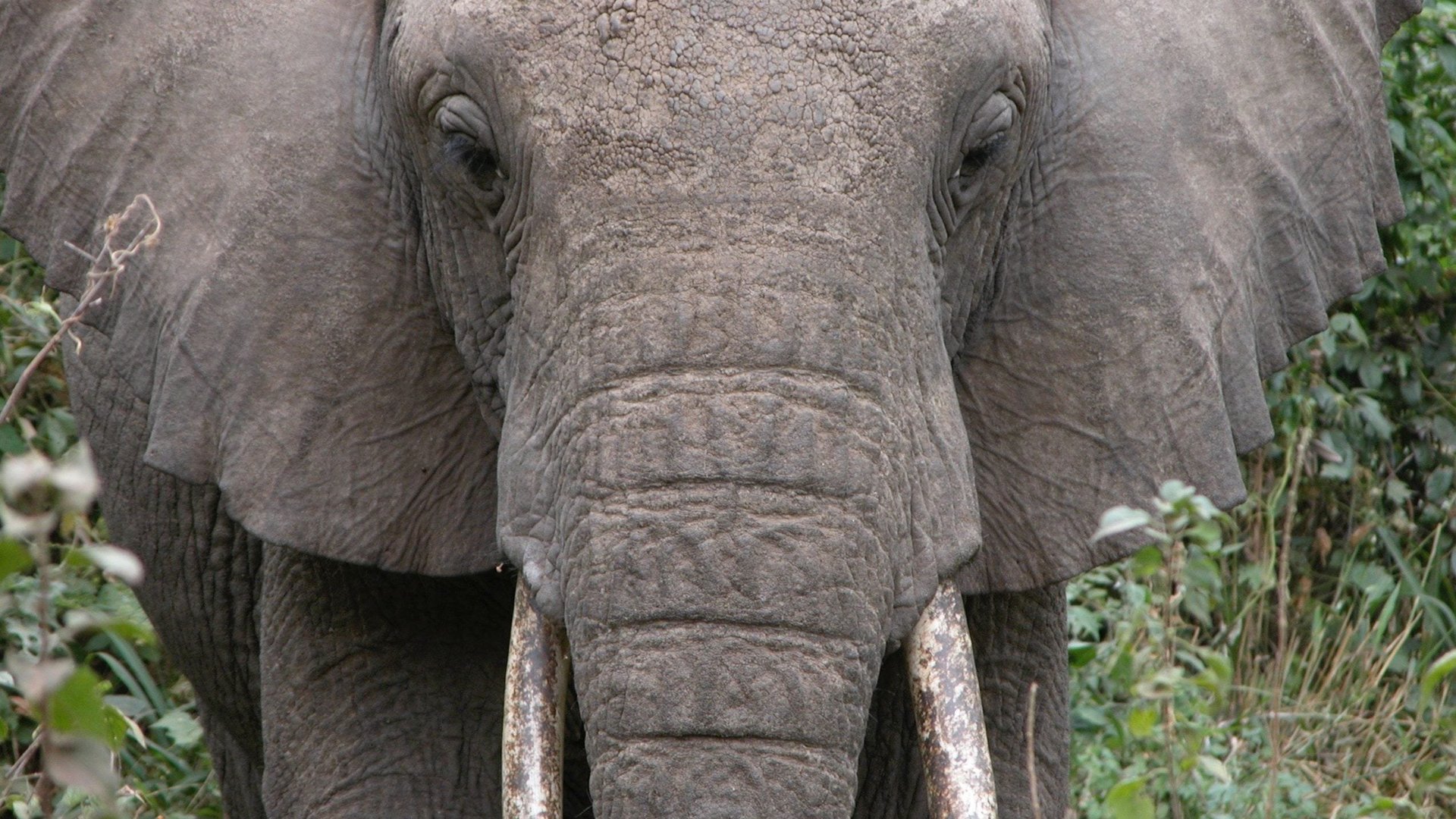
As Mark Zuckerberg testifies in Congress this week about the Cambridge Analytica scandal and his social media’s vulnerability to election manipulation, another unsavory aspect of Facebook has come to light. Facebook is apparently host to a vast illegal wildlife trade, and selling ads on group pages that market elephant ivory and other body parts of critically threatened species, according to the Associated Press.

In 2015, Chaim Levin thought his long legal nightmare was over.

The central goal of the Paris climate agreement is straightforward enough to quote it in whole:

This week, following three days of live-broadcast peer review sessions, experts concluded that a pair of federal studies show “clear evidence” that cell phone radiation caused heart cancer in male rats.

Five years ago, China was the most trigger-happy cloud seeder in the world. It was creating 55 billion tons of artificial rain a year, with plans to quintuple that amount. In 2013, launching cloud-seeding chemicals by rocket into the sky or spraying them from planes were the preferred methods.

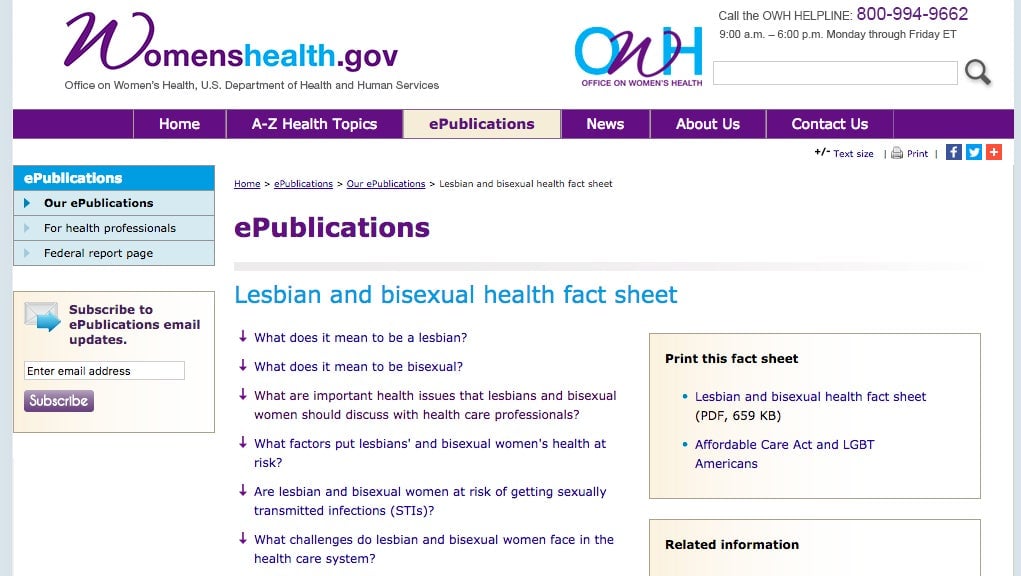
A US government webpage addressing the unique health concerns of lesbian and bisexual women was taken offline sometime between Sept. 26 and Oct. 5, 2017.

Before he would have to decide whether major oil companies could be held liable for climate change, William Alsup wanted to get some facts straight.

Senior lawmakers rejected the Trump administration’s proposal to cut the US Environmental Protection Agency budget by 31%, opting instead to make no cuts to the EPA’s funding for the 2018 fiscal year in its bipartisan spending bill released late Wednesday (March 22).