Shortly before succumbing to tuberculosis in Prague in 1924, Franz Kafka penned a letter to his friend, Max Brod, asking for all his unpublished work—manuscripts, diaries, private letters, sketches, and all—to be “burned unread.”

Shortly before succumbing to tuberculosis in Prague in 1924, Franz Kafka penned a letter to his friend, Max Brod, asking for all his unpublished work—manuscripts, diaries, private letters, sketches, and all—to be “burned unread.”

The prodigious difference between men’s and women’s salaries in the US—one of the worst gender pay gaps in the world—has a root long before anyone even enters the workforce.

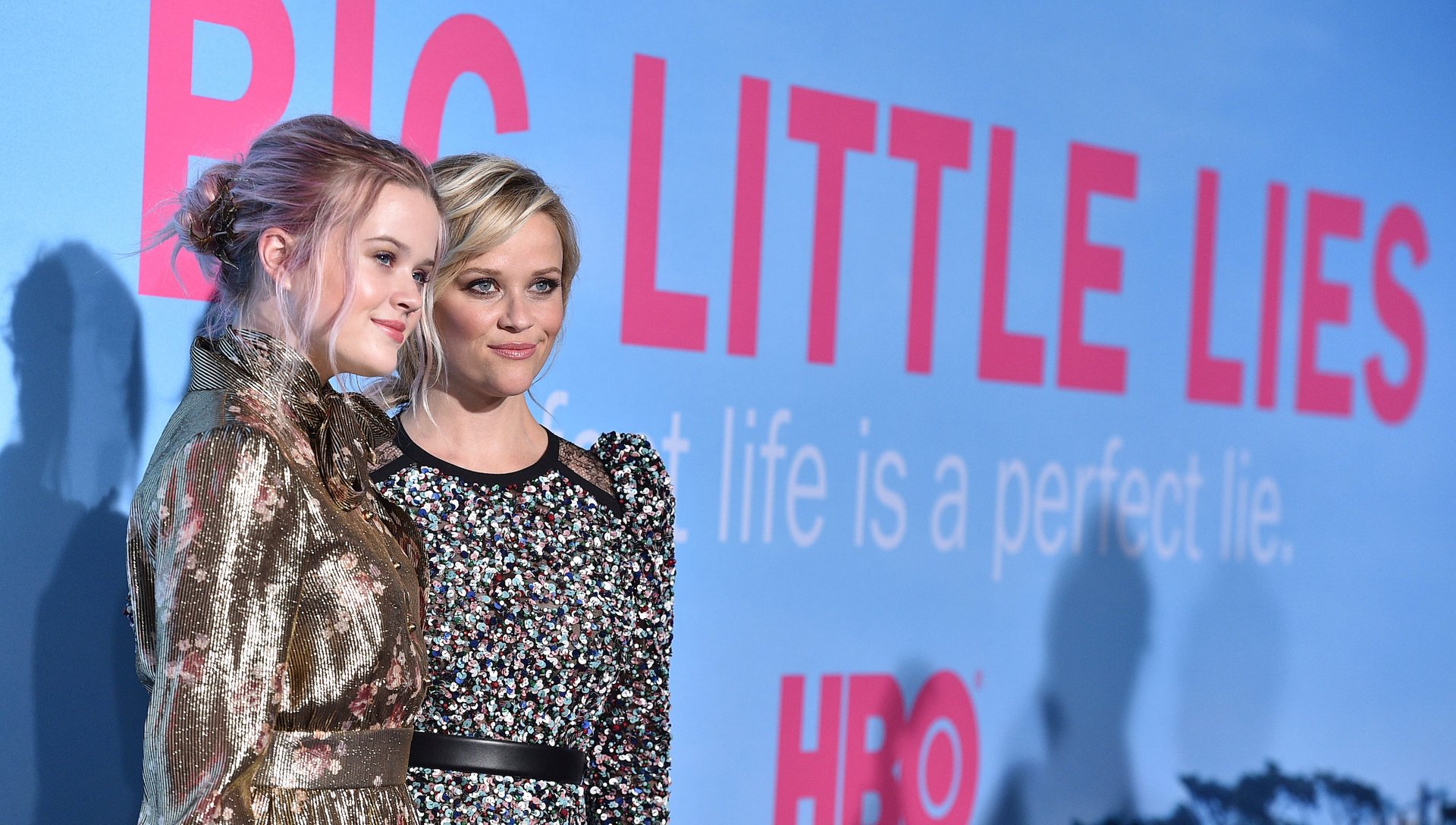
Haunting, elegiac, mired in nostalgia—the first thing you notice about Big Little Lies, as star-filled and visually artful a show it is, is the music.

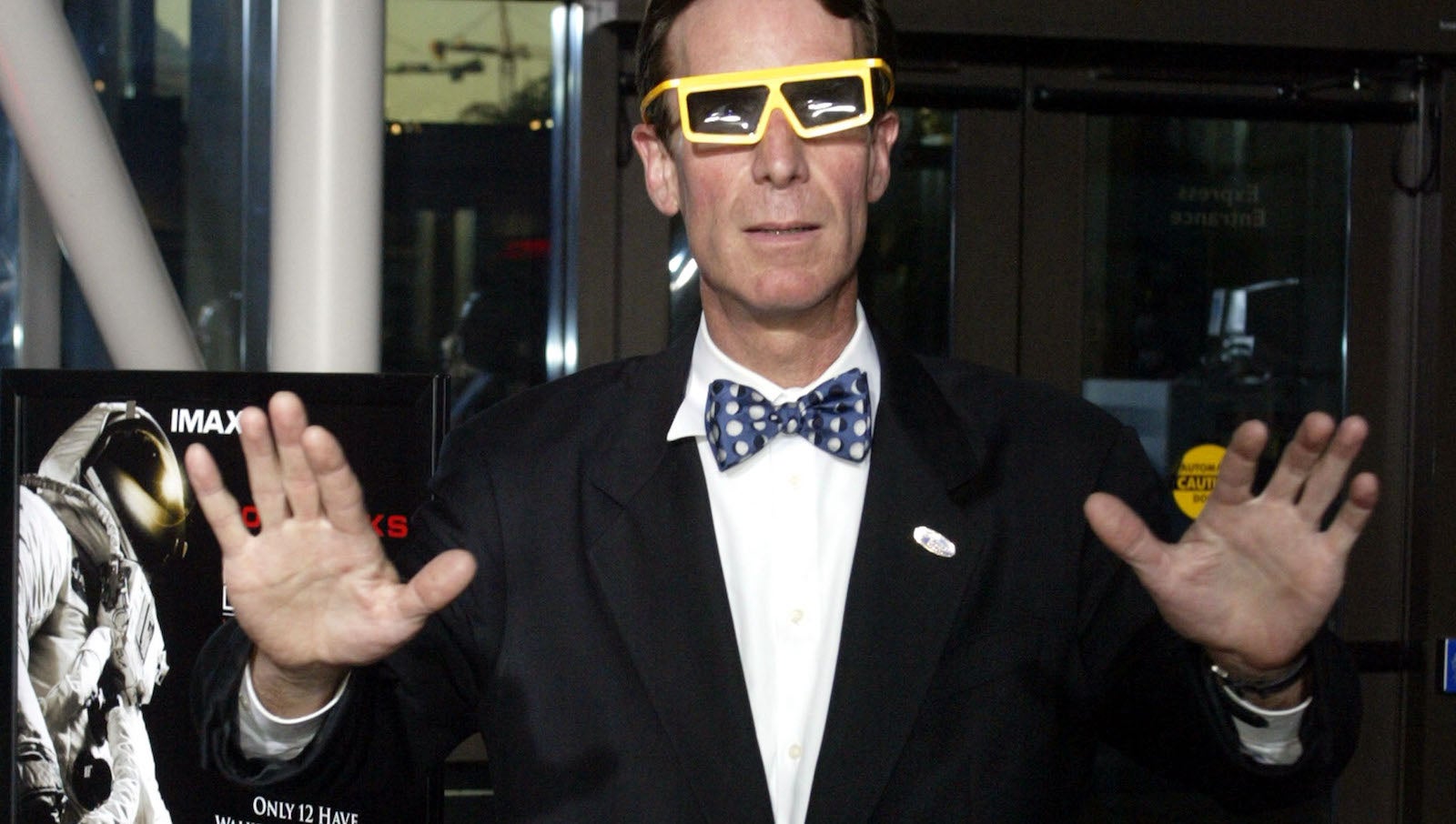
Bill Nye—notorious “science guy,” mechanical engineer, longtime TV persona, and budding philosopher—is making a zany foray into rap.

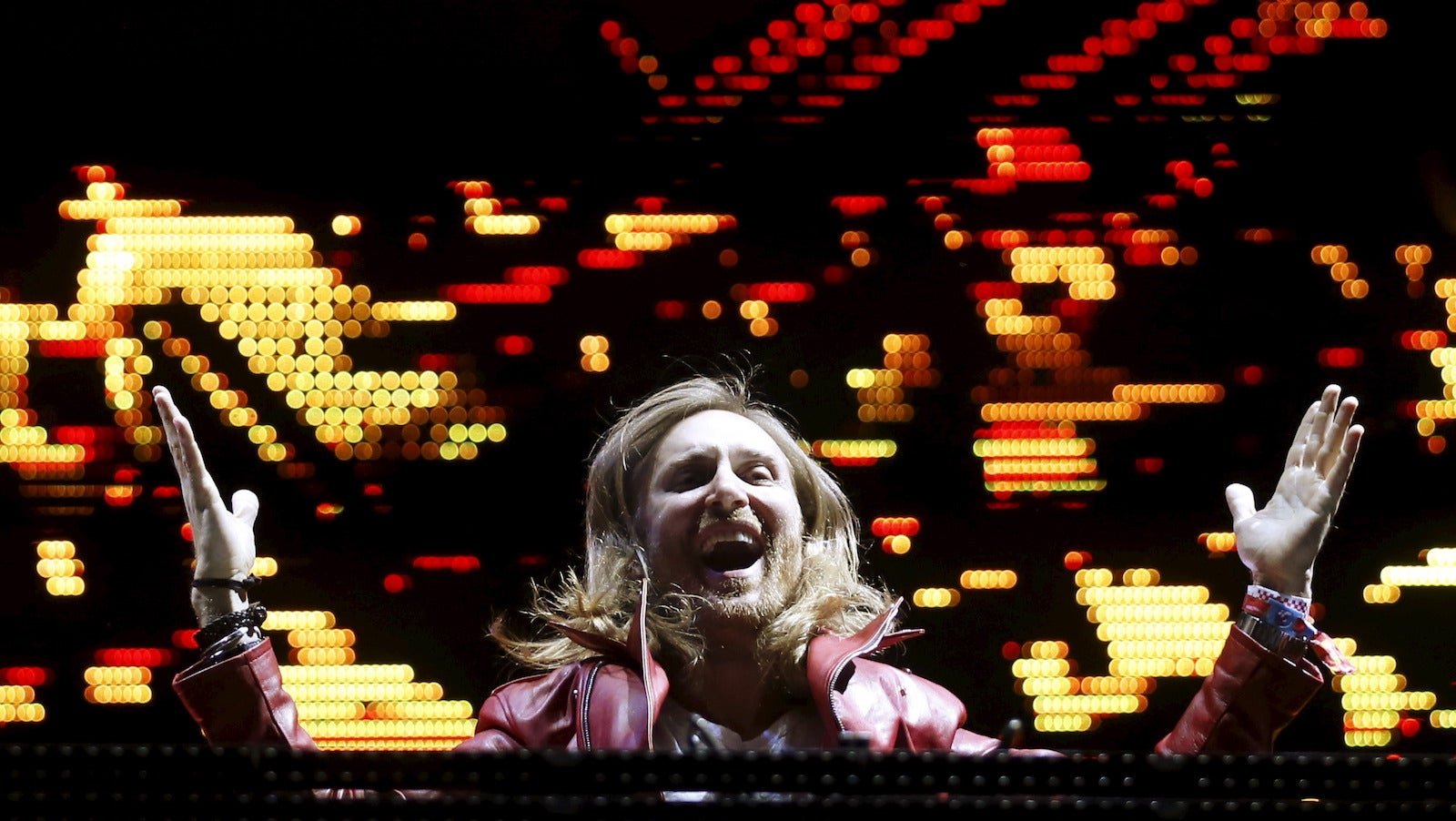
A moment of silence, please, for the grubby old days of music festivals: contorting into the backseats of friends’ cars, skipping showers, camping in rain-doused dirt.

If universities want to encourage better learning, a new study indicates they could do well to restructure their classroom timetables.

“Fair Harvard,” Harvard’s official song, croons a story of joy and scholarly enlightenment. Its lyrics—written in 1836—end with the following:

Not since 2009 has a member of the American president’s cabinet received protection from the US Marshal Service, the federal agency usually responsible for handling security for judges, witnesses, fugitives, and prisoners.

Under a historic new budget written by governor Andrew Cuomo and approved by state lawmakers over the weekend, nearly one million families in the state of New York will now qualify for free tuition at the state’s public colleges, universities, and community colleges.

In the annual media blitz of Ivy League acceptance stories this spring, one tale stands out as particularly impressive. Four siblings—quadruplets, in fact—all applied to Harvard and Yale. And all got in.

Black students from low-income families—and particularly black boys—post some of the worst dropout rates in America. Yet combating that problem could be as simple as reshuffling classroom teaching assignments.

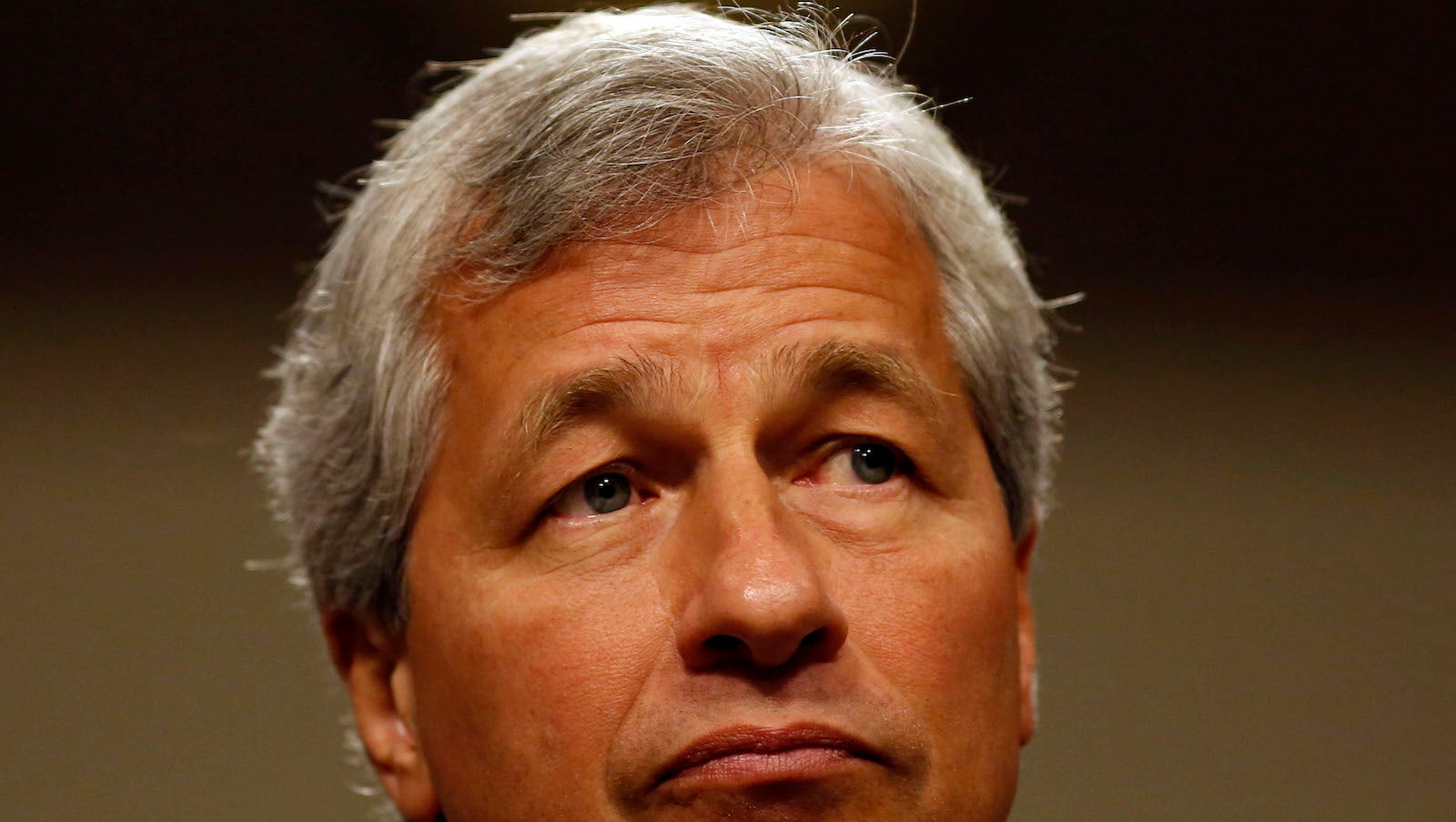
Jamie Dimon is worried about America. In his annual letter to shareholders (pdf) released earlier this week, the JPMorgan Chase CEO—whose yearly notes always catch the attention of the business world—found 45 pages’ worth of criticism to level at the US’s public policies. Chief among them were critiques on non-economic factors affecting national growth and productivity, such as housing and crime regulations. “It’s clear that something is wrong,” Dimon wrote.

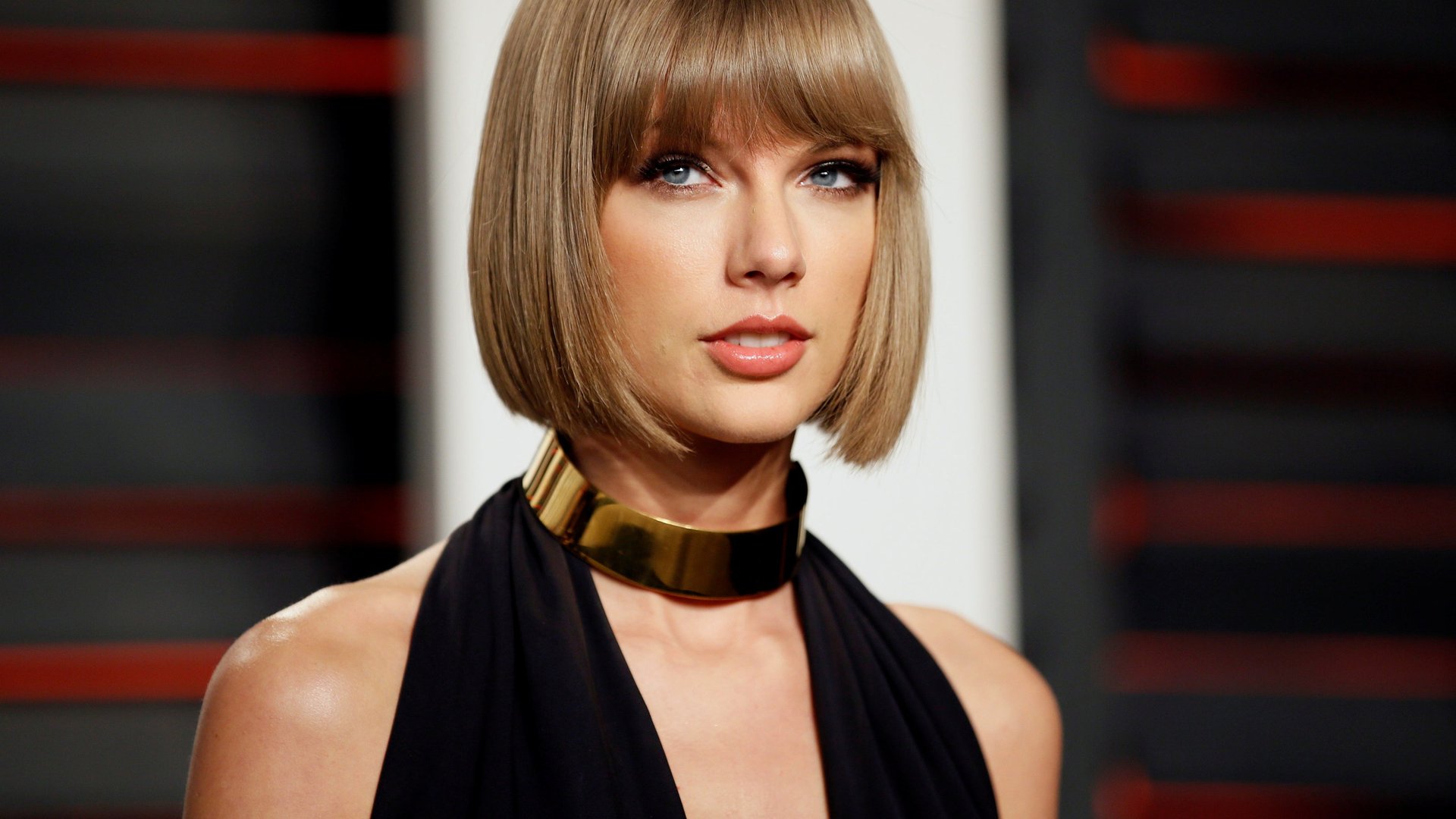
Remember in 2014 when Taylor Swift unleashed a flood of rage on Spotify? “Music is art, and art is important and rare,” the singer declared, after removing all her songs from the streaming service. “Valuable things should be paid for. It’s my opinion that music should not be free.”

Major Lazer, Migos, and a DJ regularly employed by Middle Eastern royalty are among the artists slated to perform at an extravagant, brand-new music festival in the Bahamas this year. Maybe.

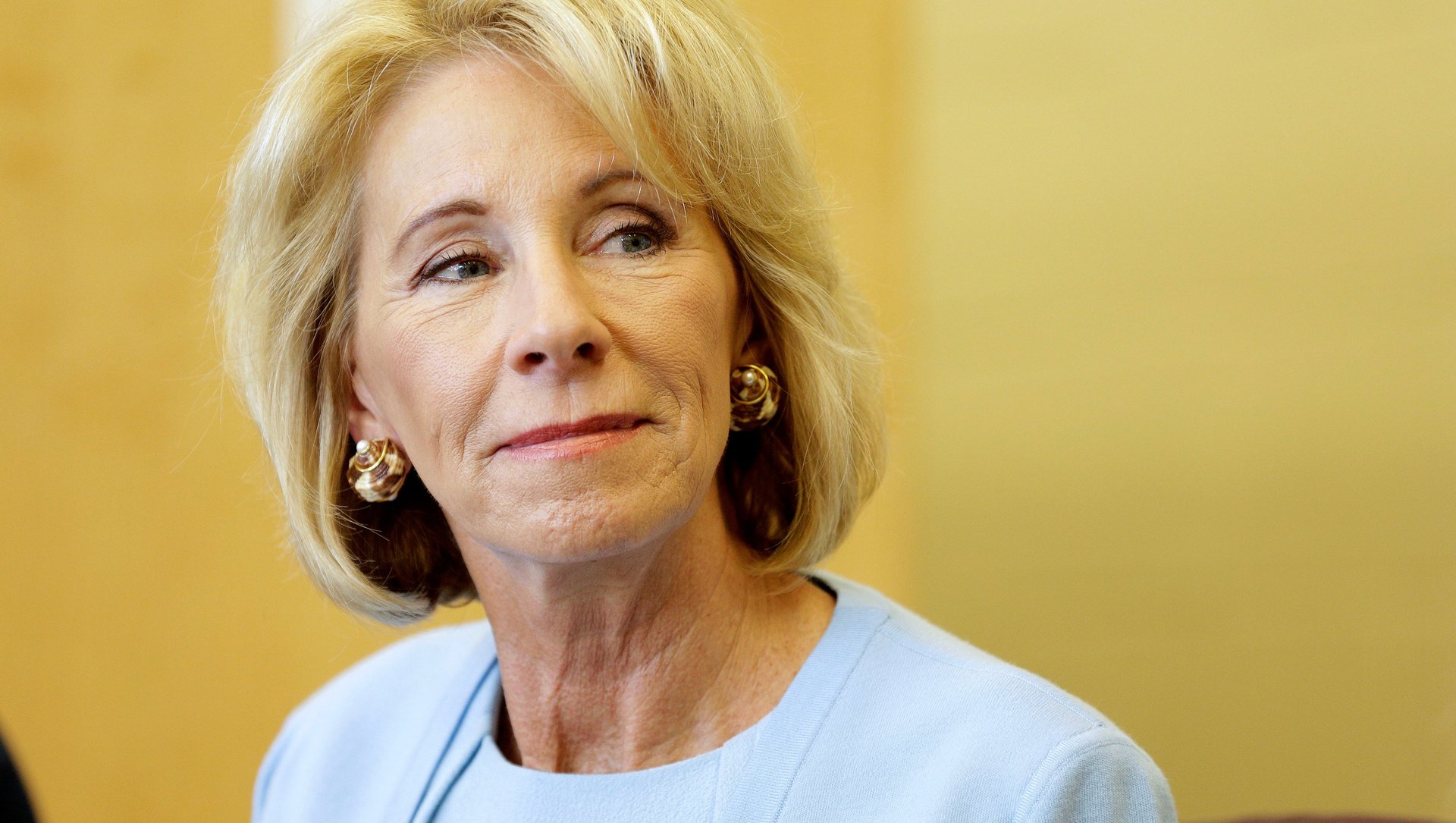
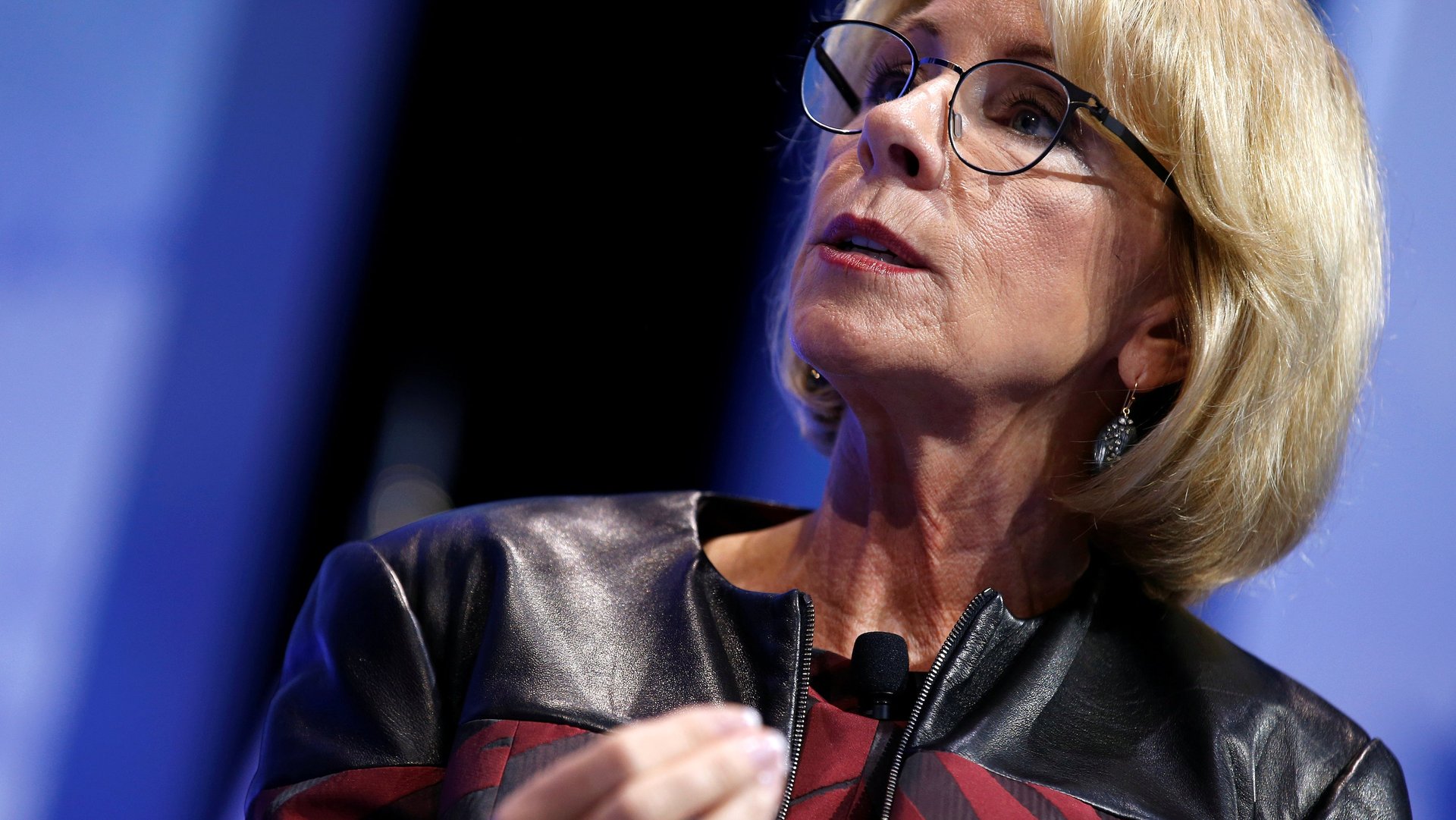
School choice, the controversial idea of having government money follow students to schools that aren’t run by the government, is a bit complicated. To make it easier to understand, US education secretary Betsy DeVos—an ardent champion of the system—recently tried her hand at a relatable analogy. And promptly failed.

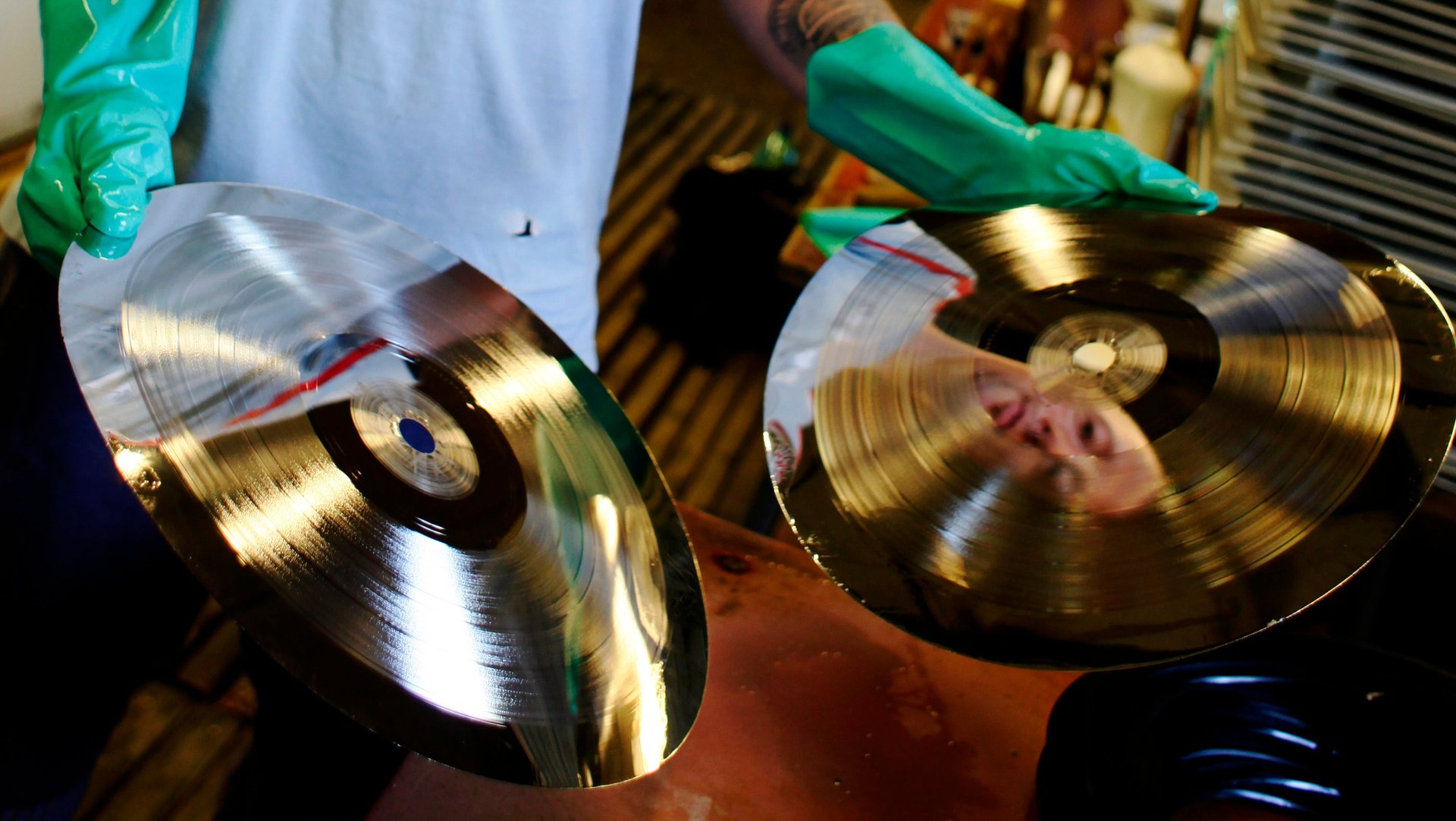
Vinyl’s still got something up its sleeve.

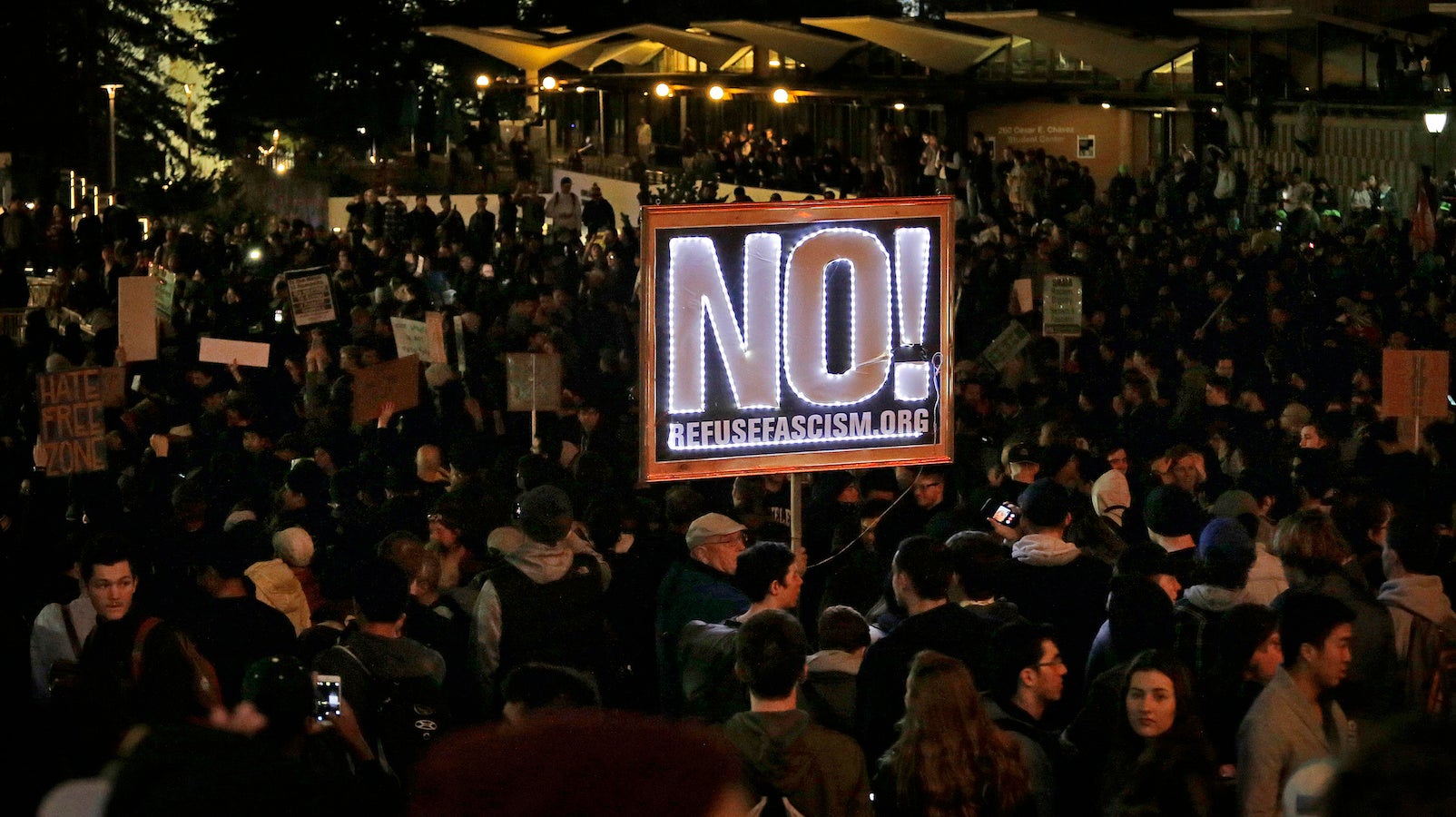
Donald Trump’s administration has so far largely steered clear of the debates about racism, safe spaces, and free speech that are raging at US universities.

Someone always has to do the cleaning-up.

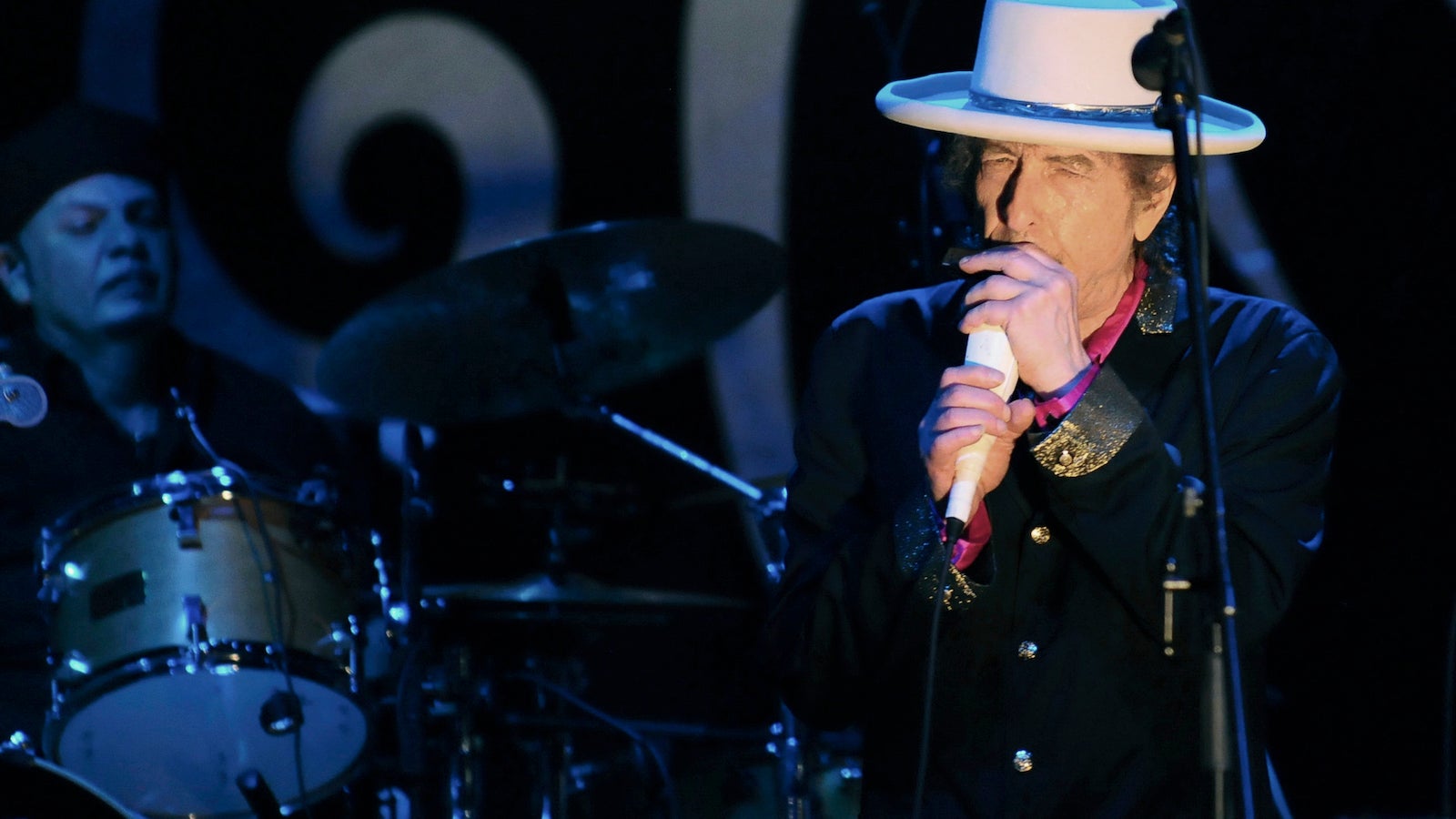
Bob Dylan has spent the past five months shunning the limelight, but he has finally collected his Nobel Prize in Literature.

Restaurants agonize constantly over ways to eke the most money out of their customers. Dimming lights, deploying seasonal menus, and up-selling (more famously known as “Do you want fries with that?”) are all psychological tricks that many employ—and new research suggests there is another potent strategy to add to the mix.

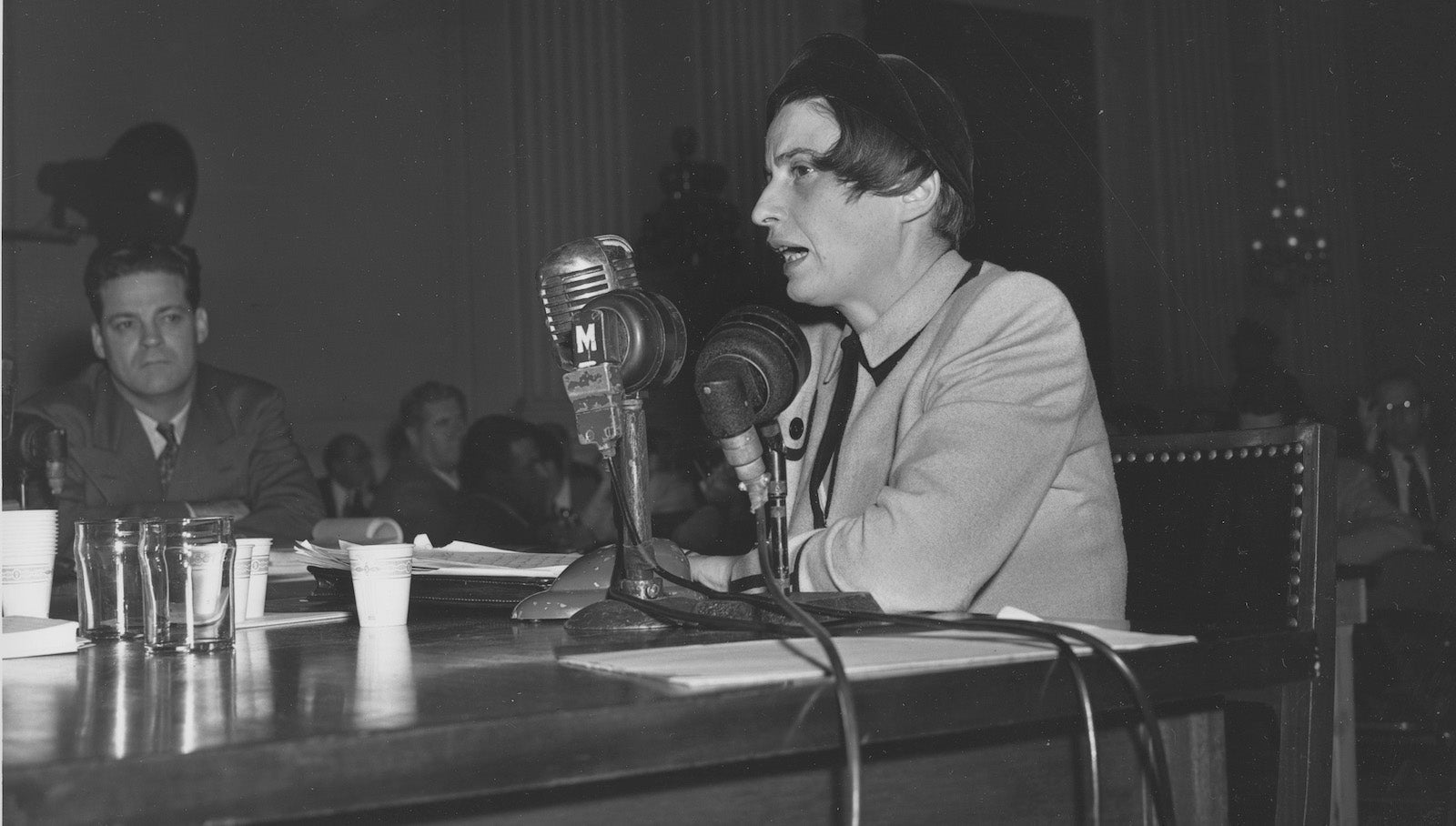
US president Donald Trump loves Ayn Rand; her 1943 novel The Fountainhead is one of only three novels he’s ever mentioned liking. Rand is also credited for inspiring many other Republicans’ political careers, and the Russian-American novelist has long enjoyed steady worship—however misguided—from the American right.

Nearly half the school districts in the US state of Montana are on a four-day week.

Google the words ”black coders” and “Silicon Valley” together, and you’ll find a litany of stories unfurling the same narrative:

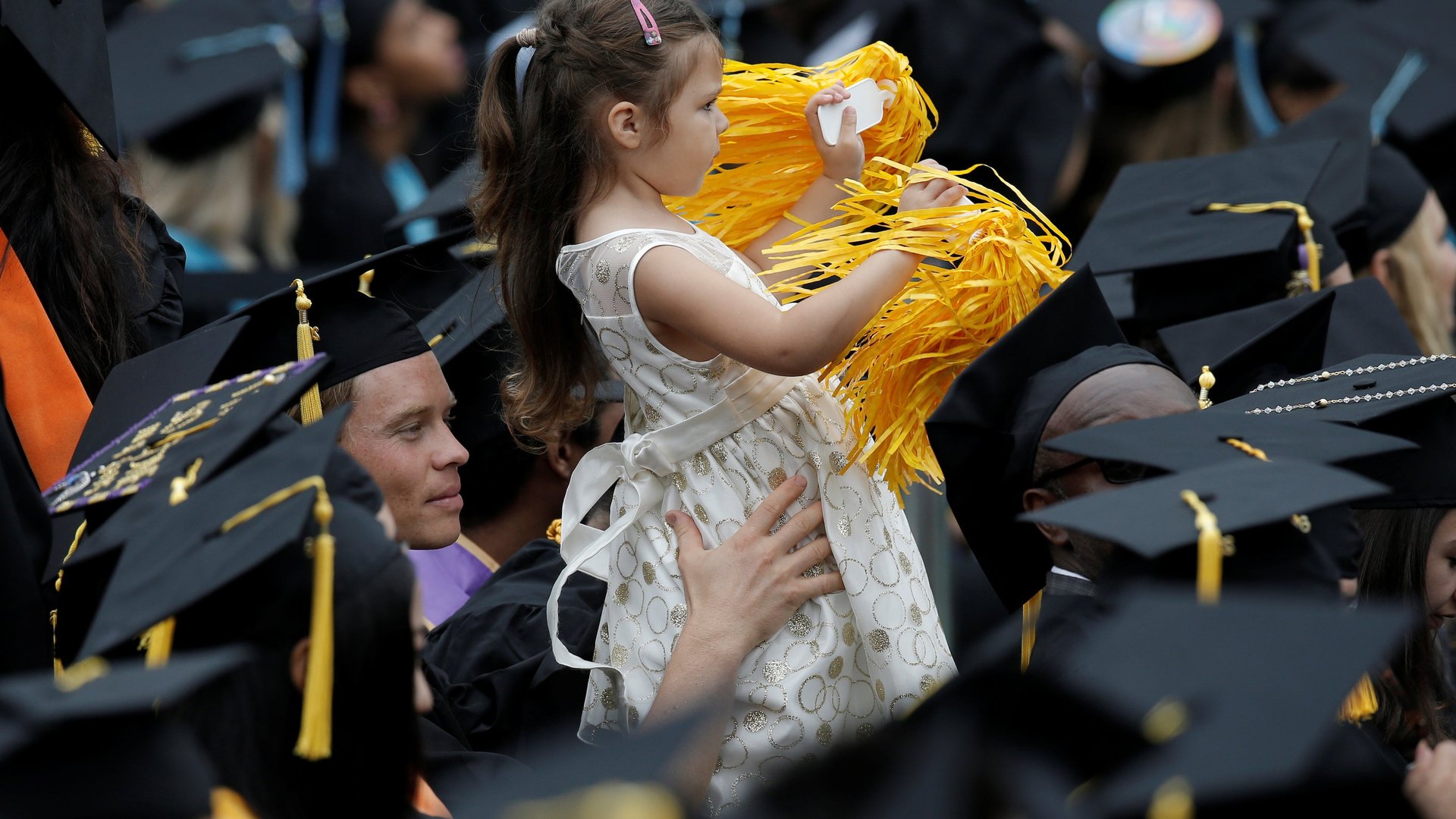
It’s become the norm for sitting US presidents to make the graduation-speech circuit every spring. Barack Obama gave 24 commencement addresses at American universities during his two terms, for instance, and started with Arizona State University.