It wasn’t a Manny Pacquiao fight that broke Twitter in the Philippines. Twitter confirmed this week that a live concert about a Cinderella-themed Filipino soap opera is now the most tweeted event in history, calling it “a global event.”

It wasn’t a Manny Pacquiao fight that broke Twitter in the Philippines. Twitter confirmed this week that a live concert about a Cinderella-themed Filipino soap opera is now the most tweeted event in history, calling it “a global event.”

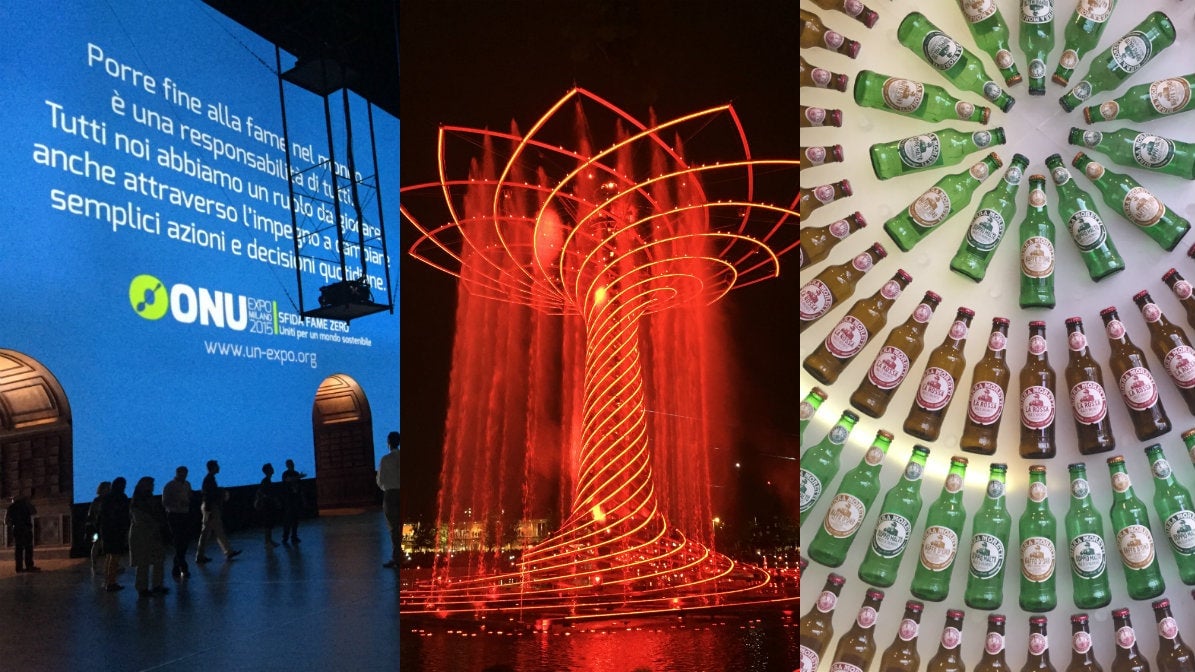
For the past six months, this year’s World’s Fair has quietly hummed along as an autonomous city on the outskirts of Milan. Spread across an area about the size of Monaco, some 200 buildings (representing 145 countries), plus parks, rivers, restaurants, museums and even a security force gave breadth to the event, also known as Expo Milano, while a daily roster of cultural shows, food tastings, and talks animated themes of nutrition, food scarcity and sustainable consumption.

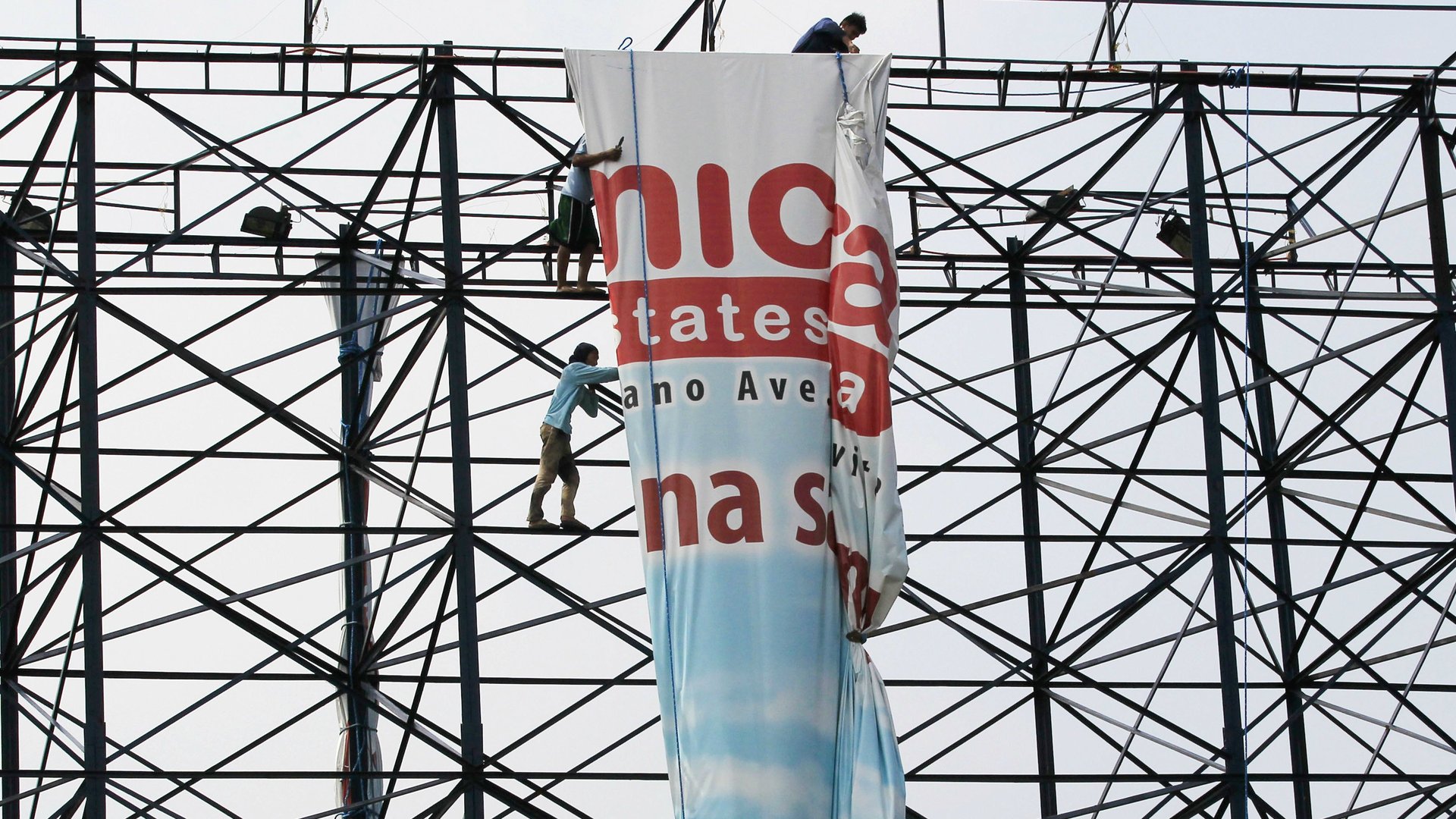
As the Philippines braces for Typhoon Koppu this weekend, many billboards in Manila are being dismantled. After a billboard collapsed and killed a motorist almost ten years ago, city administrators have taken to rolling down the hundreds of tarpaulins in the city as part of their routine storm preparation procedure.

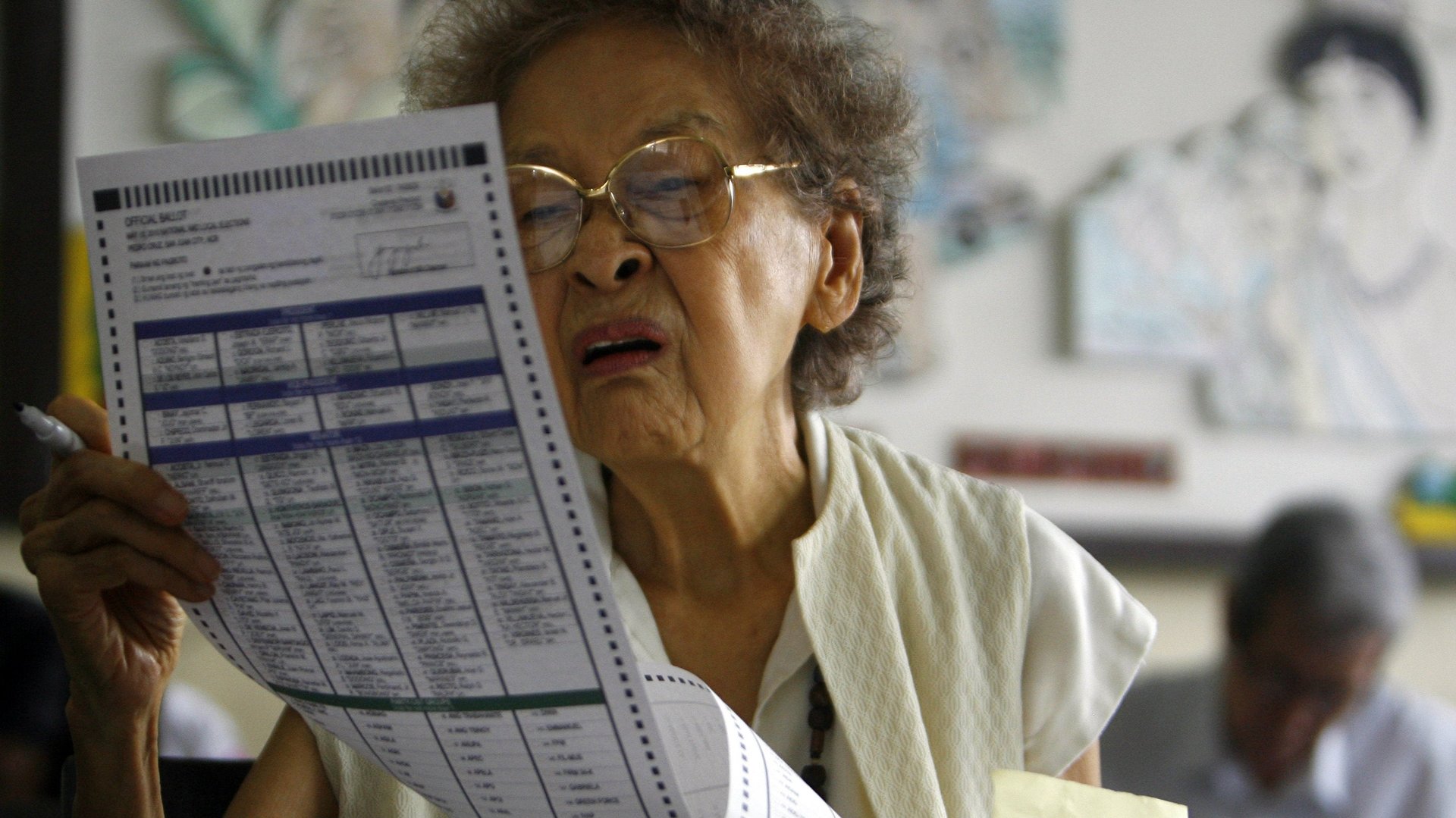
In the Philippines, all eyes are on the Commission of Elections headquarters in Manila, as aspiring government officials file their certificates of candidacy this week.

Artists used to portray themselves as solitary creative geniuses. Cooped up in a studio or painting alone en plein air, the lingering image of the artist is one without assistants, apprentices or collaborators.

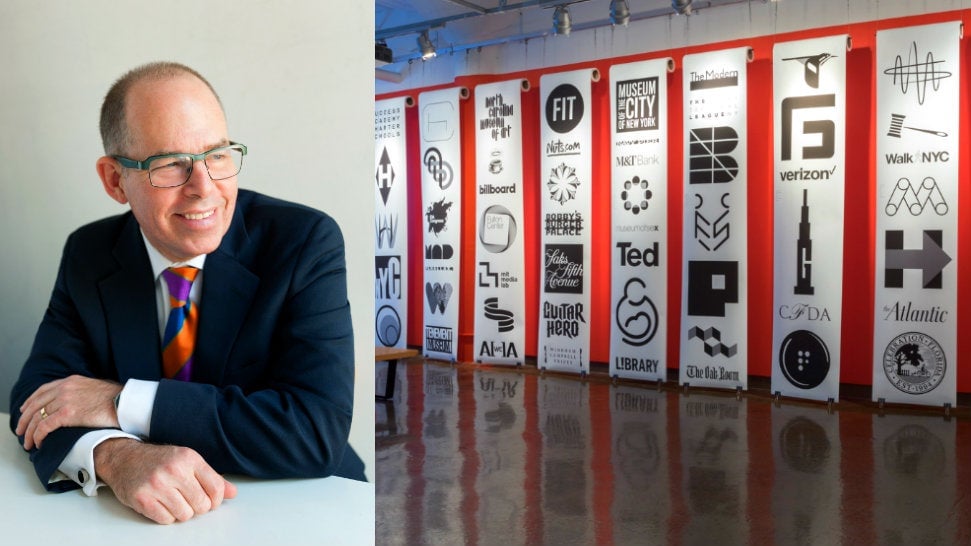
It’s a Michael Bierut world after all.

Filipinos are seeing red.

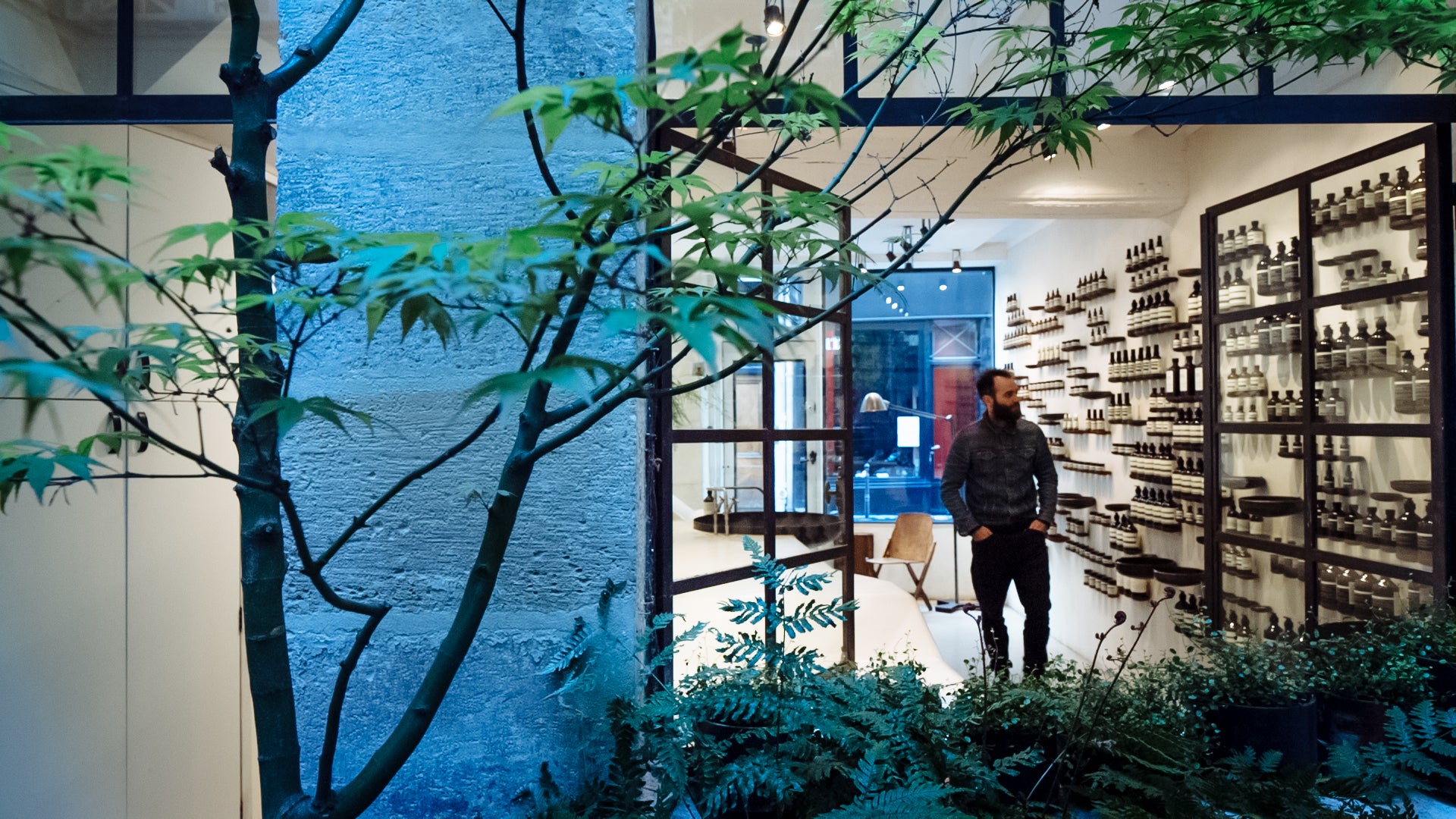
When it comes to the design of retail interiors, Aesop’s reputation is fabled. As a new feature on their website called Taxonomy of Design explains, the Australian luxury skin care brand’s retail design is unusual—and perhaps worth imitating.

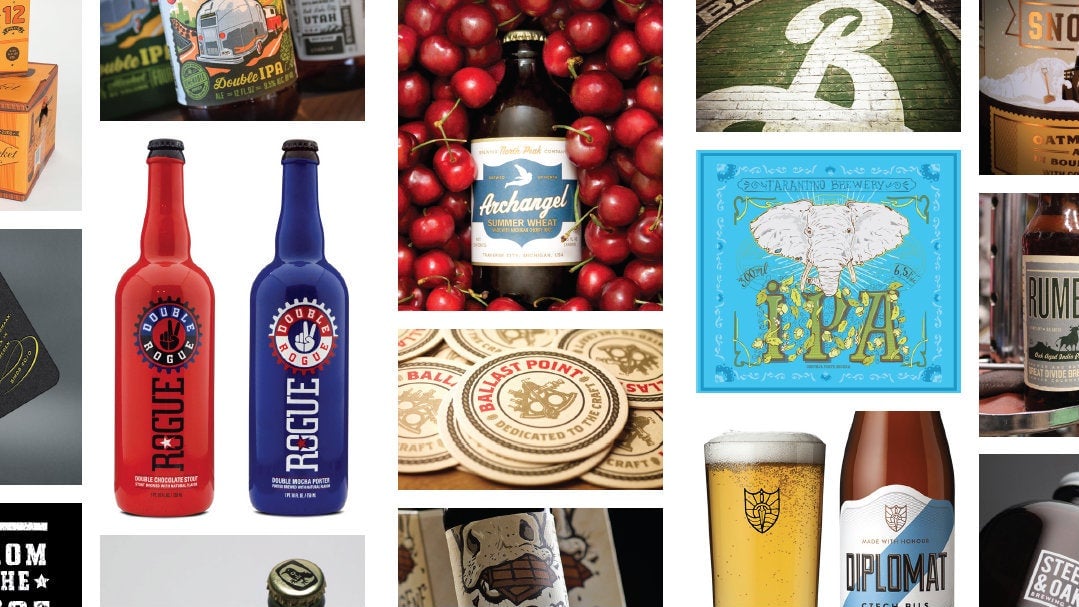
Harvey Shepard does not just gulp down his beer. The graphic designer and blogger has been captivated by beer bottle graphics, labels, caps and cans since long before he was old enough to drink. It all began when he spotted a Coors bottle shaped like a baseball bat in a grocery store as a kid. “I was flabbergasted. I had never seen anything like it and just had to have it,” says Shepard who was also obsessed with baseball at the time. “After convincing my mother that I would never open it, she begrudgingly bought it for me. It still sits (unopened) at my parents’ house,” he tells Quartz.

“Man, if only this city had better parks, or more public pools, or more benches.” If you’ve ever caught yourself mentally playing mayor or city architect, this is your chance.

For the first time in over 300 years, a new fountain has sprung in the legendary gardens of Versailles.

Apart from the Nobel Prize or the presidential medal of honor, a MacArthur Fellowship—known to many as “the genius grant”—may be the most coveted career credential in the US. Every year, the MacArthur Foundation selects a crop of extraordinary Americans and hands them $625,000 paid over the course of five years—no strings attached, no progress reports needed.

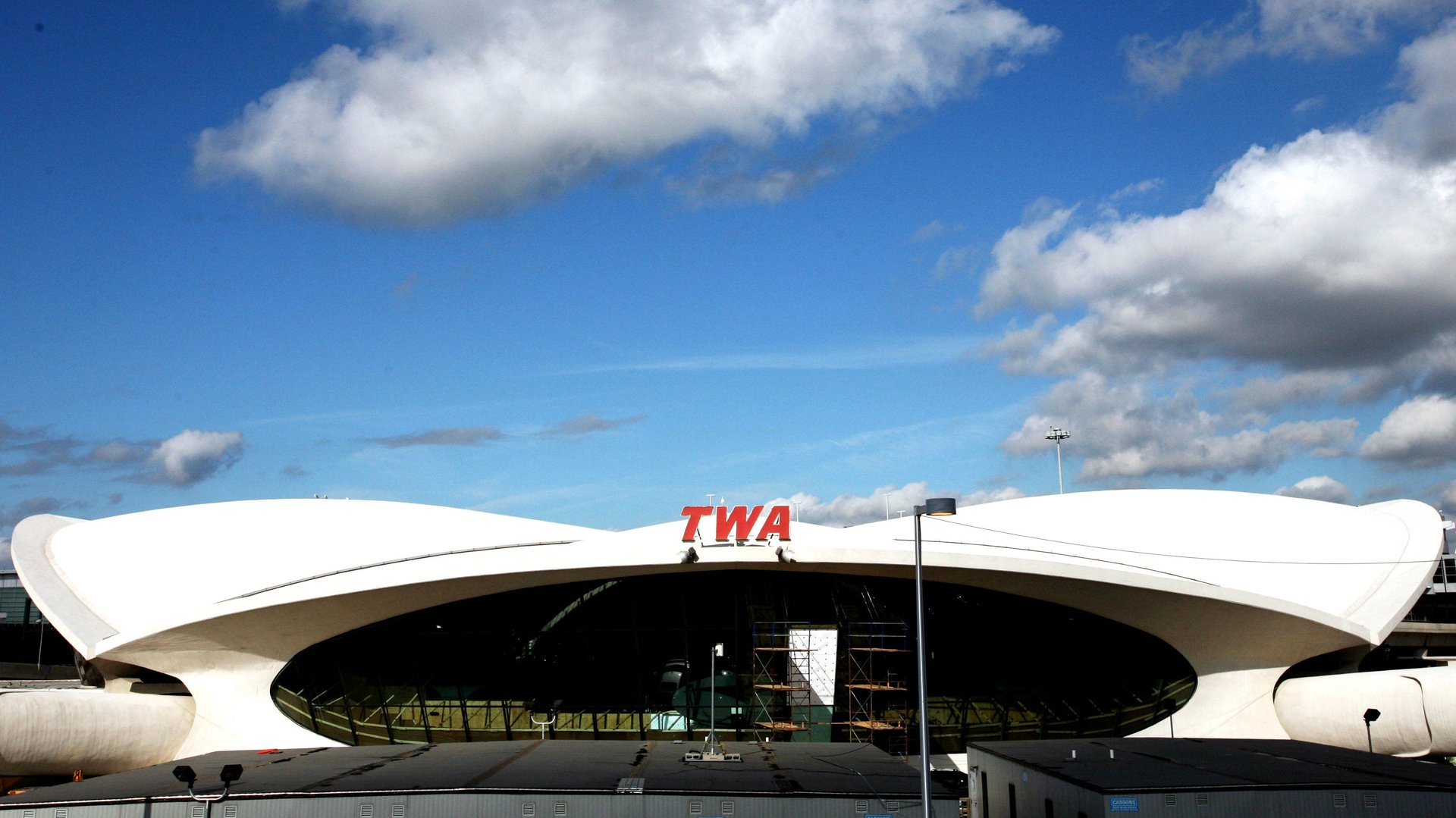
Plans to transform a historic terminal at New York’s John F. Kennedy Airport into a hotel complex are finally taking off. The news was announced by governor Andrew Cuomo after a unanimous vote by the Port Authority of New York and New Jersey board of commissioners on Sept. 24.

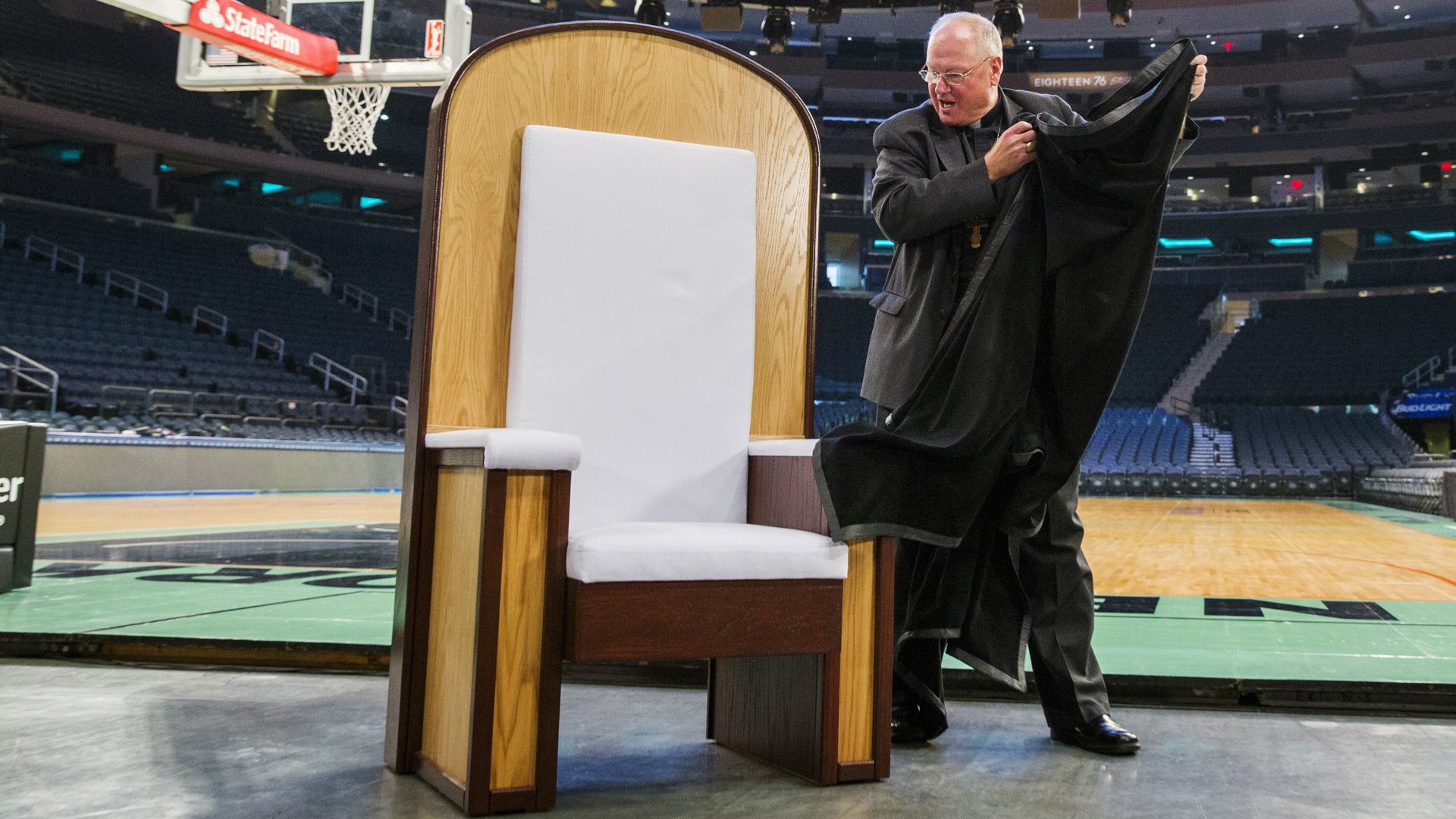
A chair is the quintessential design object. From Charles and Ray Eames to Frank Lloyd Wright, many renowned designers and architects have showcased their ideas and talents in this utilitarian piece of furniture.

September has been the month for logo makeovers. On the first of the month, Google unveiled a major logo change, officially declaring its shift to the sans serif side. On the same day, the Tokyo Olympics announced its decision to scrap its logo, and soon to follow was Verizon’s simplified new mark. Even the real estate firm Cushman & Wakefield embraced a new logo.

Greycork’s promise sounds almost too good to be true: Well-made furniture that is stylish, comfortable, easy-to-assemble, and cheaper than IKEA.

Little did we know that for all these years, we’ve been admiring Frank Lloyd Wright’s buildings through Pedro E. Guerrero’s eyes. A new documentary premiering Sept. 18 on PBS explores the remarkable but largely unknown career of the Mexican-American photographer who captured some of the most iconic images of Wright’s architecture.

You’re not alone. We’re obsessed too. Over the last few years, a steady stream of illustrated charts, diagrams, maps, and process drawings have fed and fostered a raging appetite for infographics. Gareth Cook, a Pulitzer Prize-winning writer and a former editor at The Boston Globe, has been sifting through the deluge to compile a kind of yearbook for the burgeoning field of information design.

It’s the question on everyone’s minds, as we hit snooze on the alarm clock.

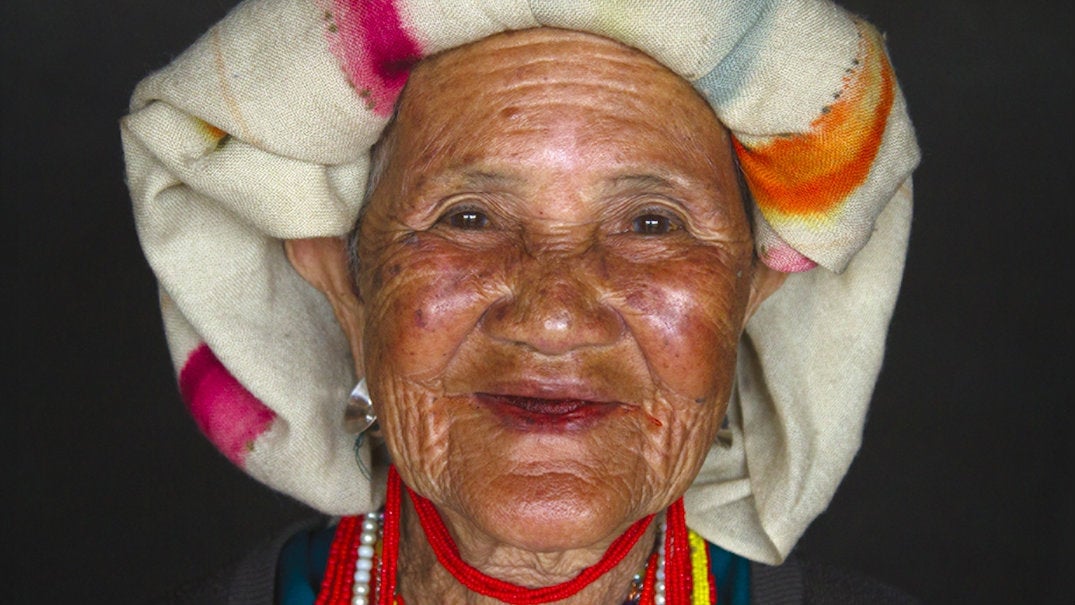
You may think that you’ve seen this film before. If all you see is the poster, trailer or Google promo for Yann Arthus-Bertrand’s stunning latest opus Human, it’s easy to dismiss the production as yet another beautifully photographed but unstartling documentary—the kind you might play in the background as you do some chores, or later fall asleep to. But within a few minutes into this film, you’ll realize that the subject of the film is actually you—and that you cannot look away.

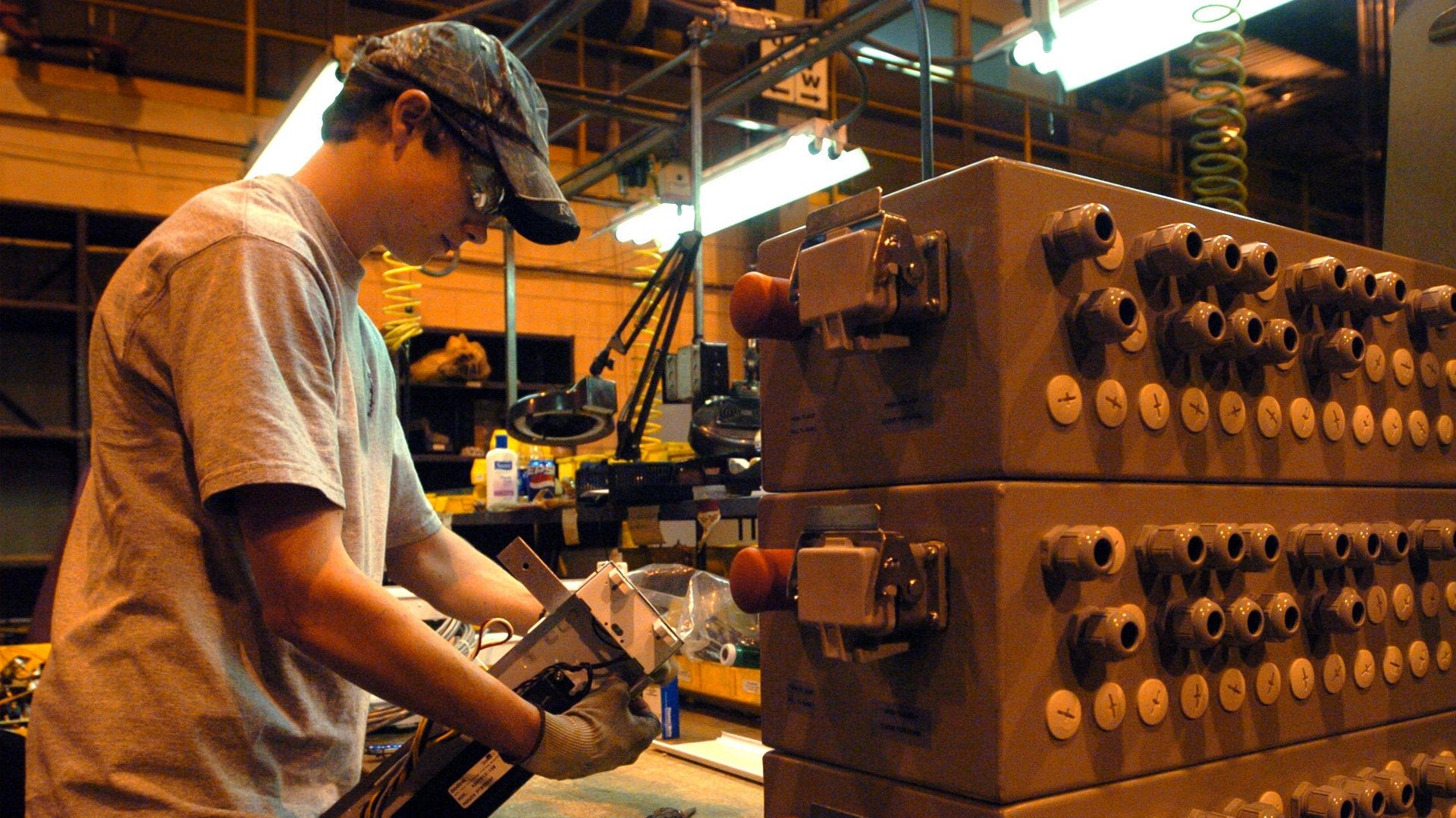
Yesterday (Sept 9), US president Obama announced plans for a hefty new investment in apprenticeship programs across the country.

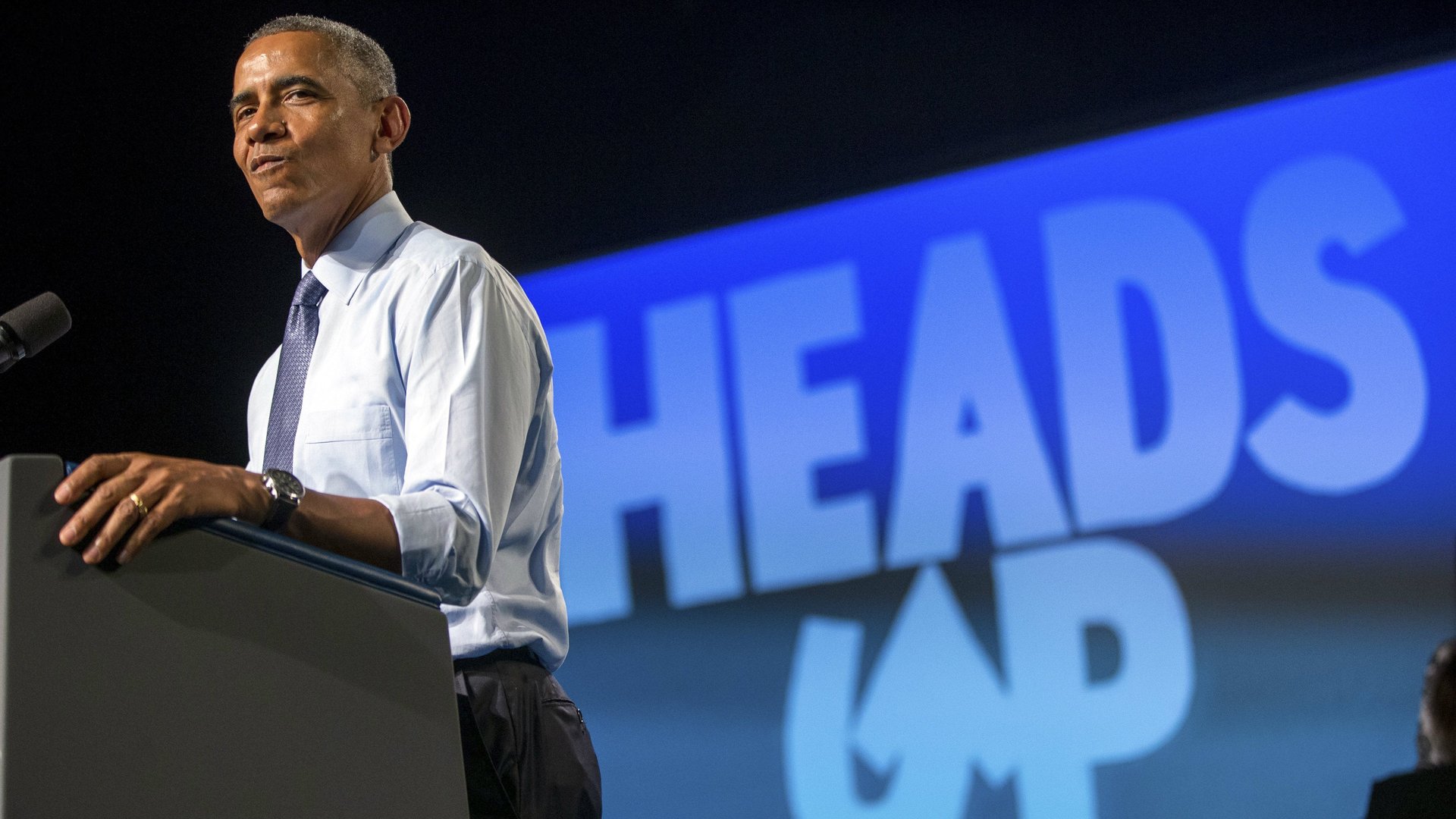
Barack Obama has said that he intends to make college free for more Americans, and on Sept. 9, the White House revealed a new public awareness campaign as a step toward that end, called Heads Up America.

After six agonizing weeks, David Sowers, a graphic designer who lives in Denver, Colorado, was reunited with Jade, his beloved Australian shepherd.

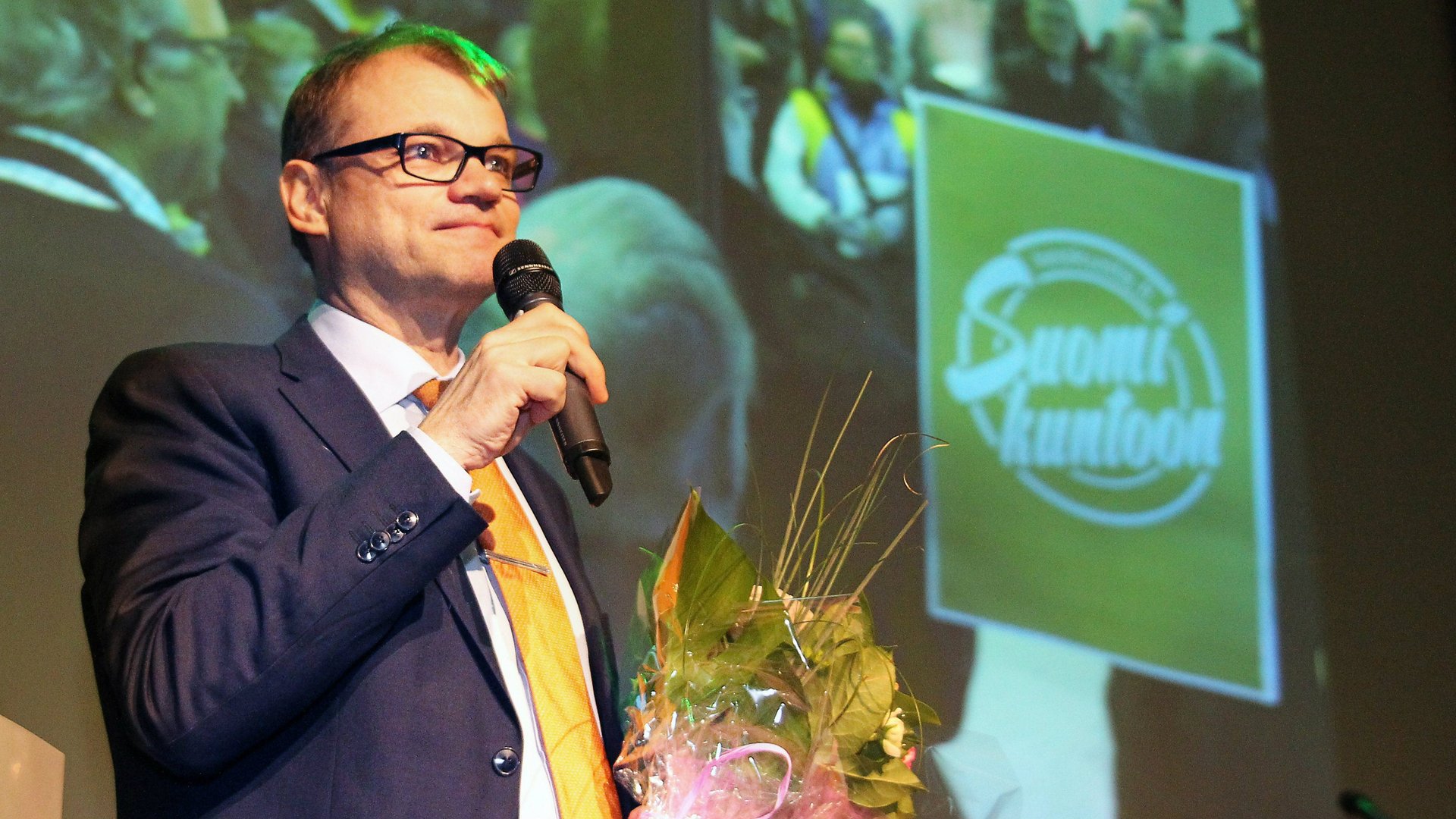
Calling for a personal response to the burgeoning refugee crisis in Europe, Finland’s prime minister Juha Sipilä said that he will offer his home to displaced migrants, many fleeing from the war in Syria. “We should all take a look in the mirror and ask how we can help,” said Sipilä in an interview with the Finnish media outlet YLE, according to Reuters.