Storyzy’s business is alerting brands to their presence on fake news sites. By and large, the advertising community’s response is simply appalling.

Storyzy’s business is alerting brands to their presence on fake news sites. By and large, the advertising community’s response is simply appalling.

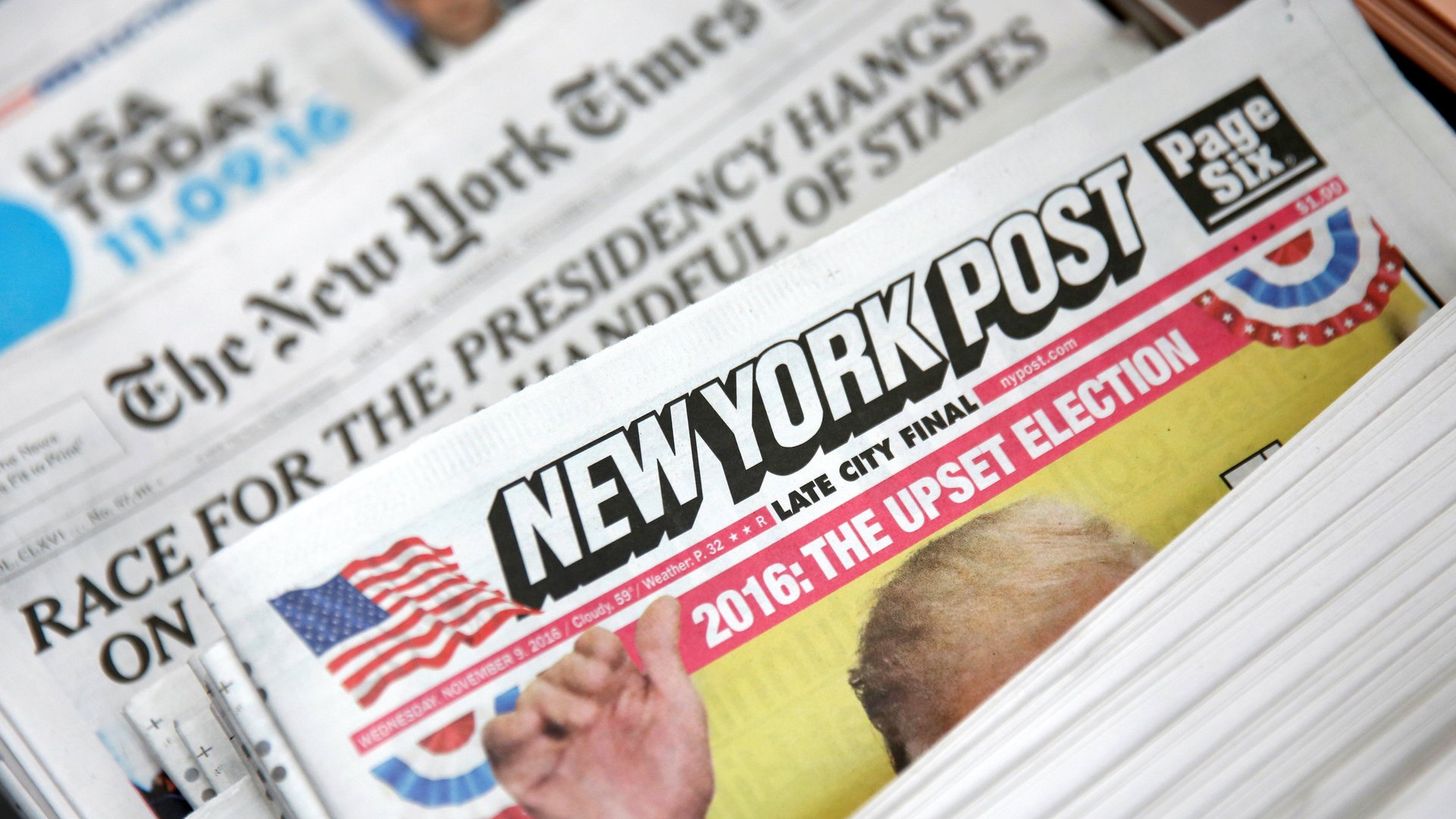
The New York Times should accelerate the shift underlined in its latest quarterly results: reconsidering the daily print product and moving aggressively abroad.

The NQS project I started at Stanford this year is part of a series of new initiatives aimed at tackling misinformation.

If Amazon decides to cough up $9 billion for the corporate messaging app Slack, it will pay the equivalent of nine times the valuation of a Netflix customer, or four times the price of a New York Times subscriber—two companies that managed to build actual barriers to entry.

Next year, will see a major offensive from Google and Apple against the worse parts of the advertising world. It will be tricky for Google, bound to appear as judge and jury. Expect many casualties. But the entire ecosystem will benefit from these initiatives.

It seems every election is likely to be disrupted by some form of hacking and the subsequent spread of fake news and stolen documents. Unfortunately, the problem won’t go away.

After the first round of the French presidential election, the odds favor Emmanuel Macron. Even in this case, France has profoundly changed, making necessary reforms difficult.

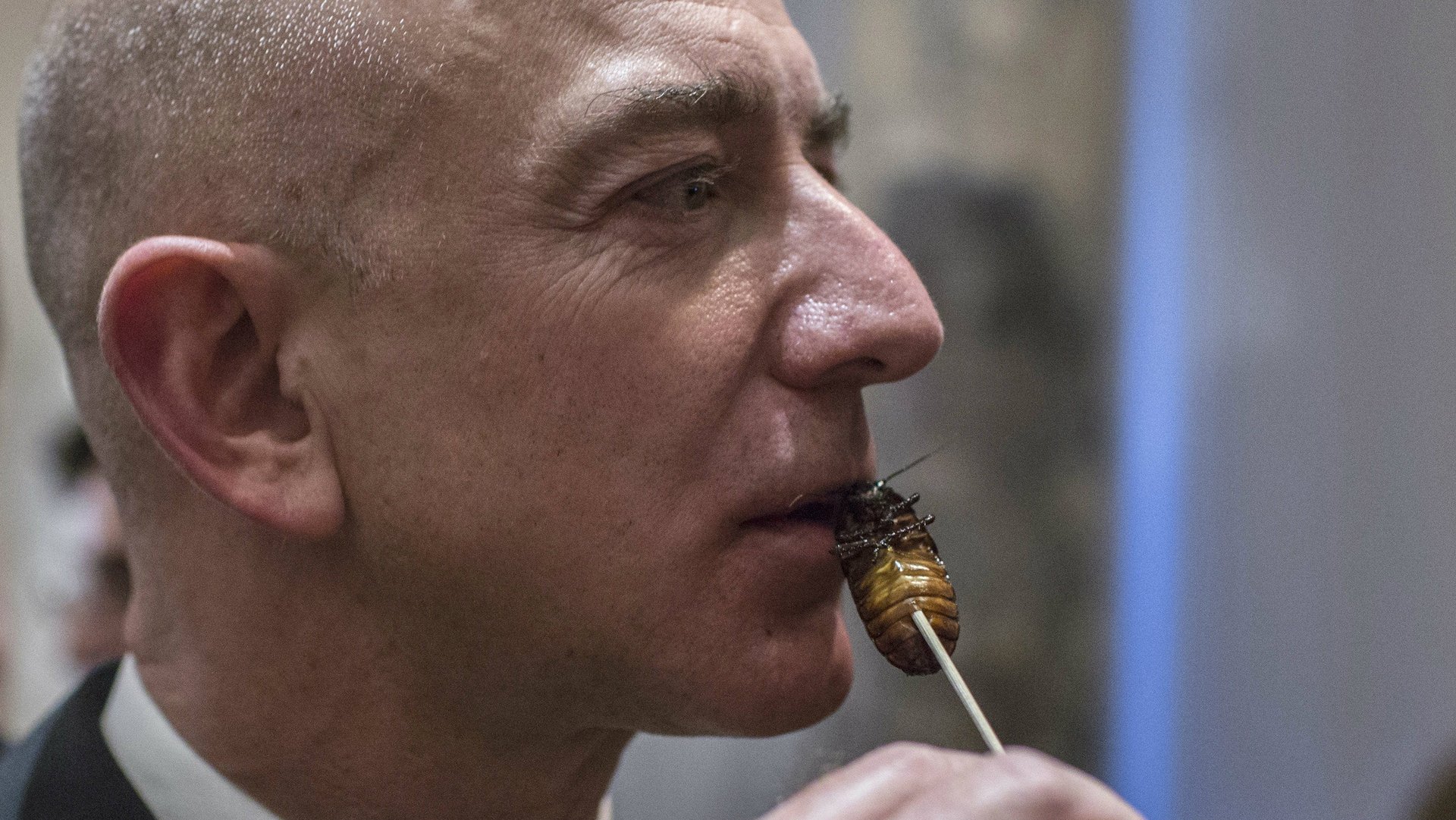
Amazon’s CEO annual letter to his shareholders is a must-read. Customer focus, decision-making, or the importance of writing important things down… Here are my takeaways from Jeff’s latest.

A simple look at the components of an HTML page tells a lot about the reliability of its contents. Problem is, distribution platforms don’t bother looking at those signals. (Part of a series about my News Quality Scoring Project.)

Working on a quality score for publishers and authors is an effective way to mine quality from the web—and to fight fake news. To do this, we need to find, combine, and weight the right “signals.”

By applying their technology to the publishers’ antiquated subscription systems, the two internet giants could help create a sustainable news ecosystem.

Several forces are pushing value-added news toward subscription-based models. Seizing the opportunity will require major changes—such as developing a strong customer culture. There’s a long way to go.

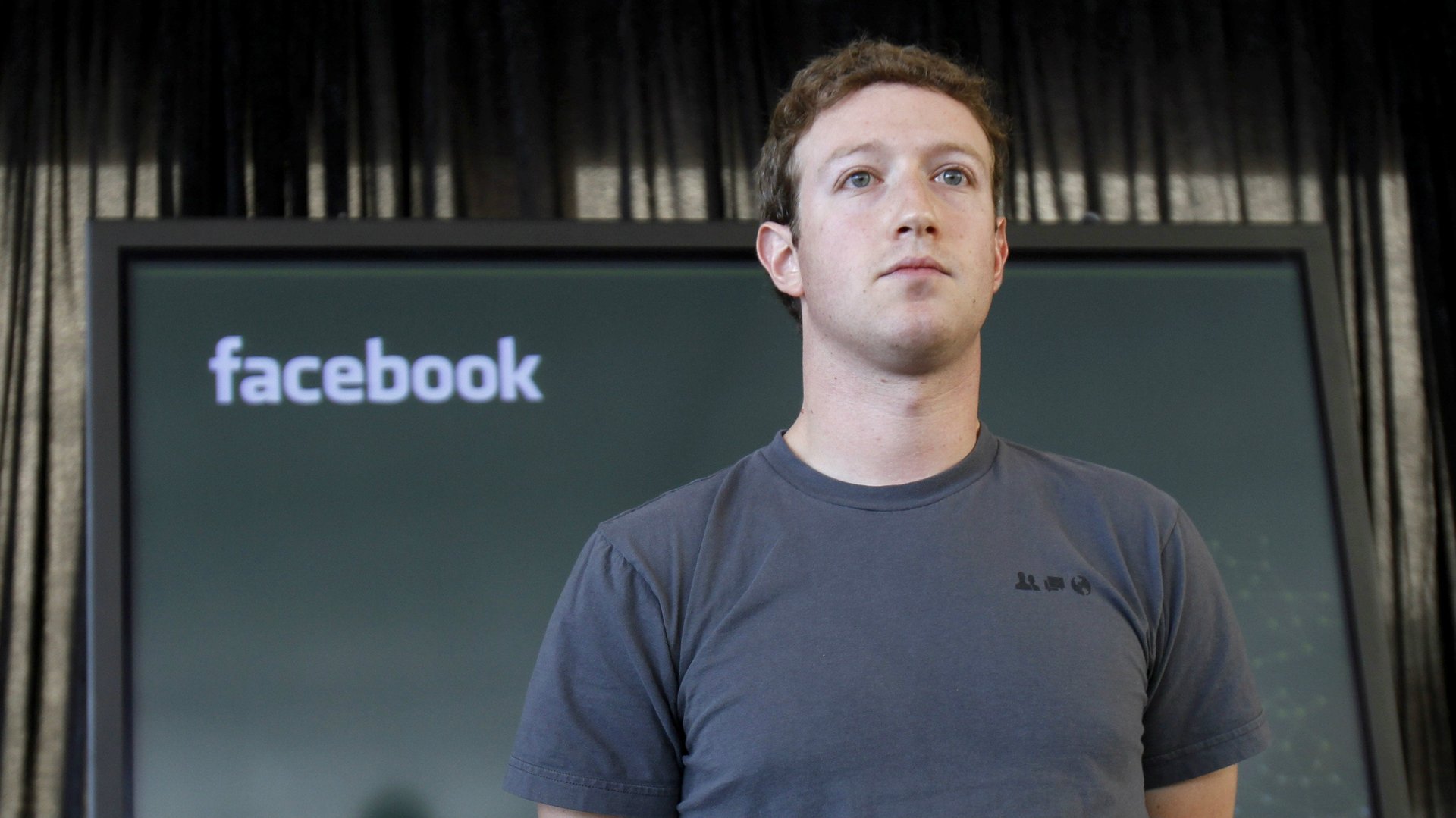
Facebook had to do something for the news ecosystem. But its freedom of movement is limited by the structure of its revenue stream. Hence a project that blends cynicism and naïveté.

There is a need for platform such as Medium. Its only way up is monetizing quality using a two-sided, paid-for system.

Setting aside the need to fix its current PR nightmare, Facebook has no objective interest in fixing its fake stories problem.

Once an editorial piece is published, it carries “signals” that express its quality. But the reliability of these indicators varies widely.

Last week, we explored the absurdity of digital news economics, plagued by its absolute disregard for any notion of quality. An obvious question follows: For a piece of information, how do we define quality? How do we convert a subjective concept into numbers or metrics?

Unlike its physical world ancestor, online publishing fails to reward investments in production and content quality. We urgently need to reconsider the error.

As long as digital publishing flattens the business value of content, there is little hope to improve the economics of news publishing. The problem needs to be addressed.

Facebook’s latest content blunder involves a Norwegian newspaper and an iconic photograph. It is the perfect example of the social network’s inability to deal with its responsibilities as a dominant news distributor.

When reading this 800-word Guardian story—about half a page of text long—our web browser loads the equivalent of 55 pages of HTML code—almost half a million characters. To be precise: an article of 757 words (4667 characters and spaces), requires 485,527 characters of code:

Exactly like climate change keeps bringing more droughts and floods, the way news is consumed on social will lead to greater instability and accidents—and collateral damage to democracy.

No one seems happy with Facebook’s recent algorithm change. The anger is growing among those who put too much faith in the giant social network’s ability to monetize news content.

Britain’s vote to leave the EU will send ripples through the tech world—mostly negative ones. As for the media establishment, it should pause and reflect on its responsibility in this historic accident.