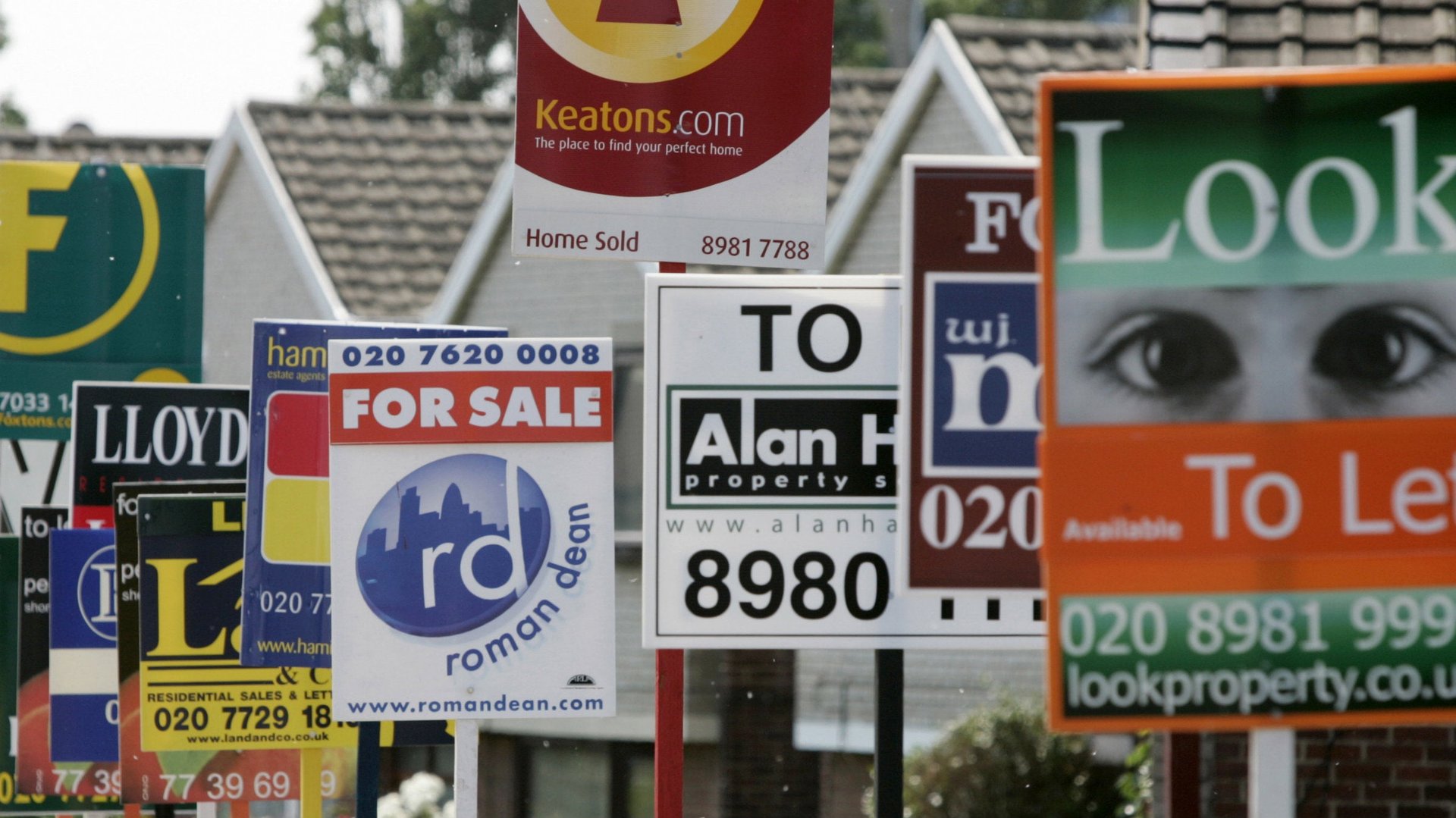
At the best of times, Brits find it hard to talk about much beyond house prices and the weather. But the country’s turbo-charged property market, particularly in London, has pushed grumbling about the rain out of casual conversation of late.

At the best of times, Brits find it hard to talk about much beyond house prices and the weather. But the country’s turbo-charged property market, particularly in London, has pushed grumbling about the rain out of casual conversation of late.

For the better part of two years, Argentina has been a byword for bad government finances. And investors have bet that it was the country most likely to default on its debt. More than Venezuela, Ukraine, and other wobbly sovereigns, markets figured that Buenos Aires would lose its long-running battle with hedge funds over bonds issued before its previous default, in 2001, and be forced to renege on debt it has issued since.

A bill submitted to the British parliament today would ban a practice that it’s hard to believe exists in the first place—contracts that do not guarantee employees shifts, yet prohibit them from working anywhere else. Some 125,000 largely low-wage workers are locked into so-called “zero-hours” contracts that feature what are essentially non-compete clauses.

We’ve said it before and we’ll say it again—the route to riches in the tech sector passes through the CFO’s office. And that seems to be doubly true for women in a notoriously male-dominated industry.

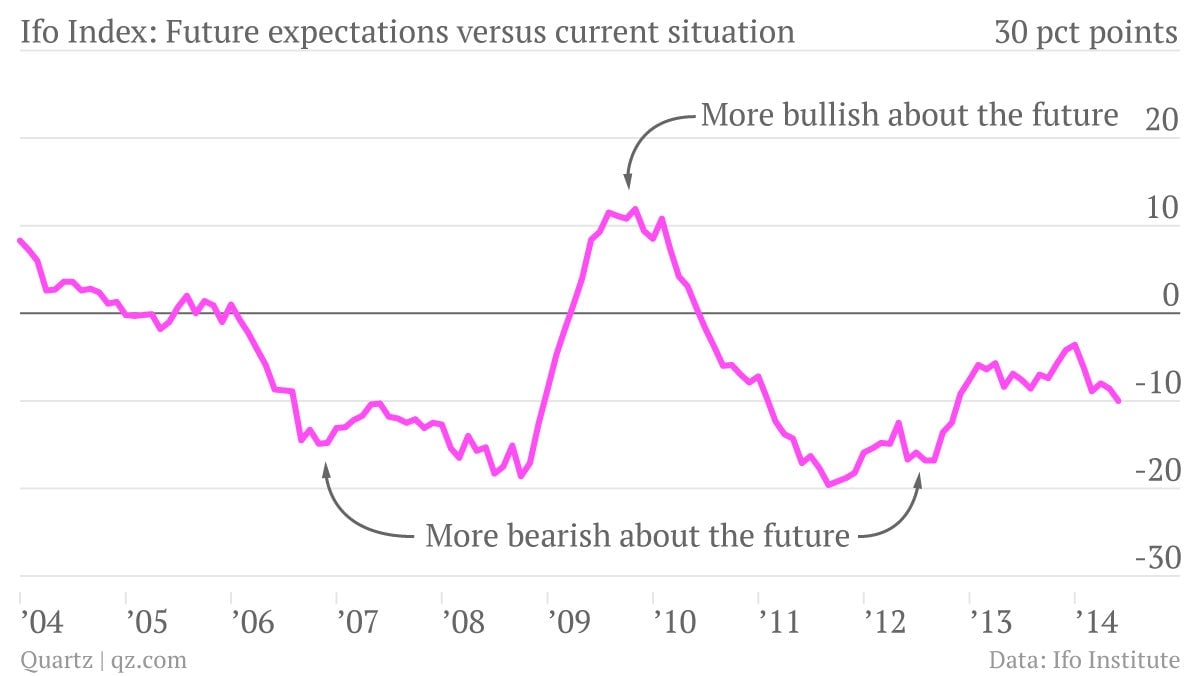
The last time we checked in on German business leaders, they were in a somewhat grumpy mood. Business wasn’t bad, per se, but managers were pretty gloomy about the future. In fact, this seemed to be their natural state—confident about the present but fearful for the future.

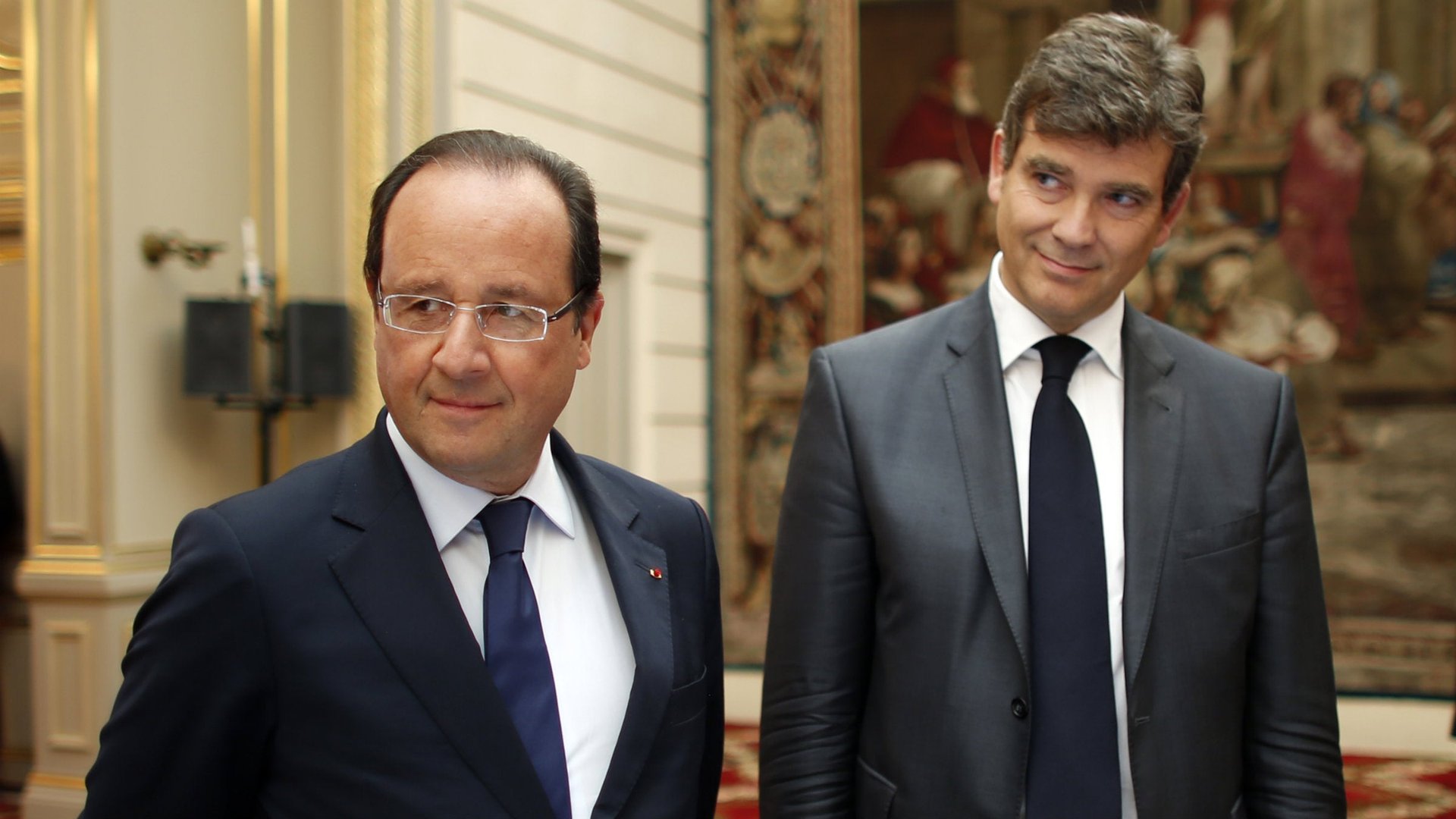
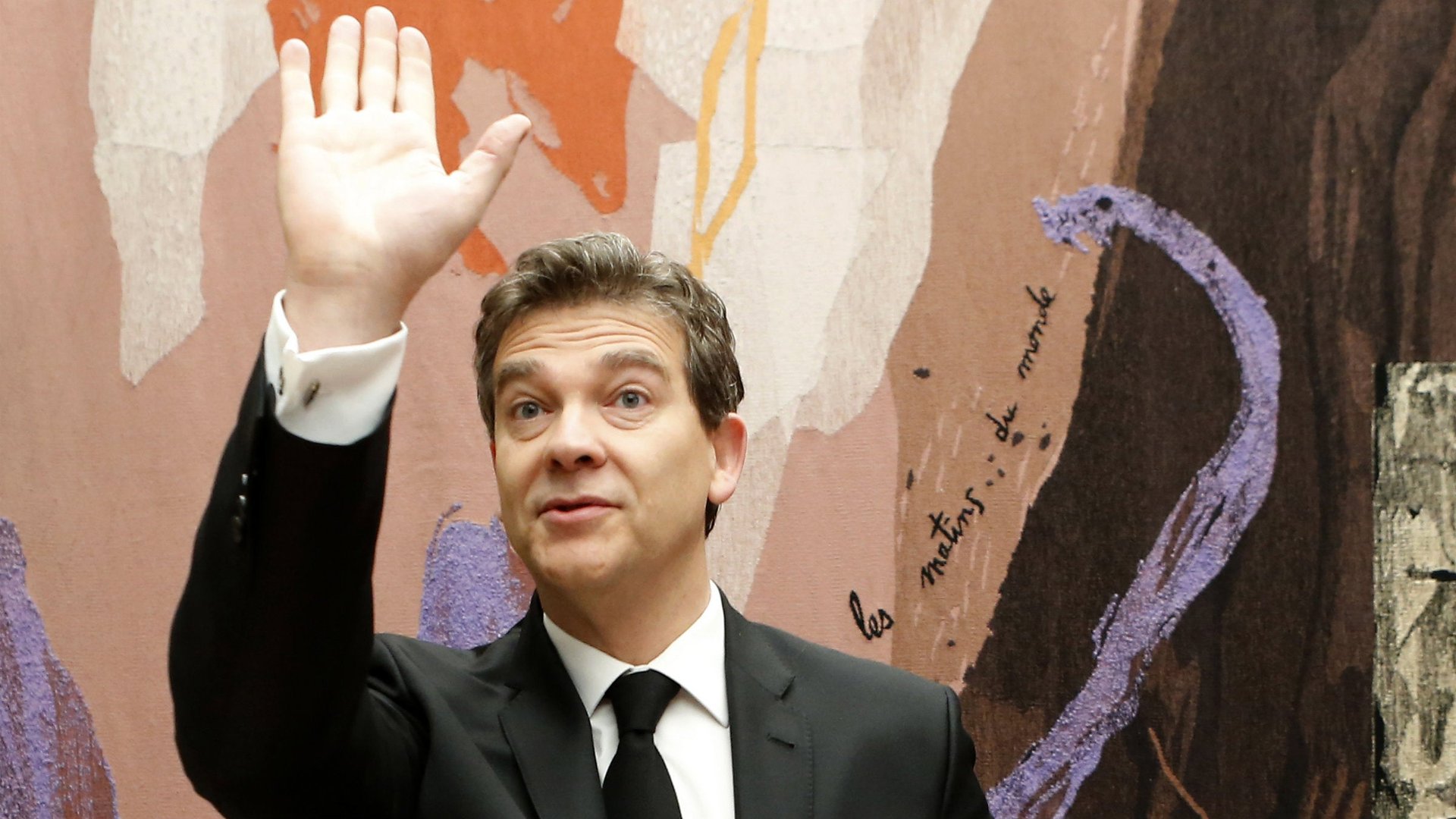
In the end, Arnaud Montebourg wanted in on the action. What clinched GE’s bid for Alstom’s energy business, it seems, was an agreement for the French state to buy a 20% stake in what was left of the company following the deal.

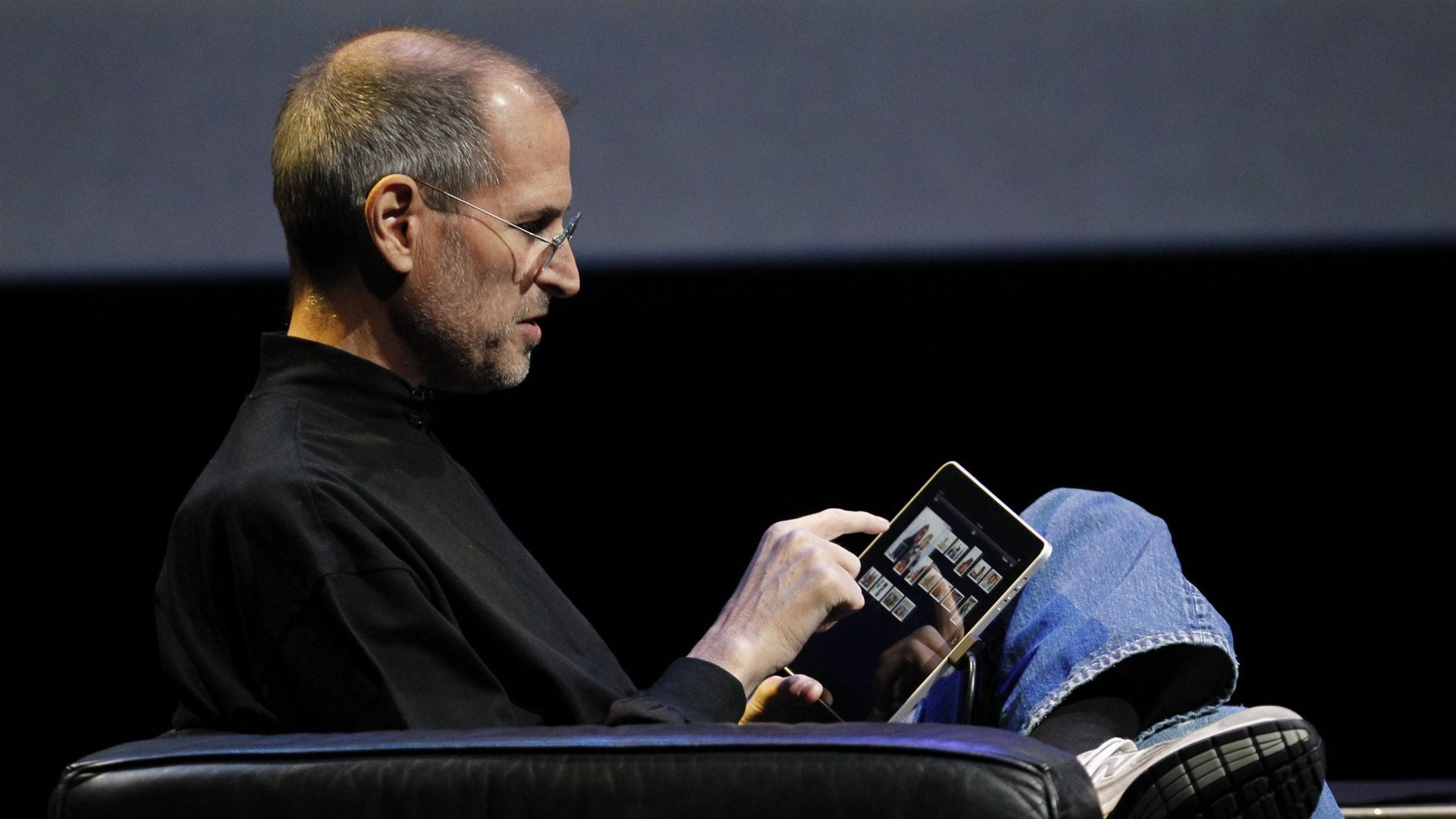
The last time Foxconn’s share price hit this level was in early 2010, around when Steve Jobs took the stage in January to announce the very first iPad (which shipped a few months later, in April). Foxconn—listed as Hon Hai Precision Industry on the Taiwan stock exchange—manufactures the majority of Apple’s electronics in China. Back in early 2010, people suspected Apple was on the verge of releasing a tablet computer of some sort, but Apple was a tighter ship those days, with fewer leaks. Still, there seemed enough believable rumor at the time to drive up the value of Foxconn’s stock:

“We see the upsides where others see the downsides.”

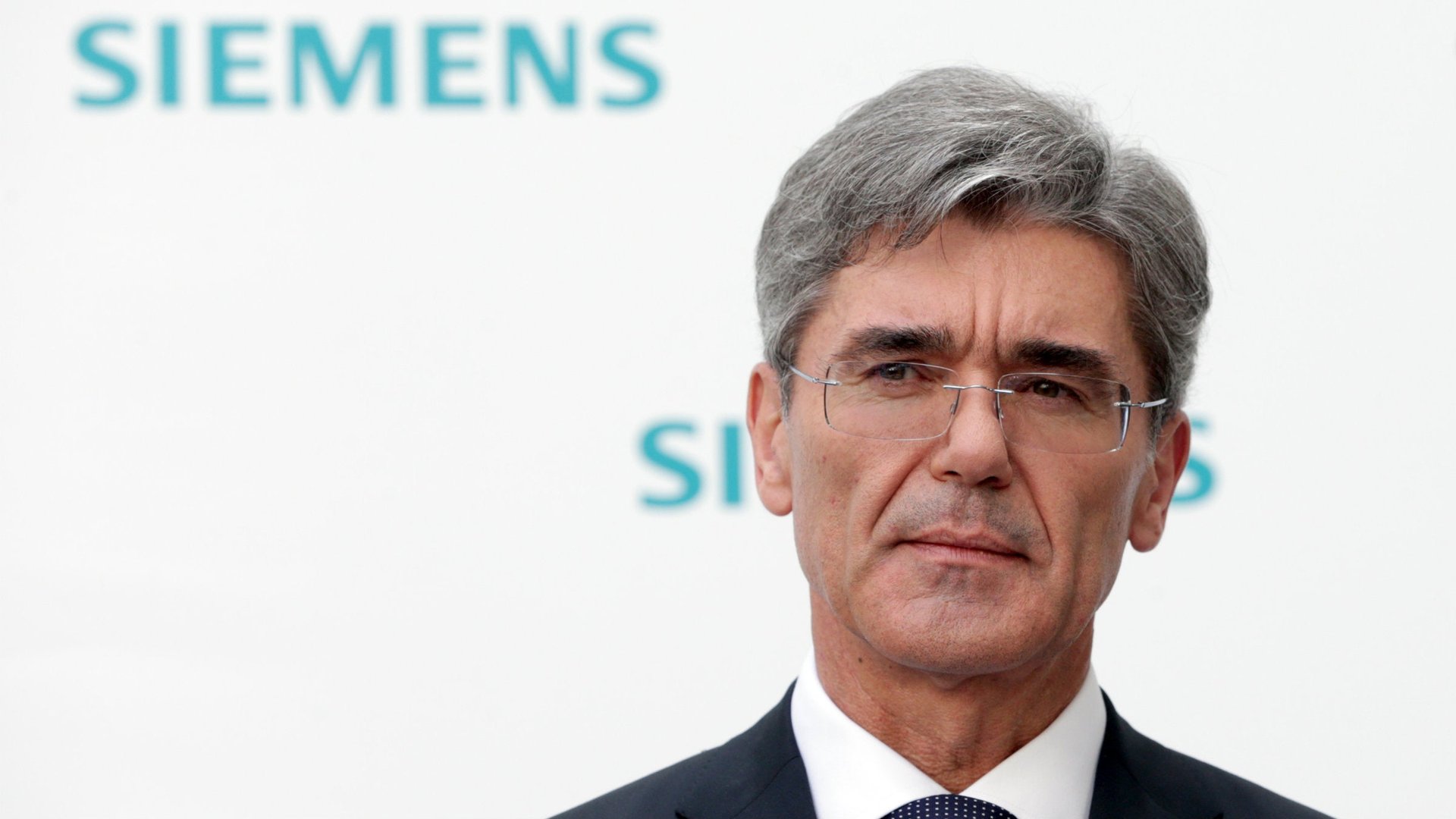
Directors at the French industrial group Alstom will consider competing offers for parts of their business this weekend. That’s because a $16.9-billion offer by GE for Alstom’s energy operations expires on Monday (June 23). Also on the table is a joint proposal from Siemens and Mitsubishi Heavy Industries, which they say values Alstom’s energy business more highly but features less cash than GE’s offer.

For Jean-Paul Sartre, hell was other people. Many in Europe seem to share the French philosopher’s view.

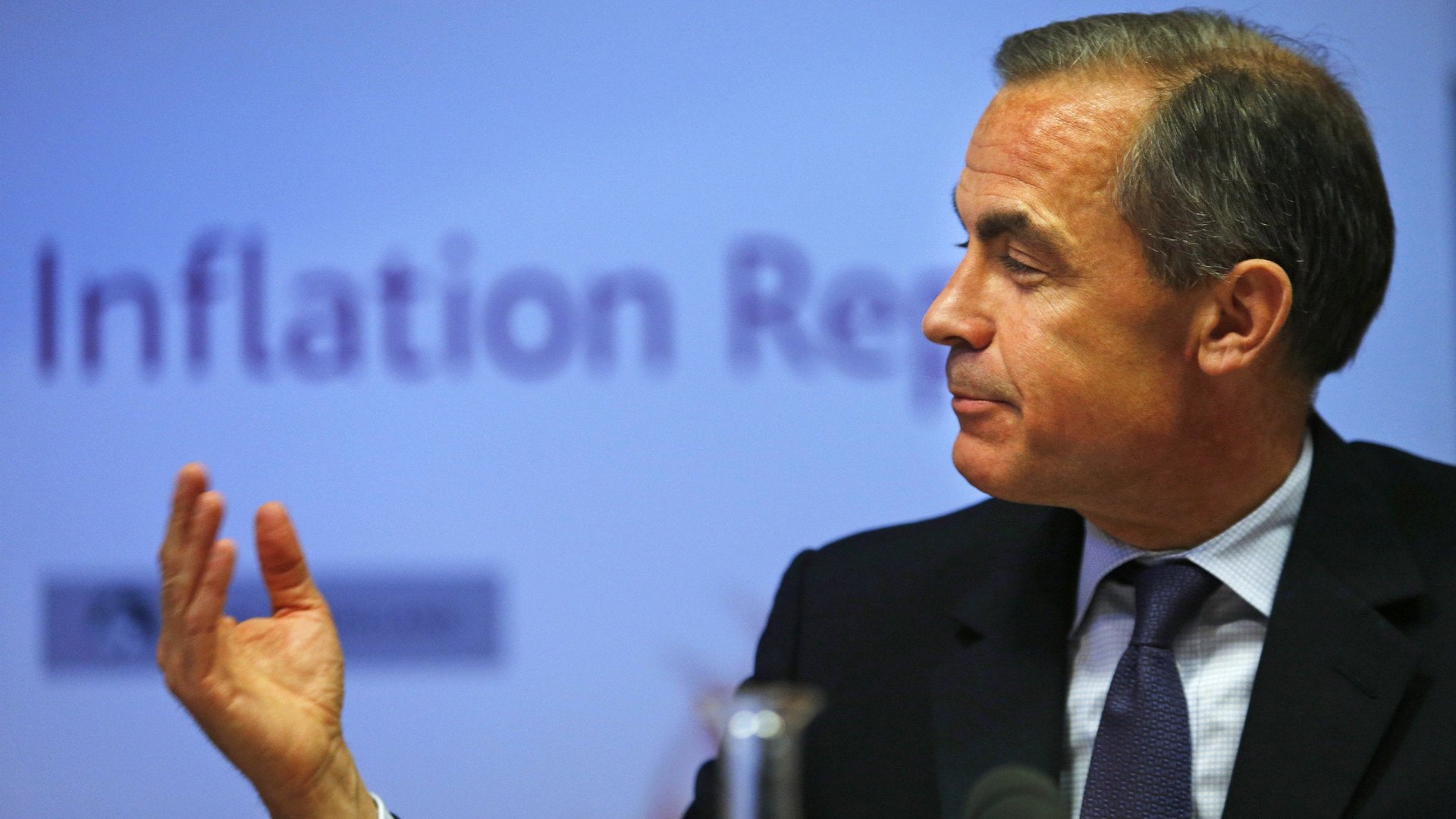
For months, Bank of England governor Mark Carney (pictured above) has been beating back suggestions that he is about to raise interest rates.

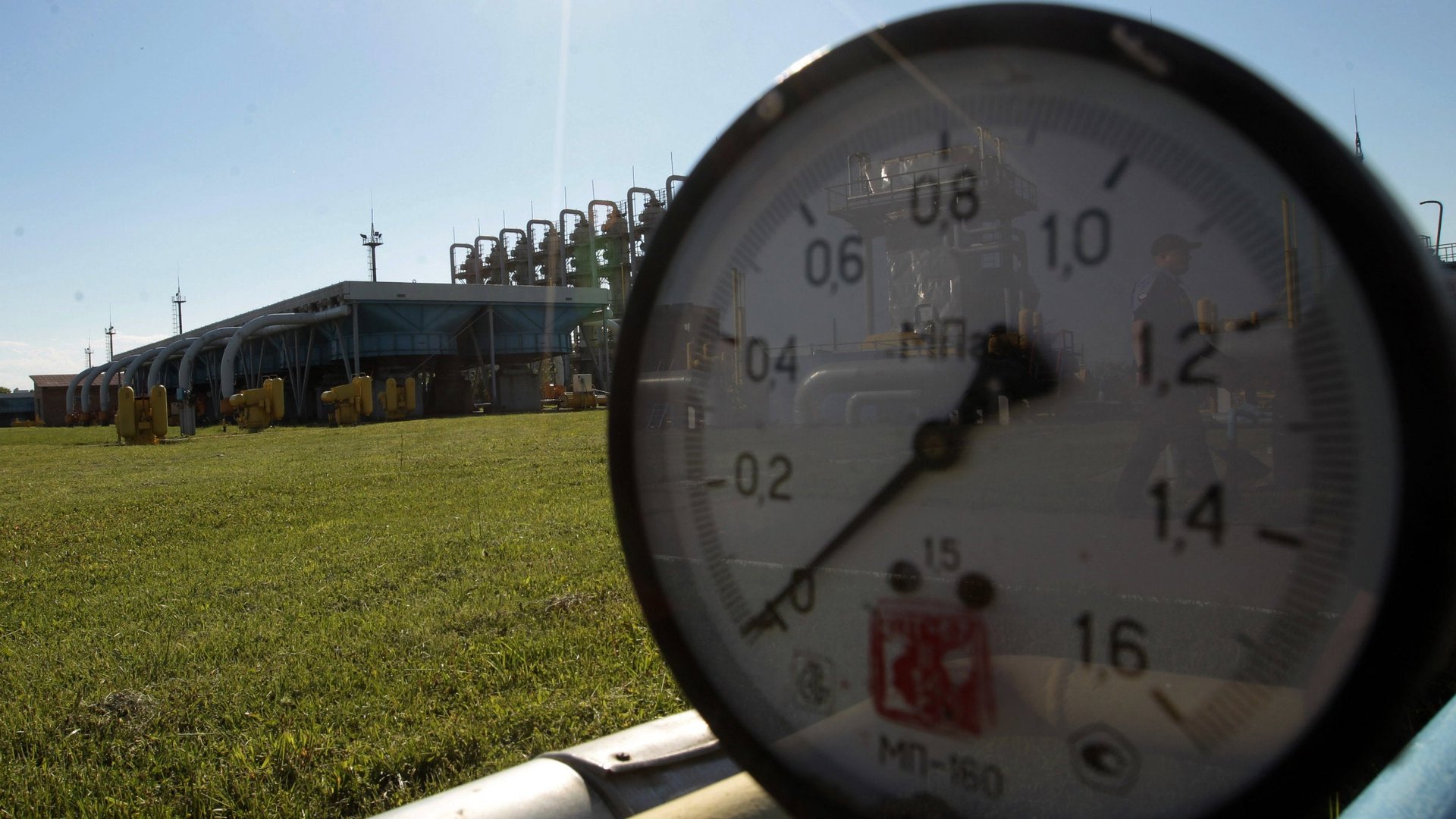
Today, the day after Russia cut off gas shipments to Ukraine, a mysterious explosion rocked one of Ukraine’s main pipelines, a key transit route for Russian gas headed for Western Europe.

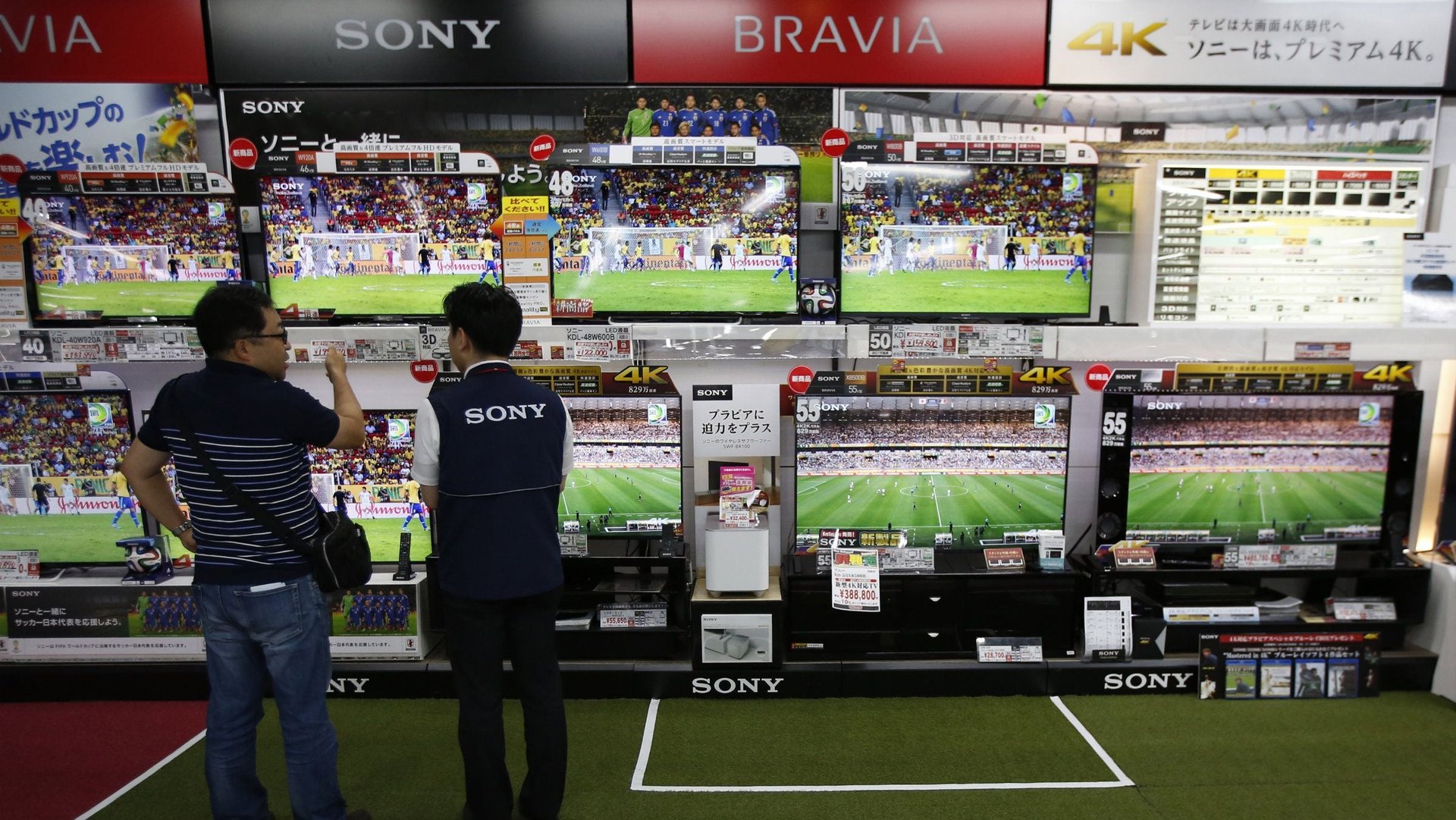
The 2014 World Cup, which some people think will be the biggest event in the history of television, will boost global advertising spending by $1.5 billion this year, according to new figures from ZenithOptimedia. The world’s biggest brands are already battling to get maximum exposure from the enormous audiences the quadrennial festival-of-the-boot attracts.

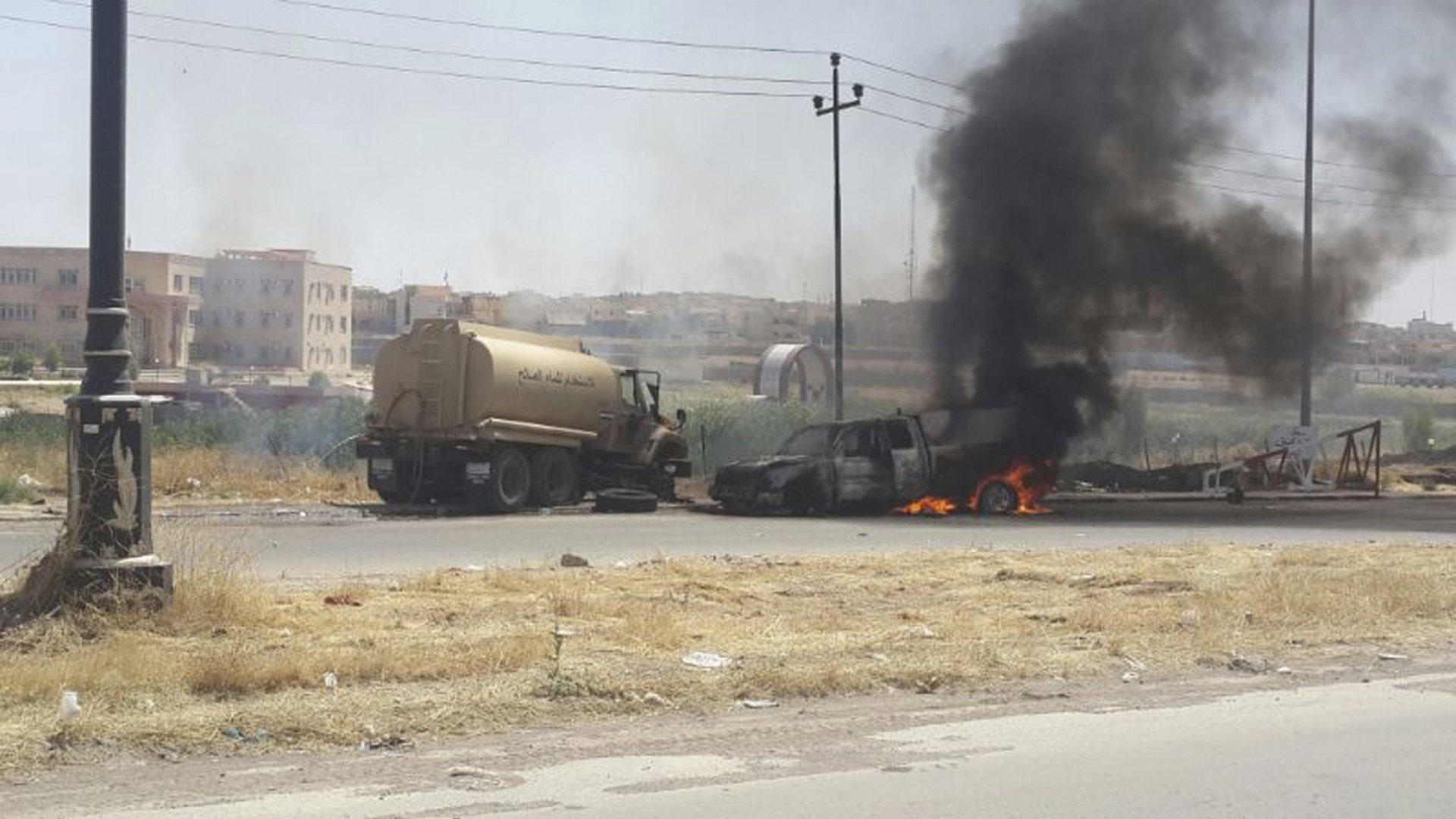
As Islamist militias march on Baghdad, markets are scrambling to assess the implications. Most obviously, the al Qaeda-inspired upheaval in Iraq means that oil prices aren’t coming down any time soon:

Until today, Ali Rowghani’s career followed a well-worn path.

Necessity is the mother of invention. Lately, small businesses in Europe have had trouble getting loans, and that has spawned a cottage industry of crowdfunding sites, peer-to-peer lenders, and other newfangled sources of finance.

Stiffer competition, worker strikes, and unfavorable exchange rates. It’s all going wrong for Lufthansa, which shocked the markets with a profit warning today. The German airline cut nearly €1 billion ($1.35 billion) from its forecast for operating profit this year and next, pushing its shares sharply lower; they were down more than 14% at the time of writing:

Jonathan de Guzmán was born in Canada to a Filipino father and Jamaican mother. Naturally, he will represent the Netherlands at the World Cup.

Earlier this week, Jeff Immelt, the CEO of the US conglomerate GE, was summoned to France’s parliament to speak to nervous lawmakers about his company’s $16.9-billion bid for the power division of Alstom, the Paris-based industrial group with 86,000 employees. He pledged to French president François Hollande to create 1,000 new jobs in the country within three years of a deal, a key concession to a government fearful about its sputtering economy.

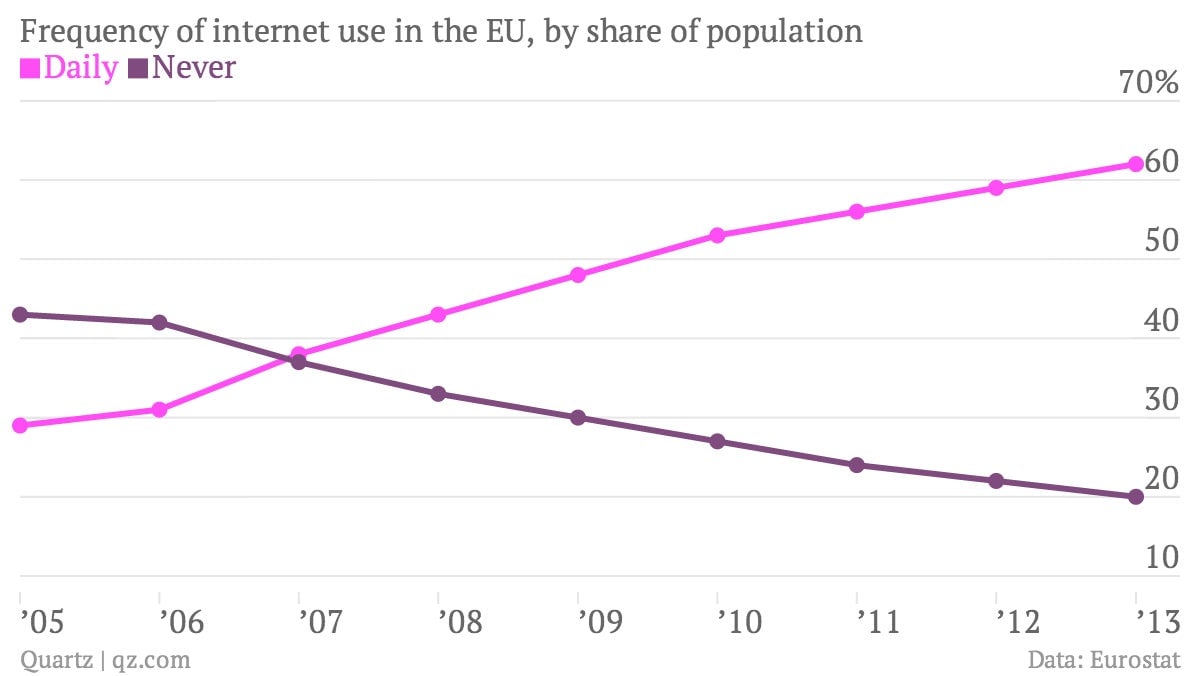
“Most Europeans now live digital lives and they are hungry for more,” says European Commissioner Neelie Kroes. Indeed, 62% of people aged 16-74 in Europe use the internet every day, according to the EU’s latest “digital scoreboard” recently unveiled by Kroes.

Of all the accounting concepts, revenue seems like the simplest. When a customer pays you for a product, you record it as revenue.

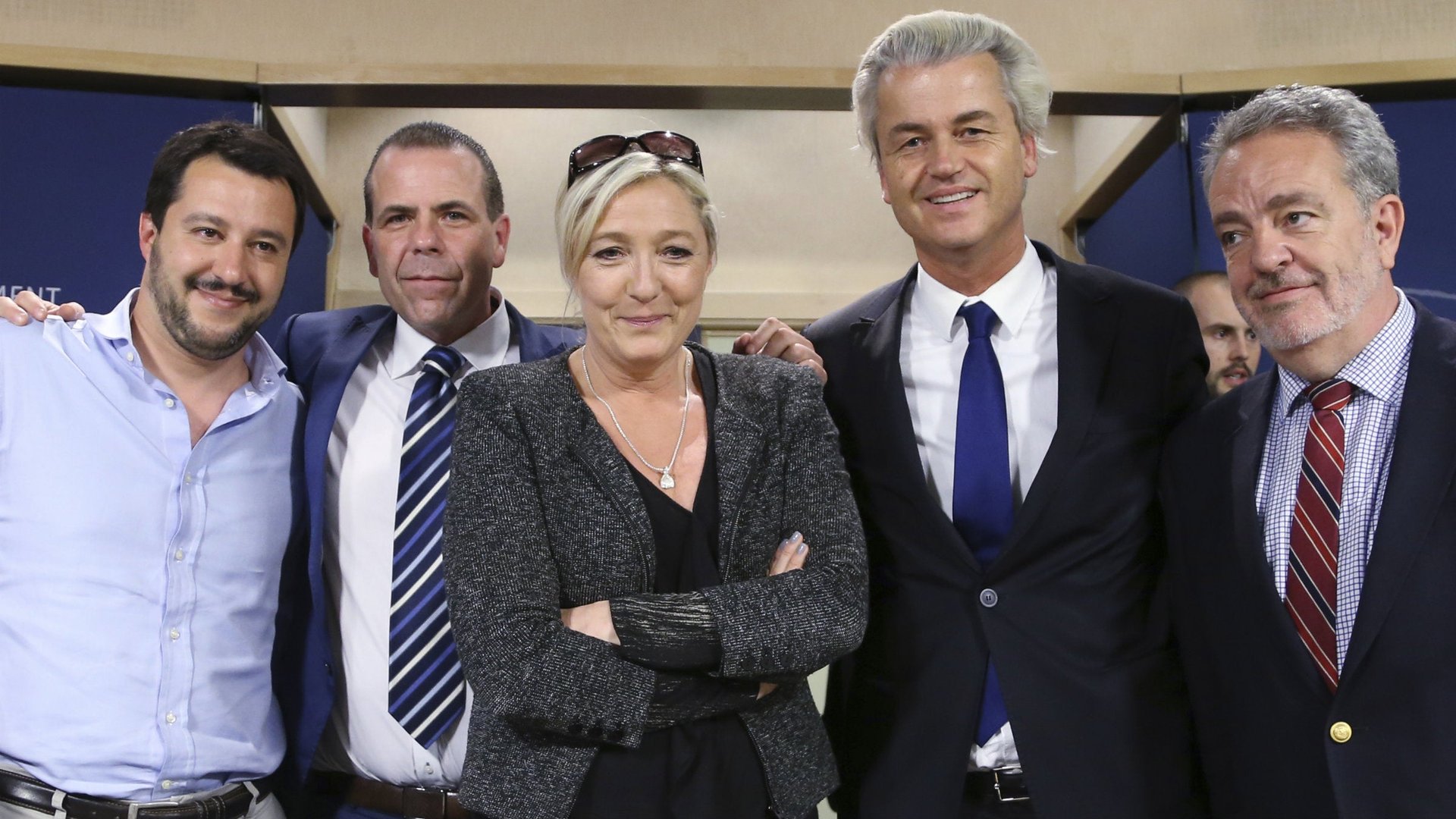
Traditional centrist political parties were shaken by the euroskeptic “earthquake” that saw far-right upstarts capture a big share of the vote for the European Parliament last weekend. Nearly a third of incoming deputies in the chamber will be anti-EU “malcontents,” according to think tank Open Europe.

Amid the wreckage of the euro zone’s financial industry, it’s important to celebrate small victories. So raise a glass to the latest European Central bank data (pdf) on lending, which showed private-sector loans falling by only 1.8% in April, up from a 2.2% decline in March.

Here’s the latest sign that uranium-mining doesn’t pay: Paladin Energy, an Australian uranium mining group, announced today that it was ceasing production (pdf) at a key mine in Malawi. The move will take 3.3 million pounds of uranium per year off the market.