
Lifestyle
Host your own $1,000 Goop-style health retreat for almost freeSubscribe to the Quartzy newsletter to receive this in your inbox each Friday.
Updated July 21, 20227 min read
Subscribe to the Quartzy newsletter to receive this in your inbox each Friday.
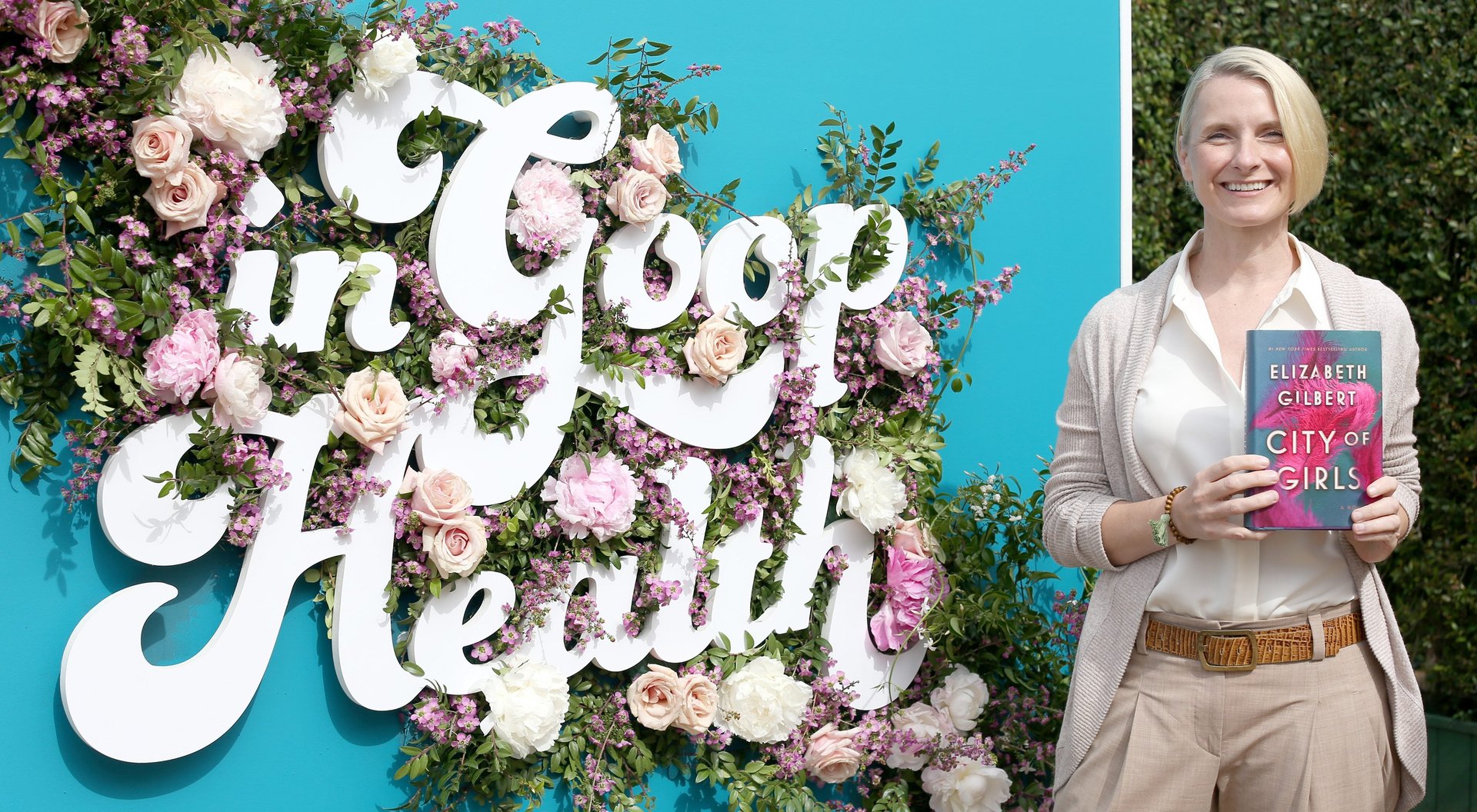
I have been a professional writer for more than a decade, but pretty much every time I sit down at my computer, my chest tightens. If I’m writing something personal, it’s worse. It’s happening right now. But if I want to keep doing this job, I have to live this fear. So just now I tried something different: I offered my fear a seat at the table where I’m working and suggested, in the manner of my grandmother, that it lay down its head for a few minutes.
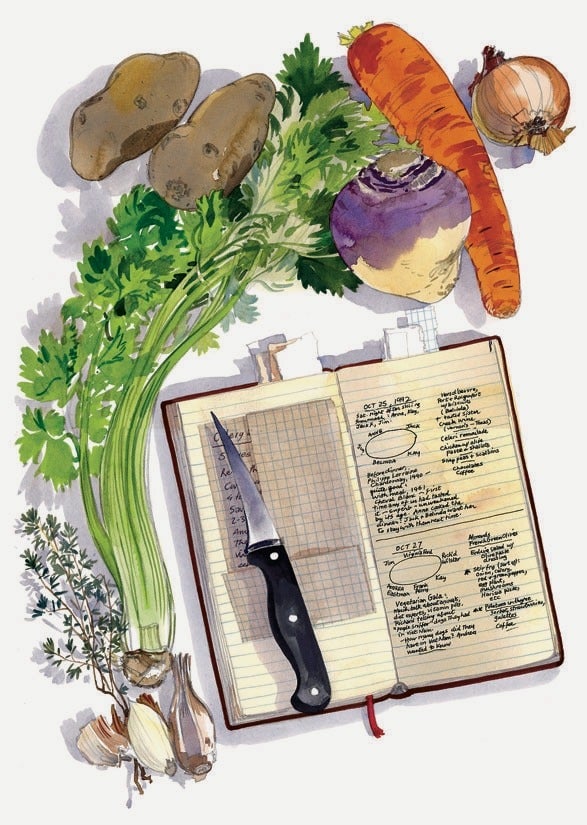
Earlier this spring, my husband and I had what I’d modestly describe as a triumph of a dinner party.
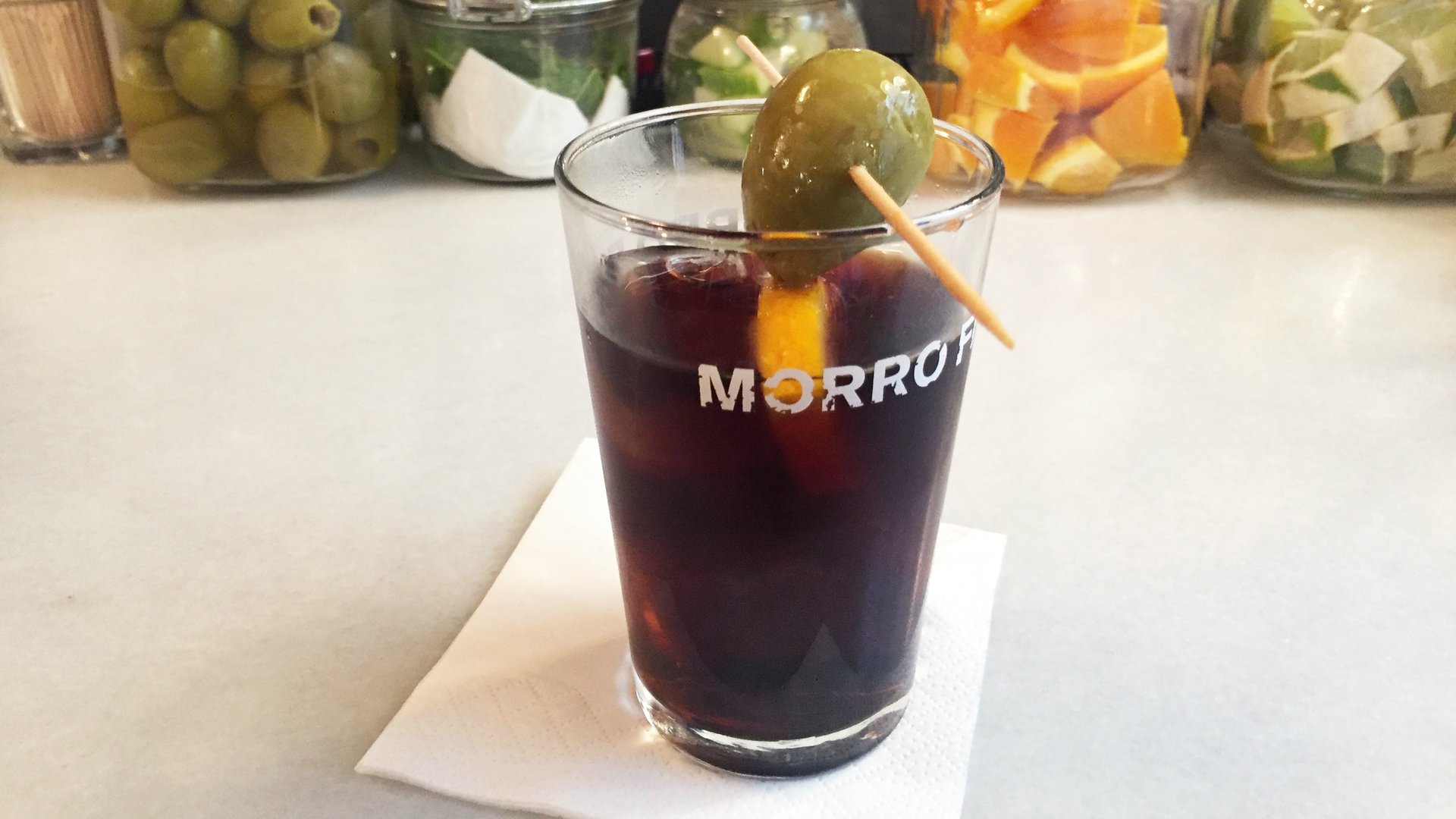
The wonderful tradition of the spritz—the Italian aperitif that mixes Prosecco, bitter liqueur, and soda into an effervescent, low-proof potion for happy hour magic has taken the world by storm in the last few summers.

Once upon a time, the only way to find out how a particular strain of marijuana would make you feel was to go ahead and smoke it.

Subscribe to the Quartzy newsletter to receive this in your inbox each Friday.
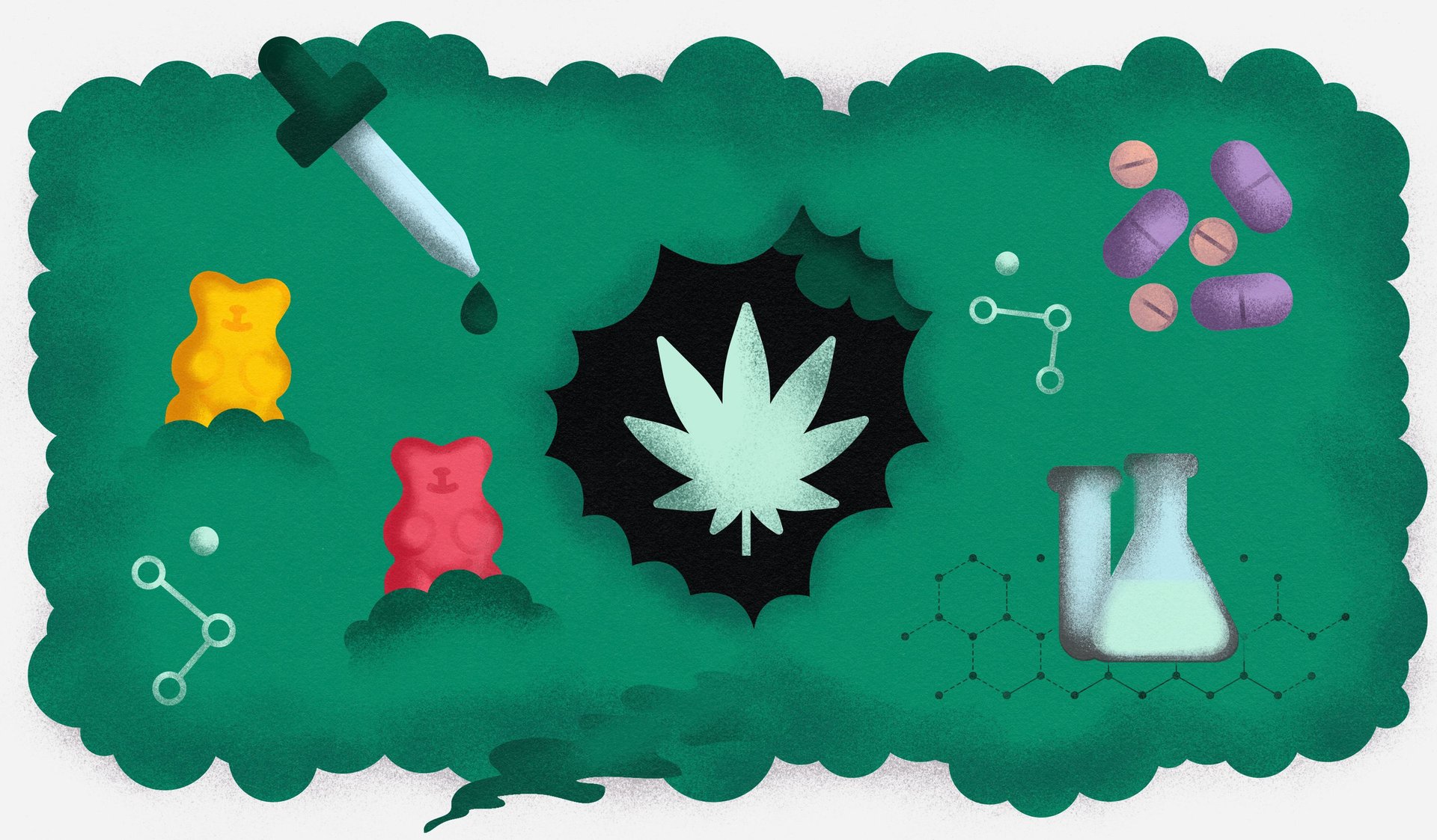
Perhaps you’ve heard a lot of people are using CBD.

Just shy of a couple centuries ago, Notre Dame was in such a state of disrepair and so deeply unpopular with Parisians that Victor Hugo felt compelled to write a book in its defense. Published in 1831 in France, The Hunchback of Notre Dame was originally titled Notre-Dame de Paris, leaving no ambiguity about its true subject.

Americans are anxious. We’re suffering from economic anxiety, political anxiety, social media overload, neuroexistentialism, and plain old FOMO. And in CBD, many hope to find a cure for this modern condition.

Subscribe to the Quartzy newsletter to receive this in your inbox each Friday.
Subscribe to the Quartzy newsletter to receive this in your inbox each Friday.
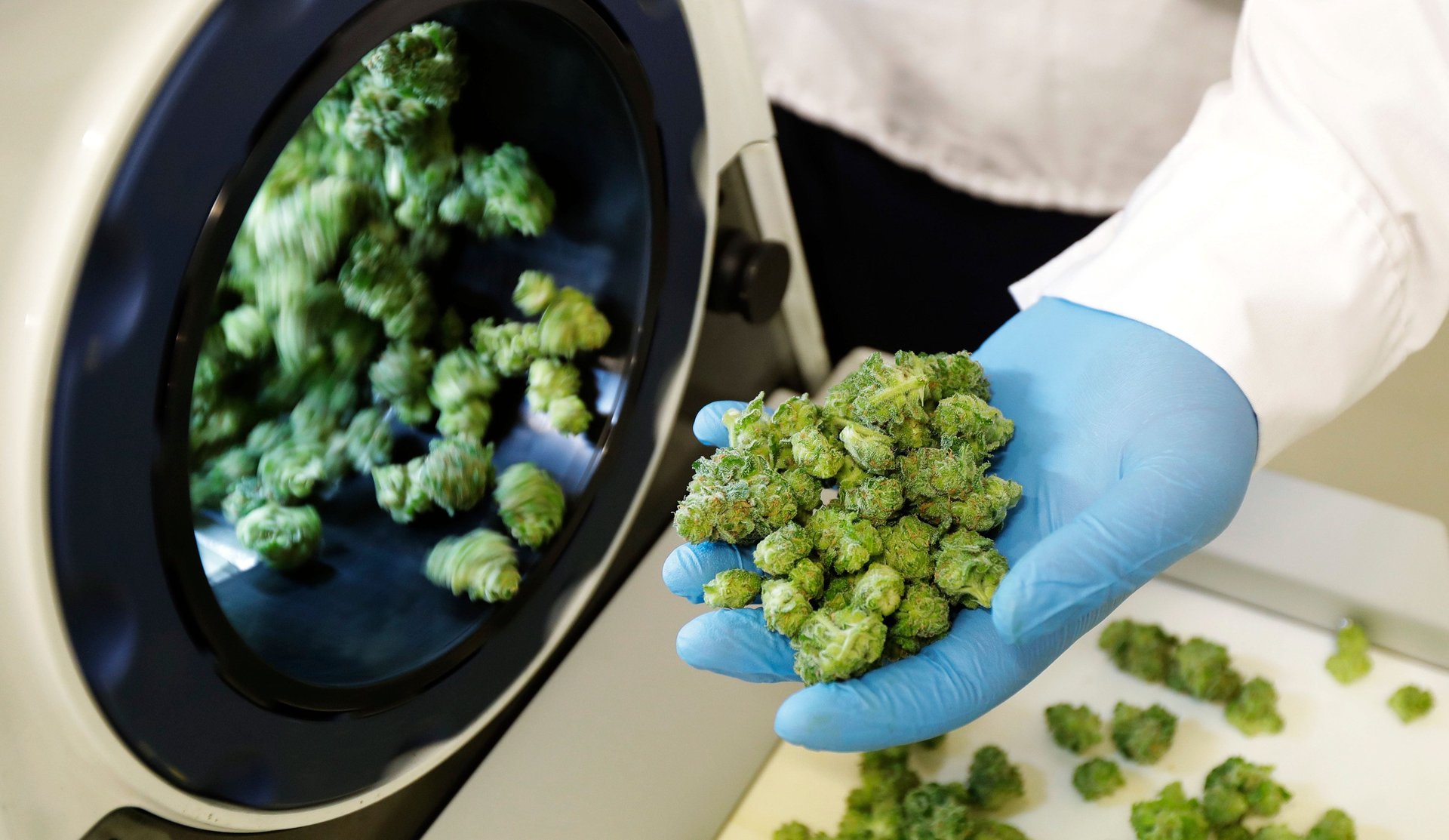
Once upon a time, US cannabis culture—and the industry supporting it—was decidedly anti-corporate, the realm of outlaws. That was because most uses of cannabis were, in fact, outlawed. Today, as legalization spreads, the cannabis industry is attracting attention from deep-pocketed financiers and big corporations. And when it comes to big money flowing into the industry, 2018 was the year the dam broke.
Country Club Cannabis, with its logo of a cannabis leaf on a preppy coat-of-arms and slogan “exclusive by design,” could easily be one of the many new luxury cannabis companies selling products at MedMen or the new High End shop at Barneys in Beverly Hills. “Luxury for the few” it proclaims, promising an “elite view on cannabis,” and “the privilege to indulge.”
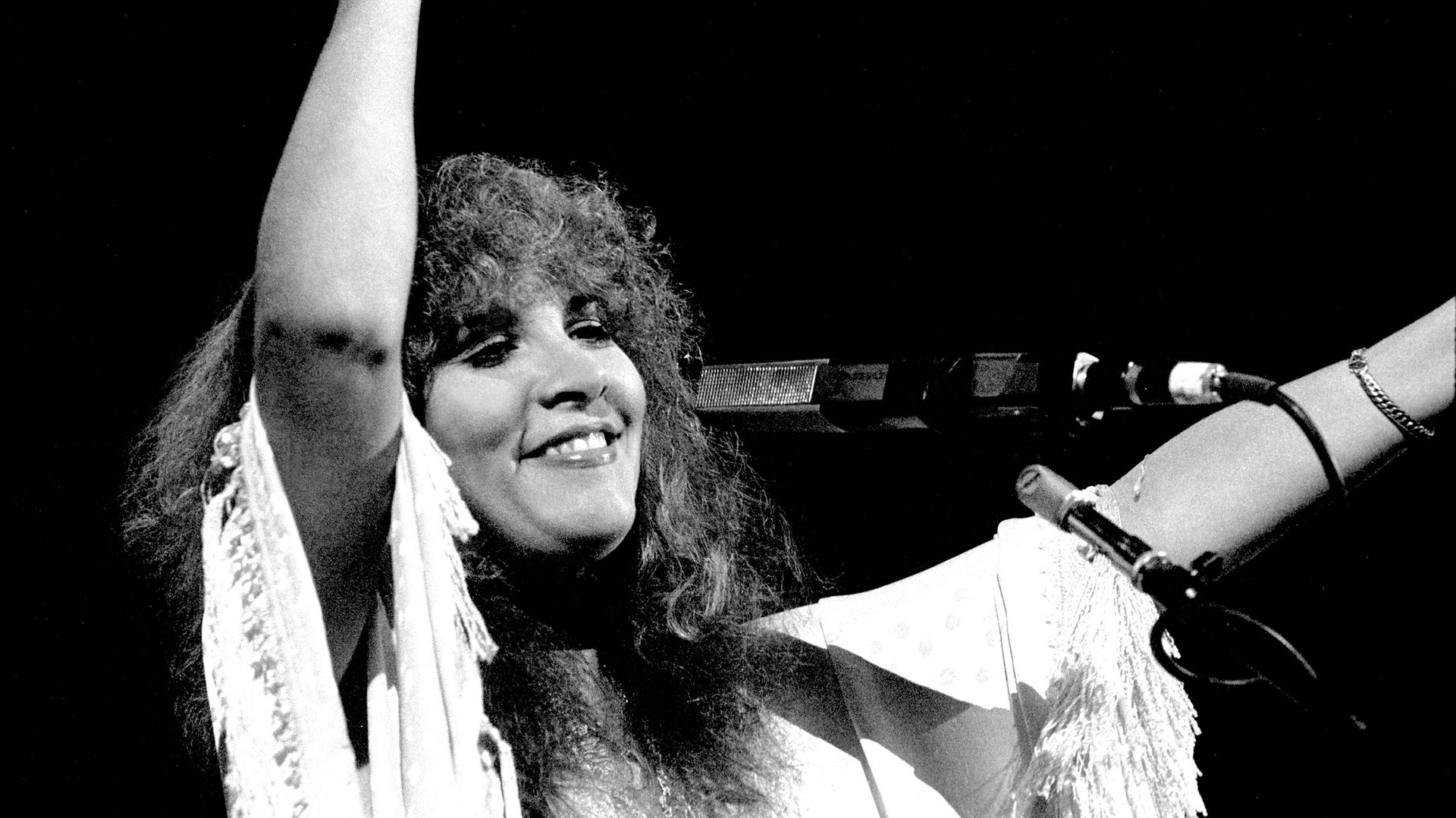
People have all sorts of ways of coping with the sort of emotional stress that requires immediate attention and can strike when they’re perhaps alone on a weekday or stuck at a computer. Some take a deep breath and count backwards from 10. Others go for a walk around the block or make a cup of tea.
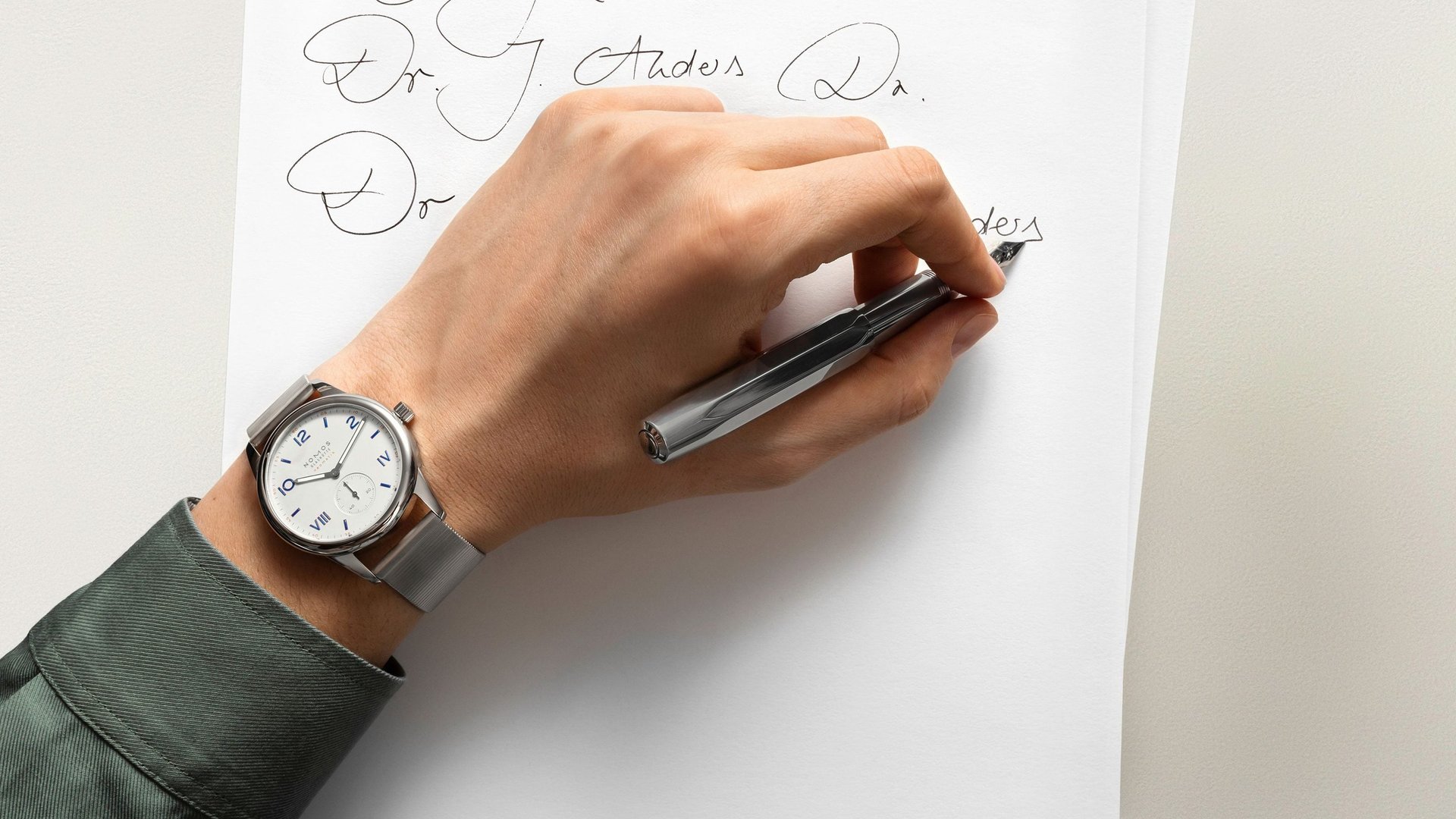
At the annual Baselworld watch fair in Switzerland, which wraps this week, many of the world’s finest watch-makers debut their new styles for the year. As the New York Times recently informed us, well-made mechanical timepieces such as these—like contemporary art, rare single malt scotch, or high-end real estate—have become a popular place for the super-wealthy to park their money.
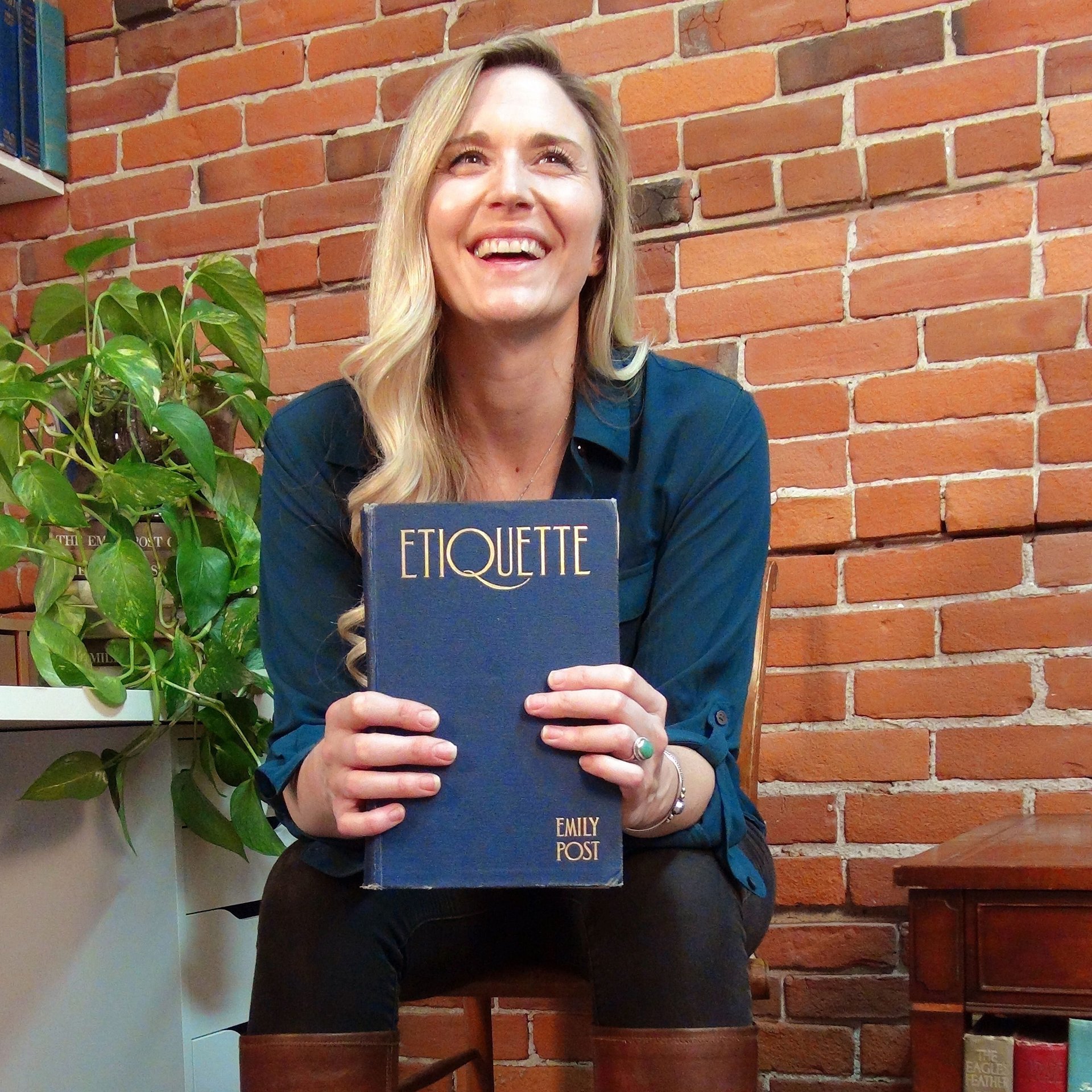
“Etiquette is the science of living,” said Emily Post, who wrote the 1922 book that is still the prevailing tome on the topic. ”It is the code of sportsmanship and of honor. It is ethics.”
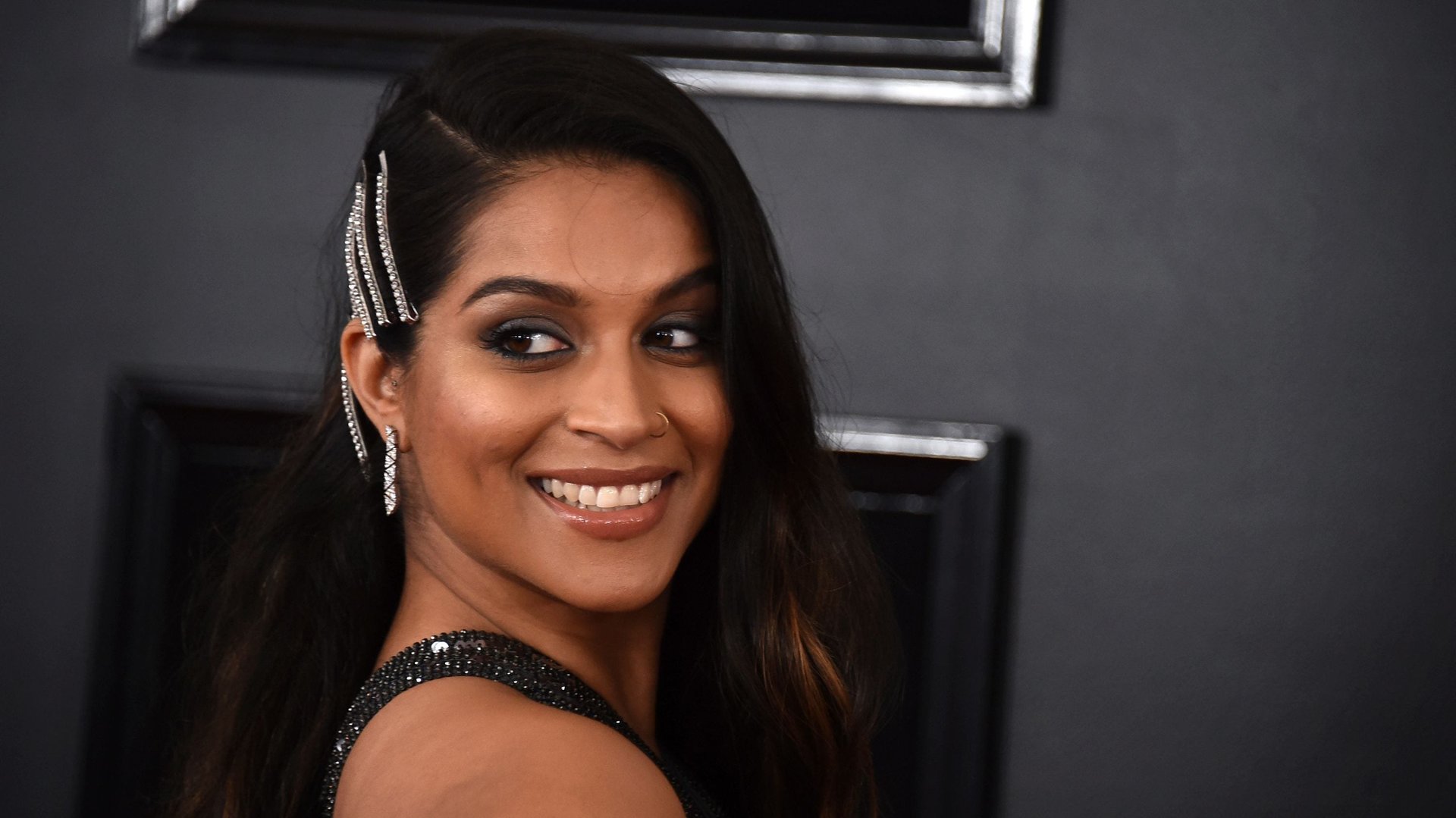
YouTube star Lilly Singh tweeted in February that being a woman of color and bisexual have been obstacles in her past. “But now,” she said, “I’m fully embracing them as my superpowers.”
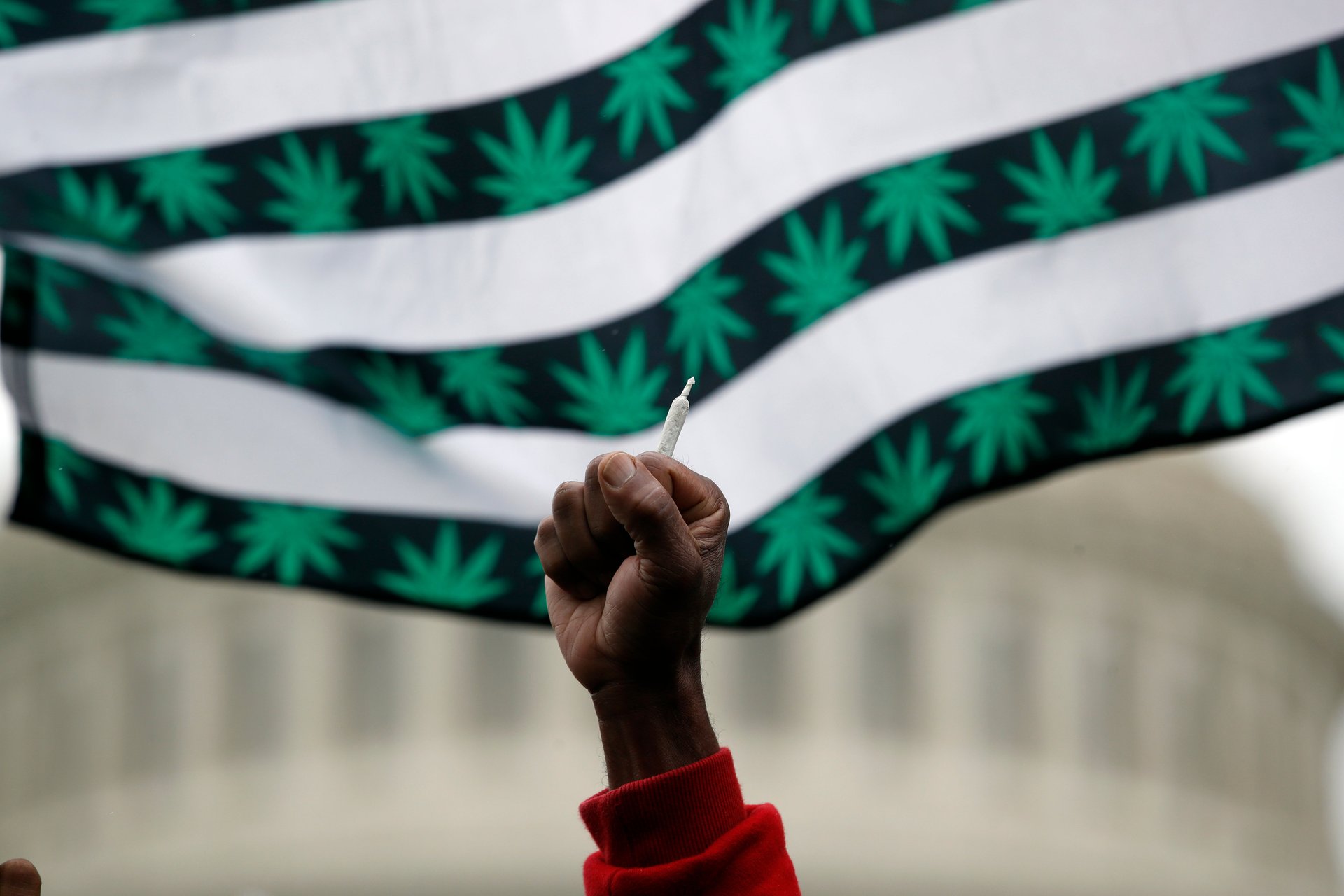
The strongest negotiator at the table is the often the one most willing to walk away. Black lawmakers in New York say they are willing to do just that when it comes to cannabis legalization, if racial equity is not explicitly written into the relevant sections of state governor Andrew Cuomo’s proposed budget when it comes before the legislature for approval by April 1.
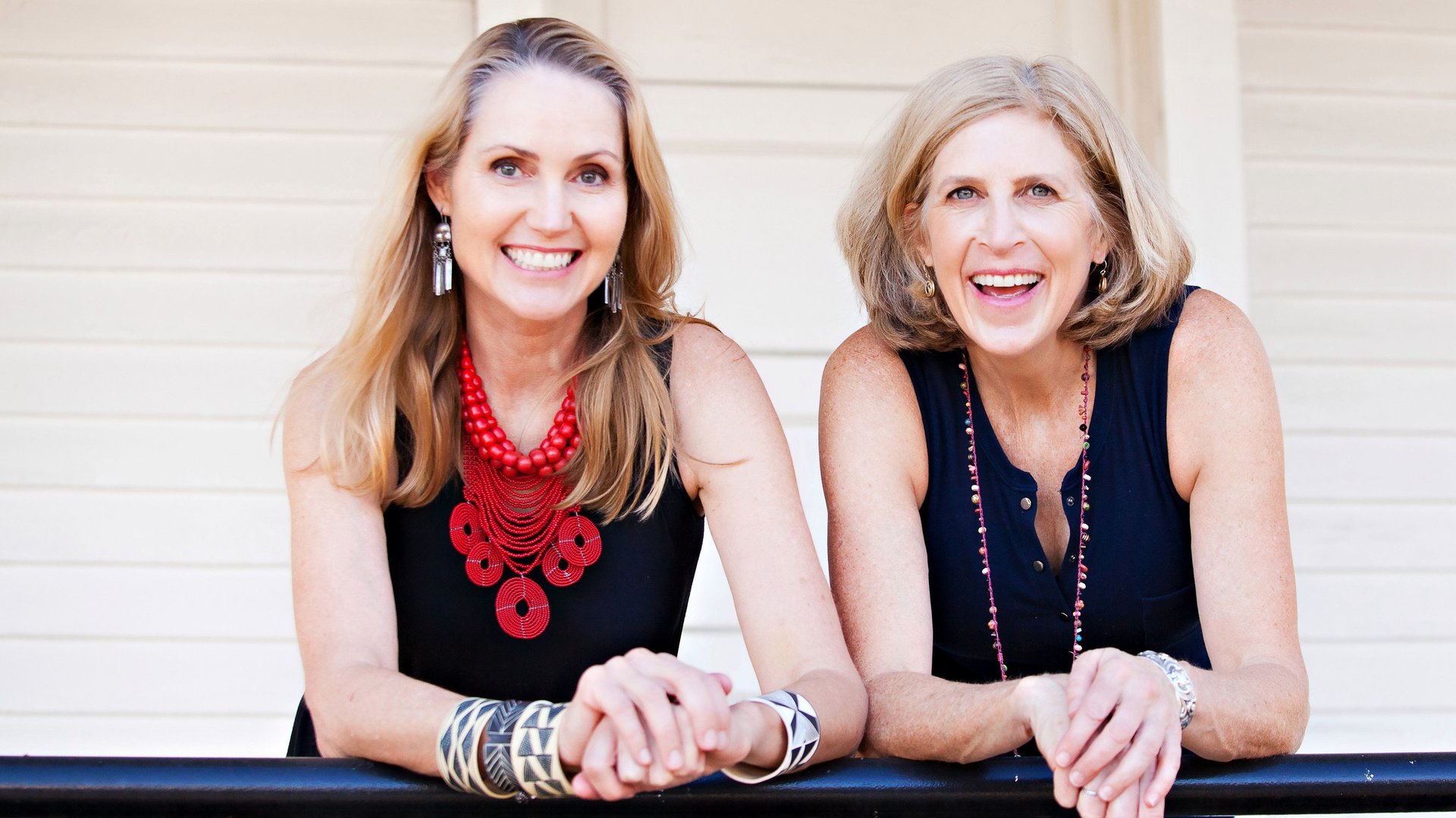
Jennifer Chapin, the cofounder of Kikoko, recently recalled how she was “laughed out of the dispensaries” when she tried to sell her low-dose cannabis-infused teas in her company’s early days. Three years later, Kikoko’s teas, which come in sachets and canisters wrapped with pink-and-purple stripes and cartoon flowers promising benefits such as “Sensuali-tea” and “Tranquili-tea,” are sold through over 300 storefronts and delivery services across California.
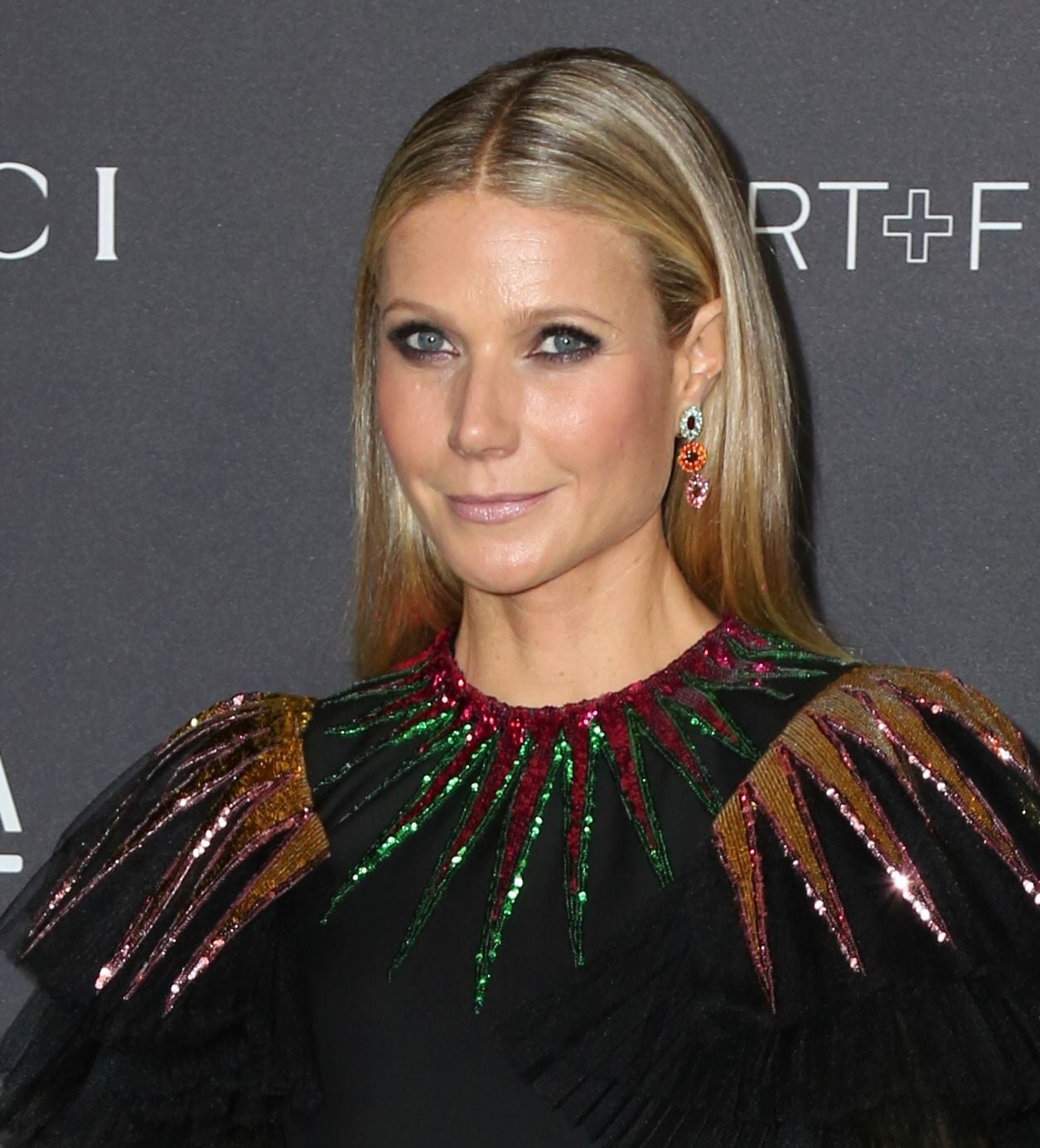
In a new interview with the New York Times, Goop founder Gwyneth Paltrow described herself as something of a bellwether in the wellness world.
Subscribe to the Quartzy newsletter to receive this in your inbox each Friday.
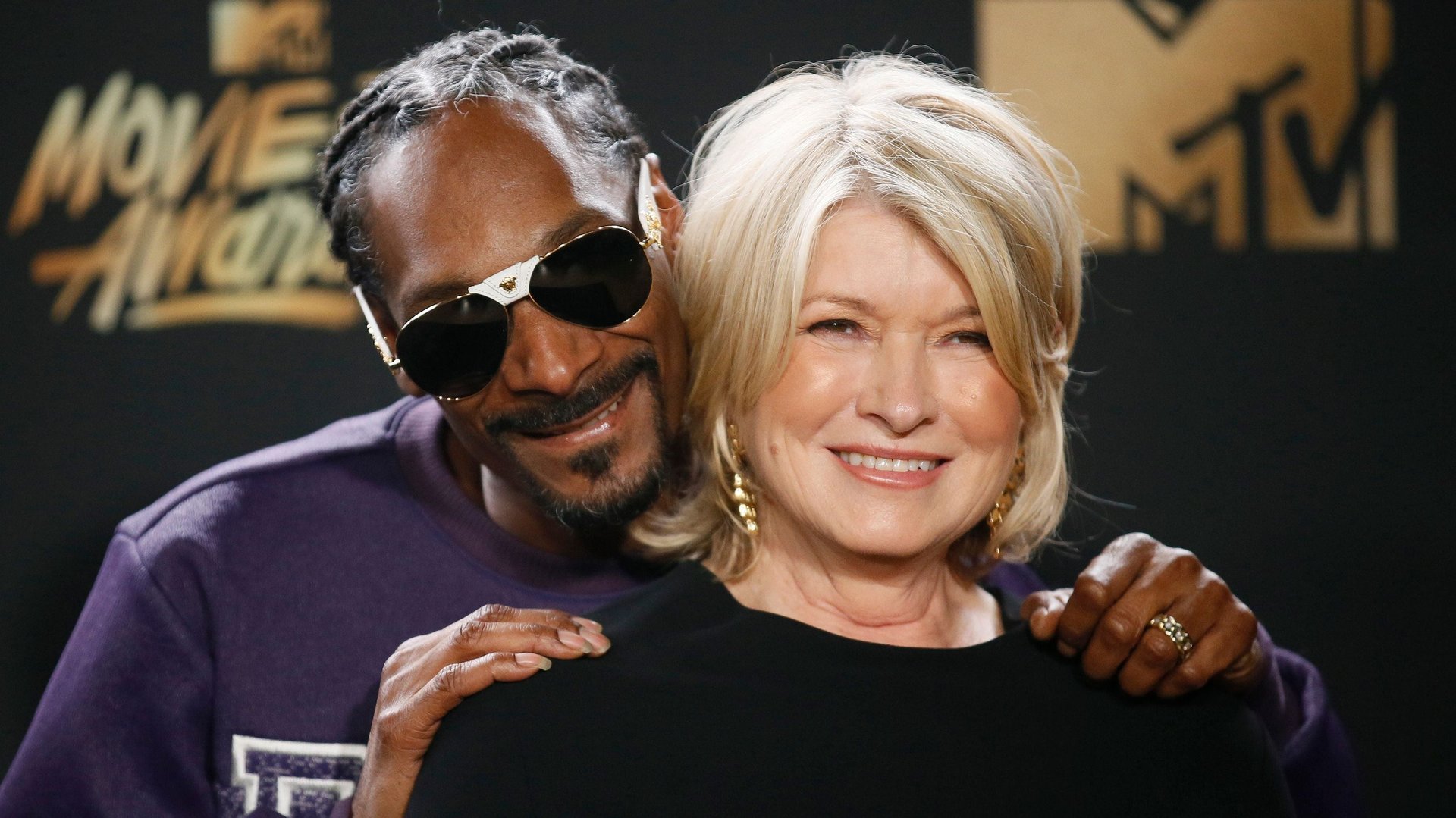
Martha Stewart is now an advisor to the world’s biggest weed company.
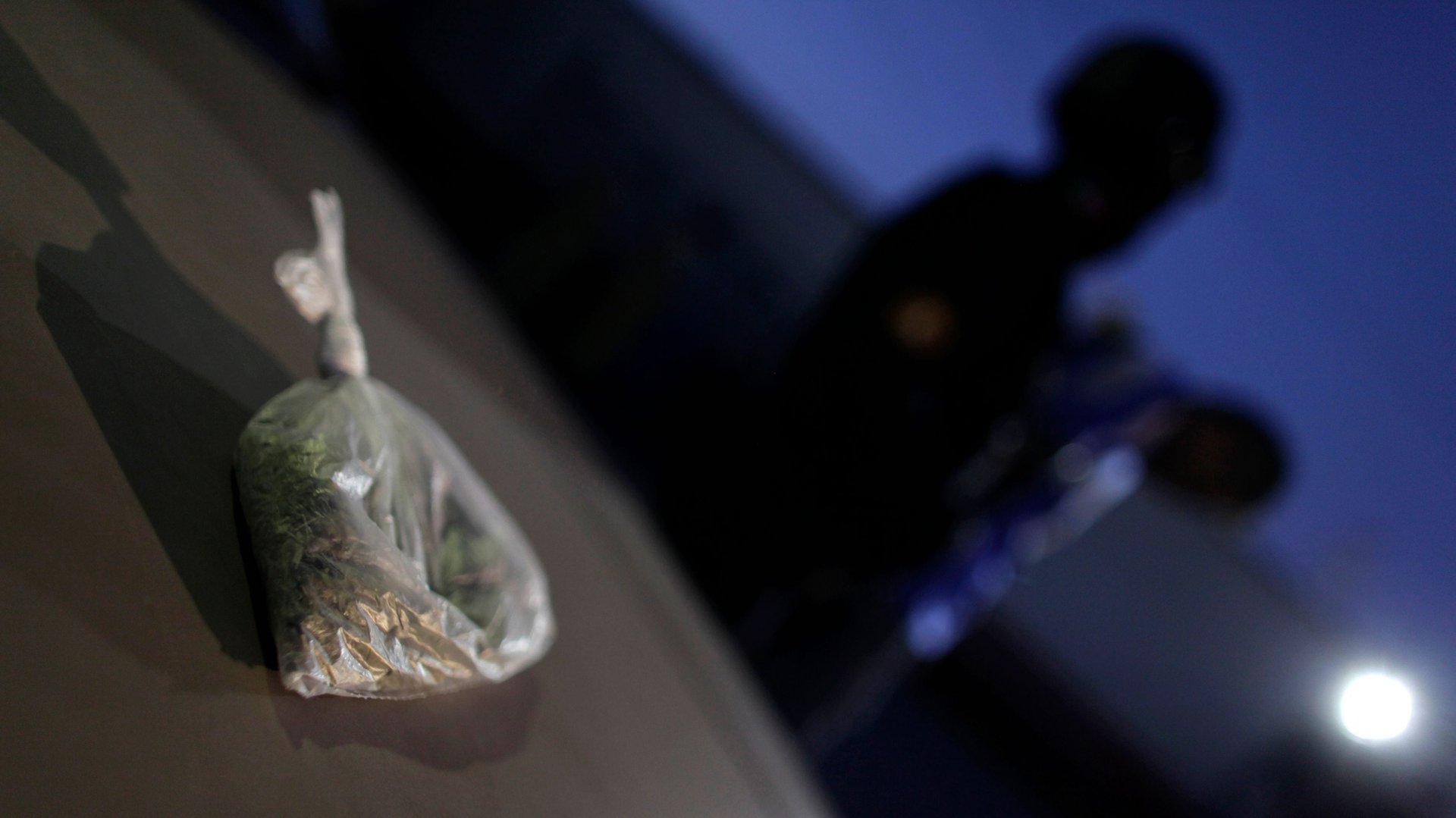
With marijuana reforms sweeping the US, cannabis investors and entrepreneurs are getting rich, while patients and stoners in dozens of US states legally enjoy all manner of tinctures, vape pens, edibles, and flowers. But there’s a cruel footnote to the story of legalization: The people who are still saddled with cannabis convictions. Prior convictions for possessing or selling the plant can still prevent people from landing jobs, renting apartments, or getting loans. What’s more, a disproportionate number of those affected with convictions are black and Latino.

Onstage at the Academy Awards last night (Feb. 24), Trevor Noah made a joke for a very specific audience: speakers of isiXhosa (often called Xhosa in English), the South African language that was also spoken by the fictional residents of Wakanda in Black Panther.