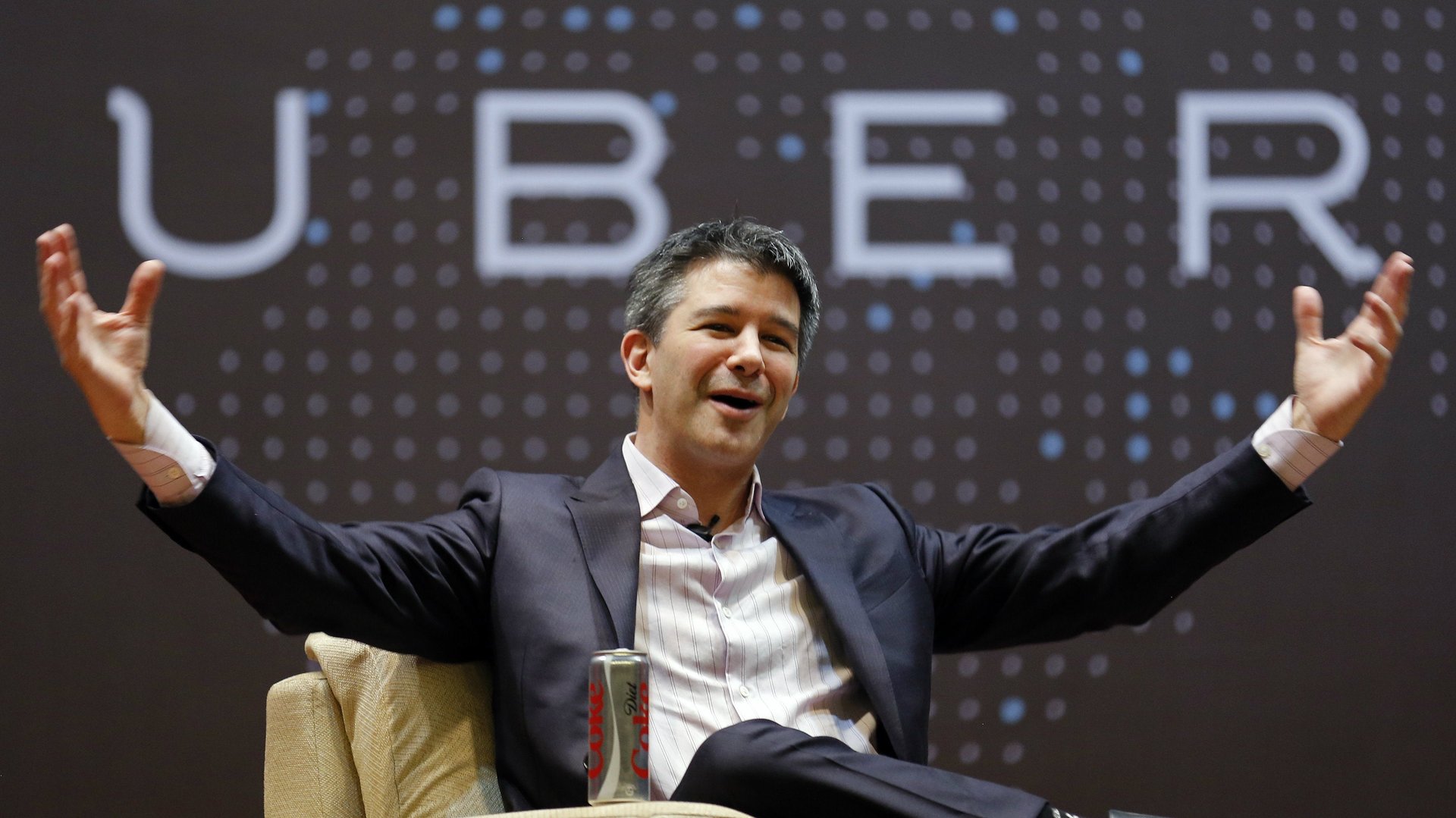
Uber is slavery…Uber will add to traffic congestion…Uber destroys the savings of cab drivers… Hold the litany. Is this the incumbency speaking? And my name isn’t Marie Antoinette.

Uber is slavery…Uber will add to traffic congestion…Uber destroys the savings of cab drivers… Hold the litany. Is this the incumbency speaking? And my name isn’t Marie Antoinette.

Apple’s big surprise in its quarterly numbers isn’t the end of 13 years of go-go growth but the emergence of Services as a very large revenue category. This leads us to a cultural/structural question.

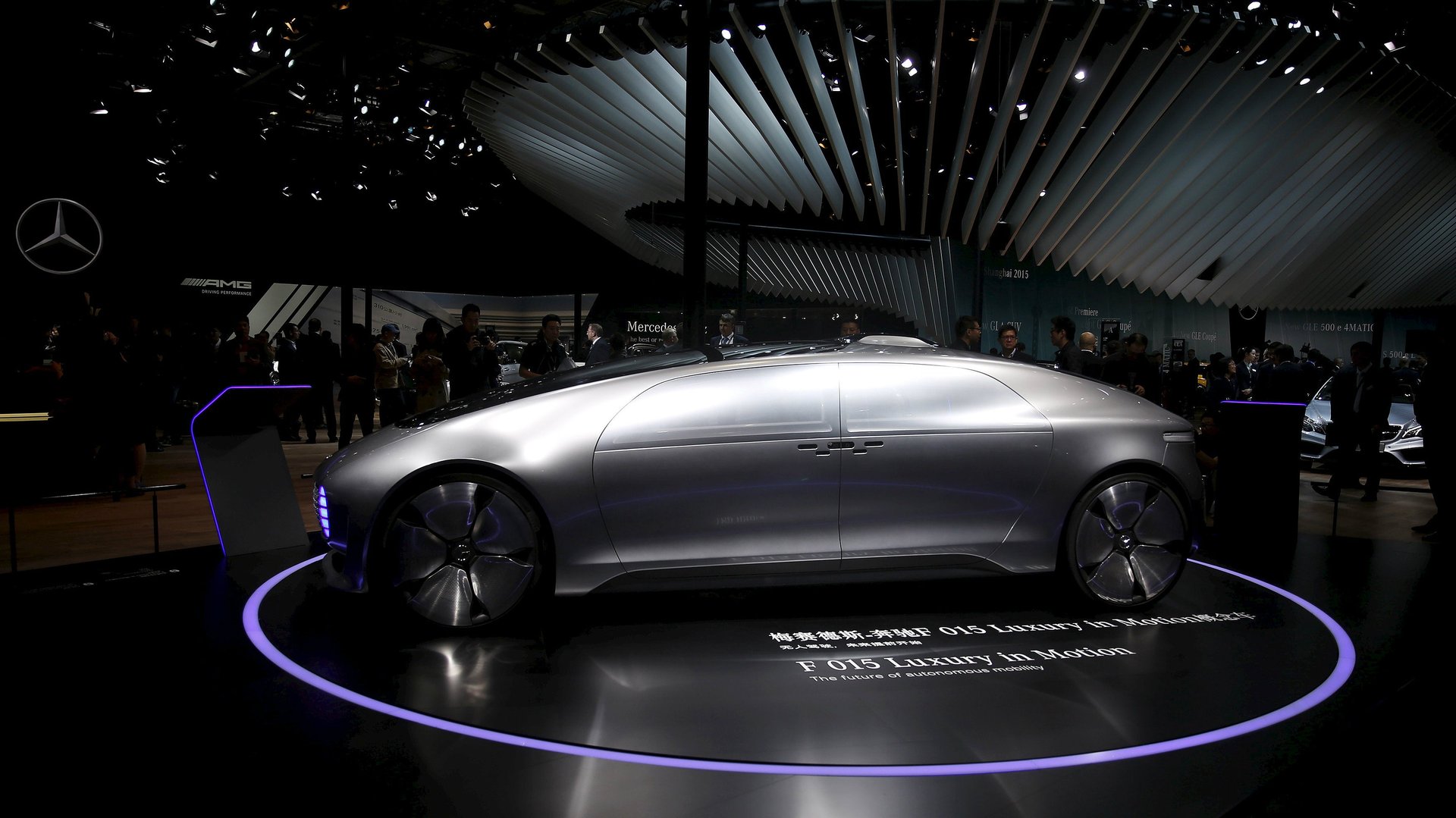
Cars are no longer what they seem to be. On-board computers and their algorithms have invaded all organs, making cars better, but also more susceptible to hacks and invasions of privacy.

There is much I could write about this week: Intel’s rumored layoffs in Oregon just ahead of its quarterly earnings release, president Obama’s support of the FCC’s open cable box proposal, Motor Trend’s shameless attempt to design the putative Apple Car by committee (with the regrettable participation of an otherwise-serious Apple blog), or rumors of an Apple App Store reorganization (about time) and paid-search app promotion (what?). Exciting as these all are, we have a more pressing matter before us: The just-released draft of the Compliance with Court Orders Act of 2016, an anti-encryption bill co-authored by Senate Select Committee on Intelligence chairman Richard Burr (North Carolina Republican) and vice chairman Dianne Feinstein (California Democrat). The purpose of the proposed law is stated clearly up front: “To require the provision of data in an intelligible format to a government pursuant to a court order, and for other purposes. ”

Silicon Valley’s one and only car company (so far) just announced a low-cost vehicle. Today, we look at the key challenges Tesla will face on its way to the pinnacle.

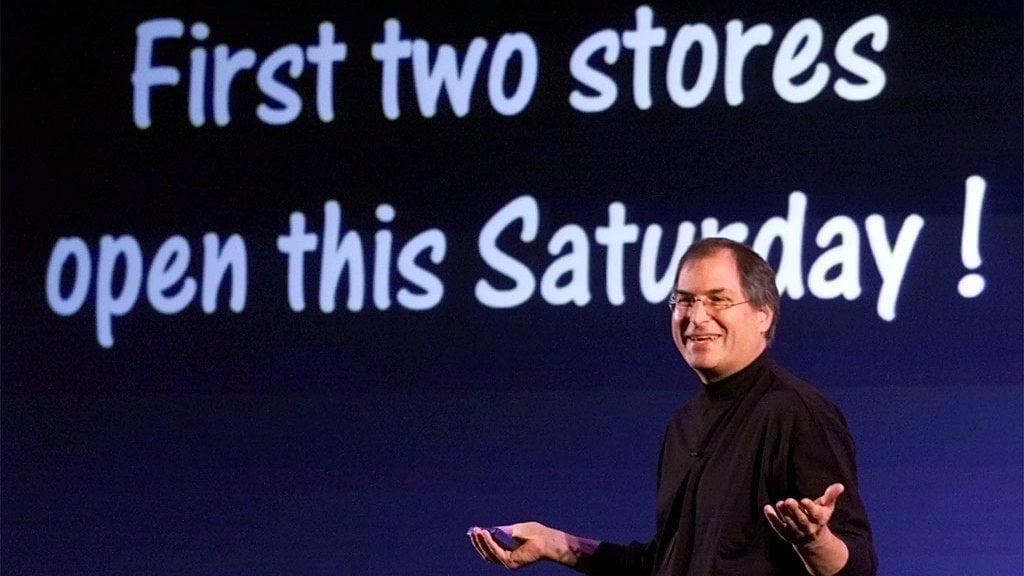
As we contemplate Apple’s first 40 years, we’ll take an early eighties dive into the company’s counter-intuitive retail development in France.

Maturity doesn’t have to be boring. The 40-year-old Apple doesn’t lack the challenges it needs, both external and internal, to stay interesting.

In the FBI v. Apple fracas, the epithets that have been hurled at president Obama range from hopeless naïf to devilish schemer, to name but the more polite. Indeed, he may be “scheming,” but not in the way that many people think.

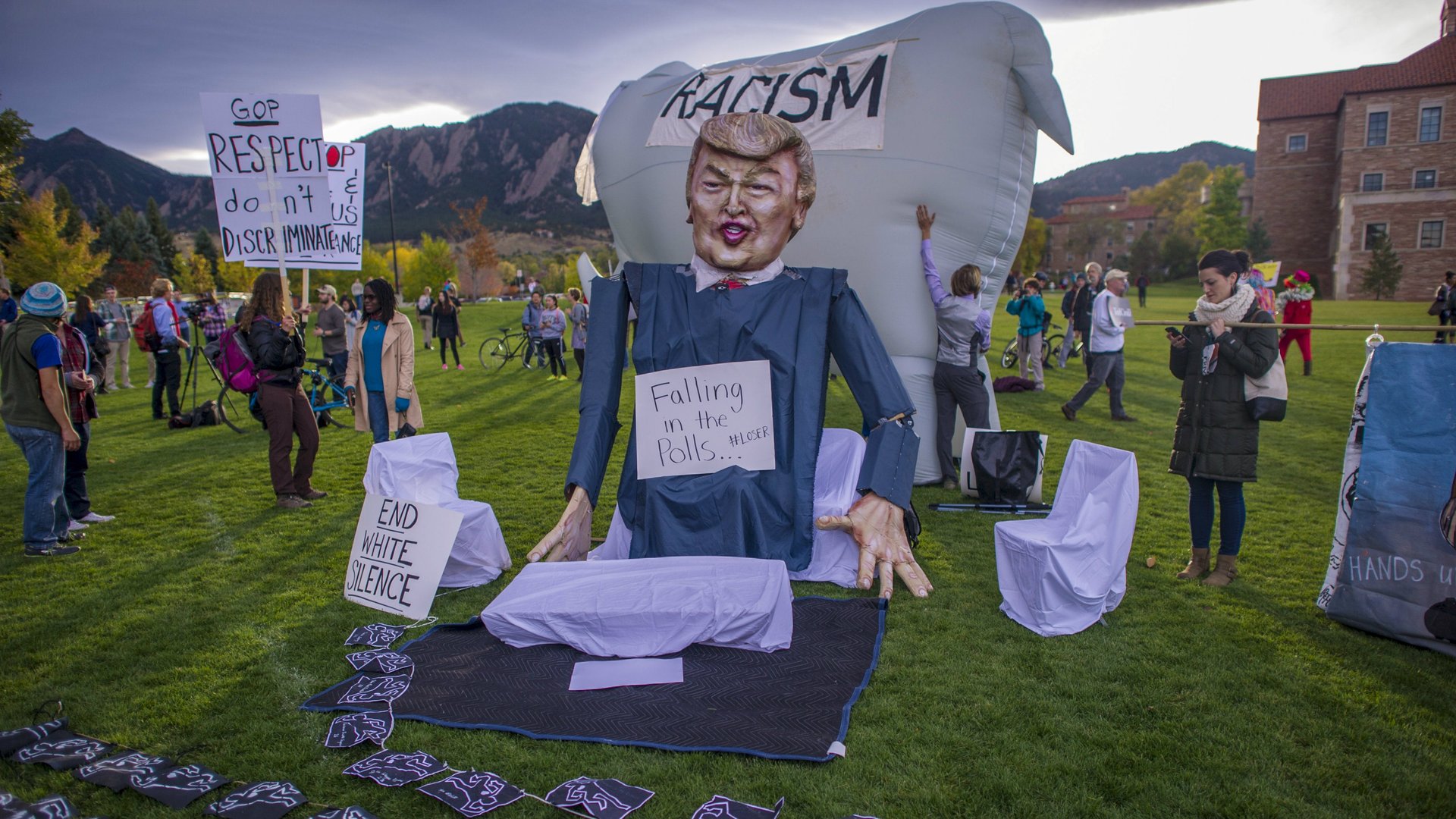
Just this once, a digression into our unusual 2016 presidential campaign. On the Republican side, voters are distancing themselves from an establishment they have grown to distrust—with potentially dire consequences for the party.

The tech world has (finally) come out against the FBI’s attempt to backdoor all smartphones, rightly characterizing the move as a sincere but foolish tactic that would invade our private lives and damage US tech companies. But is the government’s conflict with Apple sincere? Perhaps the encryption dilemma is being used for ulterior purposes.

The fight between Apple and the FBI over iPhone security has turned nasty and dangerous. Especially for the US government’s credibility.

I once called the iPad a tease, promising more “PC-replacement” capabilities than it could deliver. The iPad Pro tried again, but many—yours truly included—feel it’s still a better tablet than laptop. Hope springs eternal: today, we look at yet another—putative—step in the iPad’s future.

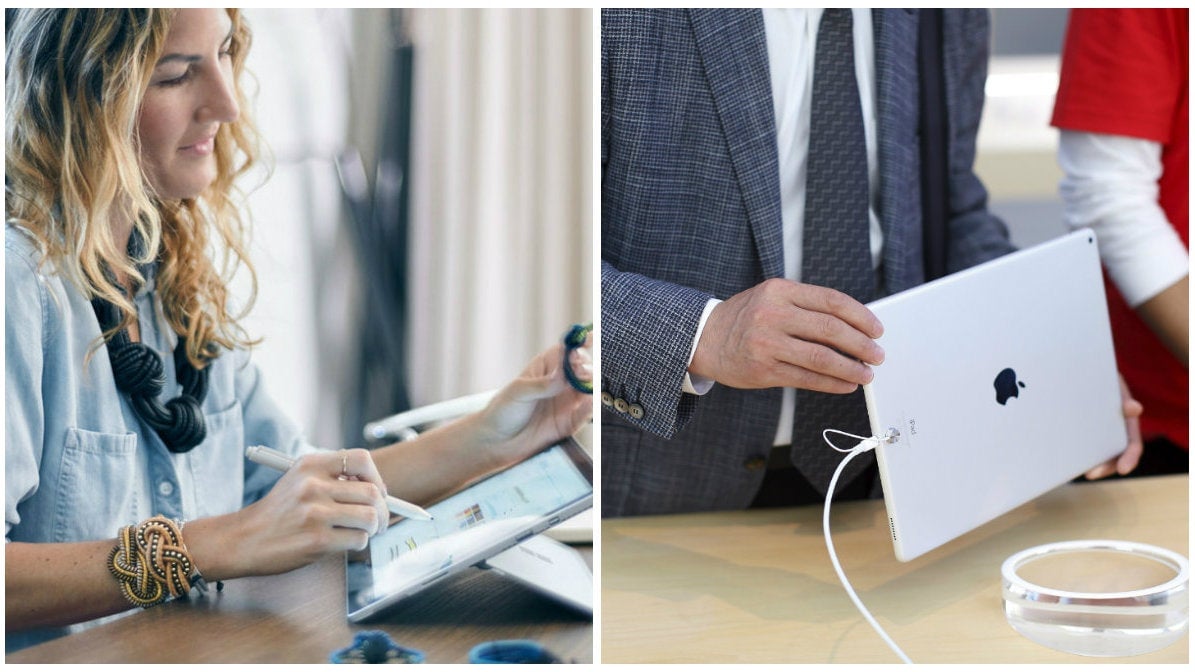
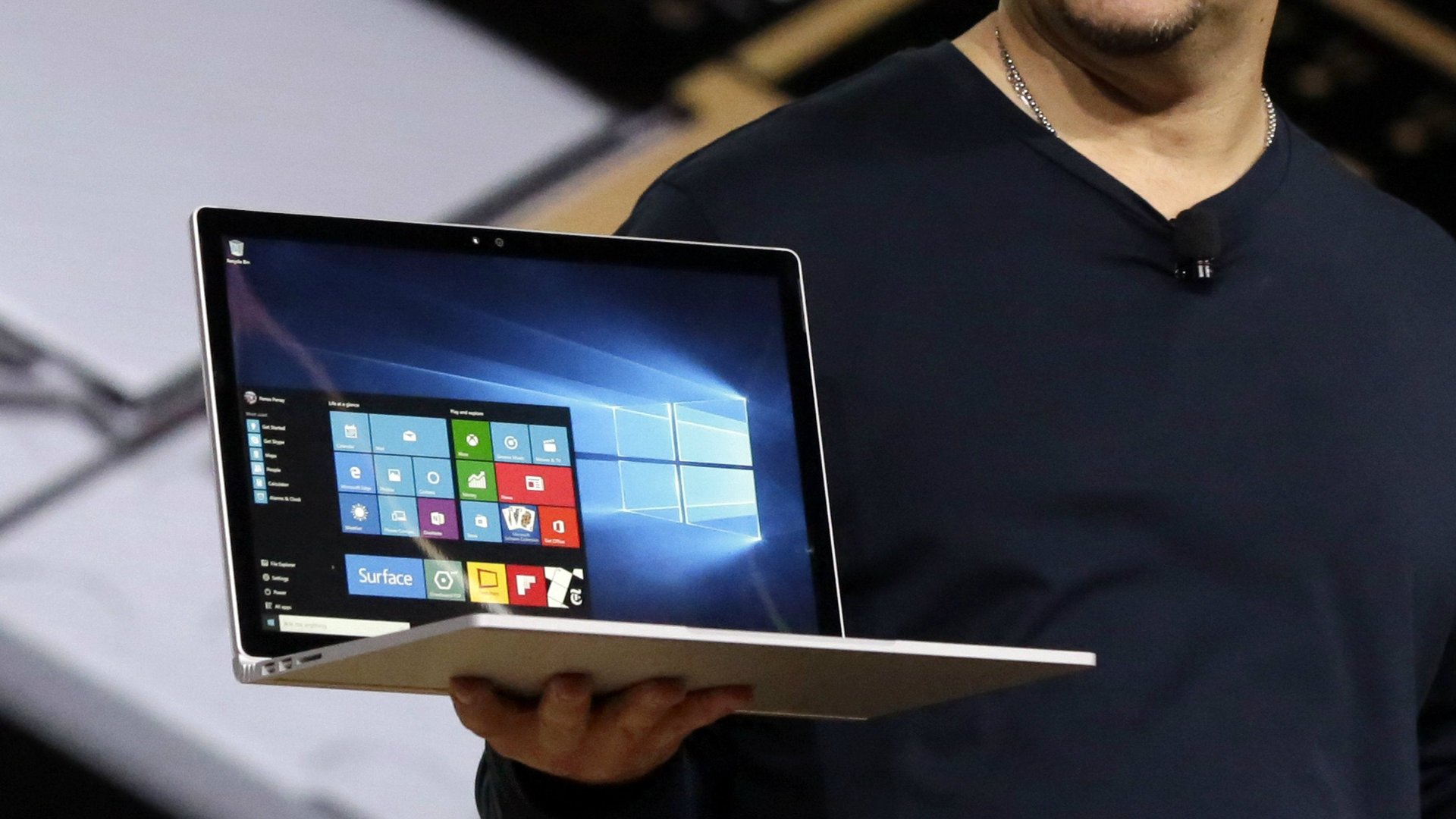
A longish exploration of two hybrid devices: Microsoft’s Surface Pro 4 and Apple’s iPad Pro.

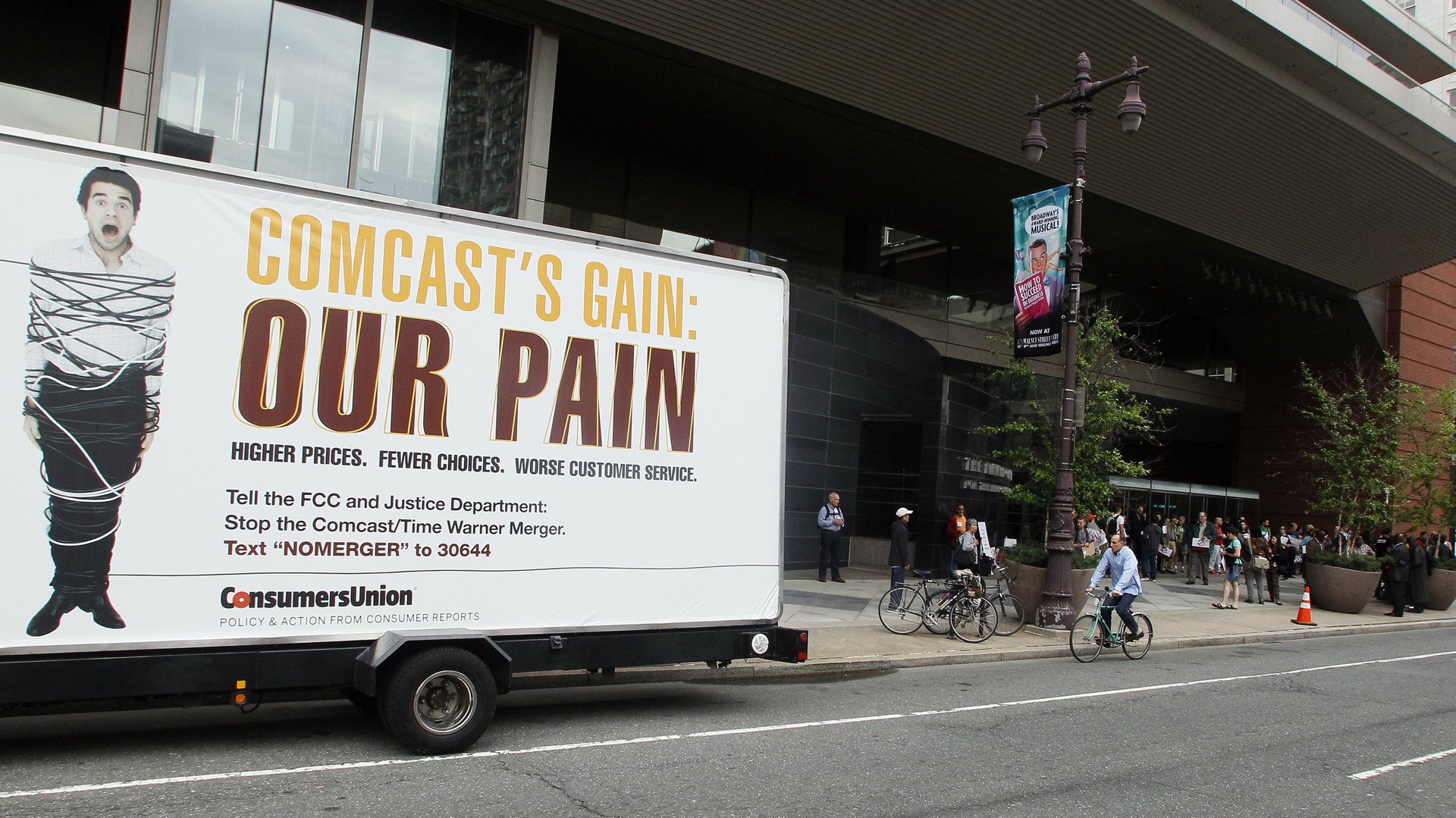
Later this month, the FCC will hear a proposal that would put an end to your cable carrier’s costly and regressive monopoly on the set-top boxes that you’re allowed to use. Following their well-known modus operandi, Comcast and other carriers contend that granting this freedom to their customers would stifle innovation. They continue to think we’re idiots, that they can raid our wallets with impunity.

No predictions, just a few things to watch and possibly interpret in the numbers. And, at the end, a question: Will the iPhone gain market share in a saturated market—just like the Mac stubbornly does?

Horace Dediu sobered me up. Last year, my initial skepticism of Apple’s rumored car project gave way to more hopeful thoughts. But Dediu’s numbers show how insignificant electric cars still are.

Modern encryption systems rely on oxymoronic “random generators.” This could be the crack in a supposedly unbreakable system.

Tim Cook just handed the keys to the Apple App Store to senior VP Phil Schiller. Will Schiller bring order and intelligibility to Apple’s app jungle?

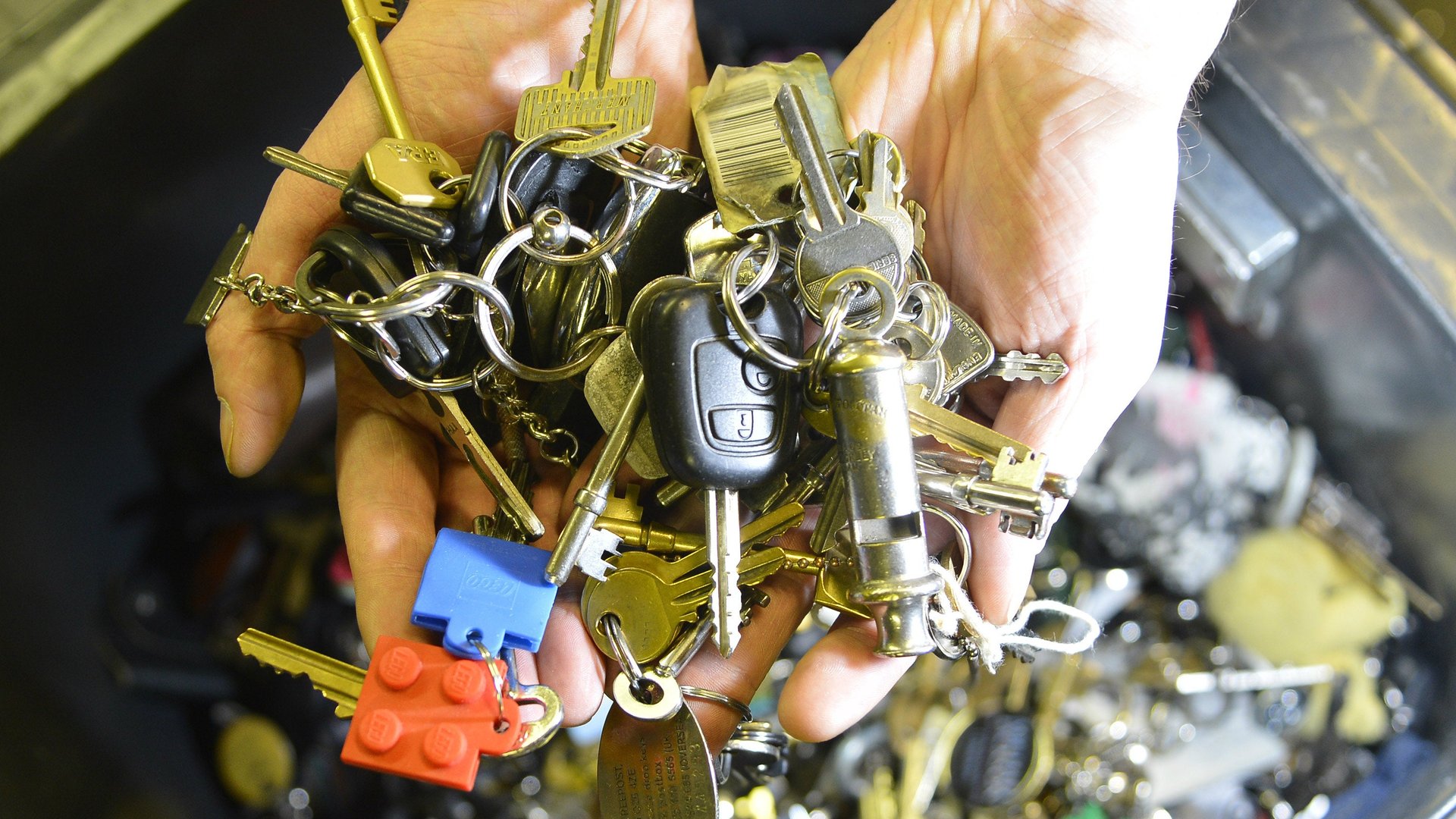
In the name of protecting us against terrorists, law enforcement agencies want high tech companies to relinquish their Golden Keys—backdoors to their otherwise unbreakable encryption algorithms. It sounds like a reasonable request… until you look more closely.

Today, a doomsday scenario: Apple execs resort to rash, countercultural moves to take iOS out of its tailspin. Read at your own risk.

Having discussed the software culture challenge in a previous Monday Note, we now turn to a new series of questions regarding the fantasized Apple automobile.

The most important components of a company’s culture are its invisible, ineffable dicta. As we will see in today’s examples, they can lead competent, well-resourced companies astray.

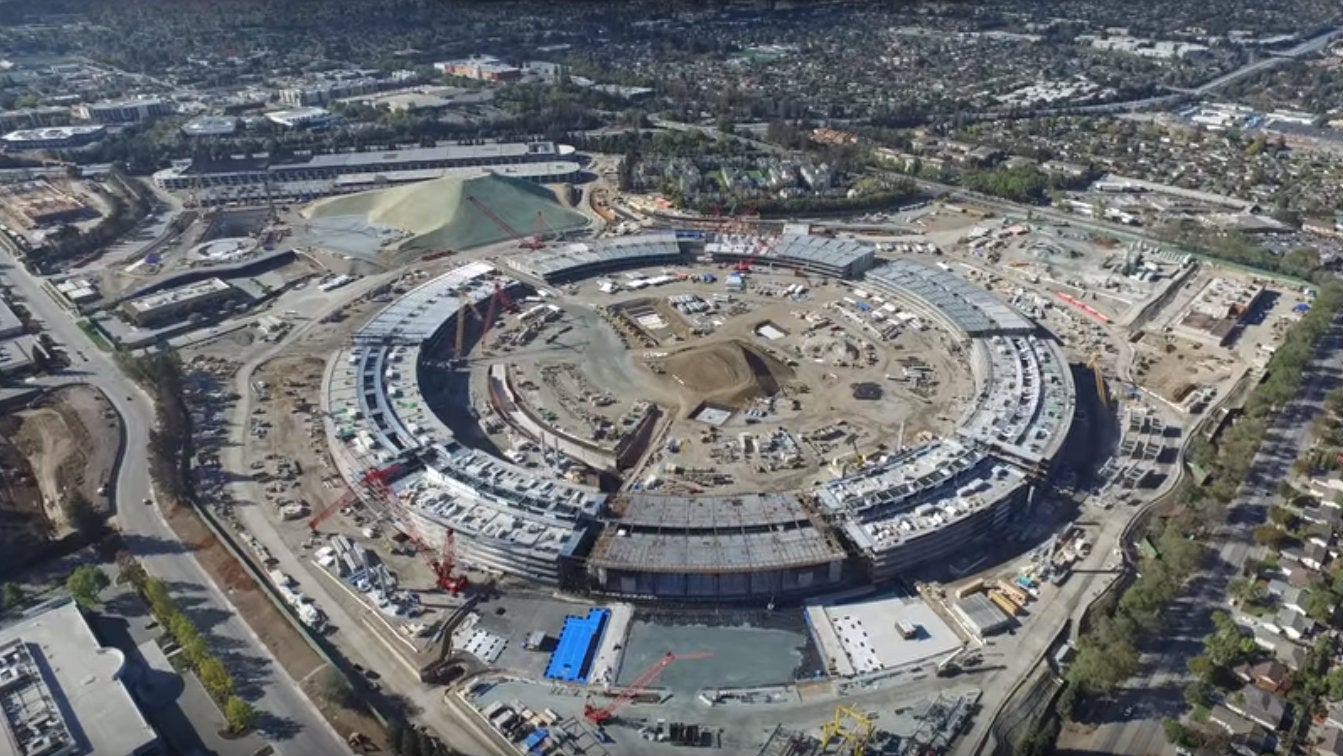
Fueled by a significant number of hires from other car makers, and real estate expansion beyond the upcoming hypergalactic spaceship HQ in Cupertino, rumors of an Apple Car keep percolating. I hope to drive an Apple Car someday… but does Apple’s personal computing software know-how translate into the high-reliability, real-time code required for a safe, reliable and, of course, elegant electric car?

Classical PCs are on a downward slope, tablets never quite became The Next Big Thing, and smartphones are approaching saturation in developed markets. Is this the end of the go-go days? Where will we find new growth paths, new forms of personal computing?