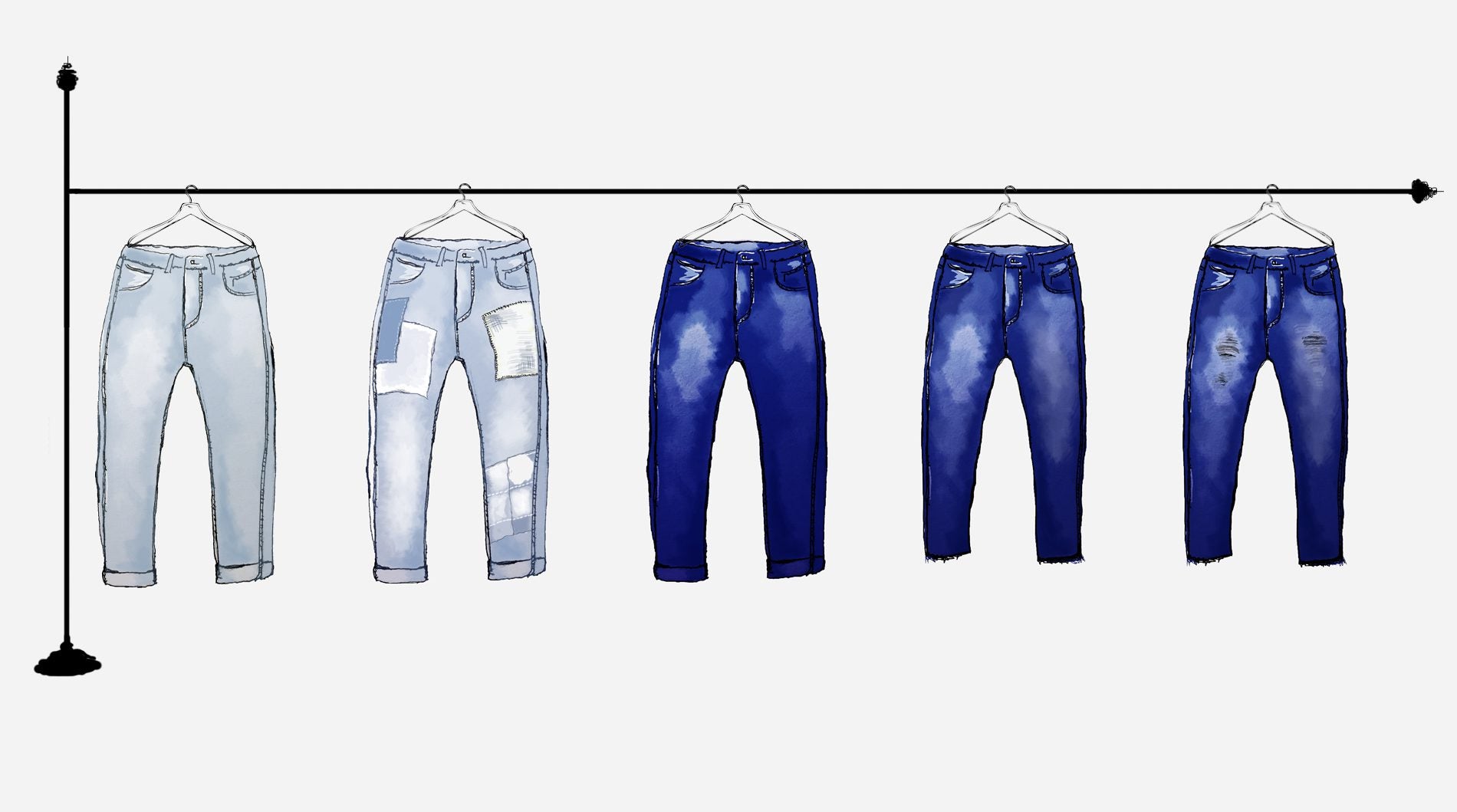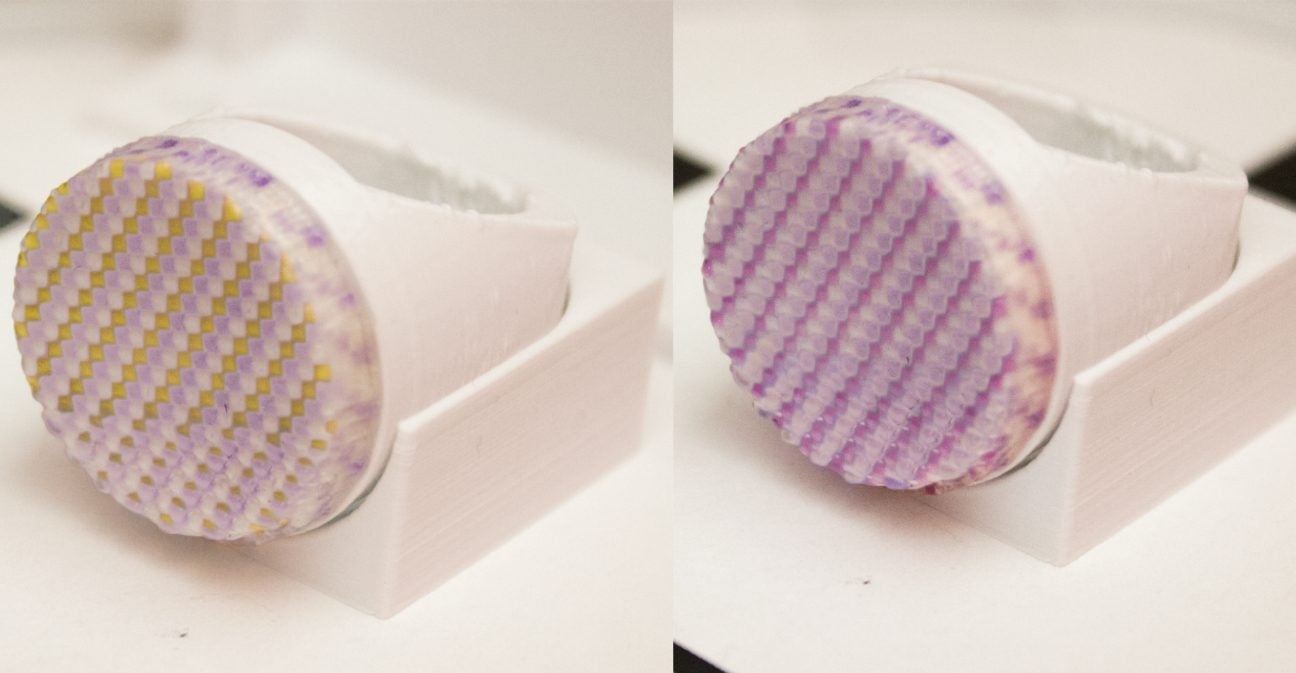
Nearly everything we buy is fixed in one color. Whatever shade it’s made in, that’s how it stays, barring some labor-intensive painting or dyeing.

Nearly everything we buy is fixed in one color. Whatever shade it’s made in, that’s how it stays, barring some labor-intensive painting or dyeing.

Andy Warhol is going to Rome.

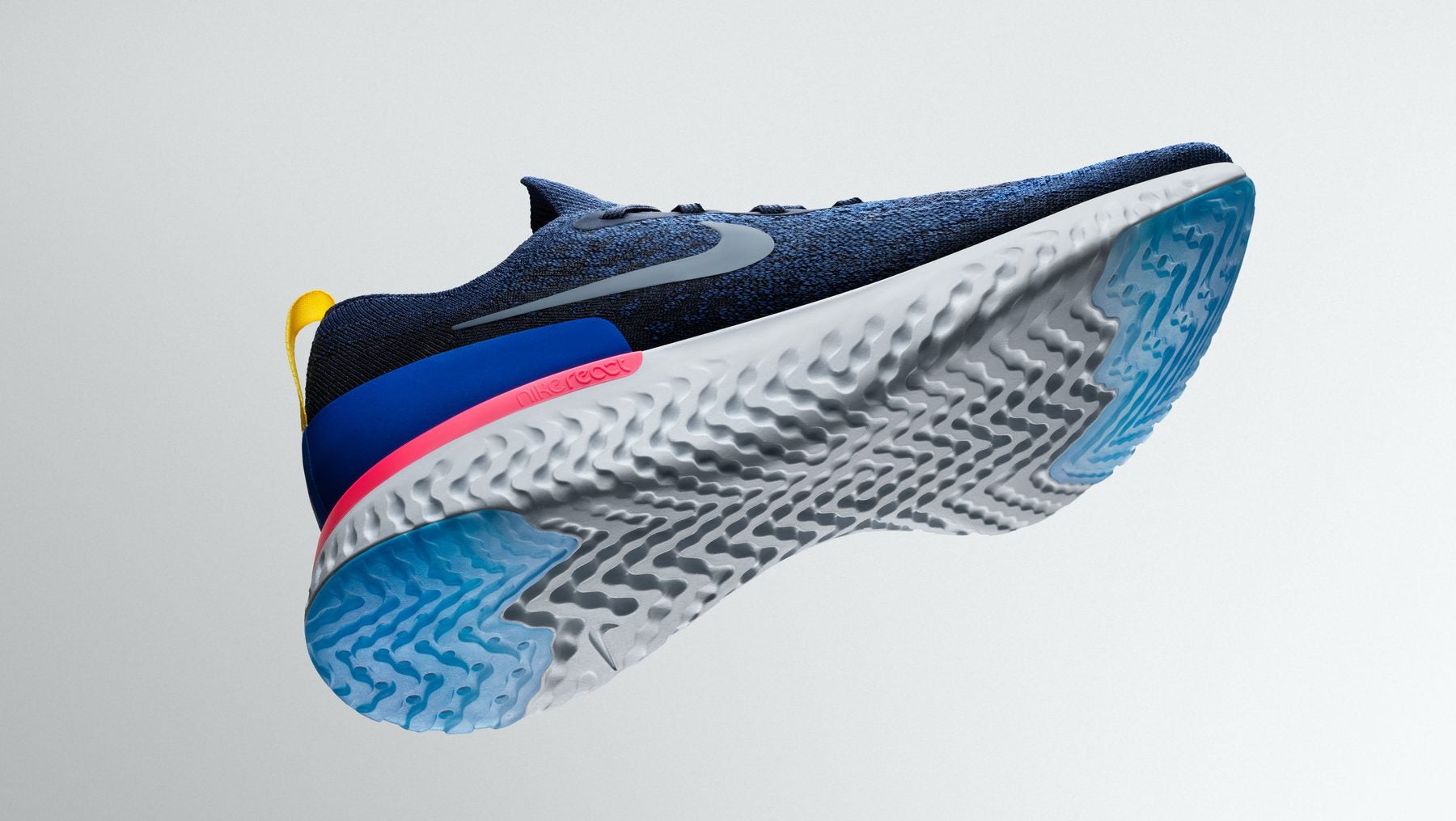
If our prehistoric nomad ancestors were transported to 2018, one of the technologies they would be most impressed by is our footwear. For most of human history, we have lived on our feet, traveling long distances from place to place. Unfortunately, our feet aren’t the ideal shape for an upright animal. They were retrofitted, you could say, from life in the trees, leaving us and our peripatetic forebears prone to pain and injury.

The global economy is unbalanced, warns Oxfam.

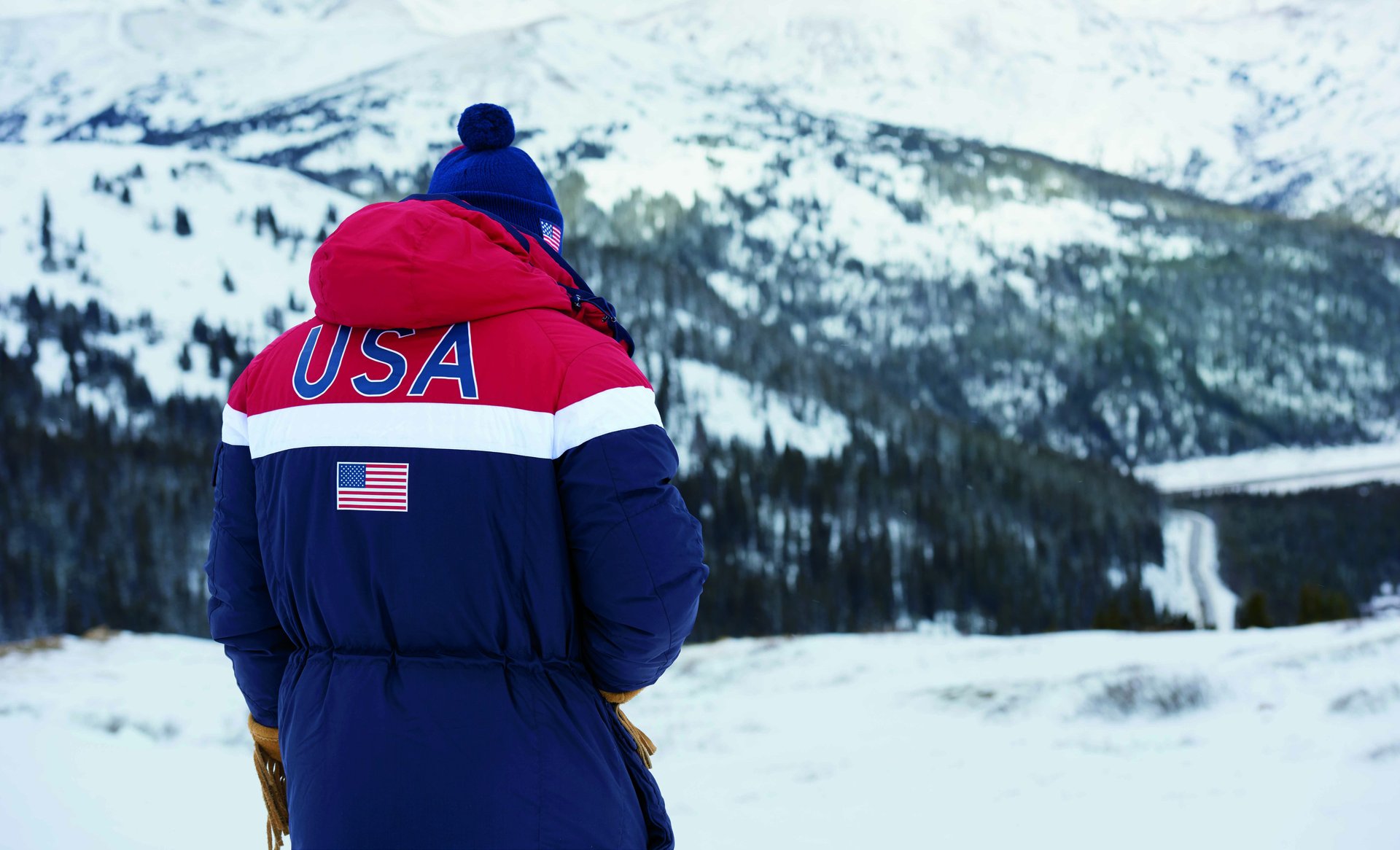
Pyeongchang, South Korea, is expected to be painfully cold when the Winter Olympics begin there this February. A harsh wind from Siberia regularly tears south across the Manchurian Plain and into the mountainous region, creating wind chills in the single digits Fahrenheit, the AP reports. Several people in the area have already had to be treated for hypothermia this year.

In an industry teeming with brands run by men that make their profits off women, the fashion label Céline has stood apart.

Police in the city of Rotterdam in the Netherlands are taking a controversial approach to reducing crime.

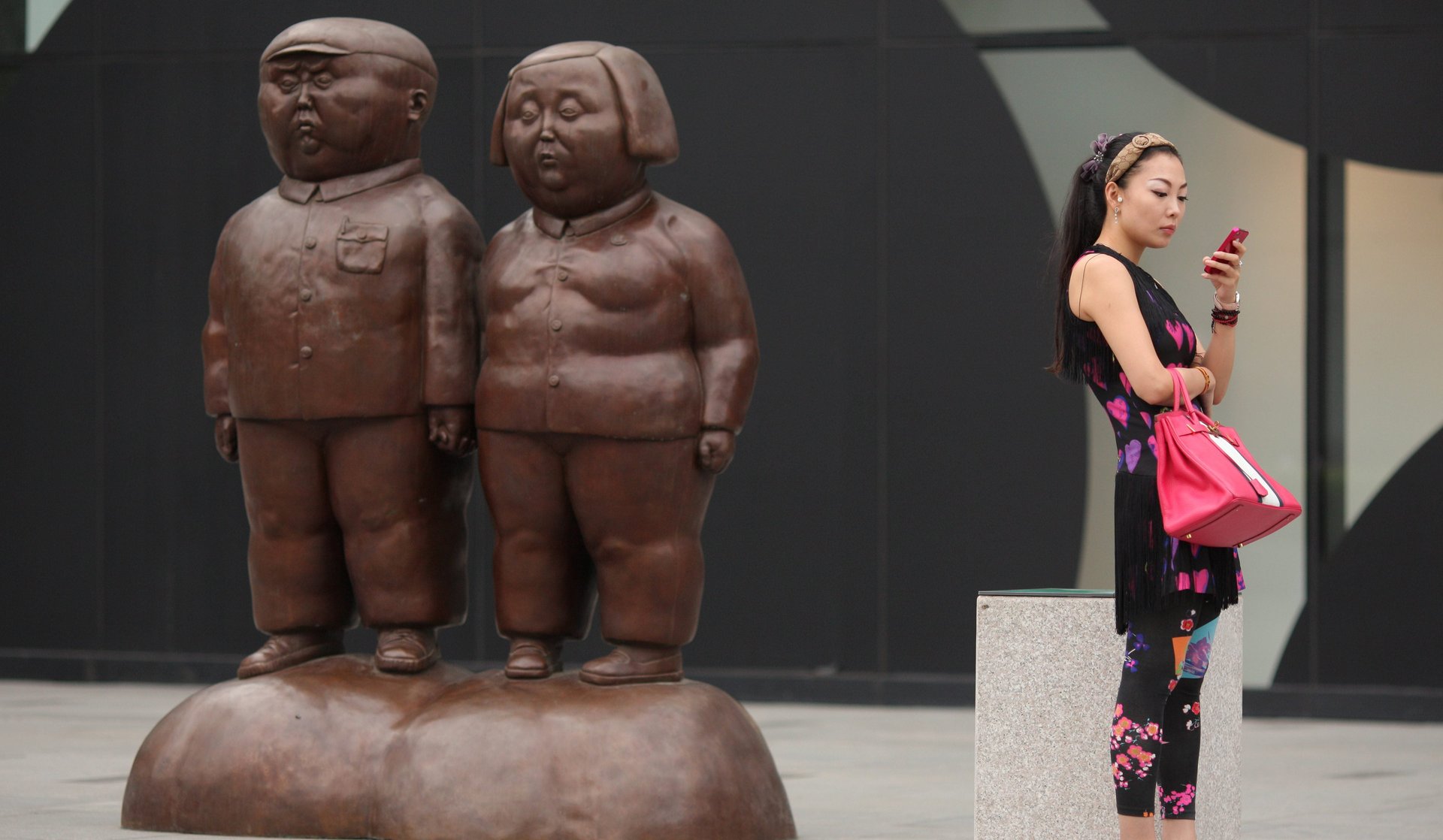
China’s spending on high-end stuff is on the rebound—and it’s an impressive rebound to boot.

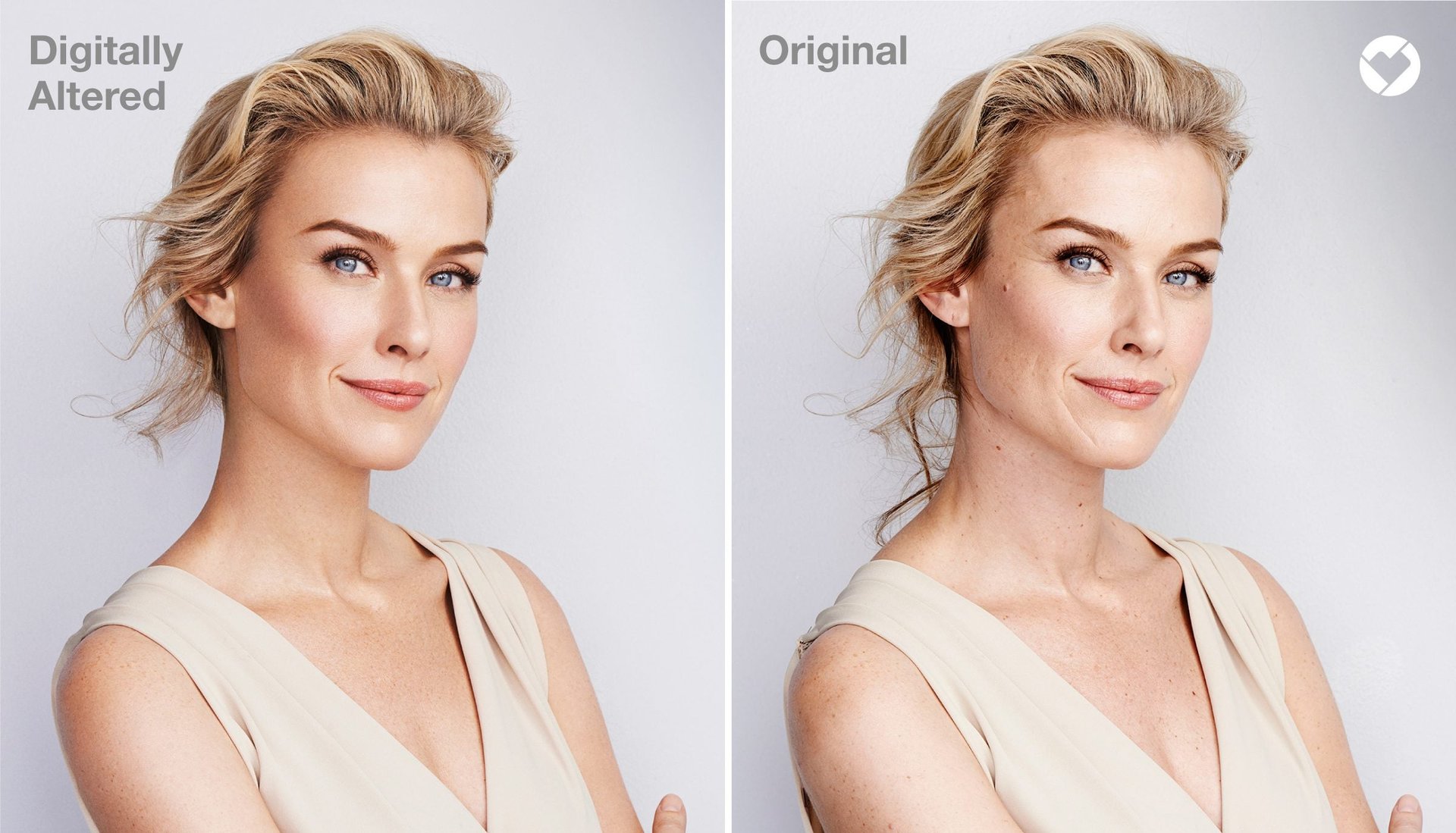
CVS says it’s done with heavily retouched makeup ads, suggesting they set an unrealistic and unhealthy beauty standard for the millions of women who shop in its stores.

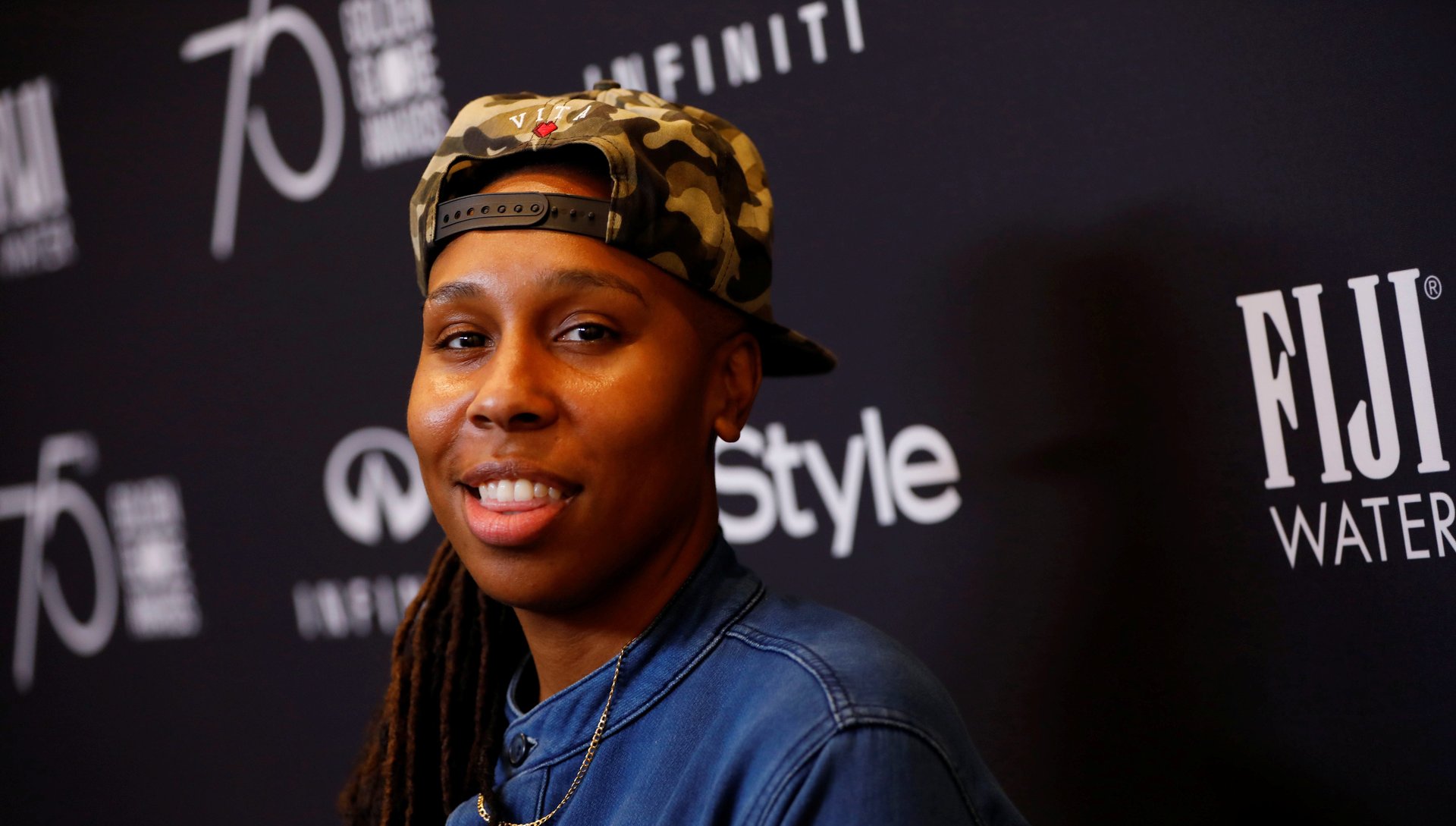
In September 2017, Lena Waithe became the first black woman to win an Emmy for comedy writing, taking home the award for her work on the “Thanksgiving” episode of Aziz Ansari’s Netflix show, Master of None. It shows her character, Denise, grappling with her family’s reactions to her being gay, told over the course of years of Thanksgiving gatherings. Her mother struggles to embrace her daughter’s identity, including her choice of clothing: Denise likes baggy jeans, sweatshirts, and sneakers, not high heels and dresses.

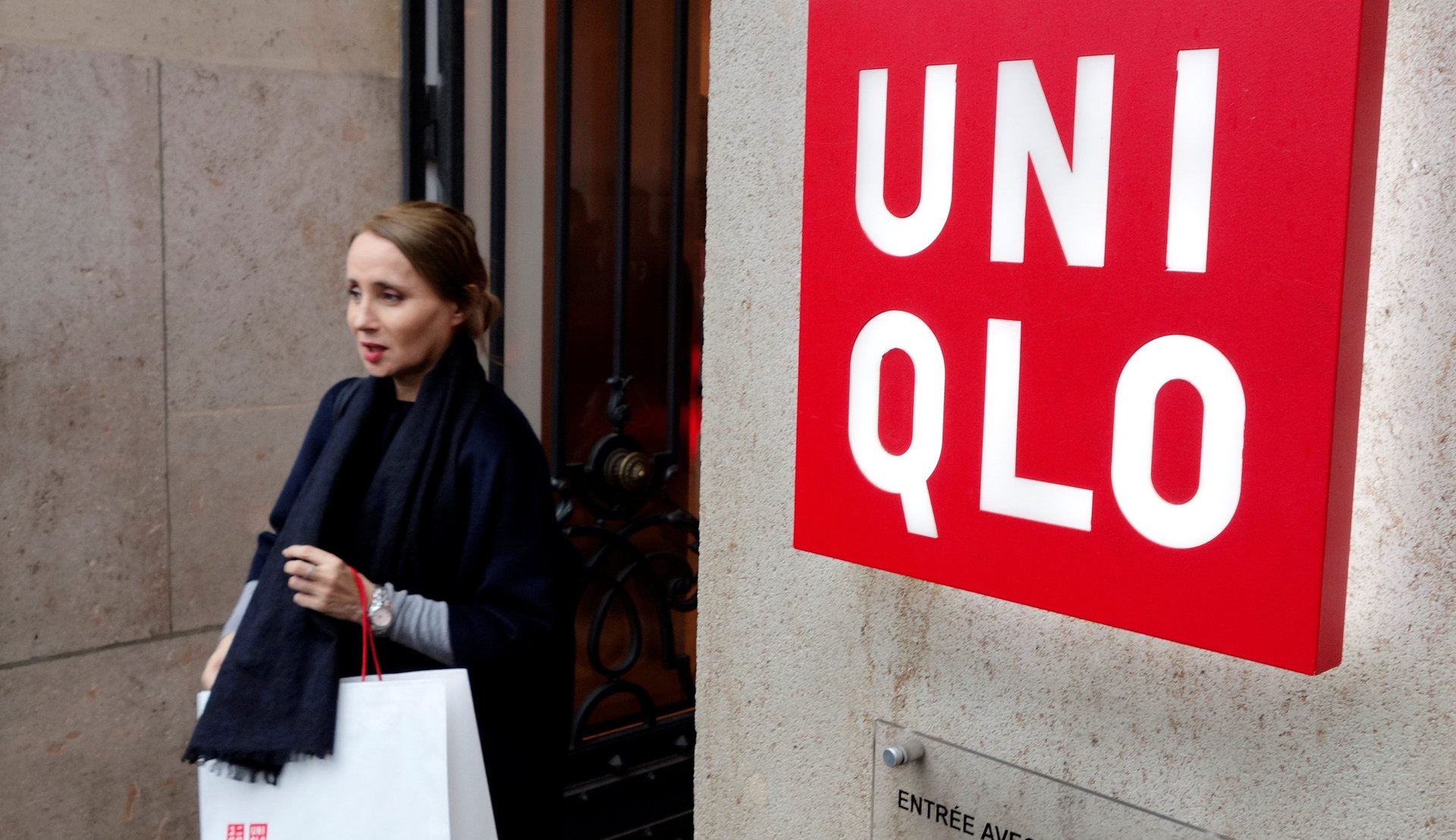
Uniqlo has gotten so big beyond Japan that, for the first time, it has more sales outside its home country than in it.

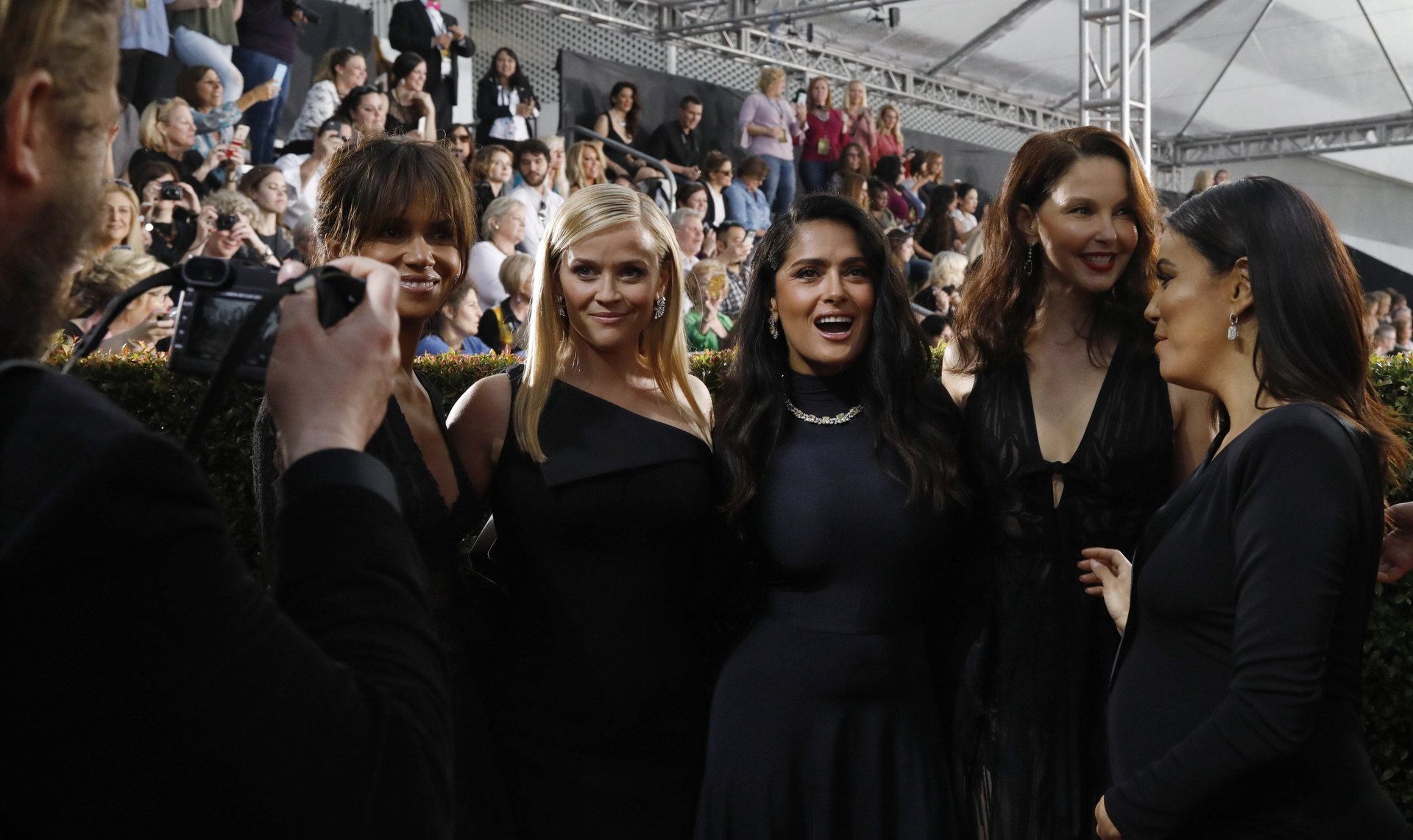
When US president Donald Trump delivers his state of the union address on Jan. 30, he may be staring at an audience dotted with women in black, protesting sexism, sexual abuse, and notably, sexual harassment of the kind that he himself has been accused of.

Germany’s Birkenstock is known for its comfortable cork sandals, perennially revered by nature-loving, outdoorsy types as well as posh Los Angeles hippies.

H&M is doing damage control.

We tend to like new stuff. Novelty has an irresistible attraction—which is why it can feel so intoxicating to buy a bunch of new clothes on a shopping spree.

Just when everyone thinks streetwear can’t get any bigger, it does.

The typical red carpet of a Hollywood awards show is a parade of colorful, sometimes skin-baring dresses competing for attention. Reporters and show hosts chat up the cavalcade of celebrities with questions about who they’re wearing, and make light-hearted small talk about the films they appeared in or what they have going on in their lives.

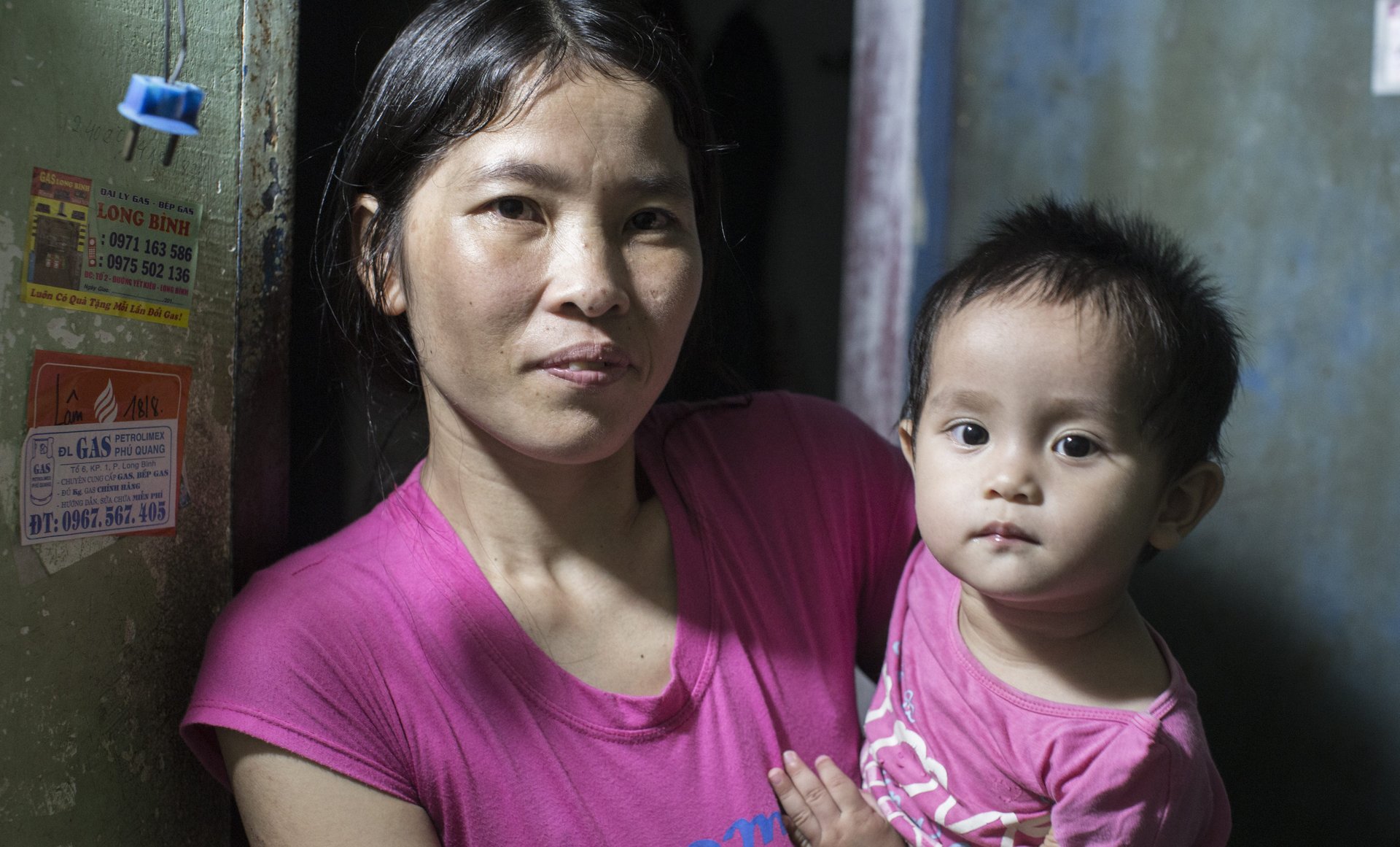
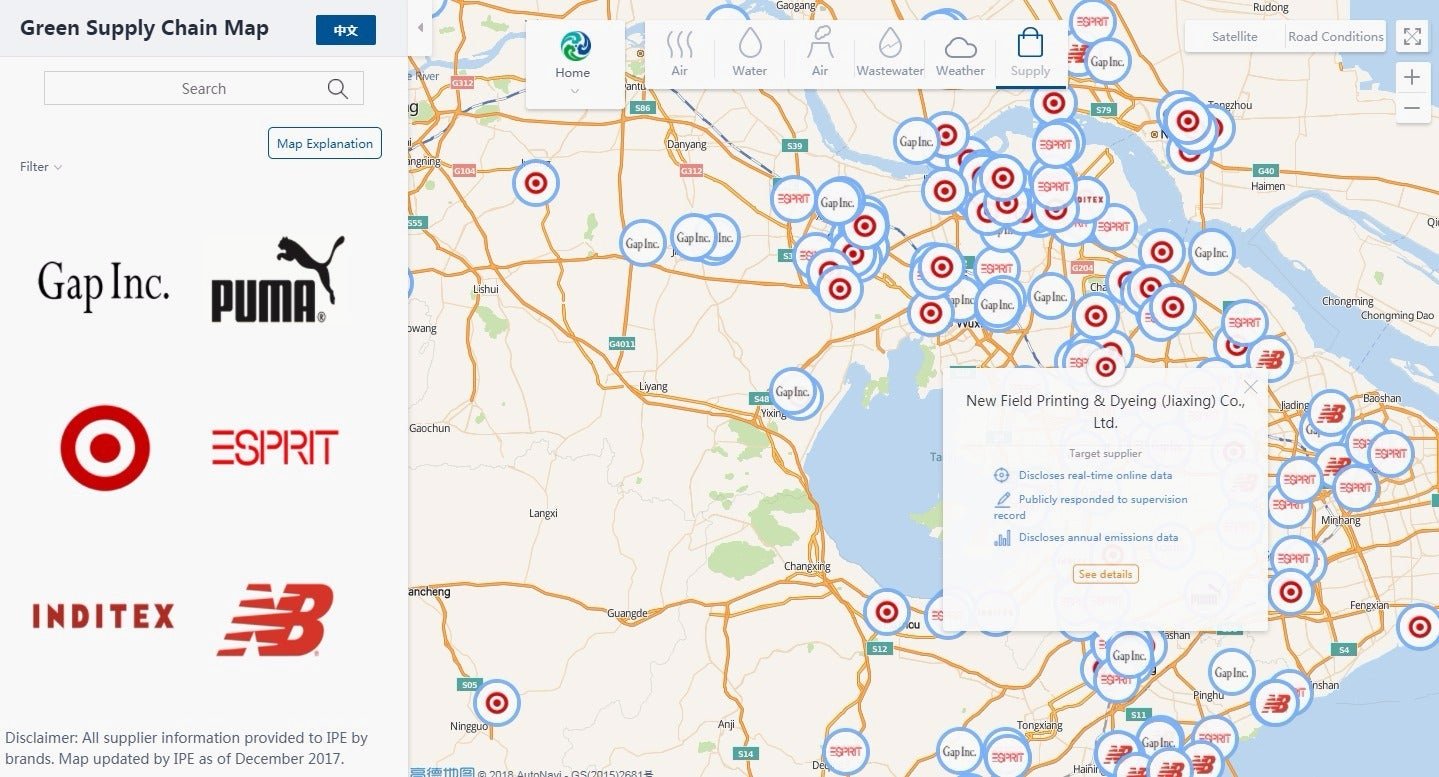
Hidden thousands of miles from the view from Western shoppers, Chinese textile mills producing for major US and European clothing brands have been some of the worst polluters in the fashion industry. For years, many have dumped toxic chemicals used for dyeing and finishing fabrics directly into waterways untreated, turning them unnatural colors, and causing health problems for wildlife and nearby residents.

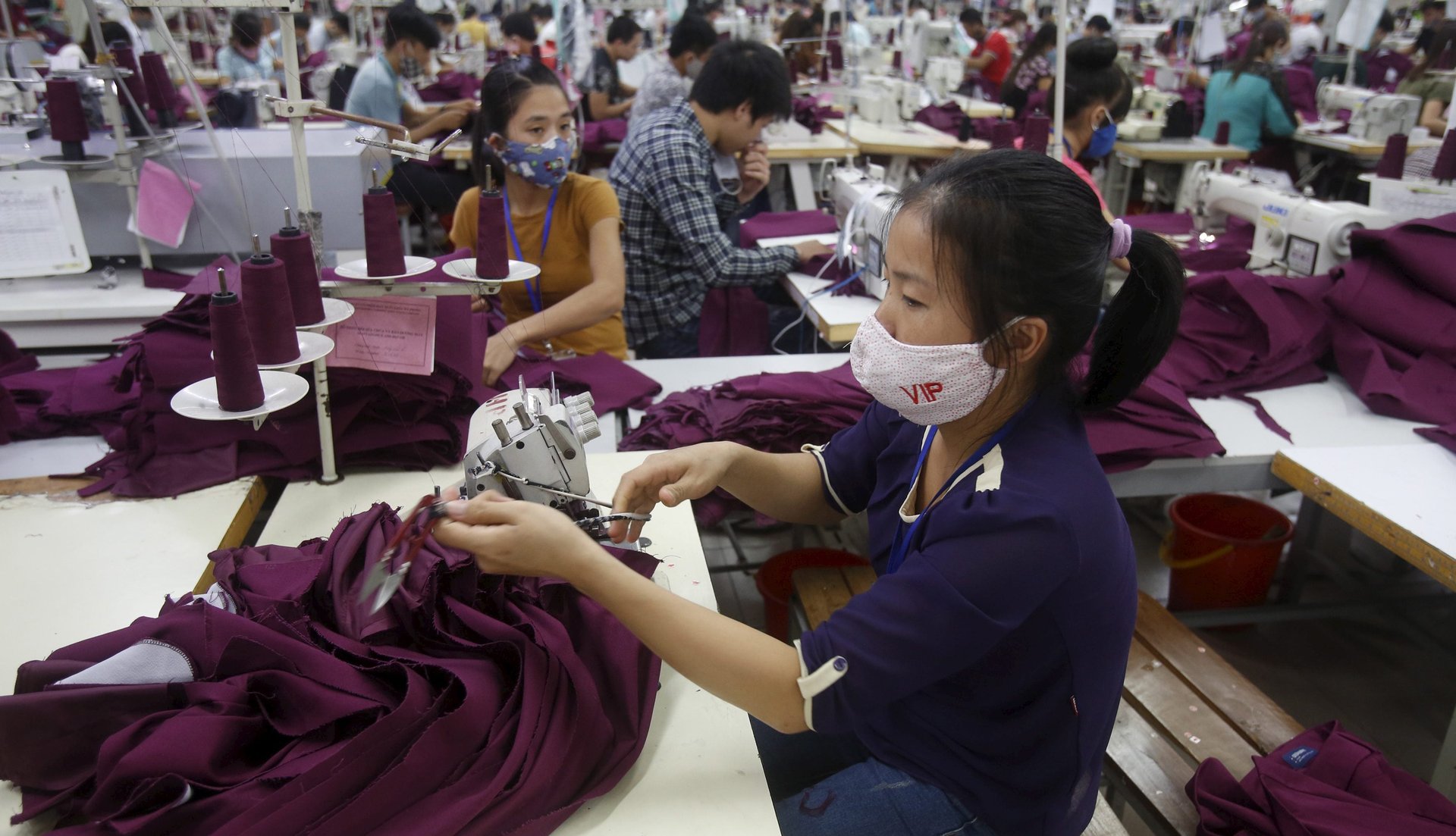
Hong Kong’s Crystal Group makes clothes for many of the world’s clothing giants, including H&M, Gap, Fast Retailing (owner of Uniqlo), and L Brands (owner of Victoria’s Secret). It’s the world’s largest apparel maker by production volume, according to research firm Euromonitor, and attracted attention in October for having the biggest IPO on the Hong Kong stock exchange since 2015.

Steve Jobs is best known as the founder of technology company Apple. Steve Jobs Inc. is something entirely different.

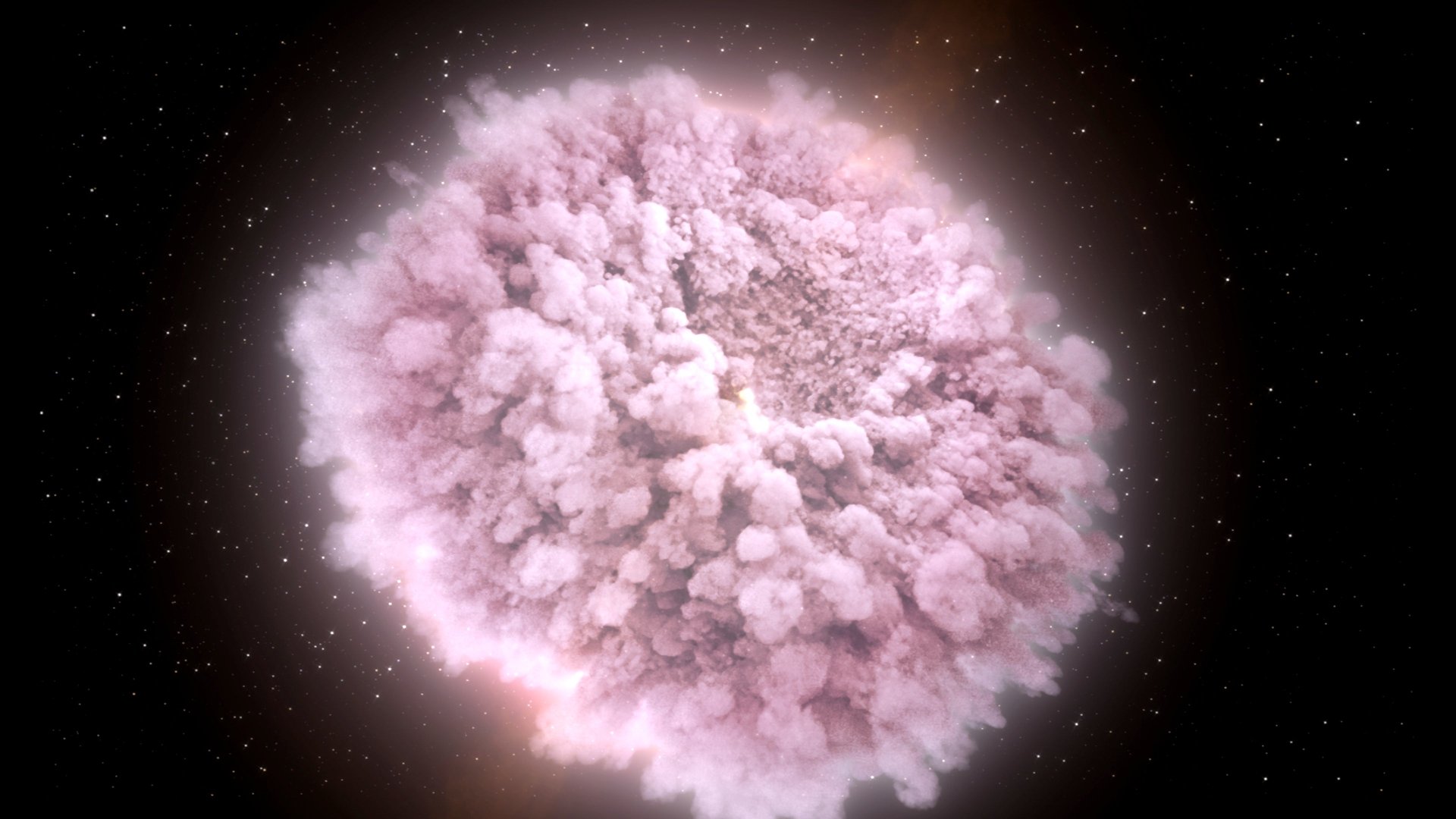
One of the most frustrating things about science is that it’s an incremental process. This, however, is a feature, and not a bug; in order to advance our understanding of ourselves and the world around us, we need to test and retest—and retest and retest—everything new thing we think we’ve discovered. That means it’s easy to miss scientific breakthroughs amid the churn of the daily news cycle, especially in the current political climate. So we’ve decided to look back at 2017, and highlight some of the advances made in various scientific fields that we feel were both underrated and are likely to have a major impact in 2018 and beyond. In no specific order:

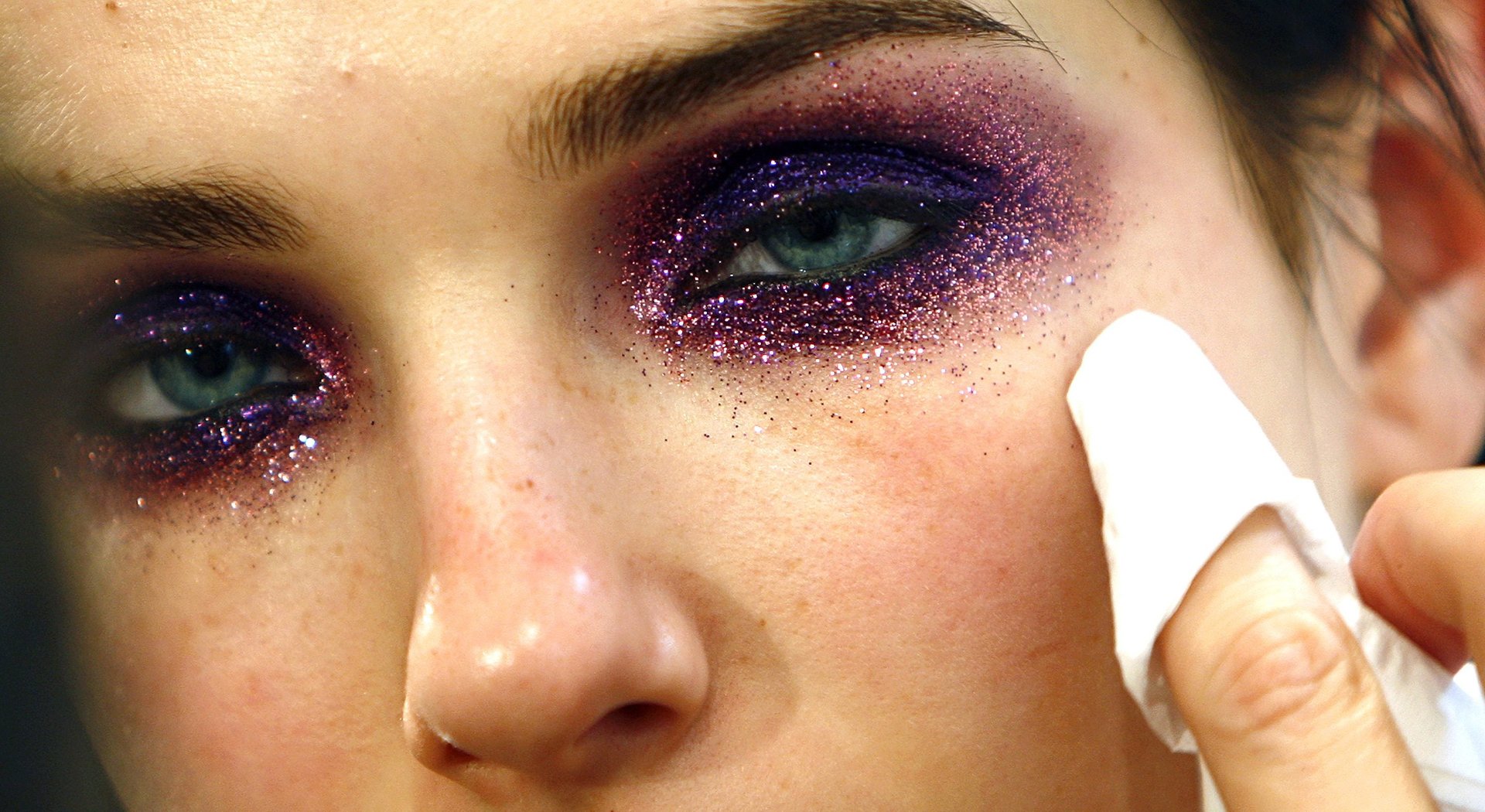
Asbestos is probably the last thing you worry about when buying your child glittery makeup, but more than one retailer has now had to pull products after lab testing found the carcinogen in them.

Nike has unveiled a new set of NBA jerseys meant to reflect the character and culture surrounding the team wearing it.

Daniel Day-Lewis broke the hearts of film lovers everywhere this past June. The only man to have ever won three Oscars for best actor, he announced his retirement from acting, saying via a spokesperson that it was a “private” decision and giving no other reason. Audiences would get to see him in a new role one final time, in director Paul Thomas Anderson’s Phantom Thread, which debuted in theaters on Dec. 25.