
Money & Markets
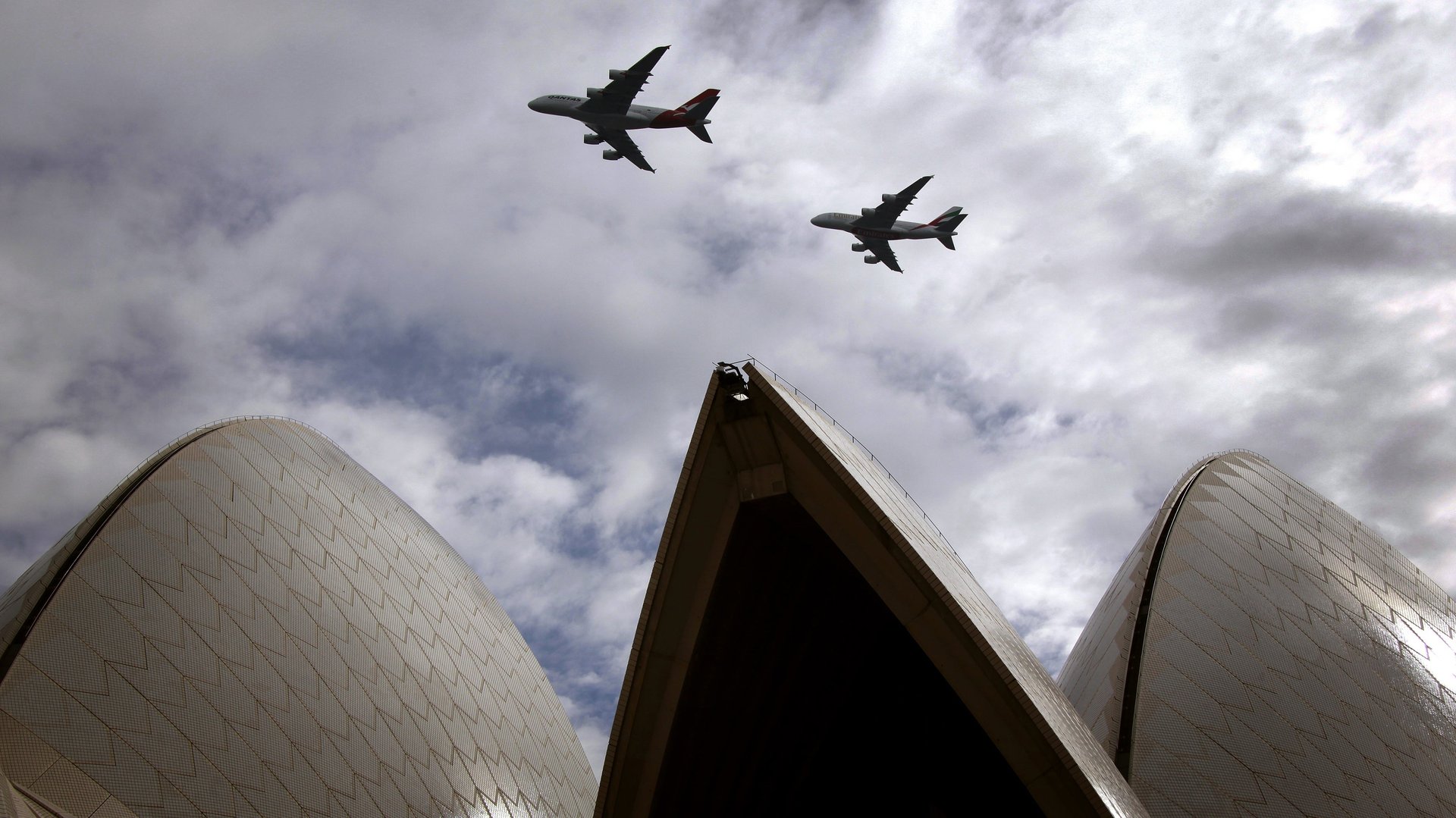
Australia has gone an incredible 23 years without a recessionMuch like a flight to Sydney, the Australian economy has remained aloft for an incredibly long time.
Updated July 21, 20221 min read
Much like a flight to Sydney, the Australian economy has remained aloft for an incredibly long time.

America finally seems to be making real headway in reining-in its ridiculously high healthcare costs.

Ireland’s economy seems to be getting back onto its feet. After a fourth-quarter contraction, GDP grew at a 2.7% clip in the first quarter. Home prices are rising again. And unemployment continues to decline steadily, though it remains higher than 11%.
Each month we spotlight the so-called “jobs differential,” an indicator that’s buried in the Conference Board’s monthly update on US consumer confidence. The jobs differential is basically the difference between the number of people who said jobs were “hard to get” and those who said jobs were “plentiful” in the the non-profit research group’s monthly consumer sentiment survey.
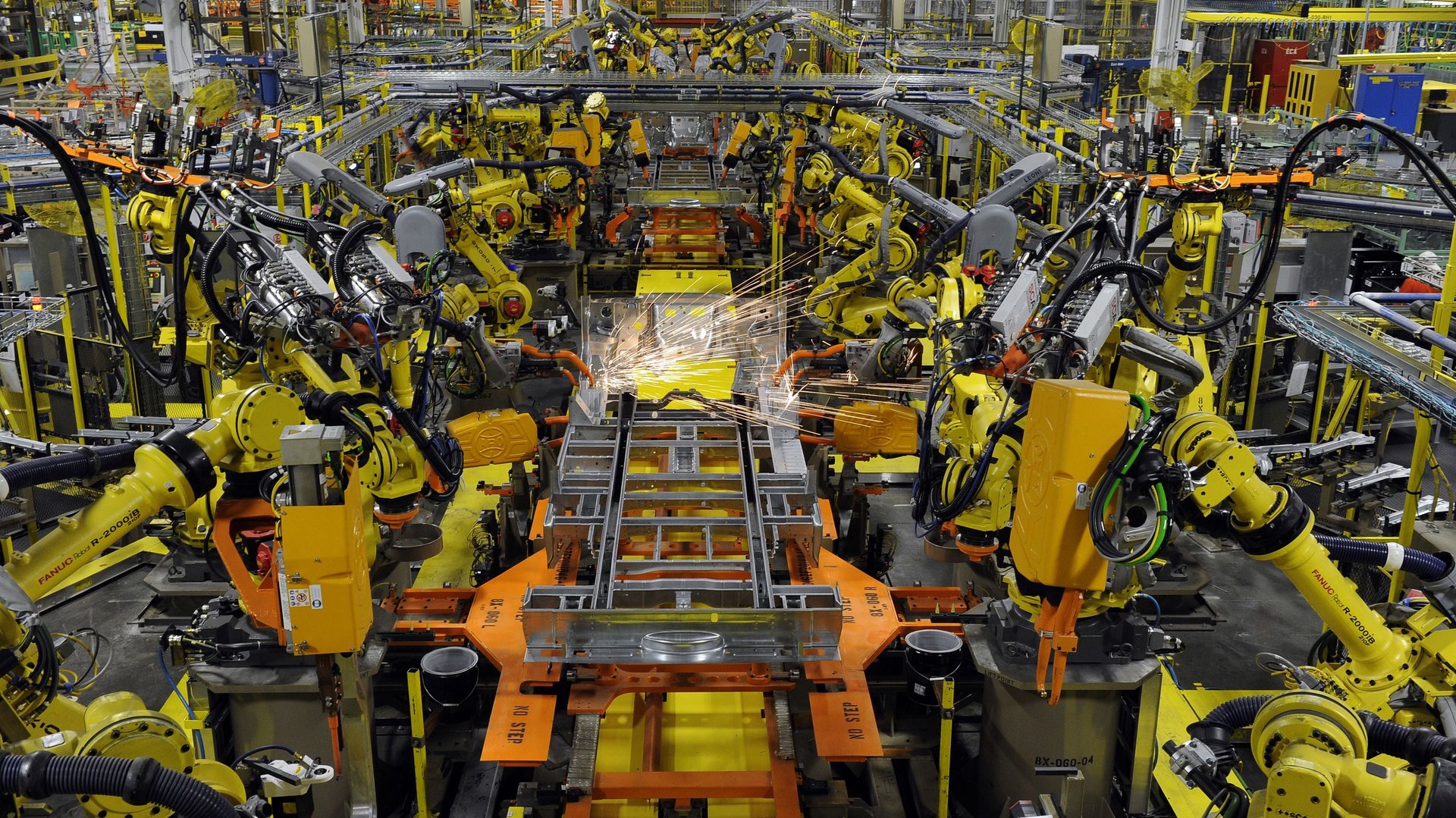
It’s finally happening. American companies are spending again.

It’s Argentina.

Happy days might not be here again, but they seem within sight.
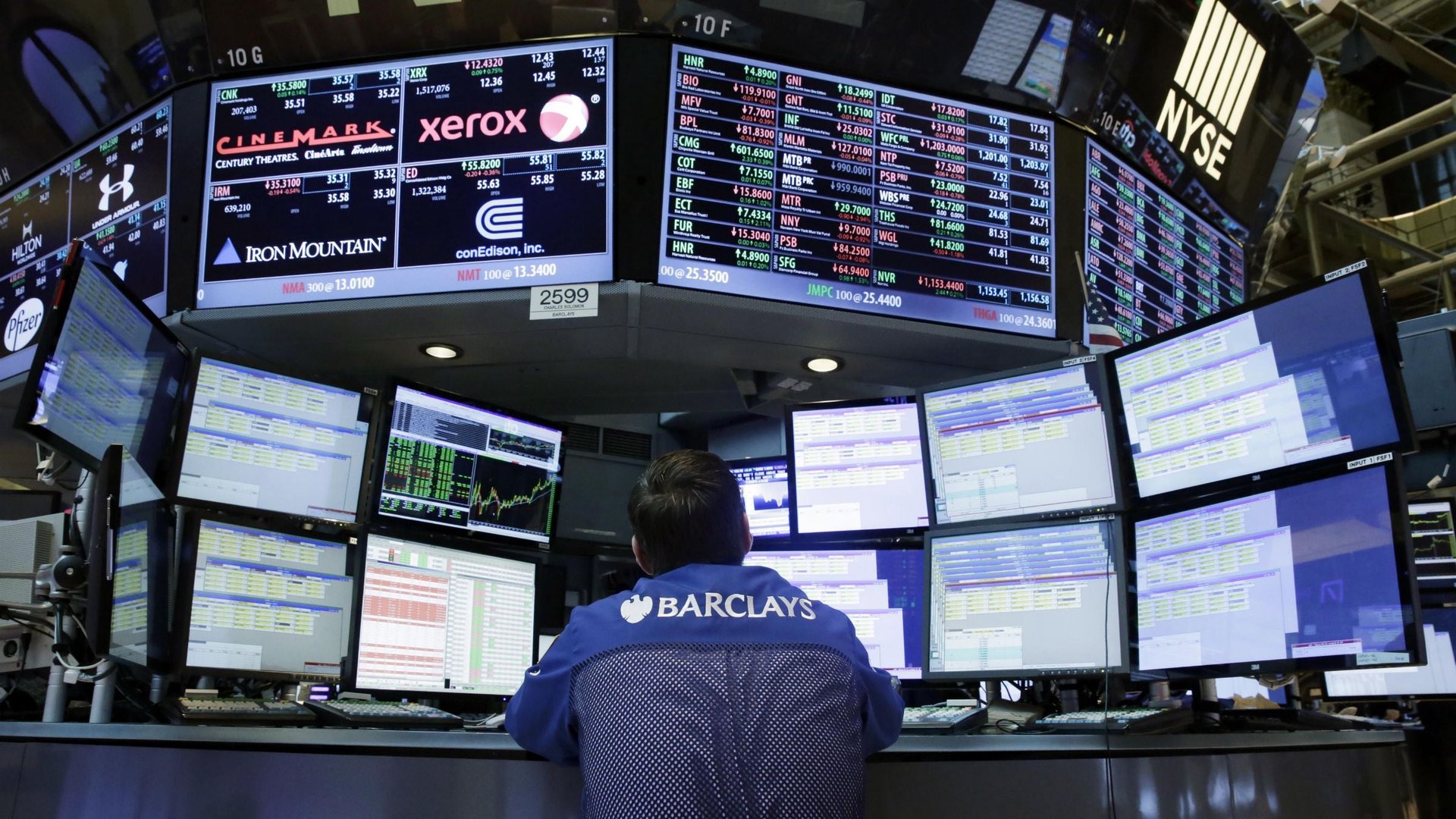
Think back to March 2009. The US economy smoldered quietly in a ditch. The rickety financial system was tottering. Corporations puked hundreds of thousands of pink slips each month. The benchmark S&P 500 hit an ominously low level of 666.79 on March 6, before scraping a closing low of 676.53 on March 9, not seen in more than a decade. It had collapsed by 57% from its October 2007 high, inflicting more than $9 trillion in paper losses.
For a discipline that purports to measure whether people are better or worse off, economics produces an incredible amount of unhelpful data.
As technical indicators go, the Hindenburg Omen, a smattering of moving averages and market breadth indicators that purported to predict catastrophic market sell-offs, was an abject failure. If you had gone to cash, bought gold and headed out to your shack in the salt flats to wait out Armageddon in August 2010—when the Hindenburg Omen first gathered attention after it supposedly signaled a looming crash—you would have missed an incredible rally. The S&P 500 is up roughly 85% since then.
Markets are not so much shrugging off bad news, as celebrating it.

Peace is in the air—or at least in the equity markets.
Here we are again, through the looking glass.

The numbers: Not great. Profits tumbled 62% to $234 million, as the big-box retailer spent nearly $150 million trying to straighten out its massive data breach from late last year. Customer transactions continued to decline, falling 1.3% of the same period last year. Sales at stores open at least a year were dead flat. Shares dropped on the news.

The day had to come. Steve Ballmer, the colorful executive who led Microsoft from 2000 to 2014, stepped down from the company’s board, ending a 33-year association with the software giant. Here’s a section from his letter announcing the move:
The numbers: Really good. Profit rose 14% to $2.05 billion. Sales rose 5.7% to $23.8 billion. The number of transactions rose 4.2%. The shares surged.
US wages have gone precisely nowhere over the past year. Inflation-adjusted US hourly earnings growth was 0% in July compared to the previous year, according to just released stats.

Israel posted only modest GDP growth in the second quarter, even before the fighting Gaza got underway in earnest.
This is a general counsel’s worst nightmare. A few forgotten Post-it notes, apparently scribbled on by Google employees, are at the heart of a recently-filed intellectual property lawsuit against the web search giant.
Nobody expected it, (paywall) but the bond markets are having a heck of a year. The unrest in Russia and Ukraine, Iraq and Gaza are helping to drive global bond yields down from already low levels. A fresh scare in Ukraine on Friday sent yields on German bonds to all-time lows, for example, as they fell below 1.00%. (US yields followed suit falling to the lowest level in 14 months.)
The markets do not like the look of this.