
Business News
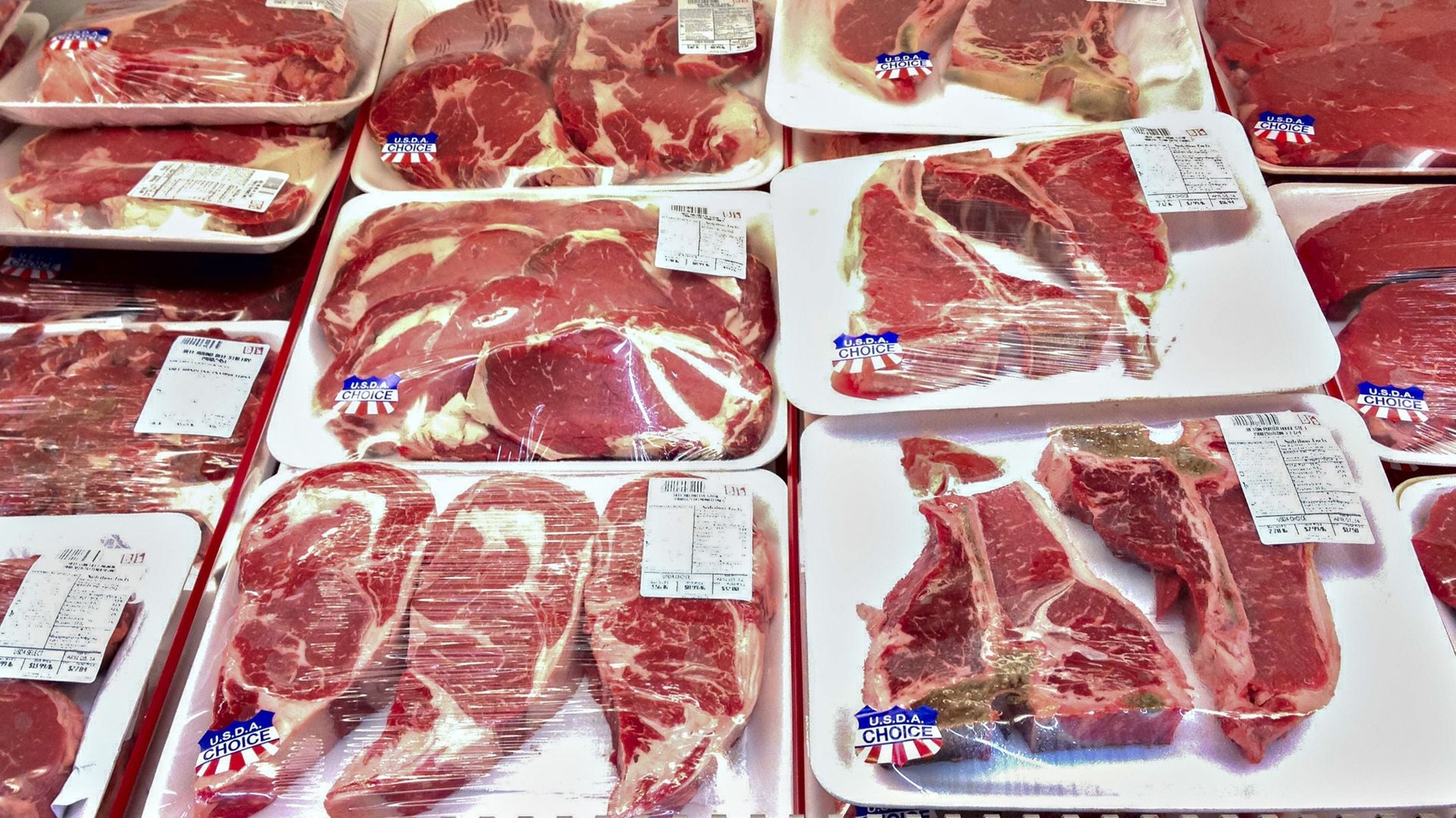
Your Chipotle burrito is getting pricier for this one simple reasonProtein is getting more expensive.
Updated July 21, 20221 min read
Protein is getting more expensive.

It’s really happening. China’s hyper-hot housing market is turning south. Fresh charts cooked up by economic analysts at Barclays show the trend pretty clearly.

When Vladimir Putin embarked on his extracurricular activities in Ukraine, he wasn’t trying to give the US residential real estate market a boost. But in the fog of quasi-war, funny things can happen.

The hotly awaited filing is here.

Yes, college is still worth it.

As we all know, US student debt is soaring. With a relentless rise, student debt has become the second-highest form of consumer debt in the US in recent years. In the fourth quarter, the amount of student debt outstanding hit $1.1 trillion. (This chart doesn’t show mortgage debt, which is about a dozen times as big.) But at the same time , there’s a crucial transformation going on. That’s why this chart, below, is important. It shows more people have been availing of a couple of different federal programs that lower the monthly repayments on student loans. The income-based repayment program (IBR) was instituted by the US Department of Education in 2009. It caps monthly loan payments at 15% of the borrower’s discretionary income and forgives loans after 25 years. A separate repayment plan, known as pay-as-you-earn (PAYE), was introduced in December 2012. It is aimed at helping young Americans who graduated into the miserable economy of the Great Recession. (It is only available to those who took out their first loan after Oct. 1, 2007.) It caps monthly payments at 10% of discretionary income and forgives loans after 20 years.
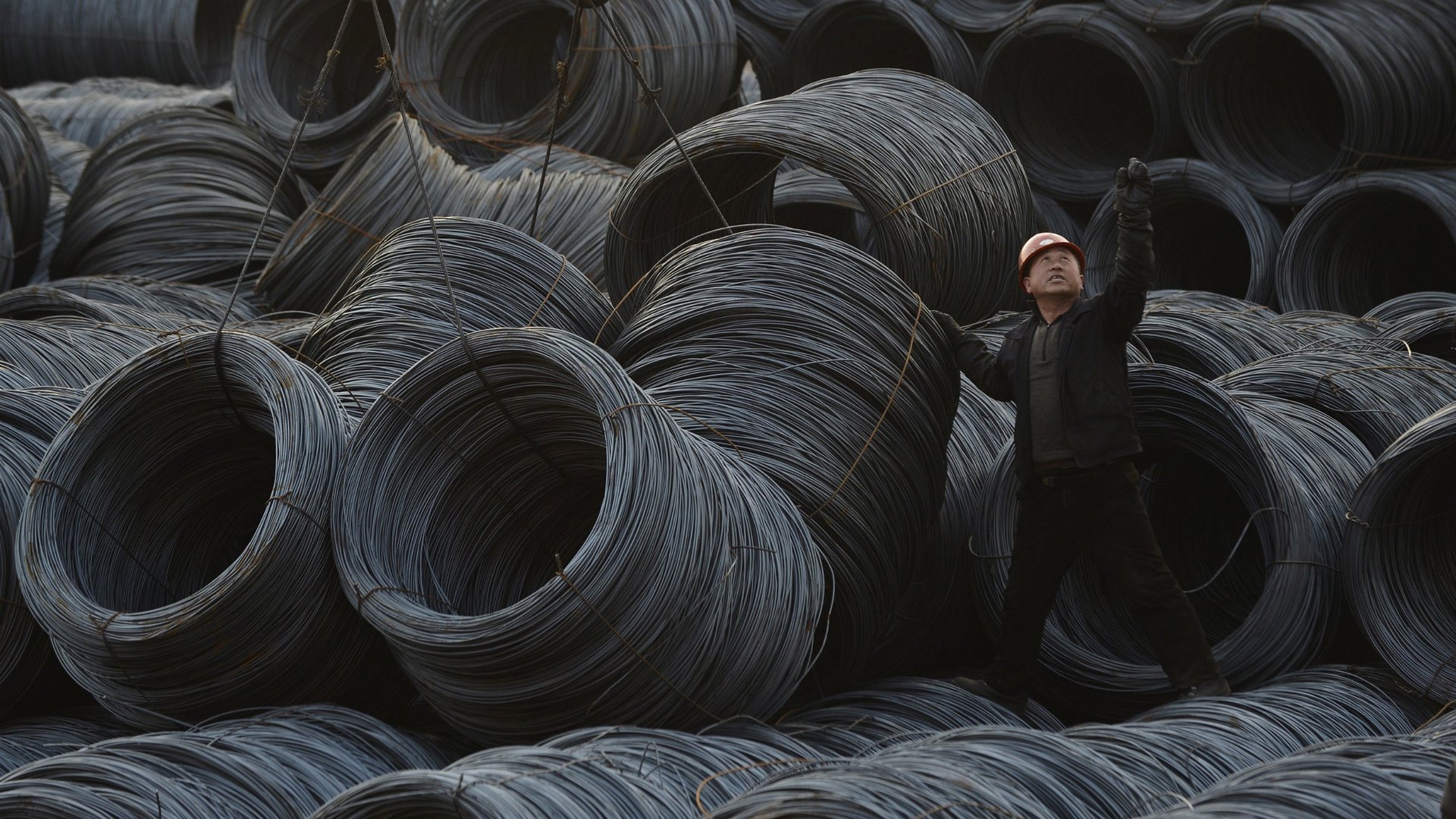
The second look at China’s manufacturing activity in April—here was the first look—showed that contraction in this pillar of the economy continues. The HSBC China Manufacturing PMI reading showed the manufacturing sector shrinking for its fourth consecutive month.
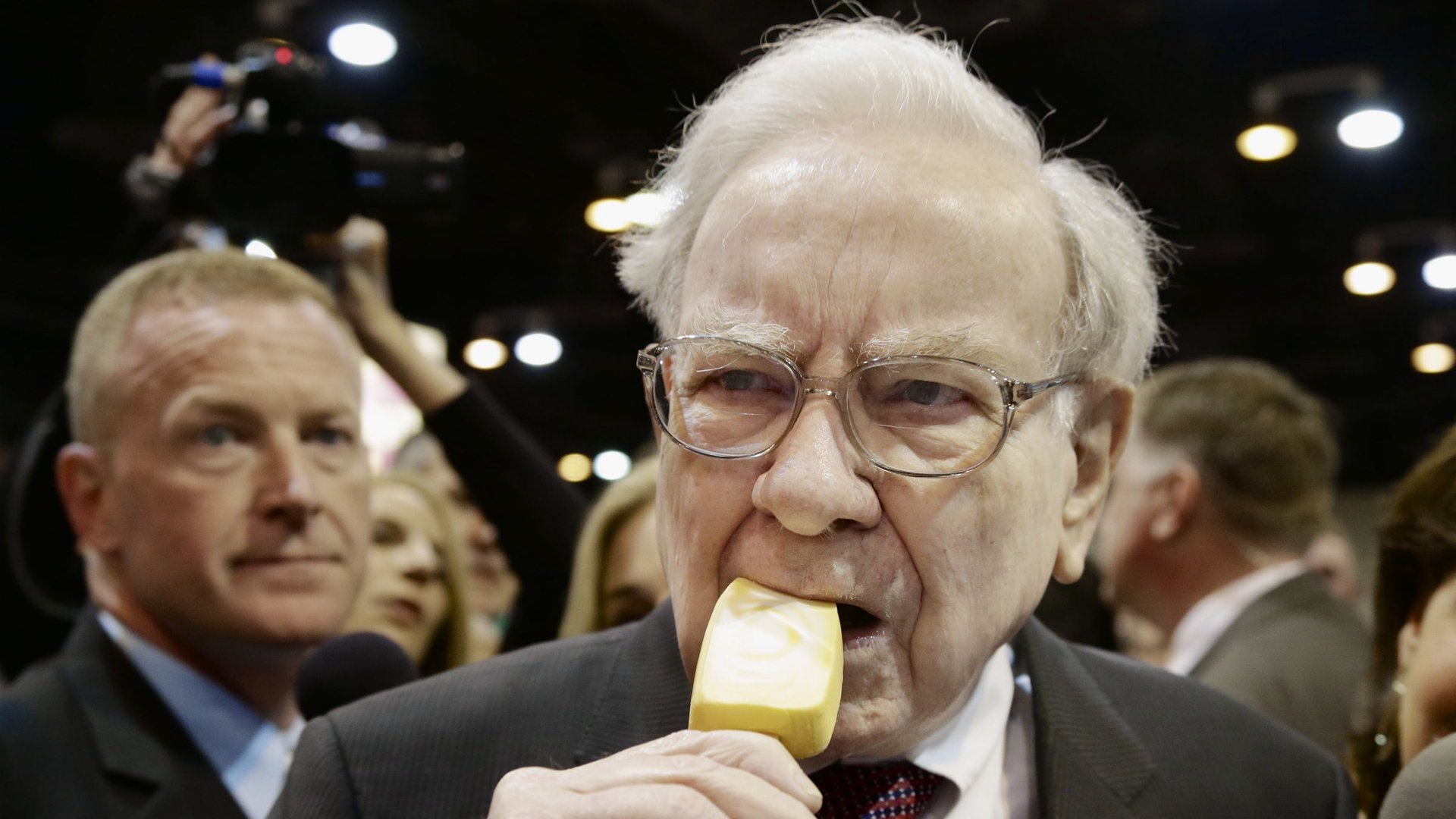
Berkshire Hathaway shareholders this weekend voted down a proposal that would have prodded Warren Buffett’s conglomerate to pay a dividend. It’s no wonder.
Wow. The US labor market shifted into a higher gear in April, as 288,000 new jobs were created.
Wall Street analysts are expecting a good report tomorrow at 8:30am, when US Bureau of Labor Statistics will spit out its latest estimates of how the job market looks. The current consensus wisdom is that the American economic machine produced 210,000 new jobs during April. It’s true that the margin of error on the data is pretty large at 100,000. (That means that a report of 210,000 new jobs could mean anything between 110,000 and 310,000 were actually created.) Here’s a quick recap of why analysts are expecting a good number.
April is in the books. US and European stocks did well, with the S&P 500 up 0.6% and the Europe Stoxx 600 up more than 1%. On the other hand, Japan and China did poorly. The Nikkei was down 3.5% and the Shanghai composite fell 0.3%.
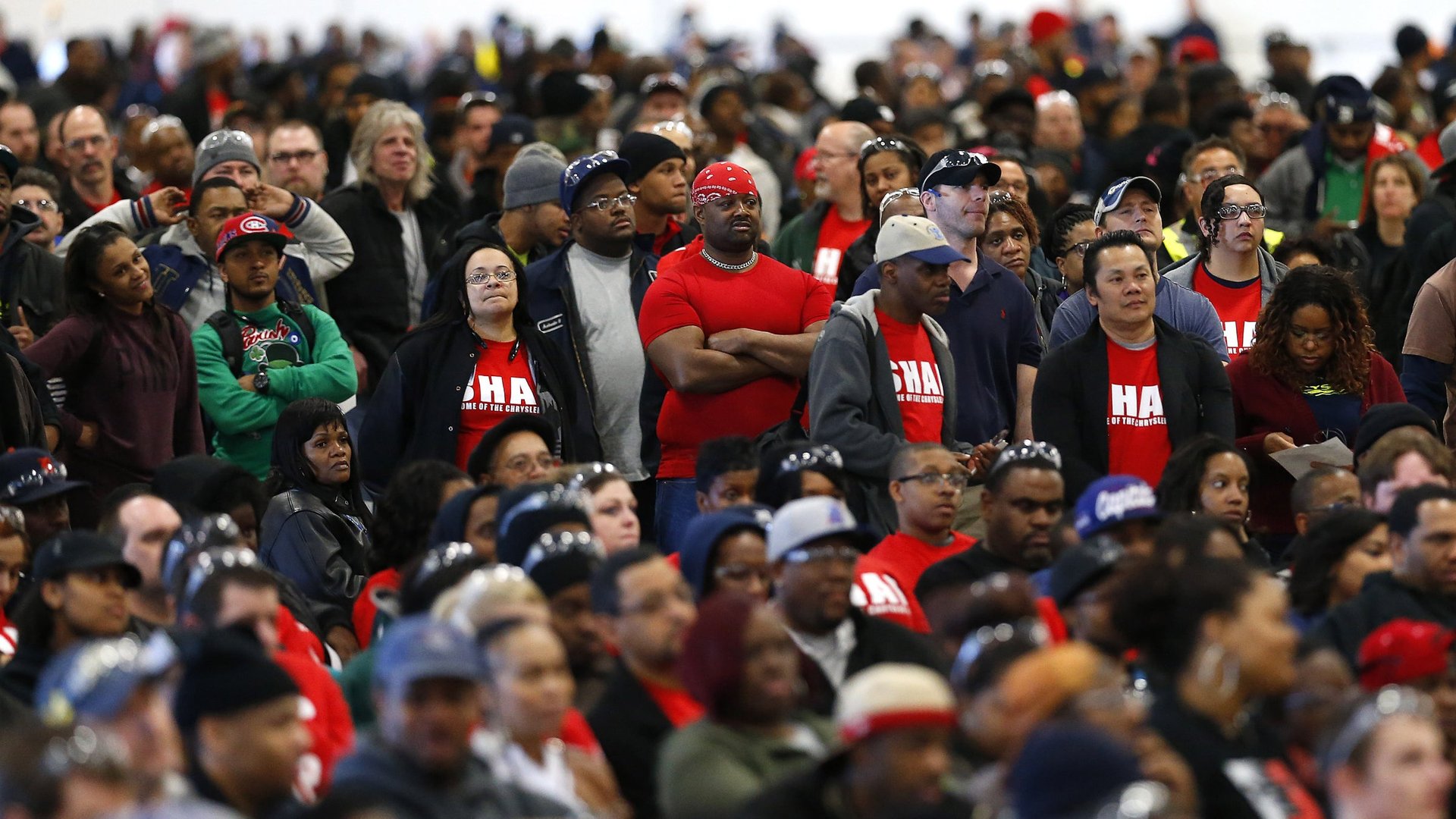
Some people like firing people. If you’re one of them, you might consider setting up shop in the United States.
The world’s biggest economy posted disappointing first-quarter GDP growth of just 0.1%. That’s well short of expectations for a 1.1% annualized gain.

The answer to economic malaise may be a bit of romance.

Soccer will save the day. Samsung’s first-quarter revenues may be up 1.5% on the same period last year, but operating profits dropped 3.3% (pdf), the company reported this morning in Seoul. But there is no cause for concern; profits will pick up ”in the second quarter and beyond, on the back of improved sales of display panels and home appliances,” Samsung says:
Israel yesterday marked Holocaust Remembrance Day, one of the most solemn days on the national calendar, when the country comes to a standstill to mark the six million Jewish victims of Nazi genocide between 1933 and 1945.

It’s true. Coffee giant Starbucks has been taking a break from buying beans over the last month, as coffee prices continue to log ridiculous gains.
In March, a surge of imports (ahead of an April tax increase) combined with the weakest export growth in a year.

It’s heady company. When he won the John Bates Clark Medal earlier this month, University of Chicago economics professor Matthew Gentzkow suddenly found himself among legends such as Paul Samuelson and Milton Friedman. Both are past recipients of the award, which the American Economic Association bestows on the American economist under the age of 40 who “who is judged to have made the most significant contribution to economic thought and knowledge.”
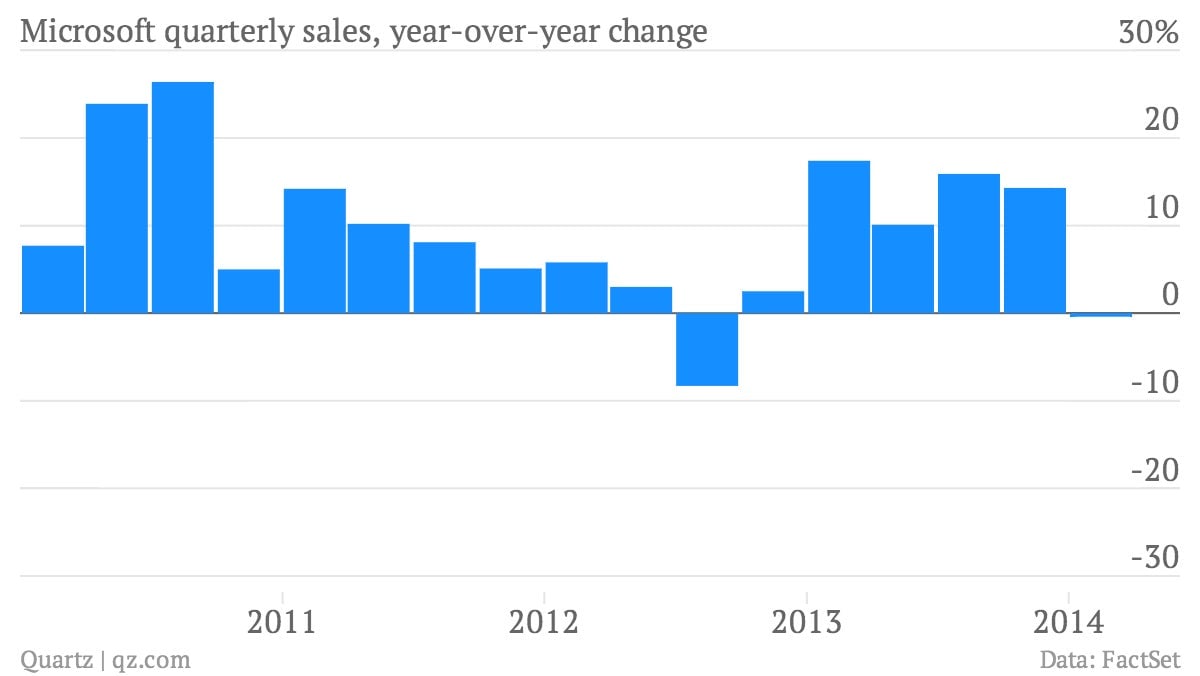
The numbers: Not as bad as feared. Sales declined 0.4% to $20.40 billion. Profits fell 6.5% to $5.66 billion. But the numbers were better than Wall Street analysts expected. The shares rallied after hours.
Apple is continuing its remarkably rapid transformation from the world’s premier growth story to the world’s top-value stock.
So, new home sales in the US tanked in March, falling 13.3% year-over-year—the ugliest number since April 2011. That’s a bit jarring to see after a couple years of steady recovery.
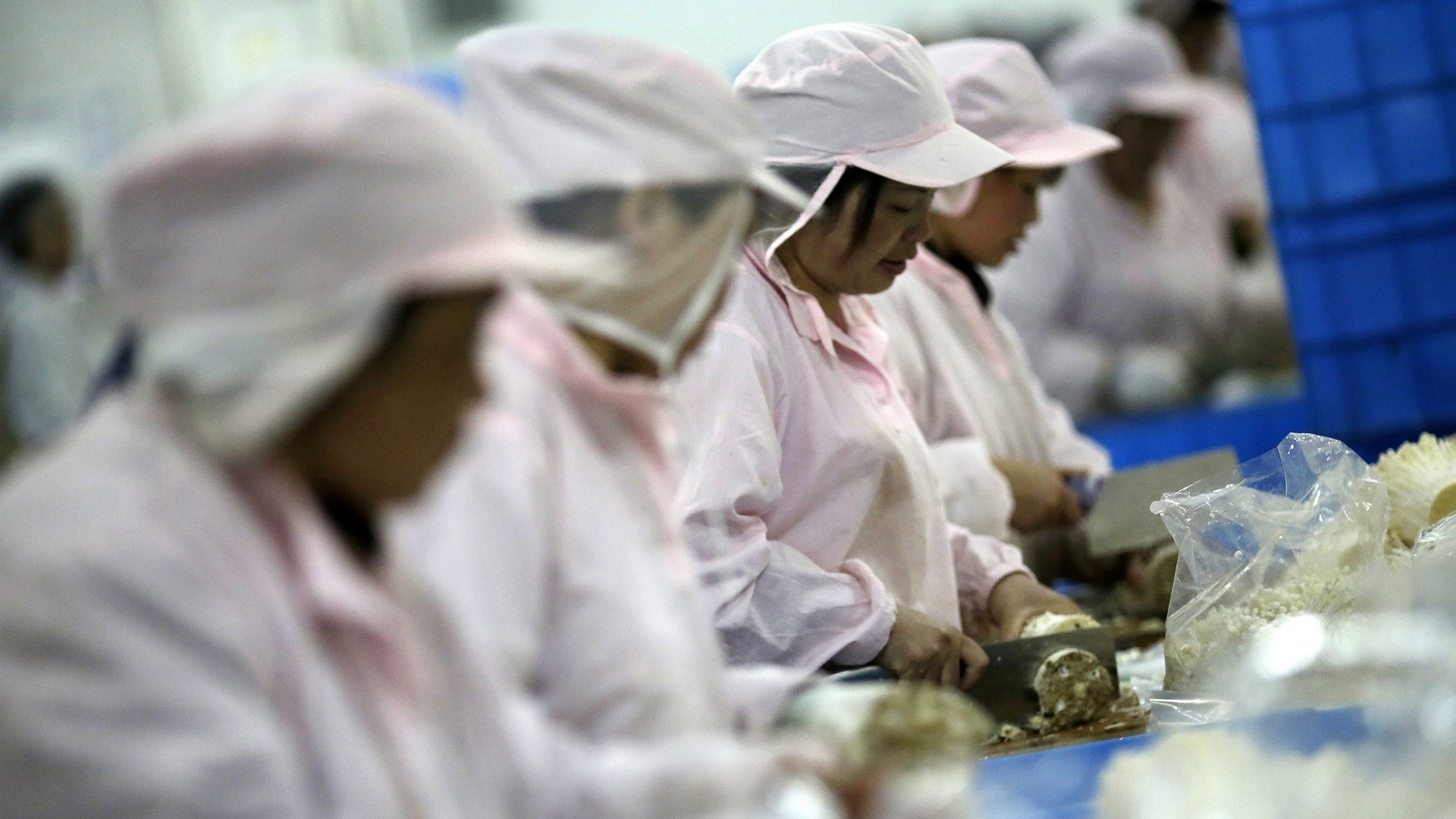
Chinese stocks have had an awful year. It makes sense. The country is basically taking important steps to reconfigure its economy away from the production-driven boom that has driven economic growth for decades, and manufacturing is slowing. Today’s HSBC Markit China manufacturing PMI showed the country’s manufacturing sector was still contracting in April. (The measure has been below the 50, which separates contraction from expansion, since January.)