Pretty much every company these days is trying to position itself as a tech company. As far as corporate jargon goes, it’s right up there with calling your company innovative (paywall).

Pretty much every company these days is trying to position itself as a tech company. As far as corporate jargon goes, it’s right up there with calling your company innovative (paywall).

Barclays just got dinged with more than $2 billion in fines on two continents for manipulating the foreign exchange market. The evidence: Ridiculously incriminating chatter in online chatrooms, including advice from one Barclays employee that “if you ain’t cheating, you ain’t trying.”

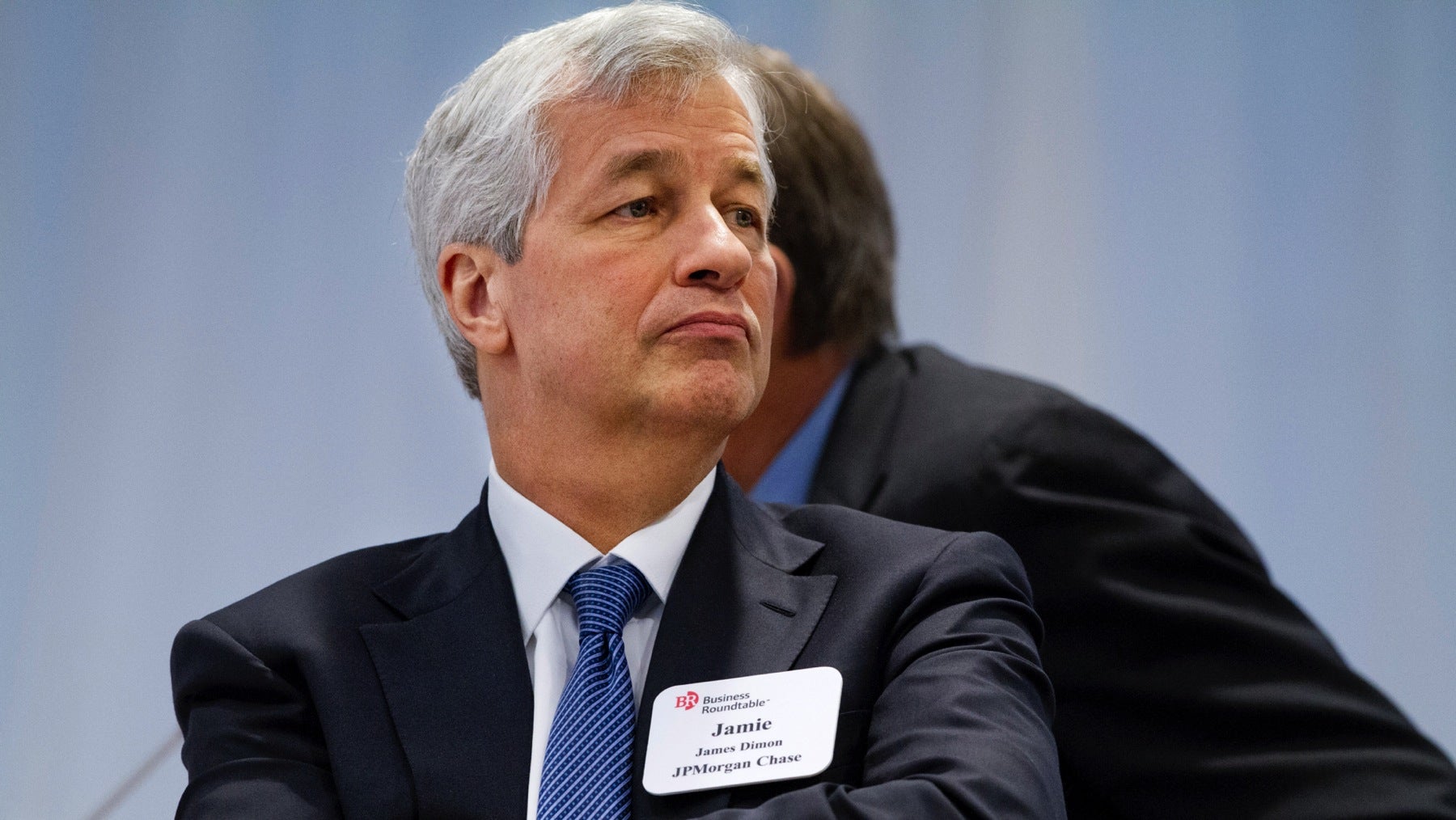
JP Morgan CEO Jamie Dimon’s $20 million pay package will stay intact, despite the fact that nearly 40% of the mega bank’s shareholders voted Tuesday (May 19) not to approve the mighty bank chief’s compensation.

There’s an epic battle being fought to control how people pay each other for things when they’re not using cash, and up until now it has mainly involved firms that might be described as payment industry disruptors—from big technology companies like Apple and Google and PayPal to smaller upstarts like Square and Affirm.

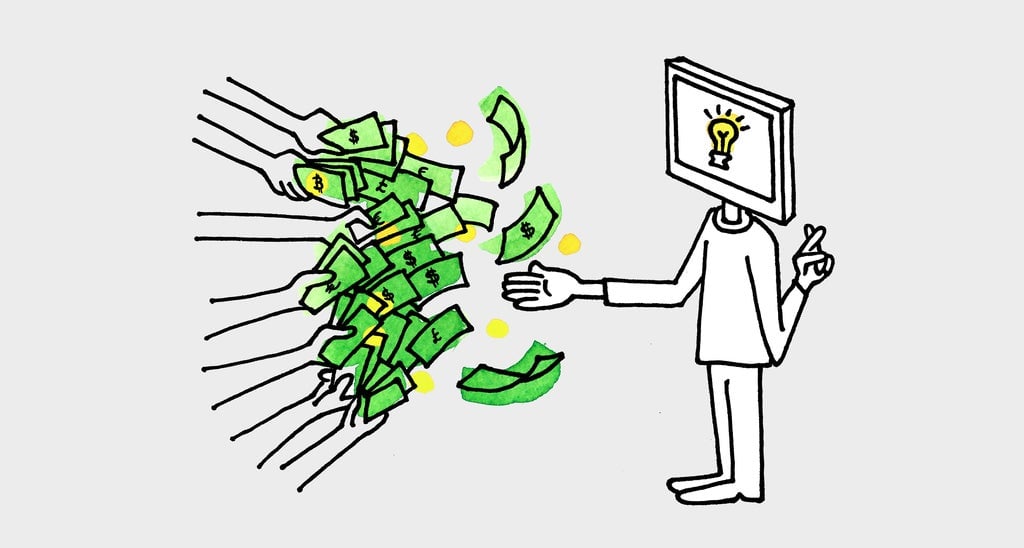
The European Commission is weighing whether to impose a tax on crowdfunding websites like Kickstarter. The idea is that people who pledge, say, $100 to get a credit card-sized cell phone, would have to pay a value-added tax (VAT) on the products they eventually receive. It’s gaining traction as the distinction between a “reward,” “pledge,” “gift,” or “sale” is blurring more and more in the maturing marketplace.

Peer pressure is often blamed for driving us to spend money we don’t have—on a pricier handbag, a lavish wedding, or a new car to keep up appearances.

When two of the world’s largest retailers start working together, it’s worth paying attention.

Reversing a hefty tumble in the number of American births that followed the 2008 recession, the number of babies born in the US is rising for the first time in seven years. The only problem is, so are the costs of raising children.

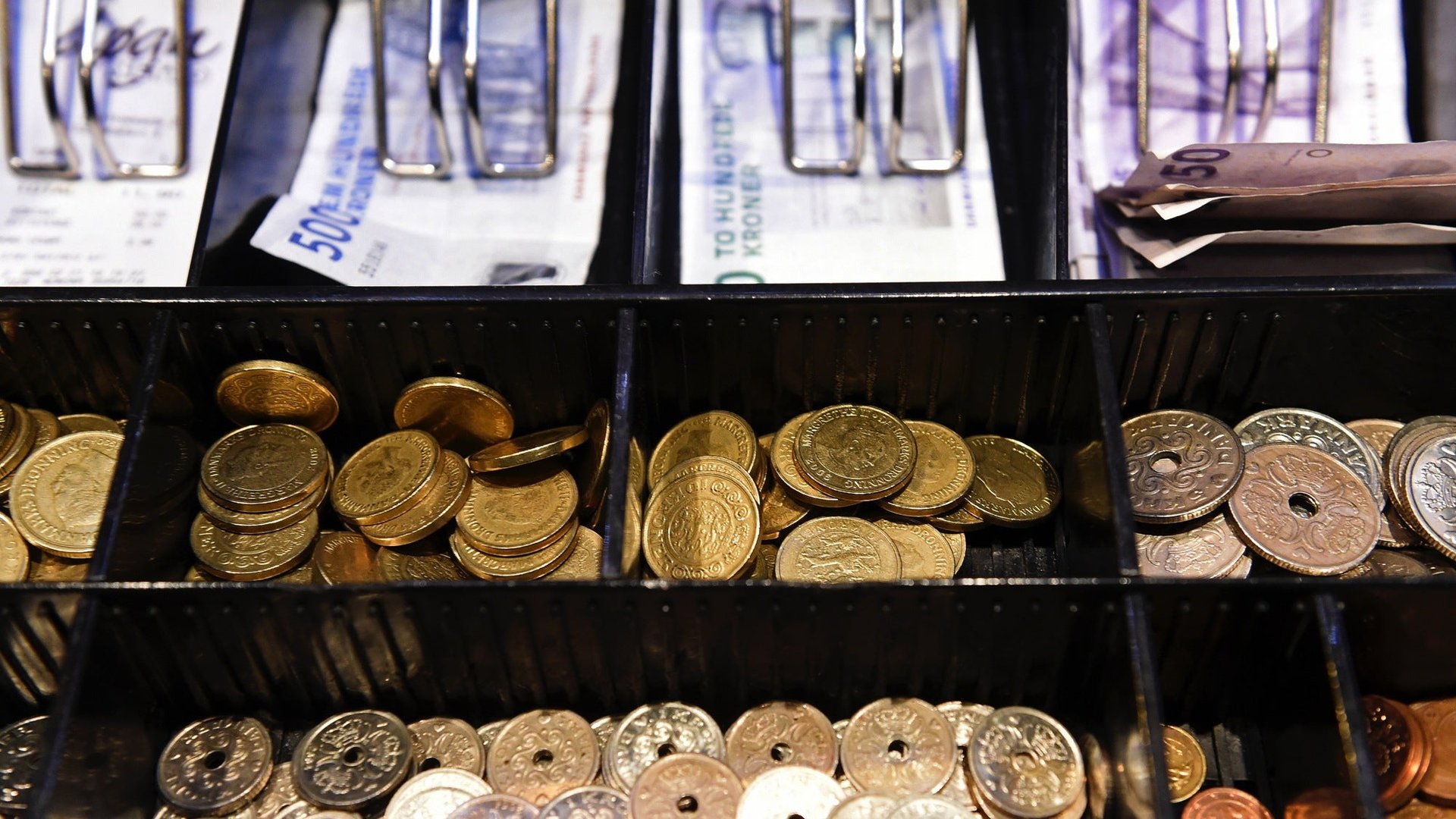
The Danish government said today that it wants to allow gas stations, clothing stores, and restaurants the option to stop taking cash payments, a move that could accelerate a huge shift toward credit, debit, and alternative payment systems.

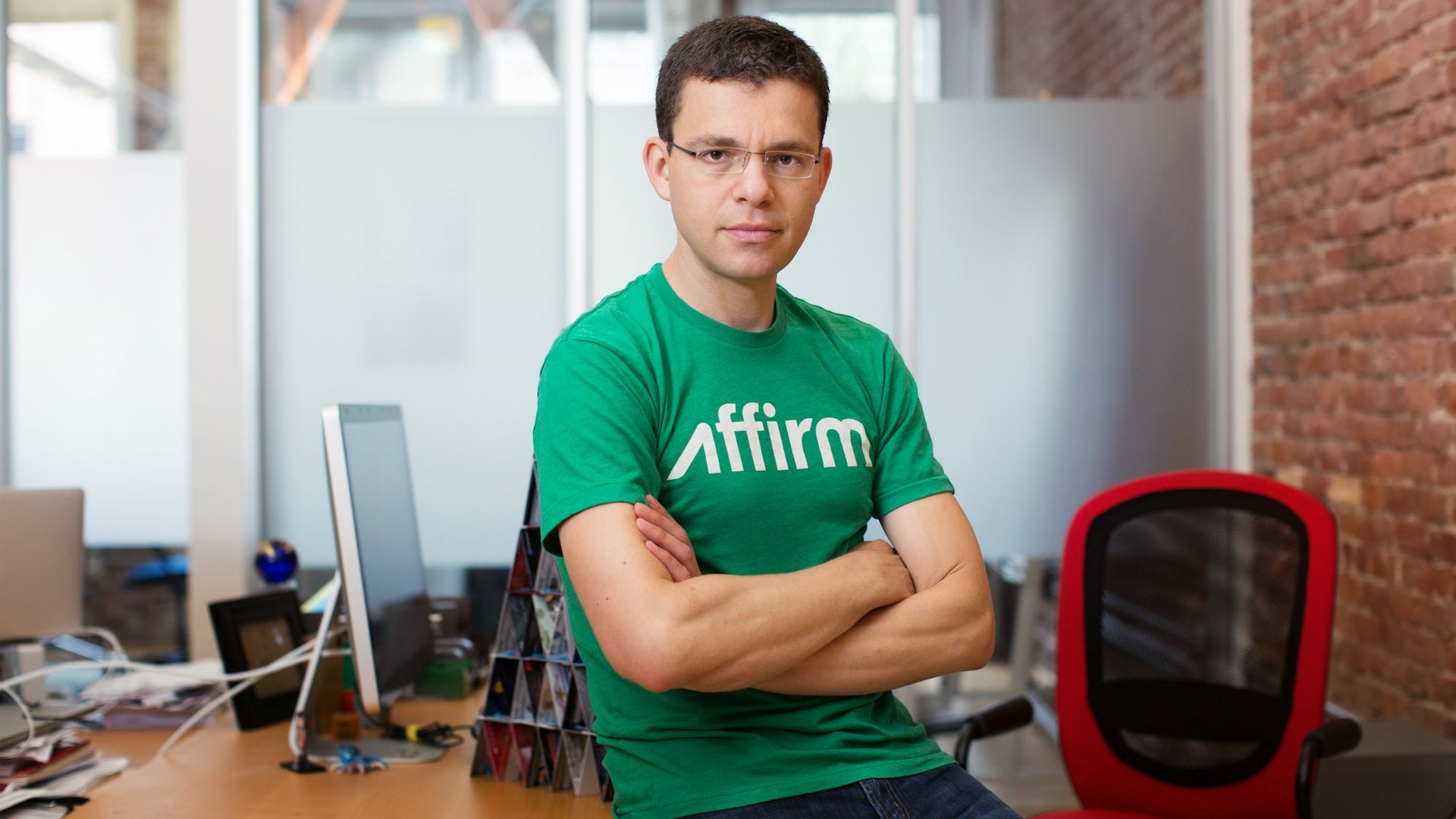
Millennials are just not that into credit cards—or at least that’s what PayPal co-founder Max Levchin is betting on as he pursues his newest venture, an online consumer finance startup called Affirm.

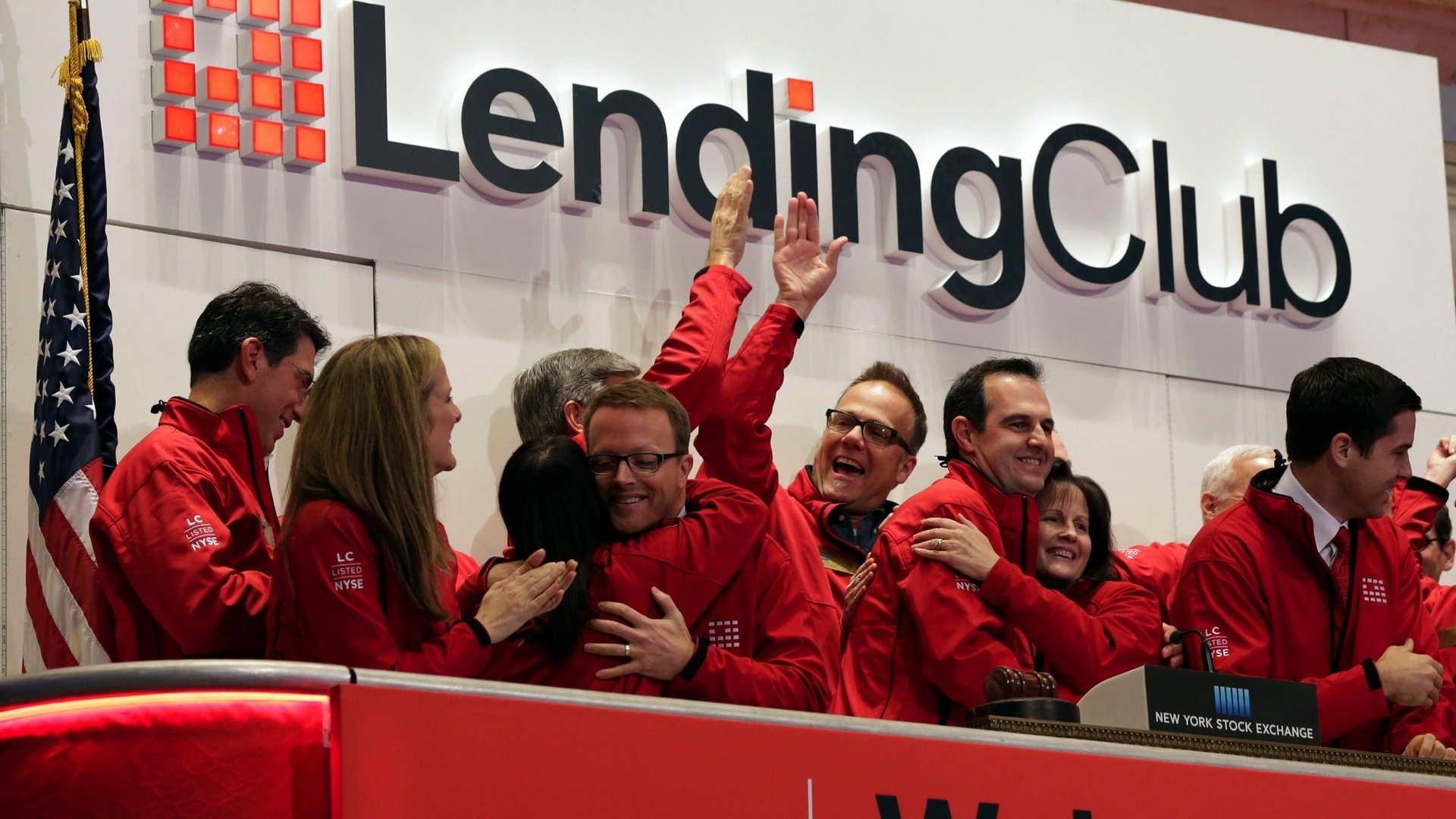
Despite all the hype about how online lending is going to topple traditional banking, many companies that lend money over the internet are still losing more money than they’re making.

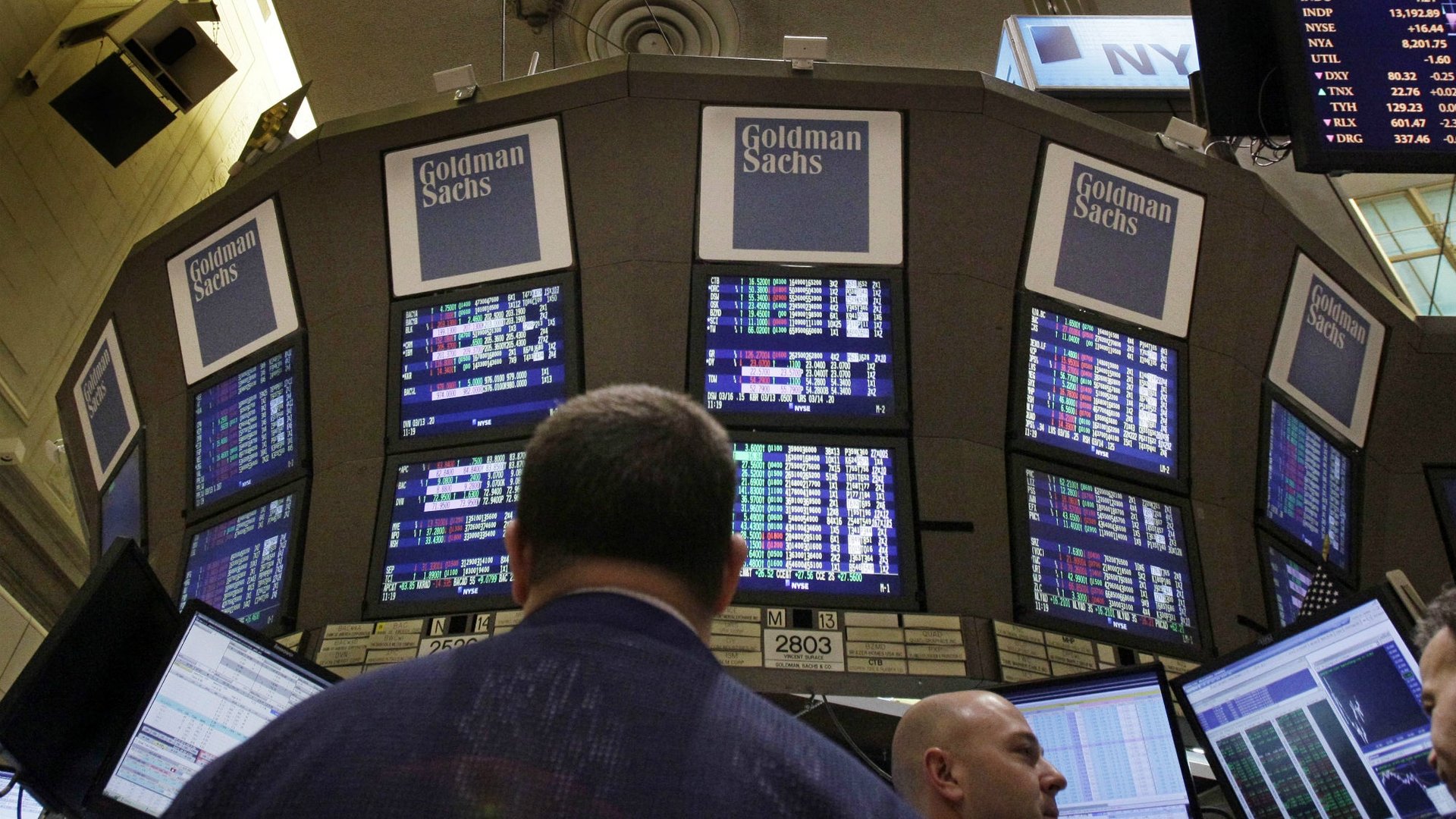
Goldman Sachs just hired a new partner to help bring it into the digital age.

Activist investor Carl Icahn compared Apple to Secretariat, the American racehorse and US Triple Crown winner, saying a company as promising as Apple only comes around once every 50 years.

As part of a gargantuan set of new laws aimed at making the US financial system safer after the last decade’s historic recession, lawmakers mandated that listed companies disclose the relationship between how well they perform and how much they pay executives.

The battle to control how people pay for stuff is heating up and Goldman Sachs wants a piece of the action.

If you can push past the dating metaphors and wave off the corporate cheerleading, Jeff Bezos’ annual shareholder letter provides a rare glimpse into the furtive founder’s vision for Amazon’s future.

It’s now abundantly clear that PayPal is a far superior company to its aging parent, eBay.

Dave Bogaty is a coffee junkie. He exclusively buys his beans from a small-batch roaster in Brooklyn and scouts out local varieties in every new city he visits.

The US Justice Department said it arrested a trader in Britain today (April 21) over allegations he illegally manipulated trades that led to the infamously quick stock market meltdown known as the ”Flash Crash.”

Goldman Sachs posted first-quarter results today.

Bank of America says it’s not too worried about people turning their back on human financial advisers in favor of “robo advisers” that use computer models to put customer investments on autopilot.

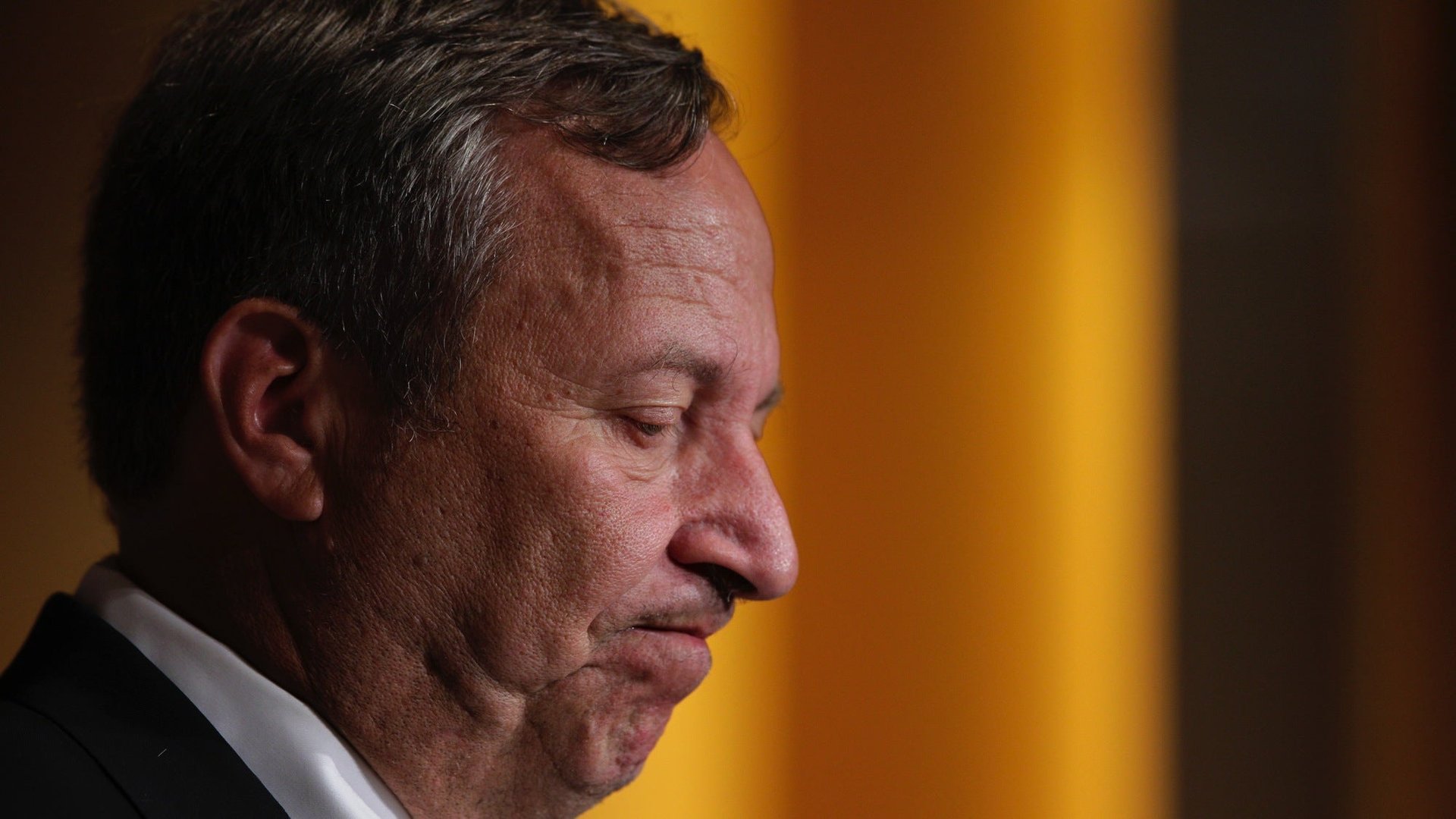
Former US Treasury secretary Larry Summers is calling for more regulation for peer-to-peer lending companies like Lending Club and Prosper, which have attracted a flood of money from Wall Street investors chasing high returns.

Big banks are terrible. That’s the message splashed across internet ads from Simple, the buzzy banking upstart that reminds consumers that it was “your big, terrible bank” that helped tank the global economy back in 2008.

If you can’t beat ’em, join ’em.