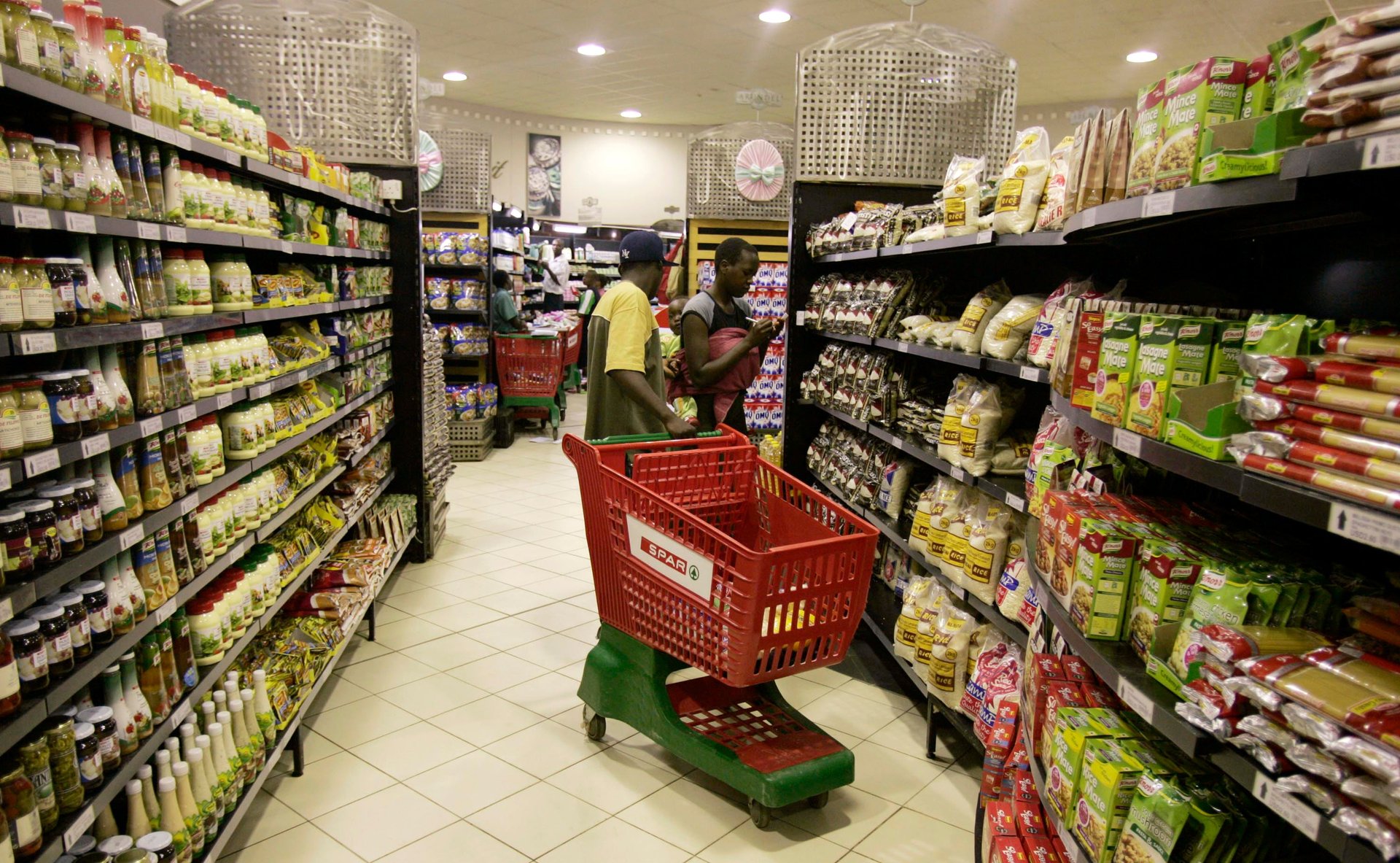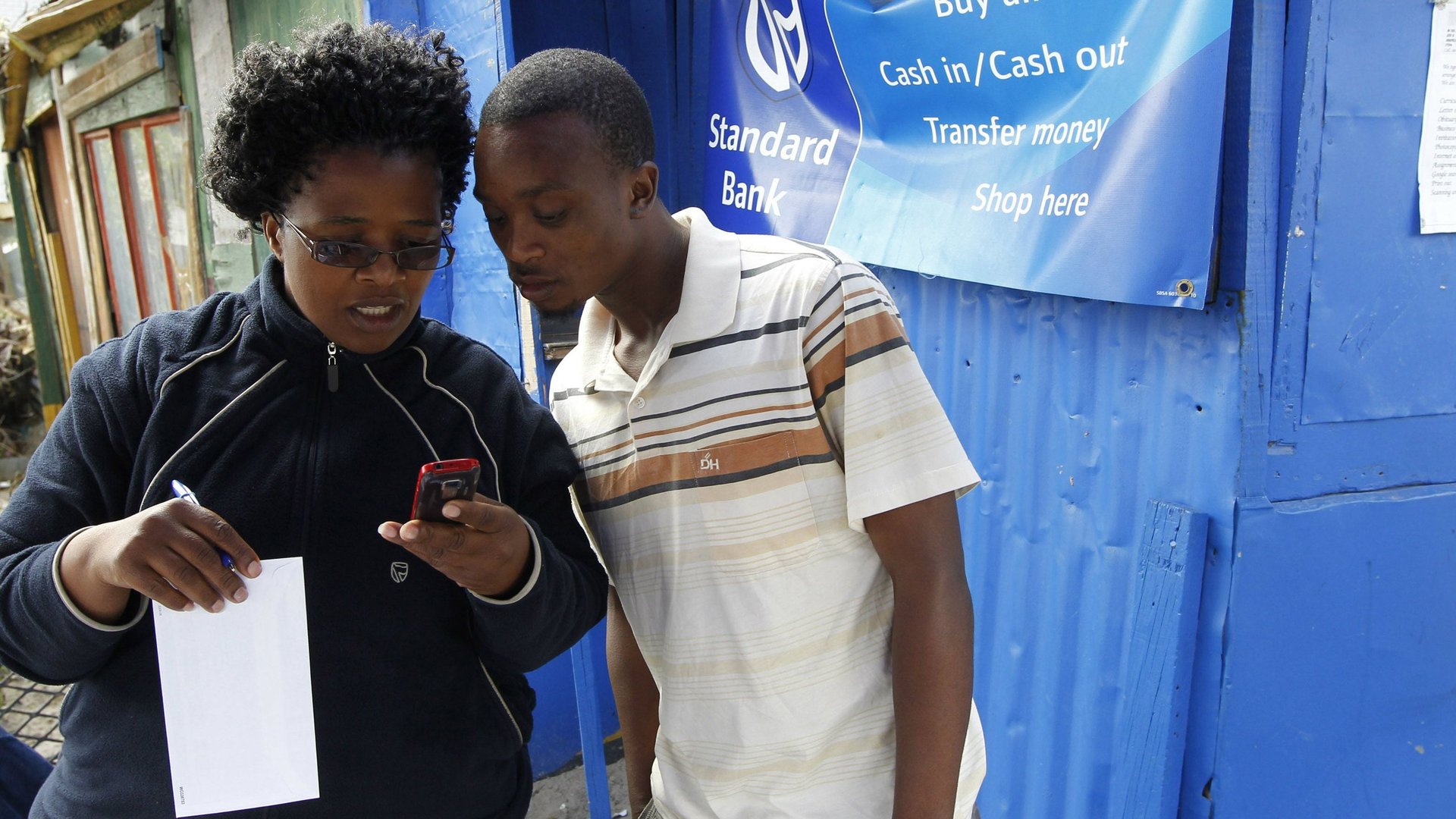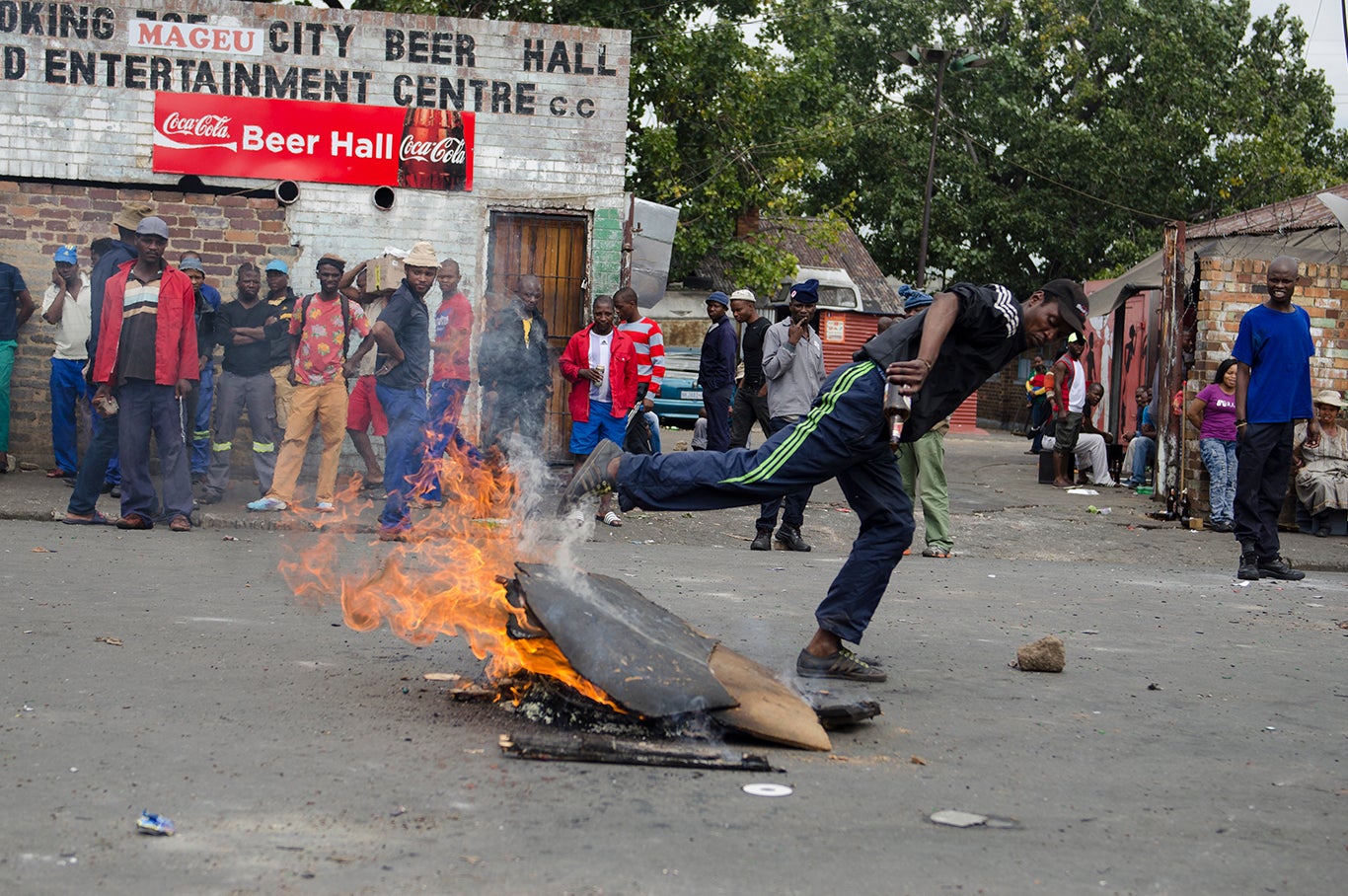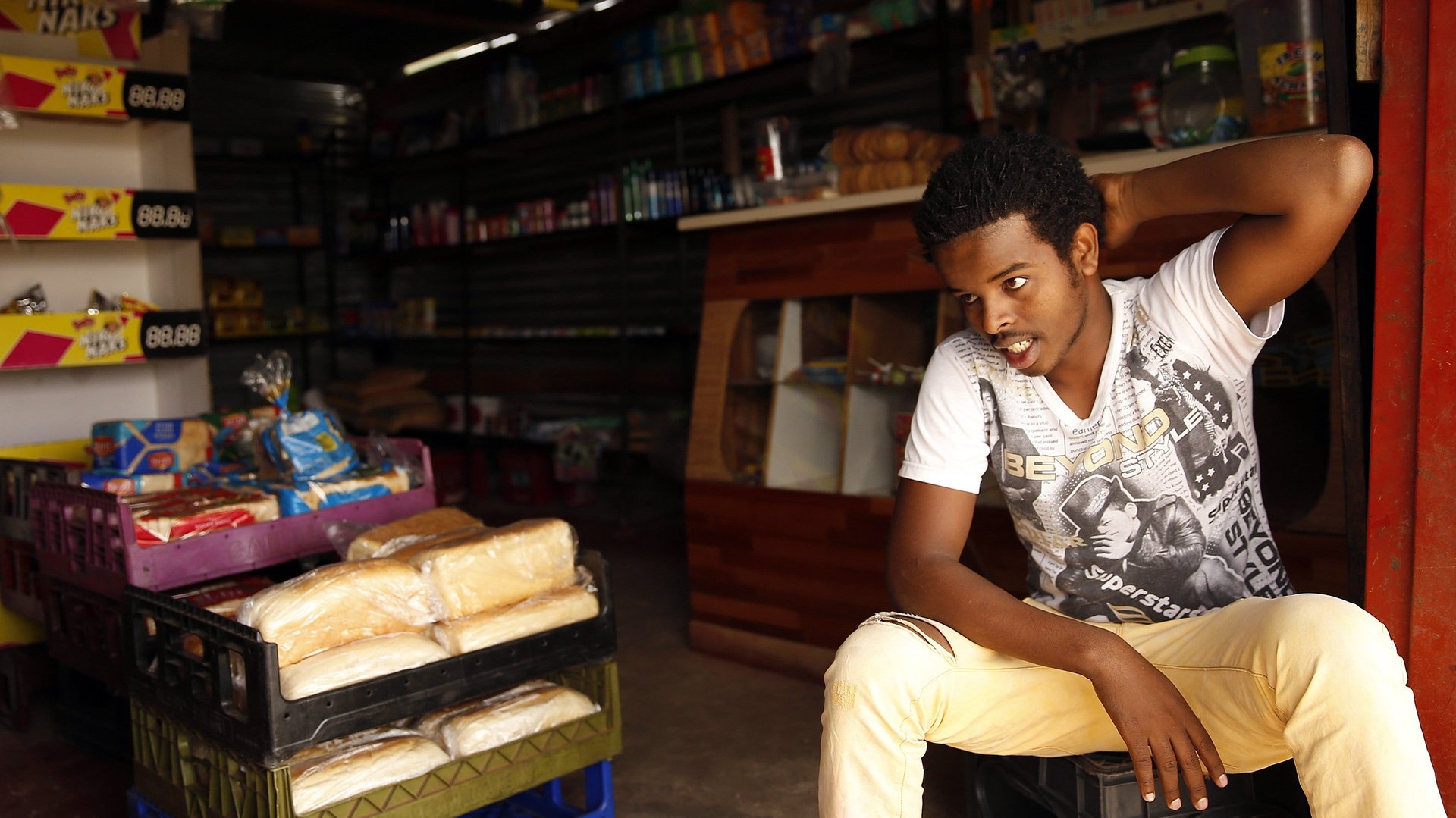
Two months after the xenophobic attacks that shook South Africa, the Competition Commission – the country’s anti-trust regulator–wants to know if small foreign retailers are behind the decline of South Africa’s local retailers.

Two months after the xenophobic attacks that shook South Africa, the Competition Commission – the country’s anti-trust regulator–wants to know if small foreign retailers are behind the decline of South Africa’s local retailers.

Five years ago, Nestlé announced its bold expansion plan for the sub-saharan Africa region: a $161 million investment to build three new factories and 13 new distribution facilities. The desired outcome? Increased sales for the food multinational and 750 new jobs for the 21 countries in the region. This plan was inspired by the much-talked about economic revival of Africa and its “rising middle class”.

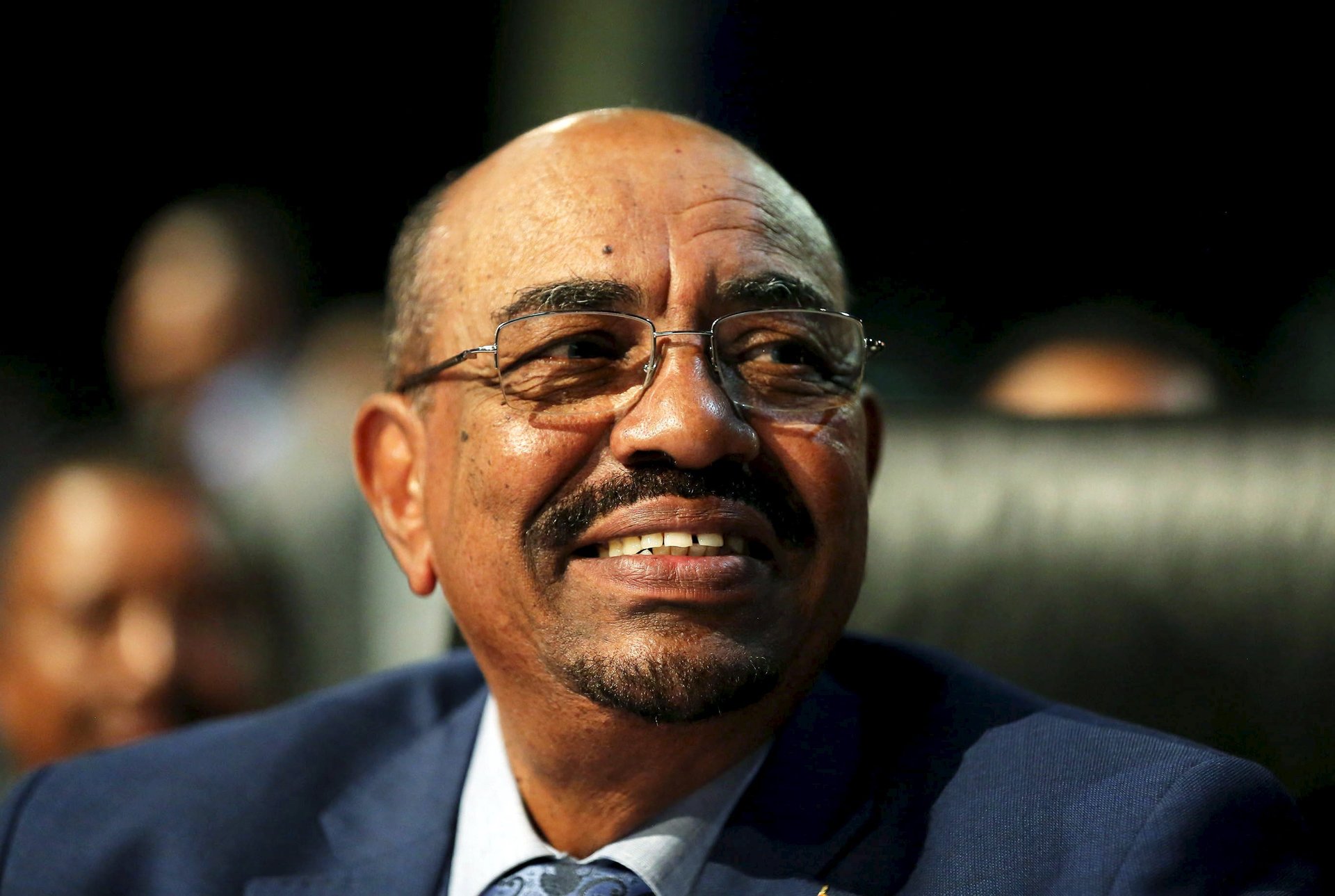
Omar al-Bashir, the controversial president of Sudan wanted by the International Criminal Court (ICC) for war crimes and crimes against humanity, has reportedly left South Africa, despite a South African court ruling for his arrest.

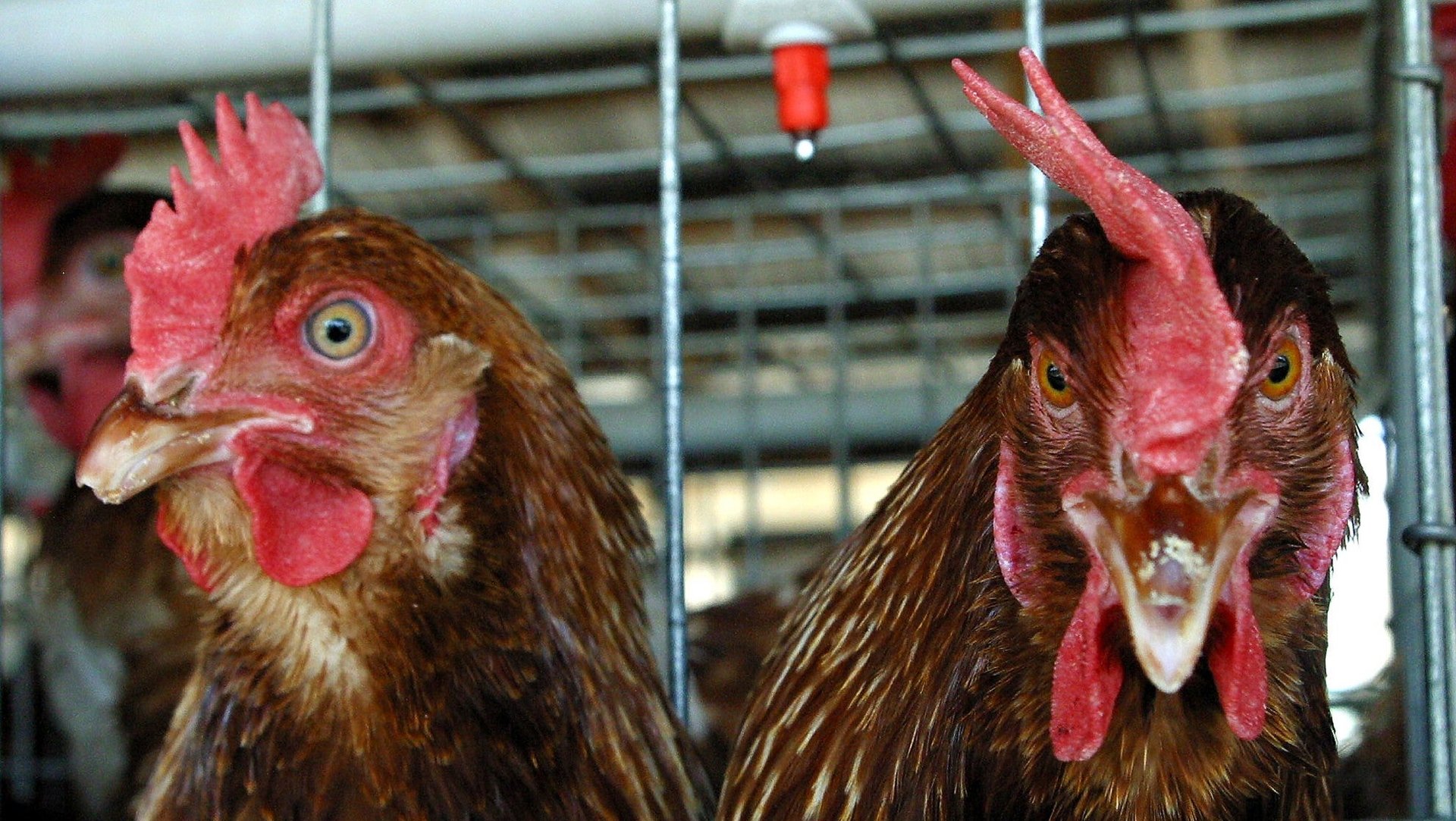
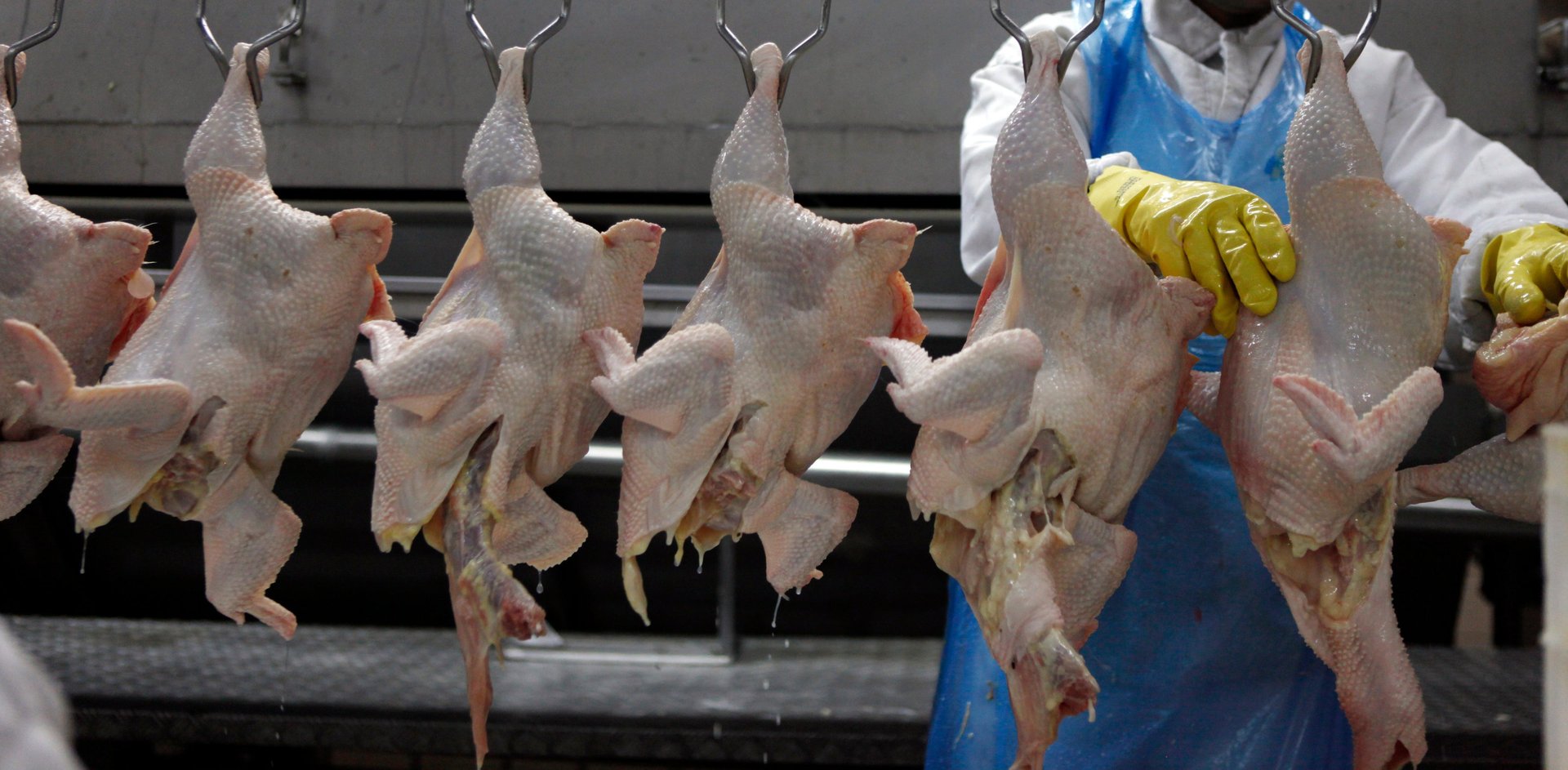
As the US-South Africa ‘chicken war’ comes to an end, one understated point is how market access into South Africa’s poultry market could help stimulate America’s plunging poultry exports.

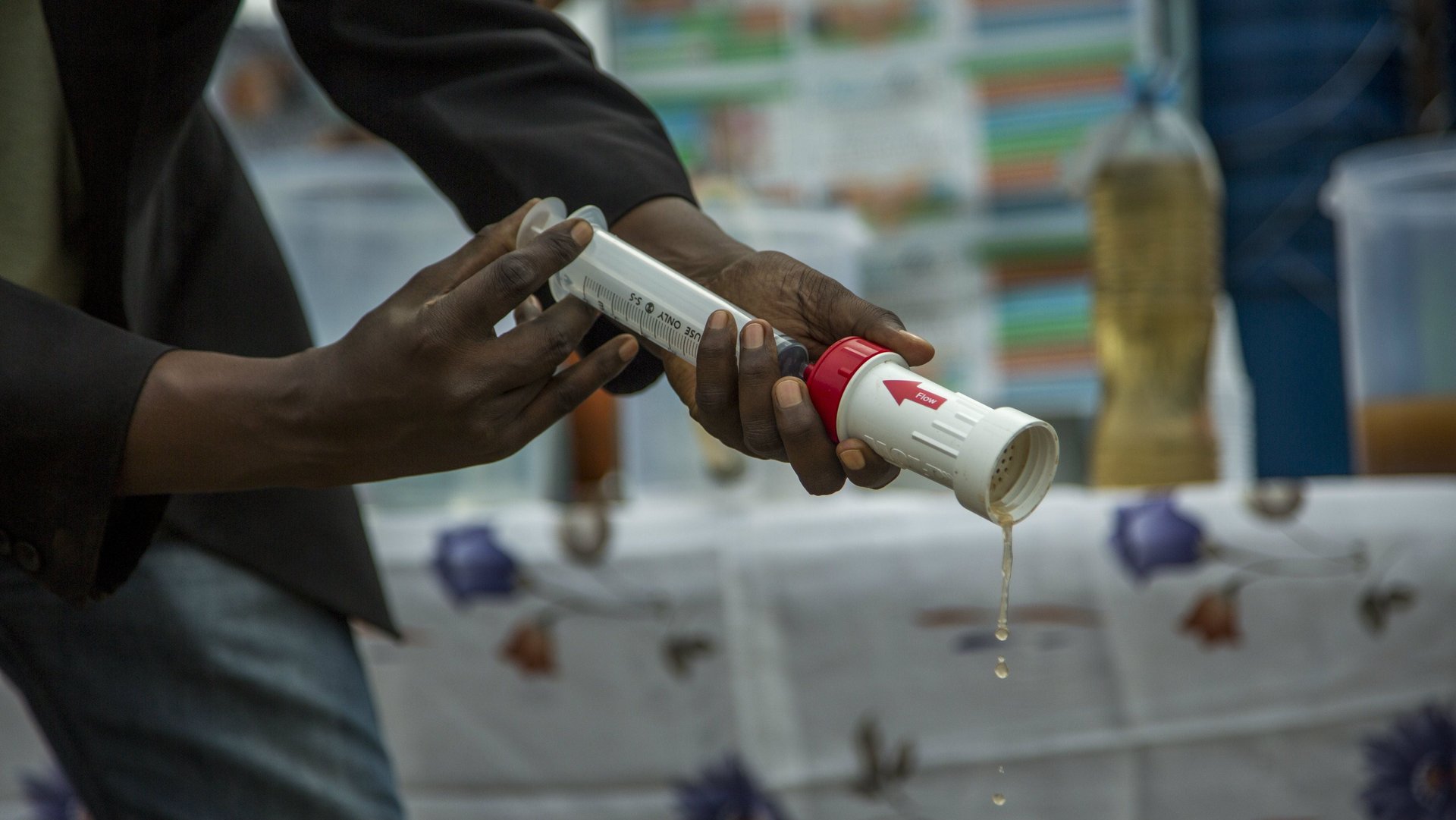
Despite Tanzania’s proximity to three major lakes almost half of it’s population cannot access potable water.

With one of the most expensive Internet connectivity prices in the world, South African consumers find it diffiuclt to completely love their mobile network providers

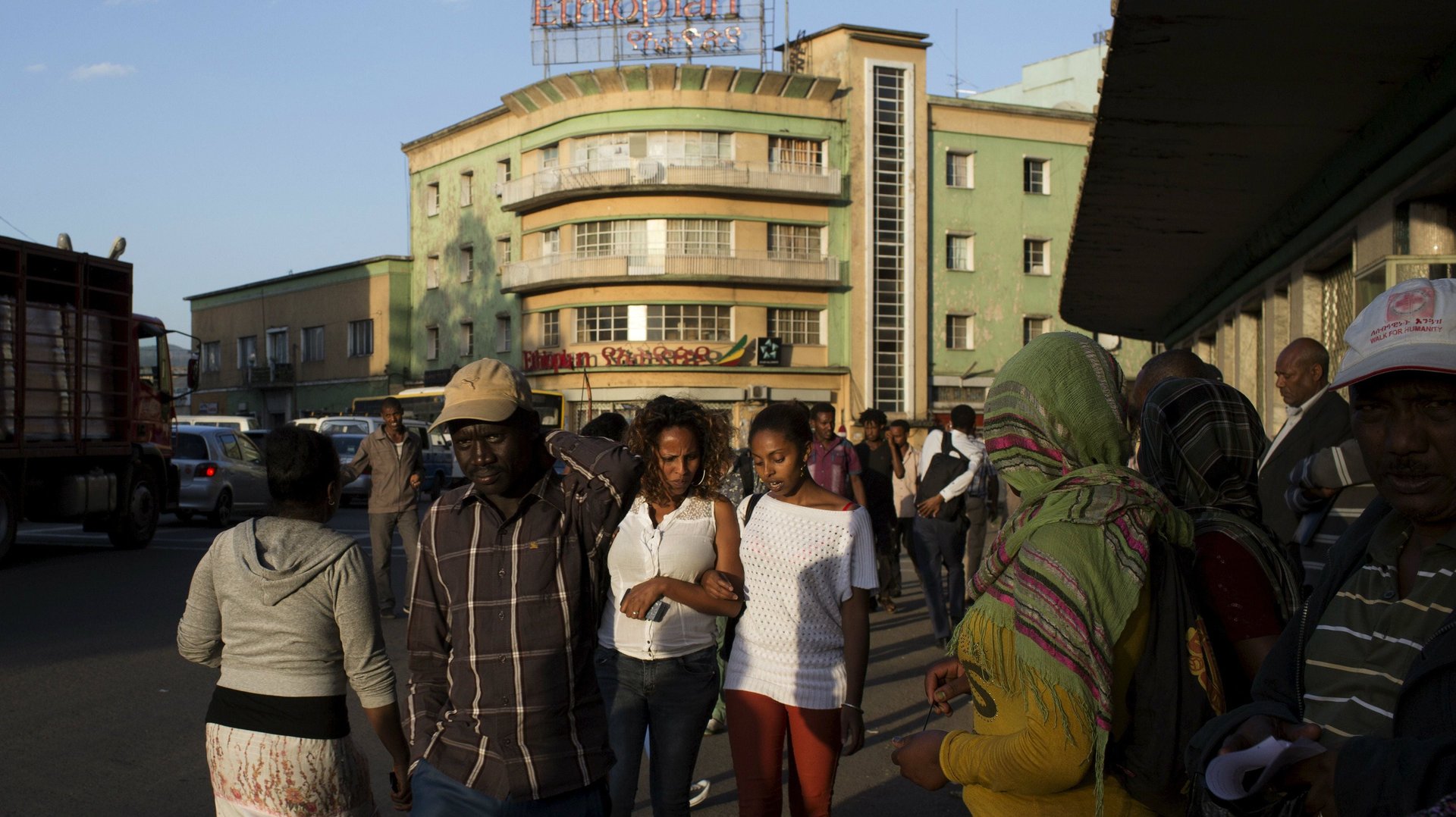
Ethiopia, the biggest and most populous country in the Horn of Africa, was once the origin country of the most refugees from the continent. In 1990, there were over 1.34 million Ethiopian refugees–residing mainly in the rest of the continent, the United States, the Middle East and Europe. The 17-year rule of armed forces by “The Derg” and the 1983 famine–which lasted 2 years and led to the death of more than 400 000 Ethiopians–were the main causes of Ethiopia’s then vast refugee community. That’s all changed in the last 20 years.

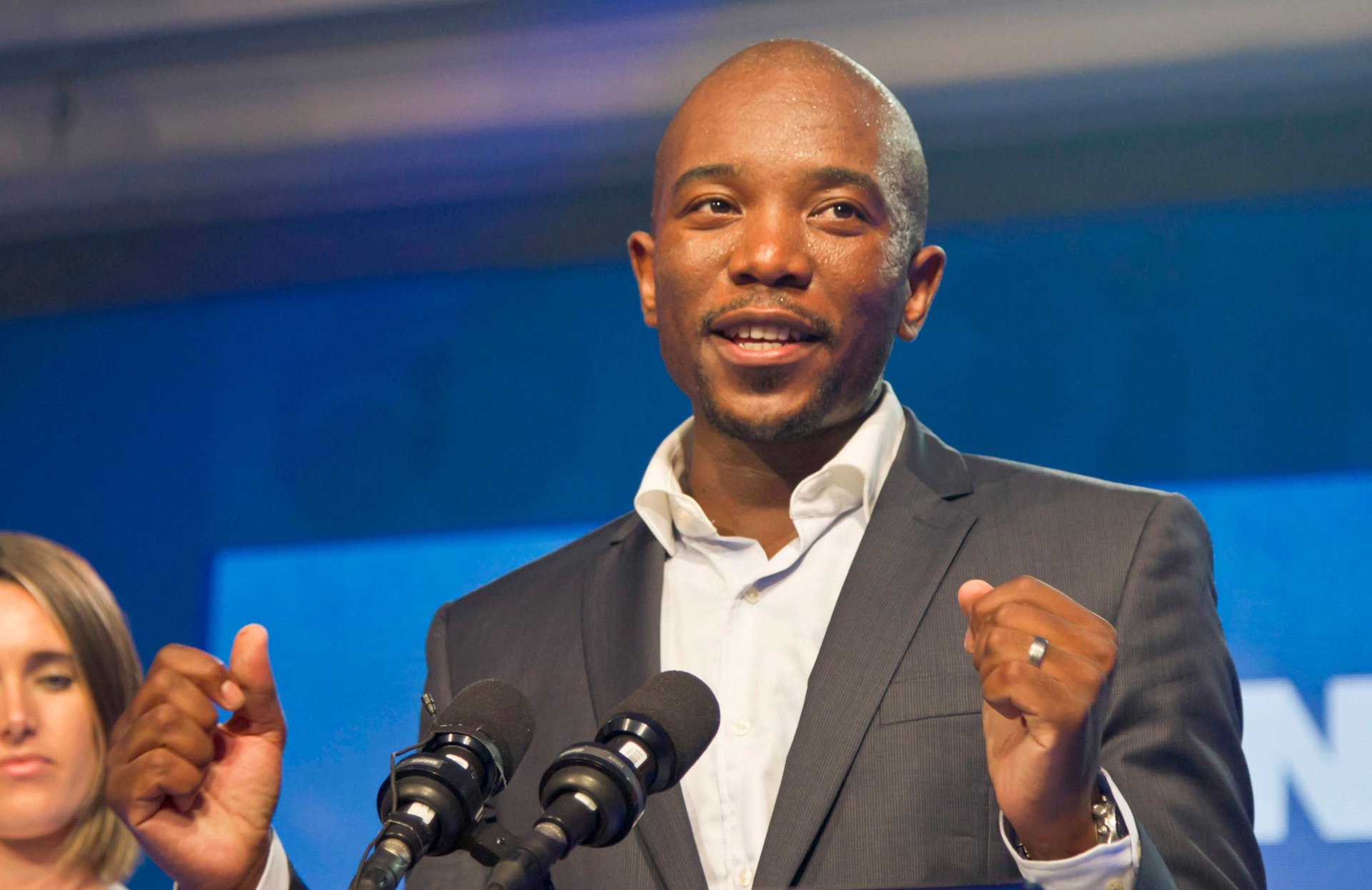
On Sunday afternoon, South Africa’s official opposition political party, the Democratic Alliance (DA), elected Mmusi Maimane as its first black leader.

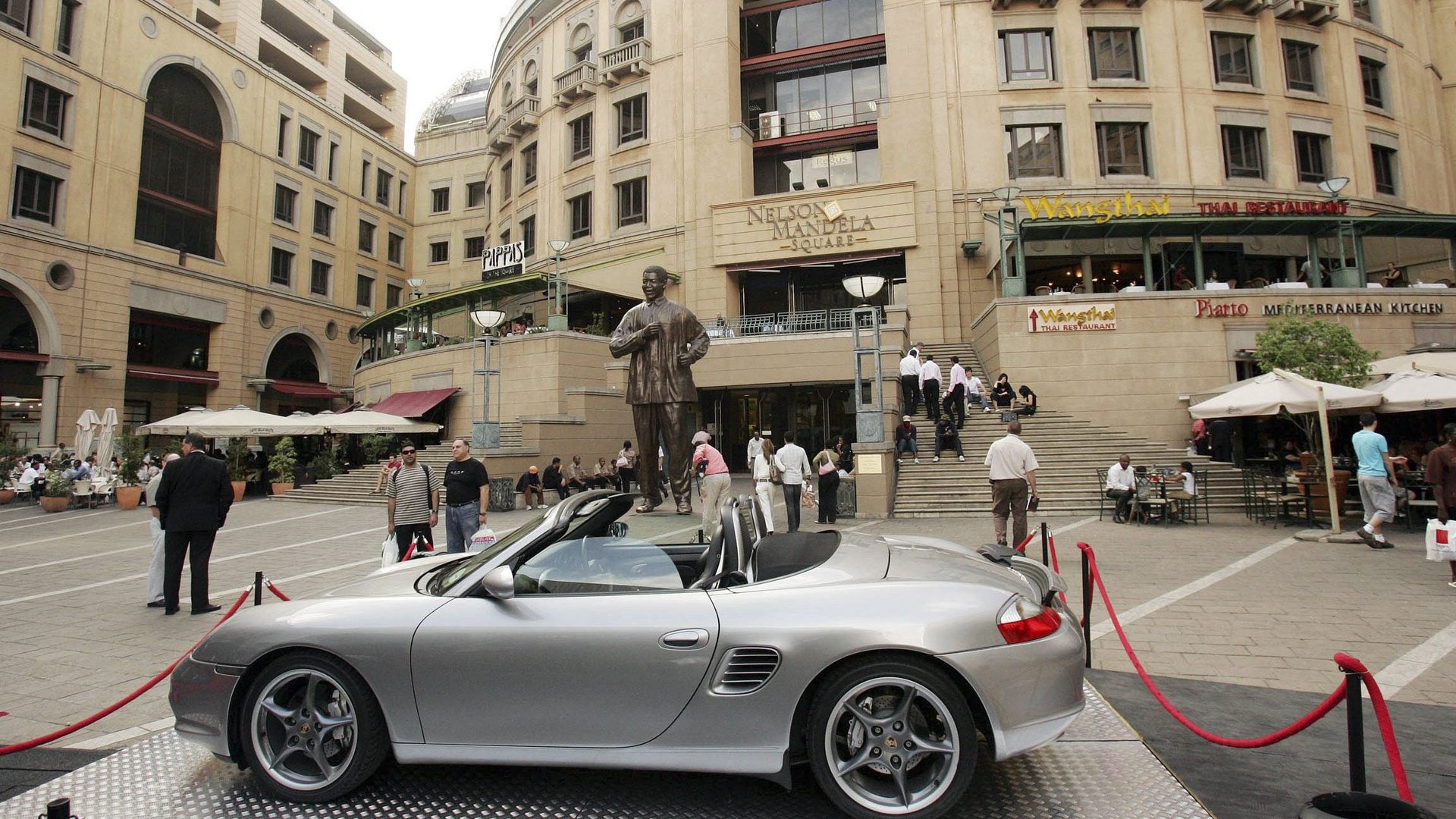
The 2015 YouthfulCities Index this week named Johannesburg as the “most popular African city” overall for young people aged 15-29. Johannesburg outclassed its continental counterparts – Lagos, Casablanca and Nairobi.

Of the 40 sub-Saharan African countries that have benefitted from the African Growth and Opportunity Act (AGOA), South Africa tops the list. AGOA is a trade preferential programme that grants duty-free exports for 6400 products into the U.S market from eligible sub-Saharan countries.

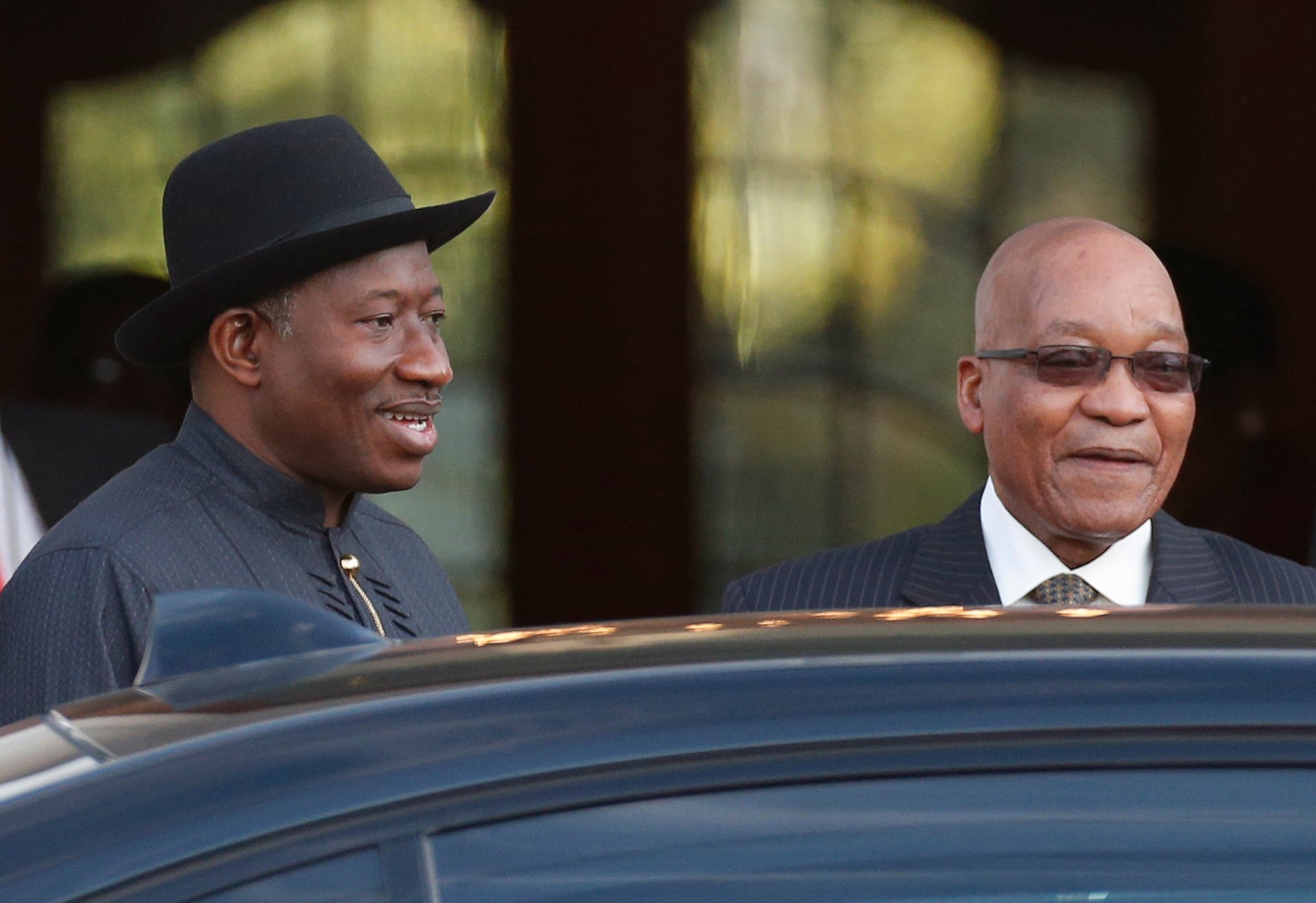
Since the beginning of the latest sweep of xenophobic attacks predominantly against fellow Africans in South Africa, the rest of Africa–and the world–has looked on in dismay. In Nigeria, which overtook South Africa as the continent’s largest economy last year, there have been many commentators on local TV and newspapers reminding people of the lead role Nigeria played in the anti-apartheid fight in the 1970s and 1980s.

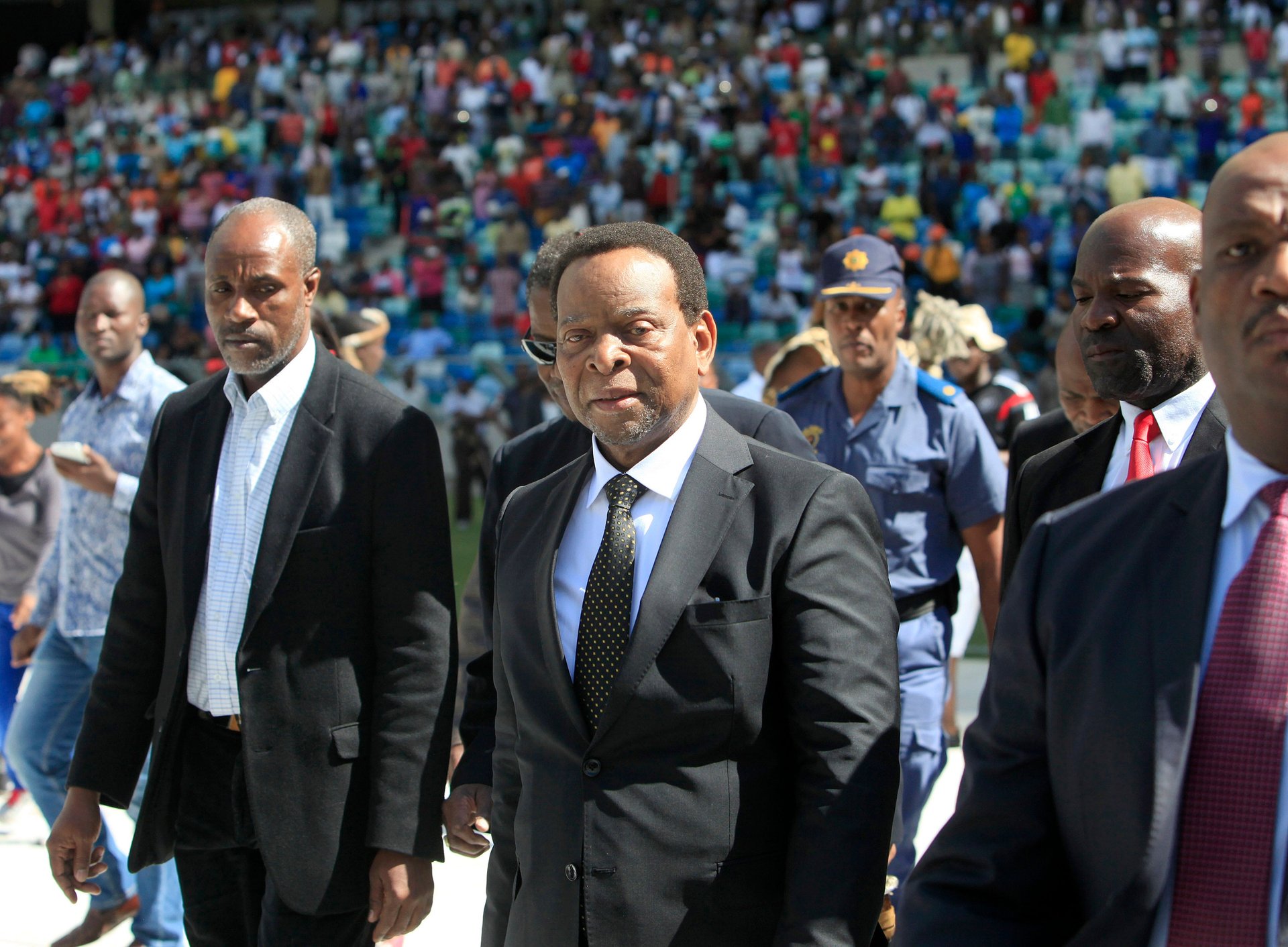
Tomorrow will be one month since King Goodwill Zwelithini–South Africa’s Zulu monarch–made utterances that many claim sparked the recent xenophobic violence in South Africa. In a translated audio clip by South Africa’s eNews Africa Channel , from isiZulu to English, the king is reported to have said: “We ask that immigrants must take their bags and go where they come from.”

At the dawn of South Africa’s transition, Jacob Zuma was widely recognized as a peacemaker.

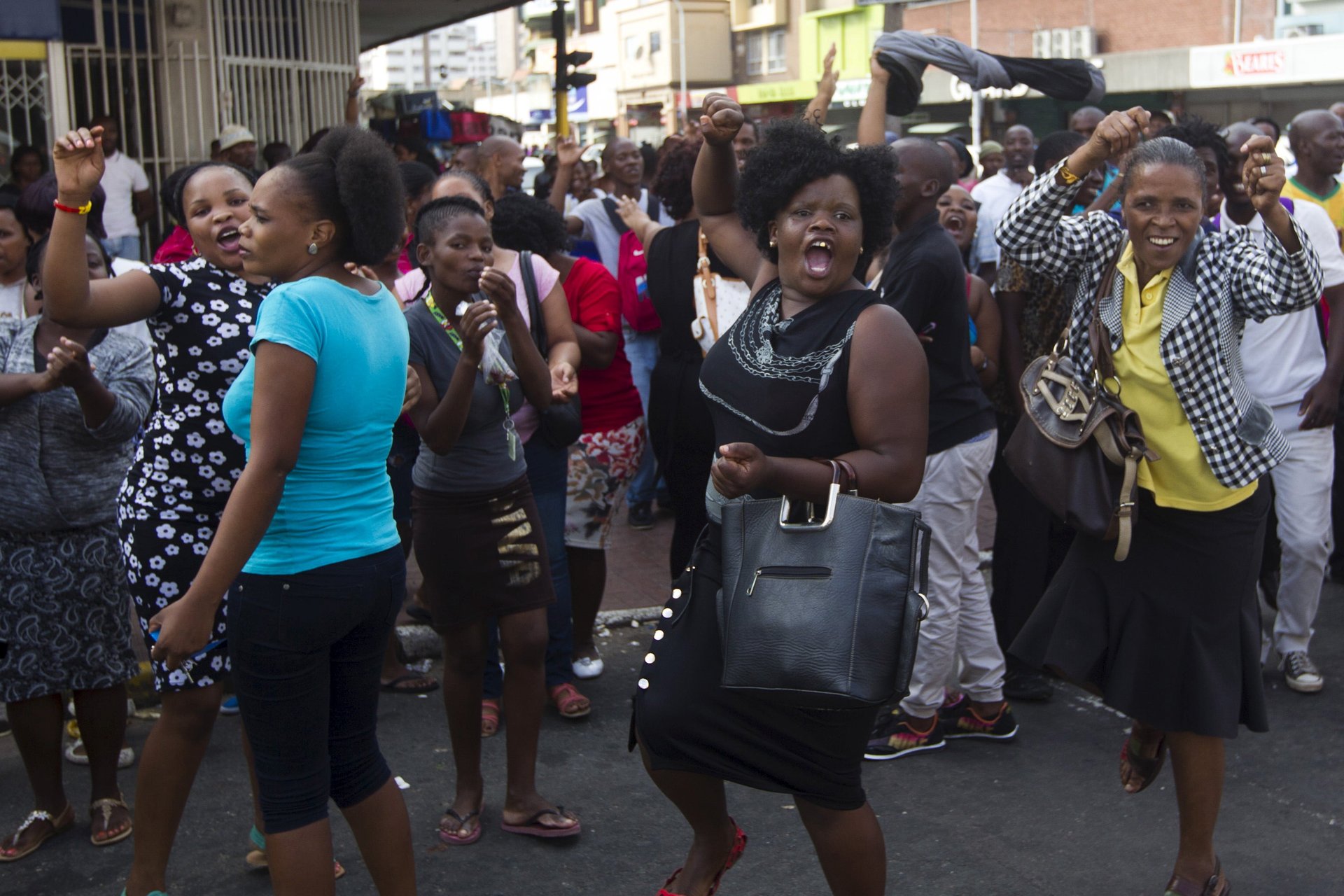
The attacks on migrant shop owners in Durban this week reminds us the position of foreigner in South Africa is a complex one. After decades of isolation from the rest of the African continent, and the world, during apartheid, South Africa finally opened up to the rest of world in 1994.

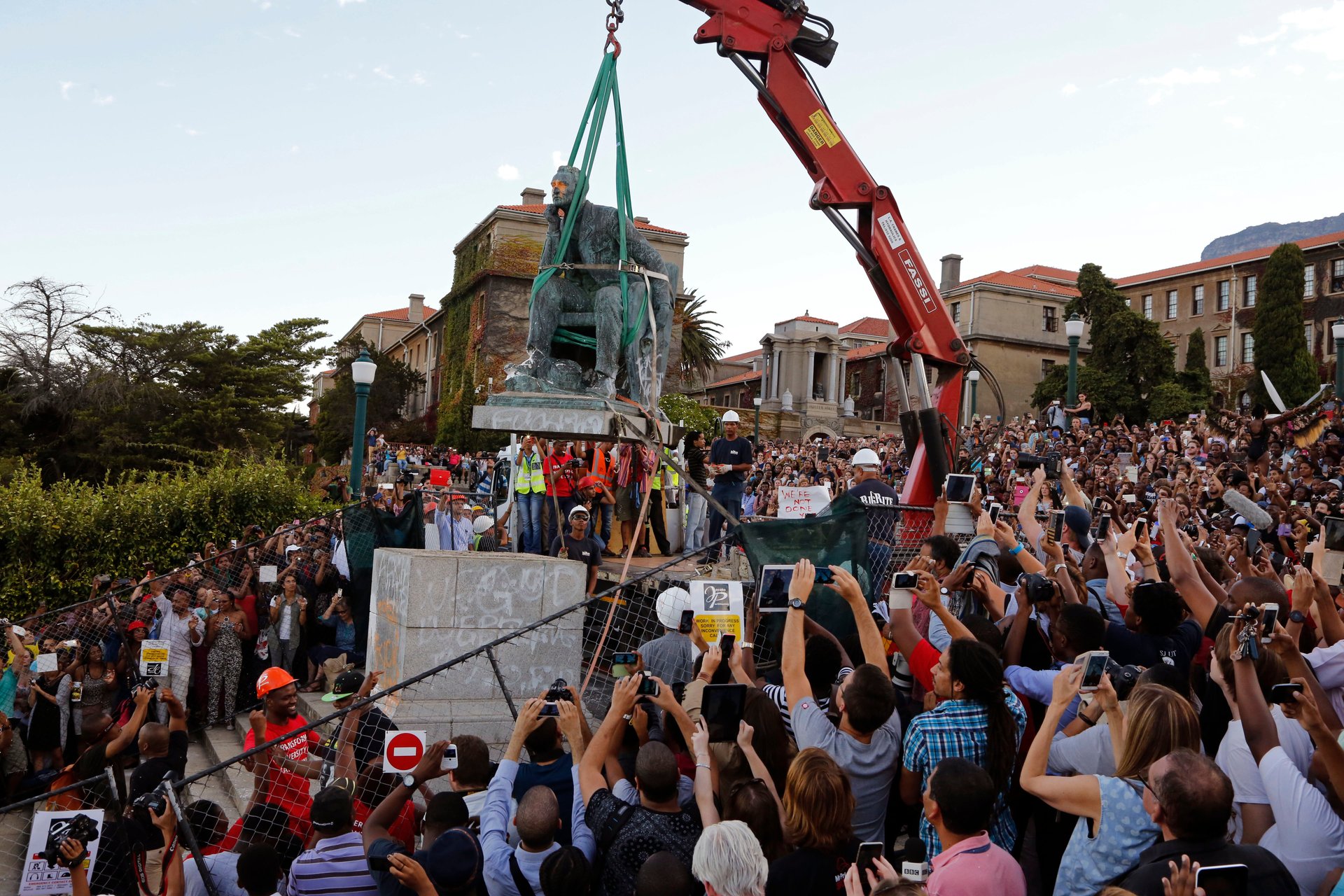
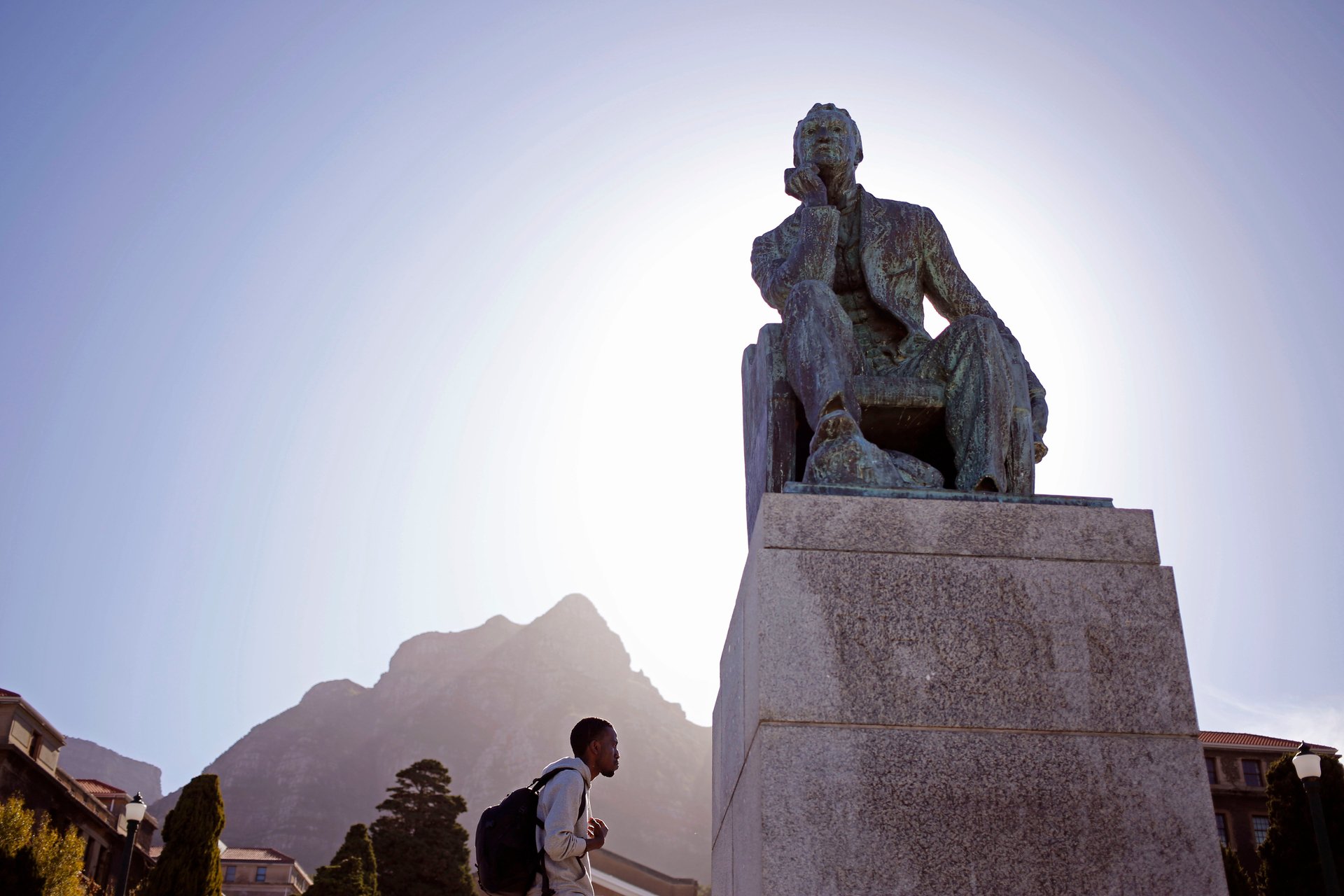
Exactly one month ago, Chumani Maxwele, a 30-year-old student at the University of Cape Town (UCT), threw human waste over the statue of Cecil John Rhodes. This act of defiance by the young man against Rhodes’ statue was a symbol of how, despite the end of Apartheid and the gains over the past 21 years, South Africa is still battling to deal with institutional racism and inequality. For many here, the untransformed public monuments and spaces are oppressive reminders of the country’s Apartheid and colonial past

What is the significance of a former statesman’s statue? This a question that has been doing the rounds in Cape Town in the last couple of weeks.

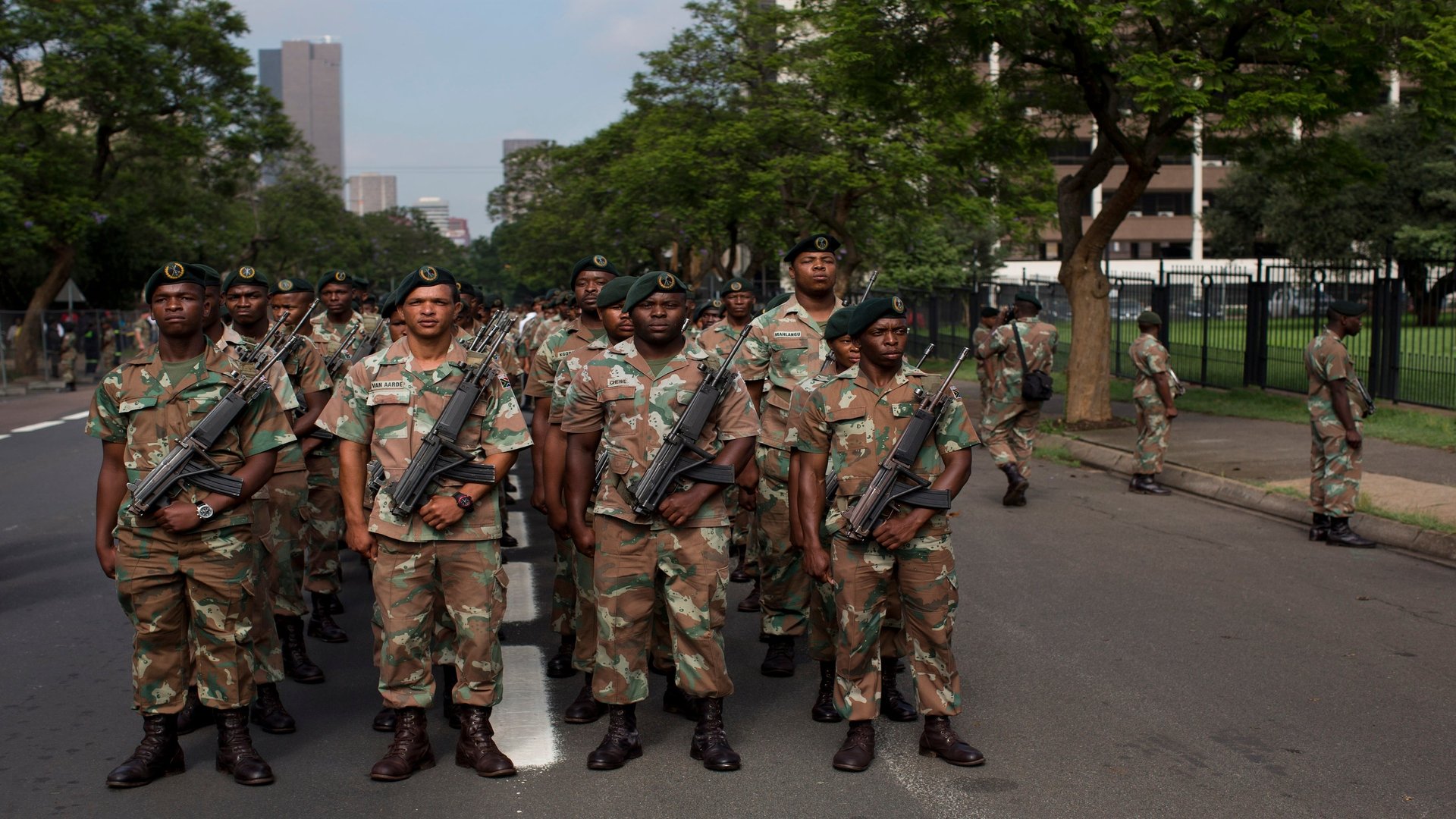
Leon Lotz, a white South African military ‘advisor’ who died in battle with Boko Haram last week, was a Koevoet man.