
Money & Markets
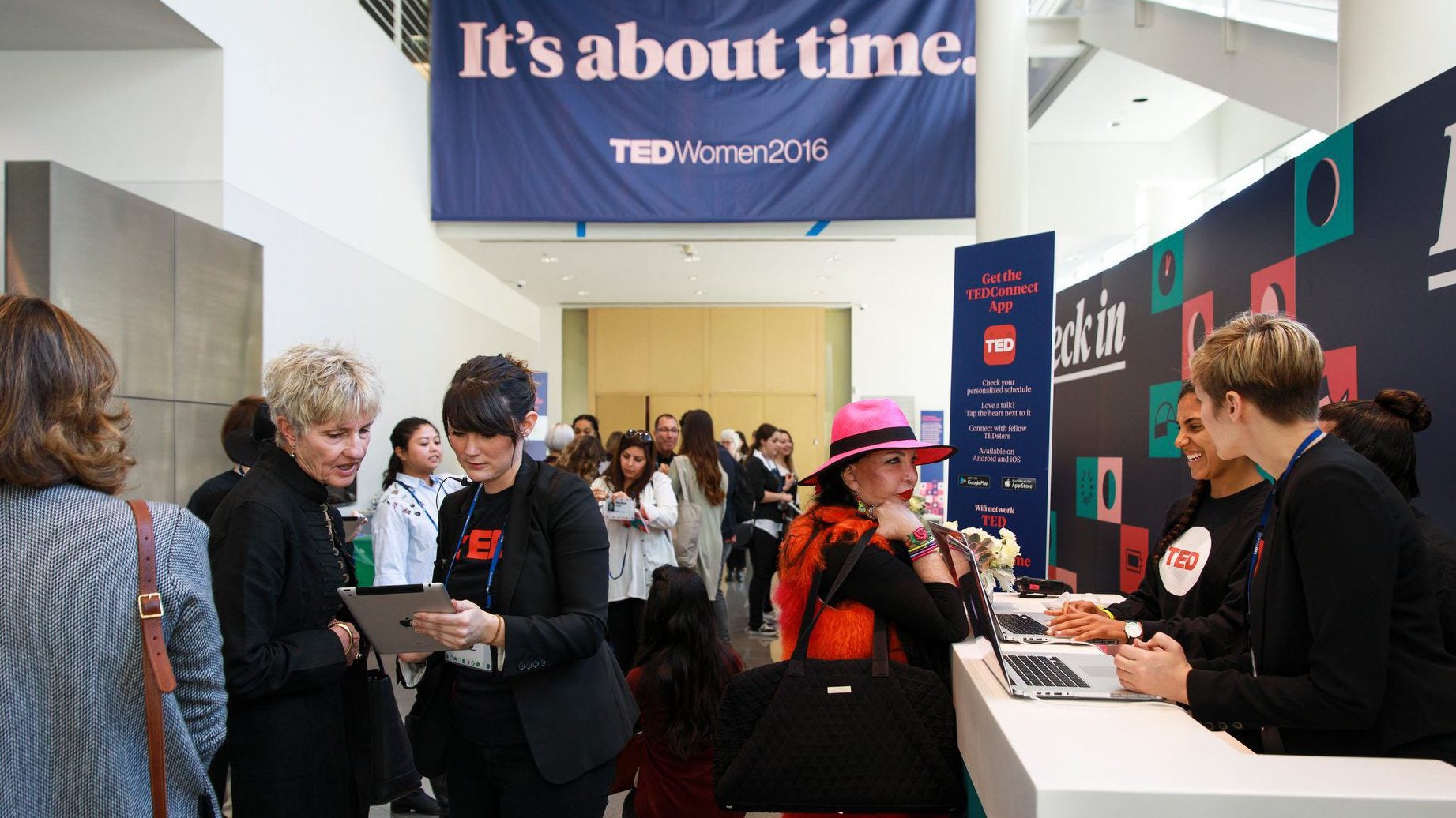
A nursing mother was kicked out of TED’s big conference about women for bringing her babySan Francisco
Updated July 21, 20225 min read
San Francisco
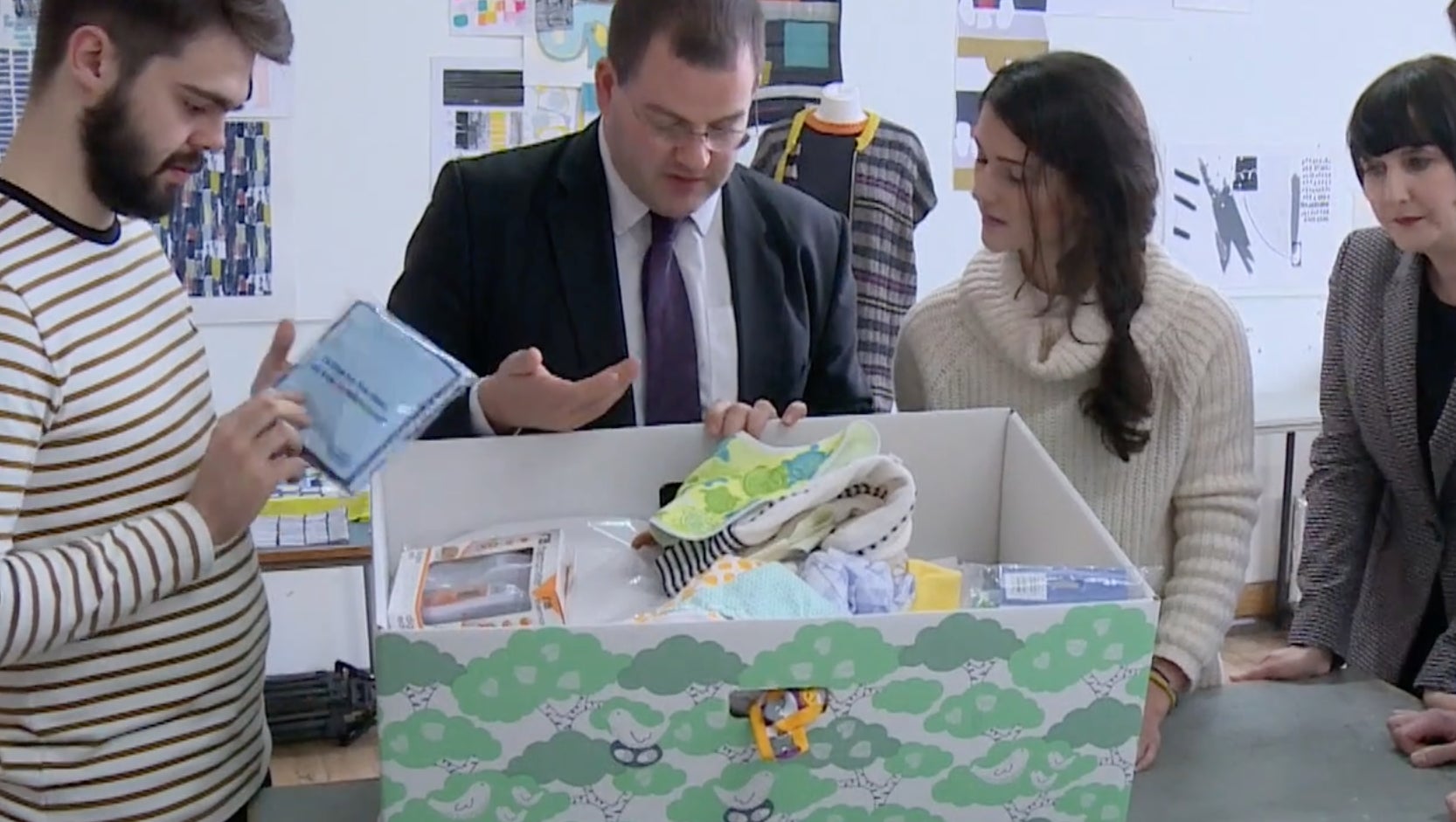
Starting next year, the Scottish government will send care packages to every expecting parent in the country. These cardboard boxes, filled with clothes, bedding, books and care items, will look just as appealing as they sound because Scotland has also launched a competition to design the packaging for its National Baby Box program.
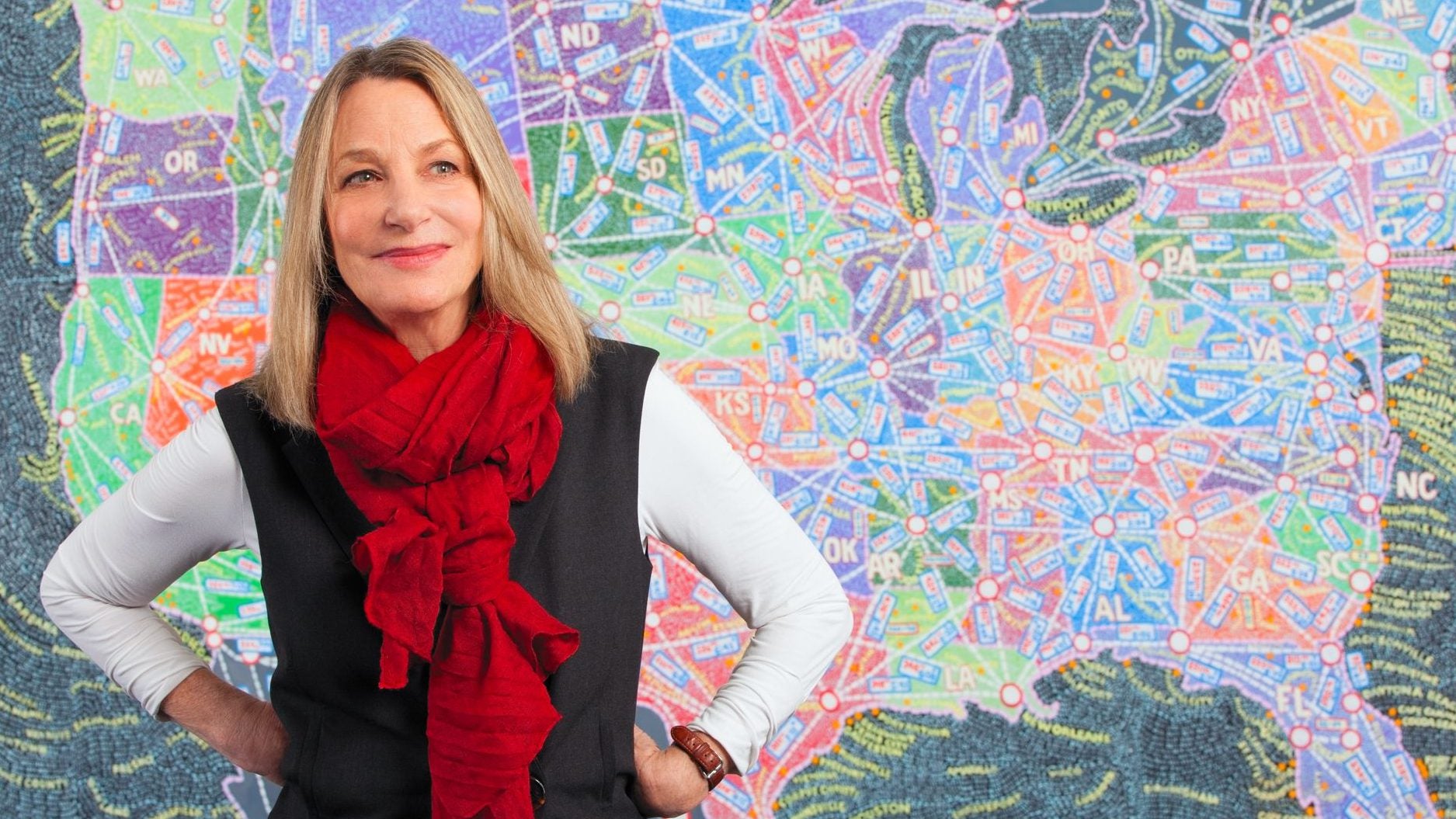
Creative professionals are generally told not to work without a paycheck. But can strategically offering your services for free actually catapult your career?
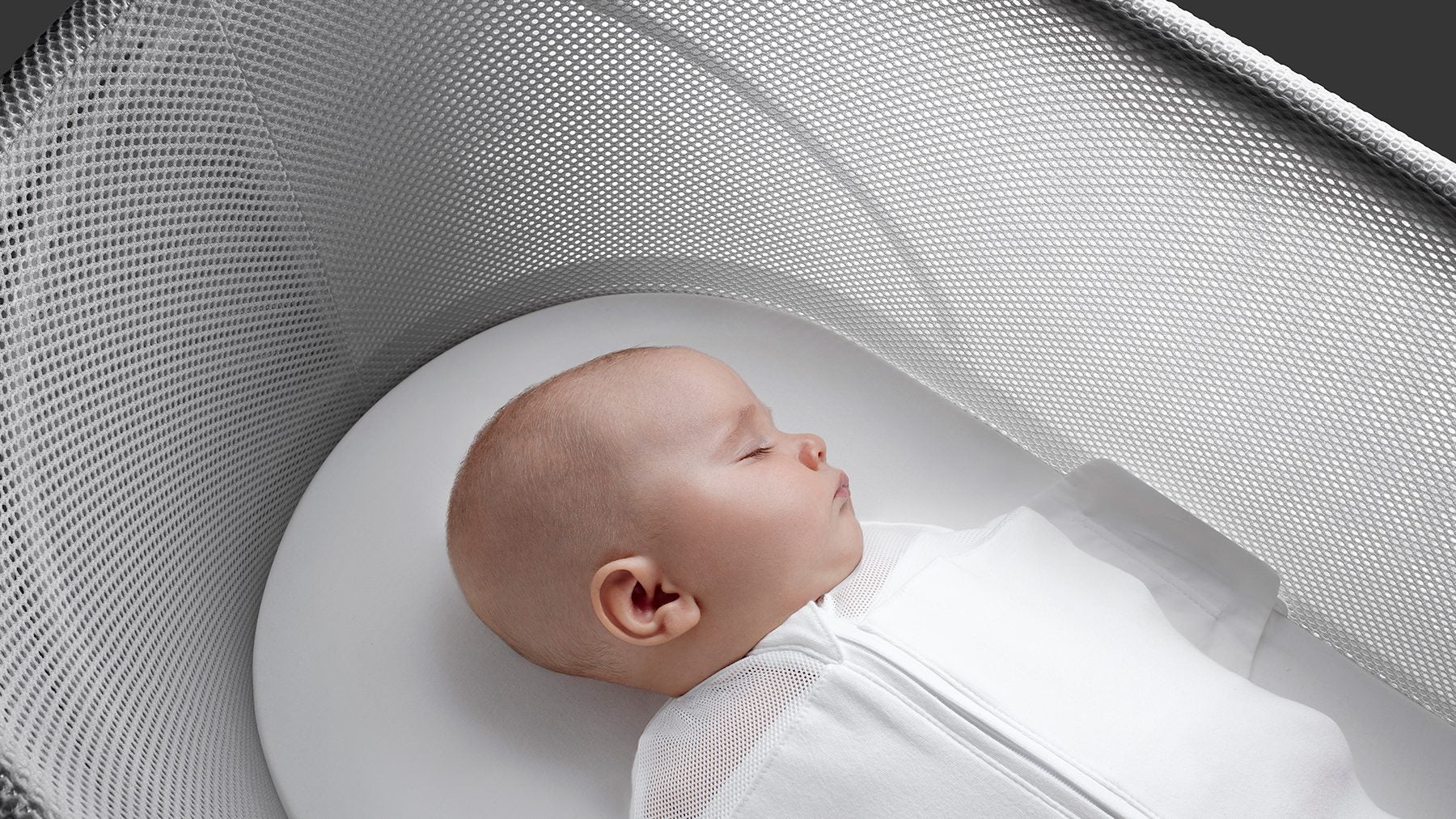
Swaddle, Side-stomach, Shush, Swing, Suck. This five-step baby calming technique has made pediatrician Harvey Karp a celebrity among parents desperate for better ways to quell their newborn’s crying fits.
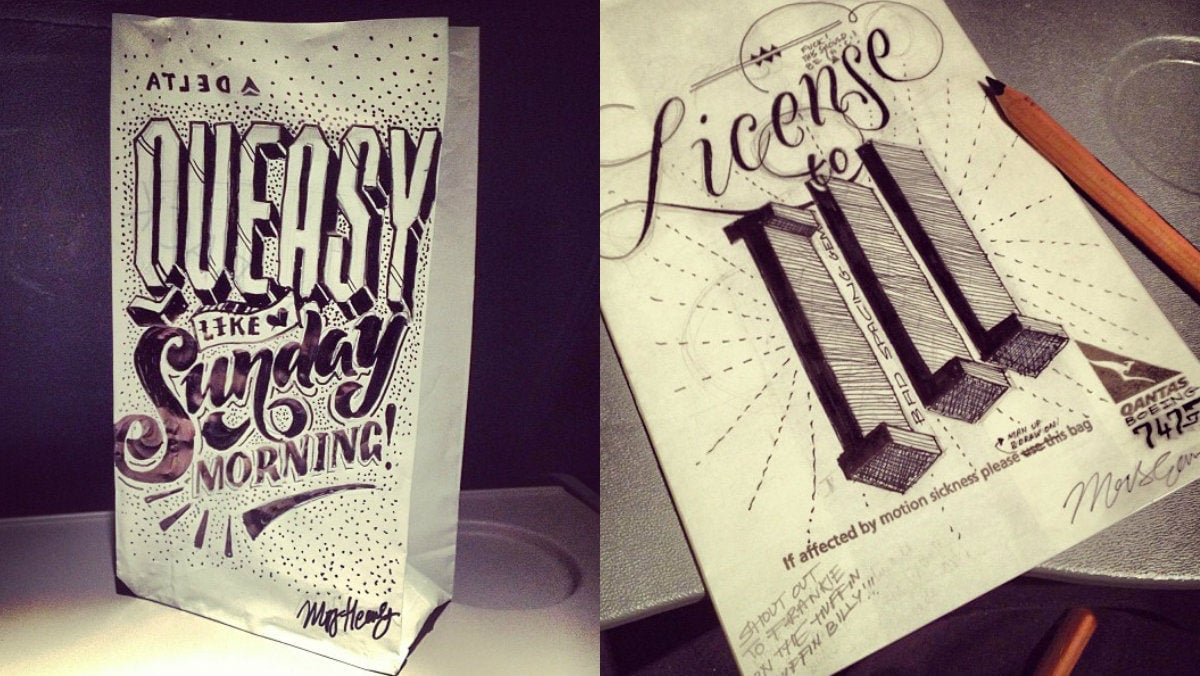
Next time you’re on a plane, reach into the seat pocket for a surprise: Graphic designers, lettering artists and calligraphers are using airsickness bags as canvas for tongue-in-cheek illustrations.
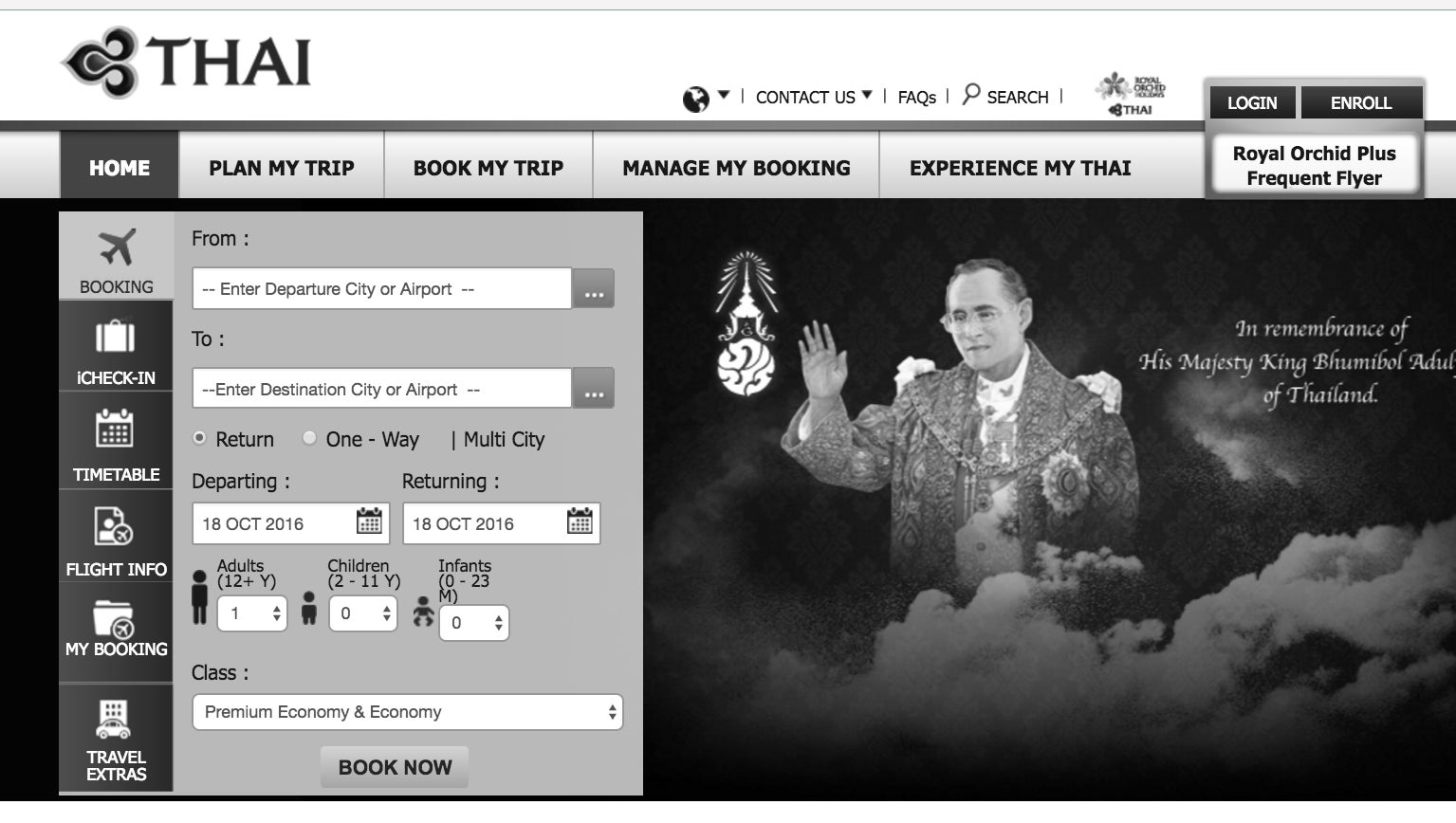
Black reigns over Thailand these days. In the wake of King Bhumibol Adulyadej’s passing on Oct. 13, grief-stricken Thais, known for color-coordinating their work outfits with the Hindu calendar, have stripped their wardrobes, television shows, and their websites of all colors.
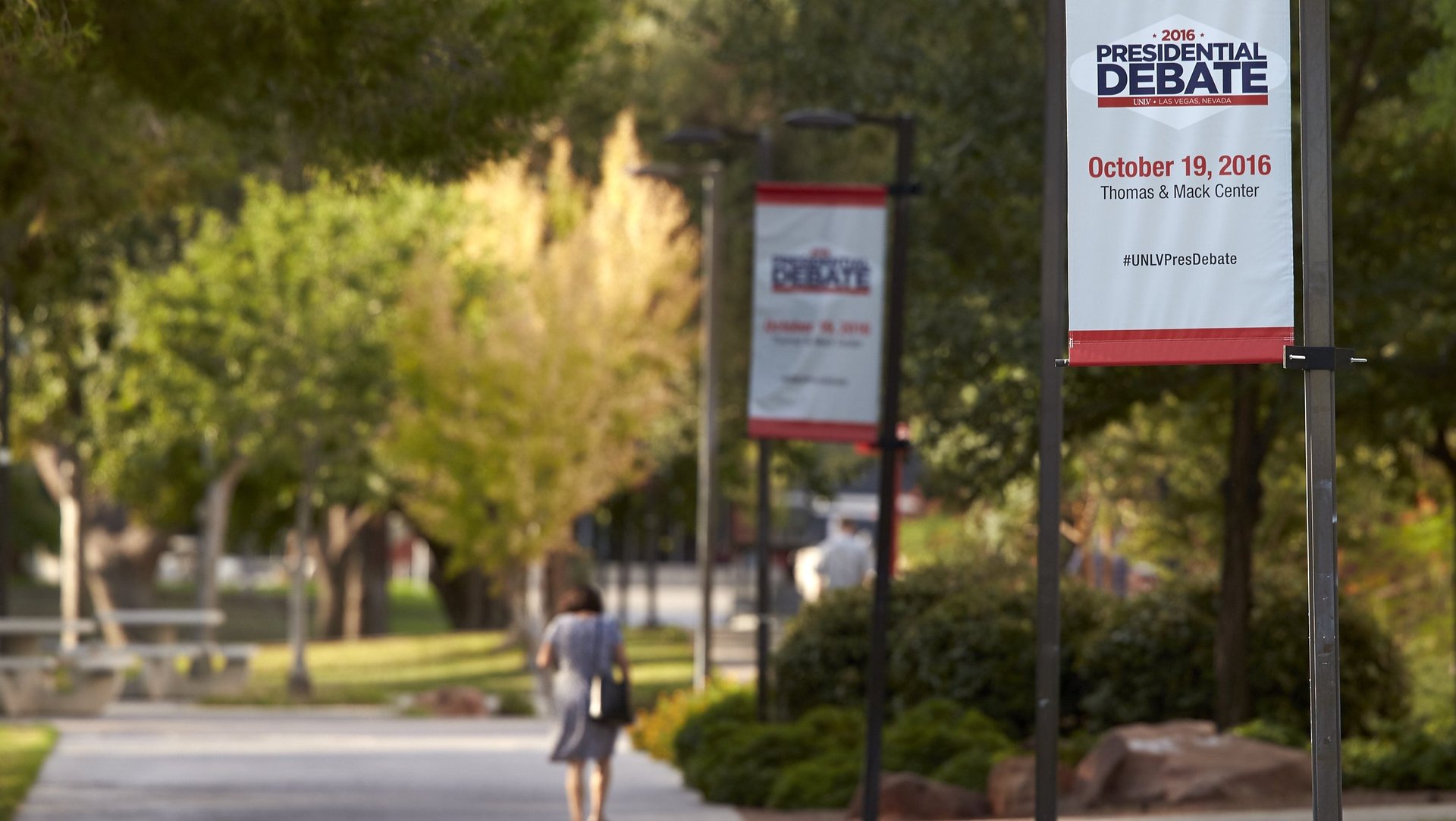
Las Vegas
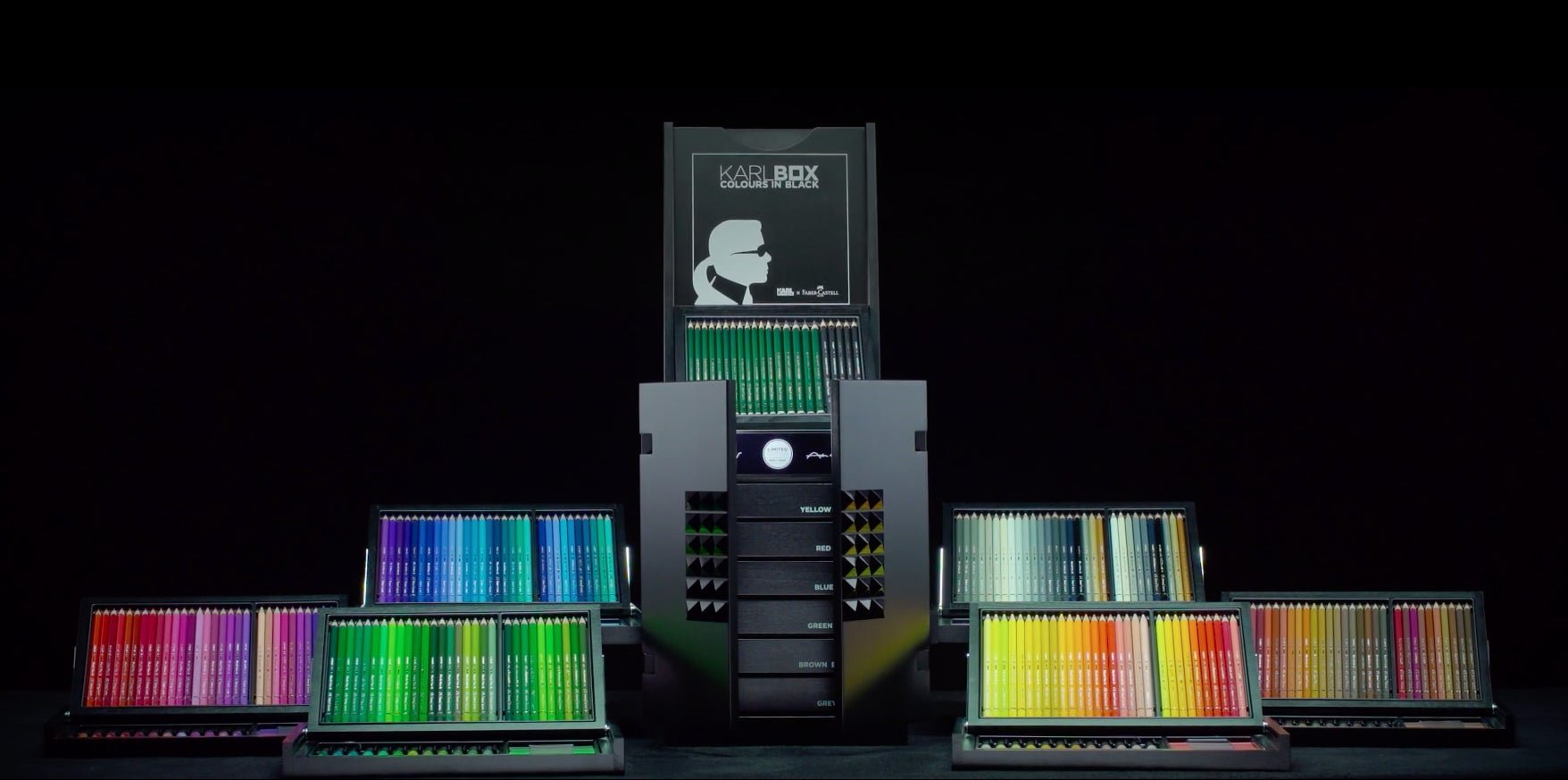
Displayed like a precious artifact under a clear acrylic case, a set of colored pencils in midtown Manhattan is proving irresistible to coloring aficionados and sketch artists.
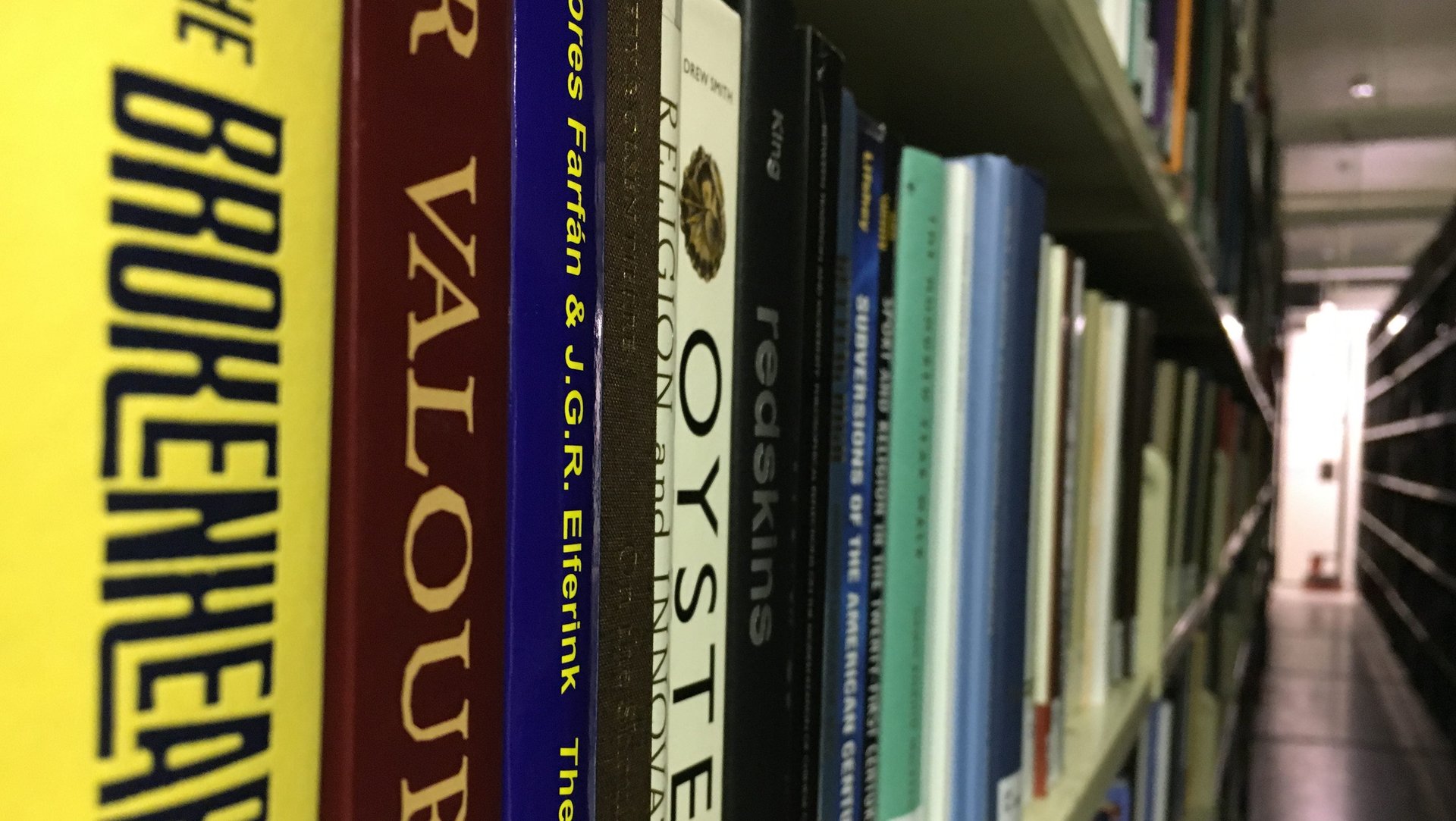
Four million books are stored underneath New York City’s Bryant Park. Twenty-seven feet below the grassy patch in mid-town Manhattan are miles and miles of bookshelves at the New York Public Library’s (NYPL) newly expanded Milstein Research Stacks.
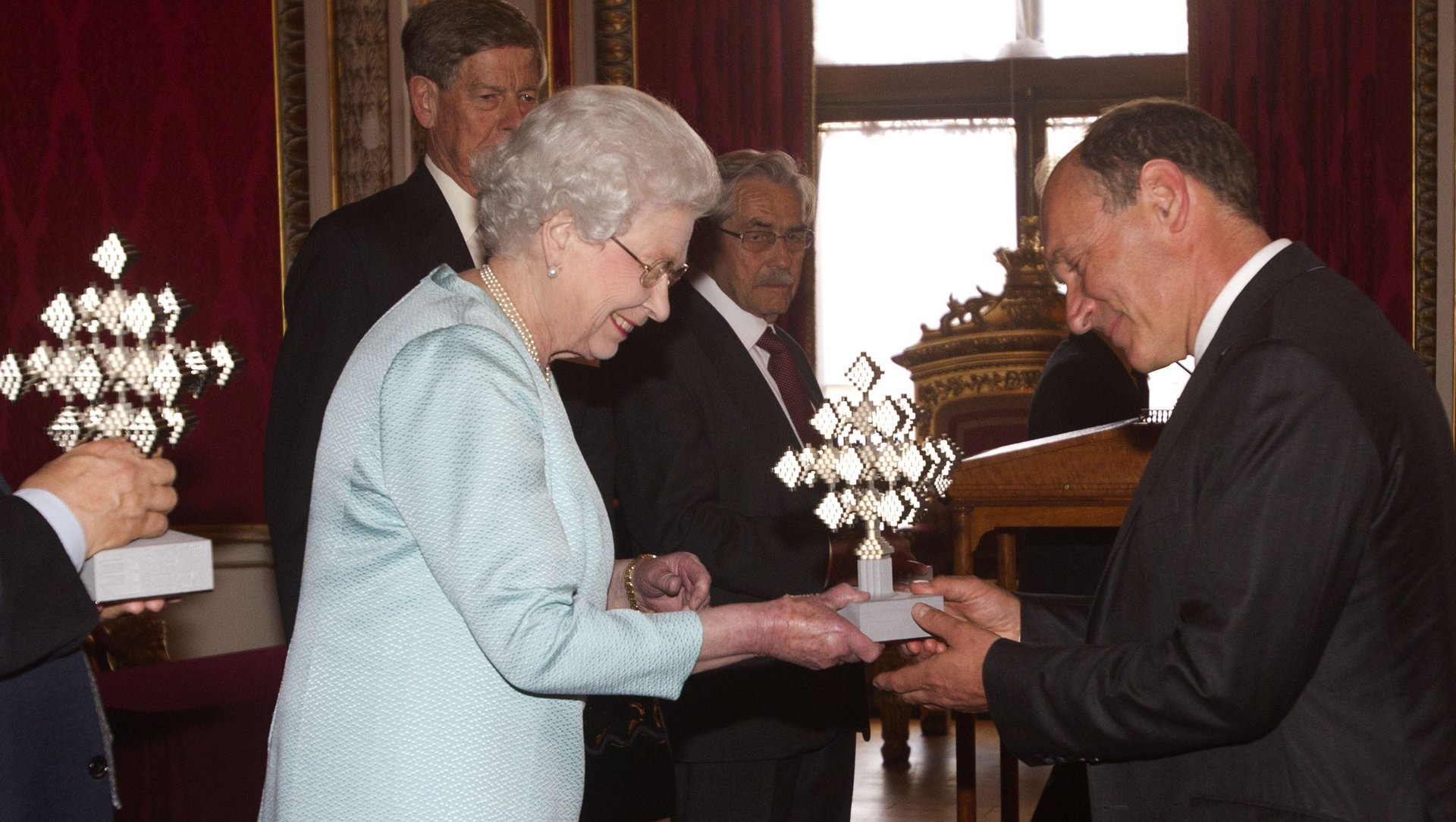
The Queen of England just issued a plum design assignment for budding designers around the world: Create a trophy befitting the £1 million prize Queen Elizabeth Prize for Engineering (QEPrize for short), bestowed to engineers “whose work has had a major impact on humanity.”
Female architects are finally in the spotlight. Besting a field of over 348 finalists from 69 countries, projects spearheaded by three women were named winners of the prestigious Aga Khan Award for Architecture at an Oct. 3 ceremony in Abu Dhabi. The win is a significant milestone amid the lack of career recognition for female architects in the traditionally male-dominated profession.
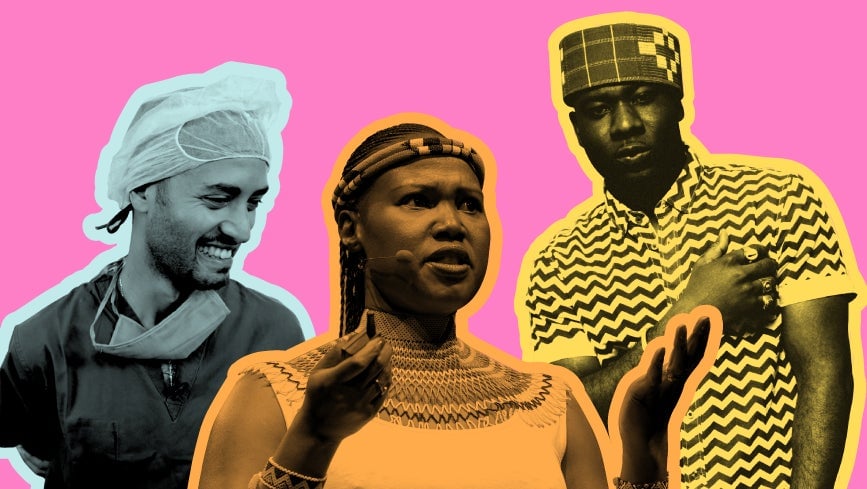
TED is headed to Africa next year. The elite ideas conference, behind the omnipresent TED Talk videos announced yesterday (Oct 3) plans to stage its TEDGlobal conference in Arusha, Tanzania next August. Like several international innovation conferences this year which have dedicated their programs to African ingenuity, TED’s gathering will spotlight the continent’s most consequential thinkers, tinkerers and “truth-tellers,” as the theme states.

For researchers, readers, architecture gawkers or those seeking a quiet spot with free Wi-fi, New York City’s most famous reading room officially reopens to the public this morning (Oct 5).
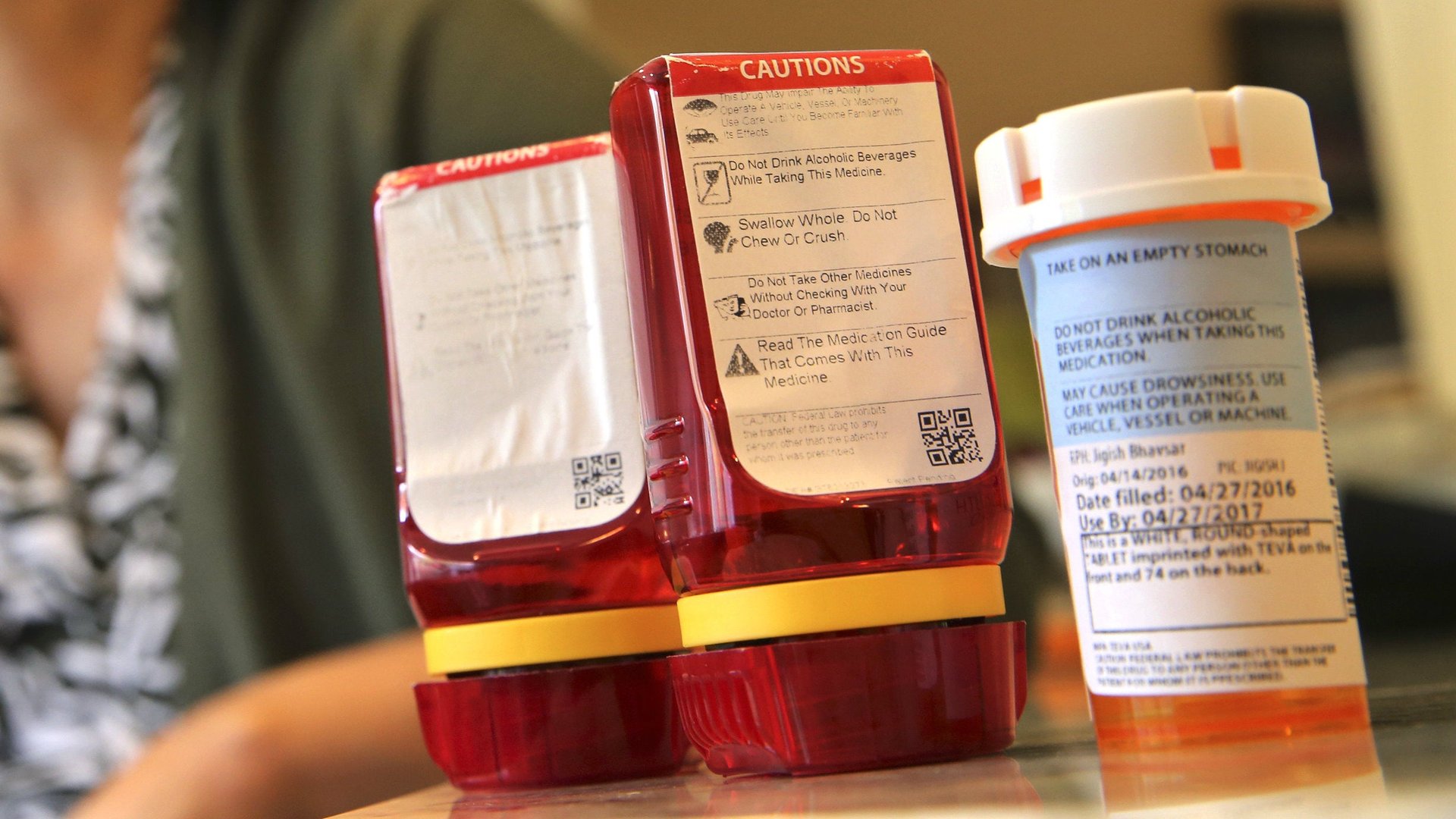
In 2005, Target introduced what has been hailed as “the first significant and useful” redesign of the classic amber-colored prescription pill bottle, as health communications blogger Rick Lesaar puts it.
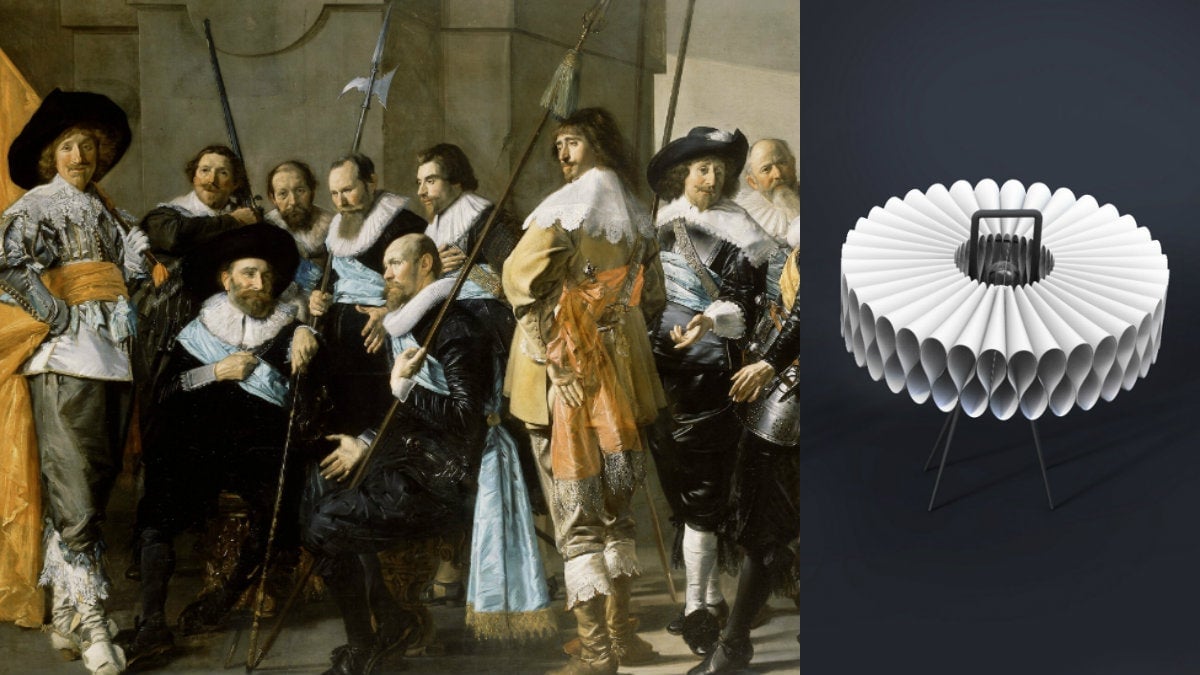
“No cameras allowed” used to be standard practice in museums. Many art institutions tightly policed their collections to contain the so-called “aura of the original” within their walls and have exclusive image rights for books, posters, cards and various bric-a-brac sold at their gift shops.
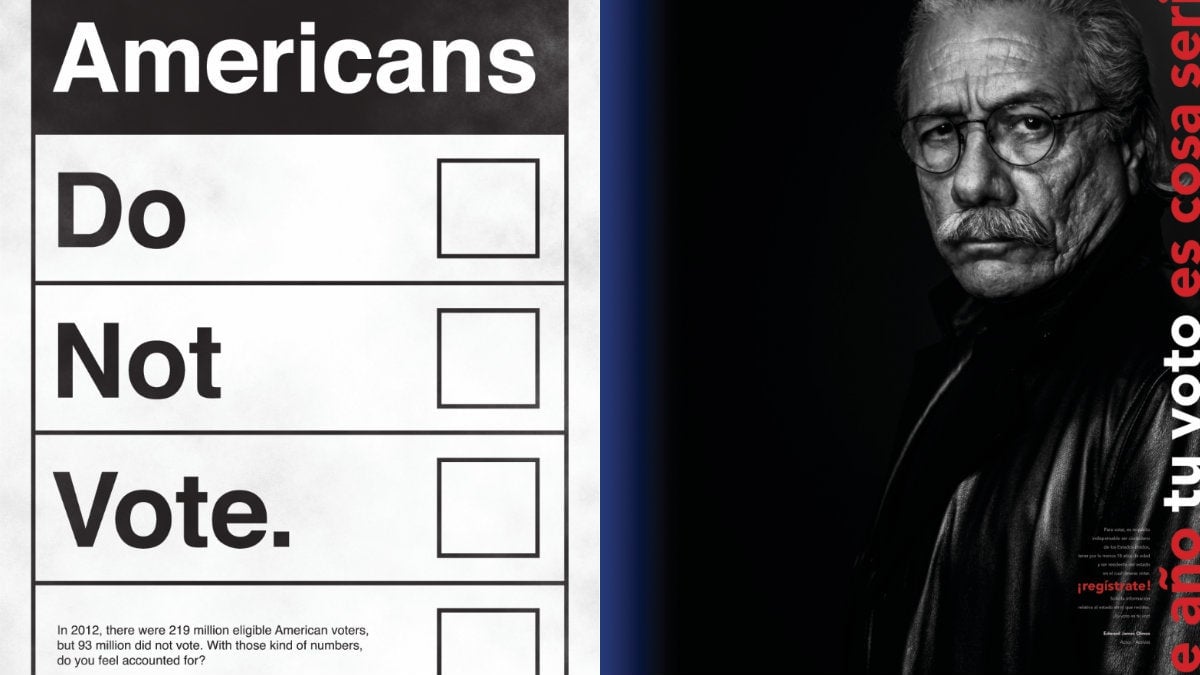
For many Americans, elections are spectator sports. Despite the huge numbers who tuned in to this week’s presidential debate between Hillary Clinton and Donald Trump, historical data suggests that on Nov. 8, more than 40% of eligible voters will skip the polling stations and just watch the dramatic results unfold on TV.
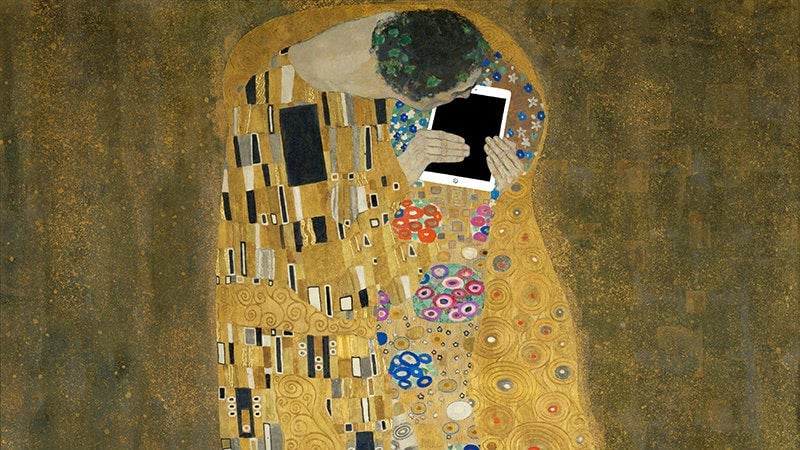
Smartphone addiction is real. In the US, the average user reaches for their phone 150 times a day and a 2016 study estimates that we tap, swipe and click on our devices 2,617 times each day. This all-too familiar epidemic of the social media age is so alarming that researchers have compared the compulsion to check our phones to substance abuse.
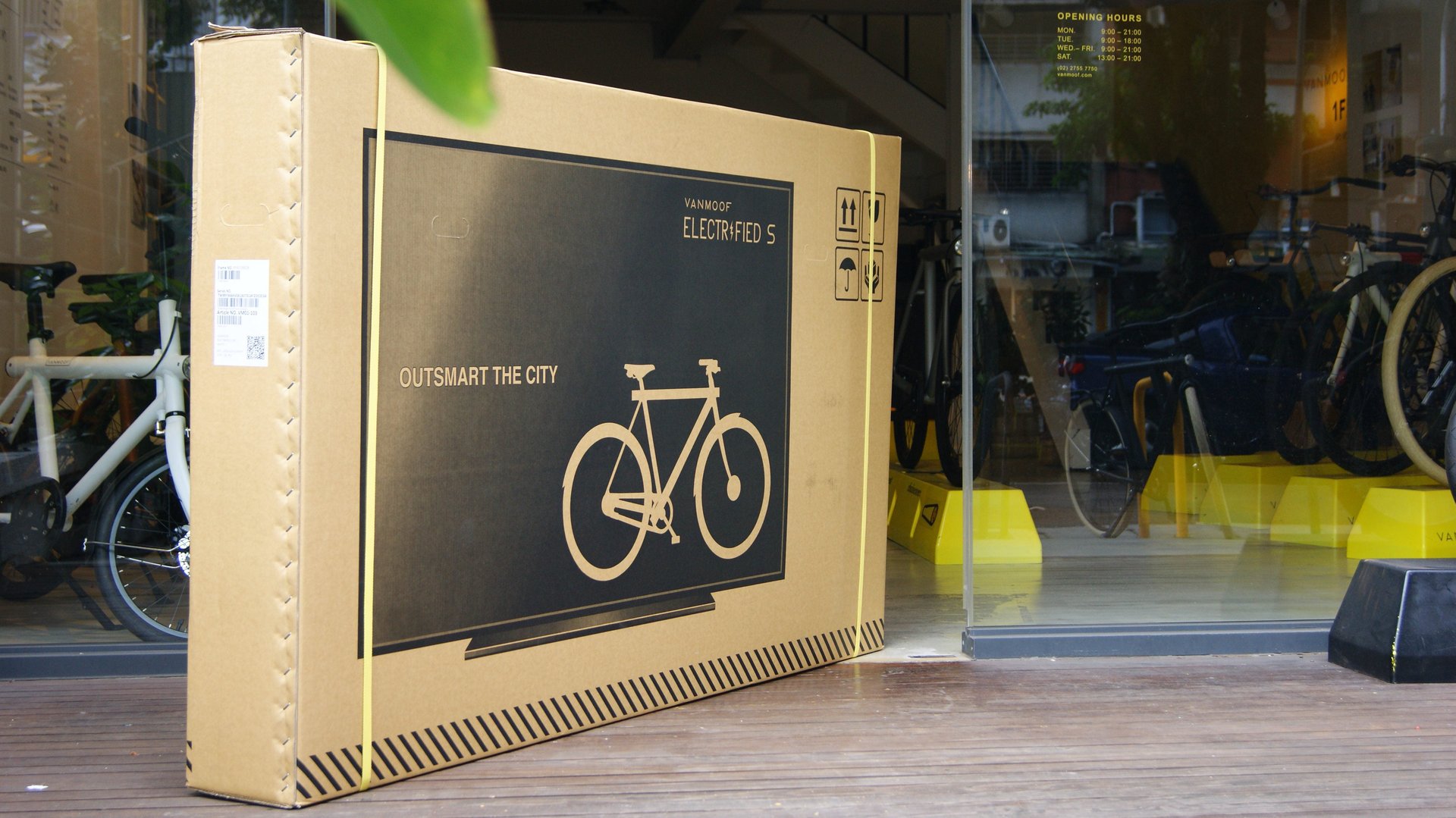
Shipping may be the most frustratingly unpredictable factor for every quality-obsessed company.
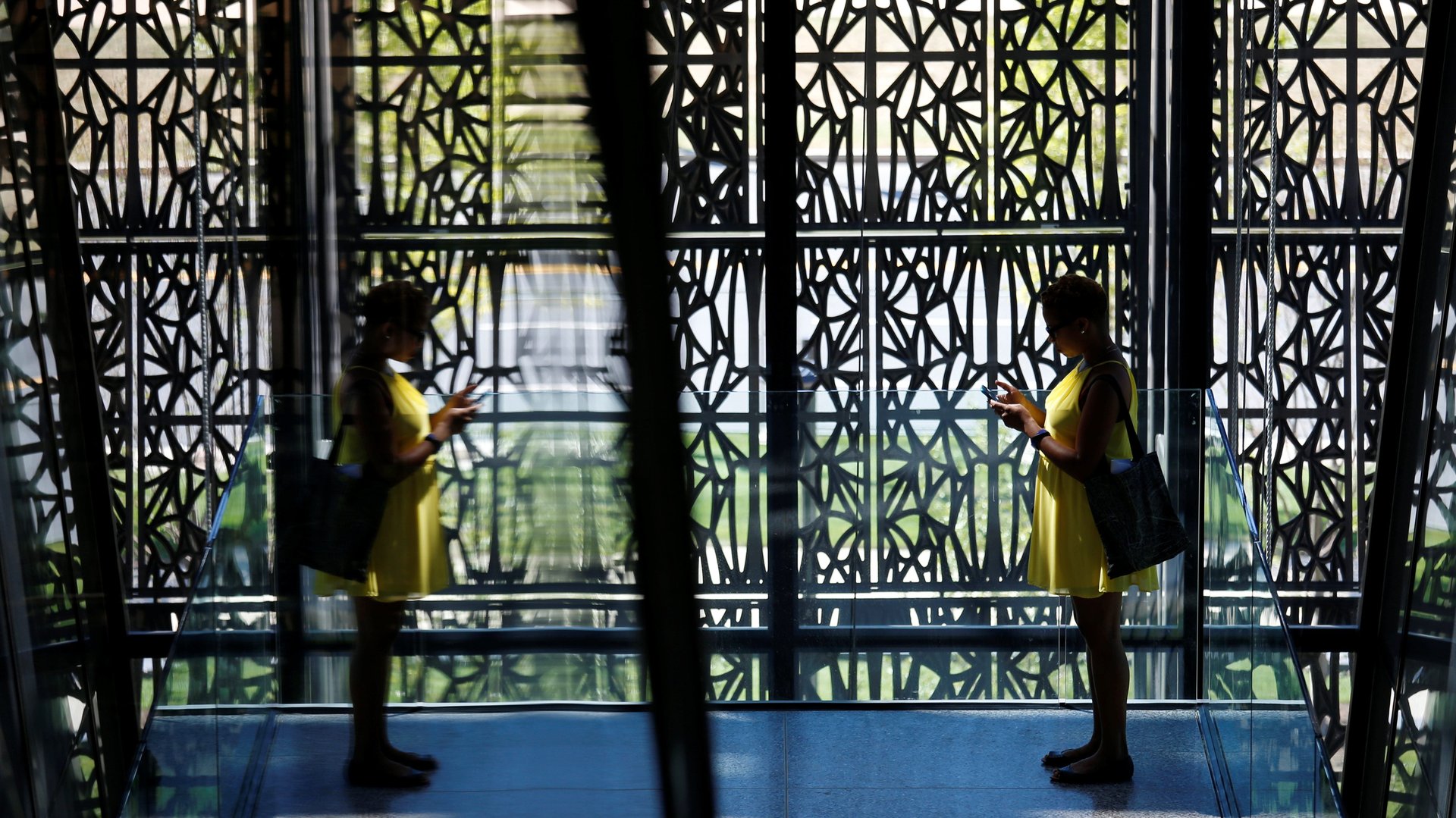
Having grown up in Asia, I didn’t go to Washington, DC’s National Museum of African American History and Culture (NMAAHC) expecting to find myself represented in its galleries.
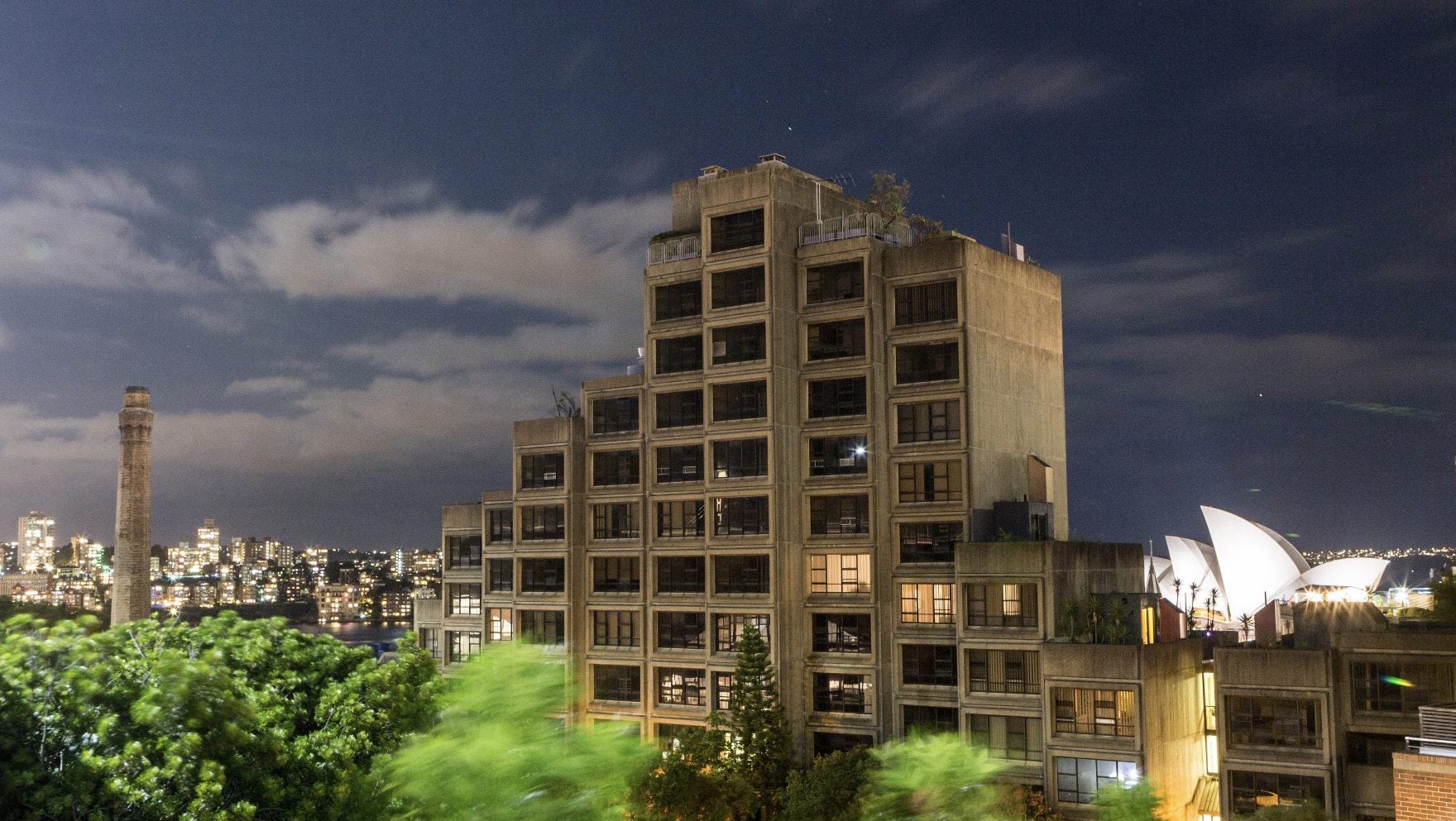
Blue collar workers in Sydney are taking a stand for brutalist architecture.
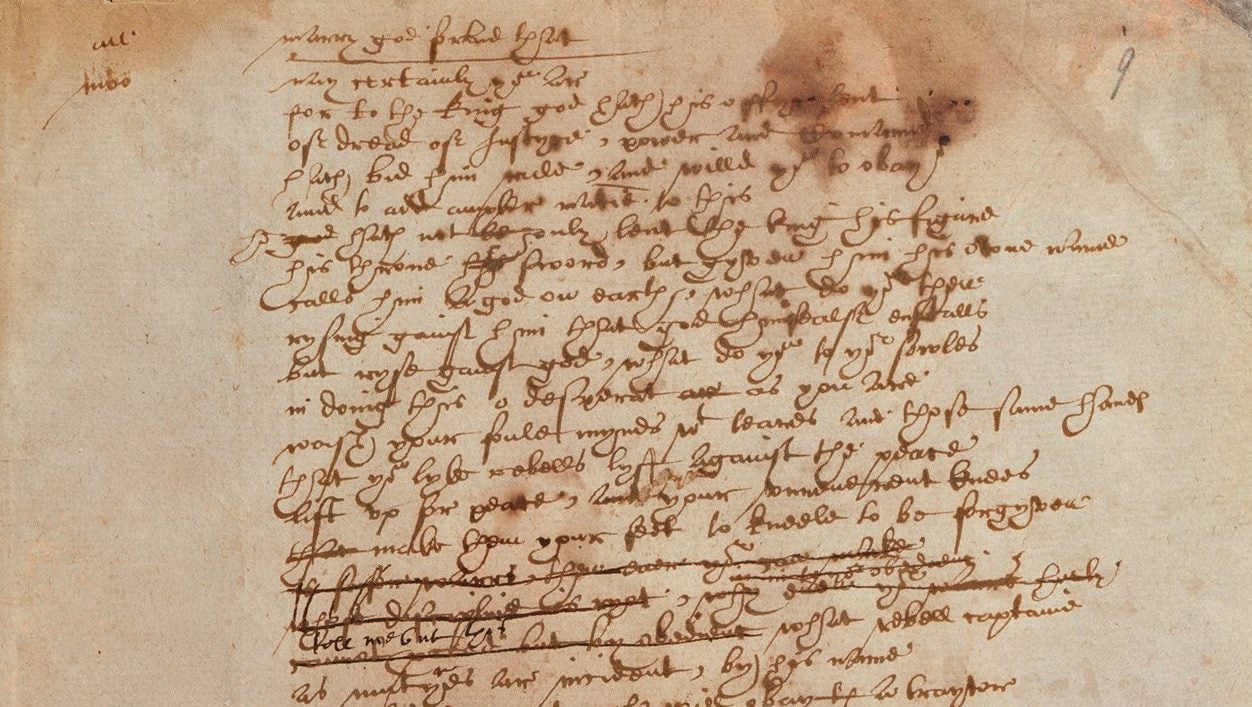
Some six hundred years ago in medieval England, feverish xenophobia swept through the population as 64,000 foreigners, from wealthy Lombard bankers to Flemish laborers, arrived on English shores between 1330 and 1550 in search of better lives. Locals blamed them for taking their jobs and distorting their culture. Tensions reached a zenith on May 1, 1517, as riots broke out in London and a mob armed with stones, bricks, bats, boots and boiling water attacked the immigrants and looted their homes. Thomas More, then the city’s deputy sherif, tried to reason with the crowd.
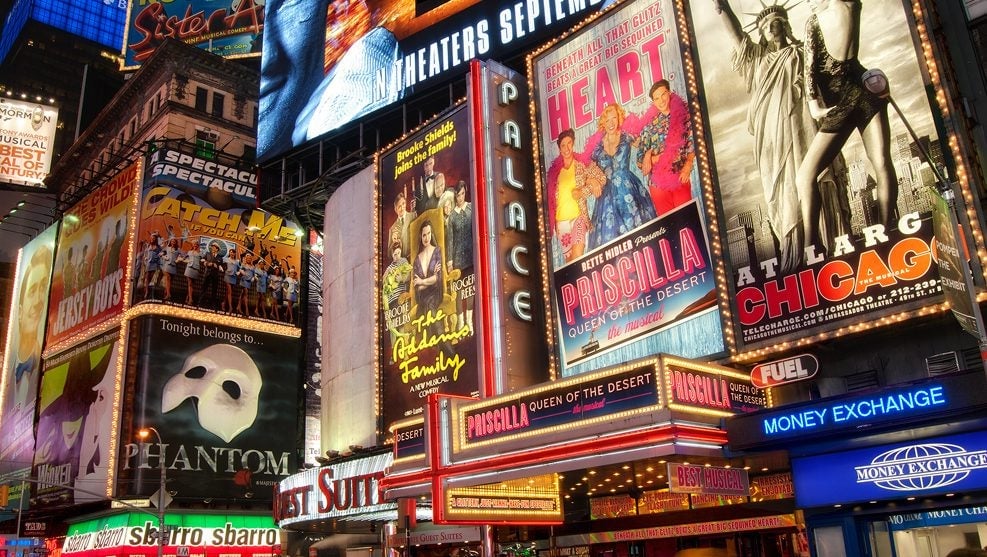
“If diplomats were to spend more time in the theater, museums and cinemas, we might have a more just and humane world,” quipped from Samantha Power, US ambassador to the United Nations, in a Sept. 16 speech at the Lincoln Center Global Exchange in New York City.

The stress, the public scrutiny, the crazy travel schedule, the spotlight, the heat. Even powerful world leaders let their humanity slip sometimes, and there’s perhaps no better demonstration than the fainting spell.
In this series, Perfect Company, we are examining pockets of excellence in the corporate world. No single company is perfect, but together they show what the corporate ideal could look like.