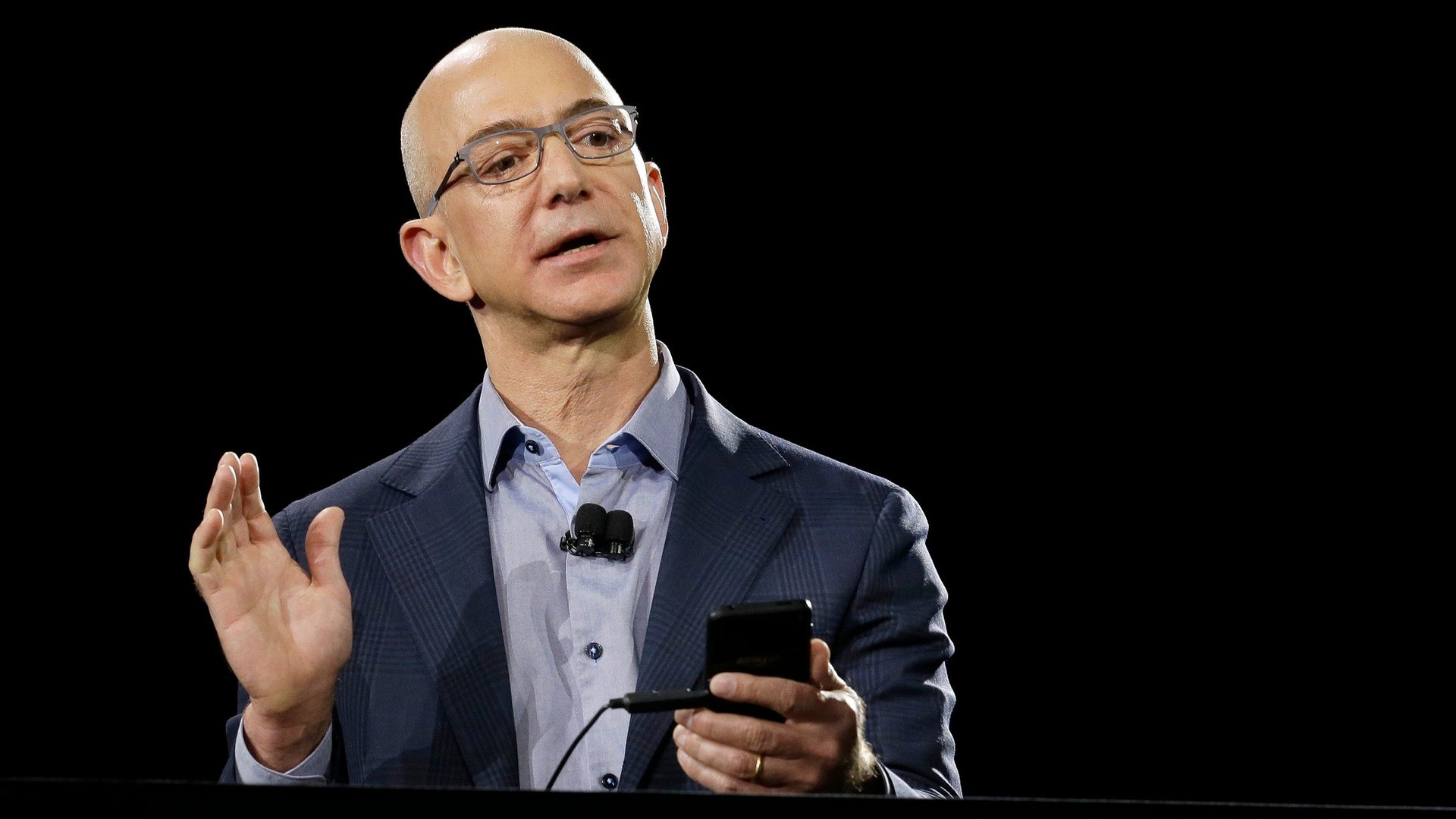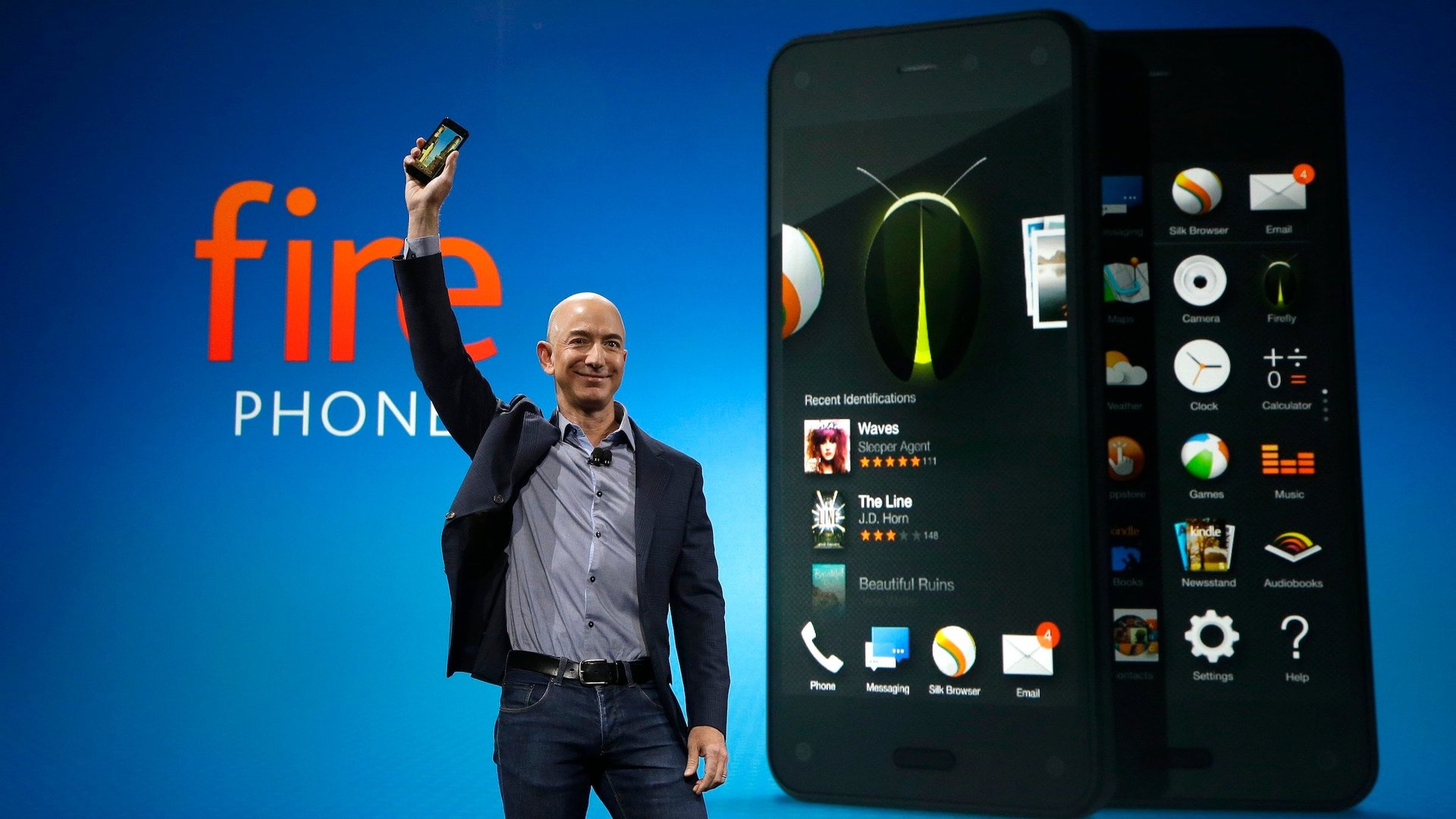
Amazon’s first phone—the Fire Phone—is not a hit with critics, who have mostly panned its interface and app selection. But it is finding some sort of audience: The standard-issue Fire Phone has been Amazon’s top-selling mobile phone all week.

Amazon’s first phone—the Fire Phone—is not a hit with critics, who have mostly panned its interface and app selection. But it is finding some sort of audience: The standard-issue Fire Phone has been Amazon’s top-selling mobile phone all week.

Microsoft has long dominated the corporate-software market, and its new CEO Satya Nadella has set his sights on owning all things related to productivity and the cloud. But Google—fueled by its search-advertising business and consumer popularity—has been coming on strong for years with lower-priced, cloud-based services such as email and calendars, productivity apps, video hangouts, and storage. And among certain types of customers, it is succeeding.

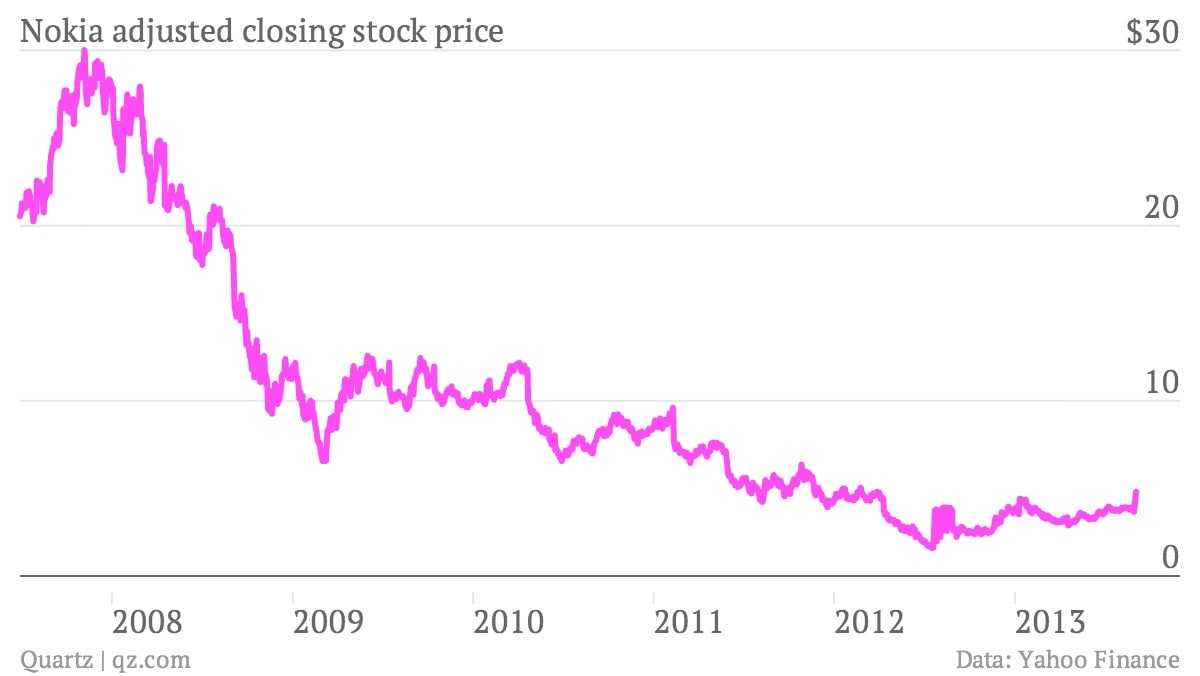
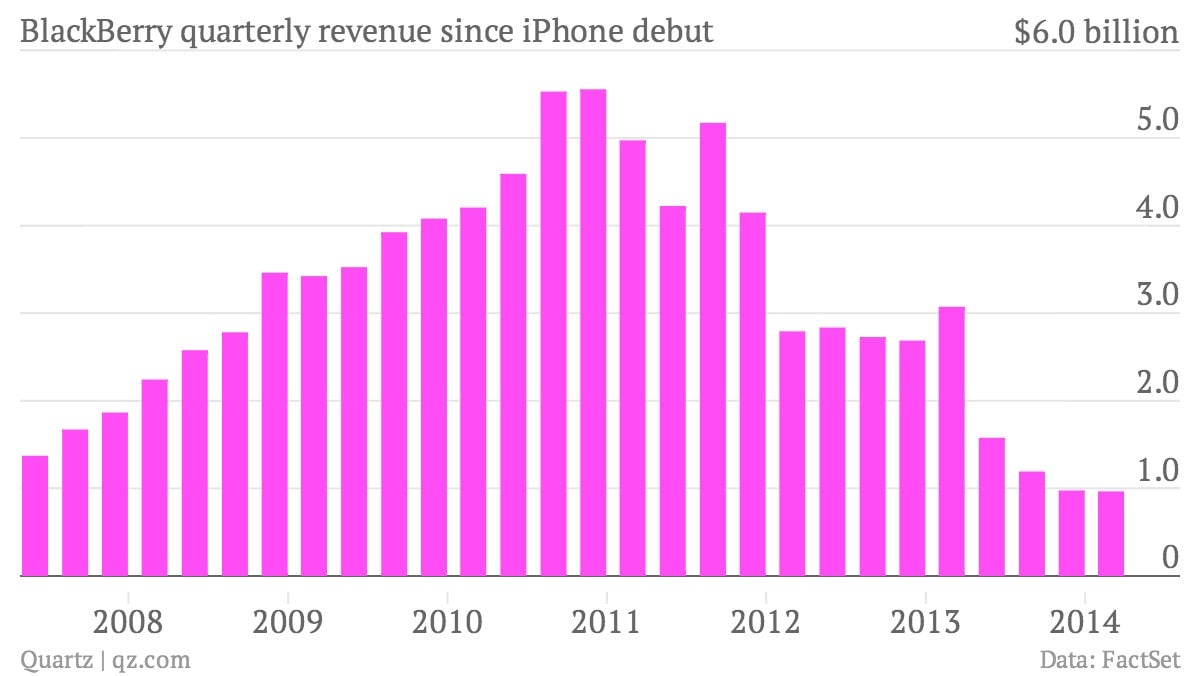
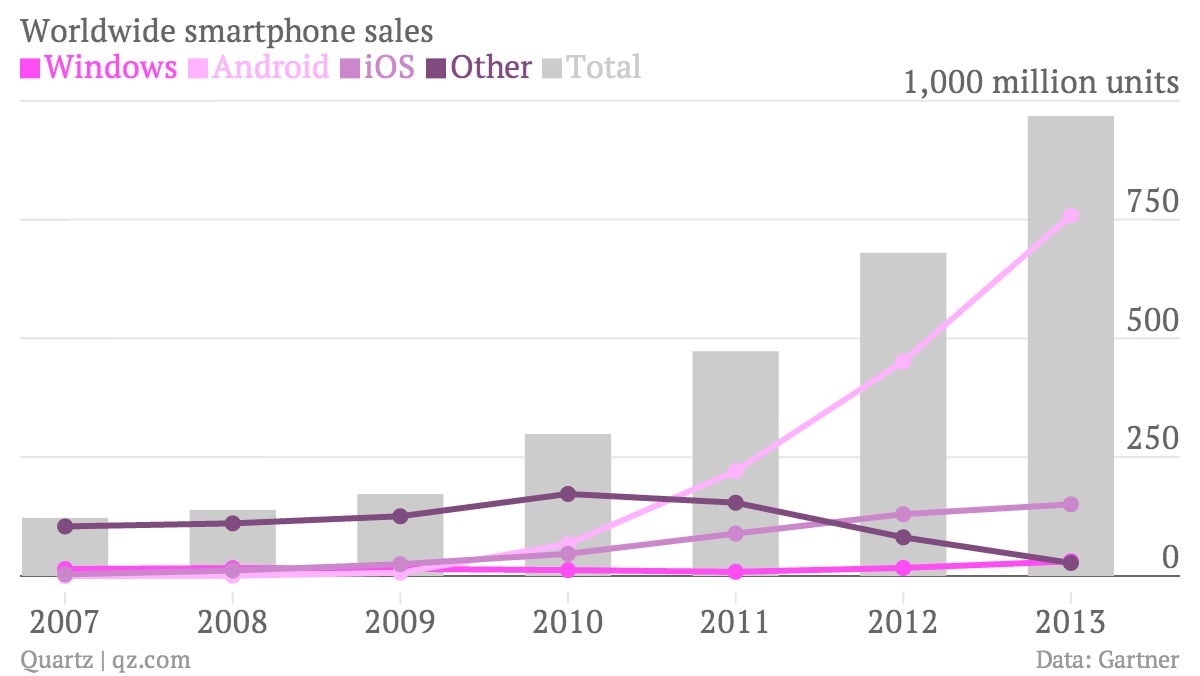
Samsung—which rode the Android wave to prominence more than any other handset maker—is now experiencing a squeeze. That is, pressure on the high end (from Apple) and on the low end (currently from China) that already has claimed or threatened the lives of many of its competitors, from Palm and Motorola to BlackBerry and Nokia.

BlackBerry is still stirring—sort of.

Snapchat is raising a new round of funding that could value the company at $10 billion, Bloomberg reports, citing sources. This is a significant increase in theoretical value, since Snapchat reportedly turned down a $3-billion buyout offer from Facebook last year. And it puts Snapchat in some impressive company, with other fast-growing, highly valued startups. But it’s not crazy.

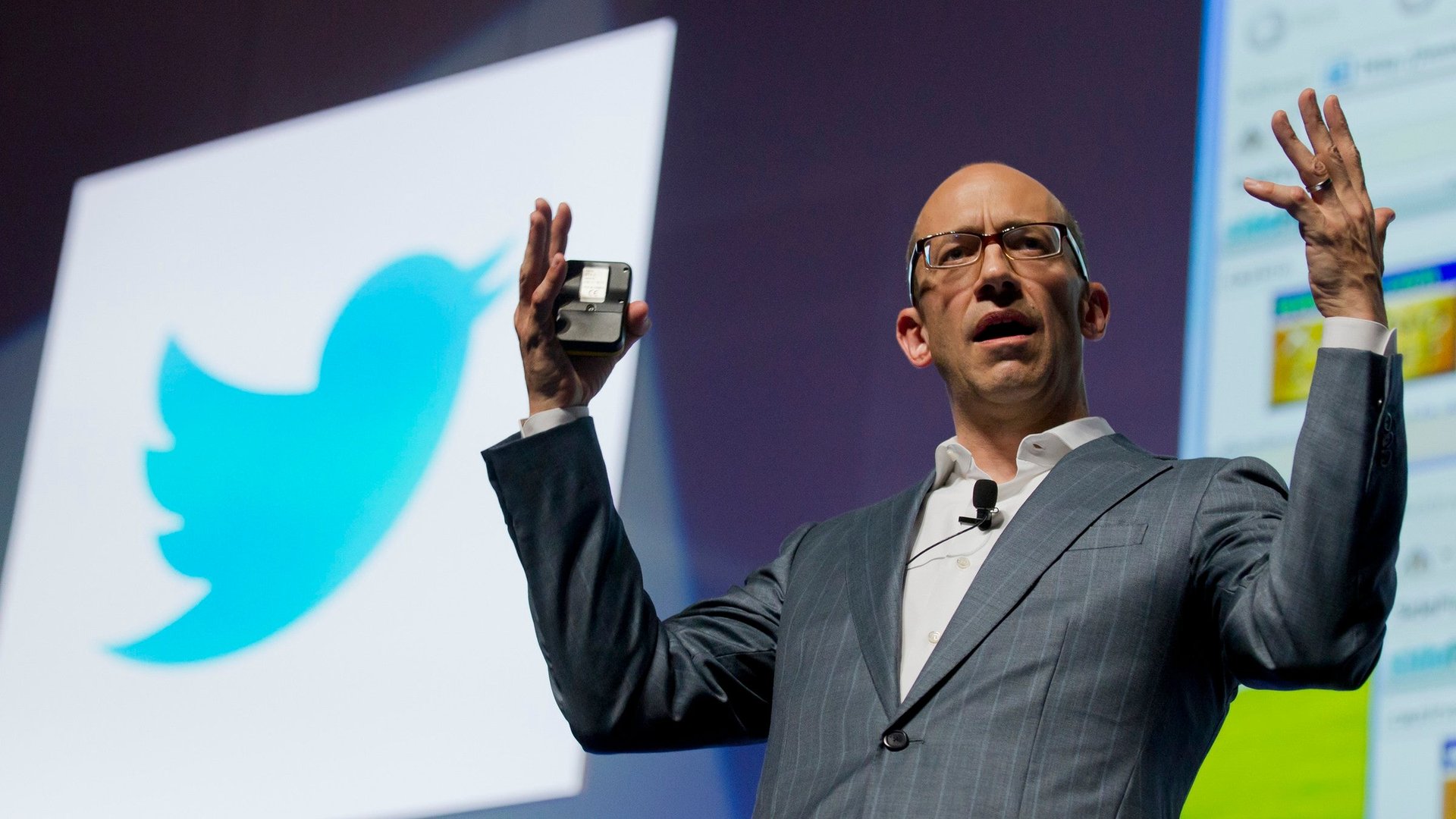
Twitter is simple, in theory, but it is also deceptively complicated. As a result, most people who see tweets or visit Twitter’s site don’t get hooked. On the company’s earnings call today, CEO Dick Costolo said the true size of Twitter’s audience—the number of people who visit Twitter every month but don’t log in—is two to three times larger than its active user base of 271 million.

Twitter shares are up 35% in after-hours trading following better-than-expected second-quarter results.

Twitter has proven many doubters wrong in its tumultuous history, but recent concerns about its growth and market size potential could get louder this afternoon (US time) when the social media firm reports its second-quarter results.

Search represents the largest digital advertising market—almost $50 billion last year globally, according to PwC, compared to just $34 billion for display ads—and is growing roughly 10% a year. But Google so thoroughly dominates the search industry that few are even bothering to challenge it anymore.

The numbers: Mixed, as always. Amazon sales grew in the double-digits for the 52nd quarter in a row. Revenue increased 23% year-over-year to $19.3 billion. Operating loss reached $15 million, down from a $79 million operating profit a year ago.

The numbers: Good. Facebook reported $2.9 billion in second-quarter sales, slightly ahead of expectations, representing 61% year-over-year growth. Profit more than doubled year-on-year to $791 million. Facebook now has 1.3 billion monthly active users and 829 million daily active users. Shares rose in after-hours trading.

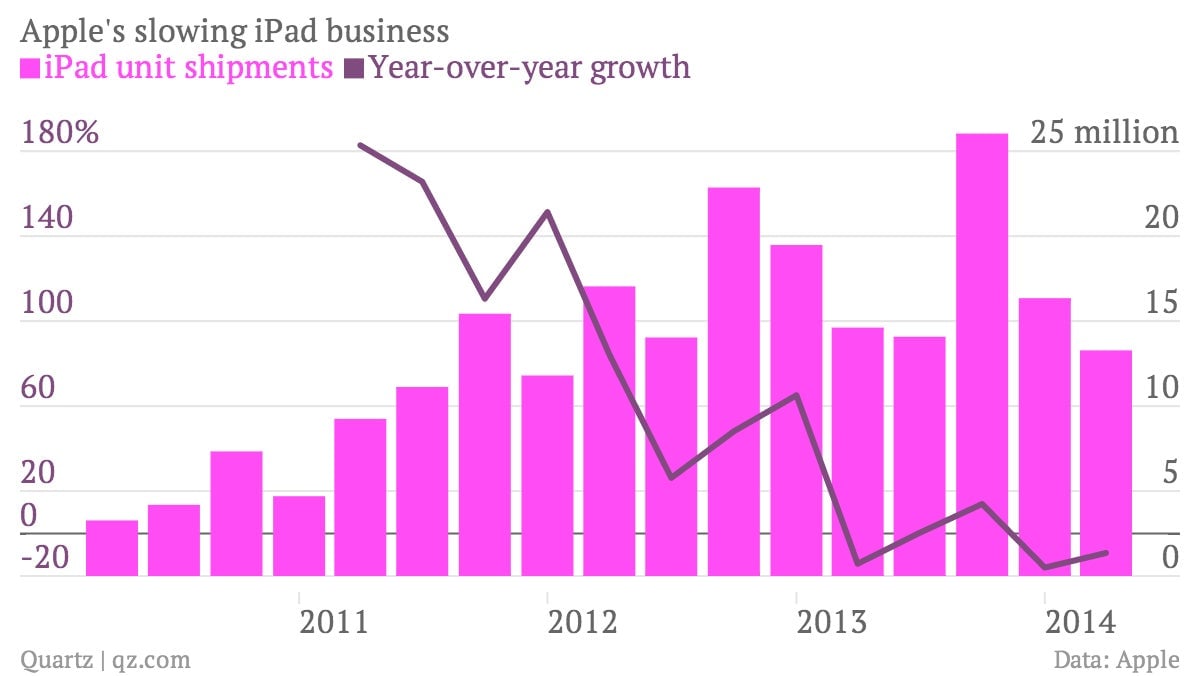
Apple’s iPad business, long thought to be the future of the company, isn’t acting like it. In the company’s June quarter, reported today, iPad sales declined on a year-on-year basis for the second quarter in a row. That’s a big change from a couple of years ago, when iPad shipments were more than doubling.

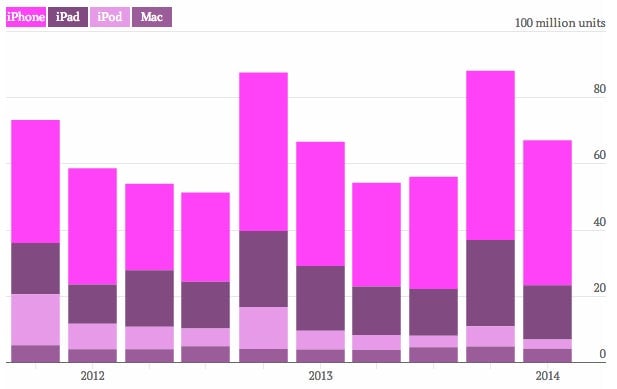
Apple continues to grow slowly ahead of new product introductions. Total revenue grew 6% from last year, roughly the same rate it has grown over the past four quarters. iPhone sales met expectations, but iPad sales were weaker than expected for the second time in a row.

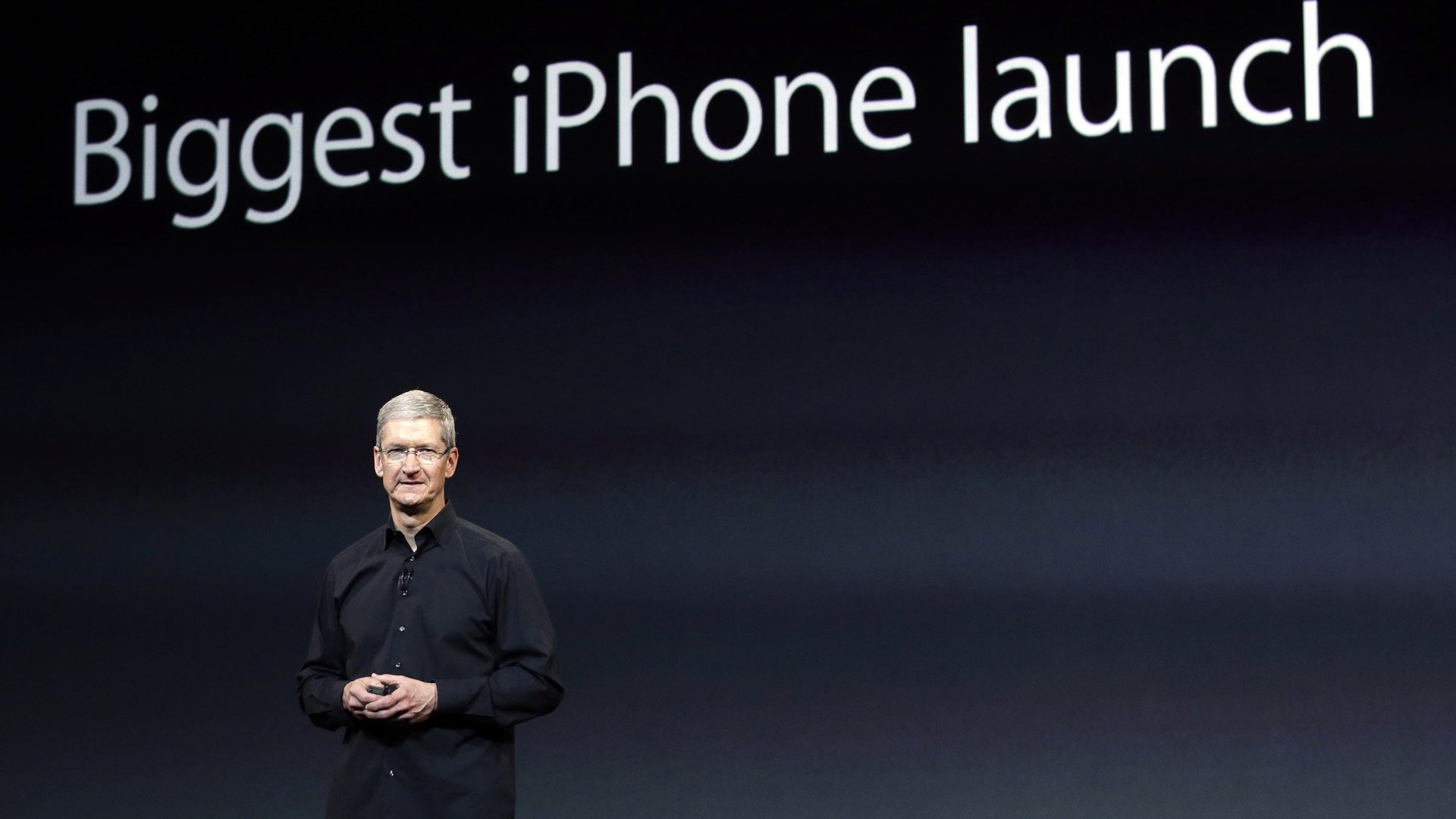
How will Apple’s quarterly earnings, due this afternoon (ET), inform its future product releases? Because the iPhone is such a big part of Apple’s business, and because its annual launches are such big events, the company’s revenue forecast for its September quarter should contain a few hints.

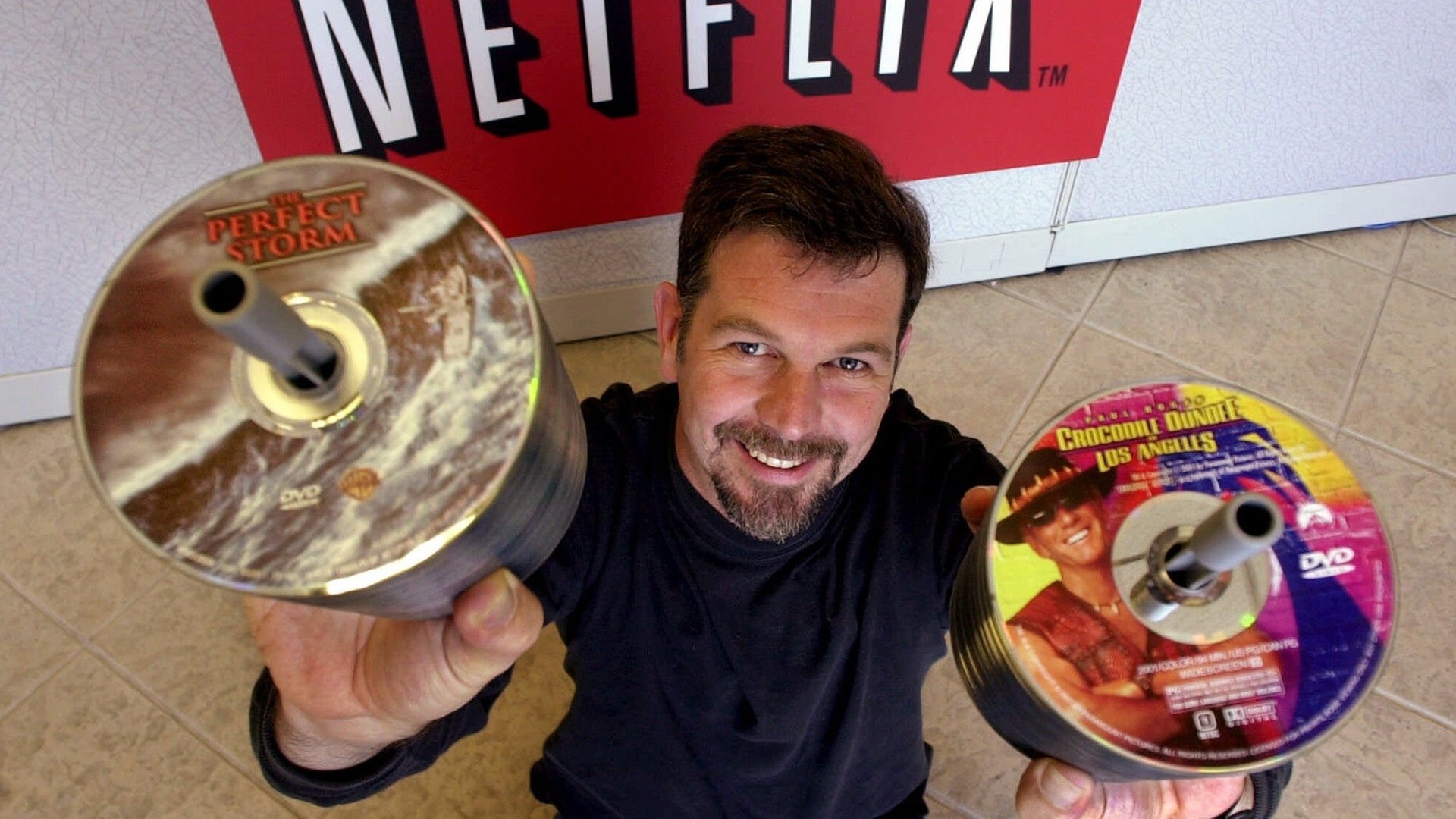
Netflix’s pioneering DVDs-by-mail delivery service has declined as its streaming service has taken off. And naturally, Netflix has paid less attention to its legacy business: The company recently stopped mailing DVDs on Saturdays, and dropped its signature “red envelope” corporate branding in a recent makeover. But DVD rental is still a real business for Netflix, and its decline is now even stabilizing.

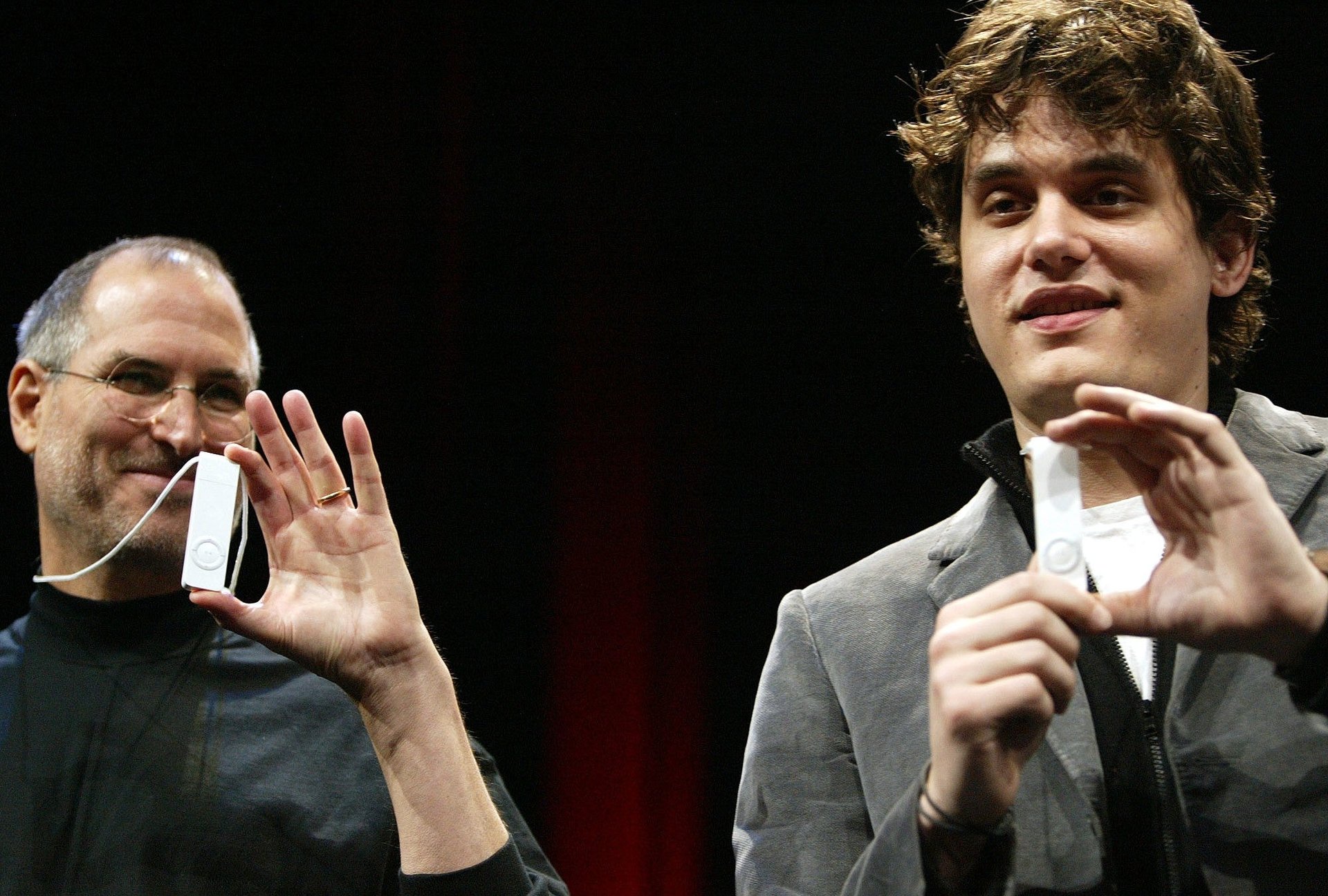
Apple is widely reported to be working on some sort of wearable gadget, which could possibly debut as soon as this fall. Many people think the device—or devices—will compete with some of the fitness bands and smartwatches that have hit the market in recent years. But no substantial details have leaked.

The numbers: Mostly positive. Google’s net sales rose 25% from a year earlier to $12.7 billion after traffic-acquisition costs, ahead of Wall Street expectations. Earnings per share, on a non-GAAP basis, increased to $6.08, below expectations.

Microsoft’s massive job cuts, announced today, shouldn’t surprise anyone. If anything, they’re just the beginning. While Microsoft is still growing and still profitable, it is far from the position of comfort that former CEO Steve Ballmer’s grand demeanor suggested.

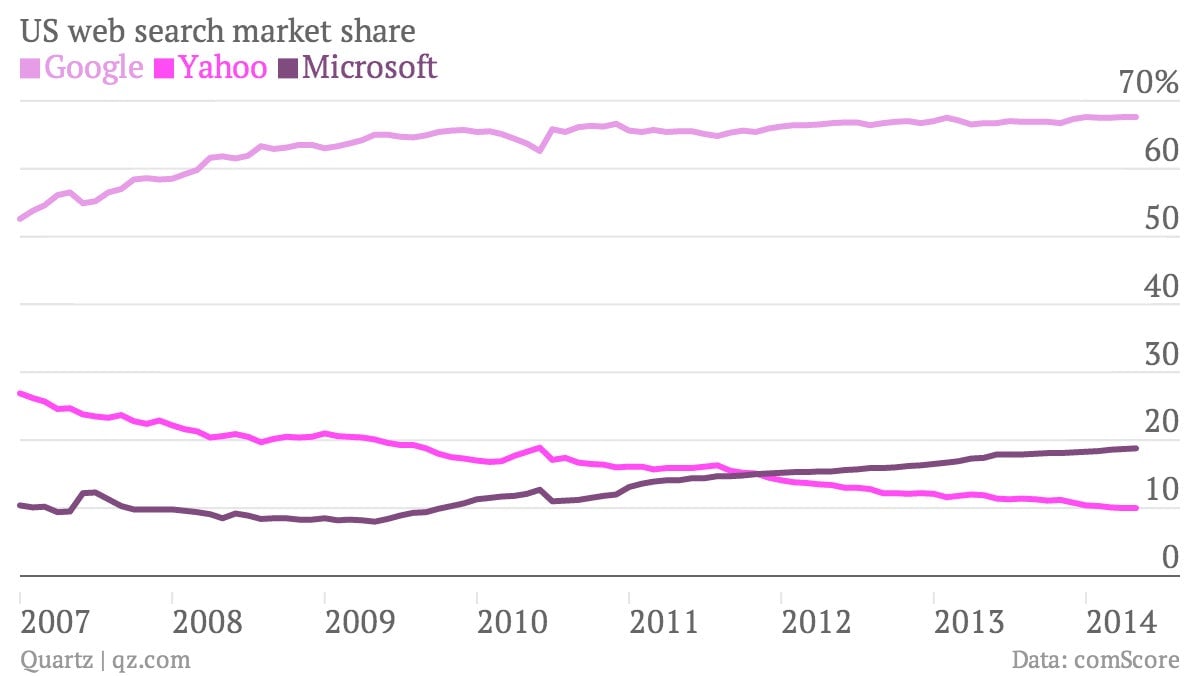
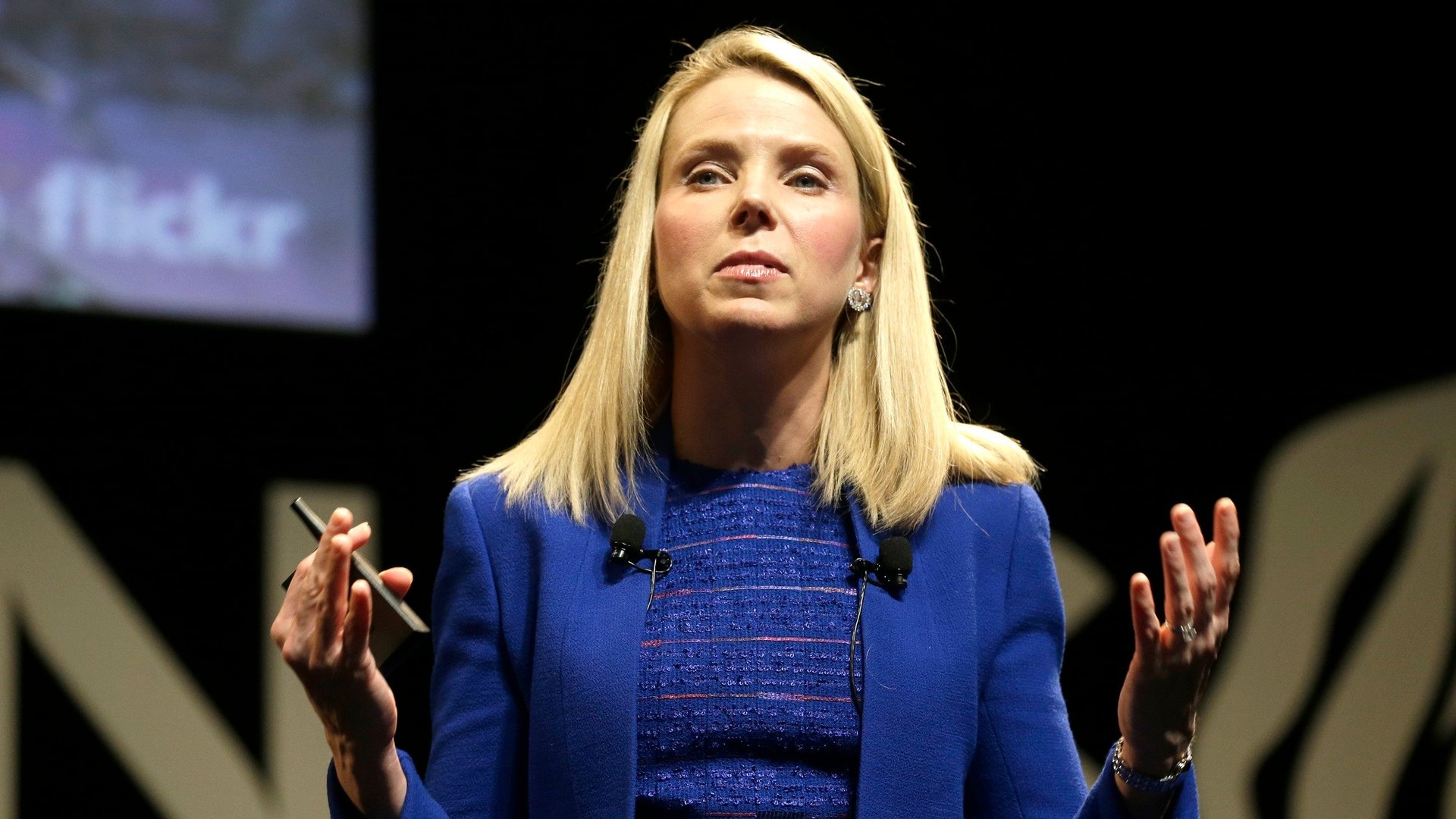
Yahoo CEO Marissa Mayer has outlined several growth areas for the company—which continues to tread water—including mobile, social, and video. But in the meantime, Yahoo’s bright spot is a familiar one: Its search engine, which launched about 20 years ago but has been steadily losing market share.

The numbers: Generally soft. Yahoo reported $1.08 billion in second quarter revenue, representing a 4.5% year-over-year sales decline. Revenue after traffic acquisition costs declined to $1.04 billion, just short of analyst expectations. Adjusted EBITDA was $340 million, slightly ahead of expectations. Yahoo also reached a new agreement with Alibaba that will permit it to sell fewer shares in Alibaba’s IPO.

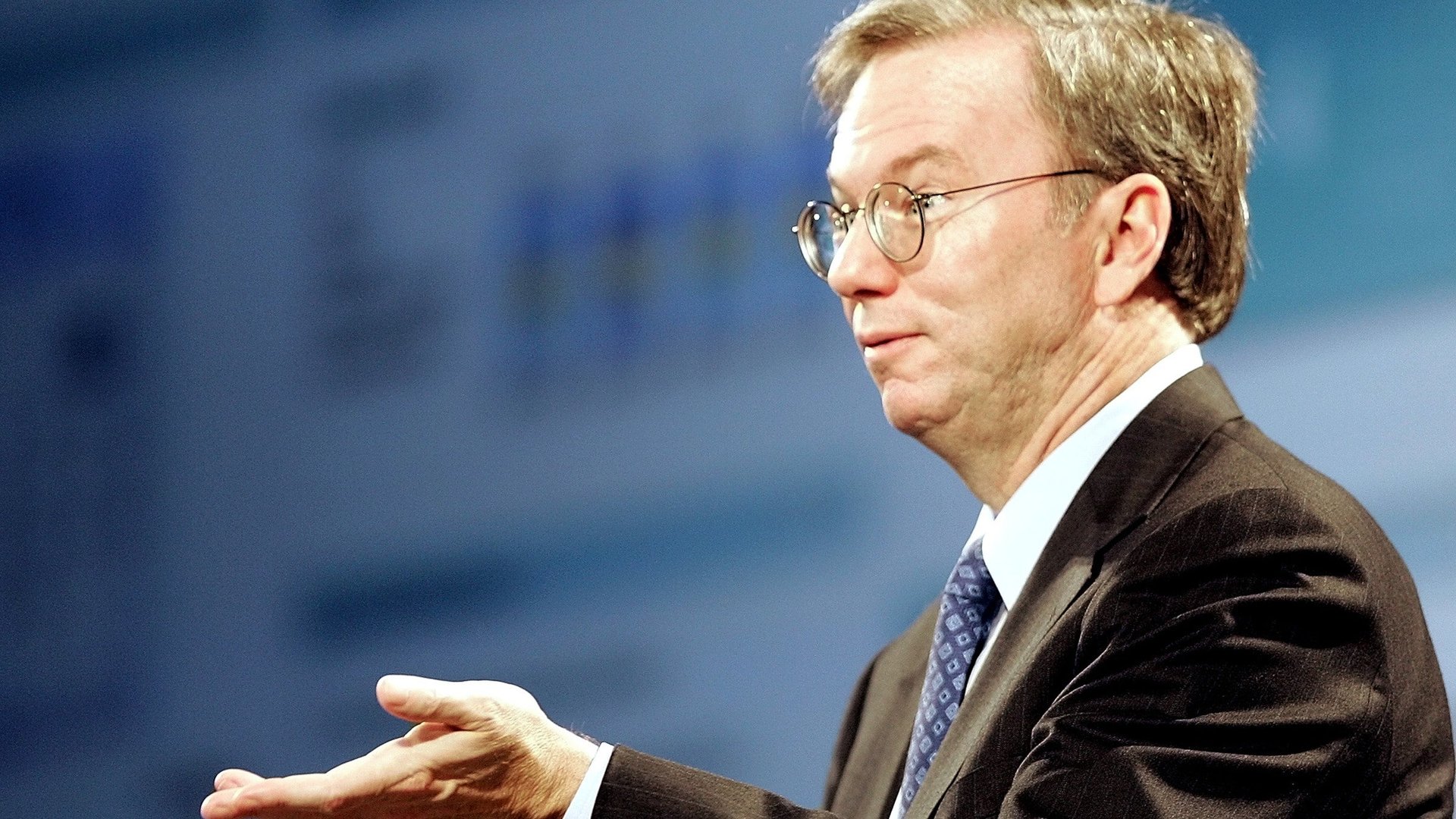
More fascinating emails continue to trickle out of the Google/Apple/Intel/Adobe wage-conspiracy case in California. In one exchange revealed last week, former Google CEO Eric Schmidt confirmed—in a huff—an extreme measure aimed at preventing Facebook from stealing his company’s employees.

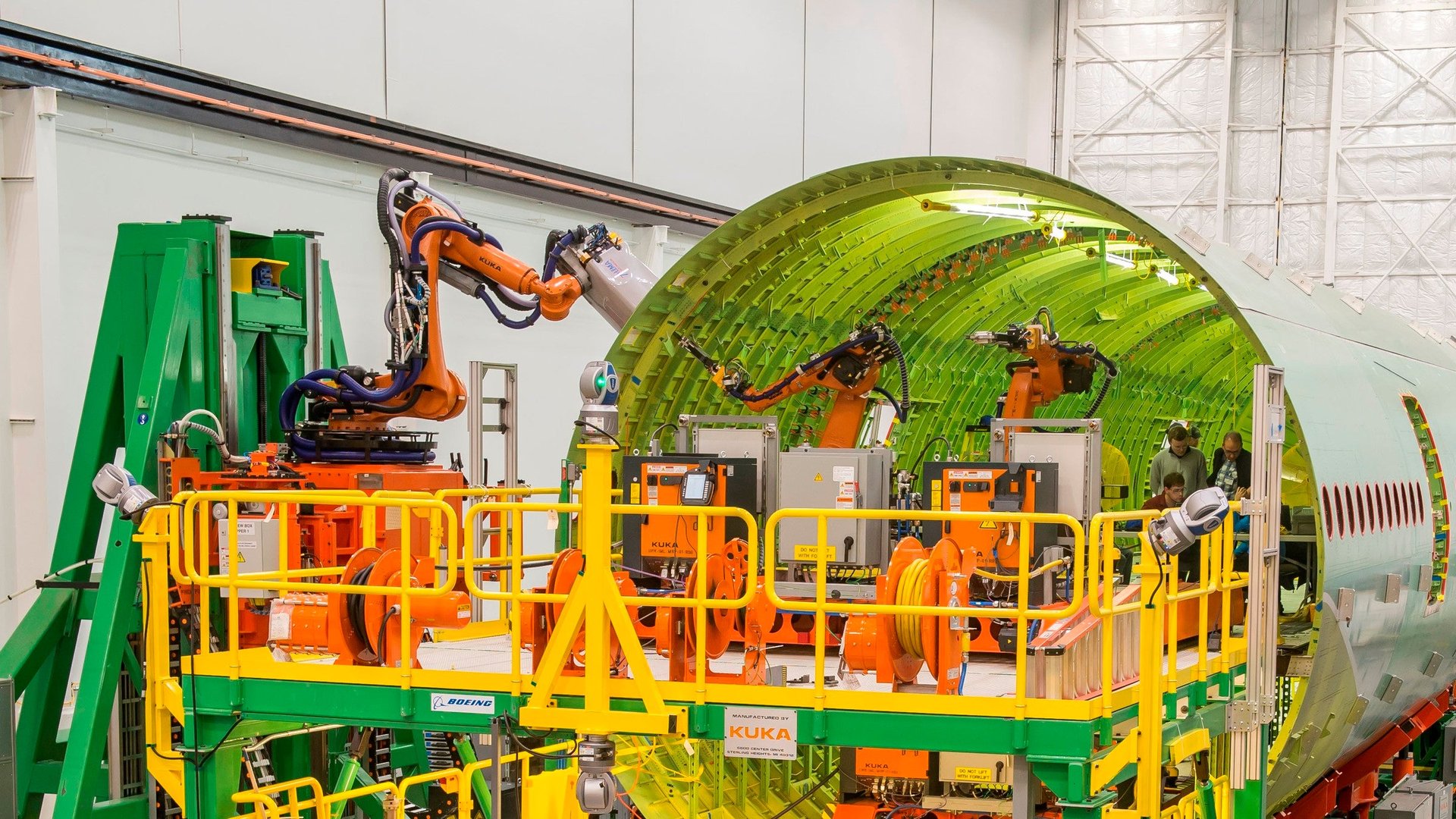
A new, automated technique for building 777 fuselages could be implemented within a few years at the airplane-maker Boeing, the company announced today.

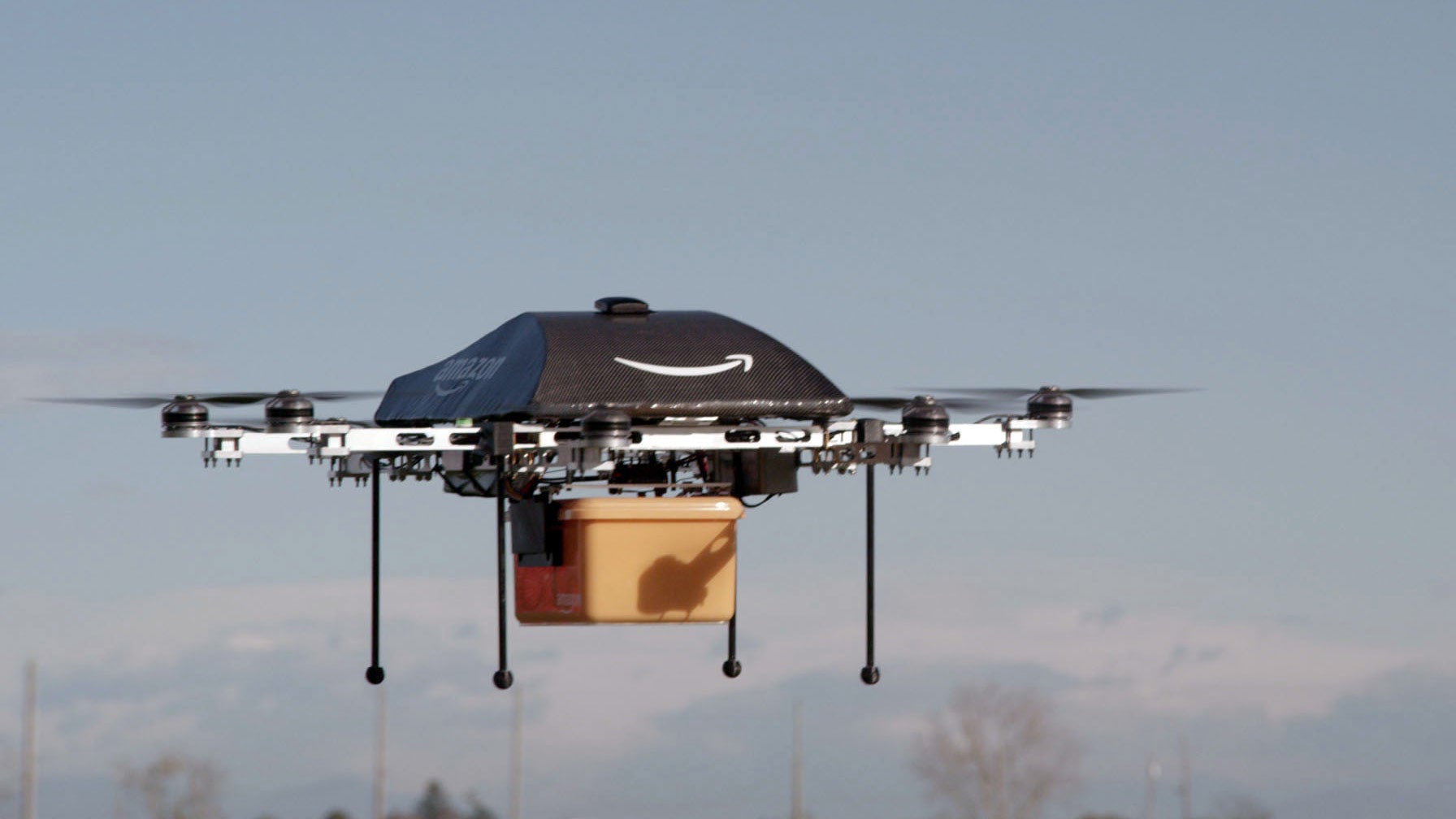
It will be many years, if ever, before you’ll receive Amazon deliveries by drone. But that’s not really the point behind Amazon’s “Prime Air” push, is it?

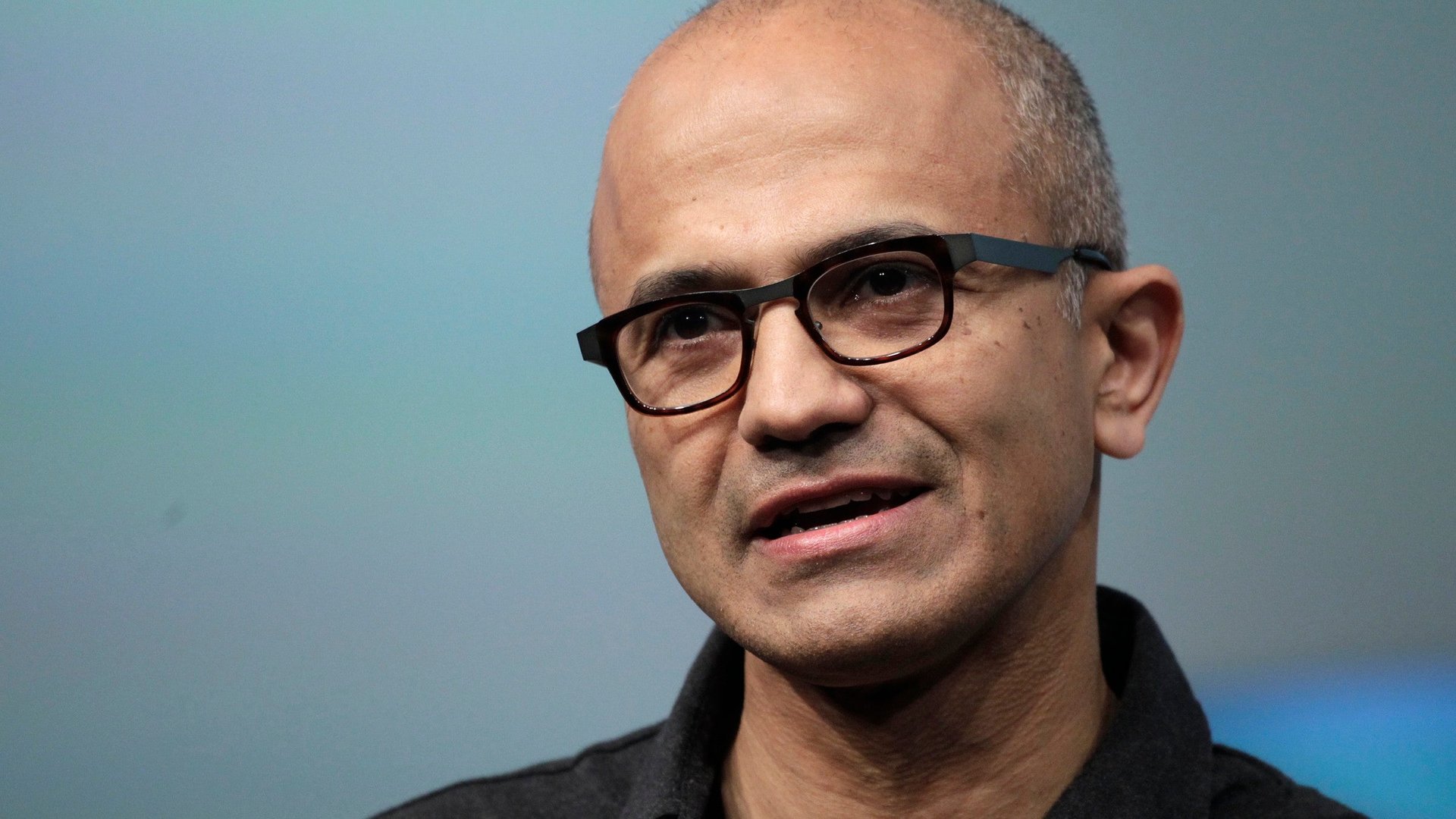
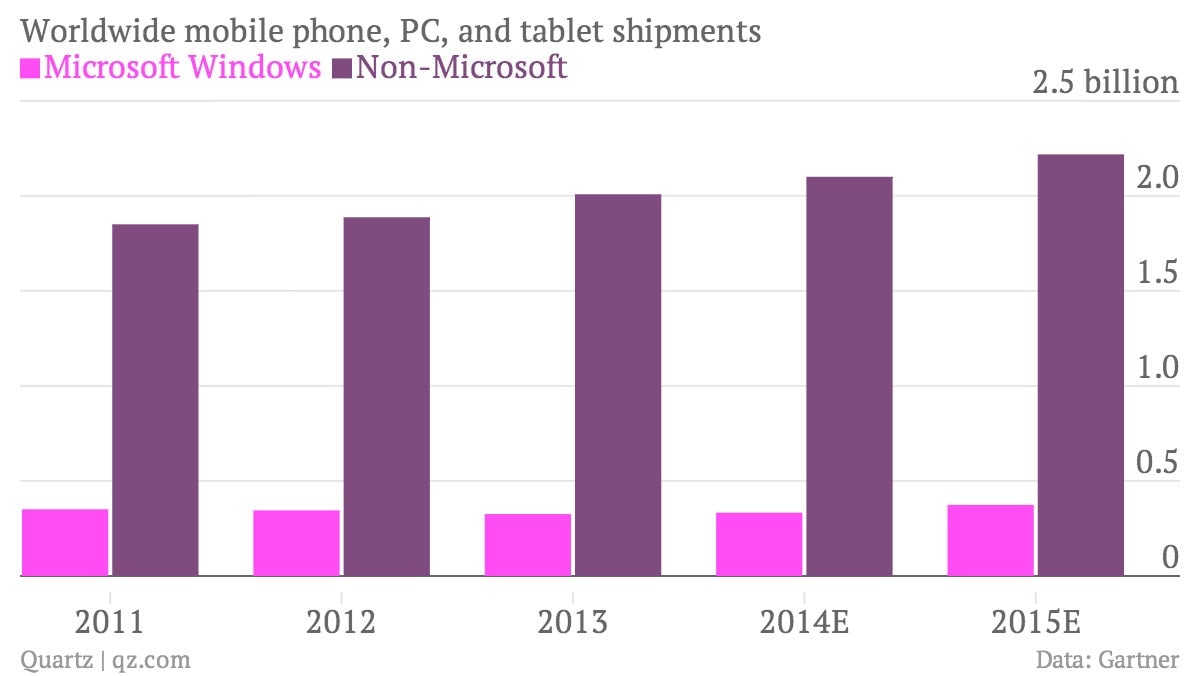
“We live in a mobile-first and cloud-first world,” Microsoft CEO Satya Nadella reminded his staff yesterday in a public manifesto outlining the company’s new mission.