

Business News
Who’s still living with their parents?Over the past 10 years, the rise in the ranks of young Brits who moved in with their parents could more than fill a city the size of Liverpool.
Updated July 21, 20222 min read
Over the past 10 years, the rise in the ranks of young Brits who moved in with their parents could more than fill a city the size of Liverpool.
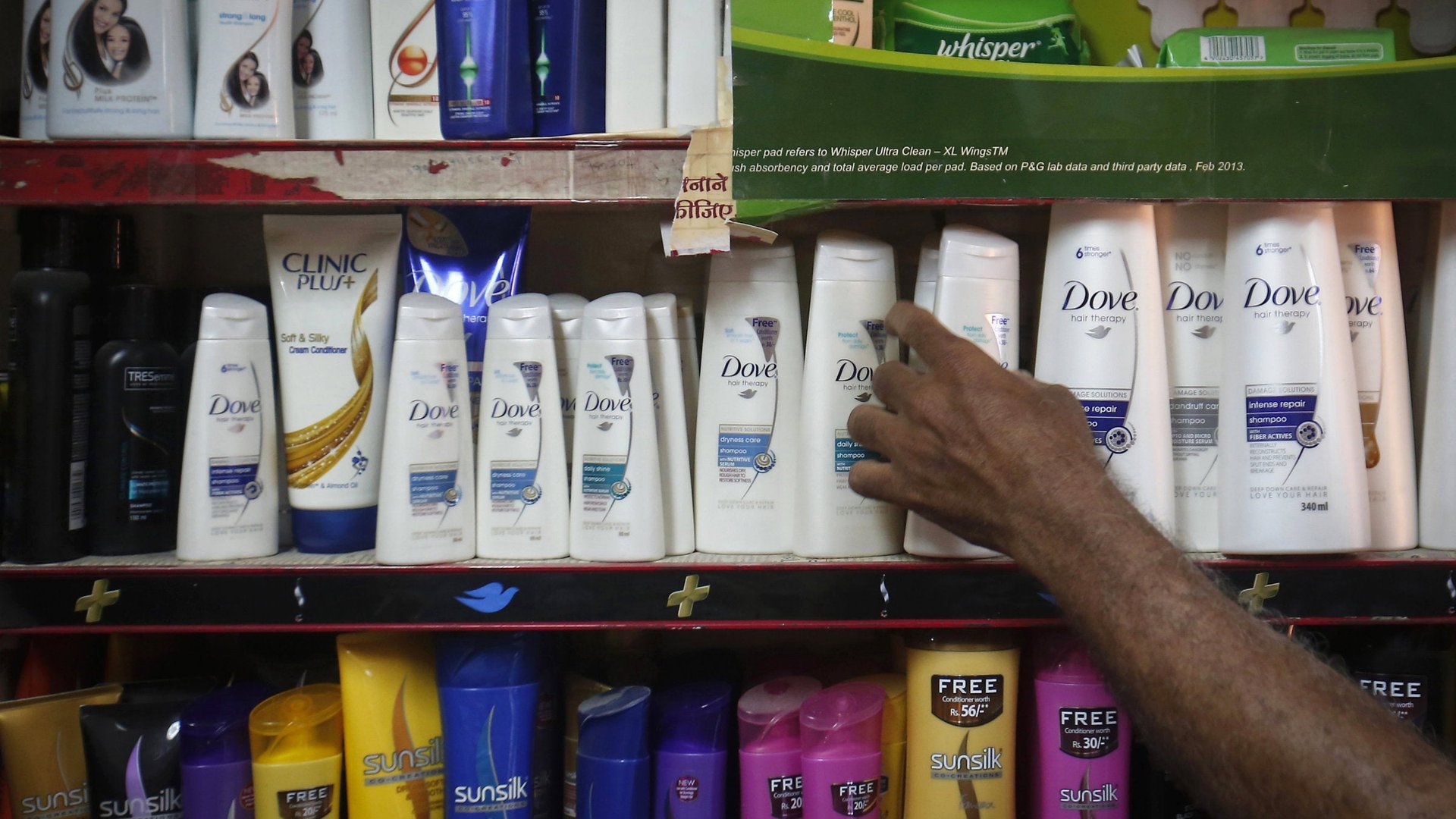
There are few better barometers for global consumer goods demand than Unilever, given its uniquely diverse product range and sprawling geographic presence. So when the Anglo-Dutch company reports results, analysts comb its financial statements and parse its executives’ comments for clues on broader spending trends.

Standard Chartered’s unexpected management reshuffle has raised some tricky questions about how, or whether, to communicate a company’s succession plans.
Deutsche Bank’s surprise plunge in profits may be the biggest story in European markets today, but the biggest faller among the blue chips is PSA Peugeot Citroën. Shares in the French auto group, Europe’s second-largest carmaker by sales, were down by 8% at one point, following two pieces of bad news.
The numbers: Ugly. Deutsche Bank reported a €1.2 billion ($1.6 billion) pre-tax loss for the fourth quarter of 2013. Analysts were expecting a profit of nearly €600 million, according to FactSet estimates. Revenues slipped by 16% versus the prior year.
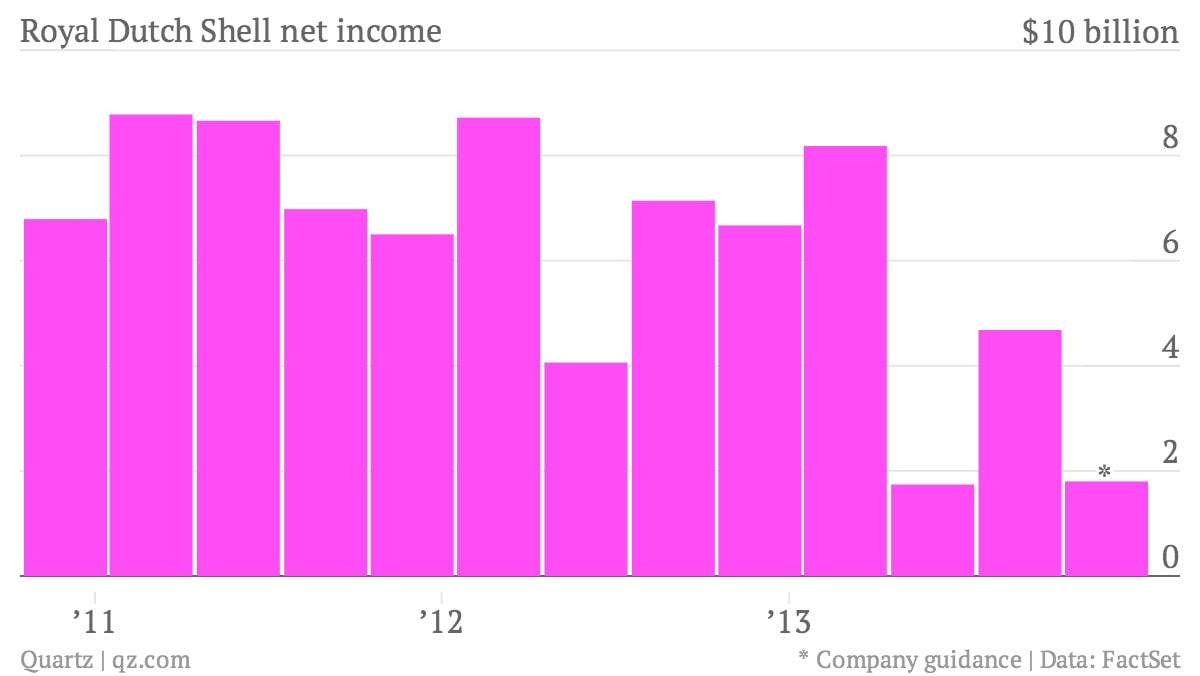
Energy giant Shell stunned the market with a profit warning today. When it publishes its fourth-quarter results in two weeks, it will report “significantly lower than recent levels of profitability,” the company said. (See chart above.)
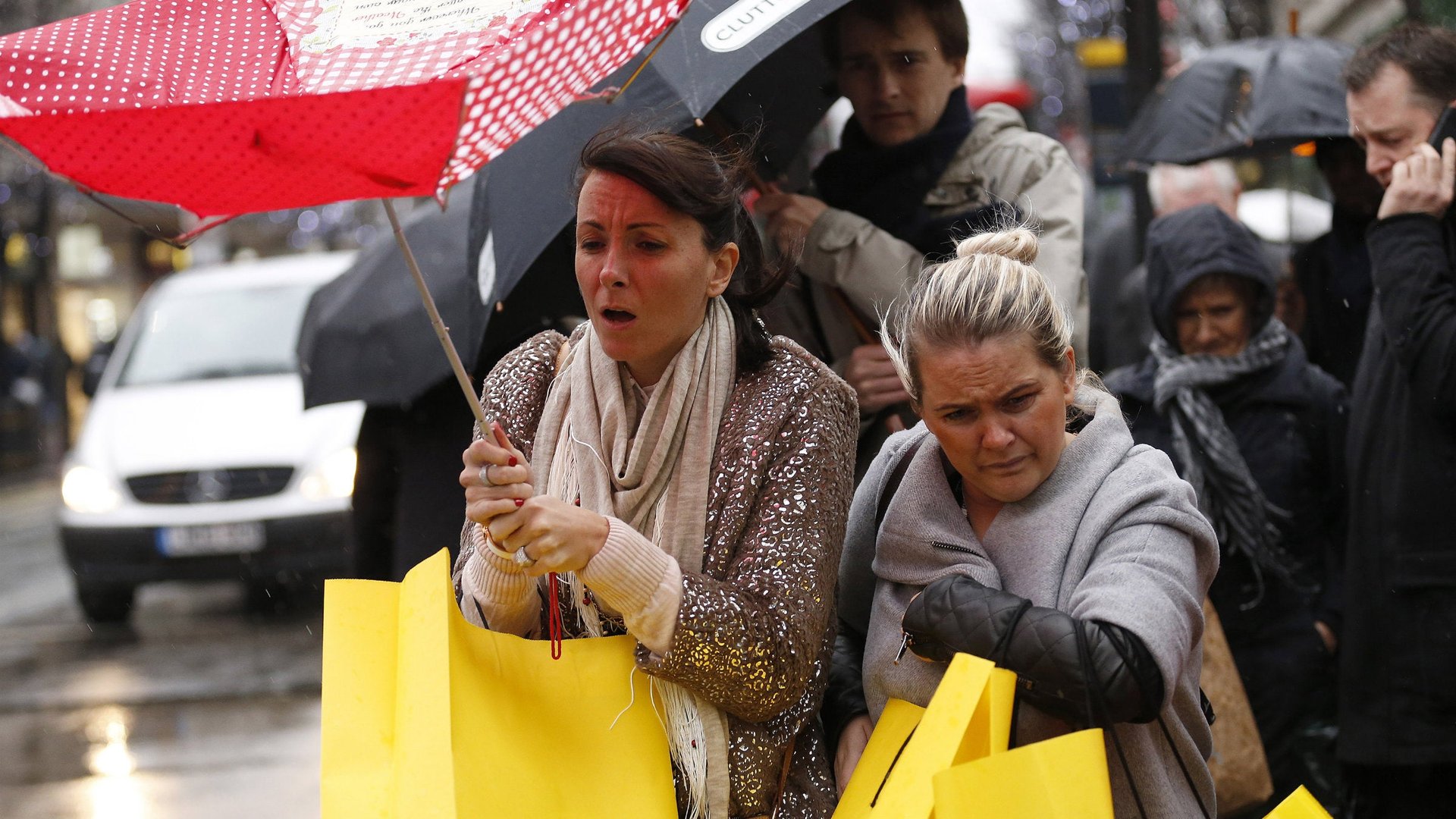
We recently reported on how Brits are among the world’s most enthusiastic Christmas shoppers. They lived up to their reputation during the latest holiday shopping season, with new data showing bumper December retail sales in the UK.
Looking back, a bond issue this week may have marked the high-water mark for the corporate bond boom. French utility EDF raised $700 million with a rare 100-year bond, the largest-ever issued by a European company, that will pay investors an annual coupon of 6% from now until 2114.
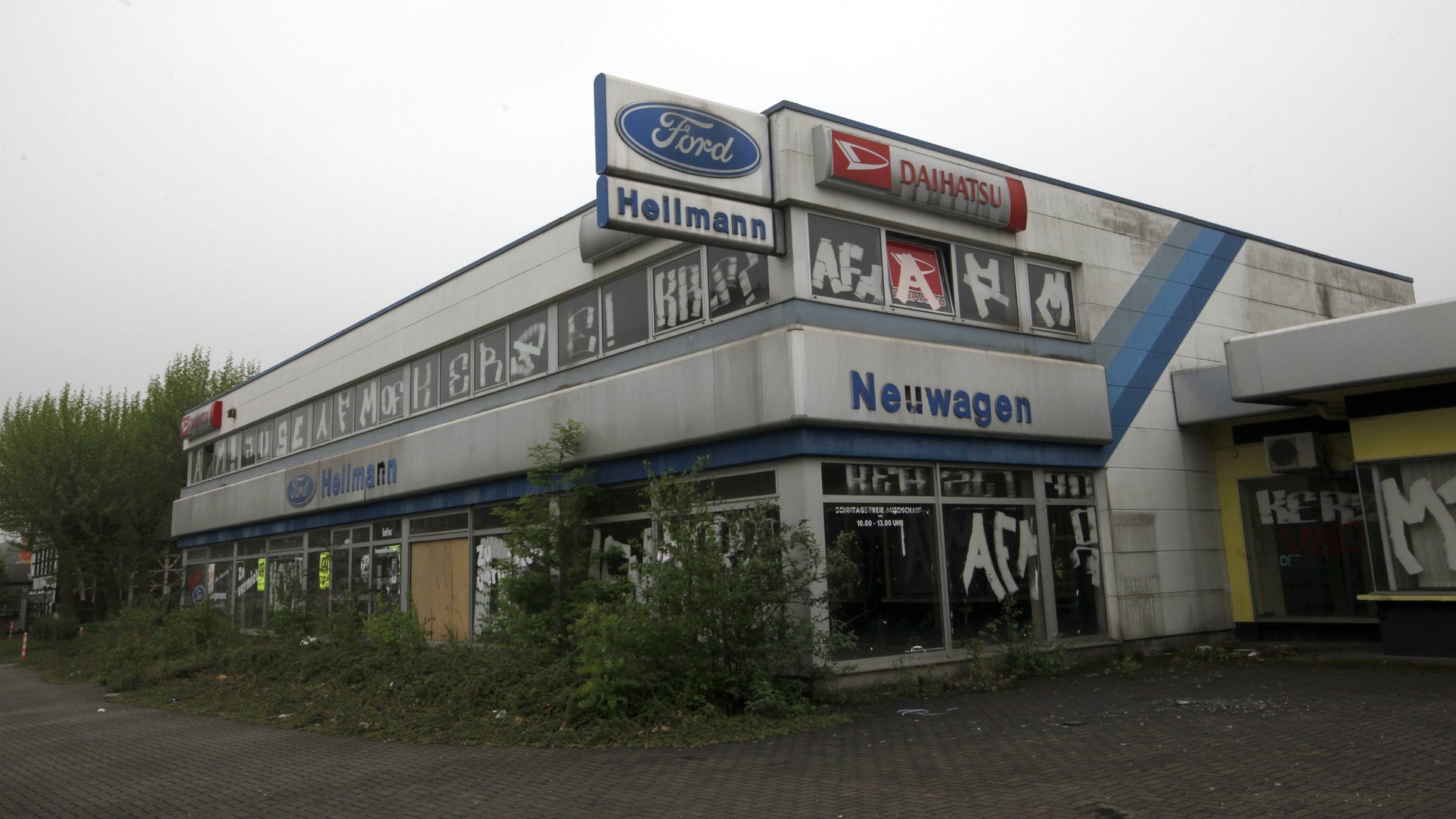
The good news: Auto sales in the European Union were up more than 13% in December. The bad news: Full-year sales in 2013 were down by around 2%, the sixth consecutive year of decline. The volume of cars sold in the EU last year was the lowest since 1995, according to data released by the European Automobile Manufacturers’ Association today.
Analysts who crank out stock reports and ratings for investment banks thrive on action. If the research they publish every day convinces a reader to buy or sell stocks, bonds or other instruments, chances are it will generate commissions for the bank’s trading desk, and what’s good for the bank is good for the analysts.

House prices in the UK rose by a pedestrian 3.5% year-over-year in November, according to the latest data—that is, if you exclude London from the calculation. Residential property prices in London rose by 11.6%, which is down from 12% the previous month but still frothy by any definition. Including London, British house prices were up by 5.4% in November.
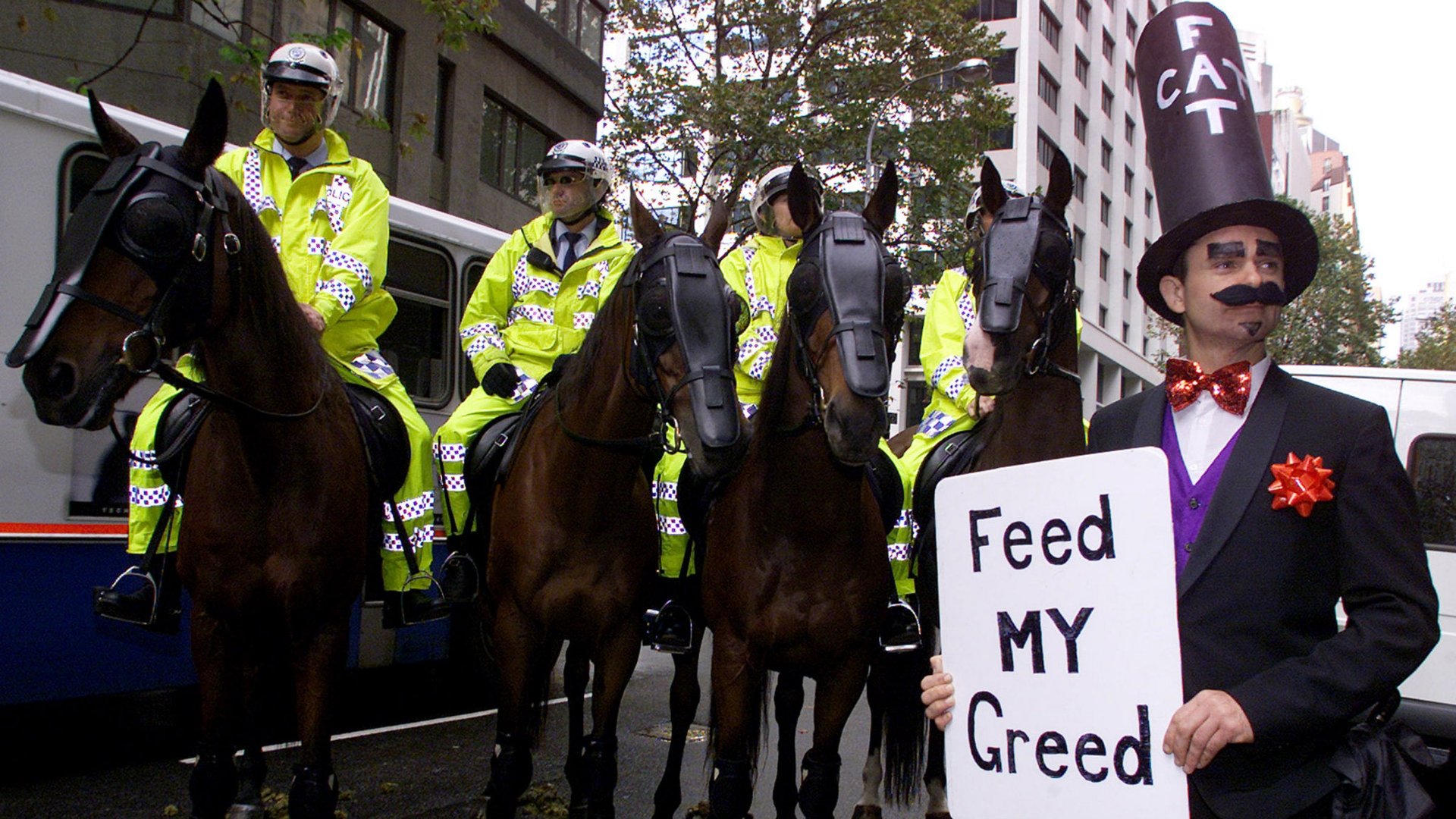
The perception of excessive pay not properly linked to performance puts executives—and the boards that sanction their compensation—in the crosshairs of activists, politicians and a wide variety of scolds.

Swiss media are abuzz with the news of the country’s faltering rail system. Last year, the state-run rail operator missed its target for punctuality; only 87.5% of trains arrived within three minutes of their scheduled arrival. This is down from the 89% target as well as the second consecutive year of deterioration—it recorded an on-time performance of 89.8% in 2011 and 88% in 2012.

“I only expect one thing from the European system—that it explodes.” This is the latest pledge from Marine Le Pen (pictured above), the firebrand leader of the National Front, a populist right-wing political party in France. Her party is fielding candidates in local elections in 500 towns across France, looking to ride a wave of discontent with the country’s mainstream parties.

Traders appear to have made a new year’s resolution: Always look on the bright side.
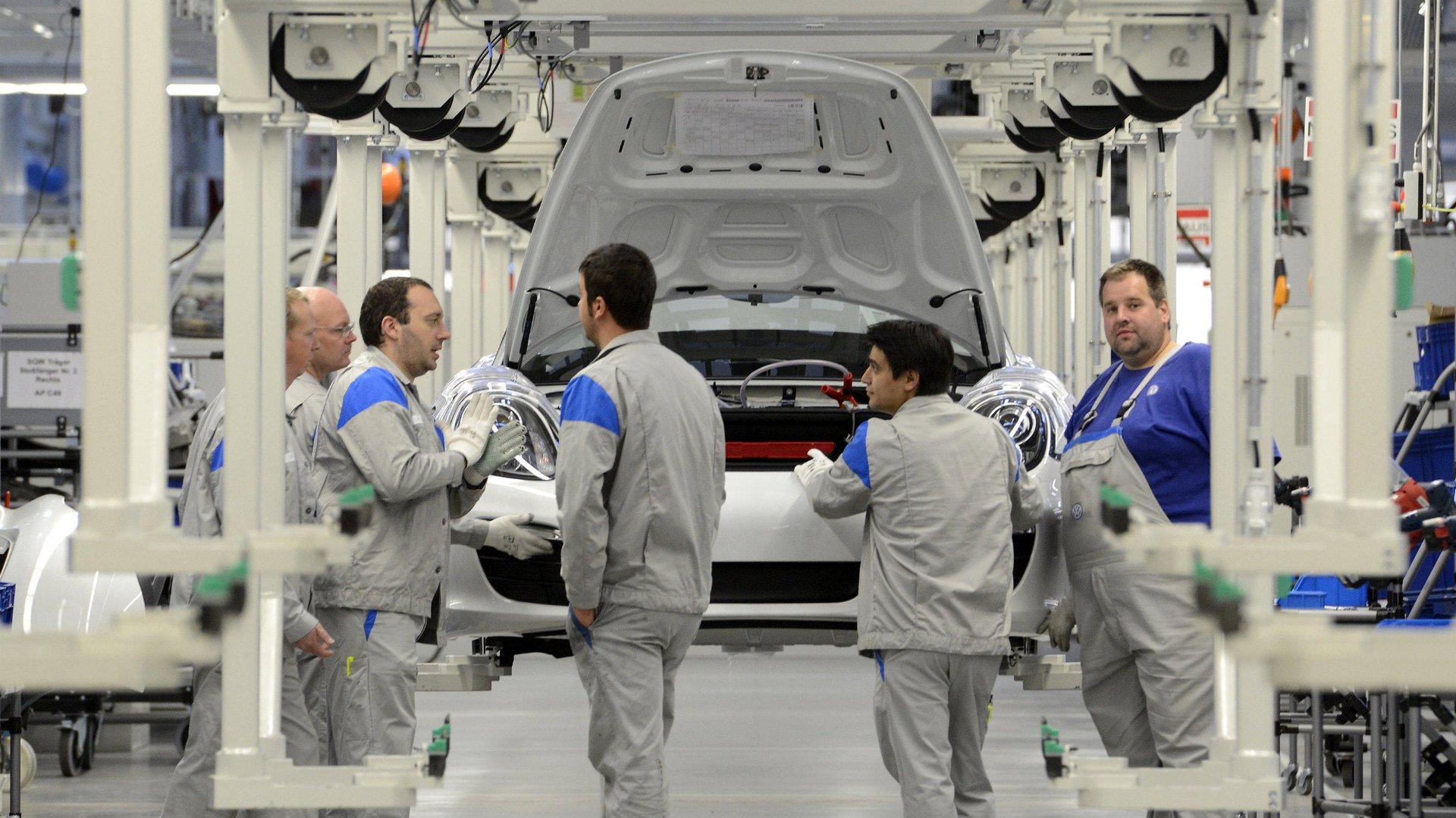
Germany is justifiably proud of its many world-class products, and bristles when others criticize its export-driven economic model—as US Treasury secretary Jack Lew did yesterday. Critics like Lew contend that the country needs to focus its attention on boosting domestic spending rather than fine-tuning its export machine, in order to benefit its trading partners, particularly less well-off members of the euro zone.
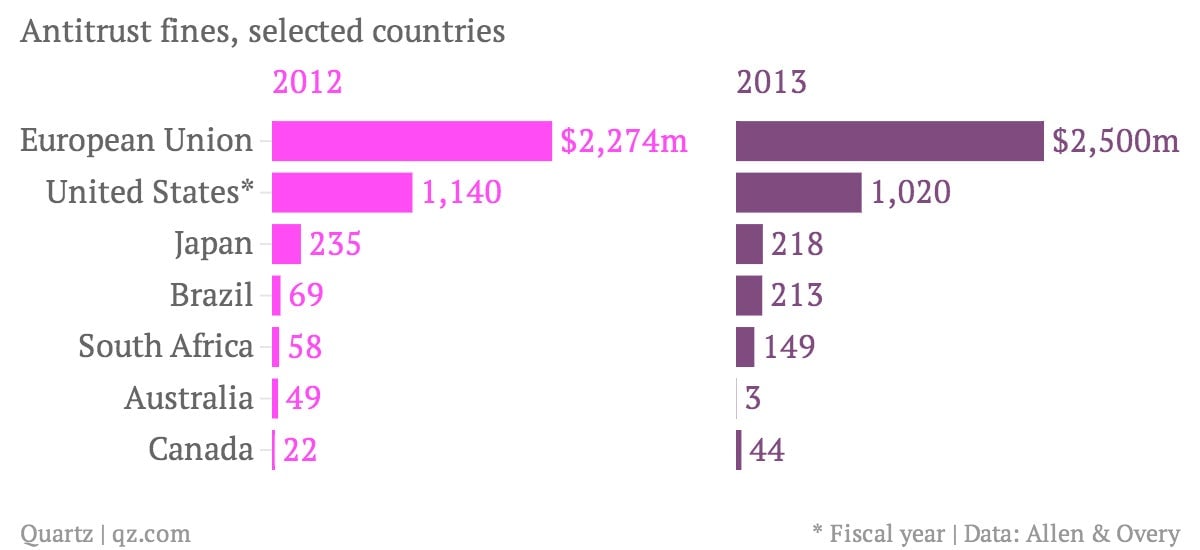
Competition authorities had a busy 2013 busting cartels. According to law firm Allen & Overy, fines for price fixing, bid rigging and various other antitrust abuses reached a new record of $4.2 billion in seven key markets last year, up from $3.8 billion in 2012, itself a record-high at the time (see chart above).
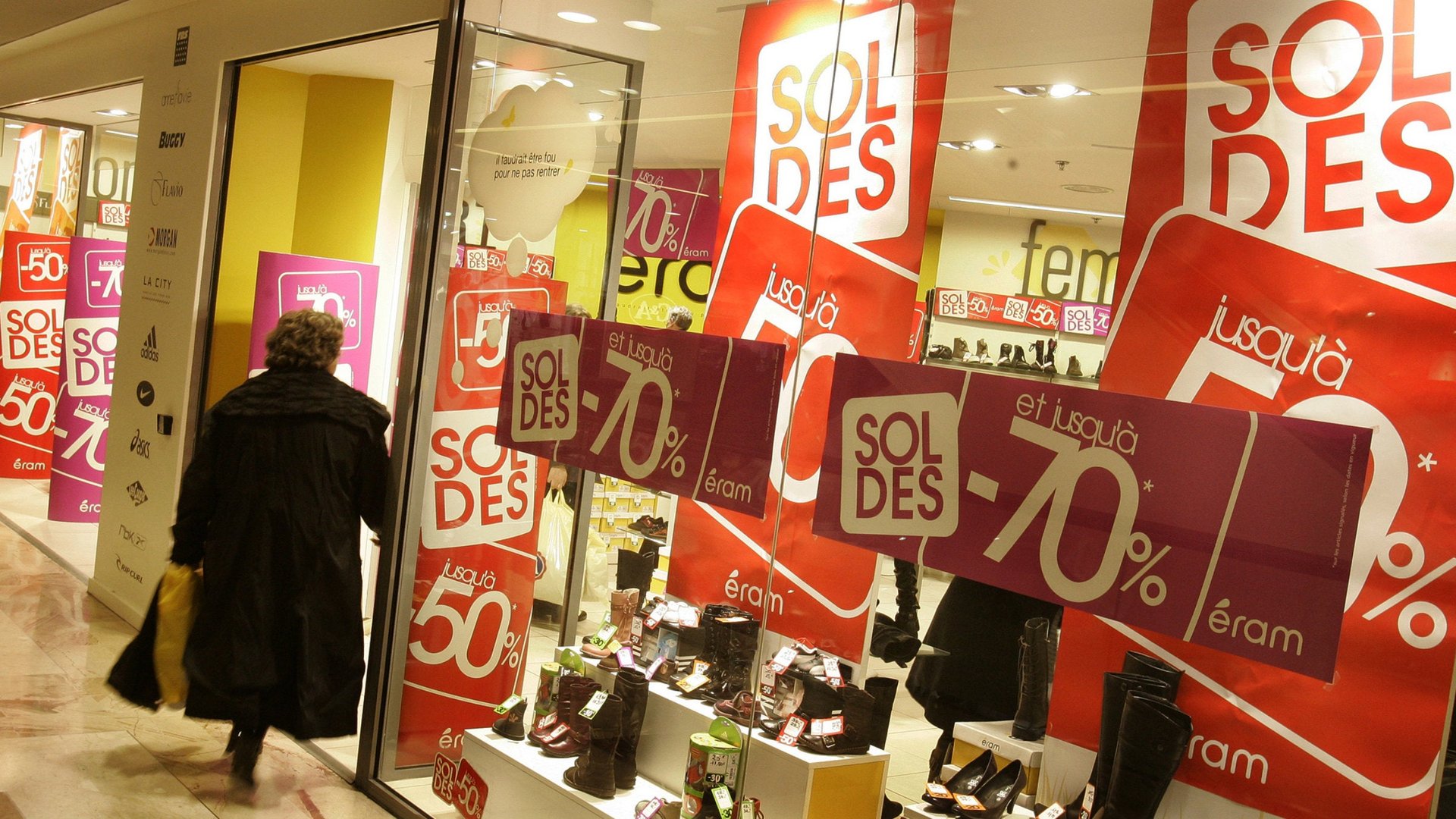
Low inflation continues to sow unease in the euro zone. The latest data, for December (pdf), show consumer prices rising at a 0.8% annual pace, down a bit from the previous month. So-called core inflation, which excludes food and energy, is the lowest it has been (0.7%) since the creation of the euro.
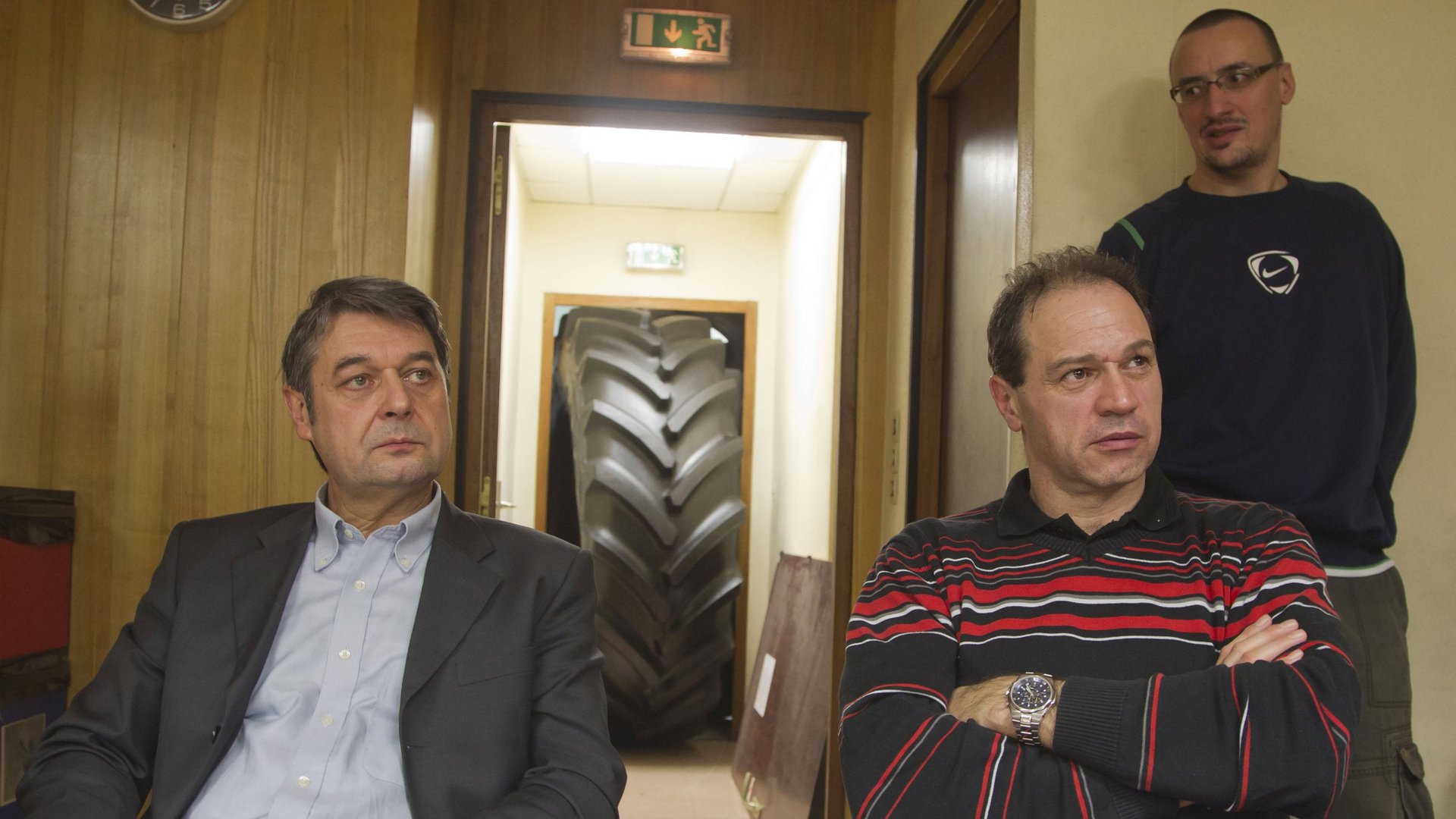
“Bossnapping” is back in France, with two executives held against their will at a Goodyear tire plant threatened with closure in Amiens, in the north of the country. The factory employs just under 1,200 workers and has a history of labor unrest; with the plant’s closure seemingly assured, a group of workers is pushing for larger severance packages. Earlier today they rolled in a large truck tire to block the door to a meeting room where the executives were discussing the closure with workers.
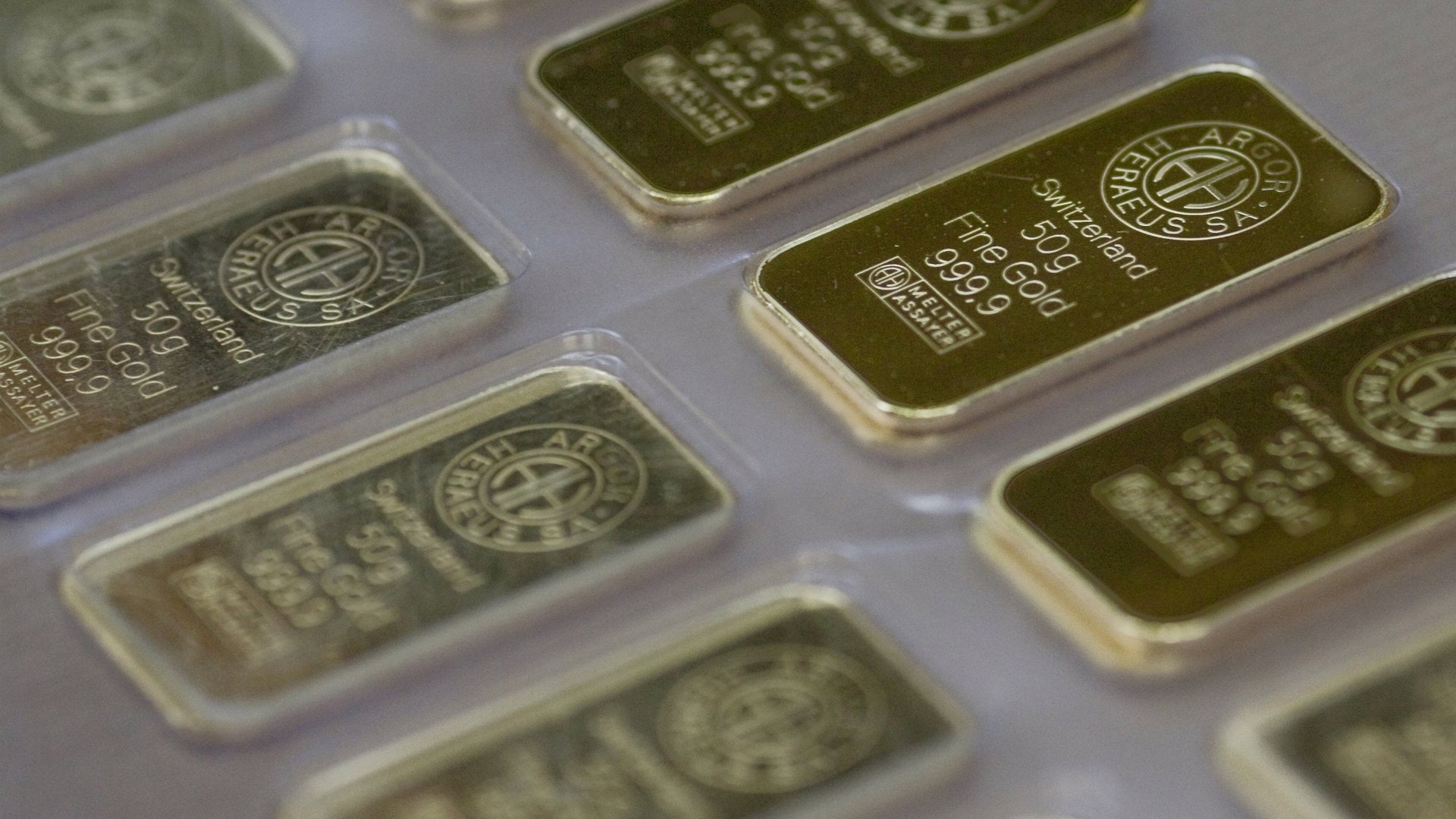
The Swiss national bank is not like most other central banks. For one thing, it is listed on the stock market. Thus, it is obliged to keep shareholders informed of important events that could impact its financial health.
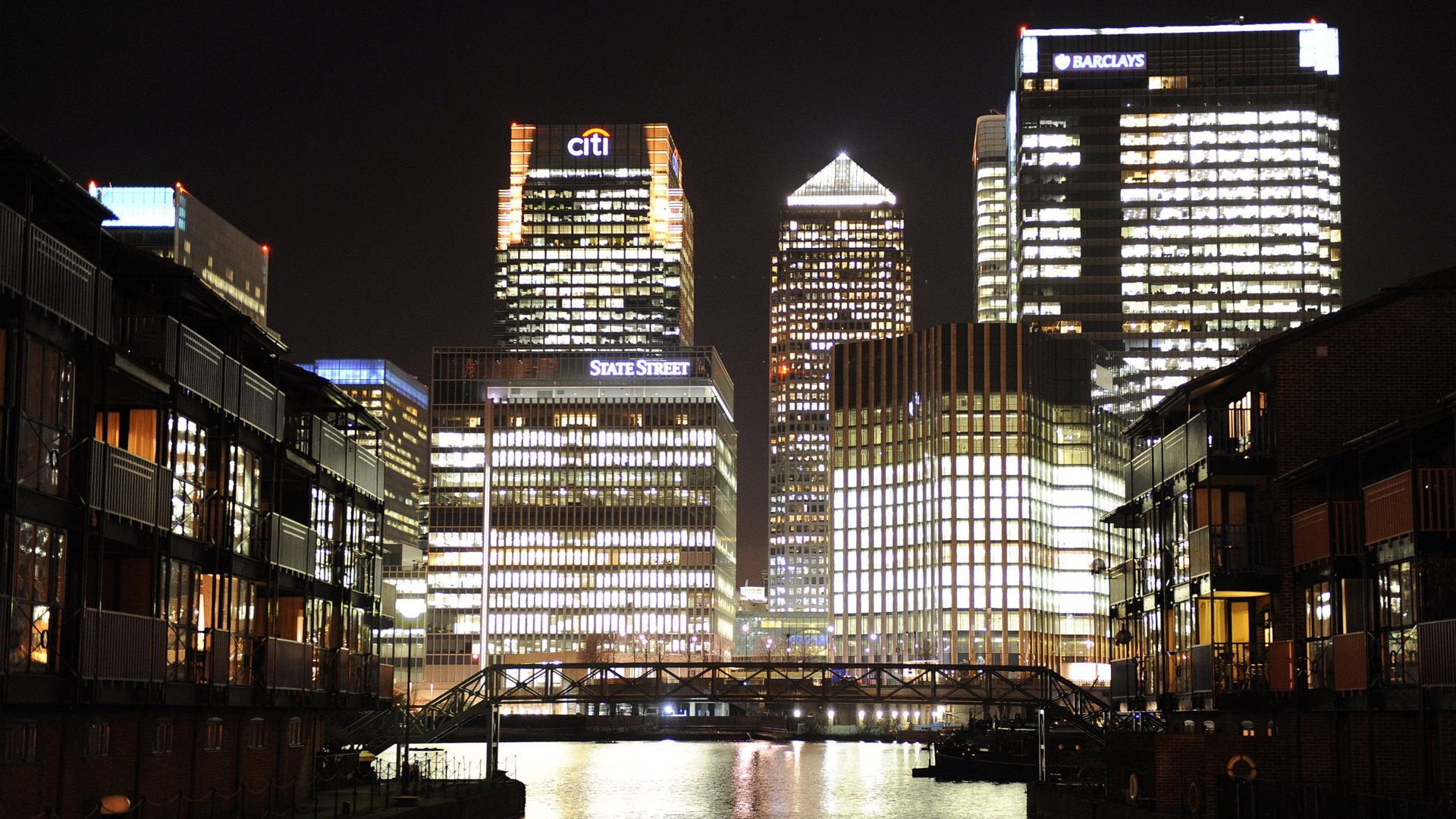
Over the past year investment banks have faced a welter of lawsuits and intrusive new rules, suffered costly missteps in the bond market and slashed pay and staff numbers. It may seem surprising, then, that 2013 was actually the best year for the global investment banking industry since 2007, in terms of fees. Total fee revenue rose by 3.1%, to $79.8 billion, according to recently released data from Thomson Reuters (pdf).

Filing taxes in the UK is considerably easier than in the US. In fact, only around a fifth of British adults are required to file their own personal taxes; most people have taxes automatically deducted from their paychecks.
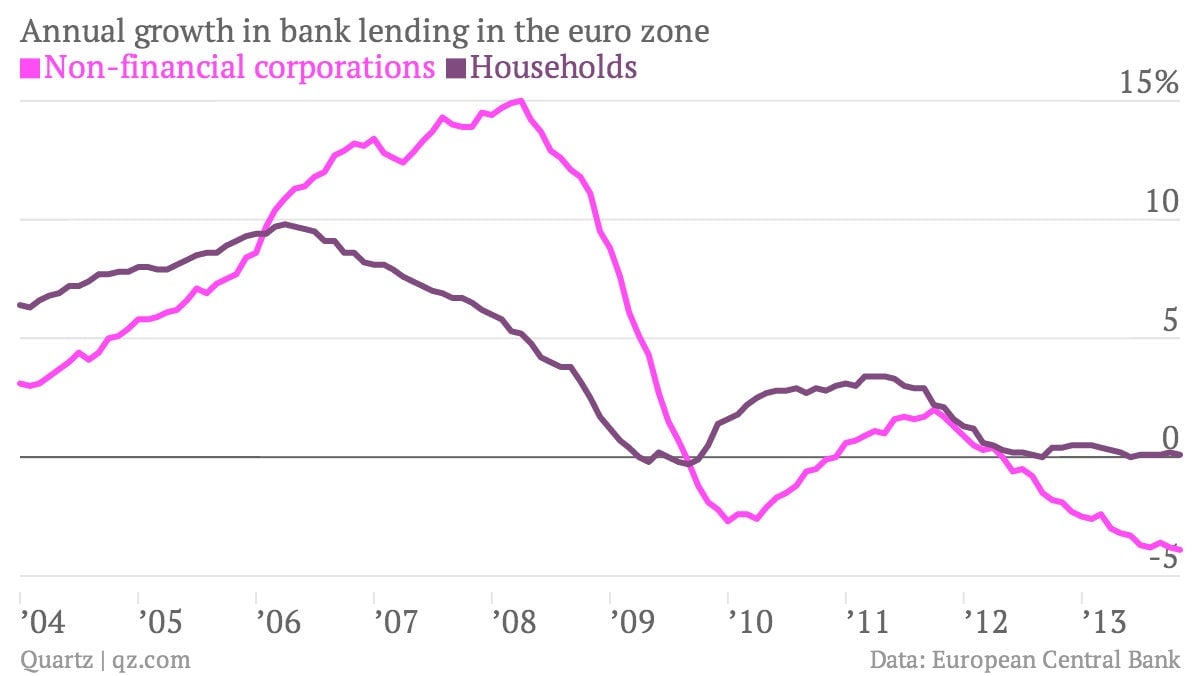
Another month, another grim data point on bank lending in the euro zone. The latest numbers, covering November (pdf), show that loans to companies in the euro zone are falling at a 3.9% annual pace, the fastest rate of decline in more than a decade. Loans to households are holding up better, but growth is still only barely positive.

More than four years after it first bought a stake in Chrysler, Fiat is finally taking full control of the American automaker. The deal is valued at $4.35 billion for the 41.5% of Chrysler that Fiat does not already own.