
Business News
The clean-up crew at RBS is doing the bare minimum to detoxify the bankBy most definitions, RBS is a bad bank. Today it made it official.
Updated July 21, 20222 min read
By most definitions, RBS is a bad bank. Today it made it official.
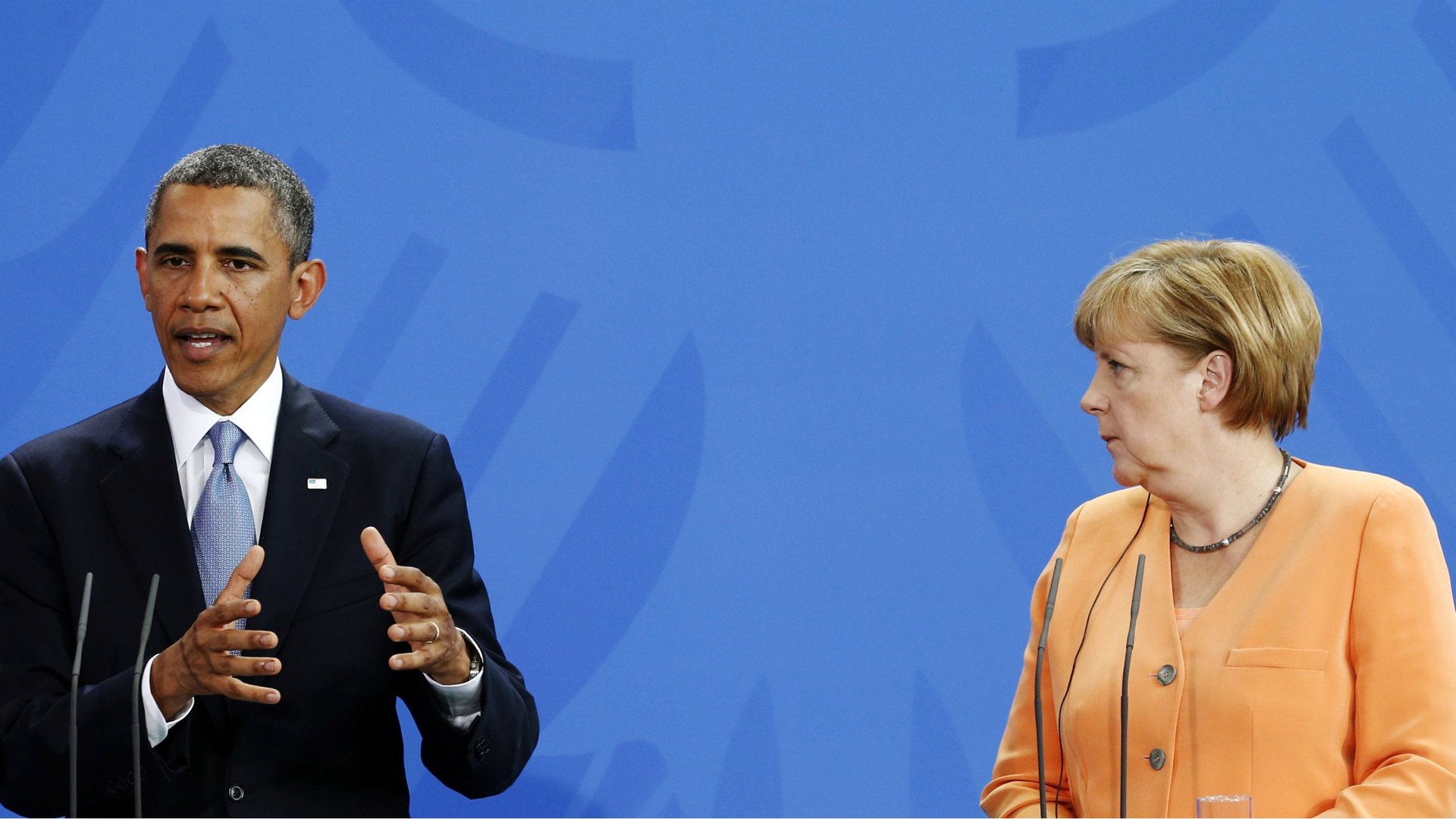
Twice a year, the US Treasury department produces a report for Congress on the exchange-rate policies of America’s big trading partners. It’s become something of a ritual each time to speculate on whether the US will dub China a “currency manipulator” for how it manages the value of the yuan. The latest report, released late yesterday, once again stops short of this rebuke (though it contains the usual gripes about how the artificially low value of the yuan distorts global trade), but the real news is some unexpectedly sharp language about Germany.
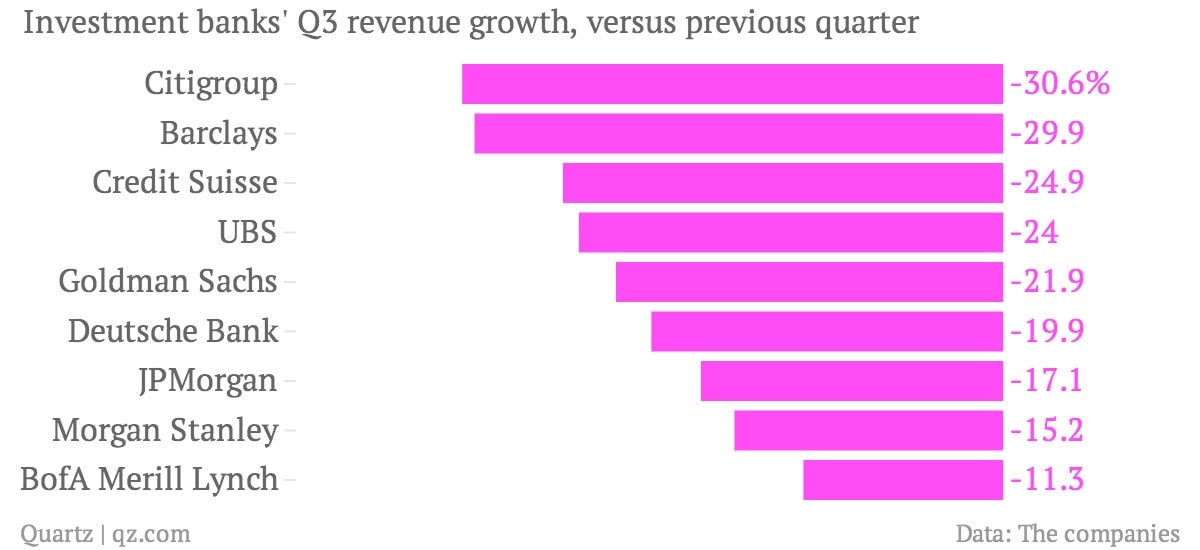
Barclays was the last big investment bank to report its third quarter results on Oct. 30. Along with the legal disclosures that are now routine, the bank suffered from the same trading turmoil as its rivals. The Federal Reserve’s decision not to taper its US bond purchases caught many in the markets by surprise last month, which dented the big banks’ bond-trading businesses and dragged down earnings across the board (see chart above).
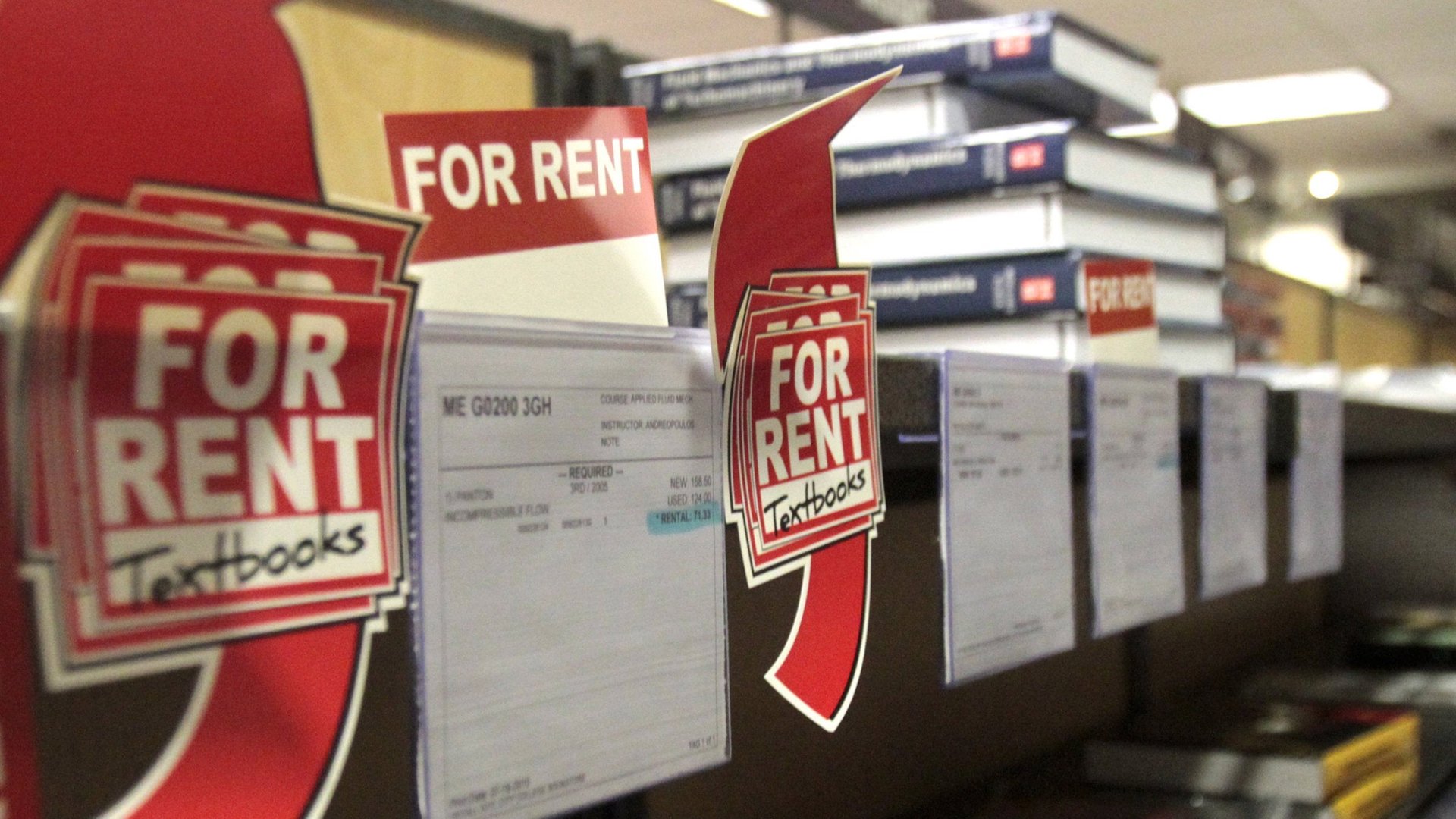
Going to university in the US is not cheap, as we have covered before. On top of tuition, loans and living expenses, students are also stung by the cost of textbooks—a traditional cash cow for publishers, which take advantage of a captive audience to ratchet up prices.
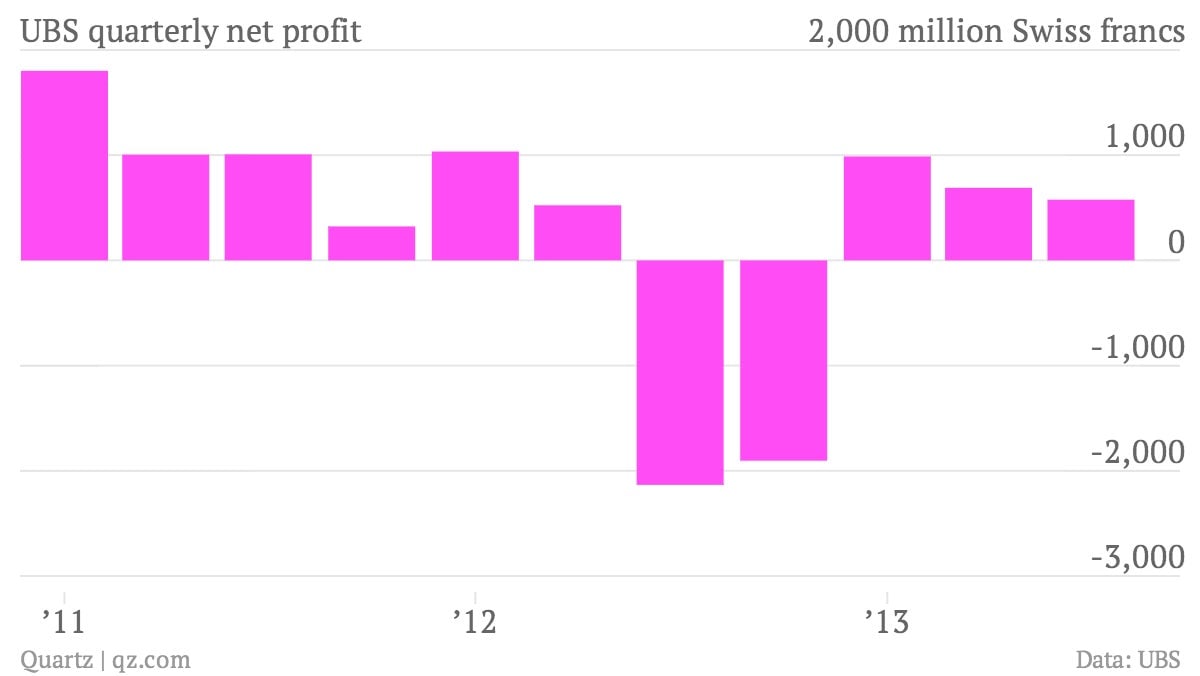
The numbers: A mixed bag. Swiss banking giant UBS generated a net profit of 577 million Swiss francs ($644 million) in the third quarter, which beat analyst expectations. Still, the bank’s shares plunged 6% in early trading, thanks to what investors discovered elsewhere in its financial statements.

Robin Hood came from Nottingham, England, but the tax named in his honor is much more popular in France. The so-called Robin Hood Tax—or Financial Transaction Tax, to give it its proper name—is a levy of 0.1% on all stock and bond trades, and 0.01% on all derivative trades. The proceeds would be placed in a fund to pay for future bank rescues, so taxpayers are no longer on the hook if a big bank fails. (In this sense, it is not about taking from the rich to give to the poor, Robin Hood-style, but taking the from rich in order to avoid taking from the poor.)
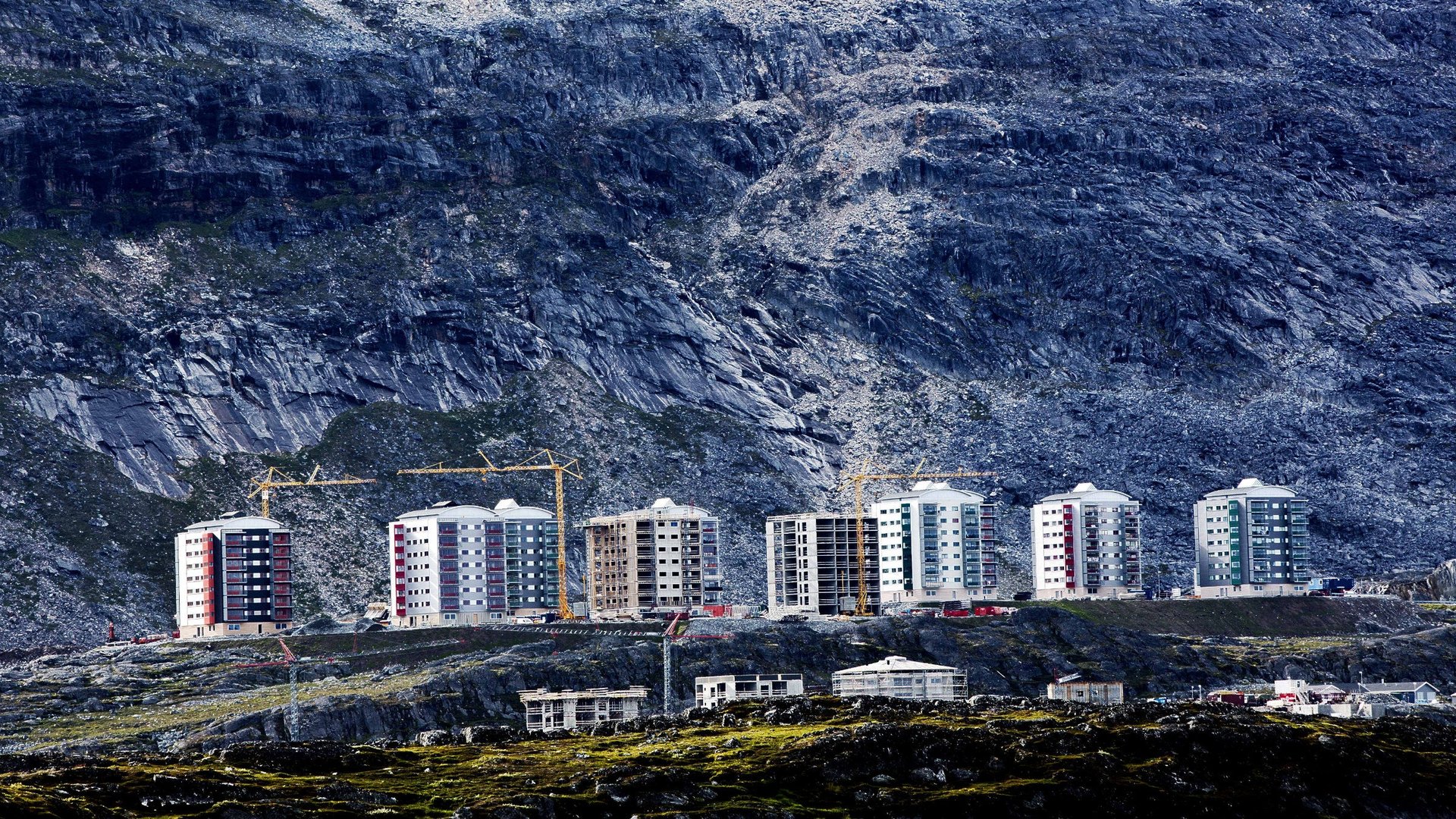
By a single vote, Greenland’s parliament passed a measure to overturn a 25-year ban on uranium mining. Hours of “heated debate“ in the country’s icy capital, Nuuk, reflected the depth of feeling about the issue.

The UK economy grew at its fastest rate in three years in the third quarter, expanding by 0.8%. The data confirmed a string of positive news out of Britain this month, from car production to housing prices to purchasing managers’ indexes.
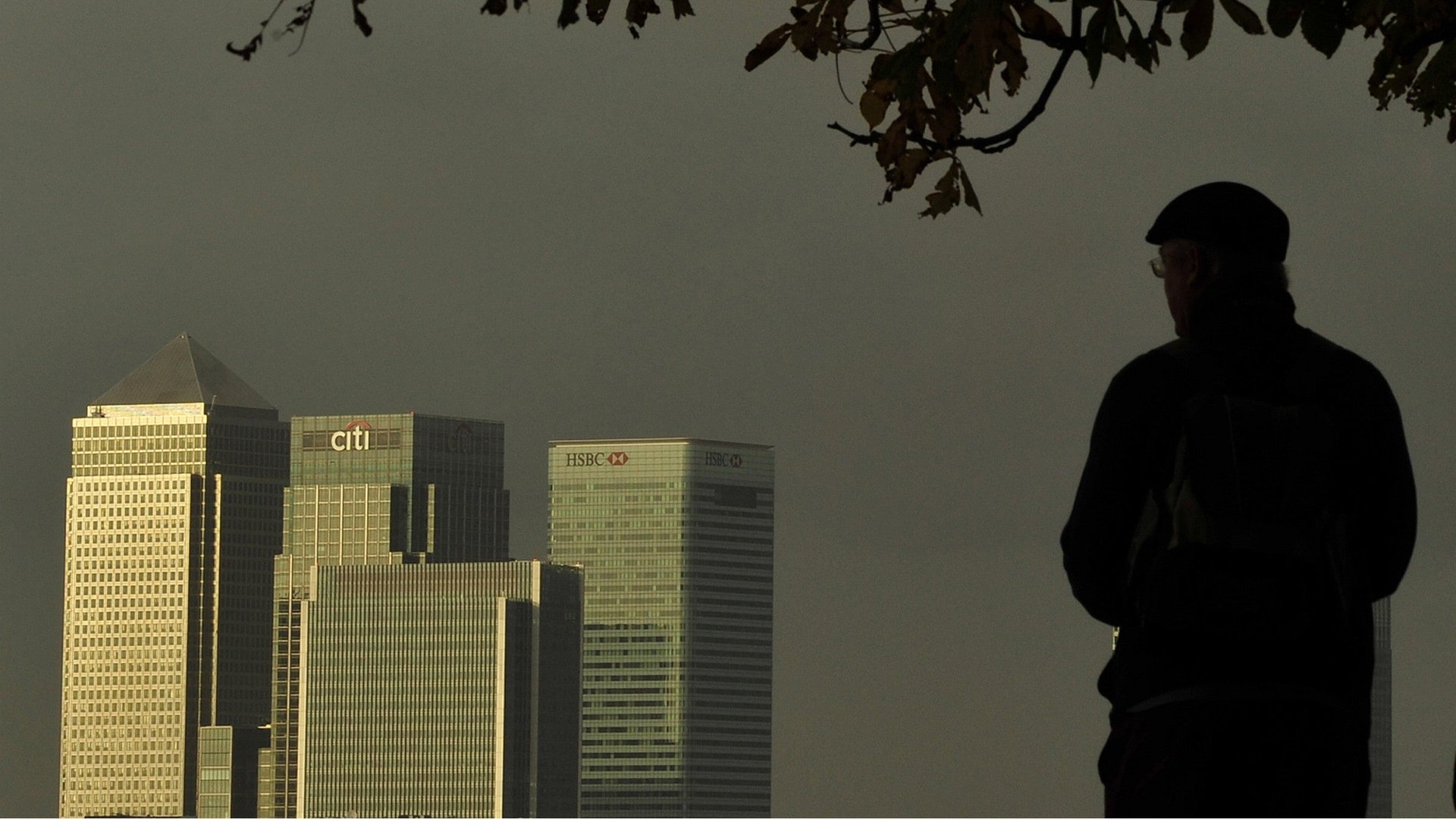
The biggest banks in the UK run hundreds of branches and employ thousands of staff. Why is it so hard to get their attention? And why does it take so long? These mounting frustrations among small businesses motivated a group of university friends to think up a new way to unblock the flow of credit.
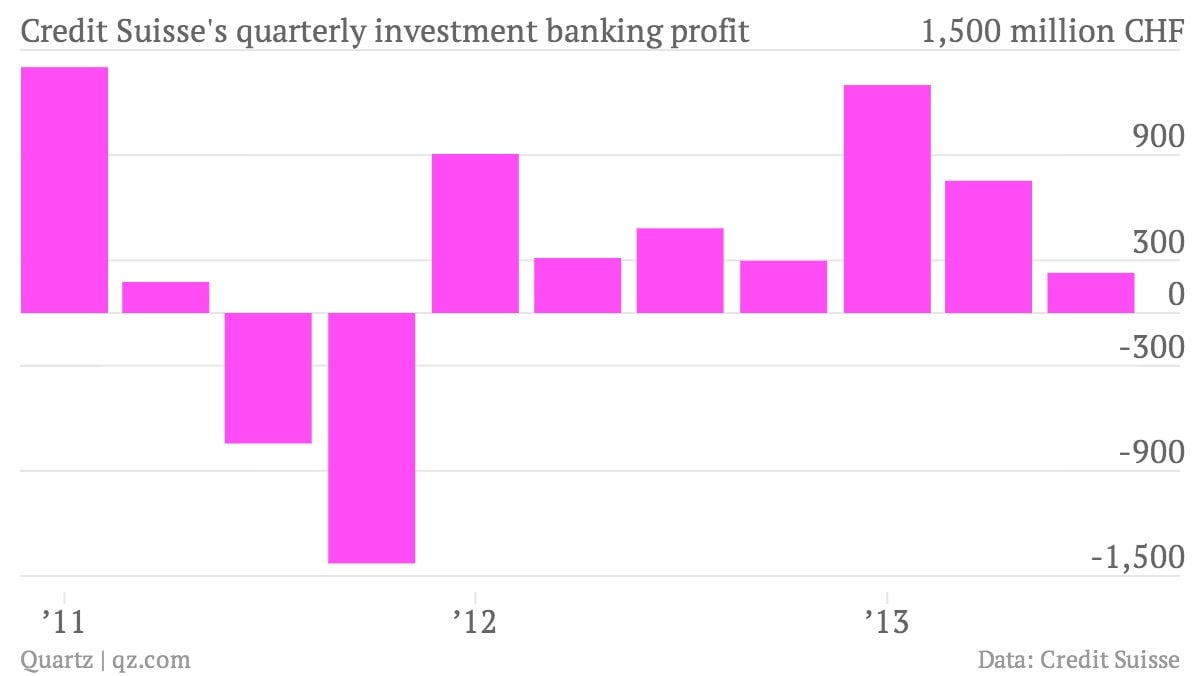
The numbers: Ugly. Credit Suisse reported a third-quarter net profit of 454 million Swiss francs ($510 million) when analysts were expecting something closer to 650 million. The bank’s share price sank by around 3% on the news.
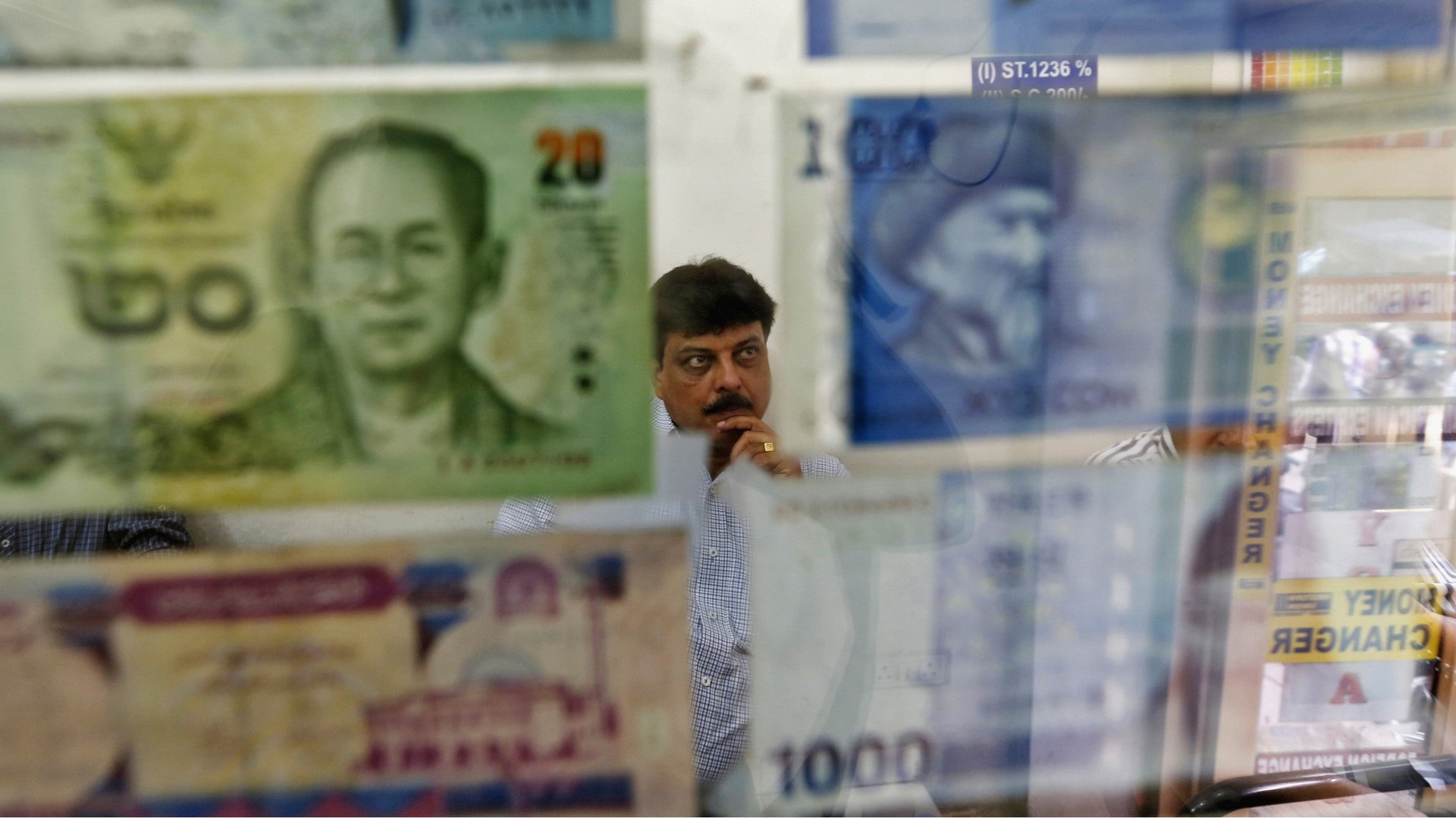
India strives to compete with China in most areas, but this is one where it would be happy for the Chinese to take the lead. Fears of mounting losses on bad debts at state-backed banks in China are roiling money markets in the country this week. Not to be outdone, today India announced a massive cash injection for its state-run banks.
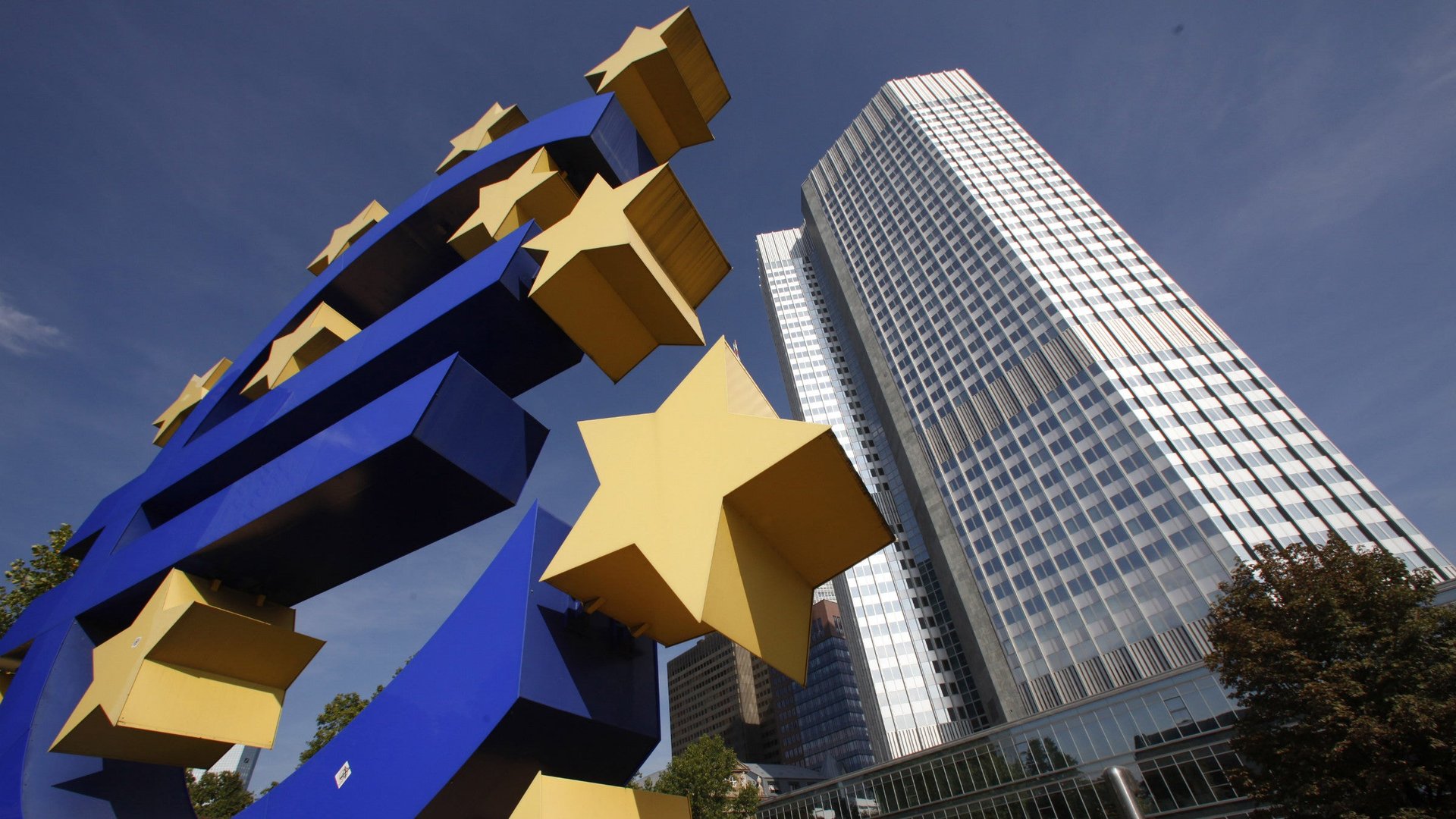
New bosses often get all of the bad news out of the way as soon as they arrive, lest they are blamed for their predecessors’ failings. And so it is with the European Central Bank, which is slated to take over direct supervision of the euro zone’s largest lenders next year.
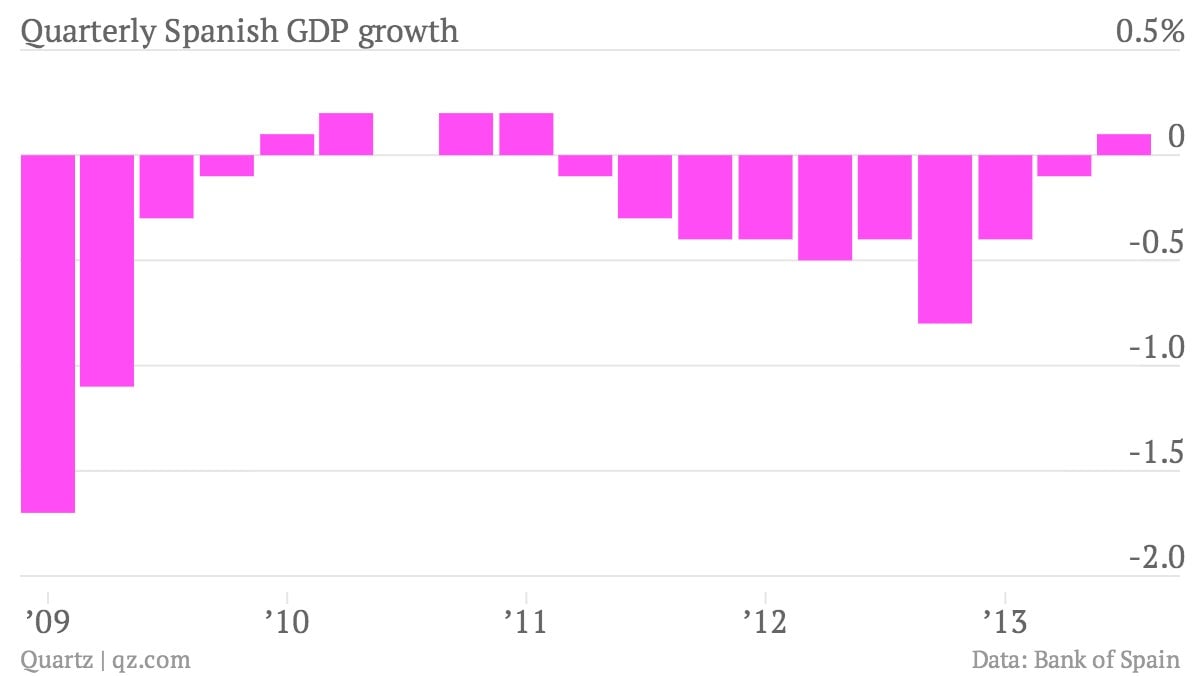
It’s not much, but it will do. In its latest economic assessment (pdf), the Bank of Spain reckons that the country’s GDP grew 0.1% in the third quarter, compared with Q2. If confirmed by official statistics released next week, that will mark the first time Spain’s economy has grown in more than two years.
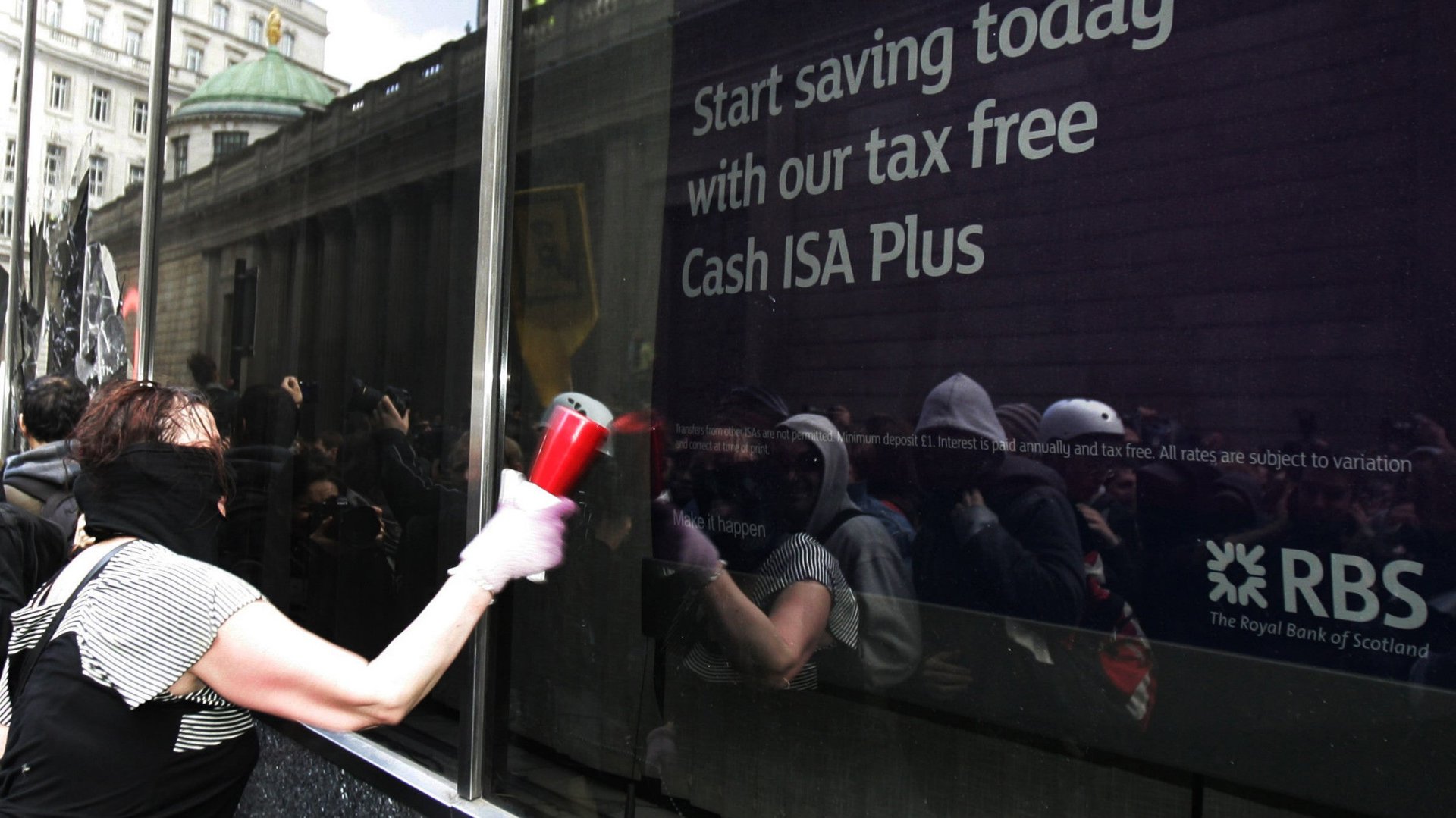
New statistics out today paint a puzzling picture of British savers’ relationship with their banks. As we have reported before, the country’s biggest banks have paid out some £12 billion ($19.4 billion) in refunds and fines for selling dodgy insurance policies. Today, the Financial Ombudsman Service reported that complaints about these policies continue to pour in, with gripes over the six months to September up nearly 150% over the previous year, faster even than the previous year’s 140% surge in complaints. In the end, the total bill for these claims may rise to an eye-watering £20 billion.
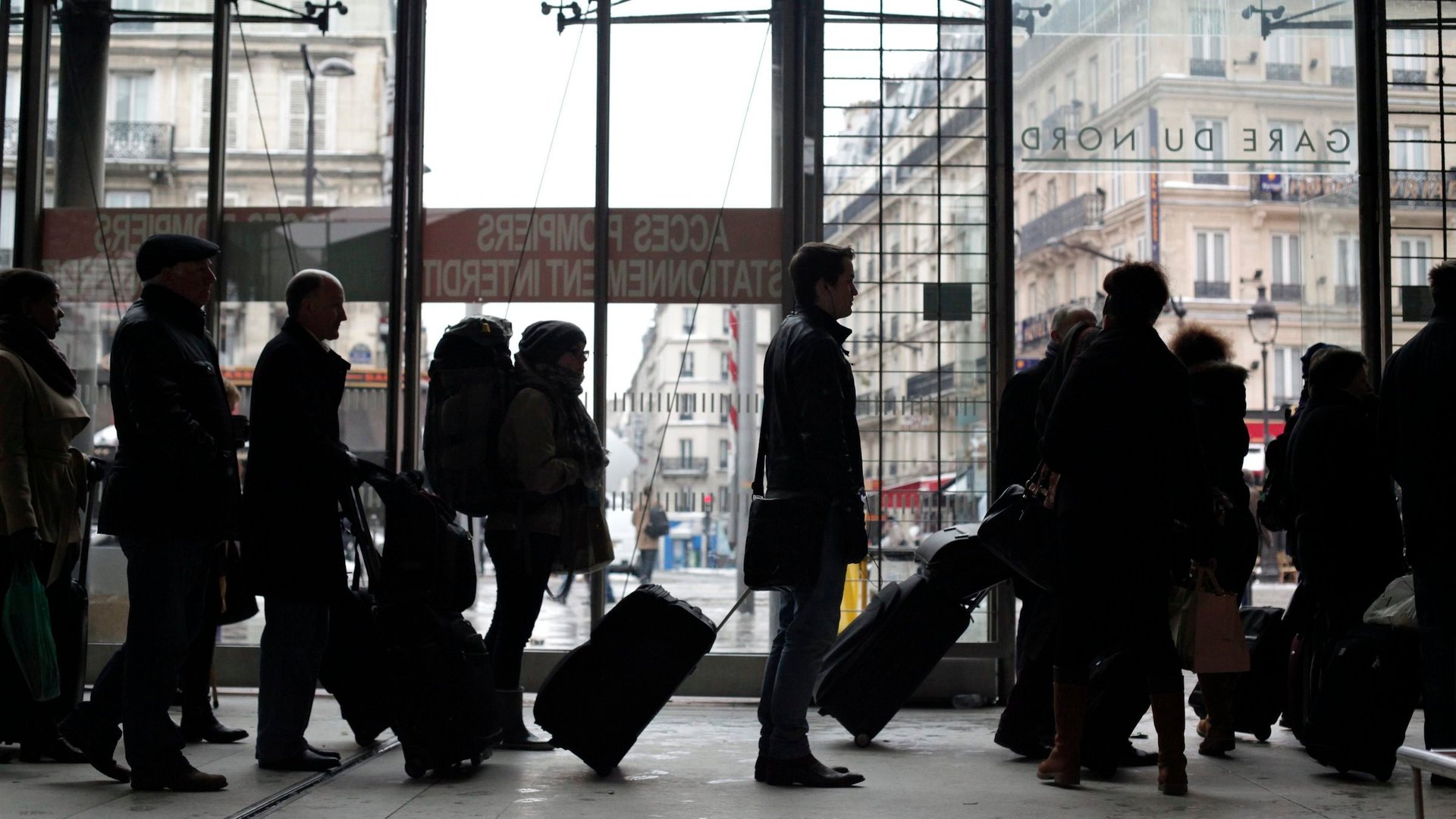
The numbers: Chugging ahead. Eurotunnel, the company that operates the 31.4-mile (50.5 km) undersea Channel Tunnel linking the UK and France, reported a 16% jump in revenues for the third quarter (pdf). Its passenger and freight segments both contributed to the growth. Eurotunnel’s shares are up nearly 25% so far this year.
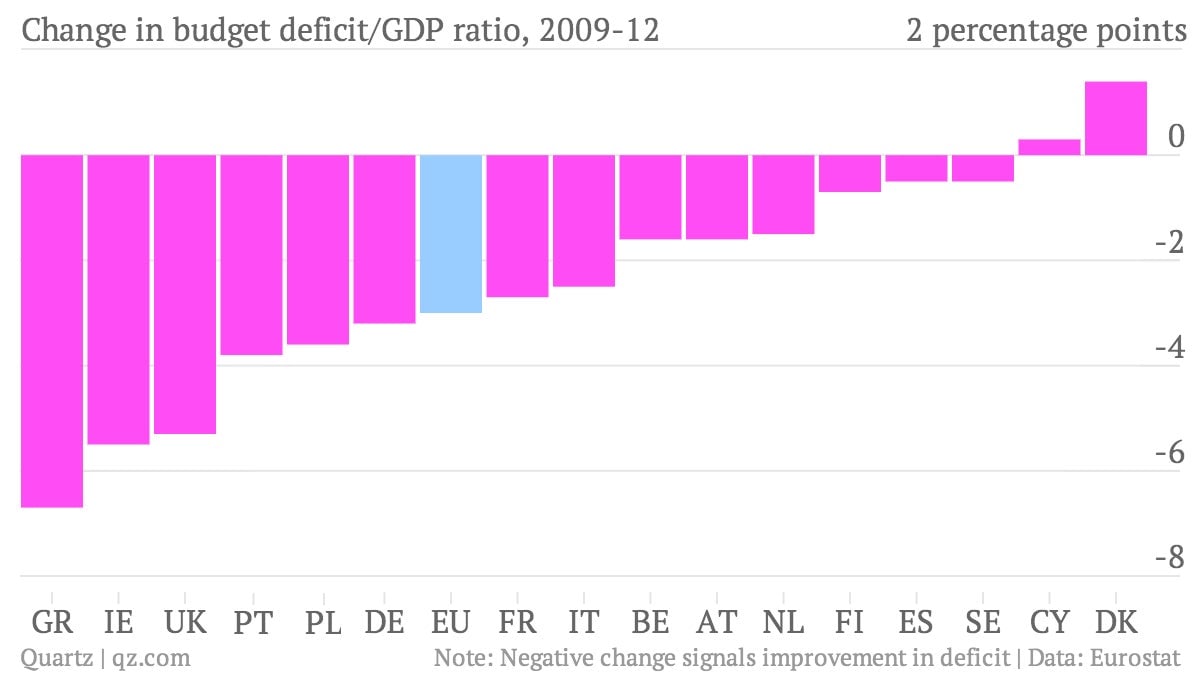
Huge crowds took to the streets in Rome this past weekend to protest a tough new budget presented by the prime minister. Similar scenes played out in central Lisbon. As the combination of spending cuts, wage freezes and tax hikes across Europe continues to bite, austerity fatigue has become deeply entrenched, regularly boiling over in protests and strikes.
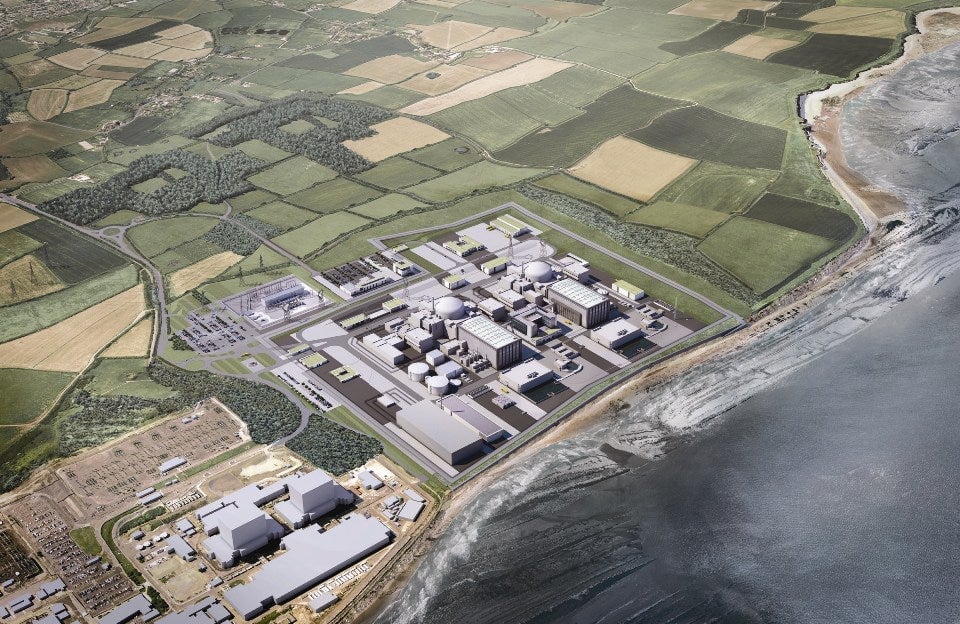
Britain will build its first nuclear power plant in 20 years, according to a preliminary deal announced today. If approved, it will be the first nuclear reactor built in Europe since the 2011 Fukushima disaster in Japan. Both Germany and Switzerland decided to phase out atomic power after Fukushima, but the UK is clearly taking the opposite tack.
Central bankers pick their words very carefully. Their powerful position pulling the levers of monetary policy gives every statement outsized importance. And in the UK, the newfangled “forward guidance“ policy unveiled by governor Mark Carney has analysts combing the Bank of England’s statements more closely than usual.
There are few more emotive issues in the business world than bankers’ bonuses, defended vigorously by the financial industry and vilified outside of it.

The volume of shares traded outside of public exchanges is growing fast in Europe. Trades on so-called “dark pools” jumped 45% over the past six months, according to a new report (pdf) from Fidessa, a technology firm. These off-exchange venues processed €207 billion ($283 billion) in the six months to September, accounting for around 4% of total trading, Fidessa reckons.
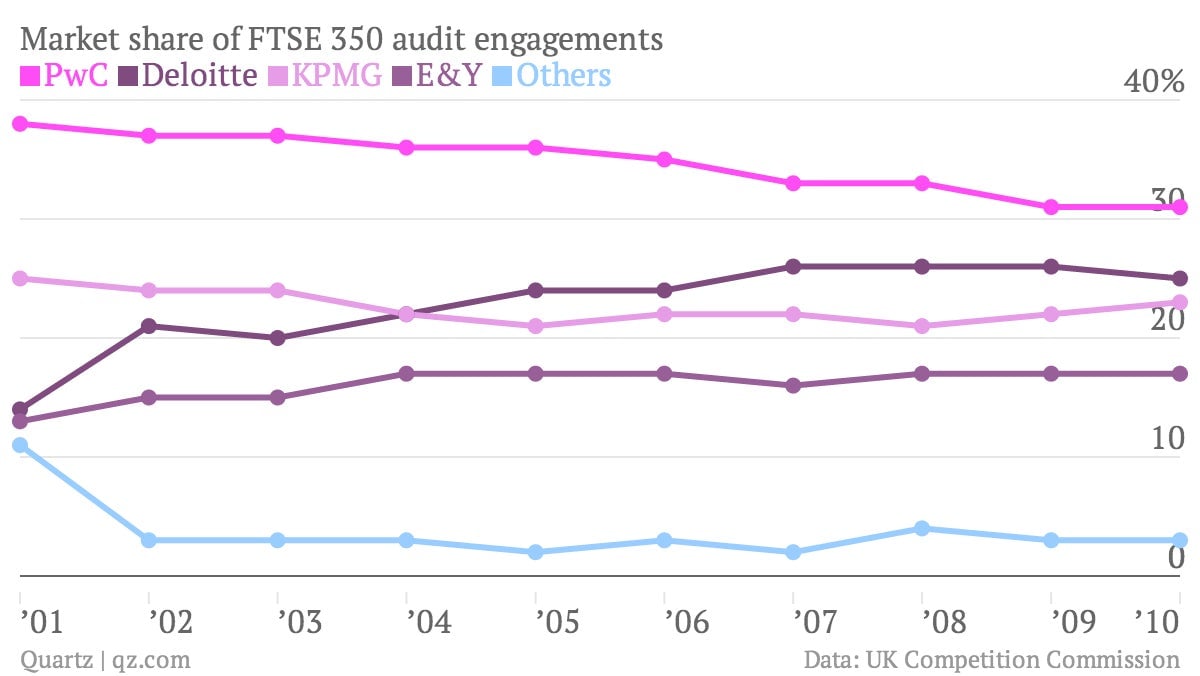
Depending on who you ask, the UK’s Competition Commission either “diluted,” “rowed back“ or “wimped out“ in its attempt to reform the its regulation of the financial auditing industry this week.
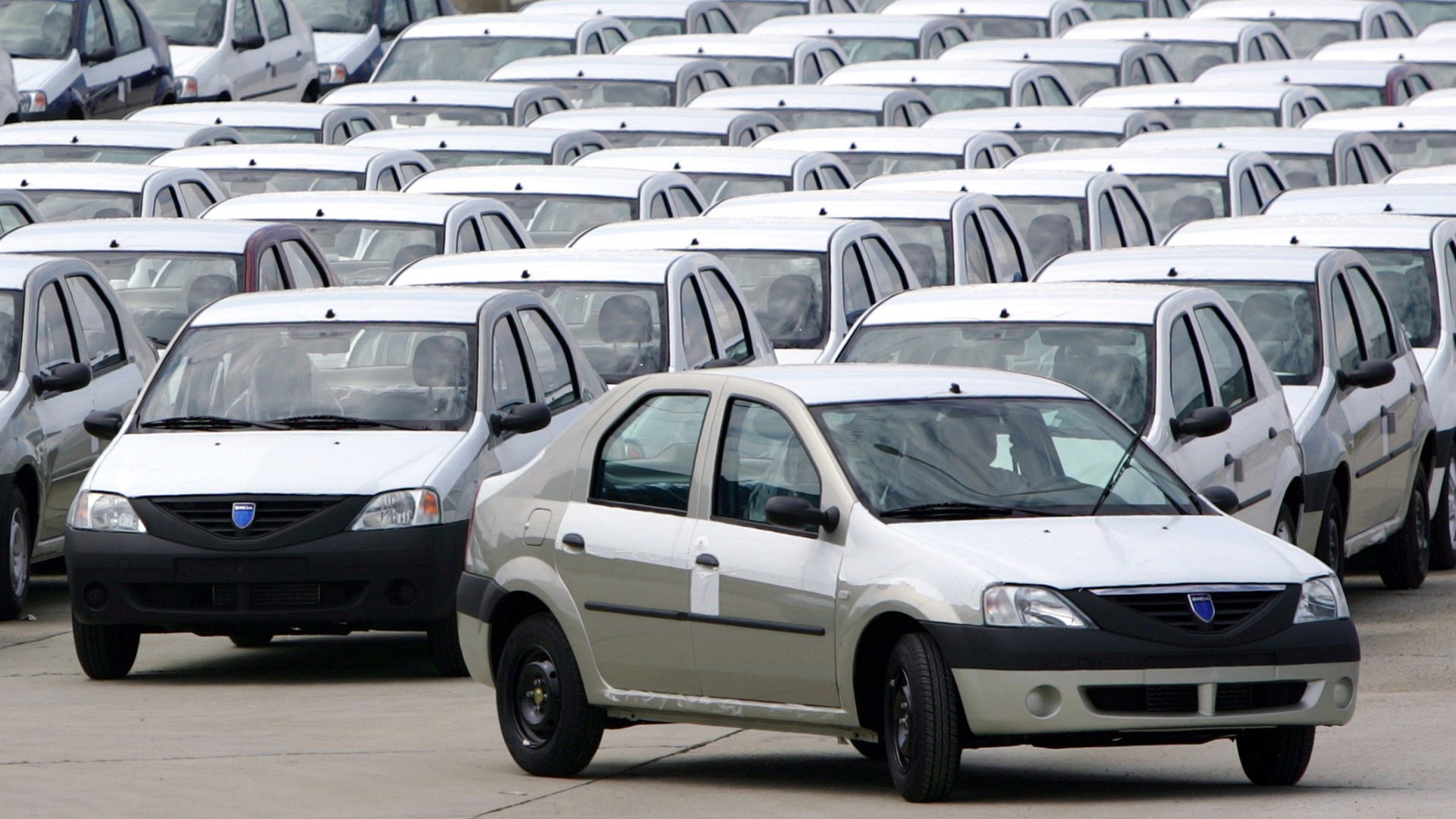
After plunging to historically low depths, European car sales staged a mini-recovery in September, rising 5.4% for the strongest percentage gains so far this year. But not all automakers are reaping equal rewards: The market for high-end and low-end cars is improving, while the moribund middle continues to stagnate.
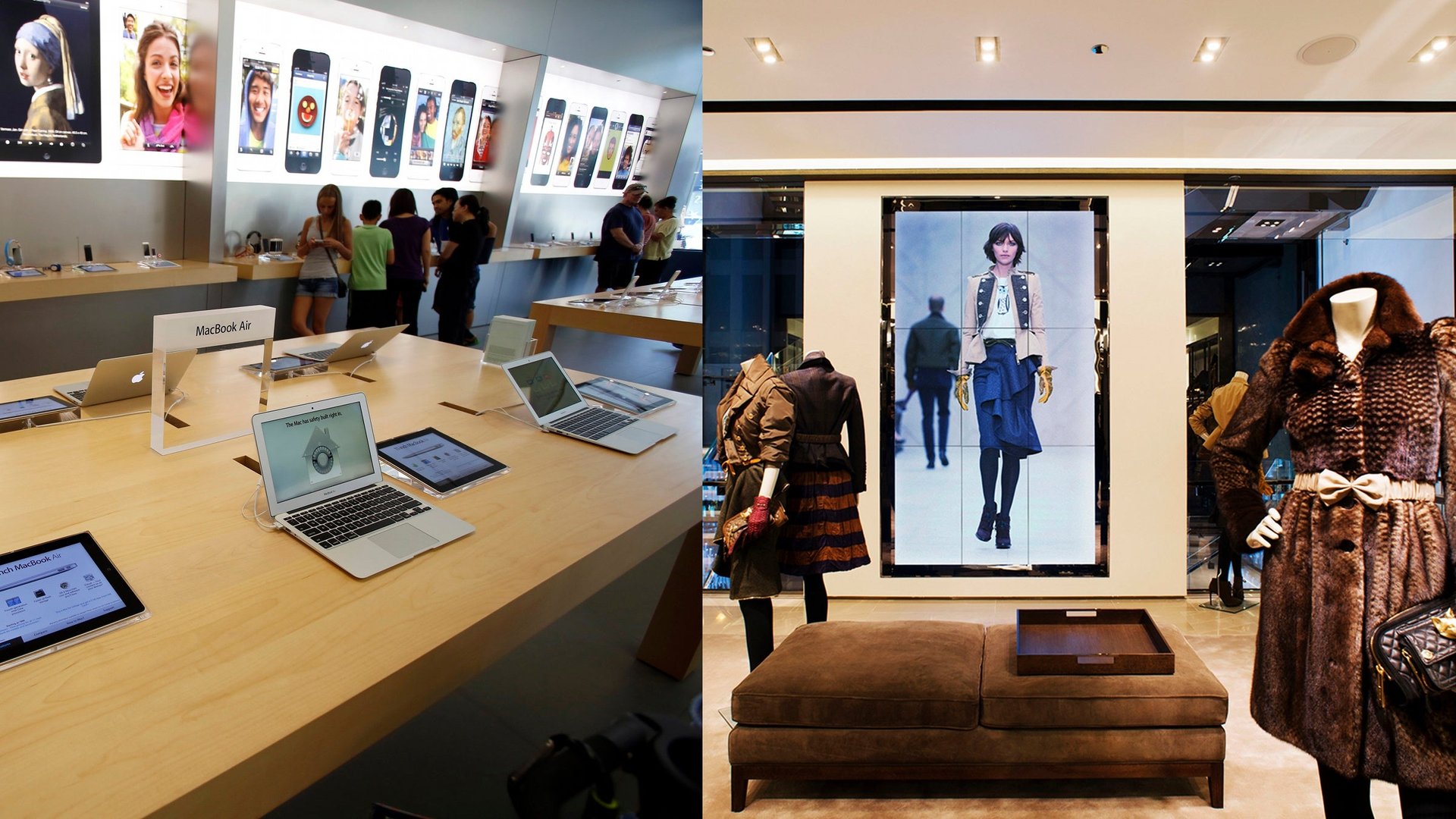
Although a trench coat and a computer are hardly comparable products, Burberry and Apple’s retail journeys have been remarkably similar in recent years. This makes today’s appointment of Burberry’s CEO, Angela Ahrendts, as Apple’s new head of retail more understandable. It also offers some clues on what Ahrendts will do to steer Apple’s retail strategy.
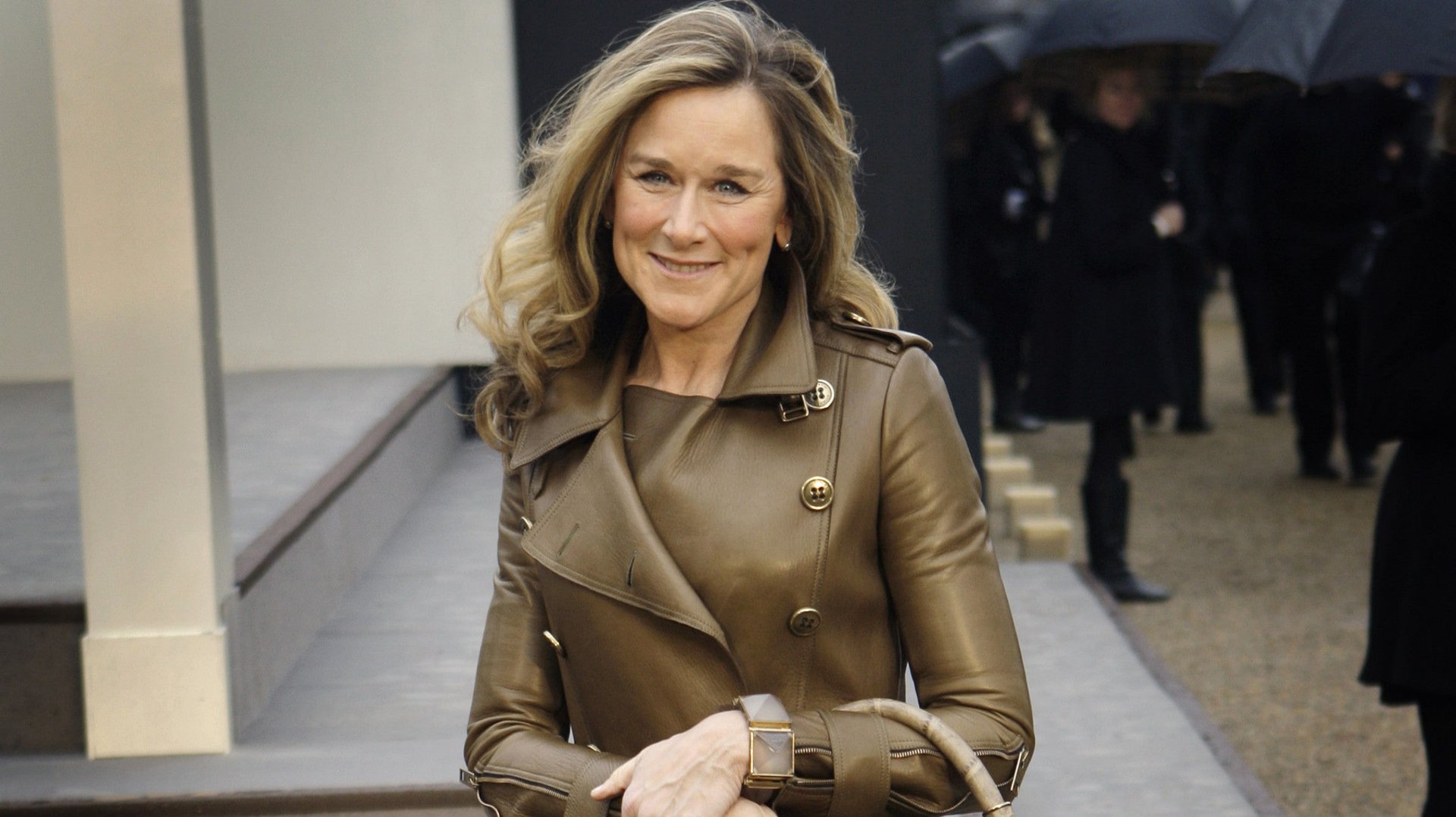
Apple has poached Angela Ahrendts, CEO of the British luxury fashion house Burberry, who will become Apple’s third retail chief in as many years.