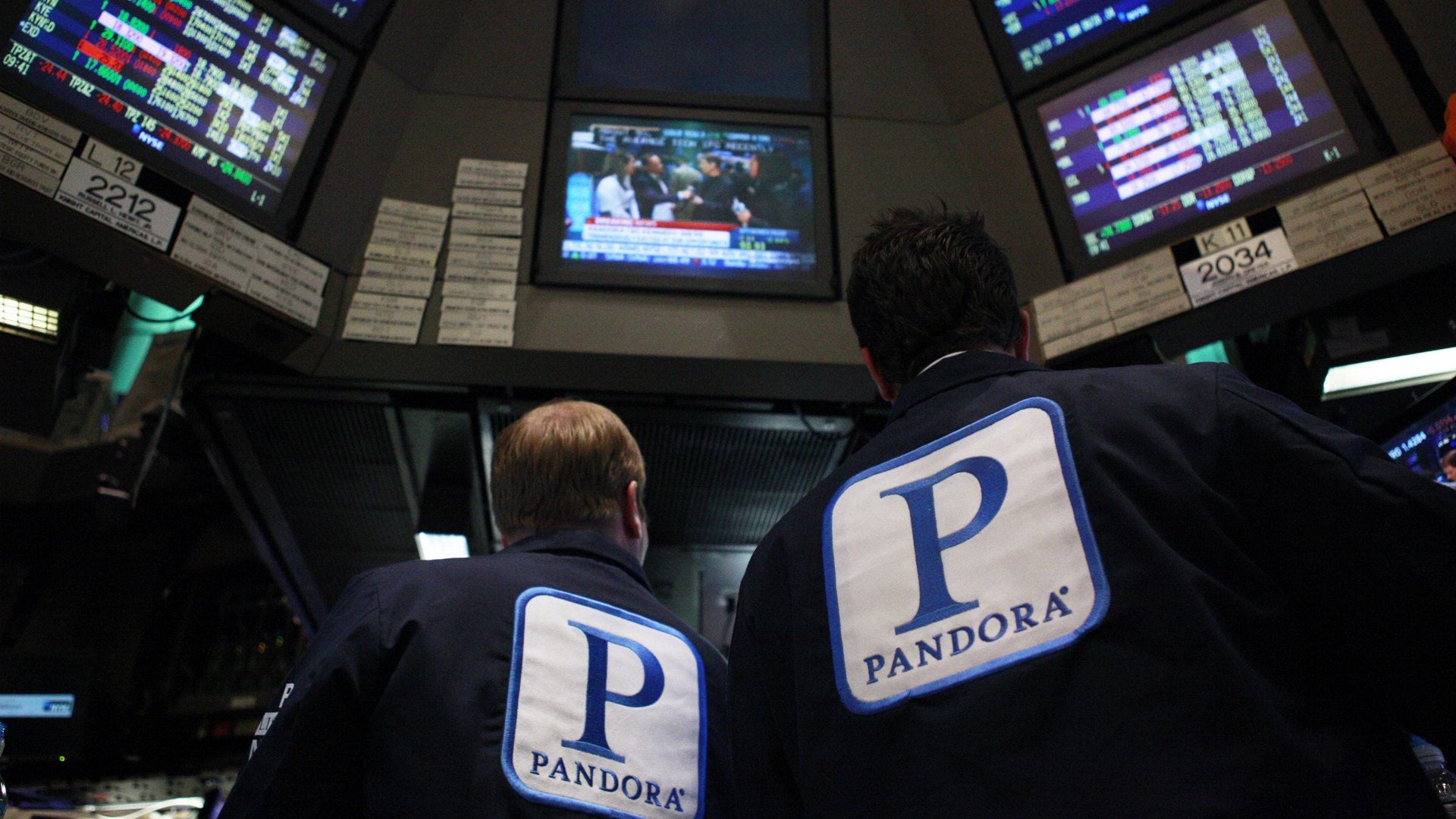
Pandora Media operates the most popular streaming audio service in the US, the second-most popular mobile app among millennials (behind Facebook), and its revenue is growing like crazy.

Pandora Media operates the most popular streaming audio service in the US, the second-most popular mobile app among millennials (behind Facebook), and its revenue is growing like crazy.

On April 10, the news broke that Spotify was close to raising $400 million from private investors, in a deal that would value the Swedish streaming music company at $8.4 billion.

This post has been updated.

The standard music superstar critique of services like Pandora and Spotify (there have been a lot of them lately) goes something like this:

The mega deal is well and truly back.

Popcorn Time, the “Netflix for piracy”, is now available on iPhones. Which begs the question: Why would you want Popcorn Time on your iPhone?

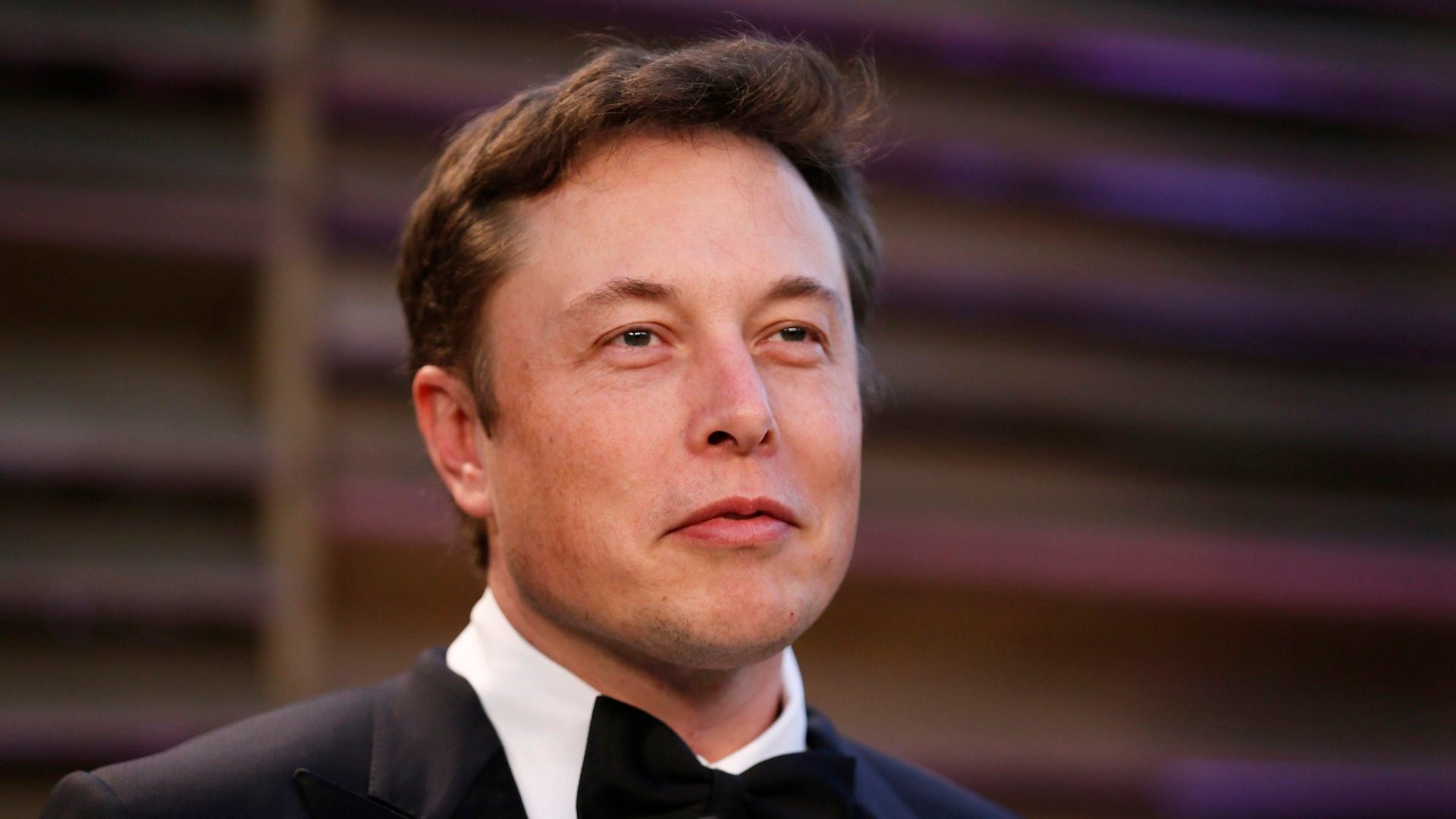
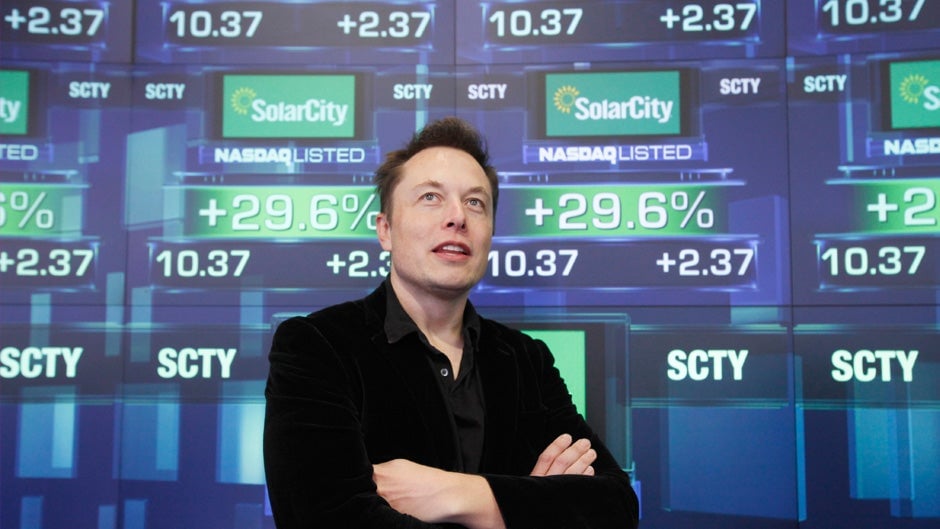
Elon Musk and Tesla have been engaged in quite the PR offensive lately.

If HBO, Netflix and AMC are the beneficiaries of the new golden age of television we are living in, then who are the casualties?

“Telling the story of this chart will occupy the remainder my professional life. It’s sort of sad that my life can be boiled down to one chart… but it’s so true.”

Tesla has been selling its flagship Model S cars for at least three years. And people are still buying them.

What do the media giant Disney, the cable colossus Comcast, the storied private equity firm KKR, and the National Basketball Association have in common? Not much really, in the scheme of things, besides a willingness to invest in the absolutely booming industry of American fantasy sports.

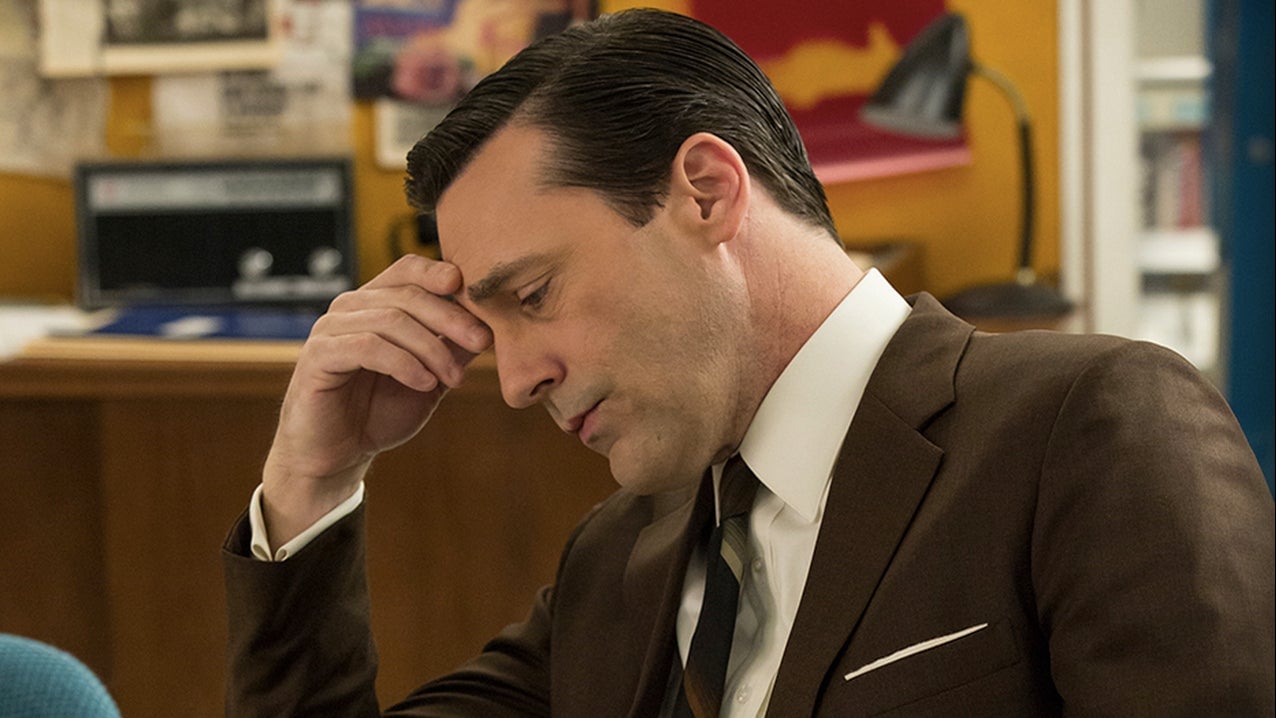
Few television shows have had as big a cultural impact as the American cable show Mad Men. It changed fashion, made stars out of its previously unknown cast members, and paved the way for a golden age in television.

Rejoice nerds, and fans of British television! BBC, the UK state broadcaster, is selecting 10 episodes of the cult sci-fi series Doctor Who and making them available on BitTorrent.

One issue has relentlessly plagued Twitter since it went public 17 months ago: It is nowhere near as big as people thought it could be.

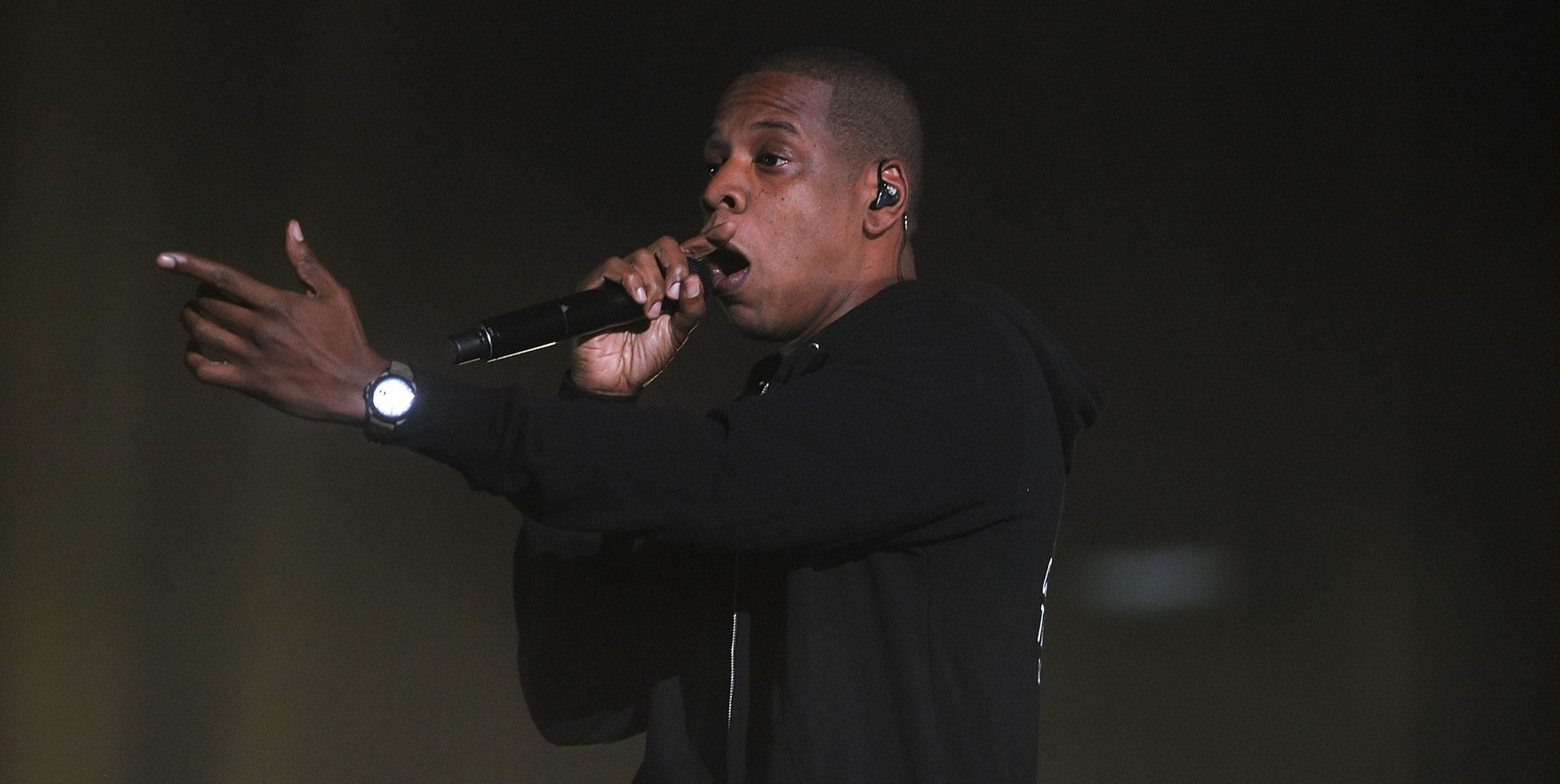
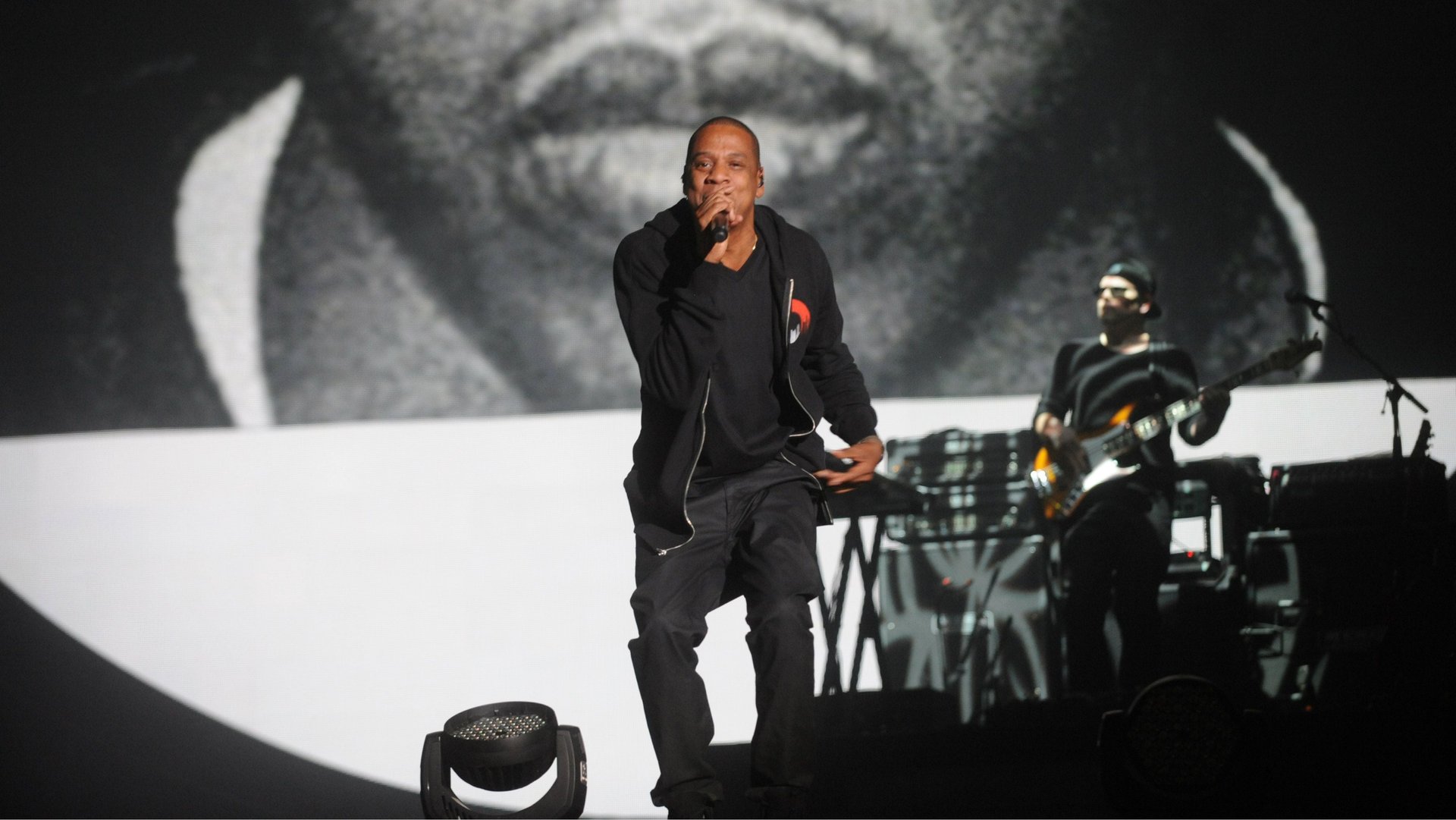
Jay Z probably wasn’t expecting such a ferocious response to his plans for an artist-led streaming music service when he and other high profile owners relaunched Tidal, the company he bought for $54 million earlier this month.

Risking the wrath of American sports fans, ESPN has completely overhauled its website.

Tesla CEO Elon Musk sent Twitter into overdrive (pun intended) today. The hashtag #TeslaNewProductGuesses was active on the social network after Musk revealed that the company will unveil a new product at the end of April.

This post has been updated.

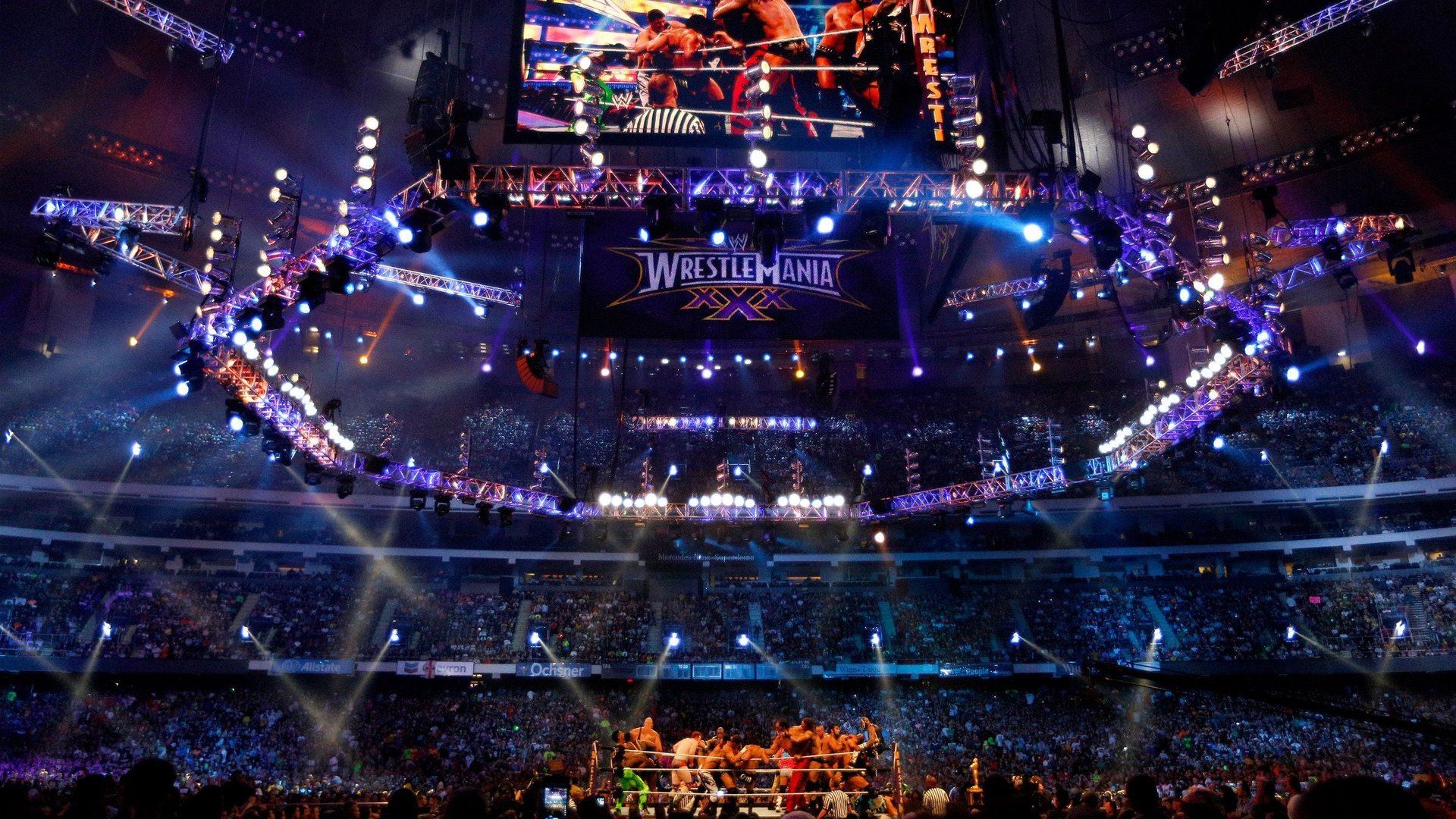
Professional wrestling has been a surprisingly innovative part of the US media industry in recent decades.

Apple’s much-anticipated overhaul of its music strategy amid the decline of digital track downloads is gathering pace.

Investors suddenly seem to think the outlook for the music business is not as bleak as the commentary surrounding it suggests.

Less than 18 months into its life as a public company, Twitter is still in hyper-growth, loss-making mode, yet it’s already busy seeding other companies with venture capital money.

A lot of people are trying to figure out what the future of music will look (sound?) like, and that now includes at least one heavy hitter on Wall Street.

AUSTIN, Texas–Should music ever be free? That was the inescapable topic of discussion among the hordes of recording-industry middlemen and hangers-on gathered for the music section of the South by Southwest (SXSW) conference last week.