
Business News
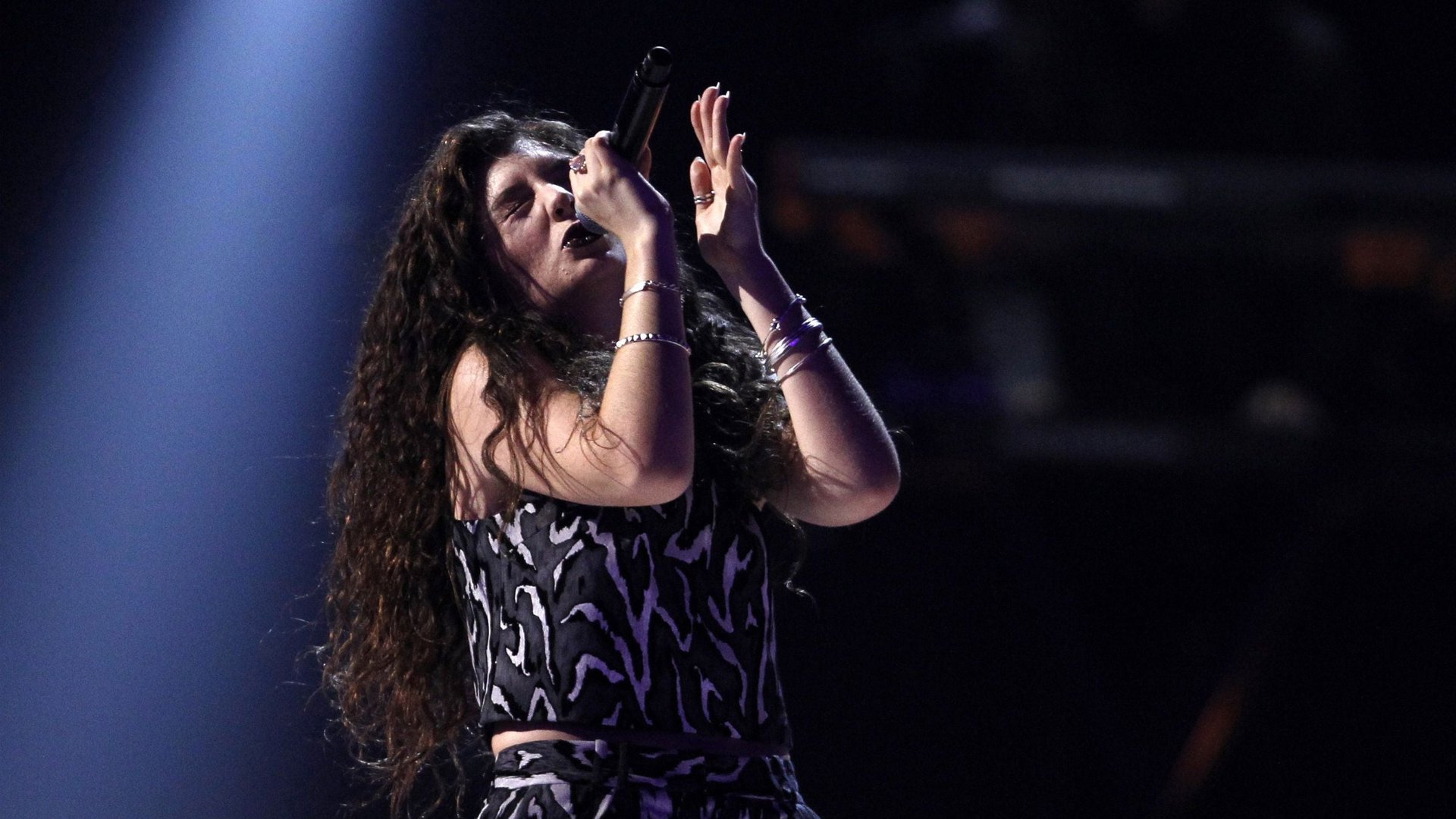
What would music sound like if record labels went out of business?When you think about highly capital-intensive industries, music doesn’t usually spring to mind.
Updated July 21, 20223 min read
When you think about highly capital-intensive industries, music doesn’t usually spring to mind.
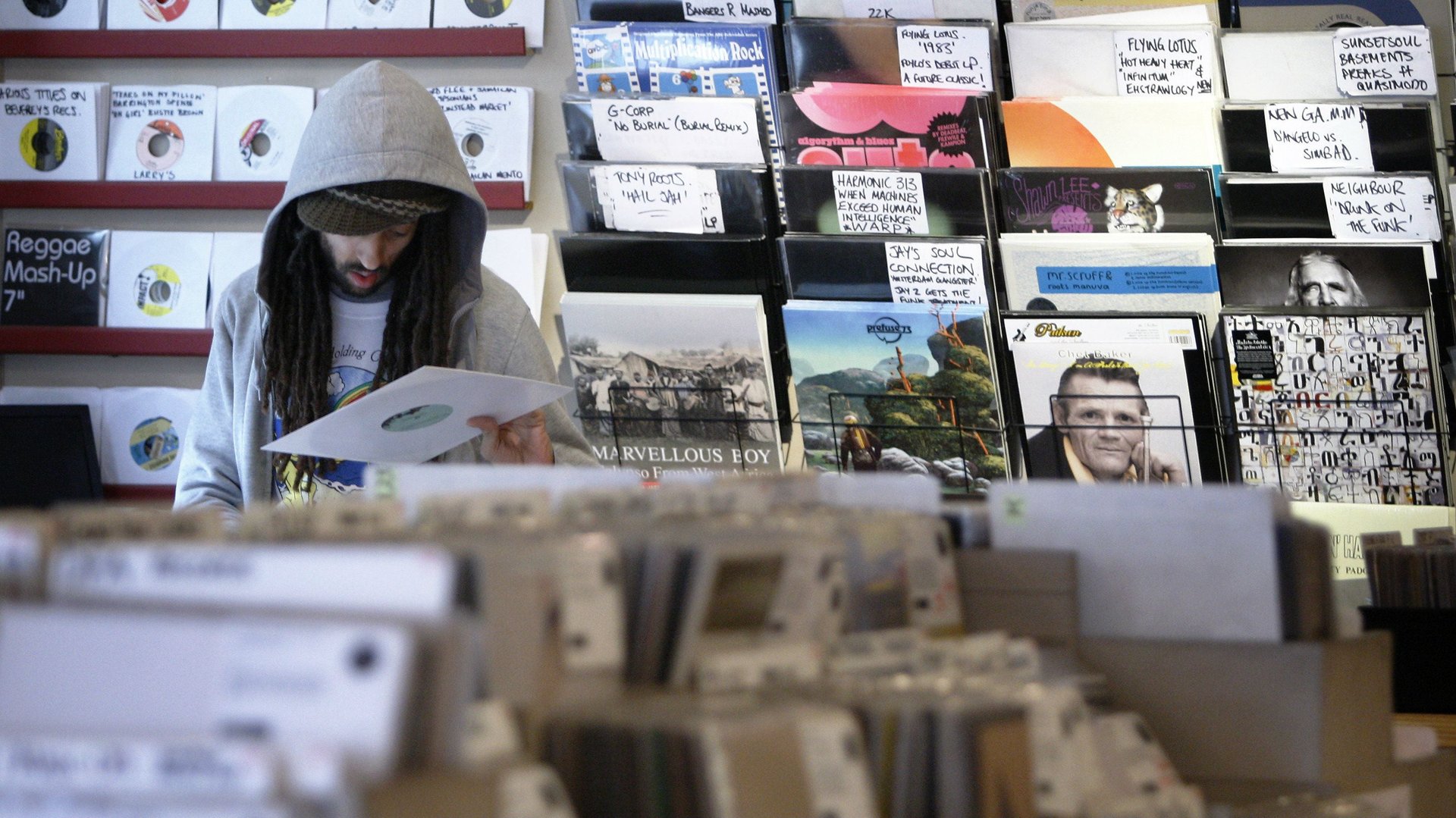
One of the fastest growing segments of the music business is also one of its oldest products.

Amazon is a unique company in many ways. It does not seem to care about profits, for example. And, unlike just about every other giant technology company, it does not pamper its employees with free lunches or other lavish perks such as massages.
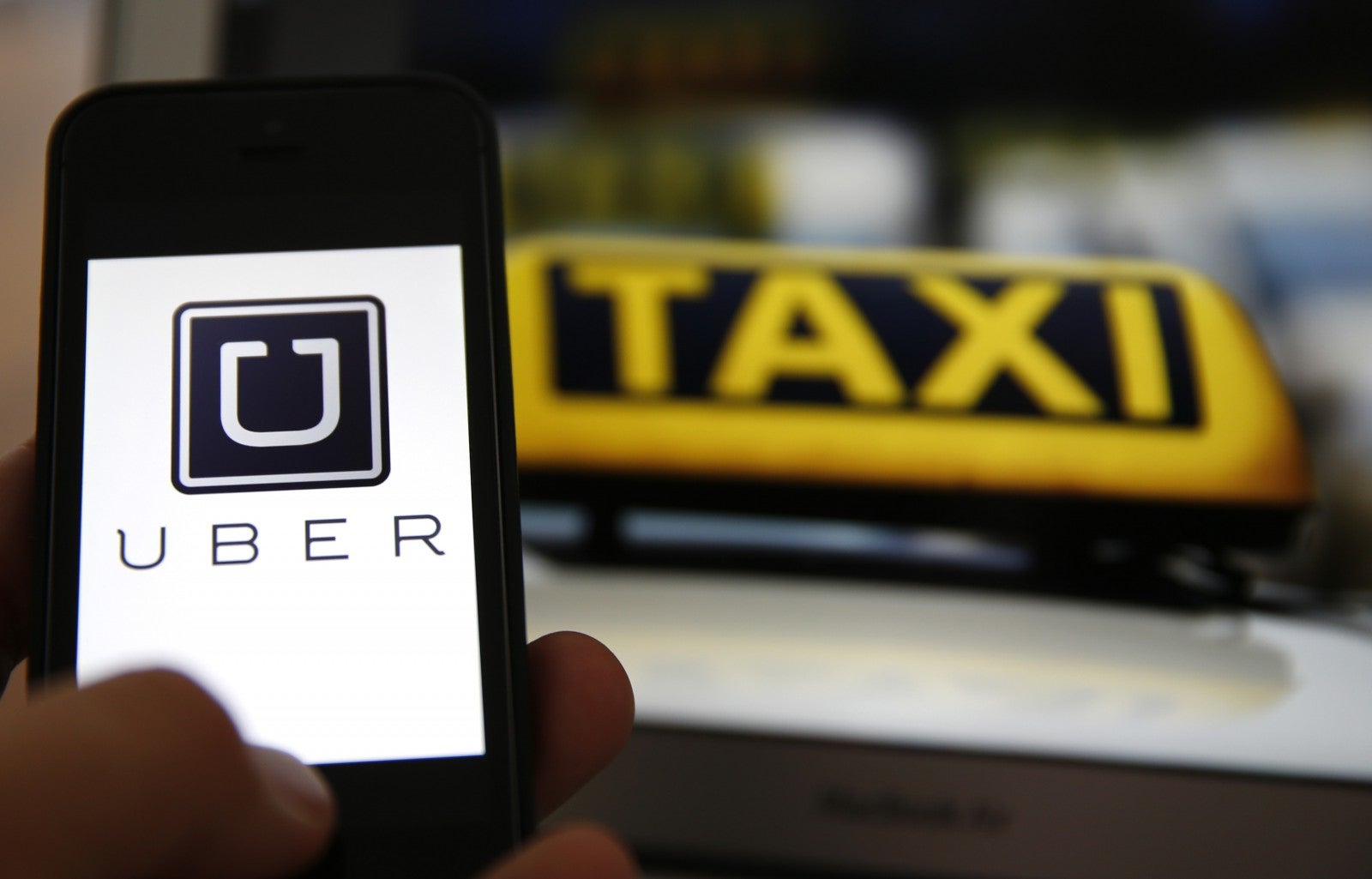
An Uber IPO might not happen for quite some time but Wall Street firms already are positioning themselves for a piece of the action.
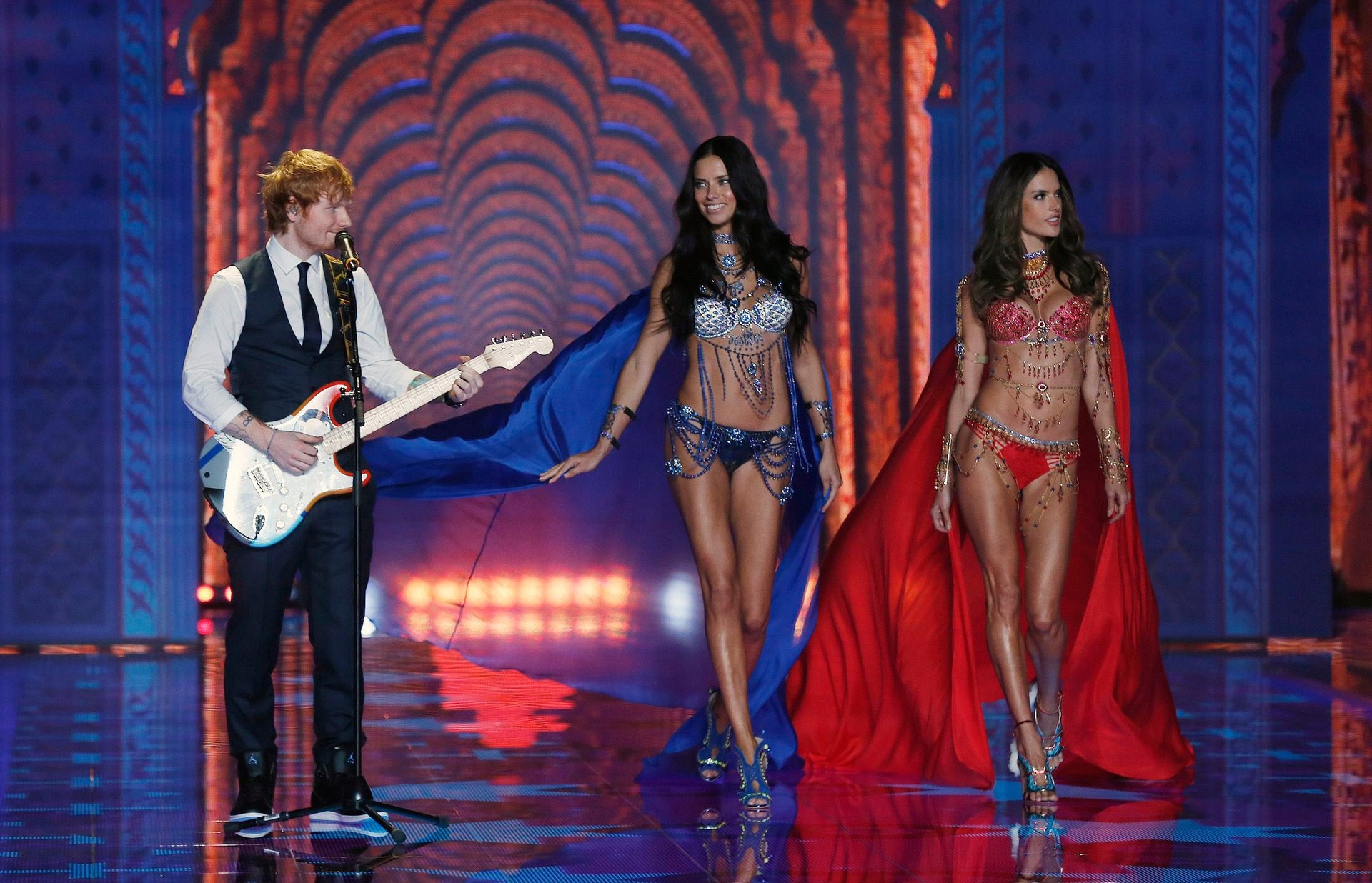
Decide for yourself what this says about the state of music in 2014, but Spotify just revealed that Ed Sheeran was its most streamed artist this year.
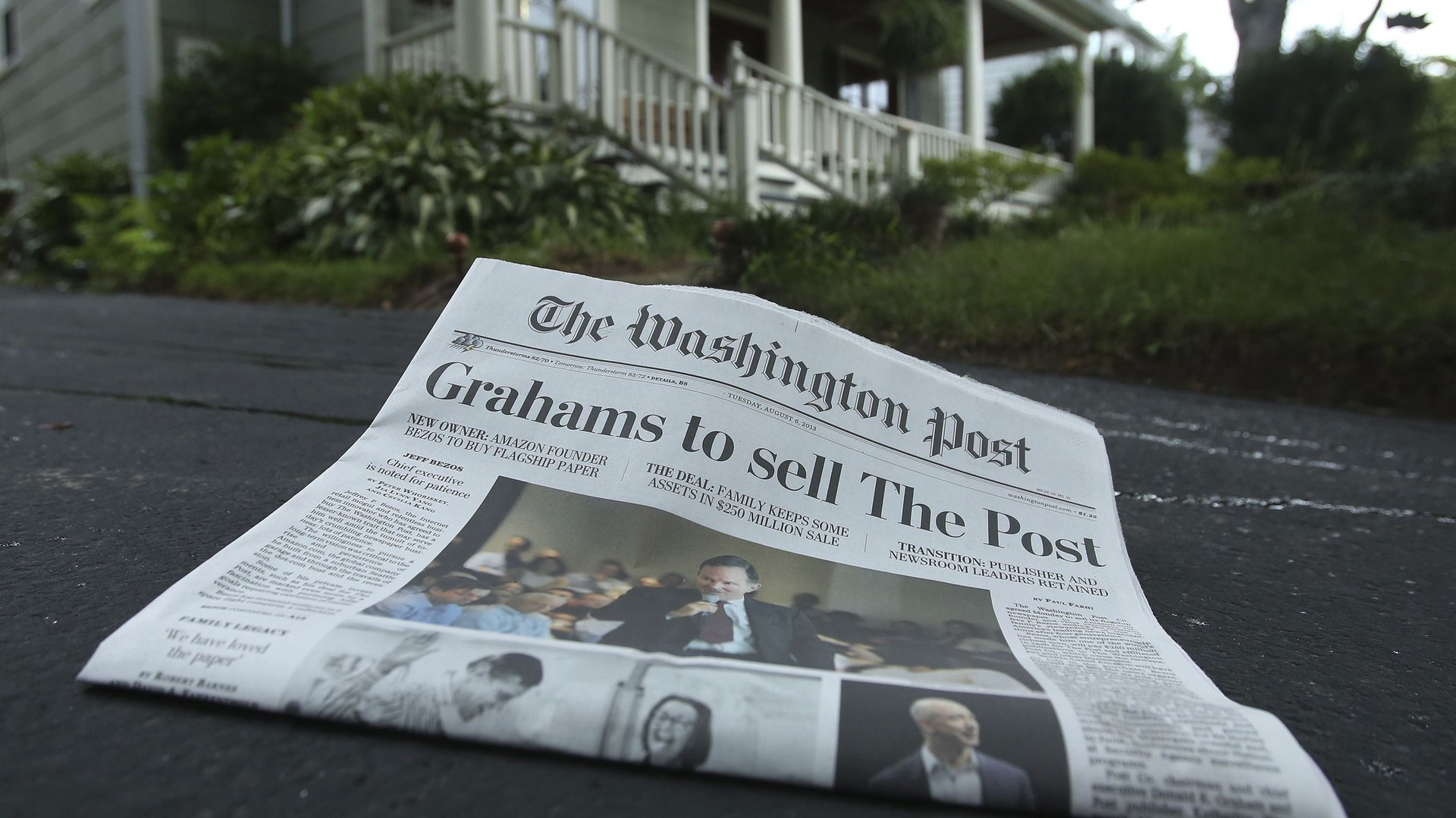
When Amazon CEO Jeff Bezos spent $250 million of his own money to buy the Washington Post last year, it set off a frenzy of speculation in media circles about his intentions for the erstwhile newspaper. And it’s still unclear just what he’s up to. (When former New York Times editor Jill Abramson visited the Quartz newsroom recently, it was one of the things she wanted to talk about most). The best theories involve Bezos wanting to buy influence in the nation’s capital, or attempting to reinvigorate the Kindle, one of Amazon’s core products.
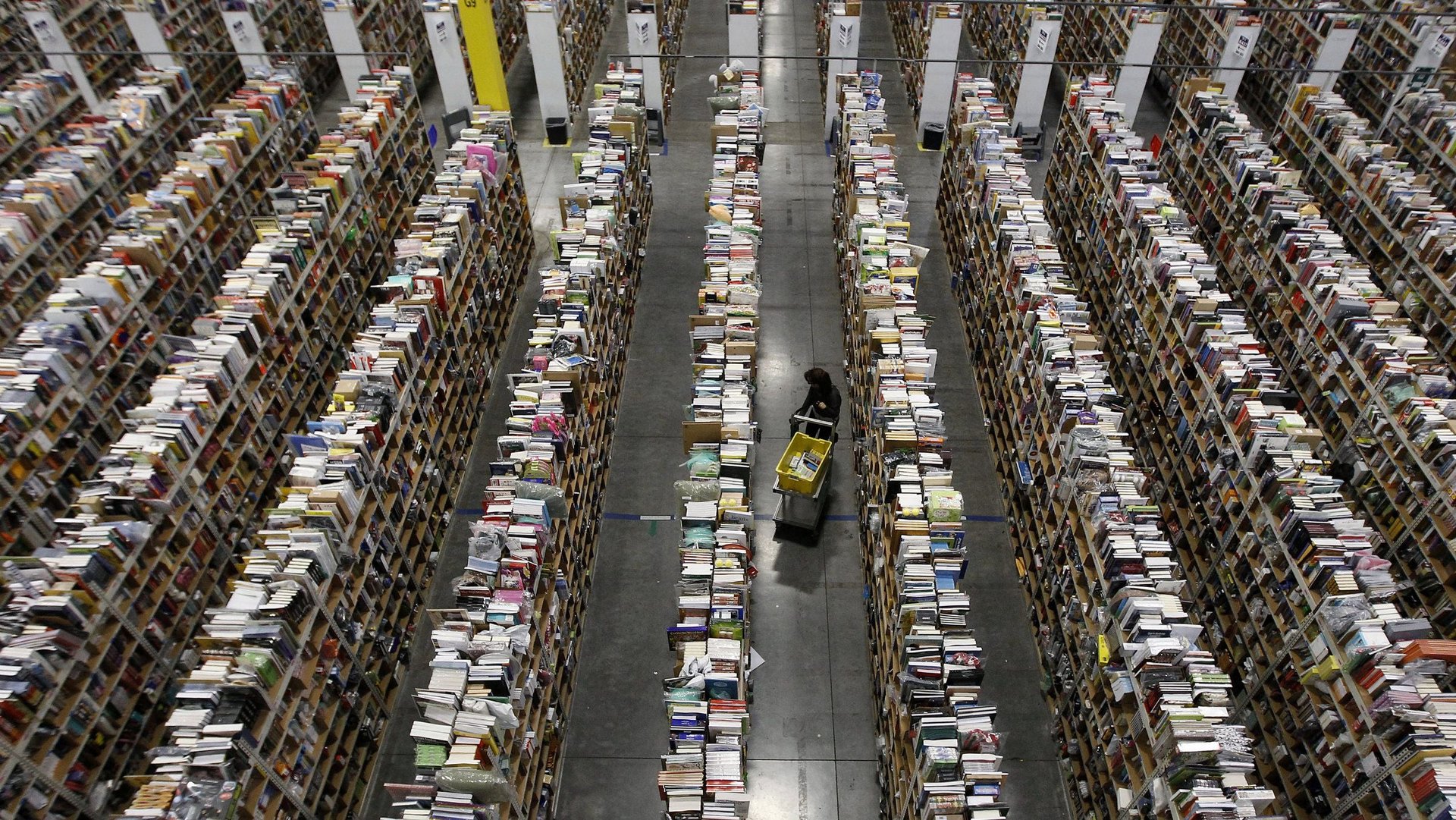
Back in October, it was widely reported that Amazon would open a retail store in the heart of Manhattan, just in time for the holiday season. It would be “the first brick-and-mortar outlet in its 20-year history,” declared the Wall Street Journal (paywall), which had the story first. It would be the e-commerce giant’s “Miracle on 34th Street,” a “physical extension” of the online merchandising prowess that has caused so much pain for brick-and-mortar retailers over the past two decades.
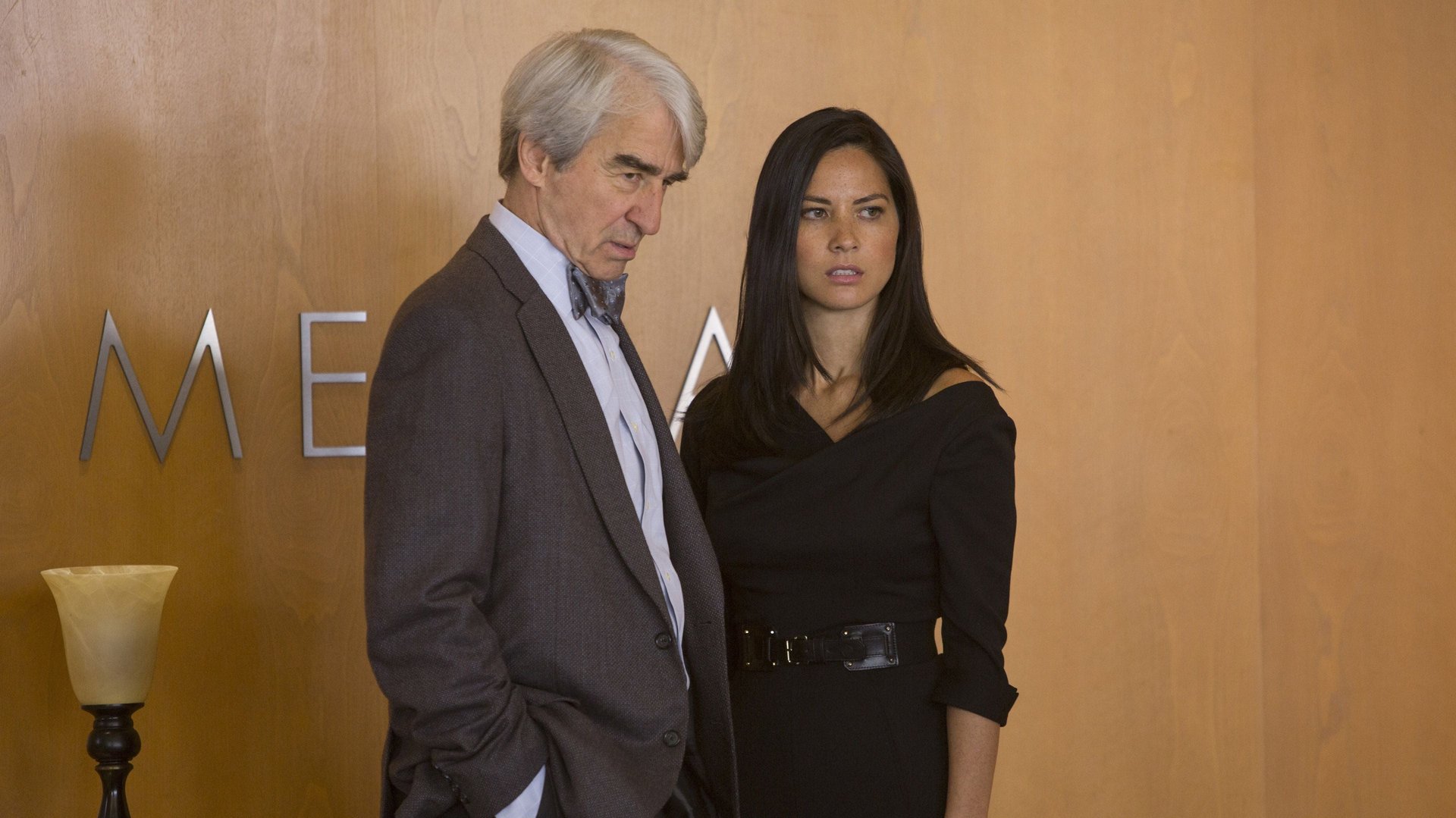
We could start with the standard “no spoilers” disclaimer, but HBO’s The Newsroom is so hilariously bad it’s almost good—and revealing any detail of the show’s latest episode wouldn’t “spoil” anything for anyone.
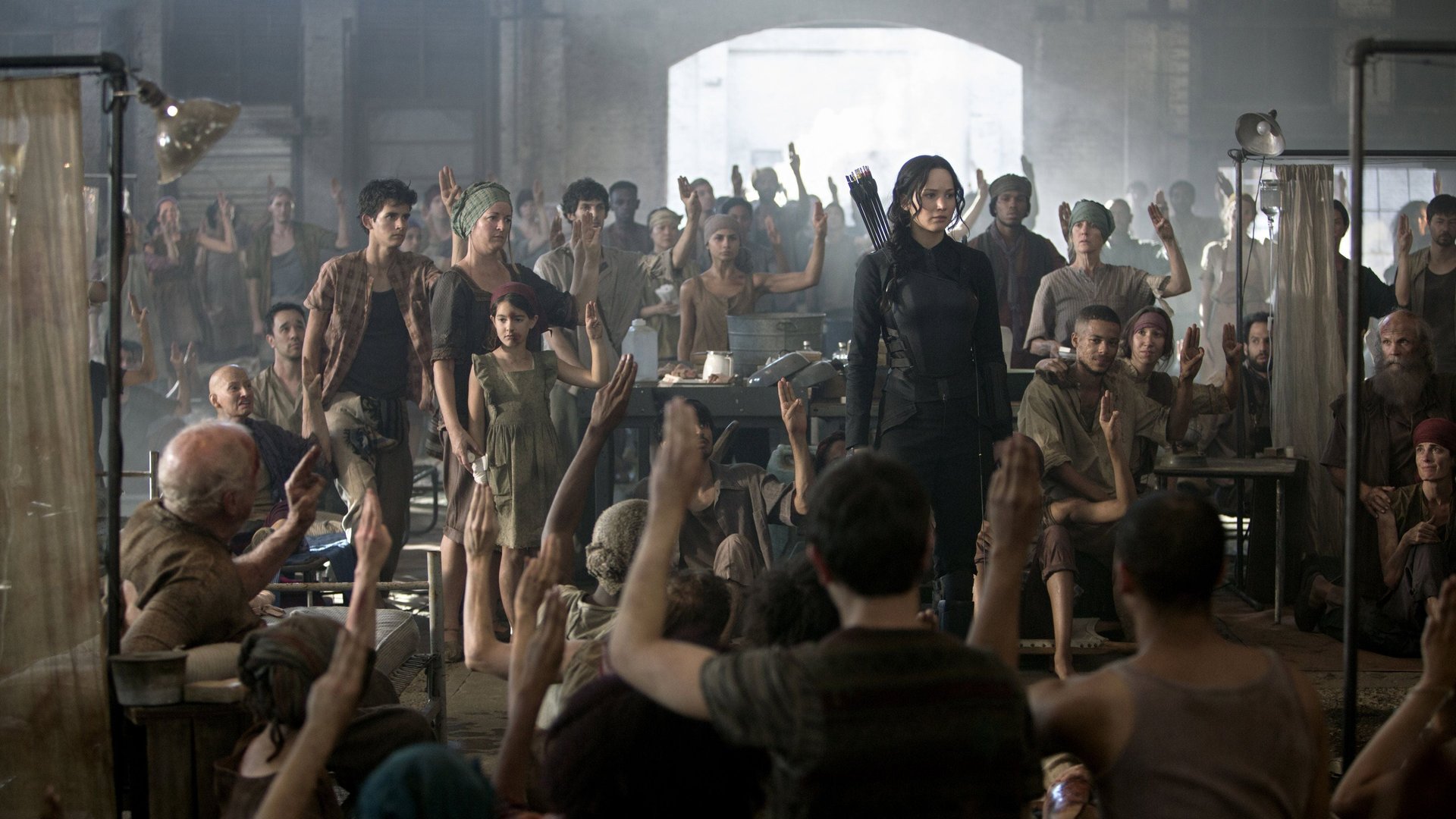
In the next few days, a time-honored tradition will play out across America, as hordes of people go to the movies over Thanksgiving weekend. If you’re one of them, chances are you’ll watch a sequel.

The latest version of Spotify’s financials have surfaced, and they suggest that the world’s biggest streaming-music service is scaling nicely—or at least it was at the end of 2013.

An ESPN internet-only service that doesn’t require a login from your expensive cable subscription—and lots of channels you don’t want—might soon be be available in the US. But there is a catch. It will, if reports are accurate, involve a sport that many Americans do not watch or understand: cricket.
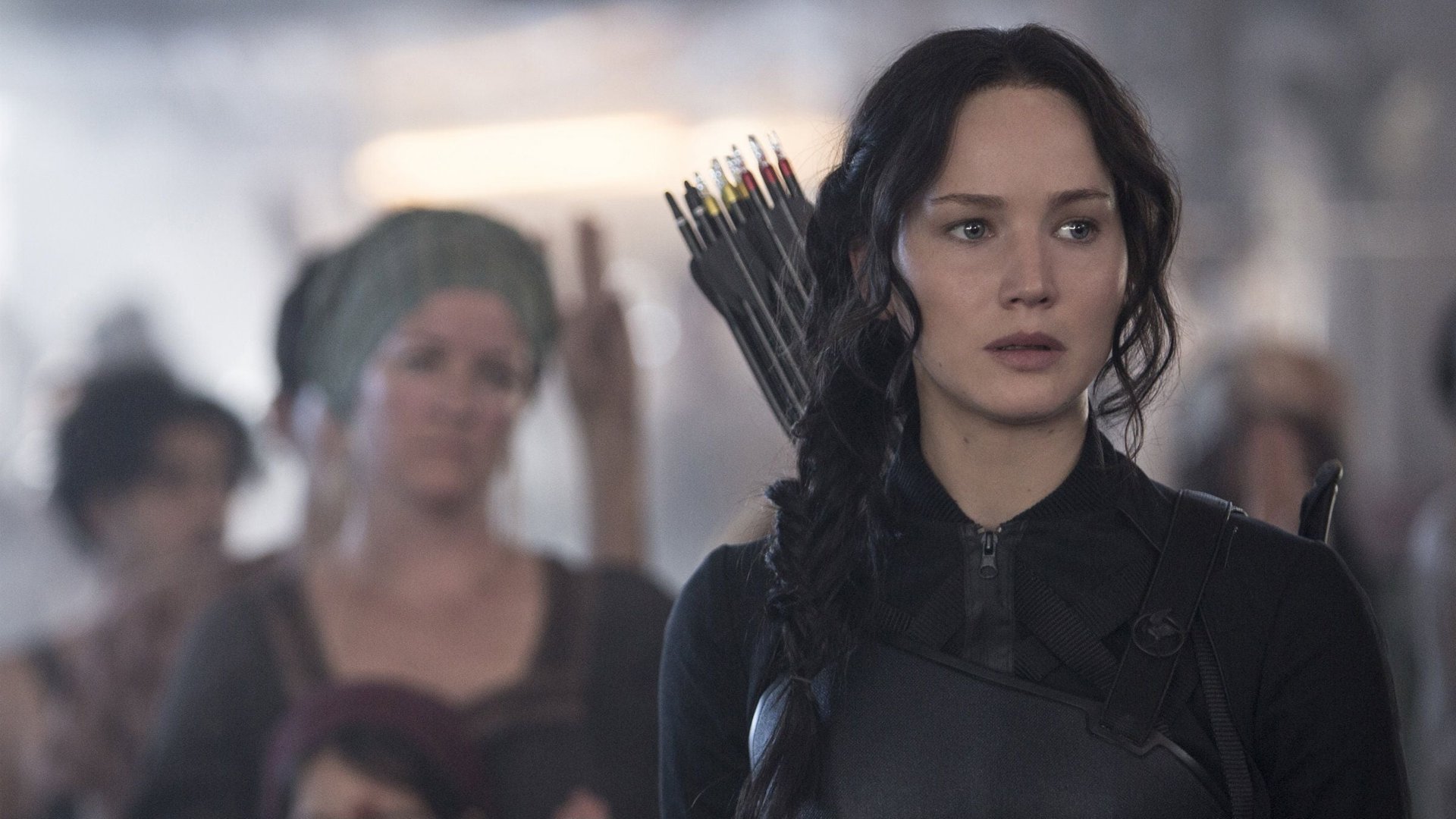
The third installment of the hit Hunger Games movie franchise, Mockingjay – Part 1, was released last weekend, just ahead of the Thanksgiving holiday in the US.
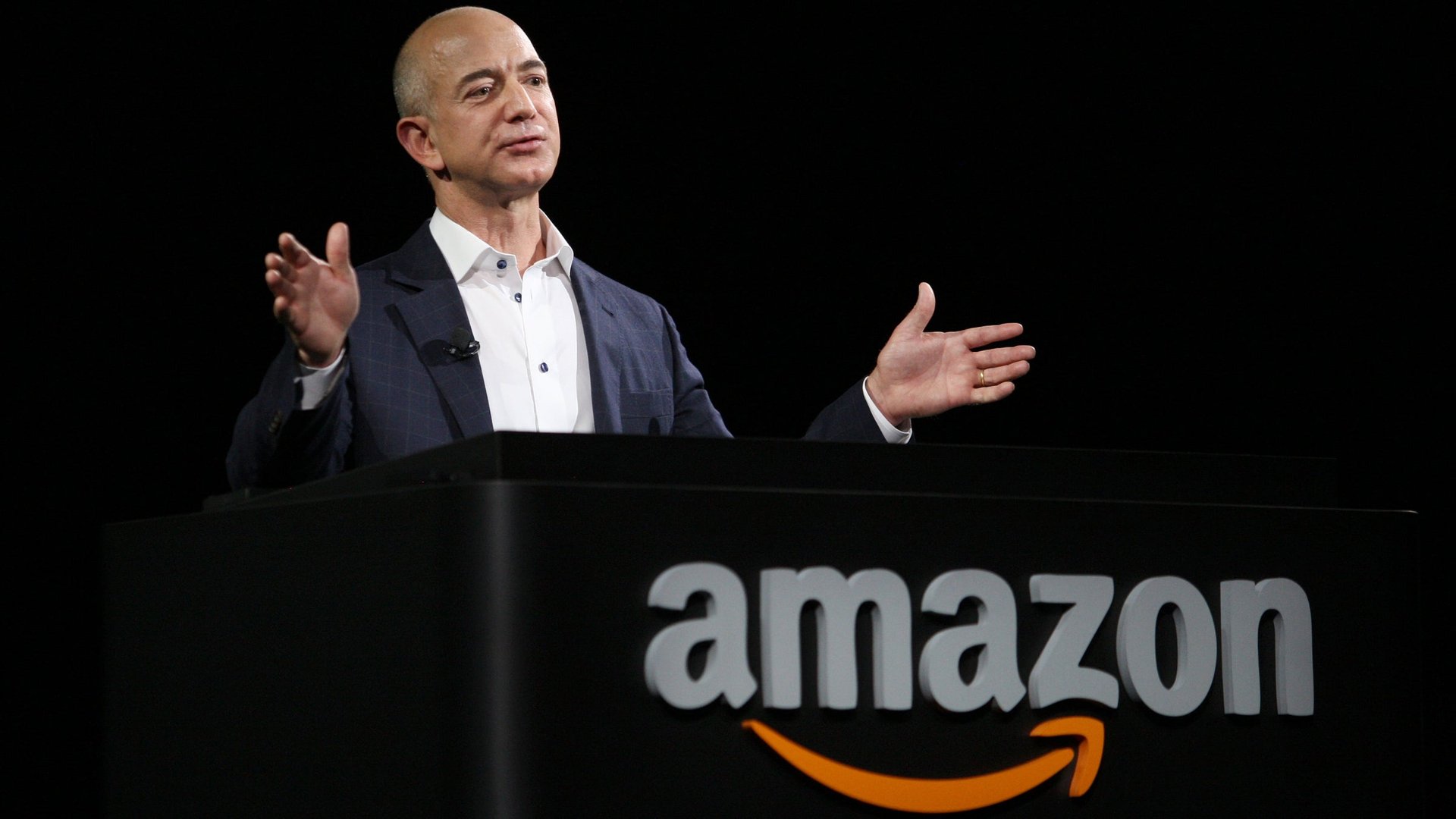
Since his inaugural letter to shareholders in 1997, Amazon CEO Jeff Bezos has pledged to “to focus relentlessly on our customers” and ignore “short-term profitability considerations or short-term Wall Street reactions.”

The prospect of cars that drive themselves taking over our streets tends to make people nervous. But the road to fully-autonomous cars is paved with semi-autonomous safety features. And who could be against technology that makes vehicles on the roads safer?

One of the most valuable assets owned by the US government and its people is completely invisible.
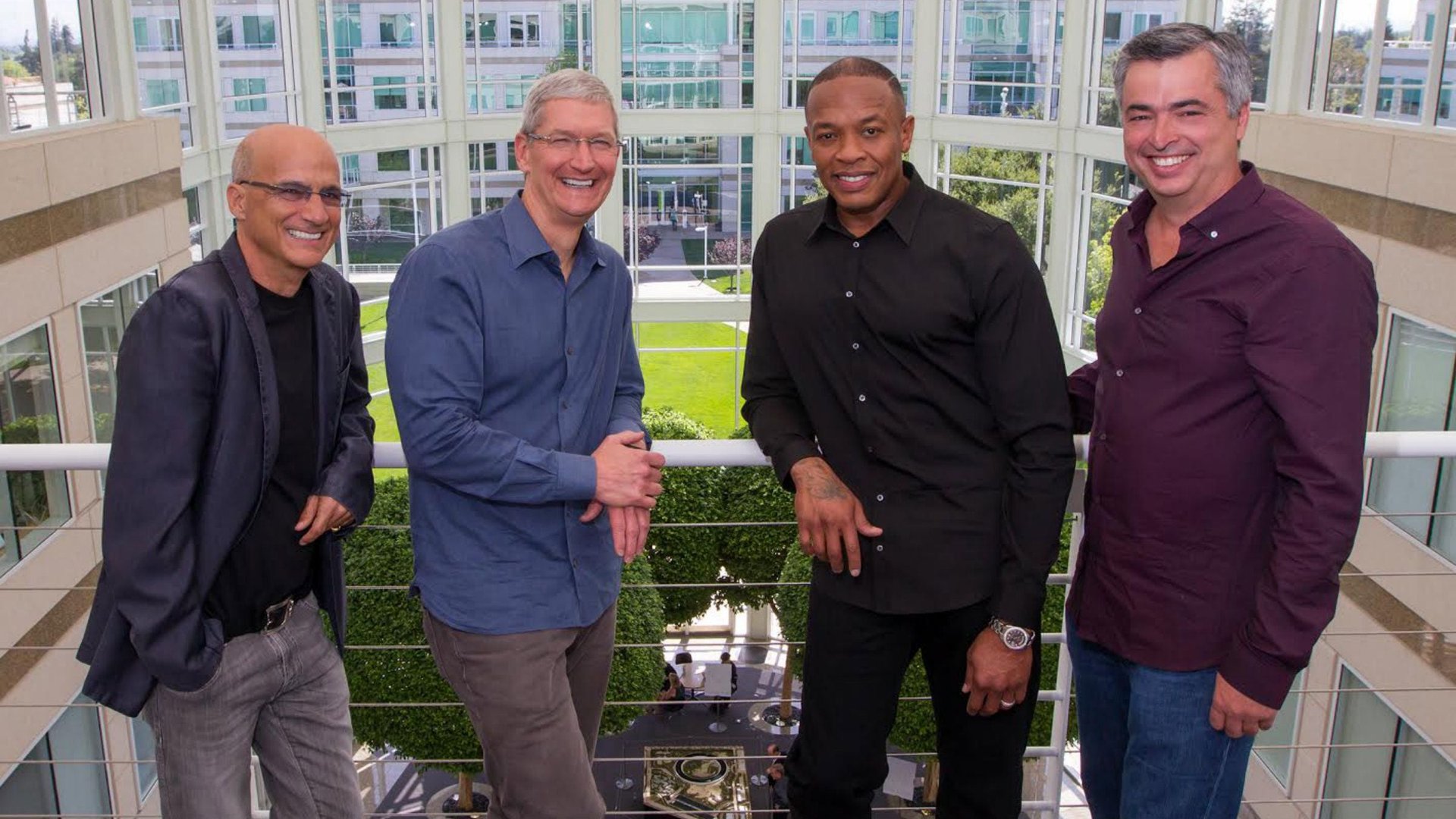
If you’re an Apple user, be prepared to have Beats, the streaming-music service the company acquired for $3 billion earlier this year, forced down your throats. However you feel about that, the implications for the streaming-music landscape—and indeed the entire music industry—could be far-reaching.
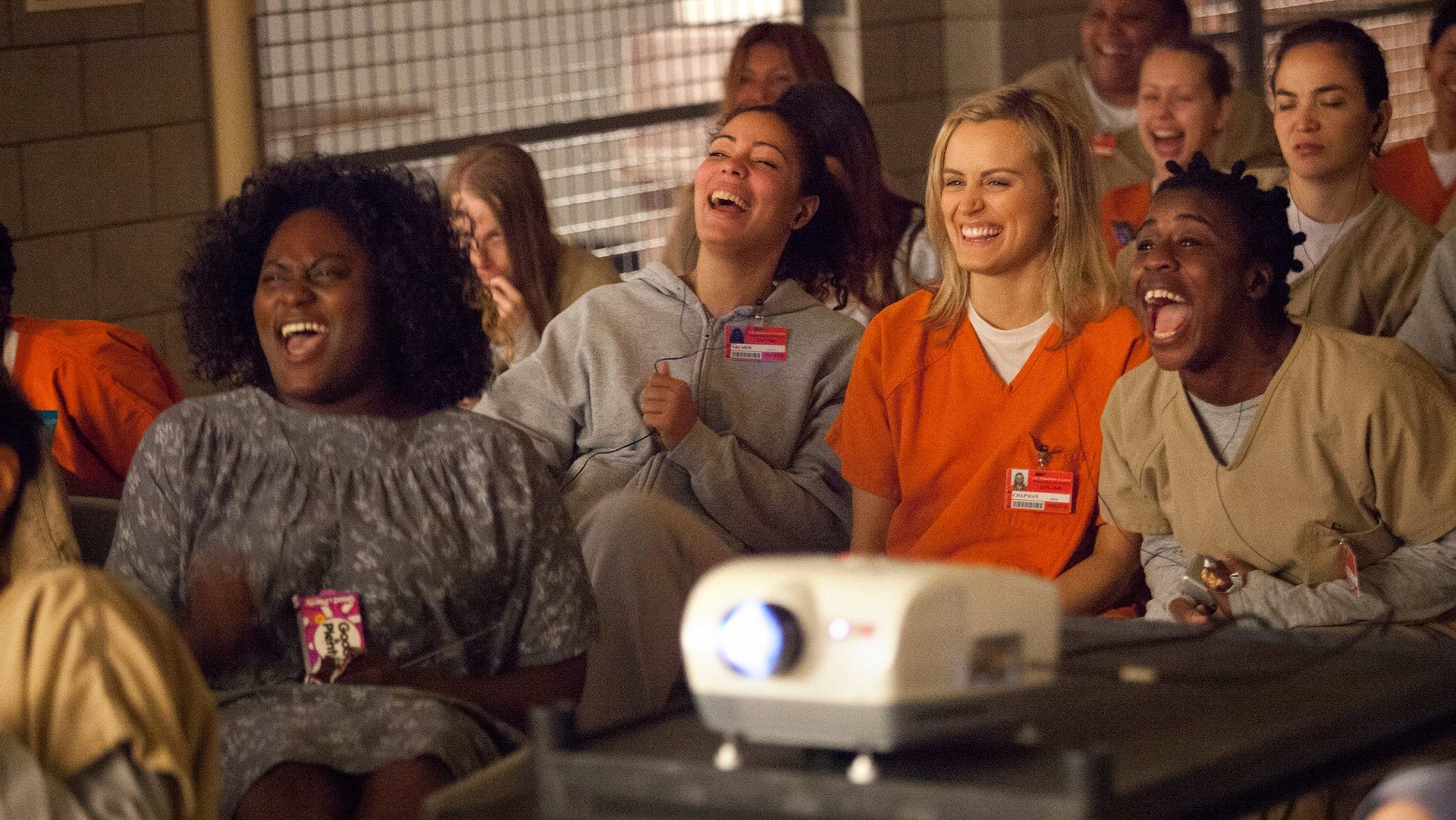
Netflix’s relentless march to world domination continues. The US-based streaming service finally confirmed plans overnight to launch in Australia and New Zealand next March.
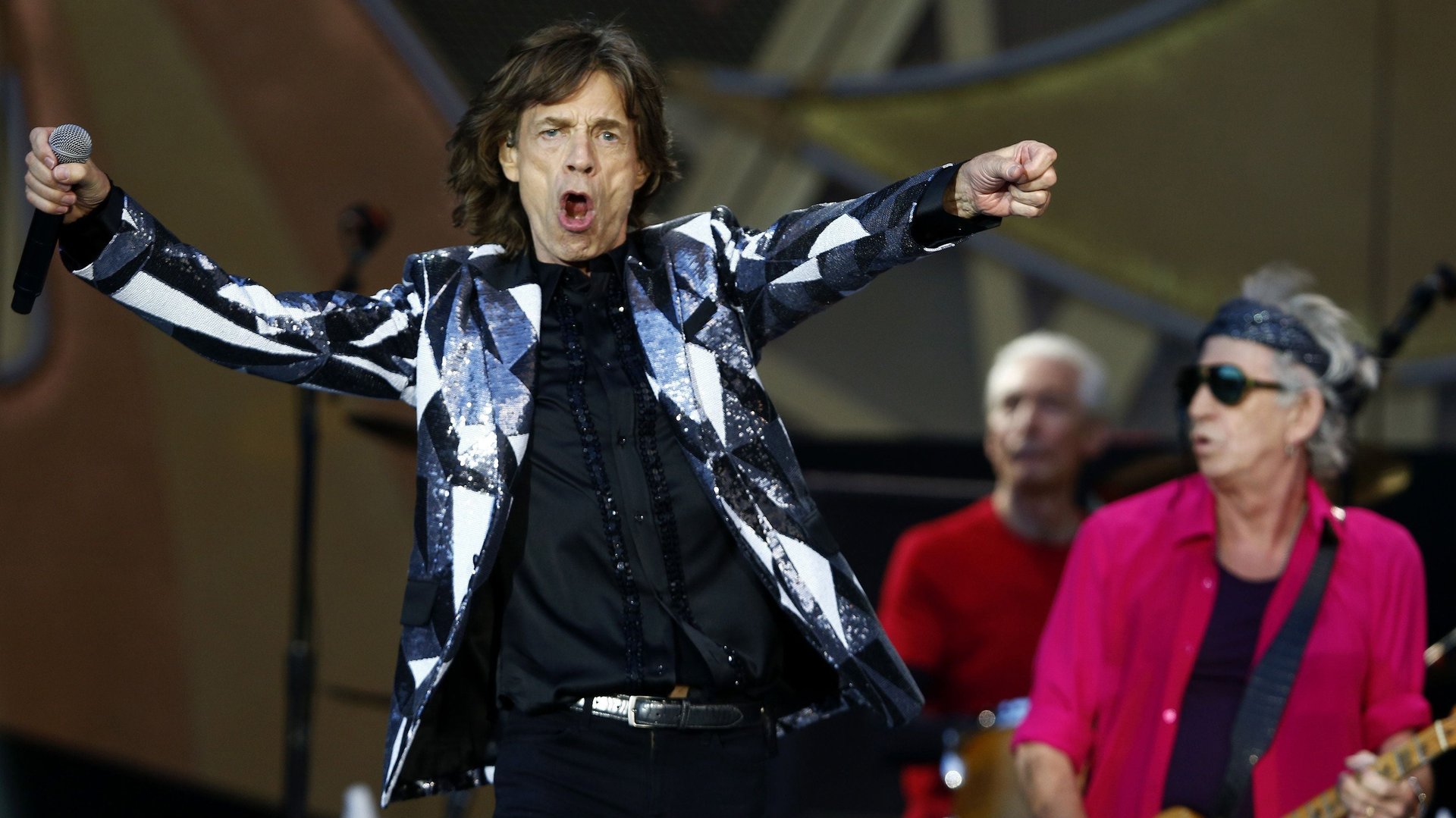
Streaming music has been everywhere in the news lately. YouTube, the internet’s biggest streaming platform of any kind, is about to launch a genuine, paid music service; Apple sounds interested in reviving Beats, and Taylor Swift withdrew her entire catalog from Spotify, setting off an international media frenzy and widespread debate about the future of the music business.
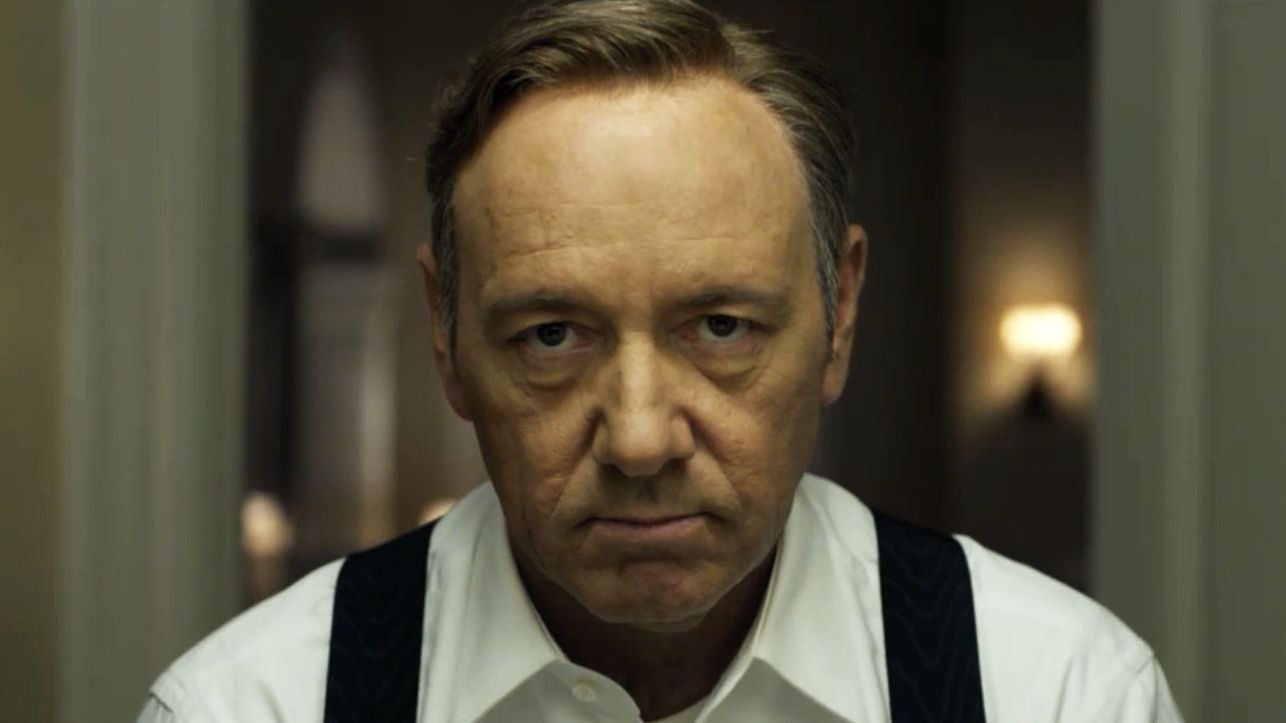
Netflix just confirmed that it plans to enter Australia and New Zealand in March 2015. The company revealed the news with this clever tweet:
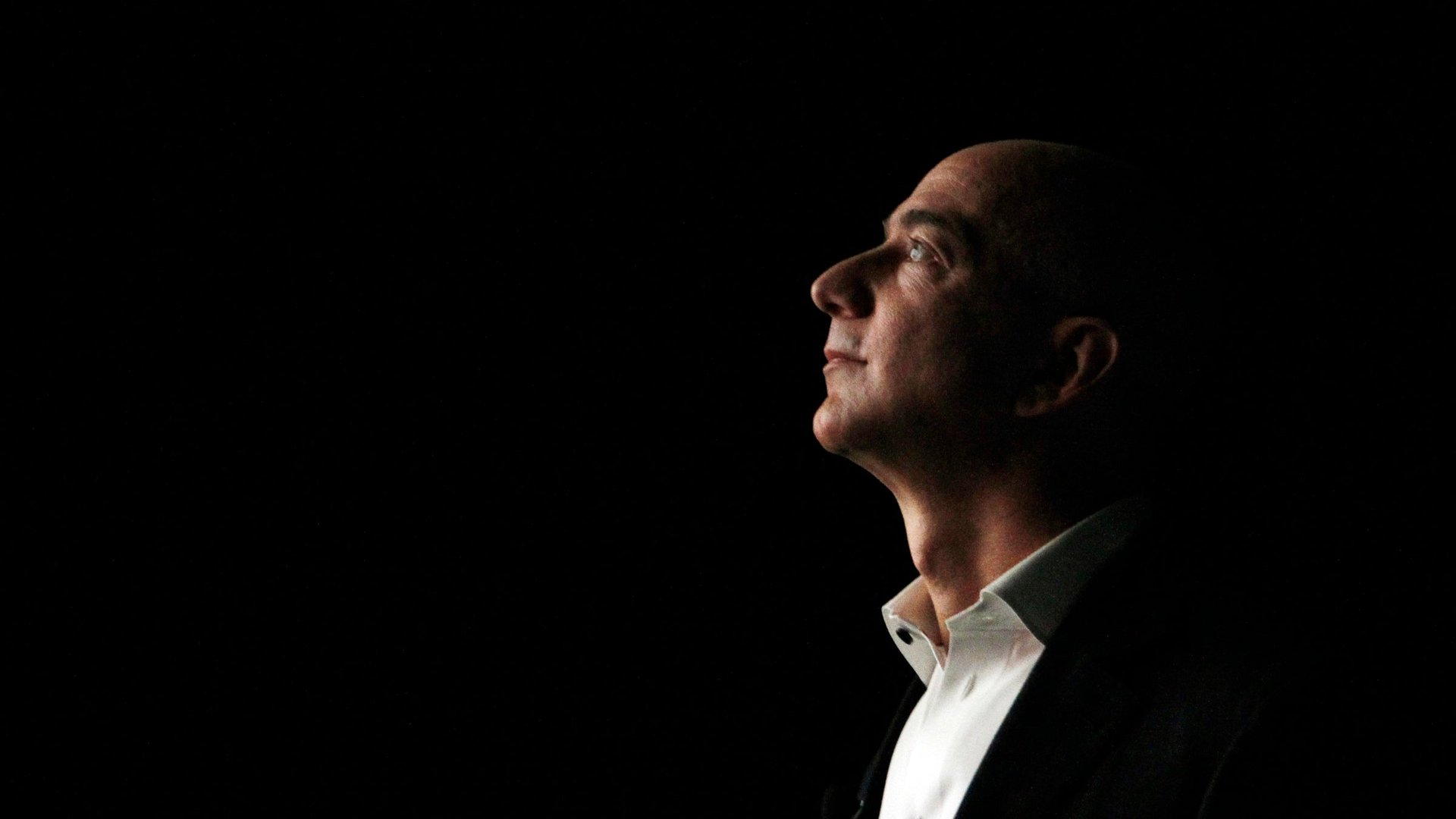
Amazon shares have been stuck in the doldrums this year, with investors apparently tiring of its post-profit business model.
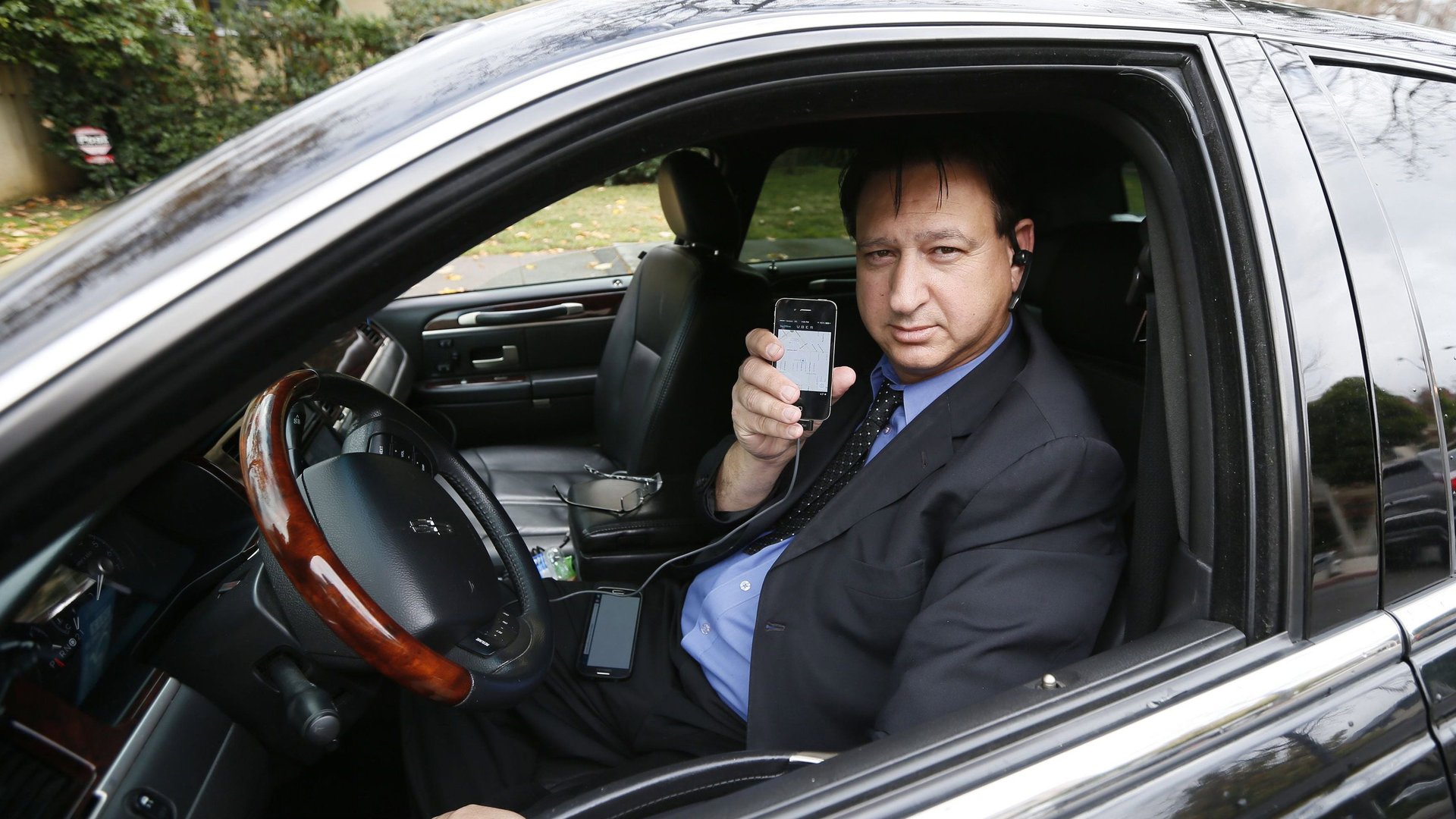
The app-enabled car-hailing company Uber Technologies and the streaming music purveyor Spotify have quite a few things in common.
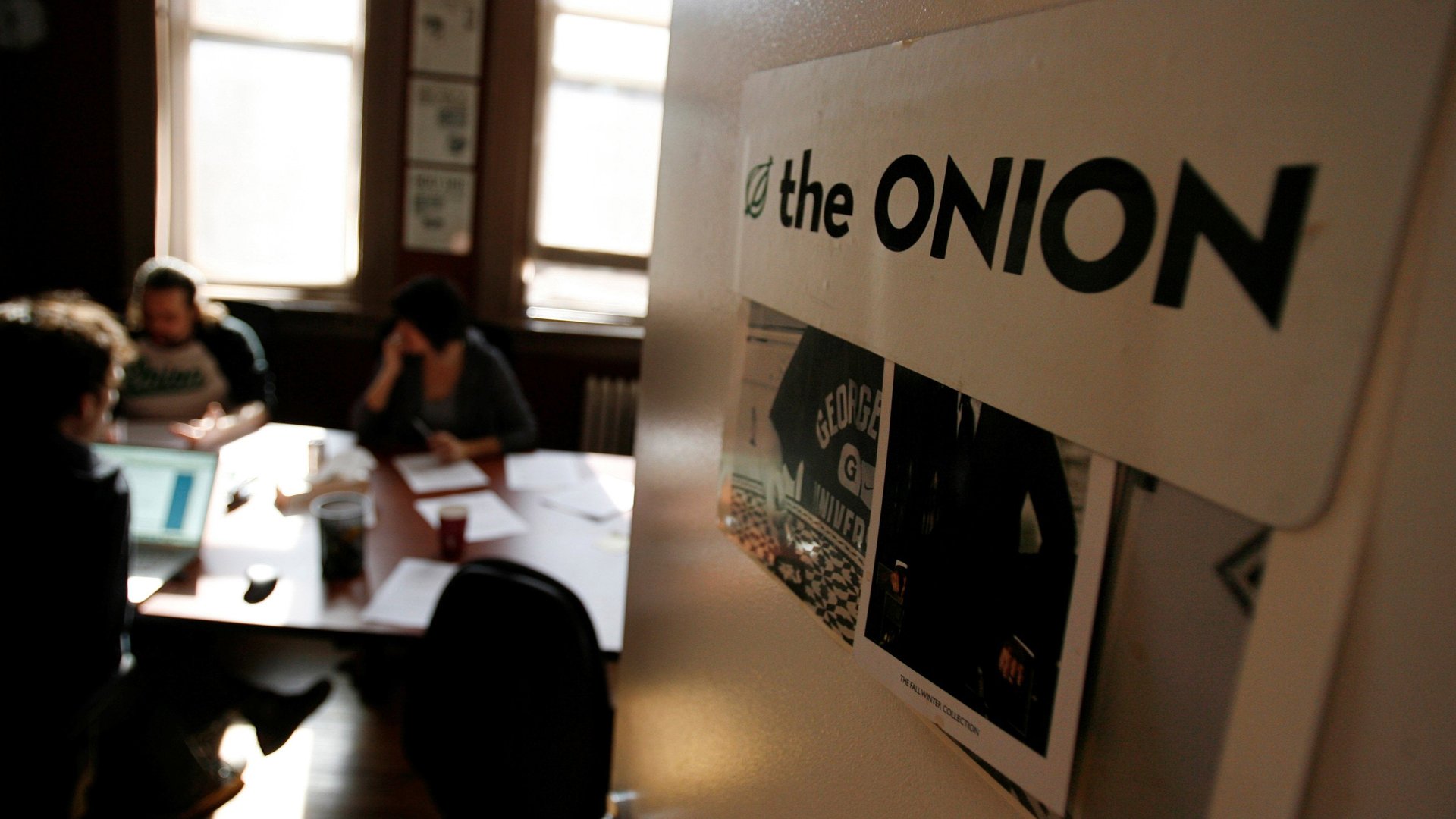
America’s internet comedy industry is getting serious.
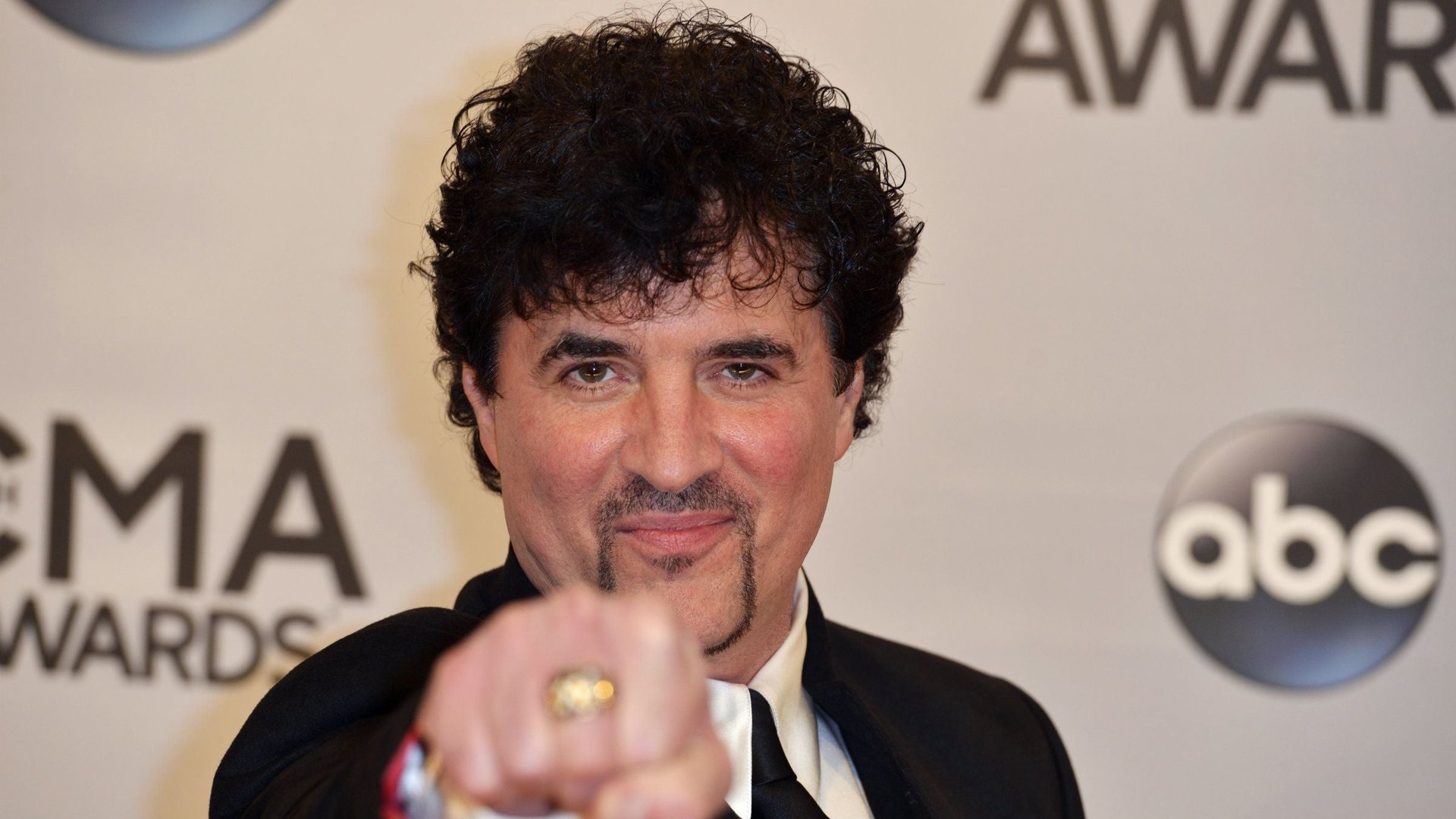
His name is Scott Borchetta, and he looks like the archetypal entertainment industry executive—a curly haired, country music version of Simon Cowell.
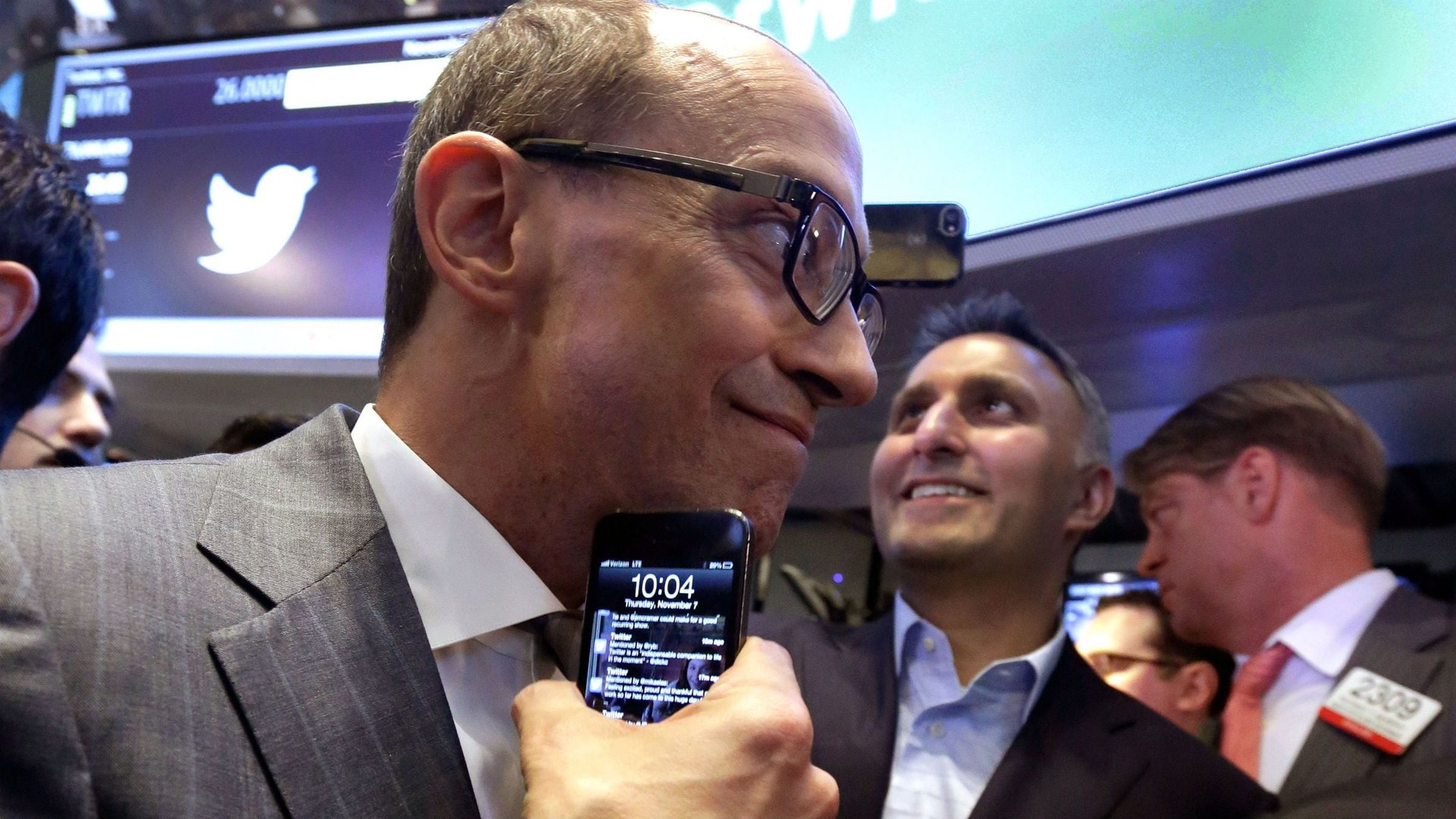
Twitter Inc, is holding its inaugural strategy day in San Francisco today, with senior executives selling the company’s plans for growth to Wall Street analysts. Last week marked the company’s one year anniversary since its IPO, and to say that it has been a wild ride since then would be an understatement. Pressure has been mounting on CEO Dick Costolo to articulate a clear vision for its future.