
Tech & Innovation
Forget Taylor Swift: Spotify is facing a much bigger problemSpotify is growing nicely. The Swedish-born streaming music service now has 12.5 million paying subscribers, and 50 million active users.
Updated July 21, 20222 min read
Spotify is growing nicely. The Swedish-born streaming music service now has 12.5 million paying subscribers, and 50 million active users.
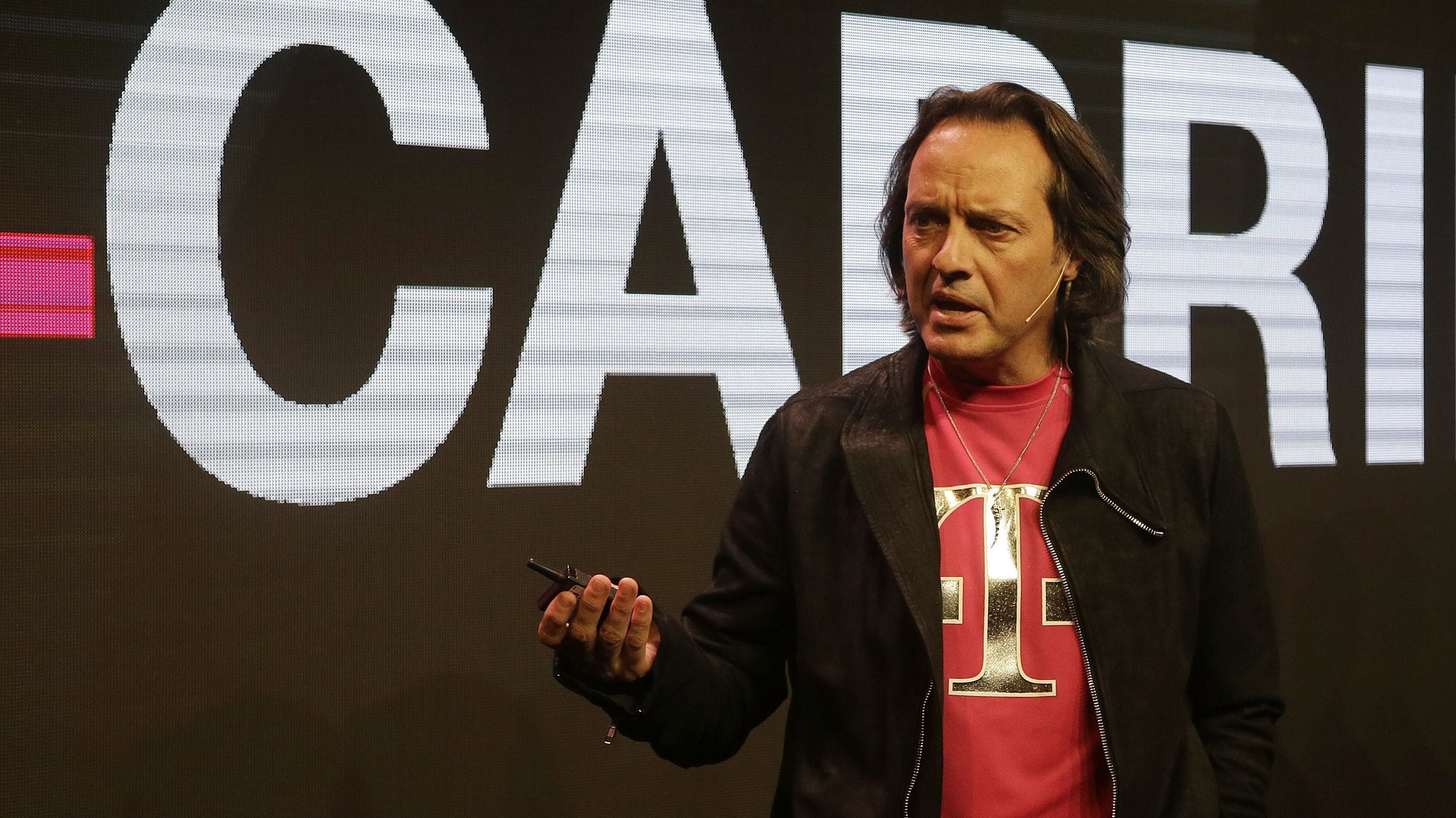
T-Mobile’s trash-talking, gate-crashing, pot-stirring CEO John Legere has spent much of the last 12 months ridiculing his rivals in the US wireless market—and with great effect. But when it comes to arguably the most important question facing the internet in the US at the moment, his position is exactly the same as his peers.
There is growing disquiet, particularly in publishing circles—see David Carr (paywall) in the New York Times–about Facebook’s growing dominance of the internet. This chart from Morgan Stanley only feeds the flames.

Today marks one year since Twitter triumphantly went public on the New York Stock Exchange. Back then, the company’s goal was to avoid becoming the next Facebook. Well, it certainly achieved that. Both in terms of the IPO process itself, which was much smoother than that of its much bigger rival. But also operationally—and not in a good way.
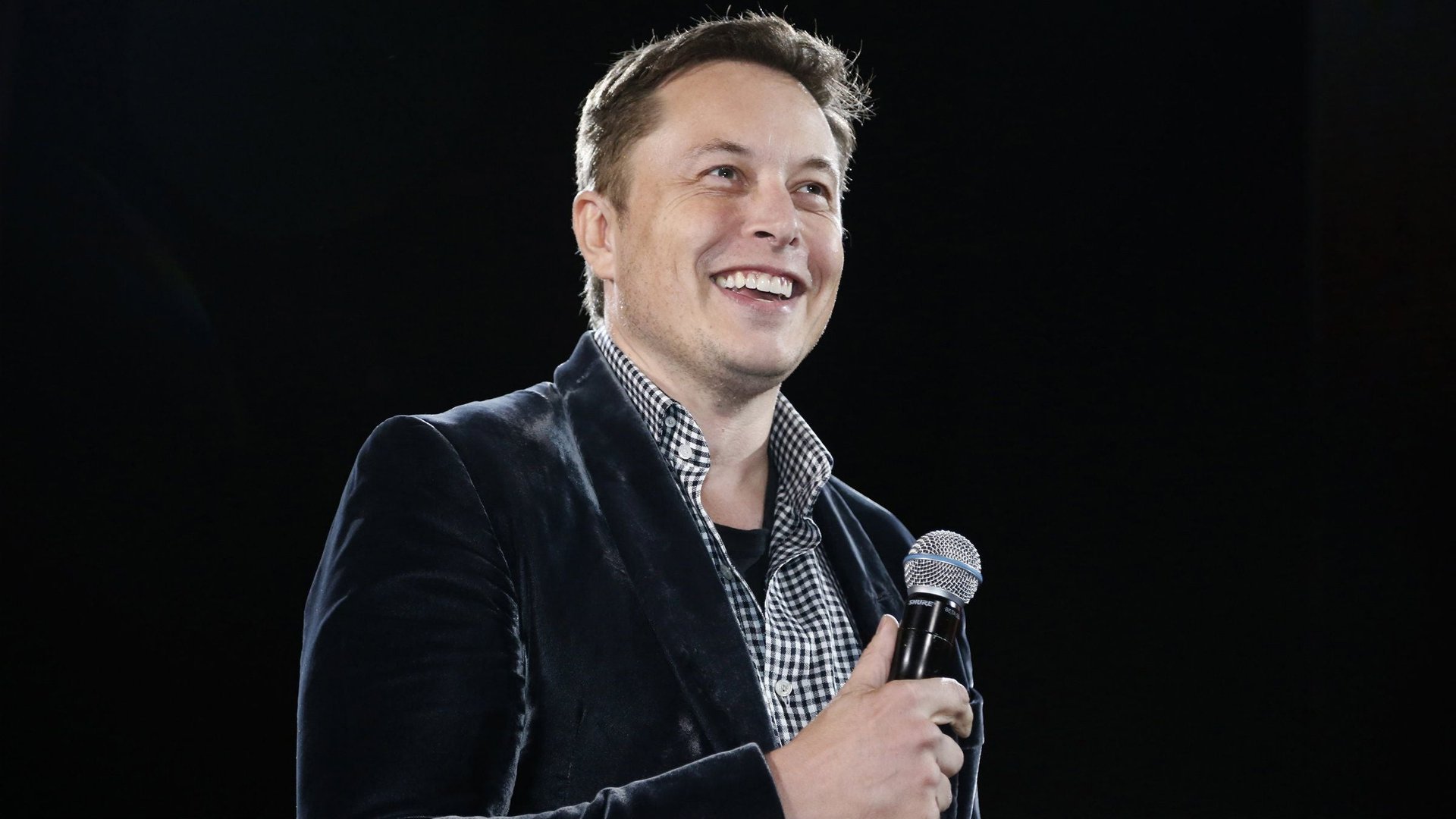
Elon Musk articulated his simple approach to business in two sentences last night.
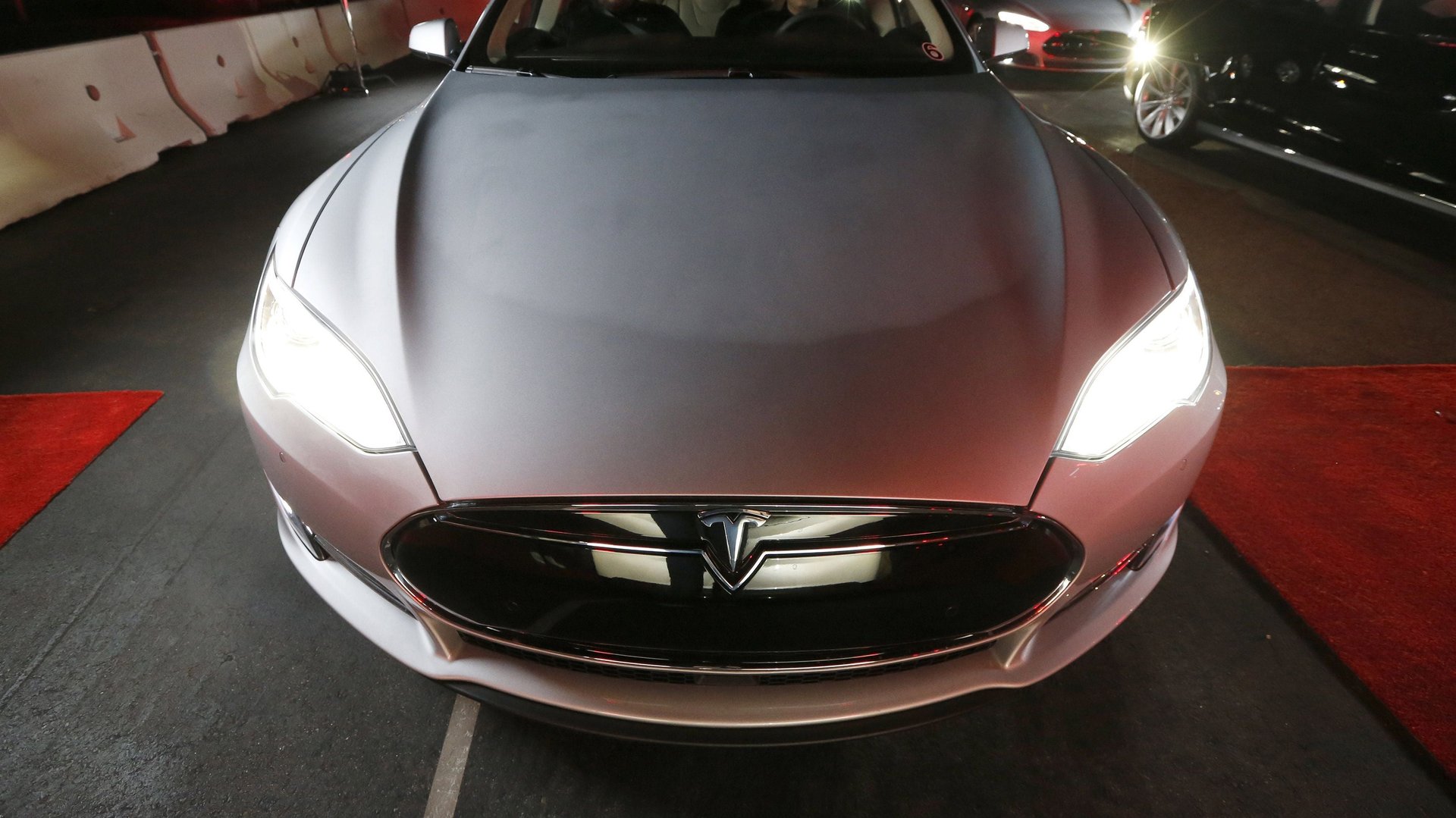
Buried within Tesla’s latest letter to shareholders are two sentences that tell you everything you need to know about its CEO, Elon Musk, and his approach to business.

Time Warner, the media giant behind HBO, CNN, the Warner Bros. film studios and various other media brands, reported its quarterly results this morning, and they looked pretty good. In fact, Bernstein Research analyst Todd Juenger told clients in a note that the result was “The textbook definition of a solid report.” Every division reported stronger-than-expected revenue and operating income, and the company raised its profit forecast for 2014.

Is Taylor Swift the defining singer/songwriter of her generation—the Gen-Y answer to Bob Dylan, Bruce Springsteen, or Kurt Cobain? Glowing critical praise and blockbuster sales for her music suggest she might be.
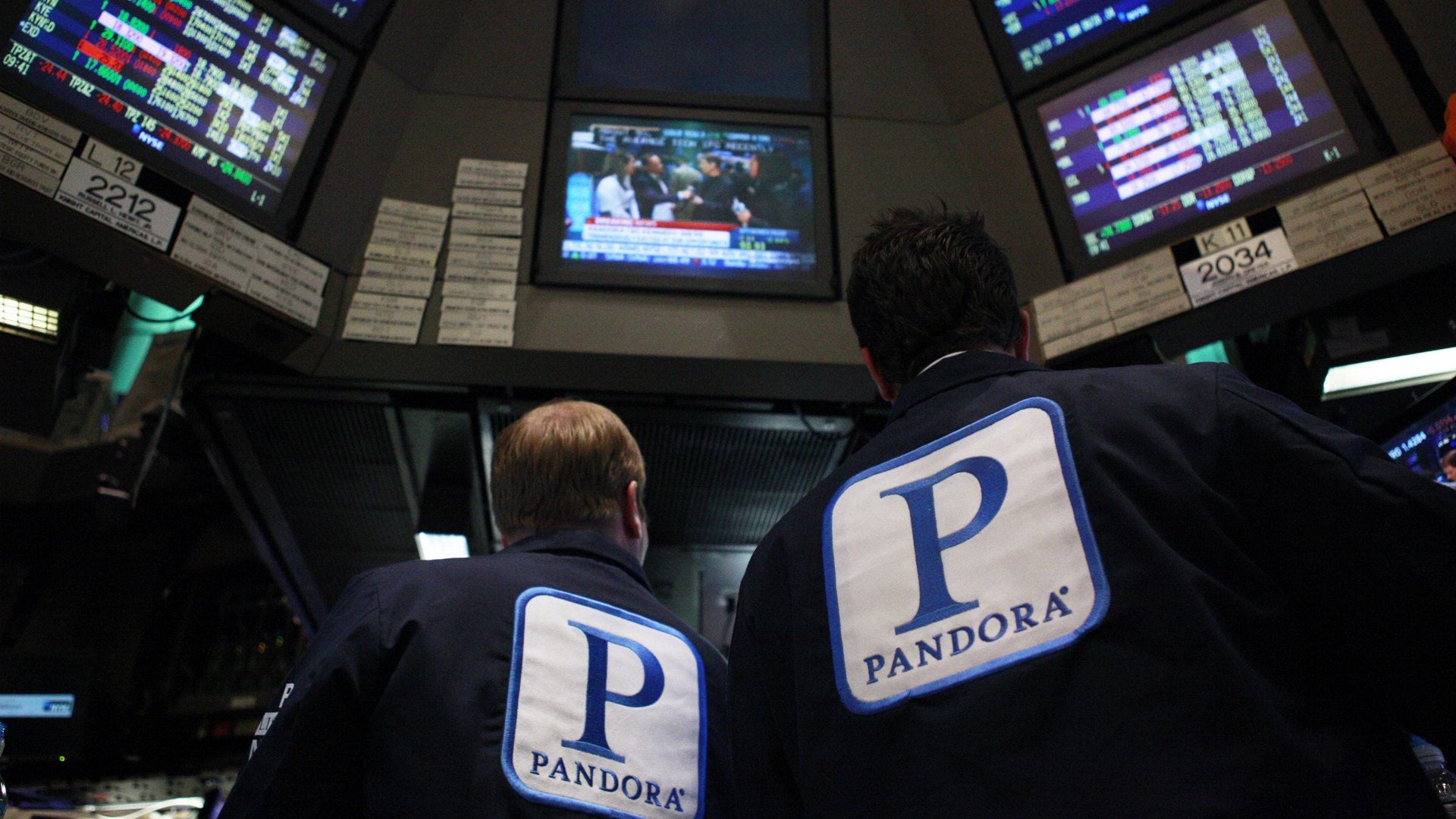
By any objective measure Pandora Media’s earnings this week looked pretty solid. Revenue was up 44% from a a year earlier, stronger than analysts had anticipated; the company’s financial loss narrowed; and it even upgraded its outlook for the full fiscal year.
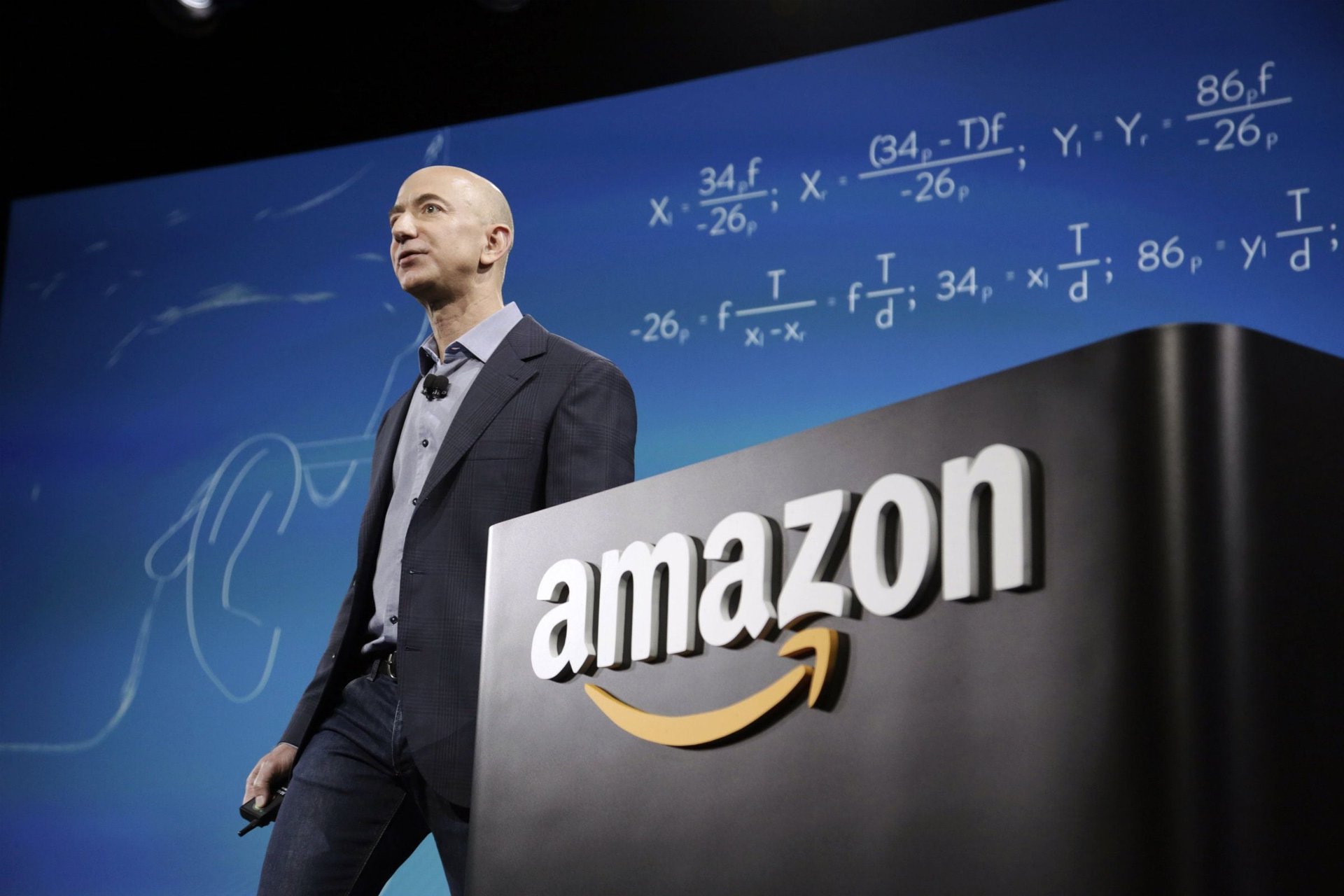
Amazon just posted results for the third quarter, and it’s safe to assume they won’t alter anyone’s opinion about the company. Revenue was up strongly, rising 20% from the same quarter last year to $20.6 billion. The bottom line was a net loss of $437 million, which was worse than what analysts expected (and the deepest quarterly loss for Amazon in 14 years, according to data from FactSet). The shares have fallen by about 11% in after-hours trading.

Comcast, the biggest cable company in the US, which is trying to buy the second biggest cable company, Time Warner Cable, reported its quarterly earnings this morning.
The race to redefine the meaning of a “hit” song just got interesting.
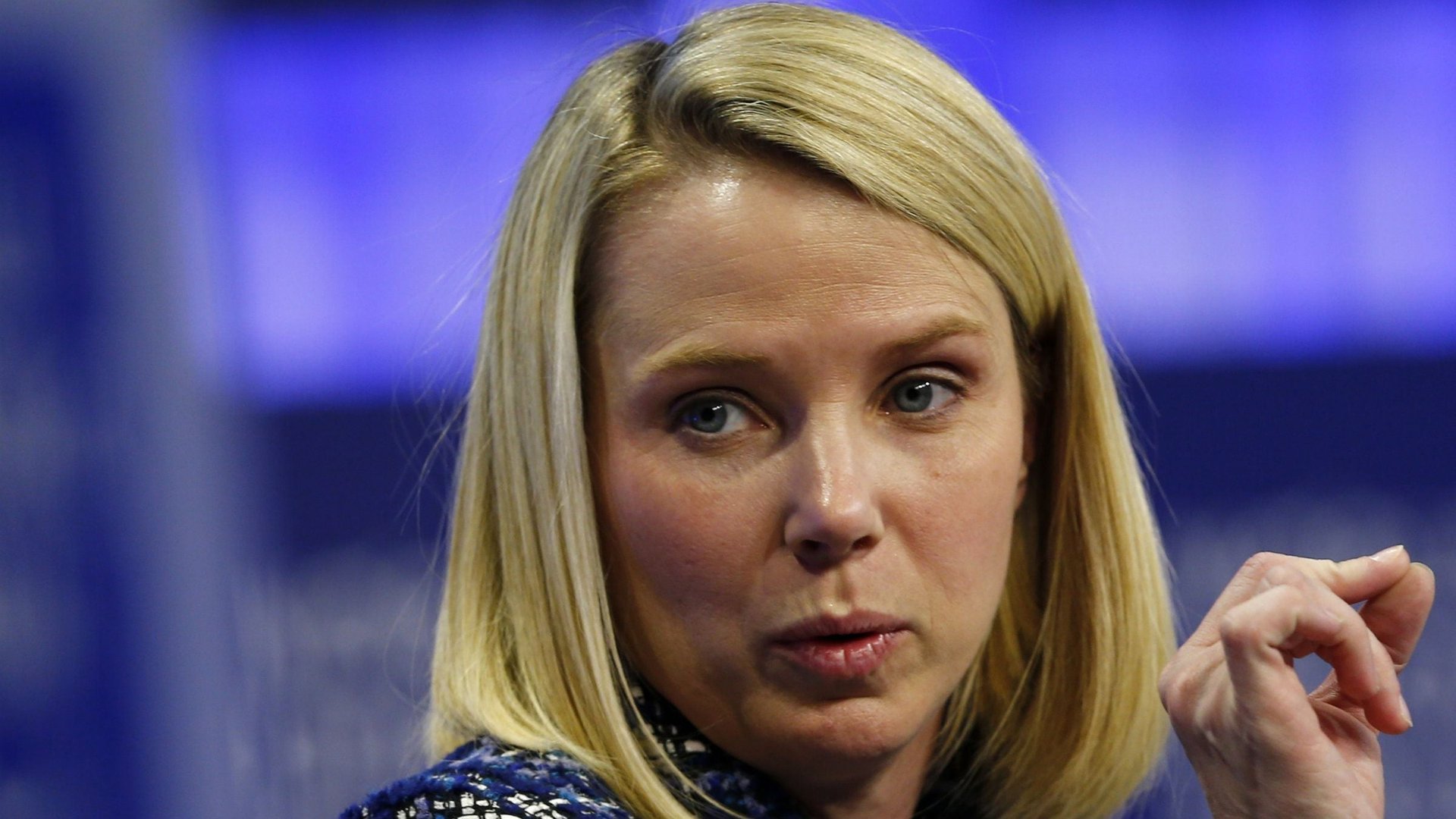
For the first two and a bit years in charge of Yahoo, Marissa Mayer had an incredibly powerful force supporting her.

That great, American Millennial tradition of password sharing for subscription-based content services (think Netflix or HBO Go) has never really extended to Spotify.

Music was the first corner of the entertainment business to be truly disrupted by the internet. And this relentless disruption has come in multiple waves that have pounded revenues for labels and artists.

Apple’s omnipresent position in the American psyche extends far beyond consumer devices: America’s biggest company by market value is also it’s most widely held stock.
This item has been corrected.

It’s been a difficult week for Netflix. First, a key competitor announced plans for a bona fide streaming product of its own. Next, an earnings report turned up troubling indicators for Netflix subscriber growth. And then, yesterday, all of the company’s share price gains for 2014 were wiped out in a single trading session.
An internet television revolution is sweeping across America! HBO will finally begin selling a standalone streaming service next year. CBS just launched an internet service of its own, allowing access to all of its shows—like Big Bang Theory and CSI, but not NFL games—on the web. Some pundits believe the cable industry is on its last legs. Or at least that the cable bundle, which forces people to pay for lots of channels they don’t ever watch, is dying.
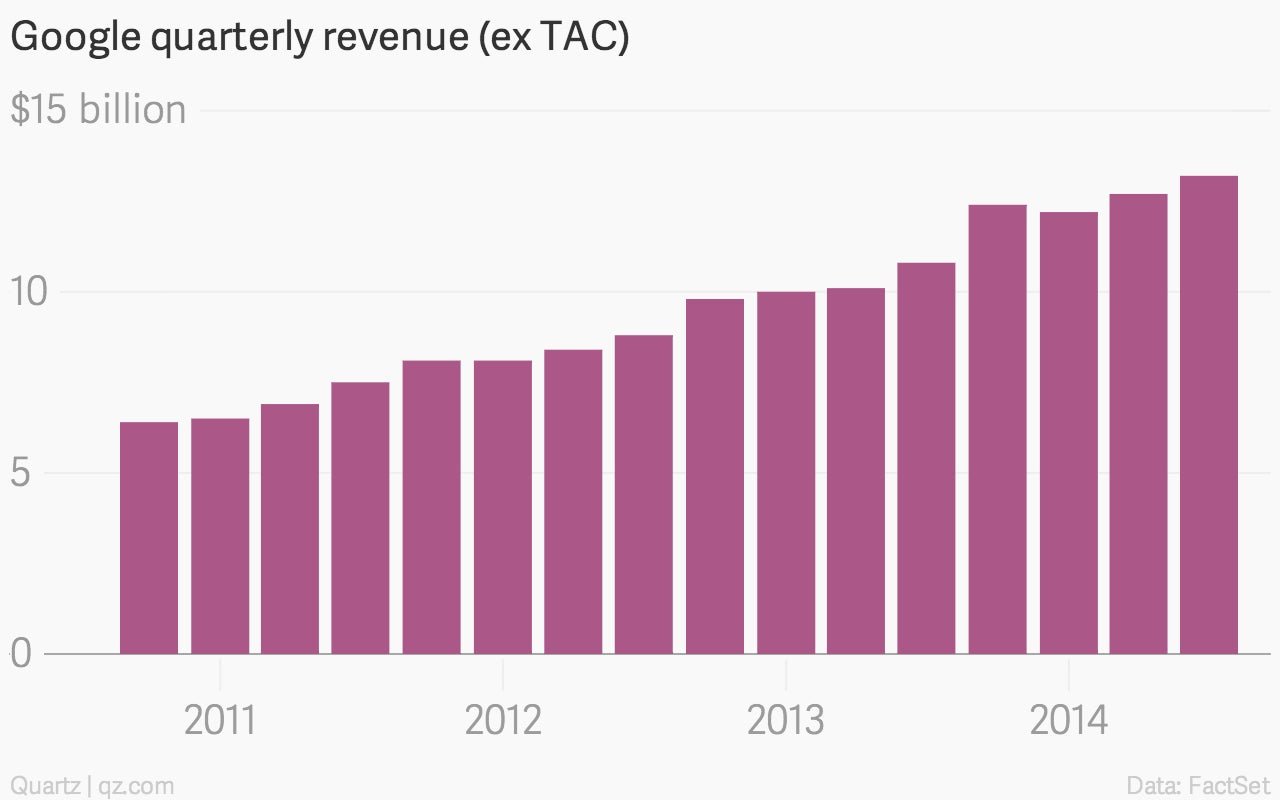
The numbers: Google reported quarterly revenue, less traffic acquisition costs, of $13.2 billion, in line with consensus estimates complied by FactSet. Net income of $2.8 billion, or $4.09 per share (using normal accounting standards) looks well below estimates. Shares have fallen by more than 3% in after hours trade.
A single trading session is all it has taken for all of Netflix’s share price gains in 2014 to be wiped out completely.

Yes, HBO will finally start selling standalone, online-only packages next year. But while the über-popular premium channel is copying the direct-to-consumer distribution method created by Netflix, it won’t be campaigning for a fairer internet like its rival vociferously does.
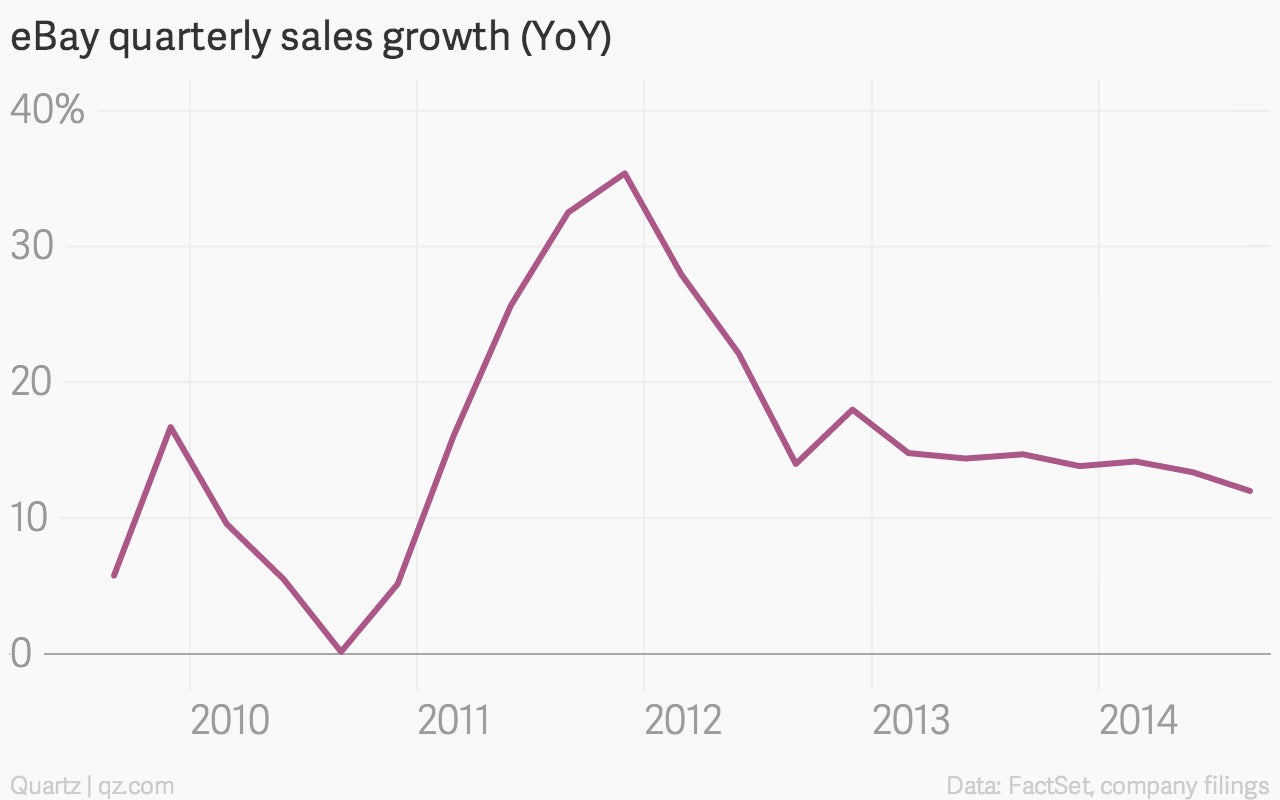
The numbers: eBay posted earnings of $673 million (or $0.54 per share) on revenue of $4.4 billion, which was up 12% from a year ago. But for the second straight quarter, the online auction site was forced to cut its revenue forecast. It continues to feel the effects of a huge security breach it suffered in May. The stock has fallen by about 3% in after-hours trading.
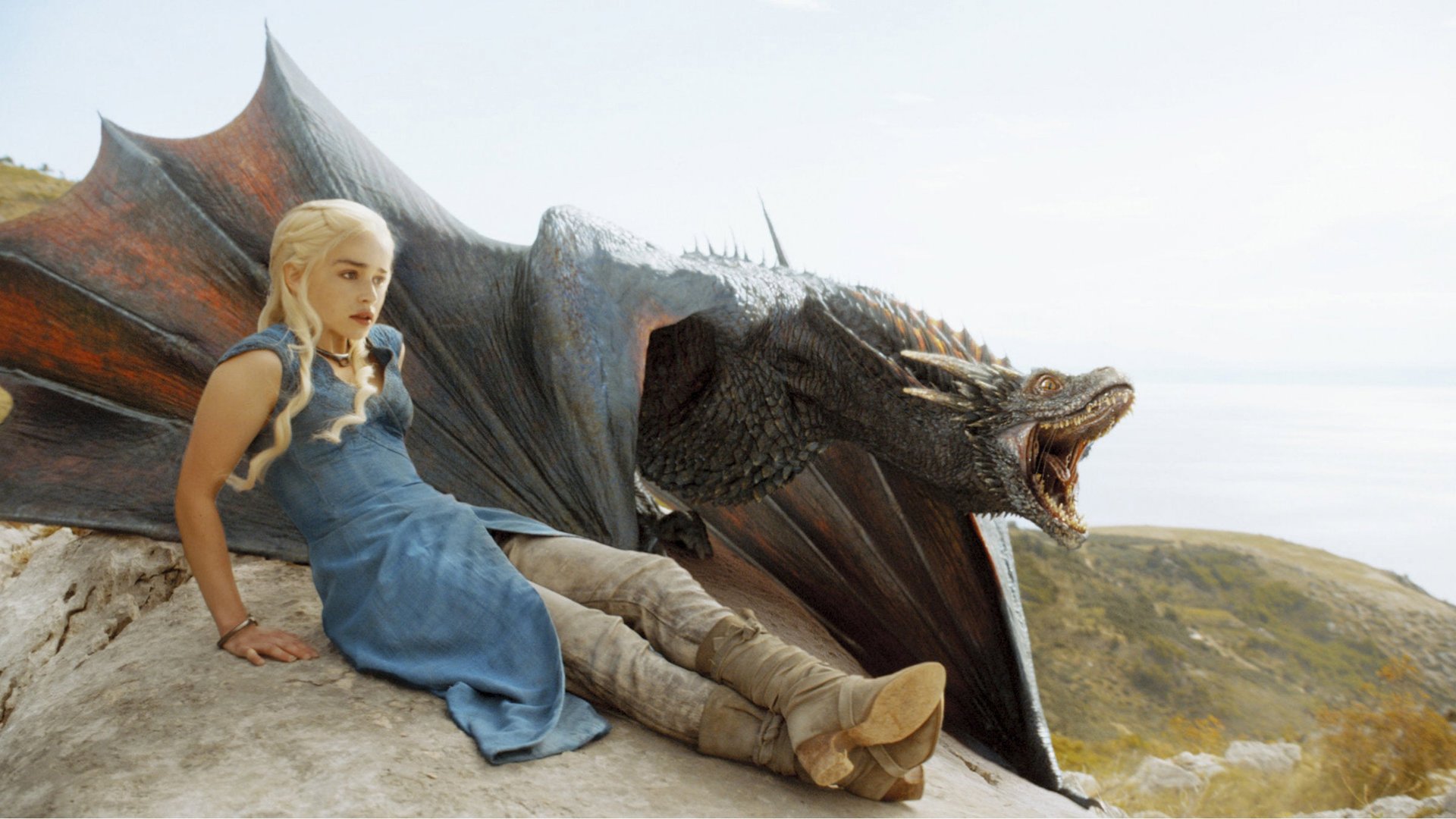
It was the moment cord-cutters throughout America were waiting for. HBO CEO Richard Plepler just confirmed that the premium channel behind hit shows ranging from Game of Thrones to Girls will begin selling standalone HBO Go subscriptions over the internet, without cable subscriptions, starting next year.