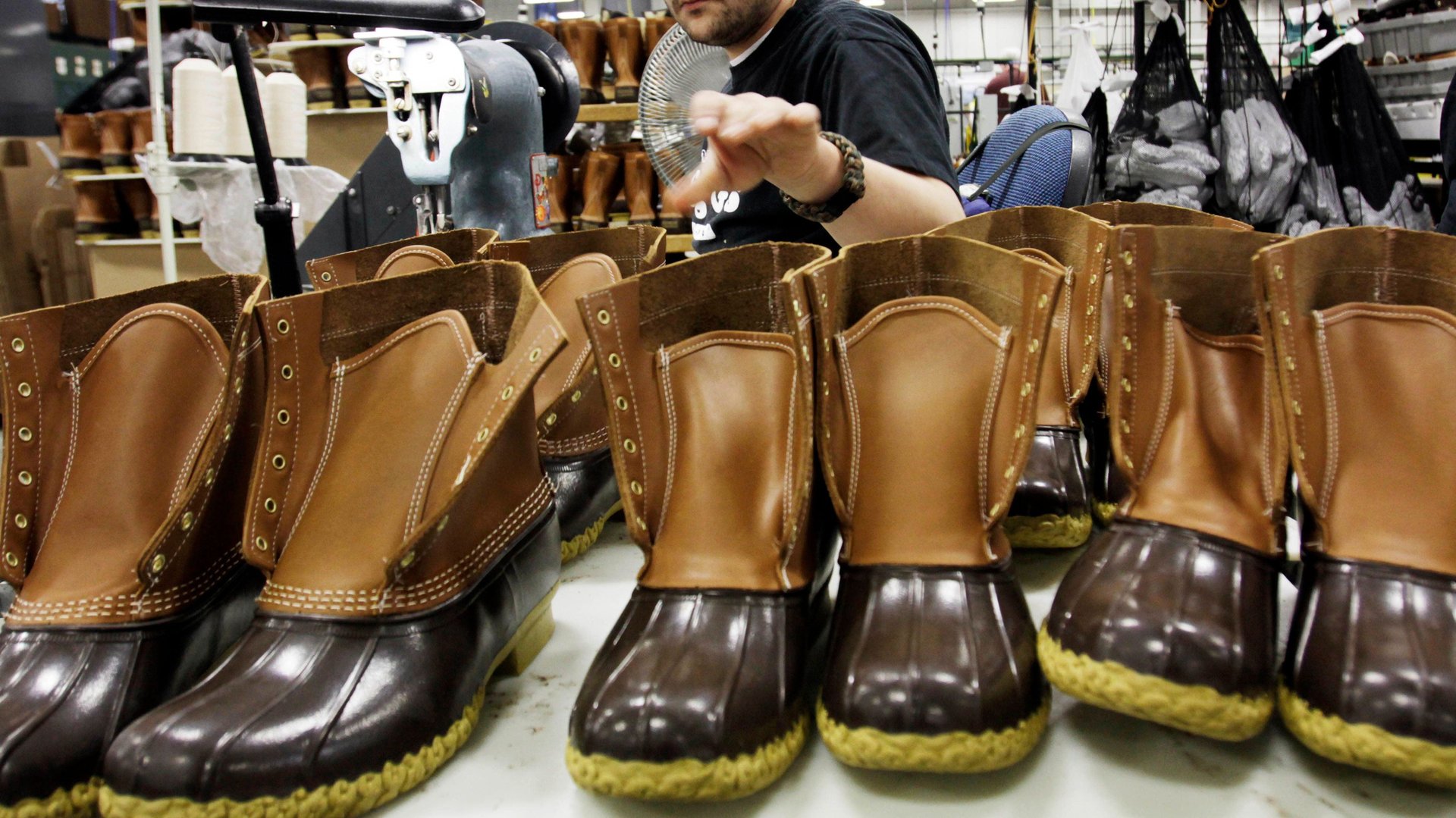
One of the keys to staying warm, dry, and sane on wet winter days is a solid pair of waterproof boots that can keep all the snow, sleet, rain, and any other precipitation away from your feet.

One of the keys to staying warm, dry, and sane on wet winter days is a solid pair of waterproof boots that can keep all the snow, sleet, rain, and any other precipitation away from your feet.

In a surprise announcement, outdoor retailer REI said that Jerry Stritzke, its president and CEO since 2013, is leaving the company.

Performance products have always been at the core of the Under Armour brand, ever since founder and CEO Kevin Plank launched the company from his grandmother’s basement with sweat-wicking undershirts for football players.

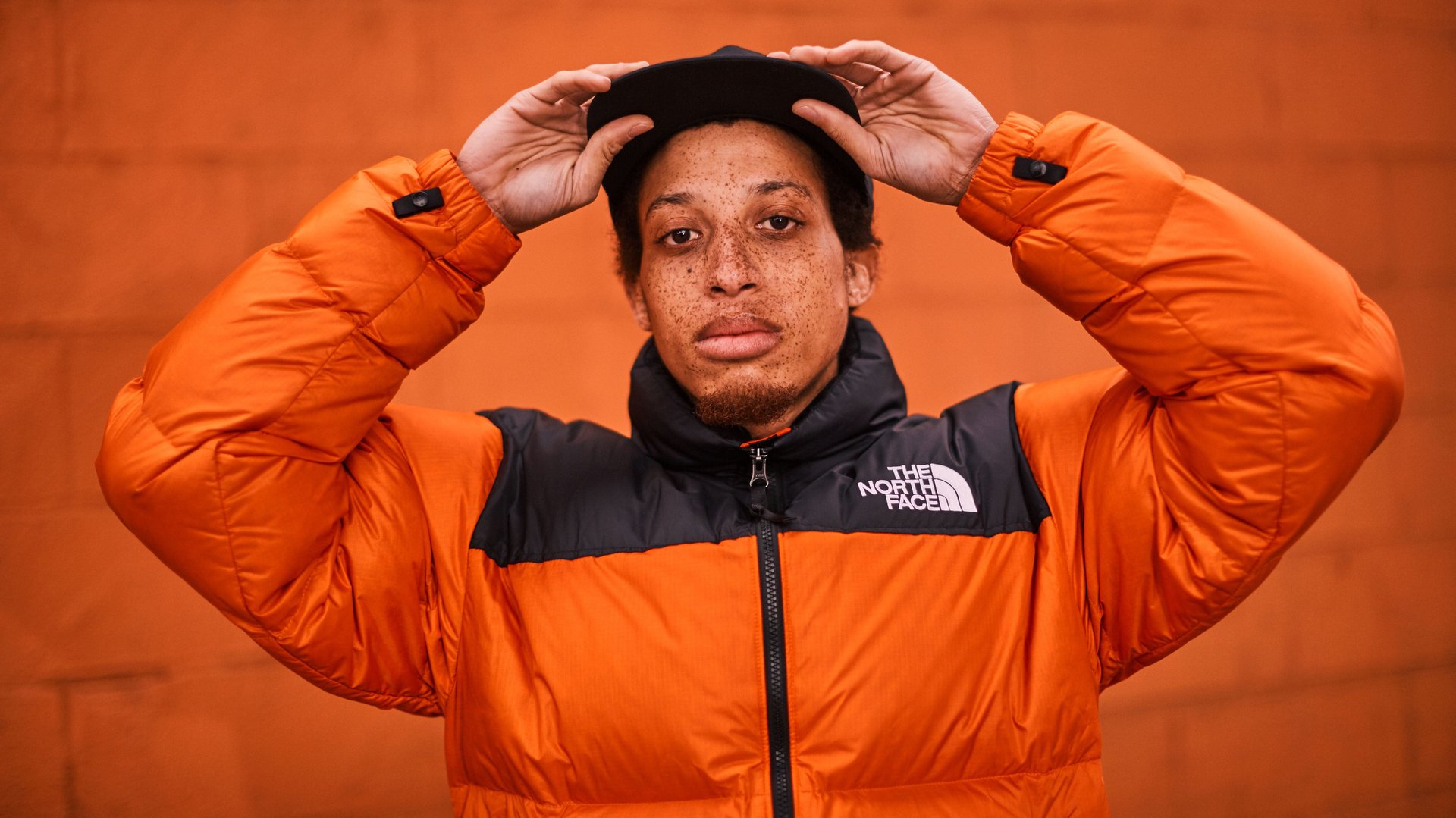
When The North Face introduced the Nuptse jacket in 1992, its goal was to offer high-performance outerwear for serious mountain climbers. It came out of a research trip where designers were studying what climbers needed in an expedition layering system. They chose down for insulation to keep the jacket light, warm, and easy to pack, and introduced an innovative baffle construction that held the feathers in horizontal bands to keep them from shifting. The length was kept short, hitting at the waist, so climbers could easily get to their harnesses. The name itself, Tibetan for “West Peak,” refers to a mountain in the Himalayas near Everest.

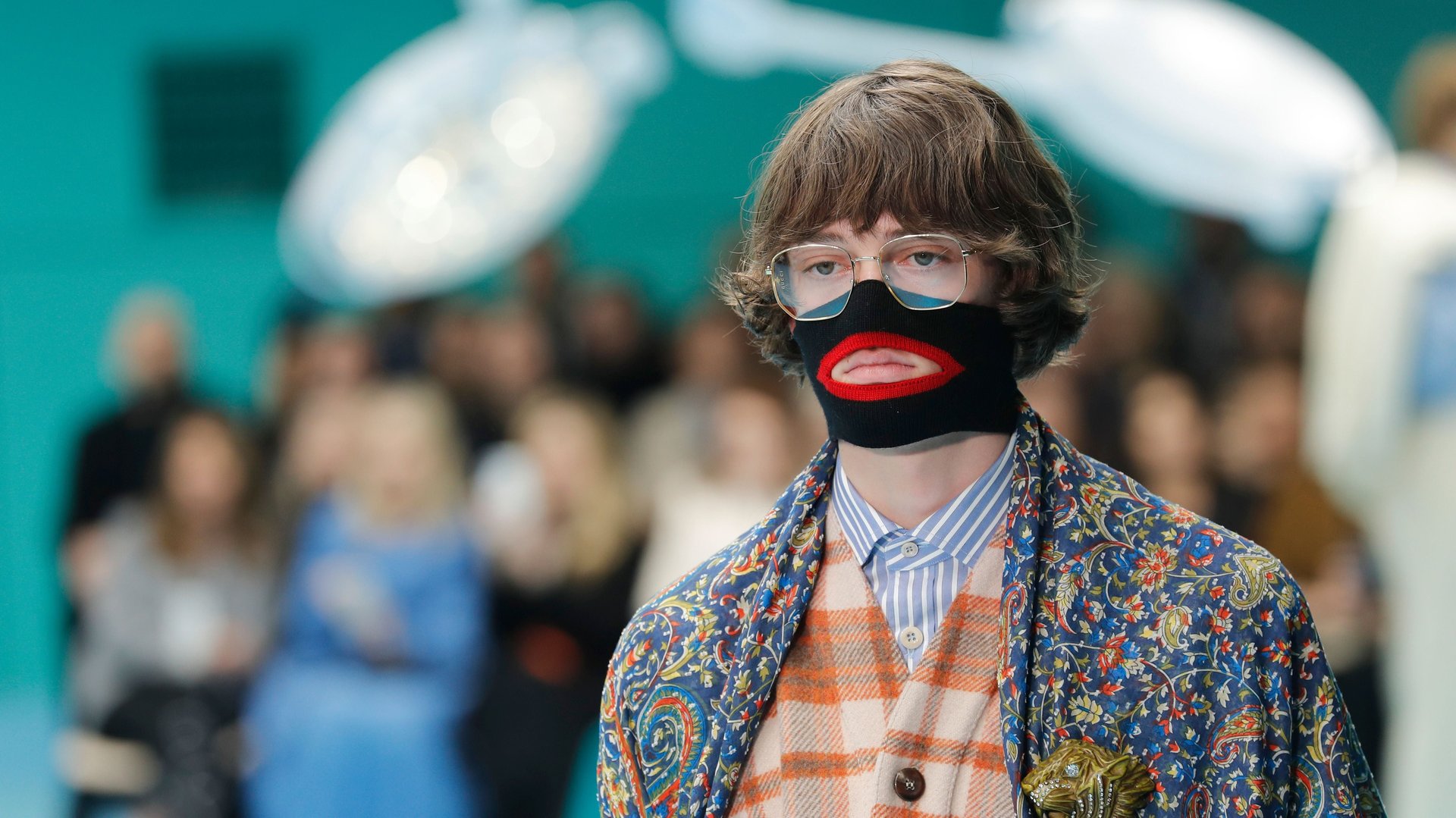
Gucci is apologizing for a sweater with an attached face mask that blatantly recalls blackface. It’s yet another misstep by a fashion brand that echoes racist tropes.

High-profile fashion and sneaker collaborations don’t always generate a substantial amount of direct sales for large brands. Usually they’re released in limited numbers, so while they whip shoppers into a frenzy and sell out fast, they may not have enough volume to make a difference in the bottom line. They can be more valuable for generating Instagram likes than giant piles of cash.

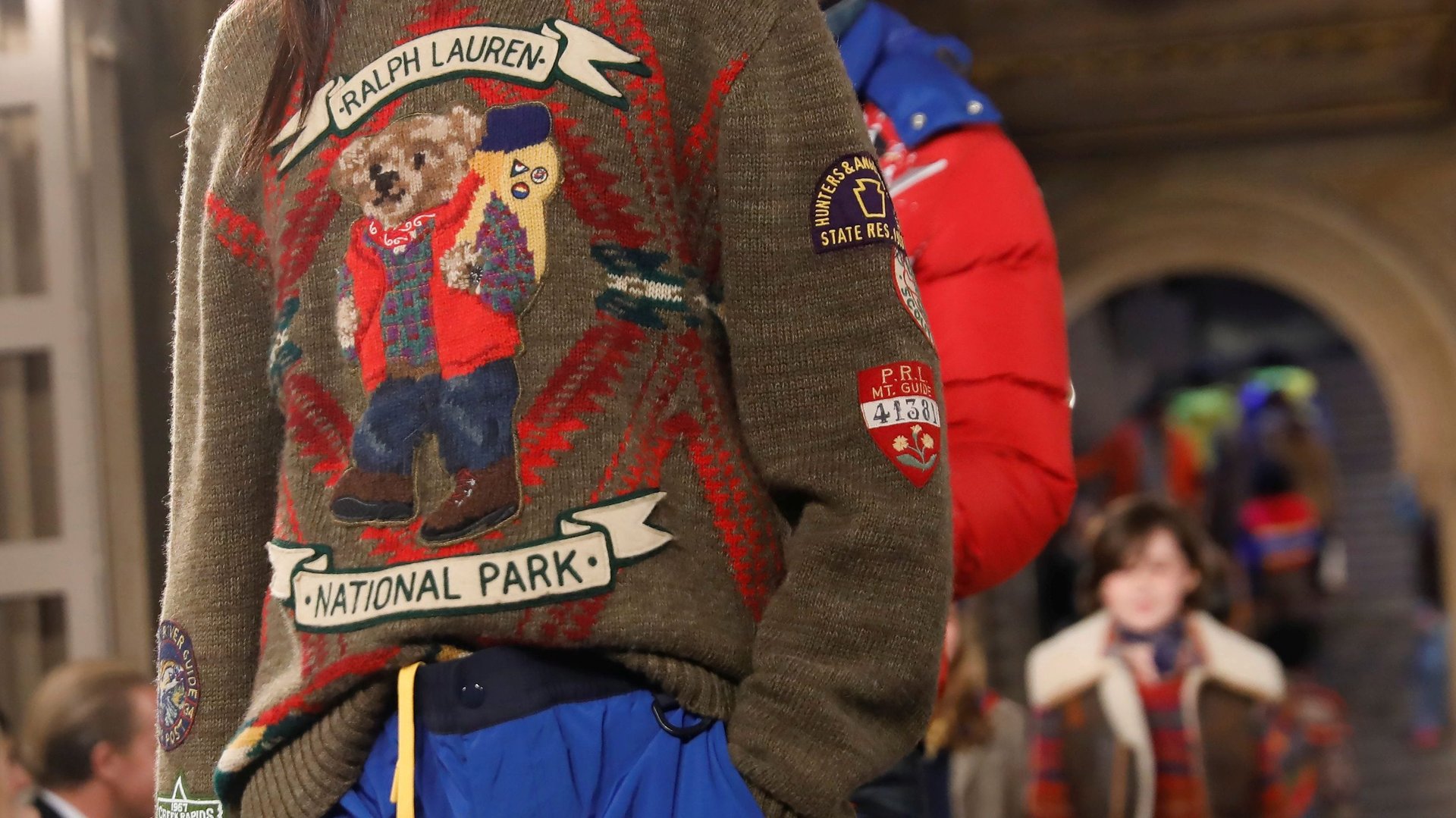
Ralph Lauren launched a collaboration in November with UK skate brand Palace that included items such as a $475 sweater featuring the Polo bear doing a heel flip. It had streetwear fanatics drooling.

Amazon’s third-party marketplace is chock-full of independent sellers hawking everything from Korean face masks to out-of-print books and moon boots. From a business perspective, the system works great for the e-commerce giant: Amazon gets to sit back and collect fees from those sellers, whose sales on the platform continue to grow. In 2017, for the first time, more than half the products sold on Amazon came from those marketplace listings, rather than from Amazon itself.

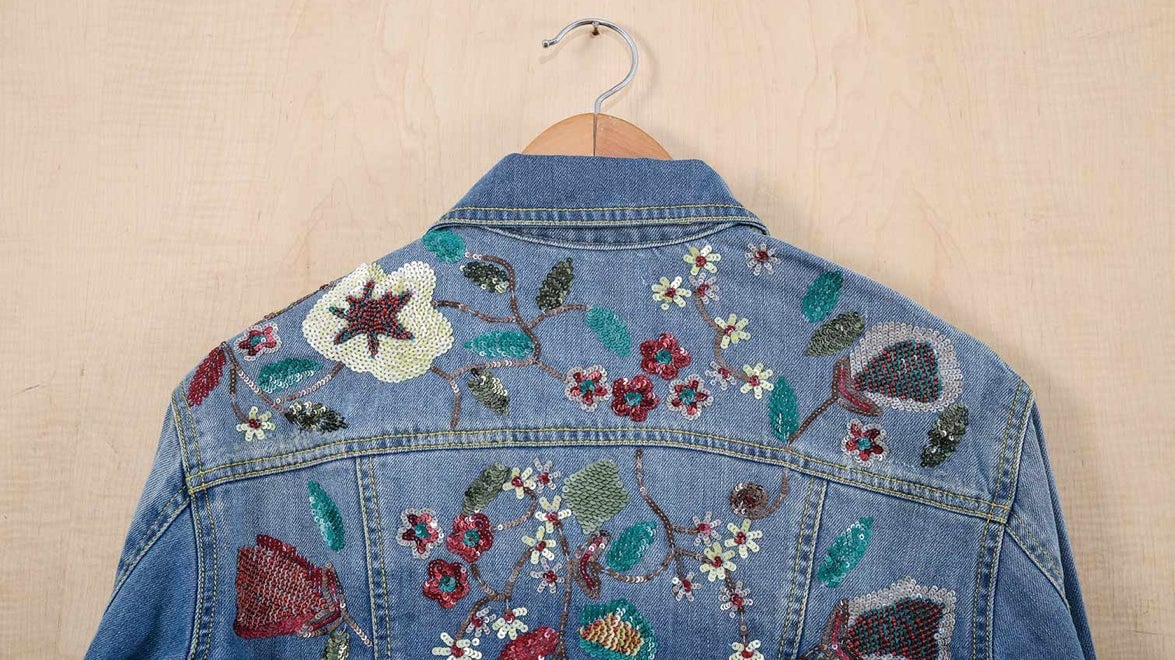
For little more than pennies per hour, in homes across India, some of the country’s most vulnerable women and girls do tasks such as embroidery, beading, and lacework, making fringes or tassels, snipping threads, and stitching button holes on garments for big international fashion brands. Many shoppers, however, probably don’t even realize these workers exist.

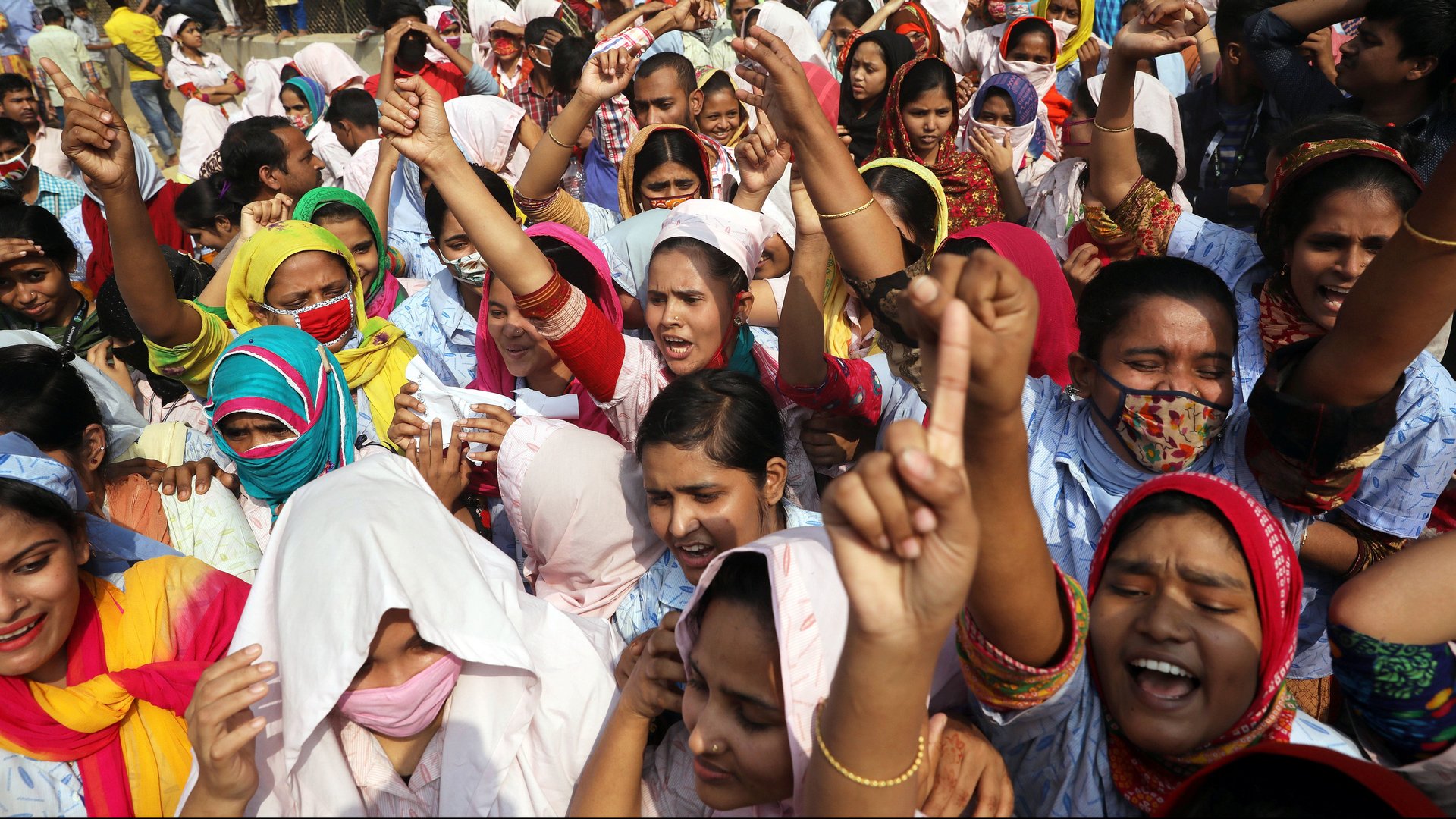
Bangladesh’s giant garment industry, which supplies a number of brands including H&M, Walmart, Gap, and others, is notorious for its low wages. But for countless workers who rely on those jobs to survive—even with the low wages—it has been a lifeline.

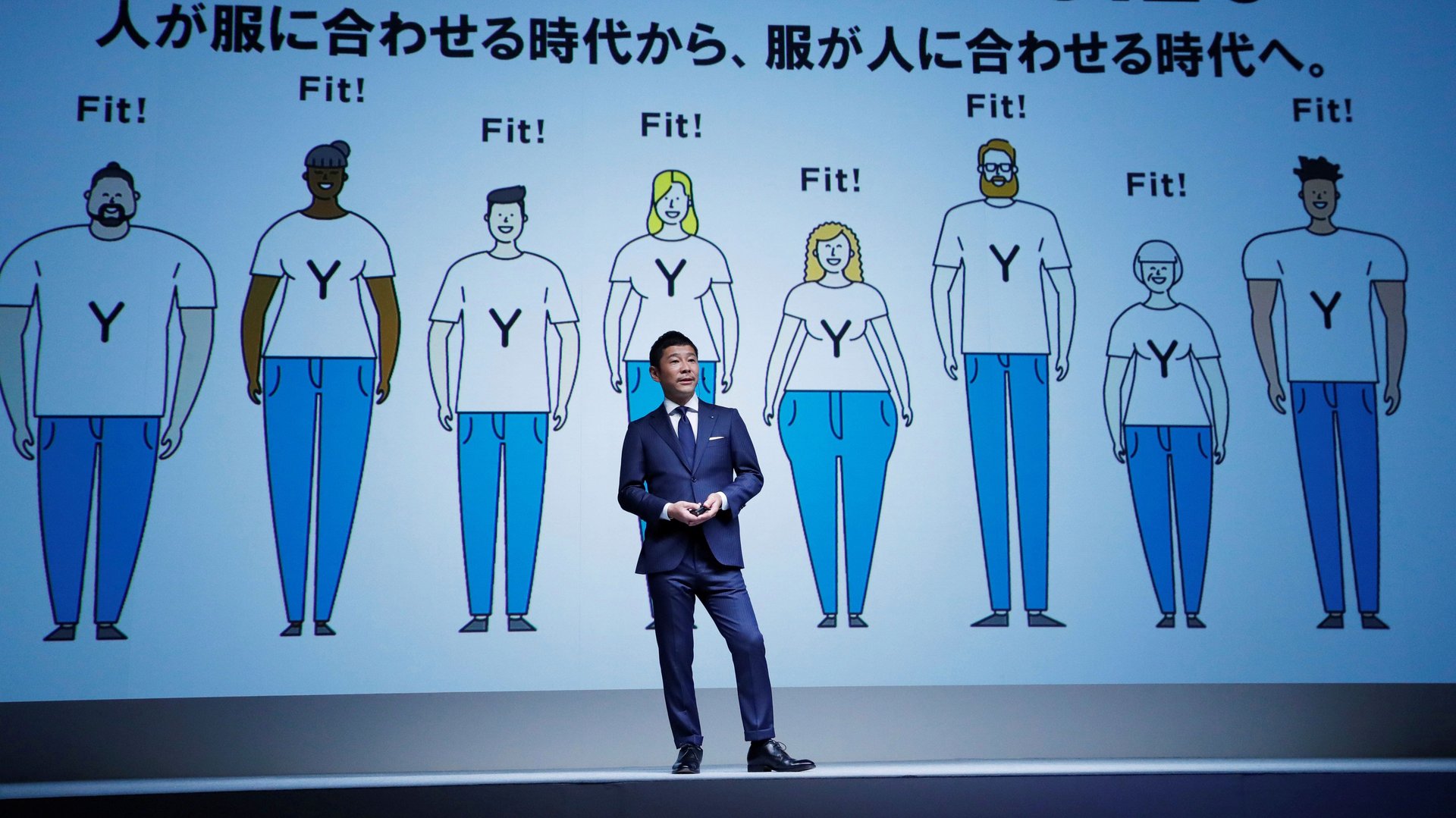
The Zozosuit, a skintight black bodysuit covered in white dots, was supposed to be Zozo Inc.’s way of revolutionizing the clothing business. Instead, it’s turning out to be a very costly misstep for Japan’s largest fashion e-commerce player.

Thin, white, young, stereotypically “feminine” or “masculine”—those are some of the characteristics that traditionally defined who the fashion industry prioritized.

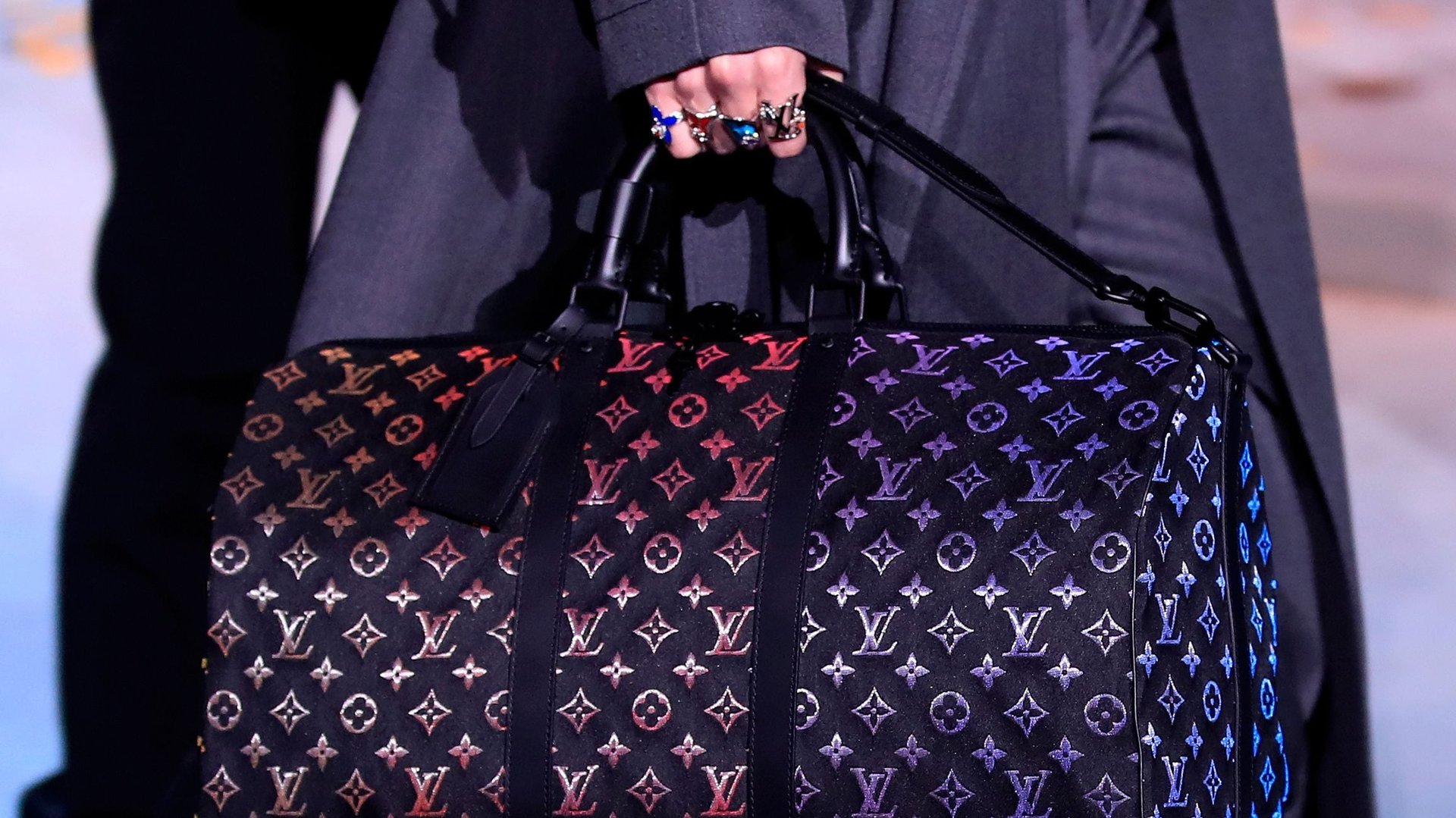
As Apple, Caterpillar, Nvidia, and many other companies wring their hands about the economic slowdown in China, LVMH is popping a bottle of Moët.

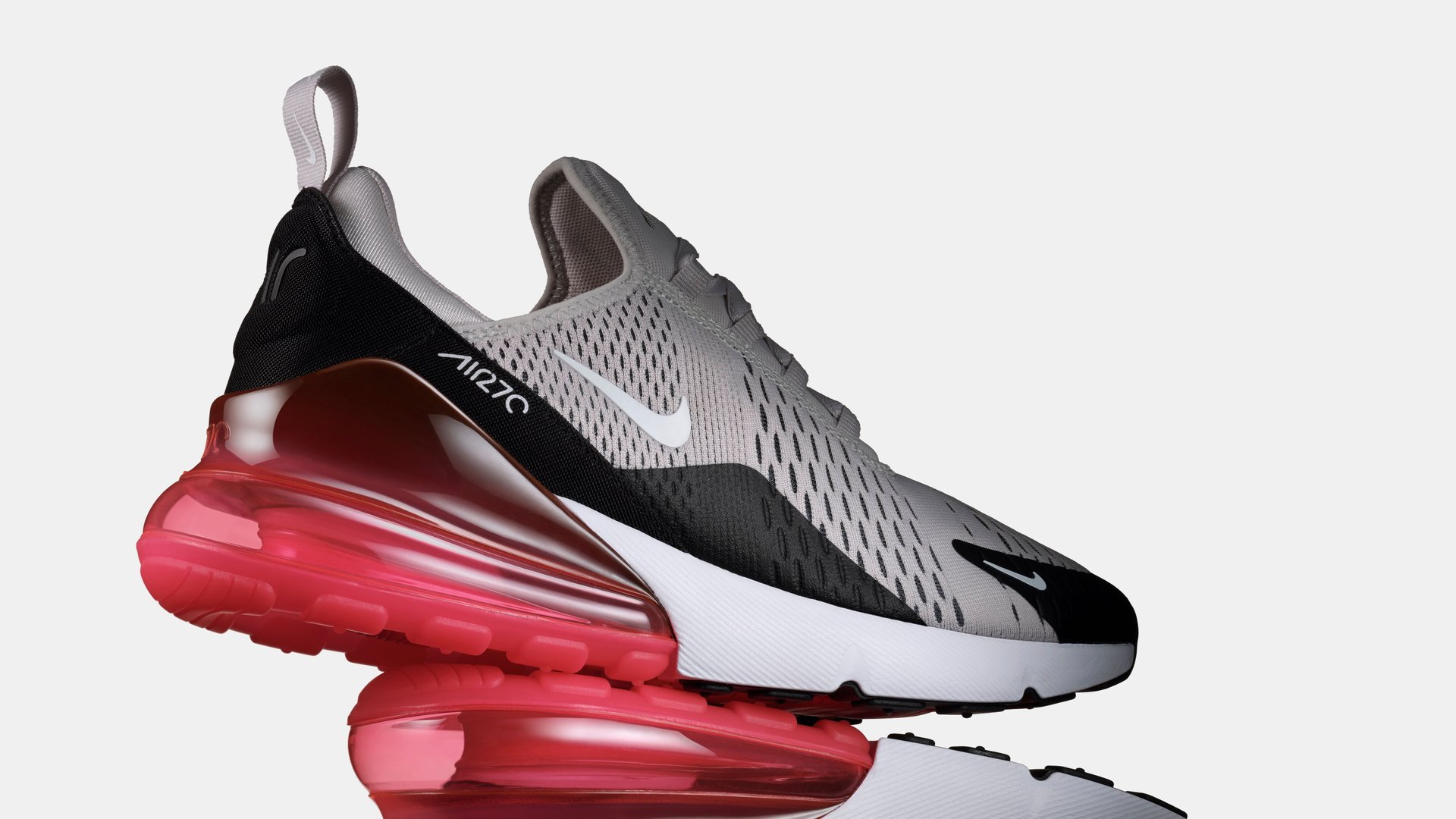
Since it debuted in early 2018, Nike’s Air Max 270 sneaker has been a hit. By June, the company was pointing to the sneaker as one of the styles helping its turnaround in the US, and Nike has since continued putting out new color combinations. A huge number are now in the marketplace worldwide.

Synthetic spider silk has been something of a holy grail in textile research for more than a decade. After recent advances in biotechnology finally made it feasible to create it at scale, a few companies have been working hard to do so. Now it’s starting to trickle into products that consumers can actually buy.

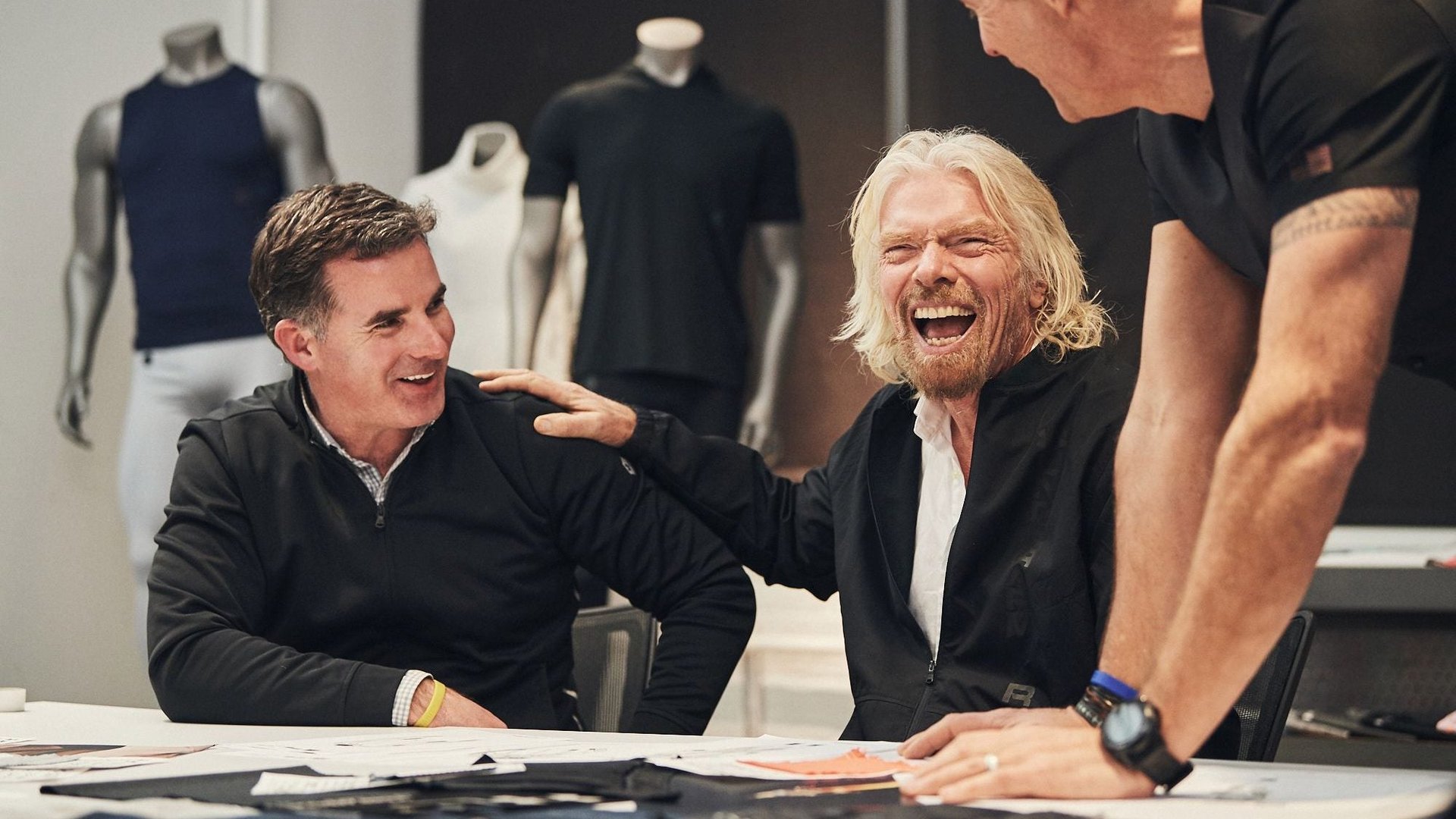
Under Armour is seeking clientele beyond athletics—even beyond Earth.

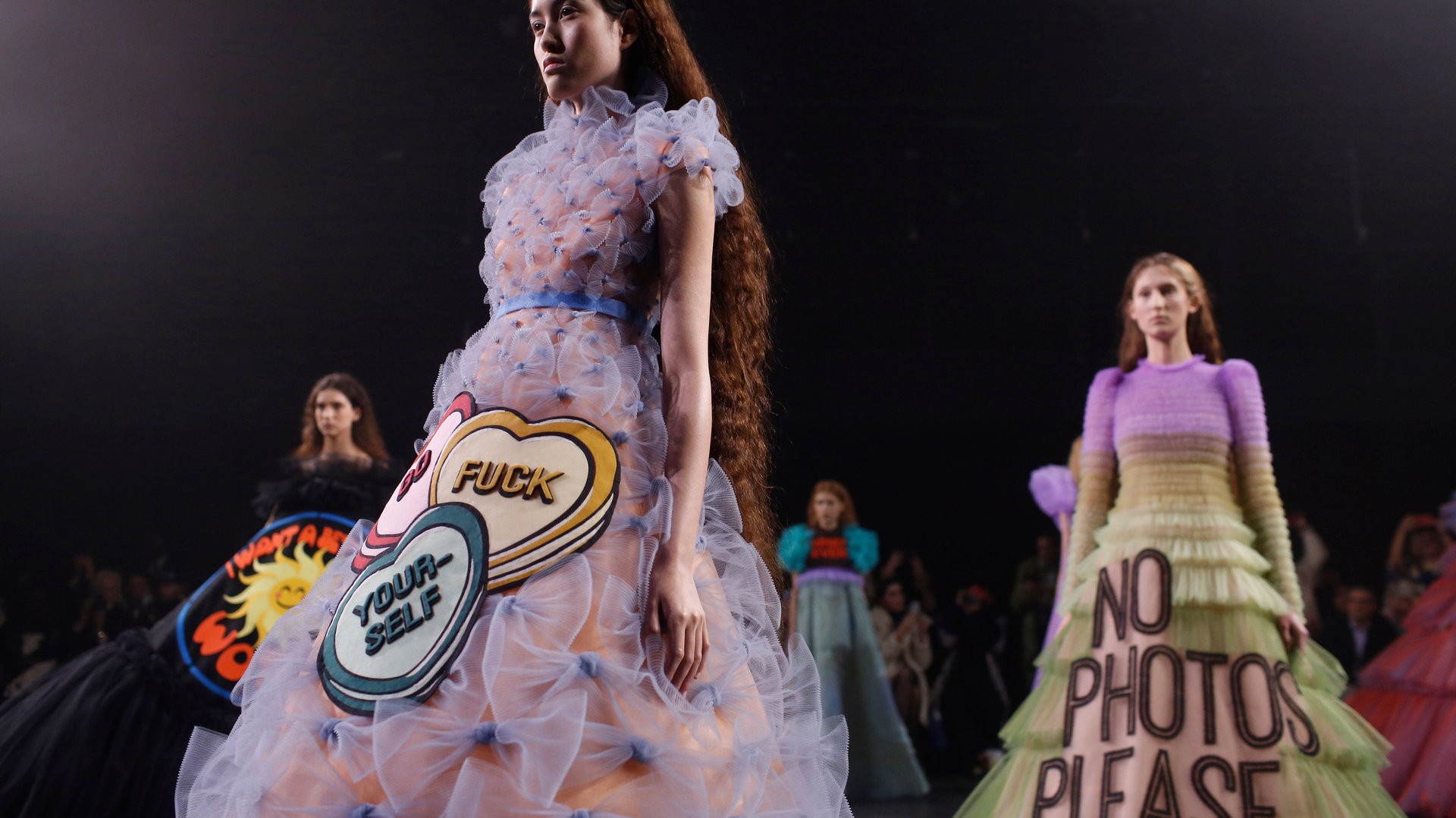
One particular show from Paris haute couture week is currently drawing an unusual amount of attention on Twitter. Even people outside the fashion industry are sharing photos of the collection. But it’s not the breathtaking grandeur from Valentino they’re on about, or the otherworldly beauty dreamed up by Iris van Herpen, or the chaotic exuberance John Galliano sent down the runway at Maison Margiela.

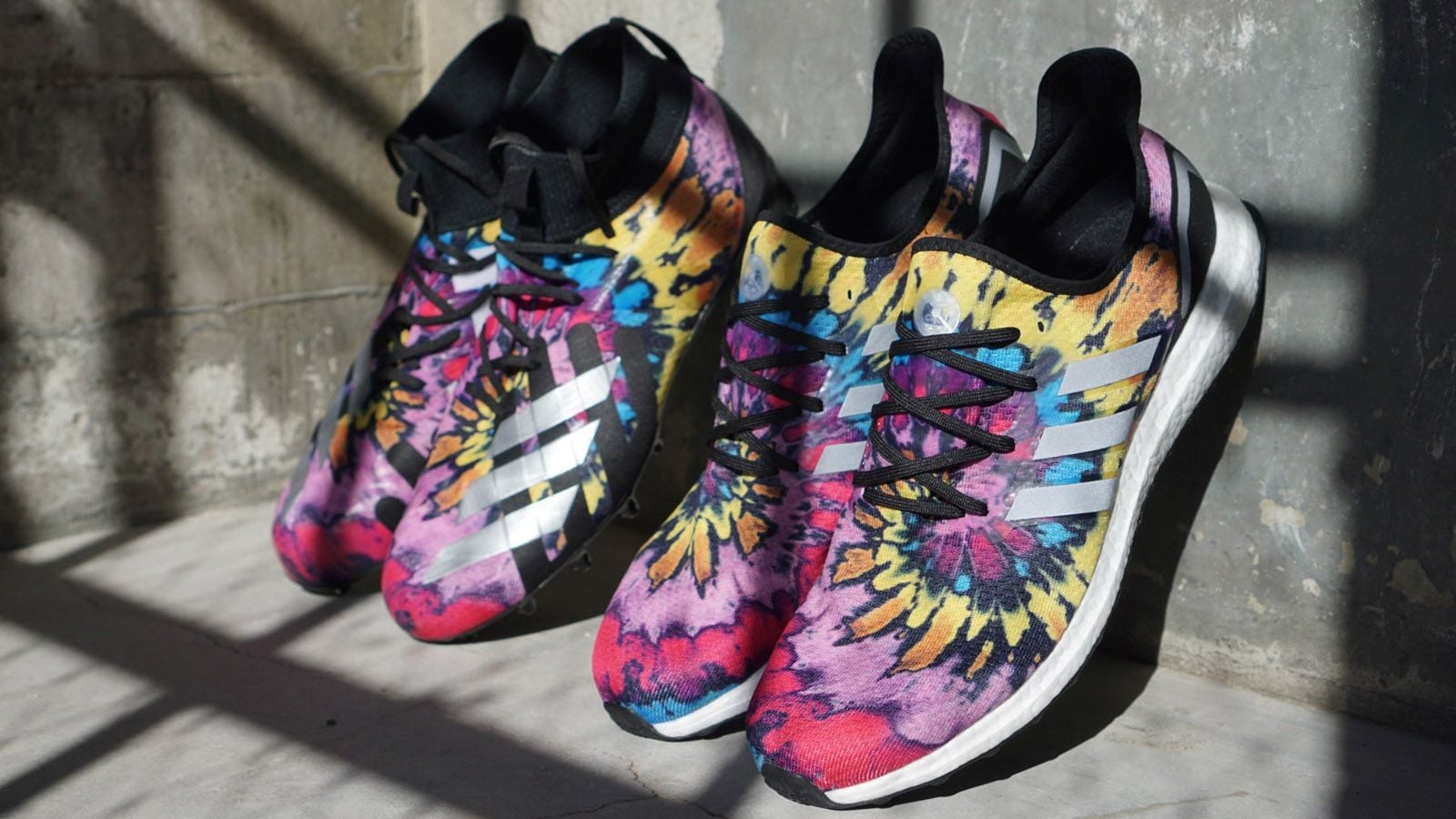
Adidas is enlisting some new partners in its ongoing effort to upend the economics of sneaker production with its automated, super-fast “Speedfactories” in the US and Germany.

For at least a year, a growing chorus of financial analysts and CFOs has predicted that a recession is going to hit the US sooner than later—perhaps even by the end of 2019.

Fashion is in many ways a technical business. It requires careful consideration of how flat pieces of fabric, cut into assorted shapes, can form into three-dimensional clothes, how colors and prints mix, and how all of these elements interact on the body.

Singer and general mega-star Rihanna is said to be readying her own luxury label with LVMH, the world’s largest luxury group, WWD reports (paywall).

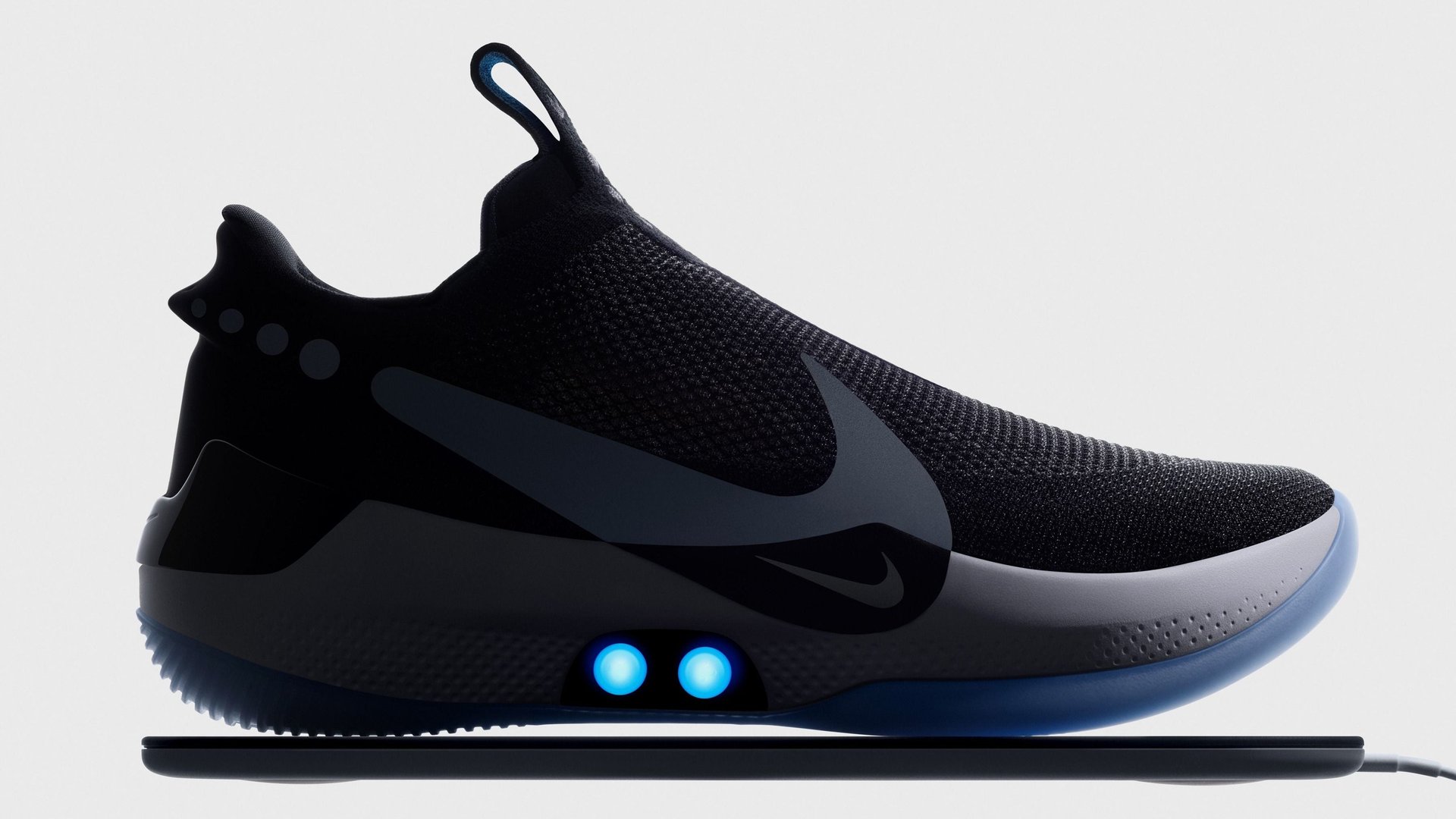
All around you could hear the motors going, a slight mechanical wheeze announcing the tightening or loosening of sneakers. It was constantly in the background at Nike’s unveiling of its newest innovation, the Nike Adapt BB, at its offices in New York today (Jan. 15).

All across America, malls and main streets are becoming littered with empty spaces, which suggests stores of all sorts are dying. The reality, though, is that certain types of stores have been thriving, even while big department-store chains and many kinds of independent shops have watched their fortunes fall.

In 2017, researchers at Yale University published a paper in the journal Cognition demonstrating that what people consider normal behavior appears to be a mix of what’s common and what they see as ideal. The finding suggested a significant consequence: