

Business News
It’s San Francisco vs. New York—and San Francisco is winningSan Francisco-based Twitter’s hitch-free IPO seemed to to cement it.
Updated July 21, 20222 min read
San Francisco-based Twitter’s hitch-free IPO seemed to to cement it.

The direction is right. But the pace is still sluggish.
The numbers: Pretty good. While sales slipped 2.6% due largely to currency effects, the German consumer products giant said its adjusted measure of organic sales growth was up 4.2%. Operating earnings—excluding one-time events and restructuring costs—were up 6.5%, beating analyst expectations.
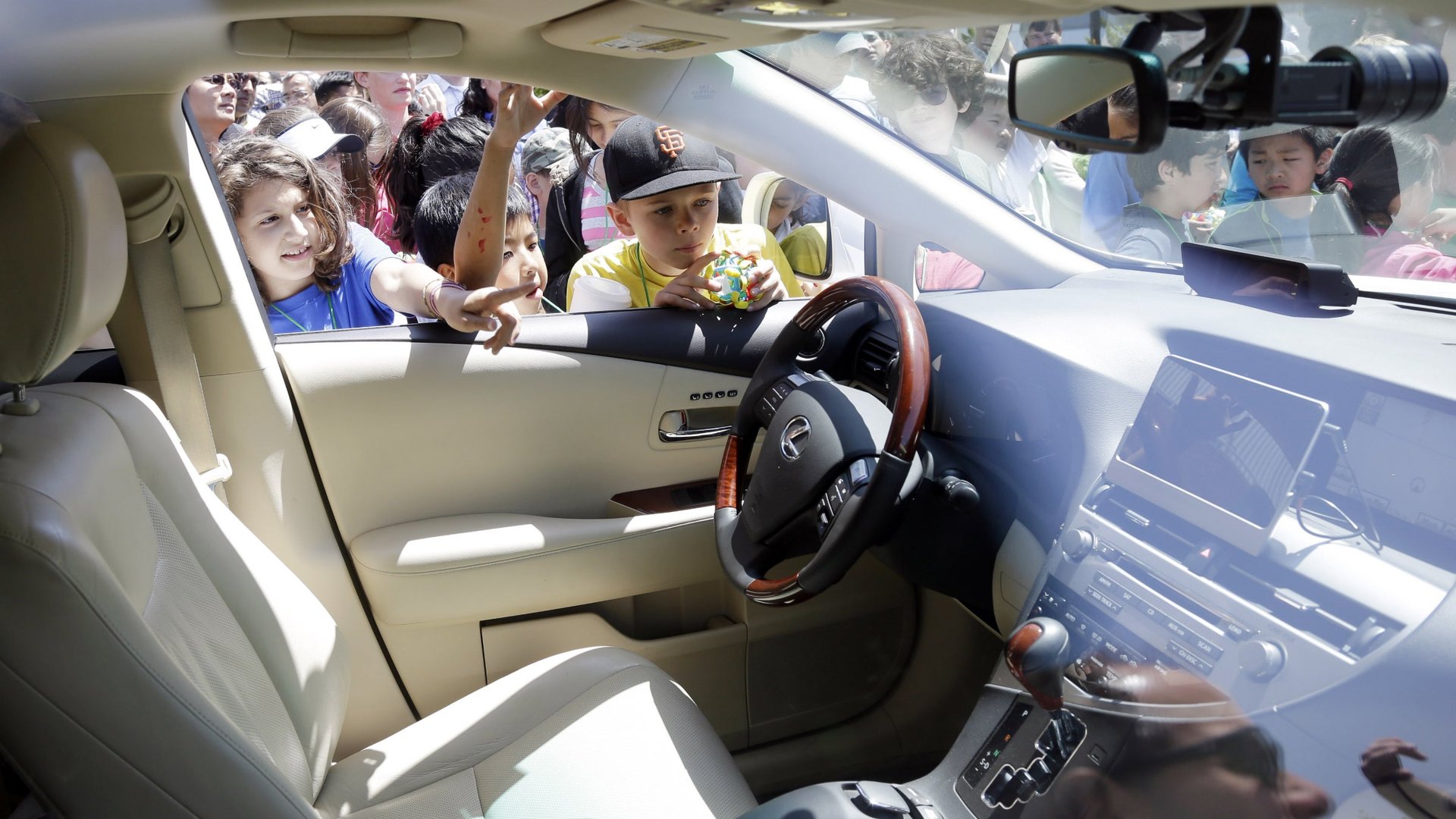
There’s a lot of blue-sky thinking going on about the rise of robot cars. And the advent of such vehicles might not be as far off as you think. Major auto executives claim cars that can handle most of the driving themselves could be available by the end of the decade (paywall).

For all intents and purposes, the US has kicked its credit card addiction. At least for now.
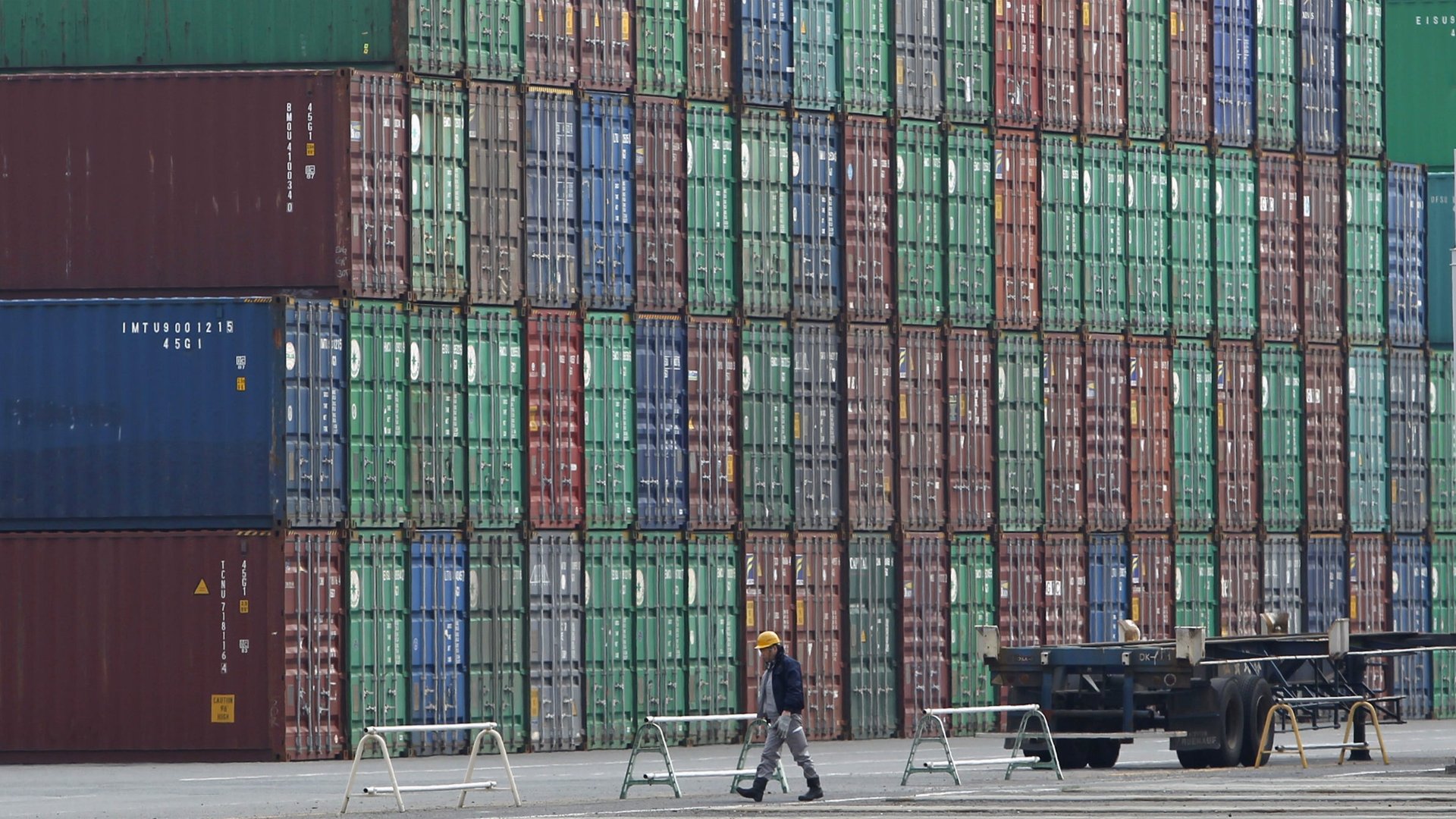
If Japan is going to manage its national debt of more than a quadrillion yen, it really needs to run a current-account surplus. (The current account is the broadest measure of the balance of what the country buys from abroad and sells to foreigners, encompassing not only shipments of goods but financial payments. And for a, slow-growth, export-oriented economy like Japan, a current account surplus remains a key to convincing the markets that the nation will be able to bring in the foreign currency it needs to pay off bondholders.)
Boom. Good US job numbers for October. Here are some of the details—troubling, heartening or somewhere in the middle.
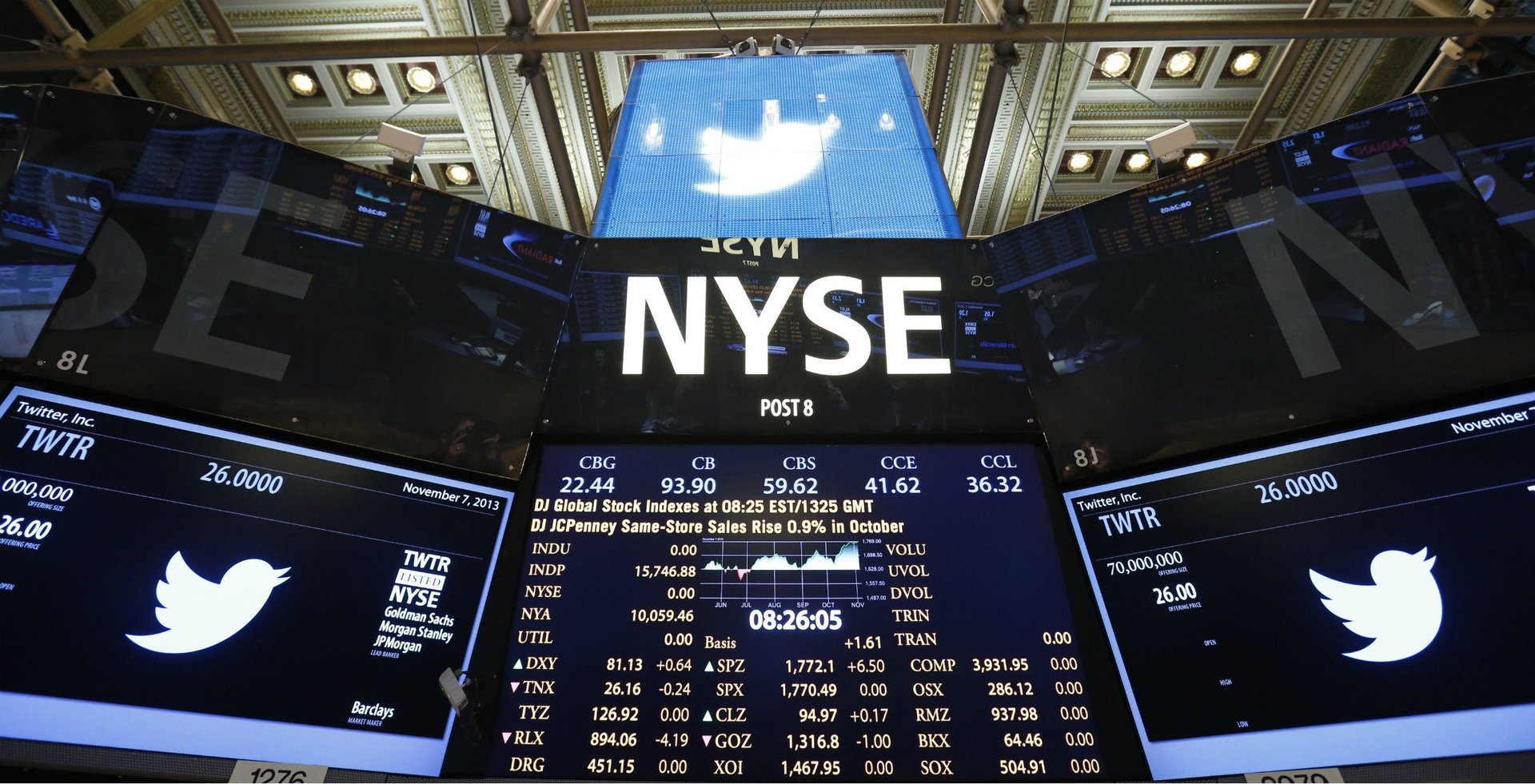
Sure, Twitter’s IPO was fun. Guys in funny jackets were shouting. Captain Jean-Luc Picard rang a bell with some girl in a tutu. Twitter’s founders pretended not to hate each other. CEO Dick Costolo used so many buzzwords he ran out of breath. It was a carnival of capitalism.

Spain is biting the bullet and starting to recognize the staggering level of losses associated with its housing bust.
The world’s largest economy gained a little bit of momentum in the third quarter. The latest numbers show the United States economy expanded at a 2.8% annualized pace during the third quarter, slightly faster than the 2.5% pace in Q2.

This article has been corrected.
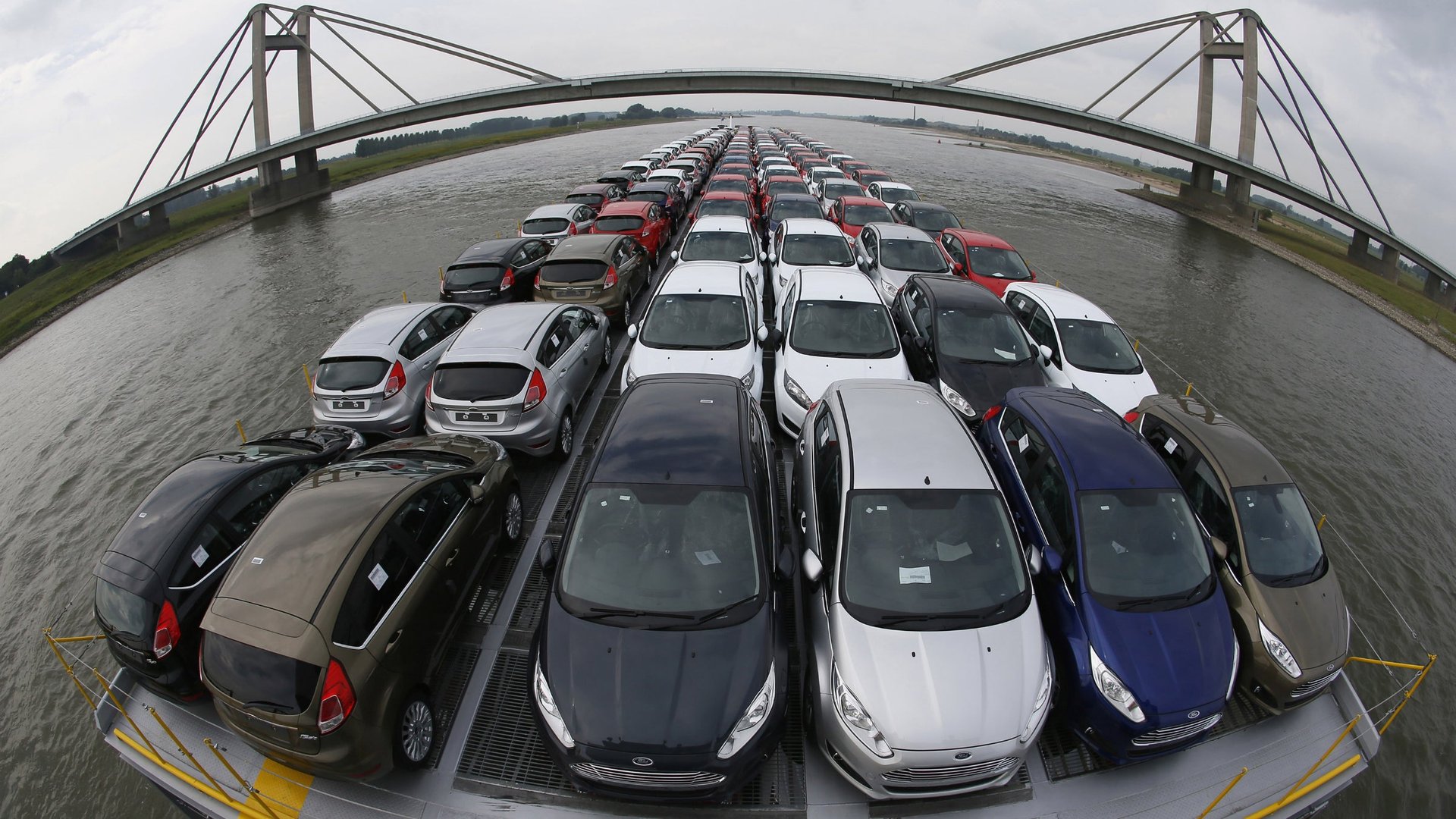
Germany’s economic model has been getting rotten tomatoes thrown at it from all angles lately. Late last month, an official US Treasury Department report criticized German unwillingness to boost domestic spending to support demand within Europe’s largest economy. When German officials protested, calling the criticism “incomprehensible,” they received a series of high-profile public lectures from some of the world’s top Keynesian pundits including Paul Krugman and Martin Wolf.

Twitter is set to go public this week, with its shares slated to start trading for the first time this morning (Nov. 6).
Economists are usually a lot more concerned about how an economy is doing than how the people in it are doing.

This article has been corrected.
Let’s just say it: There are a lot of different kinds of noses out there in this beautiful world of ours.
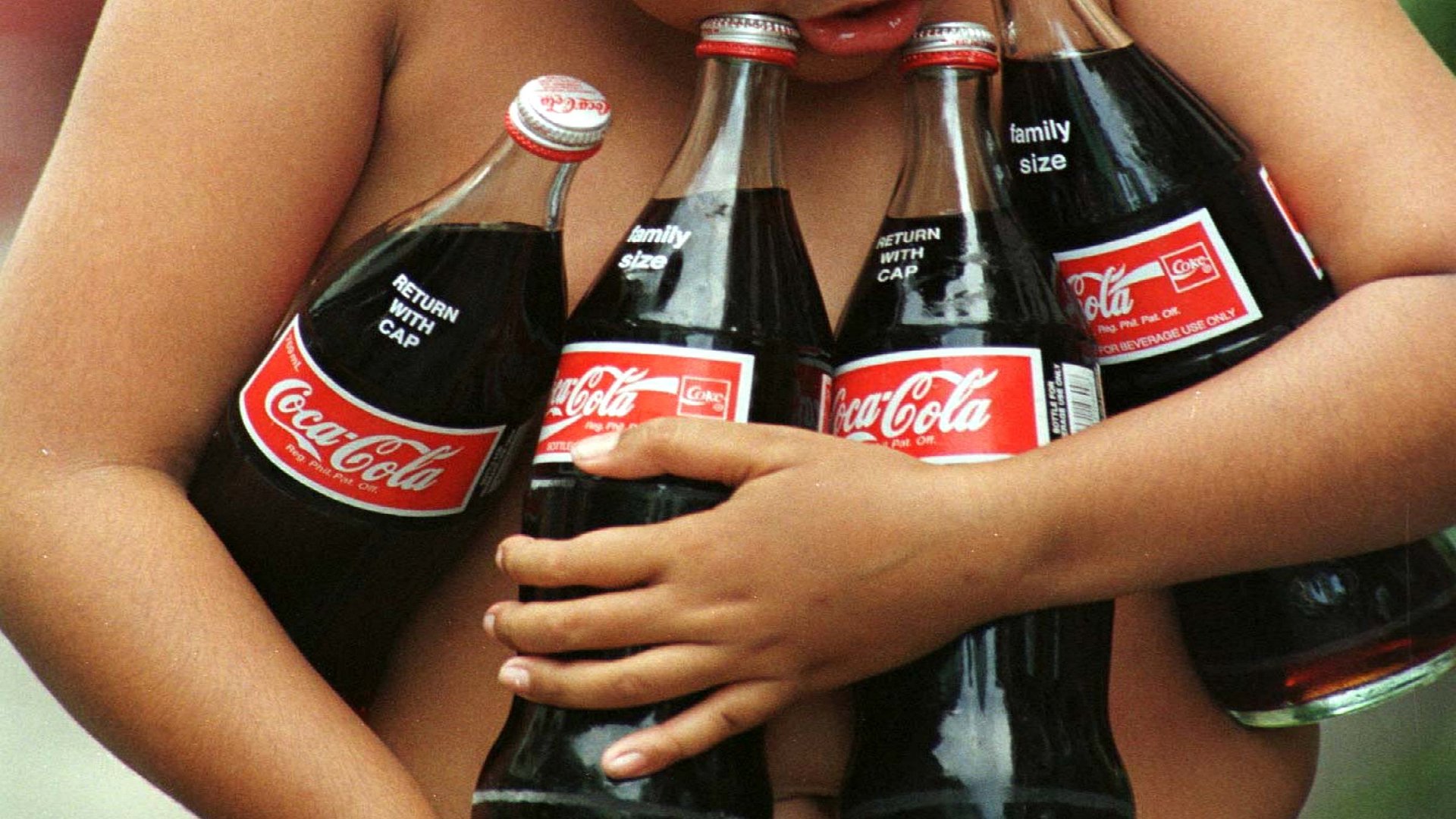
Mexico’s new soft drink tax could push the nation’s Coca-Cola makers away from the cane sugar that’s made “Mexicoke” a cult hit in the US.
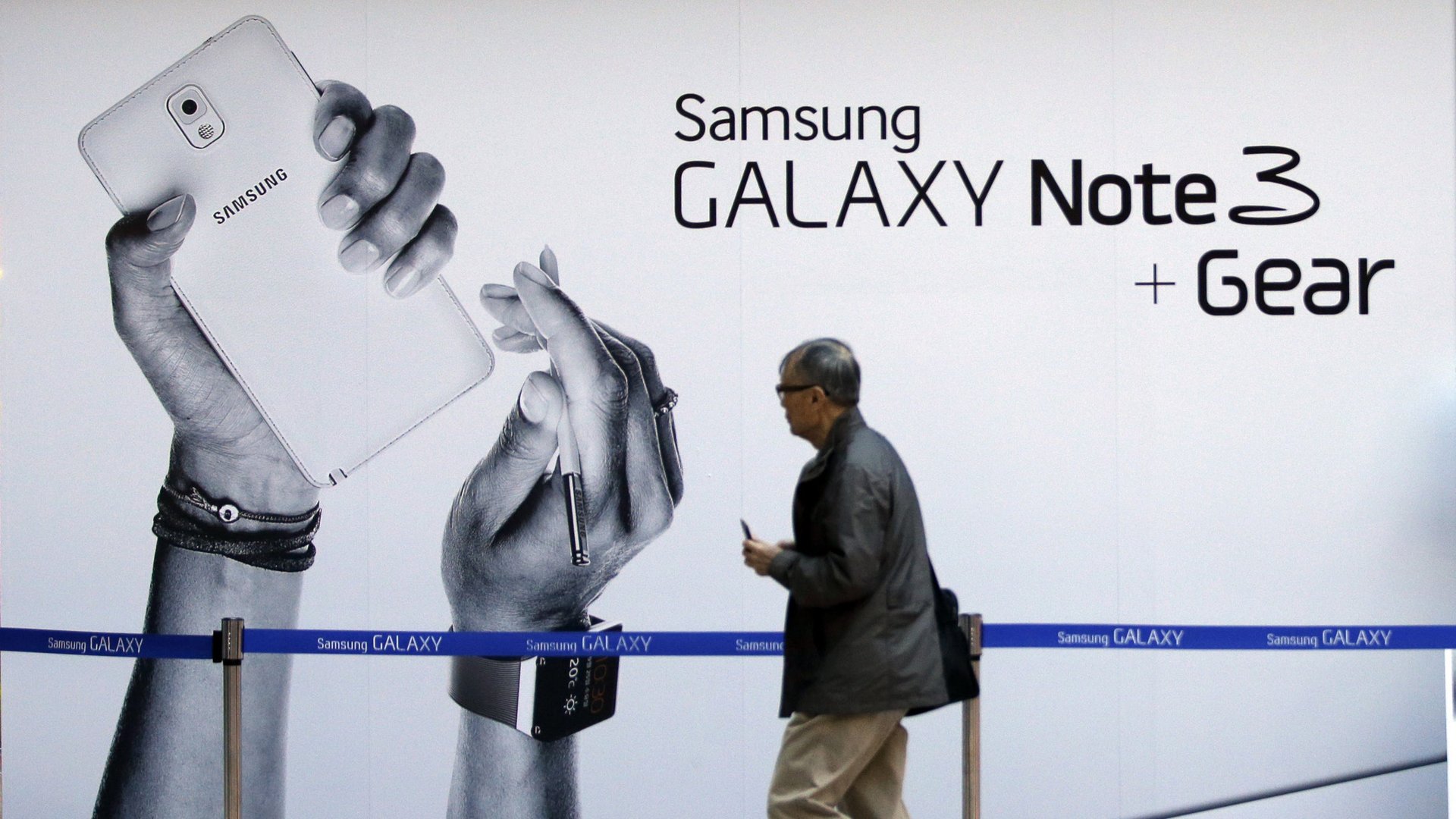
South Korean exports jumped a better-than-expected 7.3% in September, fresh data says. Mobile phone exports were a hot spot. They jumped 33% versus the prior year, thanks in part to Korean behemoth Samsung Electronics, which has been on a tear recently. (Though interestingly, Samsung’s growth has been centered in cheaper phones and semiconductors rather than the more expensive line of smartphones.) But it was clearly phones that drove the export numbers up. “Korea’s electronics industry received strong Christmas orders,” wrote Barclays analysts.
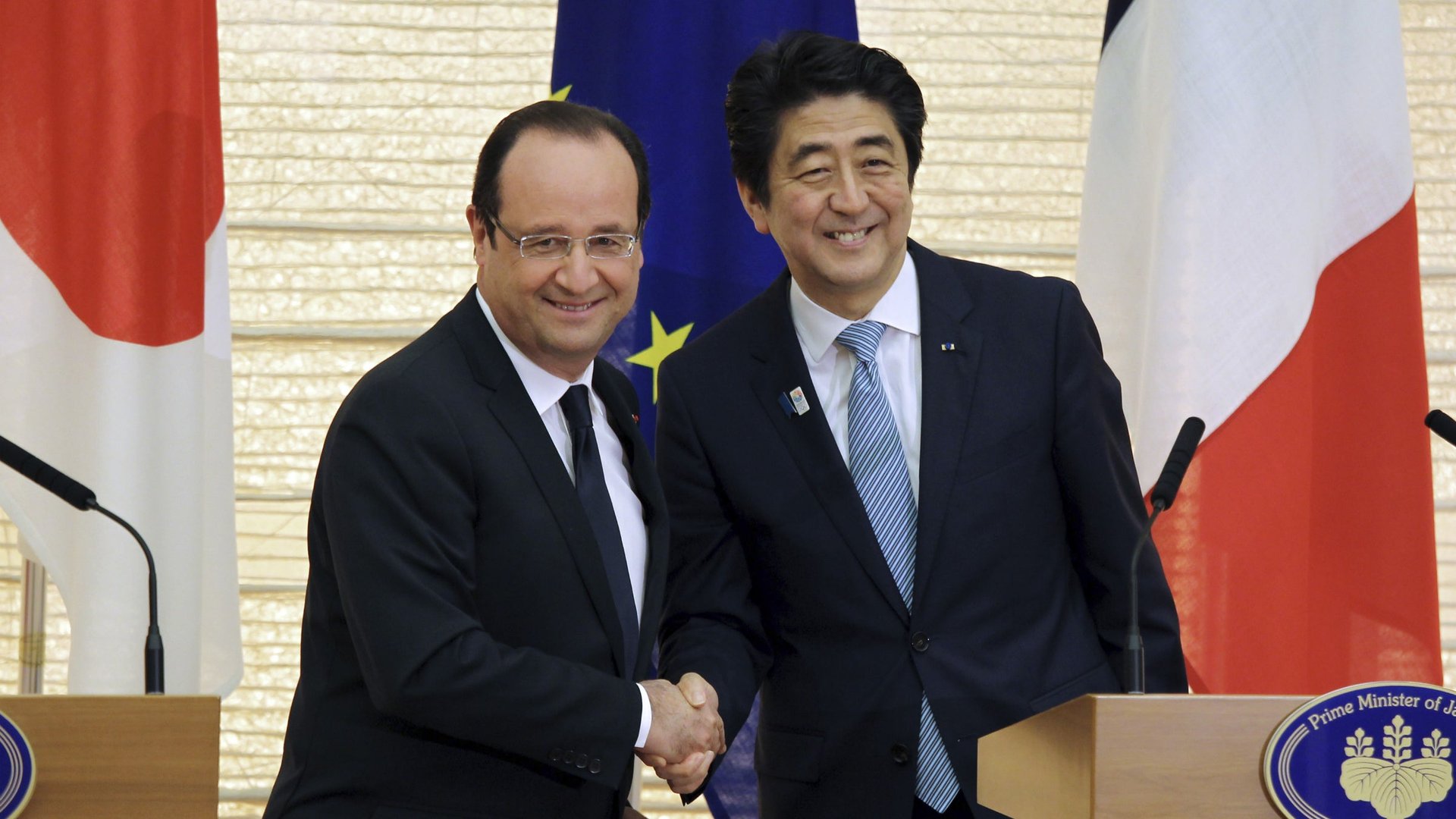
Since it suffered its own real estate boom, bust and financial crisis in the early 1990s, Japan has spent the better part of two decades clawing out of deflationary quicksand. (While deflation—a broad-based decline in price levels—might sound good to those struggling with high living costs, it’s a very bad thing for an advanced economy, acting as a persistent headwind against investment, consumption and growth.)

Don’t forget. The euro zone’s third-largest economy is still a mess. And we’re not just talking about the never-ending political volatility. Unemployment in September hit the highest level on record at 12.5%.
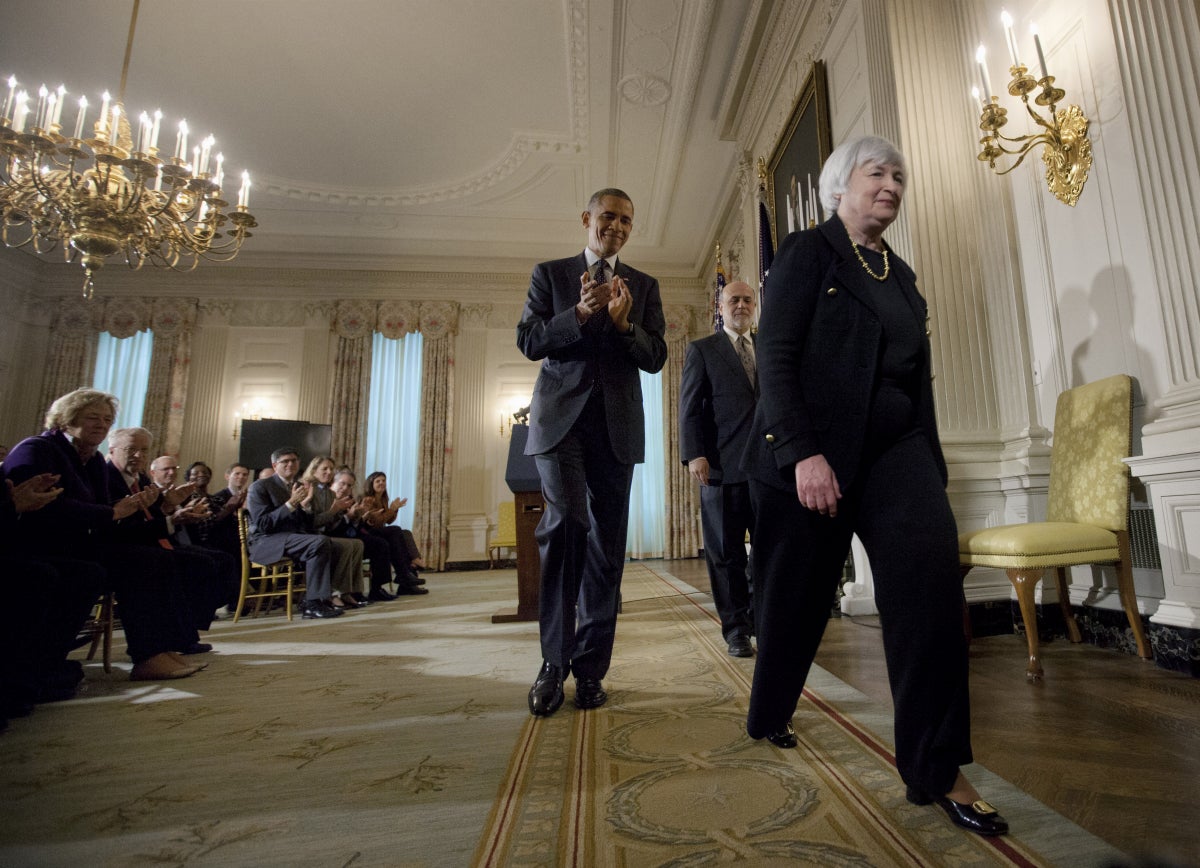
In the Full Employment and Balanced Growth Act of 1978, the US Congress gave the Federal Reserve two jobs, a dual mandate. The mighty central bank is supposed to 1) maximize employment and 2) keep prices stable. (Price stability essentially has come to mean ensuring a stable but relatively low level of inflation.)
The numbers. Investors looked past the one-time charges that dragged down the headline numbers, and the underlying business looked strong. If you want to be a stickler for accounting standards, third quarter profits actually dropped 53%, but after excluding about $900 million in what GM called one-time items, the company earned about 1.7 billion in the third quarter, better than Wall Street expected. Shares rose.

Let the slow clap begin.

The numbers: Not great. Net earnings fell 31% to $702 million. Total revenue fell 14% to $5.9 billion. It boosted its dividend by 5.7%. The stock slipped a bit after hours.