
Business News
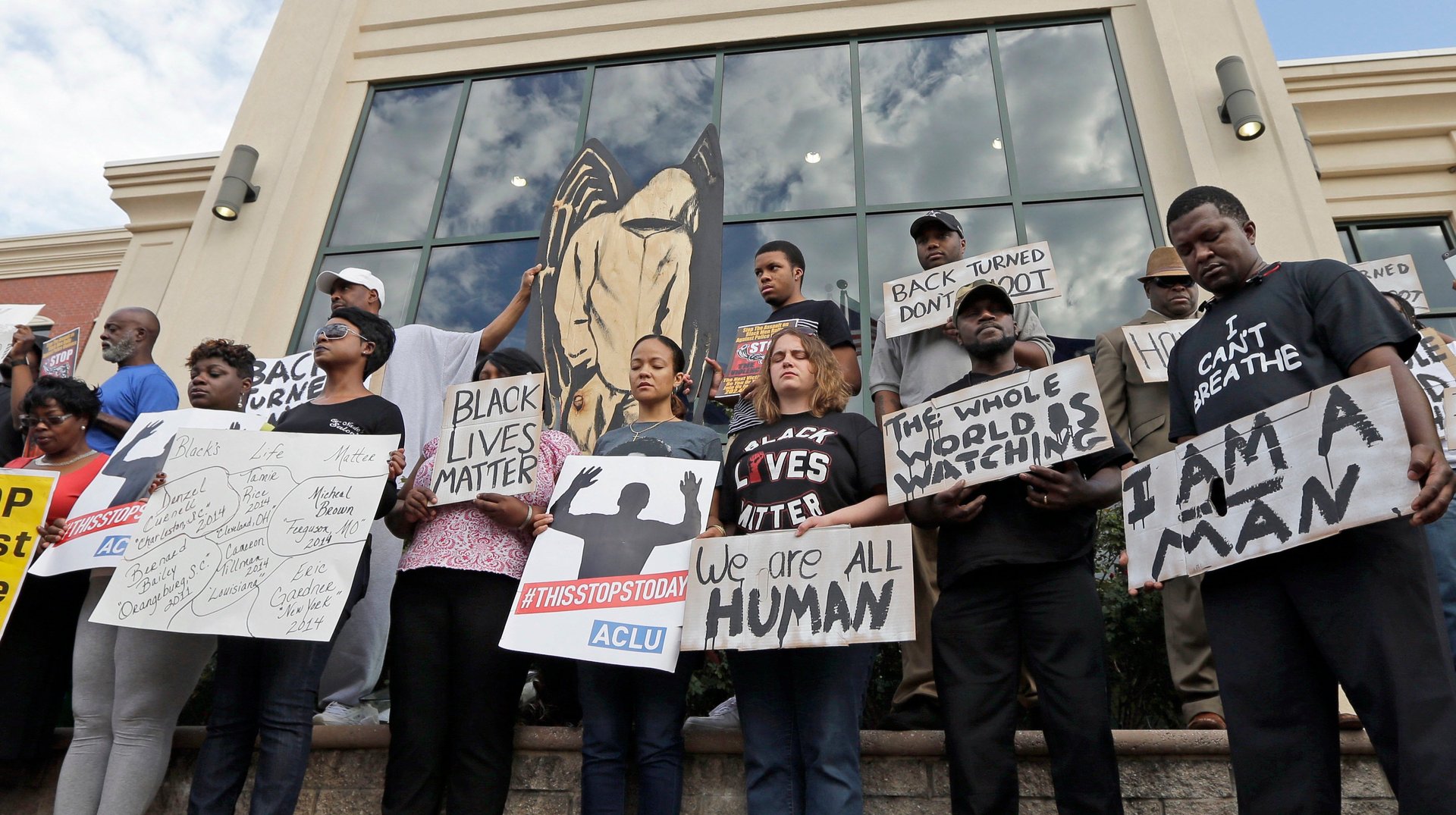
Take it from a black man from North Charleston: Your notion of home is as fragile as mineNorth Charleston, South Carolina, is first and foremost home.
Updated July 21, 20223 min read
North Charleston, South Carolina, is first and foremost home.

This post has been corrected.
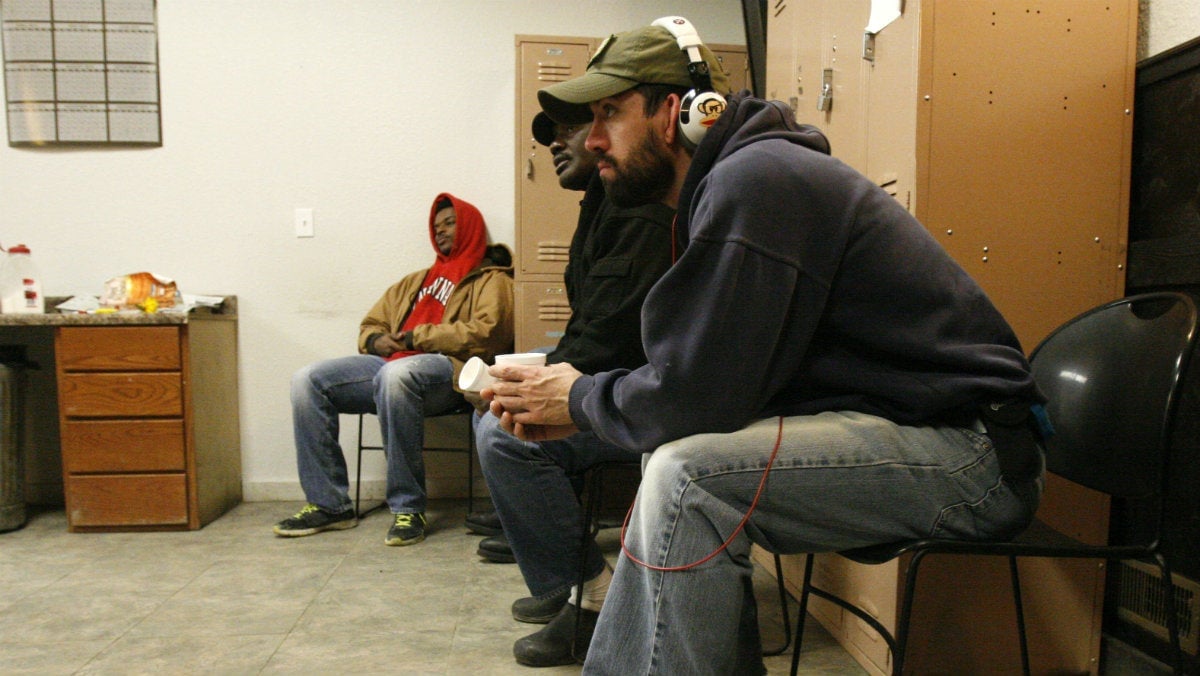
It’s becoming clearer just how bad things are getting in the oil industry.
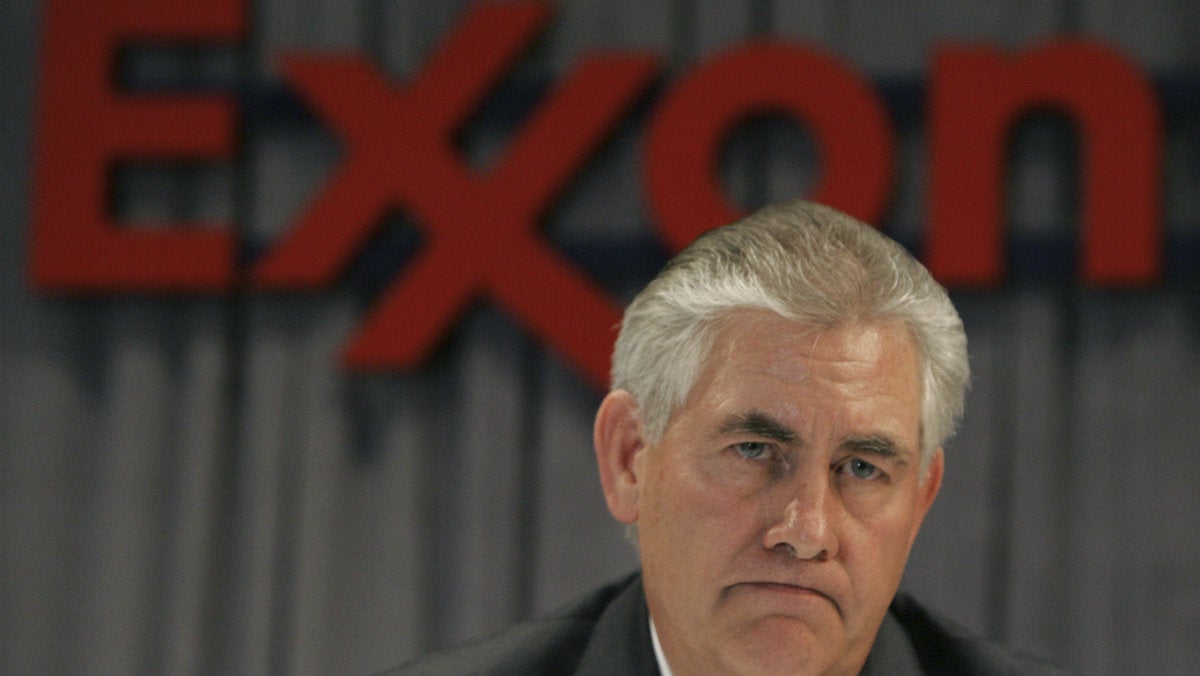
Consider it another effect of the oil bust: Google is bigger than Exxon Mobil.

Do-gooder companies do well for their investors.
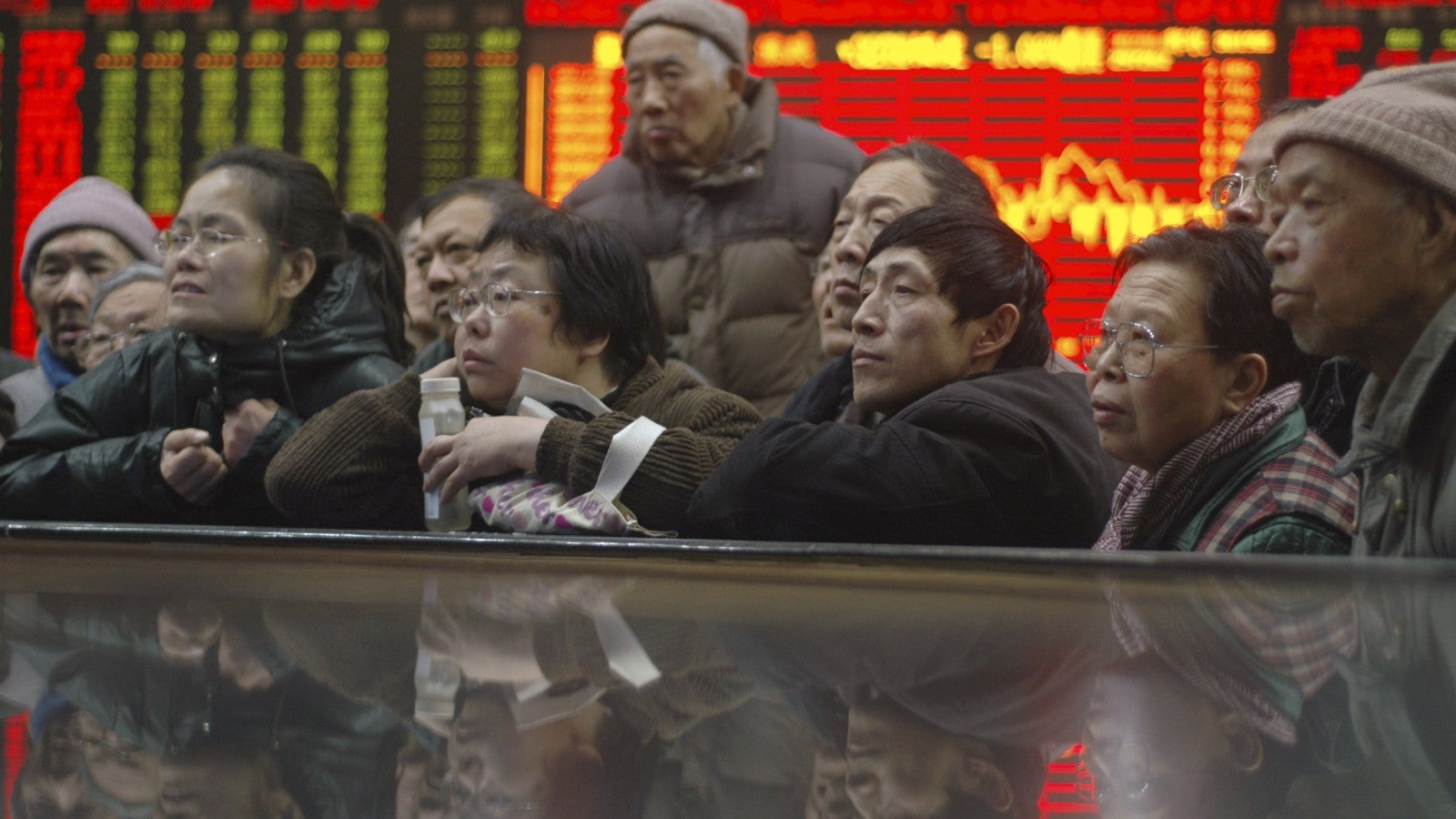
China’s stock market is on fire this year. It’s up more than 47% in just a few short months; that includes a 7.5% surge in the last week alone, making it a standout in world markets.

This post has been corrected.

The UK is sending less scotch abroad, to the tune of about 7%, according to the Scotch Whisky Association, a British trade group of distillers.
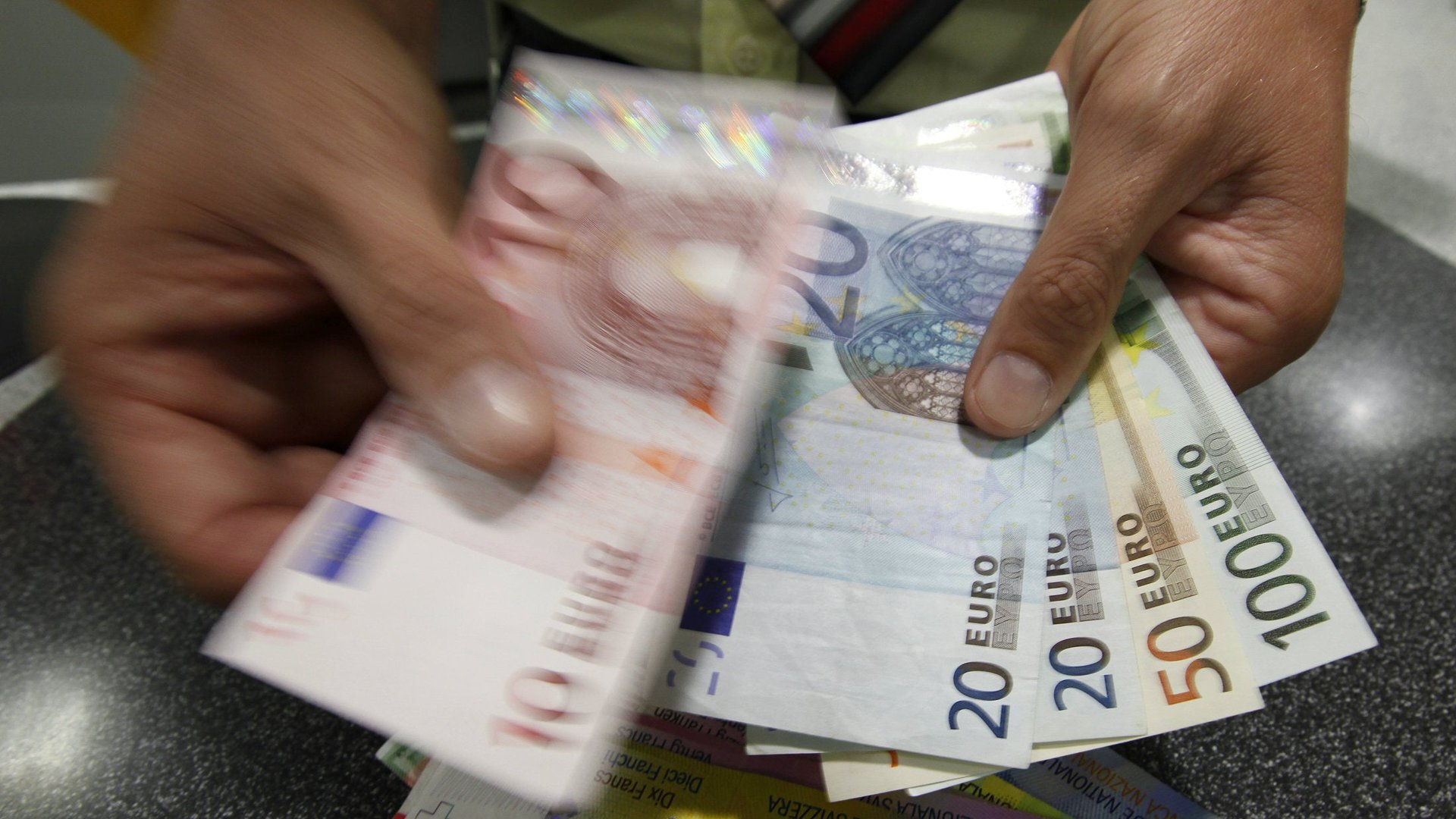
Euro-zone stocks have been a winning bet so far this year. Stocks in Germany and Italy both gained more than 20% in the first quarter.

Germany just released its latest unemployment figures, and its jobless rate is at the lowest level since re-unification. Germany’s is the largest economy in the euro zone and has served as an economic anchor for the rest of the member states, which gives it considerable power in economic dealings.
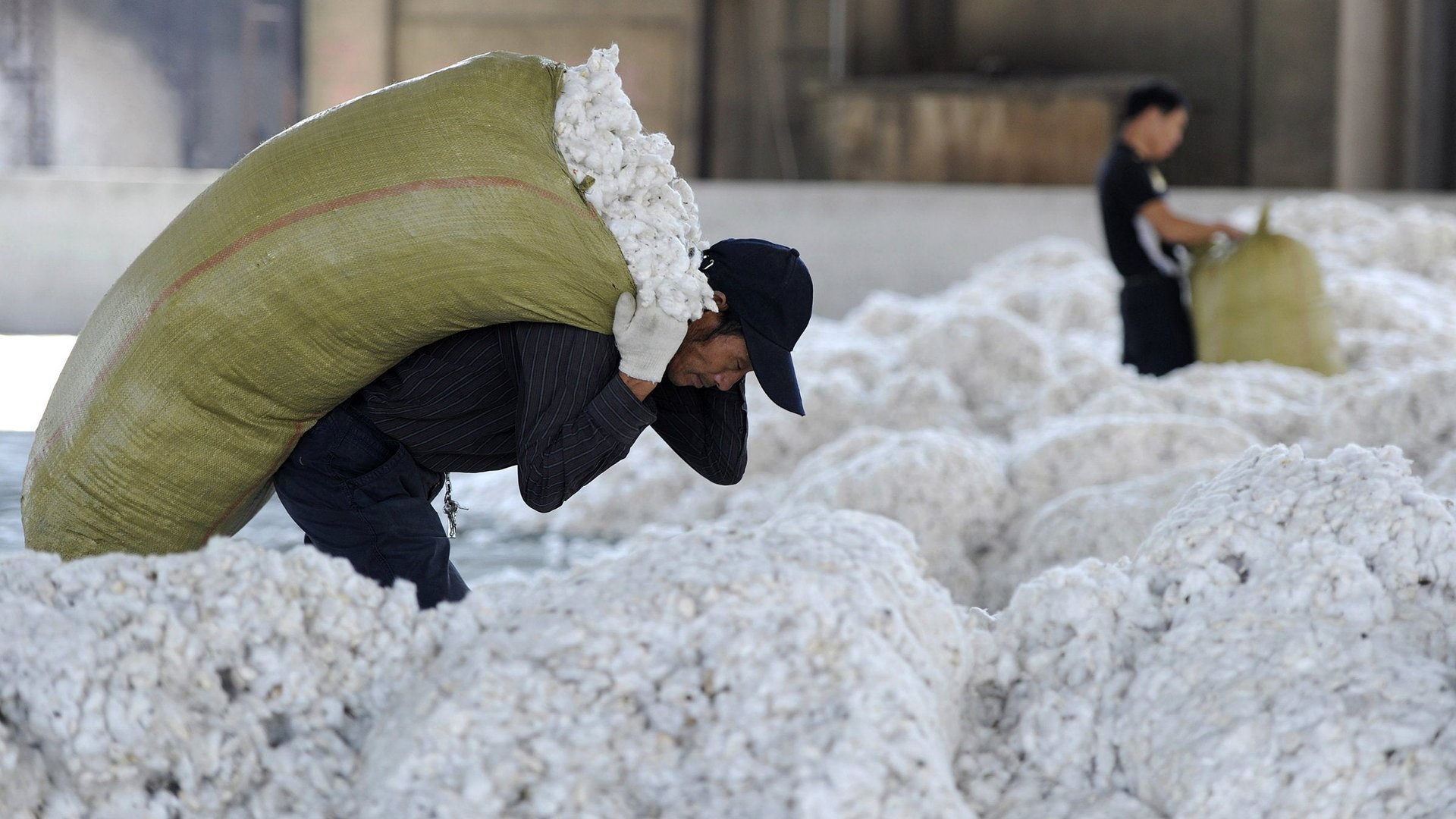
The price of a given commodity is falling, rapidly. A key market has way more of the stuff than it used to. Producers are panicking and trying to shift resources to avoid selling into the glut—not to mention the strong US dollar is making it harder for manufacturers around the world to import what they need.
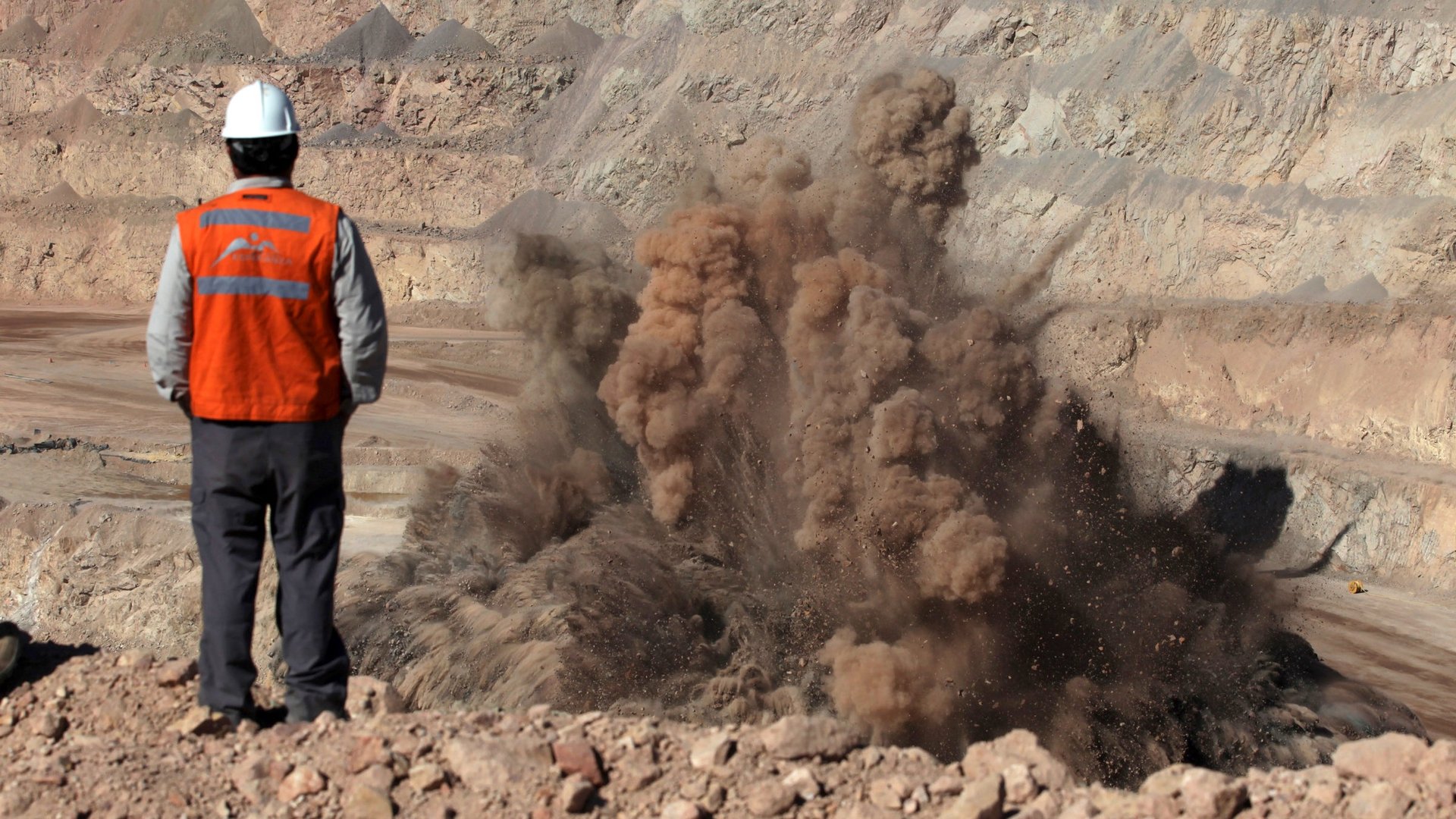
Everything was bad in the markets this week. Stocks fell in Europe. They fell in the US. They fell in Asia (except in China, which is problematic for its own reasons). The mighty dollar fell. Treasuries sold off. Commodities did okay, led by copper, but even that wasn’t because of great news. It rained so much in Chile that the mines closed because of flooding, crimping supplies and putting people out of work. But if you put your tax refund in a copper ETF last weekend, then 1) wow, good call and 2) congrats on your almost singularly good week.
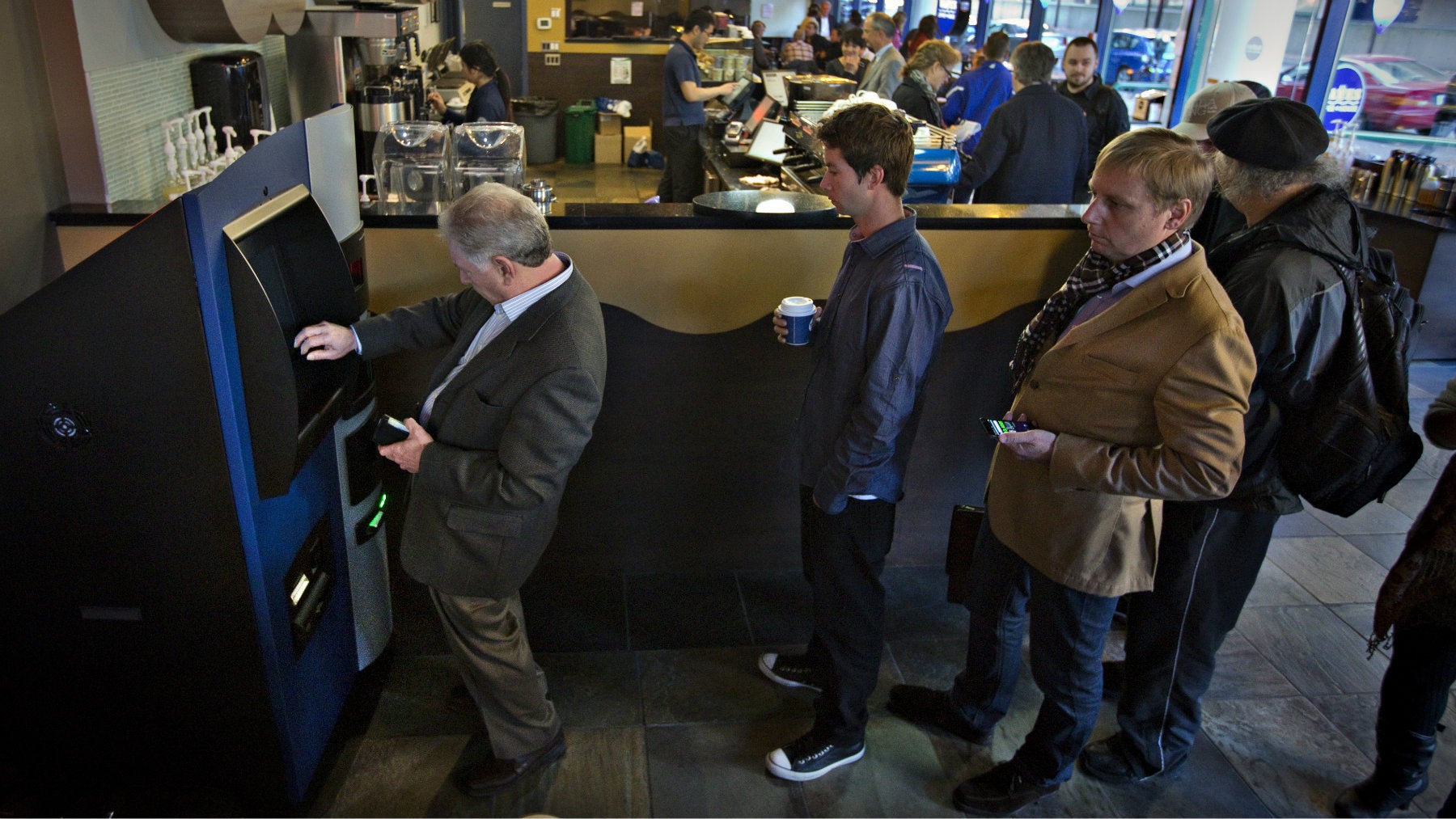
Americans still like to get their banking done the old fashioned way—at banks.

The biggest news in business right now is the merger giant food companies Kraft and Heinz, first reported Tuesday by the Wall Street Journal (paywall) and formally announced this morning. And a major component of that story is the Brazilian financial company behind it: 3G Capital. The company now owns the fifth-largest food company in the world, and it has shown once again how entrenched Brazilian investors are in meals around the world.

The US and the UK, two of the world’s healthier developed economies, both recorded zero annual inflation last month amid a global push lower, driven by falling energy prices.
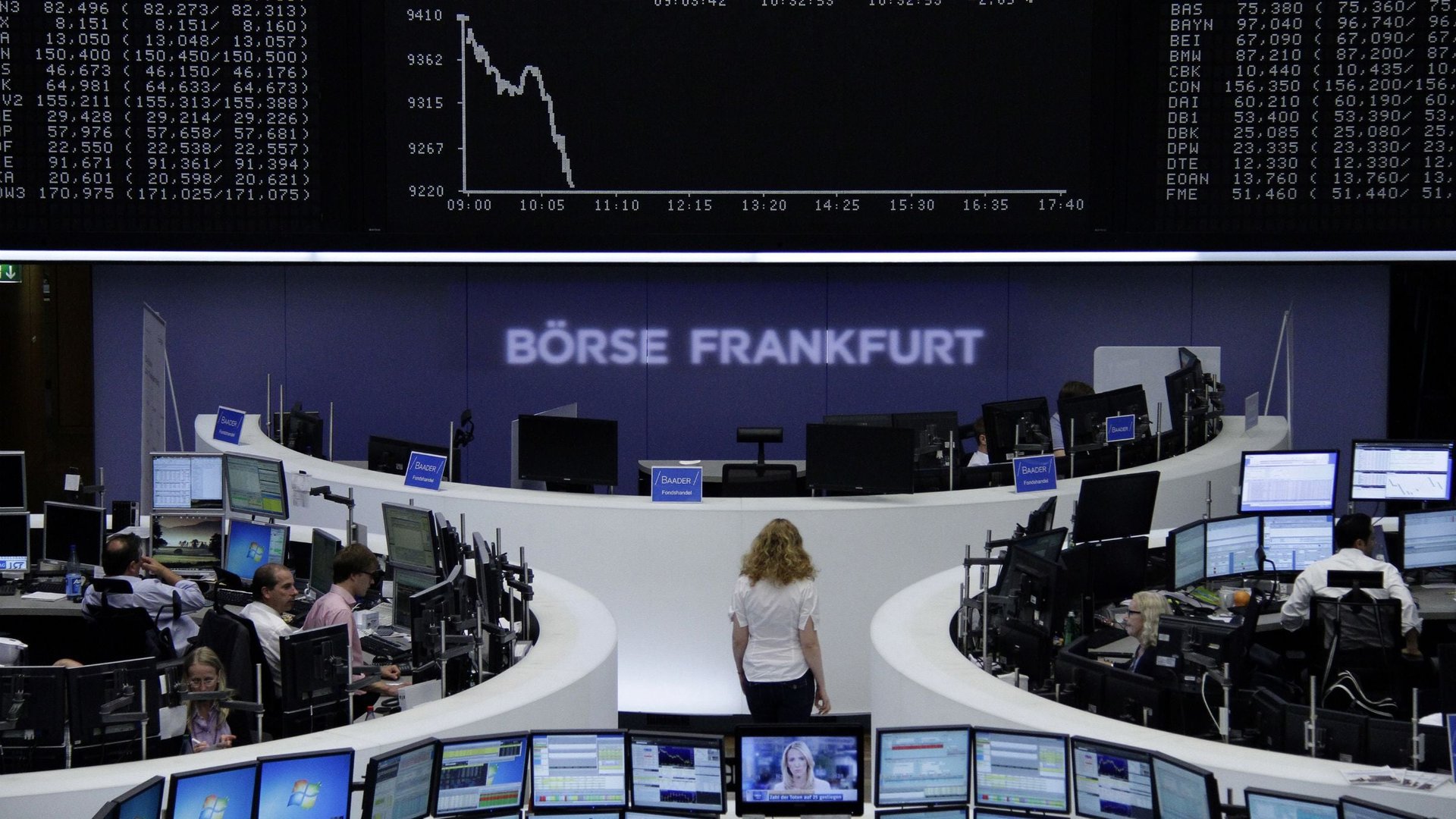
Europe is one of the hottest trades in global markets this year. The Euro STOXX 600, a broad gauge of European equities, is up nearly 17% since the start of the year. Germany’s DAX is up 21.3%, as is Italy’s FTSE MIB. France’s CAC-40 jumped 18.3%.

One remarkable finding in Pew Research’s new report on how people in emerging-economy nations access and interact with the internet: social media is hugely popular. While 74% of US adult internet users say they’re on Facebook, Twitter, and the like, the median is 82% across the countries covered by the Pew report.

The FTSE 100, that stalwart index chronicling the ups-and-downs of British industry, had a smashing week. Investors cheered its ascent to the 7,000 threshold, a record. Driving the markets was a continuing healthy expansion under a regime of low interest rates. (The unemployment rate held steady at a six-year low in the most-recent data released this week.) Stocks also received an extra push higher on the budget that Chancellor of the Exchequer George Osborne put forward, which eased the government’s austere fiscal position slightly.
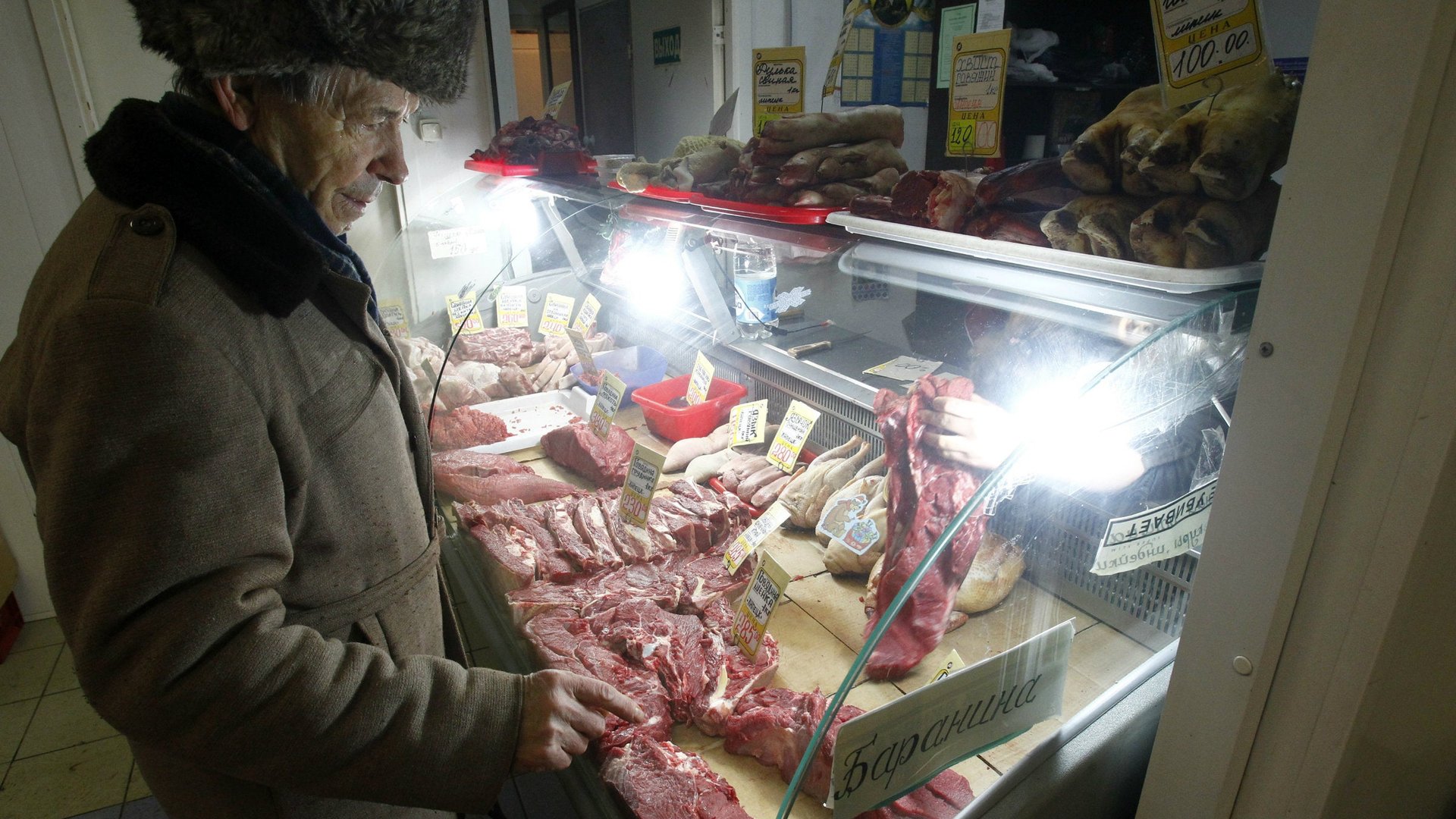
Between Russia’s disappearing, reappearing president and the country’s ongoing war with Ukraine, it might be easy to forget about the state of the Russian economy. It’s in rough shape. The unemployment rate is climbing, and retail sales, after their brief spike last year, are plummeting at their fastest rate since the 2008 global financial crisis.

The going, going, forgone conclusion about the Chinese economy is that it’s not going to be able to return to the gangbusters growth it exhibited over the last few years. The government is even saying so itself.
The Federal Reserve’s monetary policy committee is cloistered in Washington today, Mar 18, working out how to move the economy forward, and the biggest question it faces is when to raise interest rates and shift to a slightly less supportive role for the economy. The latest policy pronouncement is due this afternoon; look to see whether the committee will remove the word “patient” from a key section on how it will approach raising interest rates.

When Starbucks announced yesterday (March 17) that it wants to help start a national conversation on US race relations by encouraging workers to broach the issue with customers, the reaction was a combination of ridicule and confusion.