
Money & Markets
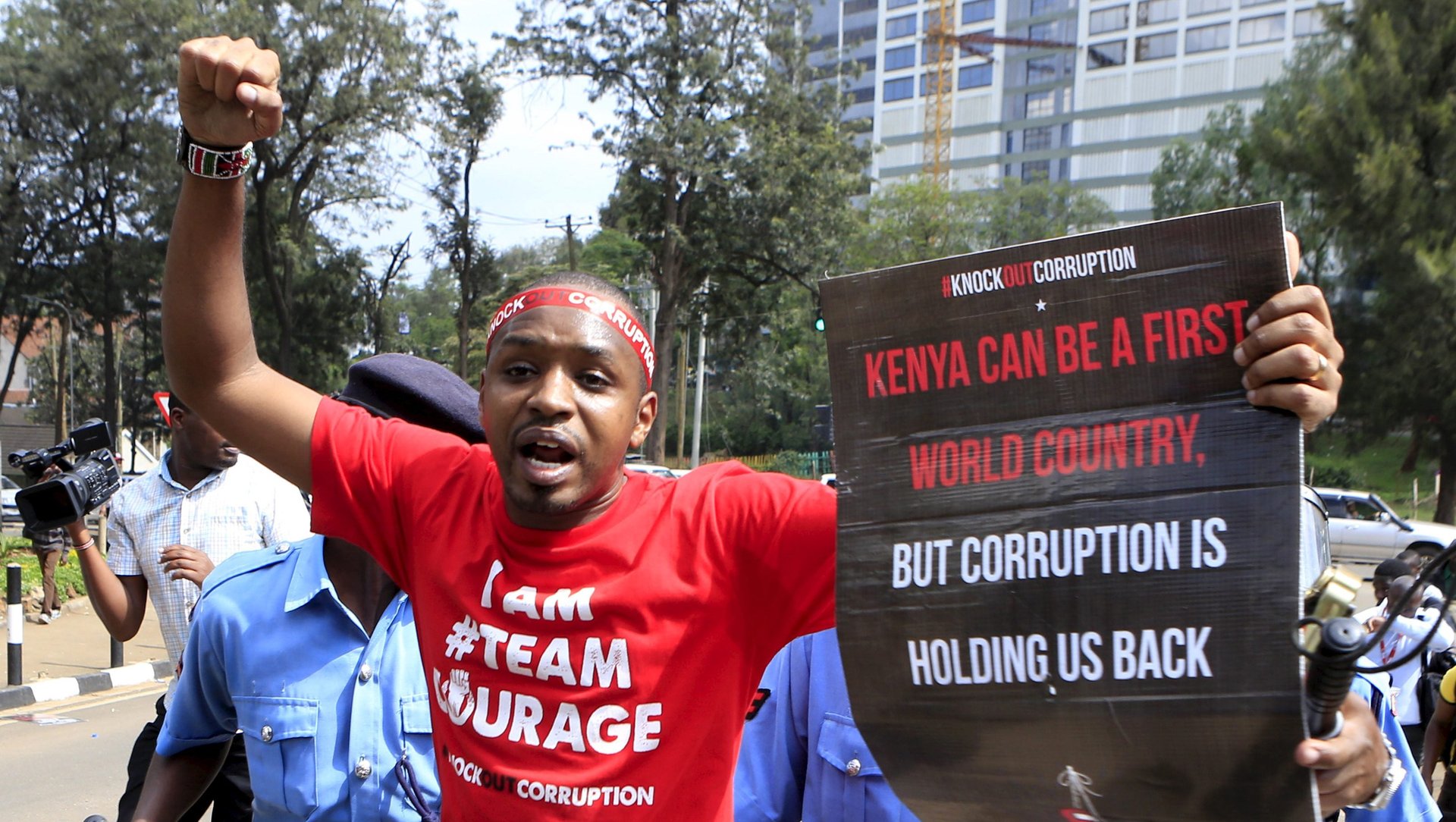
Growing discontent is driving young activists, and even journalists, to run in Kenya’s next electionNairobi
Updated July 20, 20226 min read
Nairobi
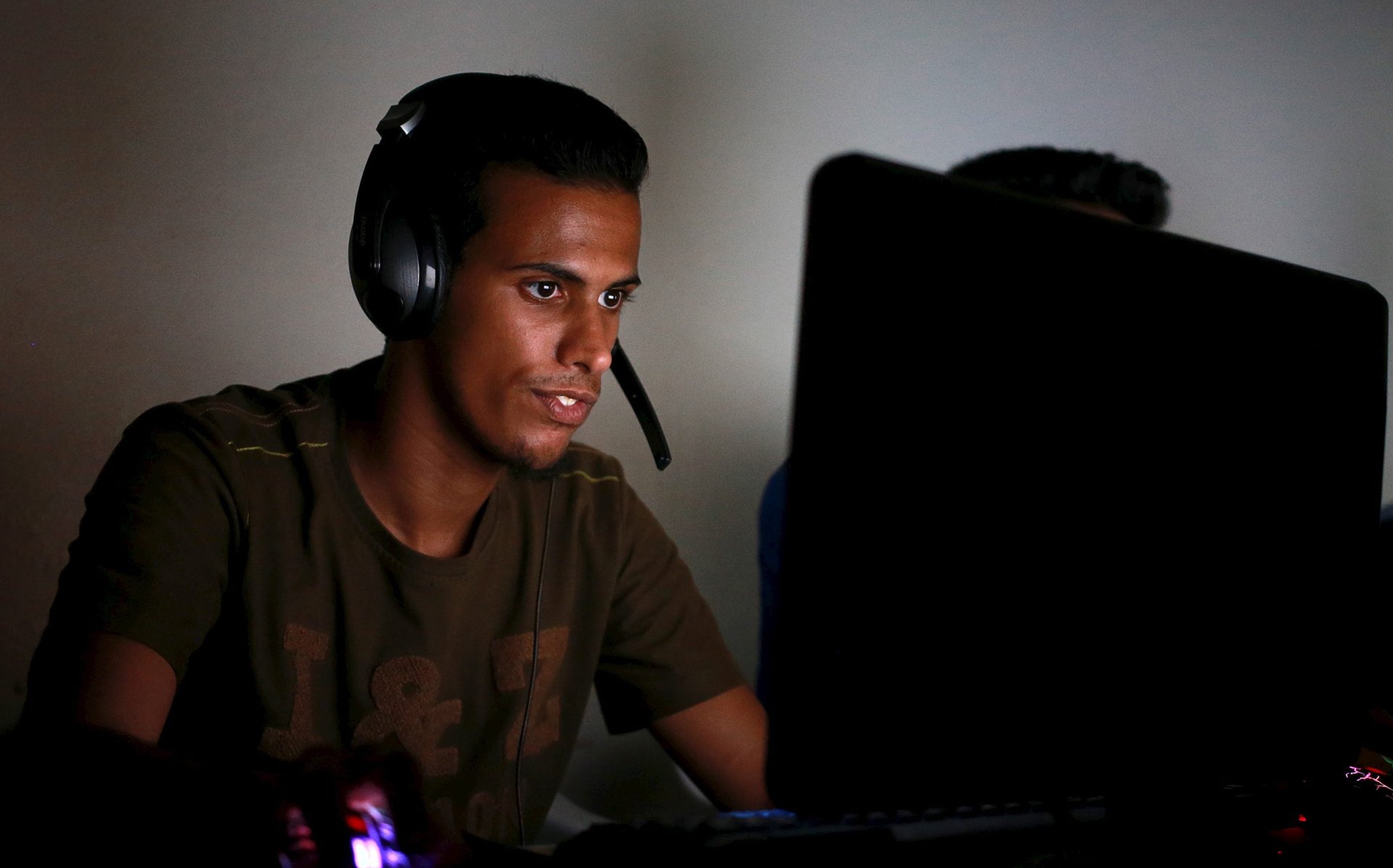
The high cost of data prohibits many people in the world’s poorest countries from gaining full access to the internet. More than 4 billion people remain offline, and low- and middle-income countries are on track to meet the 2020 goal of universal internet access 20 years behind schedule (pdf).
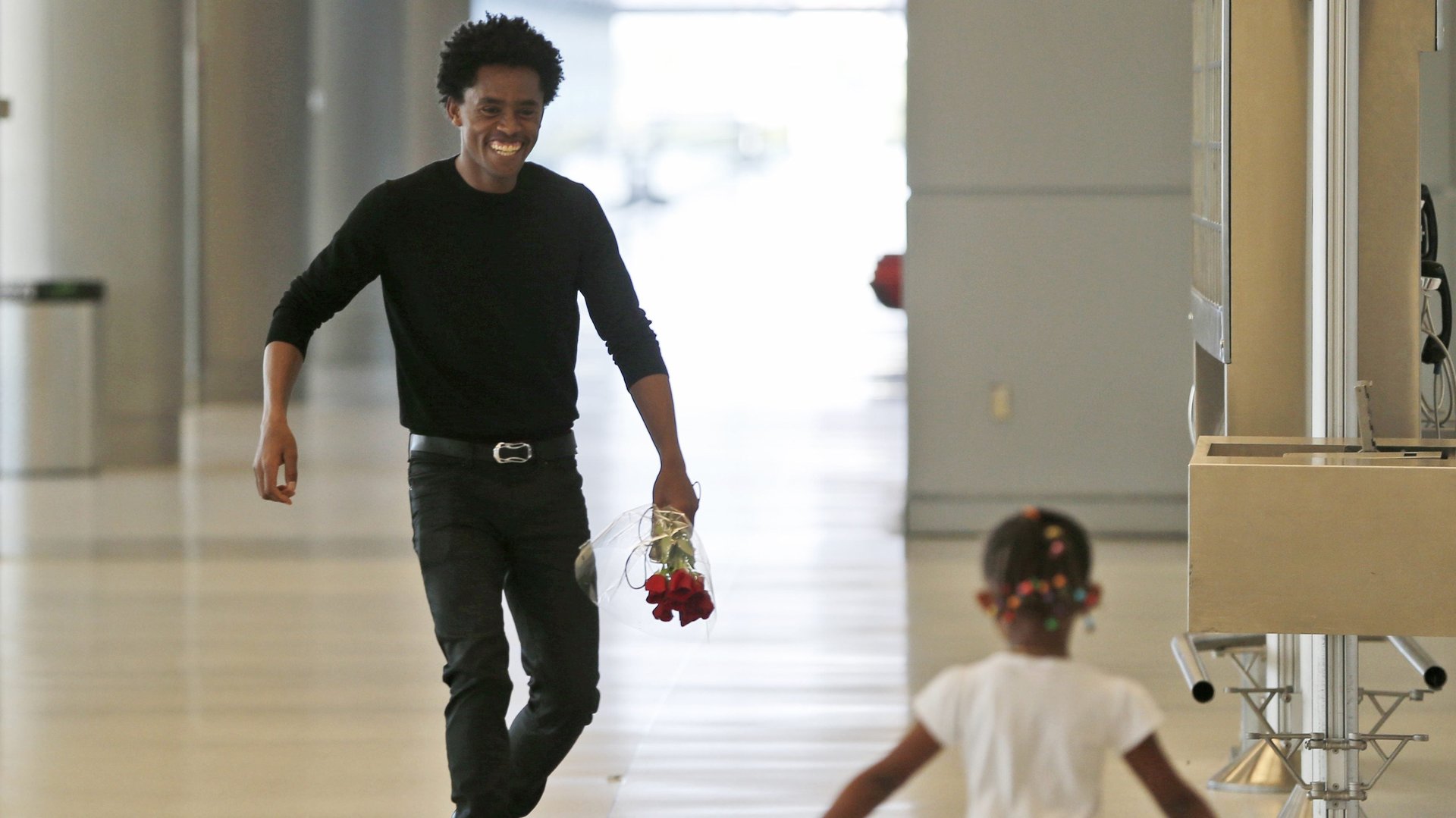
It was a bittersweet Valentine’s Day reunion.
In Nov. 2016, Nji Collins Gbah, a tech enthusiast from Bamenda, Cameroon, started participating in the Google Code-in competition, the global online contest which introduces pre-university students aged 13 to 17 to the world of open source. Despite his tenacity, the odds seem stacked against Gbah.
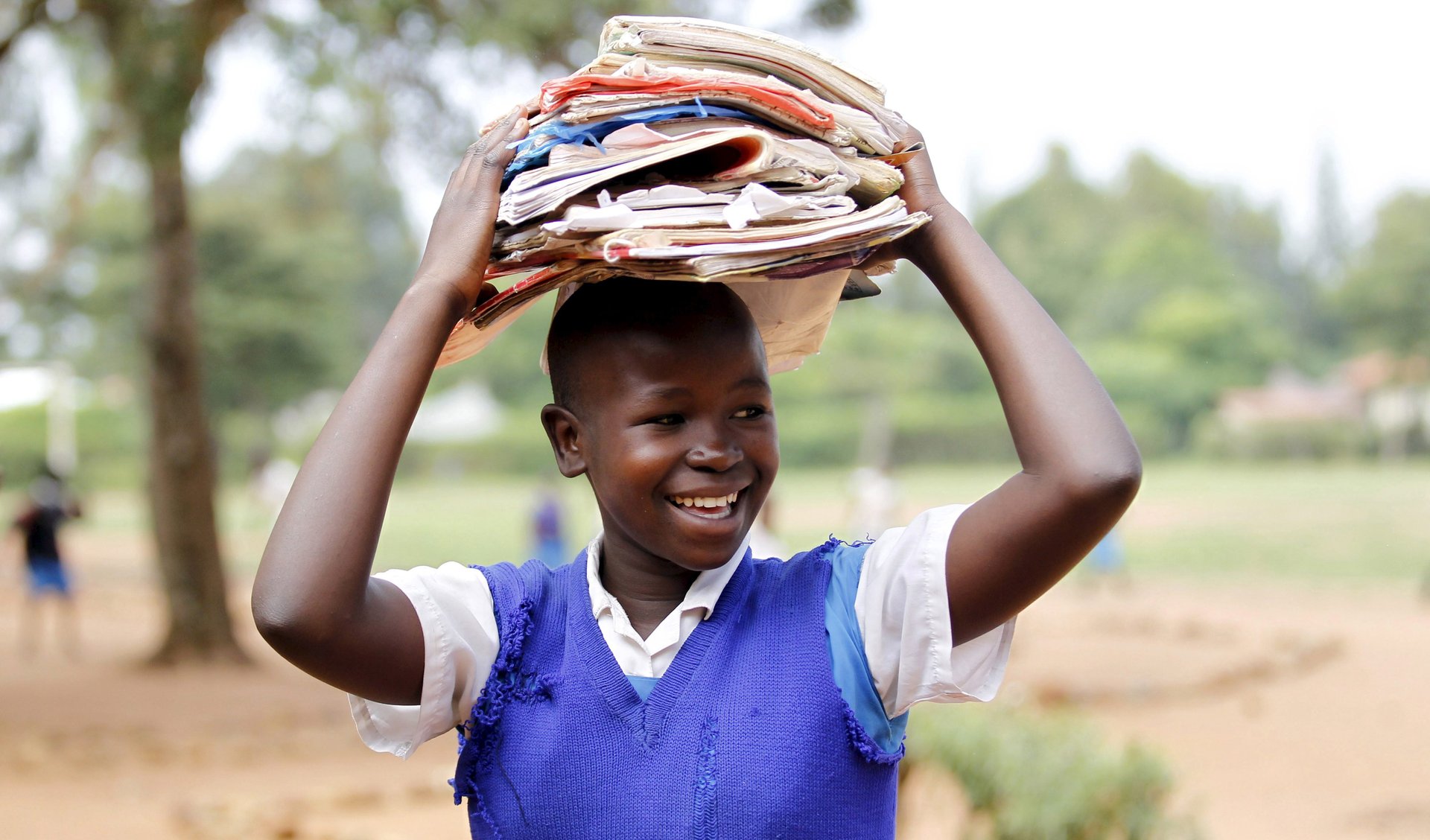
As a young boy, Magunga Williams was a bibliophile. Growing up in Kisumu along the shores of Lake Victoria, reading was his favorite pastime, whether in school, at home or with friends. But during his late teen years, Williams noticed that he couldn’t find the kind of books that he craved for in local bookstores. The stores, which mostly supplied school textbooks, didn’t also have a diverse collection of works by African authors.
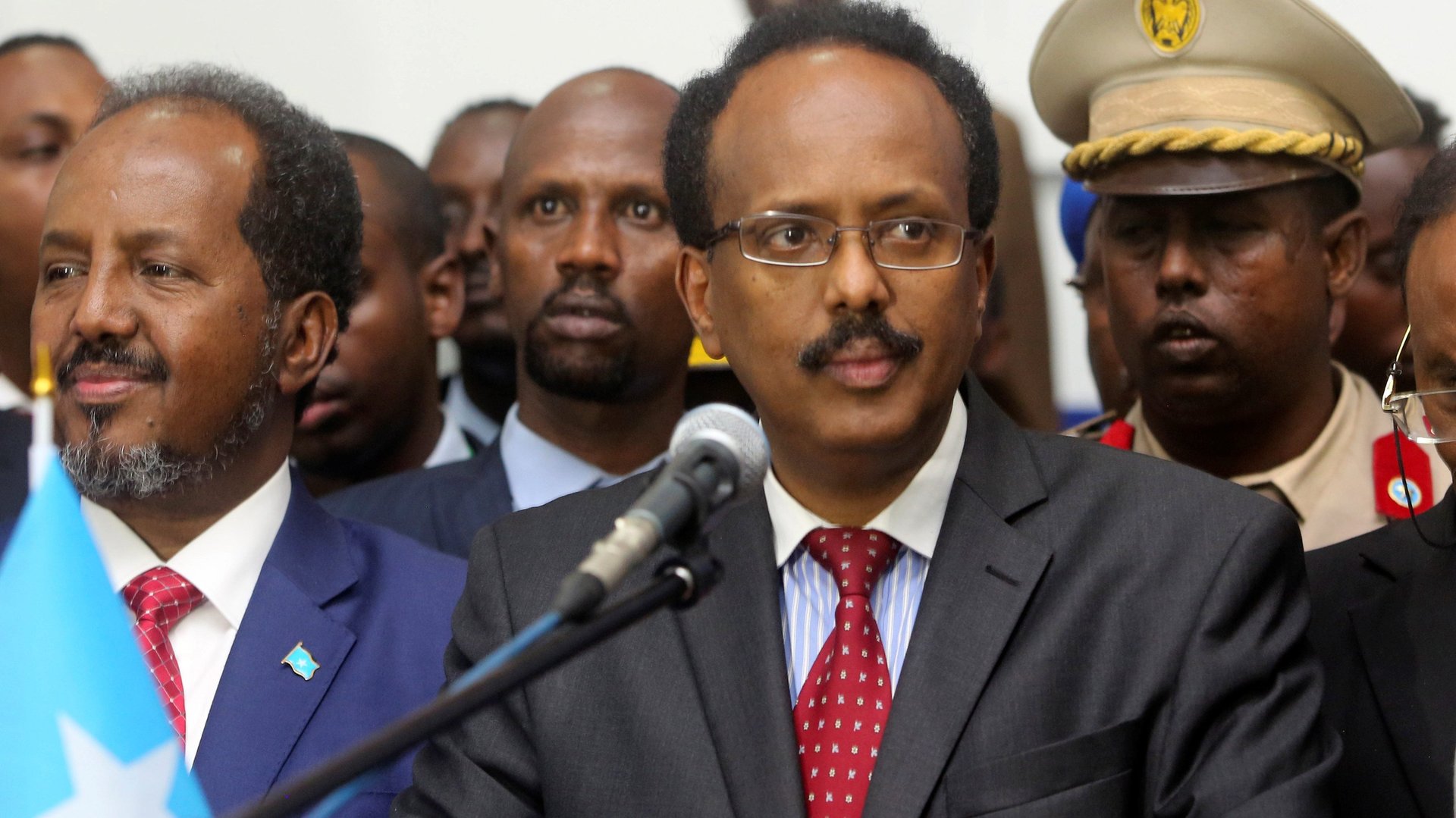
In a surprising political upset, Mohamed Abdullahi Mohamed Farmaajo was declared Somalia’s new president on Wednesday (Feb. 8). Farmaajo defeated the immediate former president Hassan Sheikh Mohamud following two rounds of voting by lawmakers in the capital city’s heavily fortified airport.
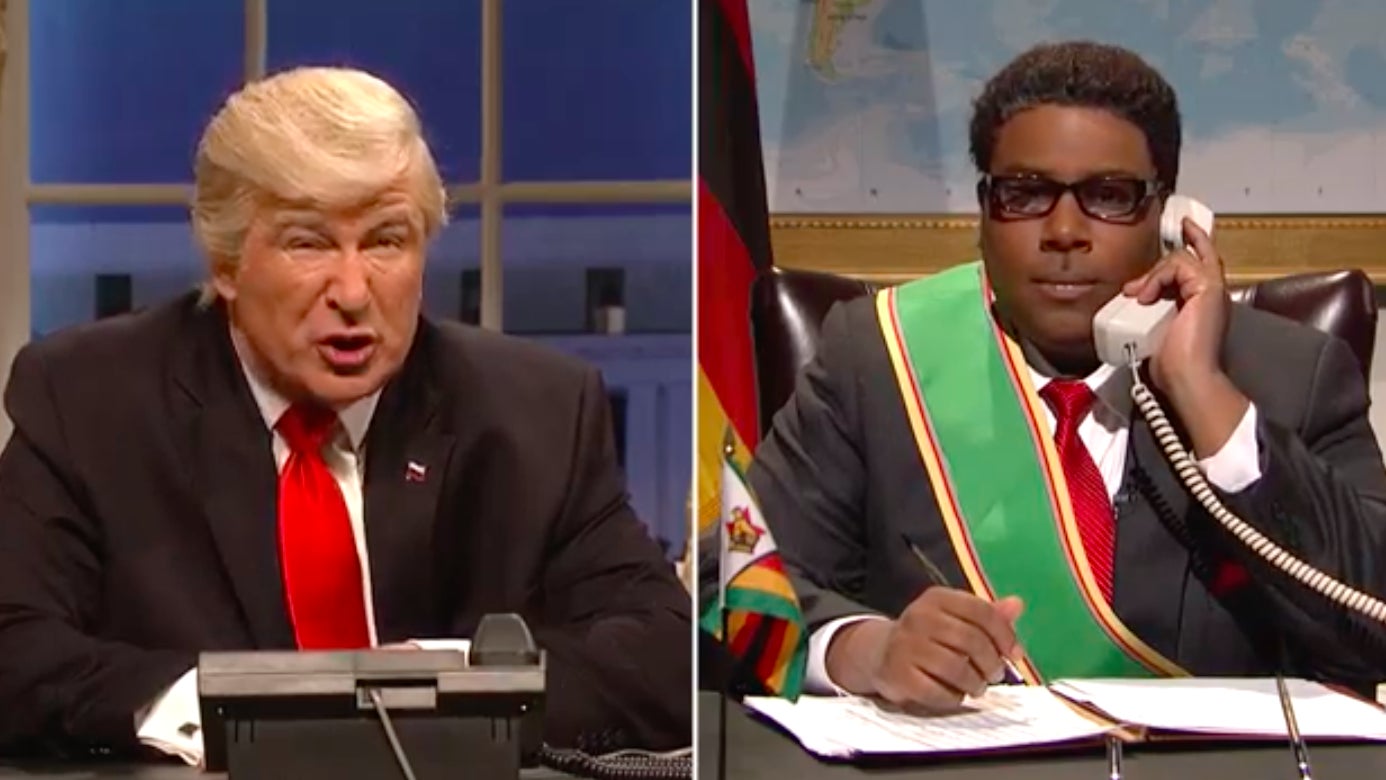
Since becoming president, Donald Trump’s phone calls with world leaders have drawn considerable media coverage and scrutiny. But for the writers of Saturday Night Live, the calls have become fodder for a razor-sharp sketch that pokes fun at the American president and his administration.
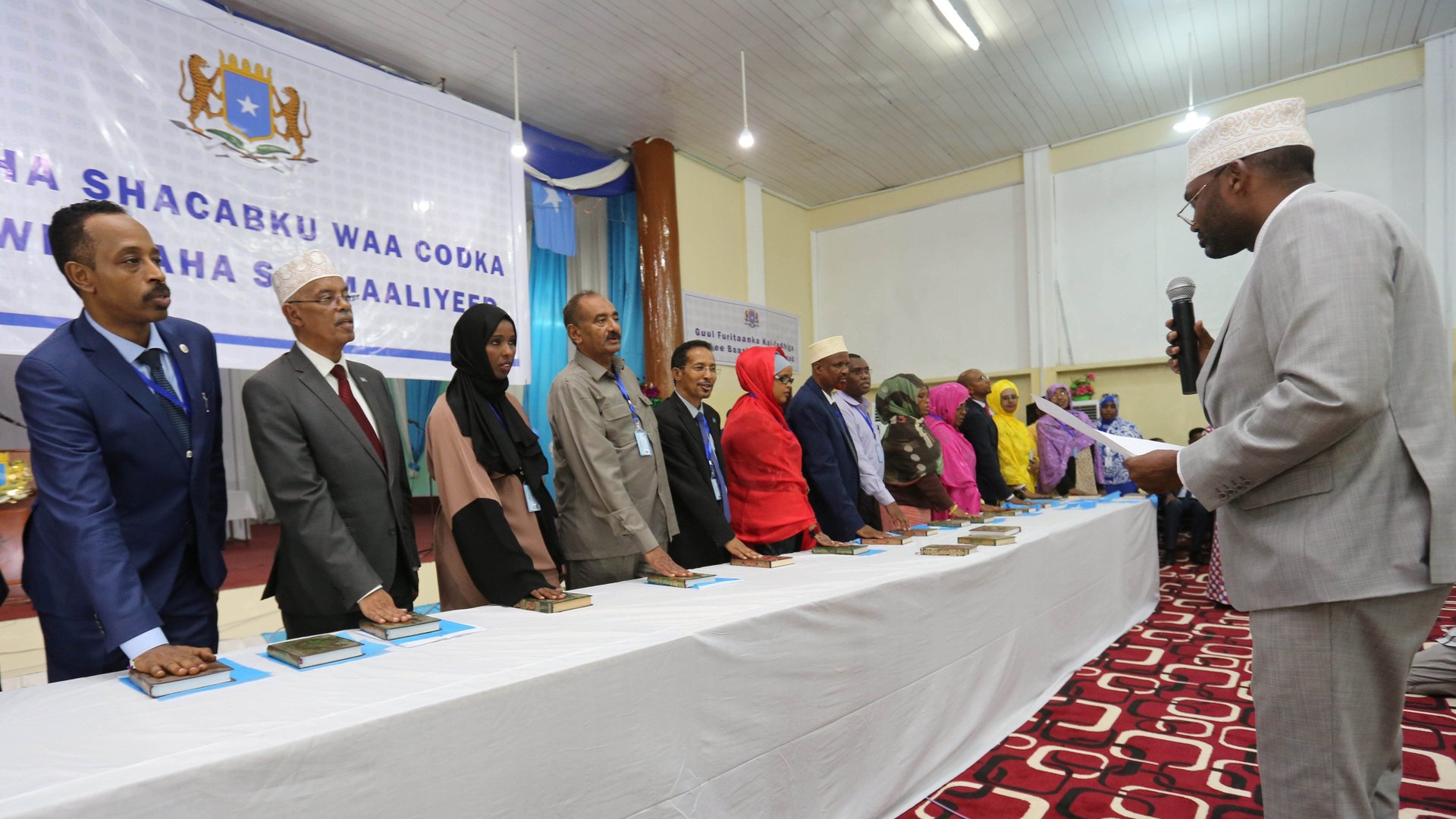
After an arduous electioneering process marred with corruption, vote-buying, and delays, Somalia will finally hold its presidential elections on Wednesday (Feb. 8). Given the ethnic nature of Somalia’s voting system, lawmakers, elected through clan delegations instead of universal suffrage, will vote for the country’s next president.
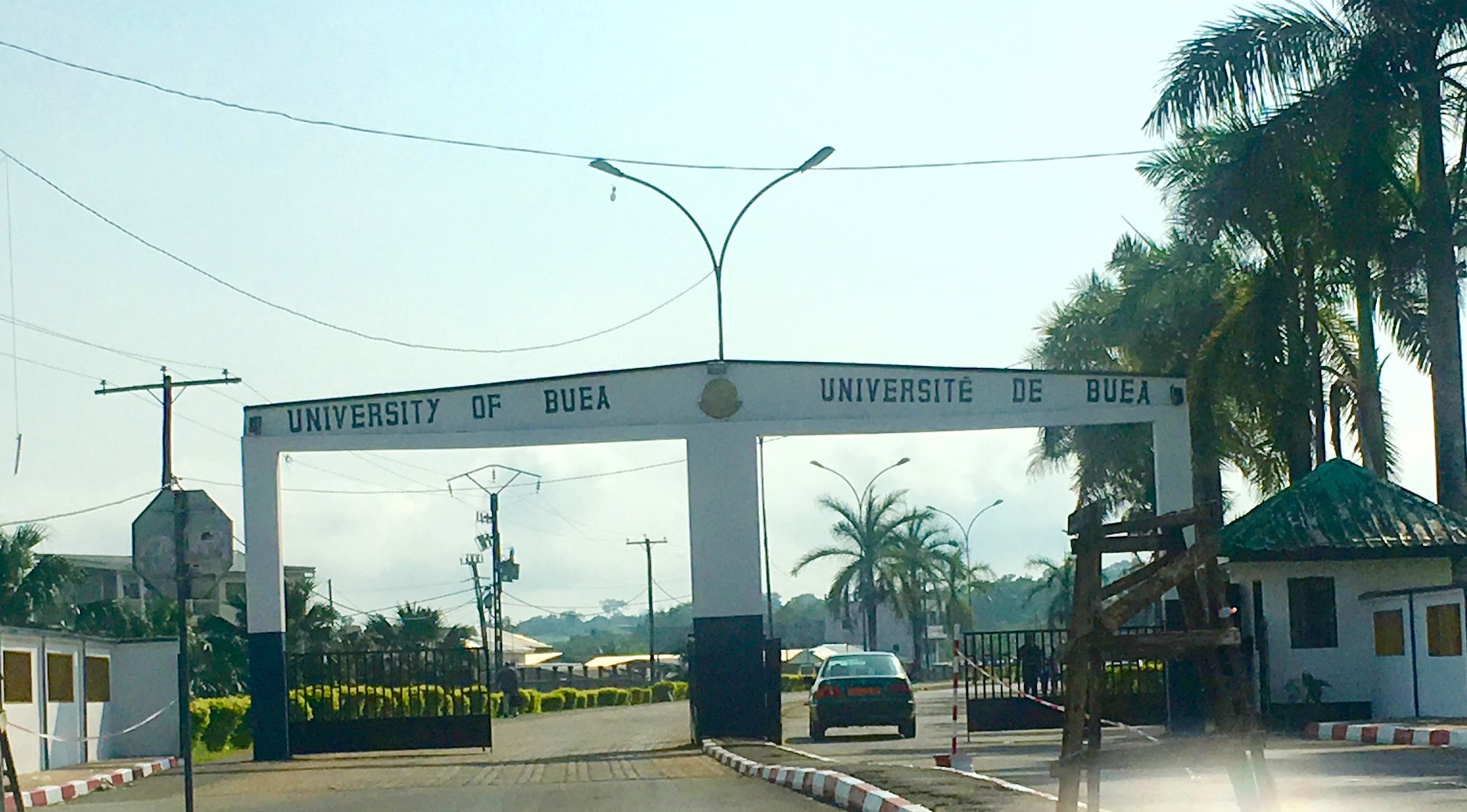
For more than two weeks now, Cameroon’s northwest and southwest regions have had no internet—affecting businesses like internet cafes, microfinance institutions, and money transfer agencies.
Nairobi, Kenya
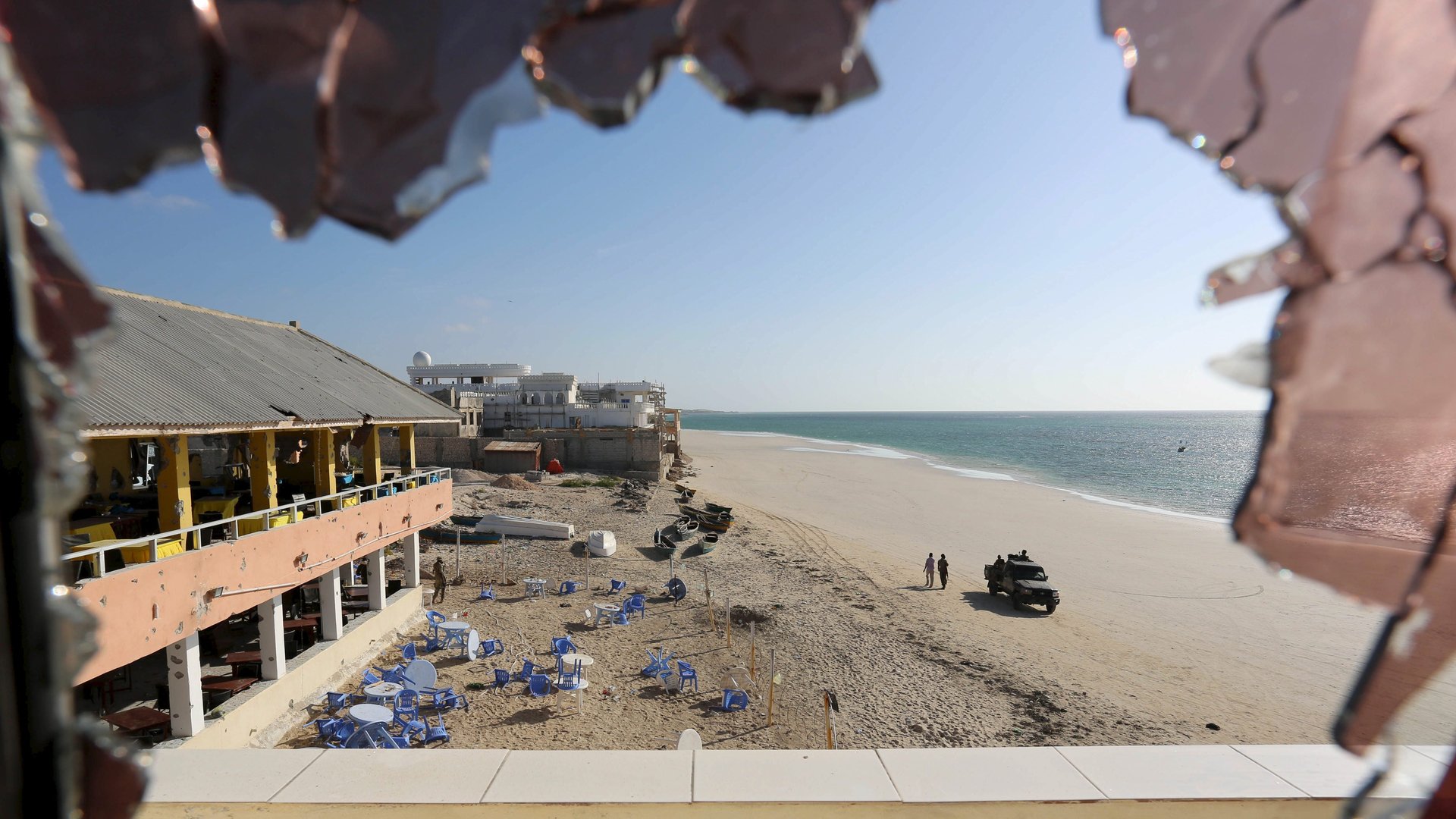
On Wednesday (Jan. 26) morning, twin explosions rocked the Somali capital Mogadishu, reportedly killing at least 28 people and injuring 51 others. The gun-and-bomb attack hit Dayah Hotel, an establishment popular with politicians and located near the Somali parliament in central Mogadishu.
Nairobi
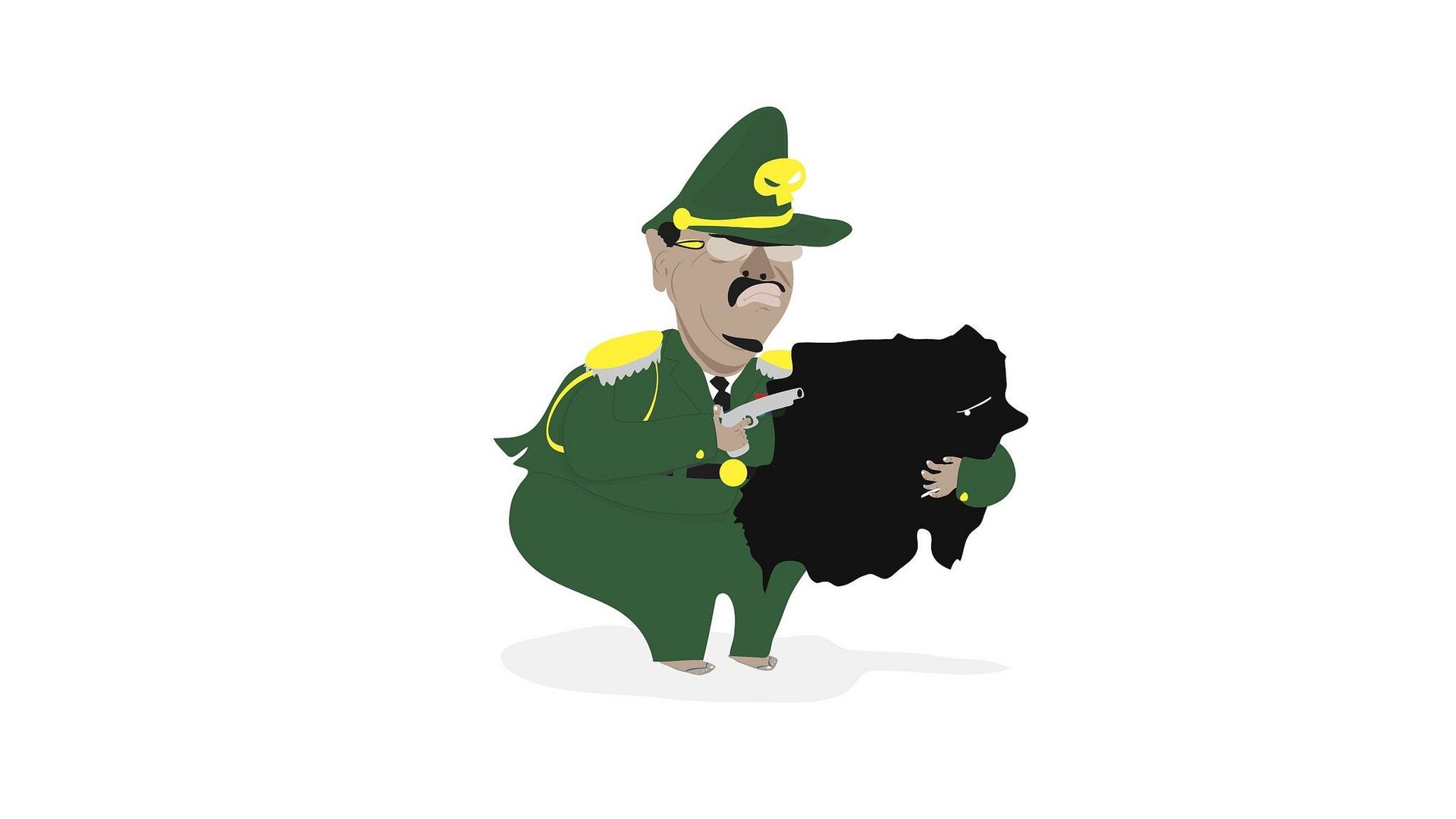
A picture, it is said, is worth a thousand words. But in Sudan, the political cartoons of Khalid Albaih are worth everything.
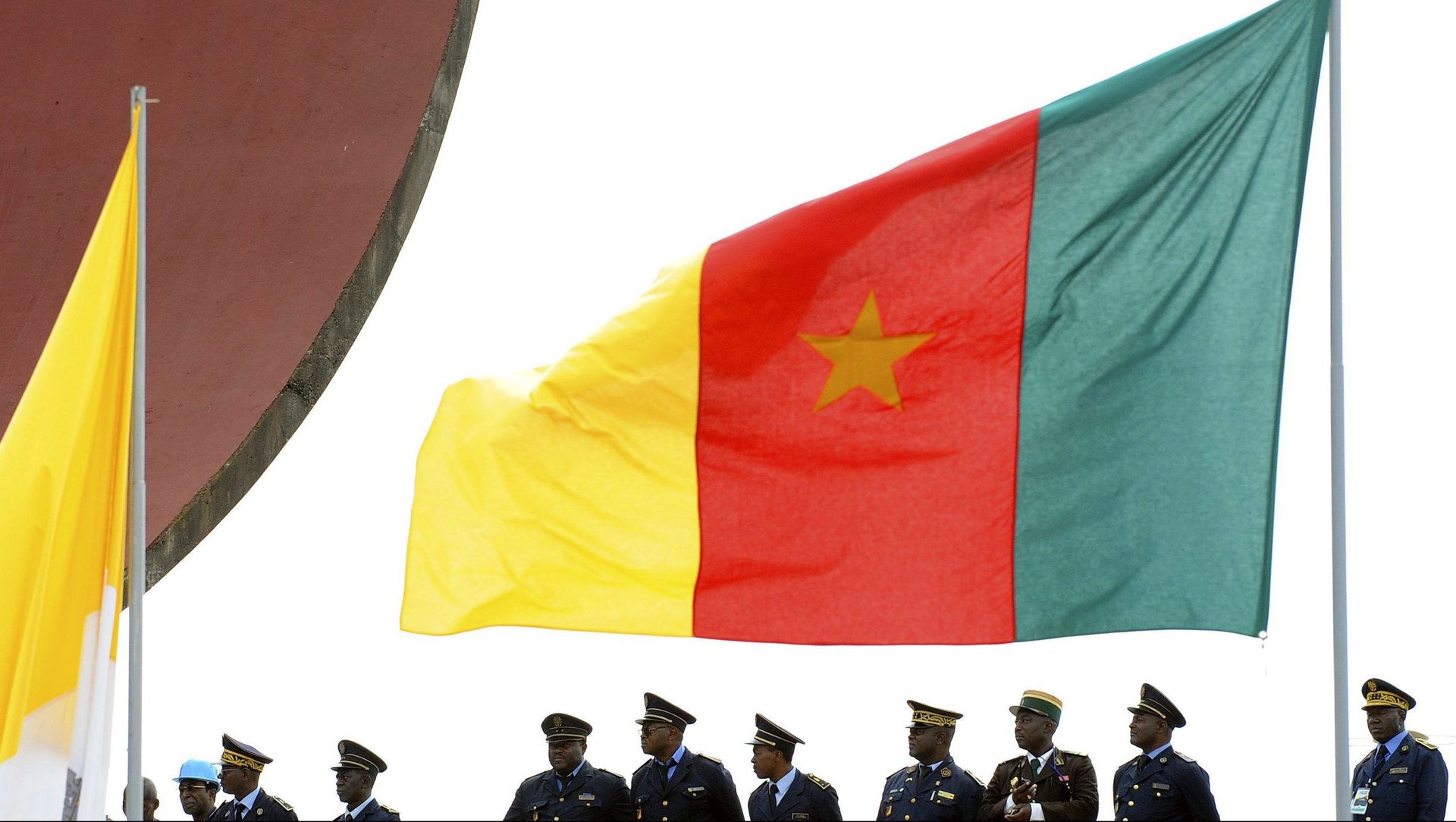
For over a week now, the northwest and southwest regions of Cameroon have not had any access to the internet. But details surrounding the internet shutdown in the English-speaking regions of the country continue to emerge slowly, showing a government intent on controlling access, operators pressured to cut connections, and observers worried about censorship and surveillance.
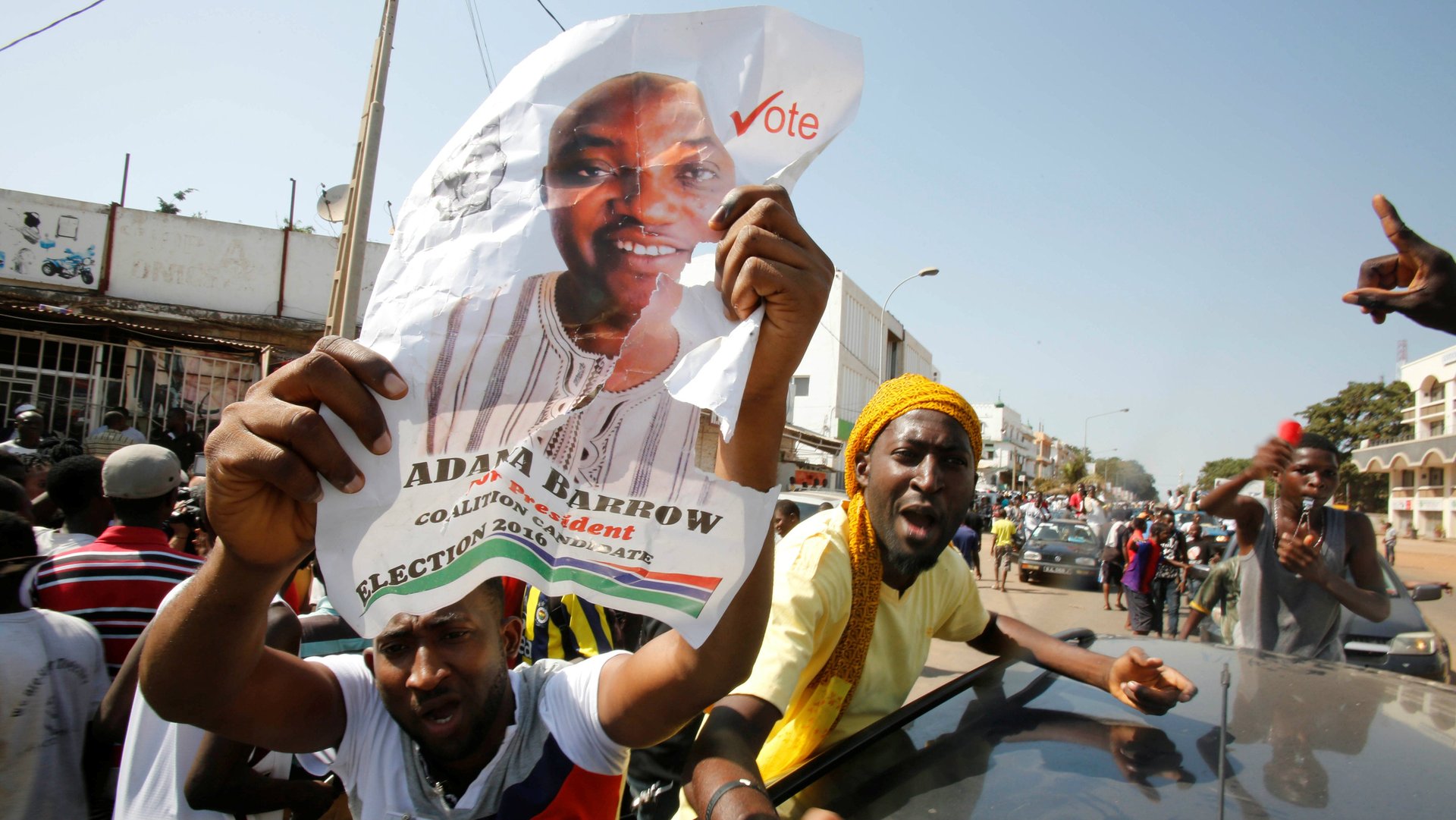
Gambian citizens did not get to witness first-hand one of the most important democratic transitions in their country. Adama Barrow, who defeated the country’s longtime leader Yahya Jammeh at the polls in December, was sworn in as president of the Gambia in a makeshift inauguration ceremony today at the Gambian embassy in Dakar, Senegal.
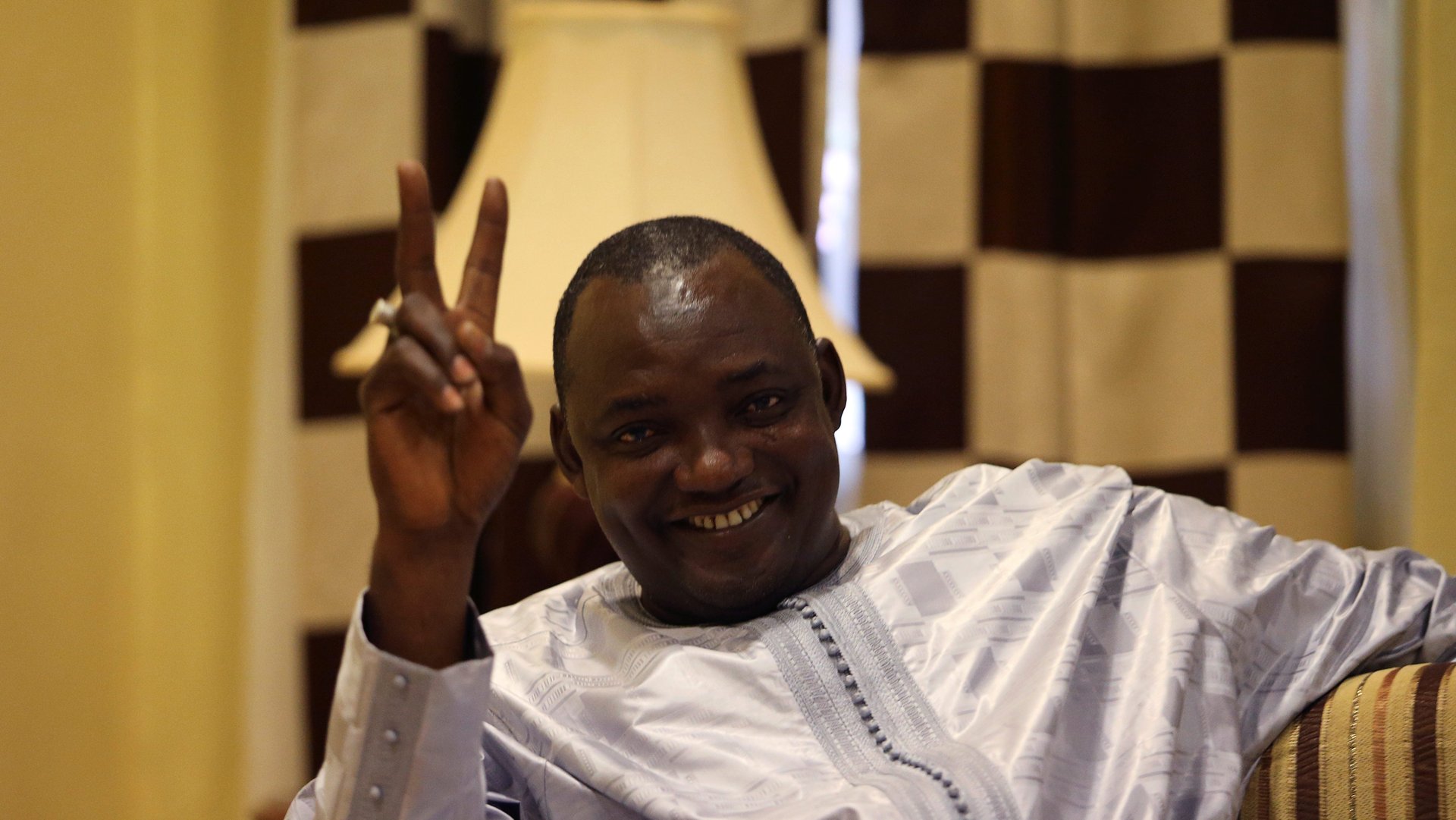
It was a long night in The Gambia, as the midnight, Jan. 19 deadline for defeated president Yahya Jammeh to step down came and went.
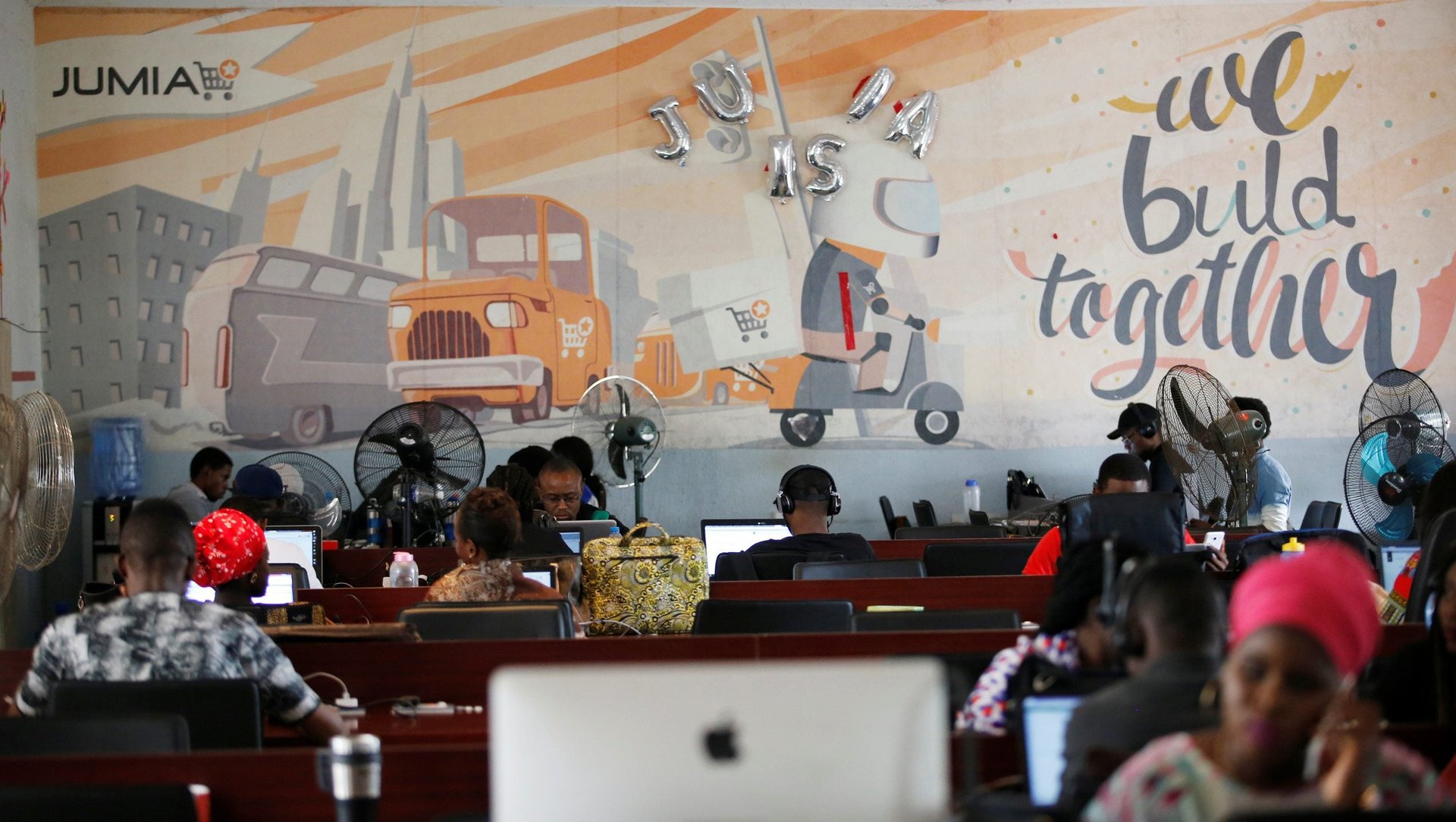
Telecom operators across the African continent continue to face significant risks when it comes to revenue growth. Despite the increase in mobile revenue, annual growth will continue to trend downwards over the next five years, amid increasing competition, currency volatility, and less reliance on texting and voice-based calls.
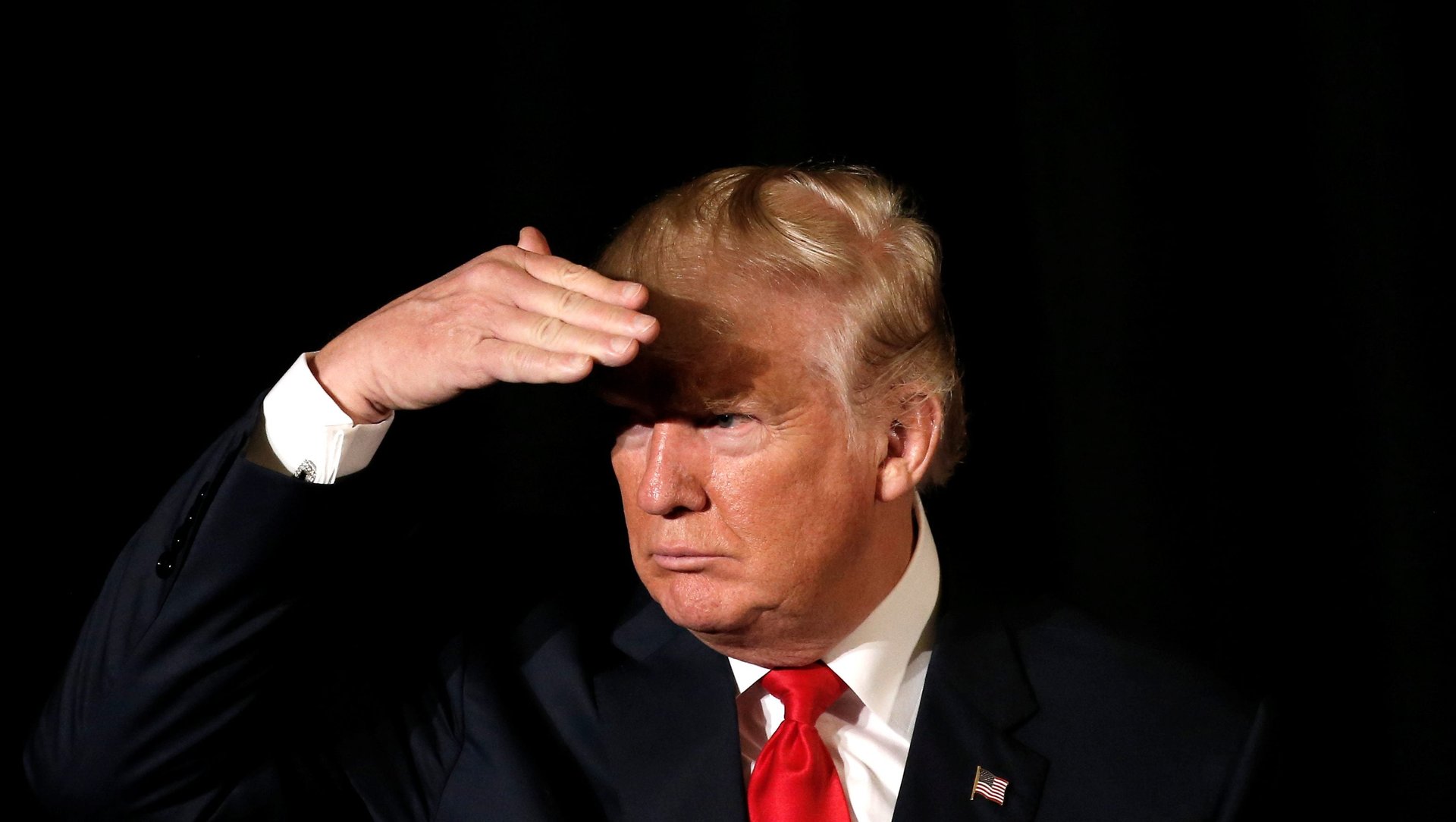
Donald Trump’s transition team has sent the State Department four pages of questions about Africa that reveal an administration deeply skeptical of Africa’s place in US foreign policy. Throughout the queries, obtained by the New York Times, Trump’s team questions the value of US engagement on the continent in humanitarian aid, anti-terrorism campaigns, trade deals, or the search for Joseph Kony, the head of the violent Ugandan guerrilla group, the Lord’s Resistance Army. “The LRA has never attacked US interests, why do we care? Is it worth the huge cash outlays?”
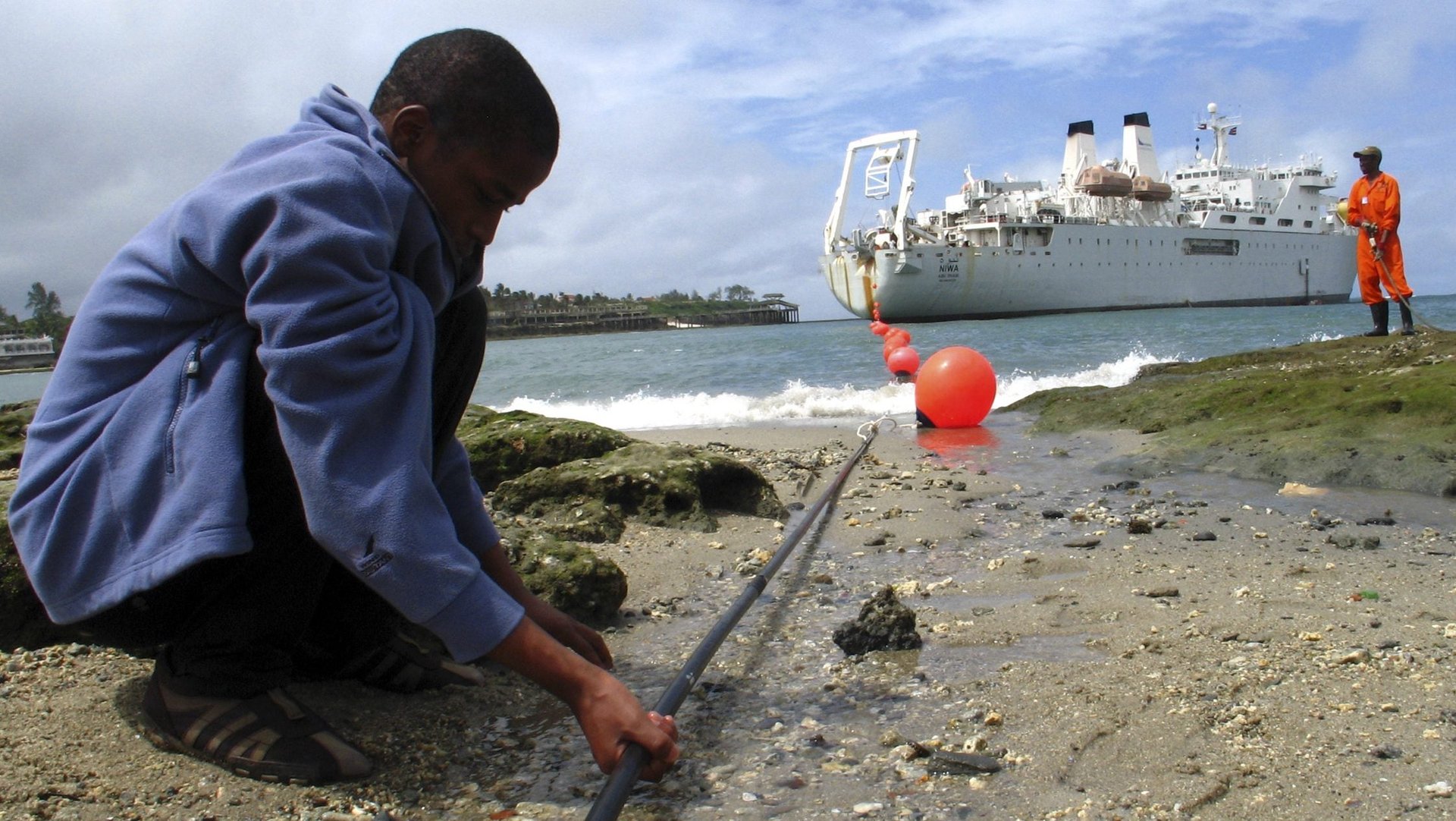
The rapid spread of 3G mobile broadband networks has meant that 84% of the world’s population can now potentially access the web, and almost half of the world did so (pdf) by the end of last year, according to the International Telecommunication Union.
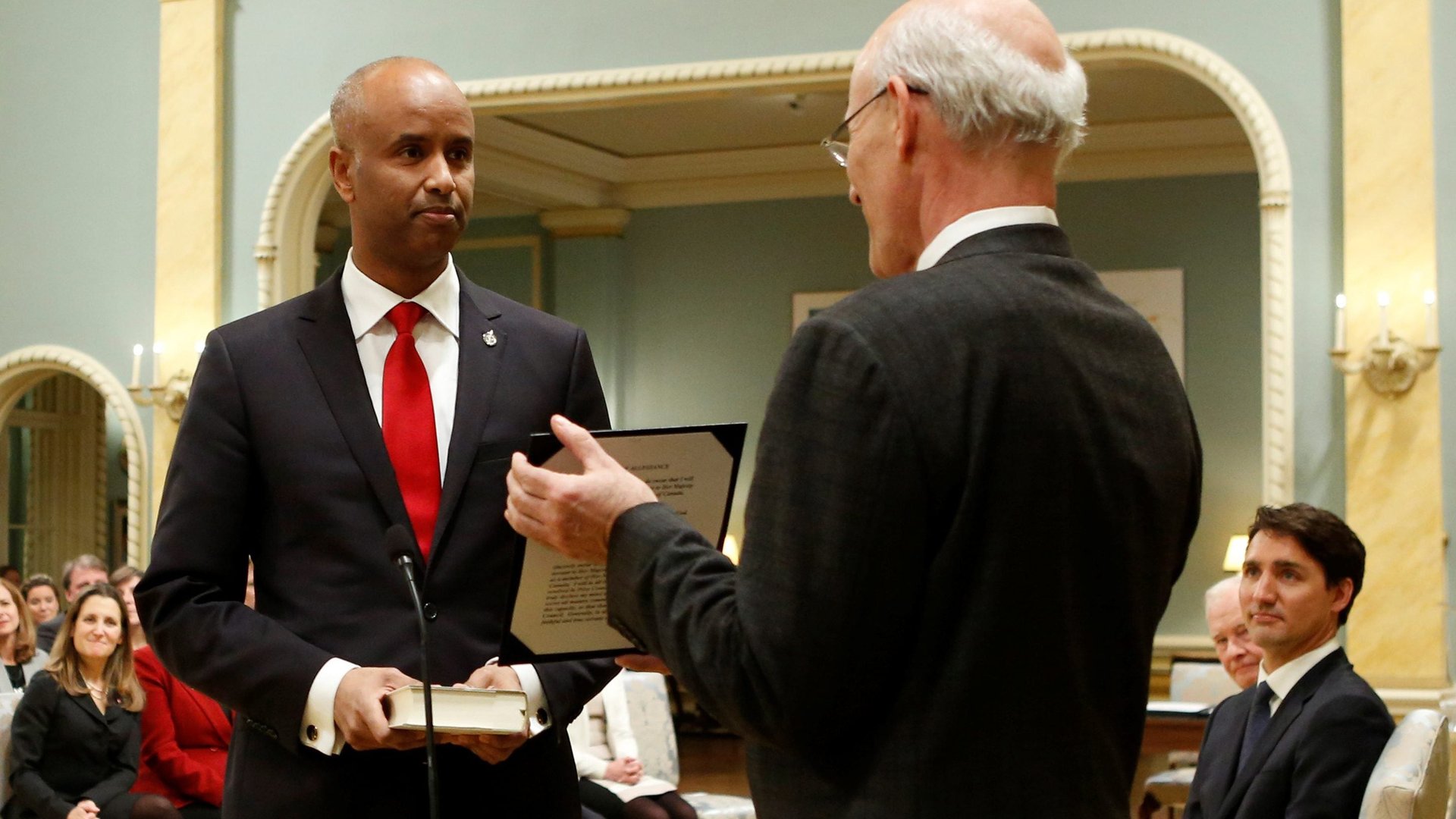
During his cabinet reshuffle on Jan. 10, Canadian prime minister Justin Trudeau tapped a former Somali refugee to lead the country’s immigration, refugees, and citizenship ministry. Ahmed Hussen, a lawyer, and community activist came to Canada in 1993 at the age of 16 after fleeing his hometown, the Somali capital of Mogadishu.
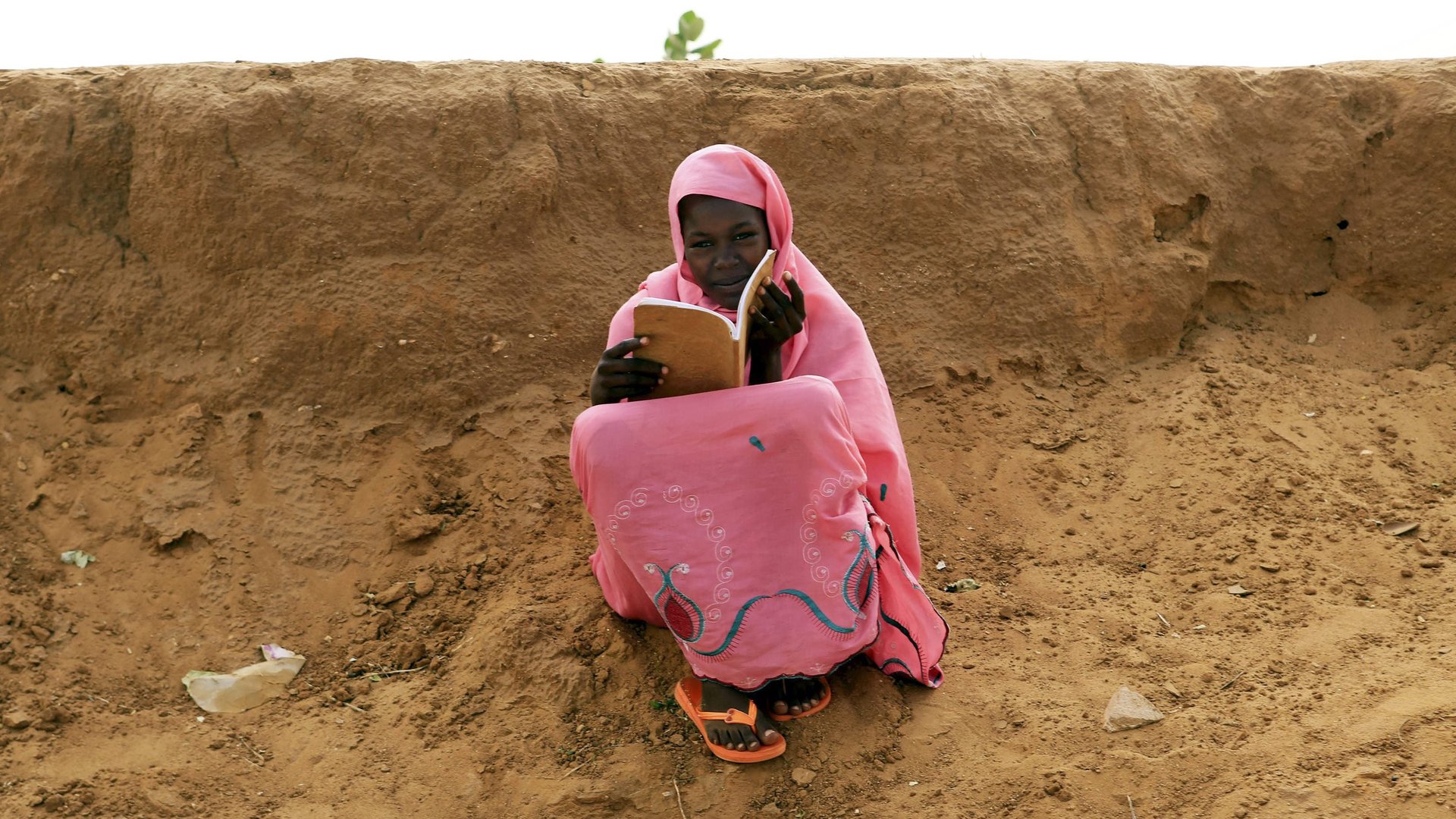
In many countries across sub-Saharan Africa, Muslim and Christian communities coexist side by side. But a huge gap exists between them when it comes to educational attainment, with African Christians more than twice as likely to have formal schooling than their Muslim counterparts, a Pew Research Center study shows.
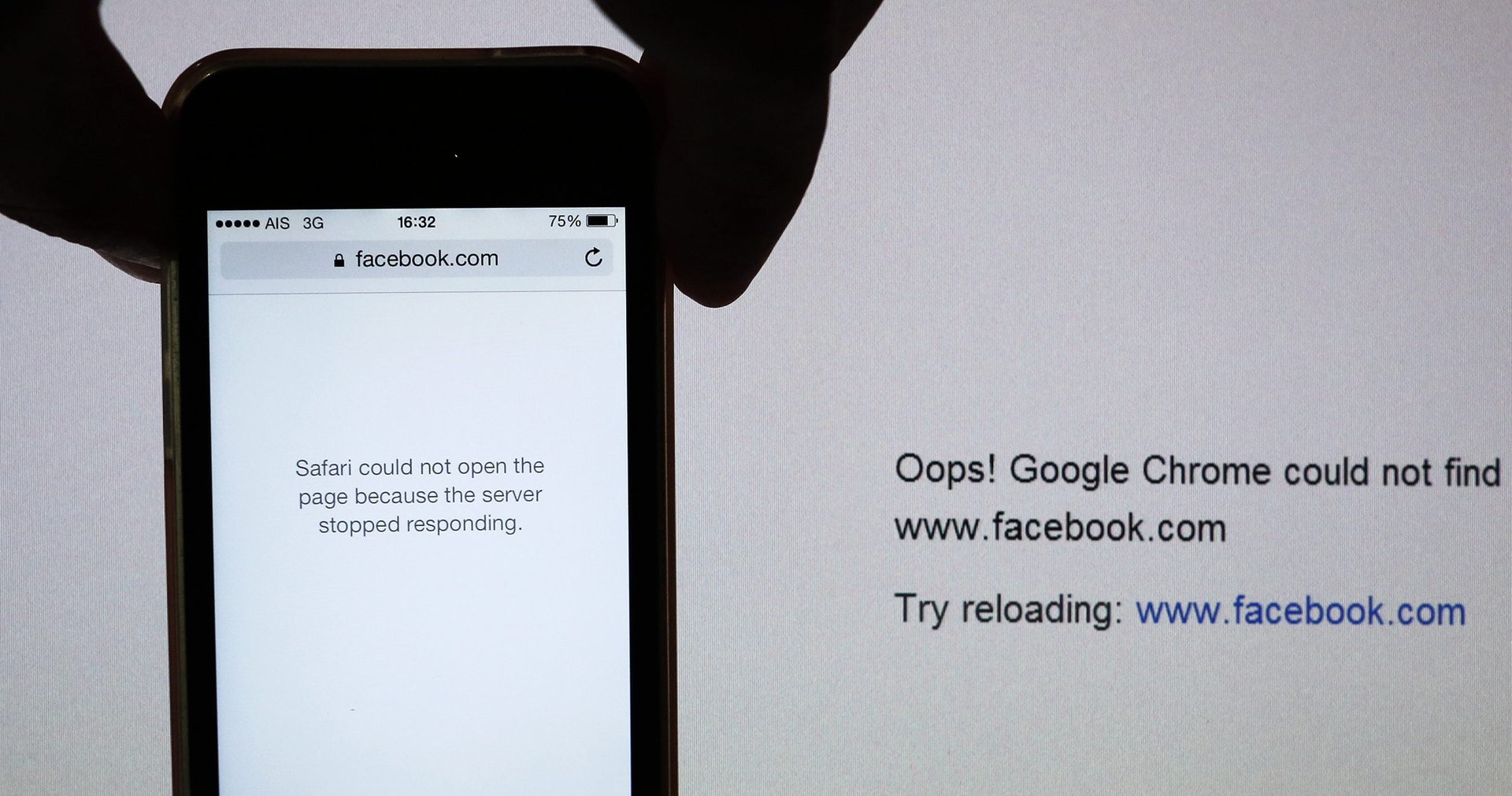
For digital rights activists, an important milestone came in 2016 with the adoption of the UN Human Rights Council resolution on promoting and protecting the freedom of users online. Yet, 51 intentional disruptions of the internet and electronic communications took place in the first 10 months of 2016 in countries across the world. For Africans, 2016 shaped up to be “the year of internet shutdowns,” as at least 11 governments interfered with the internet during elections or protests.
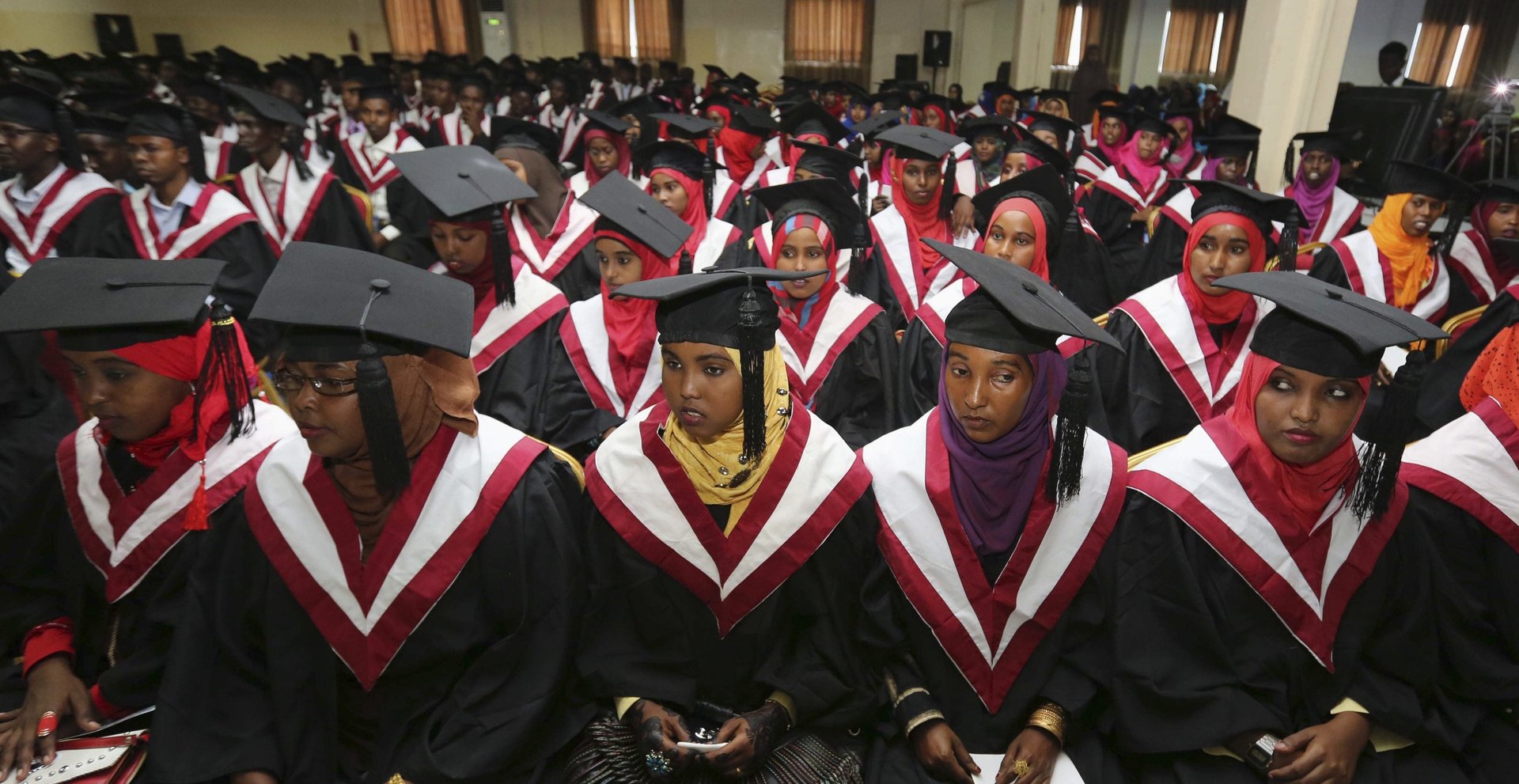
Universities and higher education institutions were always part and parcel of Africa’s modern and past history. The Univerisity of Al Qarawiyyin in Fez, Morocco, which opened in 859 AD, is considered the oldest existing and continually operating university in the world. Al-Azhar University in Egypt, part of the larger complex of institutions associated with Al-Azhar mosque and which currently enrolls two million students, is dubbed the world’s most prestigious Islamic university.
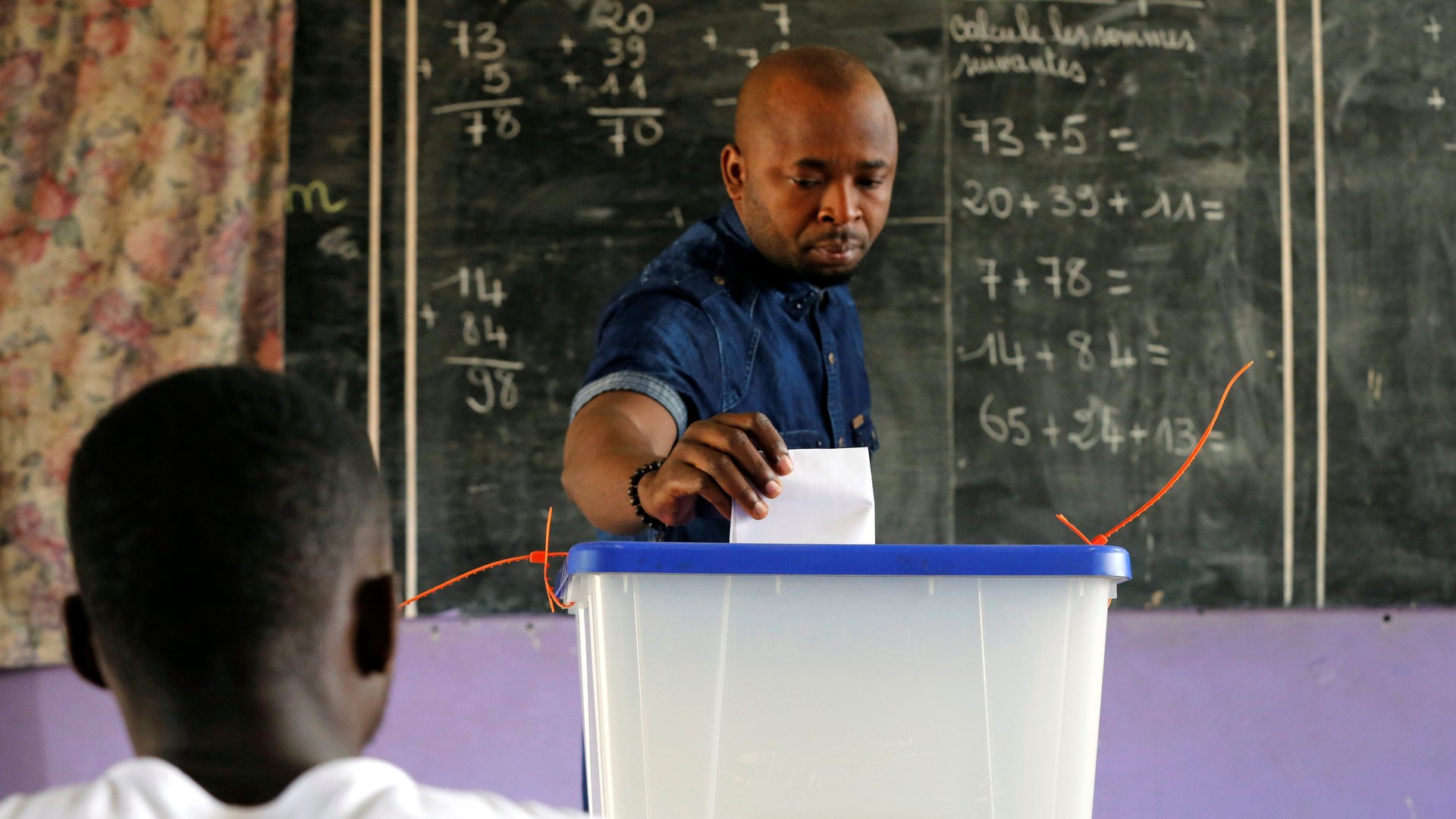
Last year, a public survey of elections by the Pan-African research network Afrobarometer showed Africans distrusted national electoral commissions and the quality of their elections. Just over 40% of Africans in 36 countries believed that the last elections in their country were free and fair; 25% said they trusted their electoral commissions “a lot”; and many described elections where bribery was rampant, media bias persisted, and voters were often threatened with violence at the polls.