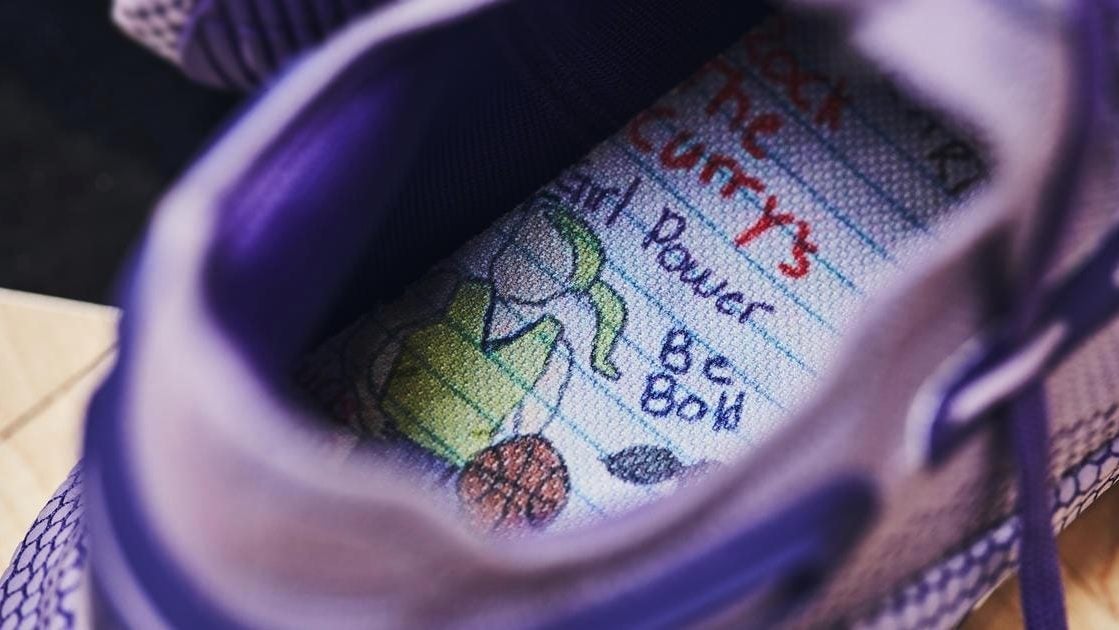
Riley Morrison probably doesn’t have a resume. Nine-year-olds generally don’t. If she did, she could honestly state on it that she contributed design touches to Under Armour’s newest signature sneaker with NBA star Stephen Curry.

Riley Morrison probably doesn’t have a resume. Nine-year-olds generally don’t. If she did, she could honestly state on it that she contributed design touches to Under Armour’s newest signature sneaker with NBA star Stephen Curry.

The hot toddy is a wintertime staple for one obvious reason and one more important reason.

Nike knew it was taking a risk when it put former NFL quarterback Colin Kaepernick in an ad campaign. The choice was guaranteed to anger a large number of current and potential customers, given that Kaepernick had become such a controversial figure for his decision to kneel during the US national anthem in protest of police shootings of black Americans. Nike had even considered dropping its deal with him (paywall).

By reputation, Anna Wintour is nothing if not critical. And as Vogue’s long-time editor, she has a particularly informed opinion on how a person should dress for that fraught fashion situation: the job interview.

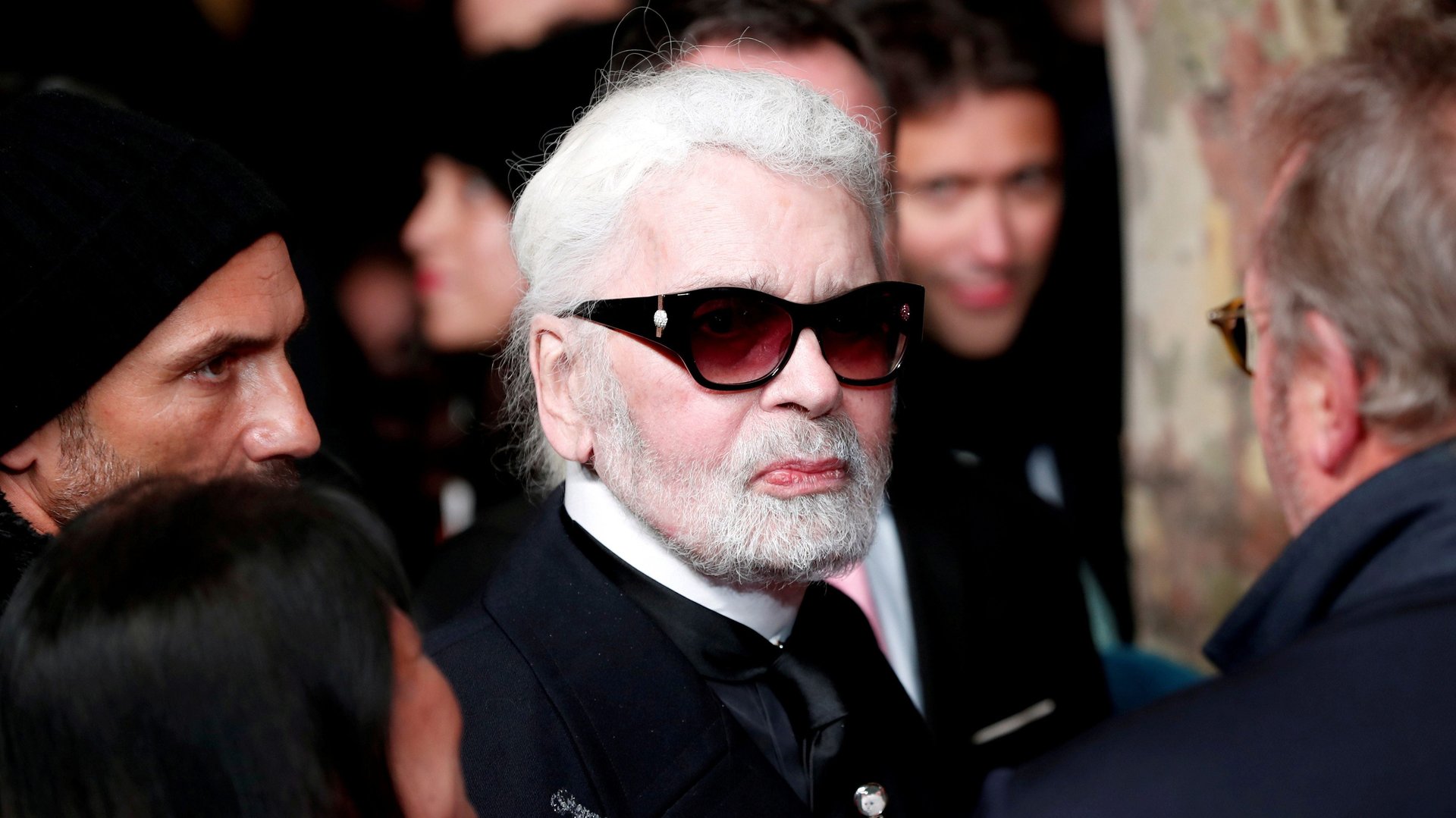
Karl Lagerfeld made Chanel the grandest show in Paris each season. The backdrops he envisioned for his collections were as much Hollywood sets as fashion runways, complete with a rocket that actually lifted off or a sea that really lapped the sandy shoreline.

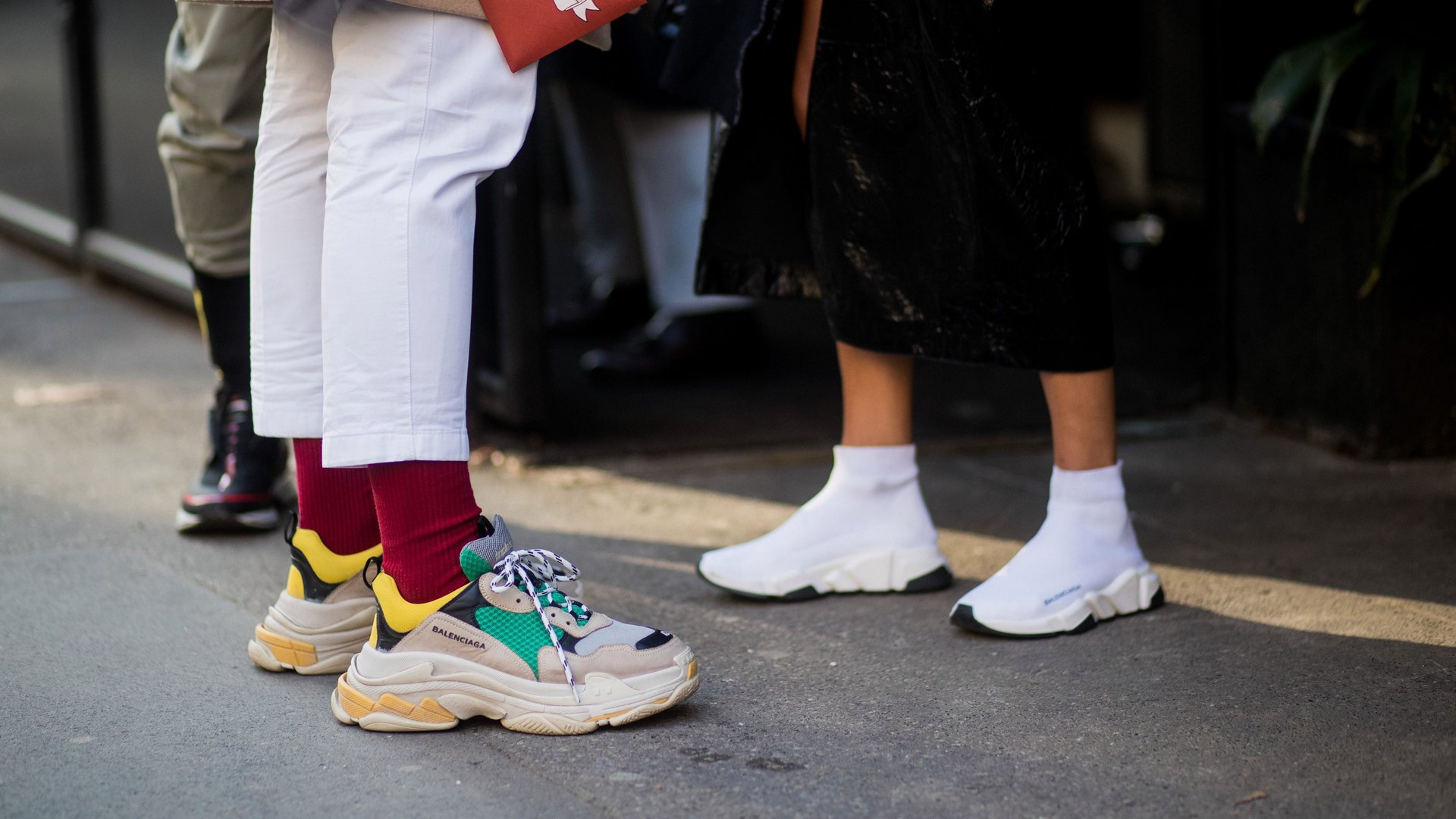
Balenciaga has a knack for grabbing attention like few other luxury brands today. That’s largely down to artistic director Demna Gvasalia’s habit of mixing the unusual and the expensive. Outlets such as CNN covered the brand’s $2,145 replica of an Ikea tote. There was a similar flurry around its $1,290 t-shirt attached to a button-up; and the $9,000 coat with as many layers as an onion, which drew comparisons to the episode of Friends where Joey puts on all Chandler’s clothes.

When Amazon jumps into a new market, everyone in it gets shaken off their feet.

Gap Inc. announced today (Feb. 28) that it will split into two companies. One will consist of its Old Navy brand, which has been the steady bright spot at the otherwise struggling retailer. The other company, whose name has not yet been determined, will be, well, everything else.

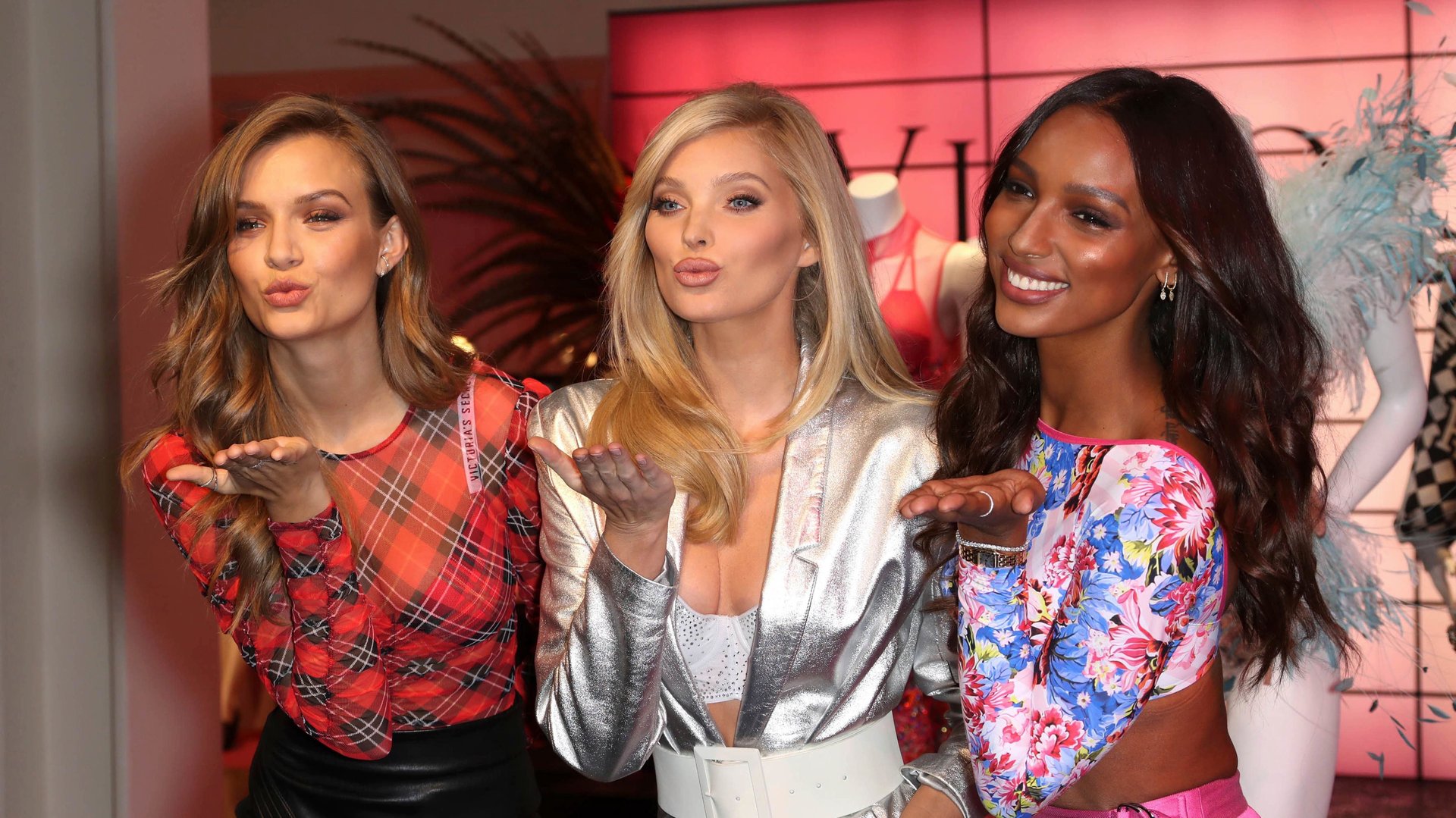
Victoria’s Secret typically closes about 15 stores per year in its normal assessments of which locations are working and which aren’t. This year, the brand says it plans to close roughly 53 stores.

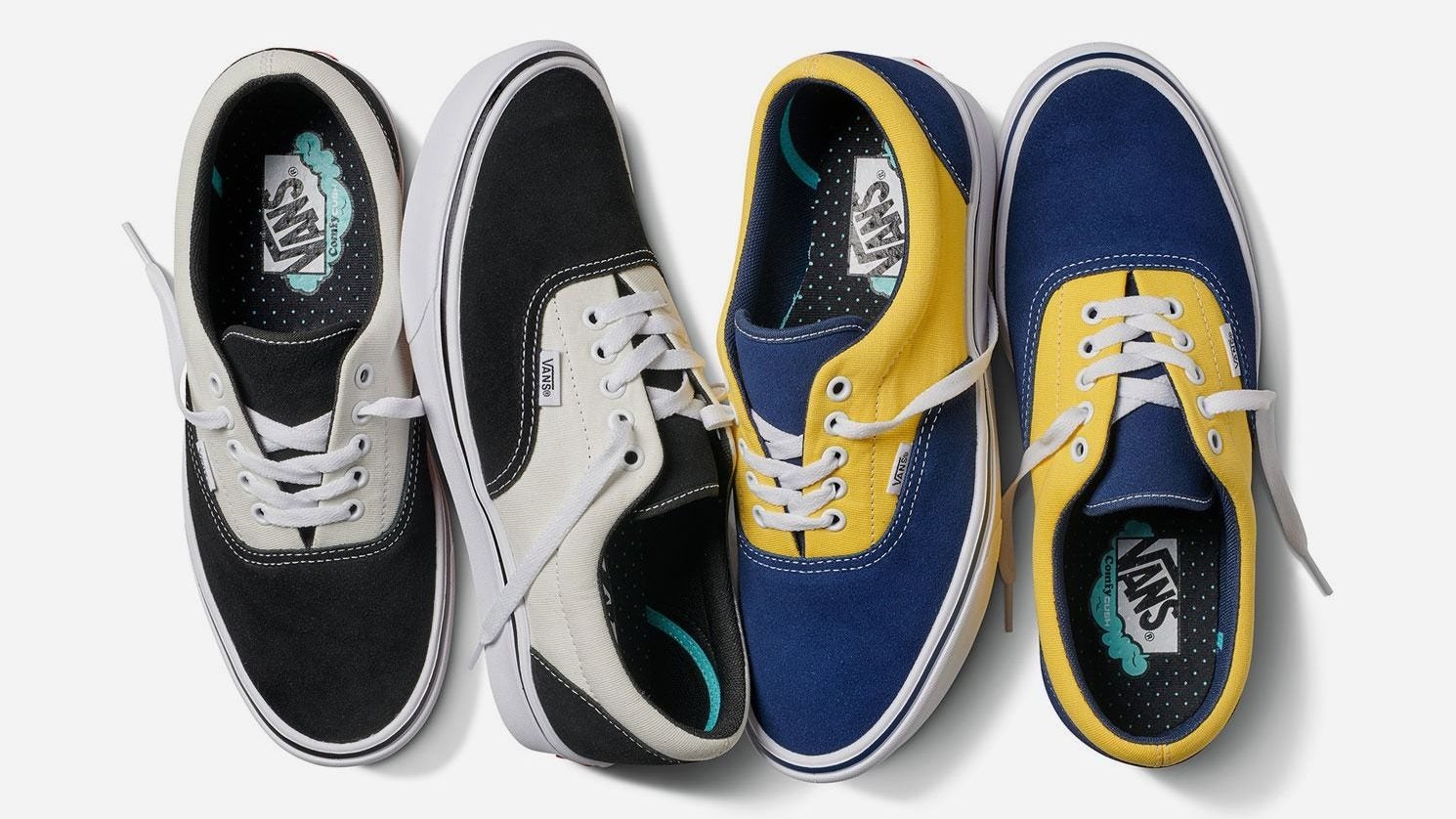
Sneaker technology was a lot different in the 1970s, when Vans introduced the skate shoes that are still core to the brand. The spongy, marshmallowy foams common in today’s soles weren’t around. The Era, Vans’s first-ever skate style, designed by skate pioneers Tony Alva and Stacey Peralta, was basically a slab of rubber with a canvas upper stitched on top. It offered great traction for sticking to a skateboard, but not a lot of cushion.

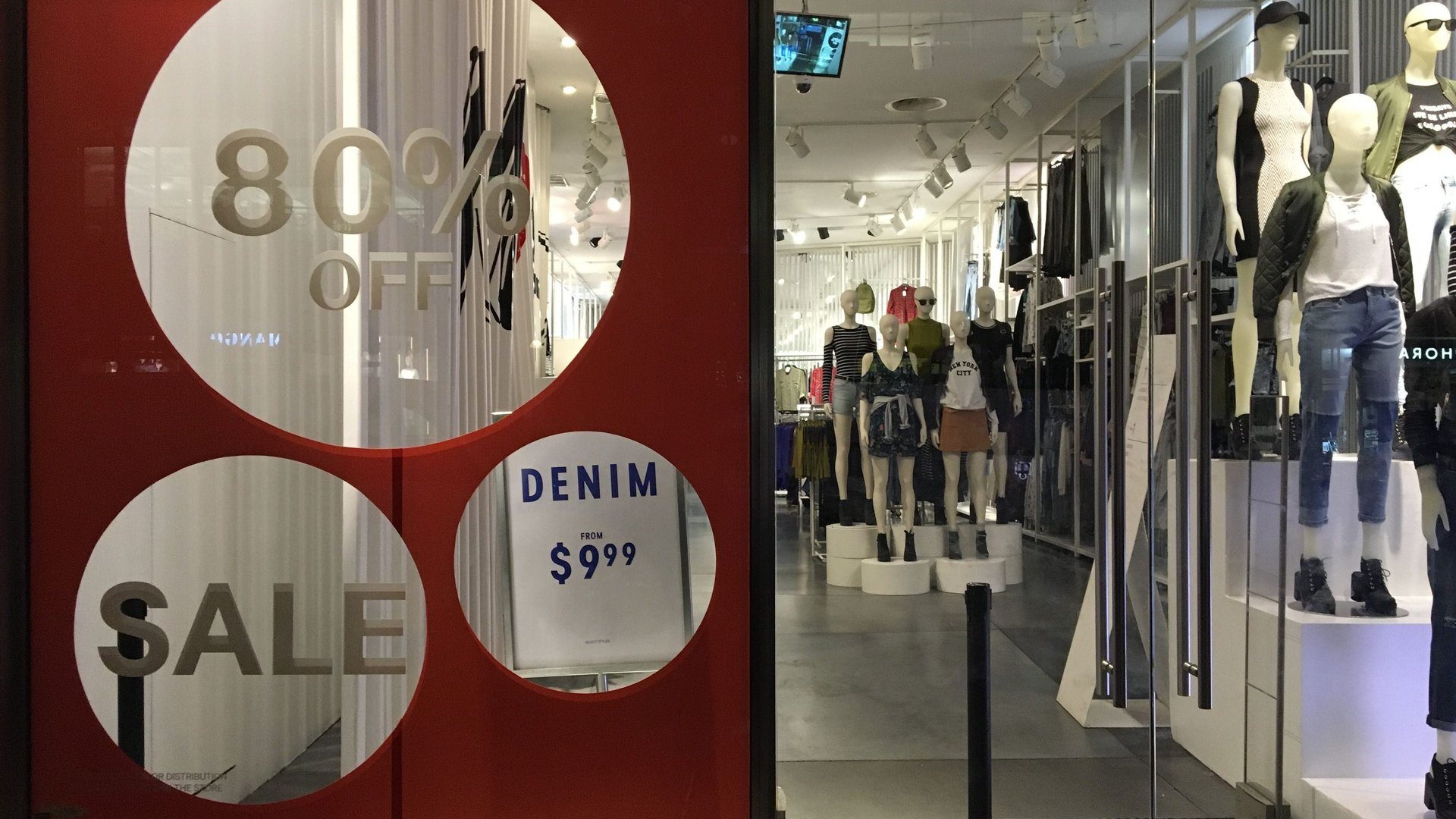
Shoppers in the US can probably think of a few fashion retailers that seem like they’re permanently on sale, their racks packed with clothes that nobody wanted at full price and struggle to move even at a discount. Far from being isolated among a few troubled retailers, the problem has ensnared a large swath of the industry.

Within France’s population of roughly 6 million Muslims are a number of women who wear a hijab and play sports. To satisfy their need to do both simultaneously, Decathlon, a French sporting goods company, had planned to introduce a “running hijab” in the country.

Demna Gvasalia’s work for Balenciaga has attracted about as much notoriety as it has sales.

At the 91st Academy Awards last night (Feb. 24), Lady Gaga brought out something special to accessorize her black Alexander McQueen gown. Around her neck, the Oscar winner for best song wore the 141-year-old, 128.54-carat Tiffany Diamond, the stone Audrey Hepburn wore in the 1962 publicity photos for Breakfast at Tiffany’s and one of the largest yellow diamonds in the world.

Even if he wasn’t in attendance himself, Karl Lagerfeld was a fixture on the Oscars red carpet.

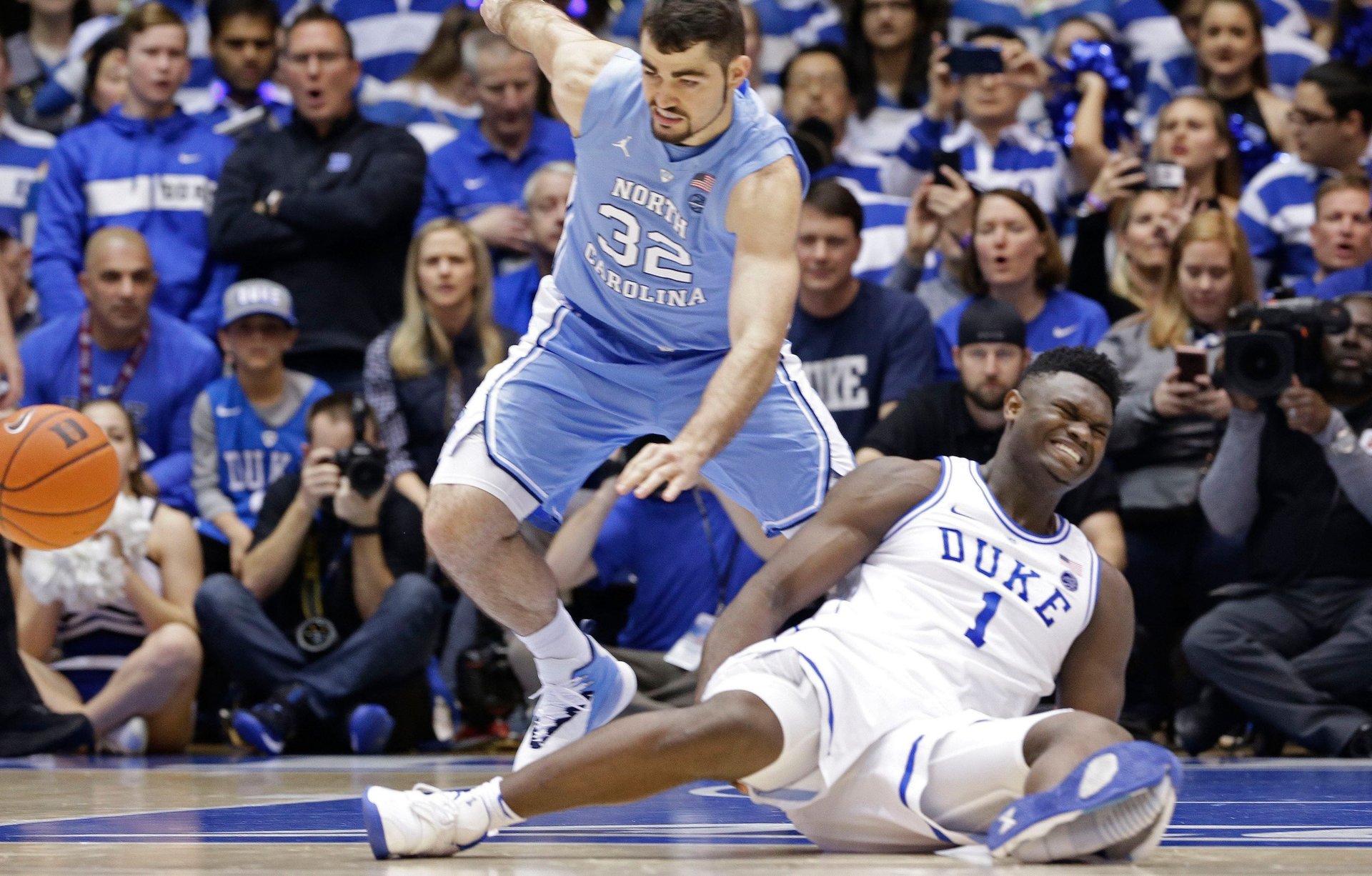
Nike became the focus of one of the biggest US college basketball games of the season last night (Feb. 20), but not for a reason it would like.

In the sense that he merited praise and scorn at various times, Karl Lagerfeld was what people might call problematic.

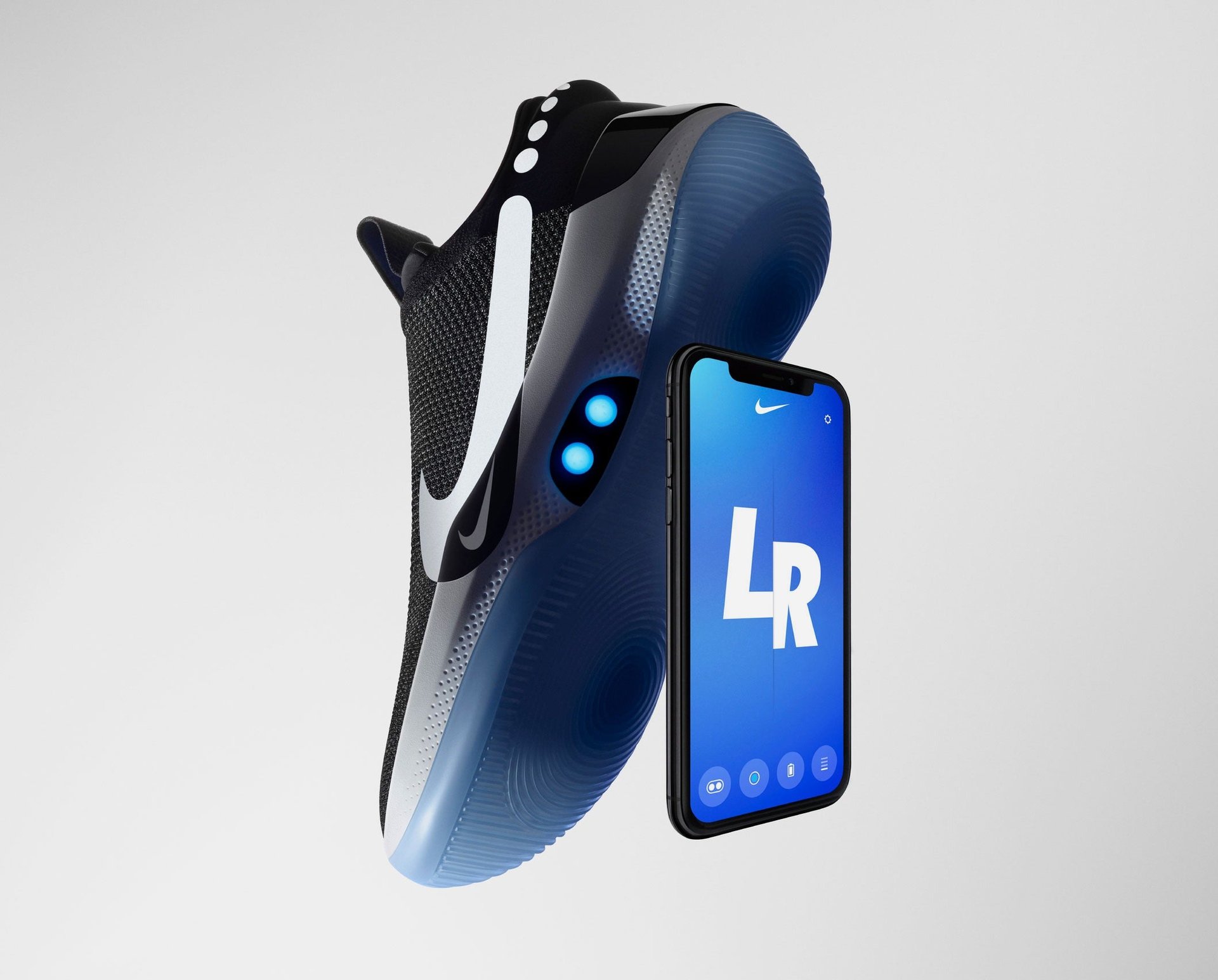
The Nike Adapt BB, a $350 self-tightening sneaker that contains smartphone-grade electronics and can be controlled via an app, became available to consumers just last week.

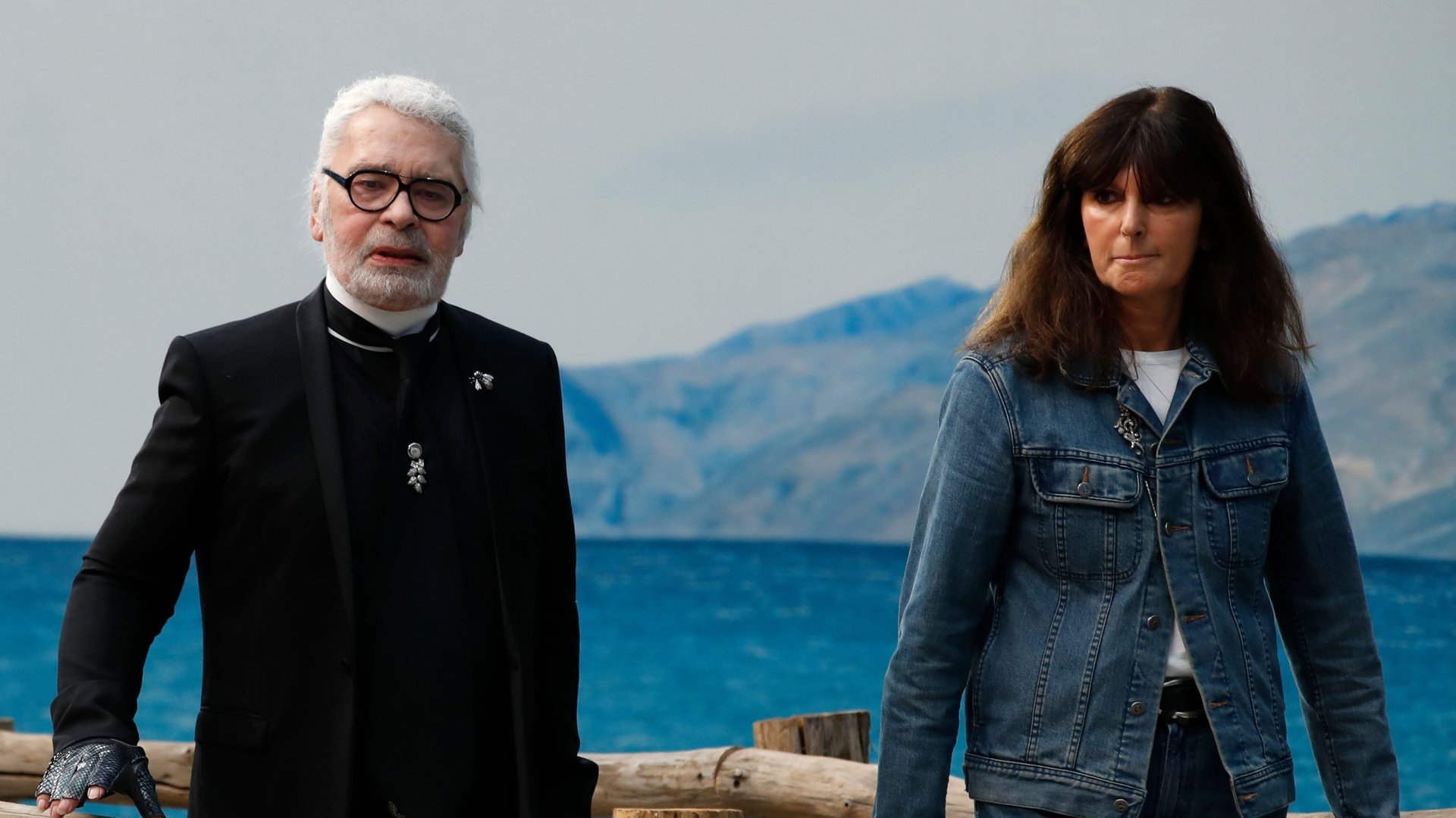
After more than 30 years as the artistic director of Chanel, Karl Lagerfeld’s name is practically synonymous with the storied house. Now, in the wake of Lagerfeld’s death today (Feb. 19), Chanel has announced a successor.

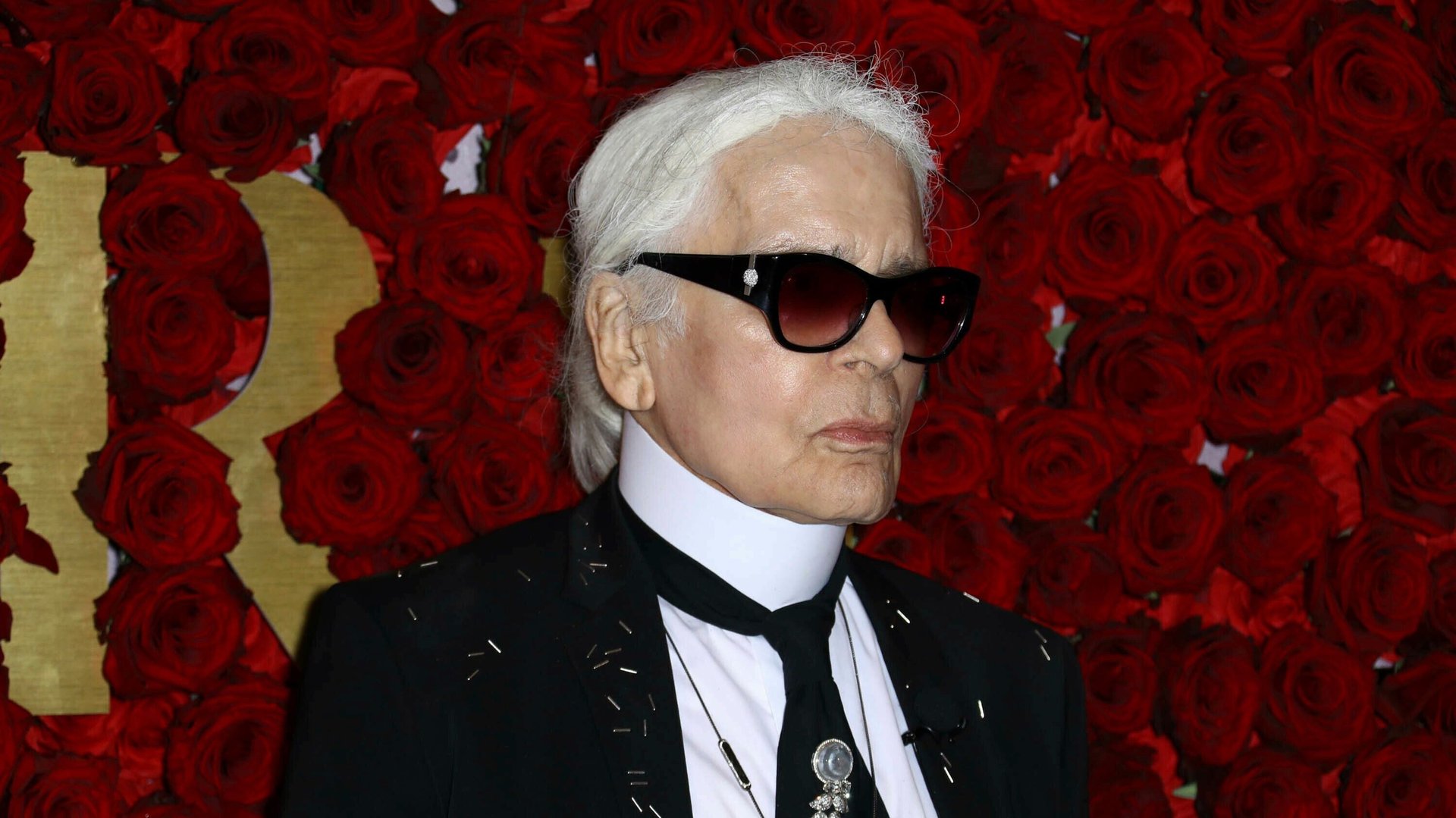
Karl Lagerfeld, who served for more than three decades as artistic director at Chanel, one of the world’s largest and most profitable luxury houses, and as creative chief of Fendi for more than five decades, has died.

When Levi’s recently filed to go public, its registration documents dutifully listed all the potential risks to its business, such as shifting market demand and changing trade policies, as required by regulators.

About a week ago, Donata Meirelles, the style director of Vogue Brazil for the past seven years, celebrated her 50th birthday with an opulent party. A few days later, she had resigned from her job.

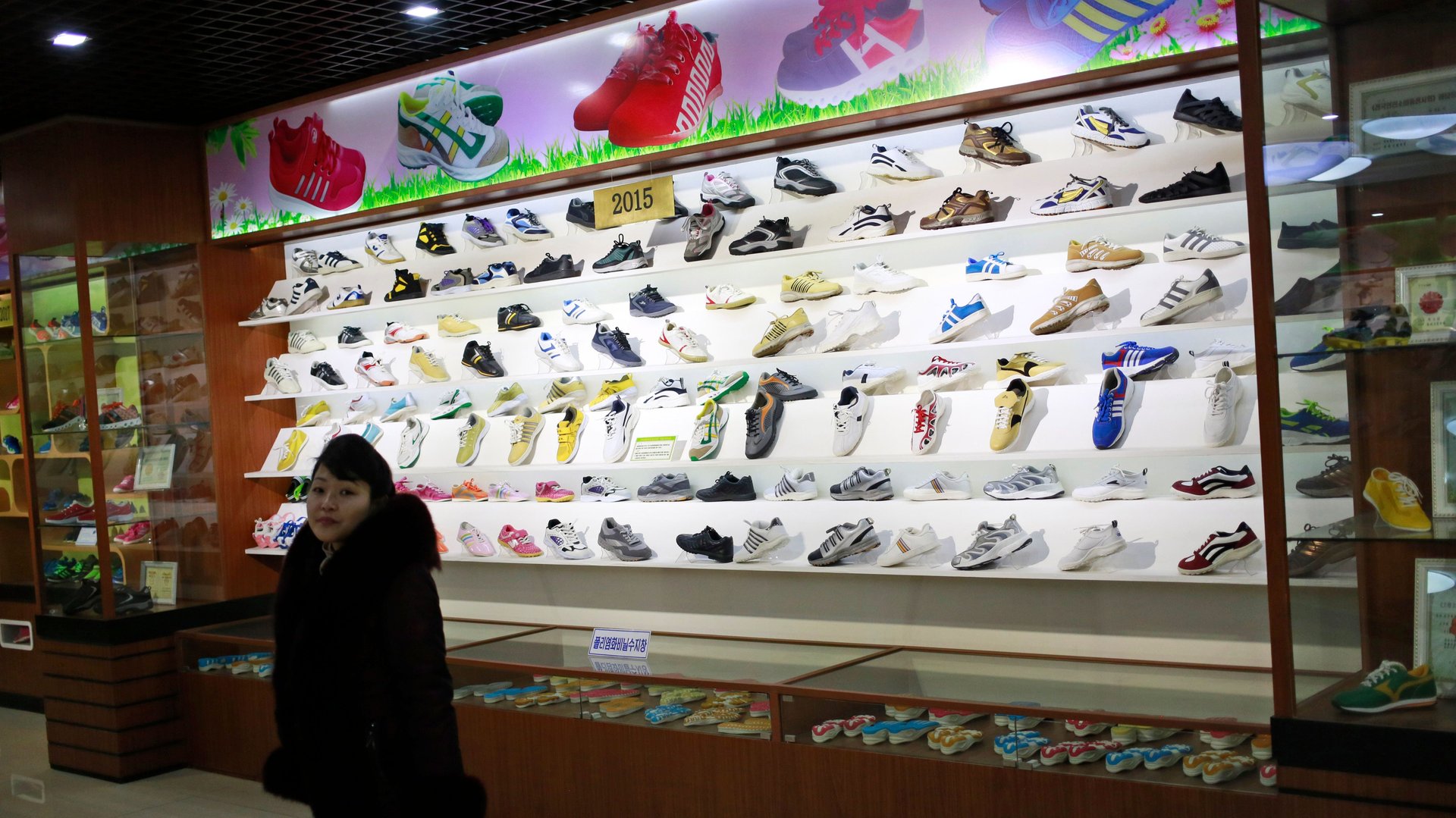
Sneakers from leading brands such as Nike and Adidas aren’t readily available in North Korea. But at the behest of the country’s government, local producers are reportedly taking influence from those foreign labels and filling the gap themselves, cranking out look-a-likes of Air Jordans and other styles.

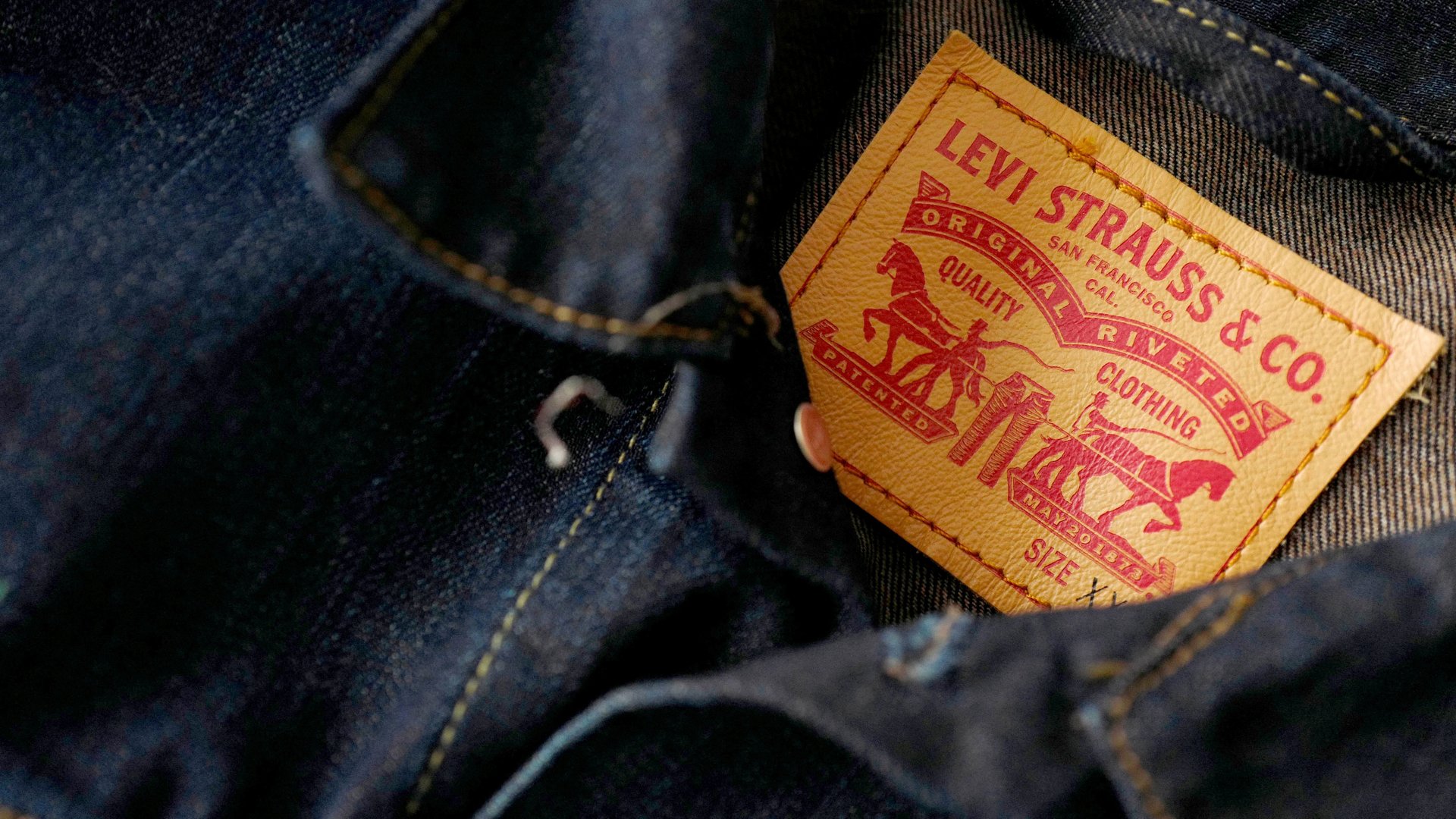
Levi’s, the label that first put rivets in denim pants and invented the modern blue jean, is going public once more.