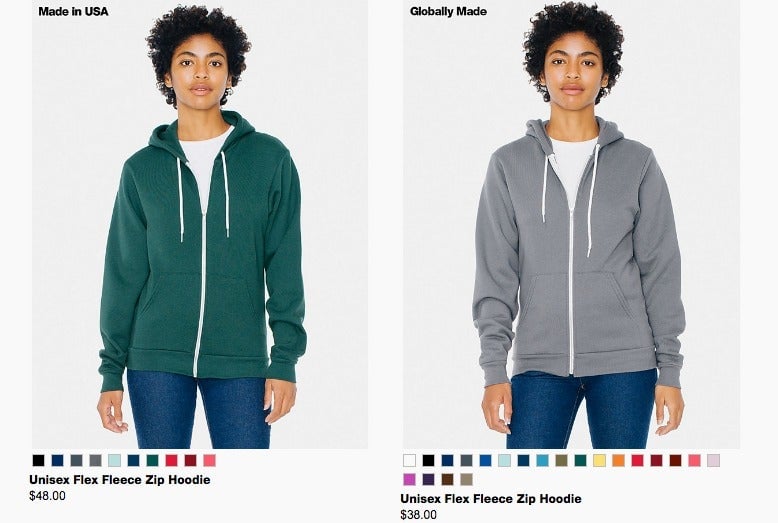
American Apparel is giving shoppers who want their goods “Made in the USA” a chance to put their money where their mouths are.

American Apparel is giving shoppers who want their goods “Made in the USA” a chance to put their money where their mouths are.

ASOS, the UK’s largest online fashion retailer, is building a giant new fulfillment center in the US that will serve as a launching point for a major push into the country.

The comedian Henry Youngman was famous for his one-liners. In one of his better-known jokes, a patient visits the doctor. “Doctor, it hurts when I do this,” the patient says, to which the doctor replies: “Don’t do that!”

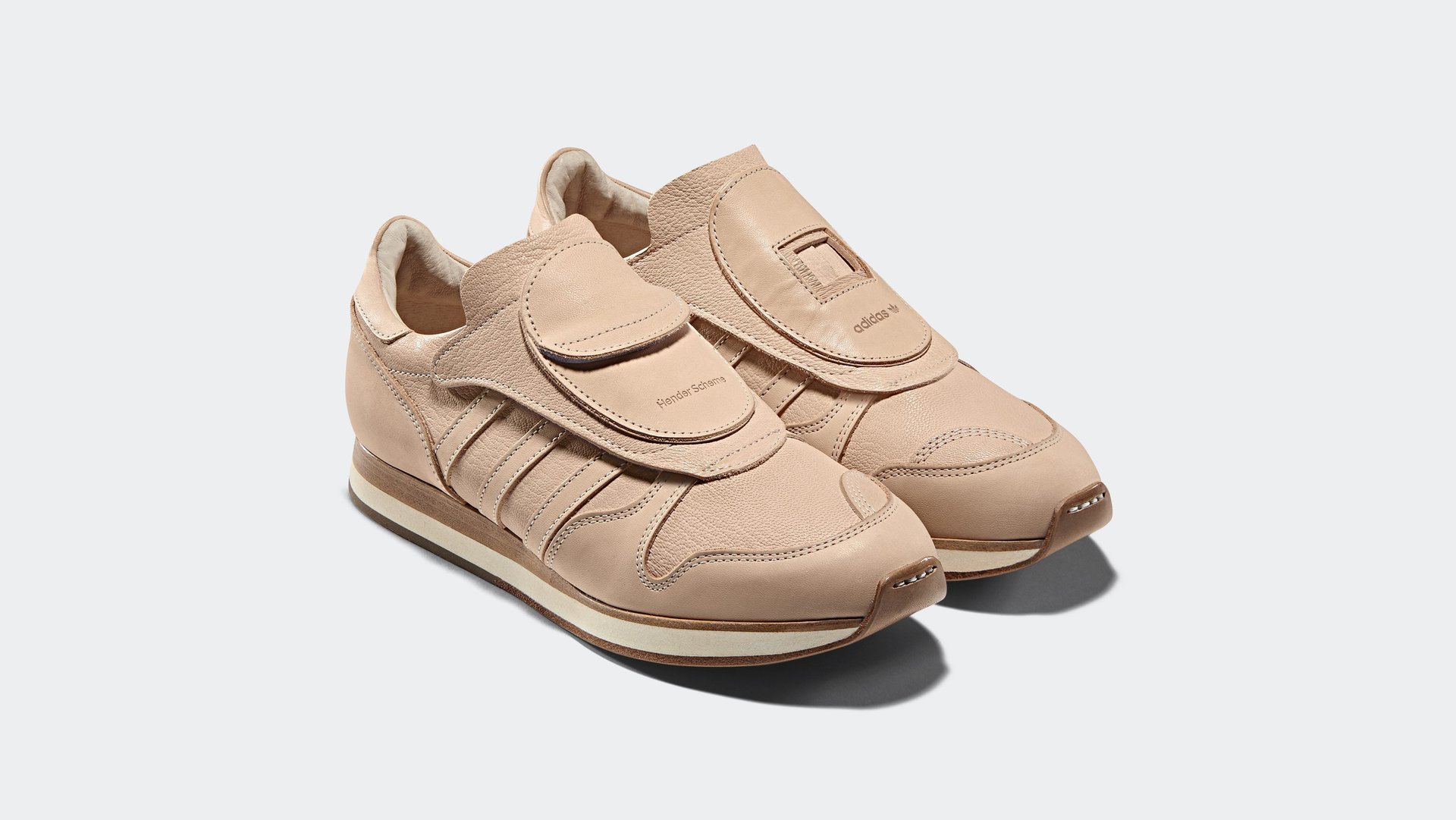
If you were feeling uncharitable, you might call Hender Scheme’s replicas of classic sneakers knockoffs. They are, after all, basically logo-less duplicates of styles including Nike’s Presto and Air Jordan IV, Vans’ Era, Reebok’s InstaPump Fury, and more. But founder Ryo Kashiwazaki calls them ”homages.”

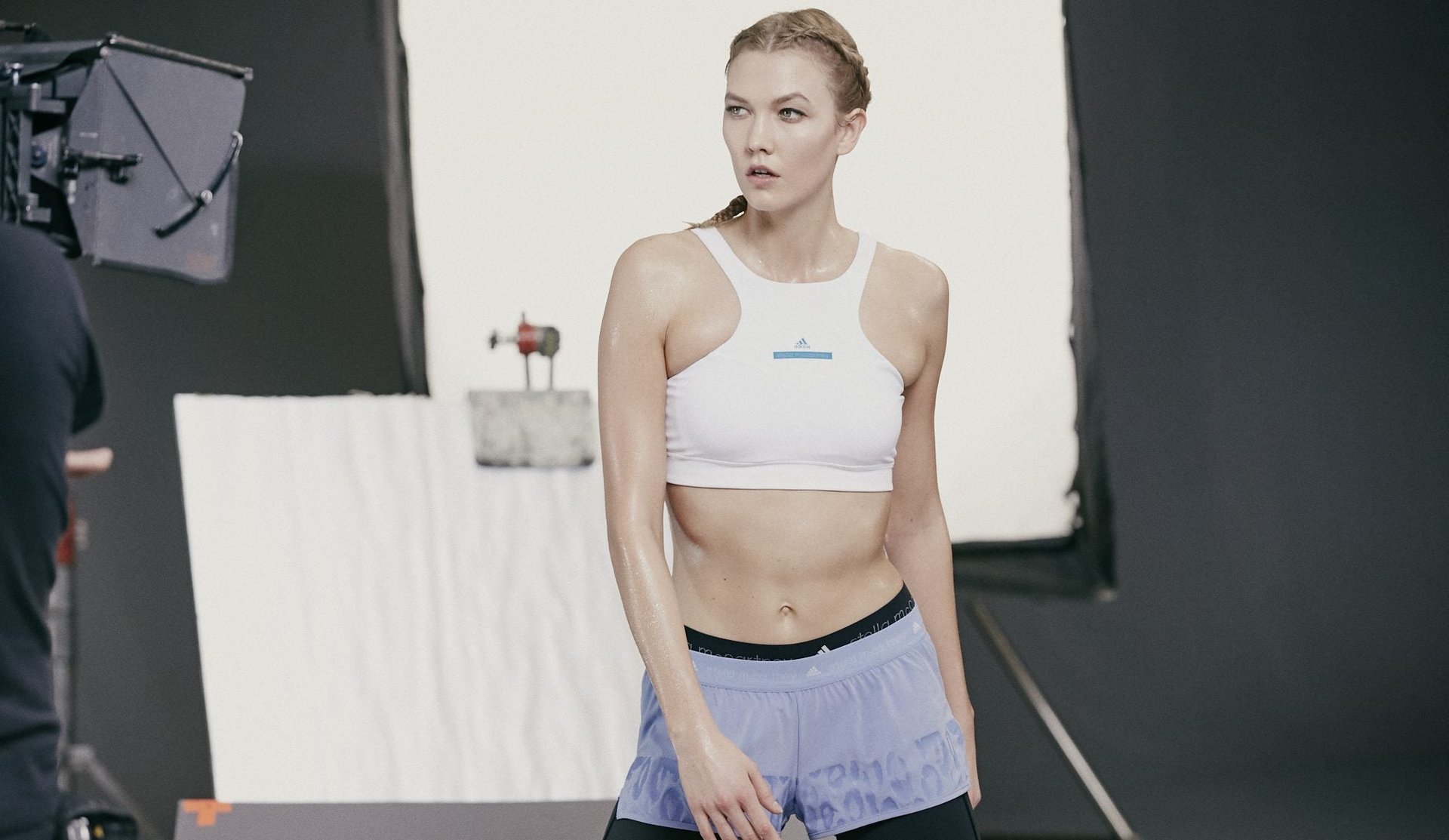
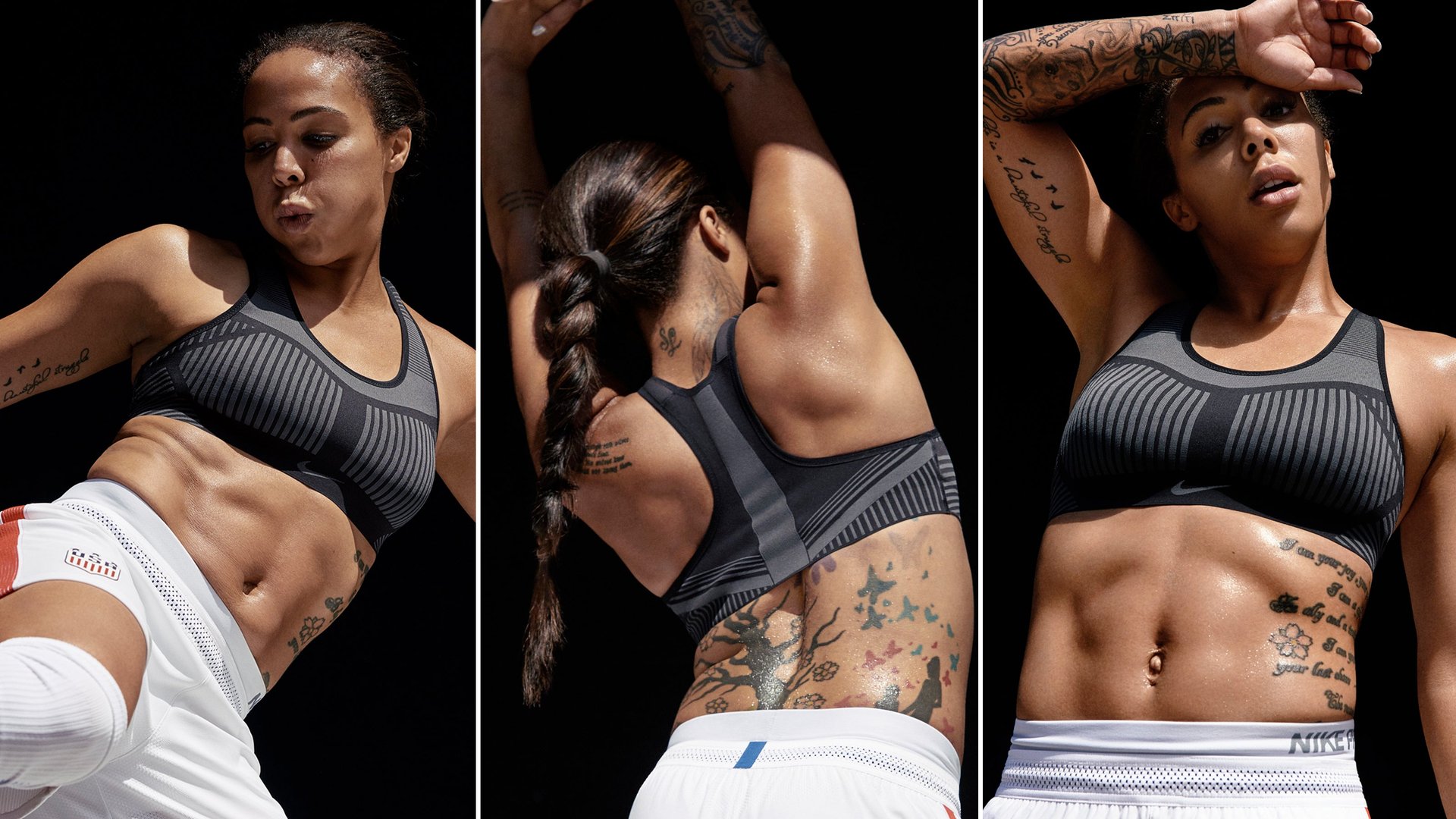
When the major sporting apparel brands look ahead to the next few years, women are consistently one of the key groups they want to reach to improve sales. Historically, many activewear manufacturers have paid more attention to men. Now, however, they’re realizing there’s a large—and active—part of the population they haven’t fully capitalized on.

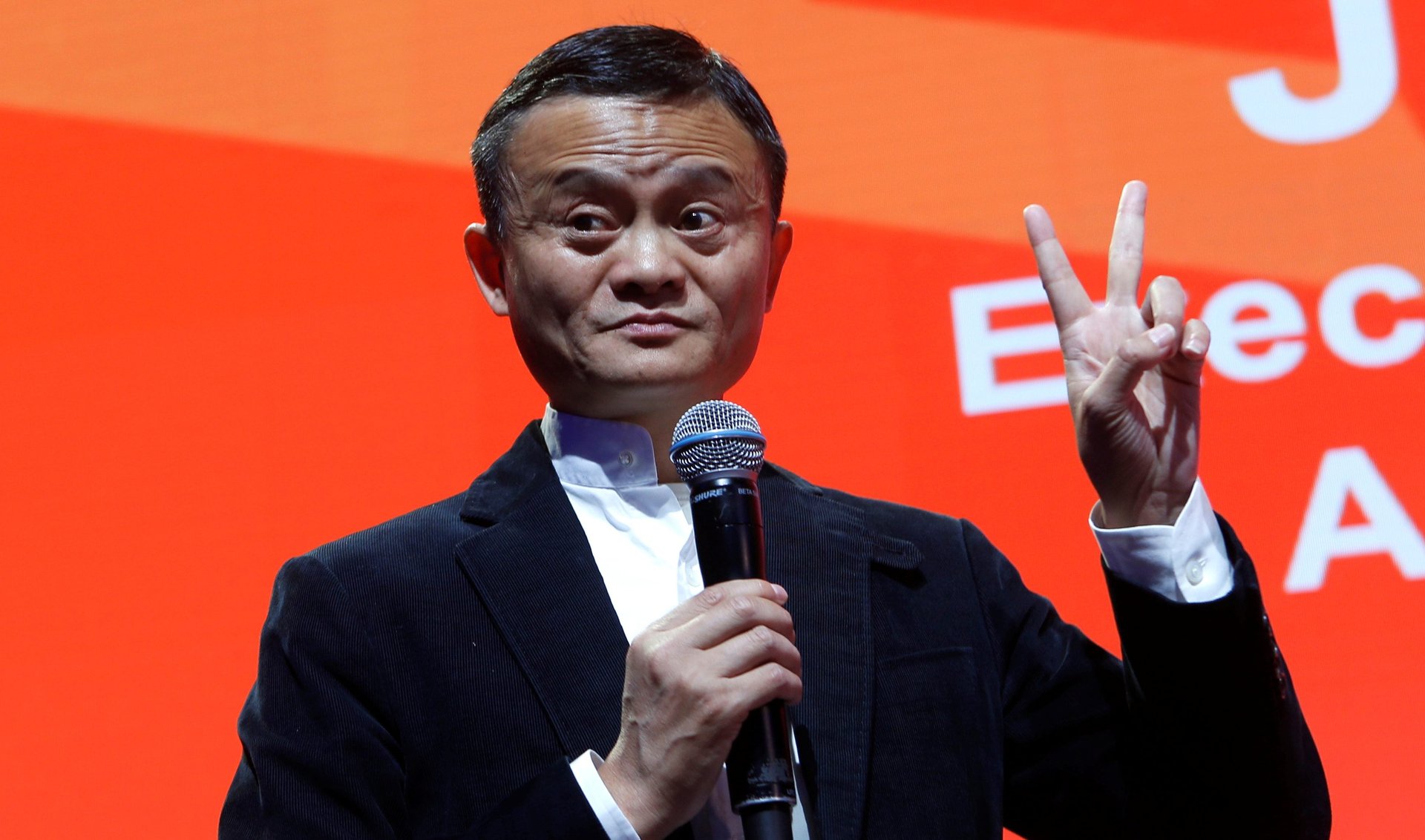
Alibaba, China’s largest e-commerce company, has been trapped in a conundrum.

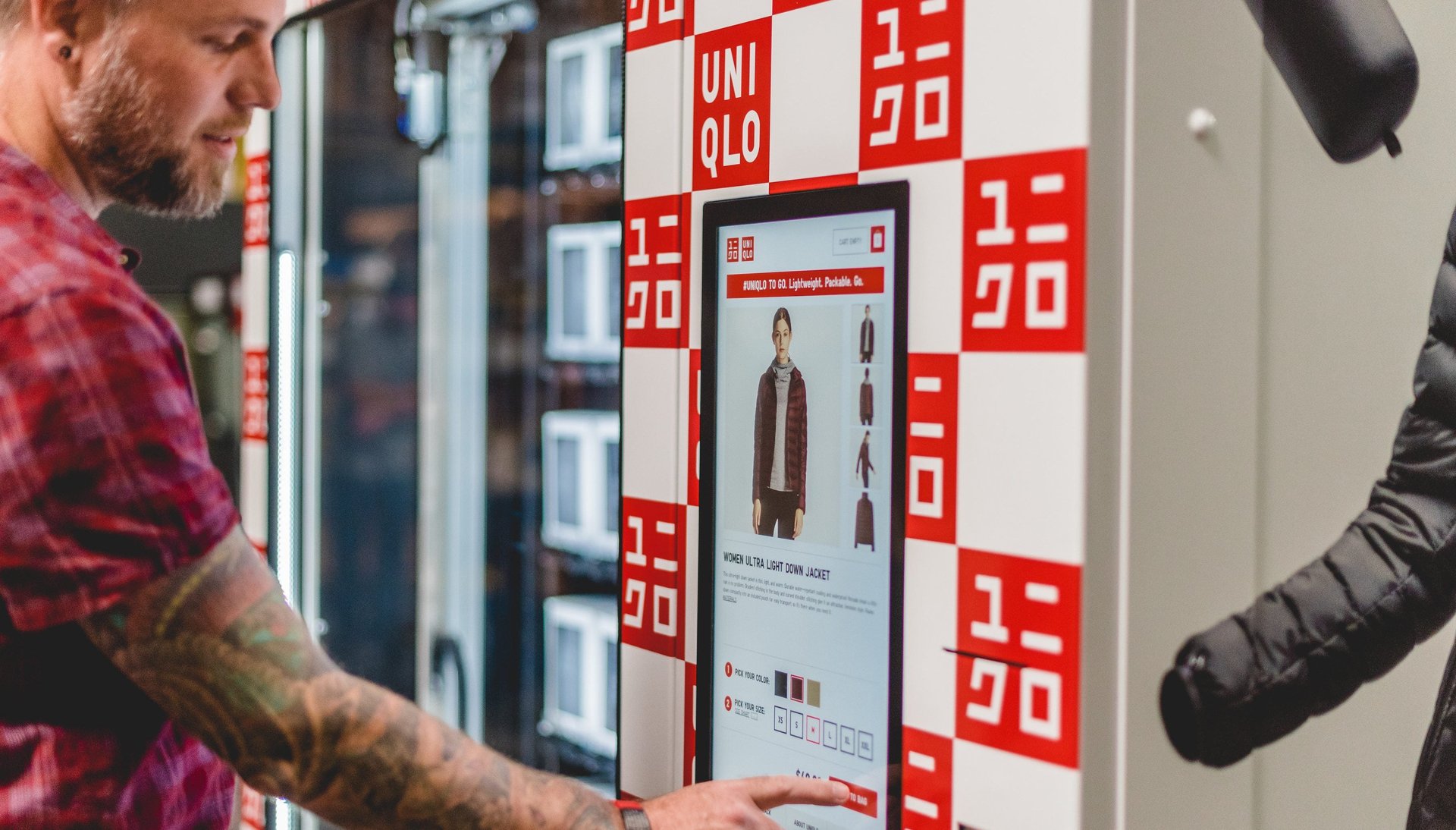
Heattech tops and UltraLight down jackets are two of Uniqlo’s big sellers, items that represent the brand’s style of simple but highly functional clothes. And now they’ll be sold in one of retail’s simplest and most functional of venues: vending machines.

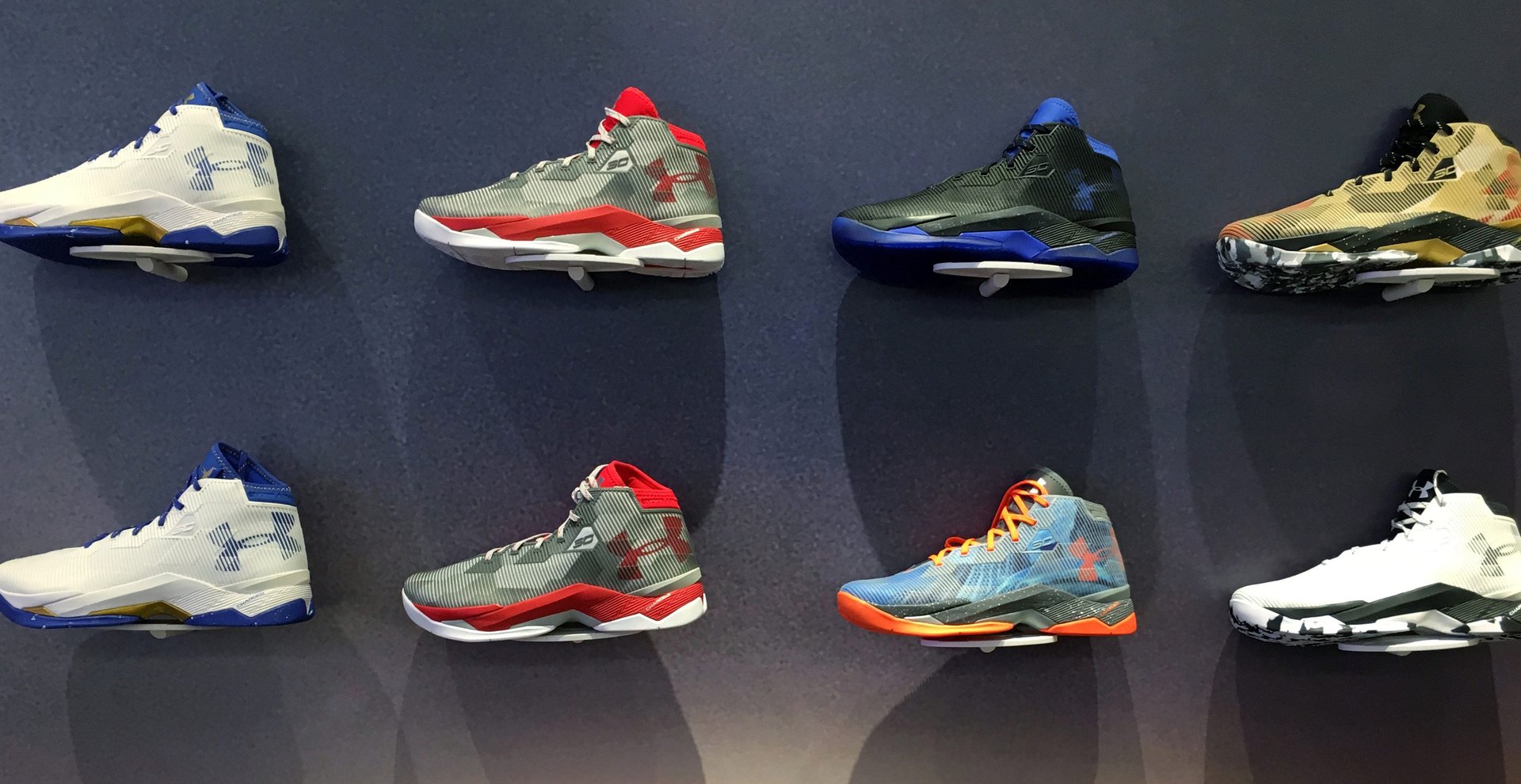
Under Armour has never been shy about its ambition to challenge Nike and Adidas in their roles as the world’s top athletic brands. It has also understood that to meet this challenge, it needs sneakers to be a much bigger part of its business.

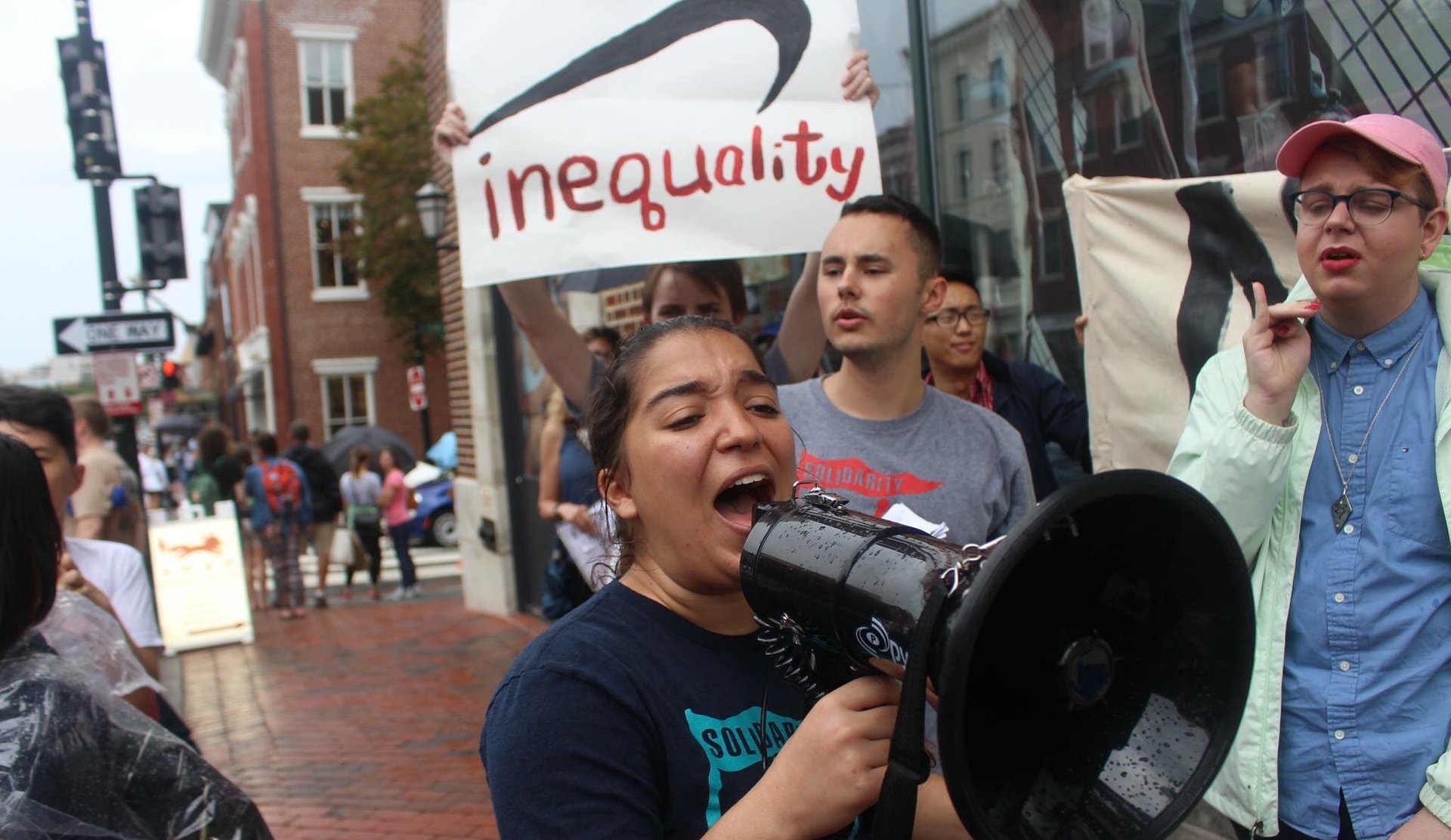
Nike is one of the business world’s shining examples of how to clean up an image: In the 1990s, the company was plagued by reports that it used sweatshops and child labor. Pressure grew until 1998, when Nike cofounder Phil Knight publicly committed to changing the company’s practices, and Nike spent the next decade doing just that.

Given all the violence, drama, dragons, and—let’s face it—nudity on HBO’s hit Game of Thrones, it’s understandable that viewers might not pay close attention to the clothes. But they should.

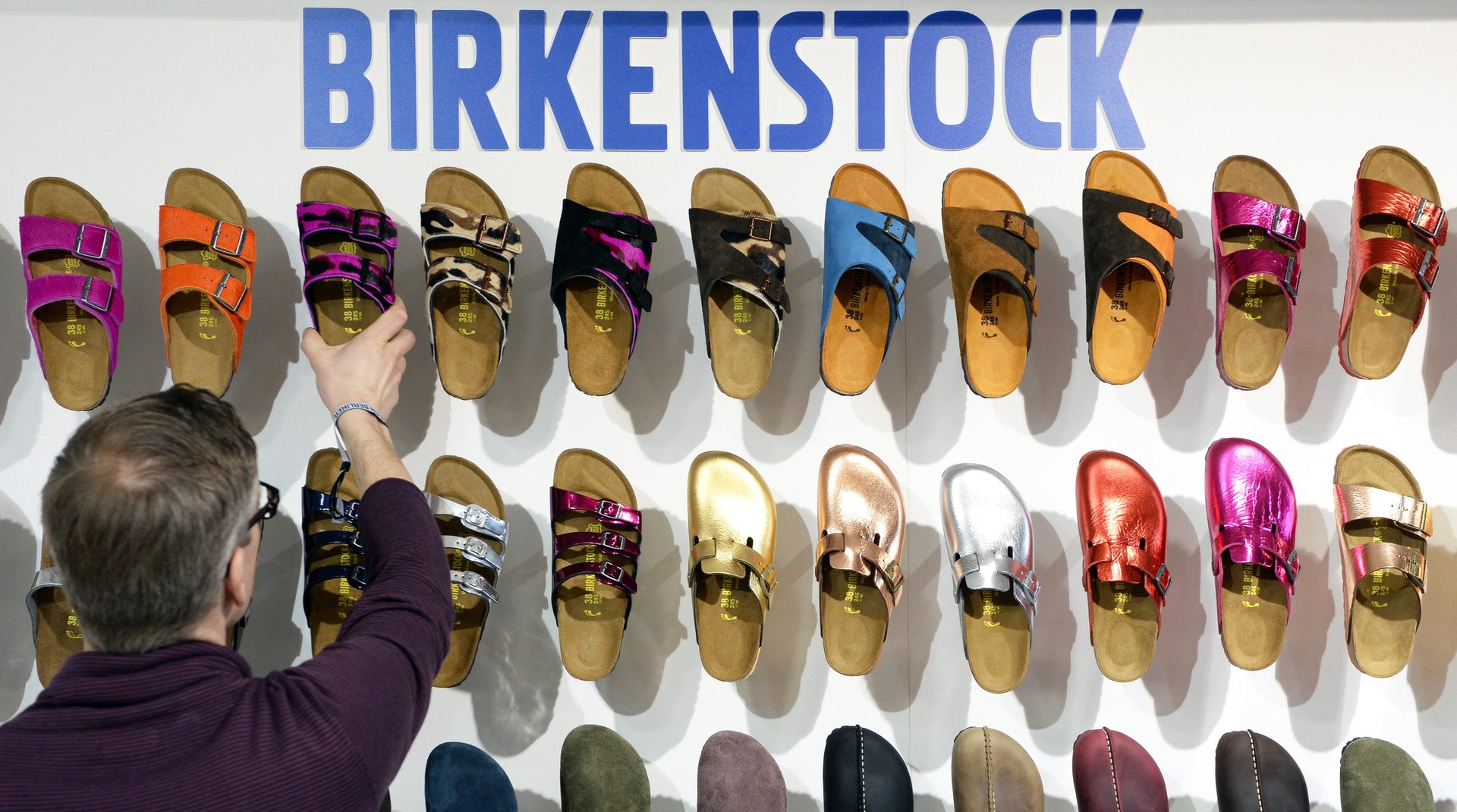
Birkenstock is becoming the face of the Amazon resistance.

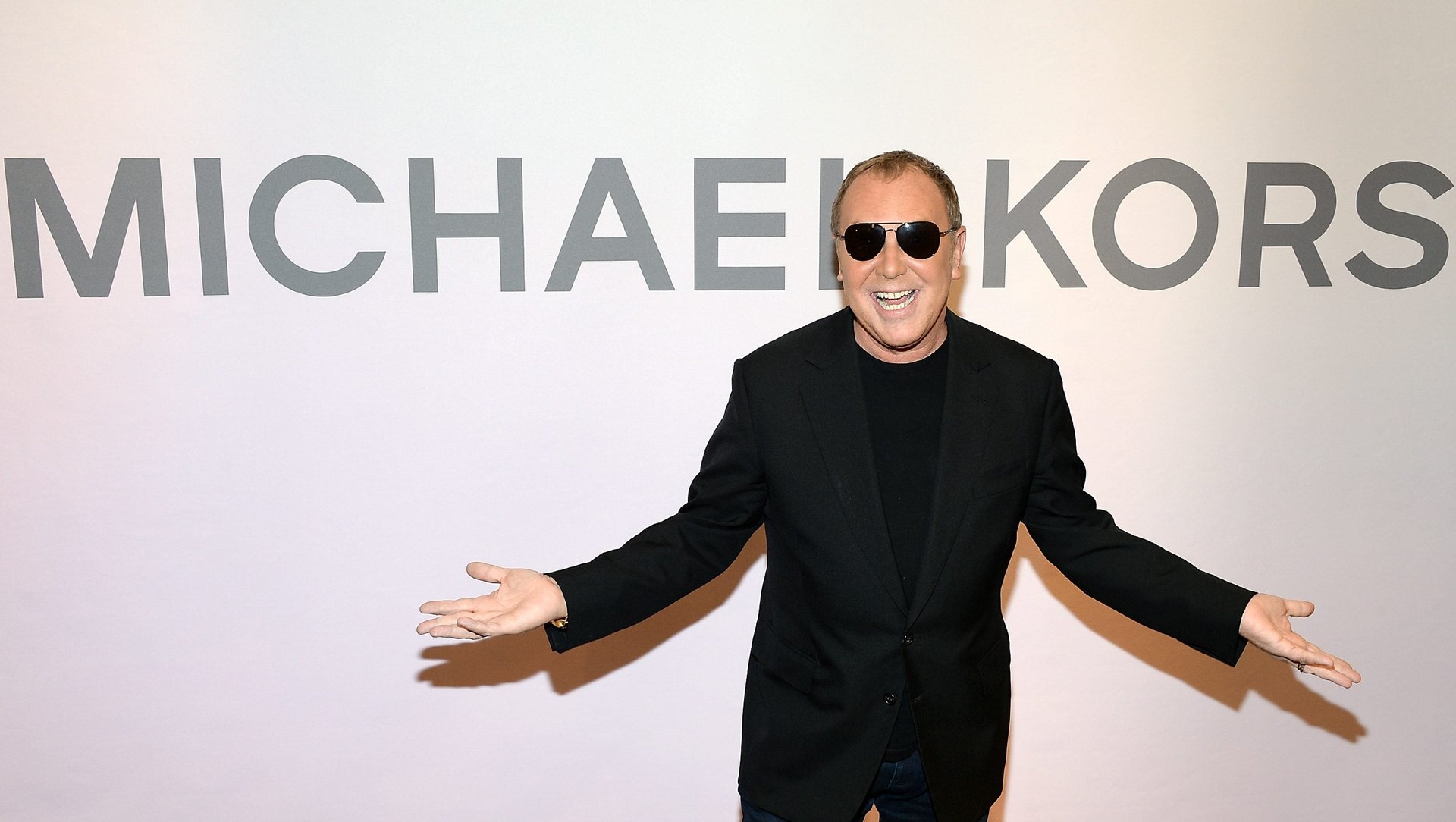
Michael Kors is doing a little shopping. The American clothing and handbag brand is acquiring shoemaker Jimmy Choo for £896 million, or about $1.2 billion. The deal for £2.30 per share of Jimmy Choo was announced today (July 25).

In 1977, the sneaker brand Vans introduced a new shoe style. It was a low-top skate shoe, decorated along its side with a single squiggly line, called the “jazz stripe,” that had originated as a random doodle by Vans co-founder Paul Van Doren. At the time, the shoe was known as the “Style 36,” but since then it has been renamed the Old Skool.

Amazon’s latest feature in its mobile app, Amazon Spark, is a scrollable and shoppable vertical feed of photos with captions, all uploaded by other users. You can leave comments or show your approval by clicking the “smile” button, and you’re able to follow other users.

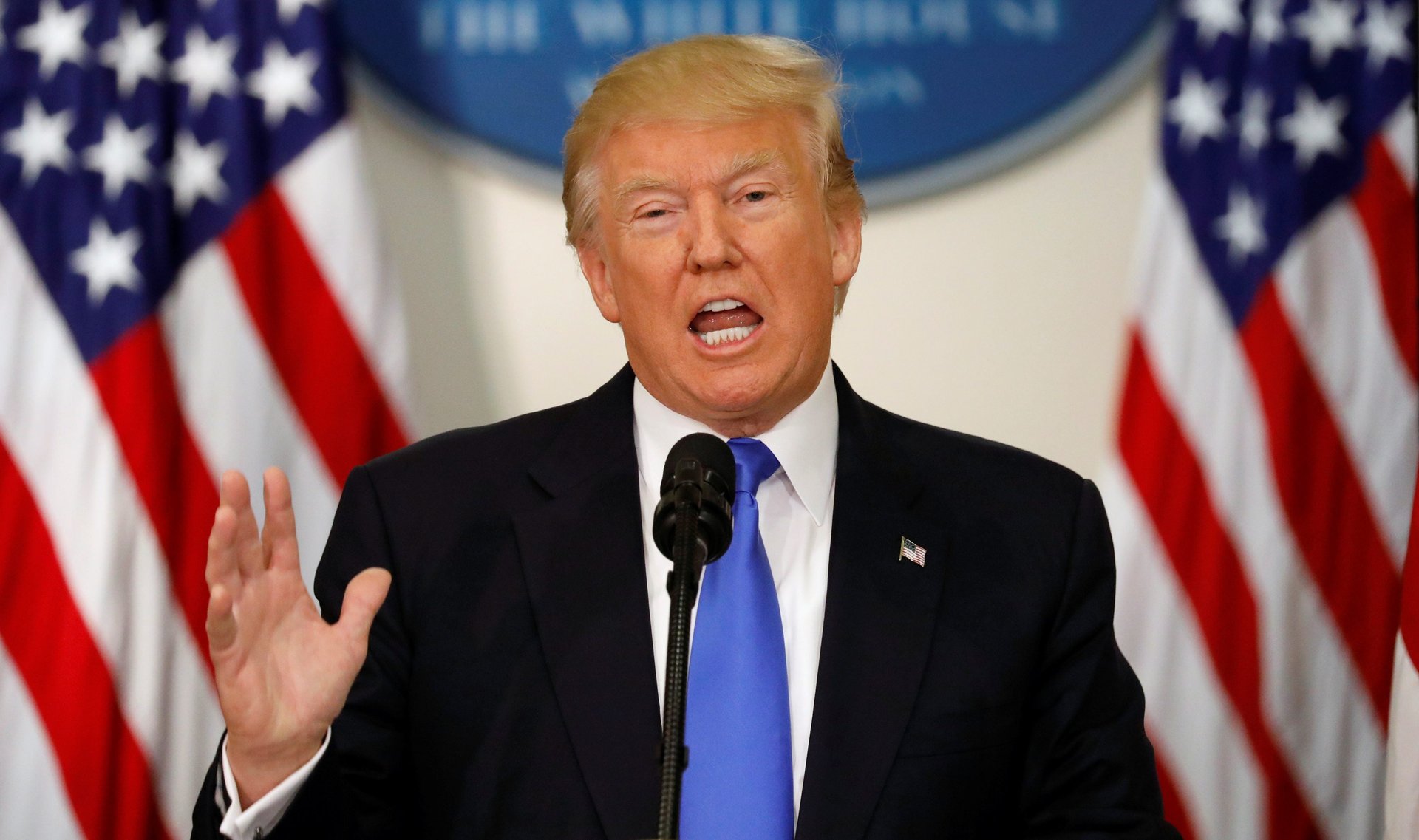
US president Donald Trump got elected in part by vowing to make American manufacturing great again. This week, to encourage people to buy American-made products, the Trump White House launched a “made in America” campaign to promote American manufacturing and showcase US-made goods, complete with what is apparently meant to be an inspirational video featuring a soaring score and shots of American-made products.

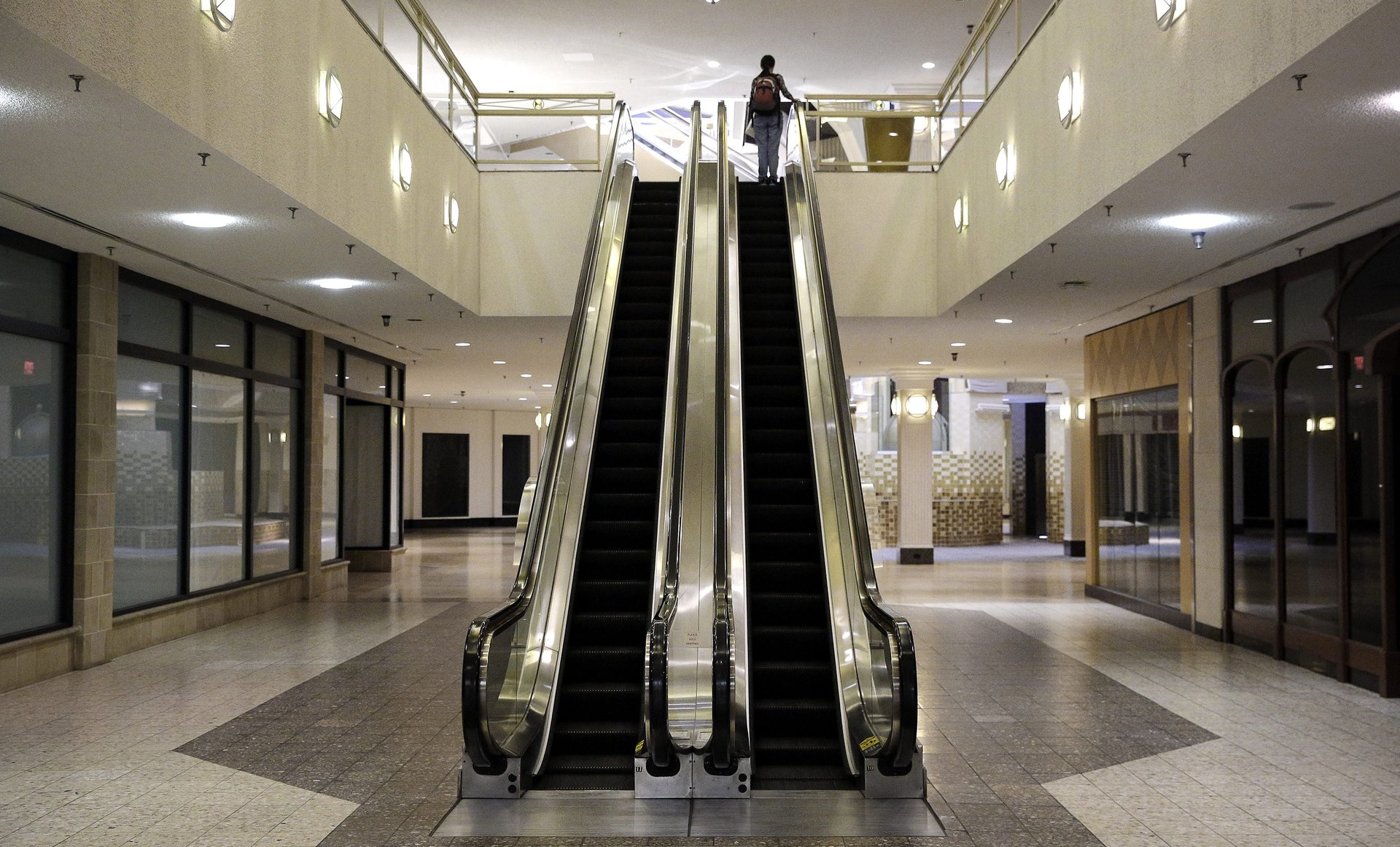
For all the talk of the “retail apocalypse” taking place in the US, the reality is that retail overall isn’t dying. E-commerce and Amazon, after all, are part of retail, too, and they’re doing alright.

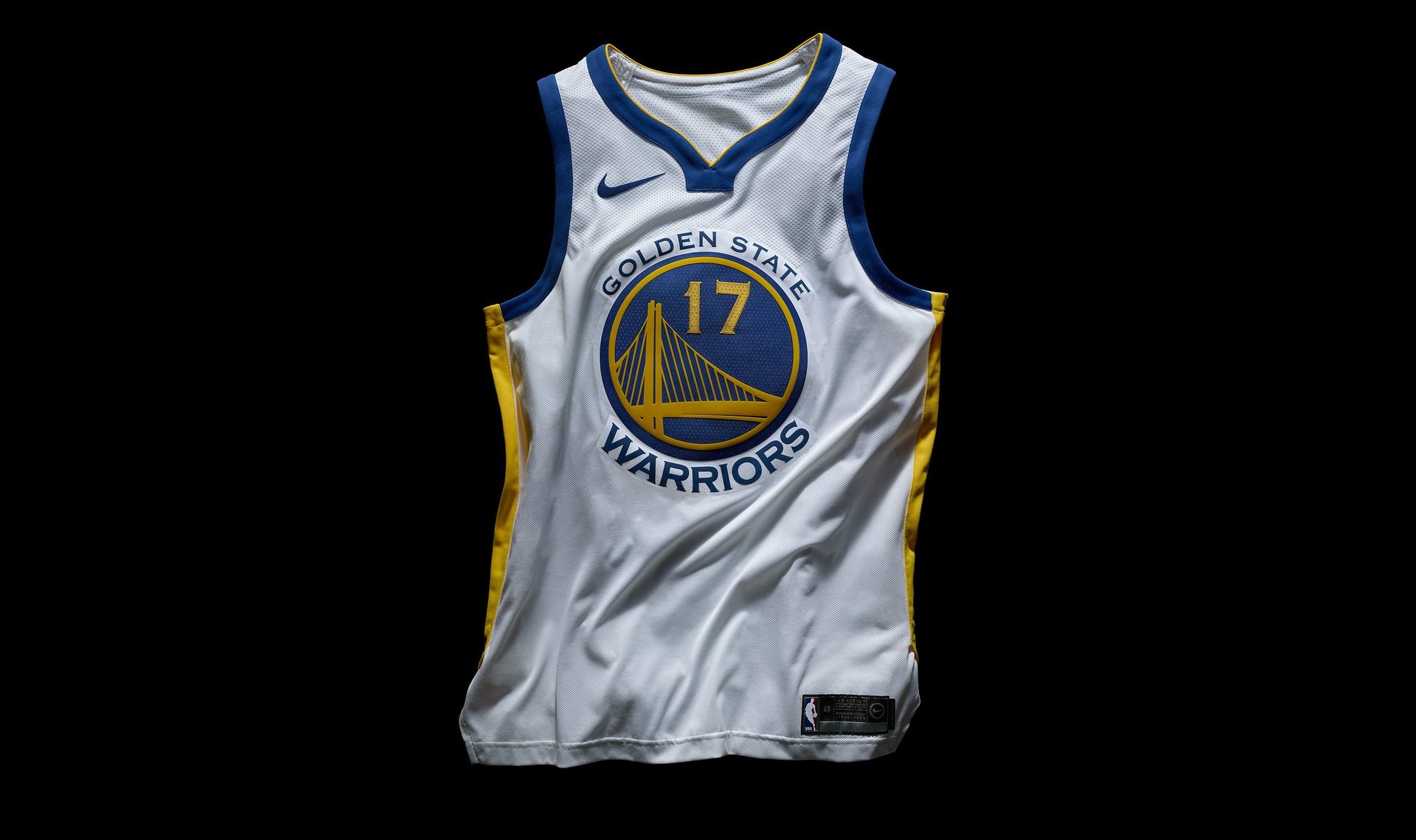
Nike’s eight-year term as the NBA’s exclusive apparel provider—a role it took over from Adidas—has officially begun. Today the company unveiled its new uniform for the defending champion Golden State Warriors, and its most notable detail is something you can’t actually see.

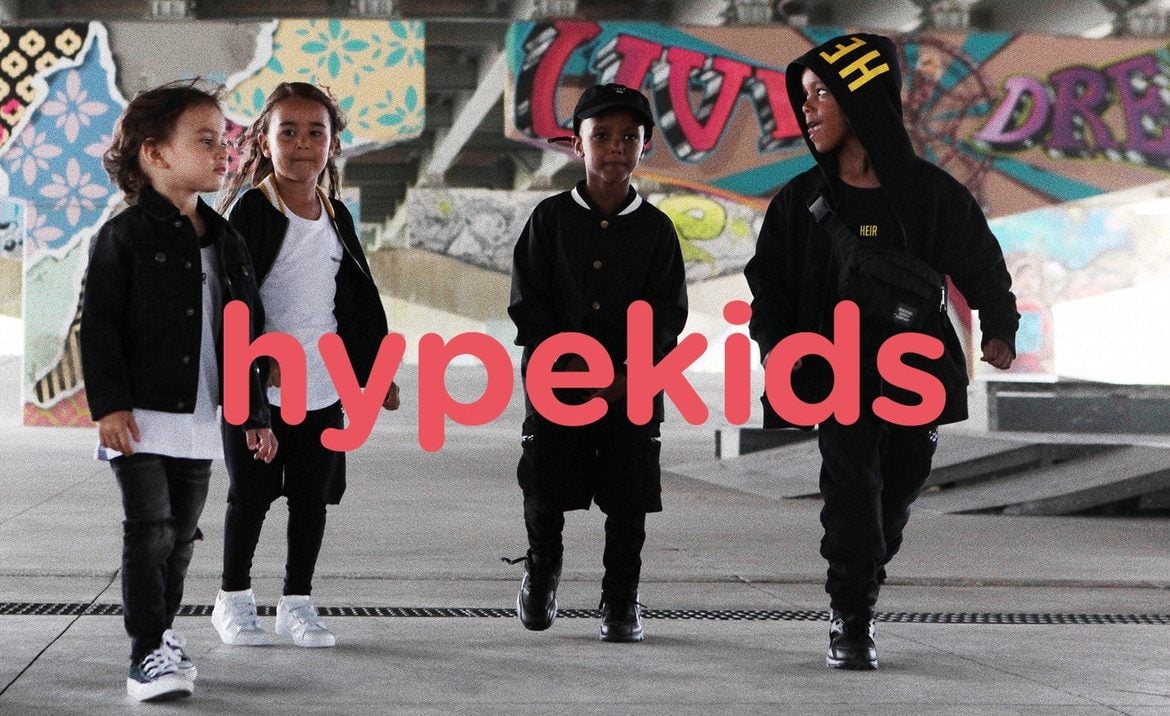
Everything is cuter when shrunken to tiny proportions, and that includes streetwear.

It’s not just their numbers that make Hispanics a hugely important consumer group in the US. In addition to making up roughly 18% of the US population, or about 57 million people—and counting—Hispanics also spend more money on a daily basis than other groups, and their buying power is growing faster than the rest of the US.

The invasion of all things stretchy and sports-inspired into everyday clothing has been one of the defining trends in fashion for the last several years. It isn’t stopping at clothing, though.

When Nike introduced Flyknit in 2012, the material represented a major breakthrough in the sneaker industry. Sneaker uppers were traditionally made from pieces of material that had been cut out and sewn together. Nike’s innovation was a tough, durable knit, almost like a sock, that made for a nearly seamless shoe and conformed to the wearer’s foot. It improved fit and reduced weight, as well as the waste that comes from cutting pattern pieces out of sheets of material. Nike beat archrival Adidas to market with the knit upper, and Flyknit became another signature technology that Nike used throughout its footwear offering.

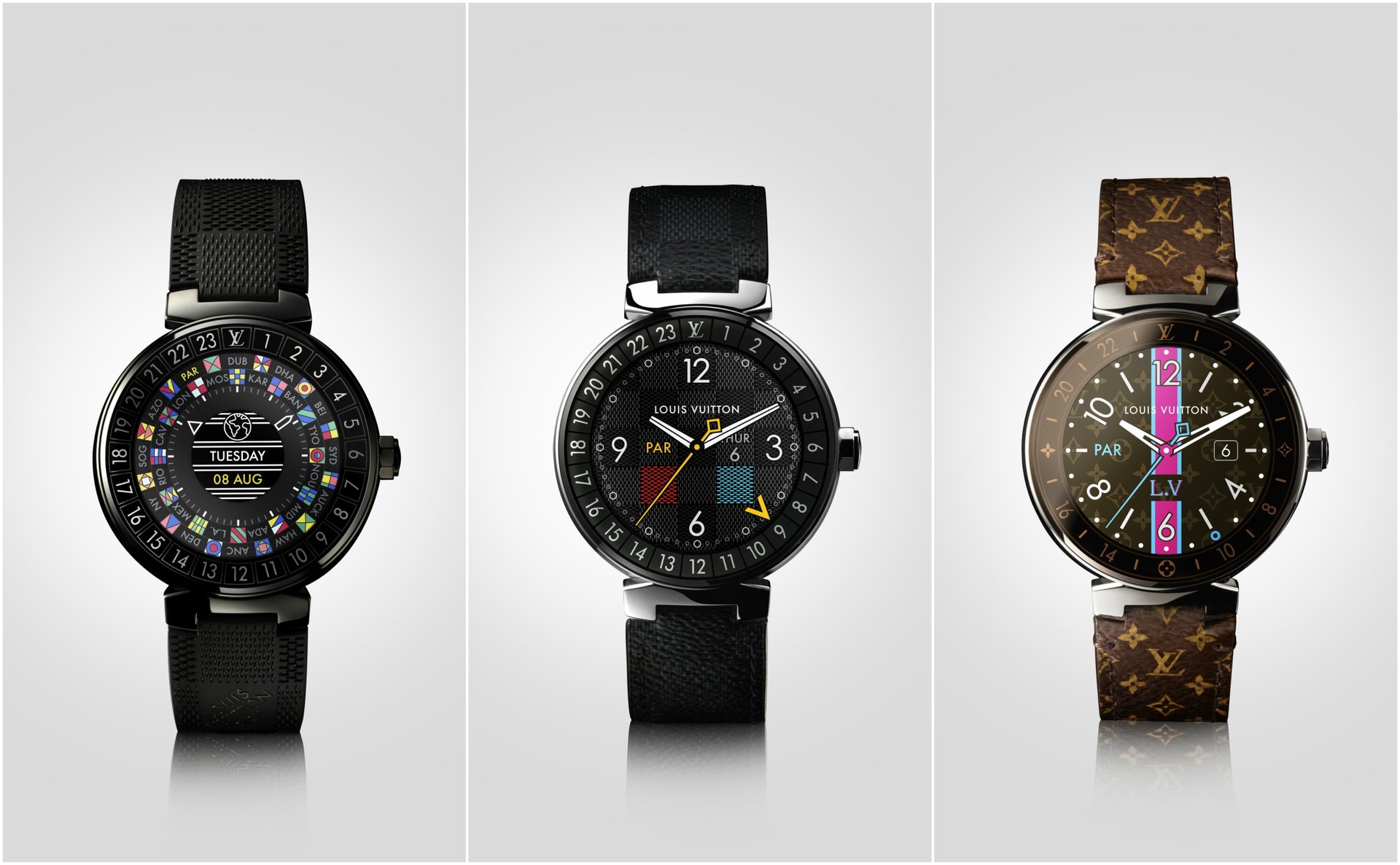
Not long ago, if you wanted to buy a smartwatch it seemed like there was only one place to turn: Apple. The company’s connected watch set the standard for the market. But it was also a luxury gadget. Nobody really needed an Apple Watch.

Stretch marks are a natural and unavoidable part of life for countless women, but you wouldn’t know that from most fashion imagery. Markings of any sort are routinely photoshopped off bodies, leaving them inhumanly smooth. Women can wind up feeling like their own marks are an aberration, rather than a normal occurrence.

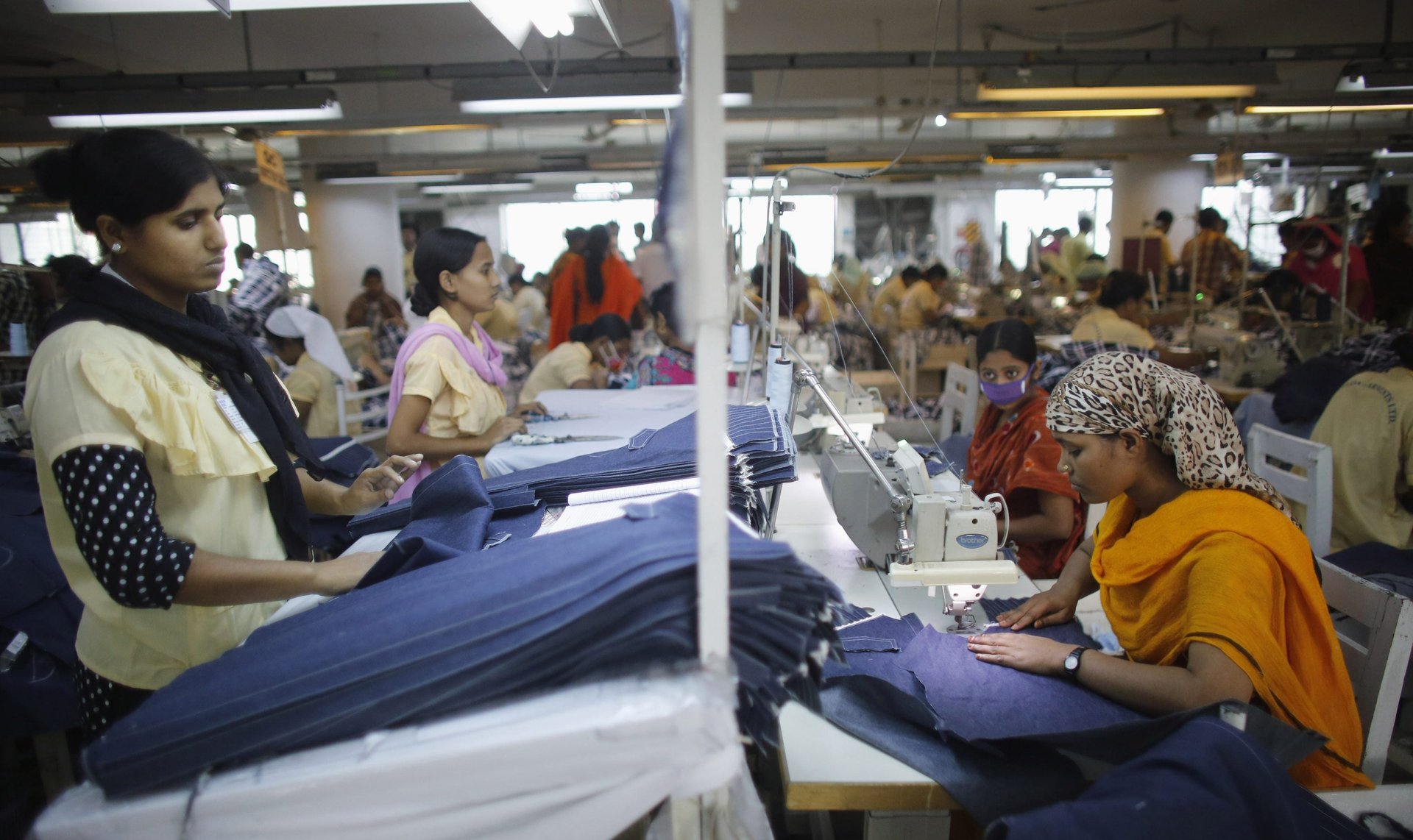
Bangladesh has become the world’s second largest clothing exporter largely because of the incredibly low costs it offers international brands looking to make fashion as cheaply as possible. But the 2013 factory collapse that killed 1,134 people at Bangladesh’s Rana Plaza focused global attention on an industry that routinely prioritized low prices over worker safety.