
Lifestyle
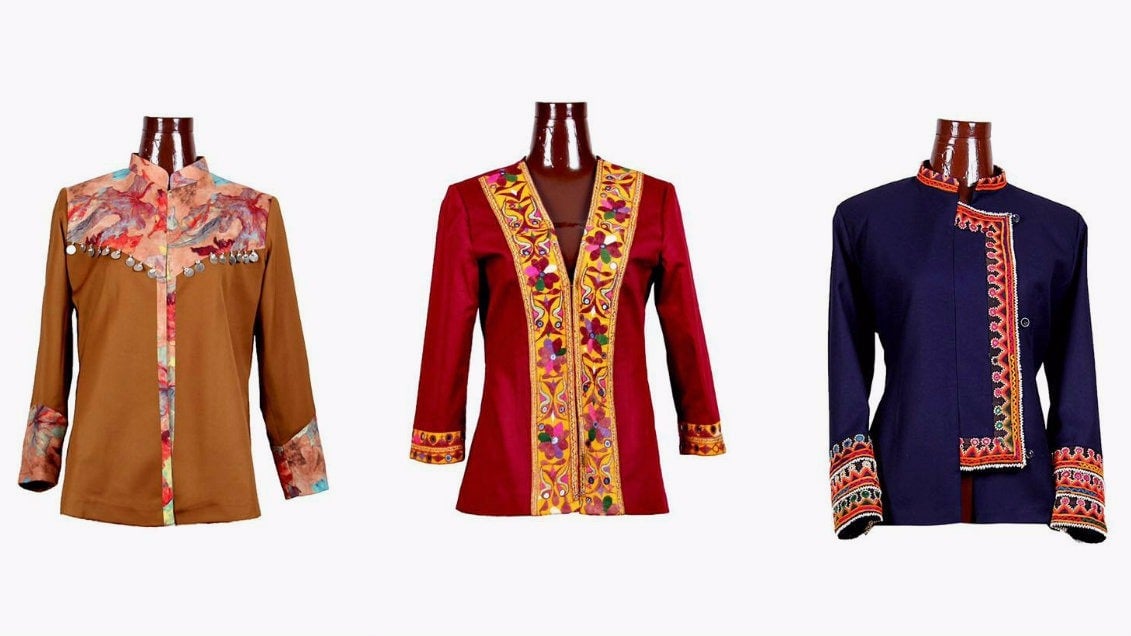
After years of war, young designers are trying to put Afghanistan back on the fashion mapThere was once a time when Kabul was known as the “Paris of Central Asia.”
Updated July 20, 20224 min read
There was once a time when Kabul was known as the “Paris of Central Asia.”

Outside of paneer, the cottage-cheese-like cubes that add protein to curries and vegetable dishes, Indian cheese is mostly found in bright yellow blocks at the supermarket, or as a processed spread made by dairy giants such as Amul and Britannia.
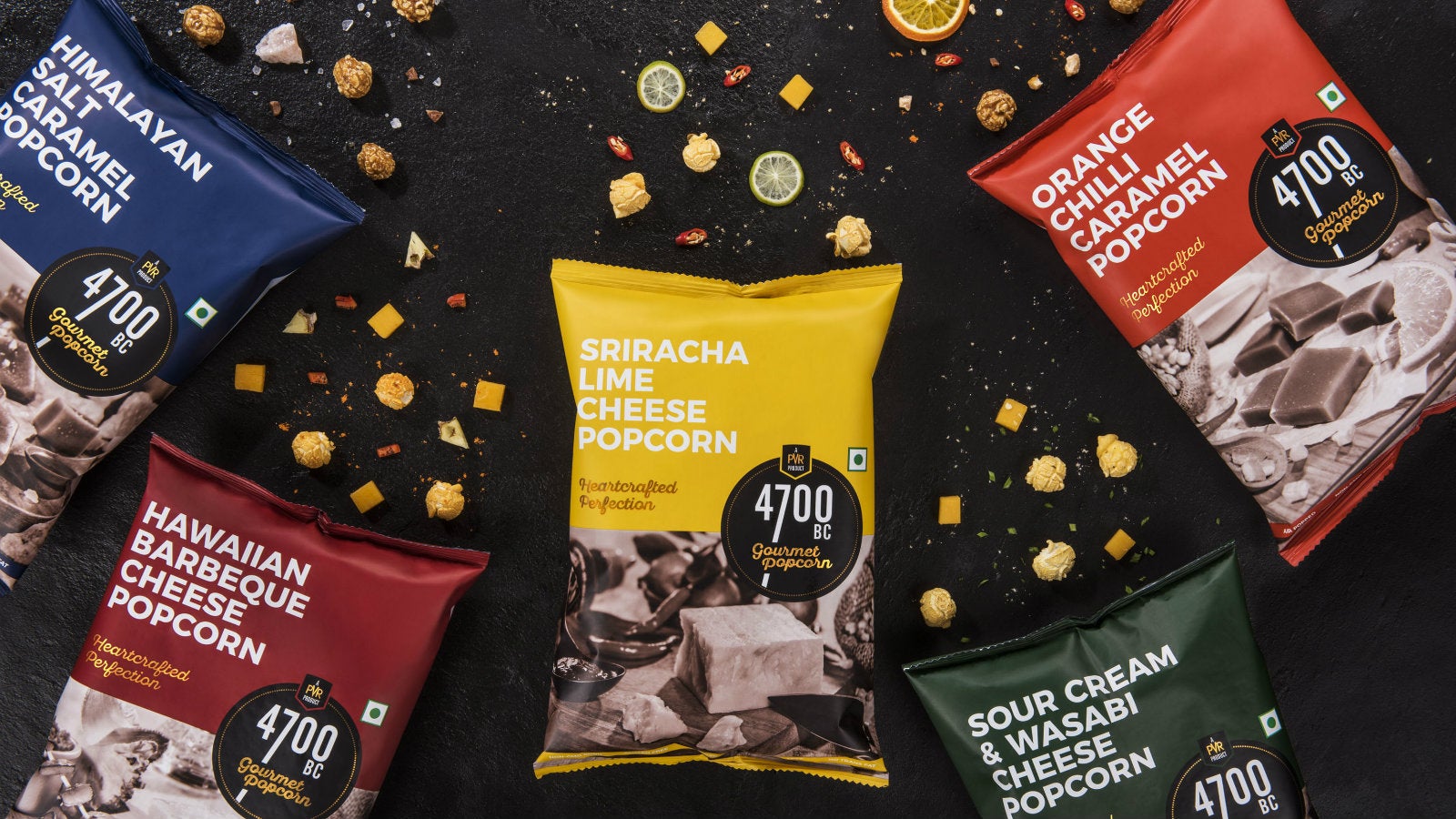
For most Indians, popcorn is a humble snack, readily available for as little as Rs10 ($0.2).
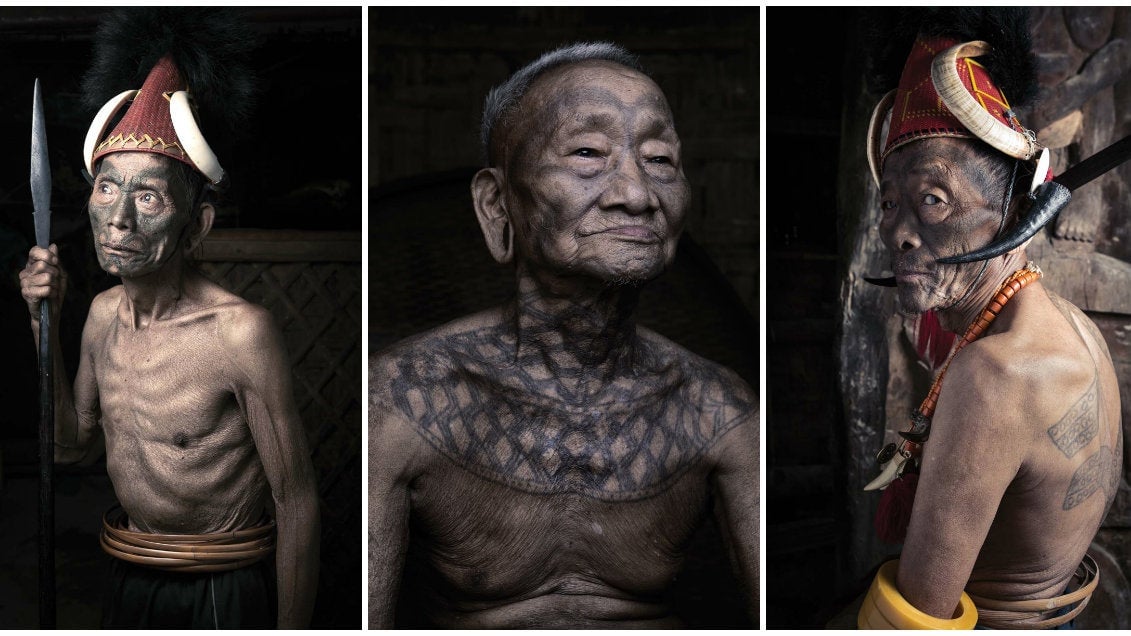
Of all the tribes that lived in the hills of what is now Nagaland, the Konyaks were particularly feared.
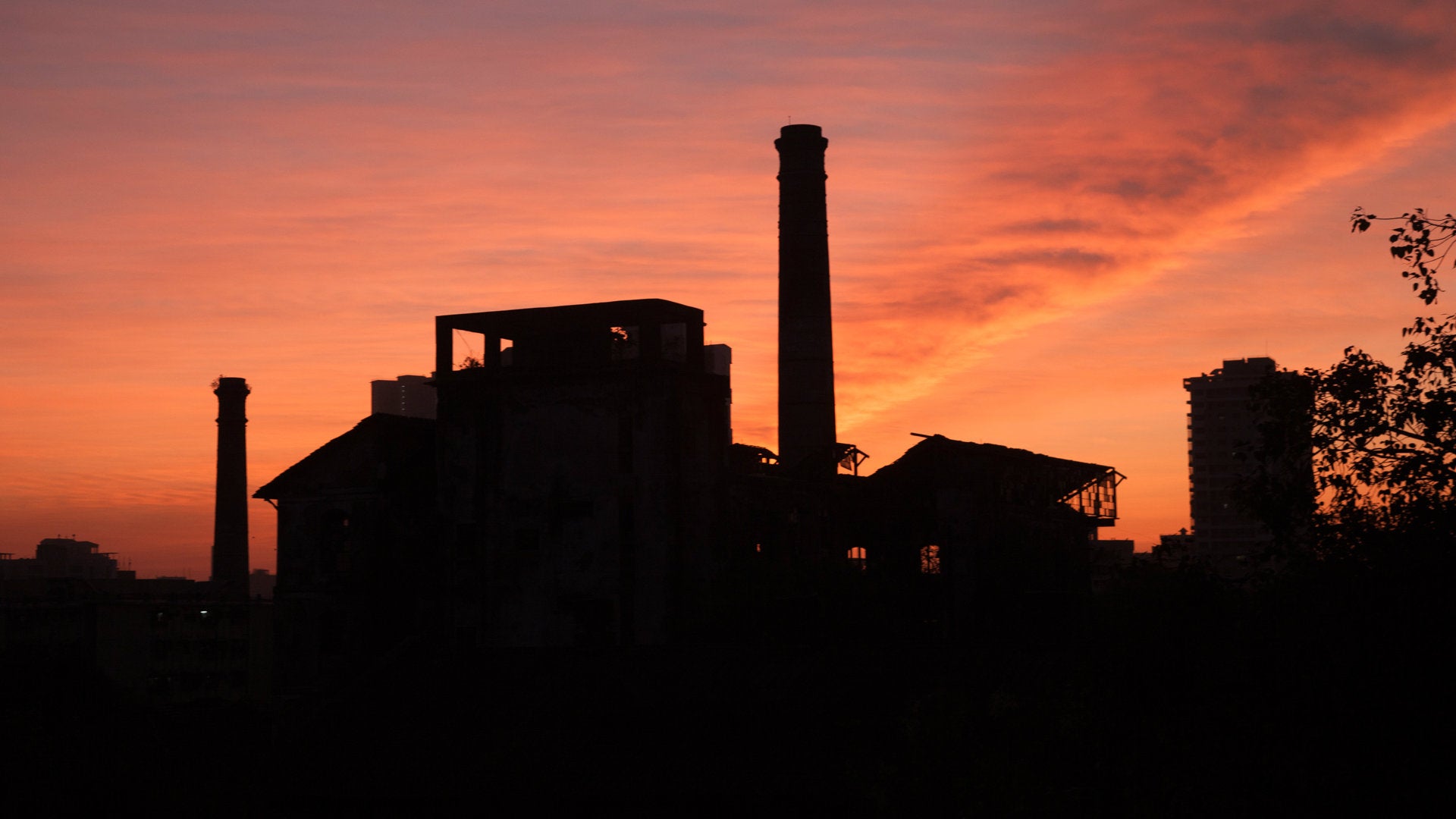
In the 19th and early 20th centuries, the cotton mills were the beating heart of colonial-era Bombay (now Mumbai).
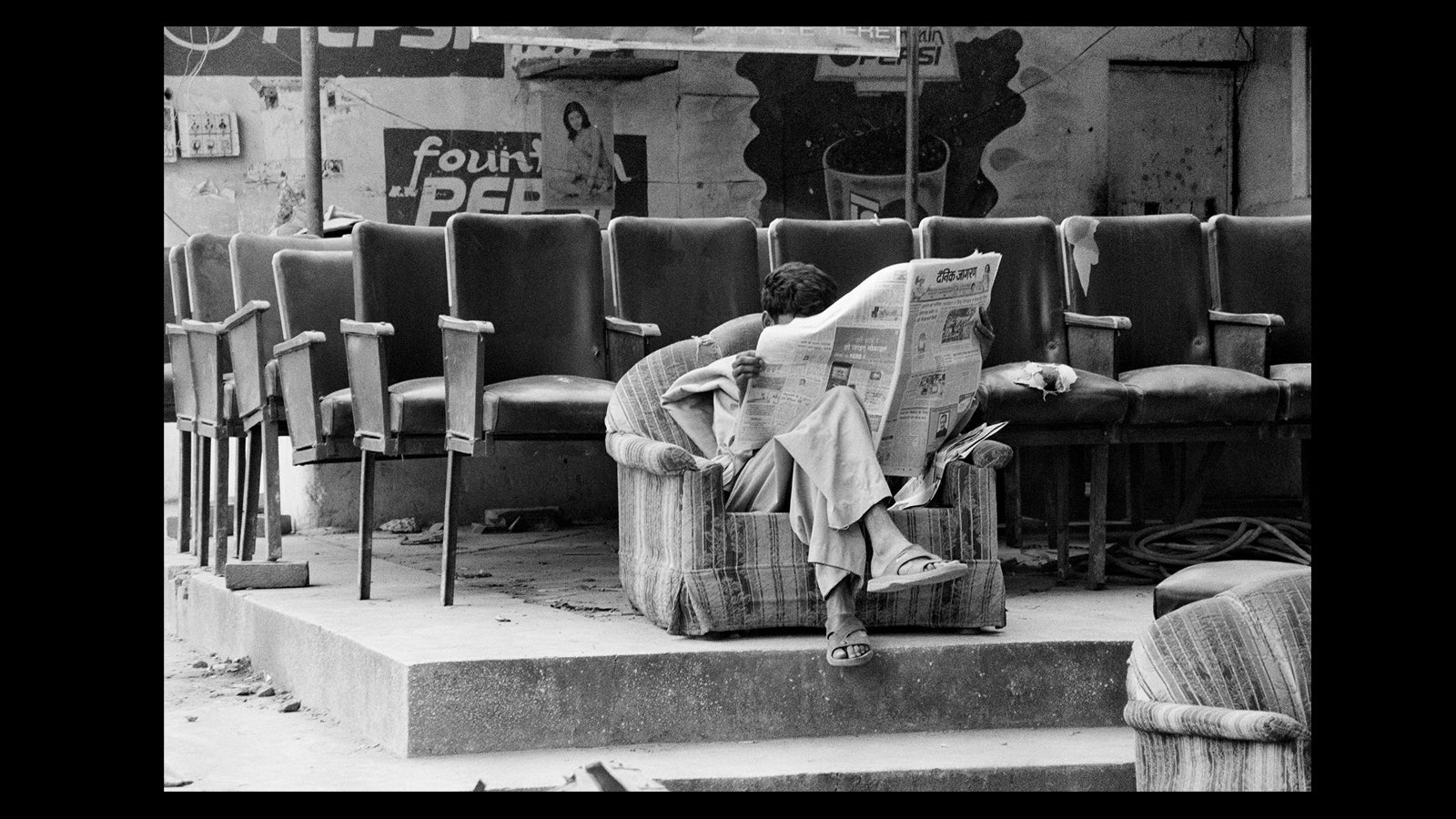
Growing up in Varanasi, Uttar Pradesh, Nandita Raman often visited Chitra Talkies, the single-screen theatre that her family owned. But when she returned to see it again after several years living and working in New Delhi, she found that it had closed down and completely changed on the inside.
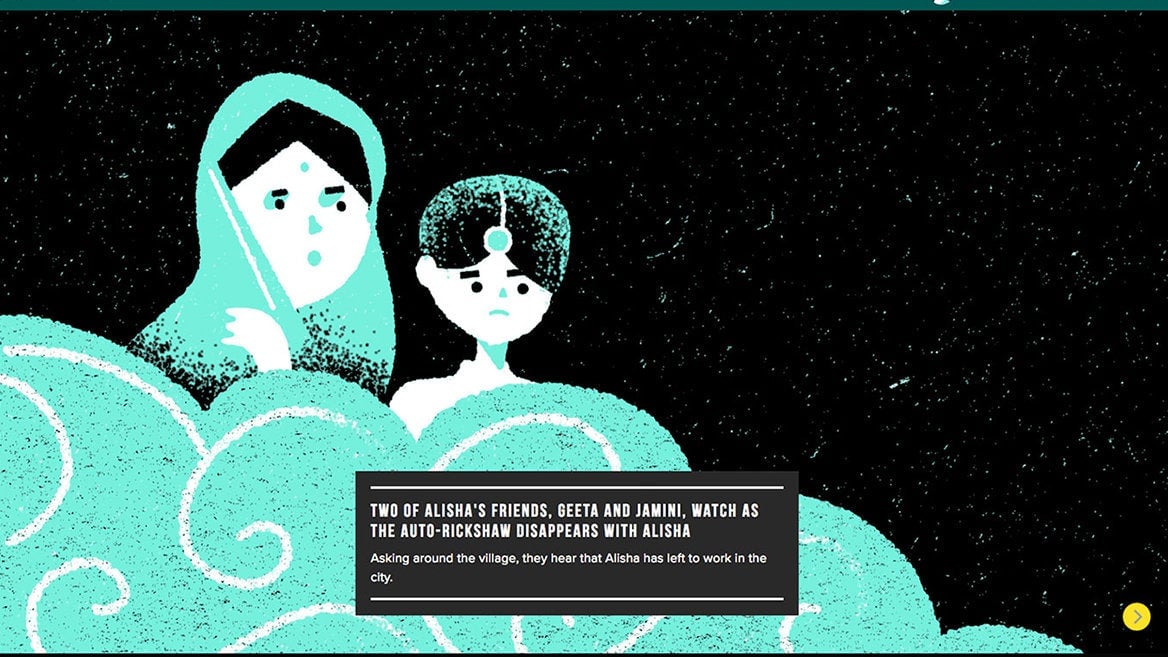
Every year, thousands of young Indians are torn away from their families and forced into slavery—and hardly anyone stops to think of their struggles.
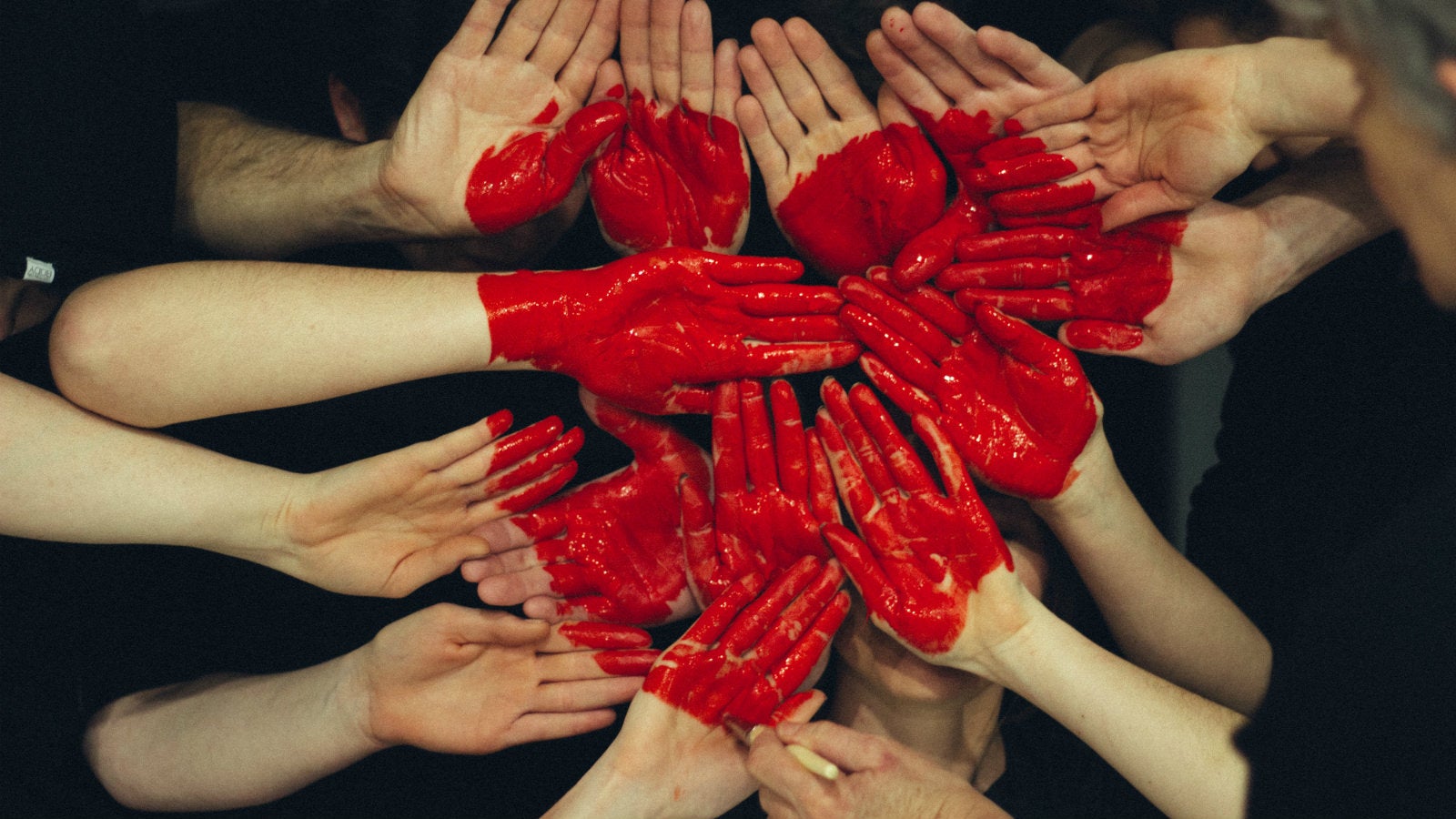
More Indians are losing their lives to cardiovascular diseases than ever before, especially in the country’s wealthiest states.

Born to an aristocratic family in Jaipur on Oct. 22, 1942, Raghubir Singh received his first camera, a gift from his brother, at the age of 14.

Whenever the public art collective St+art India completes a project, it’s not unusual for it to attract some confused reactions. Some passersby are delighted by the sight of street art and installations in an Indian city, but others don’t quite understand what it’s about.
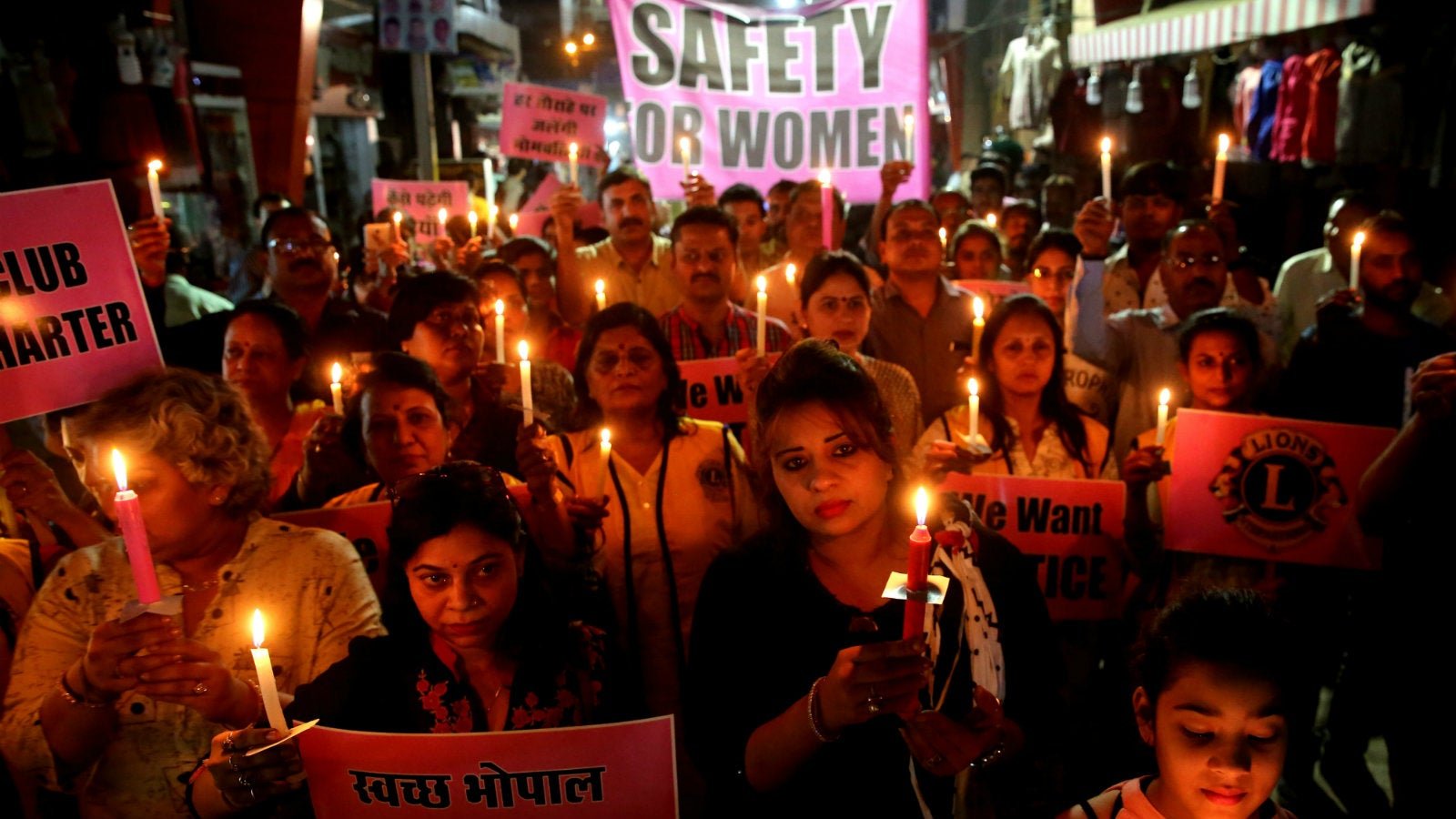
It’s been nearly five years since the brutal gang rape of a woman on a bus in New Delhi shocked India. In the weeks that followed, thousands took to the streets in protest, and the Indian government even adopted more stringent legislation to prevent such violence against women in the future.
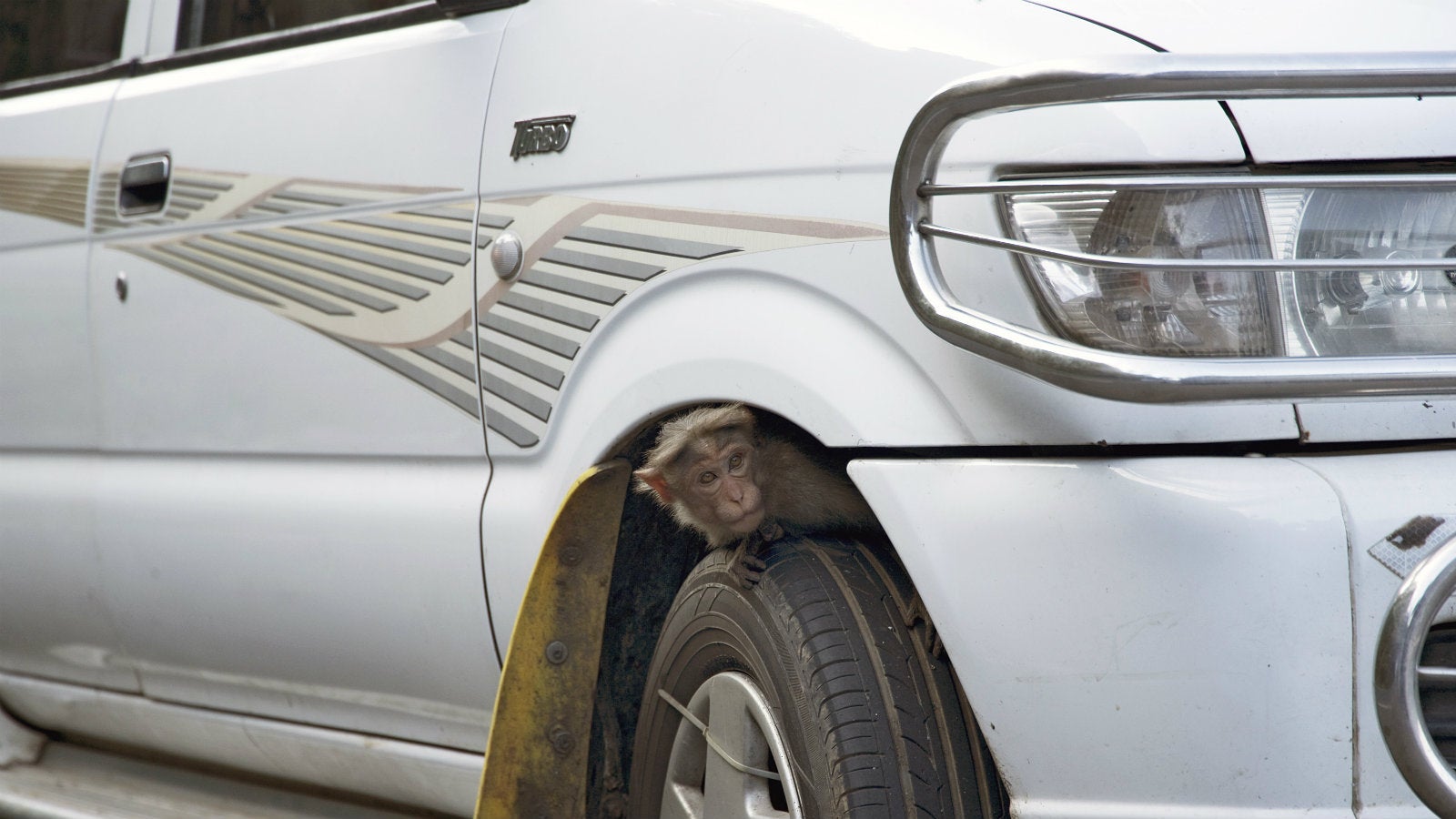
As India’s forested areas come under increasing pressure, interactions between humans and wildlife have only become more complicated, marked by both cruelty and compassion.
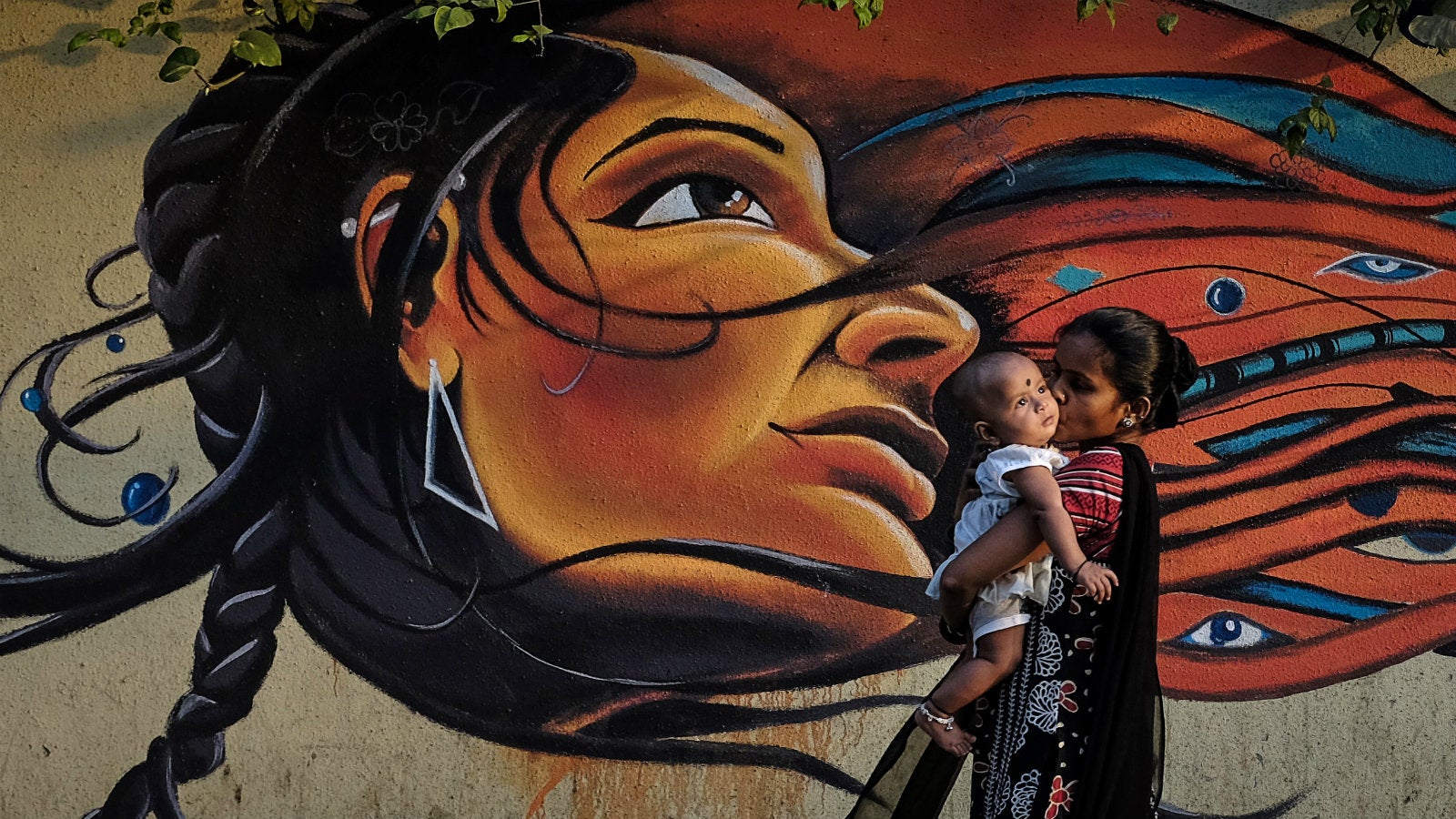
Breast cancer is fast becoming a public health crisis in India, and society’s squeamishness over women’s bodies could make the situation even worse.
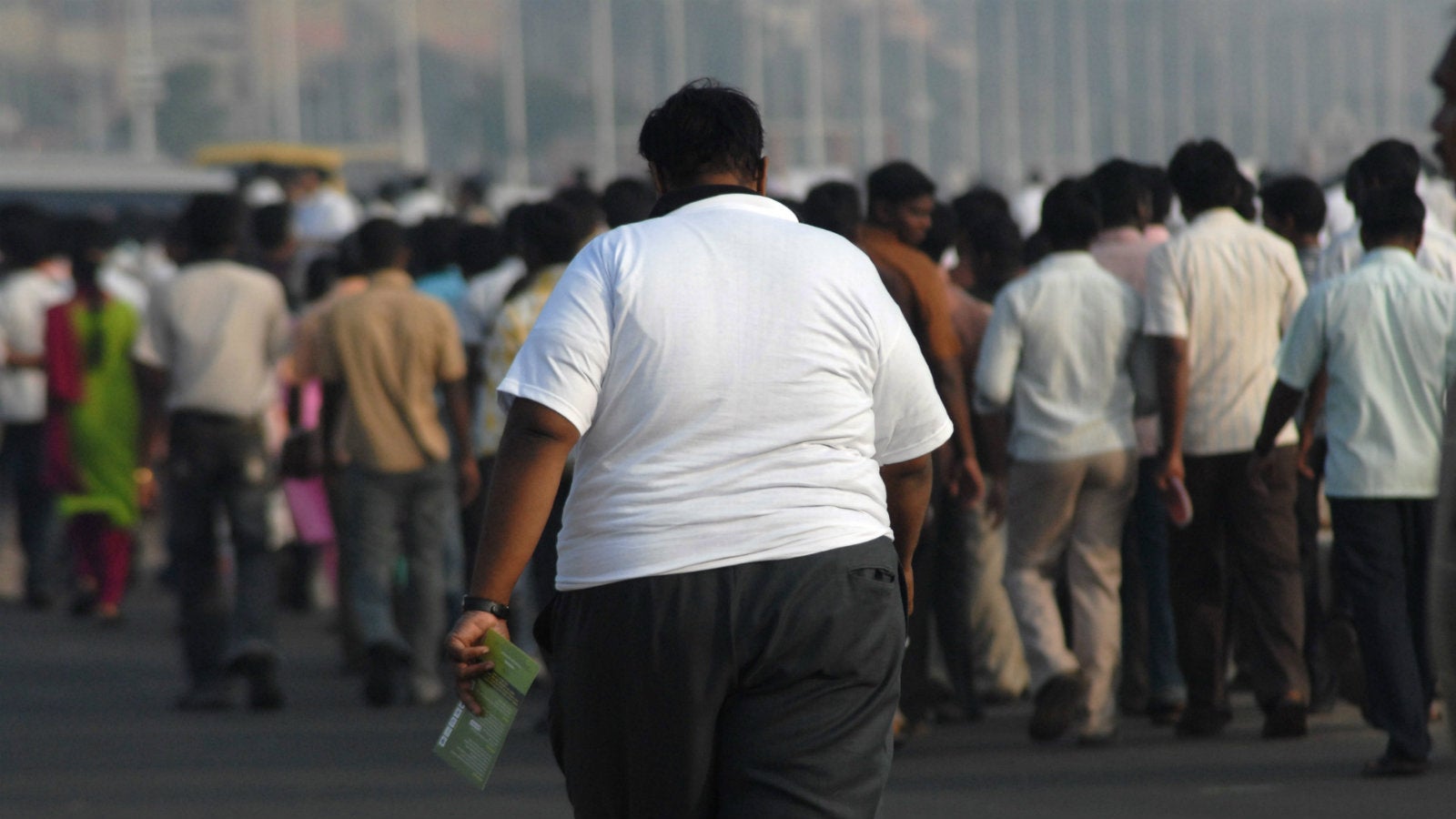
On a recent Sunday afternoon, at the top floor of a pistachio-green house in a quiet south Bengaluru neighbourhood, a small group of actors assembled in a brick-walled space.
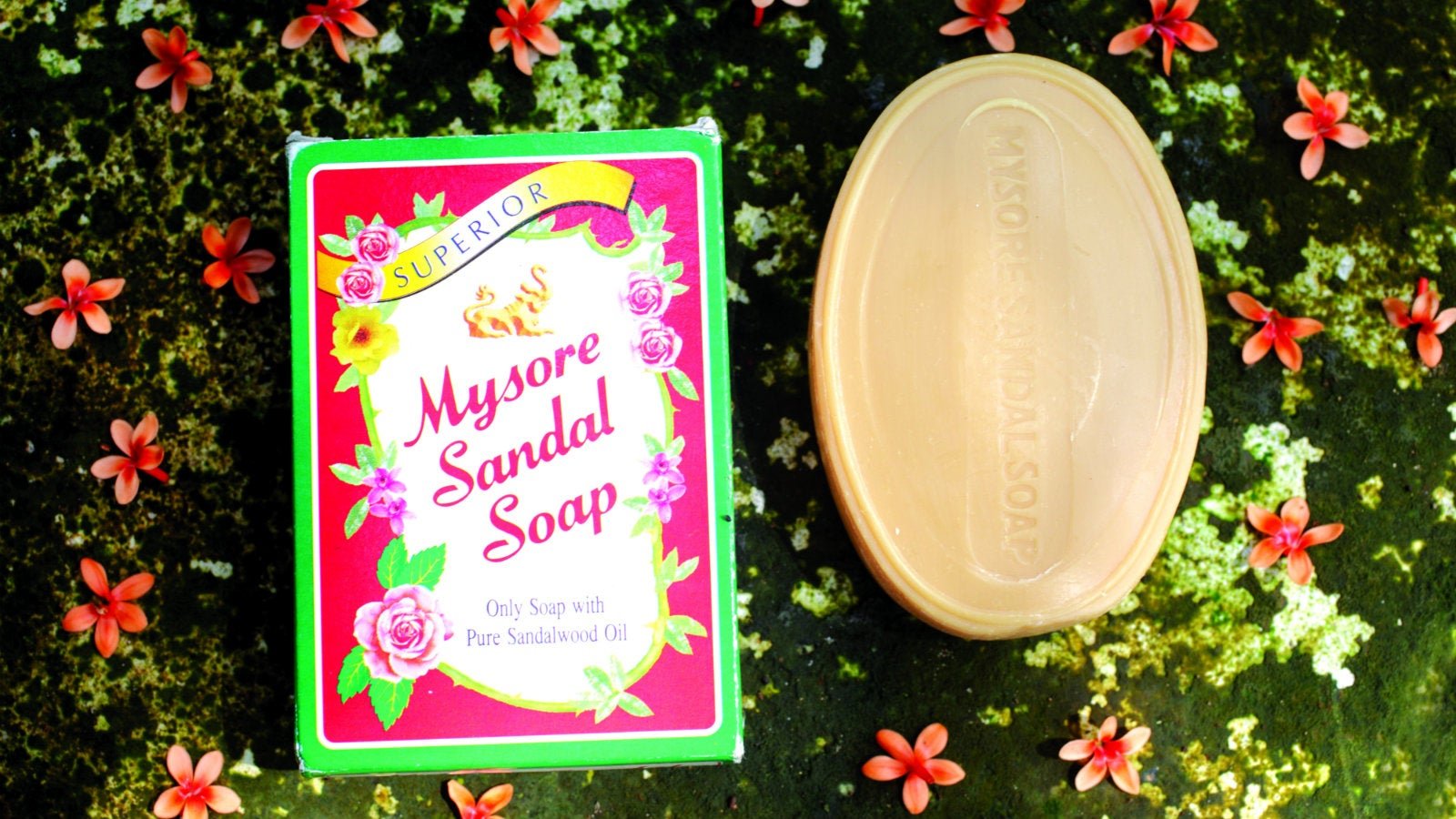
Beyond the globally familiar sari or tandoor oven, there’s a whole world of Indian design that is rarely recognised.
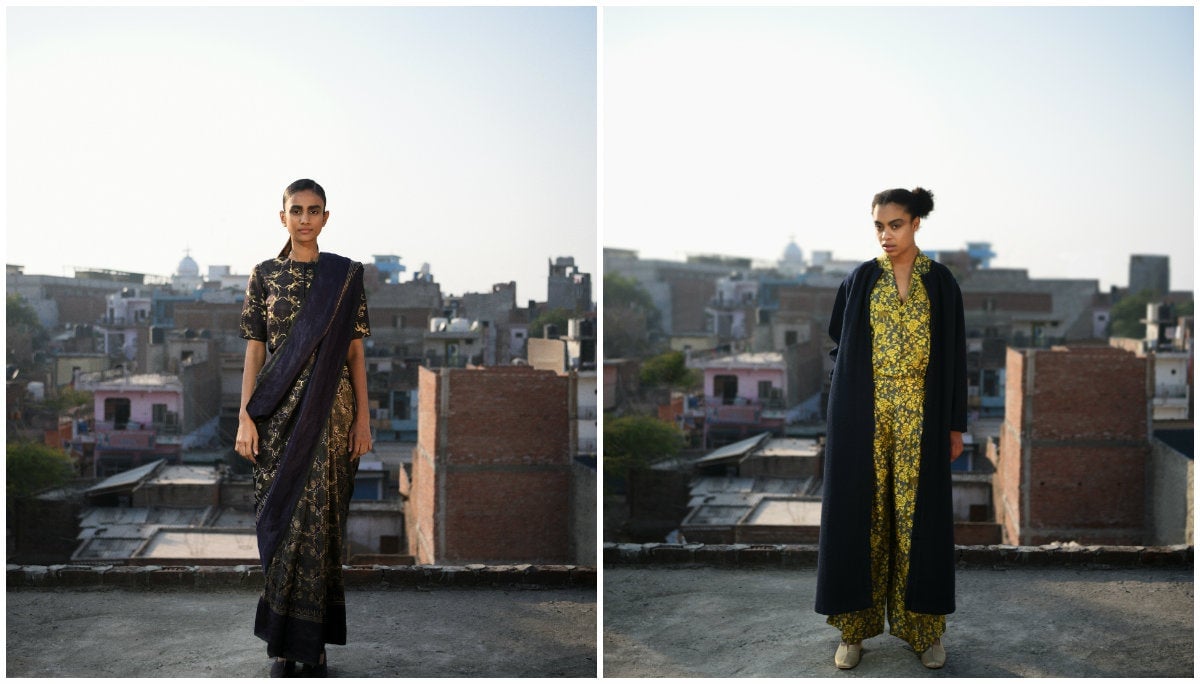
This month, New York City’s Museum of Modern Art (MoMA) launched an exhibition dedicated to what its curators describe as influential garments and accessories from around the world.
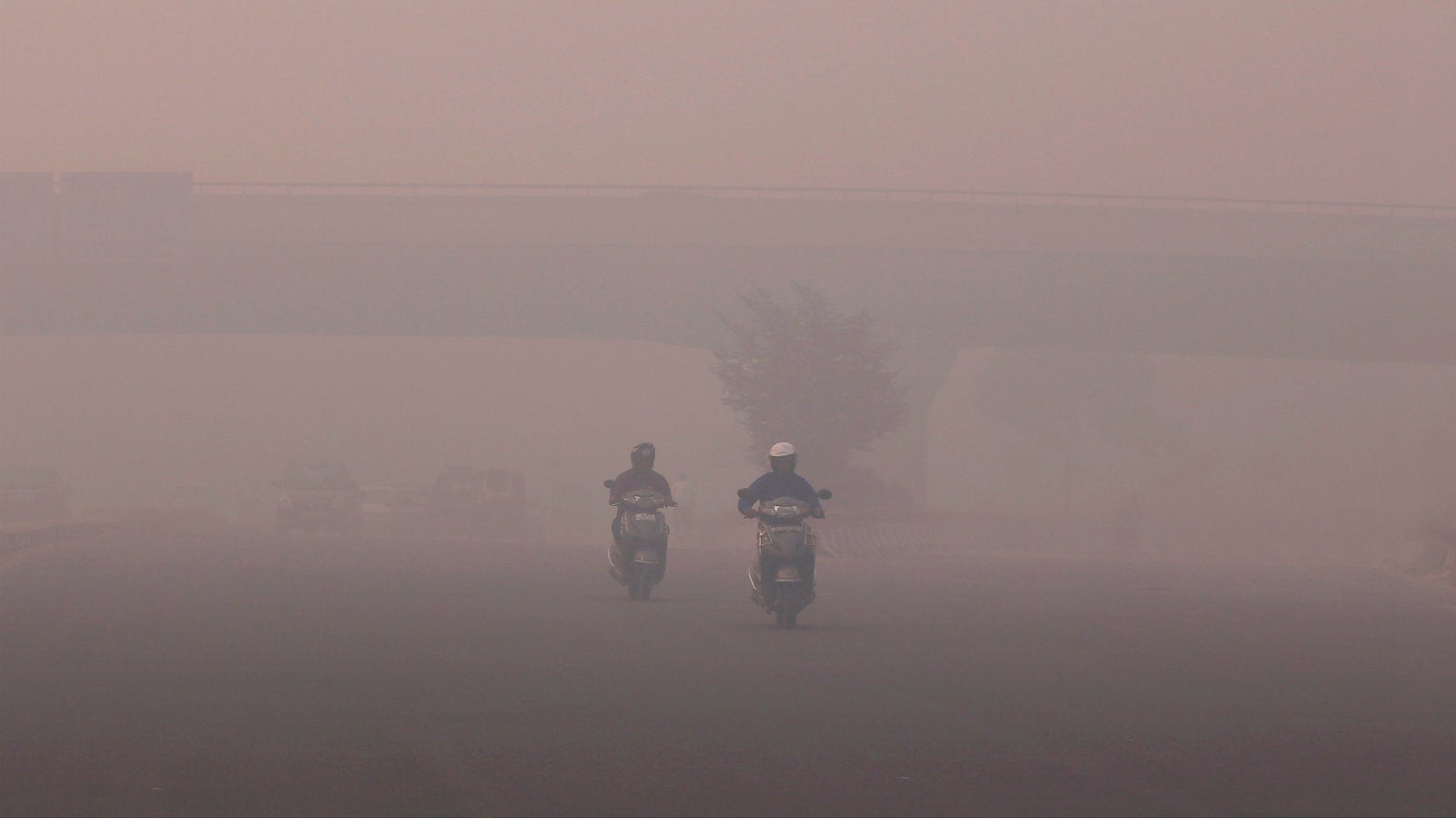
In 2015, a staggering 2.5 million Indians died due to non-communicable diseases, including strokes and lung cancer, caused by pollution, according to a report by The Lancet Commission on Pollution and Health, published on Oct. 19. China recorded 1.8 million such deaths in the same period.
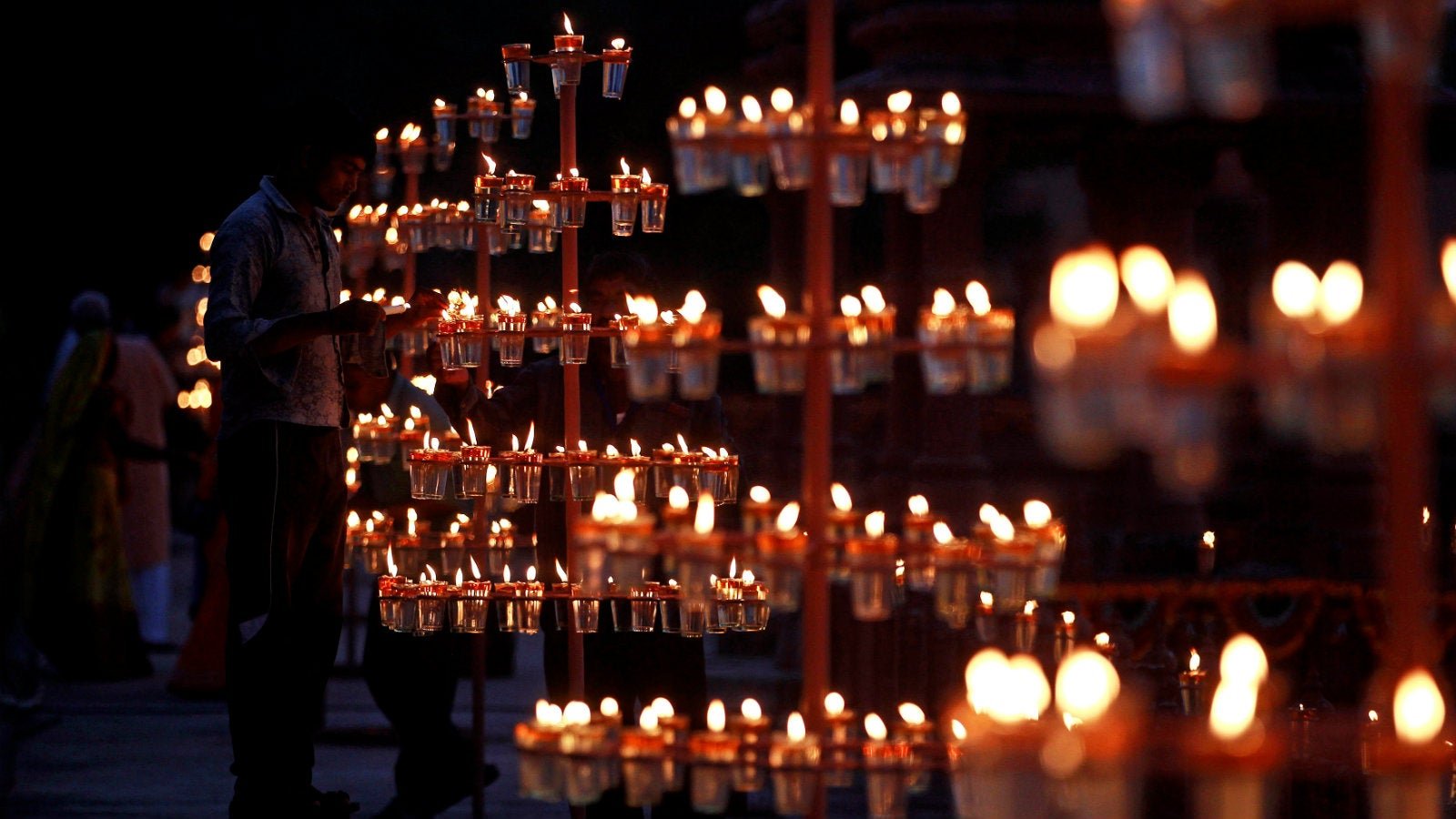
In a few hours from now, the night sky across urban and rural India will come to life.
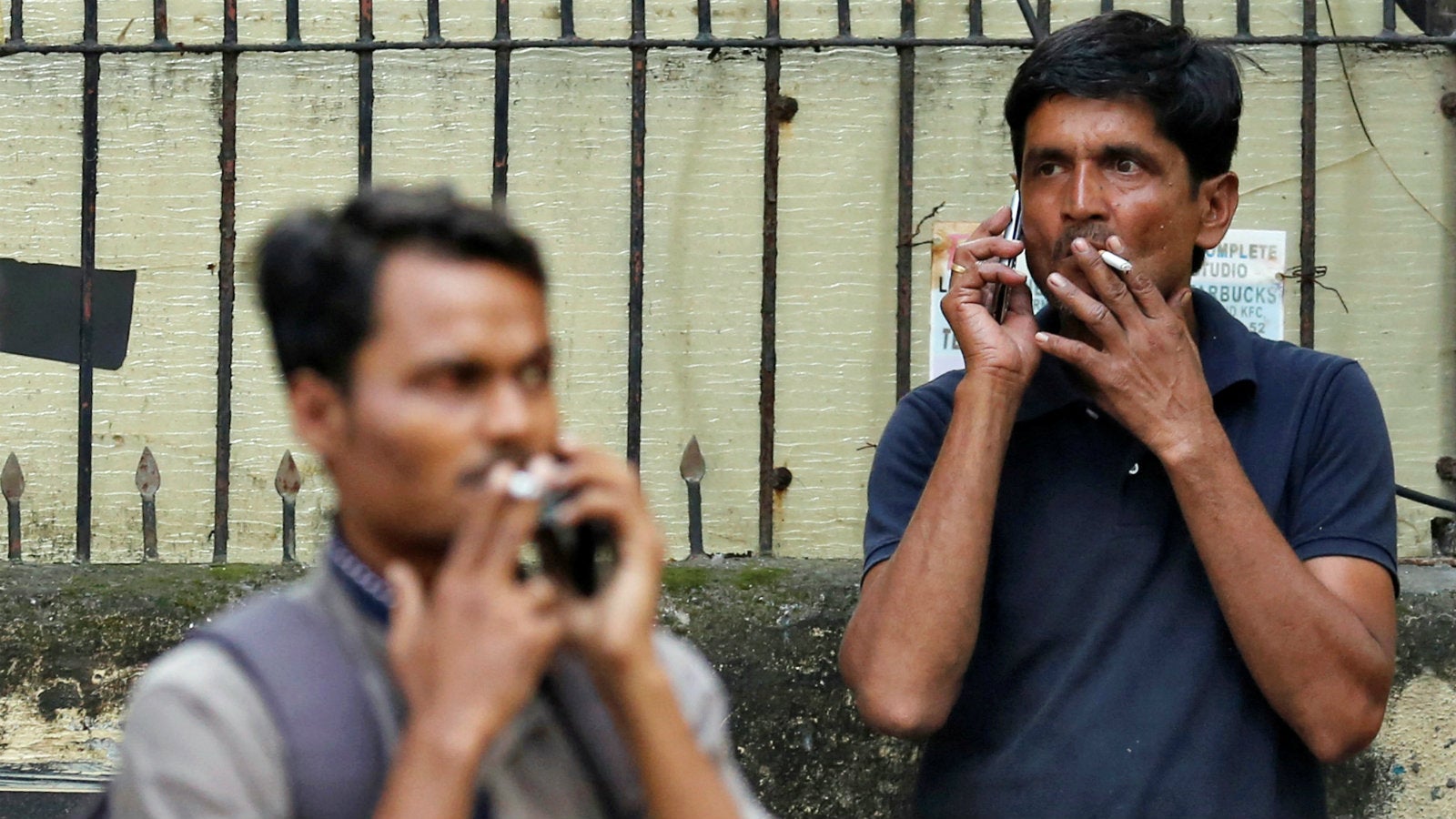
When it comes to tobacco control, India needs all the help it can get.

At the end of a long road battered by the recent rains in Bengaluru, pink and white delivery vans wait outside a pristine 5,000 square feet kitchen. Inside, chefs are rolling out rotis and stirring vats of fragrant mutter paneer.
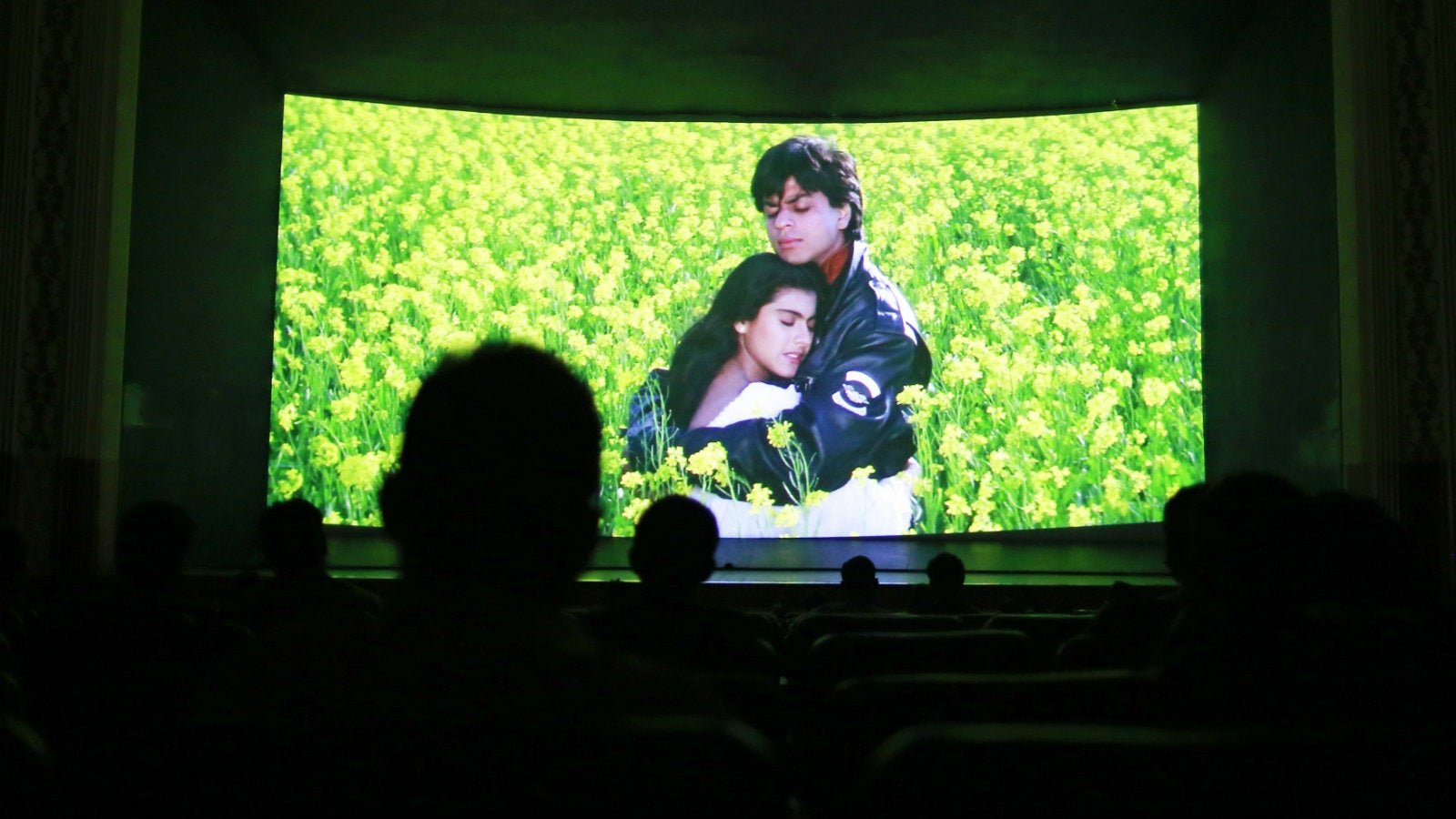
Brazil is a long way away from Bollywood.
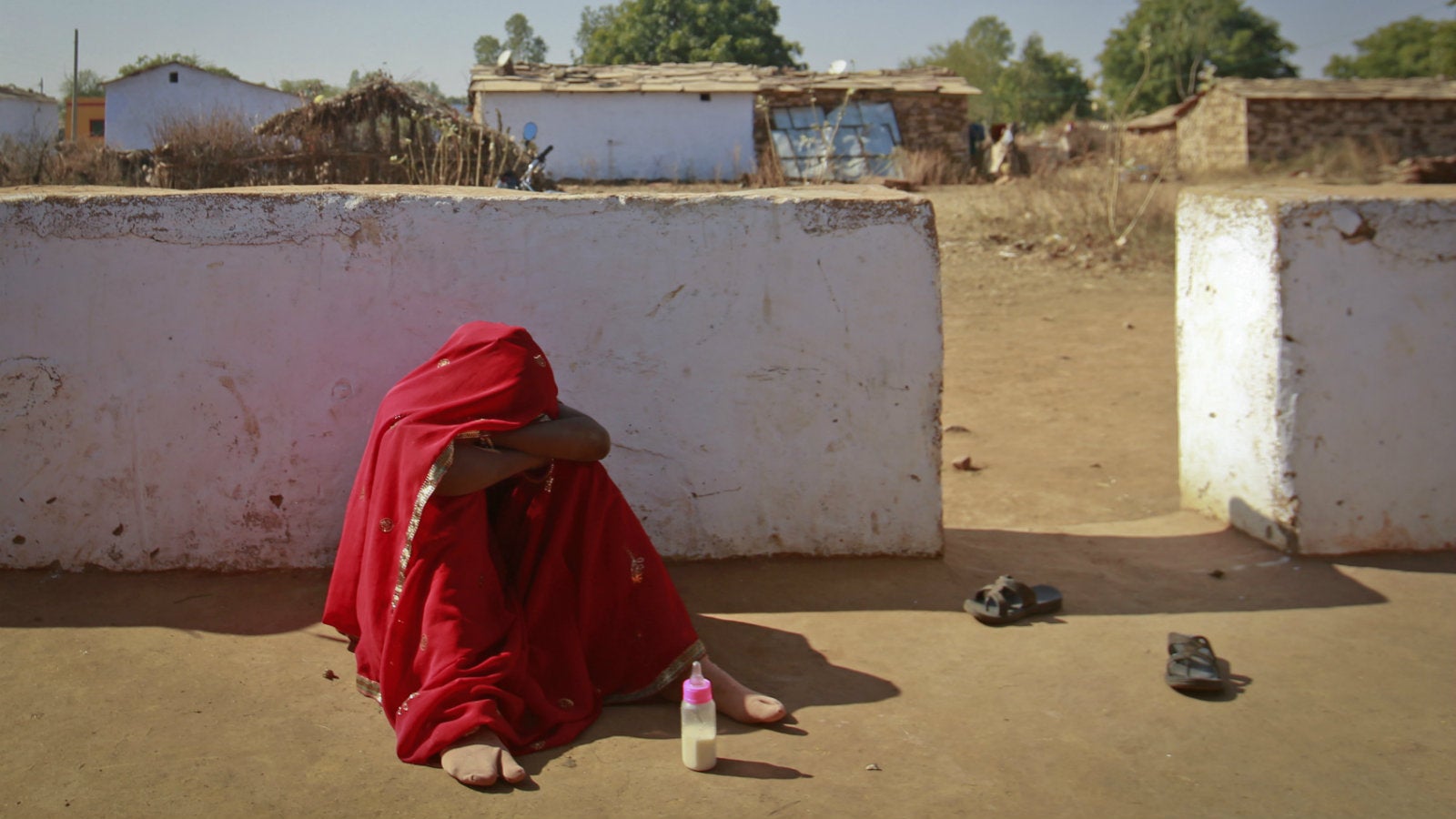
India’s supreme court has marked a big step forward in the fight against the sexual exploitation of minors.

There’s perhaps no better time to celebrate India’s real contributions to science.
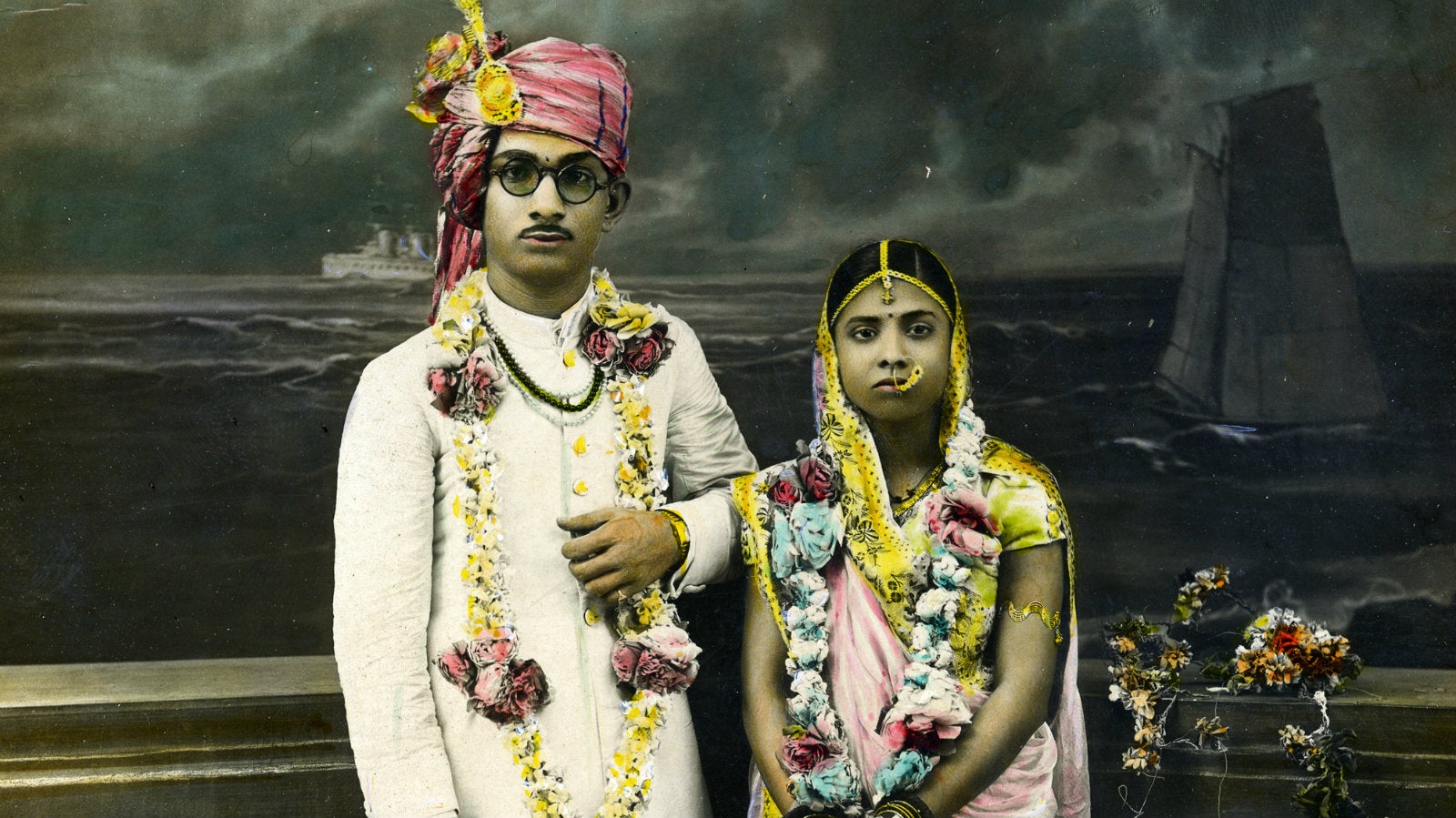
Soon after the invention of the very first camera in the 19th century, photography spread far and wide in colonial India.